Review

Advances in Emerging Catalytic Materials for the Conversion of Carbon Dioxide

1
School of Environmental Science and Engineering, Shandong University, No. 72 Seaside Road, Qingdao 266237, China
2
School of Chemistry and Molecular Engineering, Qingdao University of Science and Technology, Qingdao 266042, China
*
Author to whom correspondence should be addressed.
Materials 2023, 16(23), 7309; https://doi.org/10.3390/ma16237309
Submission received: 16 October 2023 / Revised: 3 November 2023 / Accepted: 10 November 2023 / Published: 24 November 2023
(This article belongs to the Special Issue Advanced Materials for Environmental Applications)

Abstract

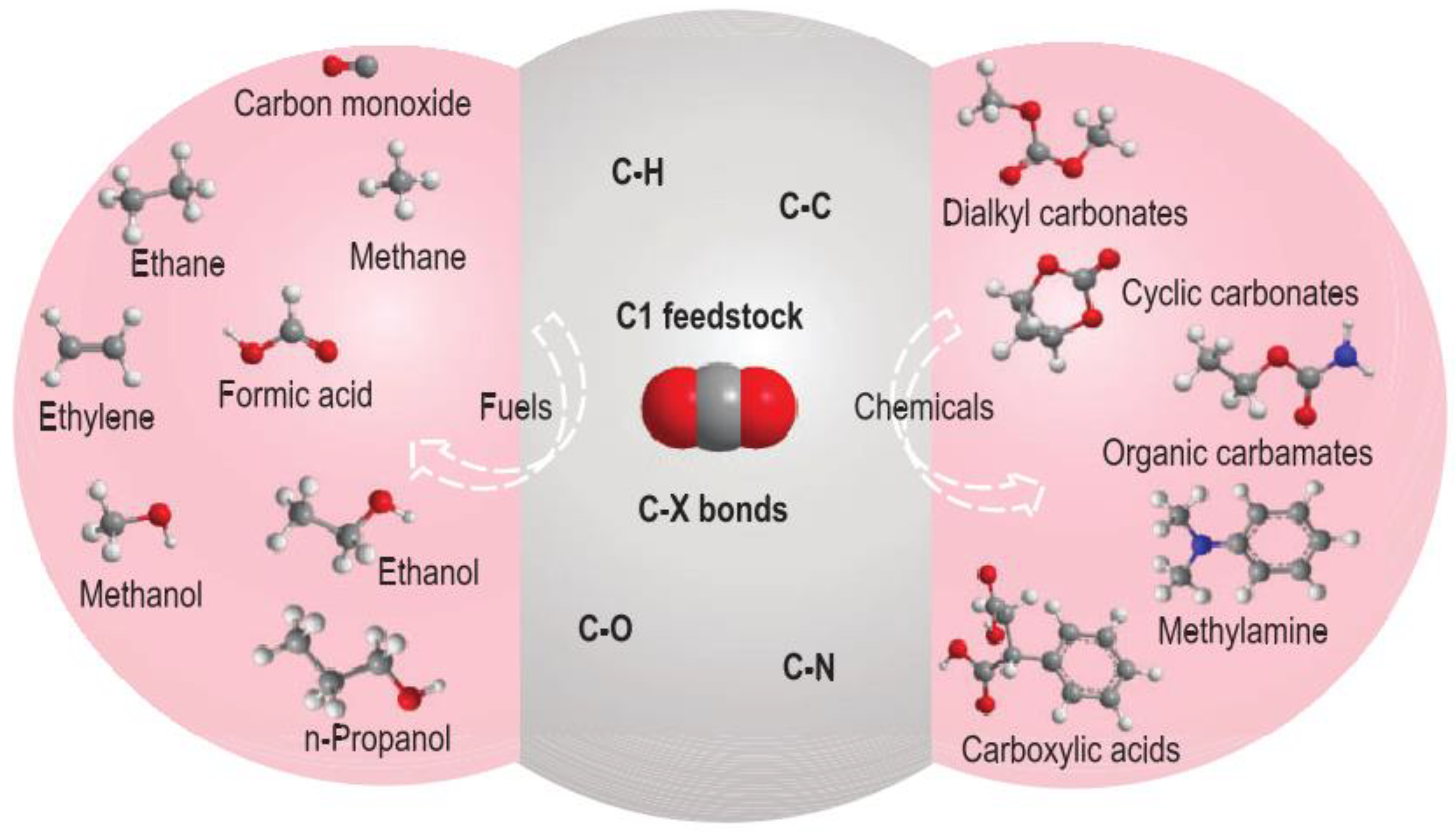
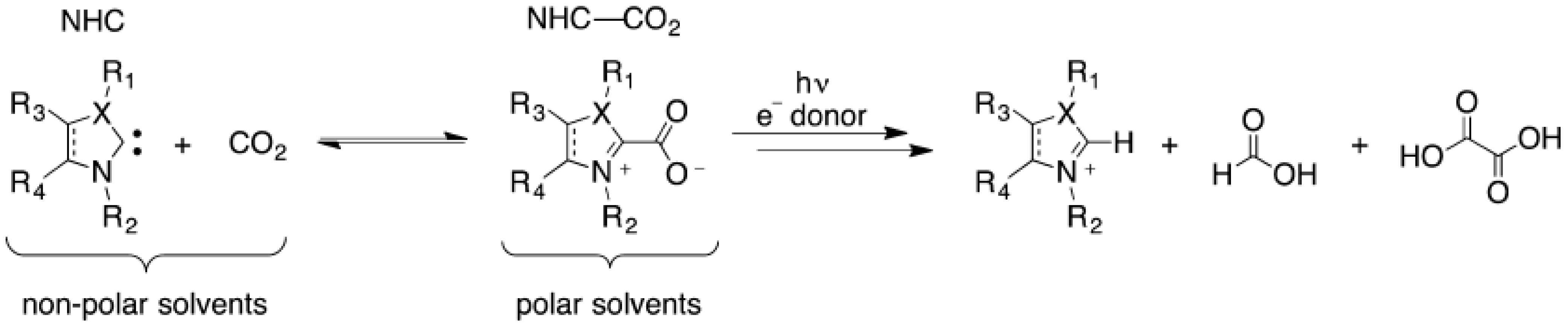
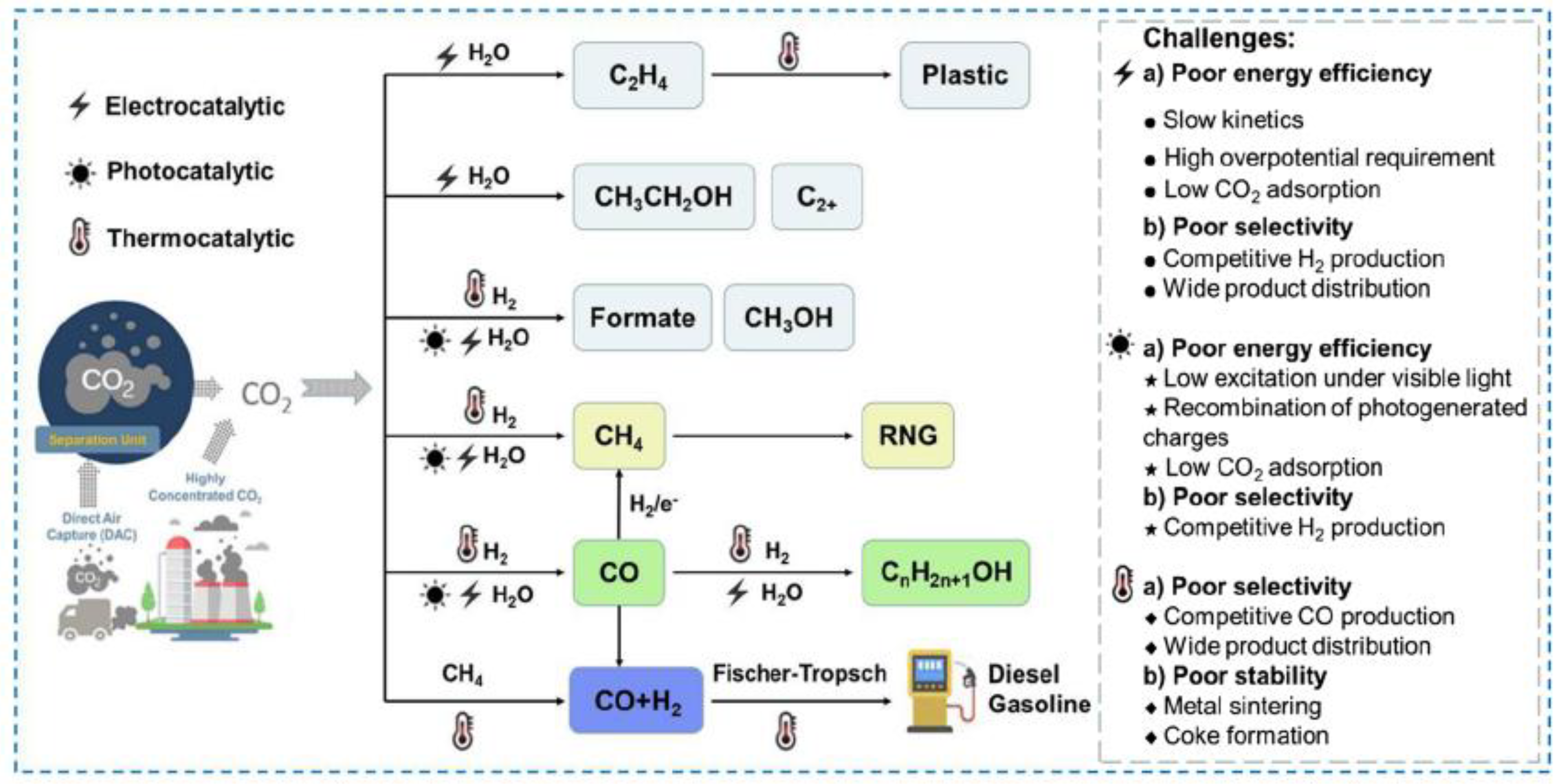
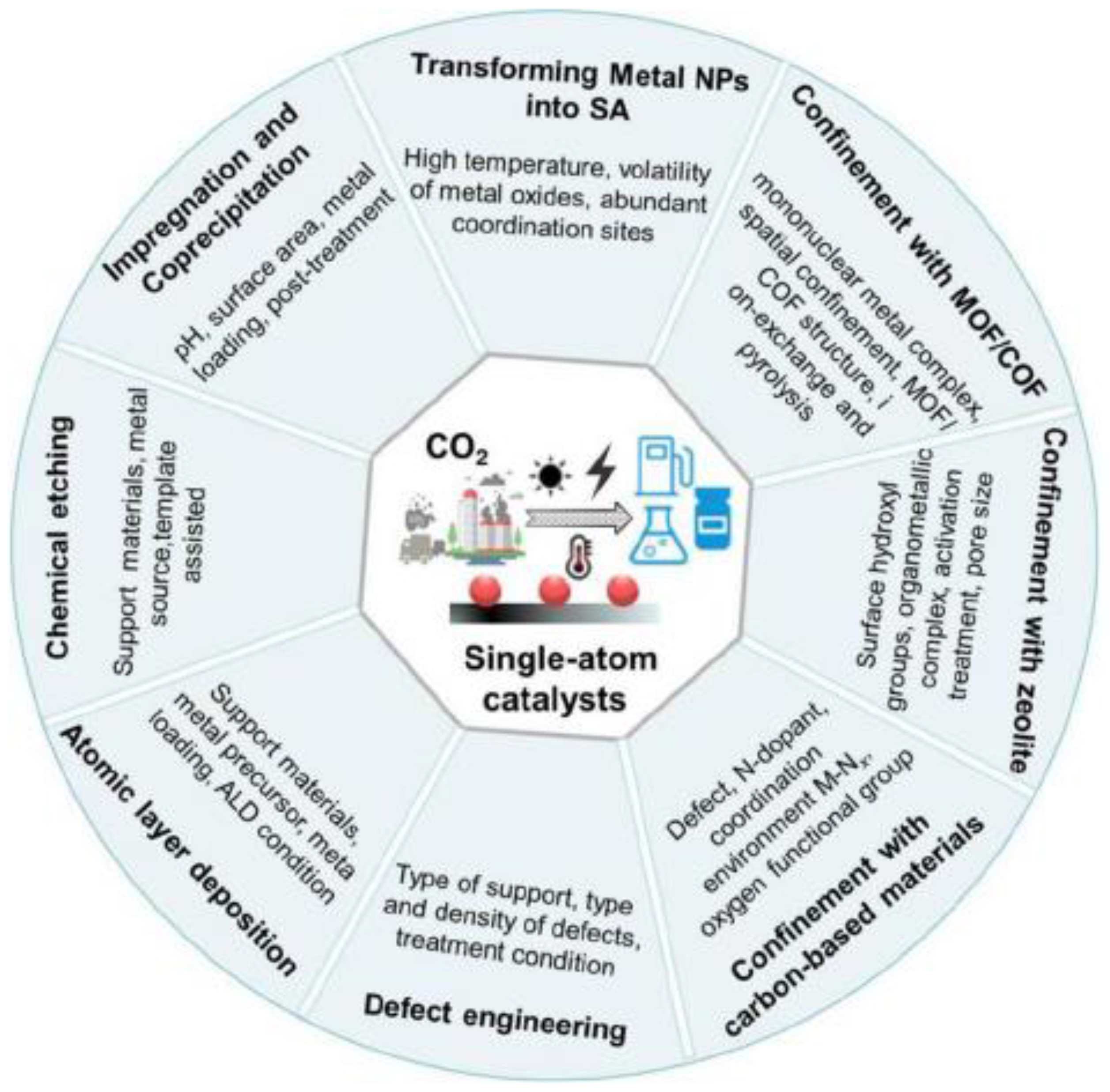
The use of fossil fuels leads to significant CO2 emissions, thus highlighting the importance for investigating the utilization of CO2 for generating high-value chemical products toward achieving the dual-carbon goal. CO2 can be efficiently used in synthesizing valuable organic compounds through C-C, C-O, C-H, and C-N bond construction, with reduction technologies effectively converting CO2 to organic carbon sources. Therefore, the research in developing environmentally friendly catalysts for efficient and renewable CO2 conversion holds great importance. New materials for catalytic conversion include zeolites, activated carbon, graphene, metal-organic frameworks (MOFs), covalent organic frameworks (COFs), ionic liquids, semiconducting photocatalysts, single-atom catalysts (SACs), and dendritic mesoporous silica nanoparticles (DMSNs). The proper research and use of these materials can aid in the quest to reduce carbon emissions and mitigate climate change. This Review focuses on the utilization of single-atom catalysts (SACs), ionic liquids (ILs), dendritic mesoporous silica nanoparticles (DMSNs), and carbene-metal catalytic systems in CO2 conversion. The potential for new materials in catalyzing the conversion of CO2 is examined by analyzing various common chemical carbon sequestration methods, ultimately providing possible research directions for effective solutions to climate and environmental pollution problems. On the basis of the high reaction rate and high treatment efficiency of the catalyst for the catalytic conversion of CO2, the Review focuses on the simpler and more economical synthesis method of the catalyst itself and the wider application prospects.
Keywords: CO2 capture; CO2 utilization; CO2 catalytic conversion; ionic liquid; single-atom catalyst; dendritic mesoporous silica nanomaterial; N-heterocyclic carbene CO2 capture; CO2 utilization; CO2 catalytic conversion; ionic liquid; single-atom catalyst; dendritic mesoporous silica nanomaterial; N-heterocyclic carbene