Article

Hot Workability of the Multi-Size SiC Particle-Reinforced 6013 Aluminum Matrix Composites

1
College of Materials Science and Engineering, Hunan University, Changsha 410082, China
2
Hunan Provincial Key Laboratory of Vehicle Power and Transmission System, Hunan Institute of Engineering, Xiangtan 411104, China
*
Authors to whom correspondence should be addressed.
Materials 2023, 16(2), 796; https://doi.org/10.3390/ma16020796
Submission received: 13 December 2022 / Revised: 8 January 2023 / Accepted: 10 January 2023 / Published: 13 January 2023

Abstract

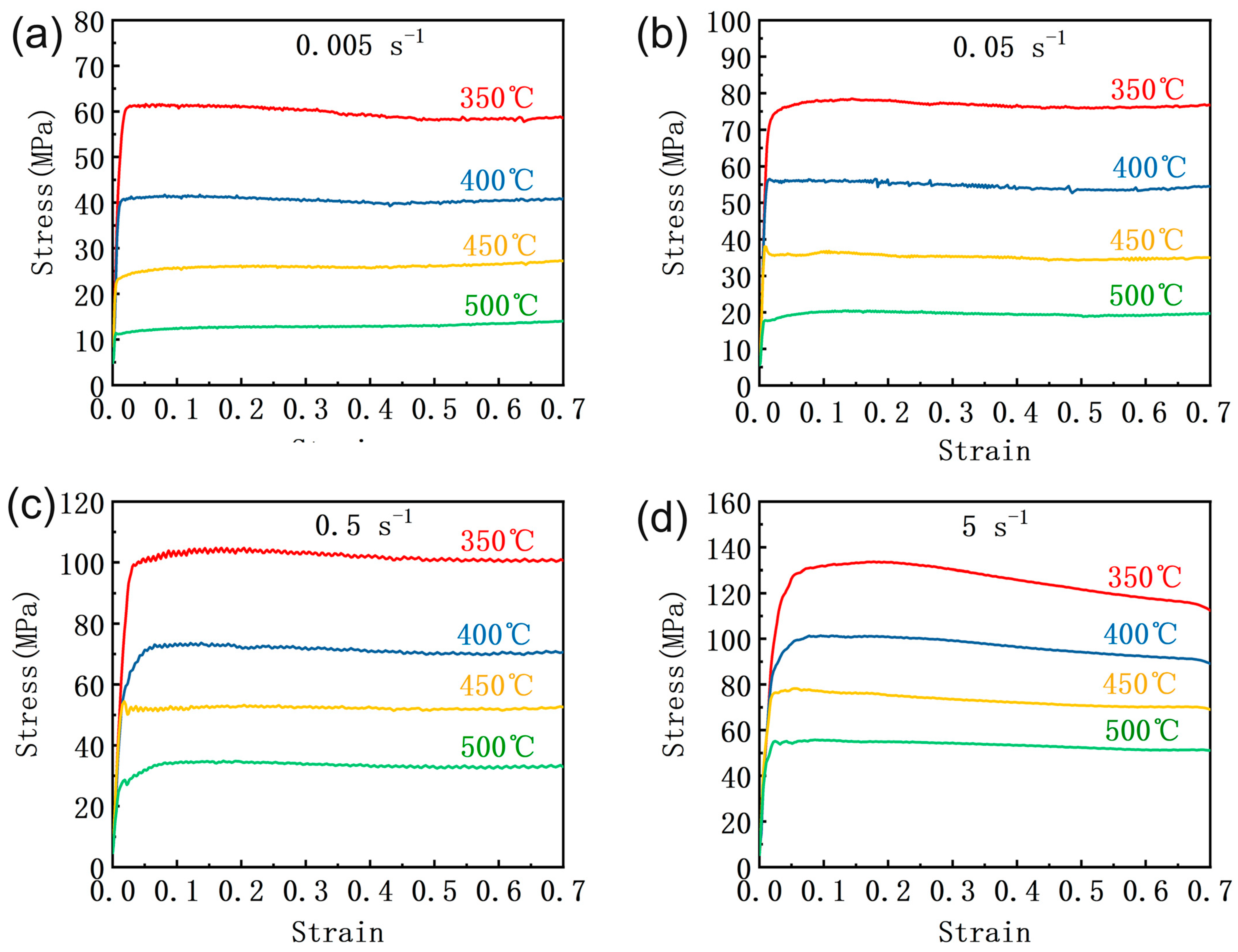
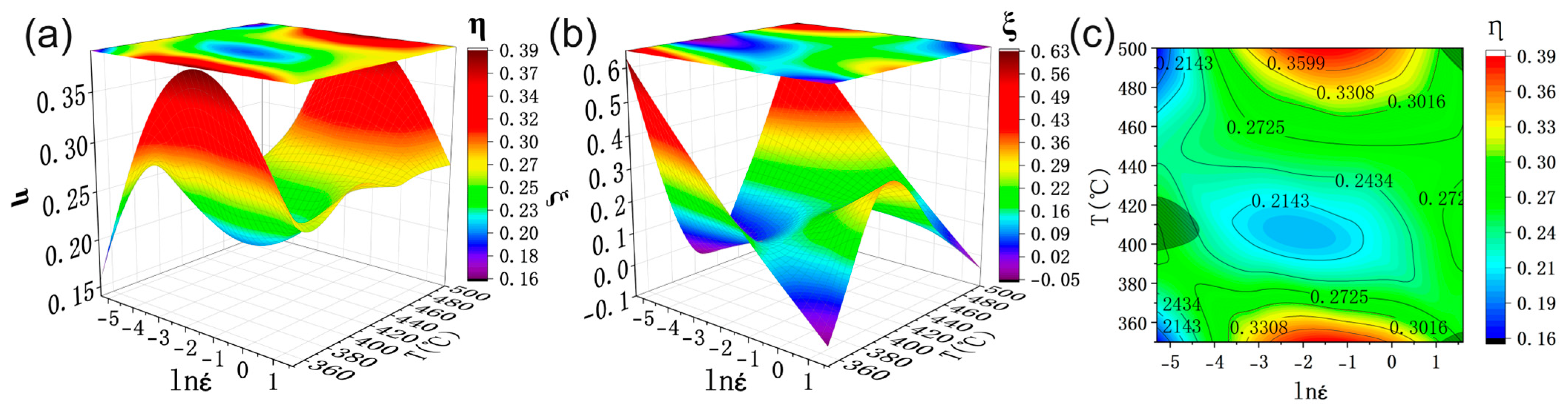
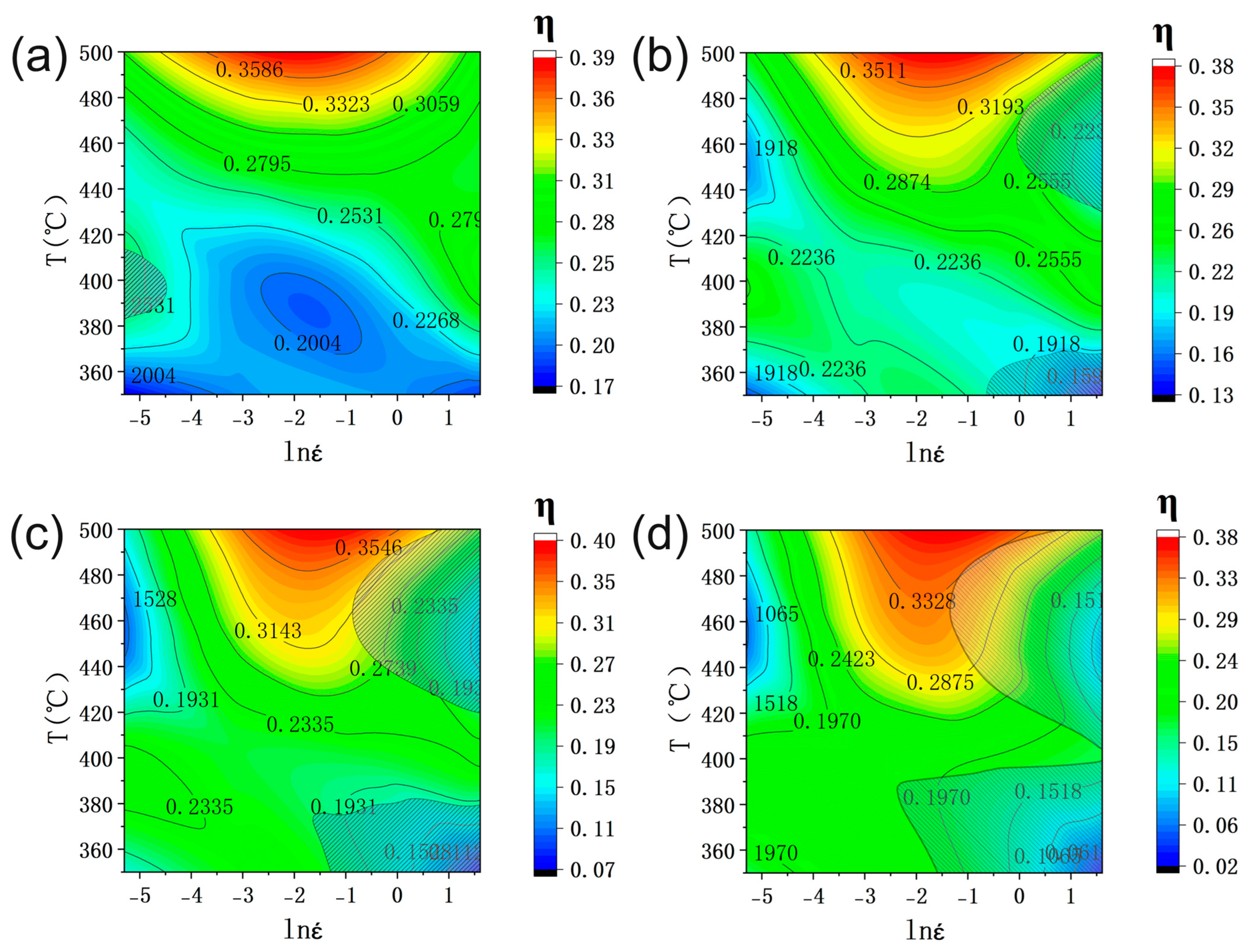
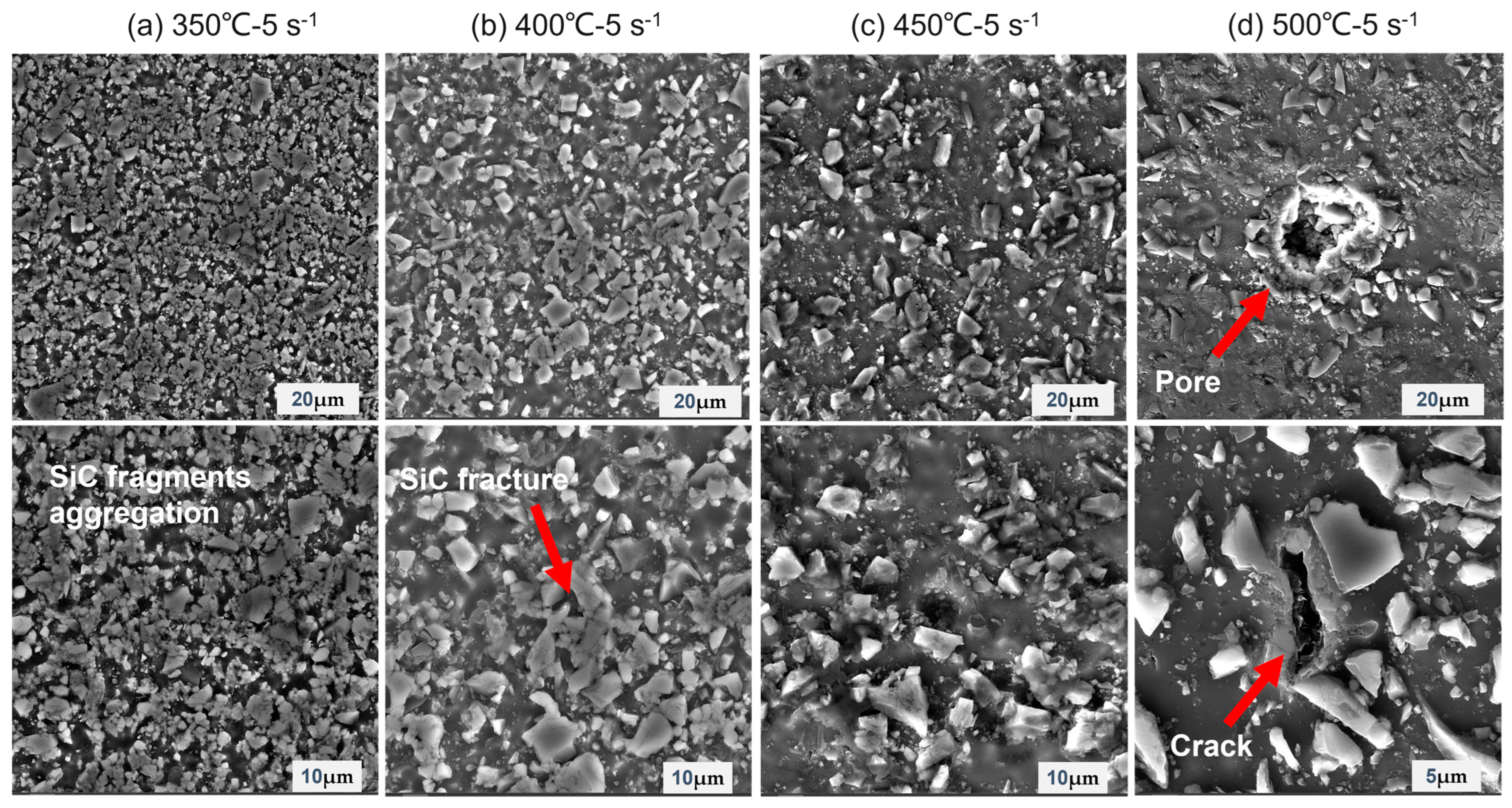
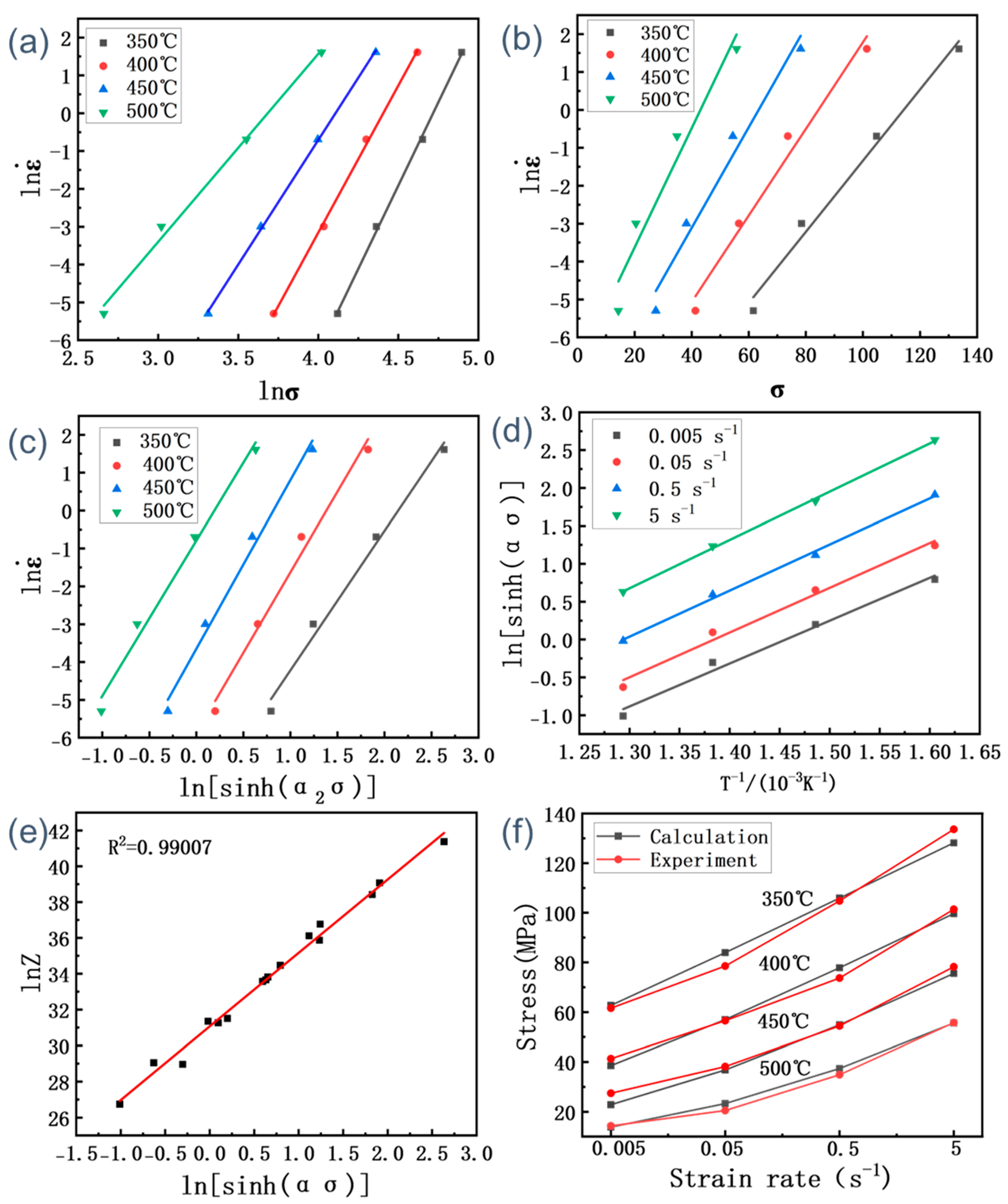
The size and distribution of ceramic particles in aluminum matrix composites have been reported to remarkably influence their properties. For a single ceramic particle, the particle size is too small and prone to agglomeration, which makes the mechanical properties of the composites worse. When the ceramic particle size is too large, the particles and alloy at the interface are not firmly bonded, and the effect of dispersion distribution is not achieved, which will also reduce the mechanical properties of the composites. The multi-size ceramic particles are expected to improve this situation, while their effect on hot workability is less studied. In this study, the hot deformation behavior, constitutive model, processing map and SEM microstructure were investigated to evaluate the hot workability of multi-size SiC particle-reinforced 6013 aluminum matrix composites. The results showed that the increased deformation temperature and decreased strain rate could decrease flow stresses. The flow stress behaviors of the composites can be described by the sine-hyperbolic Arrhenius equation with the deformation activation energy of Q = 205.863 kJ/mol. The constitutive equation of the composites is ε ˙=3.11592×10¹³sinh0.024909σ4.12413exp205863RT. Then, the hot processing map of the SiCp/6013 composites was constructed and verified by SEM observations. The rheological instability zone was in the region of a high strain rate. The optimal processing zone for composites was 450~500 °C and 0.03~0.25 s−1. In addition, the strain level was found to increase both the Q value and the area of the instability zone.
Keywords: aluminum matrix composite; hot workability; processing map; microstructure; SiC particle; multidimensional composites aluminum matrix composite; hot workability; processing map; microstructure; SiC particle; multidimensional composites