Article

Wood Residue-Derived Biochar as a Low-Cost, Lubricating Filler in Poly(butylene succinate-co-adipate) Biocomposites


Department of Civil and Industrial Engineering, University of Pisa, Largo Lucio Lazzarino 2, 56122 Pisa, Italy
*
Author to whom correspondence should be addressed.
Materials 2023, 16(2), 570; https://doi.org/10.3390/ma16020570
Submission received: 3 December 2022 / Revised: 21 December 2022 / Accepted: 3 January 2023 / Published: 6 January 2023
(This article belongs to the Special Issue Sustainability of Polymeric Blends and Biocomposites)

Abstract

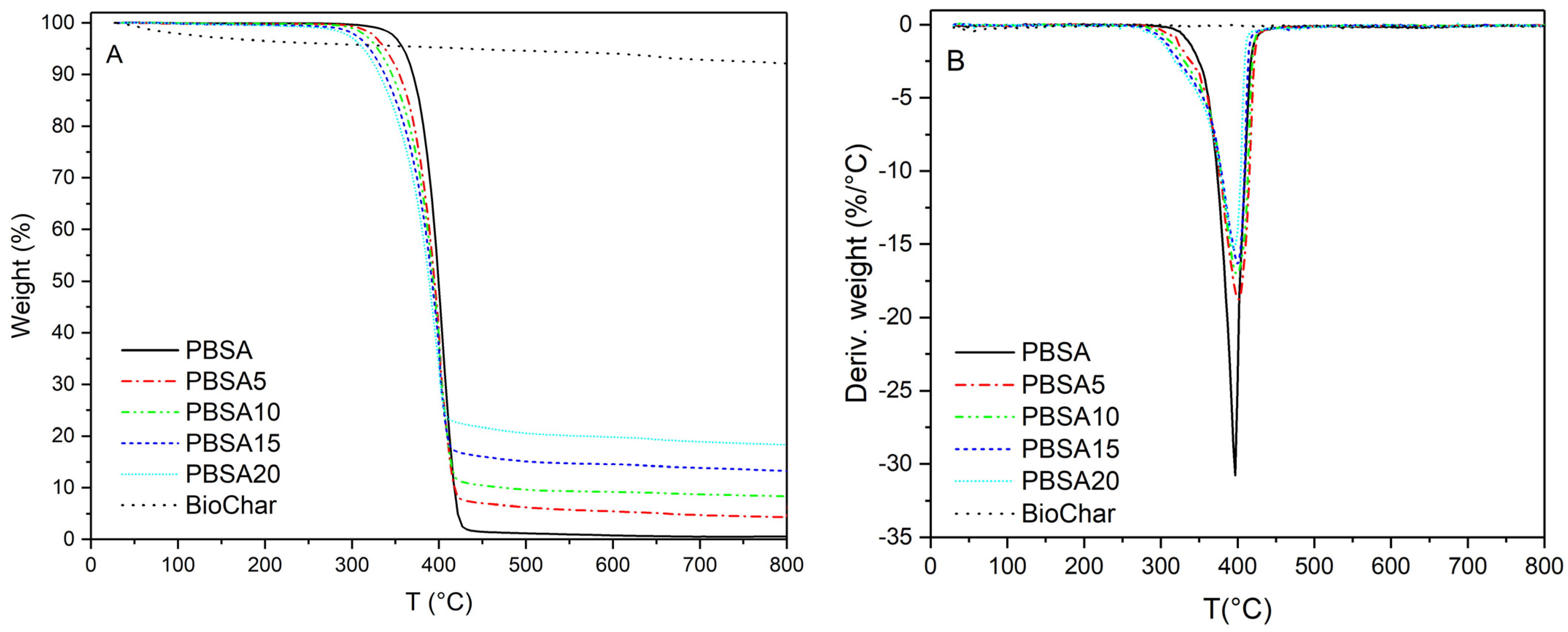
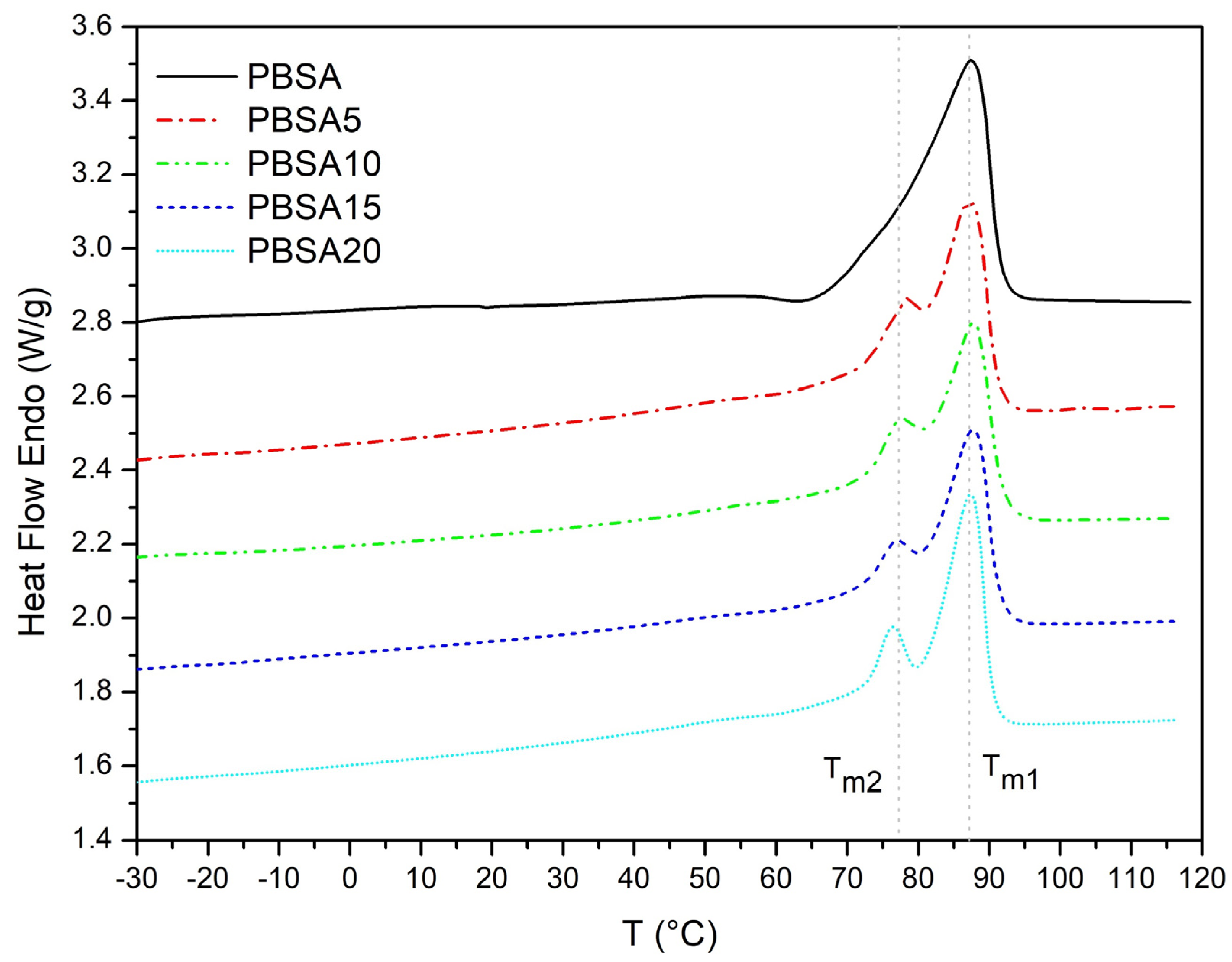
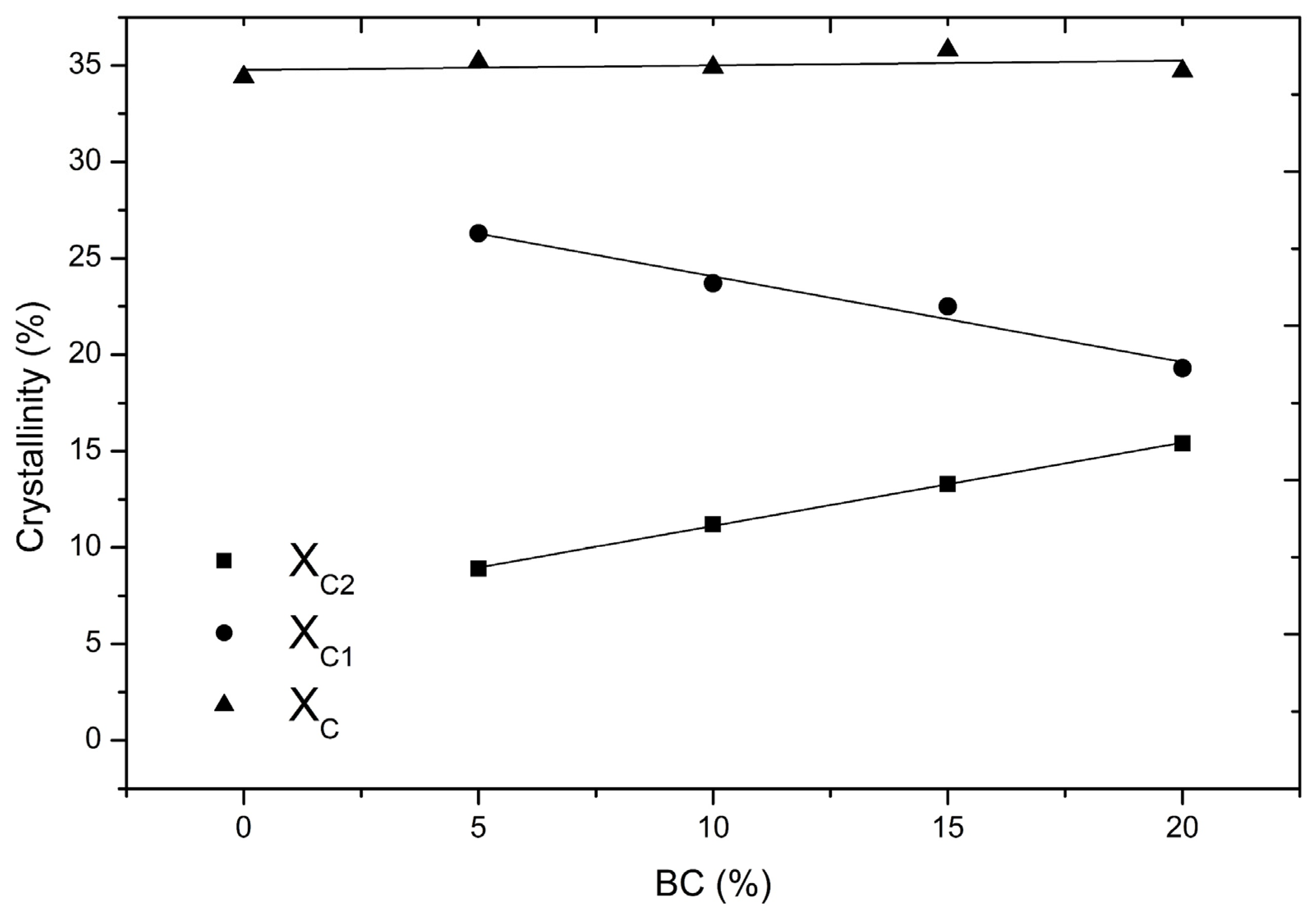
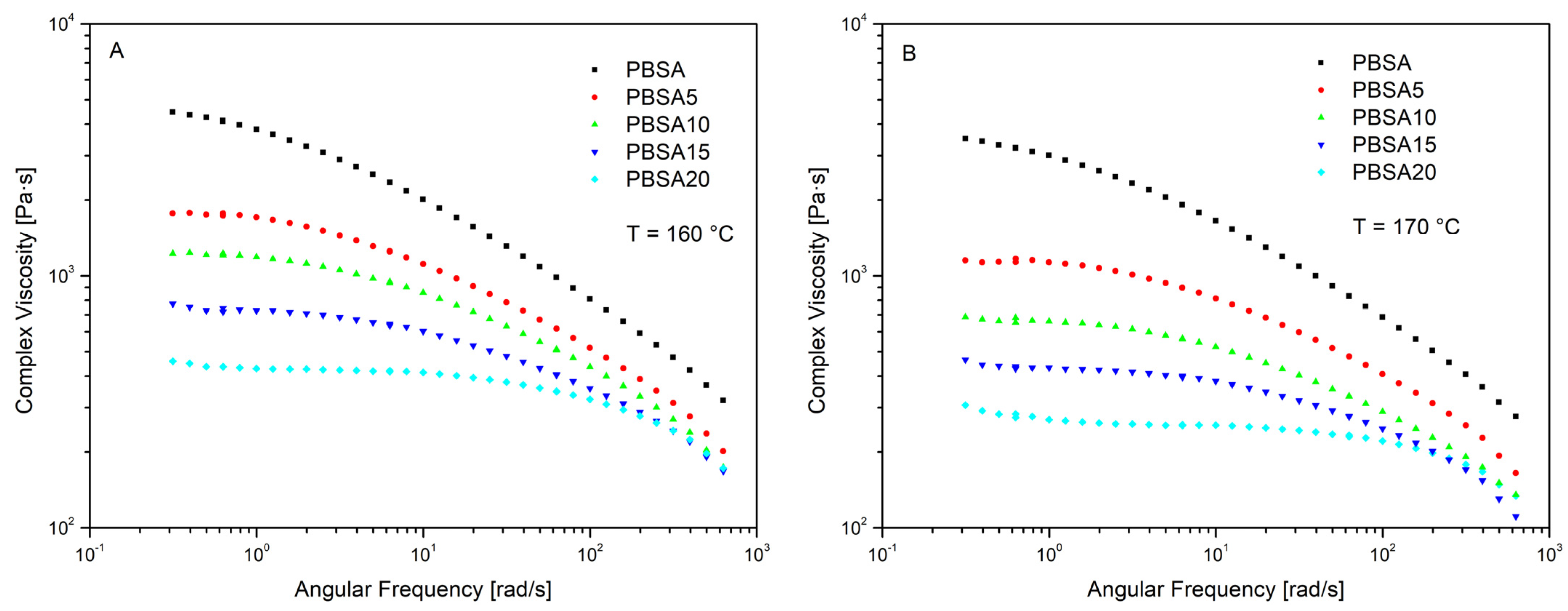
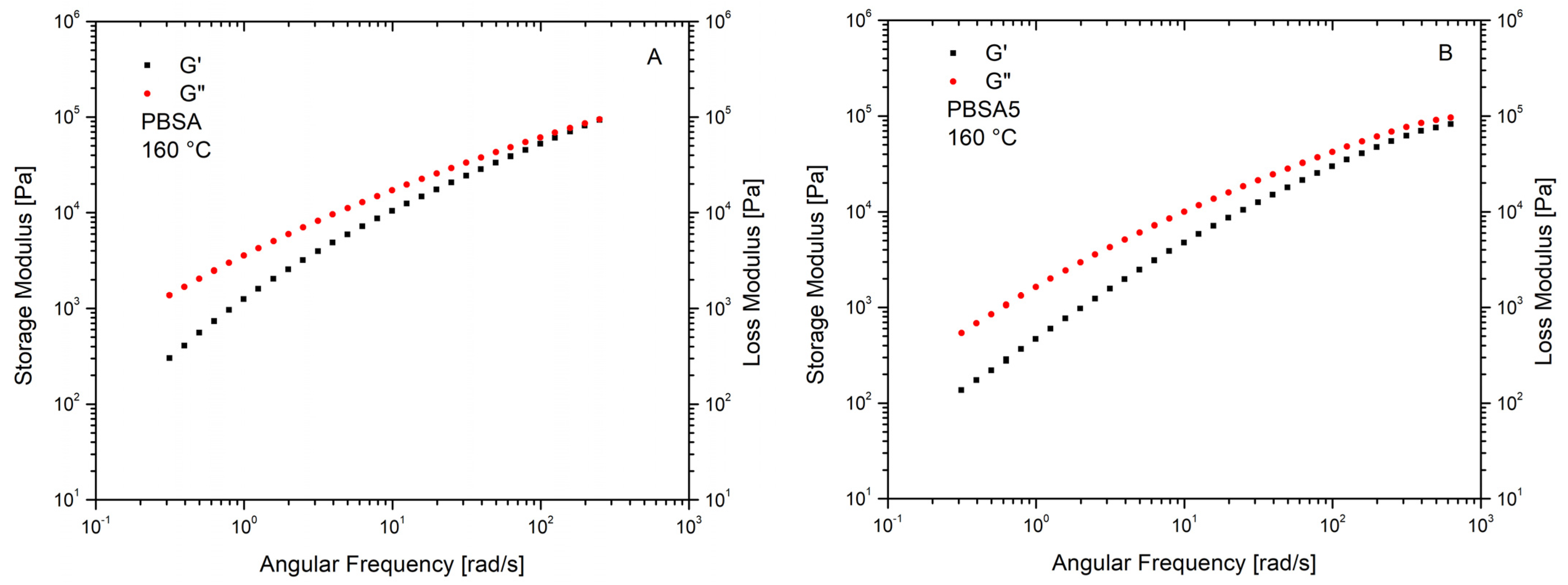
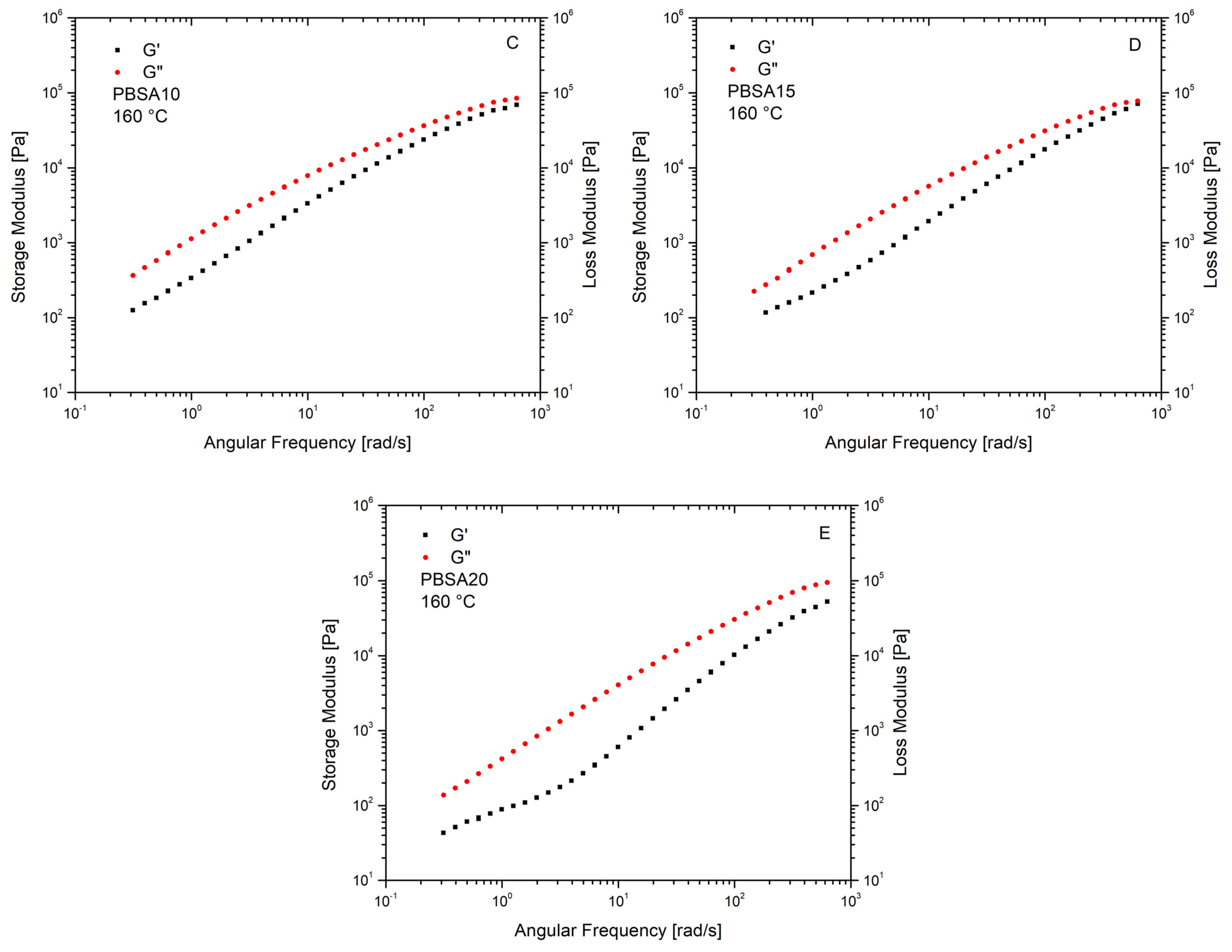
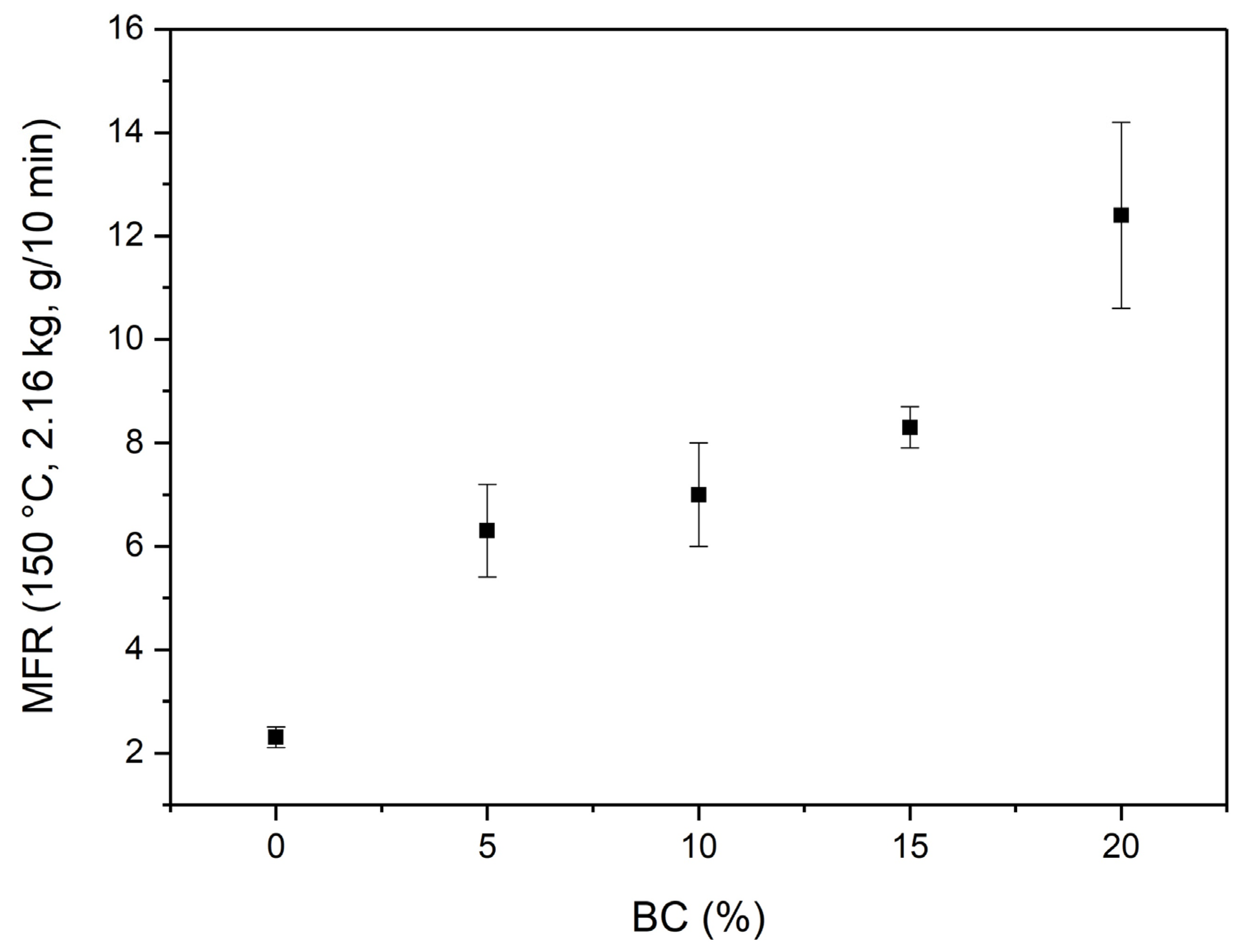
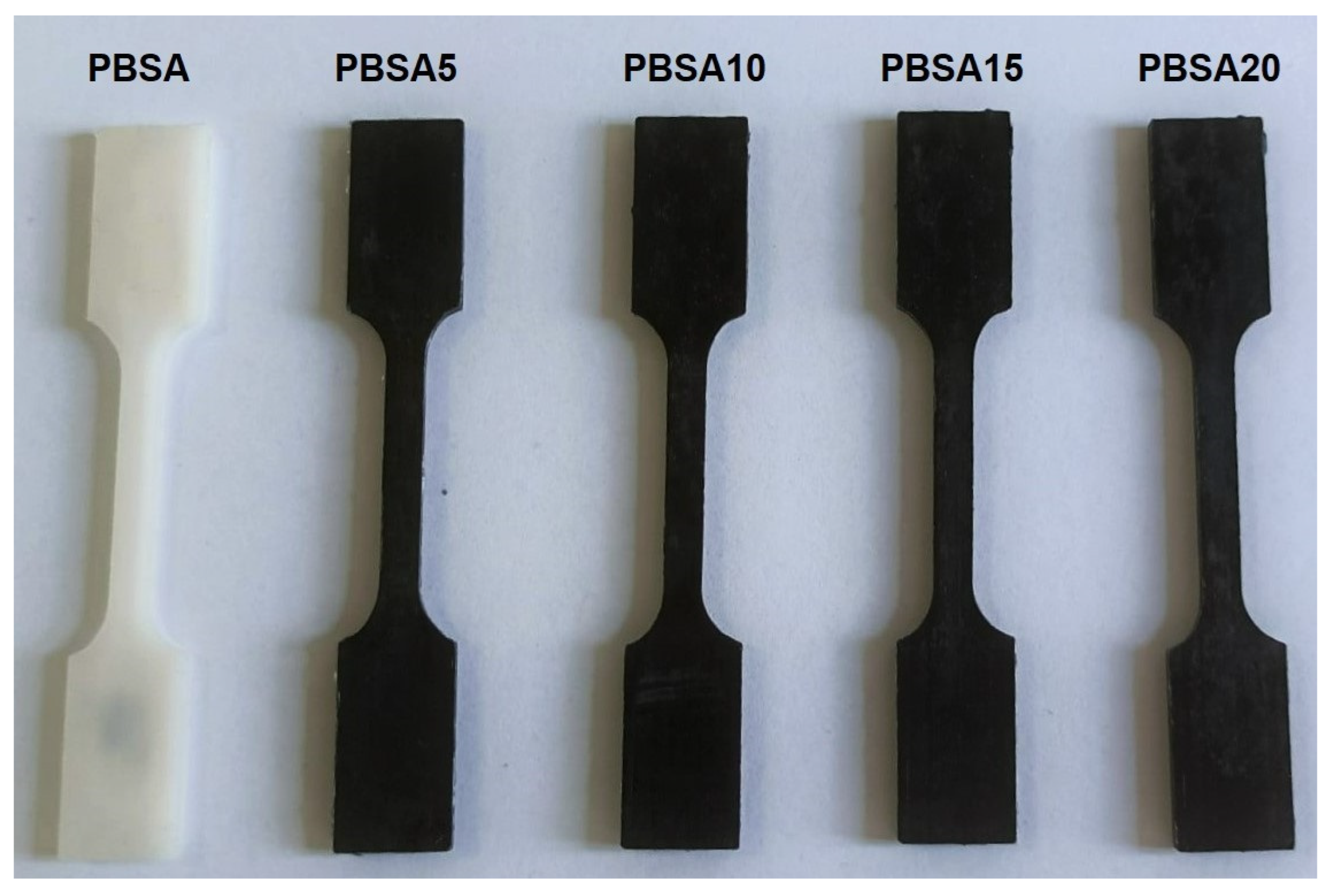
This study focused on the development of a novel biocomposite material formed by a thermoplastic biodegradable polyester, poly(butylene succinate-co-adipate) (PBSA), and a carbonaceous filler as biochar (BC) derived by the pyrolysis of woody biomass waste. Composites with various BC contents (5, 10, 15, and 20 wt.%) were obtained by melt extrusion and investigated in terms of their processability, thermal, rheological, and mechanical properties. In all the composites, BC lowered melt viscosity, behaving as a lubricant, and enhancing composite extrudability and injection moulding at high temperatures up to 20 wt.% of biochar. While the use of biochar did not significantly change composite thermal stability, it increased its stiffness (Young modulus). Differential scanning calorimeter (DSC) revealed the presence of a second crystal phase induced by the filler addition. Furthermore, results suggest that biochar may form a particle network that hinders polymer chain disentanglement, reducing polymer flexibility. A biochar content of 10 wt.% was selected as the best trade-off concentration to improve the composite processability and cost competitiveness without compromising excessively the tensile properties. The findings support the use of biochar as a sustainable renewable filler and pigment for PBSA. Biochar is a suitable candidate to replace more traditional carbon black pigments for the production of biodegradable and inexpensive innovative PBSA composites with potential fertilizing properties to be used in agricultural applications.
Keywords: Poly(butylene succinate-co-adipate); PBSA; biochar; biopolymers; biocomposite; thermoplastic composites; injection moulding; lubricant; filler Poly(butylene succinate-co-adipate); PBSA; biochar; biopolymers; biocomposite; thermoplastic composites; injection moulding; lubricant; filler