Article

Tool Wear Issues in Hot Forging of Steel

1
Faculty of Metals Engineering and Industrial Computer Science, AGH University of Science and Technology, Av. Mickiewicza 30, 30-059 Krakow, Poland
2
Faculty of Mechanical Engineering and Robotics, AGH University of Science and Technology, Av. Mickiewicza 30, 30-059 Krakow, Poland
*
Author to whom correspondence should be addressed.
Materials 2023, 16(2), 471; https://doi.org/10.3390/ma16020471
Submission received: 10 December 2022 / Revised: 27 December 2022 / Accepted: 31 December 2022 / Published: 4 January 2023
(This article belongs to the Special Issue Microstructure and Mechanical Properties of Steels - Volume II)

Abstract

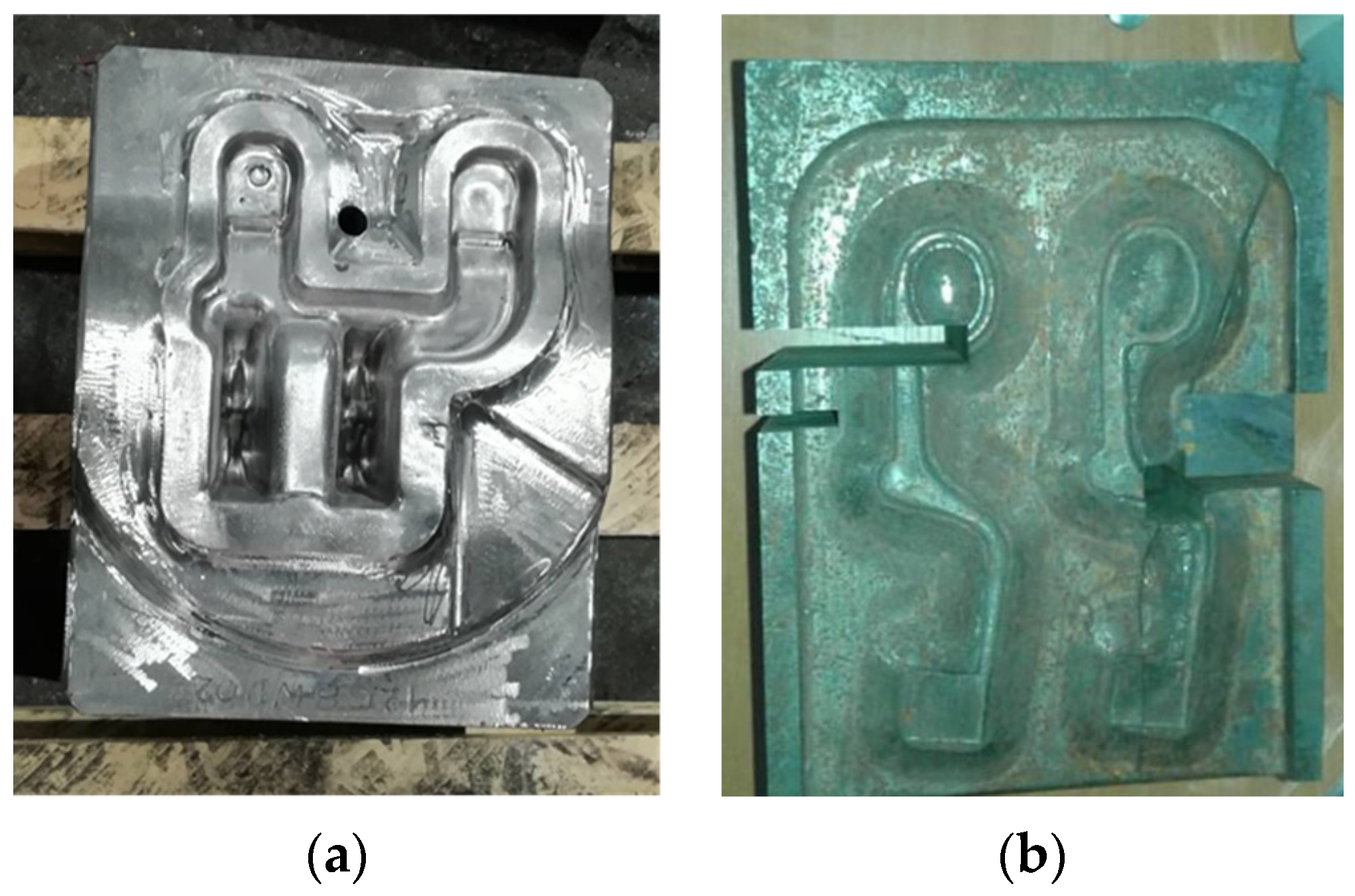
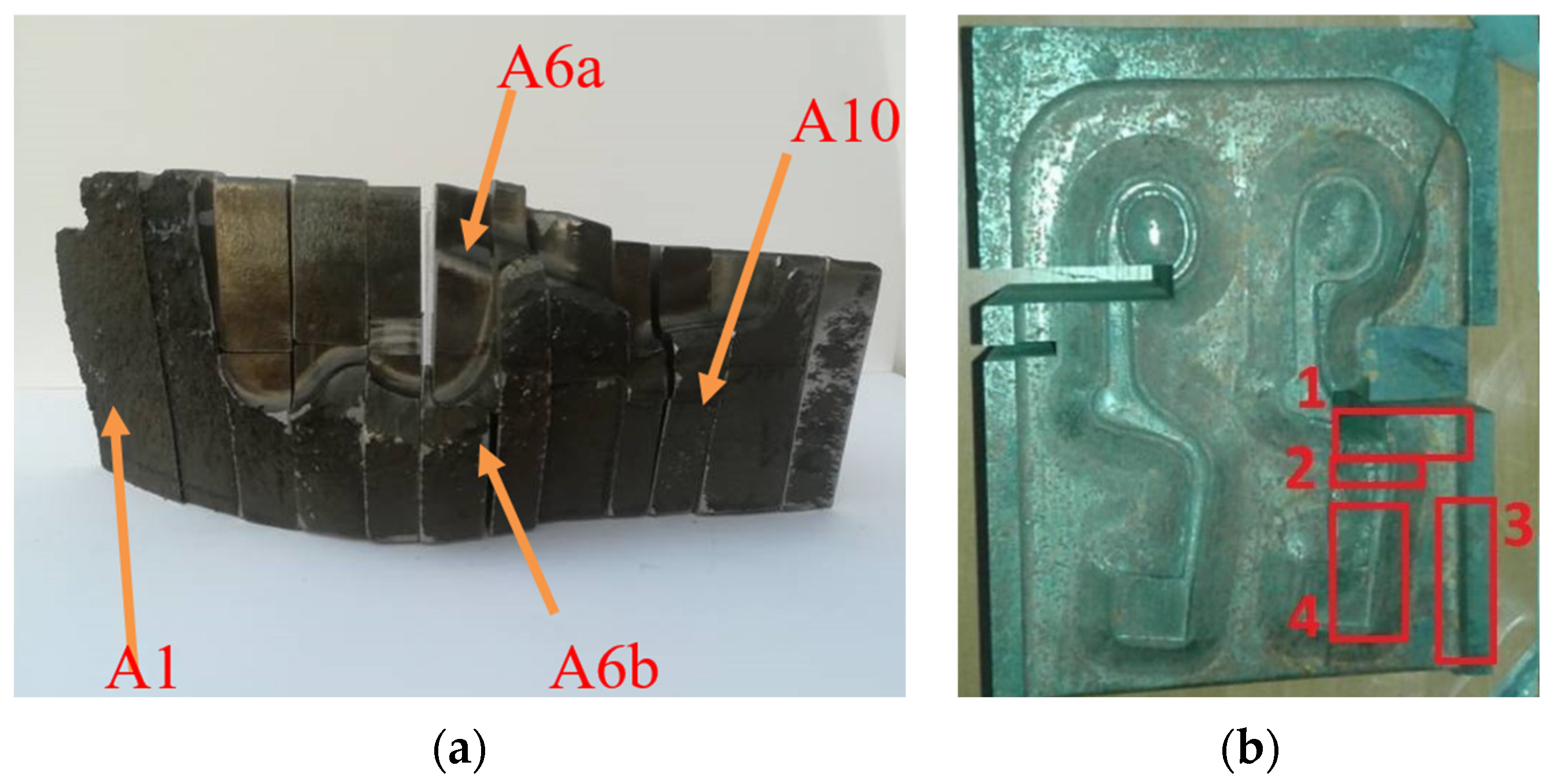
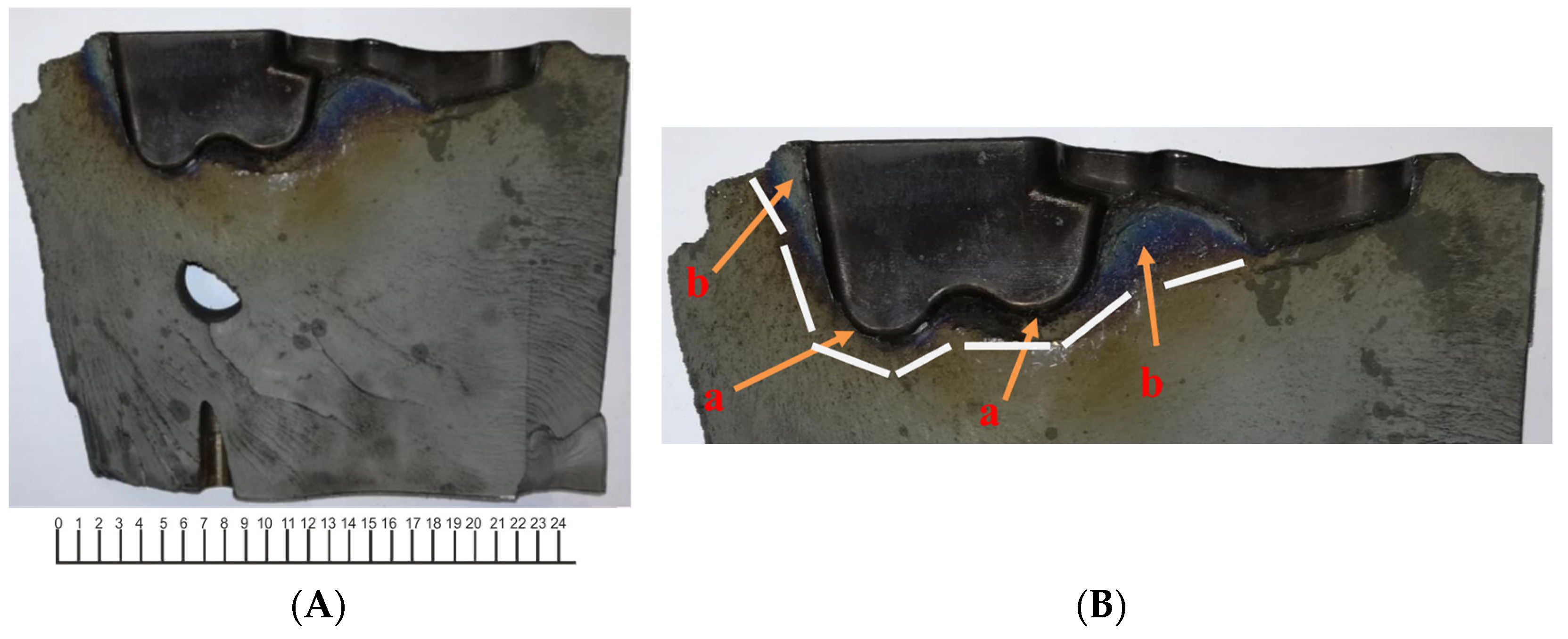
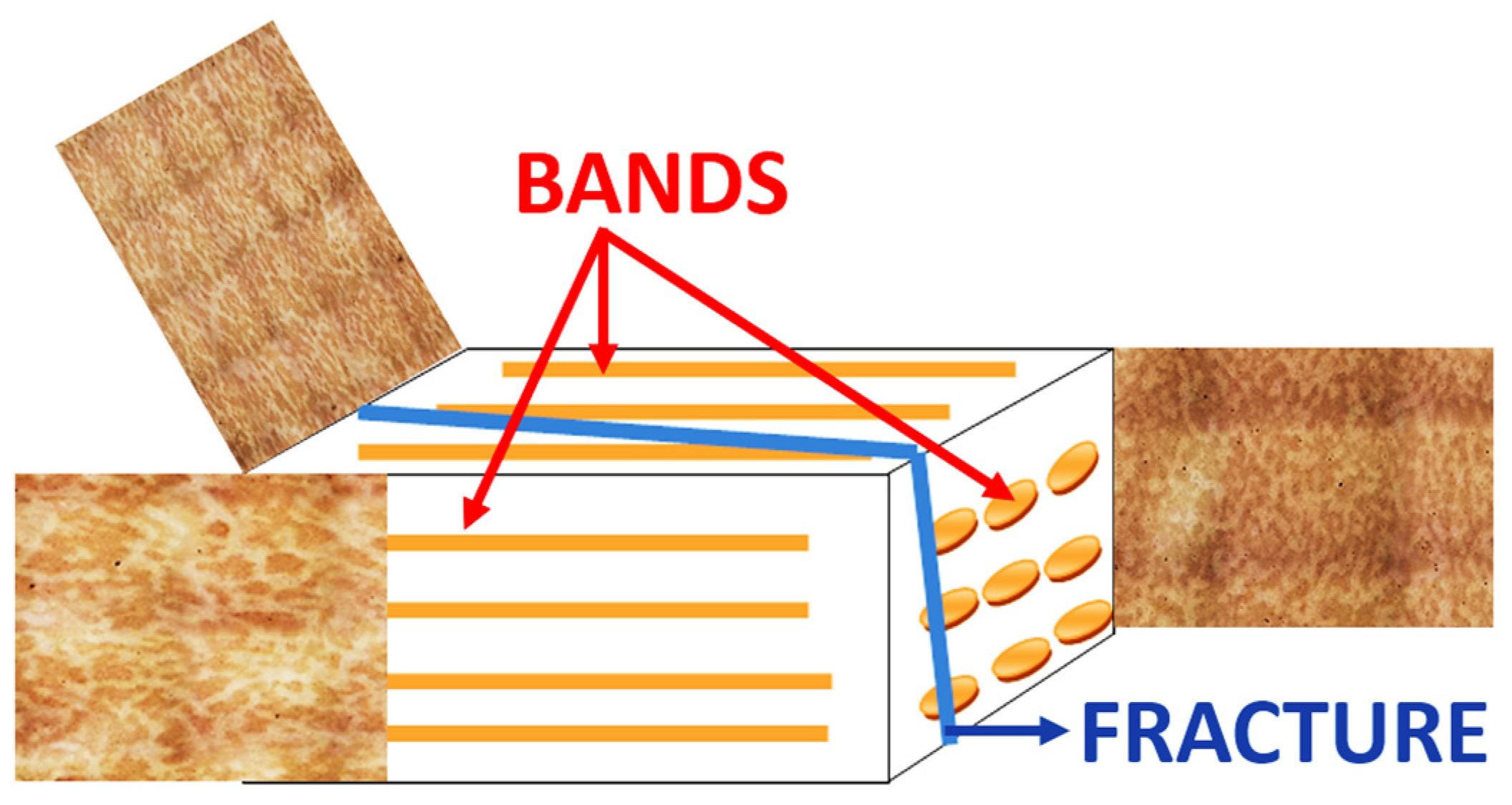
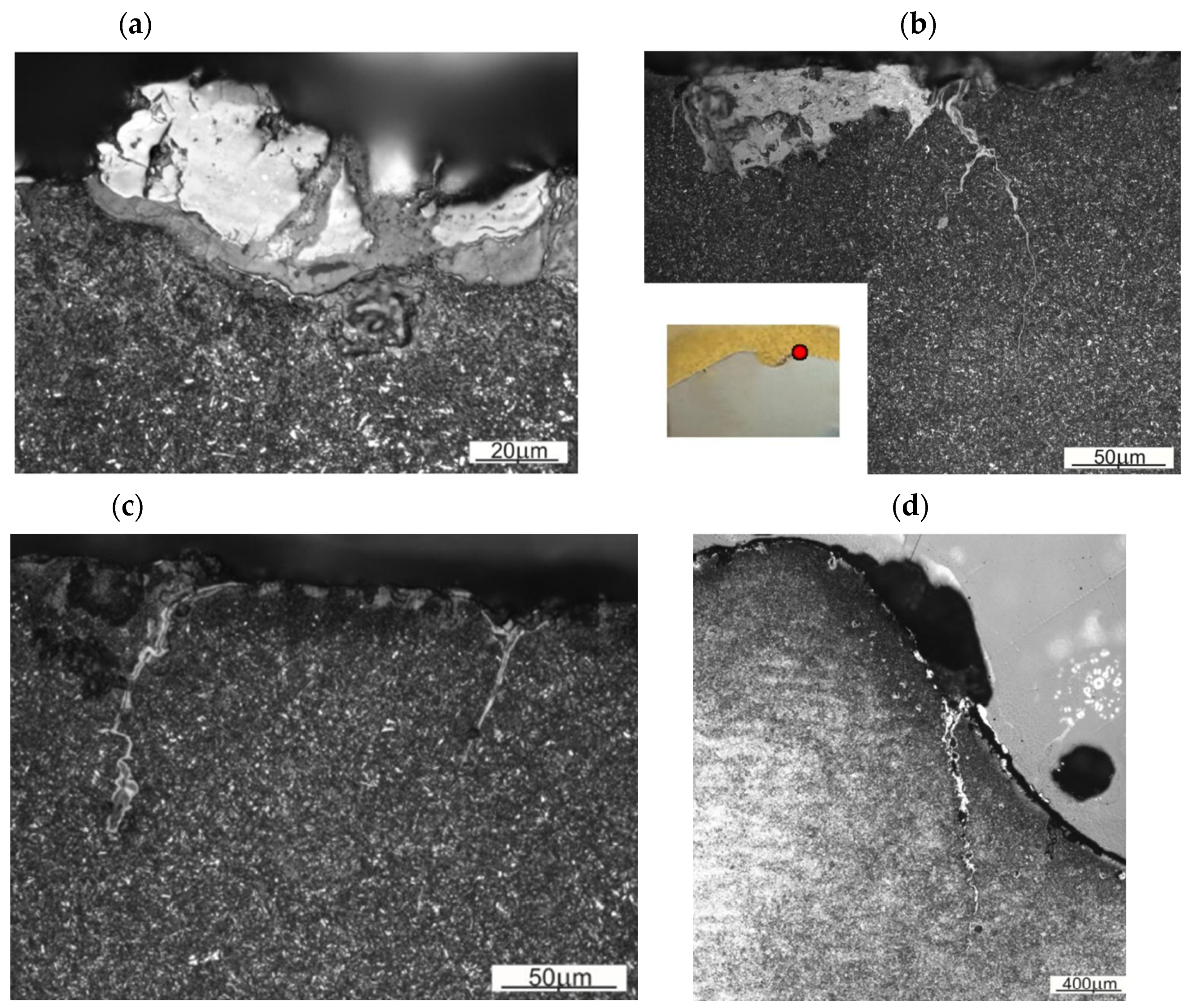
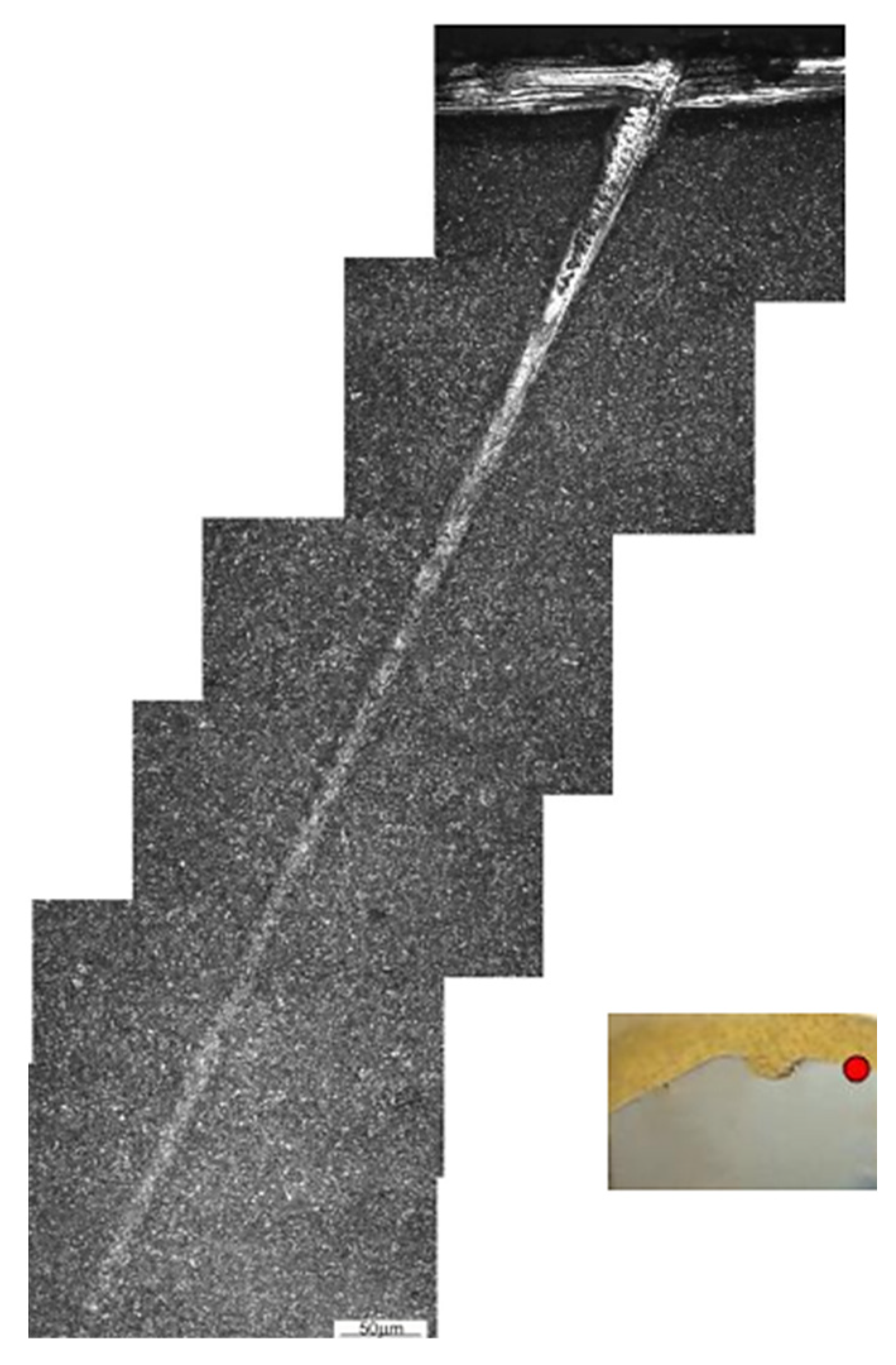
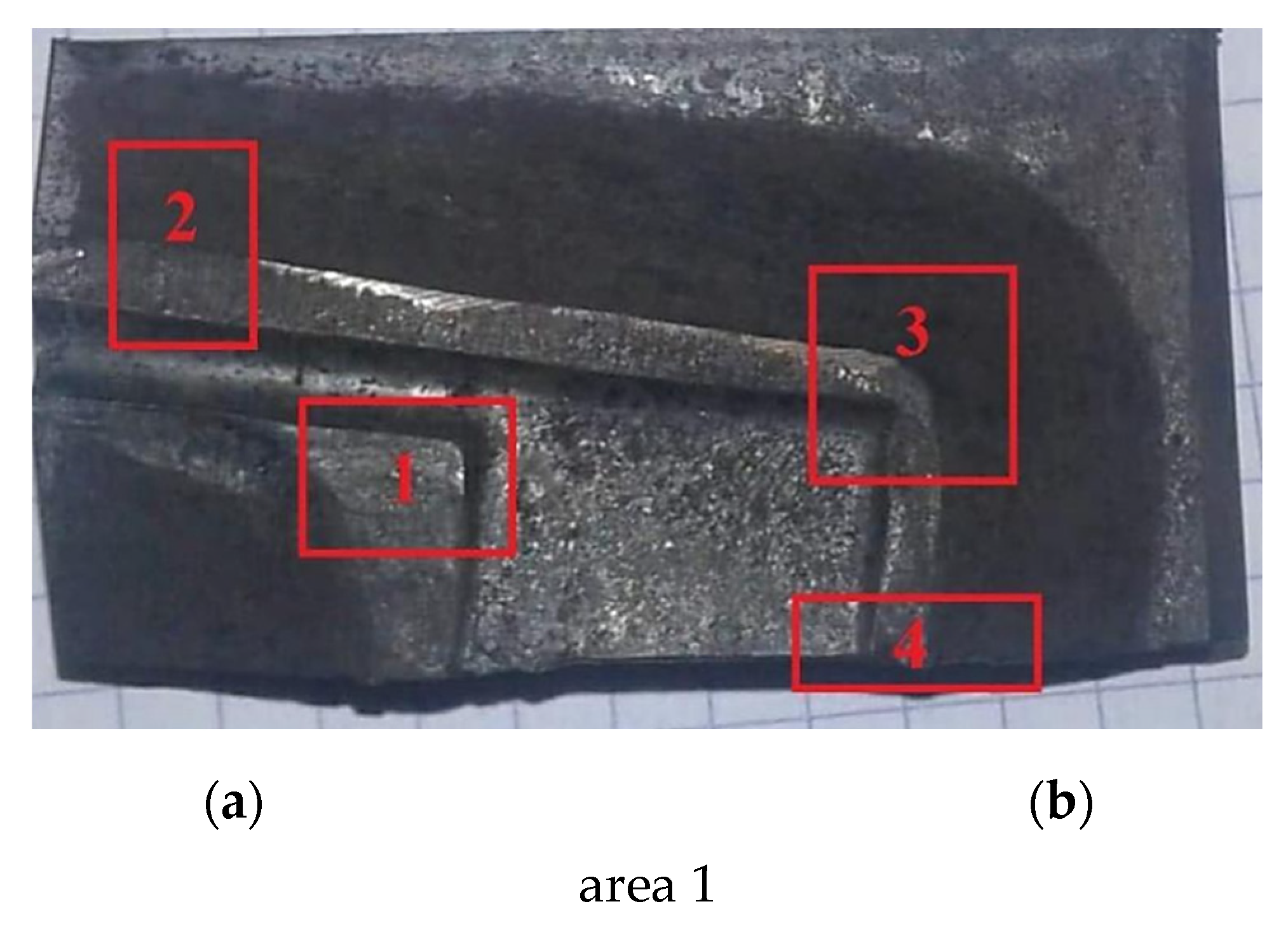
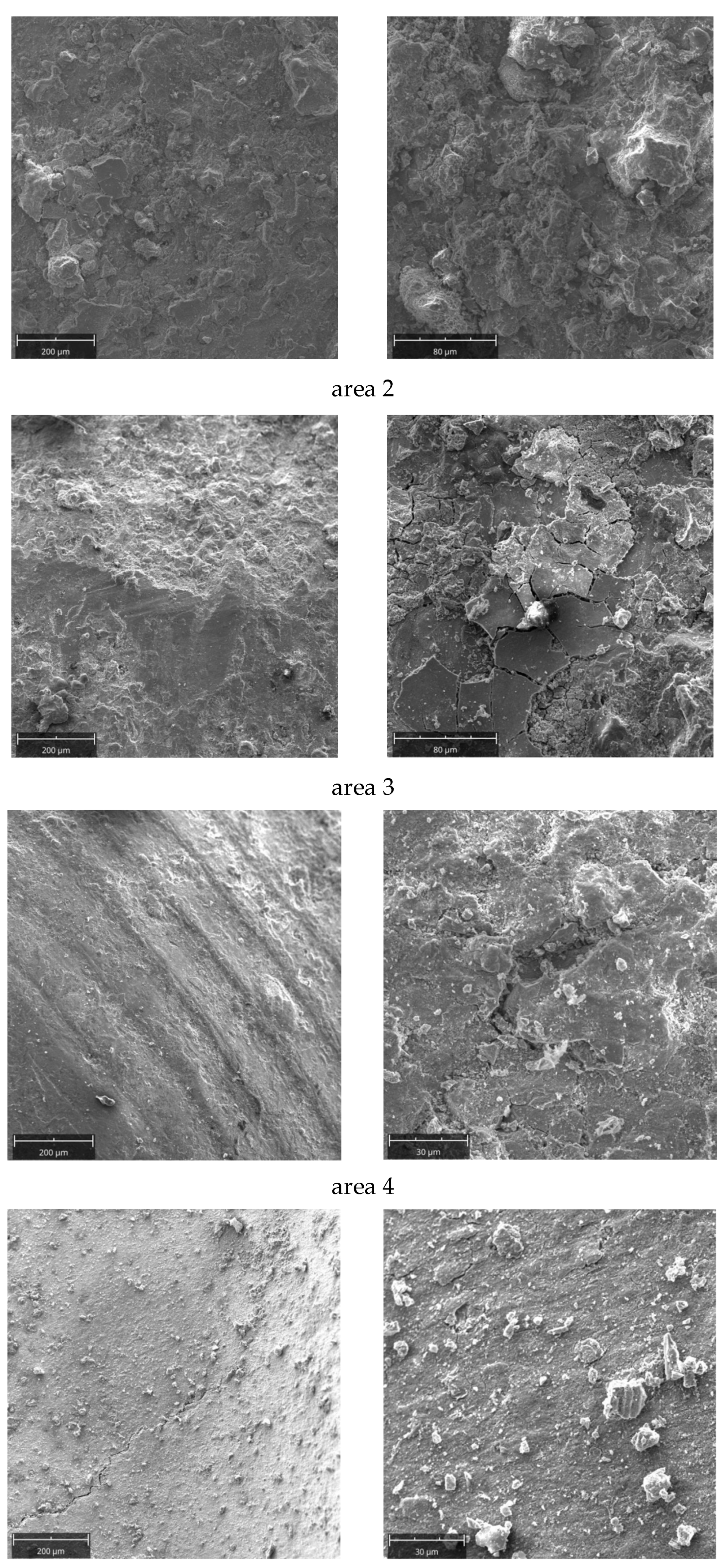
Steel forging tools are subjected to a number of tribological wear mechanisms depending on the geometry and surface of the tool and the flow of the material. Thus, there is no single general tribological wear mechanism, and only the predominant wear mechanisms in this case can be indicated. The problem has been known for years, but due to its complexity research on it is still relevant. In this study, the various wear mechanisms of hot work tools are analyzed on the basis of original research. Moreover, the influence of the micro- and macrostructure of the material and of its mechanical, physical, and technological characteristics on susceptibility to a given type of wear is considered. Adhesive wear, wear caused by plastic deformation, mechanical fatigue, thermal fatigue, the influence of hardness, heat treatment, and impact strength on tool wear and the mechanisms causing this wear are discussed in addition to tribological wear mechanisms such as abrasive wear. The influence of thermomechanical history and the characteristics of the tool material, including structural anisotropy, on the wear of these tools is indicated. The analysis of wear mechanisms performed will enable more precise definition of the principles of tool material selection and tool material condition for the hot forging of steel.
Keywords: hot forging; steel; microstructure; wear mechanisms hot forging; steel; microstructure; wear mechanisms