Article

Influence of Citrus Fruit Waste Filler on the Physical Properties of Silicone-Based Composites

1
Department of Material Technologies, Faculty of Materials Engineering, Silesian University of Technology, Krasińskiego 8, 40-019 Katowice, Poland
2
Material Innovations Laboratory, Silesian University of Technology, Krasińskiego 8, 40-019 Katowice, Poland
3
Department of Geoengineering and Resource Exploitation, Faculty of Mining, Safety Engineering and Industrial Automation, Akademicka 2A, 44-100 Gliwice, Poland
4
Department of English and American Studies, Faculty of Arts, Palacký University Olomouc, Křížkovského 10, 779 00 Olomouc, Czech Republic
5
Department of Theoretical and Applied Mechanics, Faculty of Mechanical Engineering, Silesian University of Technology, Konarskiego 18A, 44-100 Gliwice, Poland
*
Author to whom correspondence should be addressed.
Materials 2023, 16(19), 6569; https://doi.org/10.3390/ma16196569
Submission received: 27 June 2023 / Revised: 31 July 2023 / Accepted: 4 August 2023 / Published: 6 October 2023
(This article belongs to the Section Green Materials)

Abstract

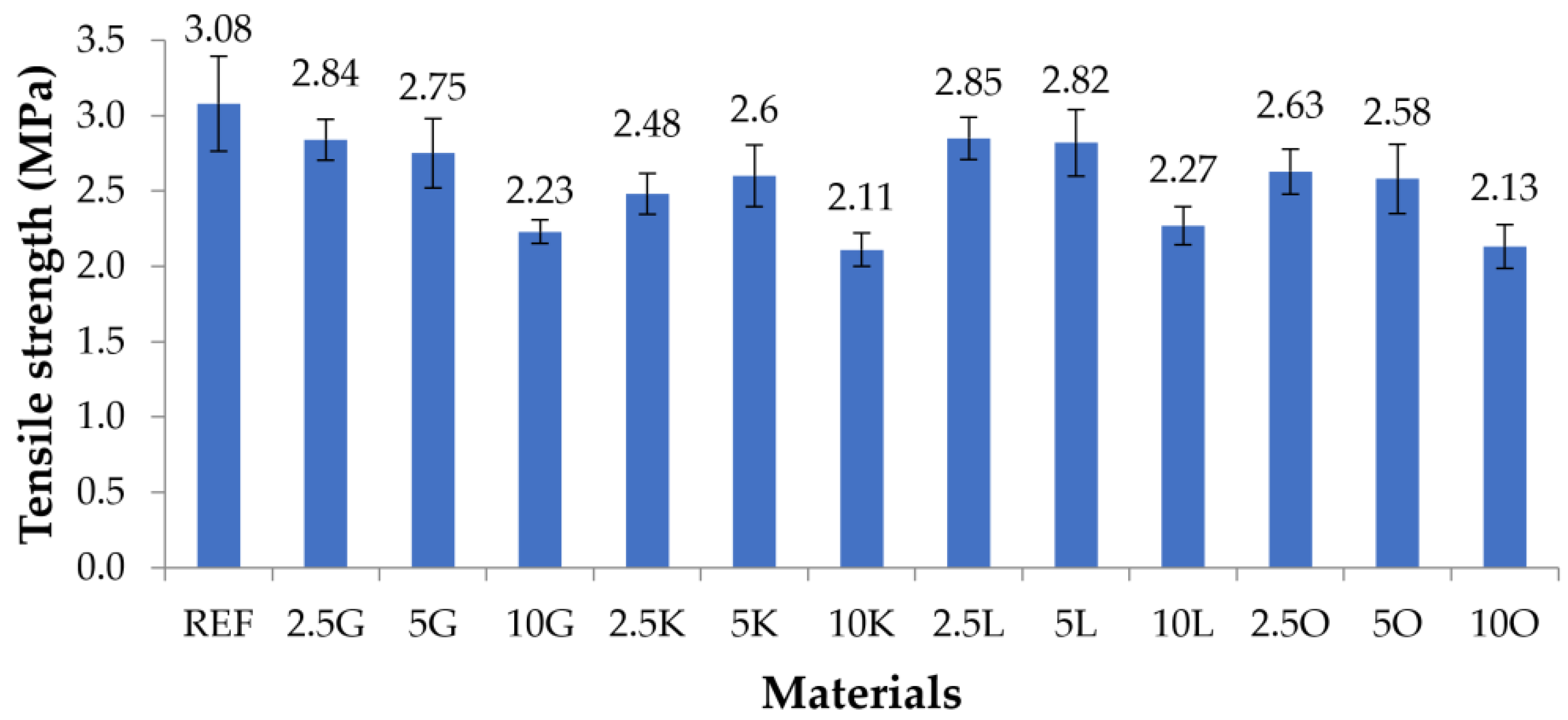
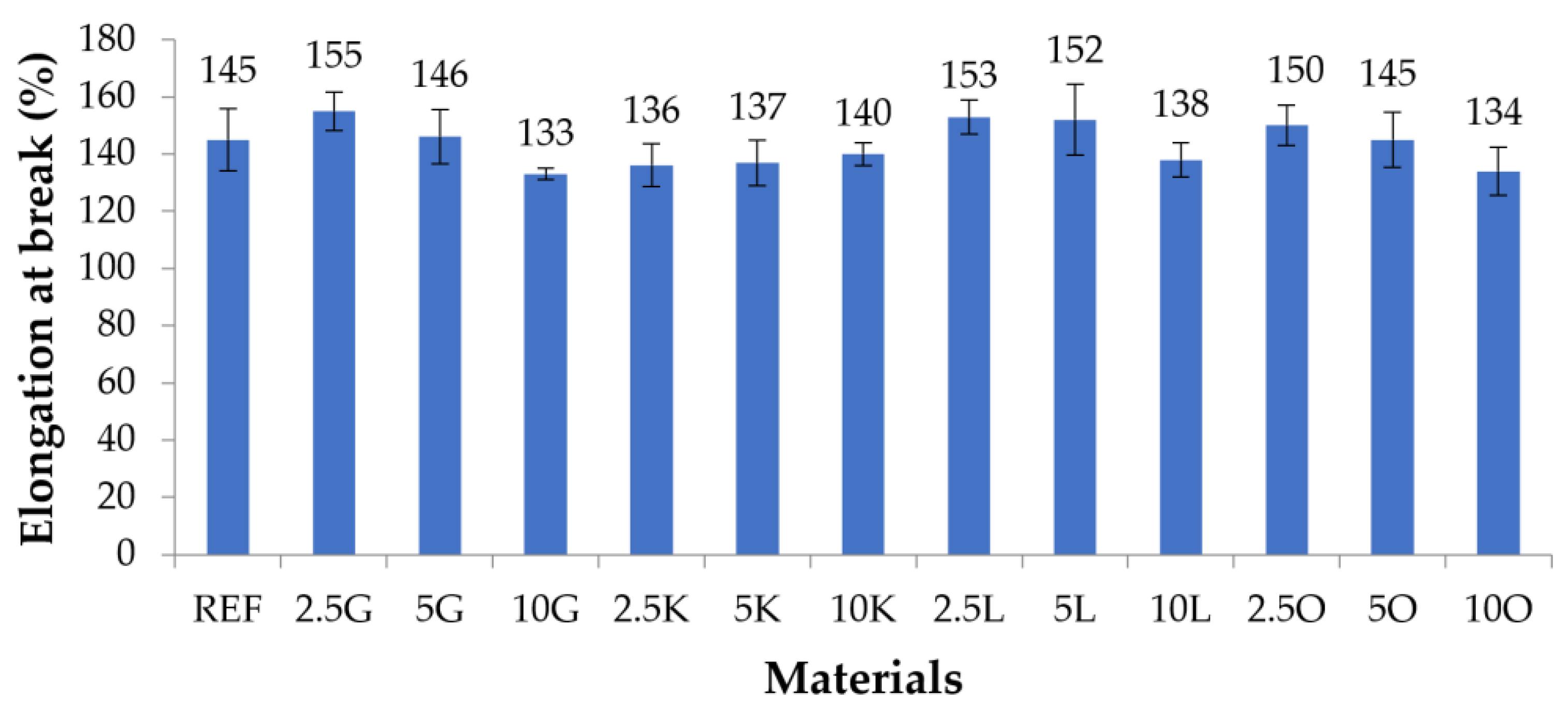
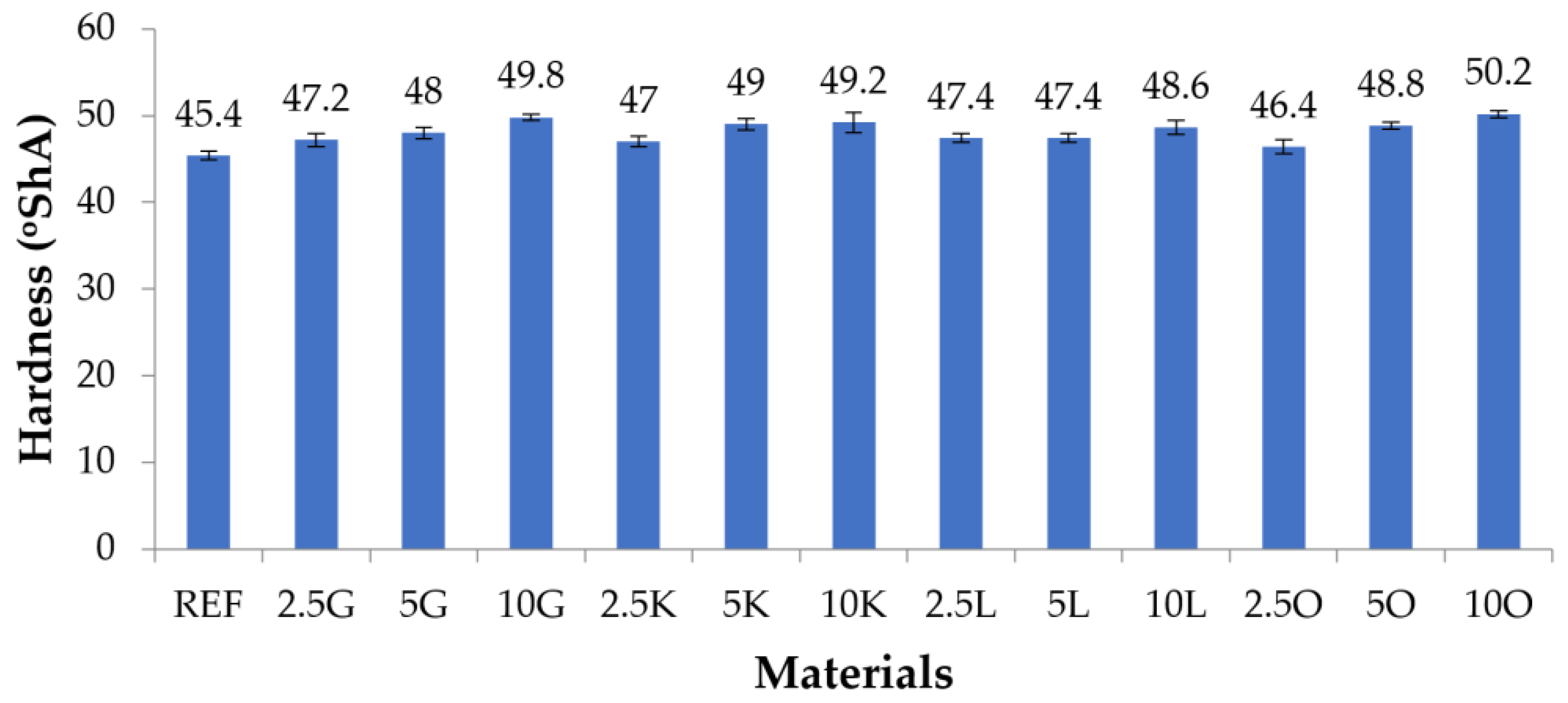
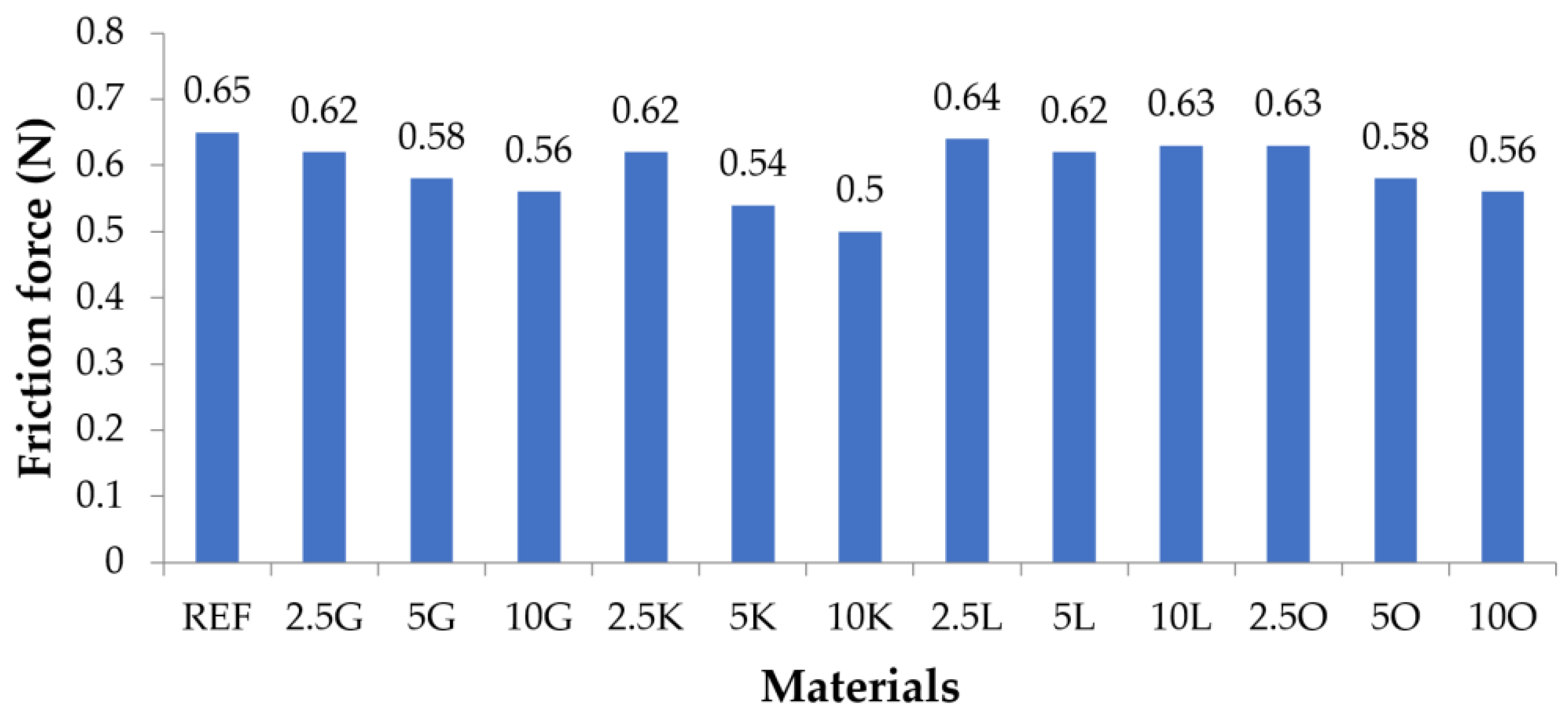
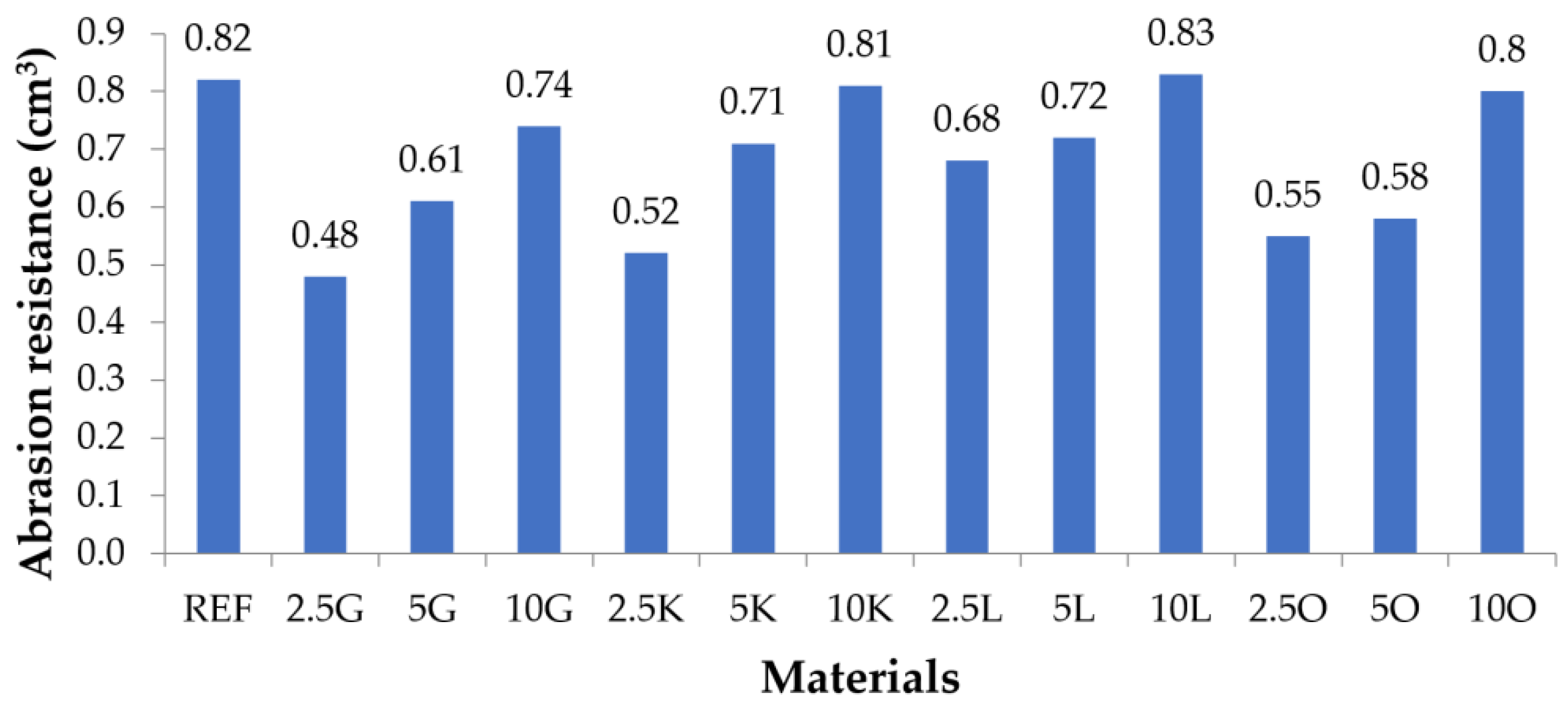
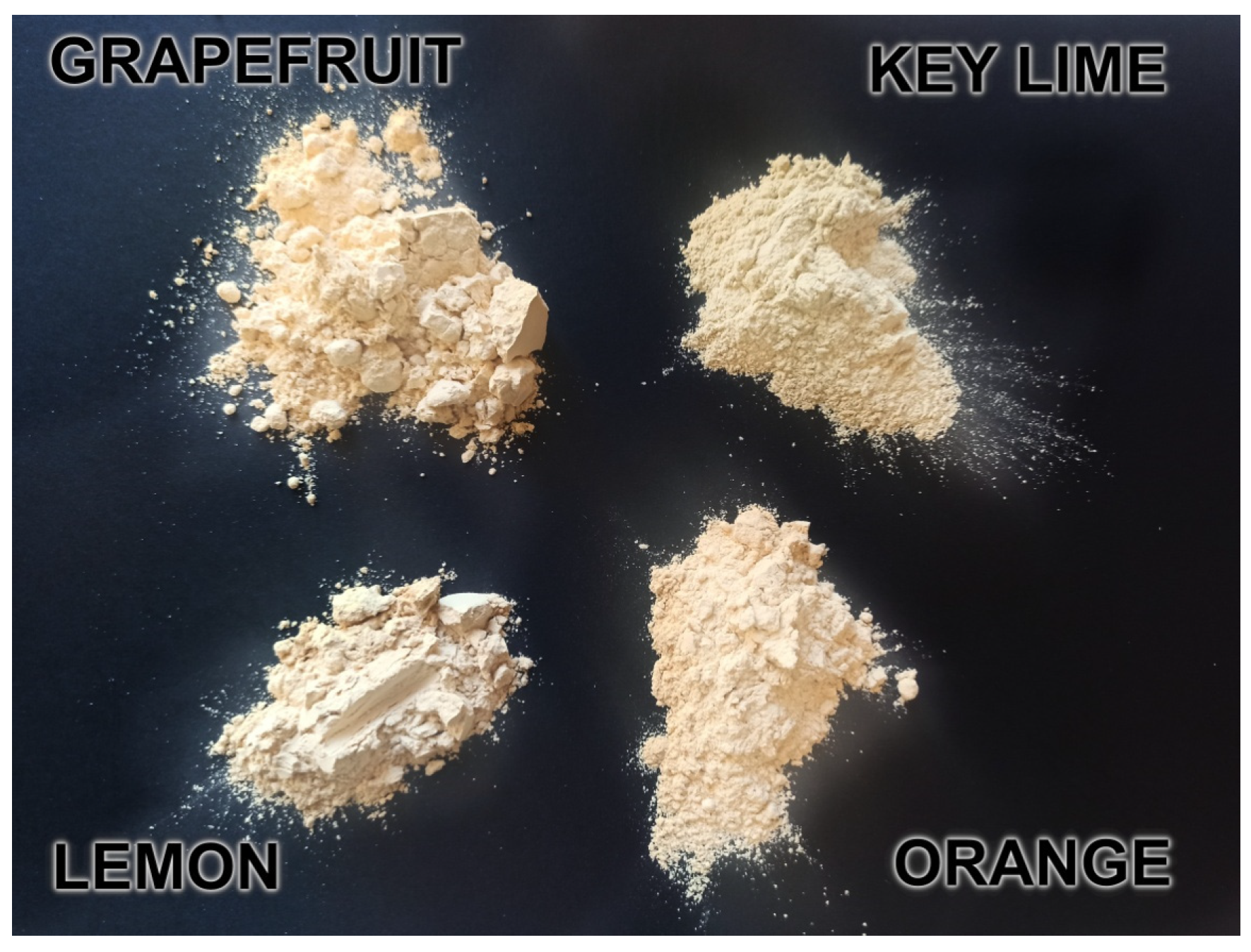
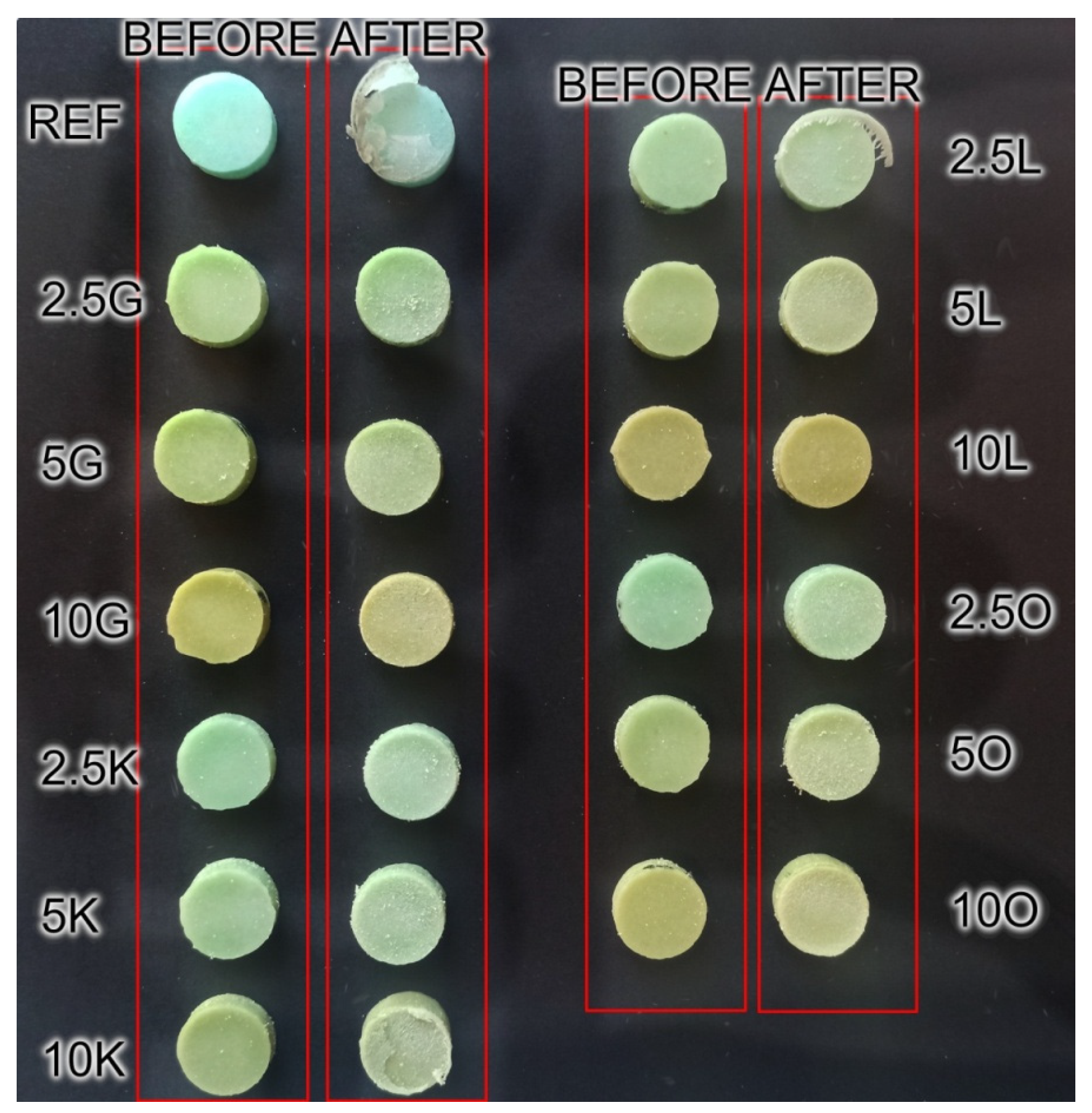
Silicones have been used as protective coatings due to their resistance to hydrolytic degradation and UV (ultraviolet) degradation. There is a growing problem with managing organic waste, which can be used as fillers in composites. This research demonstrated the use of organic waste from citrus peels, including grapefruit, lime, lemon, and orange peels. Silicone-based composites were prepared by gravity-casting using 2.5, 5, and 10 wt.% waste filler. Samples made from the composite panels were subjected to static tensile, density, hardness, pin-on-disc, and Schopper–Schlobach abrasion tests. The test results showed that lower tensile strength values characterized the composite materials compared to the silicone used as a filler. All materials had greater hardness than the silicone without the addition. At the same time, composites with a mass density of the filler of 2.5 and 5 wt.% showed more excellent abrasion resistance than the silicone used as a matrix. This research showed that the samples containing 2.5 wt.% grapefruit filler had the best mechanical properties and the lowest abrasive wear.
Keywords: silicone; composite; casting; organic fillers; citrus; mechanical properties; abrasion silicone; composite; casting; organic fillers; citrus; mechanical properties; abrasion