Article

Surface Texture Designs to Improve the Core–Veneer Bond Strength of Zirconia Restorations Using Digital Light Processing

1
State Key Laboratory of Military Stomatology & National Clinical Research Centre for Oral Diseases & Shaanxi Key Laboratory of Stomatology, Department of Prosthodontics, School of Stomatology, The Fourth Military Medical University, Xi’an 710032, China
2
School of Material Science and Engineering, Shanghai Institute of Technology, Shanghai 201418, China
*
Authors to whom correspondence should be addressed.
Materials 2023, 16(18), 6072; https://doi.org/10.3390/ma16186072
Submission received: 19 July 2023 / Revised: 17 August 2023 / Accepted: 1 September 2023 / Published: 5 September 2023
(This article belongs to the Special Issue 3D-Printed Composite Structures: Design, Properties and Application)

Abstract

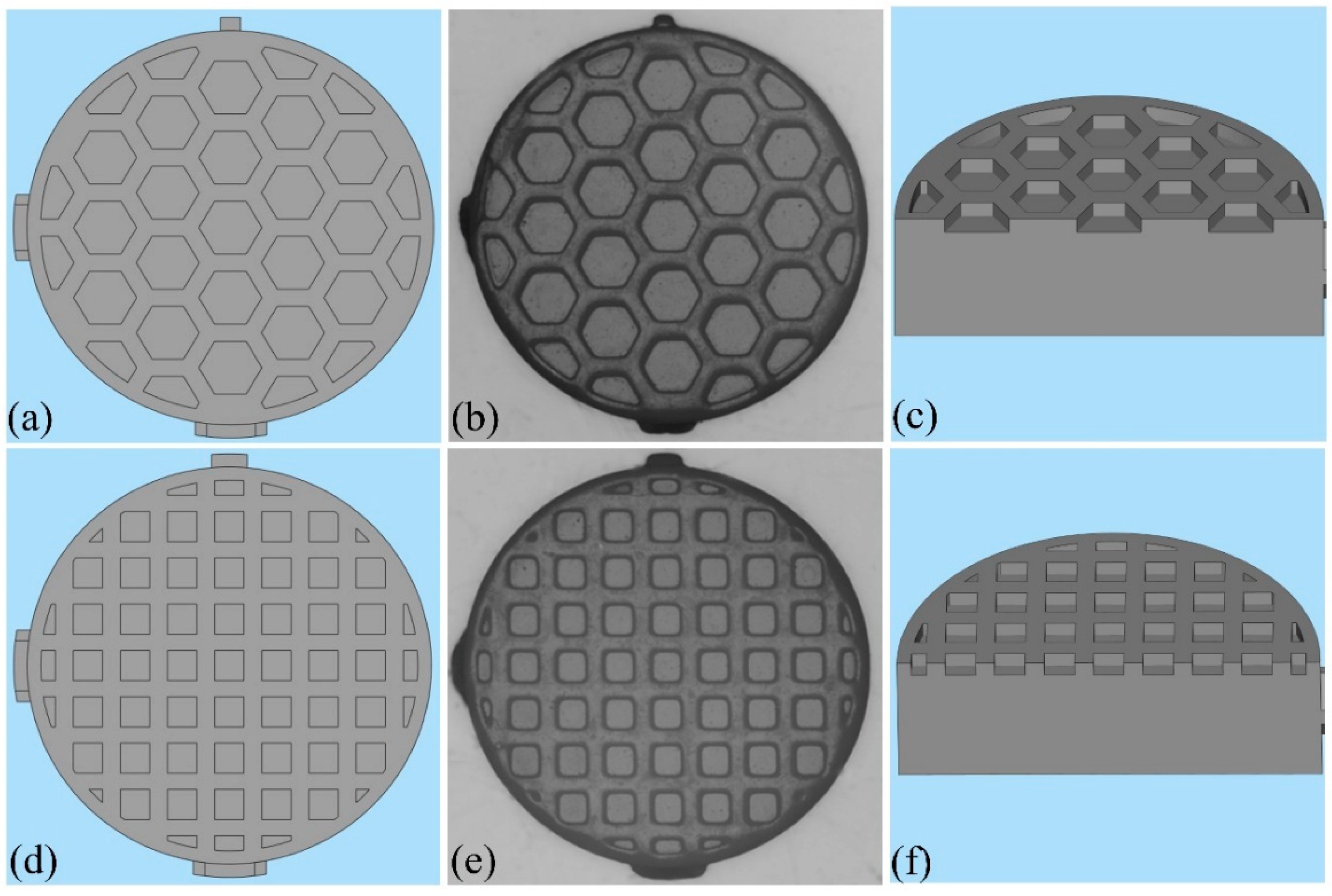
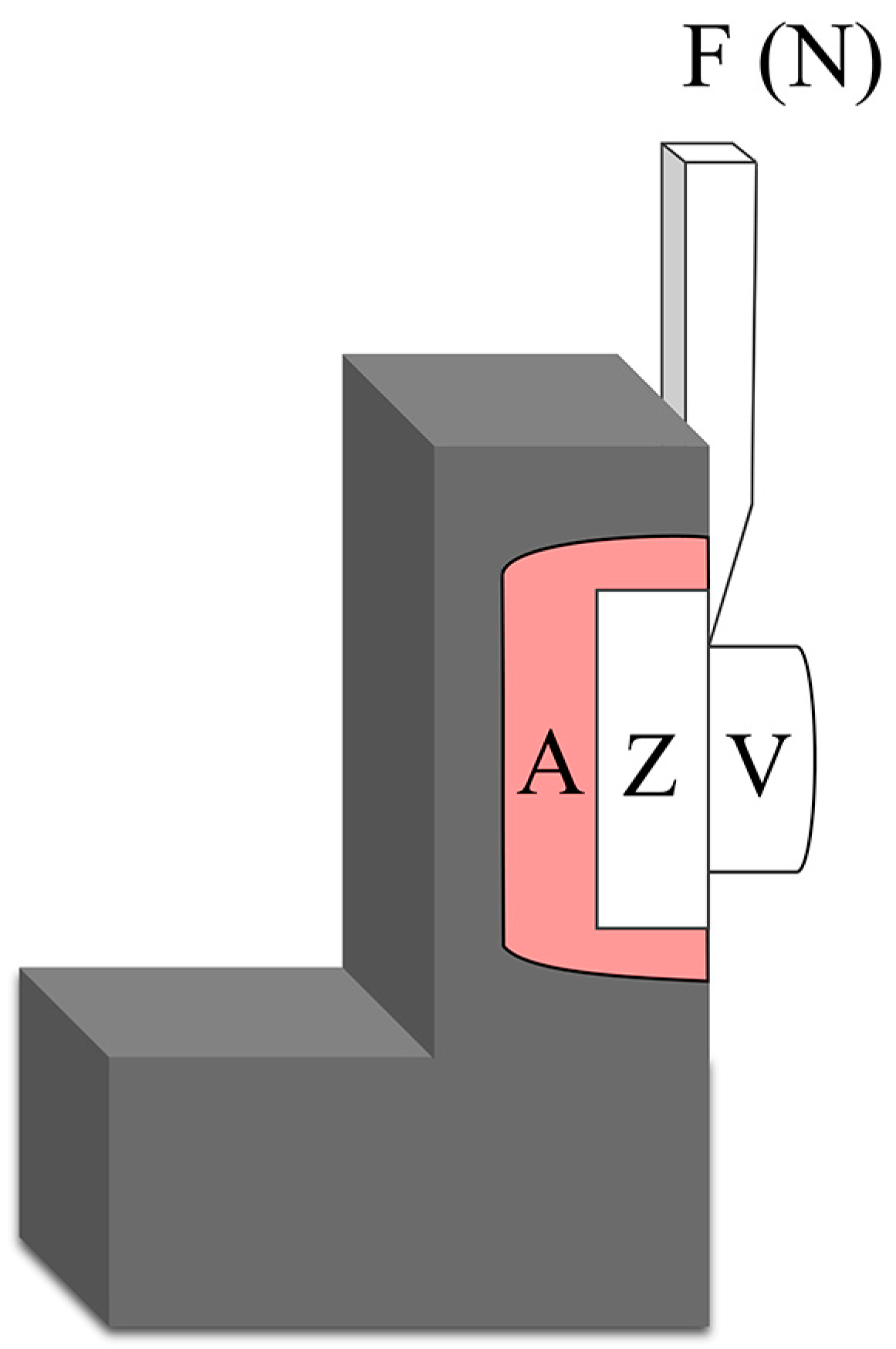
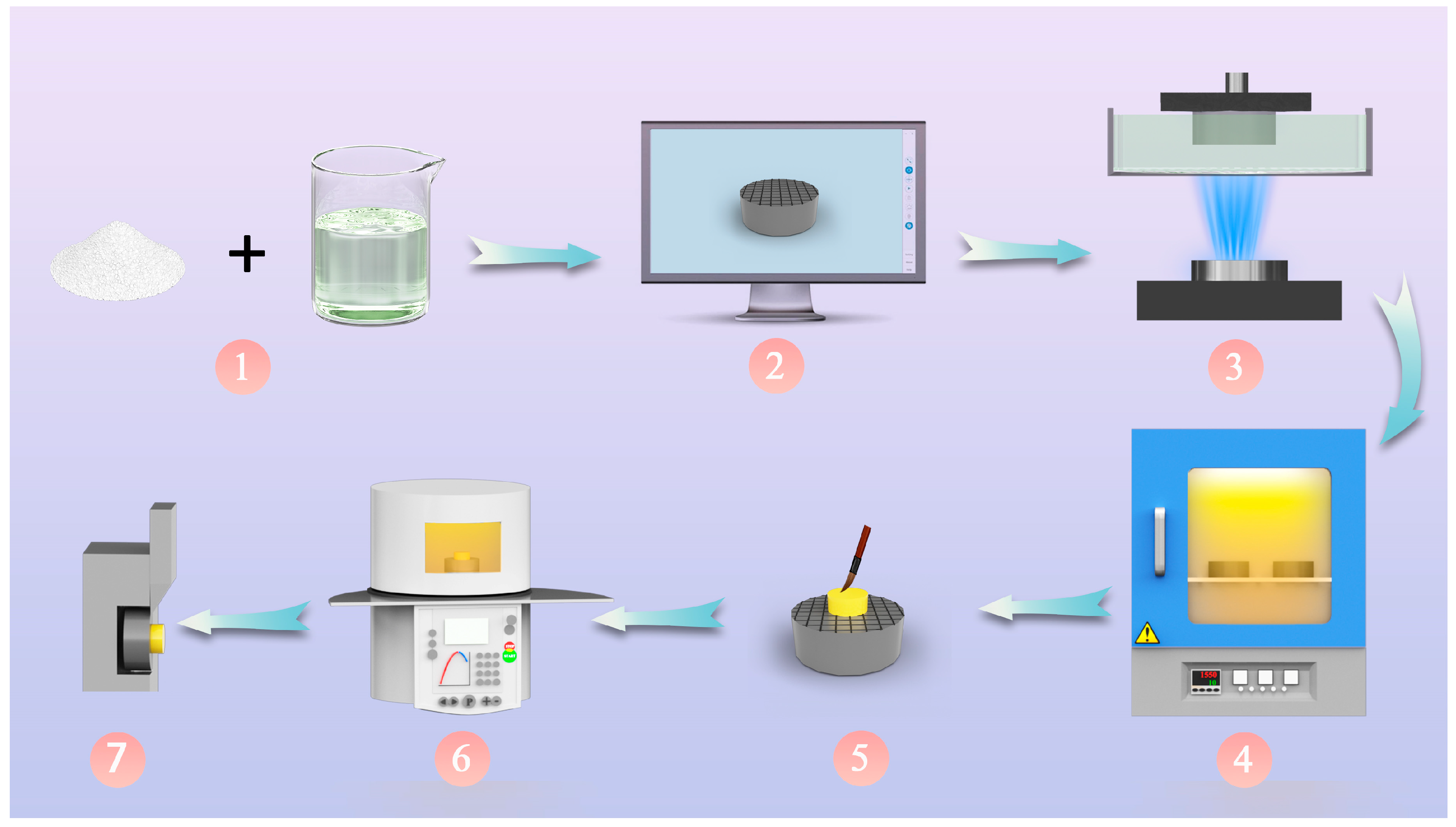
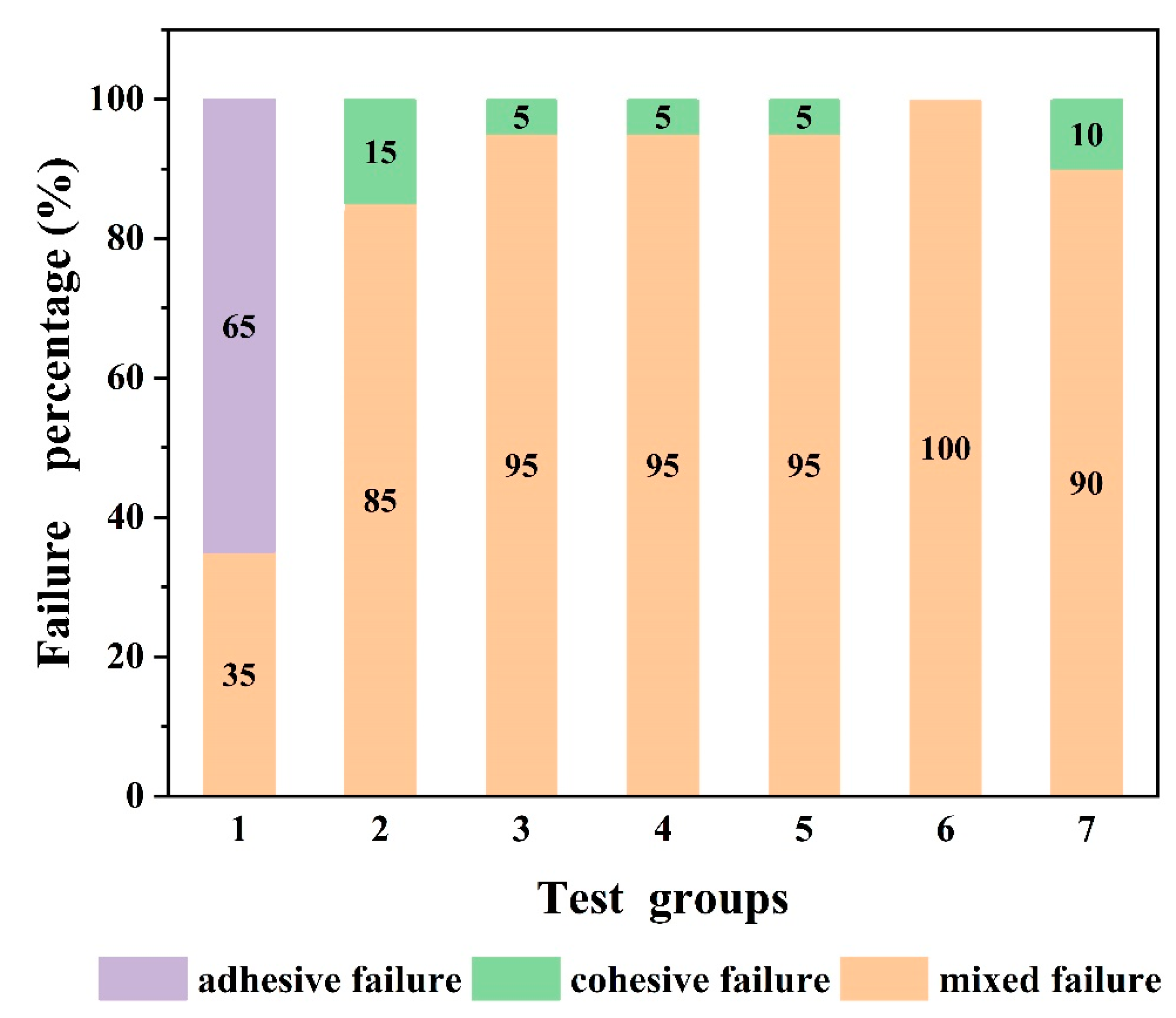
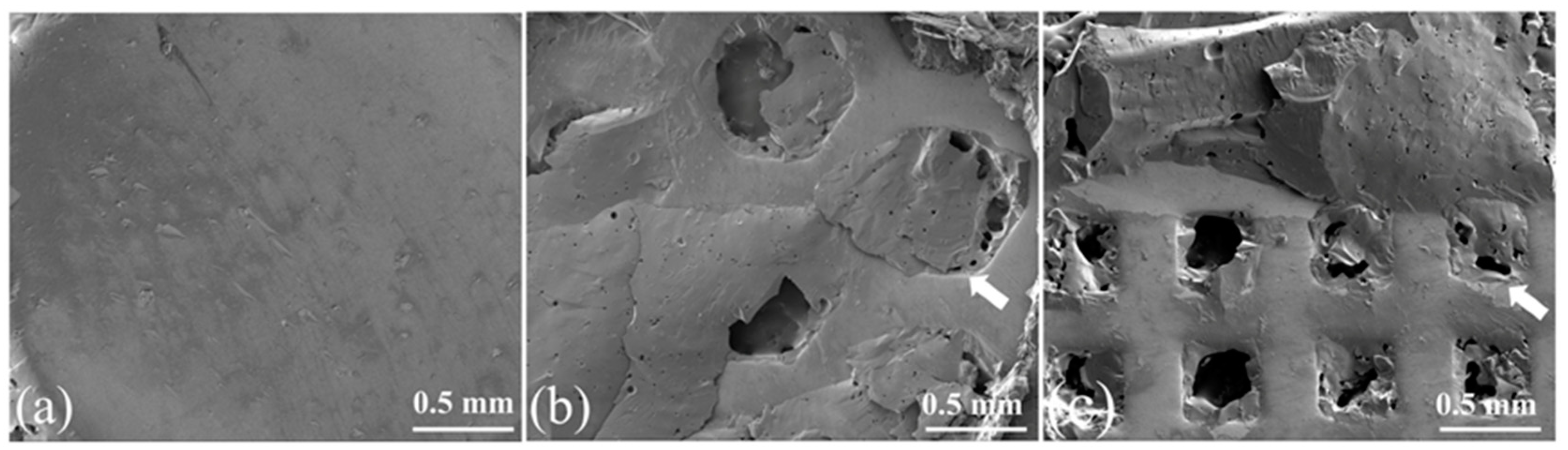
Veneered zirconia ceramics are widely used for dental restorations. However, the relatively poor bonding strength between the ceramic core and veneer porcelain remains a common problem in clinical applications. To address this issue, this study focused on enhancing the core–veneer bond strength of zirconia restorations through the implementation of surface textures using digital light processing (DLP) technology. The light intensity was precisely tuned to optimize mechanical strength and minimize light scattering. Subsequently, hexagonal or square grids were printed on the surface of the zirconia ceramic core. Following veneering procedures, the shear bond strength (SBS) test was conducted using a universal testing machine. Dates were compared using analysis of variance (ANOVA) and the least significant difference (LSD) test. Furthermore, optical microscopy and scanning electron microscopy (SEM) were used to examine the failure modes and observe the cross-sectional structures, respectively. The results indicated that the presence of a 0.09 mm high hexagon grid led to a significant 21% increase in the SBS value. However, grids with heights of 0.2 and 0.3 mm showed less improvement, owing to the formation of large defects at the interface during the fusion process. This study demonstrated the potential of DLP technology in preparing zirconia ceramics with complex structures and high mechanical strength, thereby offering promising solutions for overcoming challenges associated with dental applications.
Keywords: digital light processing (DLP); zirconia; veneer; shear bond strength (SBS); surface textures digital light processing (DLP); zirconia; veneer; shear bond strength (SBS); surface textures