Article

Design and Performance of Layered Heterostructure Composite Material System for Protective Armors

1
State Key Laboratory of Solidification Processing, School of Materials Science and Engineering, Northwestern Polytechnical University, Xi’an 710072, China
2
National Innovation Center of Forging and Ring Rolling Technology in Defense Industry, Northwestern Polytechnical University, Xi’an 710072, China
*
Author to whom correspondence should be addressed.
Materials 2023, 16(14), 5169; https://doi.org/10.3390/ma16145169
Submission received: 3 June 2023 / Revised: 4 July 2023 / Accepted: 19 July 2023 / Published: 22 July 2023

Abstract

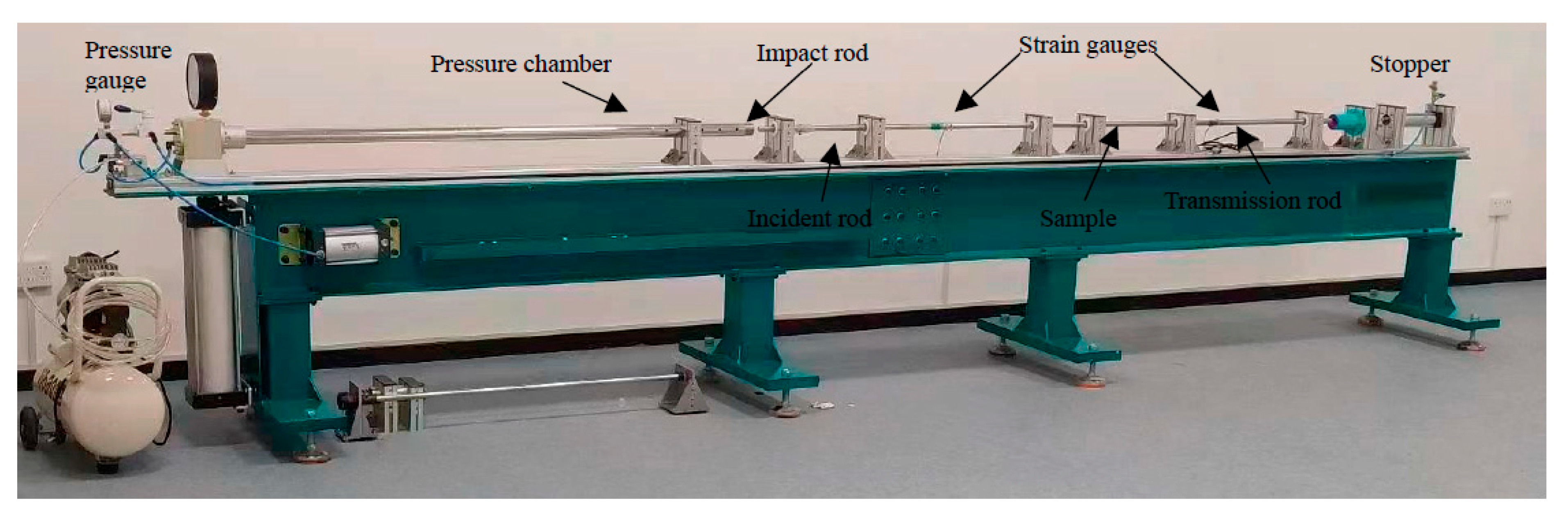
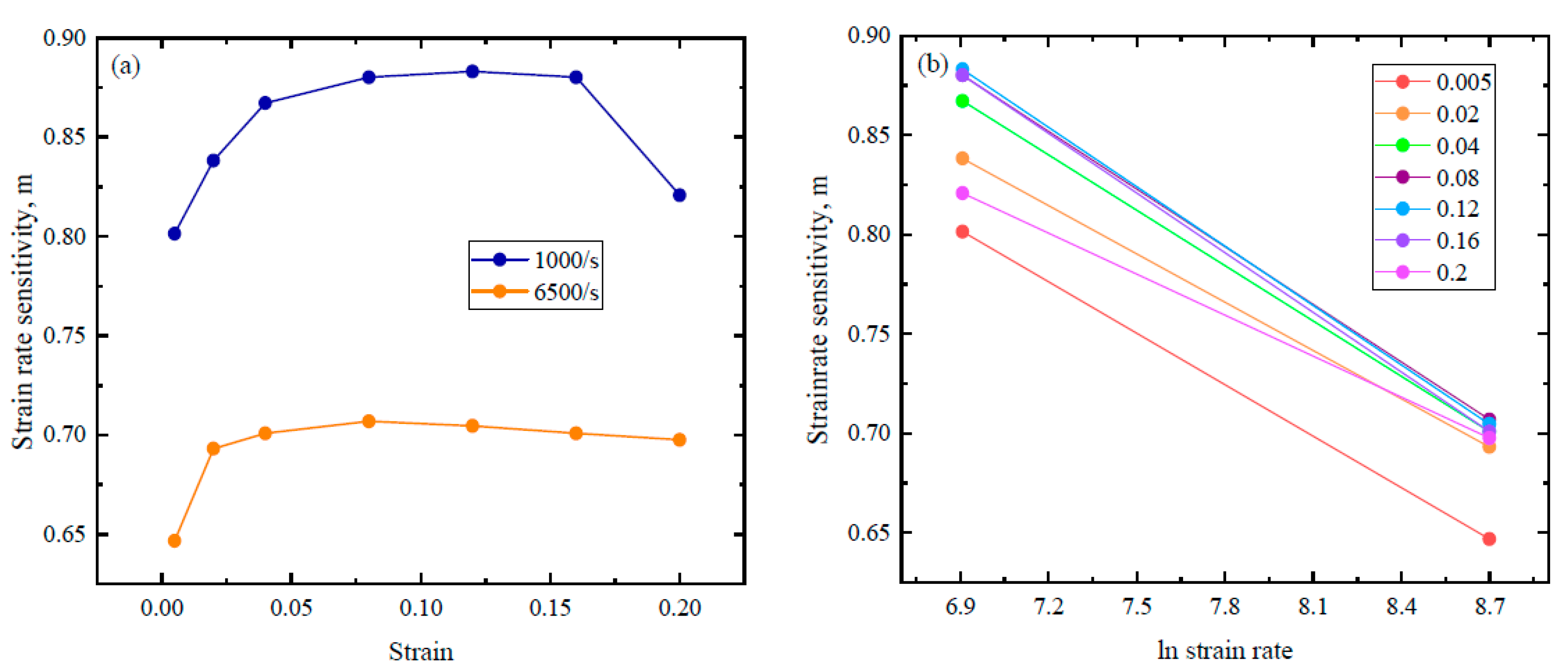
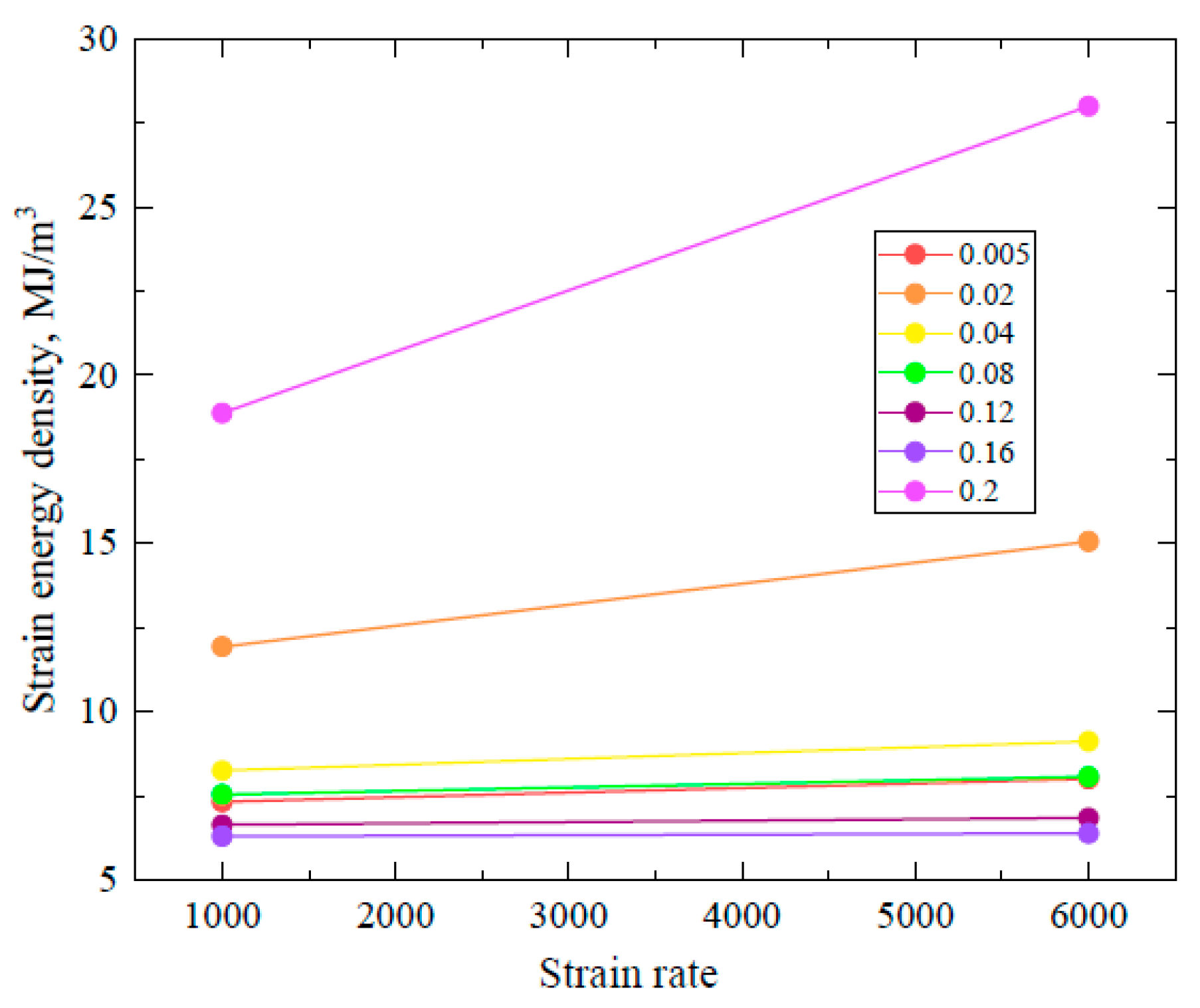
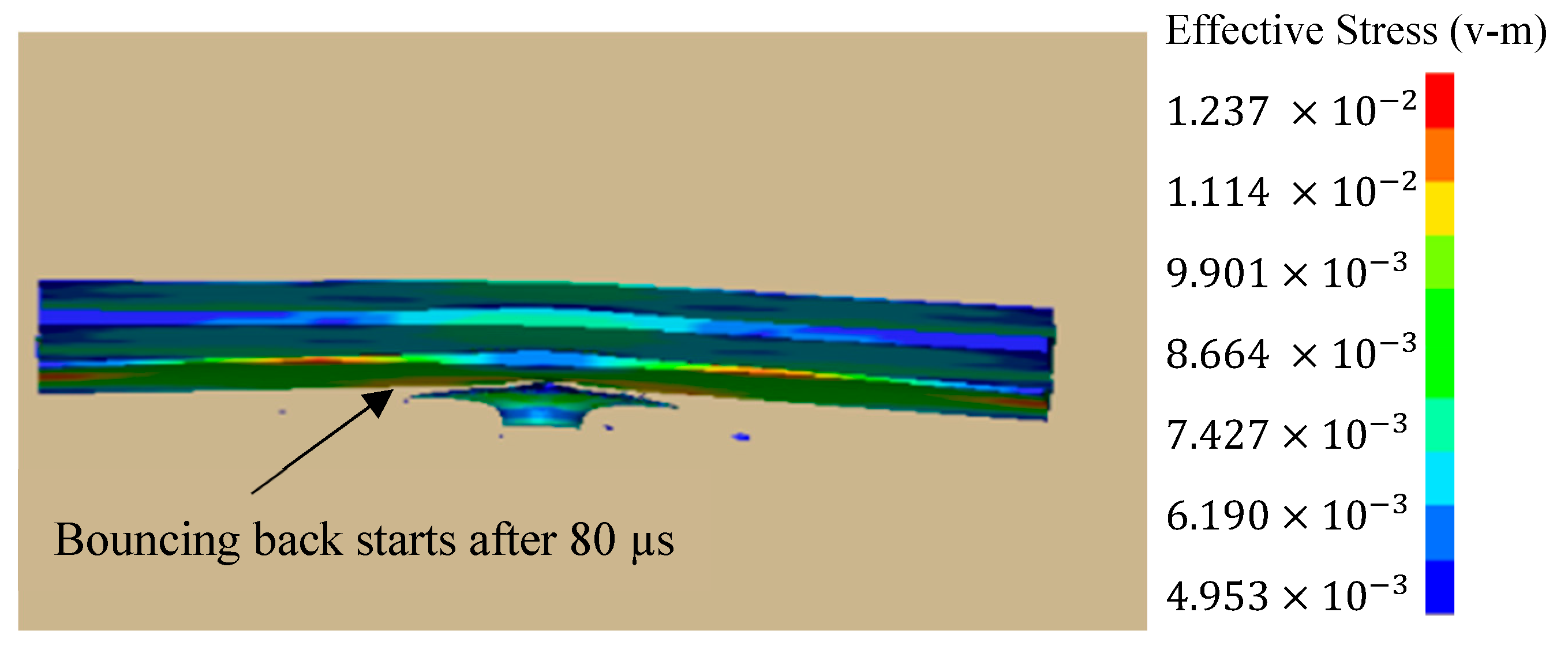
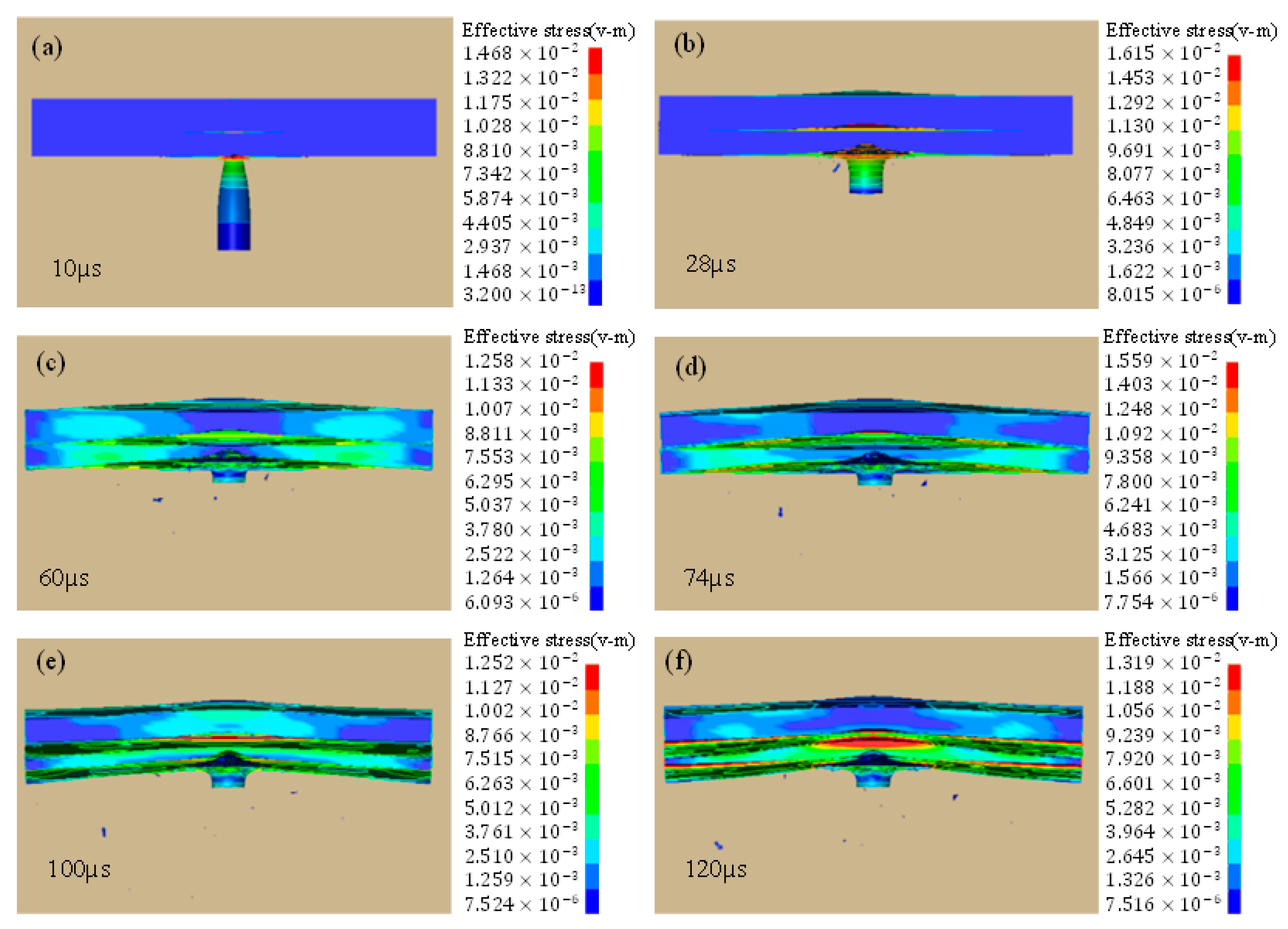
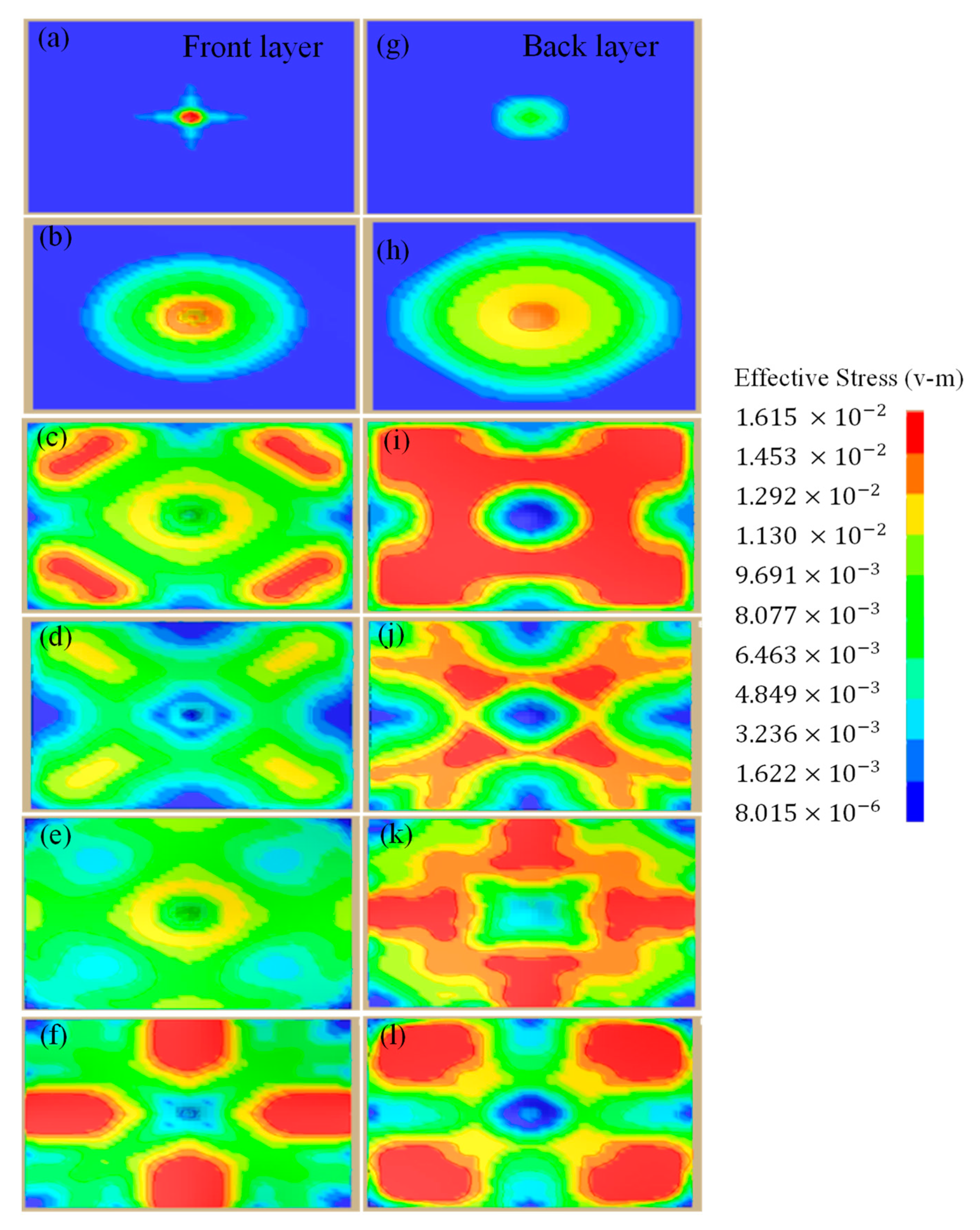
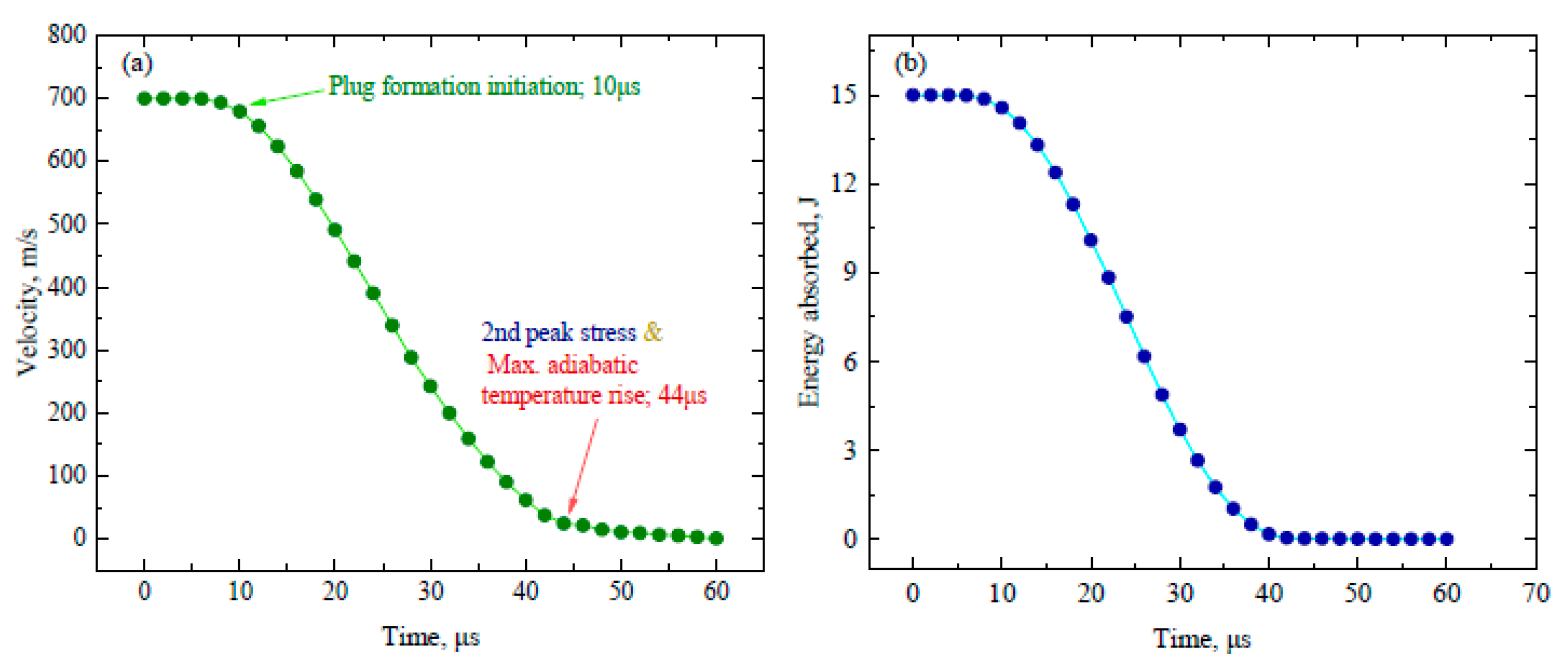
A new layered heterostructure composite material system (TC4 as front layer and 2024Al alloy as back layer) was developed and analyzed for its design and performance in terms of an enhanced absorption capability and anti-penetration behavior. The Florence model for energy absorption was modified, so that it can be utilized for the layered heterostructure composite material system with more efficacy. Numerical simulation through Ls-Dyna validated the analytical model findings regarding the energy absorption of the system and both were in good agreement. Results showed that two ductile materials with diverse properties, the hardness gradient and varied layer thickness joined together, specifically behaved like a unified structure and exhibited elastic collision after slight bending, which is possibly due to the decreased yield strength of the front layer and increased yield strength of the second layer. To validate the analytical and numerical findings, the samples of the layered heterostructure composite material system were subjected to a SHPB (Split Hopkinson pressure bar) compression test. The deformation behavior was analyzed in the context of the strain energy density and stain rate sensitivity parameter at different strain rates. The encouraging results proposed that two ductile materials with a hardness gradient can be used as an alternate structure instead of a brittle–ductile combination in a layered structure.
Keywords: layered heterostructure composites; energy absorption; elastic collision; armor protection; numerical simulation layered heterostructure composites; energy absorption; elastic collision; armor protection; numerical simulation