Article

Effect of a Multiaxial Load of Reverse Torsion on Open-Cell Aluminum Foams Behavior

1
Laboratoire Quartz, Supméca, 3, Rue Fernand Hainaut, CEDEX, 93407 Saint Ouen, France
2
Campus GARAC—Ecole Nationale des Professions de l’Automobile, 95100 Argenteuil, France
3
Department of Mechanical Engineering, Imam Mohammad Ibn Saud Islamic University, Riyadh 11432, Saudi Arabia
4
IUT de Tremblay, Université Paris 8, 93290 Tremblay-en-France, France
*
Authors to whom correspondence should be addressed.
Materials 2023, 16(14), 5136; https://doi.org/10.3390/ma16145136
Submission received: 19 June 2023 / Revised: 14 July 2023 / Accepted: 17 July 2023 / Published: 21 July 2023

Abstract

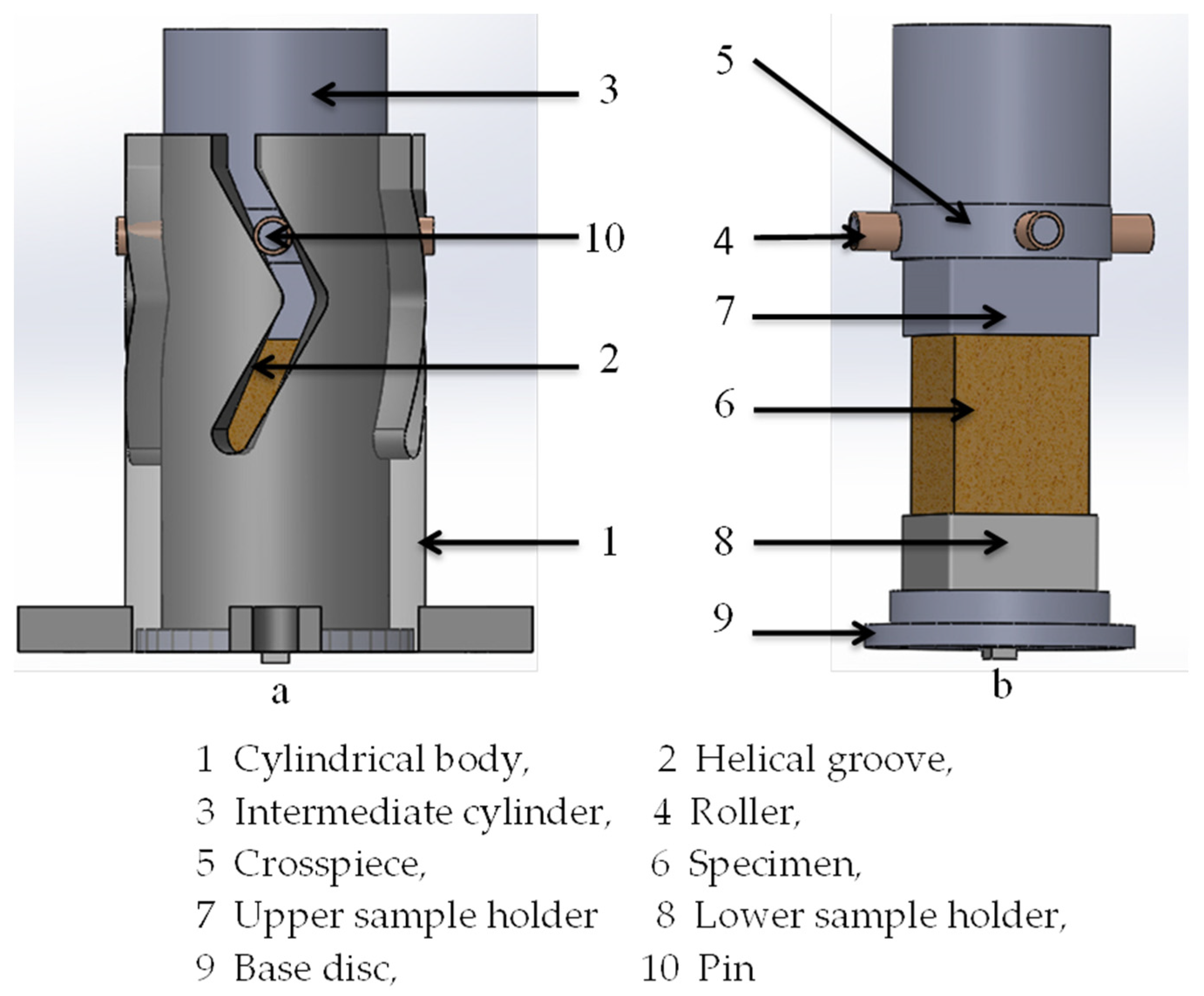
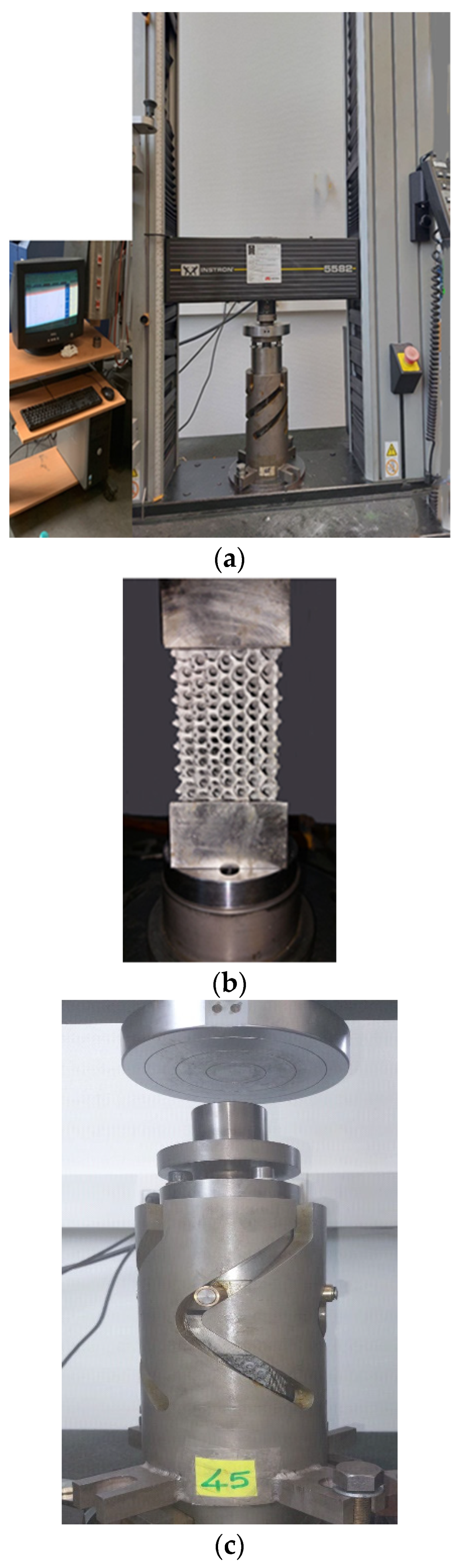
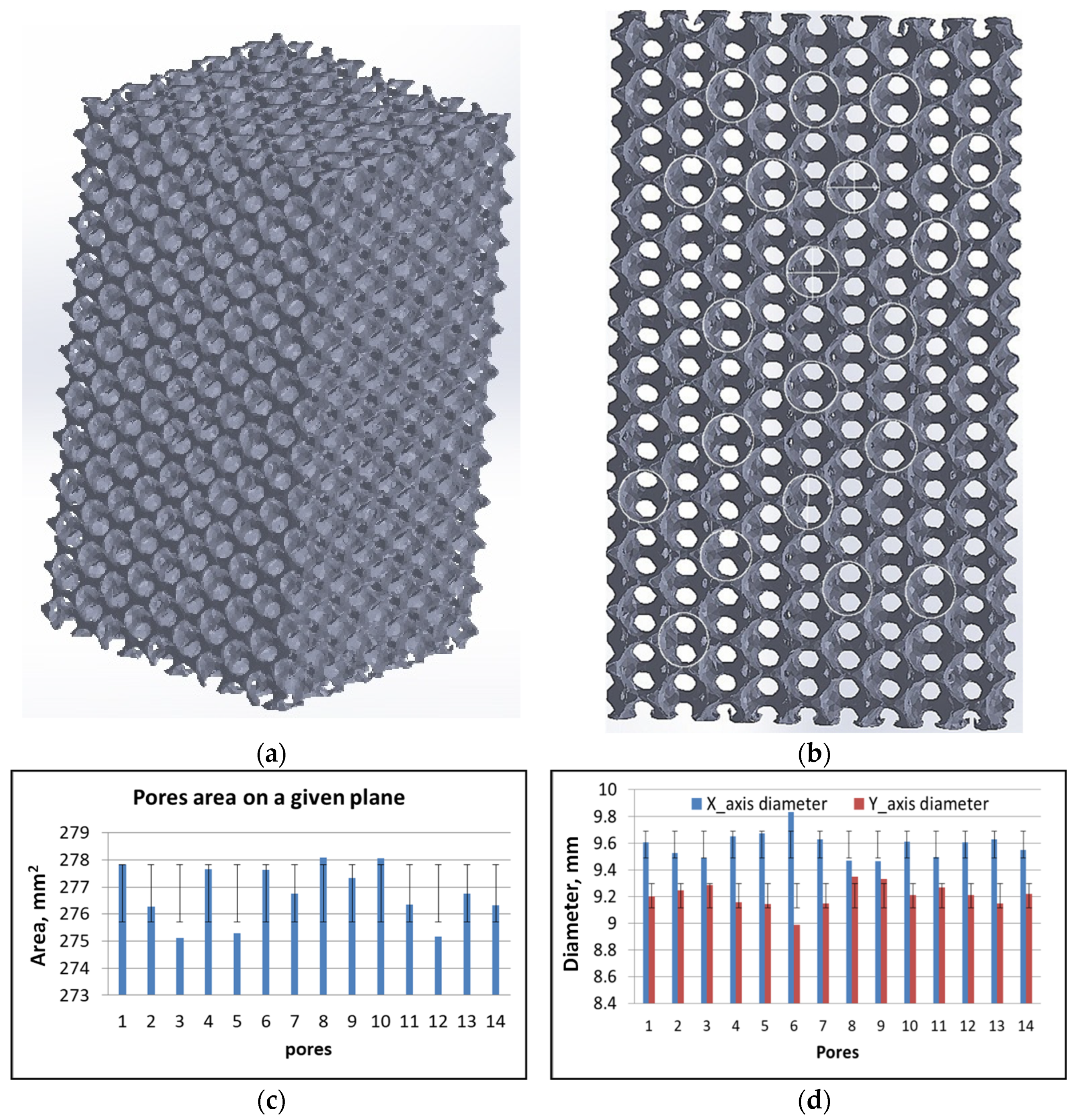
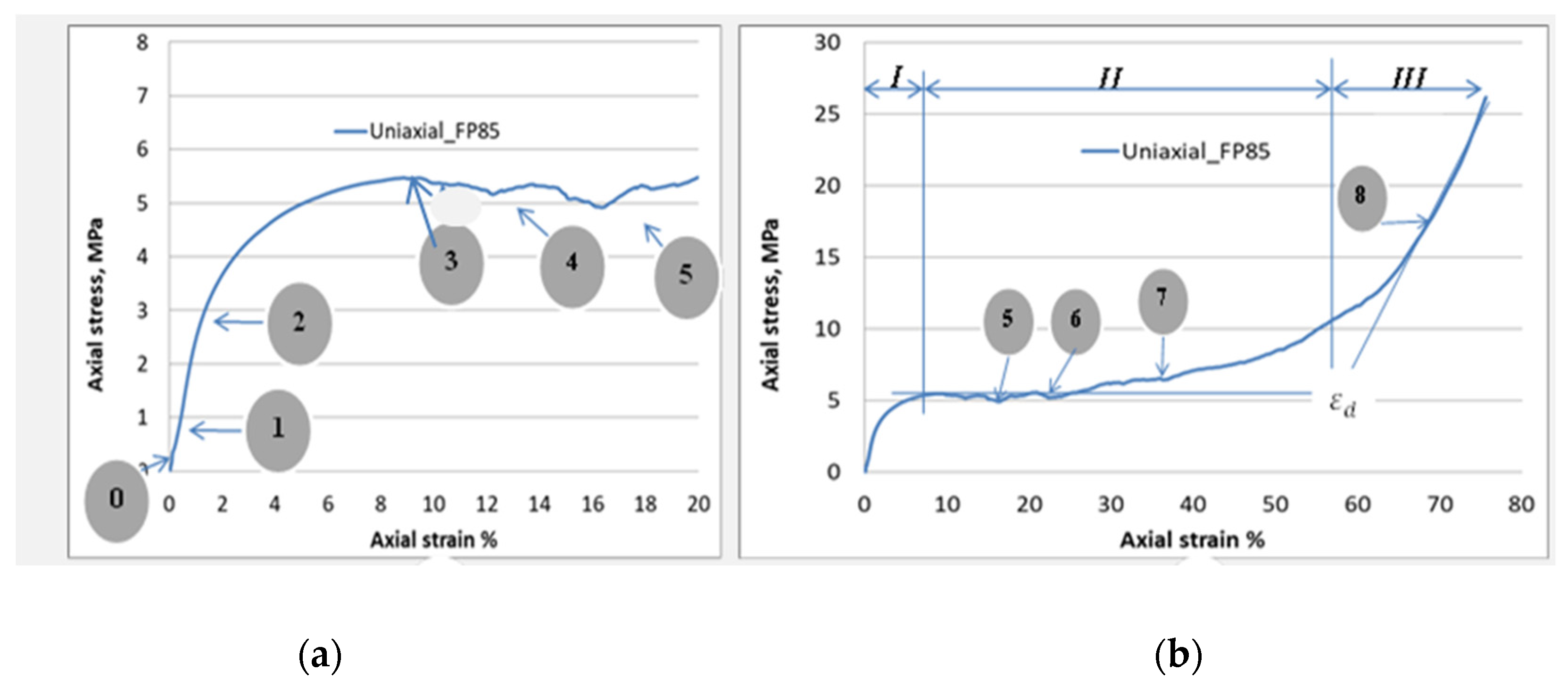
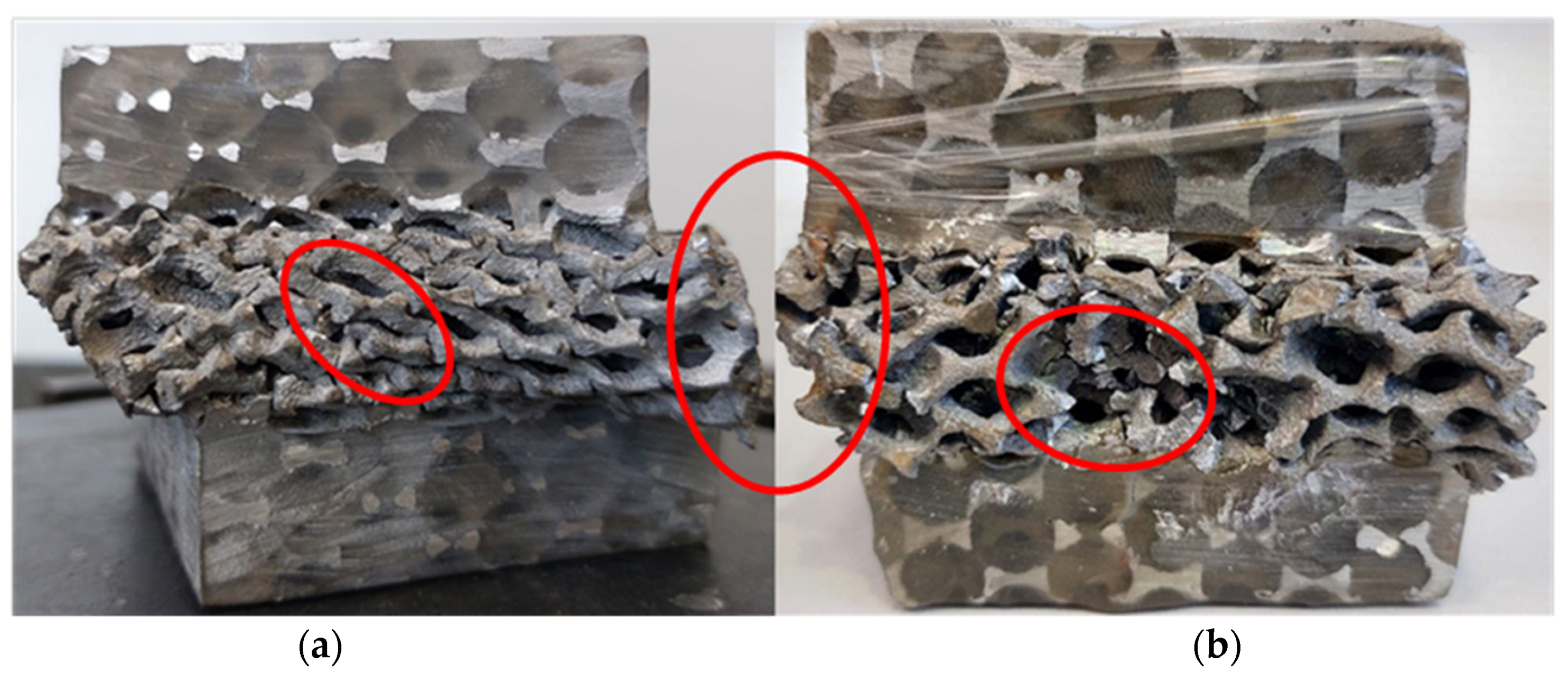
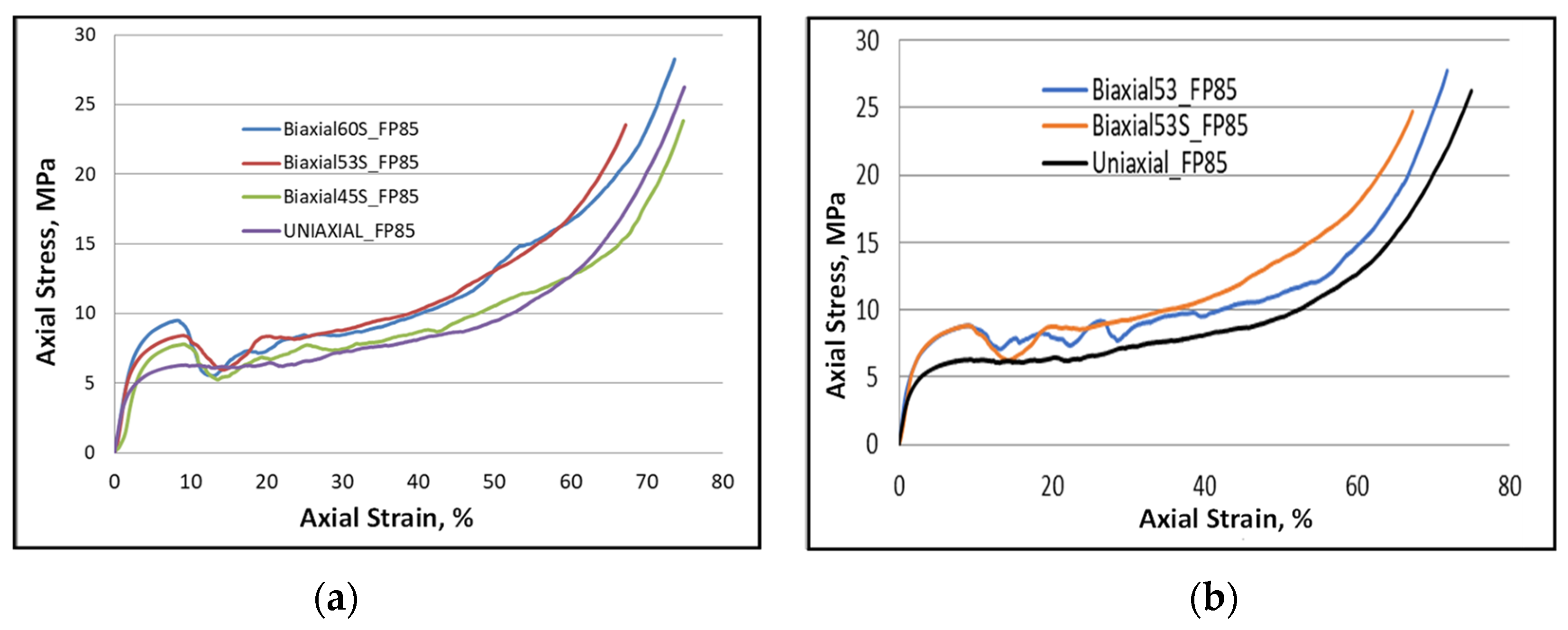
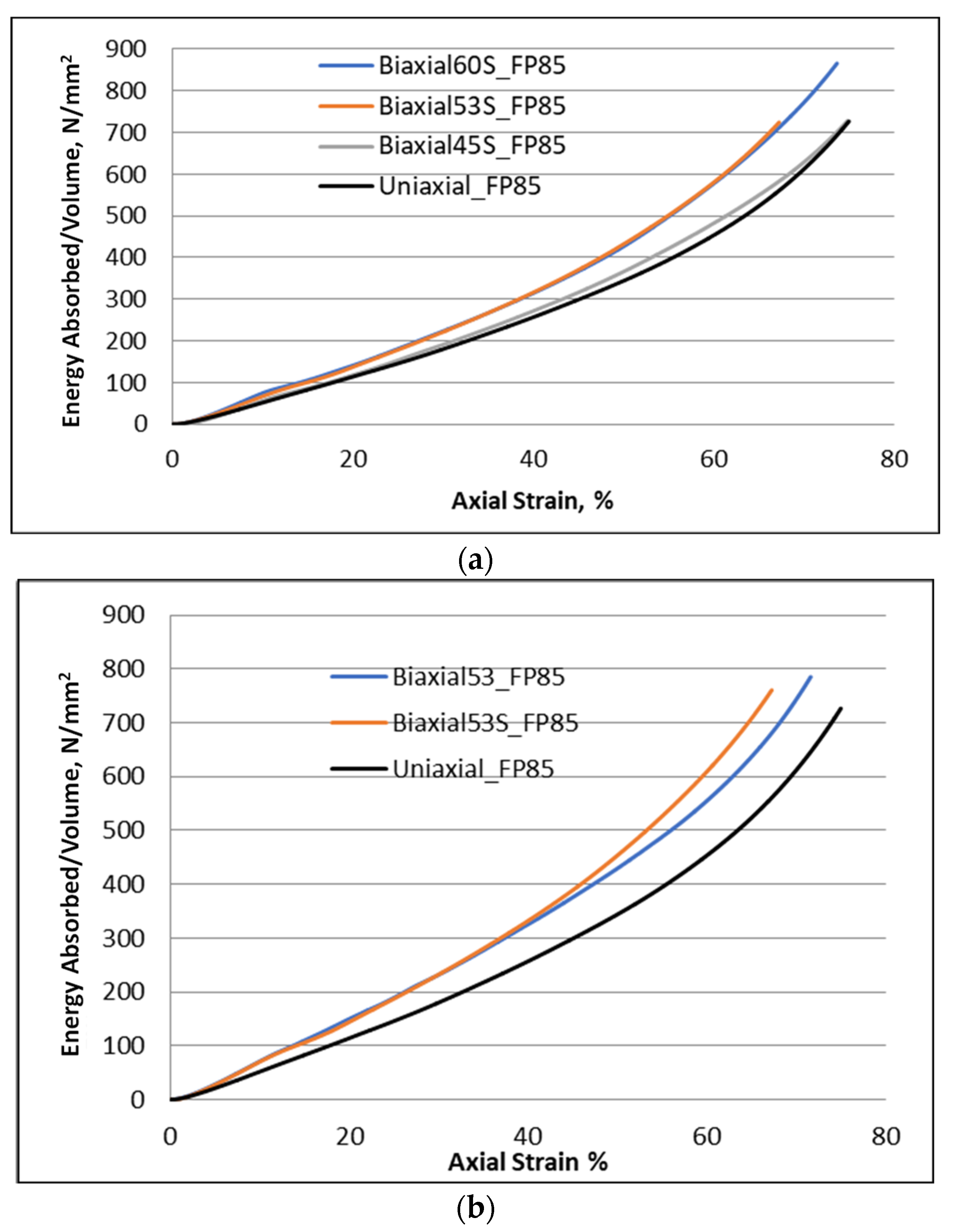
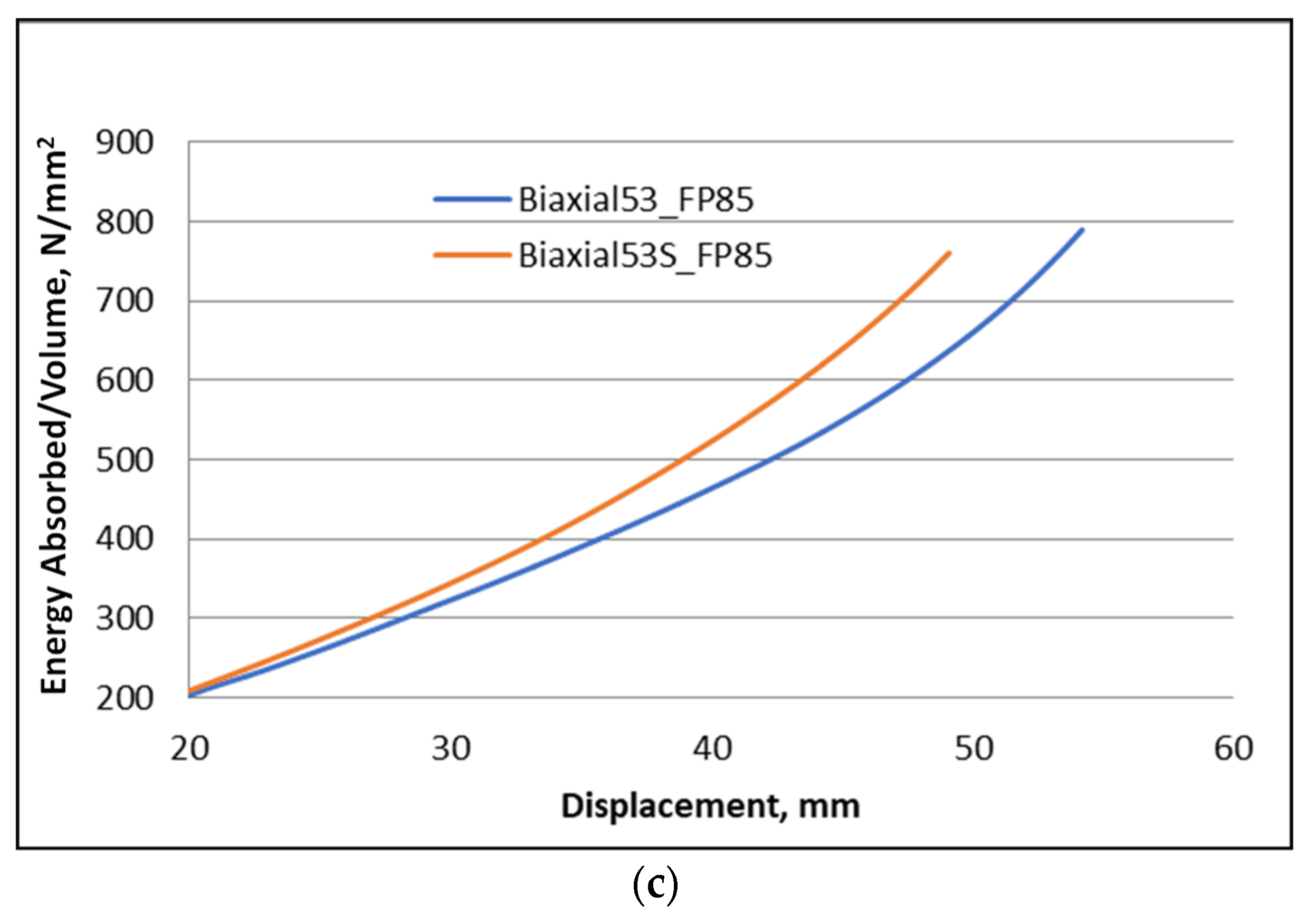
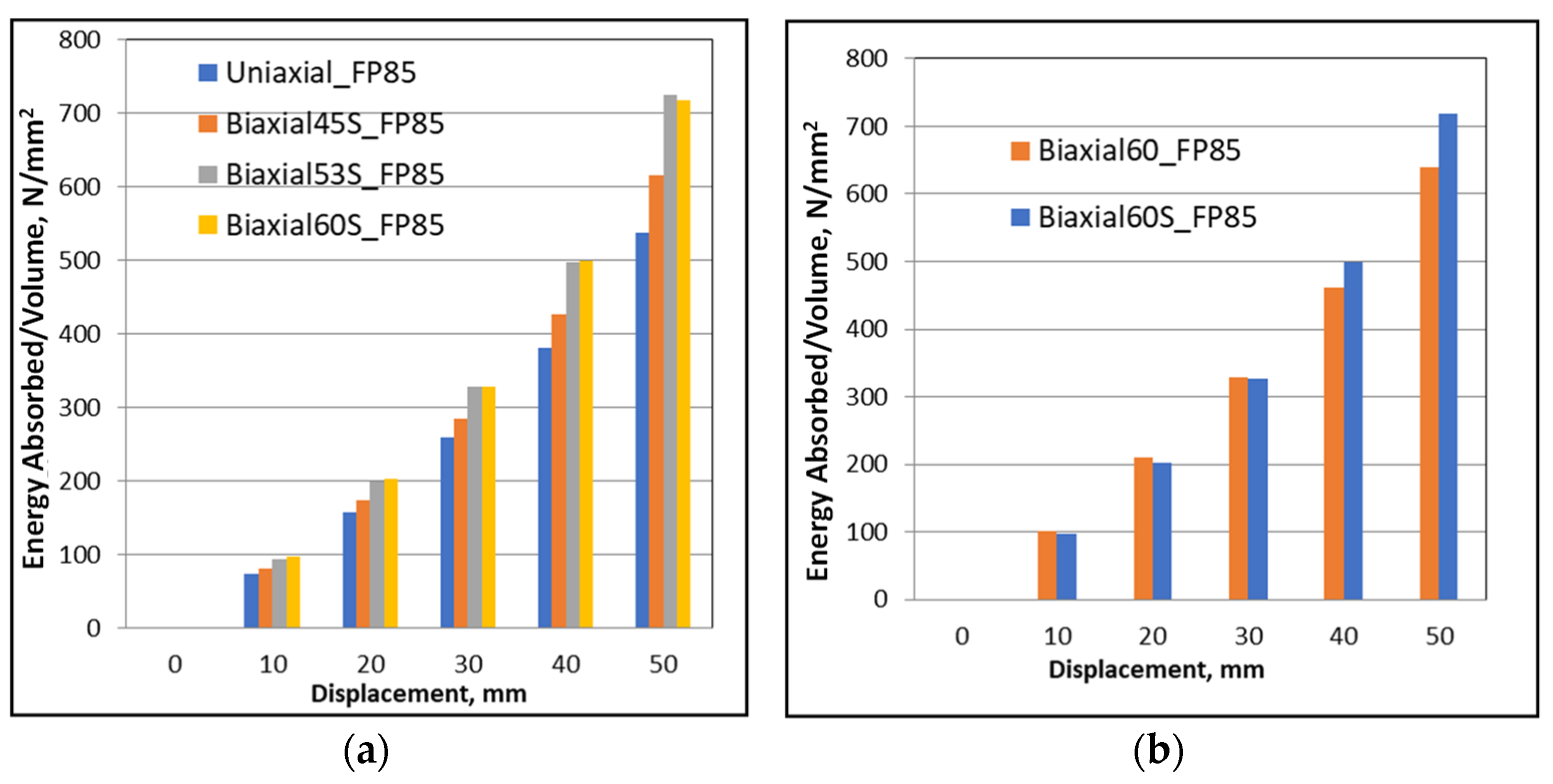
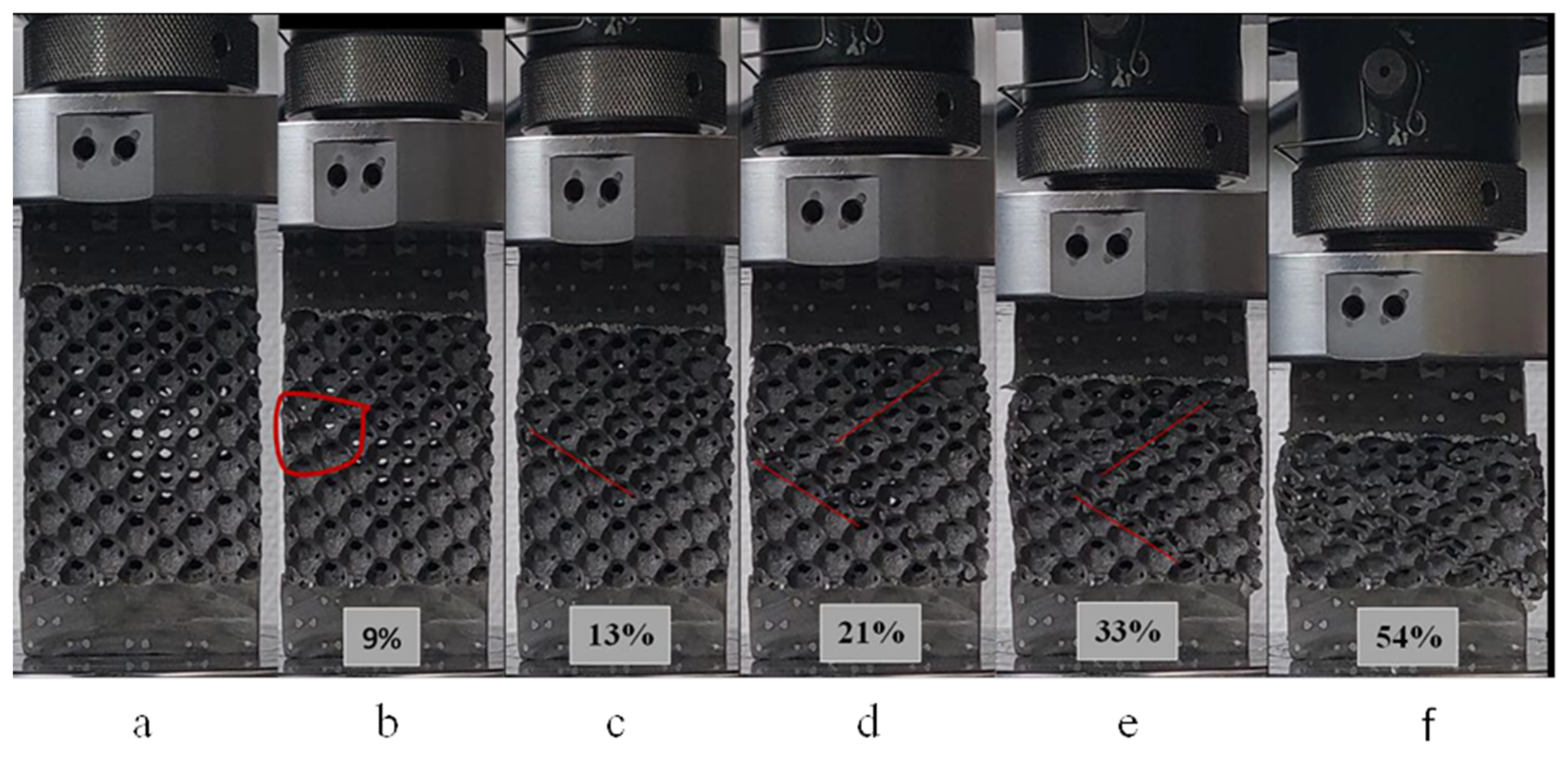
As a main goal of this work, a novel generation of cellular materials has been developed and manufactured by the kelvin cell model to be offered for different multifunctional applications. These Open-Cell Aluminum Foams (OCAF) have 85% porosities of spherical-shaped pores with a diameter of 11 mm. Several foamed square-section specimens were used. This work investigated the impact of different new quasi-static biaxial loading complexities on the mechanical behavior of such foams. Thus, new S-profiled rigs were already designed for examining the behavior of tested foams under biaxial loading conditions with different reverse torsional components named ACTP-S. After testing, their high specific strength and high energy absorption abilities have been characterized. Thus, in addition to the reference uniaxial test, all other tests were conducted at a speed of 5 mm/min. Thus, the mechanical responses of this foam are affected by loading complexities which are simple uniaxial, intermediate-biaxial (Bi-45°), and sever-biaxial (Bi-60°). These results were compared to the classical Absorption using Compression-Torsion Plastique (ACTP) responses. It was concluded that the highest dissipated energy increases with the increase in loading path complexity. Note that the energy absorption of the foam is essentially governed by its collapse mode.
Keywords: open-cell foams; multiaxial reverse torsion loading condition; mechanical behavior; energy absorption capacity open-cell foams; multiaxial reverse torsion loading condition; mechanical behavior; energy absorption capacity