Review

An Overview of Angle Deviations of Fiber-Reinforced Polymer Composite Angular Laminates

Department of Mechanical Engineering, National Yunlin University of Science and Technology, 123 University Road, Section 3, Yunlin 64002, Taiwan
Materials 2023, 16(13), 4844; https://doi.org/10.3390/ma16134844
Submission received: 13 June 2023 / Revised: 1 July 2023 / Accepted: 3 July 2023 / Published: 5 July 2023

Abstract

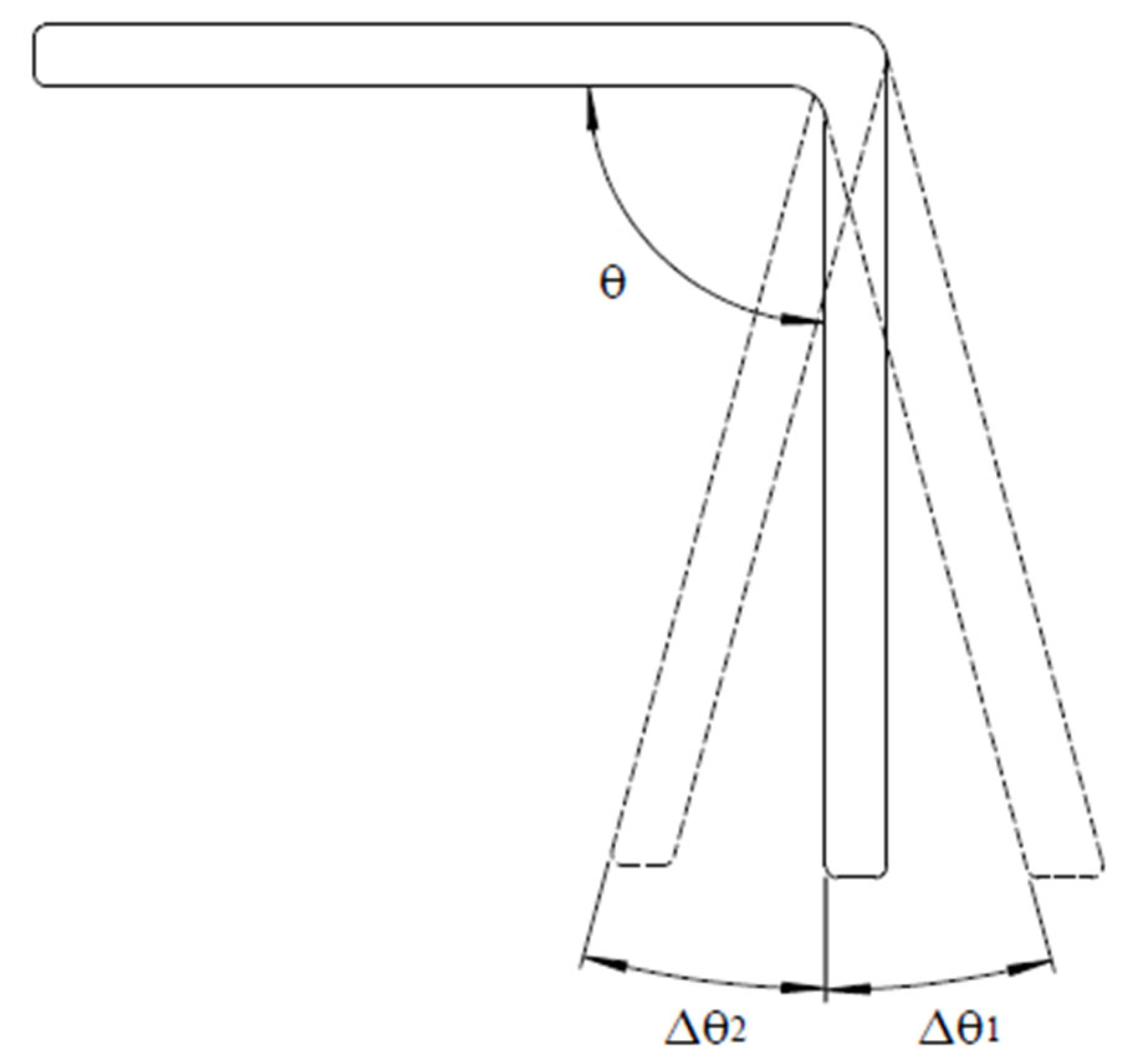
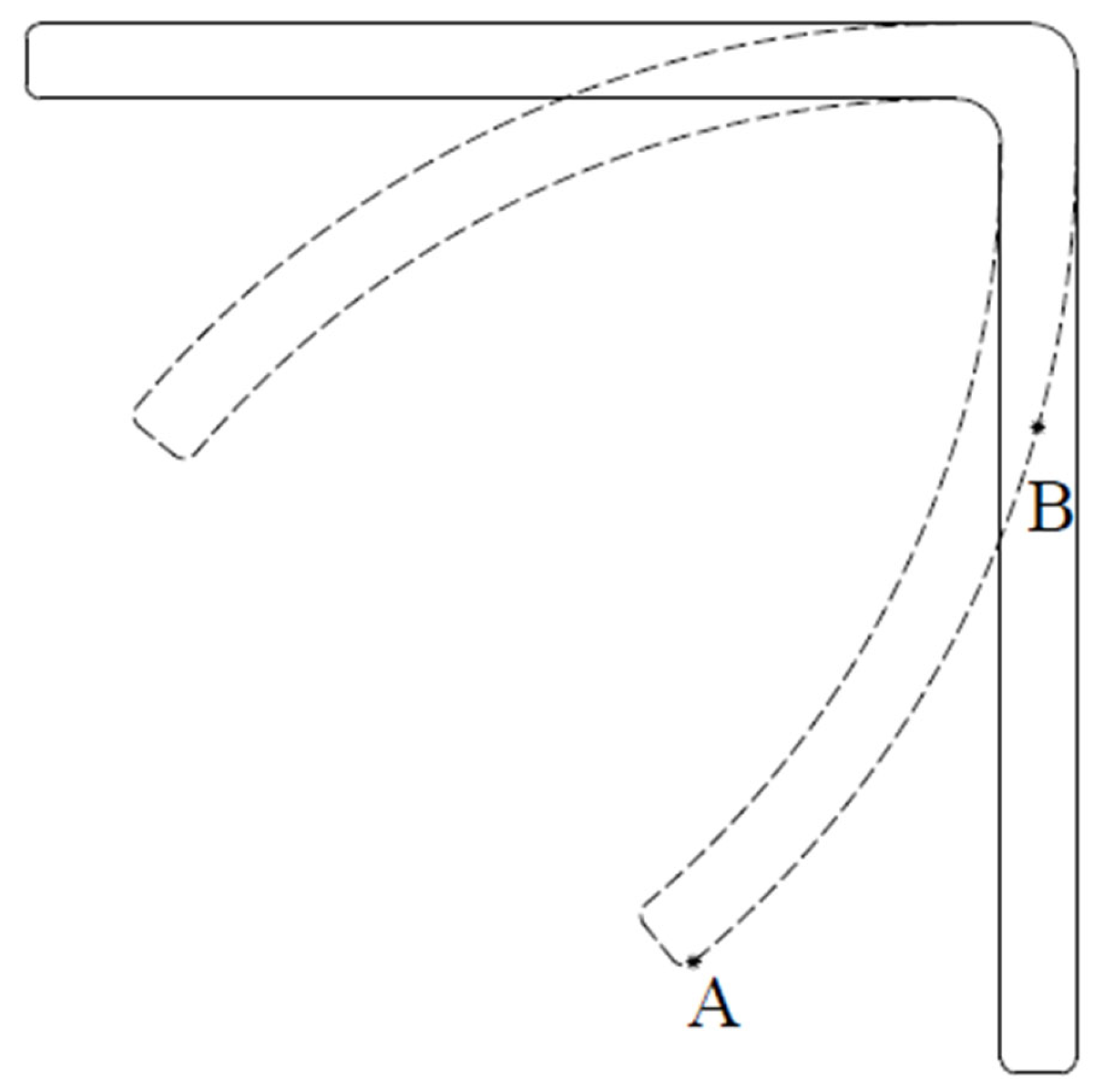
After manufacturing, fiber-reinforced polymer composite laminates may have residual stresses, resulting in warpage in flat structures and angle changes in angular sections. These shape distortions may cause fitting mismatch problems under high-level assembly, and extra efforts to fix these problems may be needed. The present paper only makes an overview of the angle deviation of angular composite laminates made of either thermoset matrix with autoclave curing or thermoplastic matrix with thermoforming. Depending on the positive or negative angle deviation, spring-back or spring-in behavior is observed. There are many parameters, including intrinsic and extrinsic parameters, that could affect the angle deviation. In the first part of this review paper, experimental results concerning the effects of the part angle, part thickness, lay-up sequence, corner angle, flange size, tool material, tool surface, and cure cycle are summarized. Spring-in angles are generally obtained in this part. In the second part, several prediction methods, such as simple equations and finite element methods, are compared to indicate the considered parameters. Some have good agreement and some have larger errors. The crucial differences may be dependent on the micromechanical theories and the input properties of the composite and the constituents.
Keywords: spring-back; spring-in; thermoset; thermoplastic; composite; finite element analysis spring-back; spring-in; thermoset; thermoplastic; composite; finite element analysis