Article

Comparative Analysis of Reconfigurable Platforms for Memristor Emulation


1
Faculty of Civil and Mechanical Engineering, Research and Development Directorate, Technical University of Ambato, Ambato 180207, Ecuador
2
Faculty of Engineering, National University of Chimborazo, Av. Antonio José de Sucre, Riobamba 060108, Ecuador
*
Author to whom correspondence should be addressed.
Materials 2022, 15(13), 4487; https://doi.org/10.3390/ma15134487
Submission received: 3 May 2022 / Revised: 30 May 2022 / Accepted: 7 June 2022 / Published: 25 June 2022

Abstract

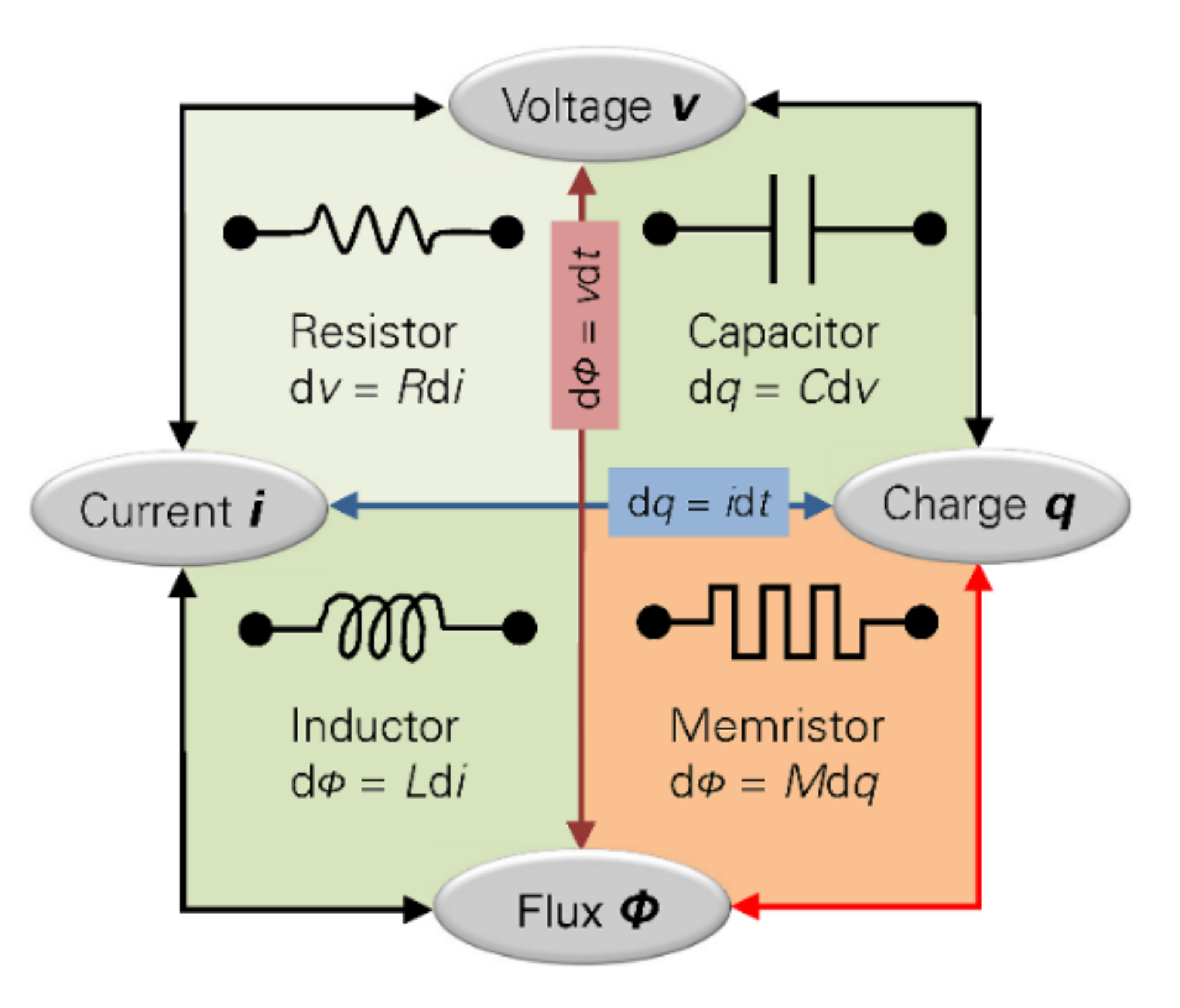
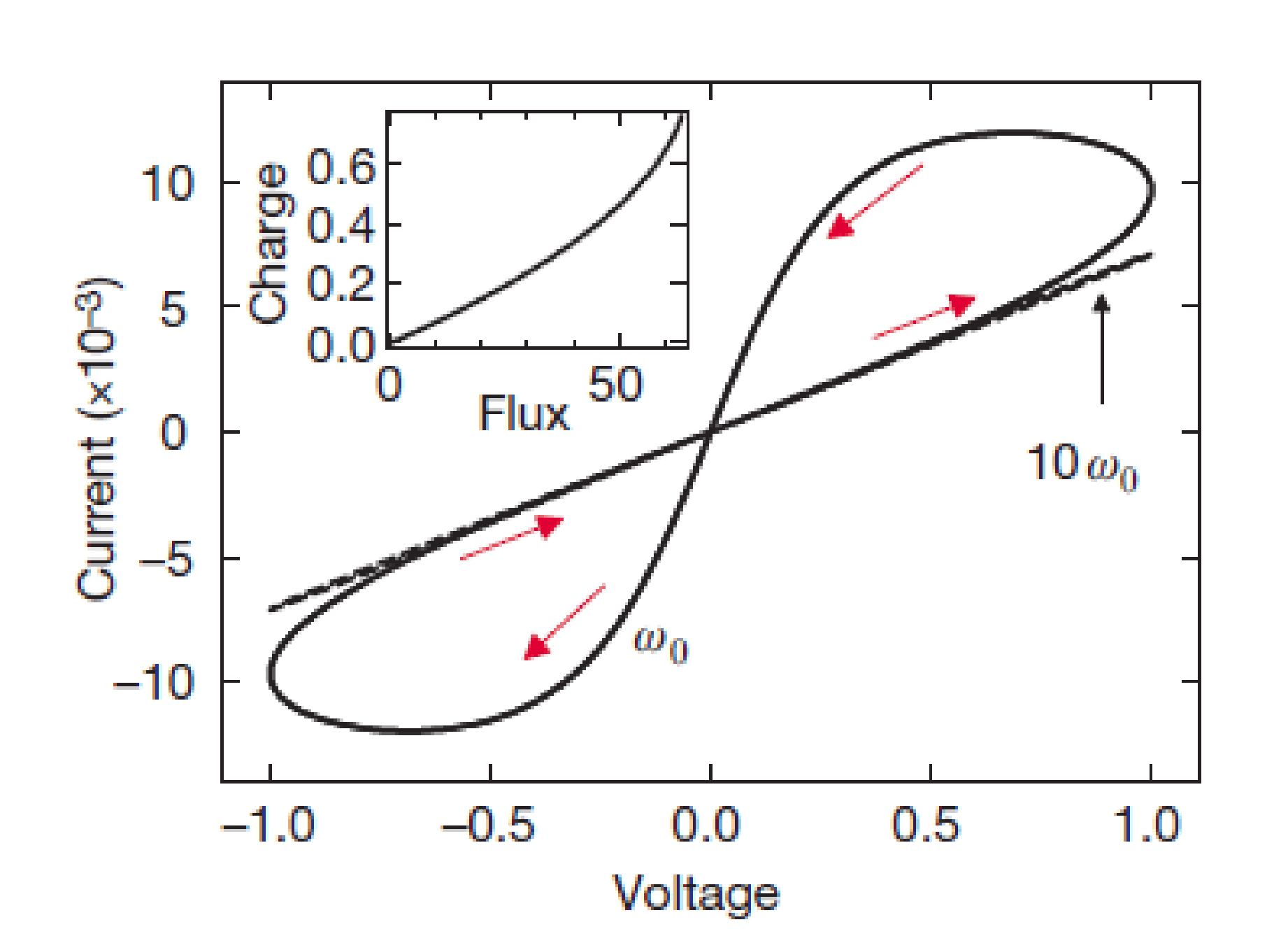
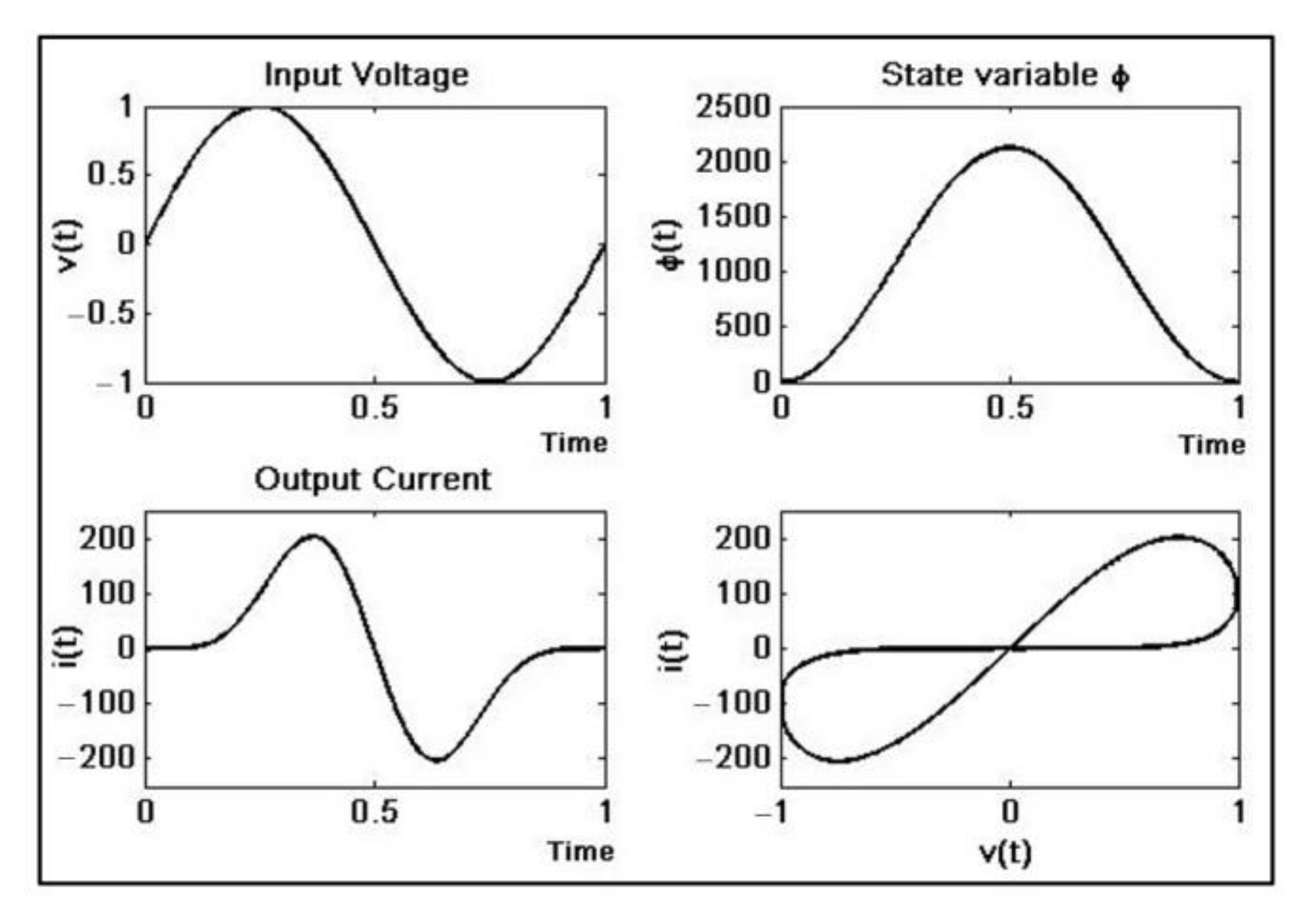
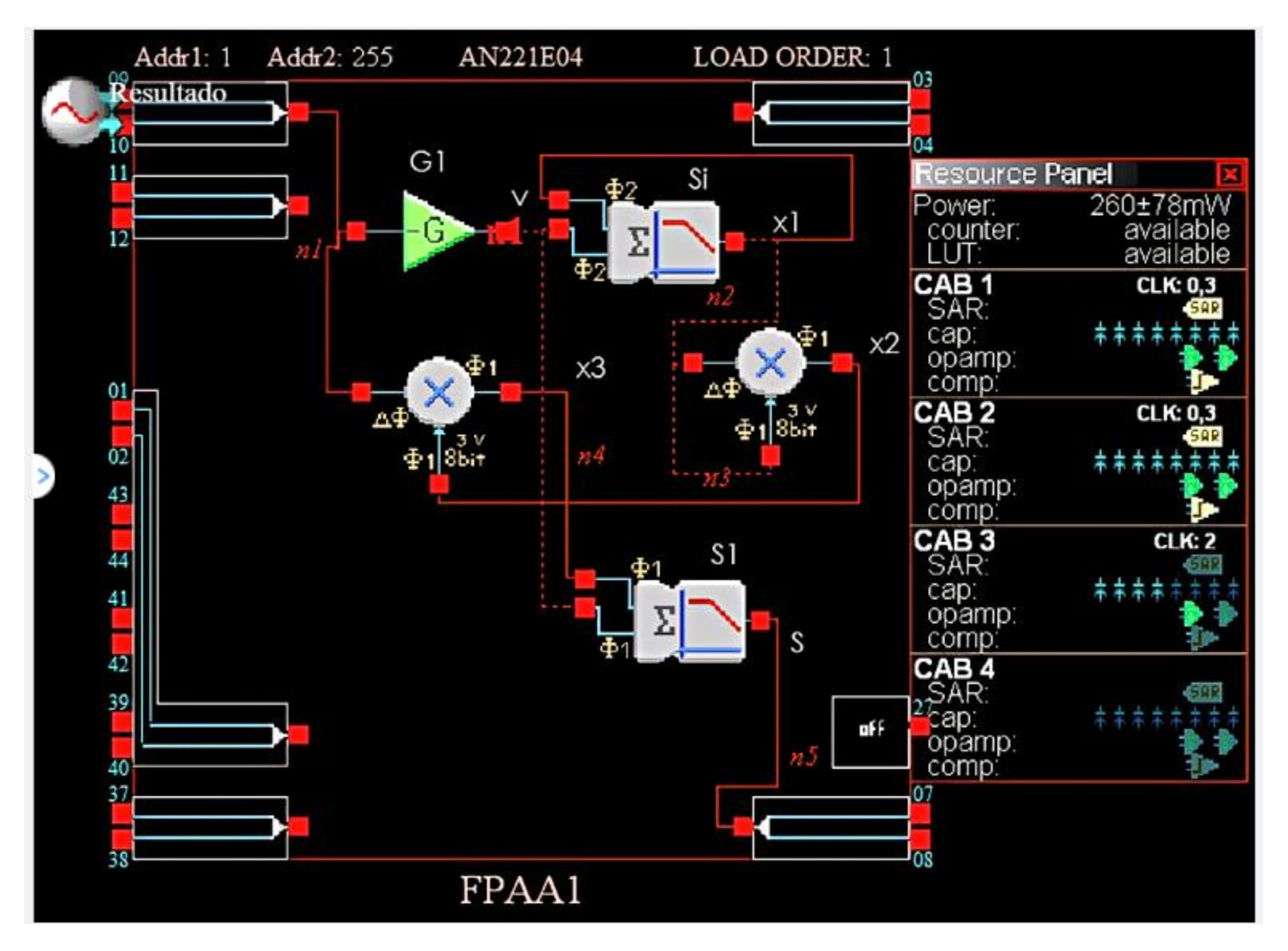
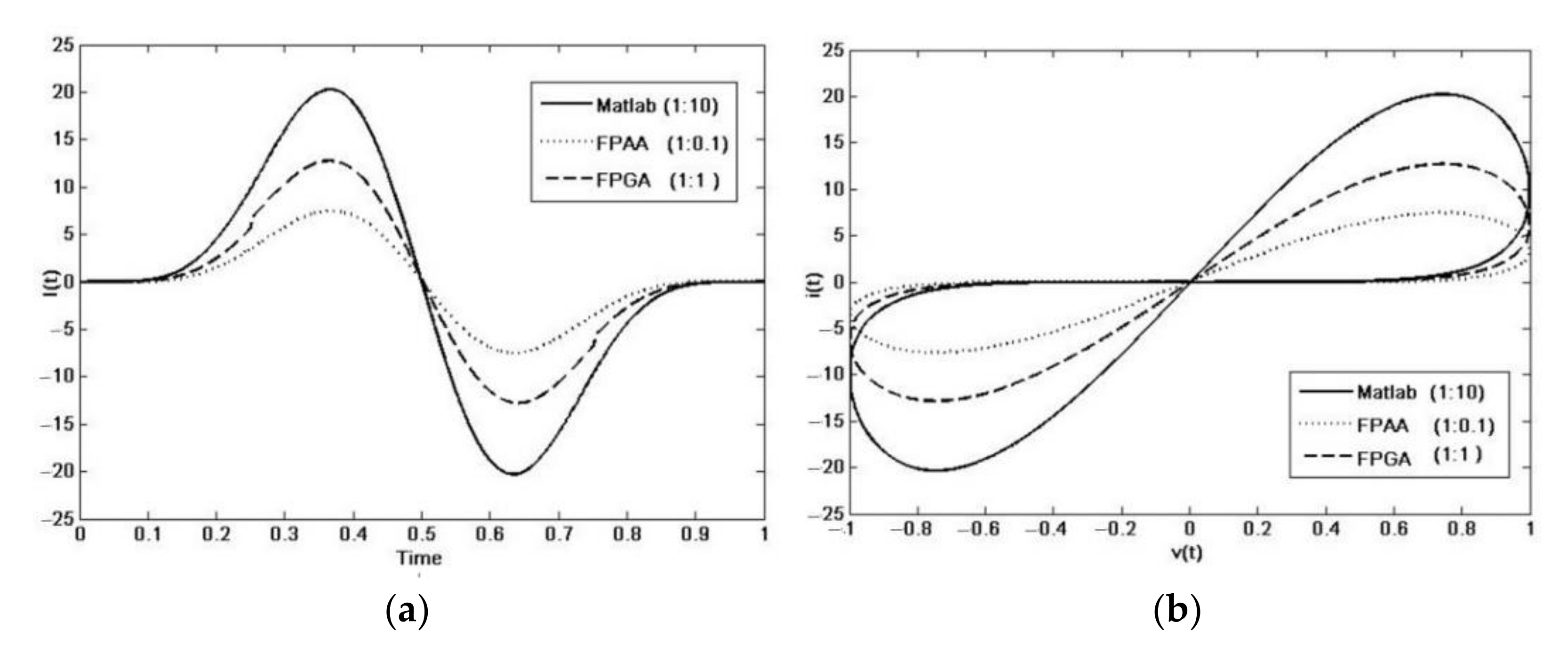
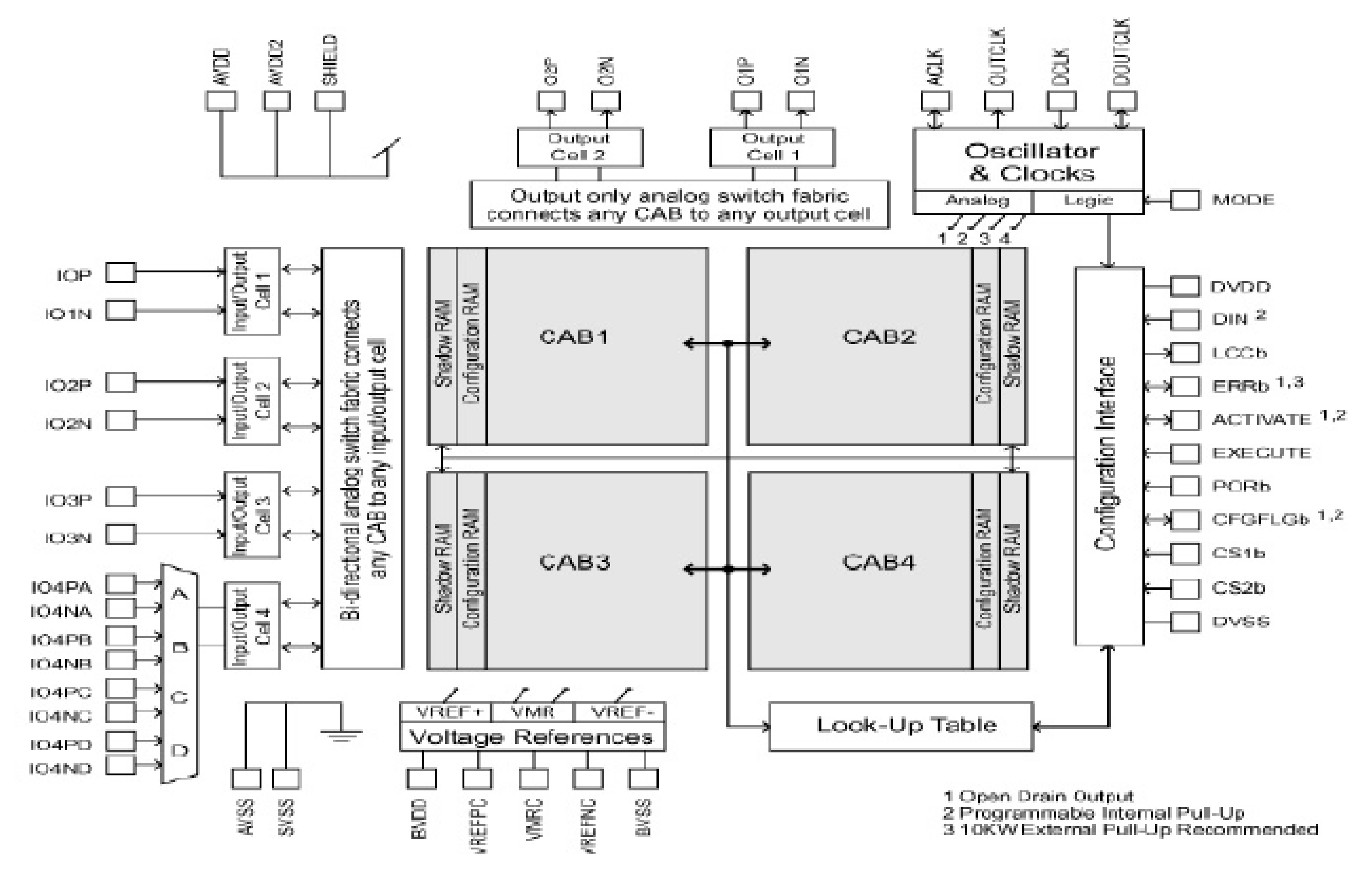
The memristor is the fourth fundamental element in the electronic circuit field, whose memory and resistance properties make it unique. Although there are no electronic solutions based on the memristor, interest in application development has increased significantly. Nevertheless, there are only numerical Matlab or Spice models that can be used for simulating memristor systems, and designing is limited to using memristor emulators only. A memristor emulator is an electronic circuit that mimics a memristor. In this way, a research approach is to build discrete-component emulators of memristors for its study without using the actual models. In this work, two reconfigurable hardware architectures have been proposed for use in the prototyping of a non-linearity memristor emulator: the FPAA (Field Programing Analog Arrays) and the FPGA (Field Programming Gate Array). The easy programming and reprogramming of the first architecture and the performance, high area density, and parallelism of the second one allow the implementation of this type of system. In addition, a detailed comparison is shown to underline the main differences between the two approaches. These platforms could be used in more complex analog and/or digital systems, such as neural networks, CNN, digital circuits, etc.
Keywords: memristor emulator; electronic circuit; FPAA; FPGA memristor emulator; electronic circuit; FPAA; FPGA