Article

Experimental and Theoretical Studies on Possibility of Void Filling by Magnesium in Mg-Doped Tetrahedrites

by
Juliusz Leszczyński
1,*,
Krzysztof Kapera
2,
Adrian Mizera
1,
Paweł Nieroda
1 and
Andrzej Koleżyński
2
1
Department of Inorganic Chemistry, Faculty of Materials Science and Ceramics, AGH University of Science and Technology, al. A. Mickiewicza 30, 30-059 Krakow, Poland
2
Department of Silicate Chemistry and Macromolecular Compounds, Faculty of Materials Science and Ceramics, AGH University of Science and Technology, al. A. Mickiewicza 30, 30-059 Krakow, Poland
*
Author to whom correspondence should be addressed.
Materials 2022, 15(12), 4115; https://doi.org/10.3390/ma15124115
Submission received: 9 May 2022 / Revised: 6 June 2022 / Accepted: 7 June 2022 / Published: 9 June 2022
(This article belongs to the Section Materials Chemistry)

Abstract

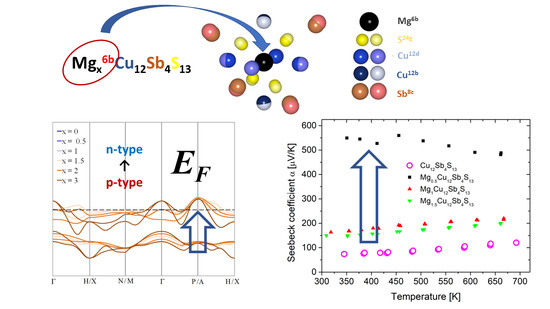
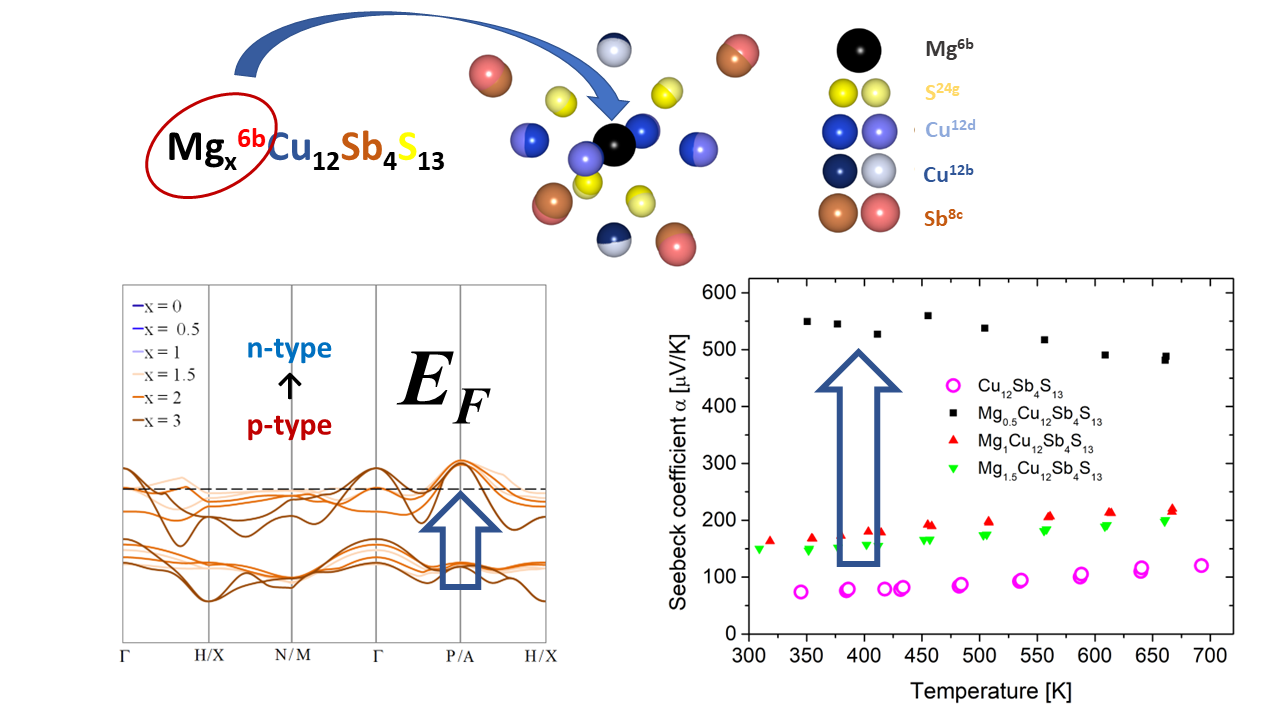
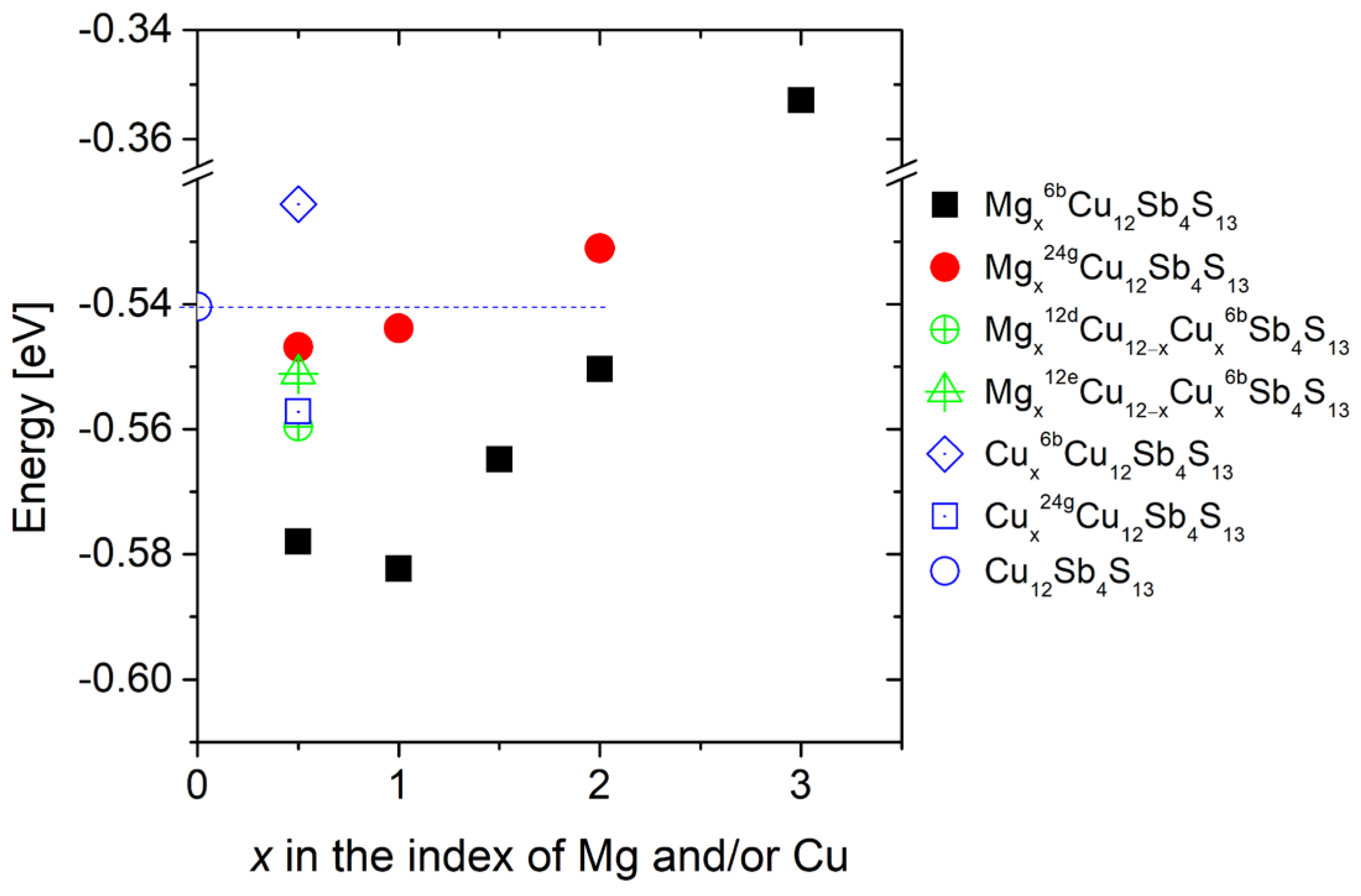
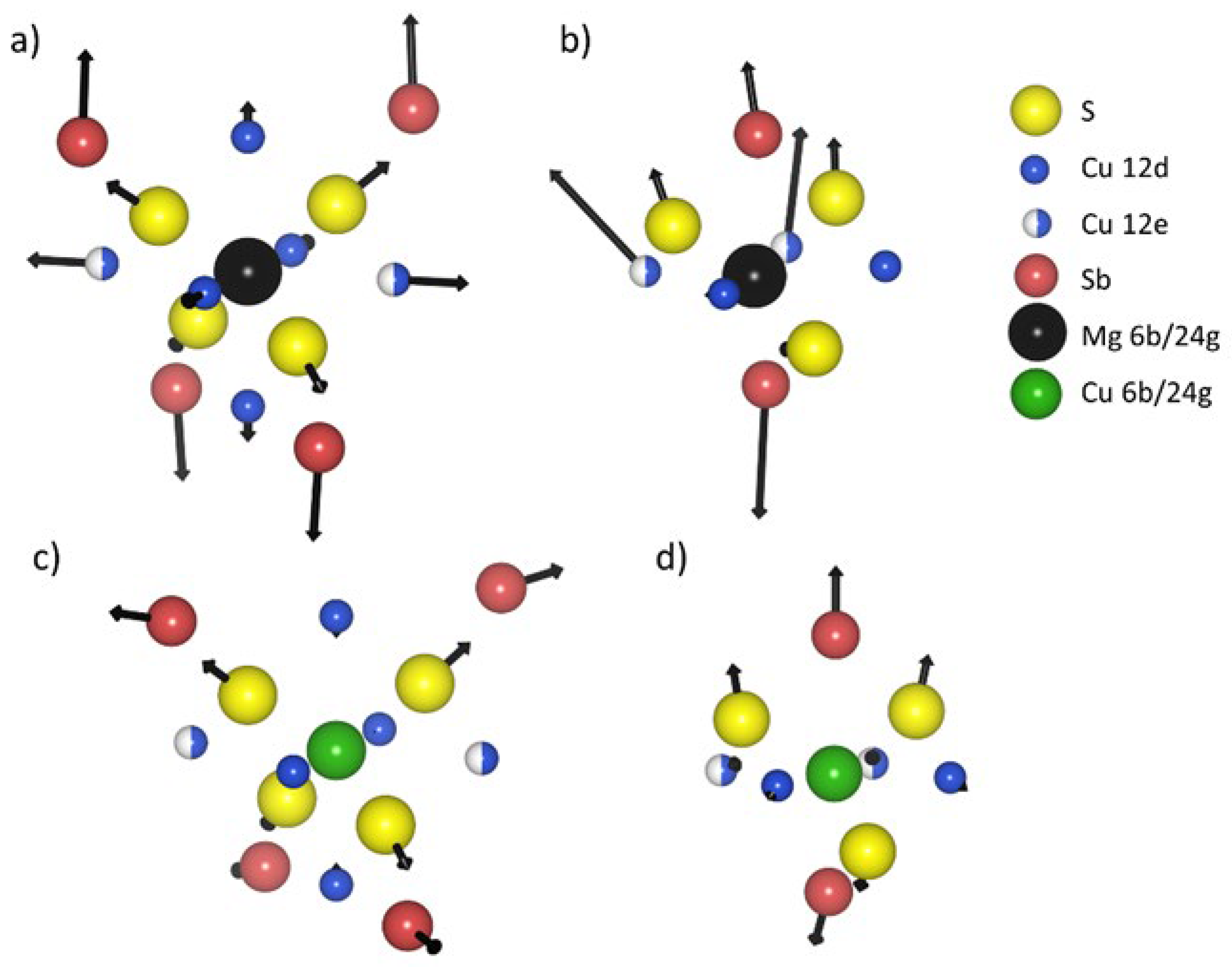
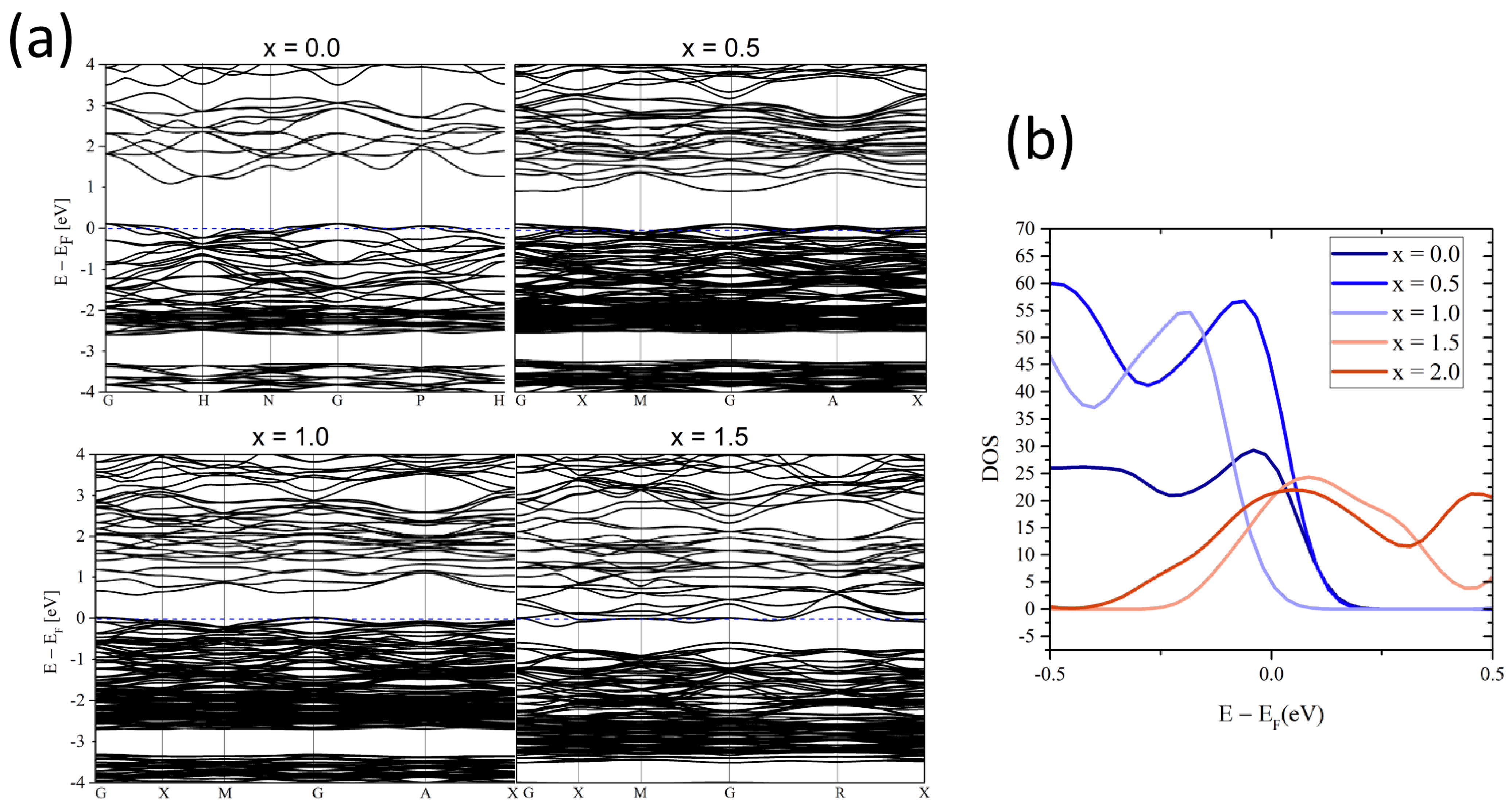
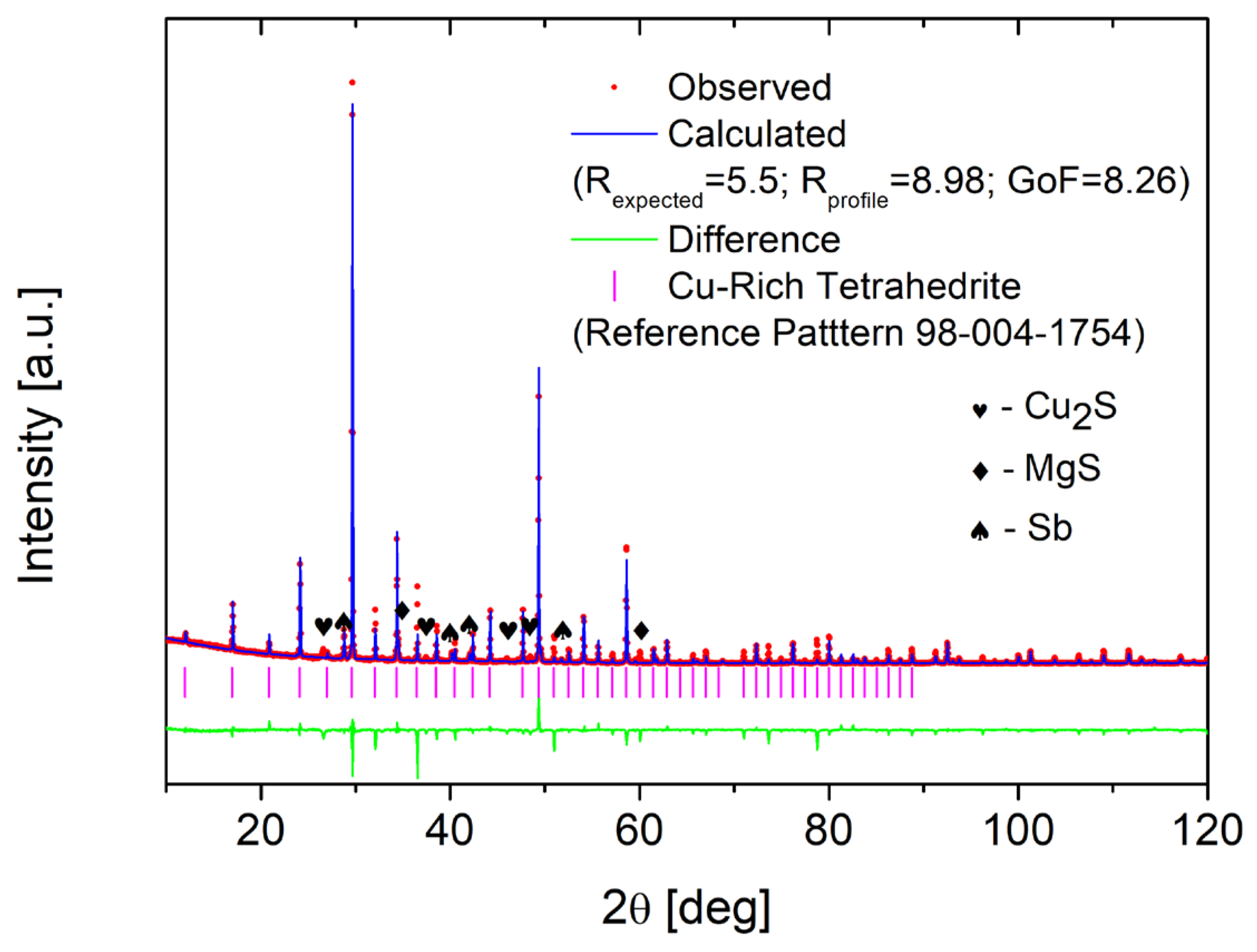
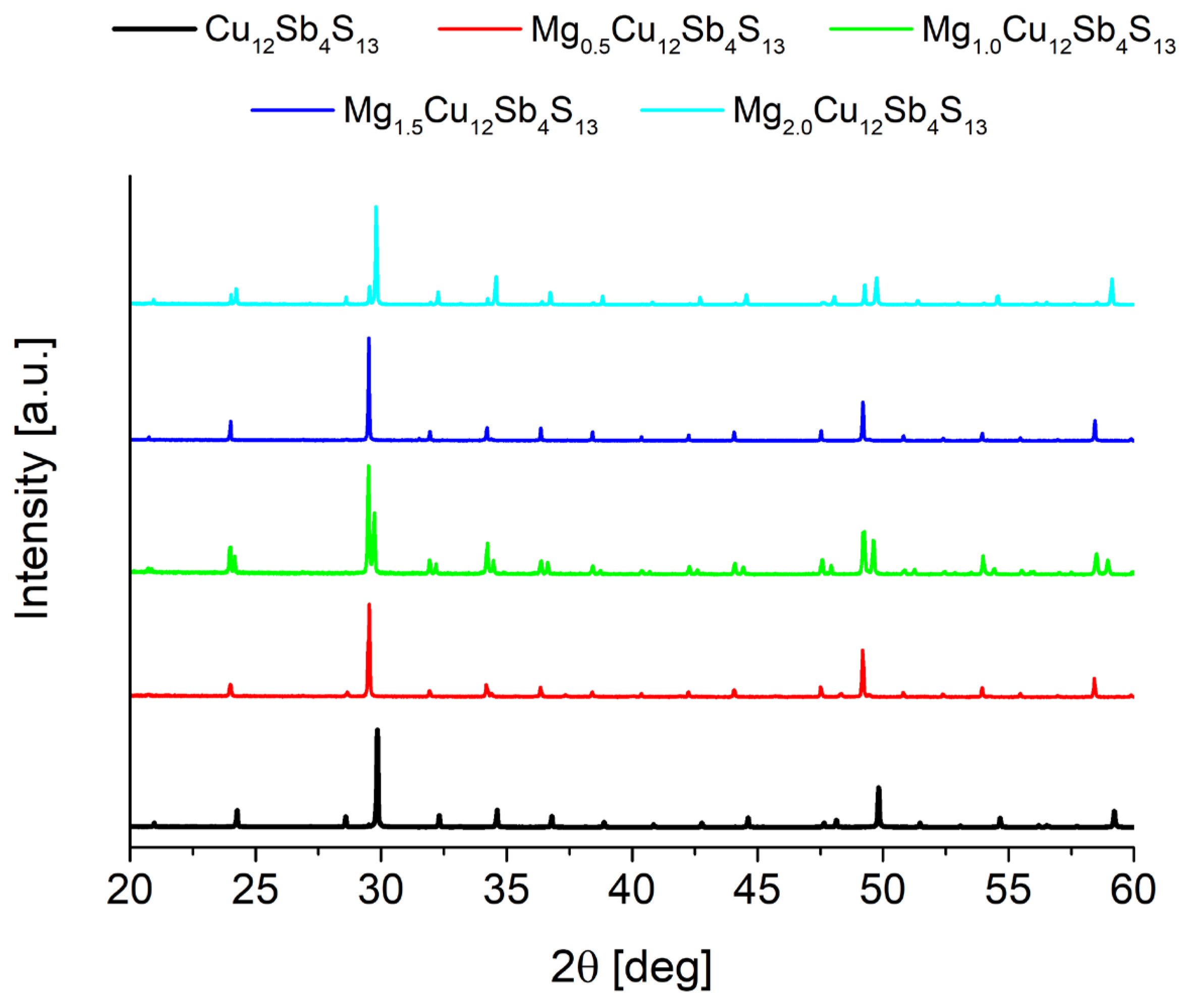
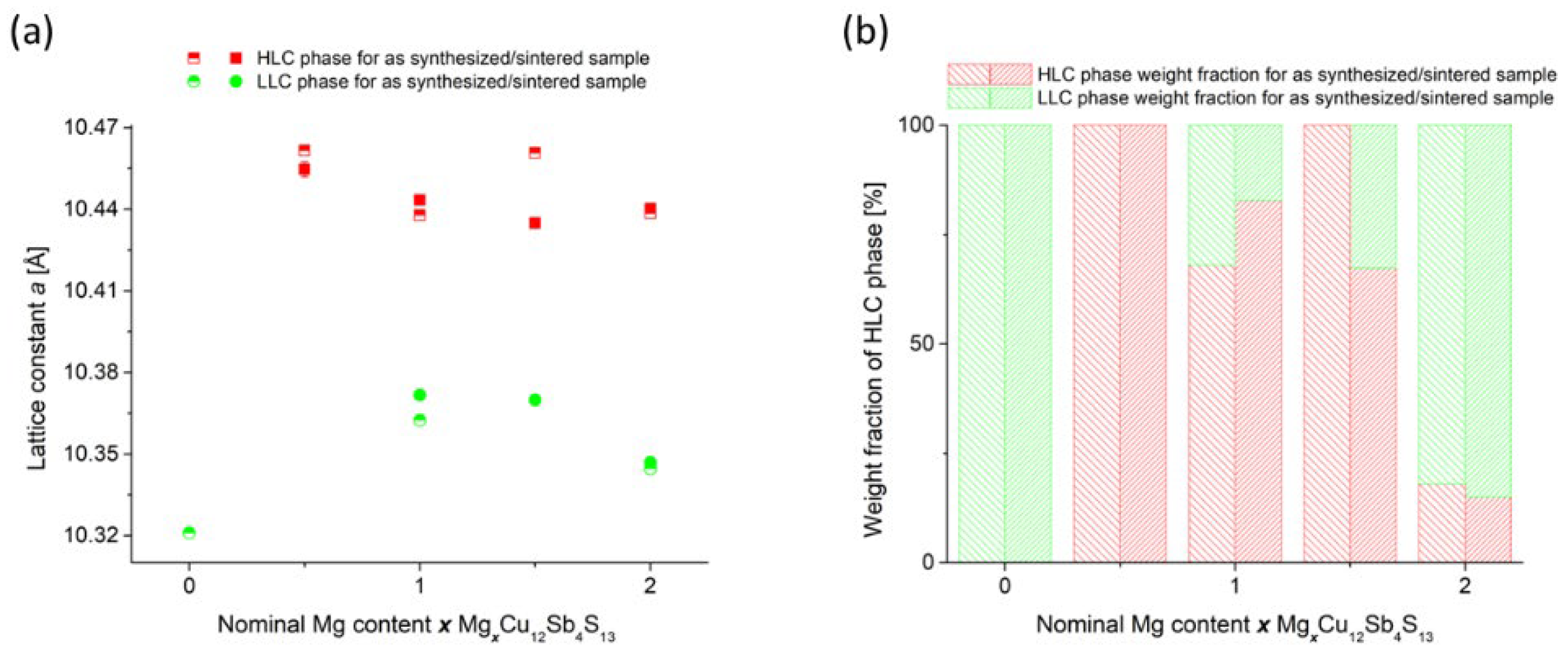
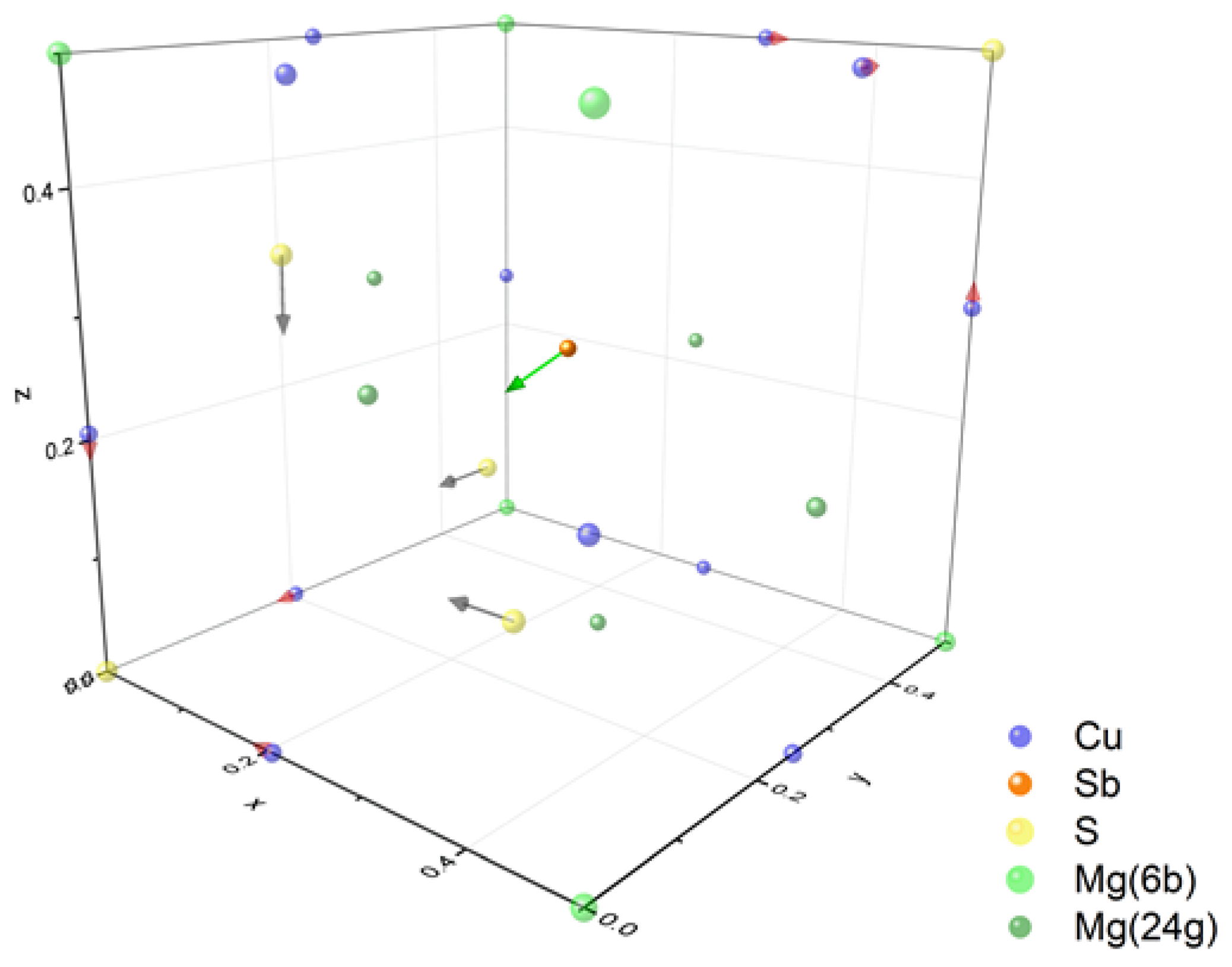
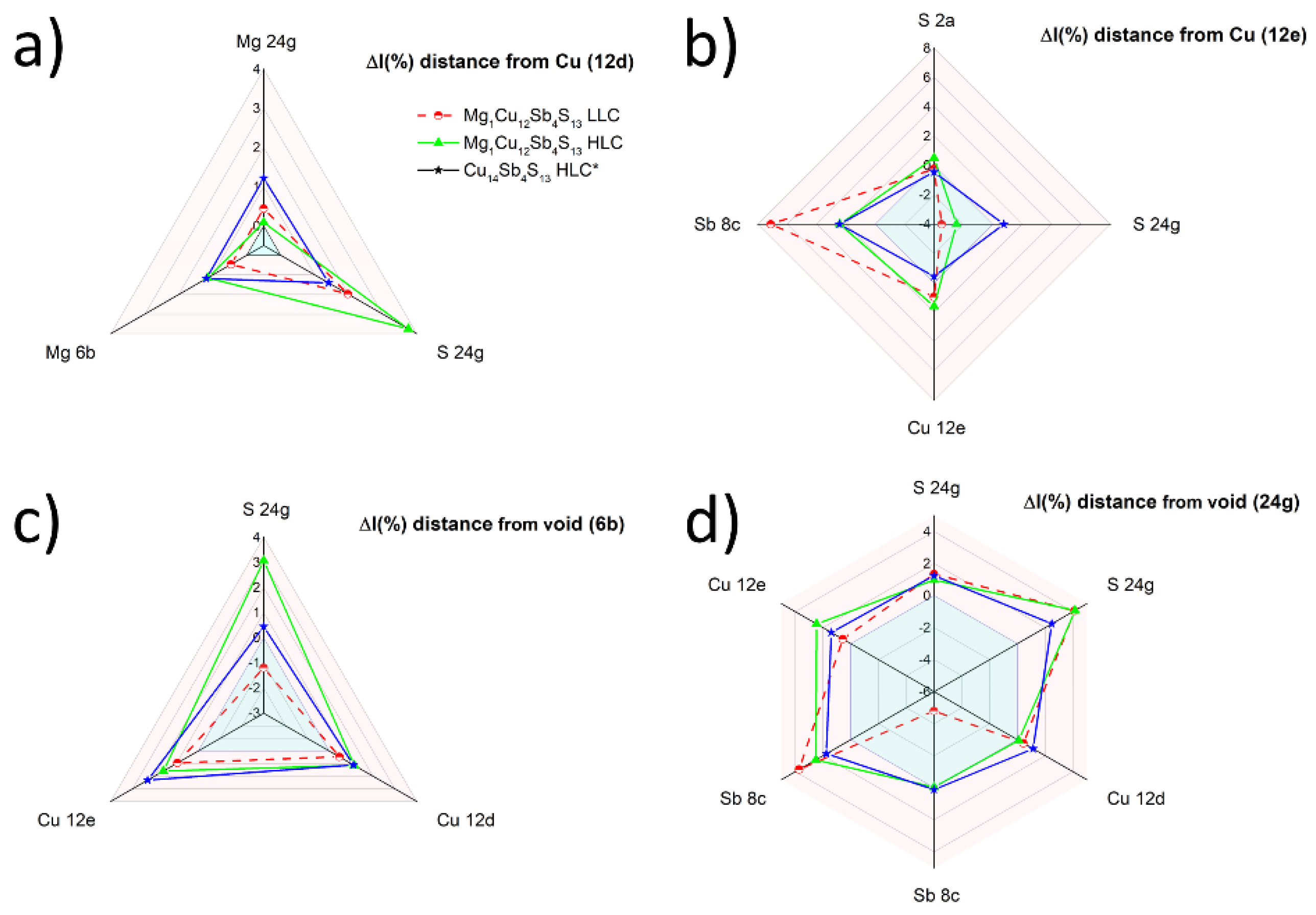
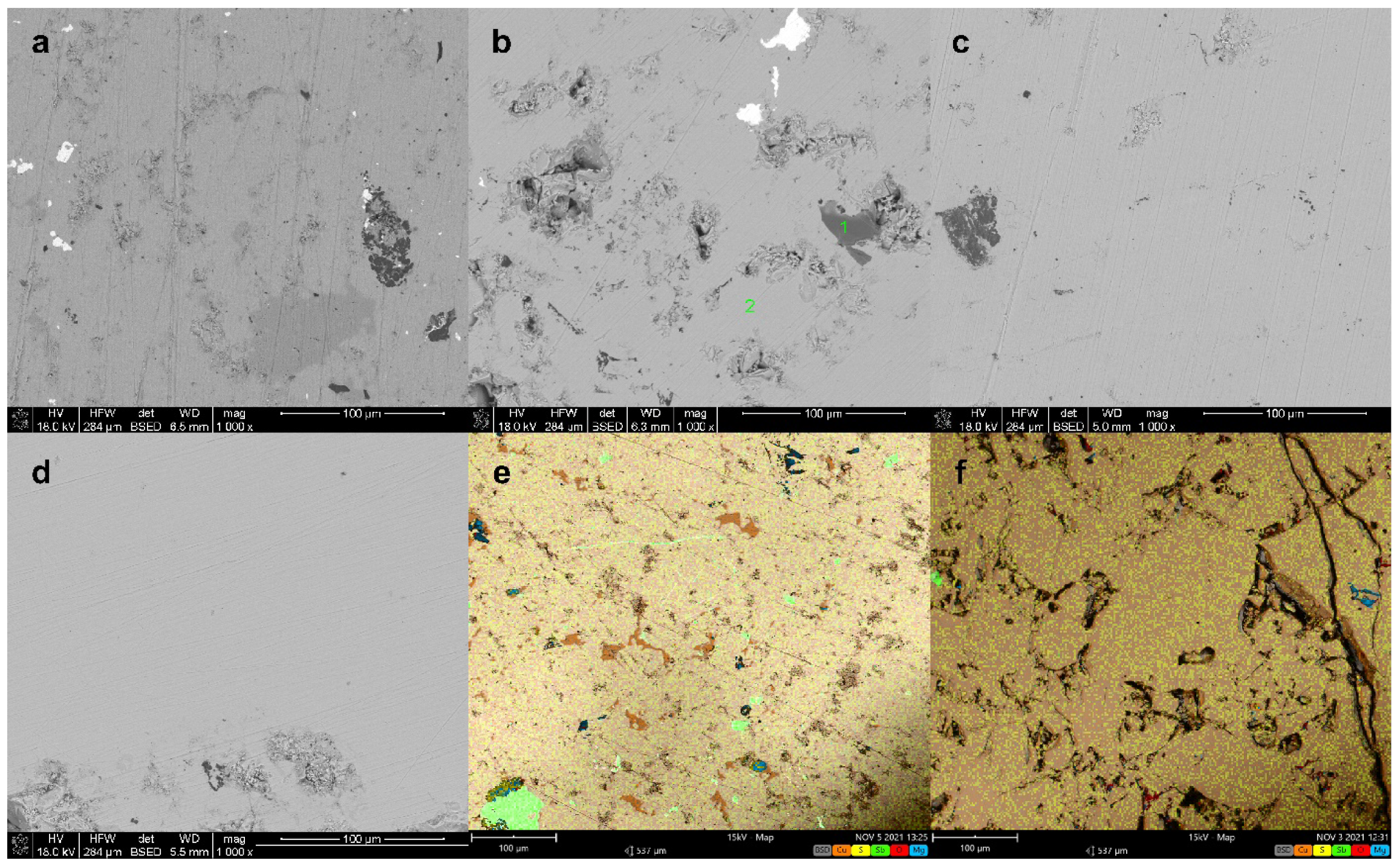
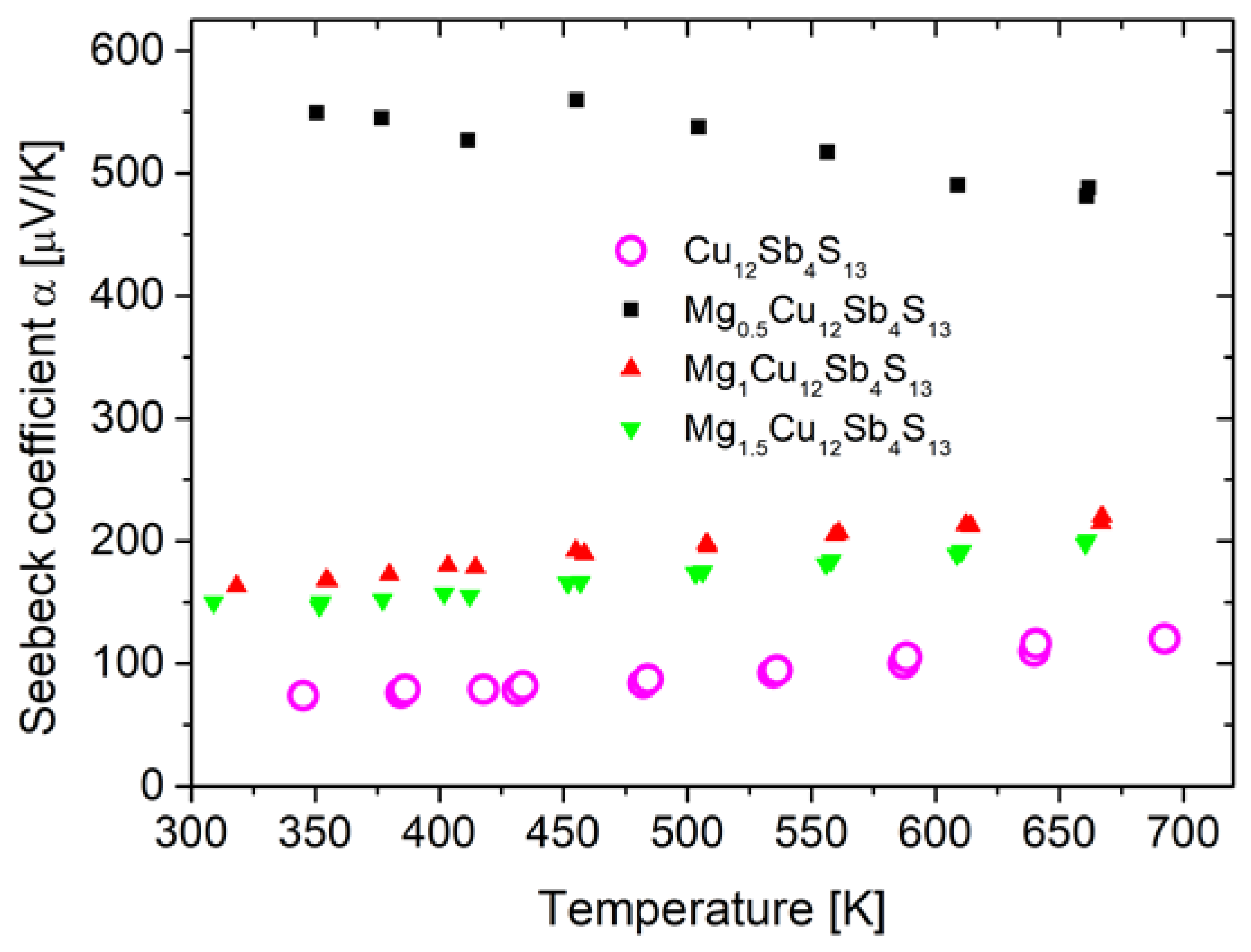
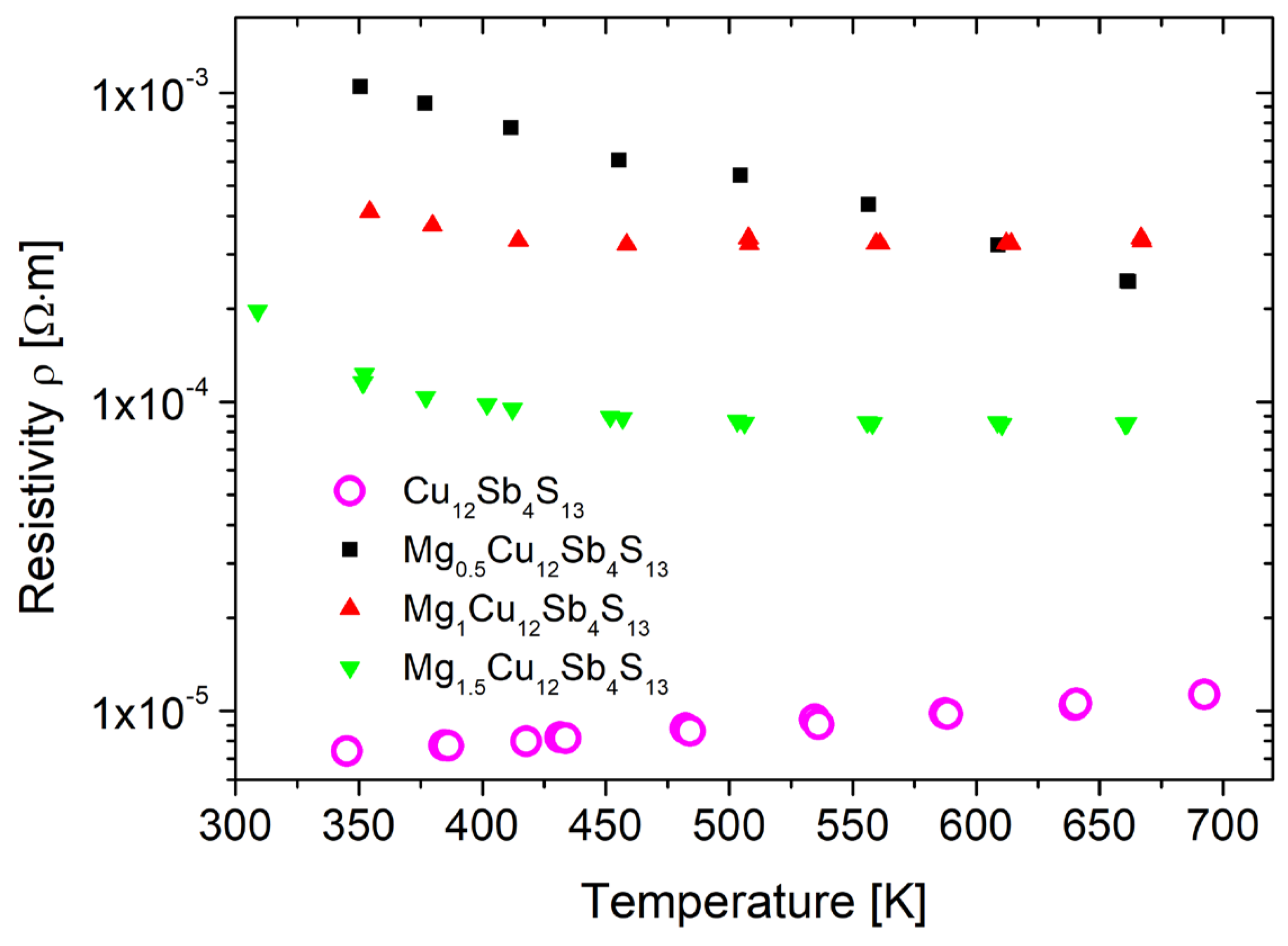
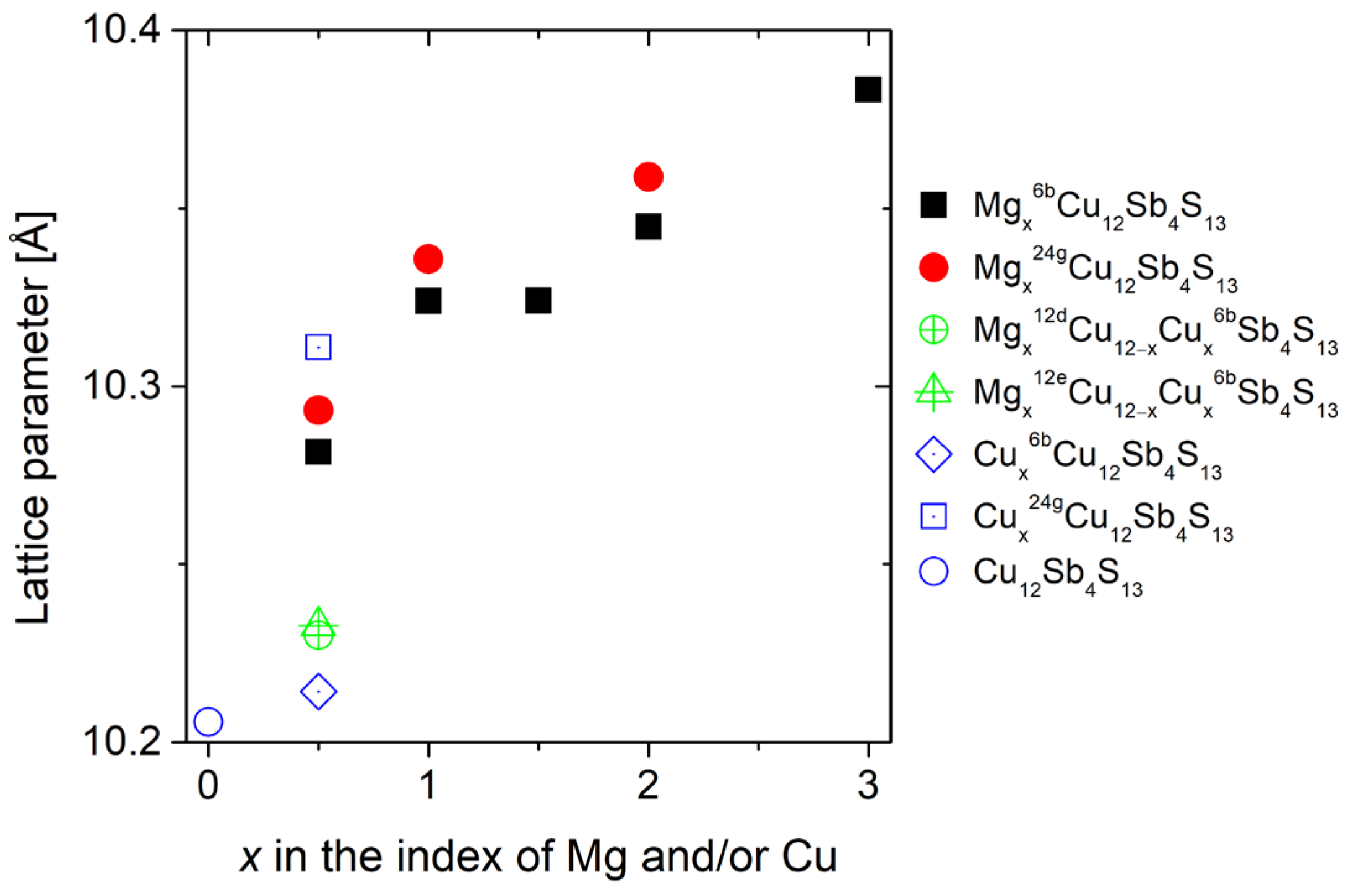
Tetrahedrites, due to their promising thermoelectric properties, are one of the materials being investigated for use in thermoelectric generators. One problem is the lack of n-type tetrahedrites, which would be beneficial for the design of tetrahedrite thermoelectric modules. Preliminary theoretical studies have shown that elements from groups I and II can be introduced into the structural voids of tetrahedrite, acting as donor dopants, and should enable n-type conductivity. Therefore, in this work, an attempt was made to obtain and study magnesium-doped tetrahedrites. A series of samples, MgxCu12Sb4S13, with different magnesium contents were obtained and their phase and chemical compositions were characterized. It was observed that the structural changes occurring upon doping indicate that Mg atoms are likely to be embedded in the structural voids. The experimental studies have been supported by electronic structure calculations indicating that the most likely location of Mg is in the structural voids at the 6b Wyckoff position. Seebeck coefficient and resistivity measurements showed that doping with Mg reduces the concentration of holes, which is consistent with the predicted donor character of the dopant. However, the introduction of magnesium in sufficient amounts to achieve n-type conductivity was not successful.
Keywords: thermoelectrics; tetrahedrites; SPS sintering; void filling; electronic structure calculations thermoelectrics; tetrahedrites; SPS sintering; void filling; electronic structure calculations
Graphical Abstract