Article

Corrosion Properties of S-Phase/Cr2N Composite Coatings Deposited on Austenitic Stainless Steel

by
Sebastian Fryska
* and
Jolanta Baranowska
Department of Materials Technology, West Pomeranian University of Technology, Piastow Av. 19, 70-310 Szczecin, Poland
*
Author to whom correspondence should be addressed.
Materials 2022, 15(1), 266; https://doi.org/10.3390/ma15010266
Submission received: 24 November 2021 / Revised: 6 December 2021 / Accepted: 23 December 2021 / Published: 30 December 2021

Abstract

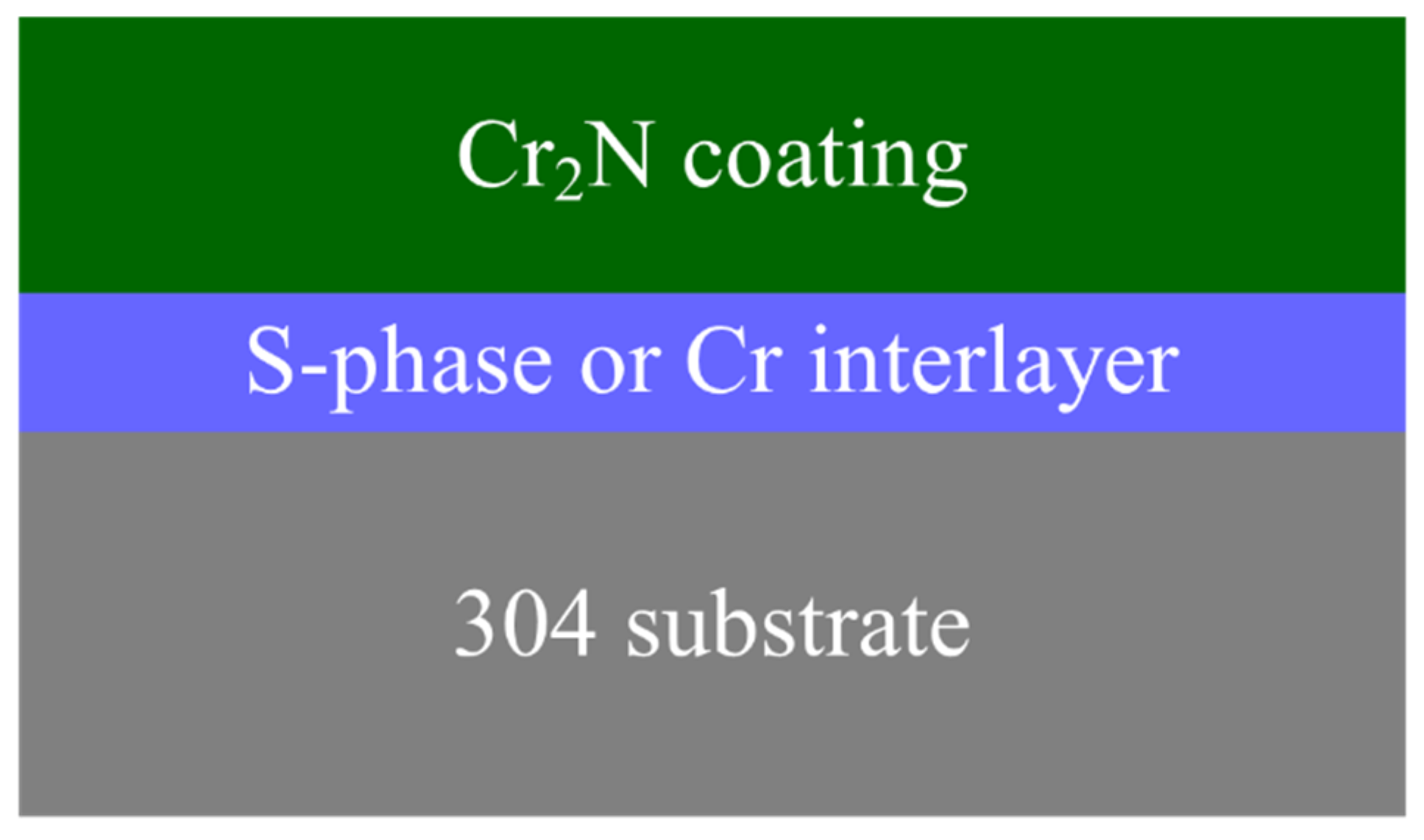
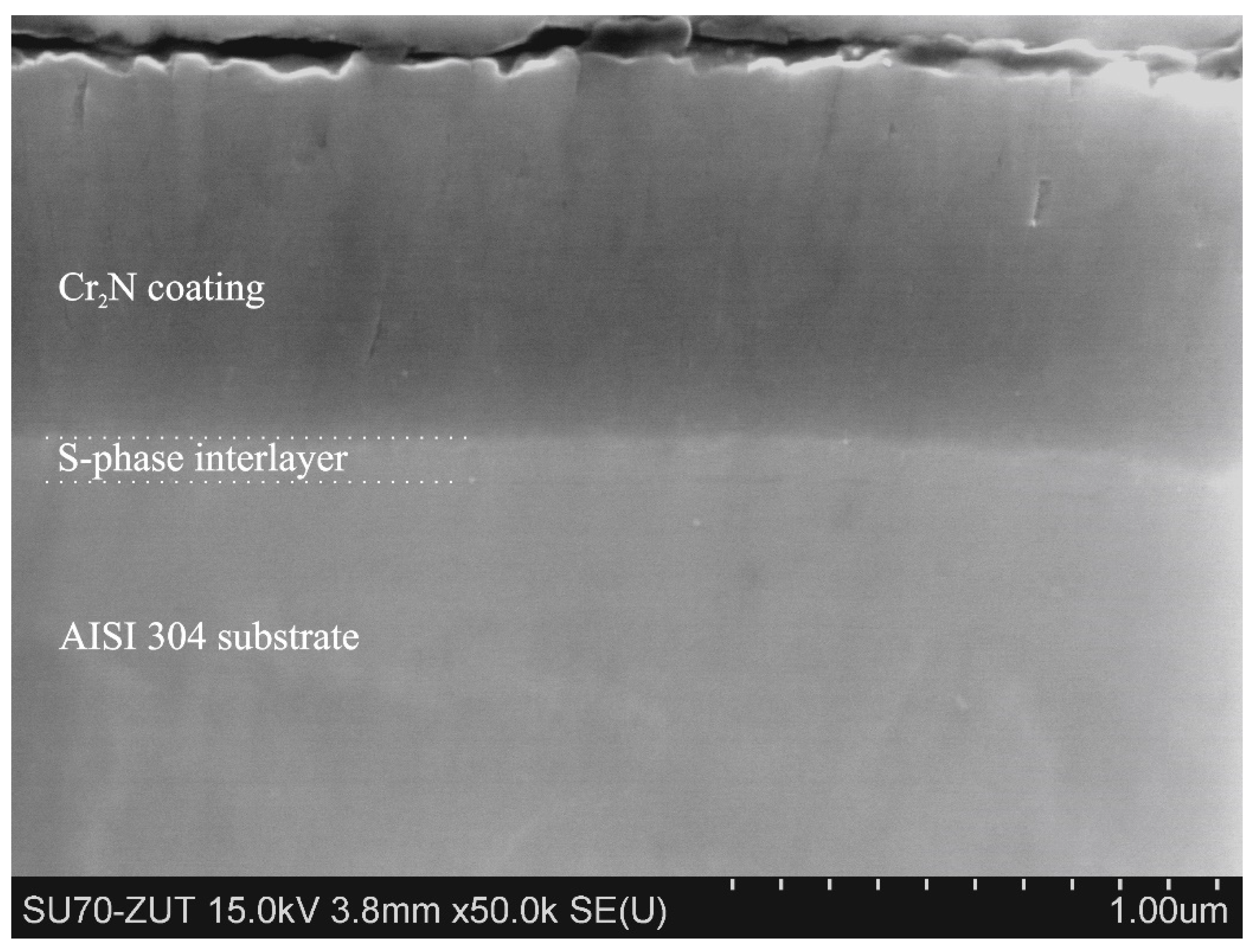
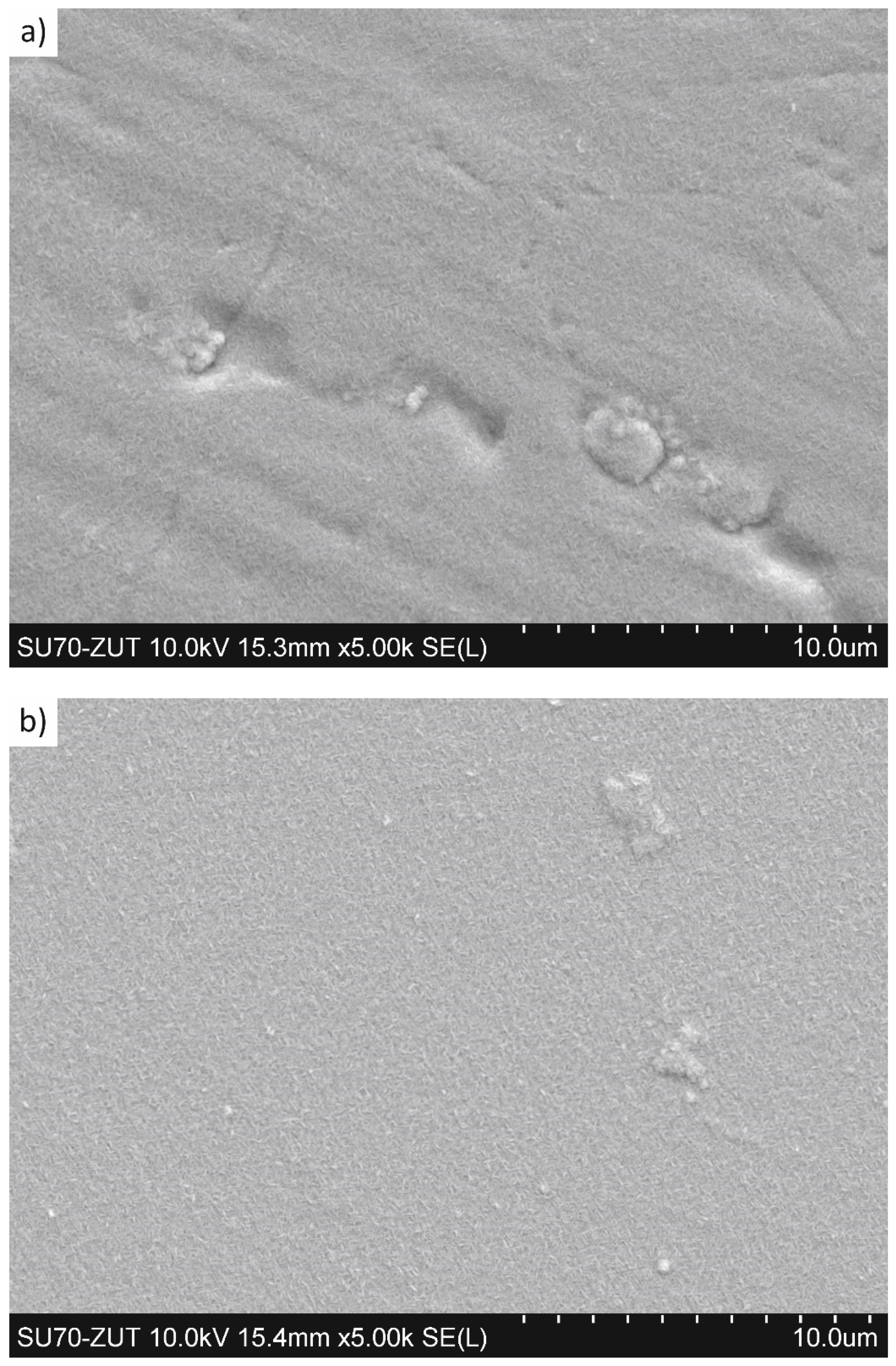
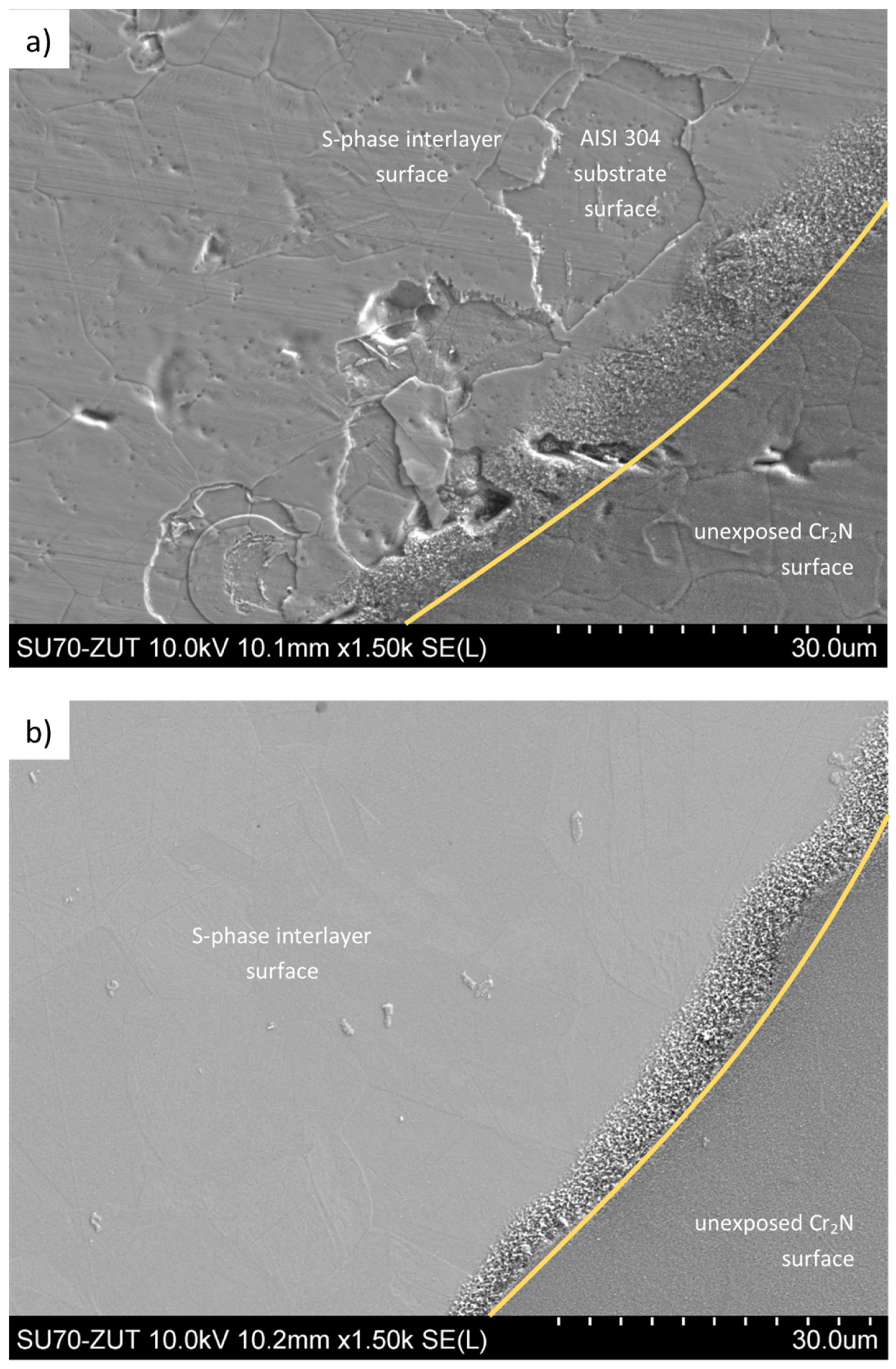
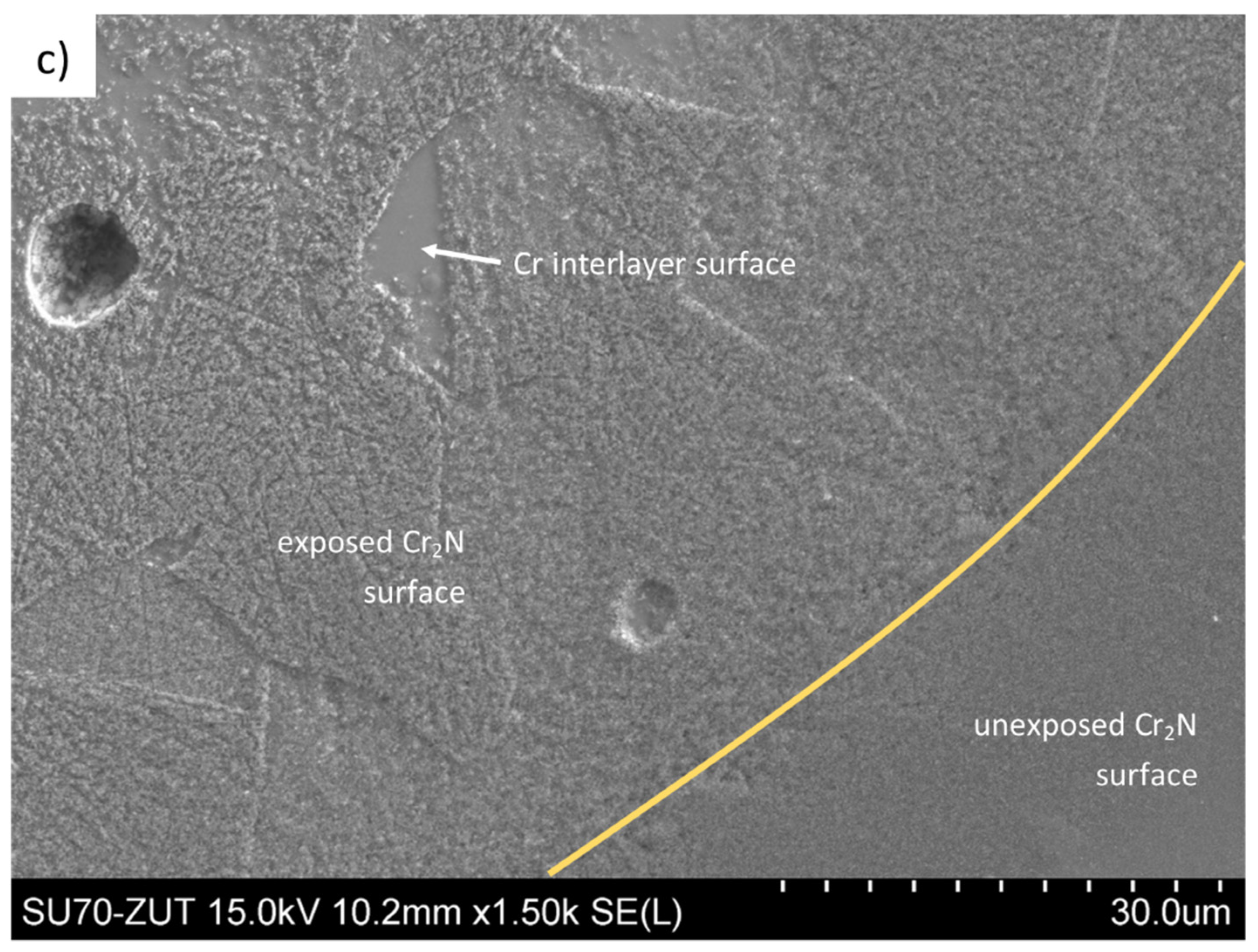
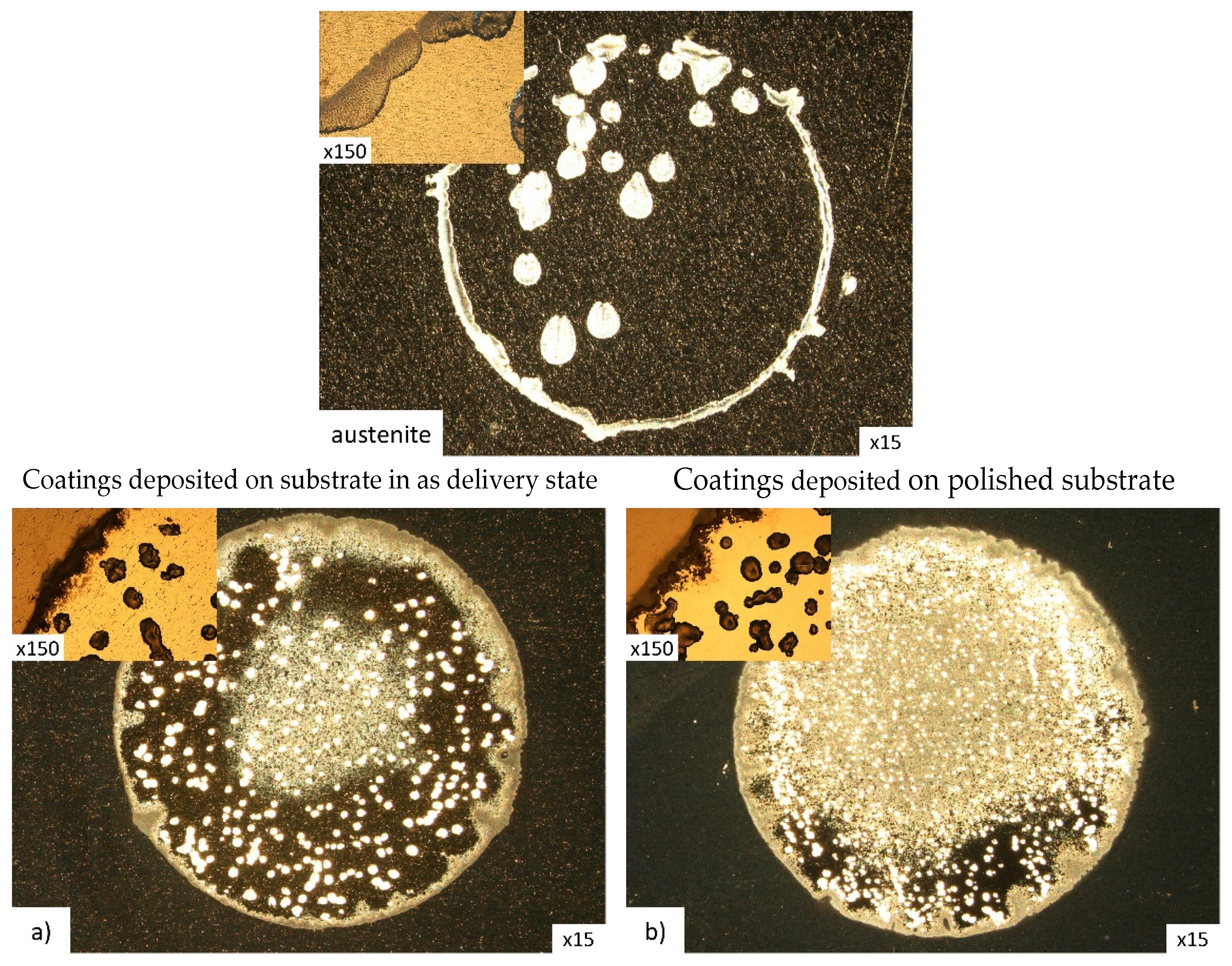
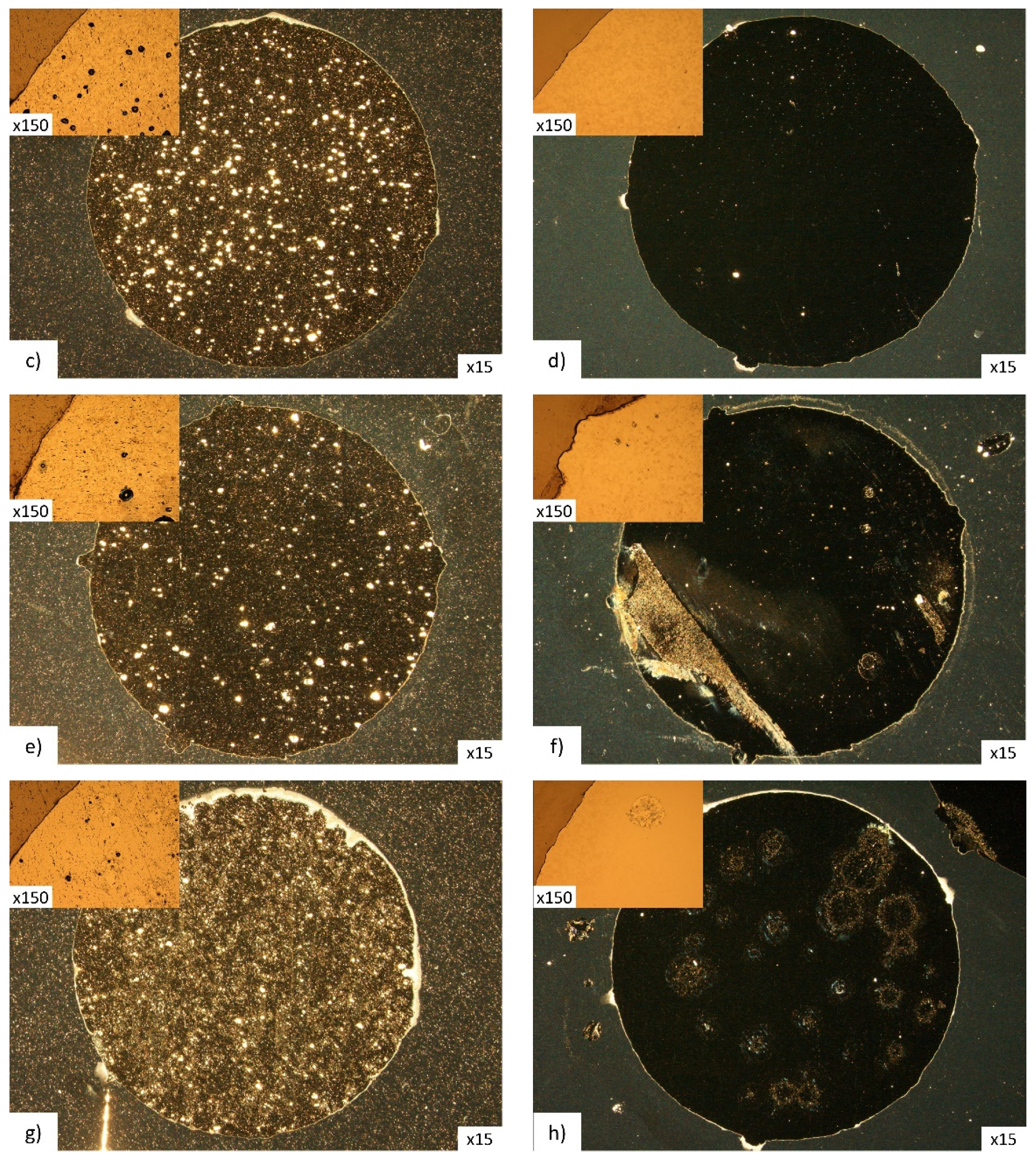
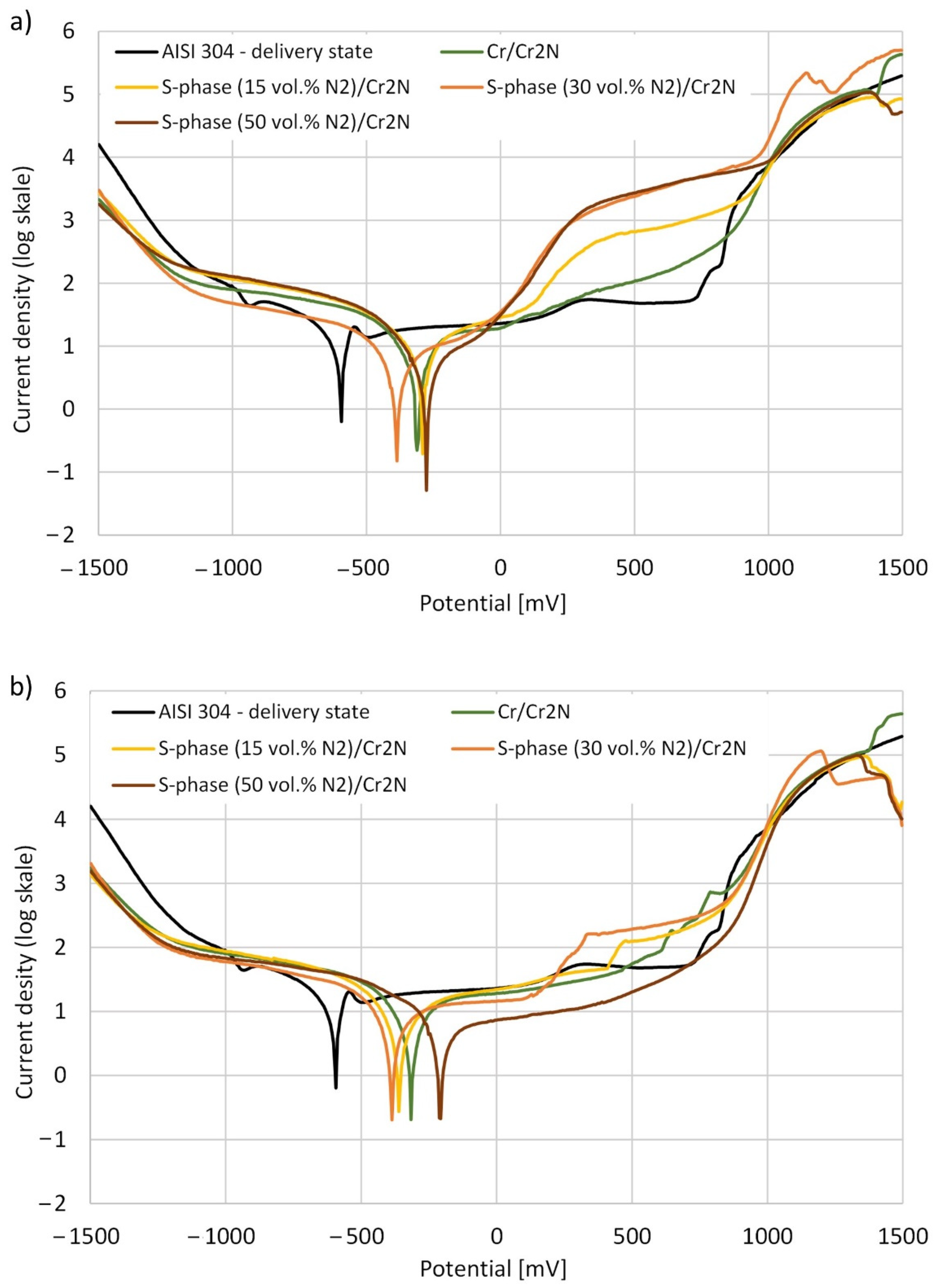
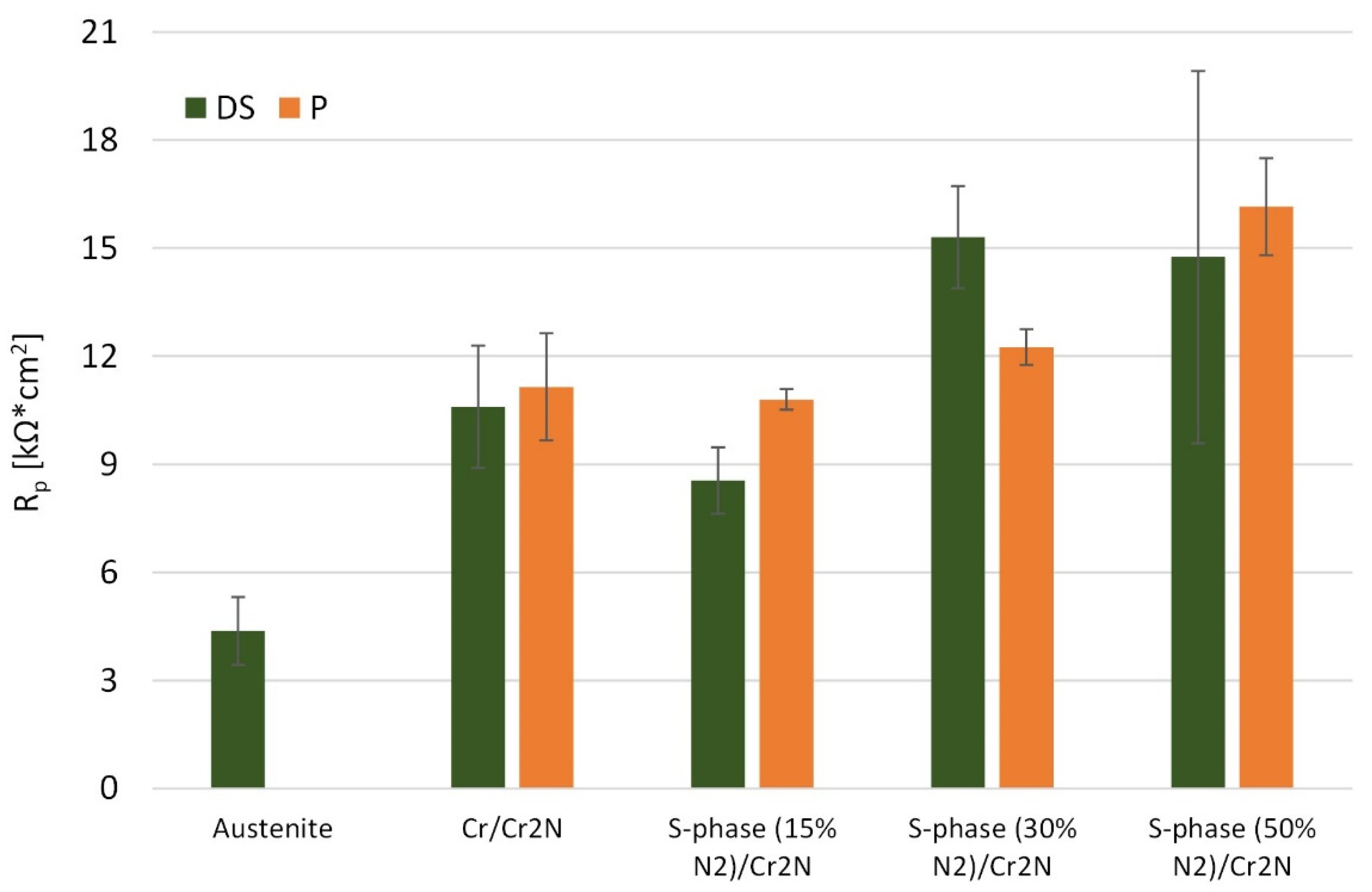
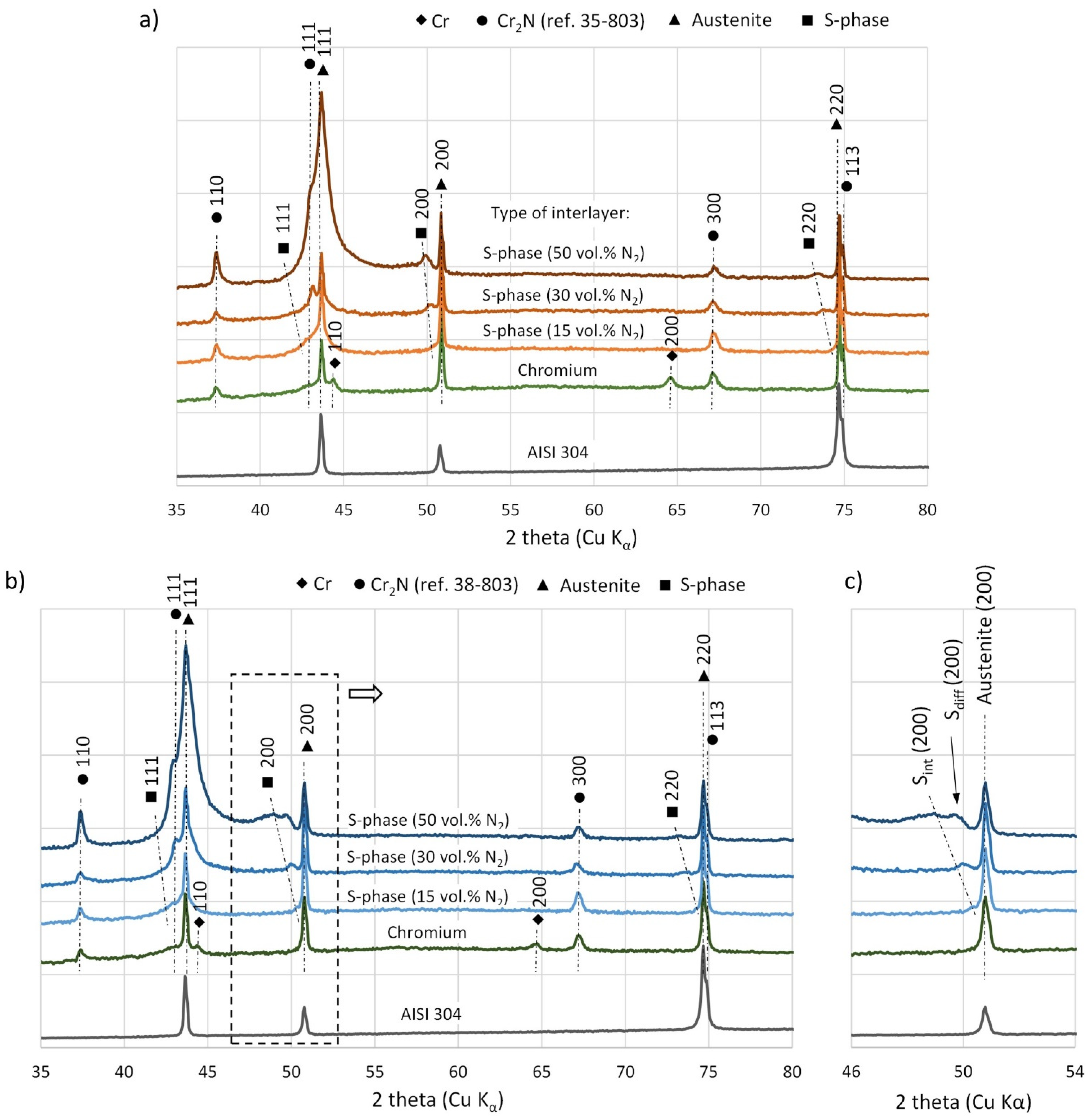
In order to study the suitability of the S-phase layers as the interlayer for Cr2N chromium nitride coatings, a number of composite coatings were deposited by the reactive magnetron sputtering (RMS) method on austenitic steel substrates with various initial surface conditions (as delivered and polished) and their corrosion resistance was assessed. Coatings with S-phase interlayer were deposited at three different nitrogen contents in the working atmosphere (15%, 30%, and 50%), which influenced the nitrogen concentration in the S-phase. Coatings with chromium, as a traditional interlayer to improve adhesion, and uncoated austenitic stainless steel were used as reference materials. Detailed microstructural and phase composition studies of the coatings were carried out by means of scanning electron microscopy (SEM), optical microscopy (LM), and X-ray diffraction (XRD) and were discussed in the context of results of corrosion tests carried out with the use of the potentiodynamic polarization method conducted in a 3% aqueous solution of sodium chloride (NaCl). The performed tests showed that the electrochemical potential of the S-phase/Cr2N composite coatings is similar to that of Cr/Cr2N coatings. It was also observed that the increase in the nitrogen content in the S-phase interlayer causes an increase in the polarization resistance of the S-phase/Cr2N composite coating. Moreover, with a higher nitrogen content in the S-phase interlayer, the polarization resistance of the S-phase/Cr2N coating is higher than for the Cr/Cr2N reference coating. All the produced composite coatings showed better corrosion properties in relation to the uncoated austenitic stainless steel.
Keywords: S-phase; Cr2N chromium nitride; composite coatings; reactive magnetron sputtering; corrosion resistance; austenitic stainless steel S-phase; Cr2N chromium nitride; composite coatings; reactive magnetron sputtering; corrosion resistance; austenitic stainless steel