Article

Evolution of the Numerical Model Describing the Distribution of Non-Metallic Inclusions in the Tundish

1
Faculty of Materials Engineering, Silesian University of Technology, Krasinskiego 8, 40-019 Katowice, Poland
2
Faculty of Production Engineering and Materials Technology, Czestochowa University of Technology, al. Armii Krajowej 19, 42-201 Czestochowa, Poland
*
Author to whom correspondence should be addressed.
Materials 2021, 14(9), 2229; https://doi.org/10.3390/ma14092229
Submission received: 24 March 2021 / Revised: 21 April 2021 / Accepted: 23 April 2021 / Published: 26 April 2021
(This article belongs to the Special Issue Physical and Numerical Modeling of Process Metallurgy)

Abstract

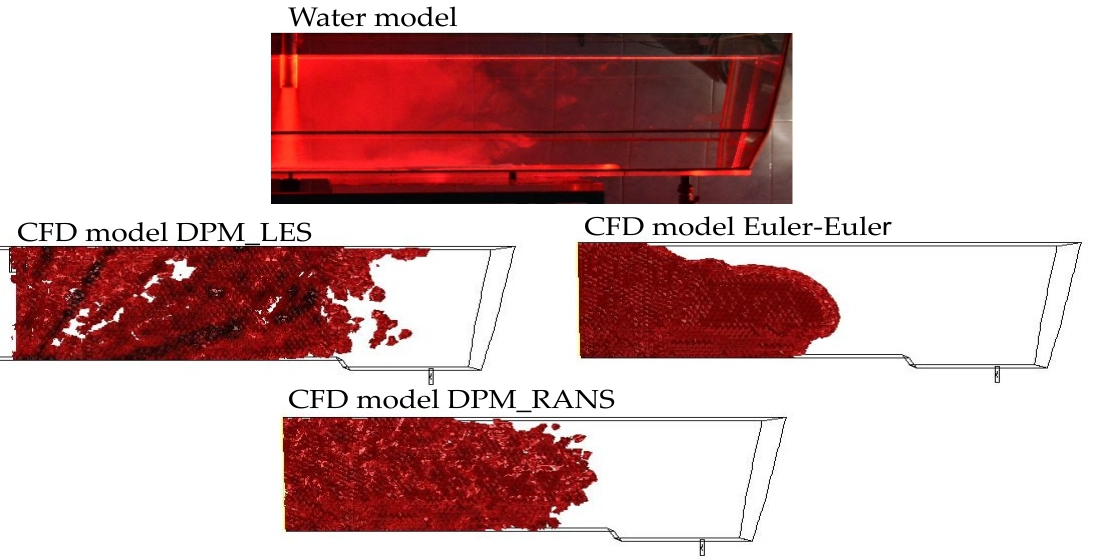
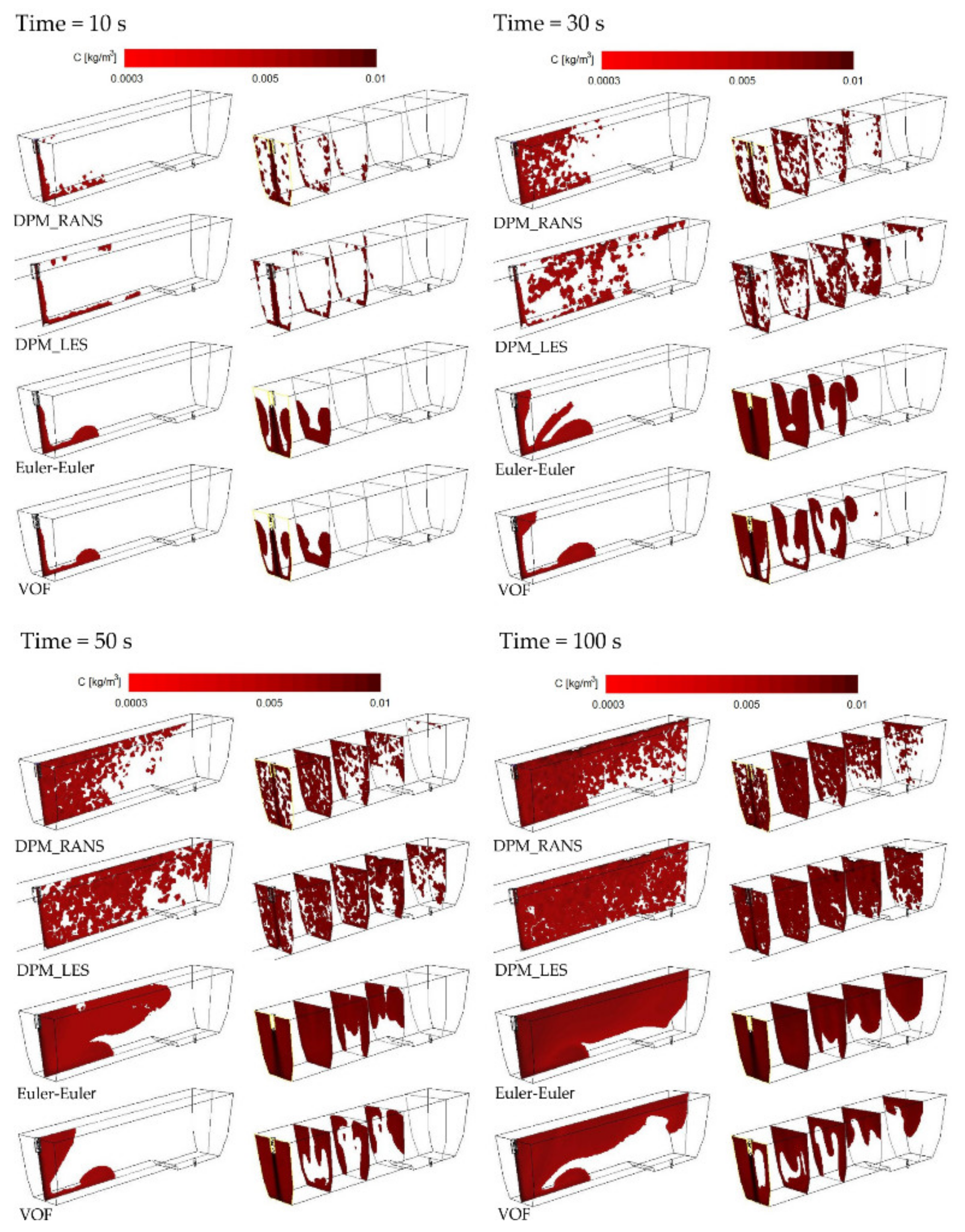
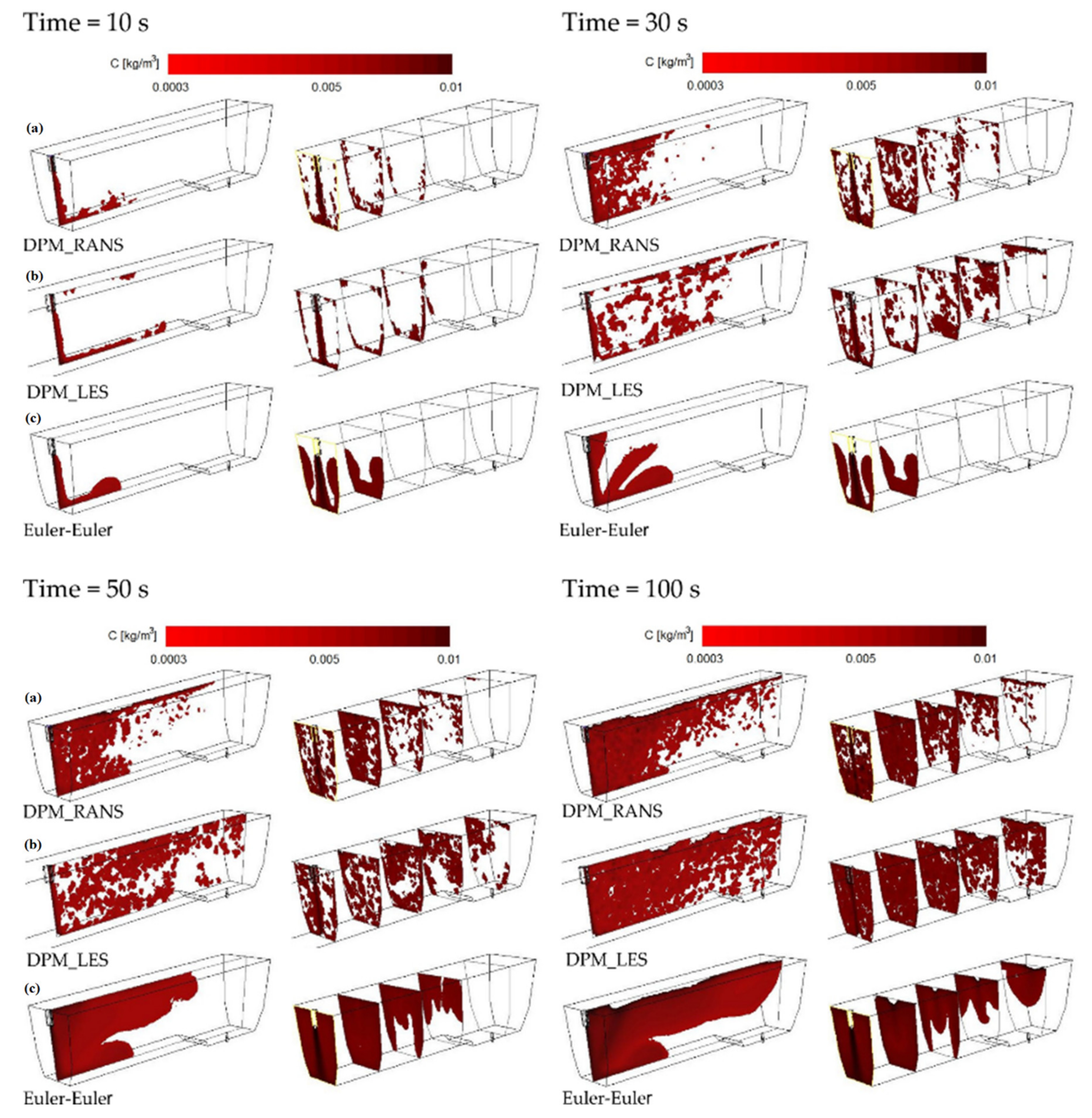
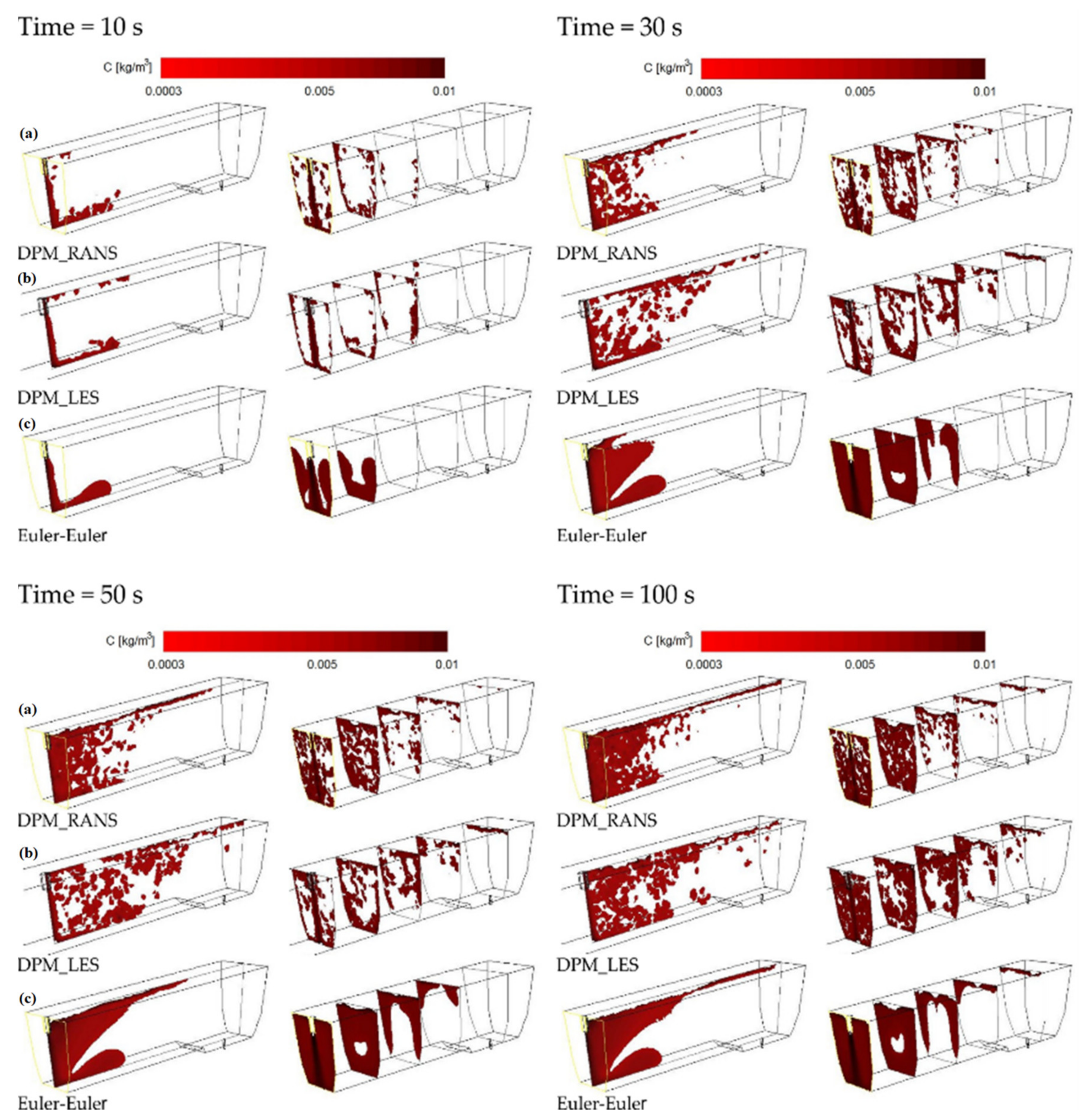
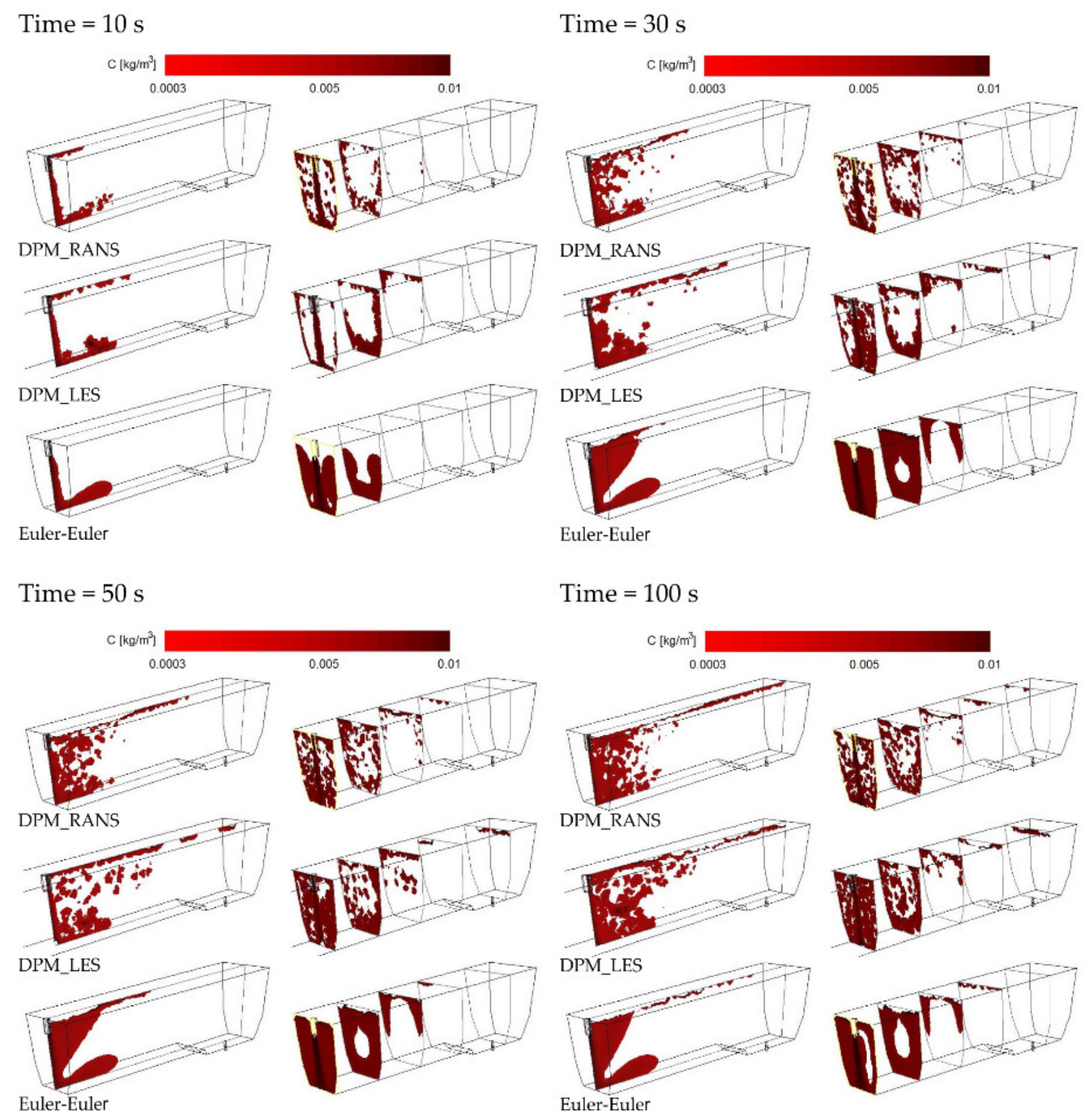
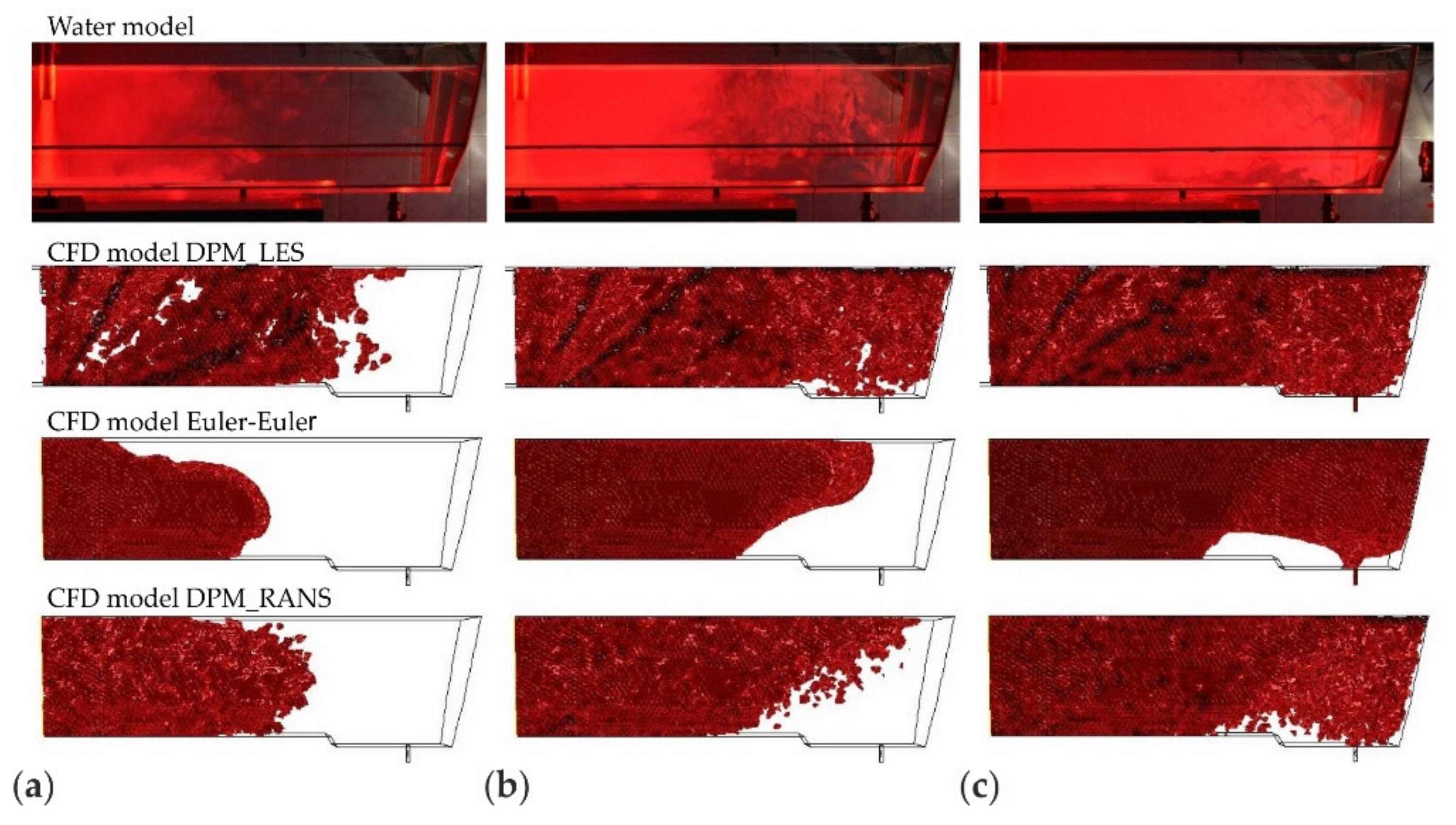
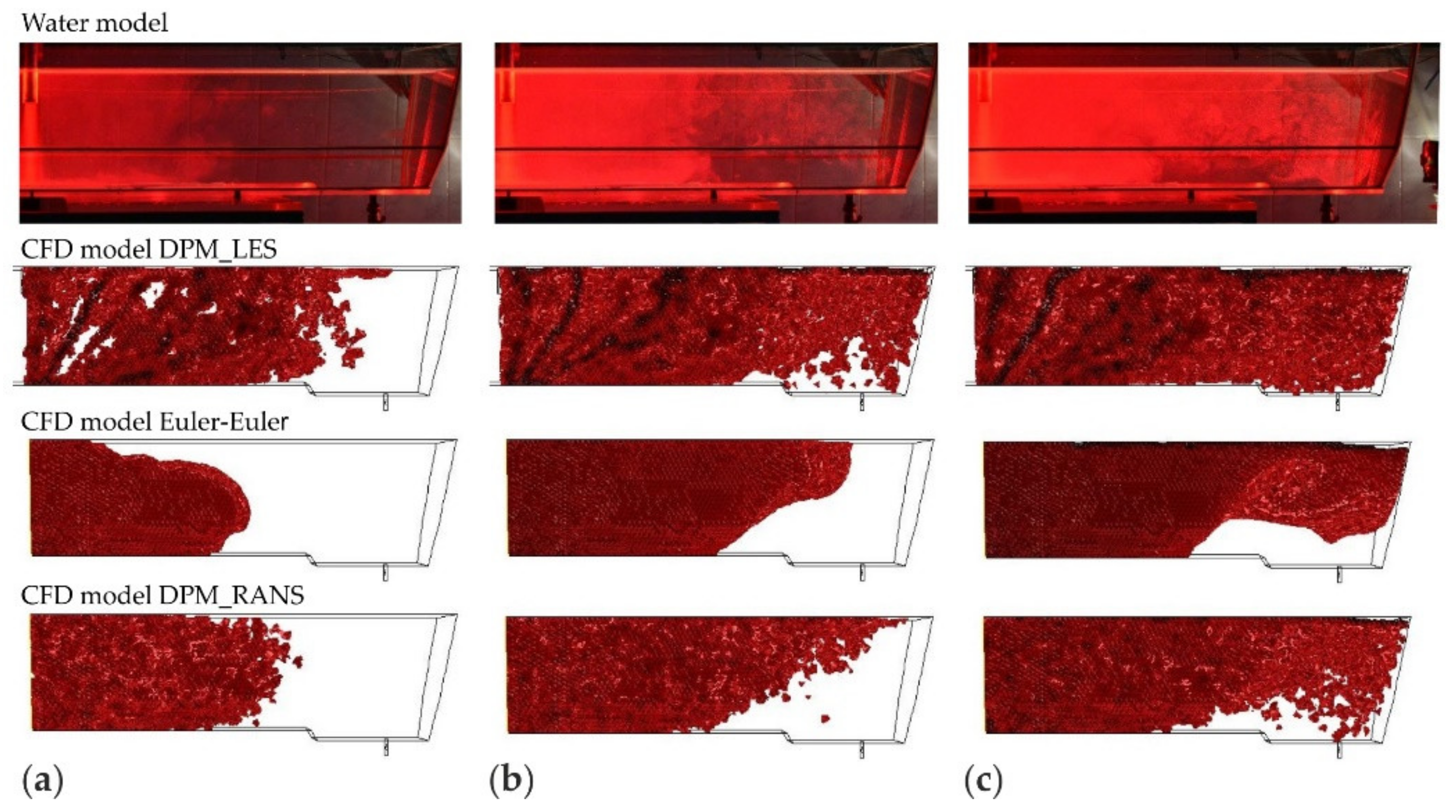
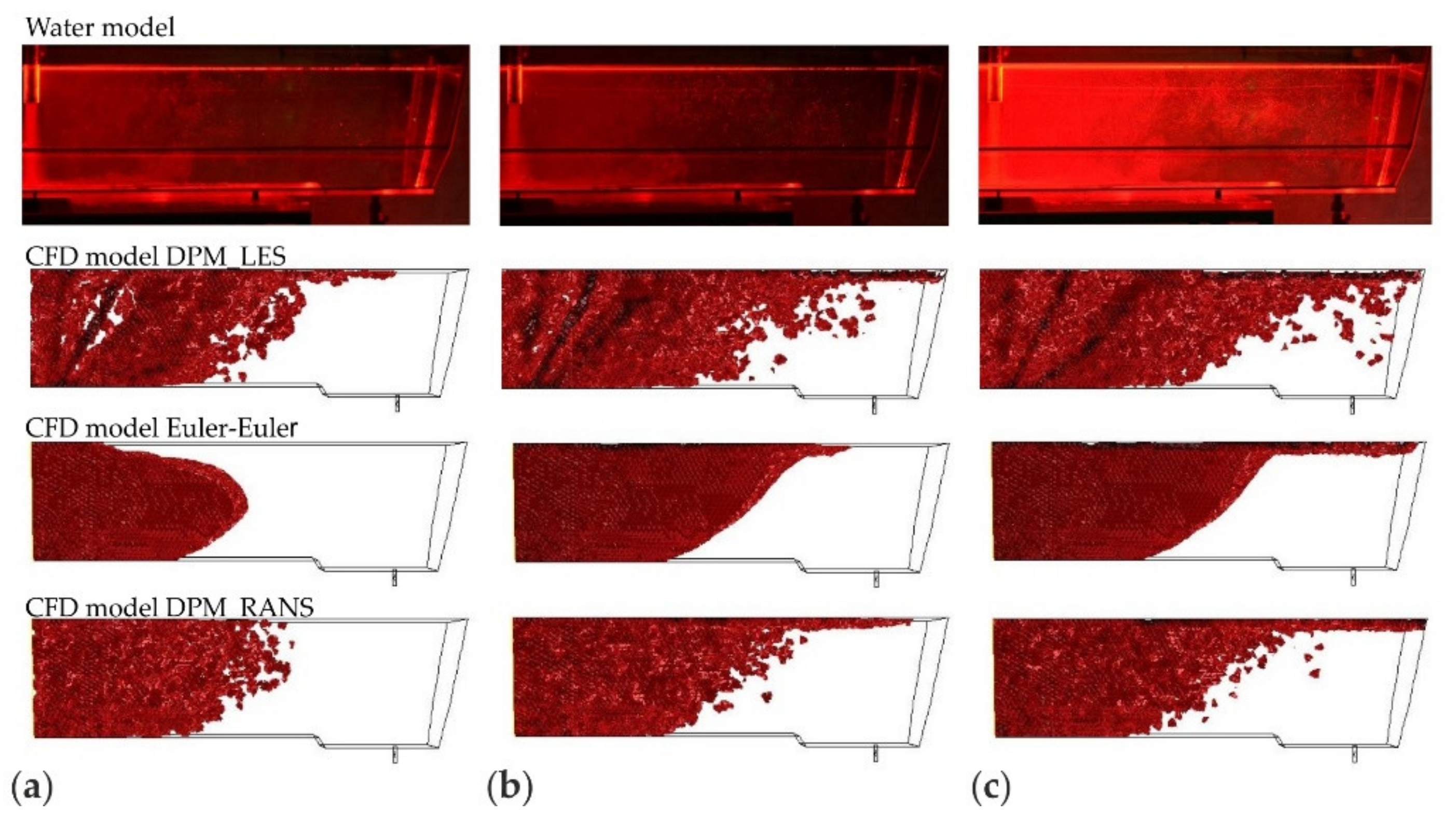
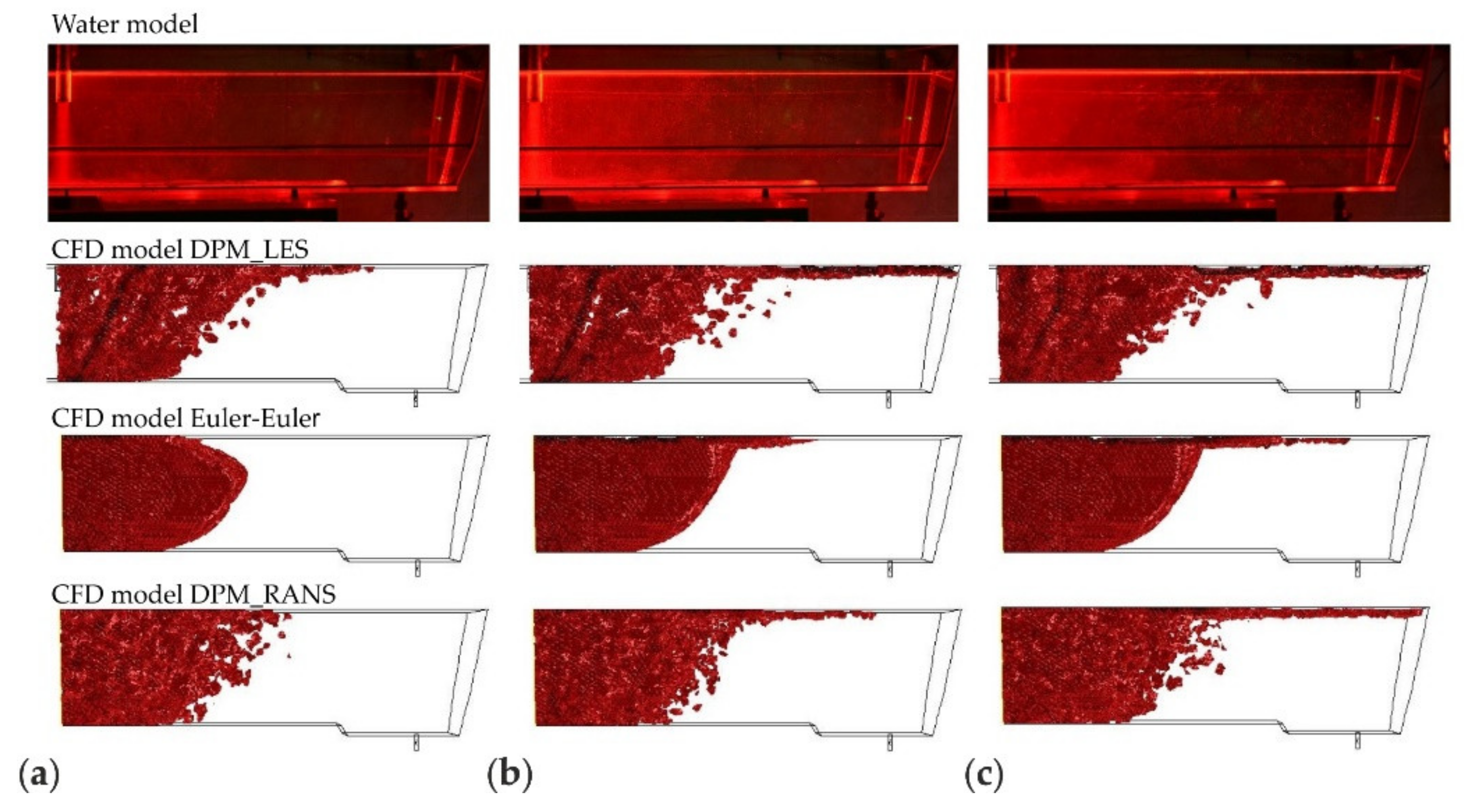
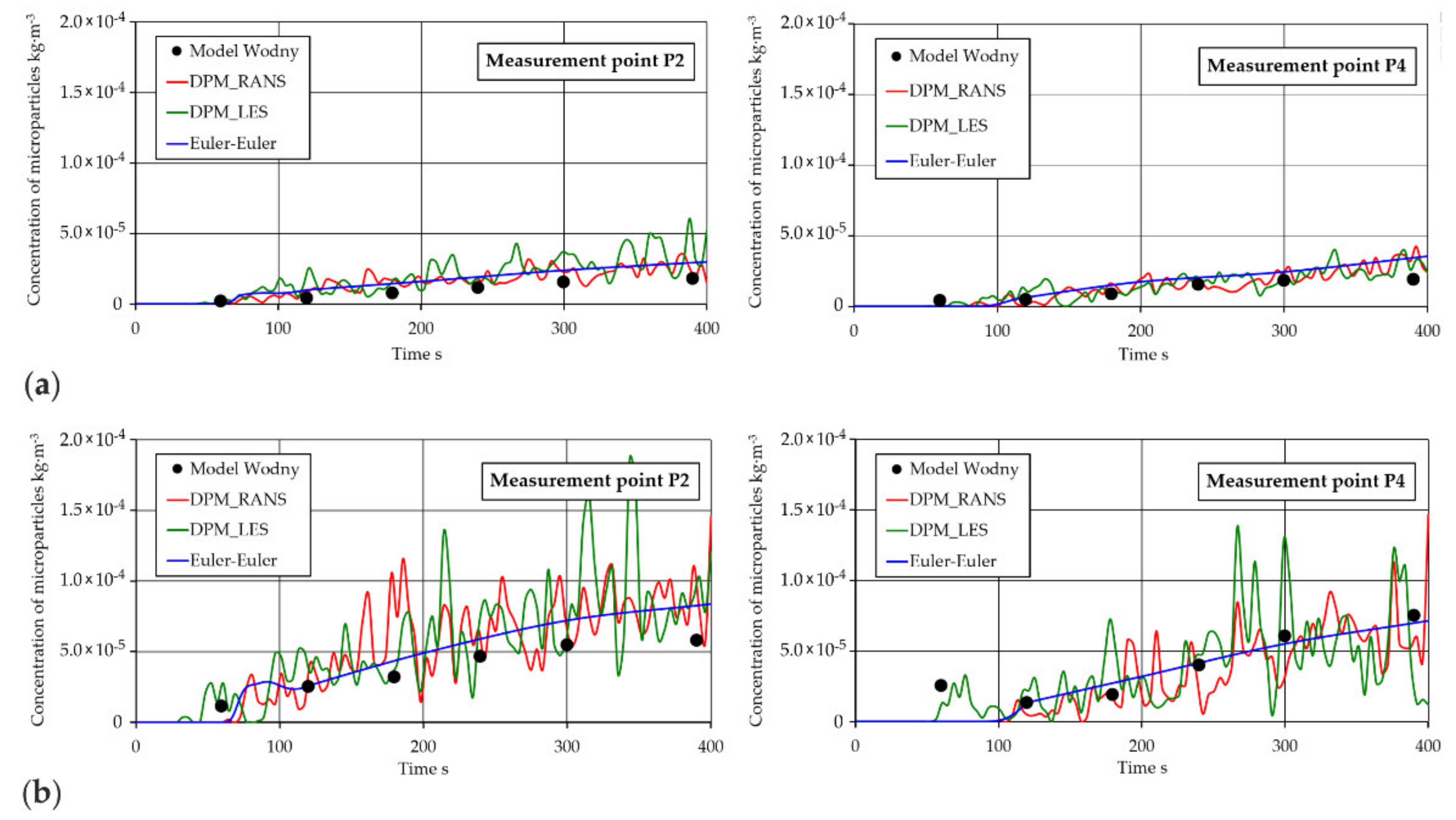
Continuous casting is one of the steel production stages, during which the improvement in the metallurgical purity of steel can be additionally affected by removing nonmetallic inclusions (NMIs). This can be achieved by means of various types of flow controllers, installed in the working space of the tundish. The change in the steel flow structure, caused by those flow controllers, should lead to an intensification of NMIs removal from the liquid metal to the slag. Therefore, it is crucial to understand the behavior of nonmetallic inclusions during the flow of liquid steel through the tundish, and particularly during their distribution. The presented paper reports the results of the modeling studies of NMI distribution in liquid steel, flowing through the tundish. CFD modeling methods—using different models and computation variants—were employed in the study. The obtained CFD results were compared with the results of laboratory tests (using a tundish water model). The results of the performed investigations allow us to compare both methods of modeling; the investigated phenomena were microparticle distribution and mass microparticle concentration in the model fluid. The validation of the CFD results verified the analyzed computation variants. The aim of the research was to determine which numerical model is the best for describing the studied phenomenon. This will be used as the first phase of a larger research program which will provide for a comprehensive study of the distribution of NMIs flowing through tundish steel.
Keywords: continuous casting; tundish; nonmetallic inclusions; numerical modeling; physical modeling continuous casting; tundish; nonmetallic inclusions; numerical modeling; physical modeling
Graphical Abstract