Article

The Role of Carbon Nanotube Pretreatments in the Adsorption of Benzoic Acid

1
Department of Mechanical, Energy and Management Engineering, University of Calabria, I-87036 Arcavacata di Rende, Italy
2
Department of Pharmacy, Health and Nutritional Sciences, University of Calabria, I-87036 Arcavacata di Rende, Italy
3
Department of Environmental Engineering, University of Calabria, I-87036 Arcavacata di Rende, Italy
*
Author to whom correspondence should be addressed.
Materials 2021, 14(9), 2118; https://doi.org/10.3390/ma14092118
Submission received: 1 April 2021 / Revised: 17 April 2021 / Accepted: 20 April 2021 / Published: 22 April 2021
(This article belongs to the Special Issue Materials for Waste Water Treatment)

Abstract

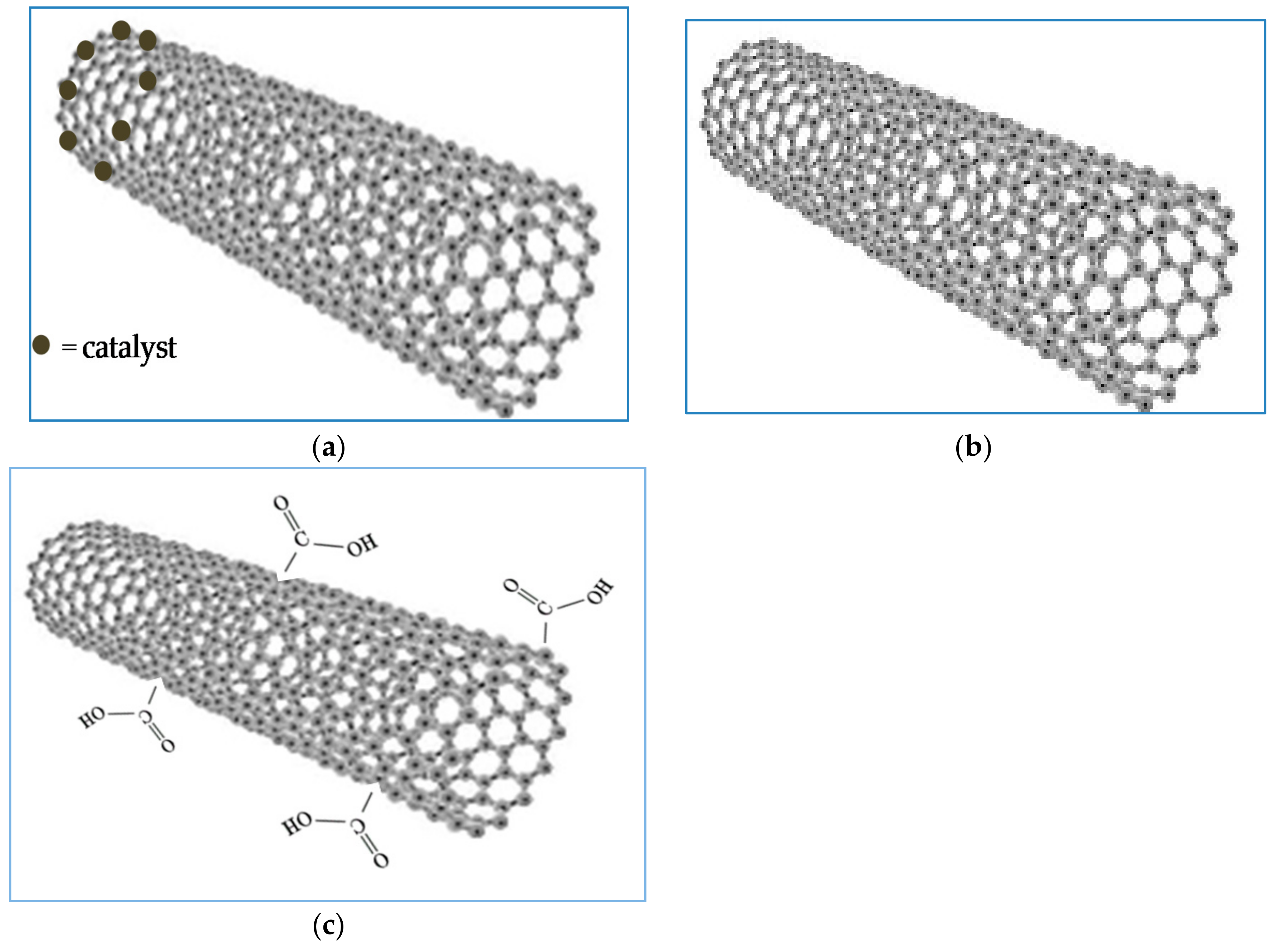
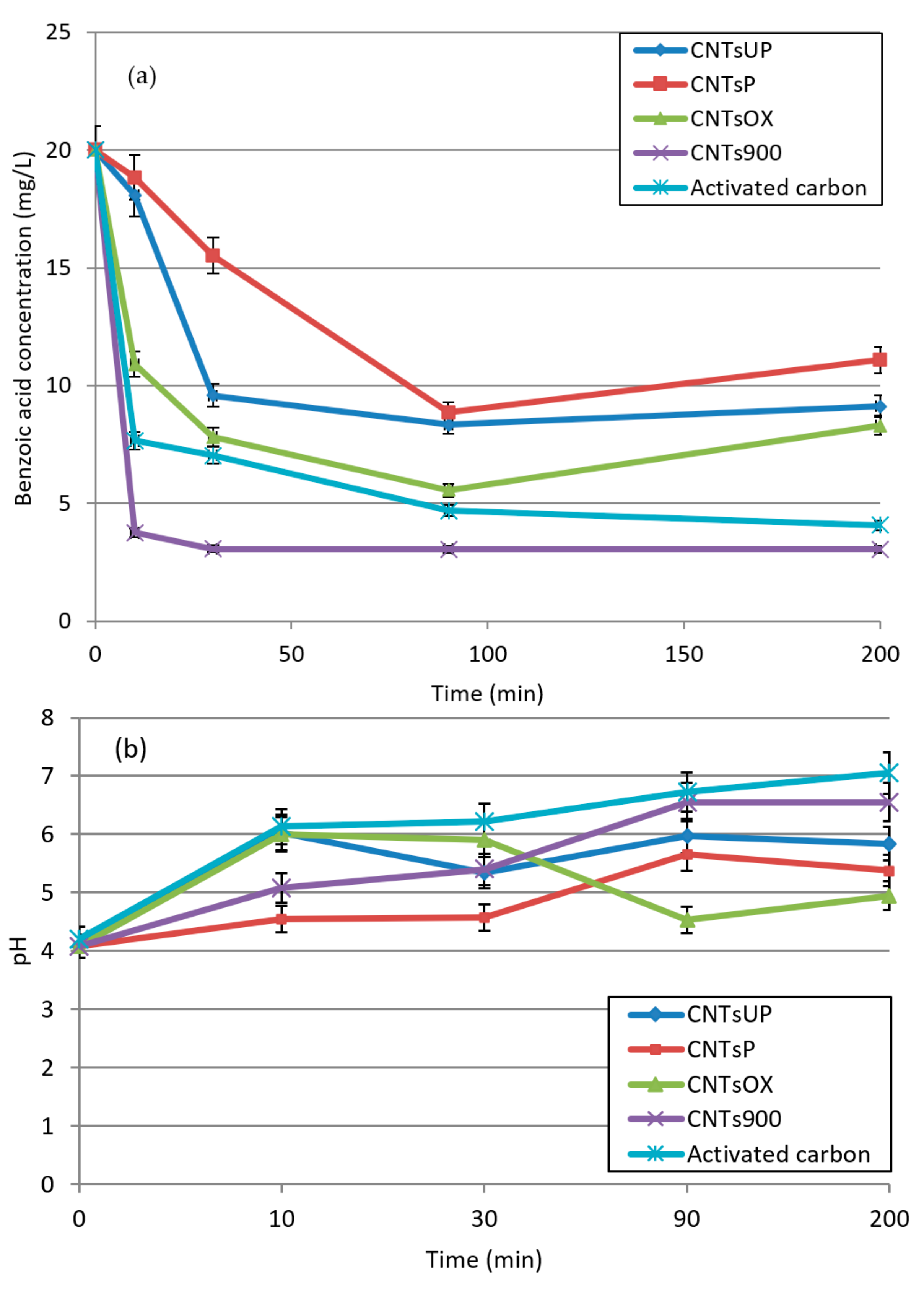
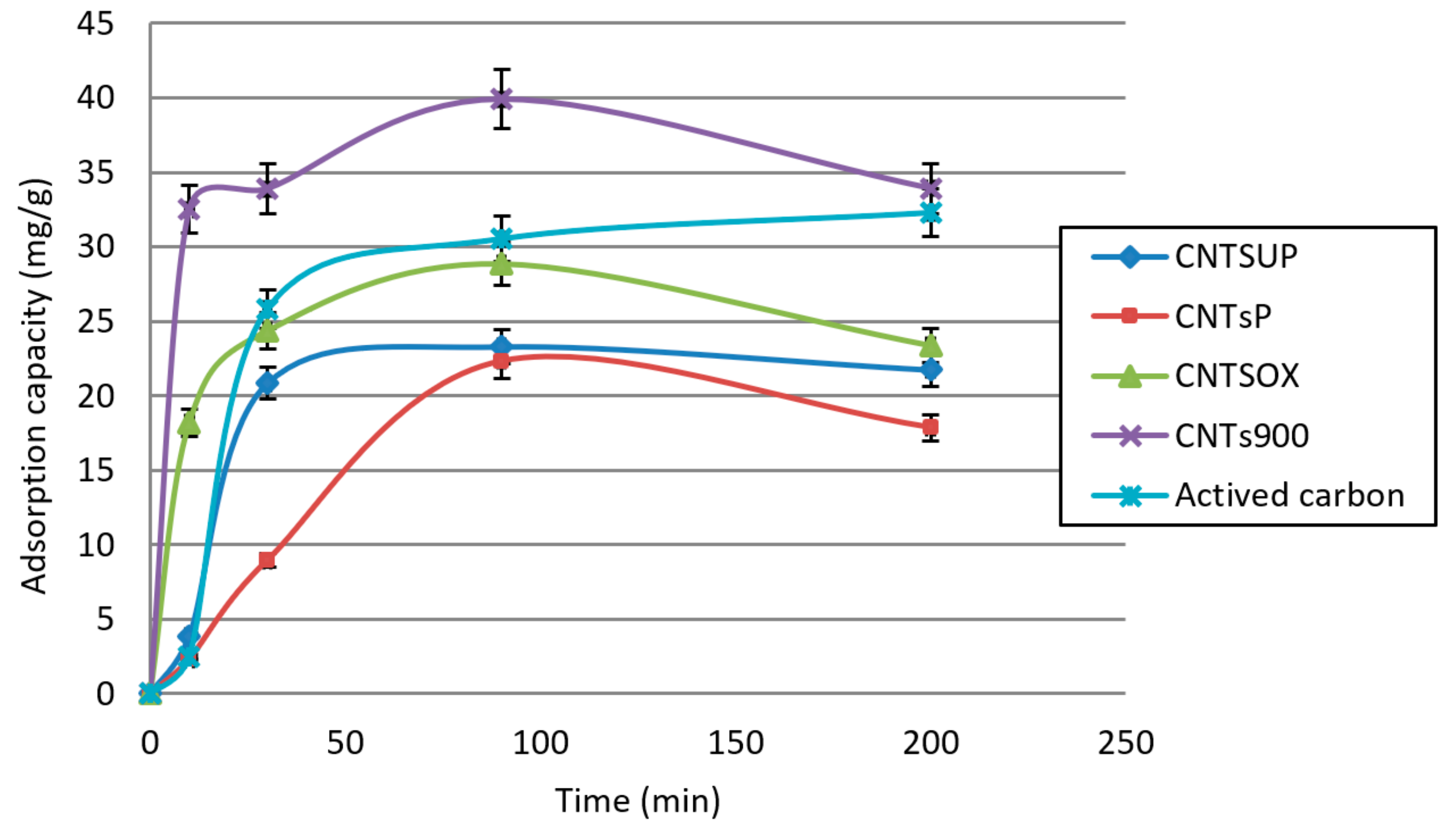
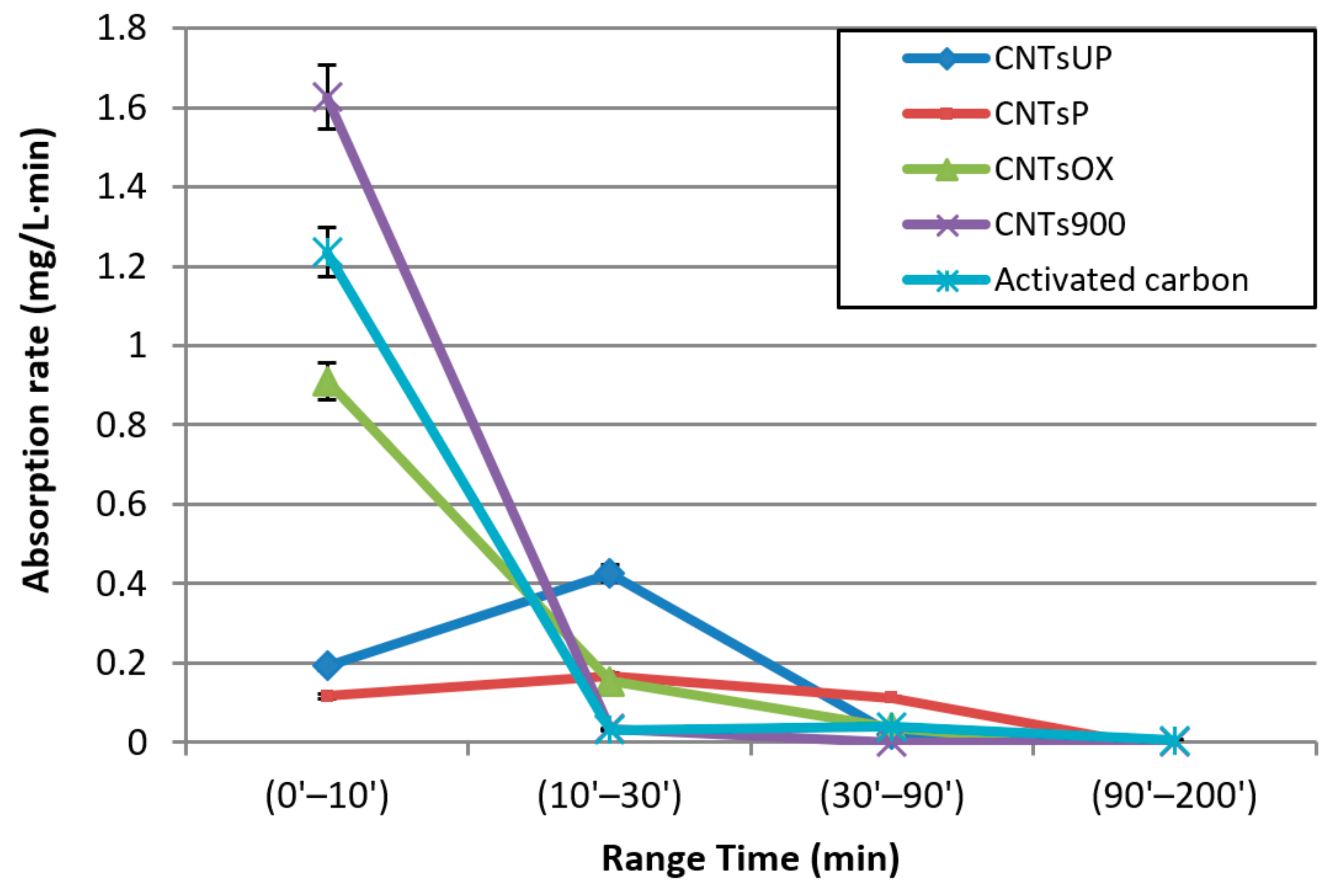
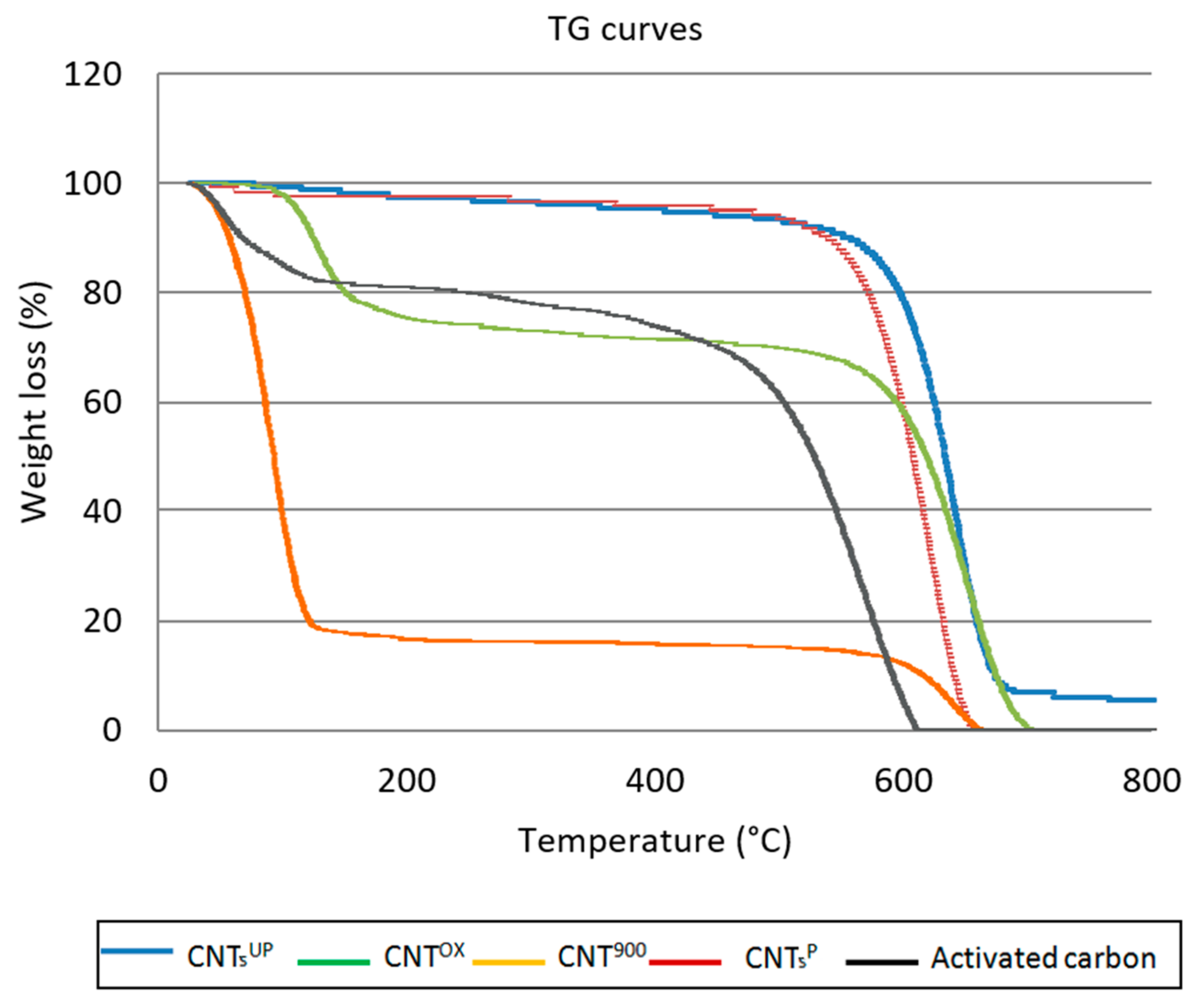
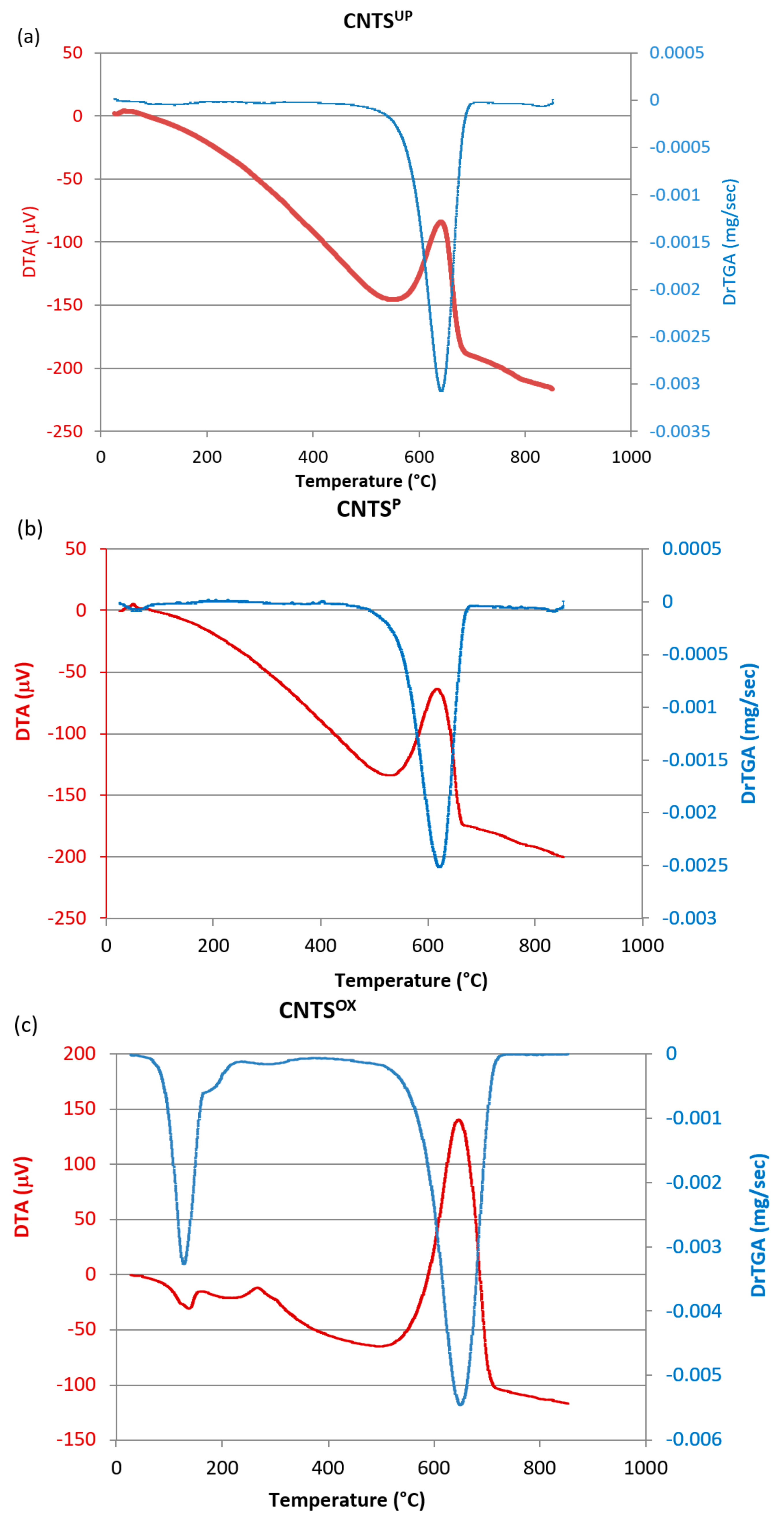
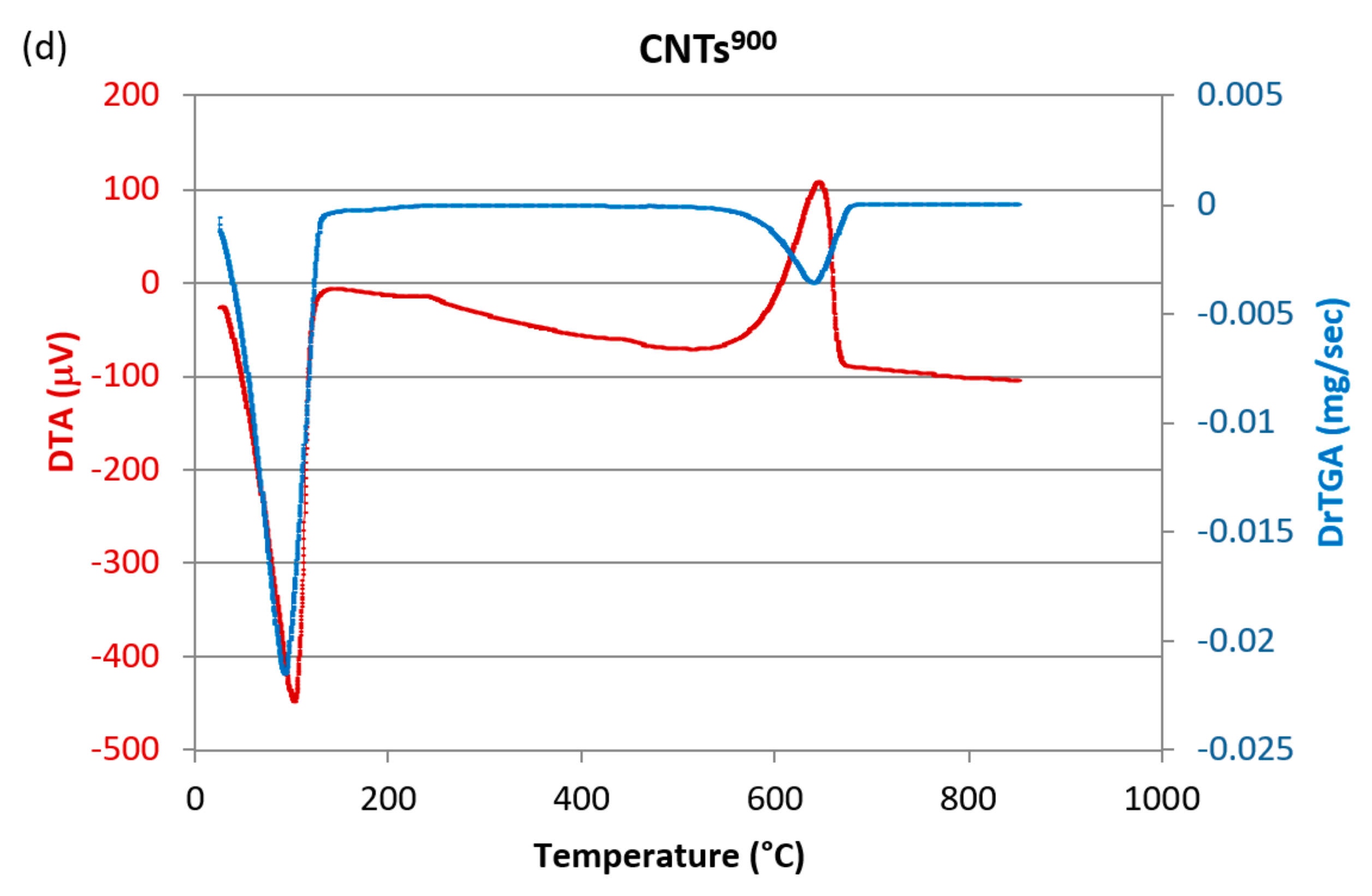
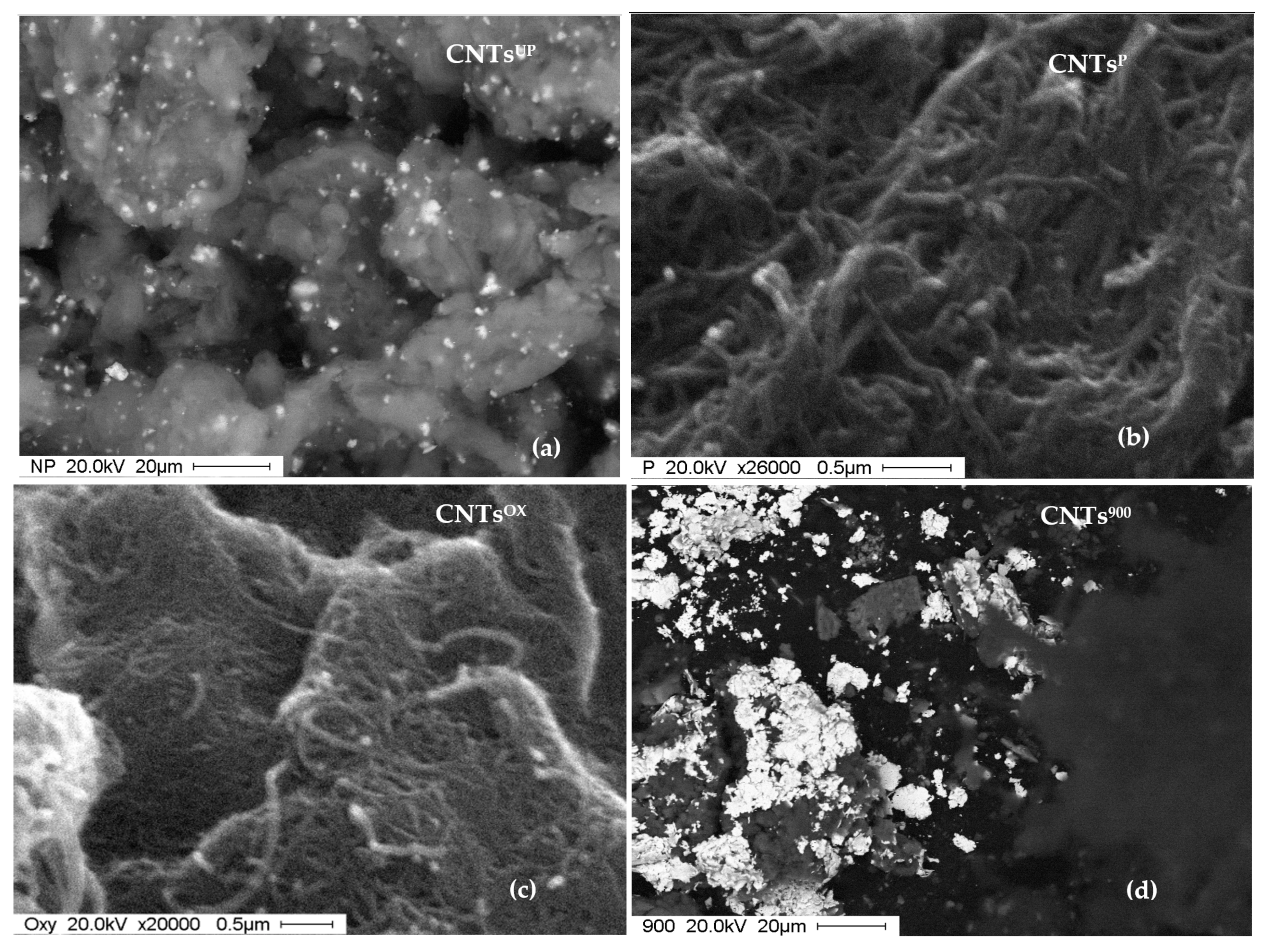
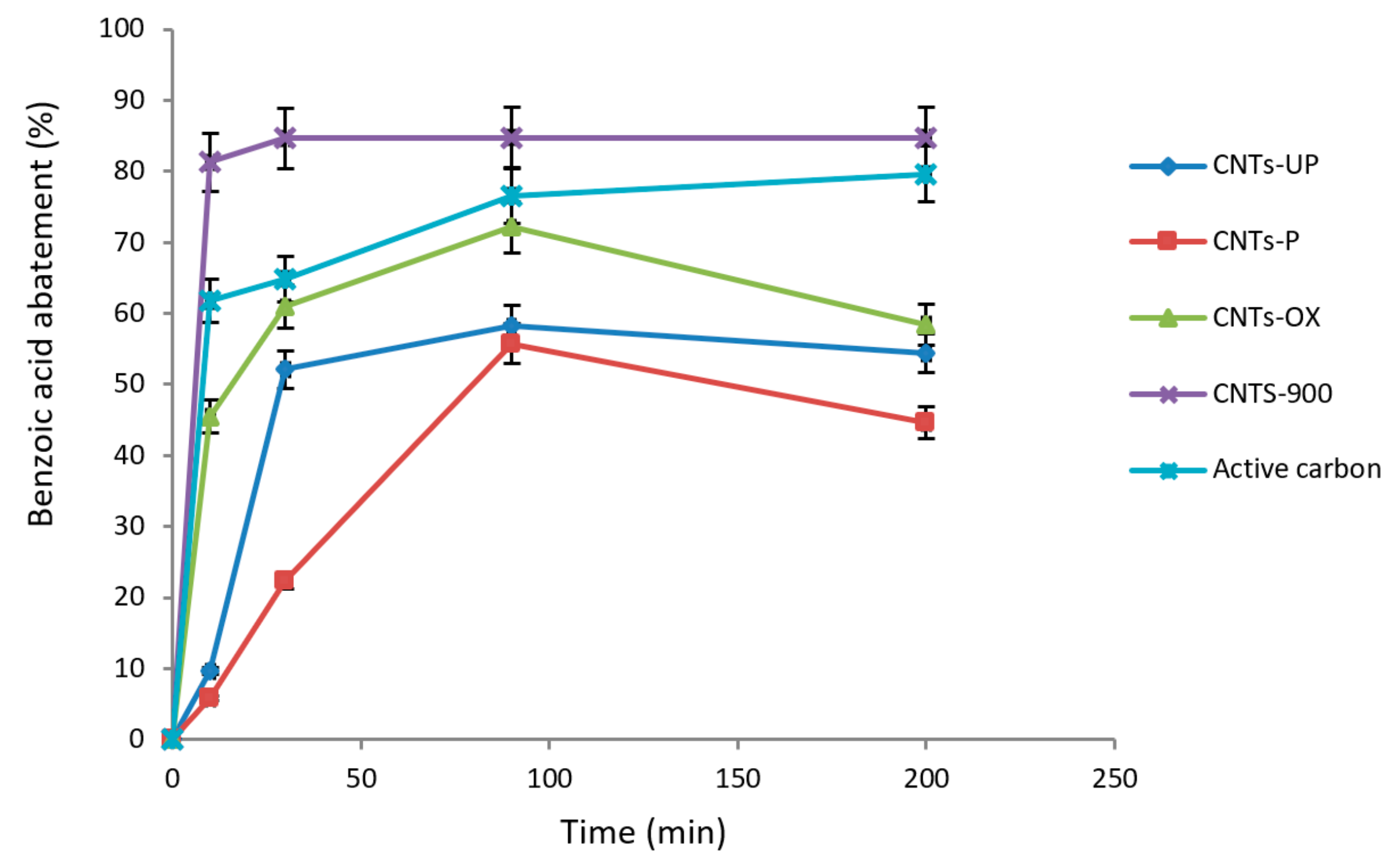
Four different types of multi-walled carbon nanotubes (MWCNTs) were used and compared for the treatment of benzoic acid contaminated water. The types of nanotubes used were: (1) non-purified (CNTsUP), as made; (2) purified (CNTsP), not containing the catalyst; (3) oxidized (CNTsOX), characterized by the presence of groups such as, –COOH; (4) calcined (CNTs900), with elimination of interactions between nanotubes. In addition, activated carbon was also used to allow for later comparison. The adsorption tests were conducted on an aqueous solution of benzoic acid at concentration of 20 mg/L, as a model of carboxylated aromatic compounds. After the adsorption tests, the residual benzoic acid concentrations were measured by UV-visible spectrometry, while the carbon nanotubes were characterized by TG and DTA thermal analyses and electron microscopy (SEM). The results show that the type of nanotubes thermally treated at 900 °C has the best performances in terms of adsorption rate and amounts of collected acid, even if compared with the performance of activated carbons.
Keywords: benzoic acid; carbon nanotubes; functionalization; active carbons; adsorption benzoic acid; carbon nanotubes; functionalization; active carbons; adsorption