Article

Statistical Analysis and Optimisation of Data for the Design and Evaluation of the Shear Spinning Process
1
Department of Metal Working and Physical Metallurgy of Non-Ferrous Metals, Faculty of Non-Ferrous Metals, AGH University of Science and Technology, Al. Mickiewicza 30, 30-059 Kraków, Poland
2
Sabre Polska Sp. z o.o., Wadowicka 6D, 30-415 Kraków, Poland
3
Pratt&Whitney Rzeszów S.A., Hetmańska 120, 35-001 Rzeszów, Poland
4
Department of Manufacturing and Production Engineering, Faculty of Mechanical Engineering and Aeronautics, Rzeszów University of Technology, al. Powstańców Warszawy 8, 35-959 Rzeszów, Poland
*
Author to whom correspondence should be addressed.
Materials 2021, 14(20), 6099; https://doi.org/10.3390/ma14206099
Submission received: 9 September 2021 / Revised: 6 October 2021 / Accepted: 11 October 2021 / Published: 15 October 2021
(This article belongs to the Special Issue Forming Technologies and Mechanical Properties of Advanced Materials)

Abstract

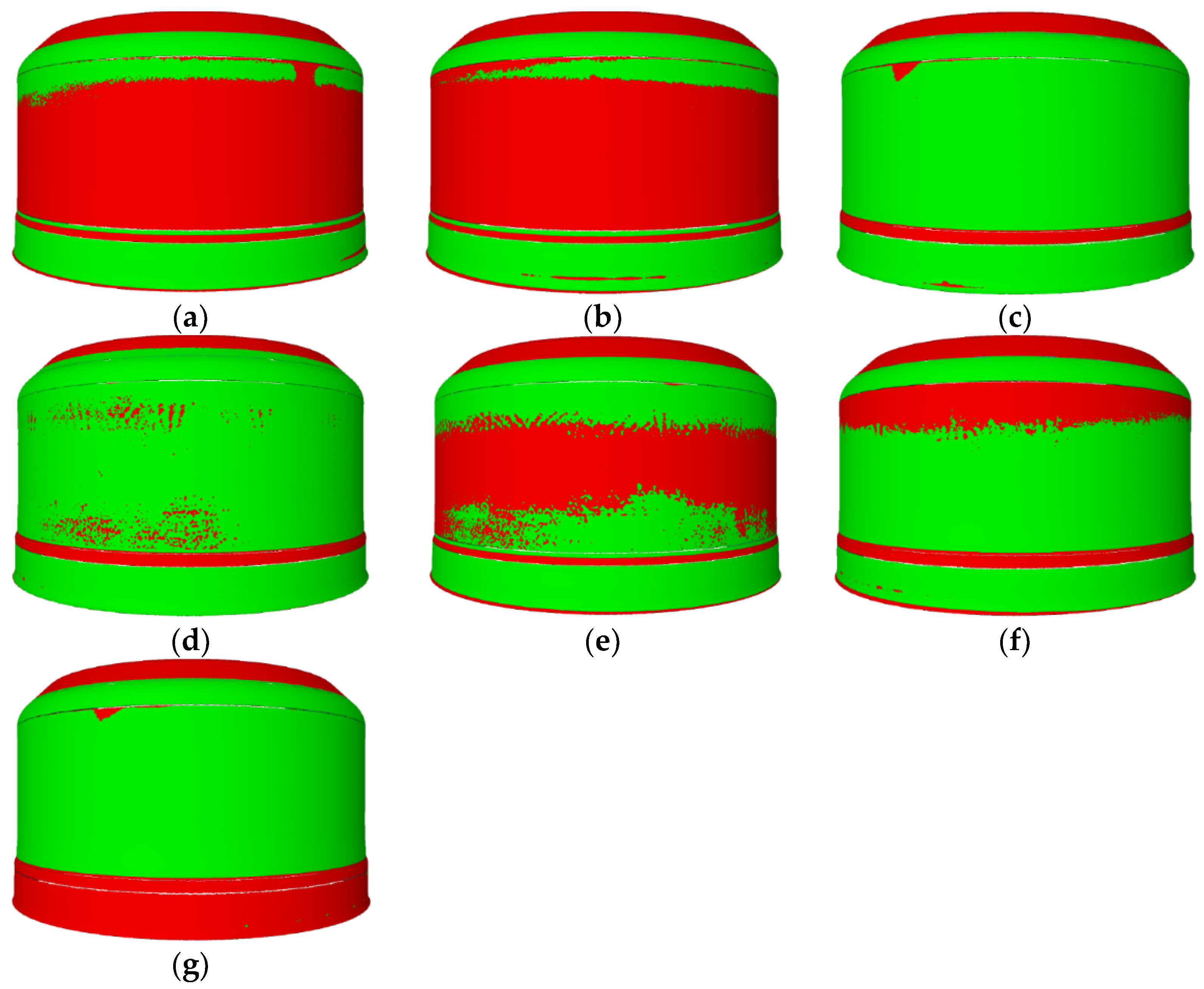
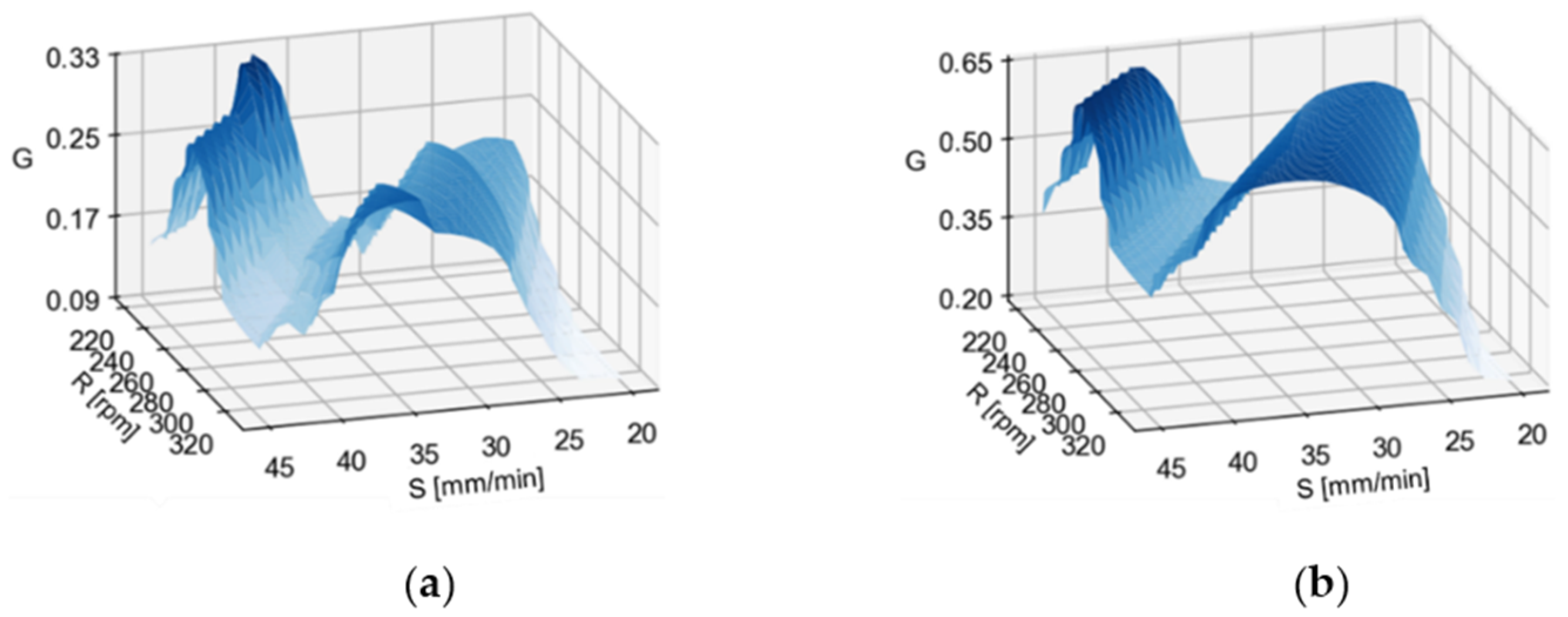
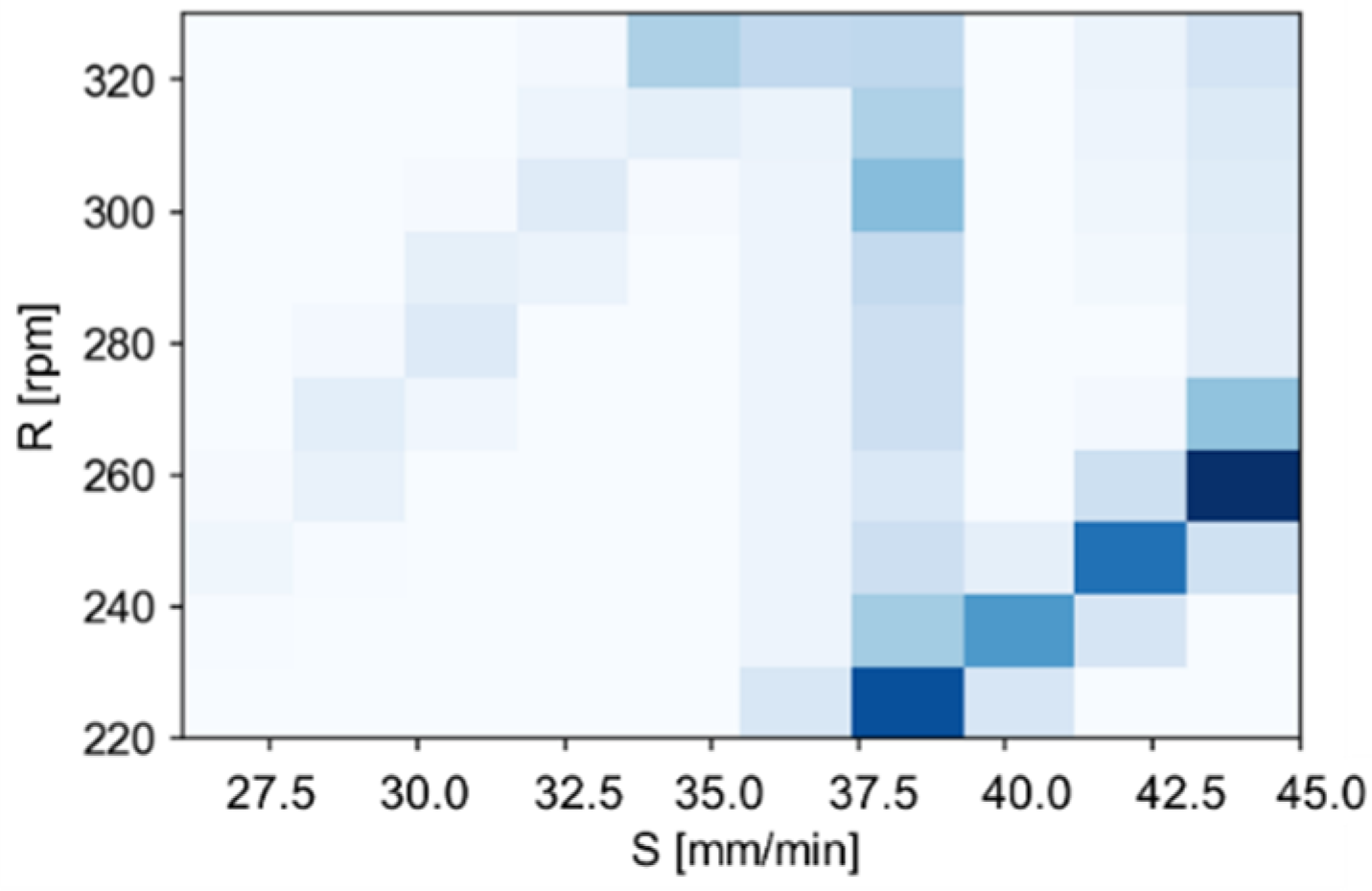
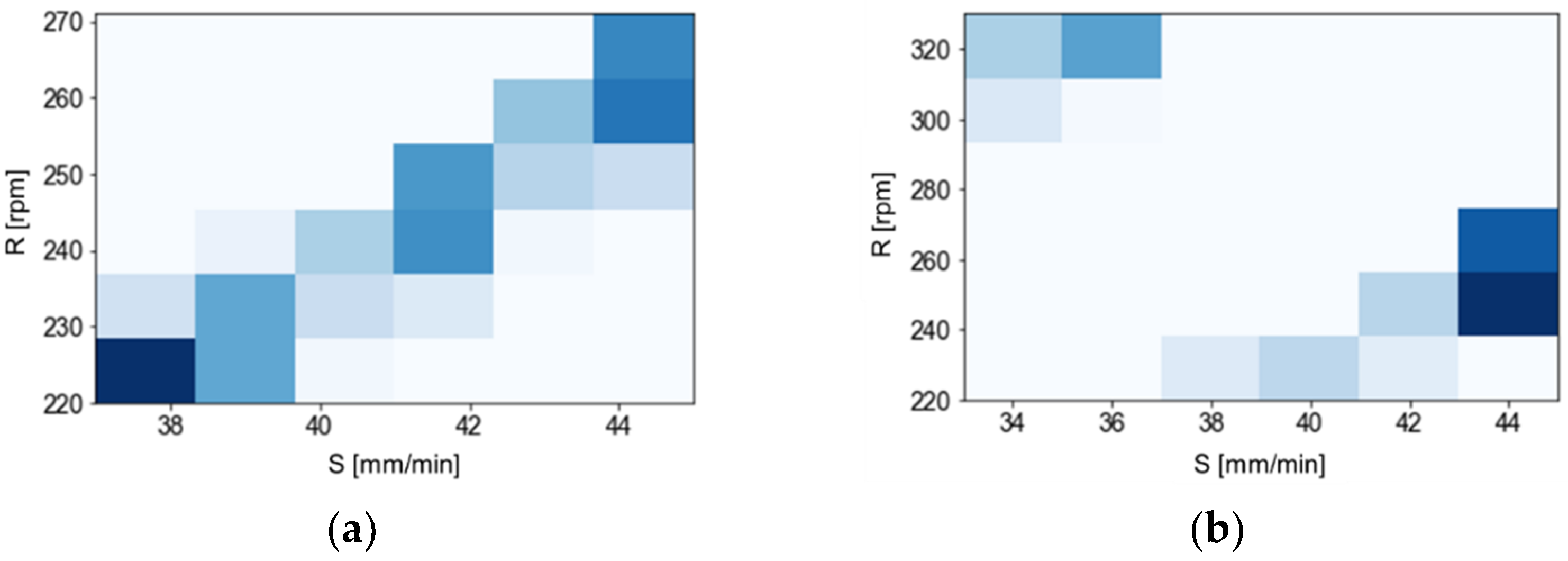
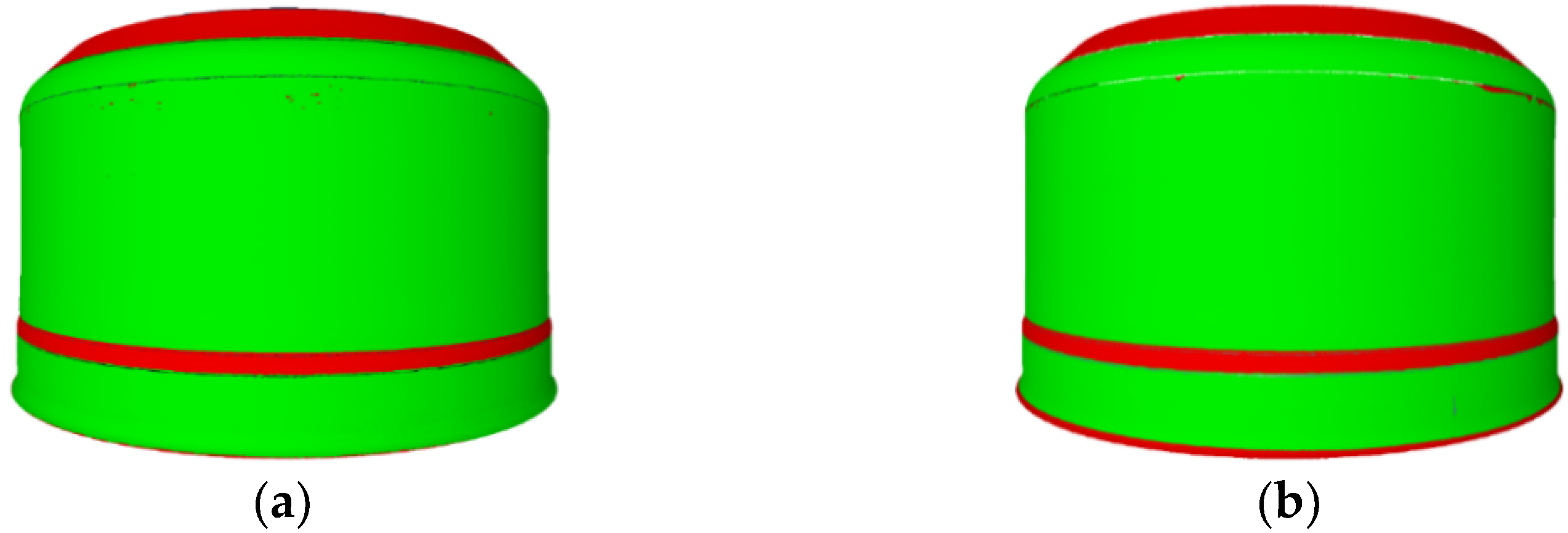
This work proposes a research method that is a scheme that can be universally applied in problems based on the selection of optimal parameters for metal forming processes. For this purpose, statistical data optimisation methods were used. The research was based on the analysis of the shear spinning tests performed in industrial conditions. The process of shear spinning was conducted on the components made of Inconel 625 nickel superalloy. It was necessary to select the appropriate experimental plan, which, by minimising the number of trials, allowed one to draw conclusions on the influence of process parameters on the final quality of the product and was the starting point for their optimisation. The orthogonal design 2III31 is the only design for three factors at two levels, providing non-trivial and statistically significant information on the main effects and interactions for the four samples. The samples were analysed for shape and dimensions using an Atos Core 200 3D scanner. Three-dimensional scanning data allowed the influence of the technological parameters of the process on quality indicators, and thus on the subsequent optimisation of the process, to be determined. The methods used proved to be effective in the design, evaluation and verification of the process.
Keywords: superalloy; design of experiments; 3D scanning; statistical optimisation superalloy; design of experiments; 3D scanning; statistical optimisation