Review

Interface Engineering for Perovskite Solar Cells Based on 2D-Materials: A Physics Point of View
by
Rosaria Verduci
1,
Antonio Agresti
2,*,
Valentino Romano
3,* and
Giovanna D’Angelo
3
1
Department of ChiBioFarAm, University of Messina, 98166 Messina, Italy
2
C.H.O.S.E. (Centre for Hybrid and Organic Solar Energy), Department of Electronic Engineering, University of Rome Tor Vergata, 00133 Rome, Italy
3
Department of Mathematical and Computer Science, Physical Sciences and Earth Sciences (MIFT), University of Messina, 98166 Messina, Italy
*
Authors to whom correspondence should be addressed.
Materials 2021, 14(19), 5843; https://doi.org/10.3390/ma14195843
Submission received: 30 August 2021 / Revised: 24 September 2021 / Accepted: 29 September 2021 / Published: 6 October 2021
(This article belongs to the Special Issue Two-Dimensional Materials in Solar Cells)

Abstract

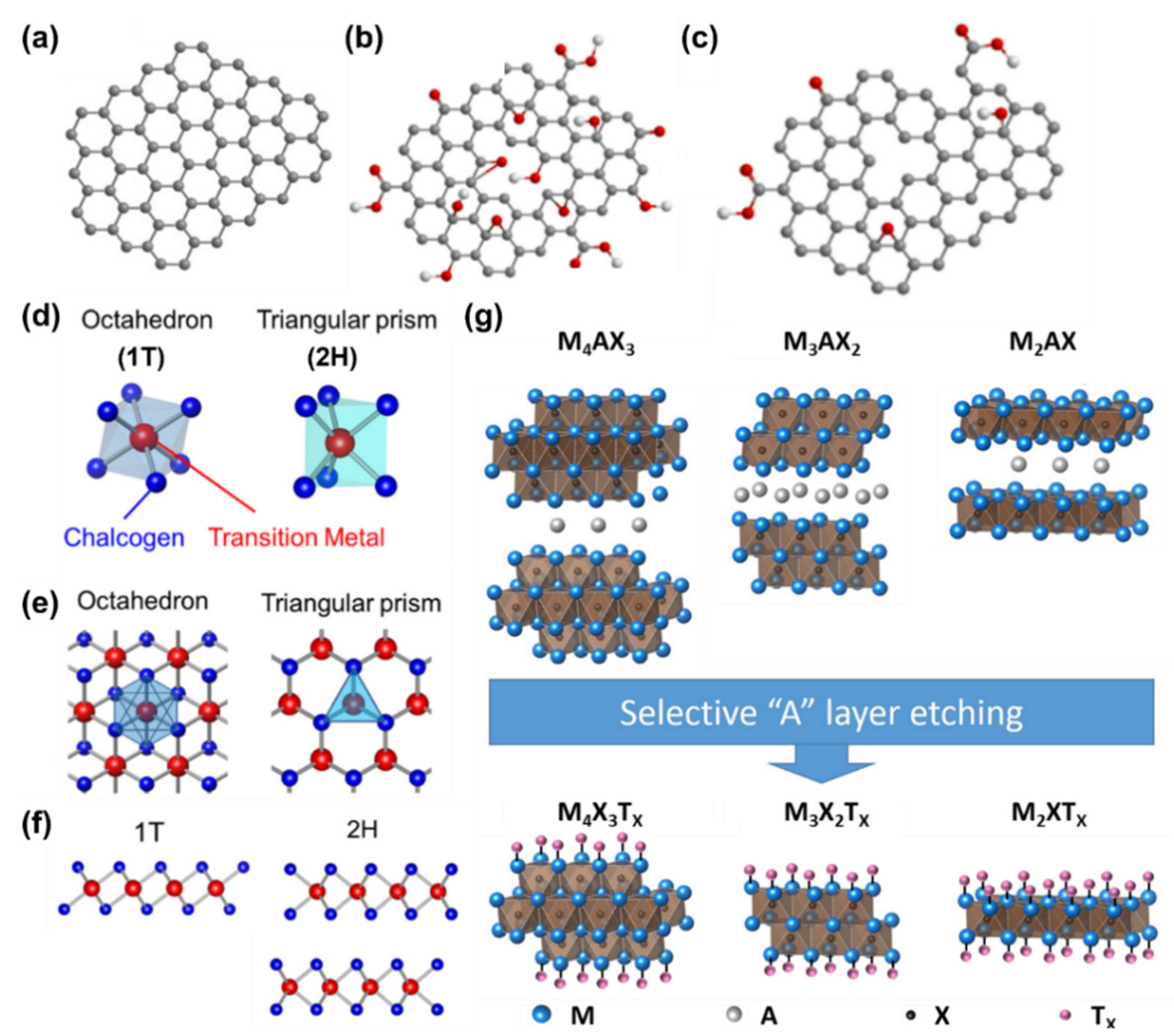
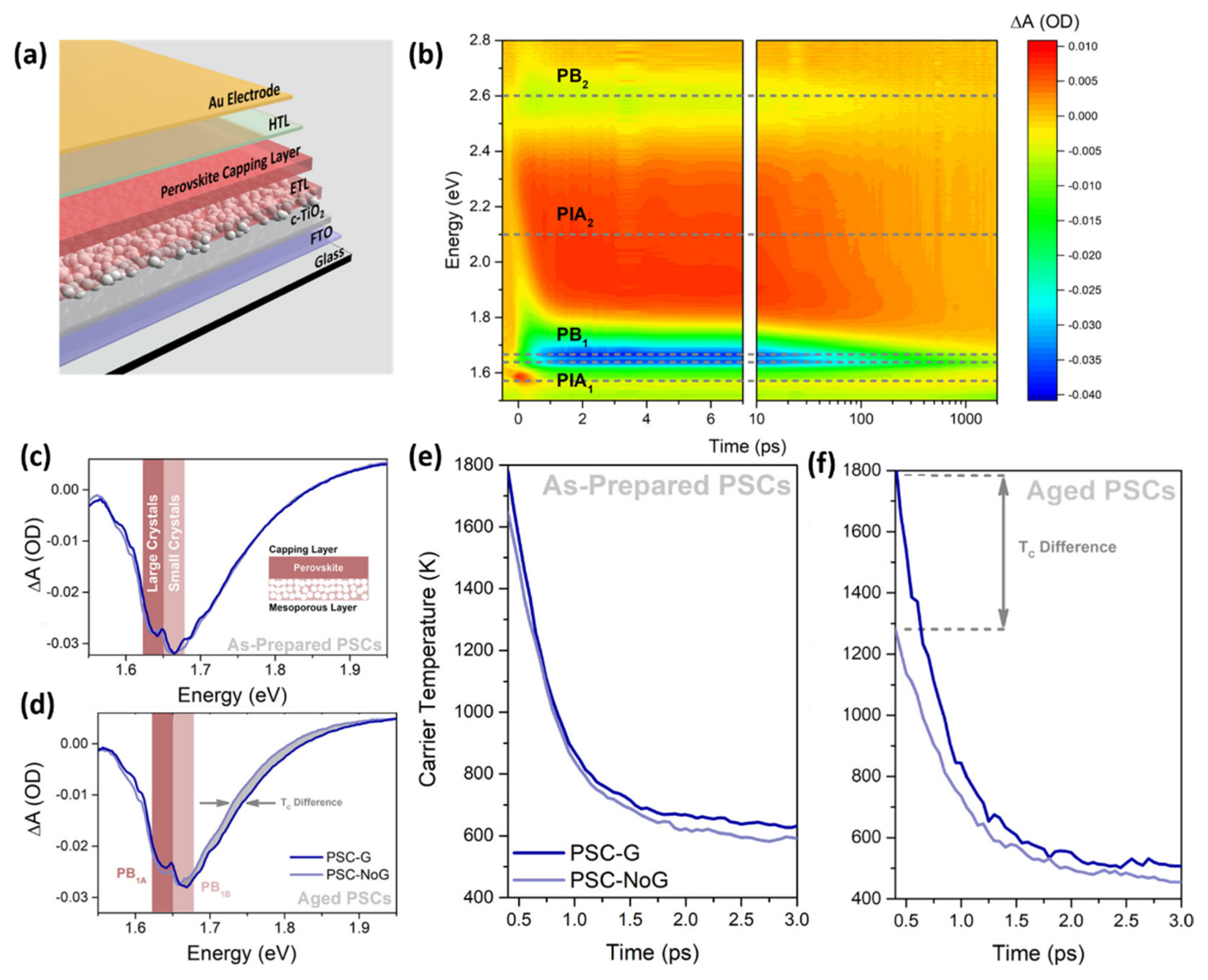
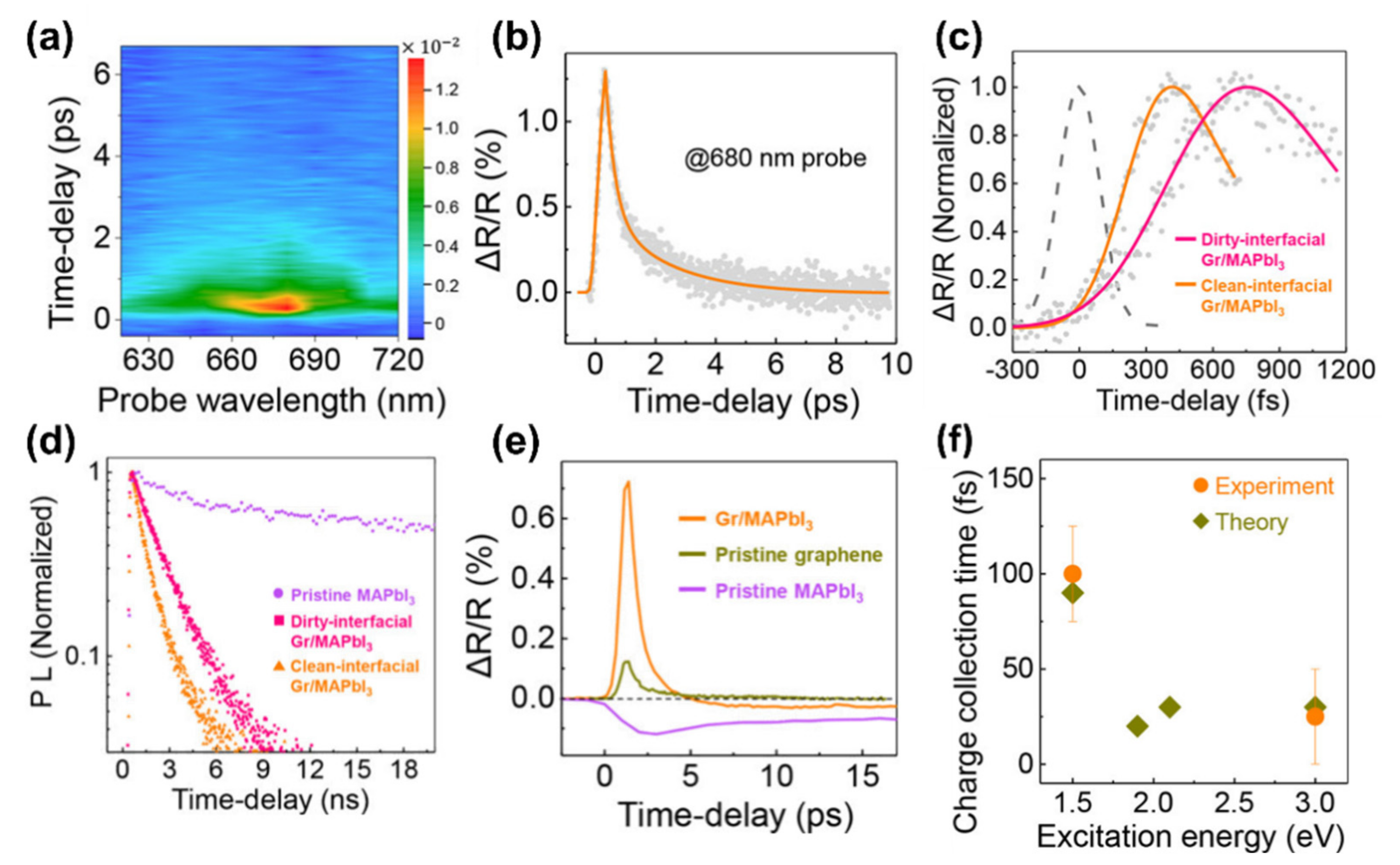
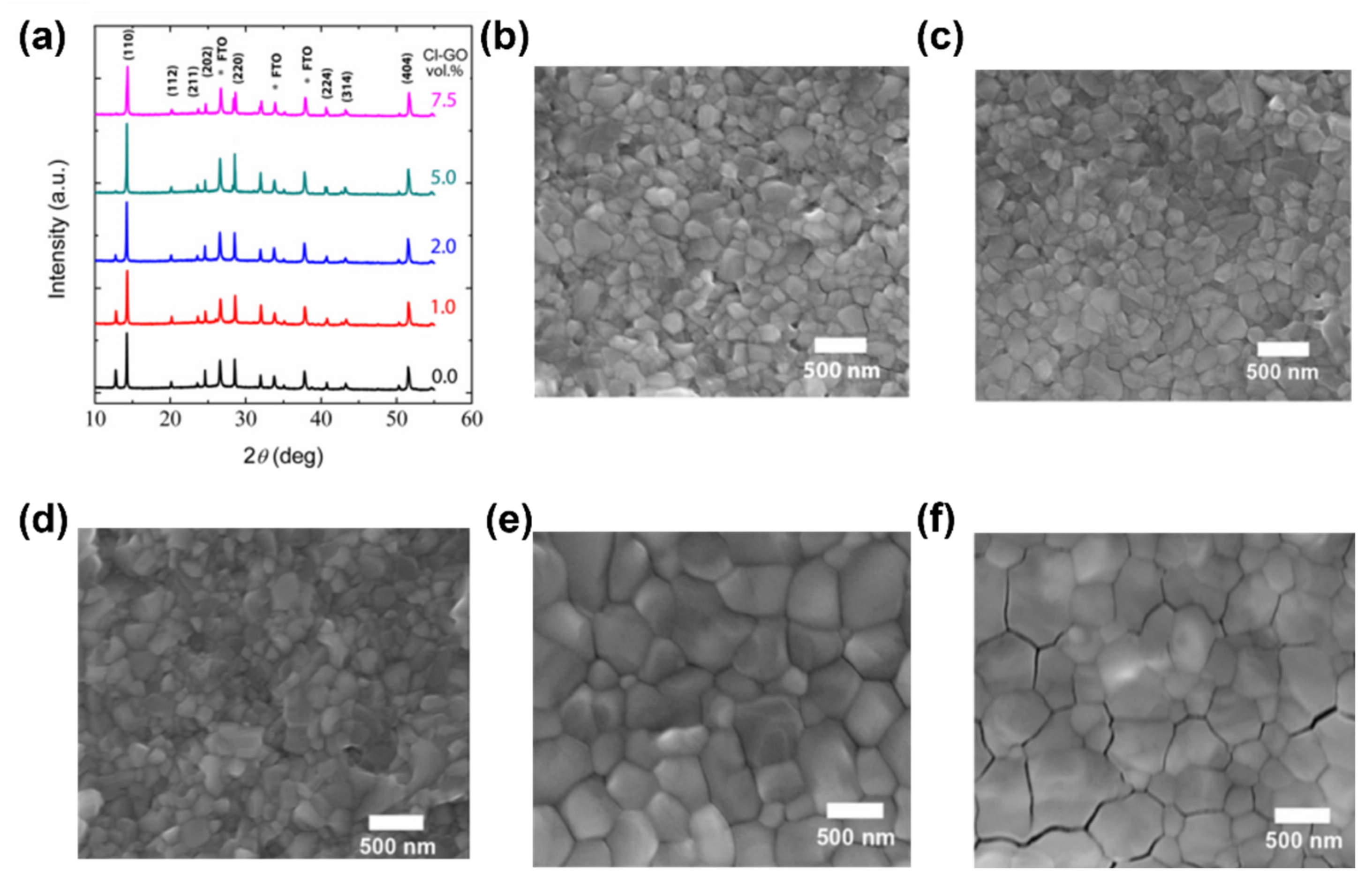
The last decade has witnessed the advance of metal halide perovskites as a promising low-cost and efficient class of light harvesters used in solar cells (SCs). Remarkably, the efficiency of lab-scale perovskite solar cells (PSCs) reached a power conversion efficiency of 25.5% in just ~10 years of research, rivalling the current record of 26.1% for Si-based PVs. To further boost the performances of PSCs, the use of 2D materials (such as graphene, transition metal dichalcogenides and transition metal carbides, nitrides and carbonitrides) has been proposed, thanks to their remarkable optoelectronic properties (that can be tuned with proper chemical composition engineering) and chemical stability. In particular, 2D materials have been demonstrated as promising candidates for (i) accelerating hot carrier transfer across the interfaces between the perovskite and the charge extraction layers; (ii) improving the crystallization of the perovskite layers (when used as additives in the precursor solution); (iii) favoring electronic bands alignment through tuning of the work function. In this mini-review, we discuss the physical mechanisms underlying the increased efficiency of 2D material-based PSCs, focusing on the three aforementioned effects.
Keywords: perovskite solar cells; 2D materials; interface engineering; hot carriers; additives; crystallization; work function tuning perovskite solar cells; 2D materials; interface engineering; hot carriers; additives; crystallization; work function tuning