Article

Thermally Treated Waste Silt as Filler in Geopolymer Cement

1
Department of Civil, Chemical, Environmental and Materials Engineering, University of Bologna, Via Terracini 28, 40131 Bologna, Italy
2
Centre for Agroecology Water and Resilience (CAWR), Coventry University, Wolston Lane, Ryton-on-Dunsmore CV8 3LG, UK
3
Bologna Strade, Via Zanardi 372/2, 40131 Bologna, Italy
4
Department of Biological, Geological, and Environmental Sciences, University of Bologna, Piazza di Porta San Donato 1, 40126 Bologna, Italy
*
Author to whom correspondence should be addressed.
Materials 2021, 14(17), 5102; https://doi.org/10.3390/ma14175102
Submission received: 14 July 2021 / Revised: 22 August 2021 / Accepted: 31 August 2021 / Published: 6 September 2021
(This article belongs to the Special Issue Feature Papers in Construction and Building Materials)

Abstract

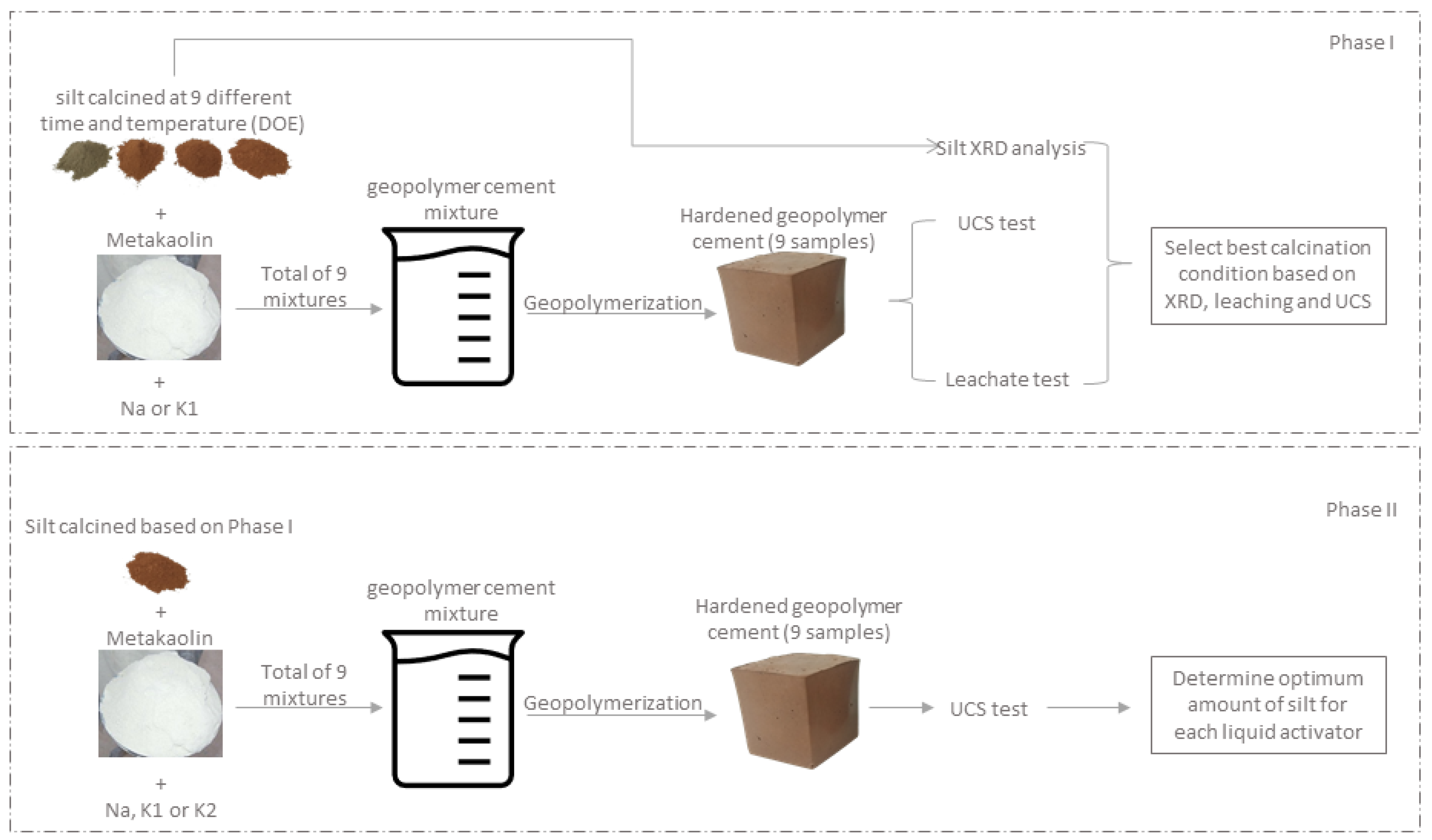
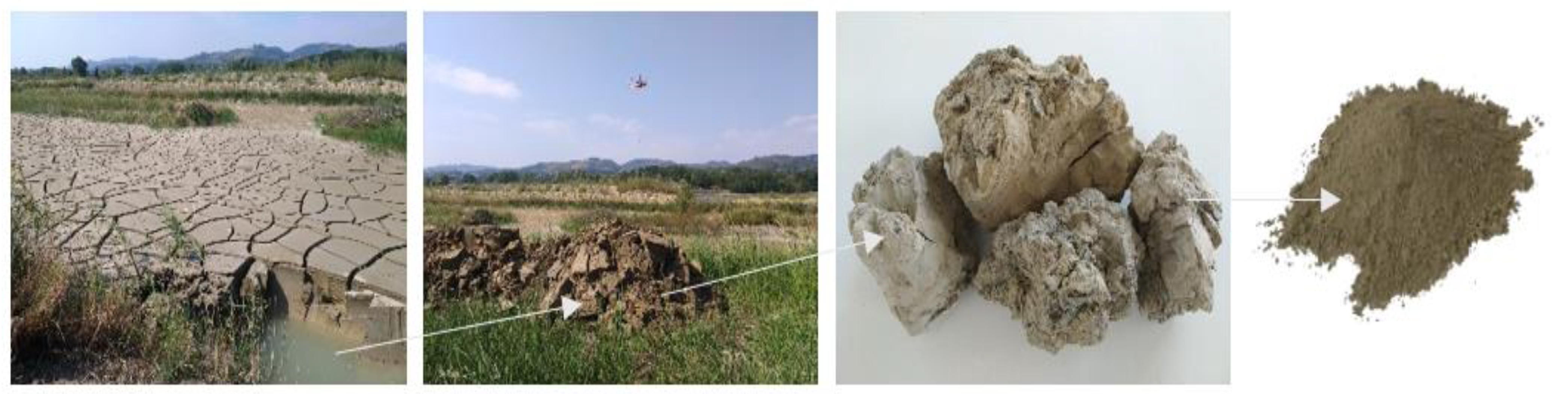
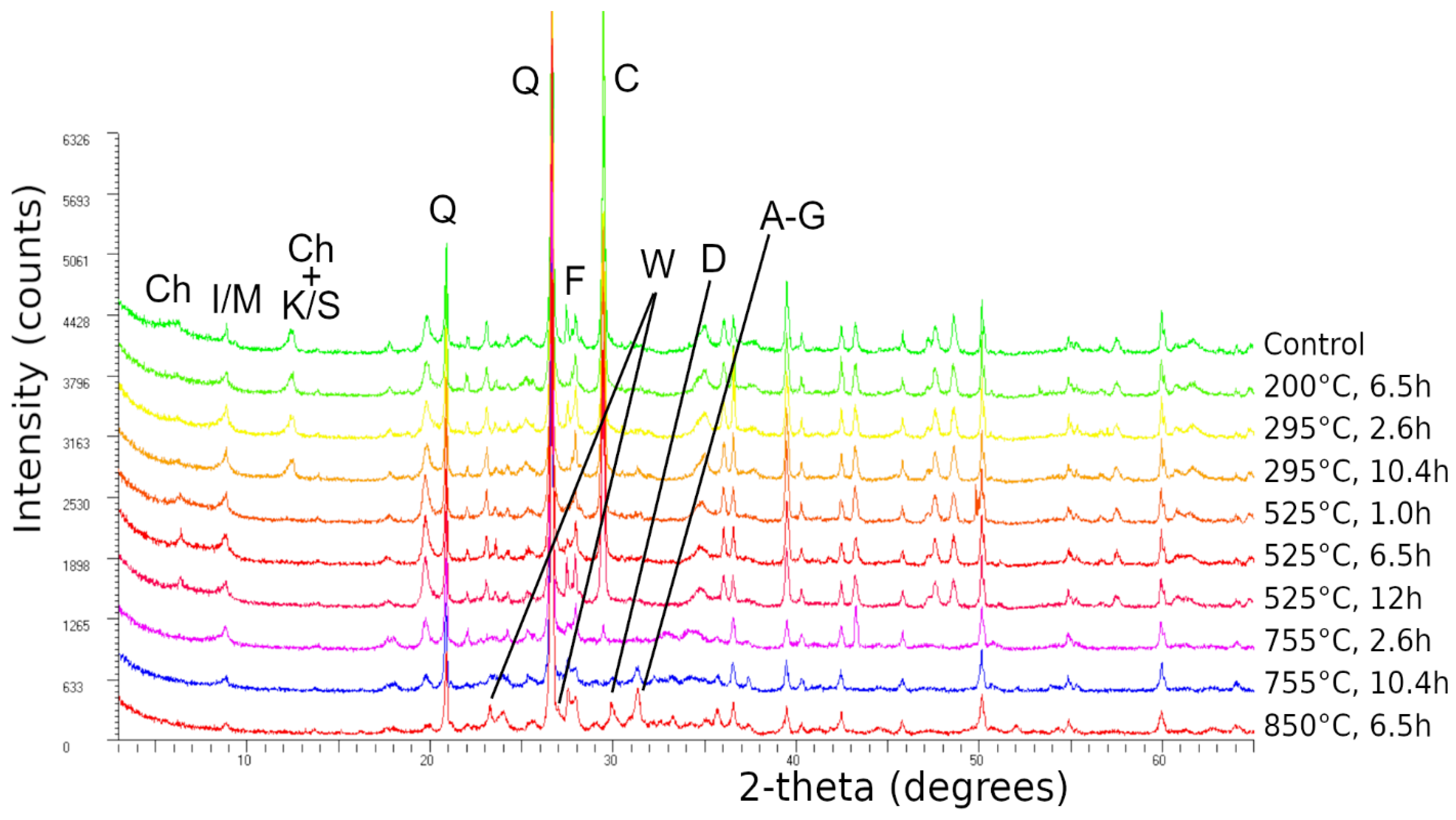
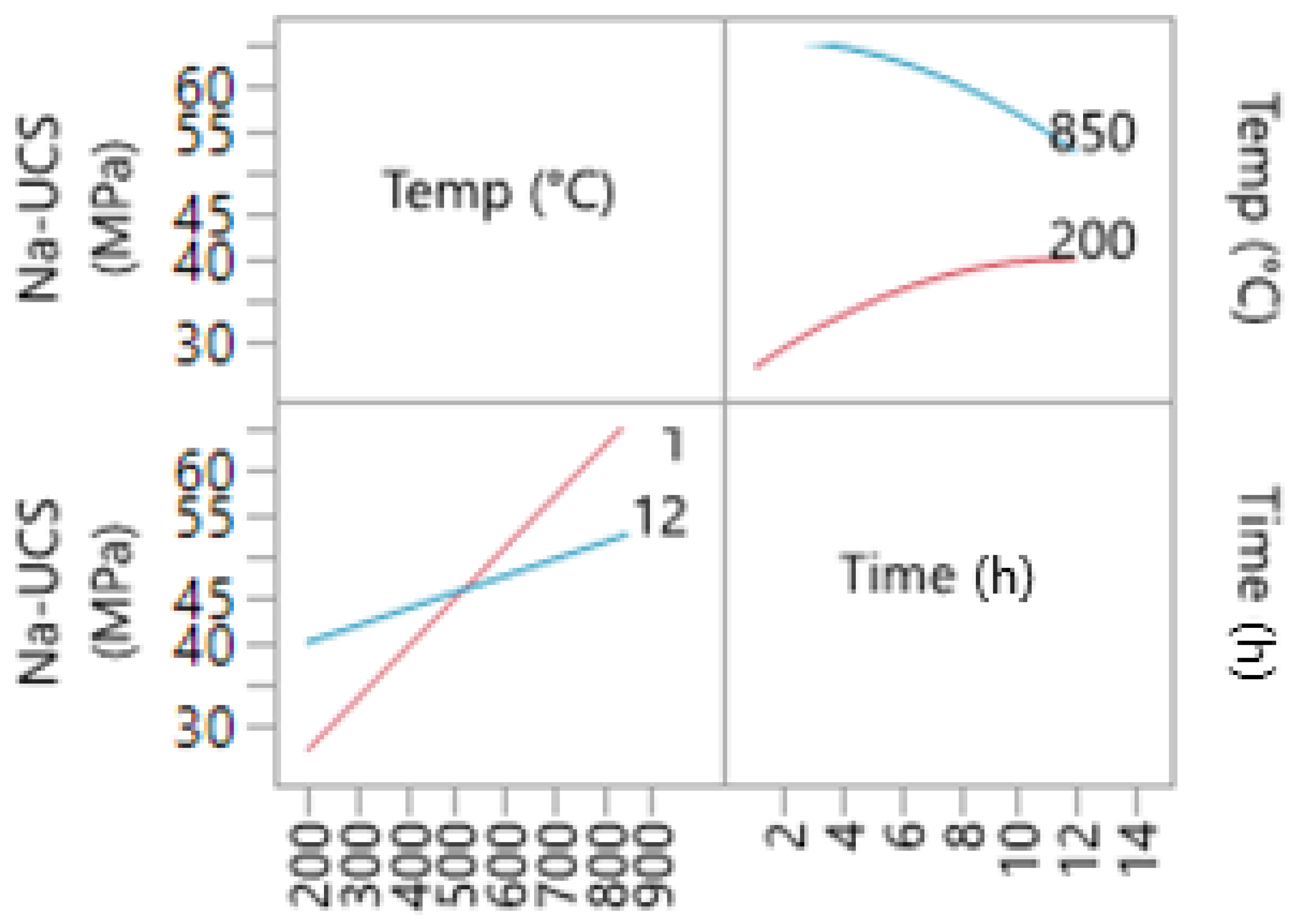
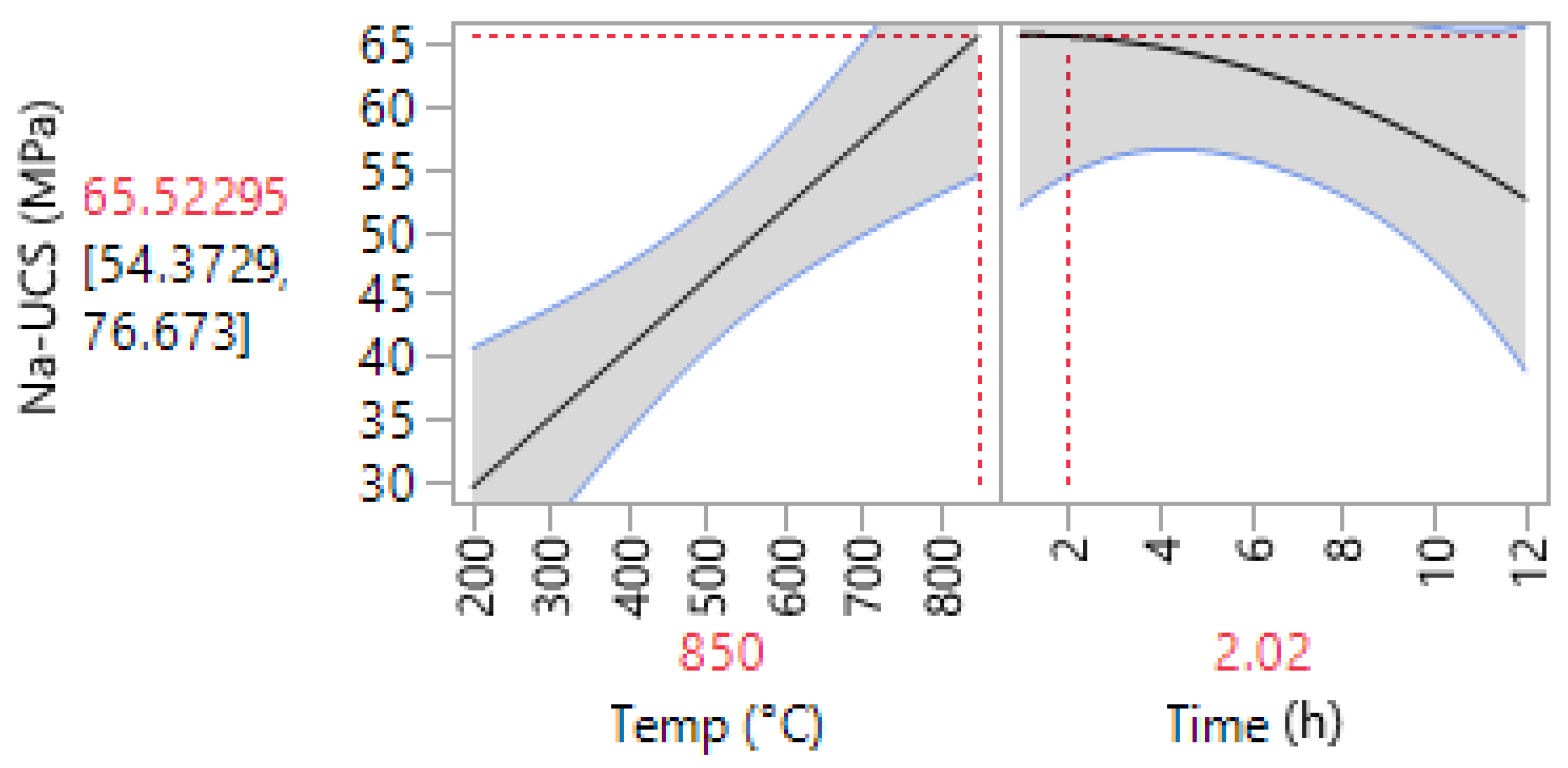
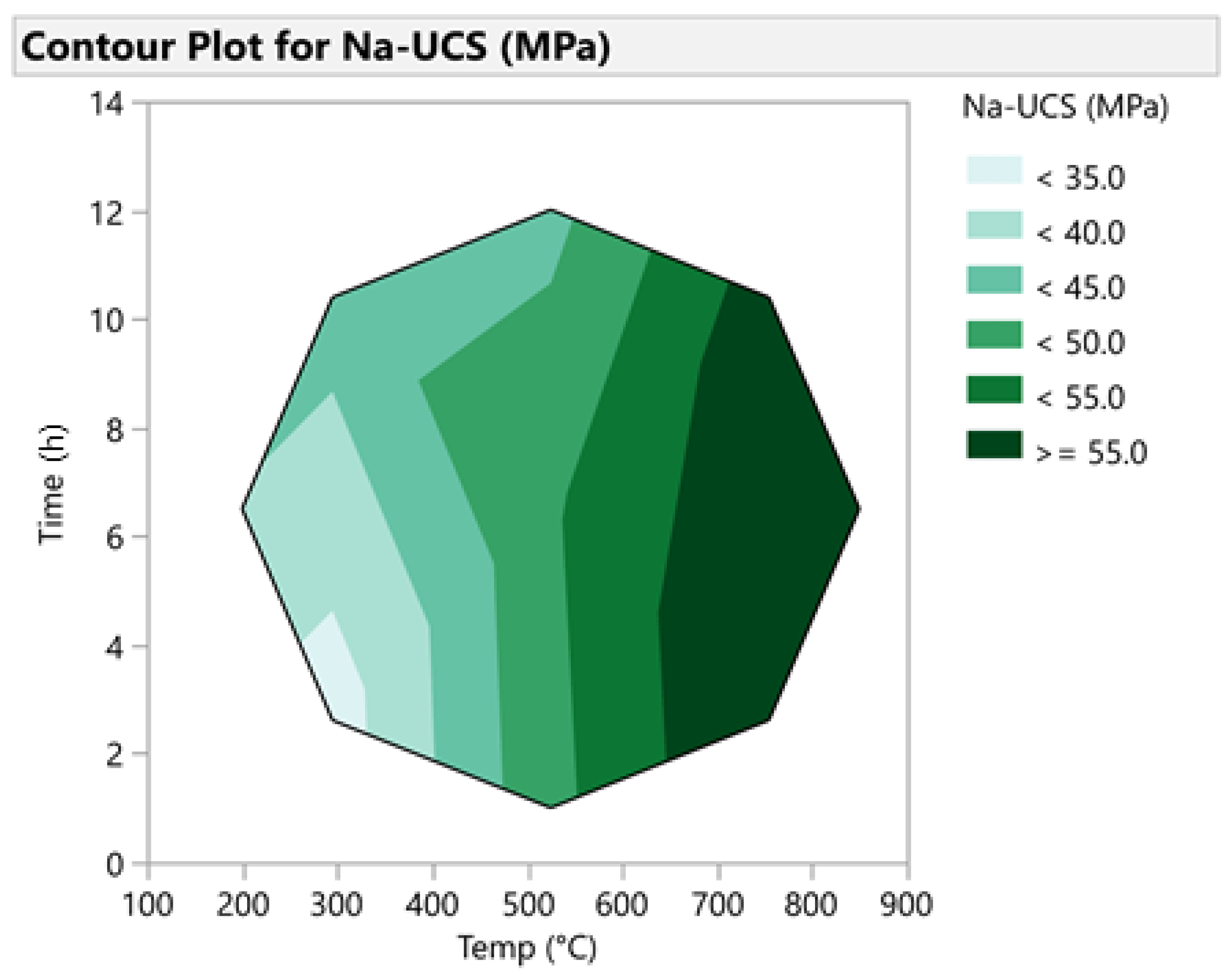
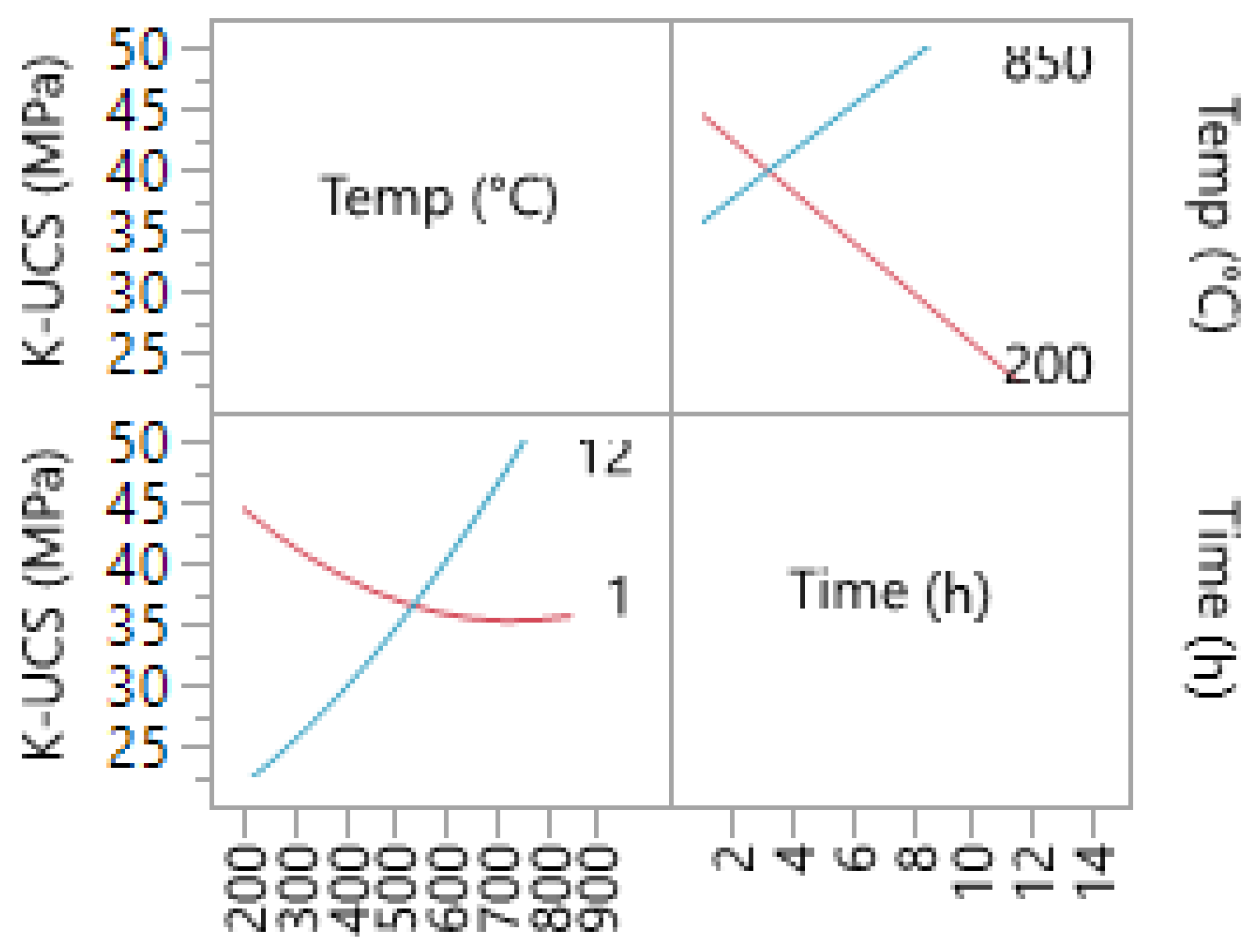
This study aims to investigate the feasibility of including silt, a by-product of limestone aggregate production, as a filler in geopolymer cement. Two separate phases were planned: The first phase aimed to determine the optimum calcination conditions of the waste silt obtained from Società Azionaria Prodotti Asfaltico Bituminosi Affini (S.A.P.A.B.A. s.r.l.). A Design of Experiment (DOE) was produced, and raw silt was calcined accordingly. Geopolymer cement mixtures were made with sodium or potassium alkali solutions and were tested for compressive strength and leaching. Higher calcination temperatures showed better compressive strength, regardless of liquid type. By considering the compressive strength, leaching, and X-ray diffraction (XRD) analysis, the optimum calcination temperature and time was selected as 750 °C for 2 h. The second phase focused on determining the optimum amount of silt (%) that could be used in a geopolymer cement mixture. The results suggested that the addition of about 55% of silt (total solid weight) as filler can improve the compressive strength of geopolymers made with Na or K liquid activators. Based on the leaching test, the cumulative concentrations of the released trace elements from the geopolymer specimens into the leachant were lower than the thresholds for European standards.
Keywords: quarry waste; silt calcination; ambient temperature curing; aggregate recycling; DOE; DSLT quarry waste; silt calcination; ambient temperature curing; aggregate recycling; DOE; DSLT