Optimizing Glass Fiber Molding Process Design by Reverse Warping



Abstract
1. Introduction
2. Literature Review
3. Research Purpose
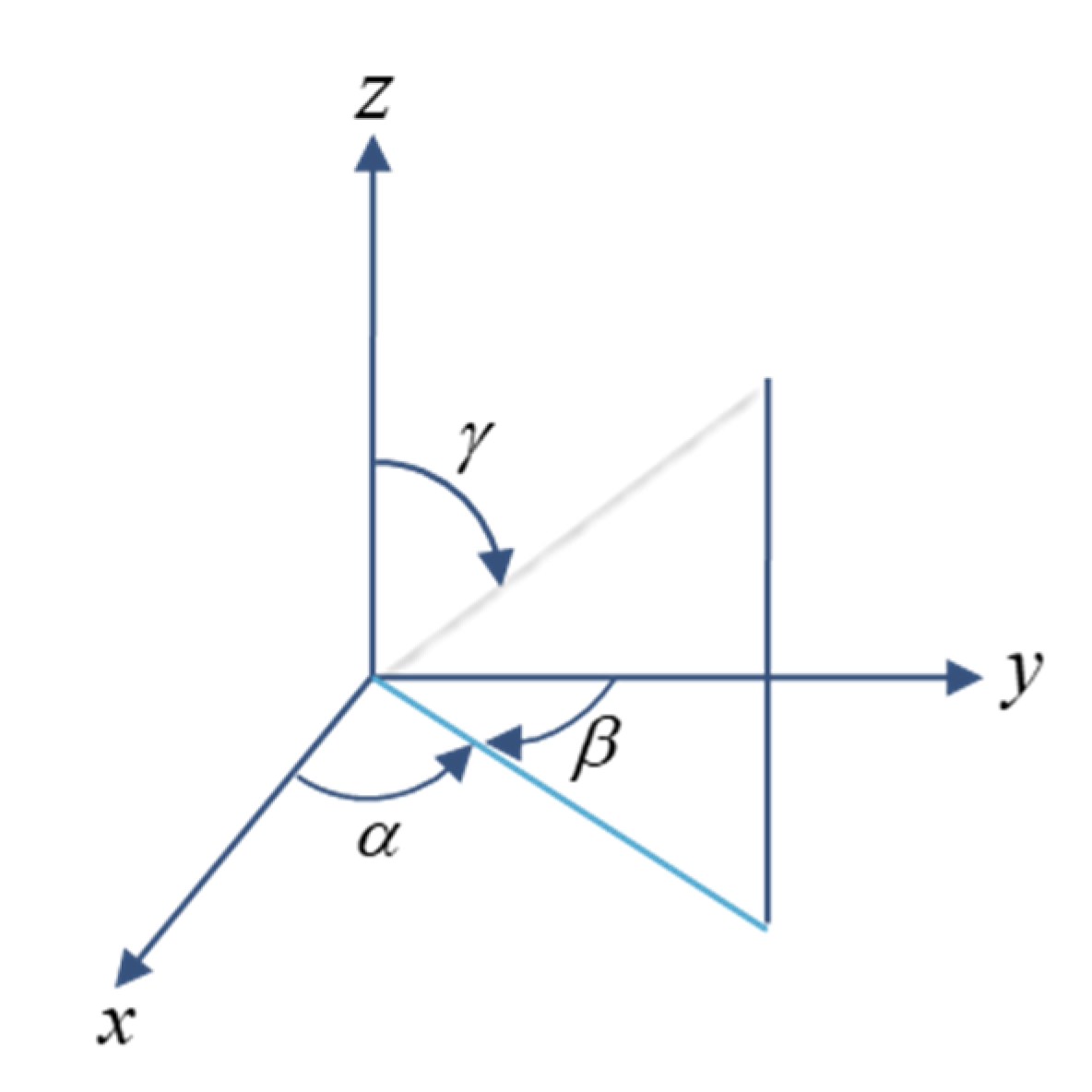
4. Fiber Orientation Control Model
Different Materials Relationship and Effects
5. Warping Alignment Control with the Simulation Model
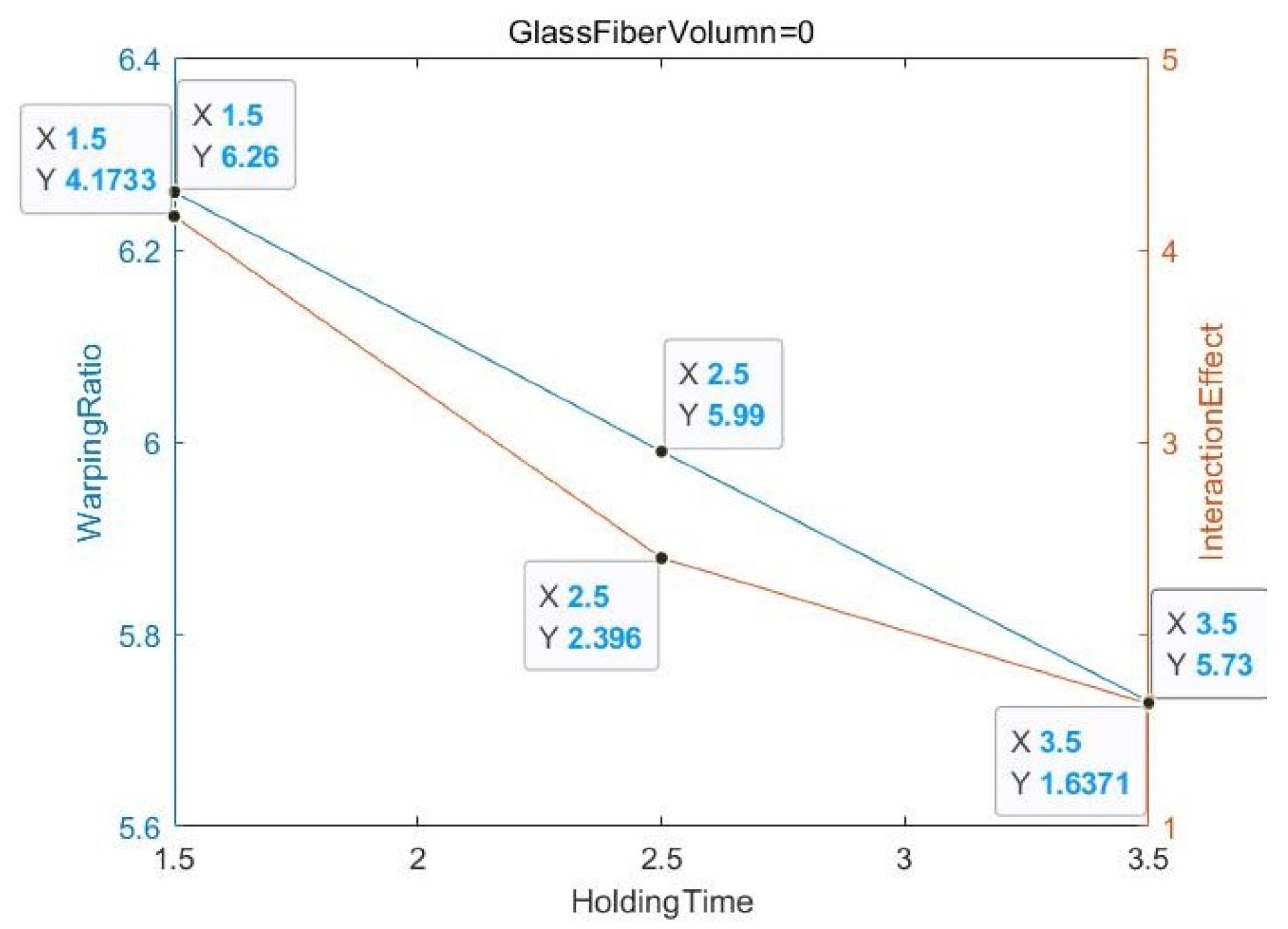
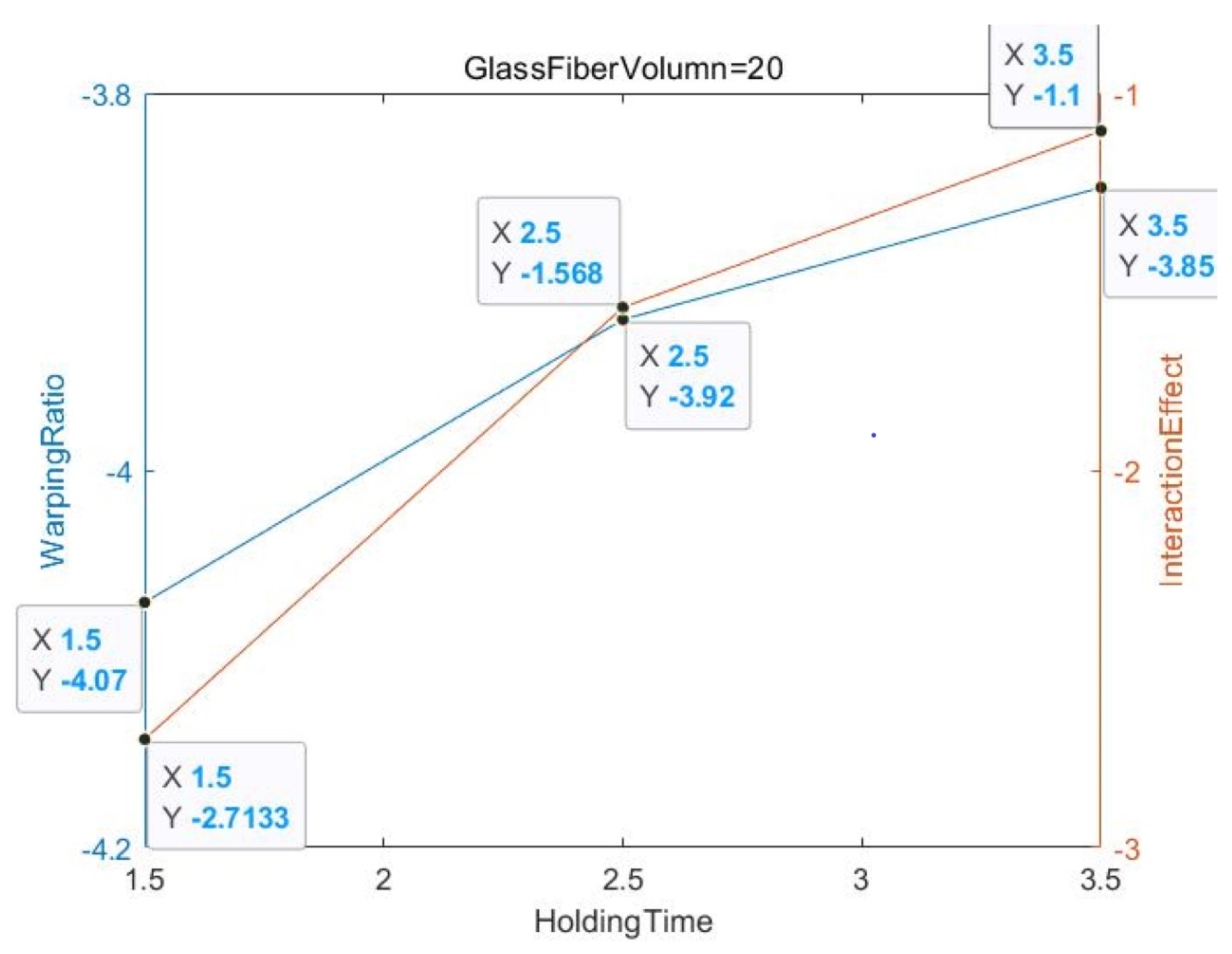
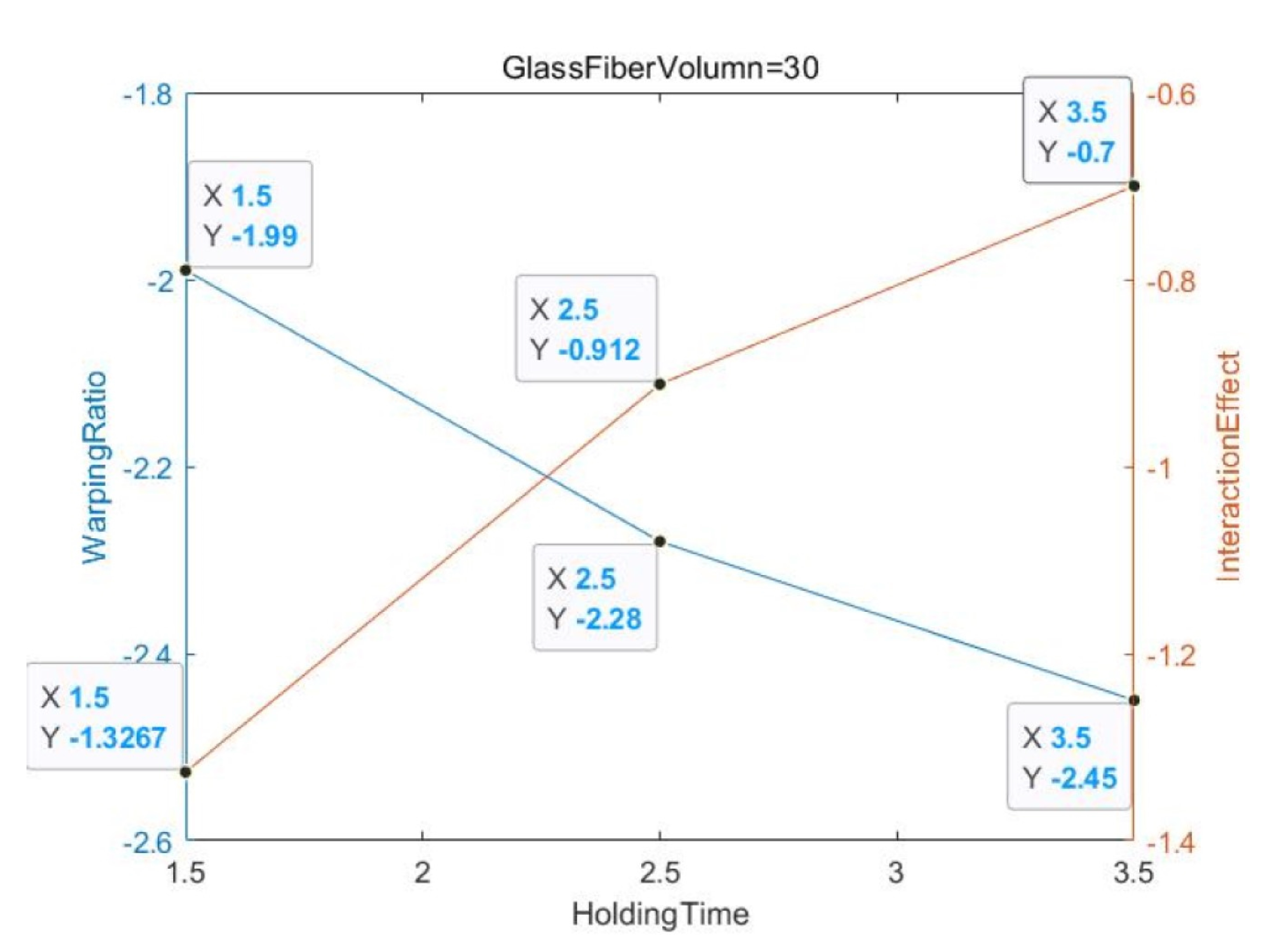
5.1. Warping Interaction Effects
5.2. The Results of the Simulation Analysis of the Forming Issue Are Summarized as
- (1)
- In the plastic injection molding process, the addition of glass fibers increases the structural strength, and the higher the glass fiber content, the stronger the structural strength. With regards to the orientation of the injection molding flow, when there are more glass fibers arranged in a row, the support strength is greater. If the molded product has more glass fibers arranged in the direction of the stress pressure, the structural strength will be worse.
- (2)
- Increasing the holding pressure time can reduce the residual stress of the injection-molded product. The analysis results show that residual stress is greatest at the side of the gate. Greater residual stress increases the stress of the overall structure when it is under force, and so more likely leads to structural damage.
- (3)
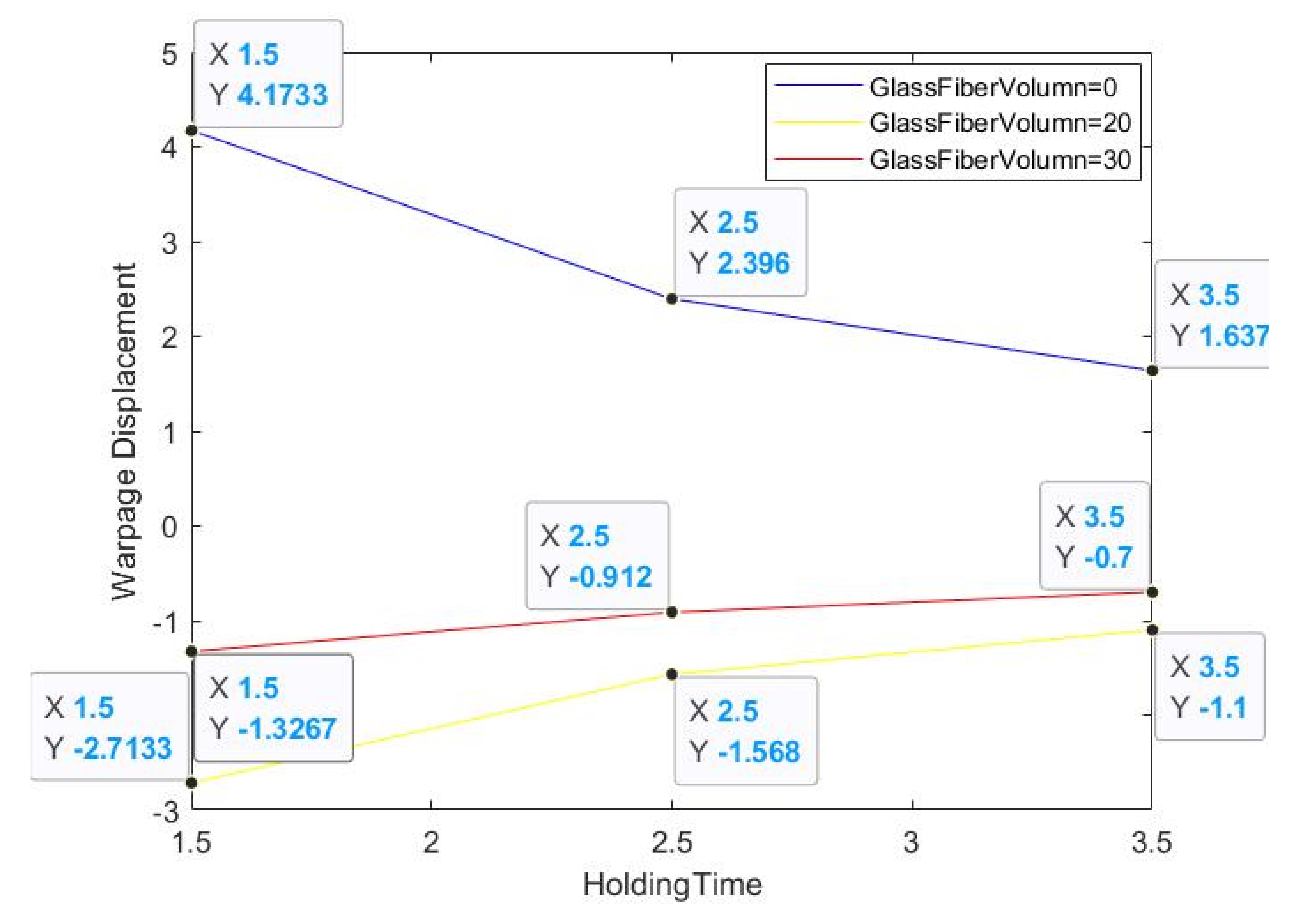
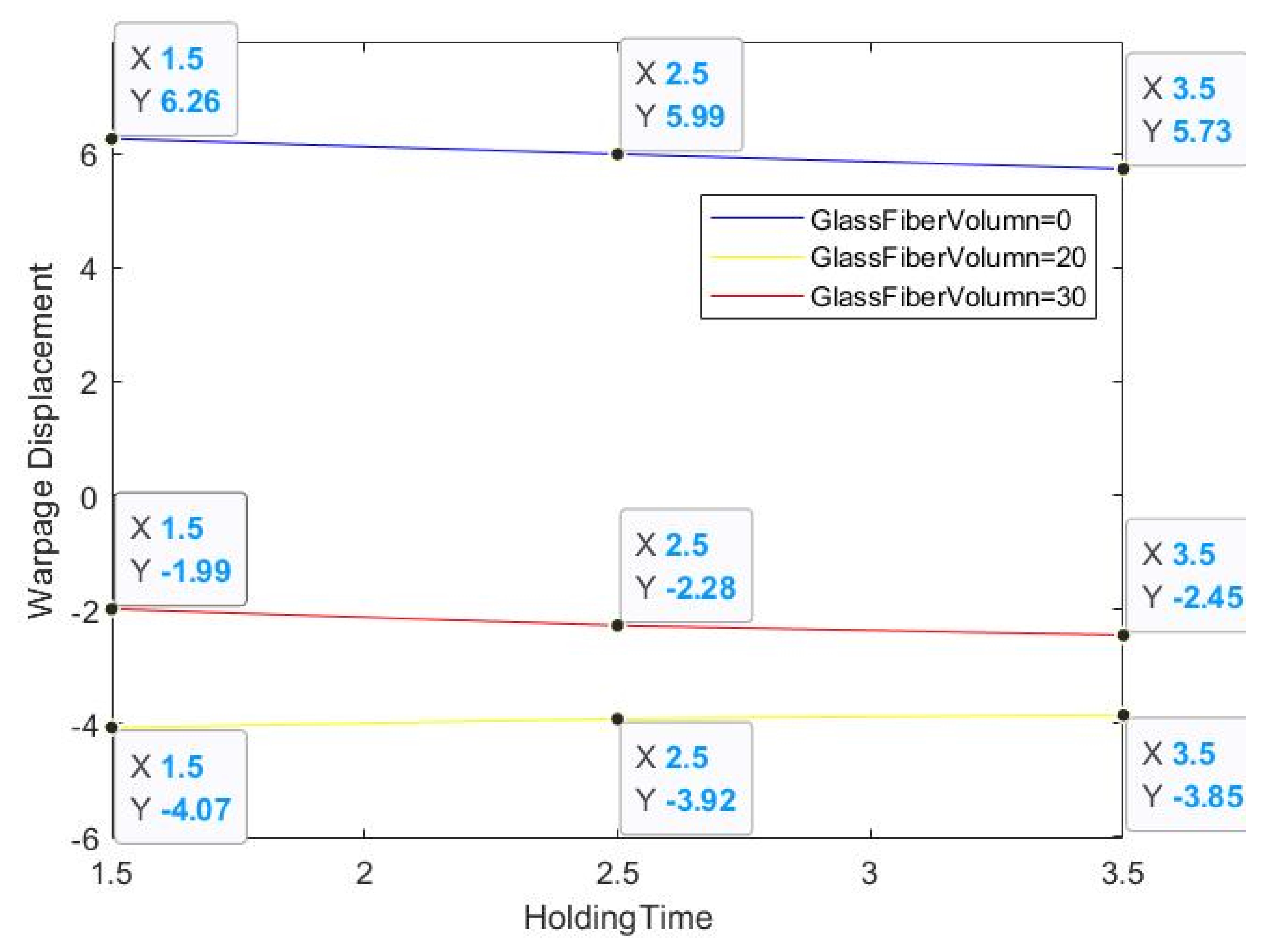
- Increasing the holding pressure time can reduce the warpage and deformation of the injection-molded product. The larger the warpage deformation, the greater the stress generated when the structure is under force. Thus, the deformation of the molded product is not only affected by the design accuracy, but also by the structural strength.
6. Case Study
7. Conclusions
Author Contributions
Funding
Acknowledgments
Conflicts of Interest
References
- Maldini, A.; Samwel, N.; Picek, S.; Batina, L. Optimizing Electromagnetic Fault Injection with Genetic Algorithms. In Automated Methods in Cryptographic Fault Analysis; Springer: Berlin/Heidelberg, Germany, 2019; pp. 281–300. [Google Scholar]
- Li, K.; Yan, S.; Pan, W.; Zhao, G. Warpage optimization of fiber-reinforced composite injection molding by combining back propagation neural network and genetic algorithm. Int. J. Adv. Manuf. Technol. 2017, 90, 963–970. [Google Scholar] [CrossRef] [Scilit]
- Martowibowo, S.Y.; Kaswadi, A. Optimization and Simulation of Plastic Injection Process using Genetic Algorithm and Moldflow. Chin. J. Mech. Eng. 2017, 30, 398–406. [Google Scholar] [CrossRef] [Scilit]
- Tsai, K.M.; Luo, H.J. An inverse model for injection molding of optical lens using artificial neural network coupled with genetic algorithm. J. Intell. Manuf. 2017, 28, 473–487. [Google Scholar] [CrossRef] [Scilit]
- Chen, S.-L.; Dinh, H.N.; Nguyen, V.-T. Synchronized Injection Molding Machine with Servomotors. Adv. Technol. Innov. 2016, 2, 34–39. [Google Scholar]
- Zhao, J.; Cheng, G.; Ruan, S.; Li, Z. Multi-objective optimization design of injection molding process parameters based on the improved efficient global optimization algorithm and non-dominated sorting-based genetic algorithm. Int. J. Adv. Manuf. Technol. 2015, 78, 1813–1826. [Google Scholar] [CrossRef] [Scilit]
- Chen, D.C.; Huang, C.-K. Study of Injection Molding Warpage Using Analytic Hierarchy Process and Taguchi Method. Adv. Technol. Innov. 2016, 1, 46–49. [Google Scholar]
- Guo, W.; Hua, L.; Mao, H. Minimization of sink mark depth in injection-molded thermoplastic through design of experiments and genetic algorithm. Int. J. Adv. Manuf. Technol. 2014, 72, 365–375. [Google Scholar] [CrossRef] [Scilit]
- Caballero-Villalobos, J.P.; Mejía-Delgadillo, G.E.; García-Cáceres, R.G. Scheduling of complex manufacturing systems with Petri nets and genetic algorithms: A case on plastic injection moulds. Int. J. Adv. Manuf. Technol. 2013, 69, 2773–2786. [Google Scholar] [CrossRef] [Scilit]
- Zhou, J.; Fu, H. Optimization of Injection Molding Shop Scheduling Based on the Two-Stage Genetic Algorithm. In Proceedings of the 19th International Conference on Industrial Engineering and Engineering Management, Guangzhou, China, December 2012; pp. 59–69. [Google Scholar]
- Chen, D.-C.; Chen, T.-H.; Lin, G.-F.; Wang, Y.-K.; Chang, Y.-C. Experimental Investigation into Suitable Process Conditions for Plastic Injection Molding of Thin-Sheet Parts. Int. J. Eng. Technol. Innov. 2014, 4, 107–116. [Google Scholar]
- Li, K.; Yan, S.; Zhong, Y.; Pan, W.; Zhao, G. Multi-objective optimization of the fiber-reinforced composite injection molding process using Taguchi method, RSM, and NSGA-II. Simul. Model. Pract. Theor. 2019, 91, 69–82. [Google Scholar] [CrossRef] [Scilit]
- Wang, J.; Jin, X. Comparison of Recent Fiber Orientation Models in Autodesk Moldflow in Sight Simulation with Measured Fiber Orientation Data. In Proceedings of the Polymer Processing Society 26th Annual Meeting, Banff, AB, Canada, 4–8 July 2010. [Google Scholar]
- Chang, H.J.; Chen, S.L.; Lee, P.Y. Using the Direct Cutting Paths Approach on Aluminum Alloy Cone Frustum Part in Evaluating a Five-Axis Machine Tool with the Taguchi Method. Proc. Inst. Mech. Eng. Part B J. Eng. Manuf. 2017, 231, 881–888. [Google Scholar] [CrossRef] [Scilit]
- Chang, H.J.; Chen, S.L.; Lee, P.Y. Direct Cutting of a Pyramid Part to Evaluate a Five-Axis Machine Tool with the Taguchi Method. Int. J. Adv. Manuf. Technol. 2016, 91, 315–325. [Google Scholar] [CrossRef] [Scilit]
- Chang, H.J.; Chen, S.L.; Lee, P.Y. Applying a Pyramid Part in the Performance Evaluation of Multiple Types of Five-Axis Machine Tools. Int. J. Adv. Manuf. Technol. 2017, 92, 2247–2253. [Google Scholar] [CrossRef] [Scilit]
- Tseng, H.C.; Chang, R.Y.; Hsu, C.H. An objective tensor to predict anisotropic fiber orientation in concentrated suspensions. J. Rheol. 2016, 60, 215–224. [Google Scholar] [CrossRef] [Scilit]
- Drees, B.L.; Thorsson, V.; Carter, G.W.; Rives, A.W.; Raymond, M.Z.; Avila-Campillo, I.; Galitski, T. Derivation of genetic interaction networks from quantitative phenotype data. Genome Biol. 2005, 6, R38. [Google Scholar] [CrossRef] [Scilit] [PubMed]



| No. | Holding Time (s) | Glass Fiber Volume (%) | Warping Displacement (%) | Interaction Effect |
|---|---|---|---|---|
| 1 | 1.5 | 0 | 6.26 | 4.17 |
| 2 | 2.5 | 20 | −3.92 | −1.57 |
| 3 | 3.5 | 30 | −2.45 | −0.70 |
| 4 | 2.5 | 0 | 5.99 | 2.40 |
| 5 | 3.5 | 20 | −3.85 | −1.10 |
| 6 | 1.5 | 30 | −1.99 | −1.33 |
| 7 | 3.5 | 0 | 5.73 | 1.64 |
| 8 | 1.5 | 20 | −4.07 | −2.71 |
| 9 | 2.5 | 30 | −2.28 | −0.91 |
© 2020 by the authors. Licensee MDPI, Basel, Switzerland. This article is an open access article distributed under the terms and conditions of the Creative Commons Attribution (CC BY) license (http://creativecommons.org/licenses/by/4.0/).
Share and Cite
Chang, H.-J.; Su, Z.-M. Optimizing Glass Fiber Molding Process Design by Reverse Warping. Materials 2020, 13, 1151. https://doi.org/10.3390/ma13051151
Chang H-J, Su Z-M. Optimizing Glass Fiber Molding Process Design by Reverse Warping. Materials. 2020; 13(5):1151. https://doi.org/10.3390/ma13051151
Chicago/Turabian StyleChang, Han-Jui, and Zhi-Ming Su. 2020. "Optimizing Glass Fiber Molding Process Design by Reverse Warping" Materials 13, no. 5: 1151. https://doi.org/10.3390/ma13051151
APA StyleChang, H.-J., & Su, Z.-M. (2020). Optimizing Glass Fiber Molding Process Design by Reverse Warping. Materials, 13(5), 1151. https://doi.org/10.3390/ma13051151