Article

Mathematical Modeling of Breast Tumor Destruction Using Fast Heating during Radiofrequency Ablation


Department of Computational Mechanics and Engineering, Silesian University of Technology, 44-100 Gliwice, Poland
Materials 2020, 13(1), 136; https://doi.org/10.3390/ma13010136
Submission received: 3 November 2019 / Revised: 20 December 2019 / Accepted: 23 December 2019 / Published: 28 December 2019

Abstract

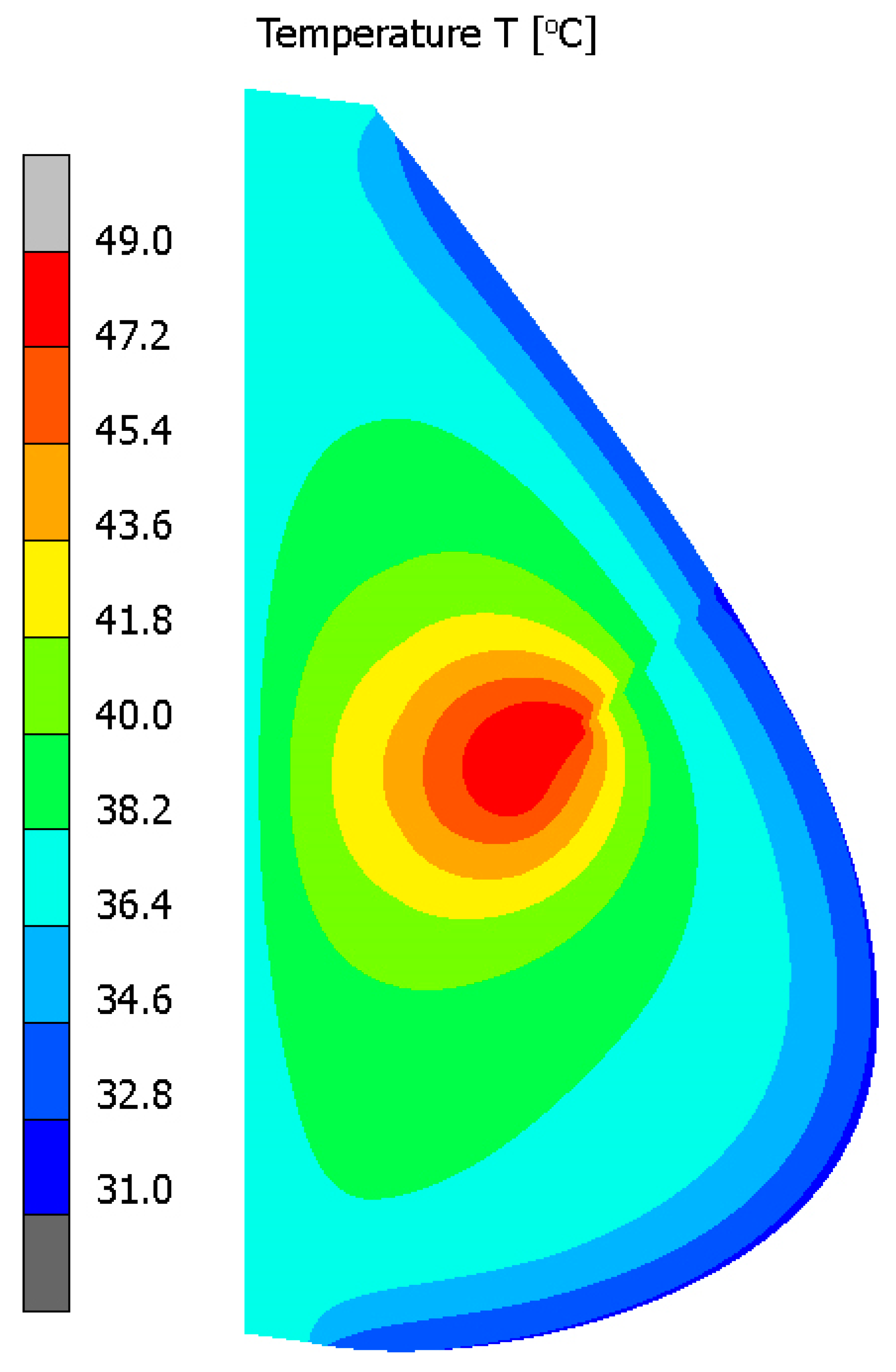
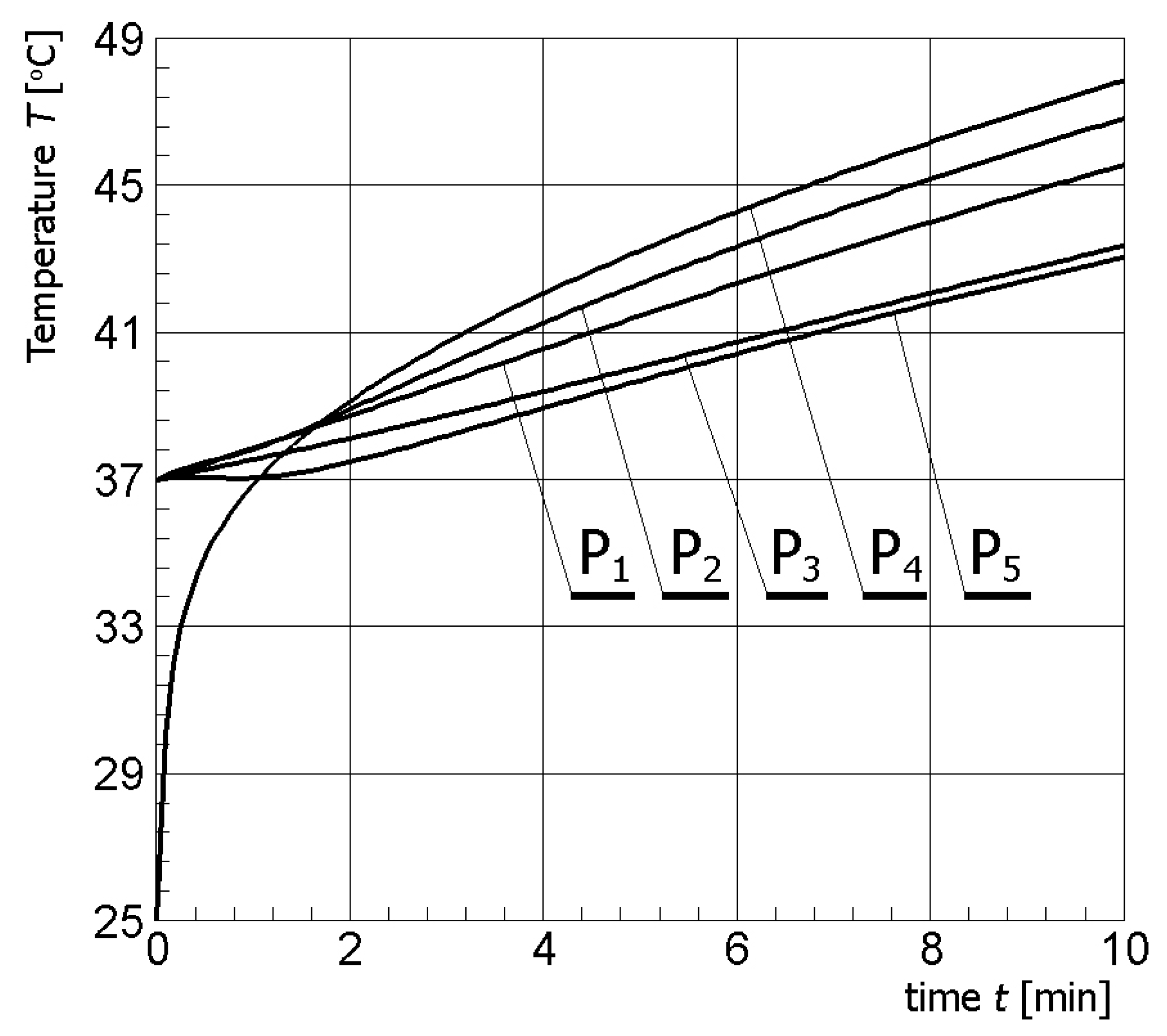
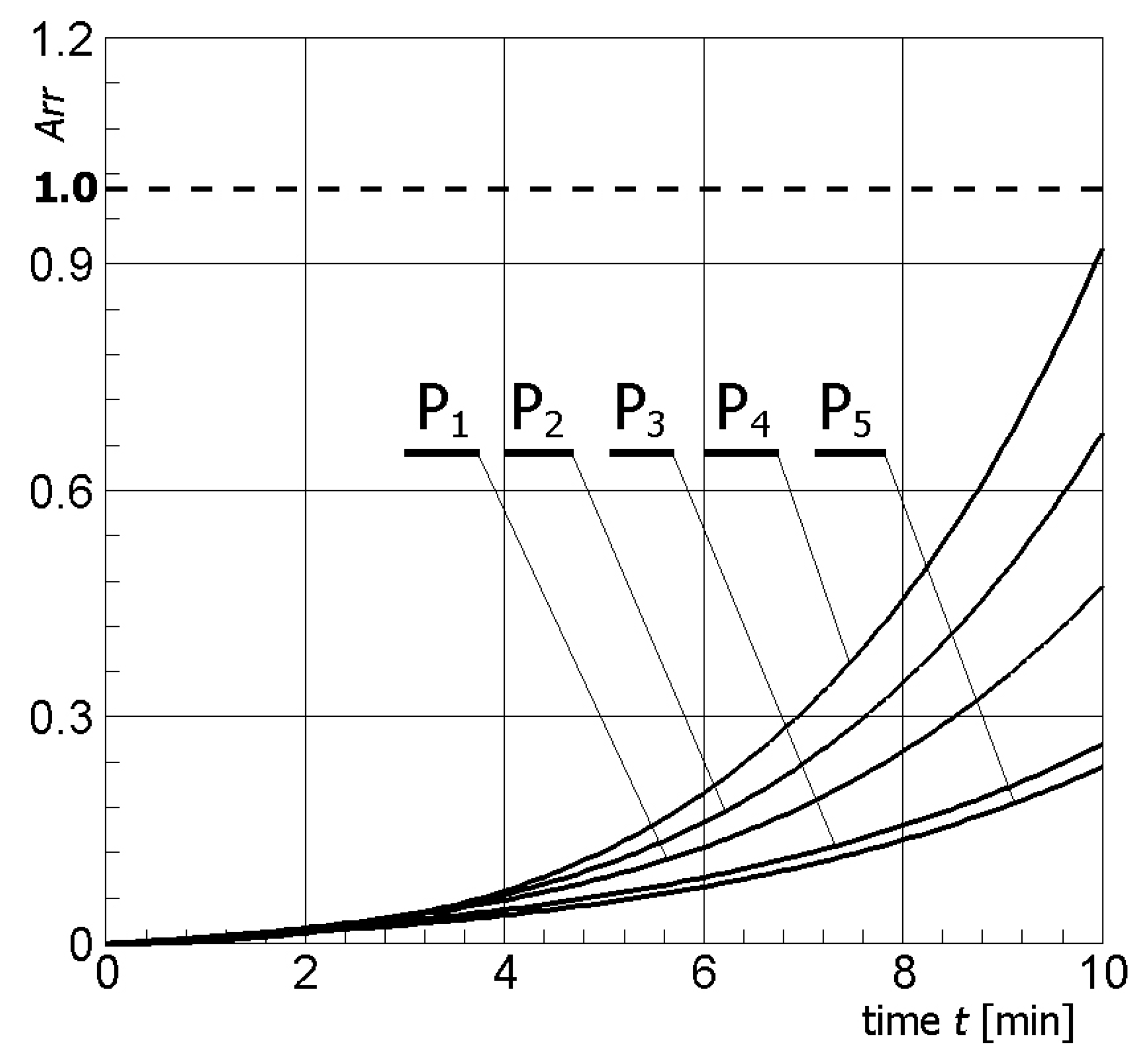
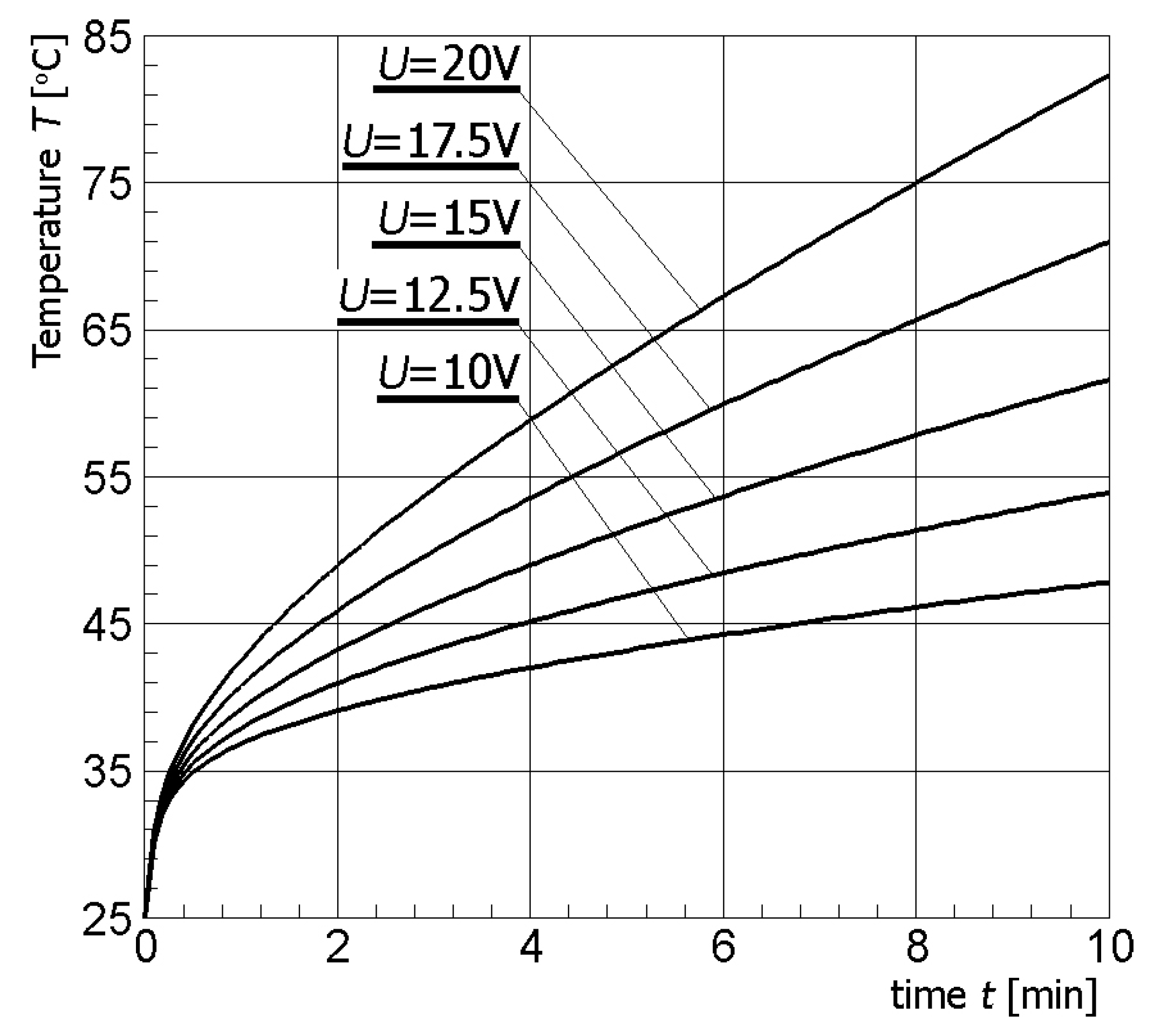
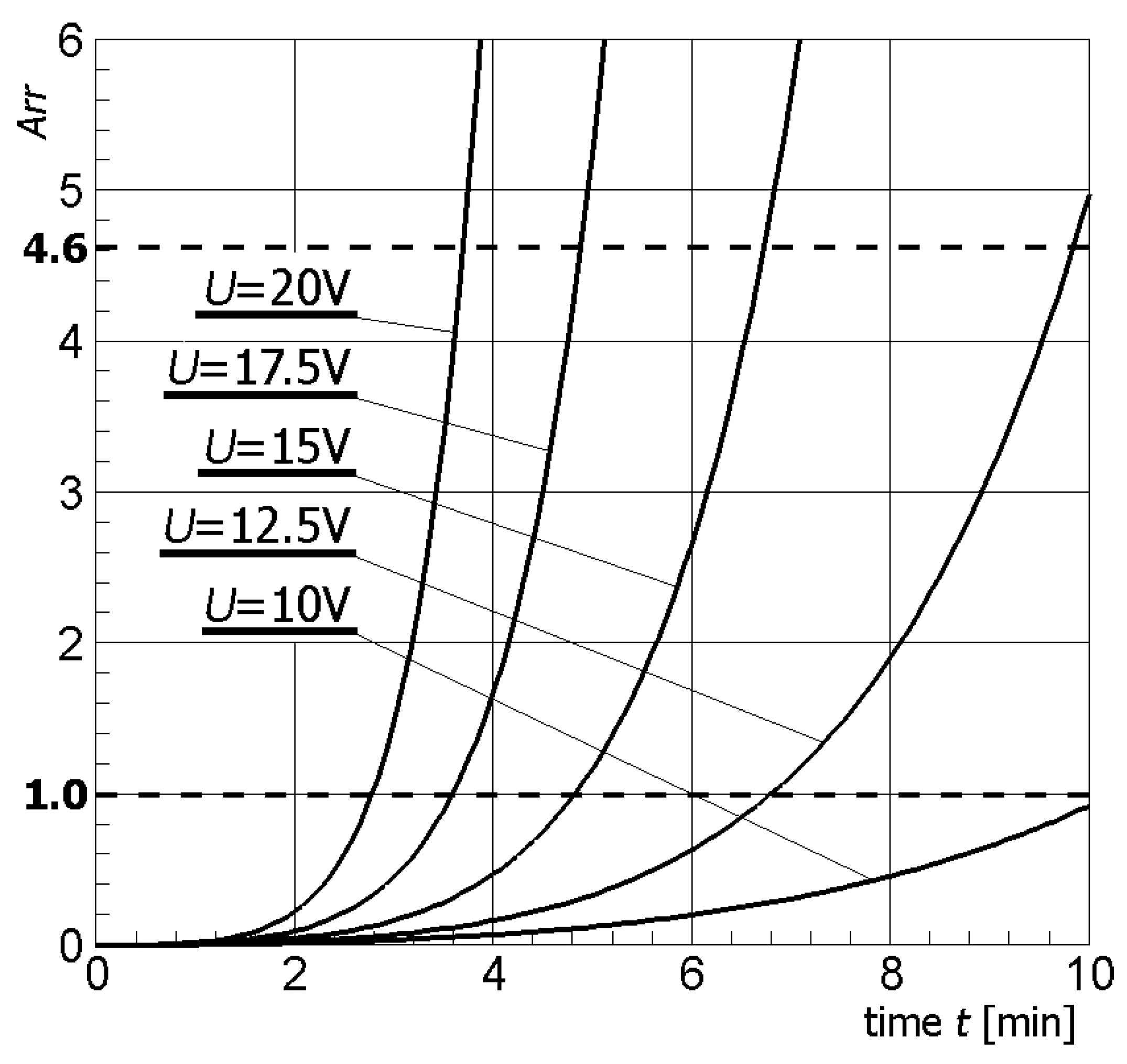
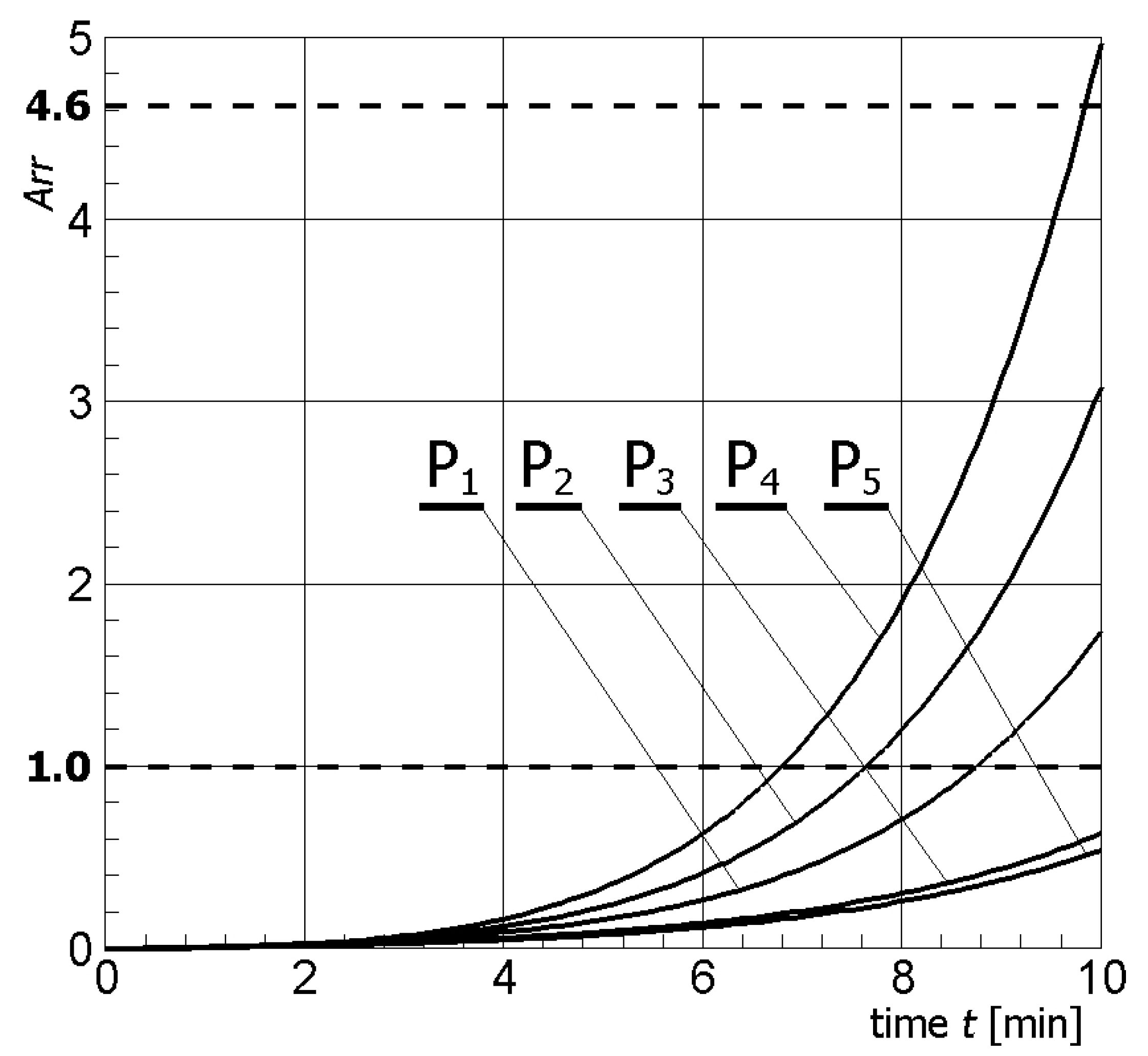
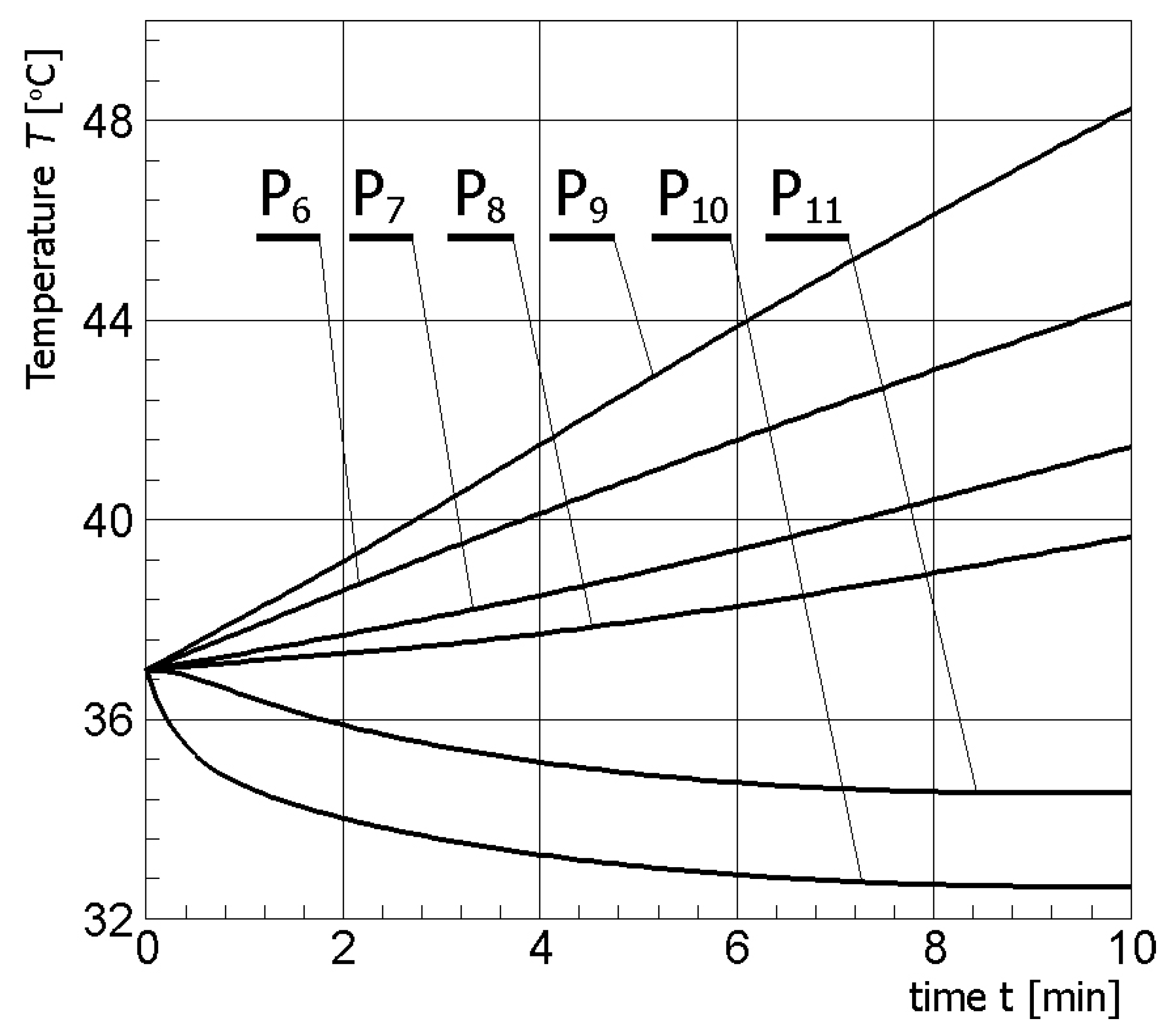
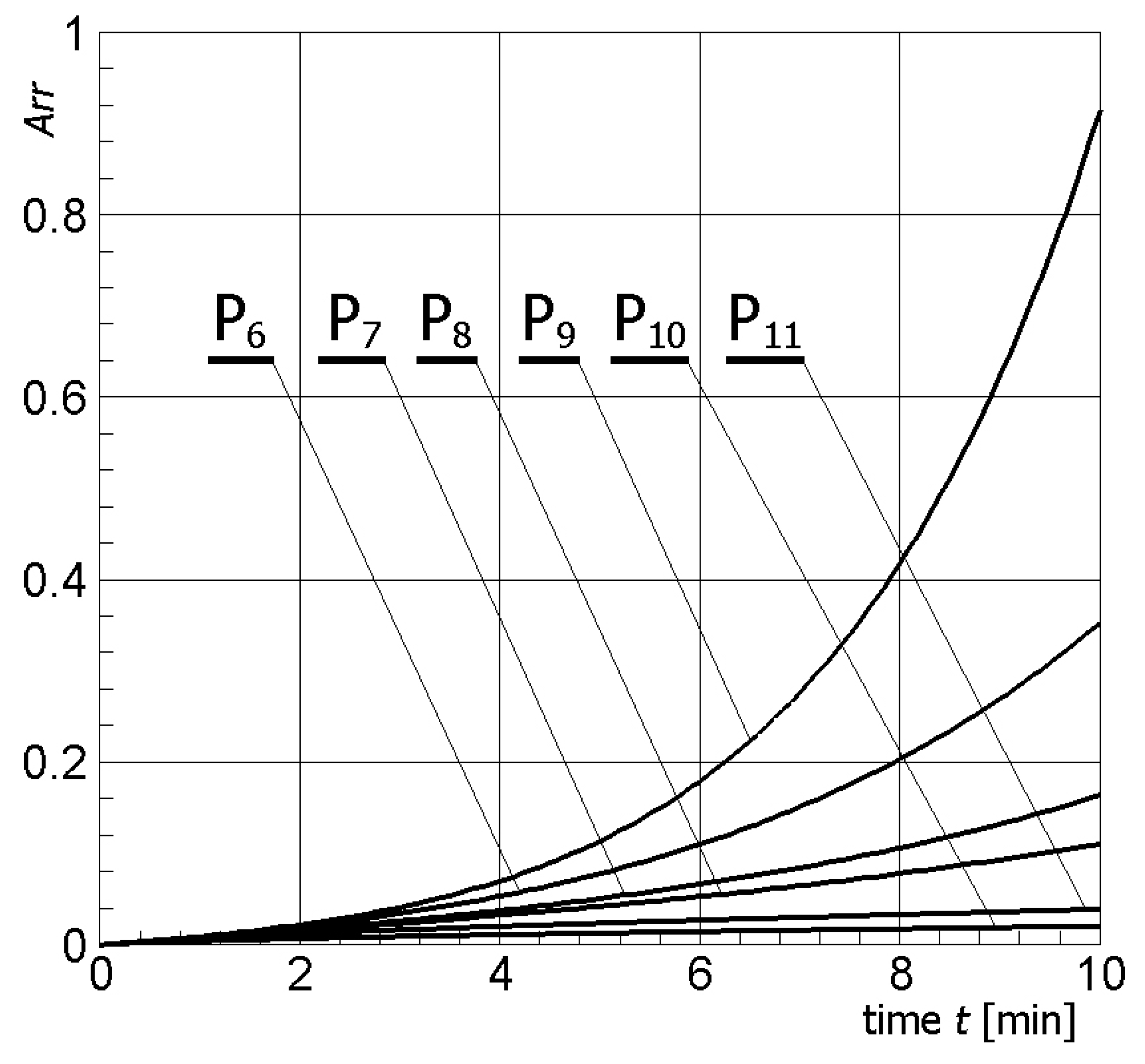
In oncology, hyperthermia is understood as a planned, controlled technique of heating cancerous changes in order to destroy their cells or stop their growth. In clinical practice, hyperthermia is used in combination with radiotherapy, chemotherapy, or immunological therapy. During the hyperthermia, the tissue is typically exposed to a temperature in the range of 40–45 °C, the exception is thermoablation, during which the temperatures reach much higher values. Thermoablation is characterized by the use of high temperatures up to 90 °C. The electrode using the radiofrequency is inserted into the central area of the tumor. Interstitial thermoablation is used to treat, among others, breast and brain cancer. The therapy consists of inducing coagulation necrosis in an area that is heated to very high temperatures. Mathematical modeling is based on the use of a coupled thermo-electric model, in which the electric field is described by means of the Laplace equation, while the temperature field is based on the Pennes equation. Coupling occurs at the level of the additional source function in the Pennes equation. The temperature field obtained in this way makes it possible to calculate the Arrhenius integral as a determinant of the destruction of biological tissue. As a result of numerical calculations regarding the temperature field and the Arrhenius integral, it can be concluded that, with the help of numerical tools and mathematical modeling, one can simulate the process of destroying cancerous tissue.
Keywords: Arrhenius scheme; bioheat transfer; breast cancer; electric field; finite element method; hyperthermia; mathematical modeling; numerical methods; radiofrequency ablation; thermal ablation Arrhenius scheme; bioheat transfer; breast cancer; electric field; finite element method; hyperthermia; mathematical modeling; numerical methods; radiofrequency ablation; thermal ablation