Article

Microstructure and Mechanical Properties of 34CrNiMo6 Steel Repaired by Friction Stir Processing


Engineering Research Center in Additive Manufacturing, Nanchang Hangkong University, Nanchang 330063, China
*
Author to whom correspondence should be addressed.
Materials 2019, 12(2), 279; https://doi.org/10.3390/ma12020279
Submission received: 21 December 2018 / Revised: 7 January 2019 / Accepted: 14 January 2019 / Published: 16 January 2019

Abstract

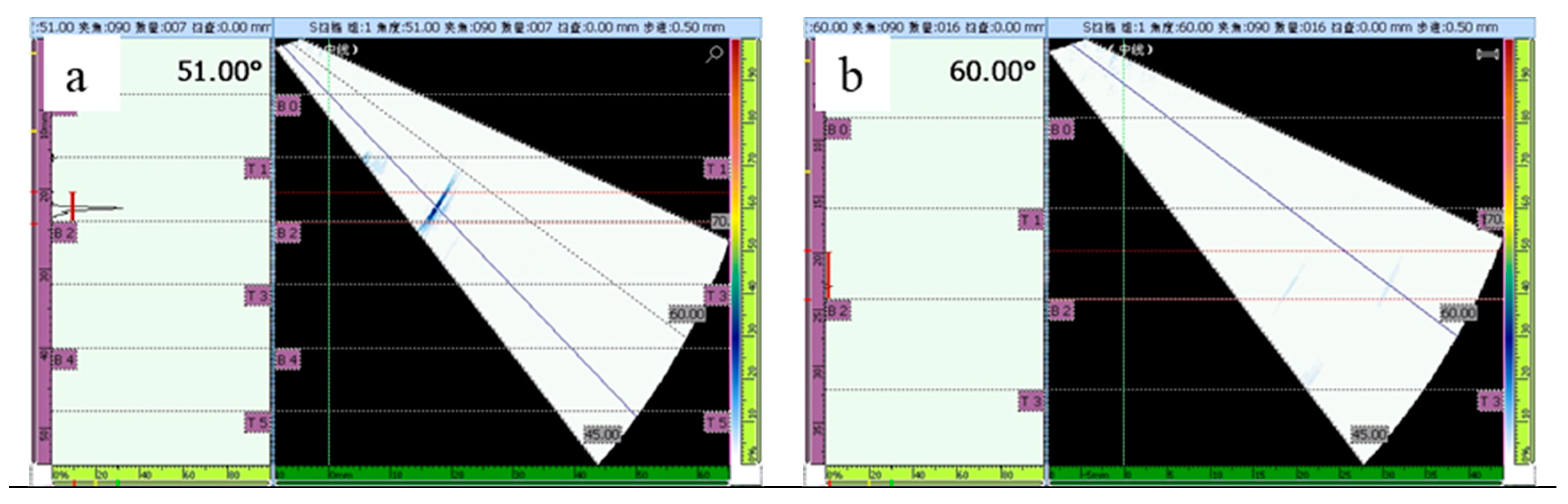
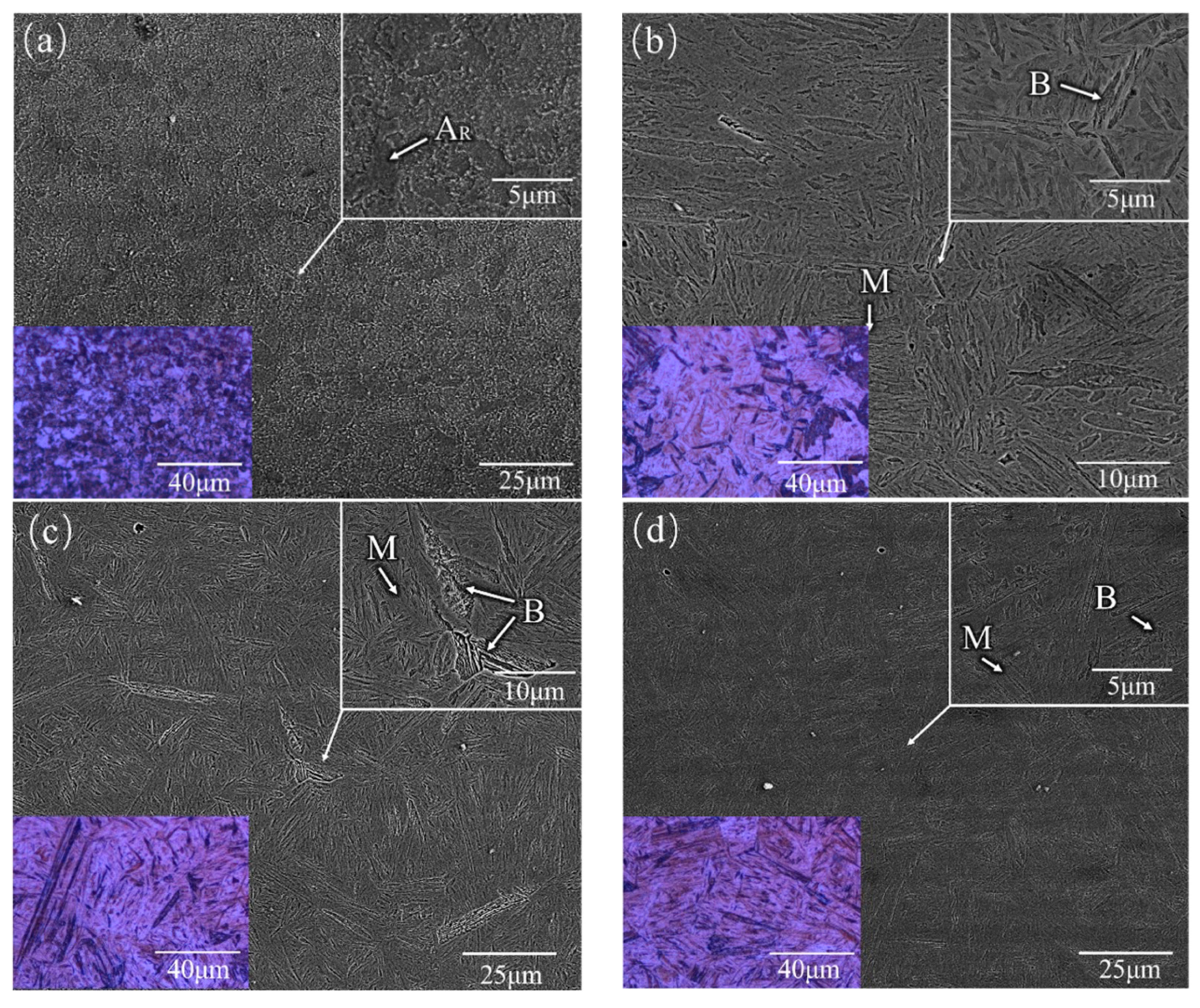
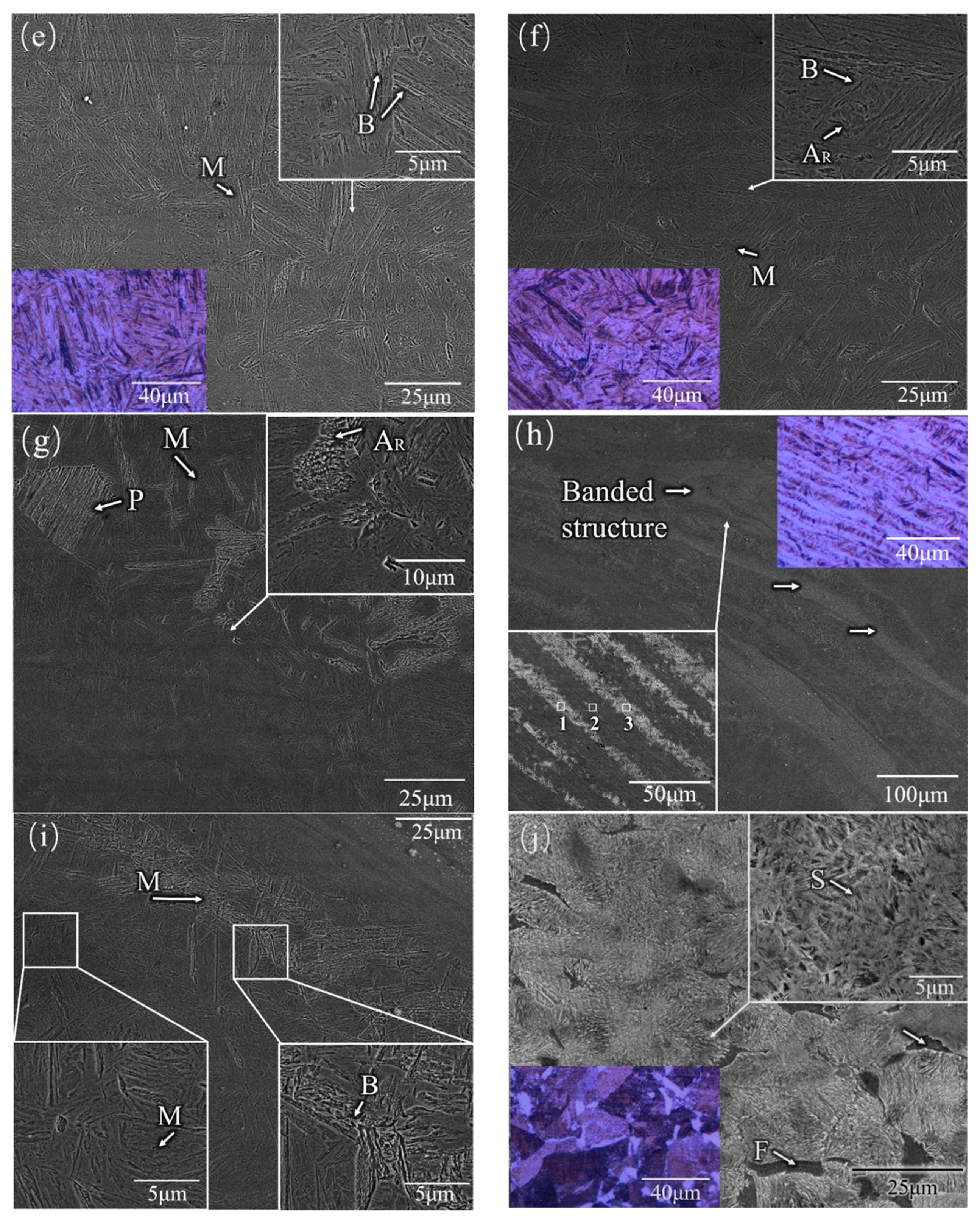
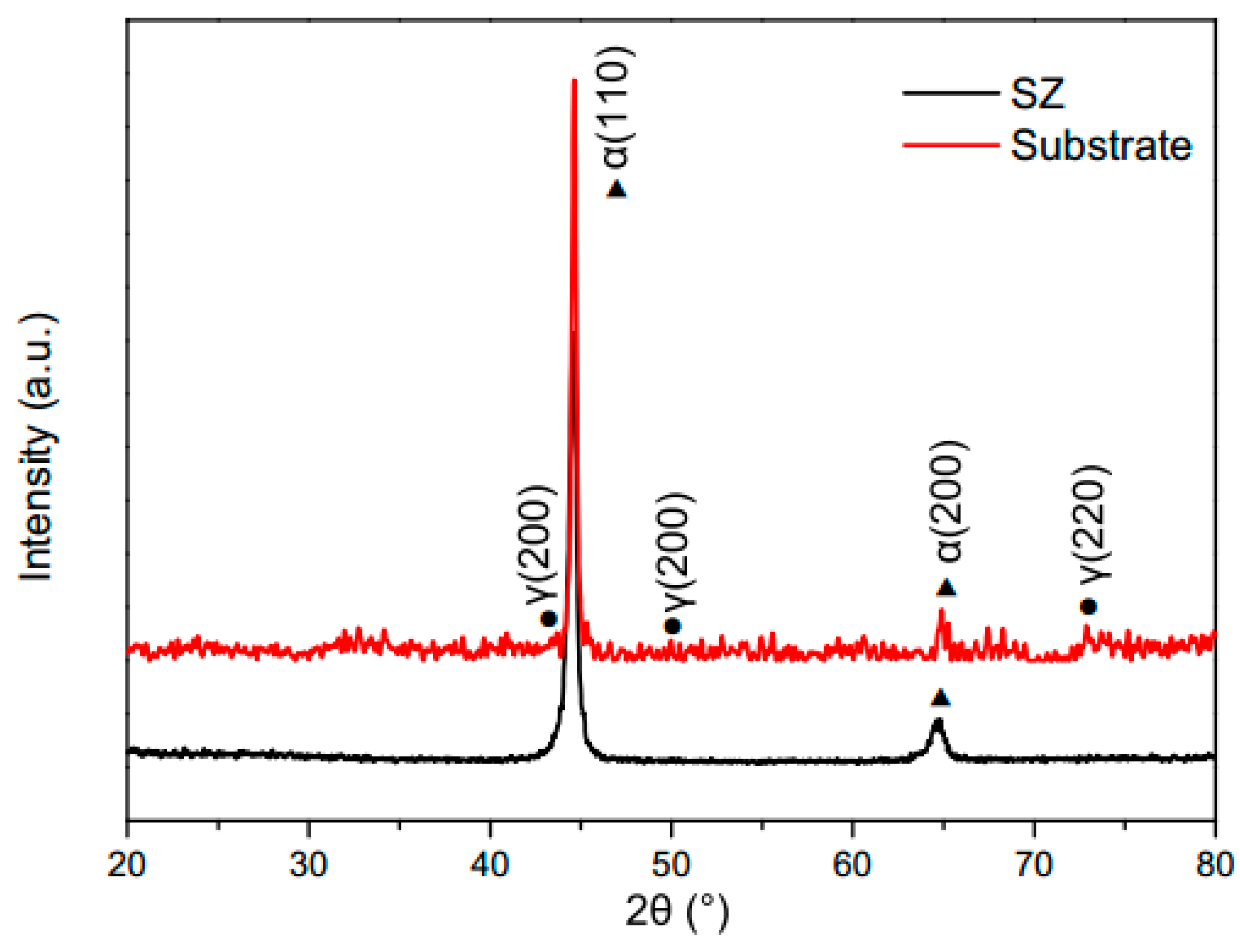
Repairing damaged parts using proper repairing methods has become an important means to reduce manufacturing and operational costs and prolong the service life of 34CrNiMo6 steel structures. In the conventional fusion repairing method, welding wire and powder are often used as filling materials. Filling materials are often expensive or difficult to find. Some metallurgical issues (such as solidification crack, higher distortion) were also found with these methods. At the same time, most of the equipment that requires welding wire and powder is expensive. In this study, a new method based on friction stir processing (FSP) was successfully employed to repair 34CrNiMo6 steel, using a block as filling material. Filling blocks are much cheaper than conventional fusion repair consumables. As a result of solid-state repair, this method can also avoid the metallurgical issues of fusion repair. The microstructure and mechanical properties of the repaired samples were investigated using OM (Optical Microscope), SEM, EDS (Energy Dispersive Spectroscopy), XRD, and a Vickers hardness electronic universal tensile tester. The results showed that 34CrNiMo6 steel was successfully repaired by this method, with no defect. Tensile tests showed that the maximum ultimate strength (UTS) was 900 MPa and could reach 91.8% of that of the substrate. The fracture mode of the tensile samples was ductile/brittle mixed fracture. Hence, the repairing method based on FSP appears to be a promising method for repairing castings.
Keywords: friction stir processing repair; 34CrNiMo6 steel; microstructure; mechanical properties friction stir processing repair; 34CrNiMo6 steel; microstructure; mechanical properties