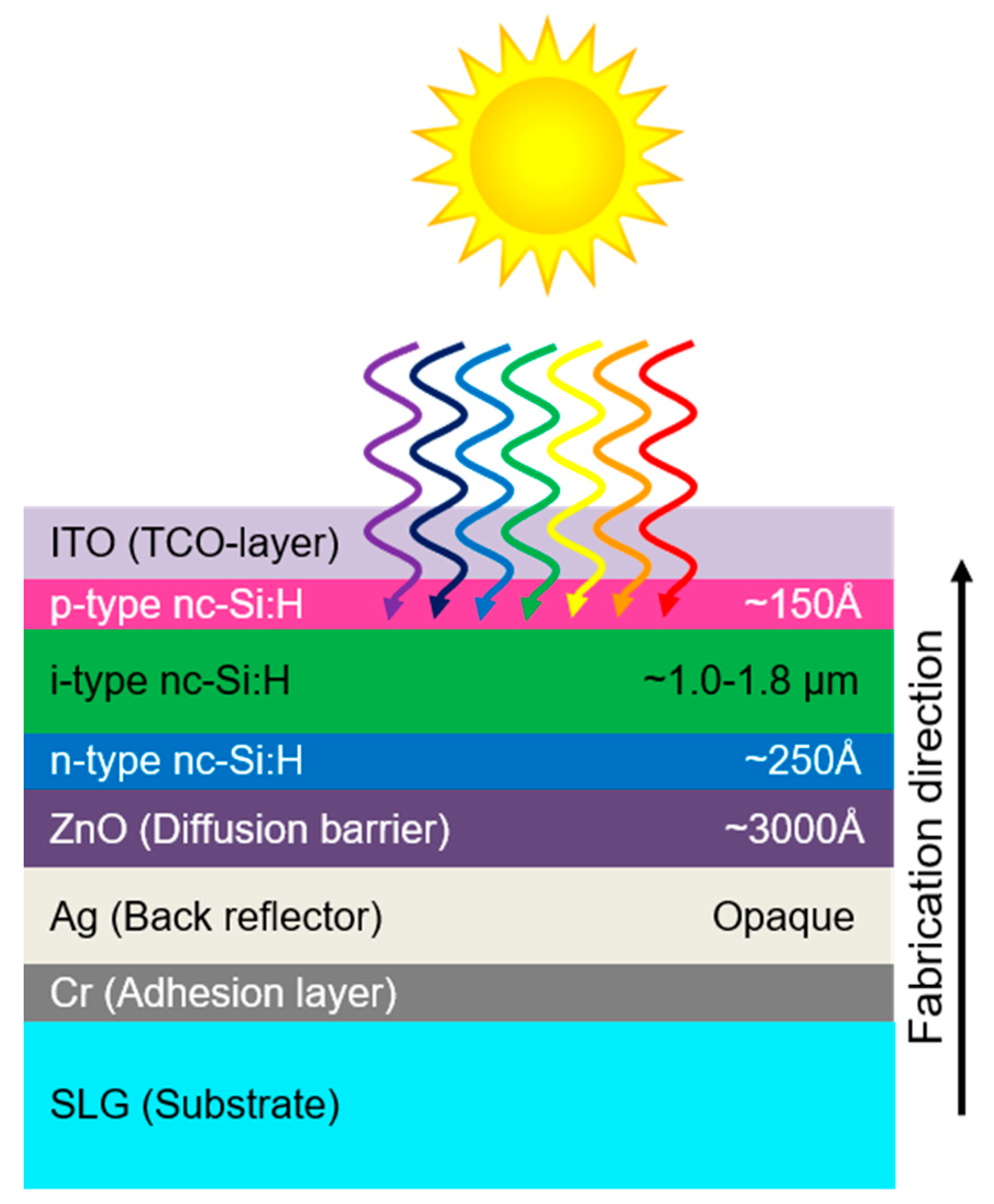
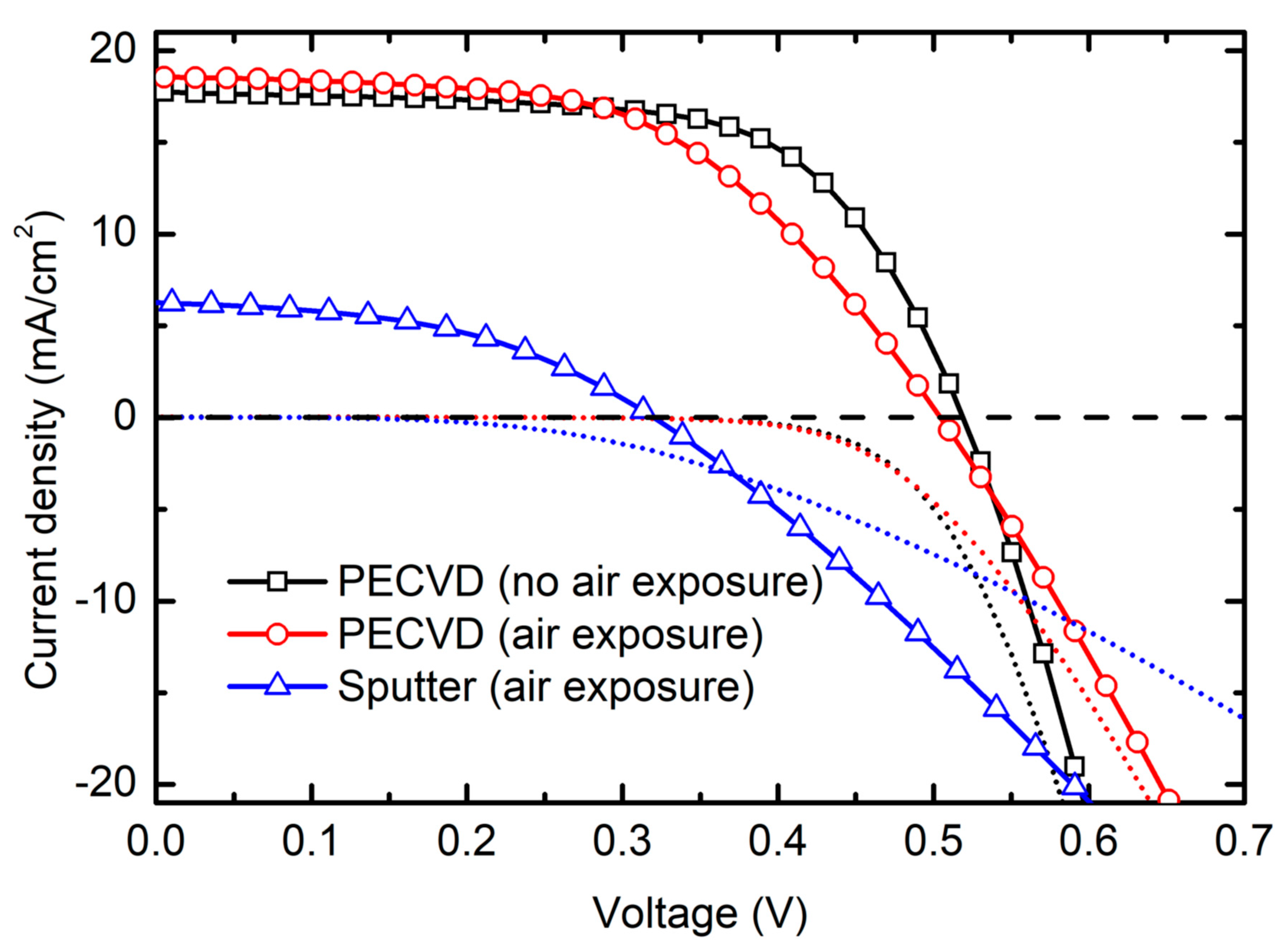
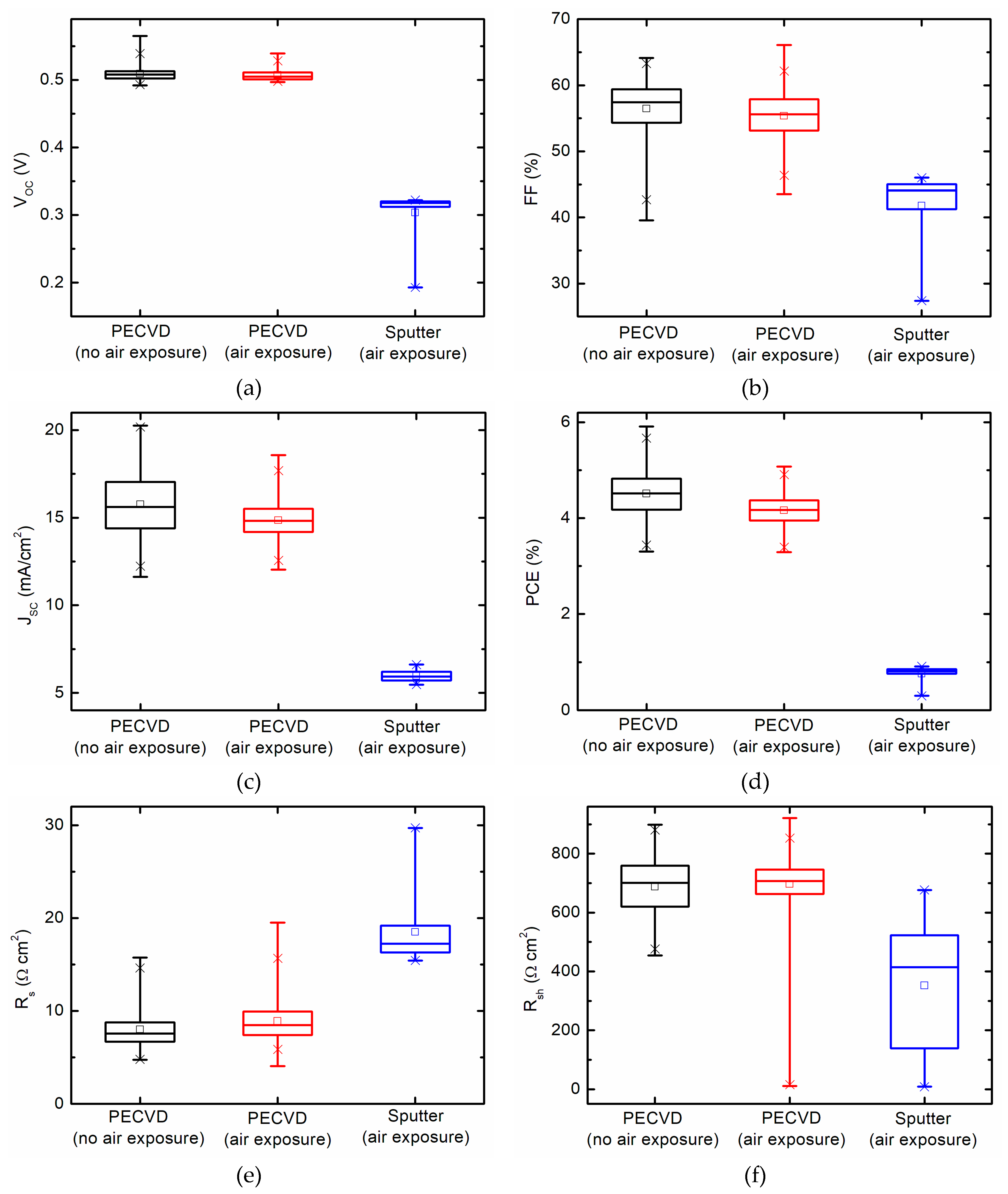
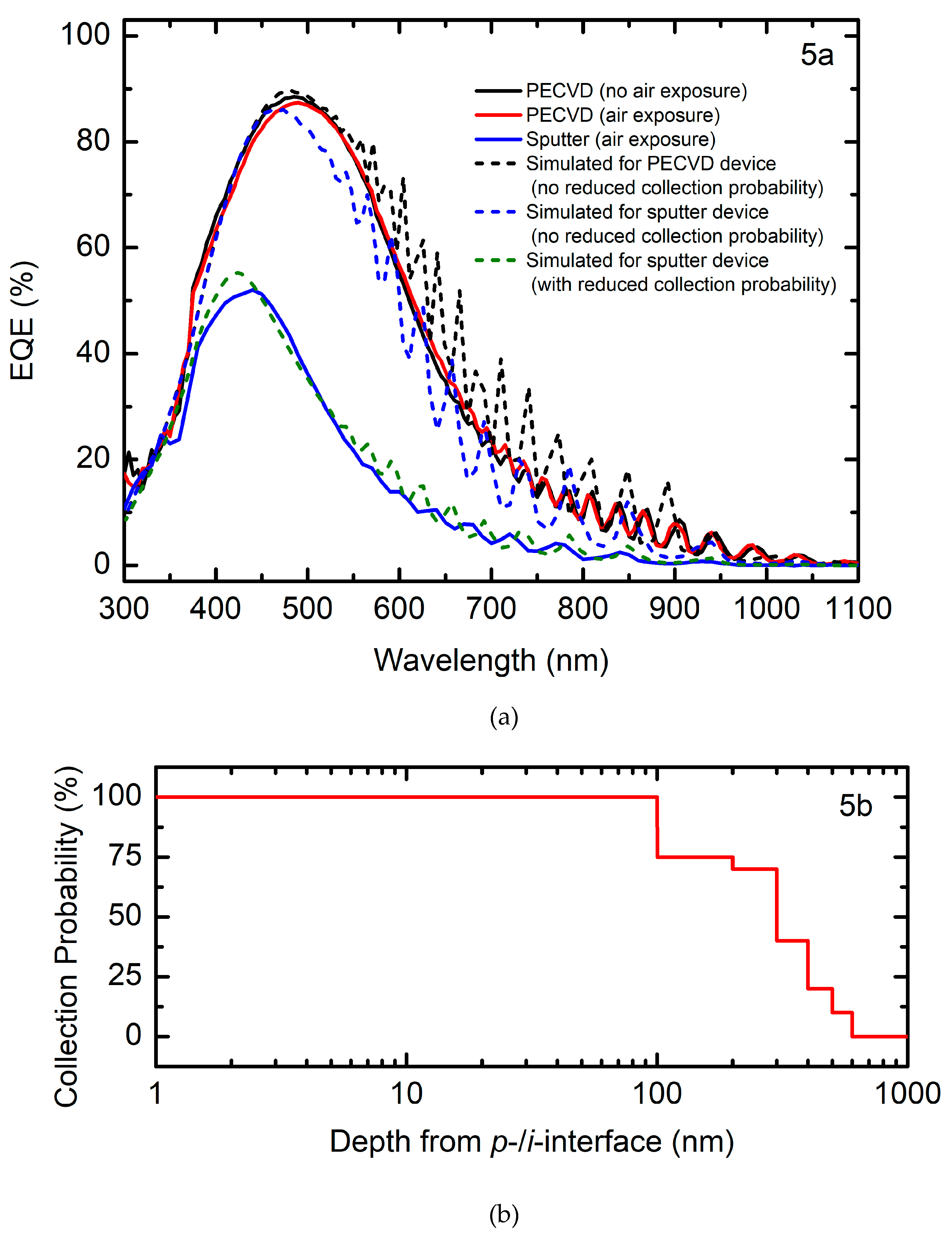
n-i-p Nanocrystalline Hydrogenated Silicon Solar Cells with RF-Magnetron Sputtered Absorbers

 ,
,  ,
, 
Abstract
Share and Cite
Adhikari, D.; Junda, M.M.; Grice, C.R.; Marsillac, S.X.; Collins, R.W.; Podraza, N.J. n-i-p Nanocrystalline Hydrogenated Silicon Solar Cells with RF-Magnetron Sputtered Absorbers. Materials 2019, 12, 1699. https://doi.org/10.3390/ma12101699
Adhikari D, Junda MM, Grice CR, Marsillac SX, Collins RW, Podraza NJ. n-i-p Nanocrystalline Hydrogenated Silicon Solar Cells with RF-Magnetron Sputtered Absorbers. Materials. 2019; 12(10):1699. https://doi.org/10.3390/ma12101699
Chicago/Turabian StyleAdhikari, Dipendra, Maxwell M. Junda, Corey R. Grice, Sylvain X. Marsillac, Robert W. Collins, and Nikolas J. Podraza. 2019. "n-i-p Nanocrystalline Hydrogenated Silicon Solar Cells with RF-Magnetron Sputtered Absorbers" Materials 12, no. 10: 1699. https://doi.org/10.3390/ma12101699
APA StyleAdhikari, D., Junda, M. M., Grice, C. R., Marsillac, S. X., Collins, R. W., & Podraza, N. J. (2019). n-i-p Nanocrystalline Hydrogenated Silicon Solar Cells with RF-Magnetron Sputtered Absorbers. Materials, 12(10), 1699. https://doi.org/10.3390/ma12101699