Article

Coordinated Defense Strategies for Energy Storage Systems Against Cascading Faults in Extreme Grid Scenarios

School of Electrical Engineering, Shanghai University of Electric Power, Shanghai 200090, China
*
Author to whom correspondence should be addressed.
Energies 2026, 19(8), 1944; https://doi.org/10.3390/en19081944
Submission received: 24 March 2026 / Revised: 10 April 2026 / Accepted: 14 April 2026 / Published: 17 April 2026
(This article belongs to the Section F1: Electrical Power System)

Abstract

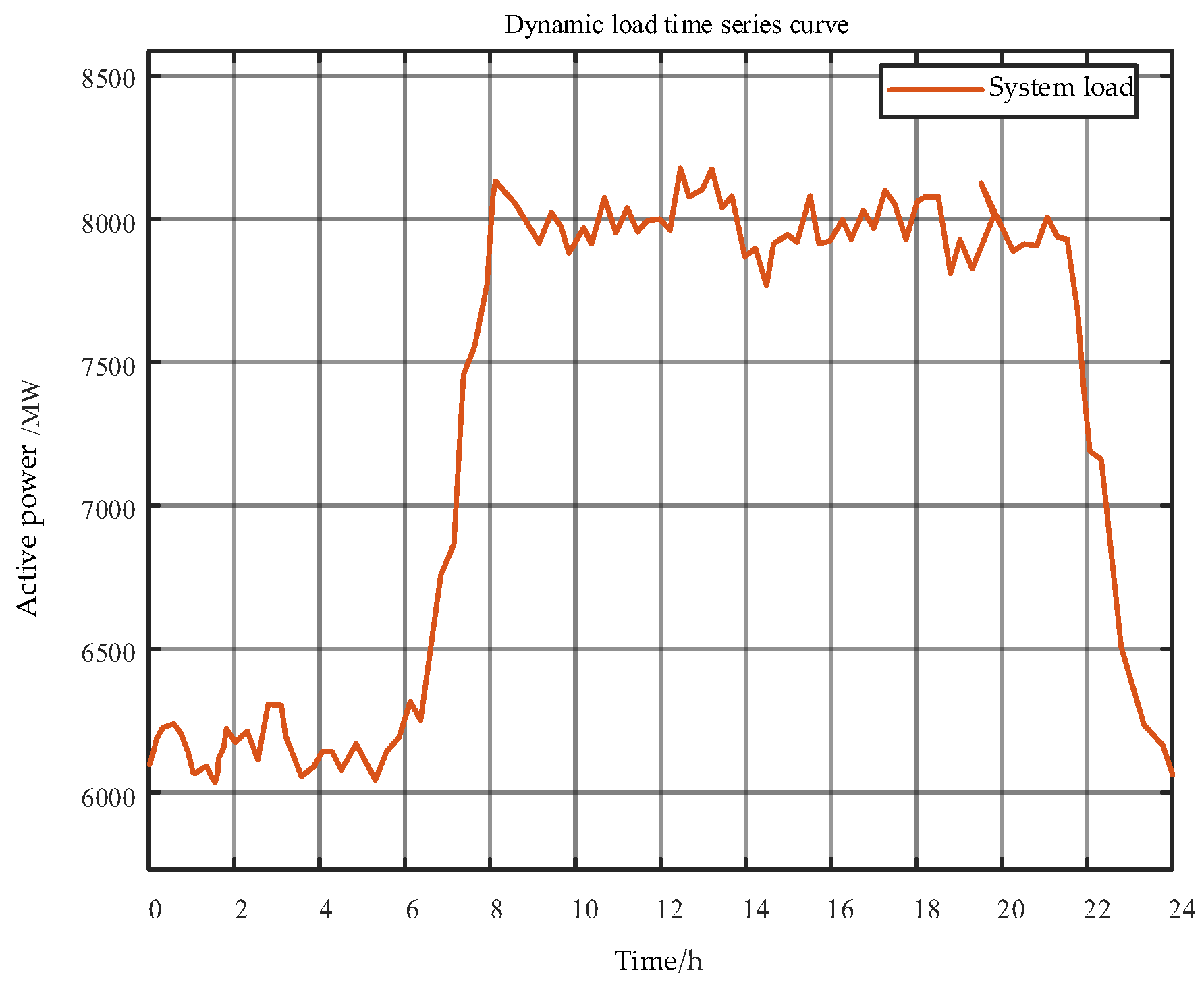
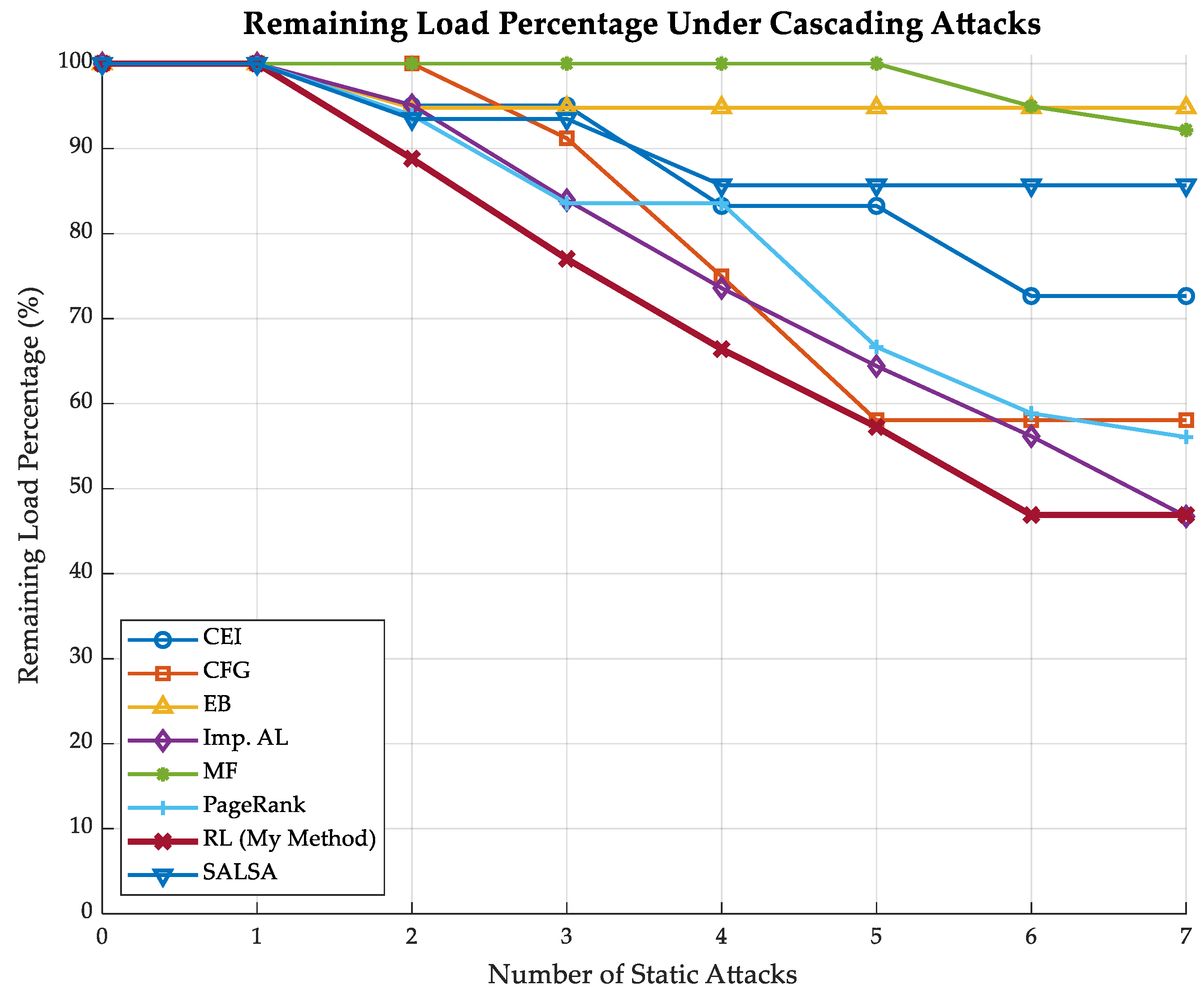
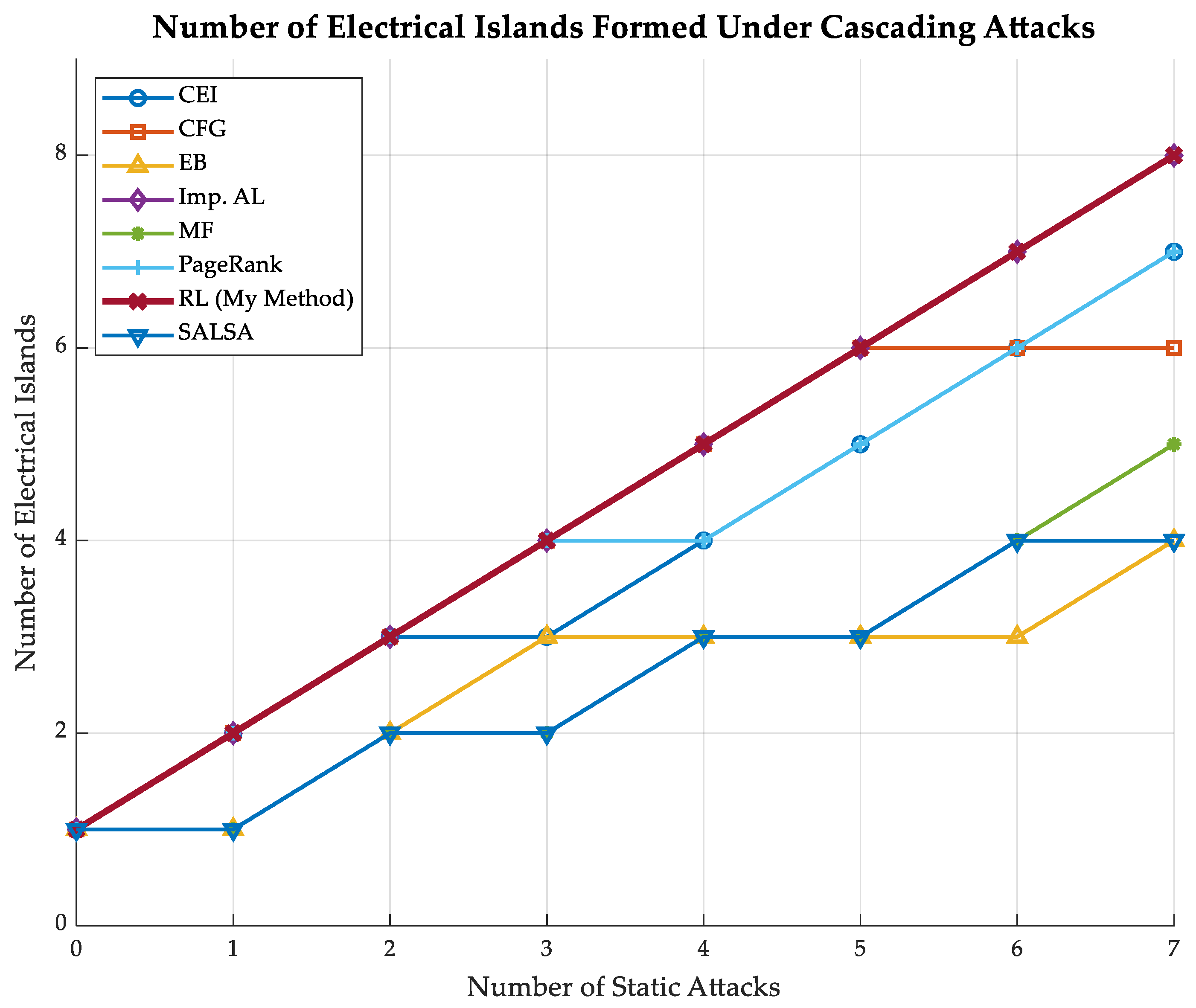
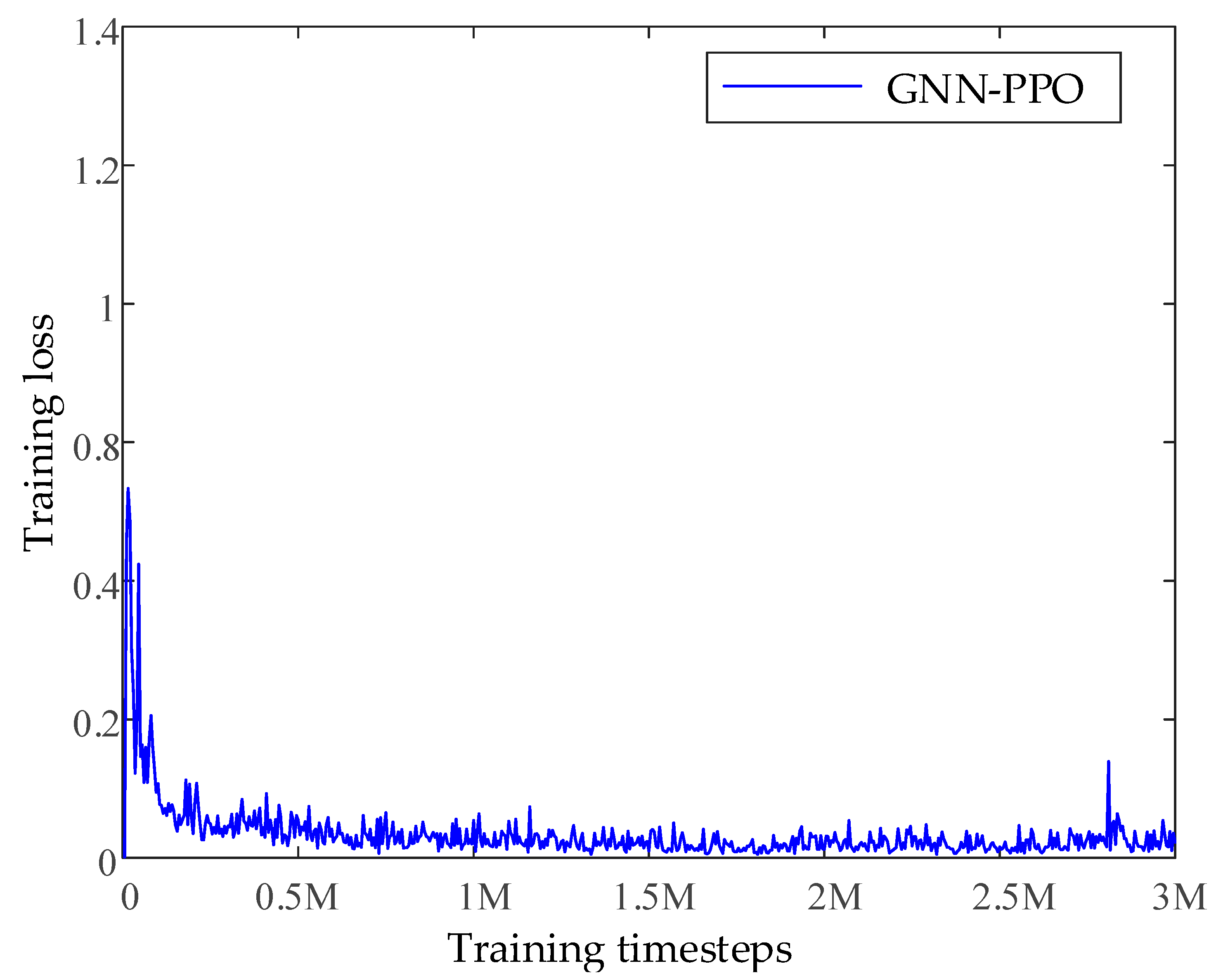
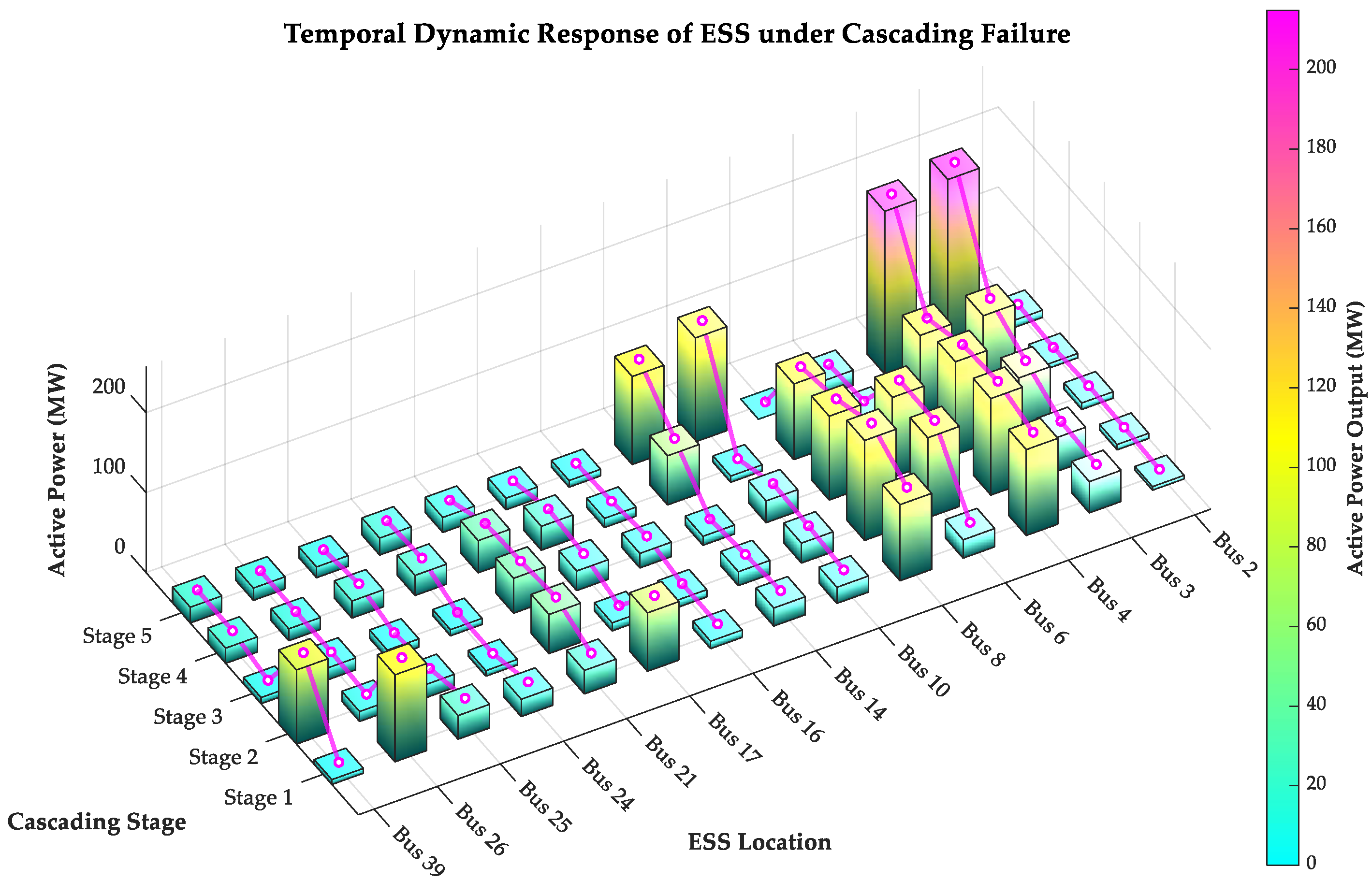
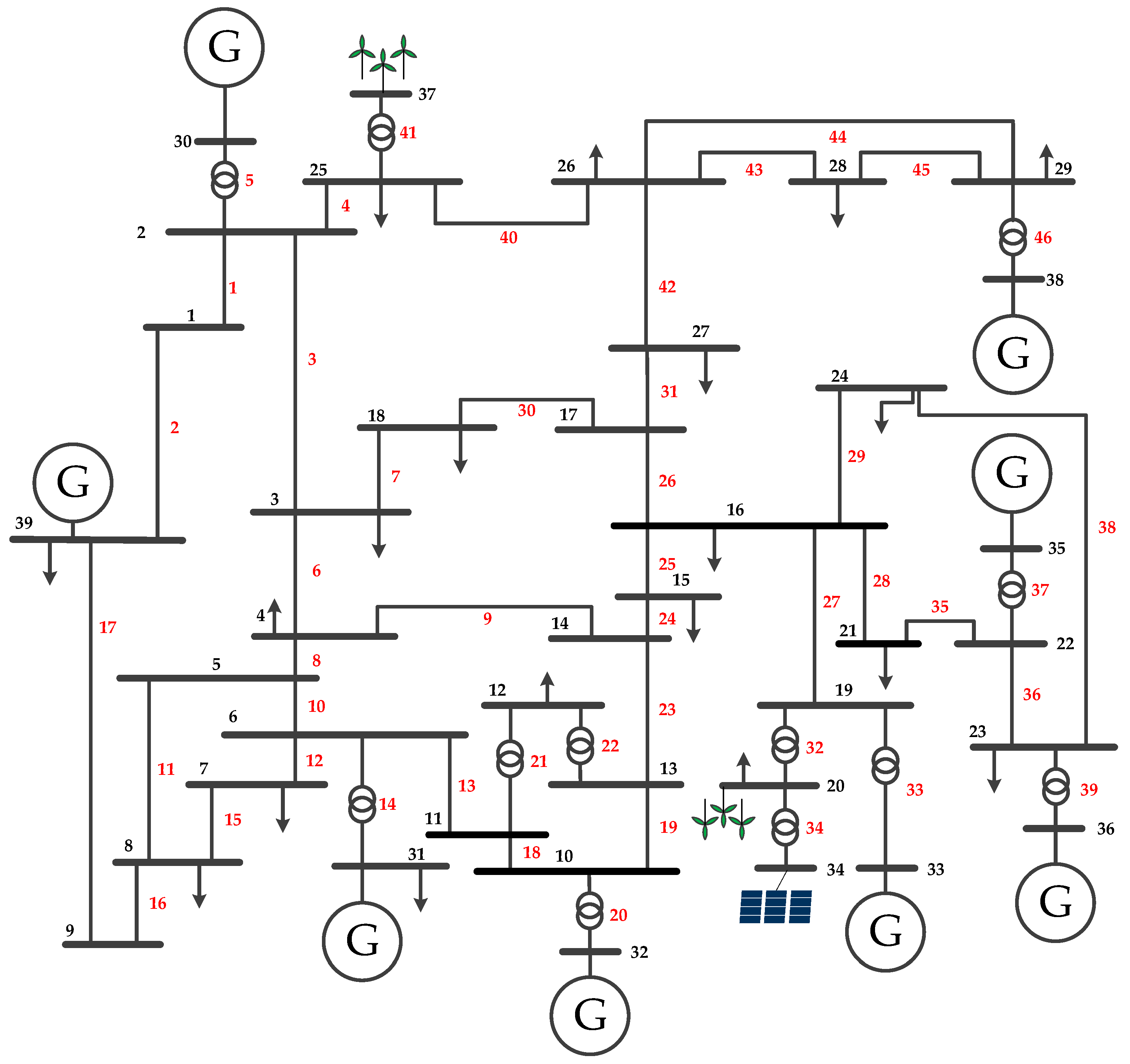
To address the vulnerability of renewable-dominated power grids to cascading failures under extreme conditions and the limitations of existing methods in jointly handling vulnerability identification, energy storage allocation, and online control, this paper proposes an energy-storage-assisted coordinated defense strategy. First, a source-load uncertainty model is constructed and seven typical extreme operating scenarios are identified. Second, a cascading-failure evolution model that accounts for thermal accumulation is established to identify critical vulnerable branches. Third, for areas prone to local disconnection and weak terminal voltages, a coordinated ESS allocation model is developed by jointly considering active power, energy capacity, and reactive power support to determine candidate deployment locations and capacities. Finally, a graph neural network (GNN) is used to extract time-varying topological and electrical-state features, and proximal policy optimization (PPO) is employed to generate coordinated control commands for multiple ESSs, thereby linking overload suppression with voltage support. The results for the modified IEEE 39-bus system show that the proposed method identifies high-risk branches more accurately and forms an integrated defense chain covering identification, allocation, and control. The method reduces thermal stress in critical sections during the early stage of a fault, mitigates load shedding, and enhances system survivability.
Keywords: cascading failures; extreme operating scenarios; coordinated energy storage allocation; coordinated defense control; graph neural network cascading failures; extreme operating scenarios; coordinated energy storage allocation; coordinated defense control; graph neural network