Article

Research on Large-Scale Experiments and Optimal Production Allocation in Carbonate Edge–Bottom Water Gas Reservoirs

1
Research Institute of Petroleum Exploration and Development of CNPC, Beijing 100083, China
2
Research Institute of Petroleum Exploration and Development, PetroChina Southwest Oil and Gas Field Company, Chengdu 610051, China
*
Author to whom correspondence should be addressed.
Energies 2026, 19(8), 1841; https://doi.org/10.3390/en19081841
Submission received: 10 March 2026 / Revised: 2 April 2026 / Accepted: 7 April 2026 / Published: 9 April 2026
(This article belongs to the Topic Petroleum and Gas Engineering, 2nd edition)

Abstract

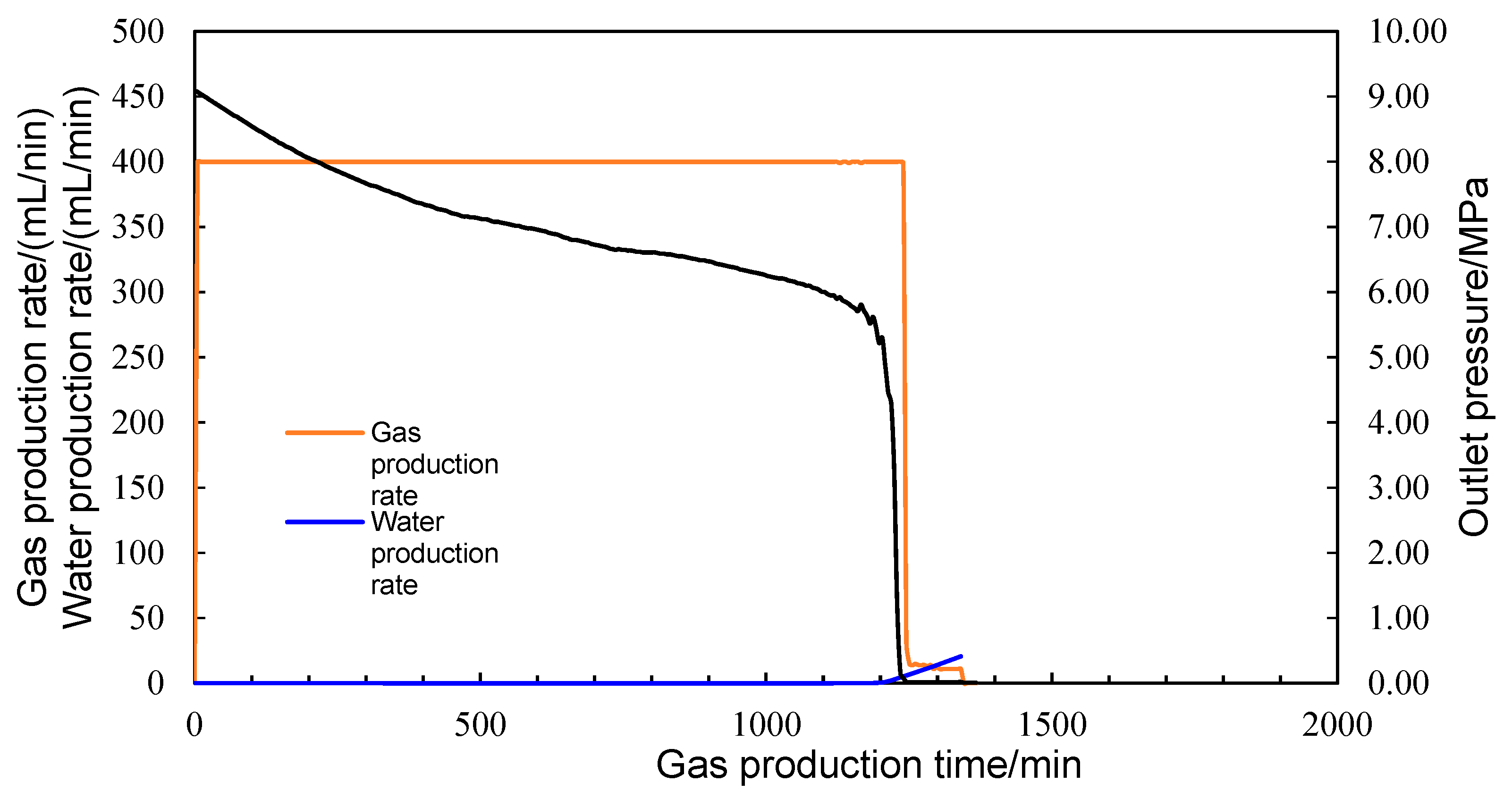
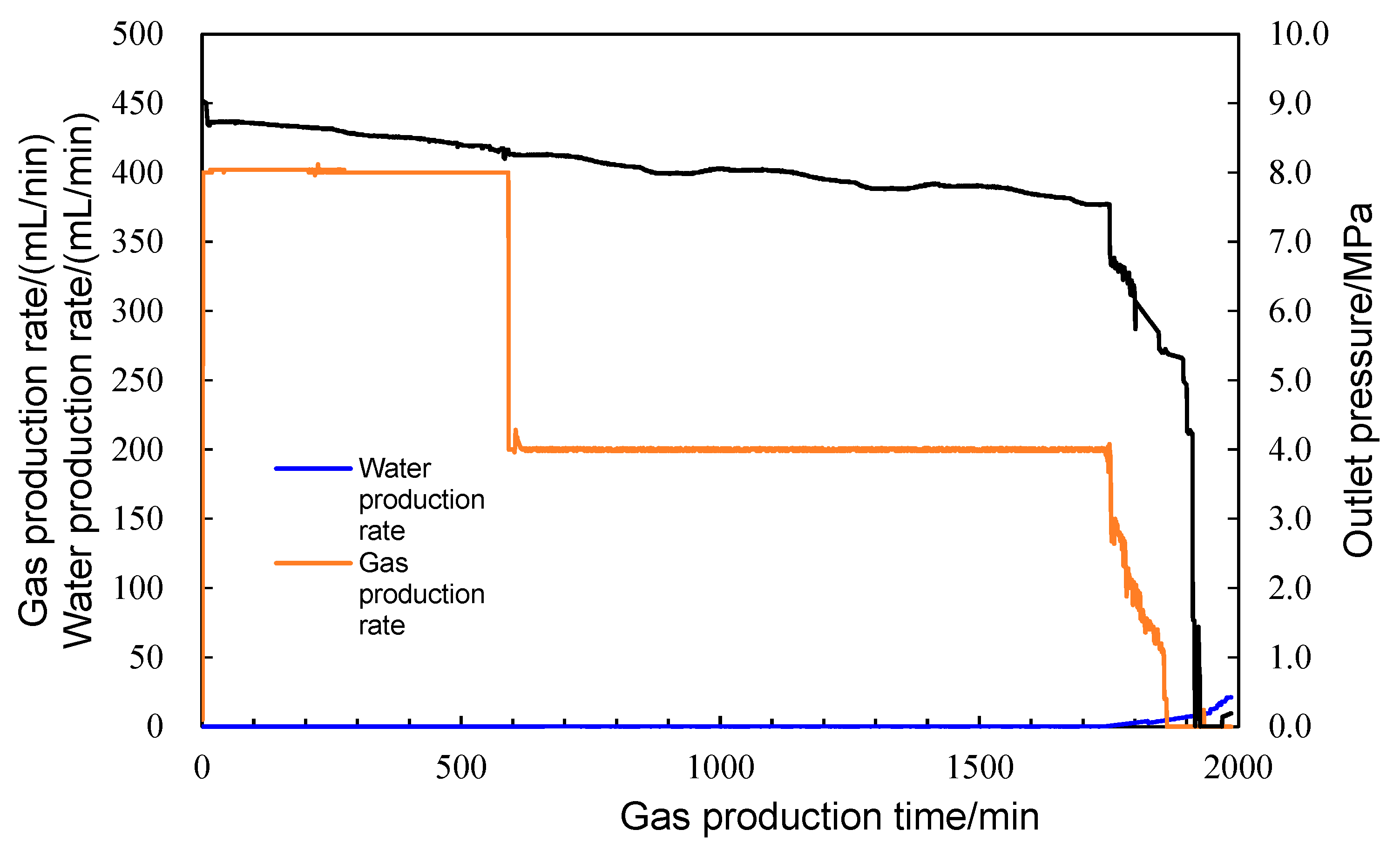
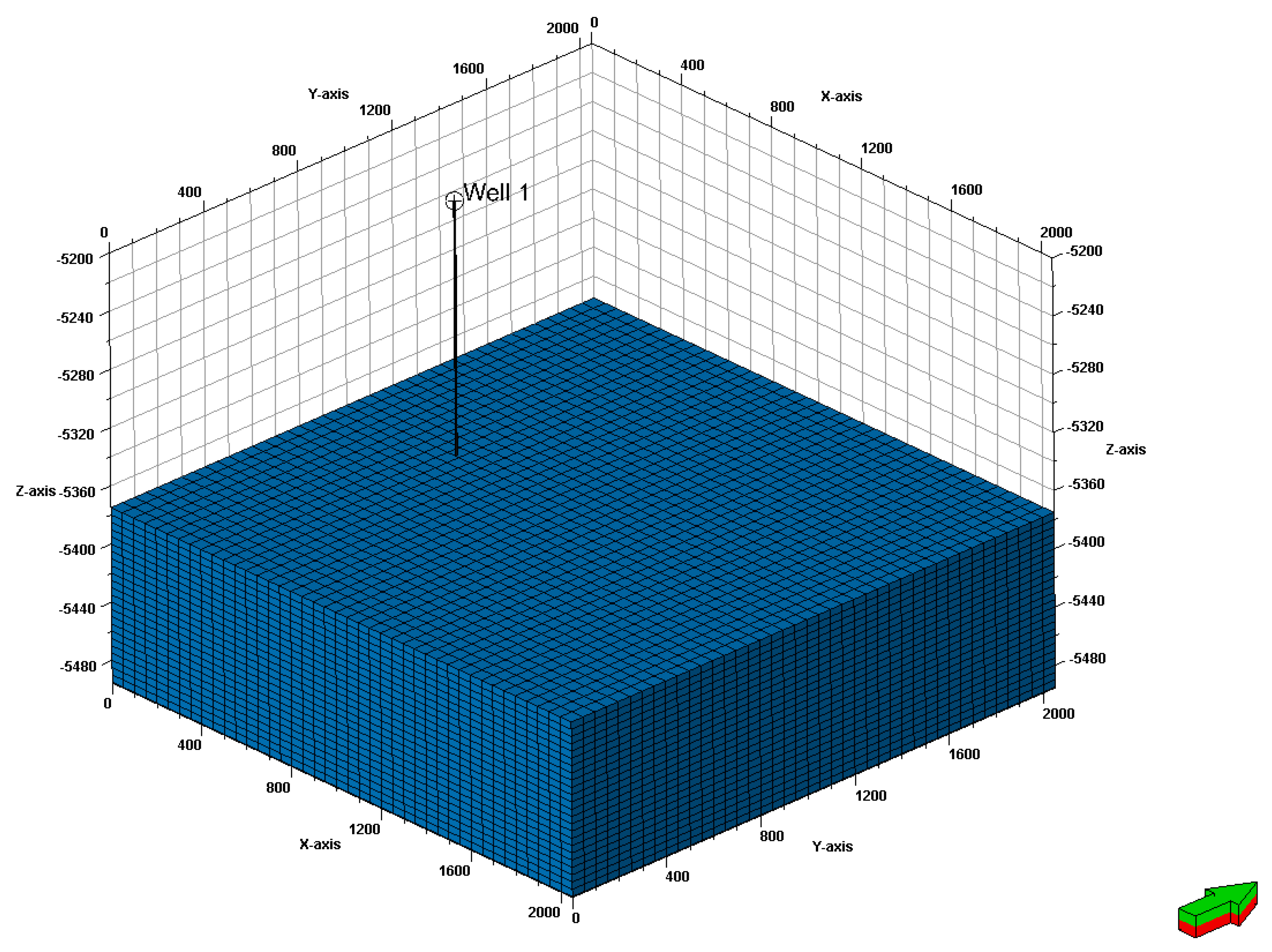
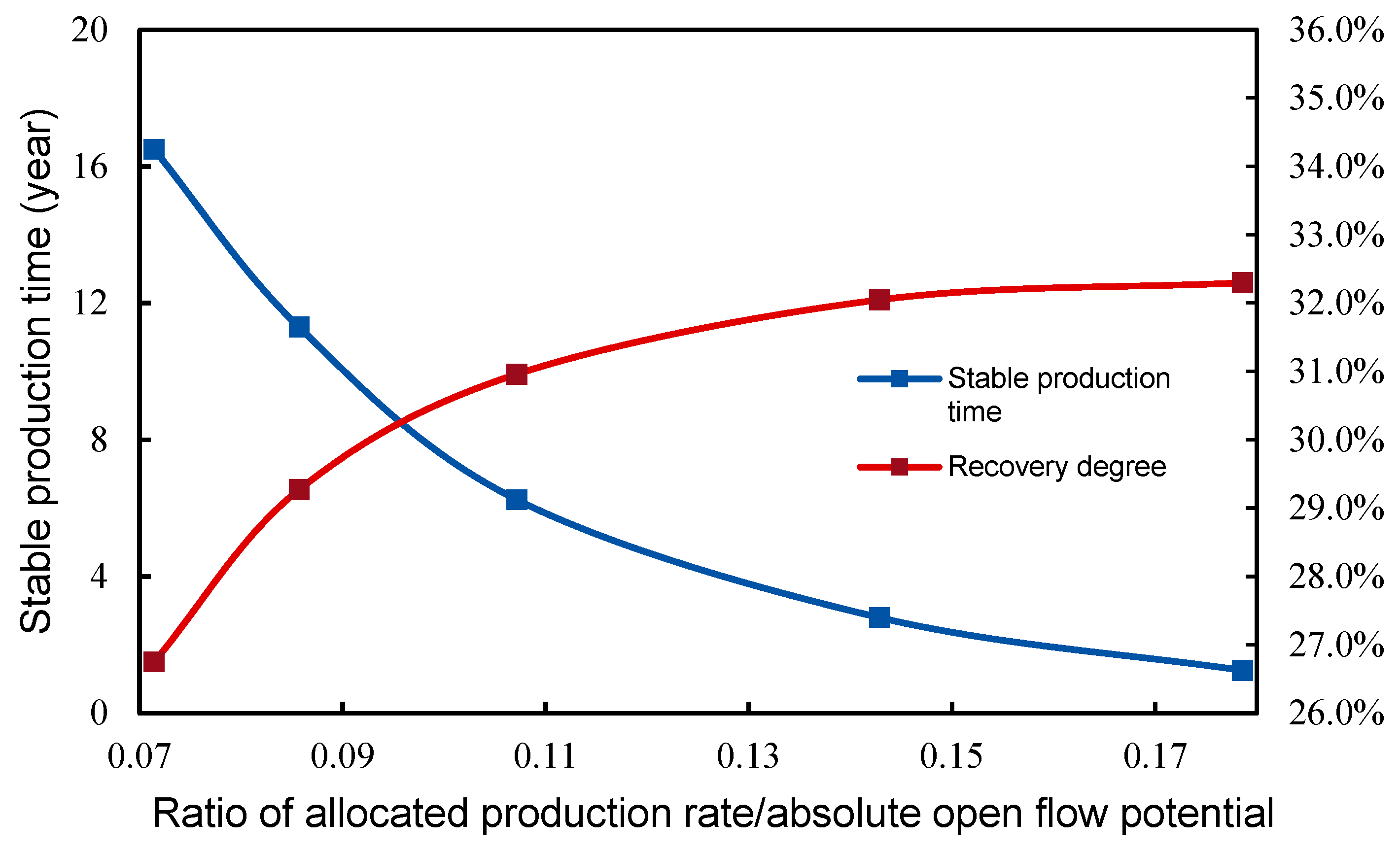
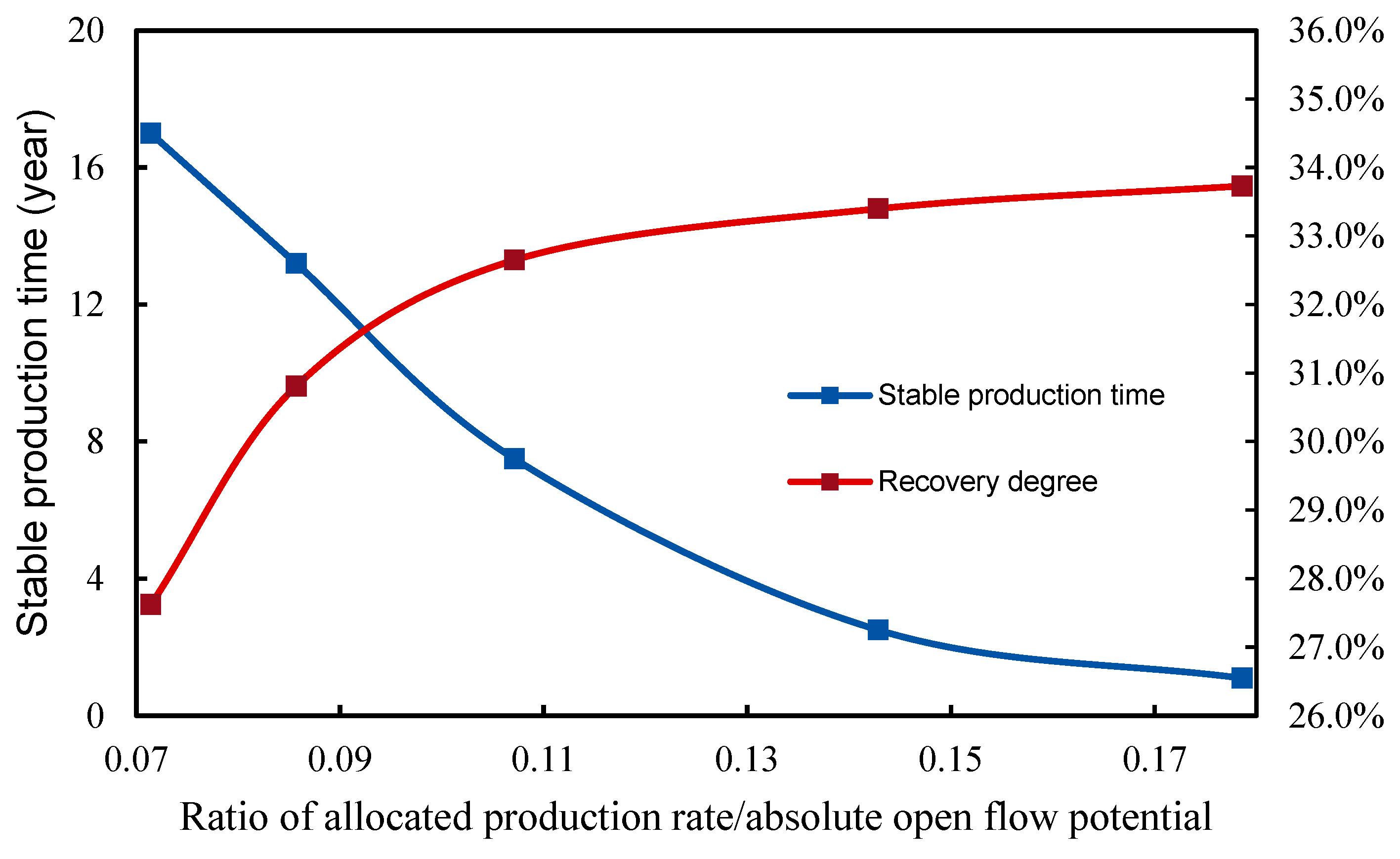
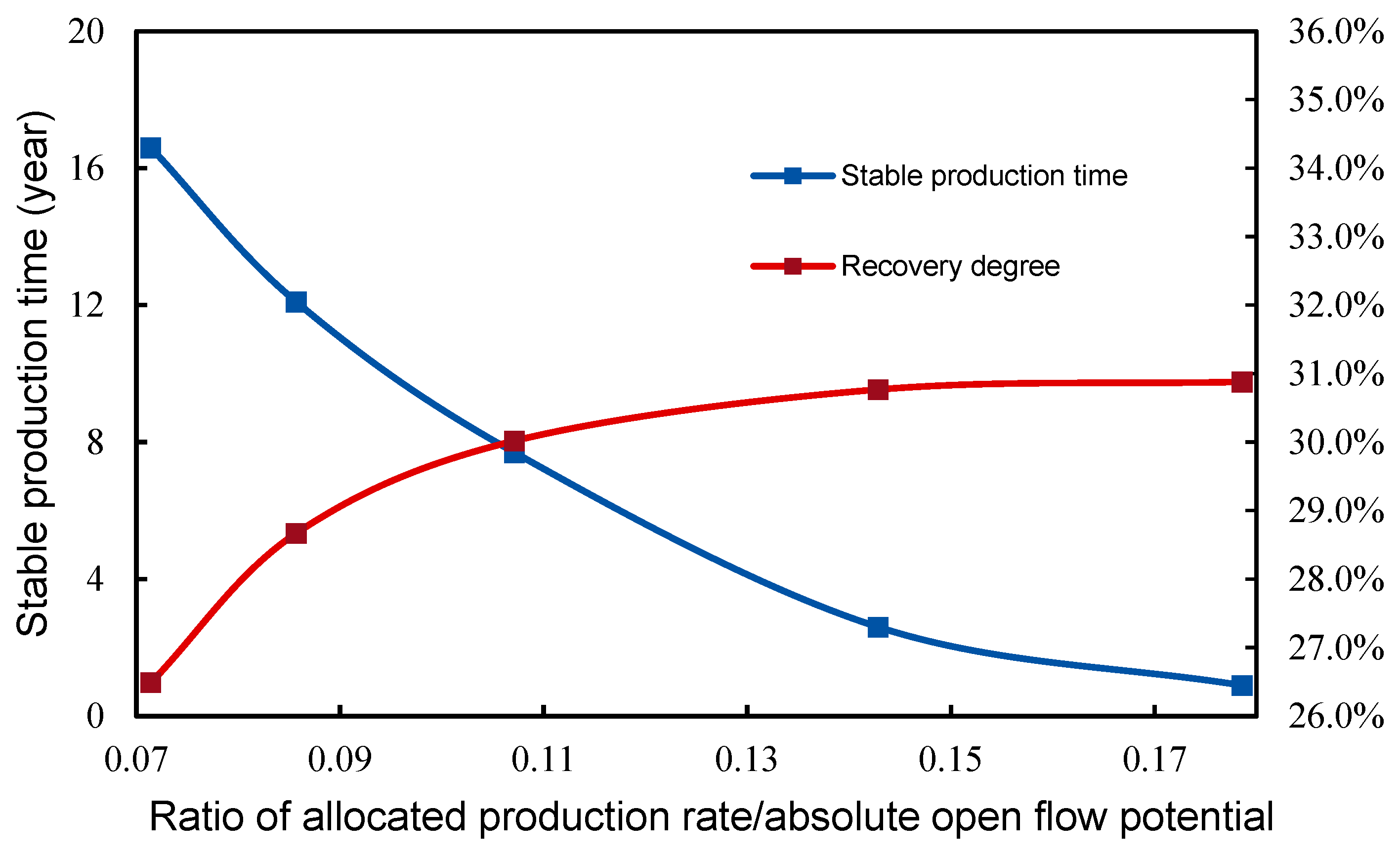
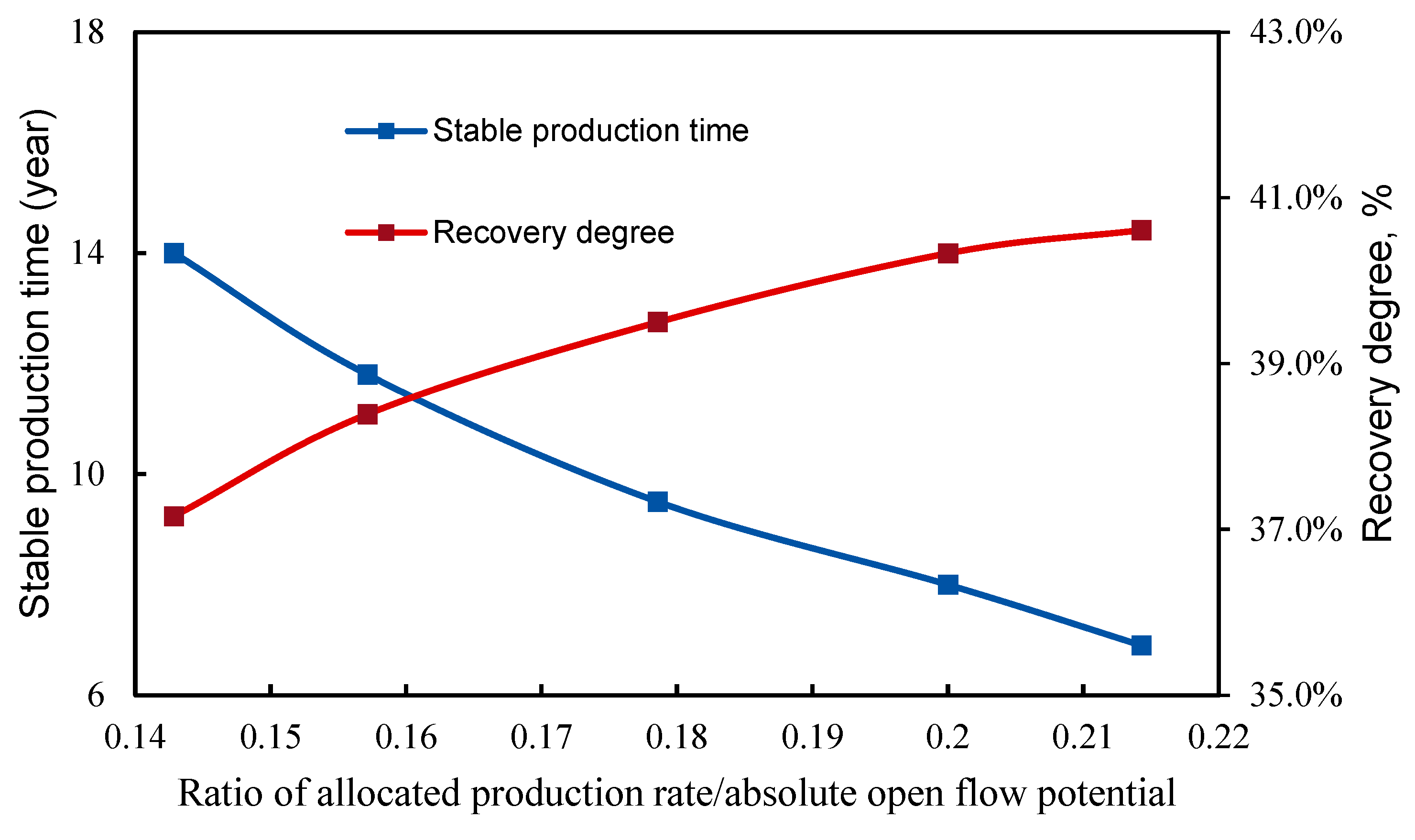
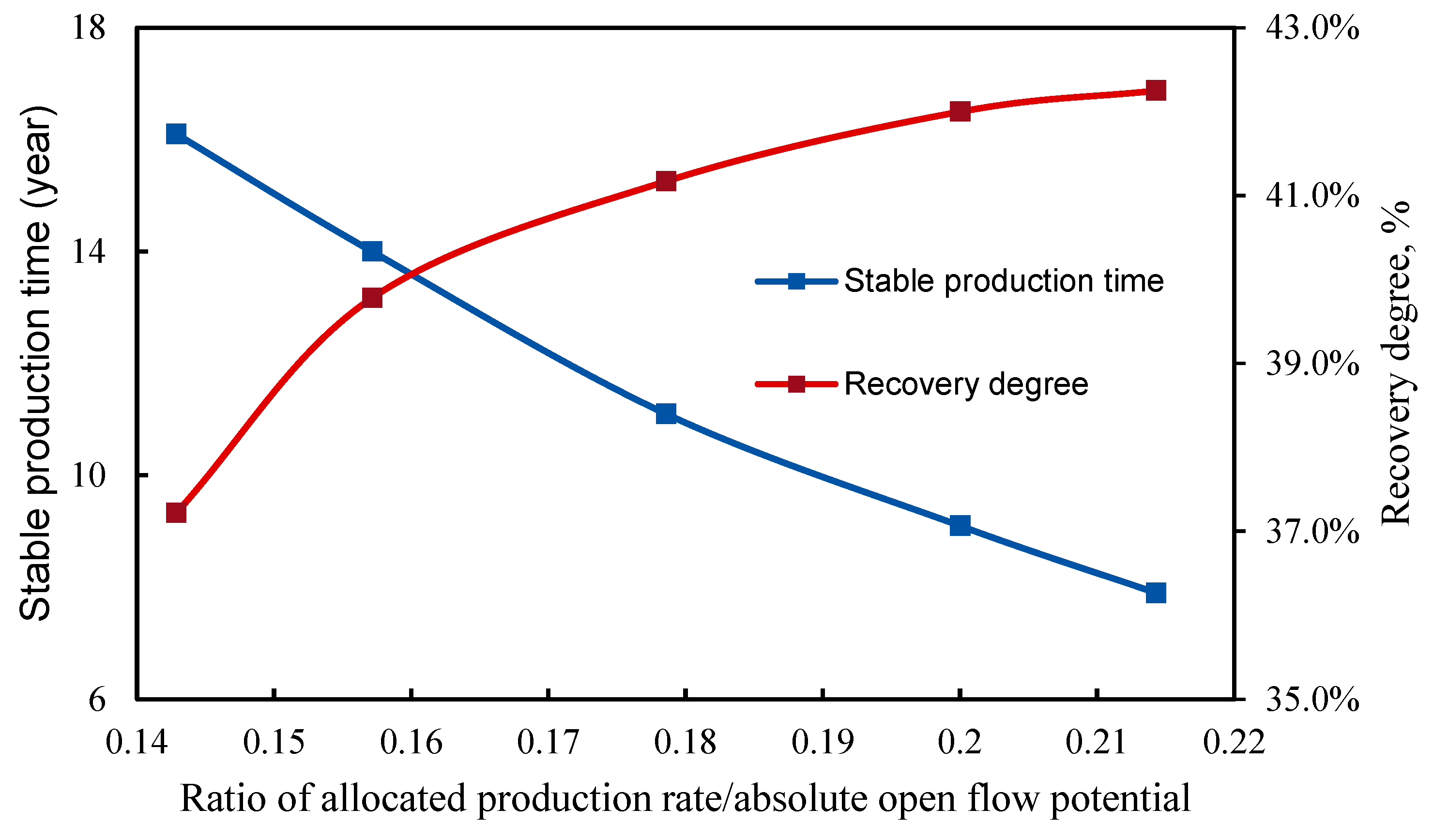
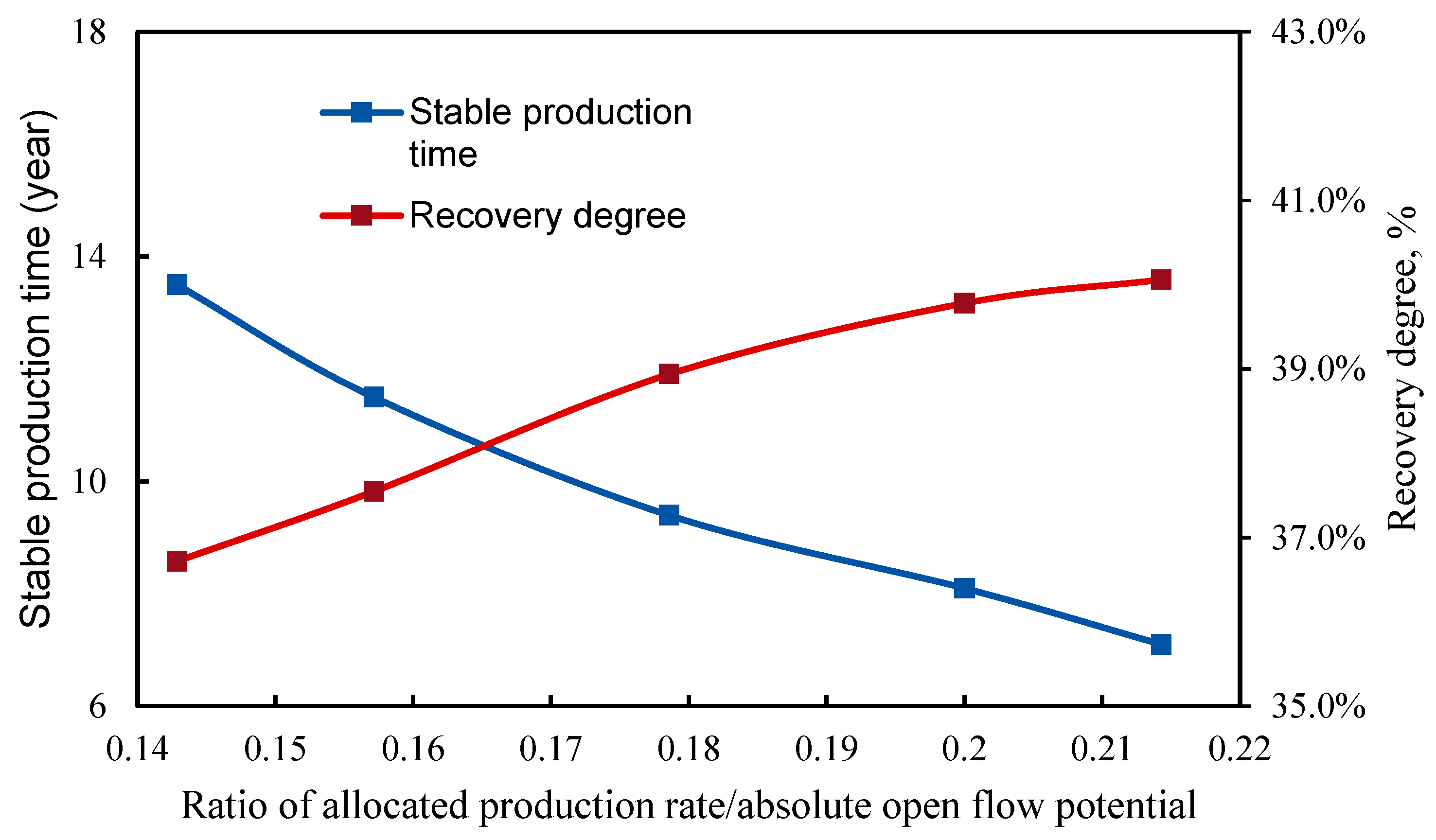
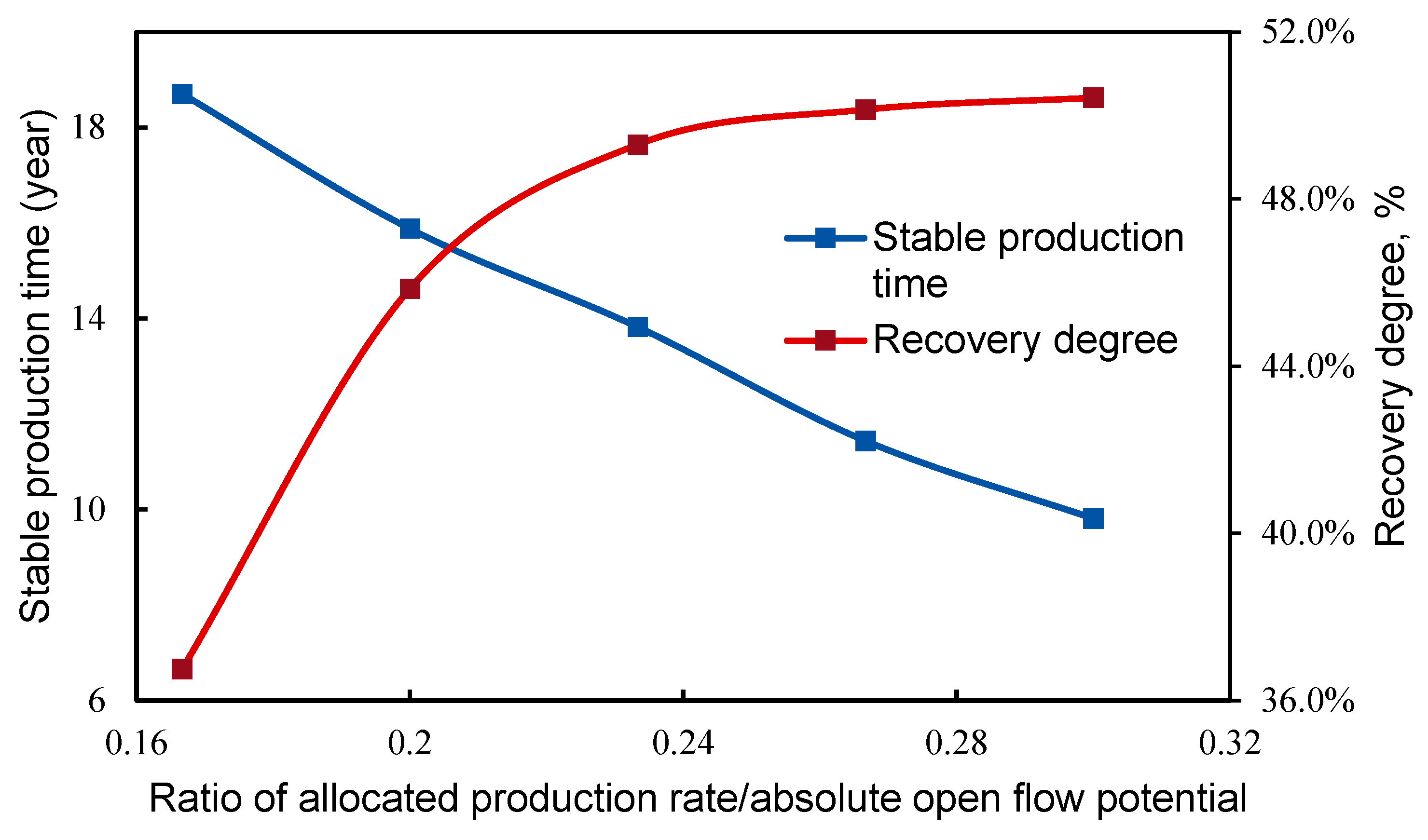
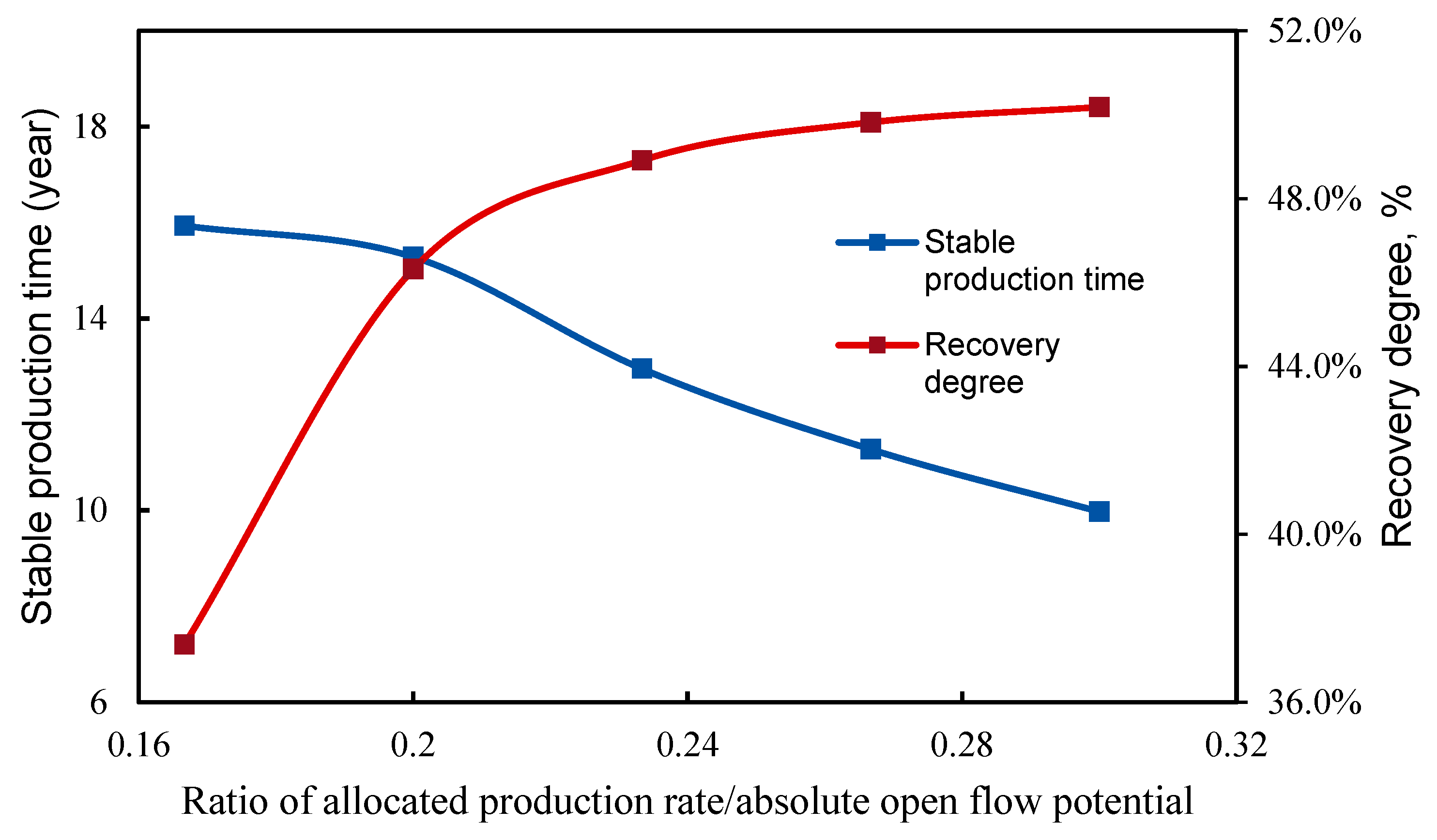
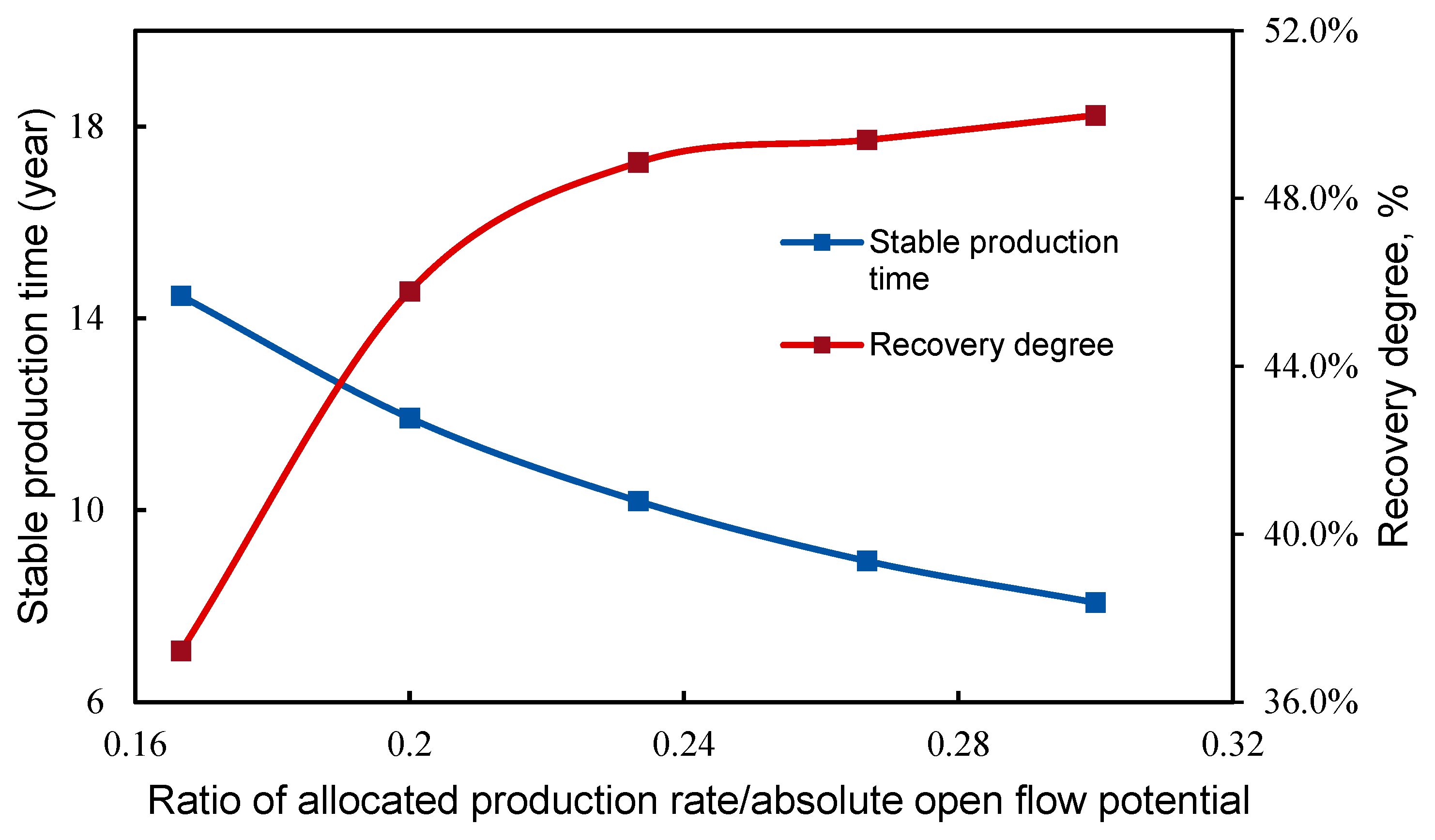
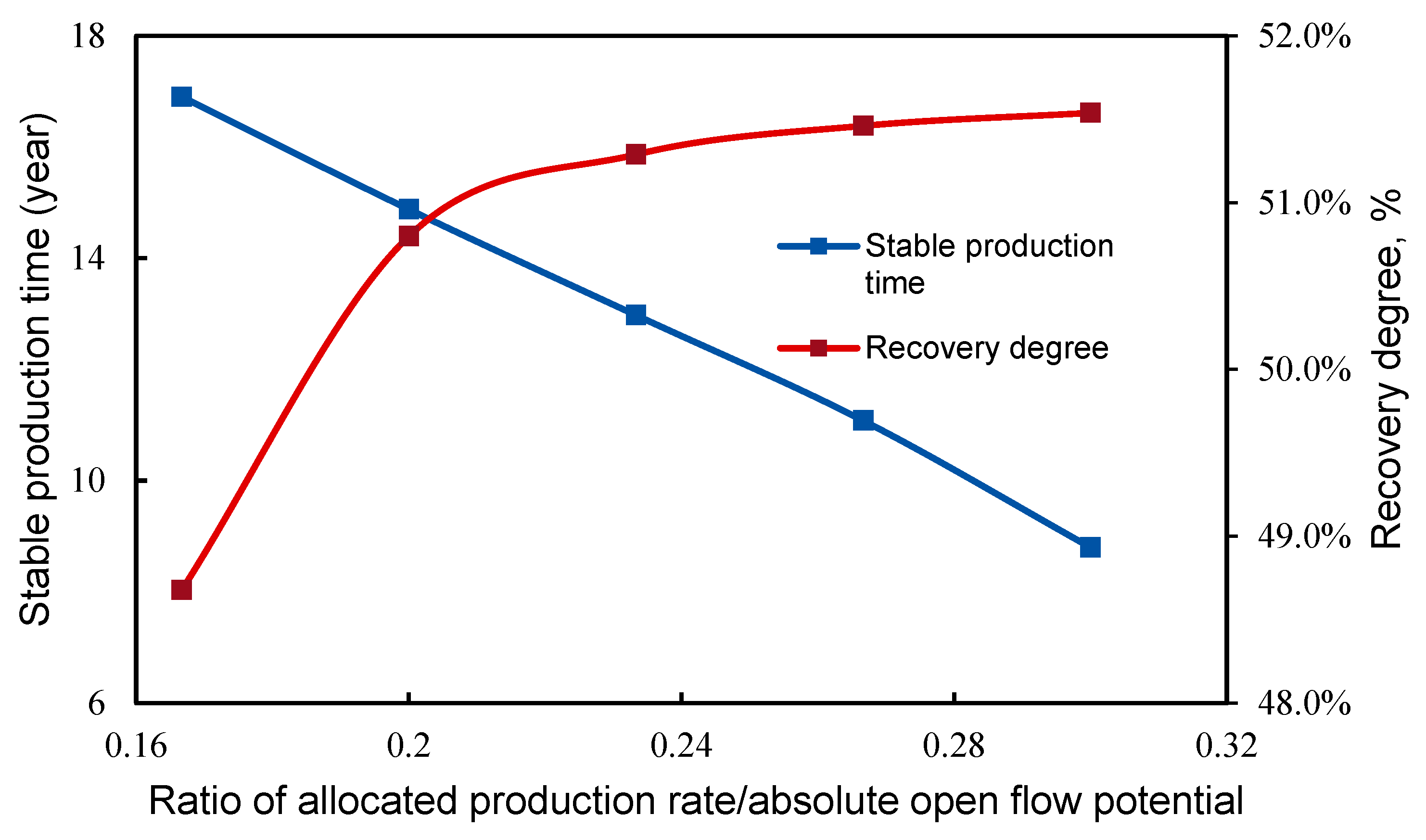
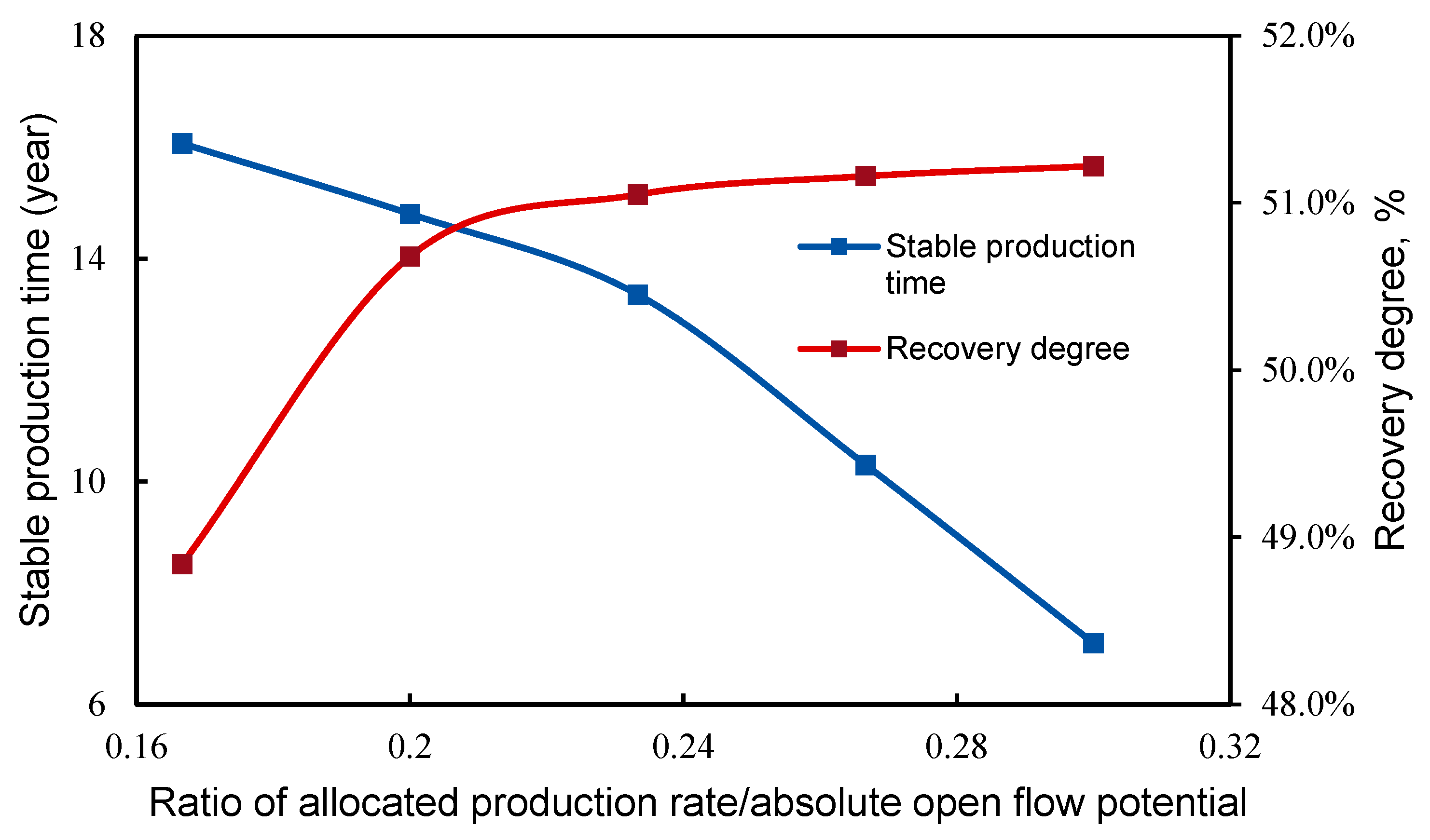
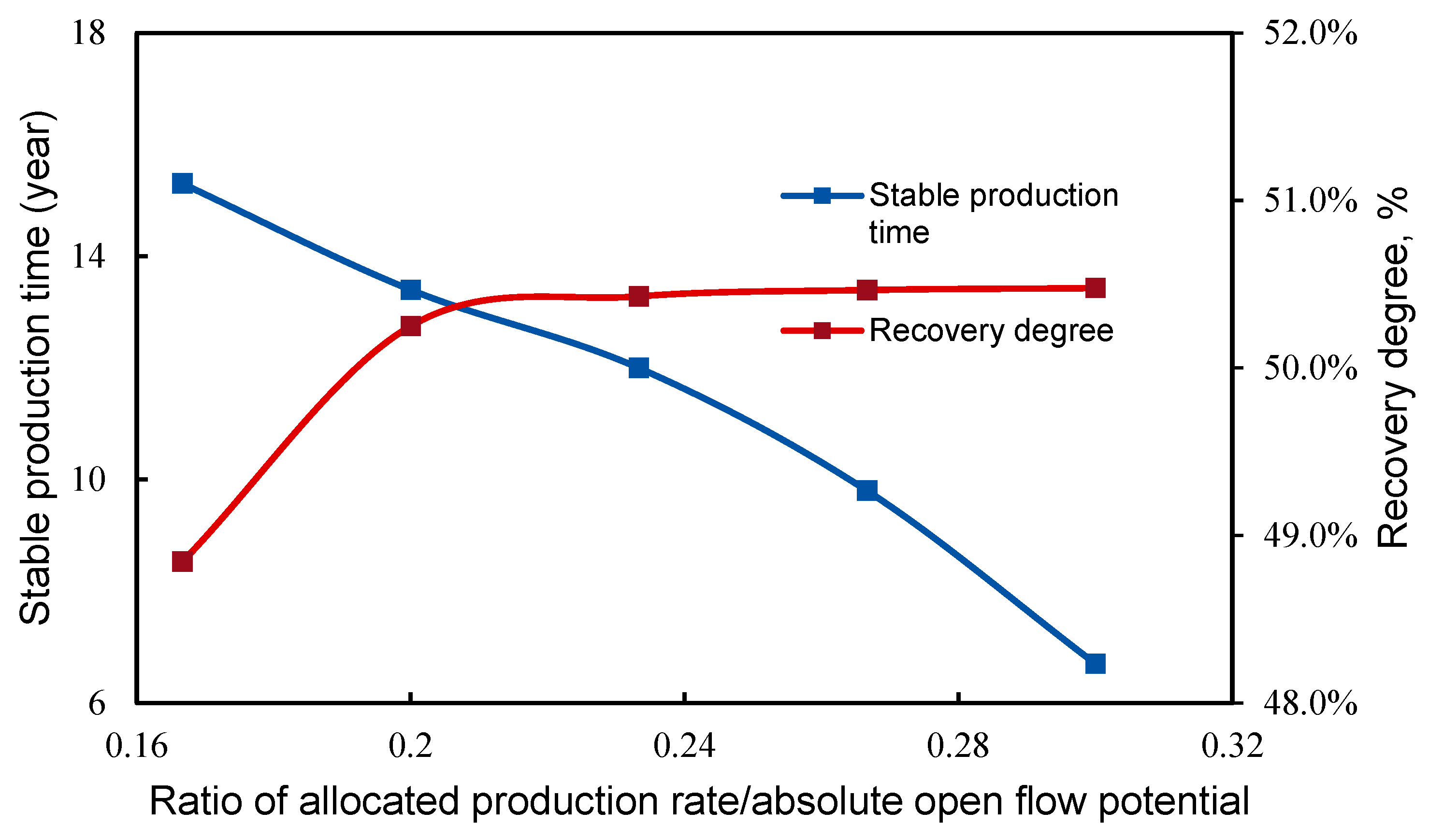
The Dengying Formation gas reservoir in the Penglai gas field, located in the central Sichuan Basin, exhibits substantial resource potential and promising development prospects. This reservoir is characterized by well-developed fractures and dissolution cavities, strong heterogeneity, complex gas–water relationships, and widespread edge–bottom water. During production, edge–bottom water is prone to channeling and intrusion through high-permeability pathways, which severely constrains well productivity and overall gas recovery. To address these challenges, this study takes a fractured-vuggy carbonate edge–bottom water gas reservoir as an example. By integrating large-scale physical simulation with cross-scale numerical simulation, a rational production allocation method suitable for strongly heterogeneous gas reservoirs has been developed. The research results indicate that: (1) Large-scale physical simulation experiments demonstrate that for fractured-vuggy bottom water gas reservoirs, implementing rate reduction and pressure control after water breakthrough can effectively suppress water invasion and coning, extend the stable production period, and increase the recovery factor by approximately 16%; (2) Based on the dynamic characteristics of water invasion, key similarity criteria including the Bond number, capillary number, gravity–viscous force ratio, and geometric–temporal similarity ratio were selected to establish a scientific parameter design method for cross-scale numerical simulation; (3) By considering factors such as reservoir type and aquifer energy, single-well mechanistic models were used to determine appropriate production rates for individual wells, enabling rapid optimization of production allocation plans. This provides crucial guidance for efficient gas well development and surface facility planning.
Keywords: edge–bottom water gas reservoir; large-scale physical experiment; similarity criteria; gas reservoir numerical simulation edge–bottom water gas reservoir; large-scale physical experiment; similarity criteria; gas reservoir numerical simulation