1. Introduction
Shipping carries the bulk of world trade, making it indispensable to the global economy [
1]. Approximately 55,000 merchant vessels worldwide are responsible for handling over 90% of global trade volume [
2]. Currently, 99% of ships utilize diesel engines as their power source [
3]. Diesel’s proven technology and reliability are key, coupled with their rapid start-up speed and high efficiency [
4]. Most marine engines operate under high temperatures and pressures, resulting in relatively high emissions due to the lack of effective emission reduction technologies [
5]. Consequently, shipping emissions have garnered increasing attention and are recognized by policymakers and scientists as an escalating problem [
6]. A practical pathway toward sustainable shipping is to reduce dependence on conventional fossil fuels and promote the application of cleaner alternative fuels [
7].
In the shipping industry, alternative fuels include hydrogen [
8], ammonia [
9], biodiesel [
10], and methanol. Hydrogen and ammonia have received considerable attention as potential marine fuels [
11], but their storage, transportation, and infrastructure challenges still limit near-term large-scale application [
12,
13]. Biofuels are commonly considered alternative feedstocks for reducing shipping emissions; the main reason for this lies in their derivation from biological matter: plant oils, waste greases, algal biomass, and related materials [
14]. The CO
2 released during combustion can be considered part of the short-term carbon cycle, contributing to a reduction in the shipping industry’s full life-cycle carbon emissions. Methanol not only reduces greenhouse gas emissions but also features relatively mature technology and manageable safety profiles [
15]. Consequently, methanol is now widely recognized as a cornerstone fuel for decarbonizing the shipping industry [
16]. Methanol has the molecular formula CH
3OH, containing one carbon atom and a high oxygen content of 50% [
17]. It is the simplest saturated monohydric alcohol among all alcohol compounds. As a biomass raw material, methanol mainly comes from agricultural waste, crop residues and the remaining parts of tree pruning [
18]. Beyond its role as an easily handled fuel and energy reservoir, methanol also serves as a solvent and a platform molecule for producing synthetic hydrocarbons, polymers, and even single-cell proteins [
19]. Due to its low toxicity to aquatic life, it was once used for denitrification in wastewater treatment plant effluents [
20]. Even in the event of accidental spills, it is rapidly diluted and dissipates through biodegradation [
21]. Methanol is characterized by high oxygen content, high latent heat of vaporization, and a high amount of octane, all of which strongly influence mixture formation and combustion behavior in engines [
22,
23]. Because methanol contains no carbon–carbon bonds and has an inherent oxygen content, it shows strong potential for reducing soot emissions, while its effect on NO
x depends on the combustion mode and operating conditions [
24]. It also holds the potential to achieve low-carbon or even near-zero carbon emissions [
25]. Methanol can effectively reduce the environmental load caused by the shipping industry and is a renewable fuel with great potential [
26]. Because of these advantages, methanol is now widely regarded as one of the most practical transition fuels for shipping decarbonization. However, methanol also has some inherent drawbacks when used in compression-ignition engines. Its low cetane number can prolong ignition delay, while its low heating value may increase fuel consumption for the same power output. In addition, the high latent heat of vaporization may reduce in-cylinder temperature and cause cold-start difficulty or combustion instability under certain operating conditions.
Traditional diesel combustion requires aftertreatment equipment for emissions control, but installing such systems increases overall costs and may also lead to reduced fuel economy [
27]. NO and PM emissions drop substantially with dual fuel versus conventional diesel [
28]. Currently, dual-fuel engines incorporating alternative fuels have become mainstream in shipping [
29]. Among these, natural gas–diesel dual-fuel engines retain key advantages such as high efficiency and high torque due to their ability to operate at high compression ratios [
30]. Natural gas contributes to this capability through its high octane level and excellent anti-knock characteristics [
31], coupled with reserves that far exceed those of other conventional fuels. However, poor natural gas combustion quality leads to emissions of unburned hydrocarbons, presenting certain challenges. Because it is both renewable and clean during combustion, hydrogen frequently appears on the shortlist of alternative fuels [
32]. However, hydrogen’s inherent limitations are also evident: existing technology makes hydrogen fuel less cost-competitive compared to other fuels [
33], which restricts its potential for widespread substitution. Adding methanol to pure diesel engines enhances output power and brake thermal efficiency, among other benefits. Therefore, methanol blending in diesel engines contributes to improving fuel economy. Generally speaking, methanol’s strong laminar flame behavior accelerates burning and enhances overall combustion. Methanol is primarily synthesized through catalytic gas conversion from natural gas reforming or coal synthesis, offering extensive feedstock sources [
34]. The energy characteristics of coal feedstocks are commonly evaluated using parameters such as the higher heat of combustion in the wet ash-free state [
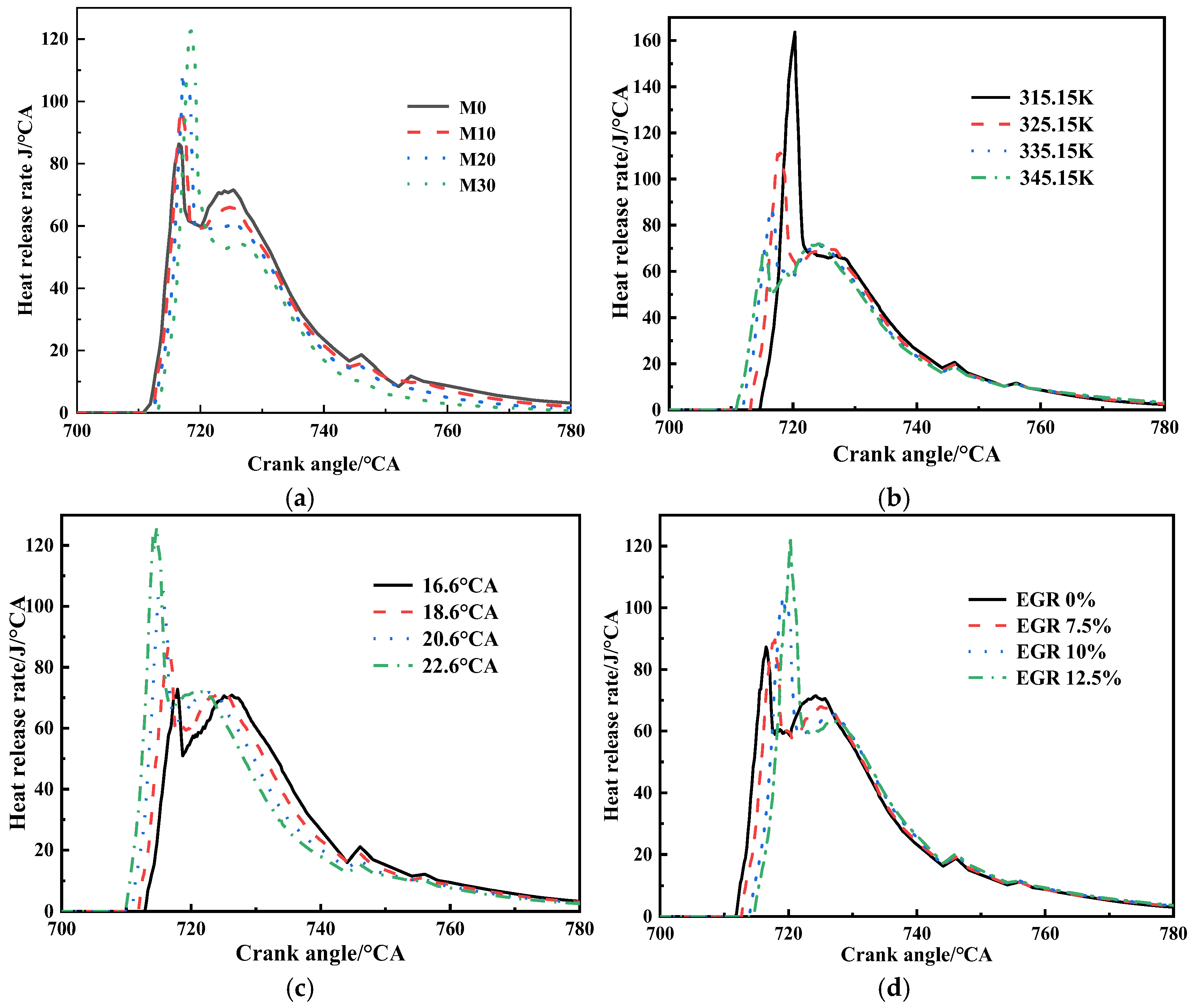
35]. Higher methanol ratios in diesel–methanol combustion amplify the early premixed burn, yielding a faster HRR [
36]. Brake thermal efficiency (BTE) and brake-specific fuel consumption (BSFC) serve as standard indicators for assessing how effectively an engine converts fuel into work and how economically it operates. In engines running on blended fuels, higher methanol fractions drive both parameters steadily upward [
37]. Cenk Sayin et al. [
38] varied the methanol blend ratio (5–15%), injection pressure, and timing. Their findings indicate that more methanol leads to better thermal efficiency, improved economy, and cleaner exhaust in terms of soot, CO, and HC. In dual-fuel engines, methanol also plays a crucial role in improving emission performance. NO
x formation is primarily driven by high temperatures and high oxygen concentrations. By lowering the combustion temperature via high latent heat and low calorific value, methanol creates a cooler, NO
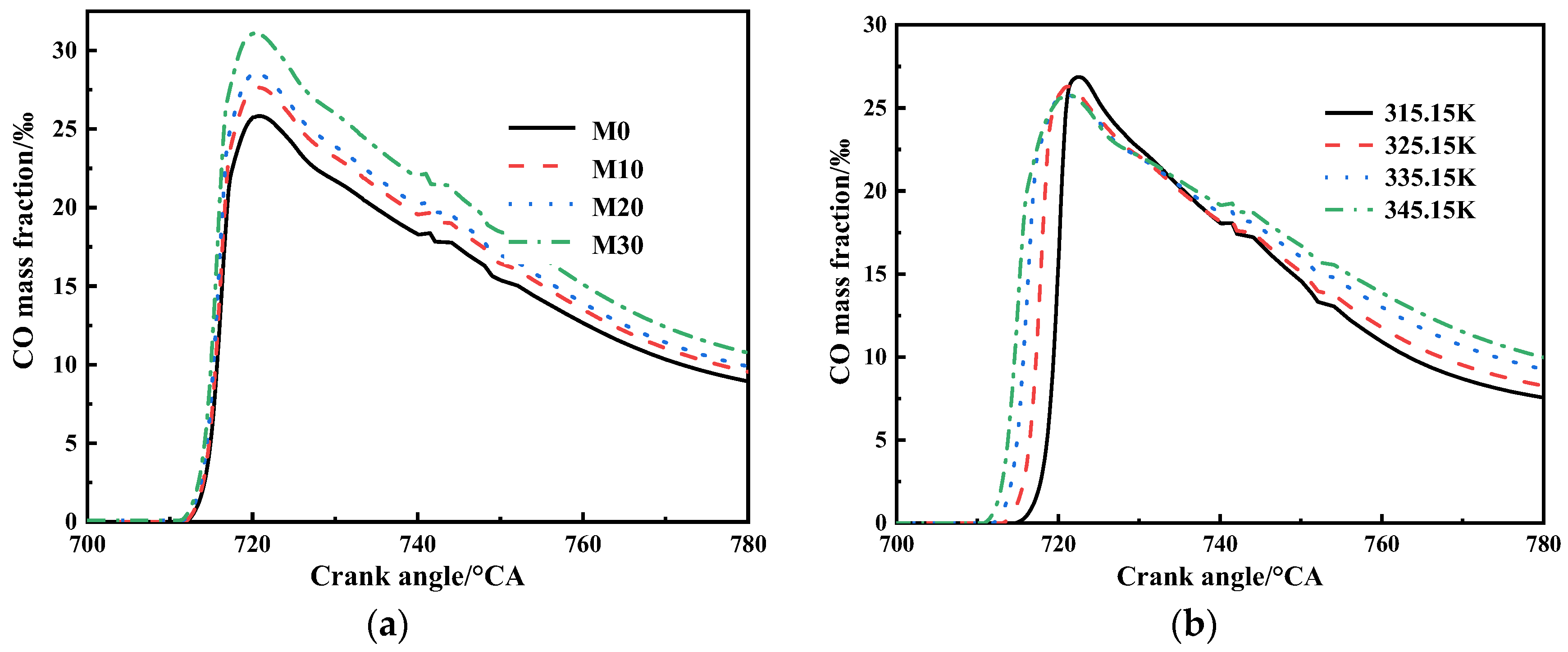
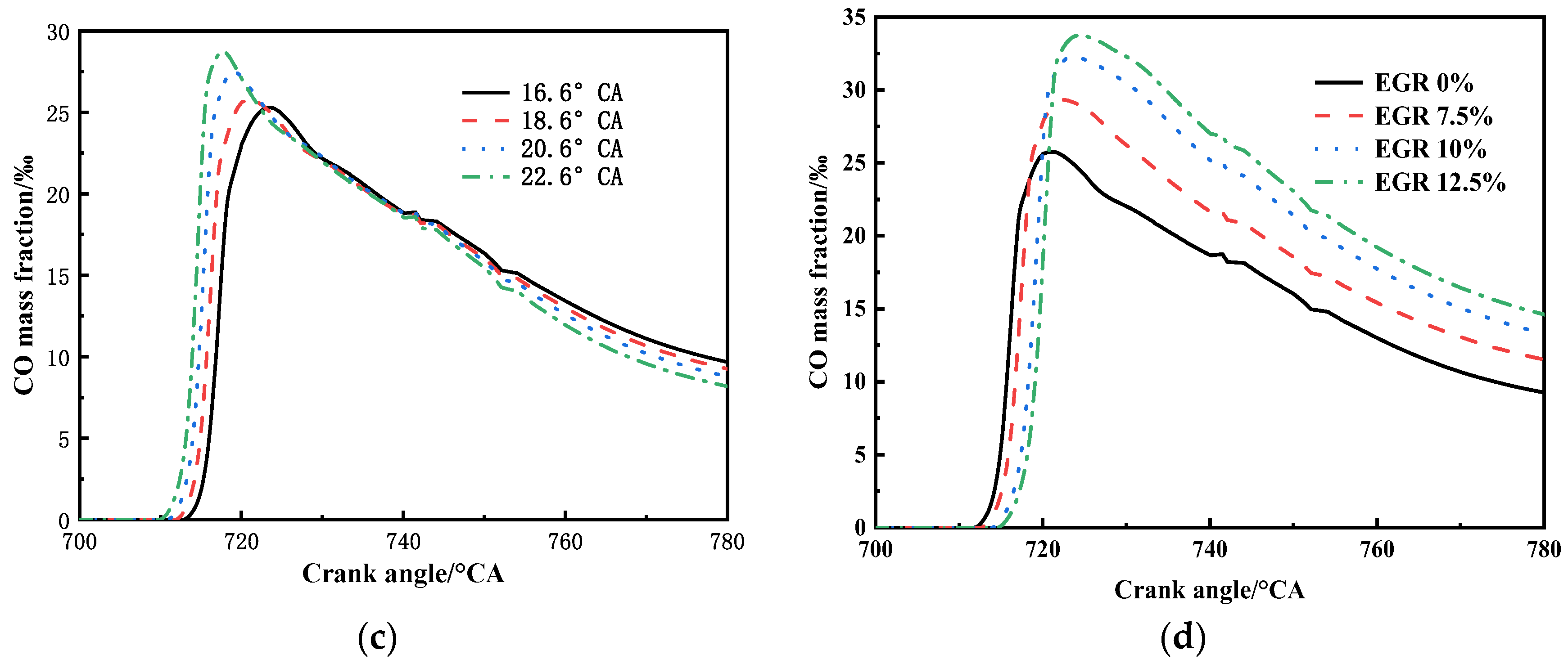
x-suppressed combustion environment. This also leads to longer ignition delays, thereby increasing carbon monoxide production in the home and inhibiting CO oxidation [
39].
The high oxygen concentration in methanol and its faster laminar flame velocity can shorten combustion time, thereby reducing carbon emissions. Yang et al. [
40] applied a methanol/diesel dual-fuel system to an OP2S engine to quantify the sensitivity of engine performance to port height and stroke ratio. The results indicate that the methanol blending ratio does not influence port height or stroke ratio, and the optimal methanol blending ratio for power performance ranges from 5% to 15%. Panagiotis et al. [
41] investigated how port injection and direct in-cylinder methanol delivery influence marine engine behavior. Switching to methanol reduced burn time and dropped peak combustion temperatures by 1–3% compared to baseline diesel. Panda et al. [
42] explored how diesel injection parameters influence combustion behavior, power output, and pollutant formation in a light-duty, single-cylinder common-rail engine fueled with methanol and diesel. Results revealed that complete methanol combustion reduced HC and CO emissions. Compared to the dual-pulse method, the pre-injection, main injection and post-injection strategies decreased the rising pressure rate, NO emissions, and average cylinder temperature.
However, several gaps remain in existing studies. Most published work has focused on individual factors, such as the methanol ratio or injection strategy. The coupled effects of intake conditions, EGR, and fuel parameters are still unclear for marine diesel engines. Moreover, only a limited number of studies have combined experimentally validated 3D CFD analysis with systematic multi-parameter evaluation. Therefore, a more comprehensive investigation is needed. Accordingly, the novelty of the present study lies in three aspects. First, an experimentally validated three-dimensional CFD model is established for a medium-speed marine methanol–diesel dual-fuel engine. Second, the effects of five key parameters, namely methanol blending ratio, injection advance angle, intake temperature, intake pressure, and EGR rate, are analyzed within a unified framework, allowing their synergistic influence on combustion and emissions to be evaluated more systematically than in previous single-factor studies. Third, orthogonal design and regression-based optimization are further employed to identify an improved operating condition that balances NOx reduction and indicated power.
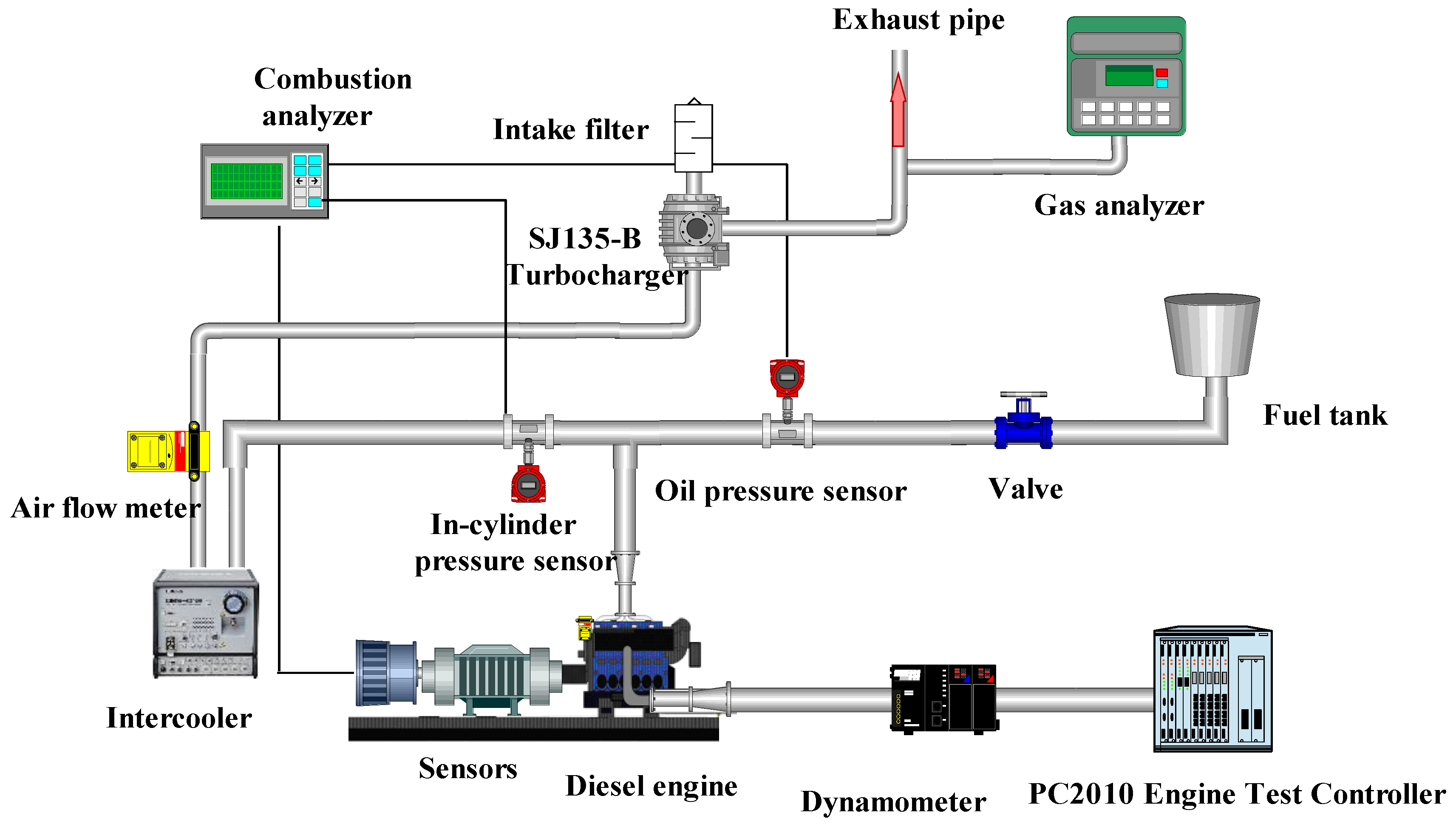
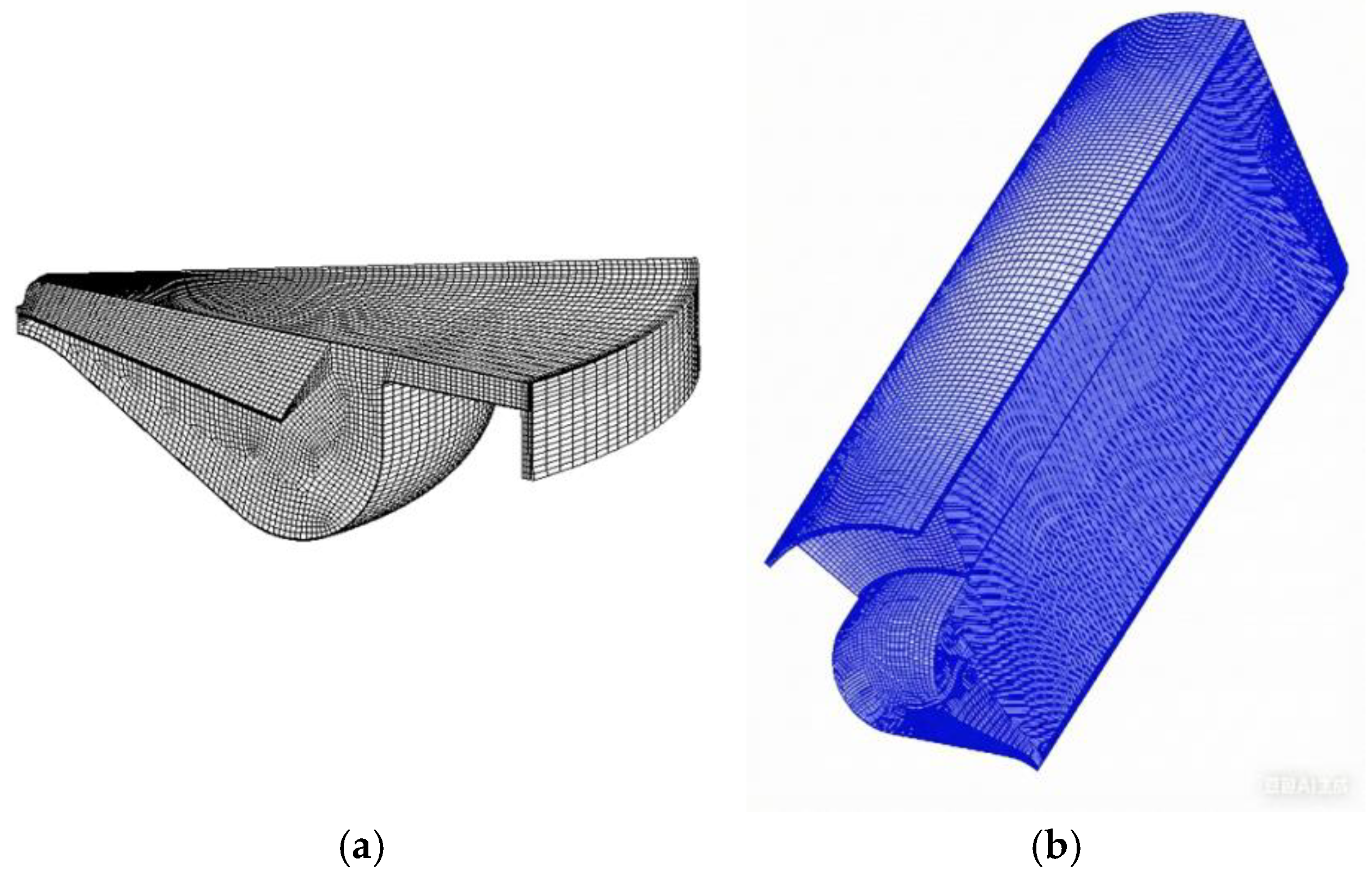
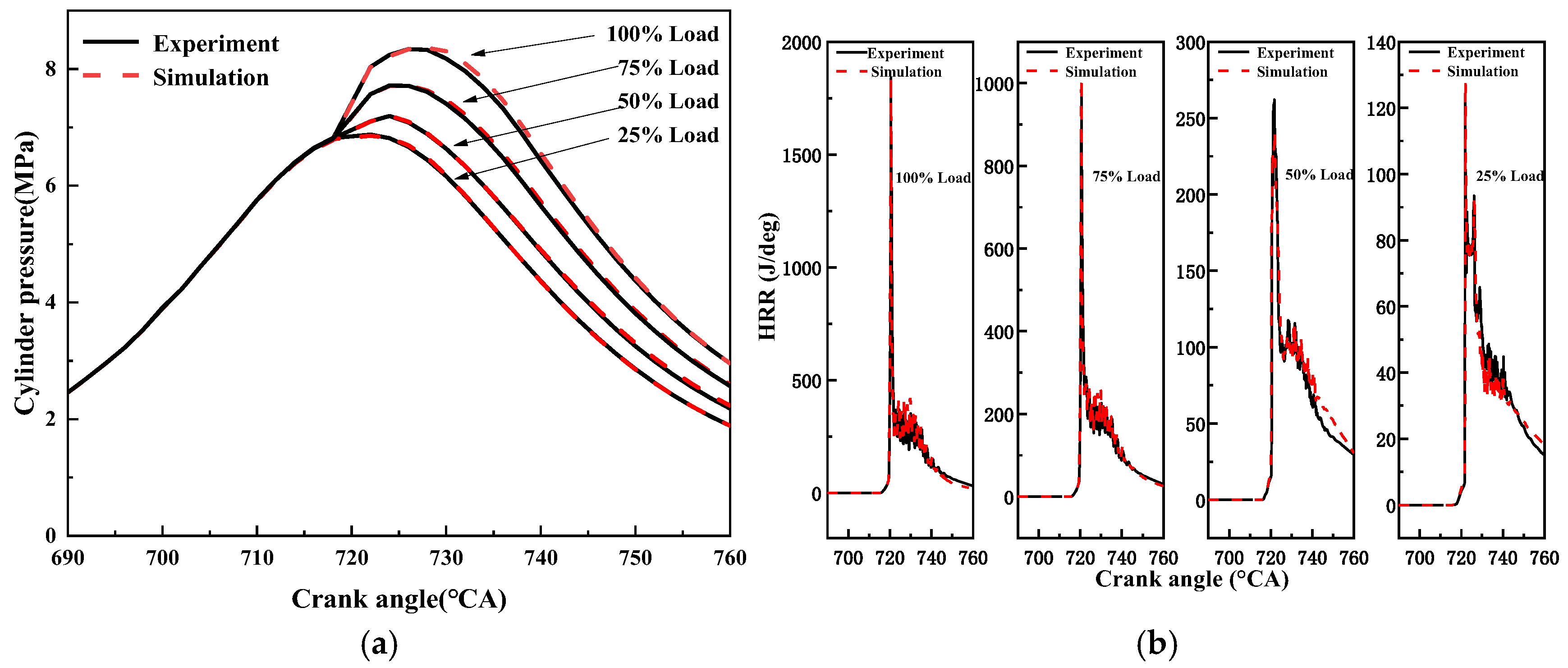
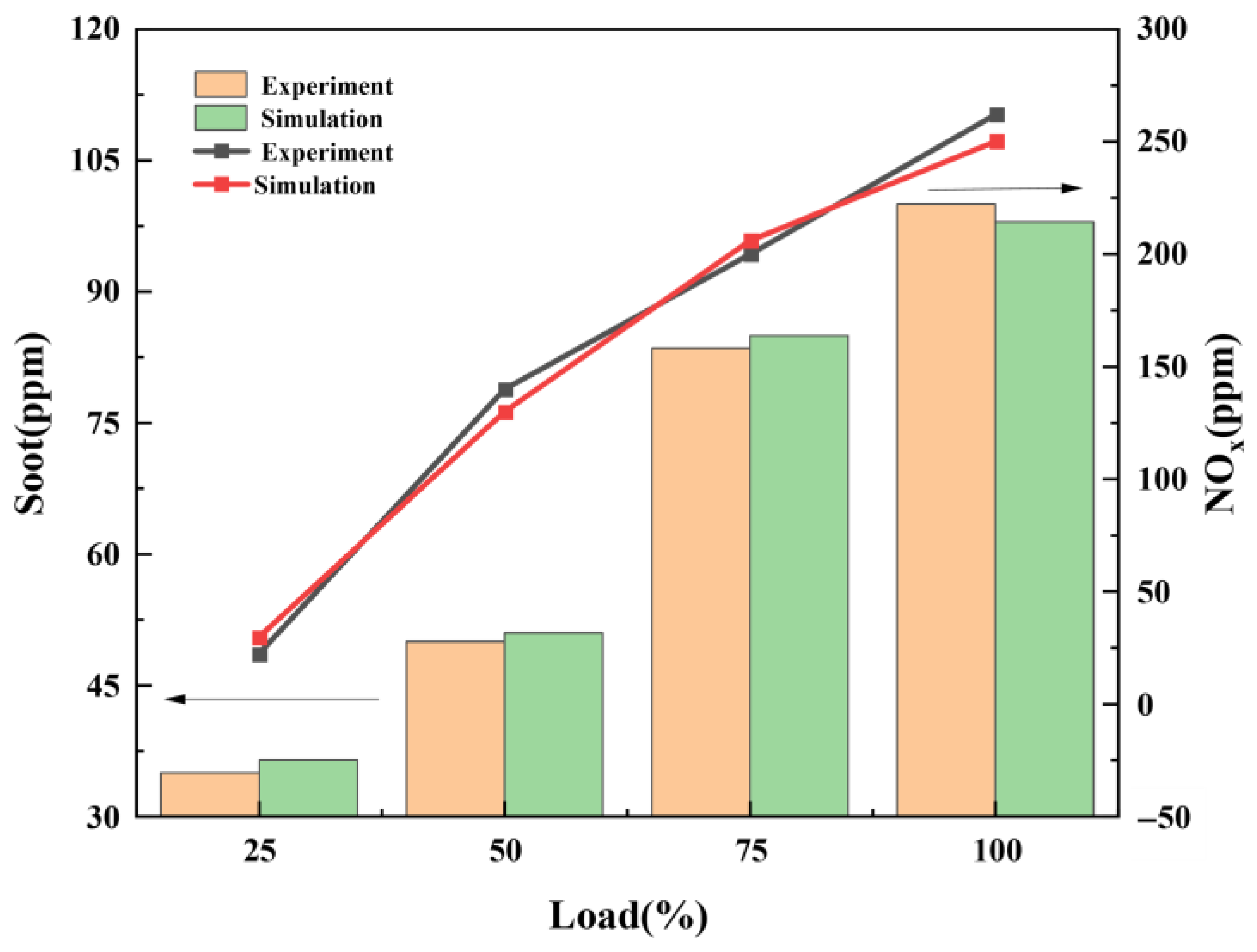
In this study, a three-dimensional combustion model of the 4190ZLC-2 marine four-cylinder medium-speed diesel engine was developed in AVL-FIRE and coupled with a reaction mechanism generated in CHEMKIN. After validation against experimental data, the model was employed to investigate the effects of methanol blending ratio, injection advance angle, intake temperature, intake pressure, and EGR rate on combustion and emission characteristics. Finally, orthogonal analysis and regression-based optimization were conducted to determine a favorable operating condition for methanol–diesel dual-fuel combustion in marine engines.
4. Conclusions
AVL-FIRE was used to build a methanol–diesel dual-fuel combustion chamber model that is geometrically faithful to the 4190ZLC-2 diesel engine. Furthermore, the boundary conditions, initial conditions, and in-cylinder flow field calculation model were appropriately configured. The validated model was then extended to investigate the impacts of methanol ratios, injection advance angle, and intake temperature on diesel engine combustion and emission behavior. The main contributions and findings of this work are summarized below.
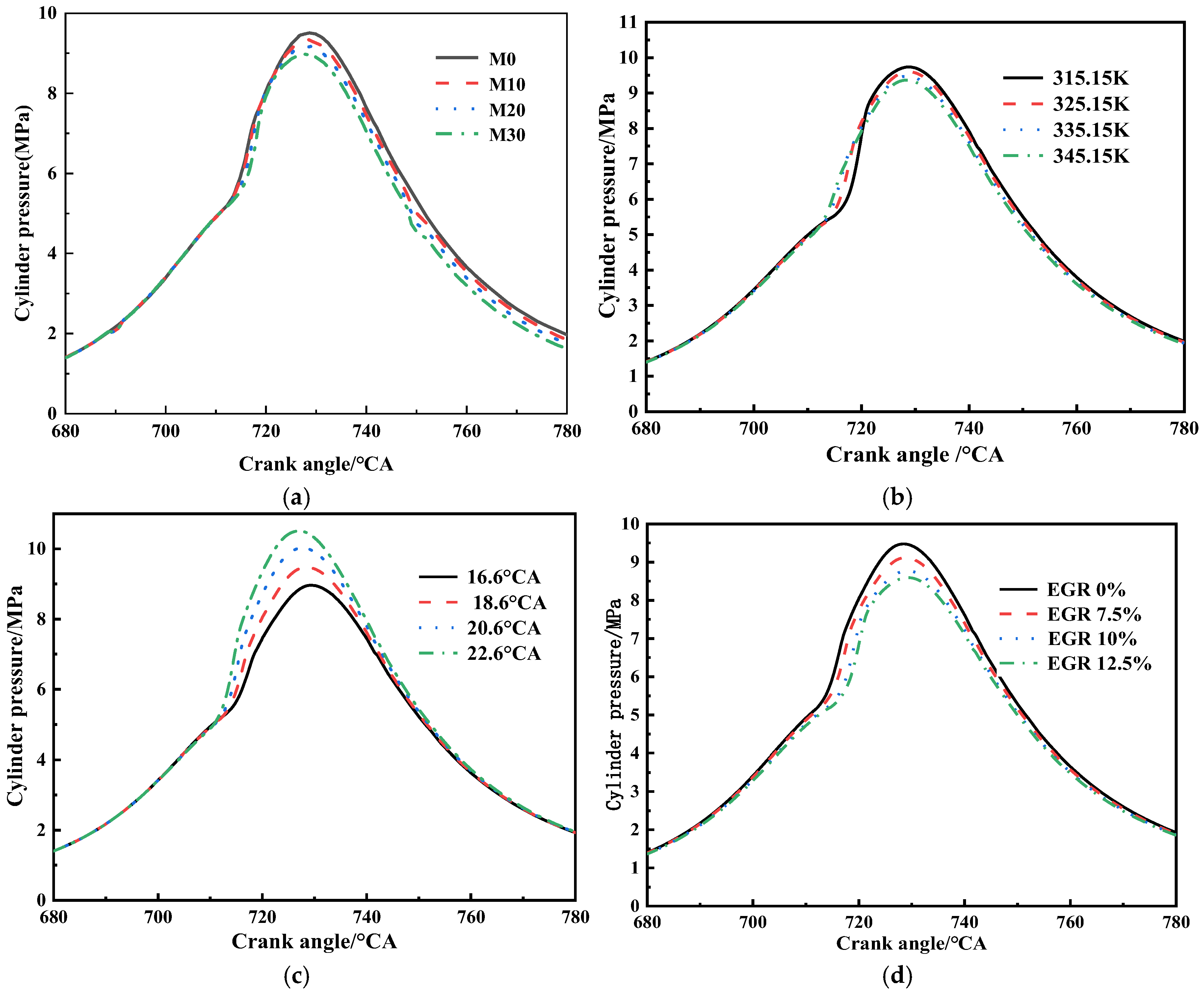
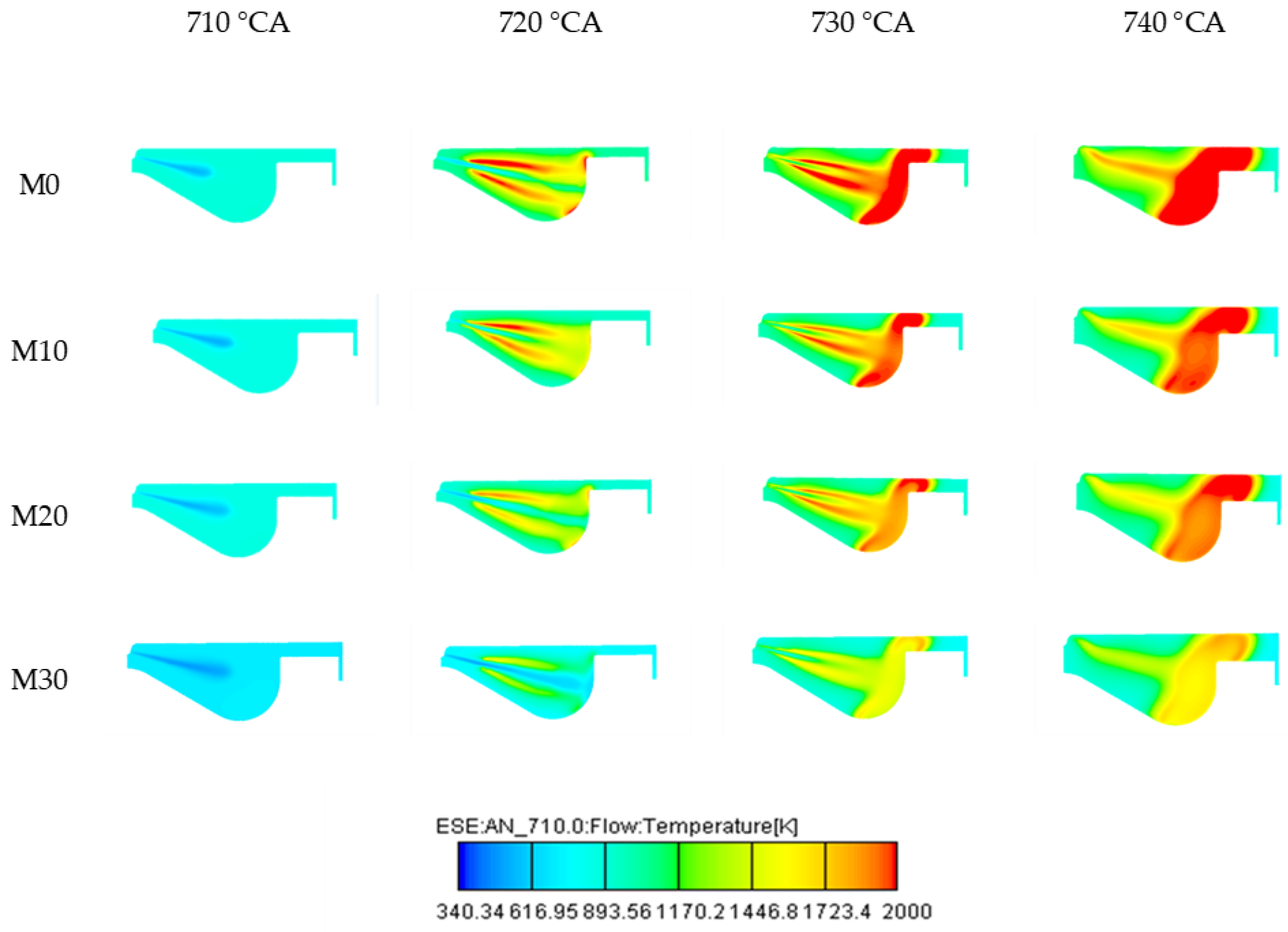
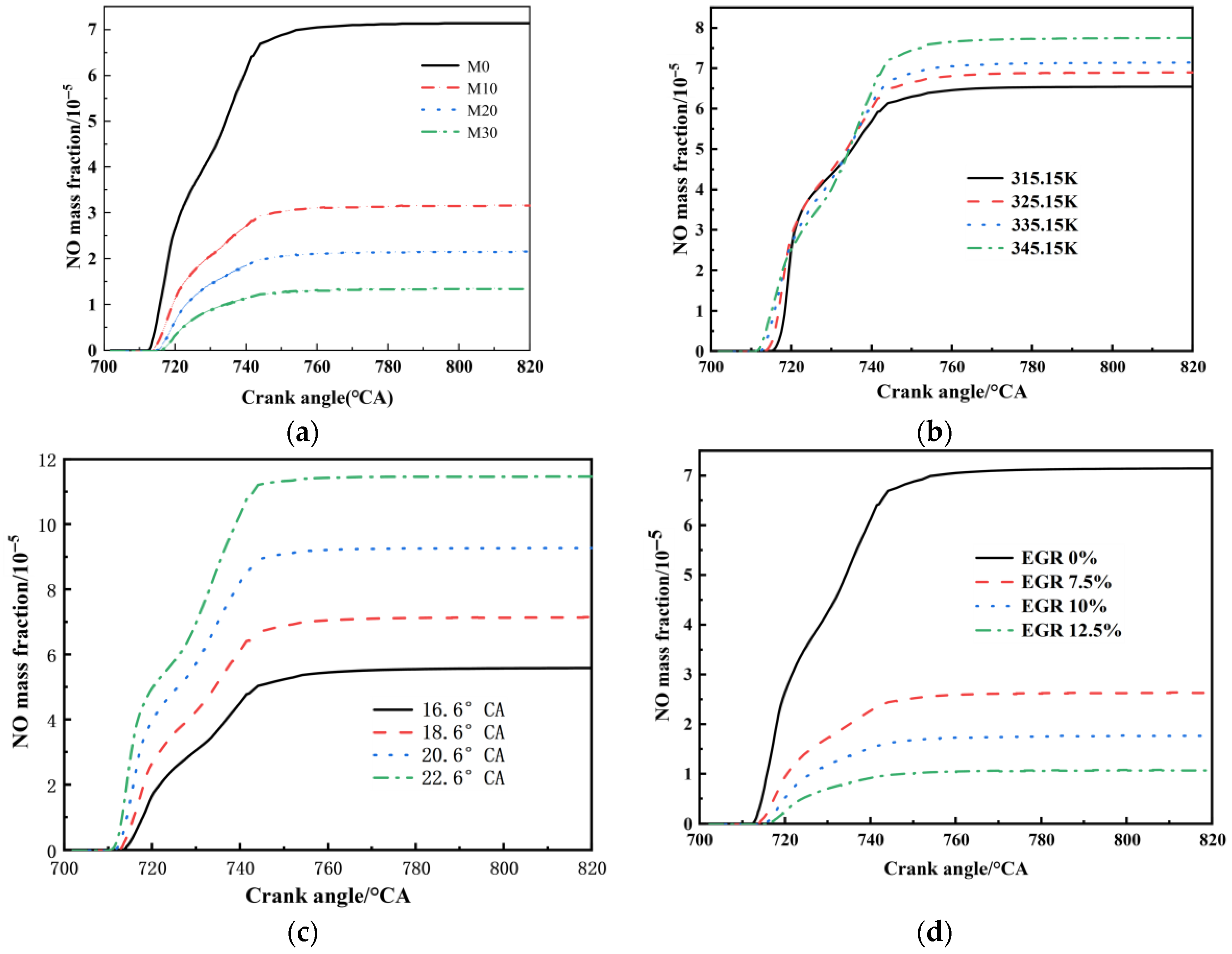
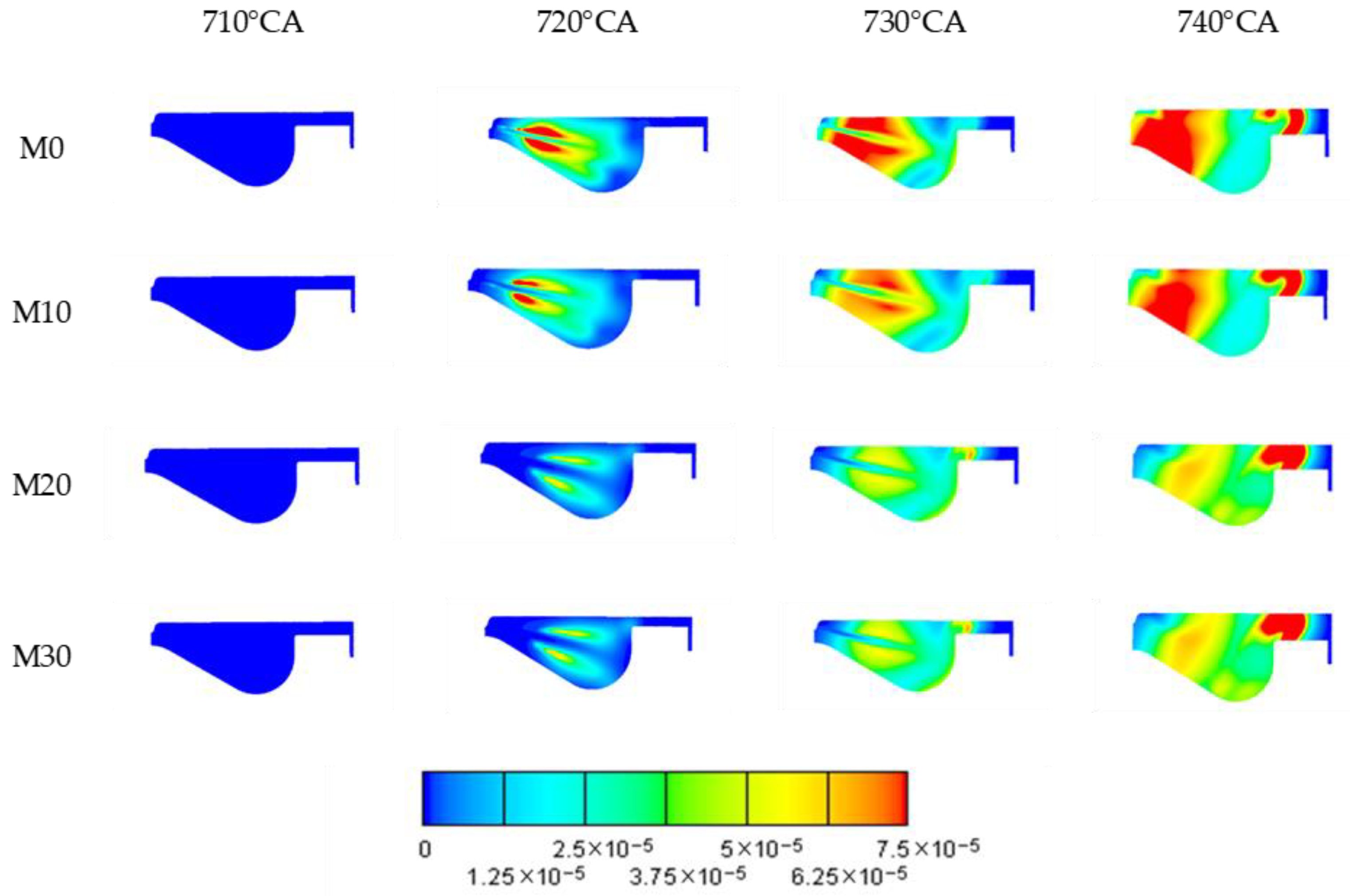
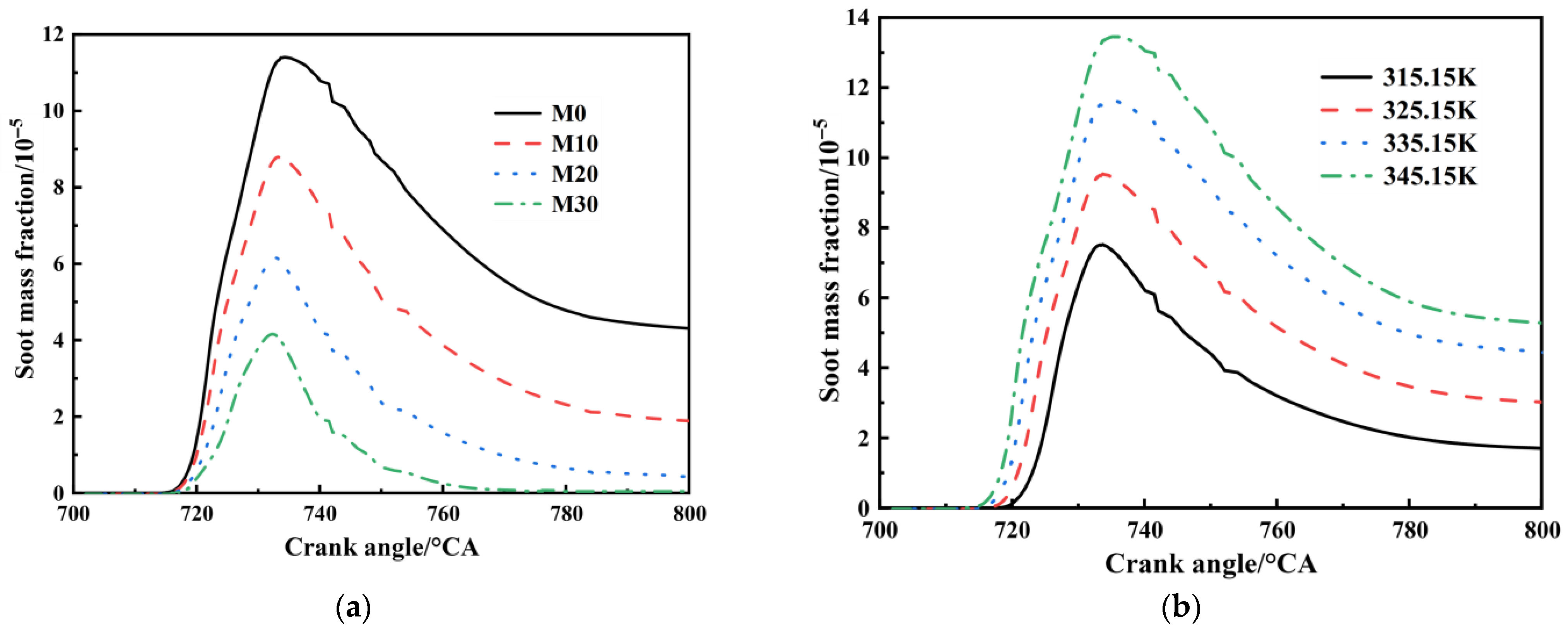
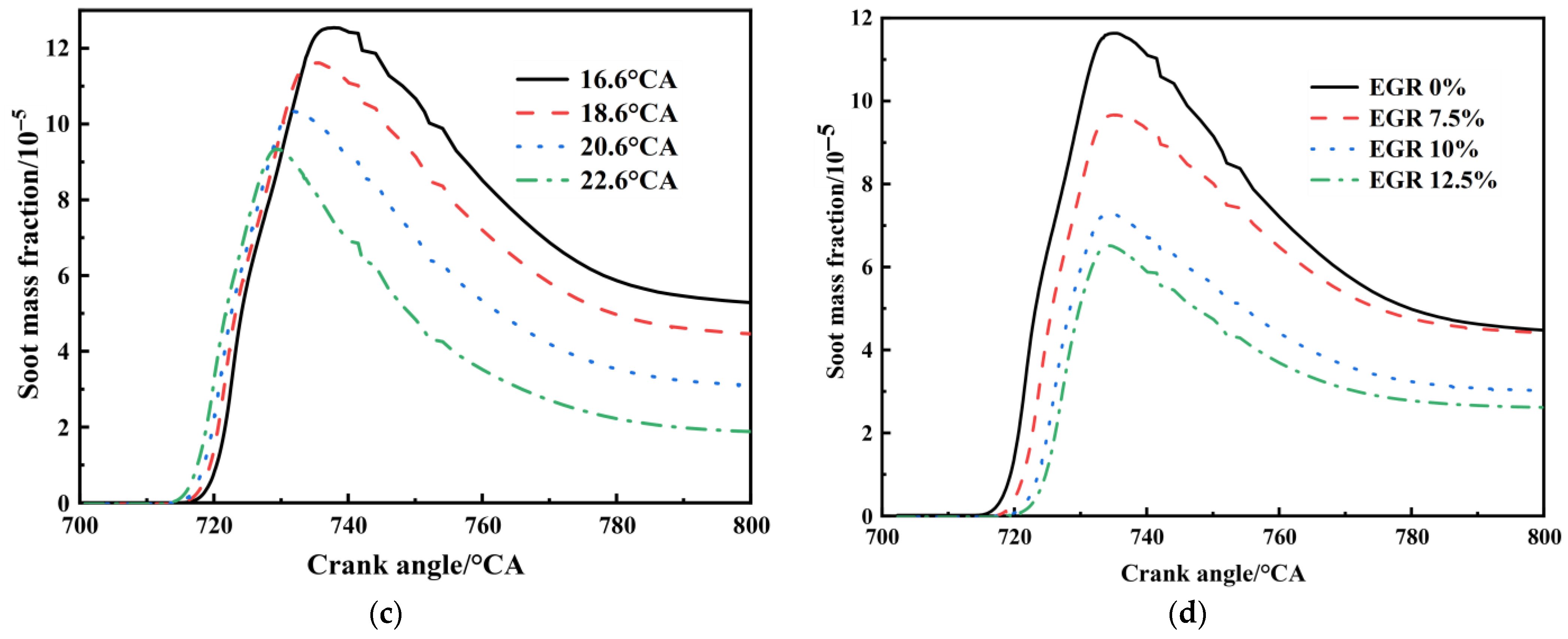
(1) The addition of methanol suppresses peak cylinder pressure and combustion temperature to the extent that reduction is scaled with the blend ratio. The peak HRR shows a trend of increasing magnitude, with a significant rise. Concurrently, this reduces the formation of NO and soot, thereby improving the diesel engine’s emission characteristics.
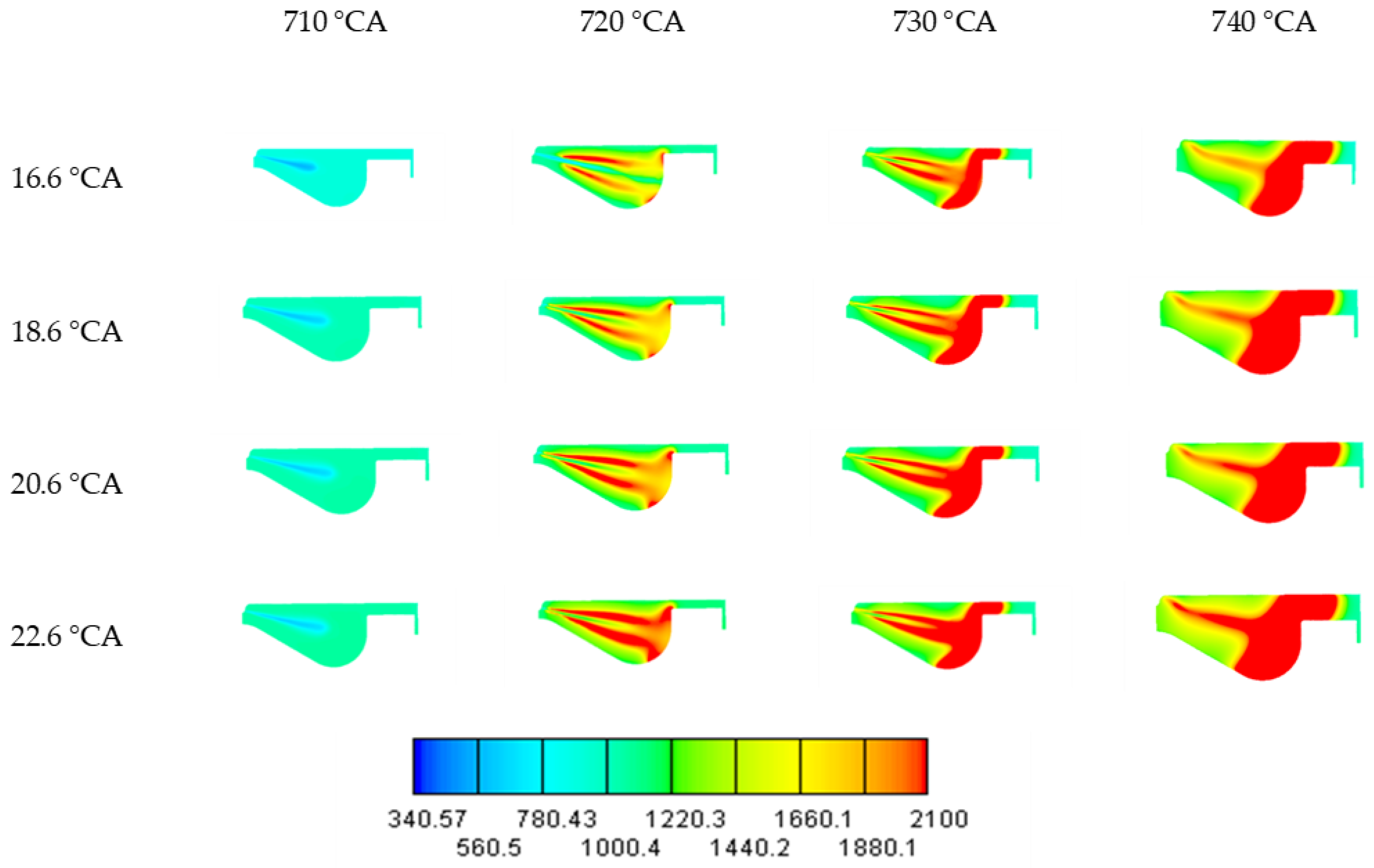
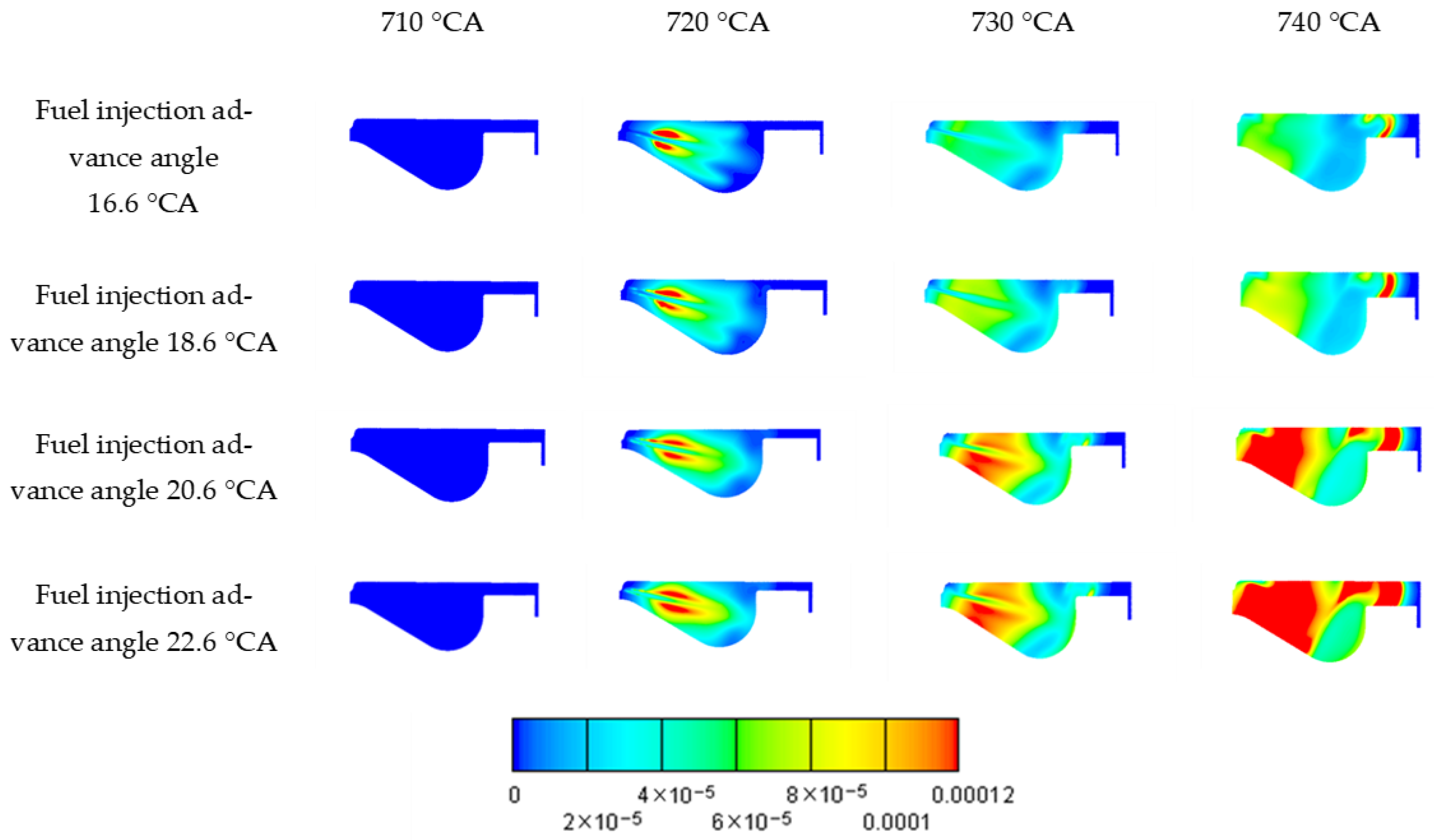
(2) Increasing the fuel injection advance angle prolongs the in-cylinder combustion delay period, which, in turn, improves combustion phasing and elevates efficiency. This results in increased peak cylinder temperatures, peak HRR, and maximum combustion pressures. On the one hand, CO and soot emissions are curbed; on the other hand, NO production intensifies.
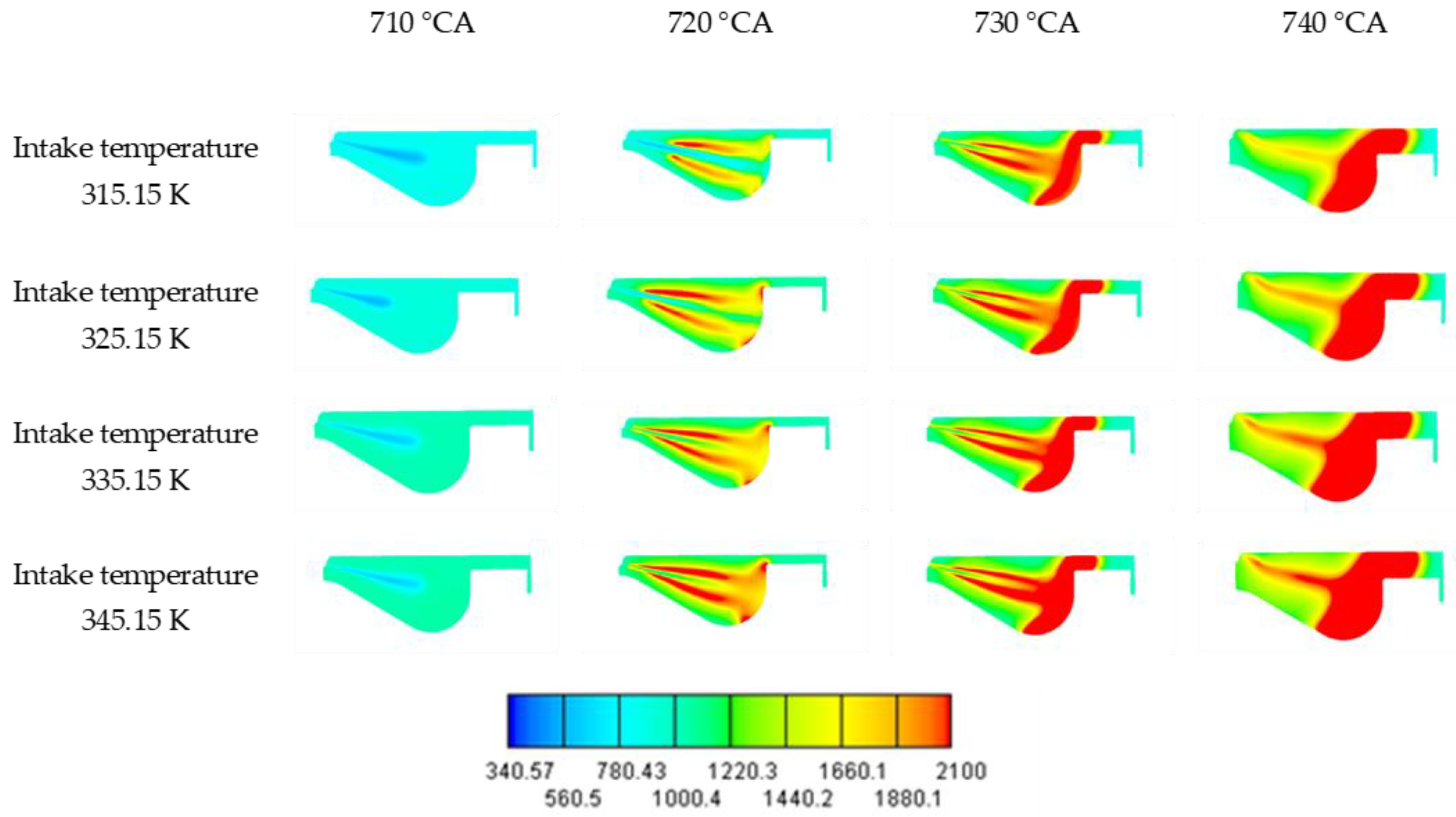
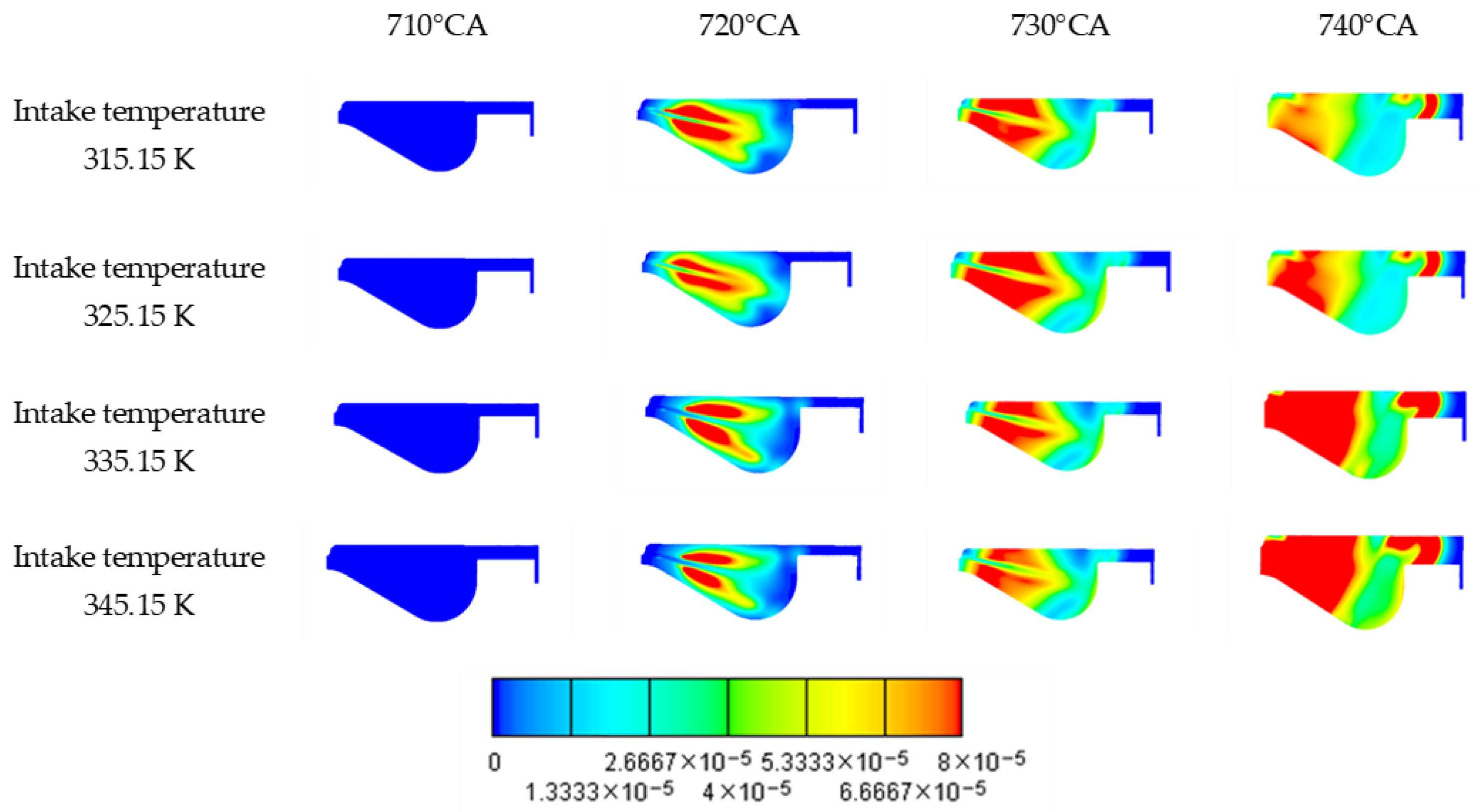
(3) As intake temperature continues to rise, it causes a decline in fuel–air mixture quality and worsens combustion efficiency. This results in a minor elevation in the peak cylinder temperature and a drop in the highest combustion pressure. However, in terms of emissions, the formation of CO, soot, and NO shows an increasing trend.
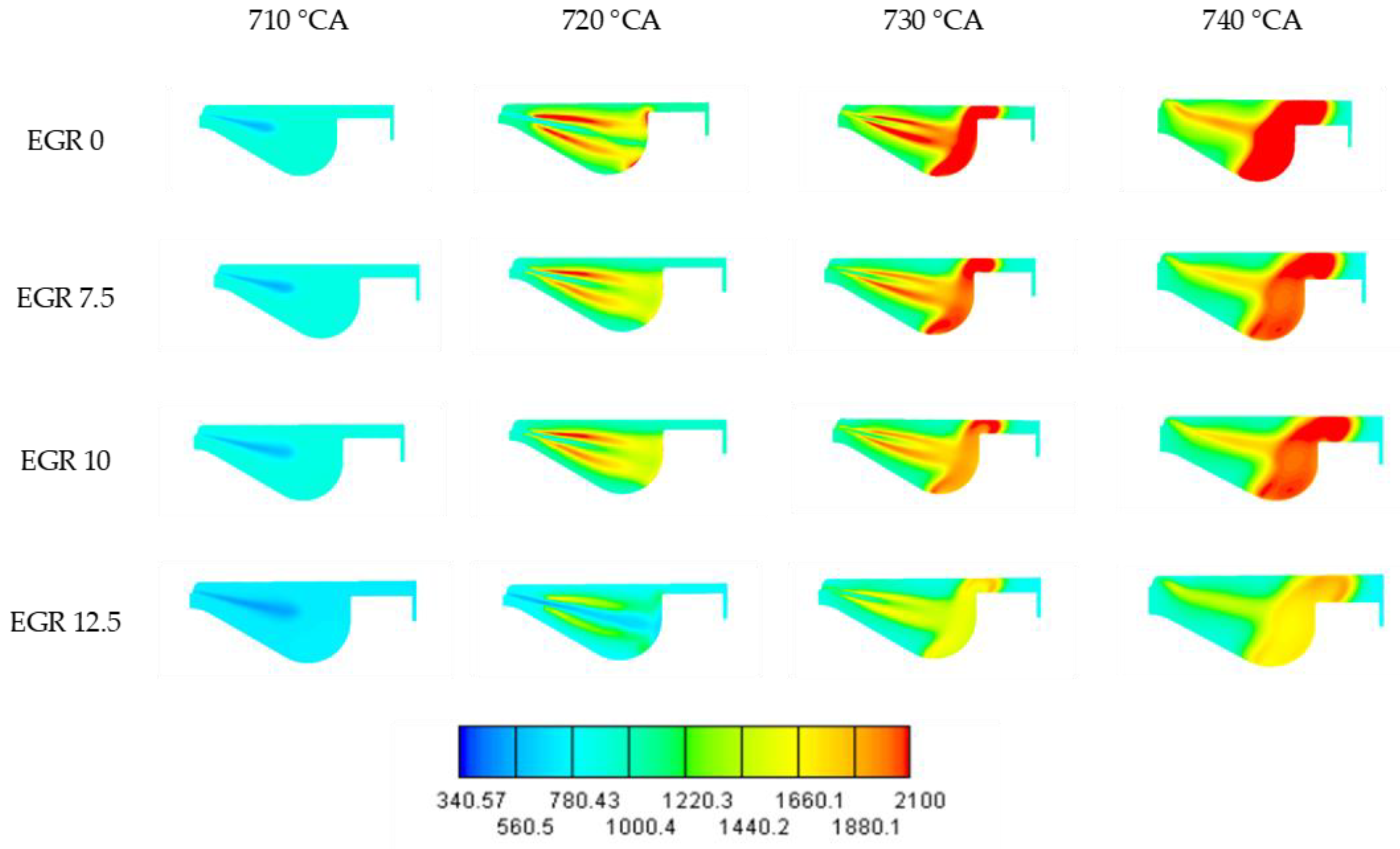
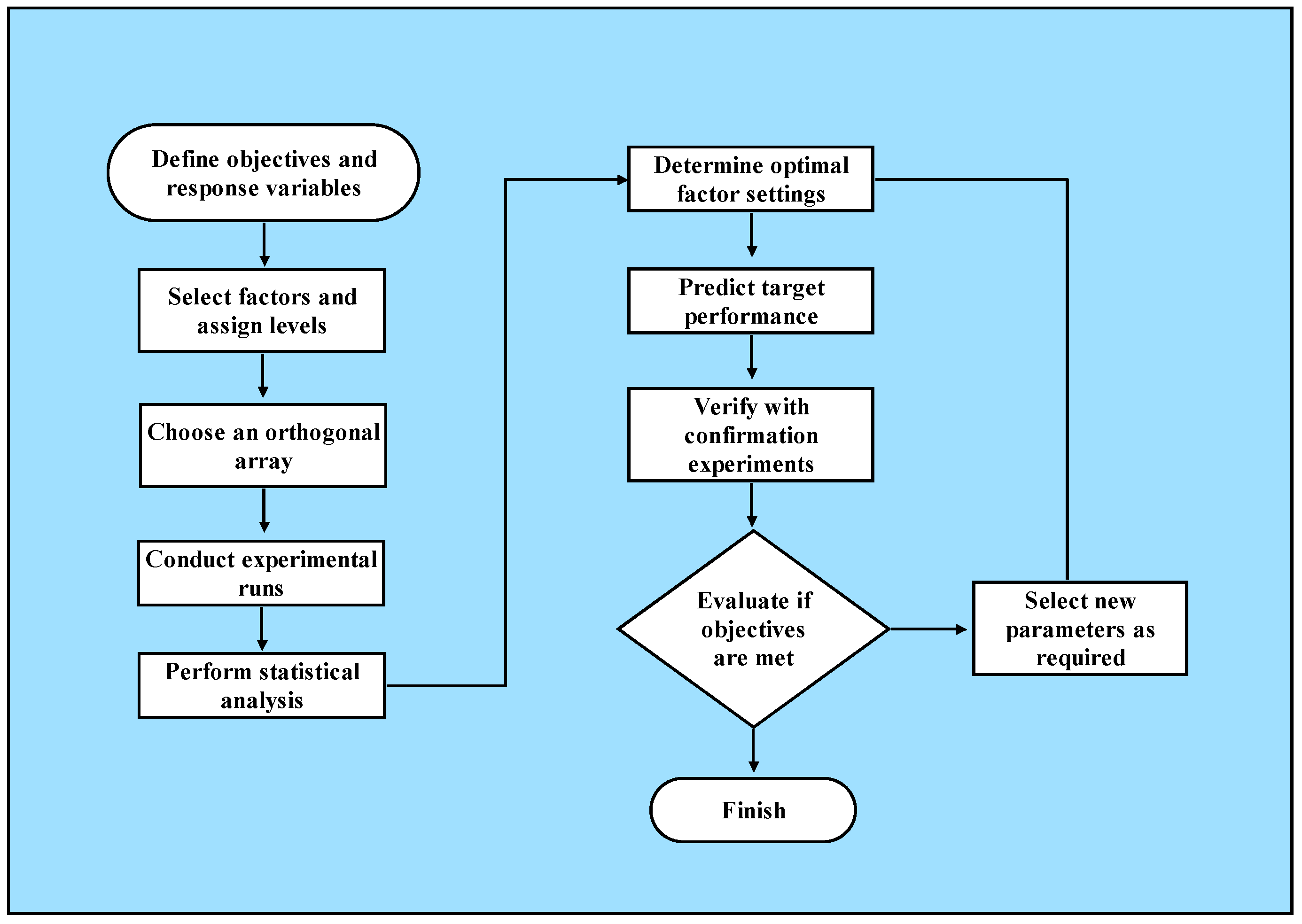
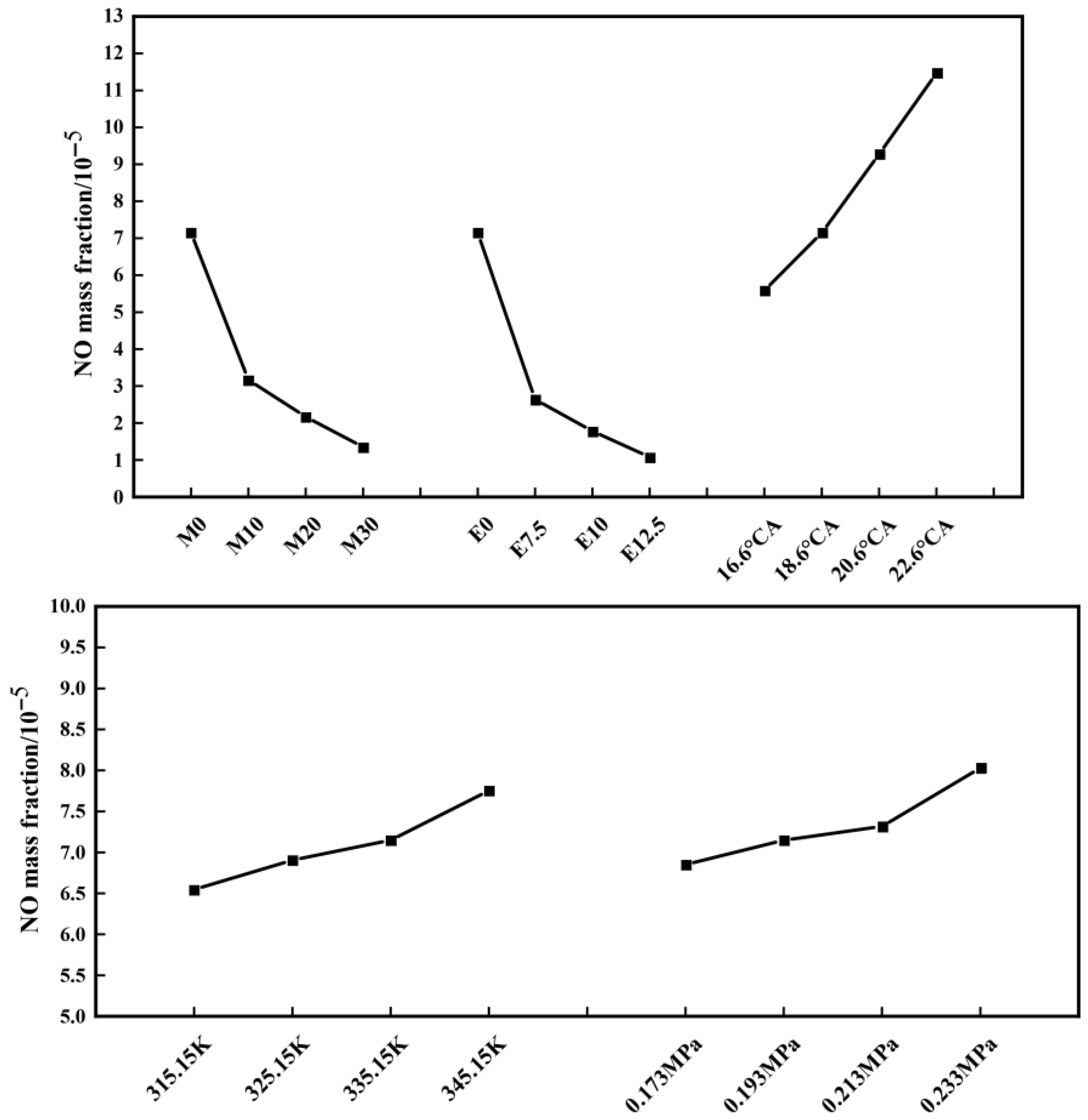
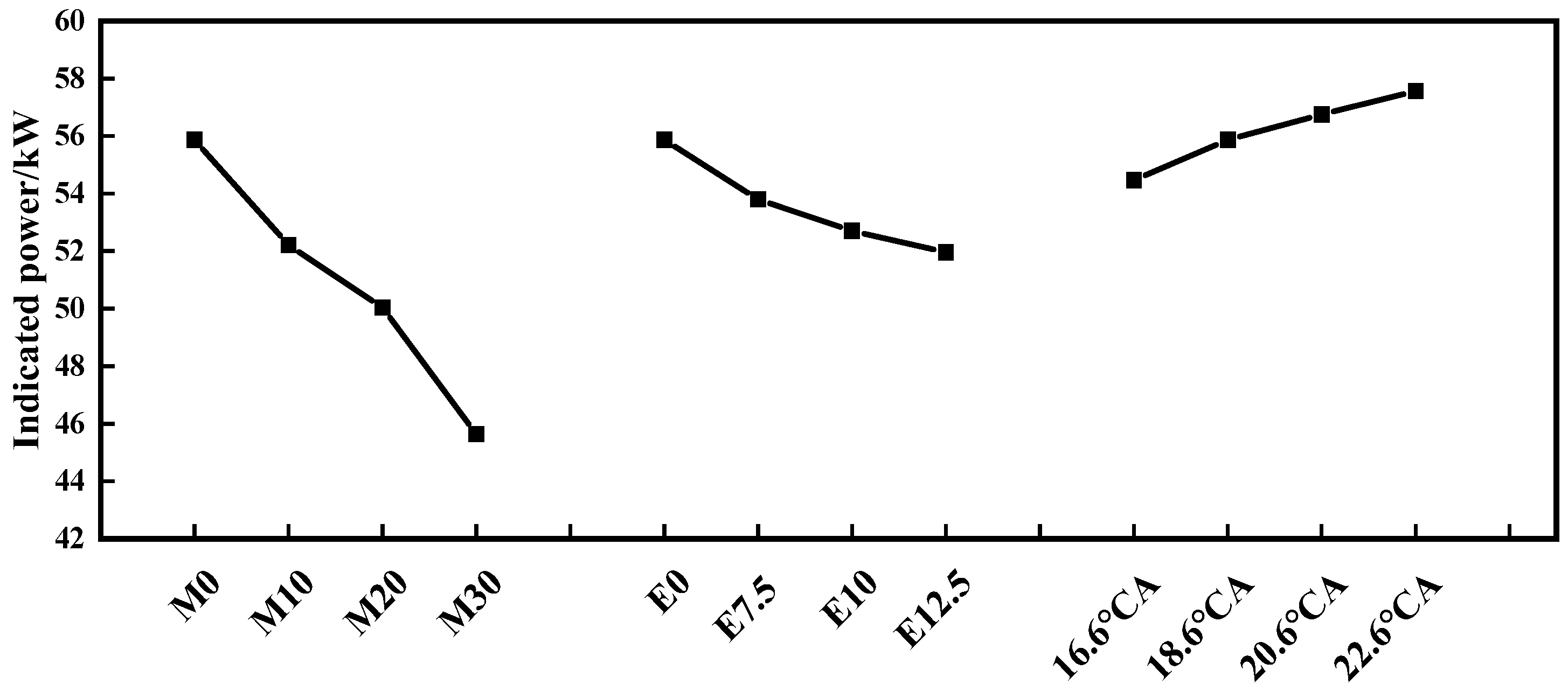
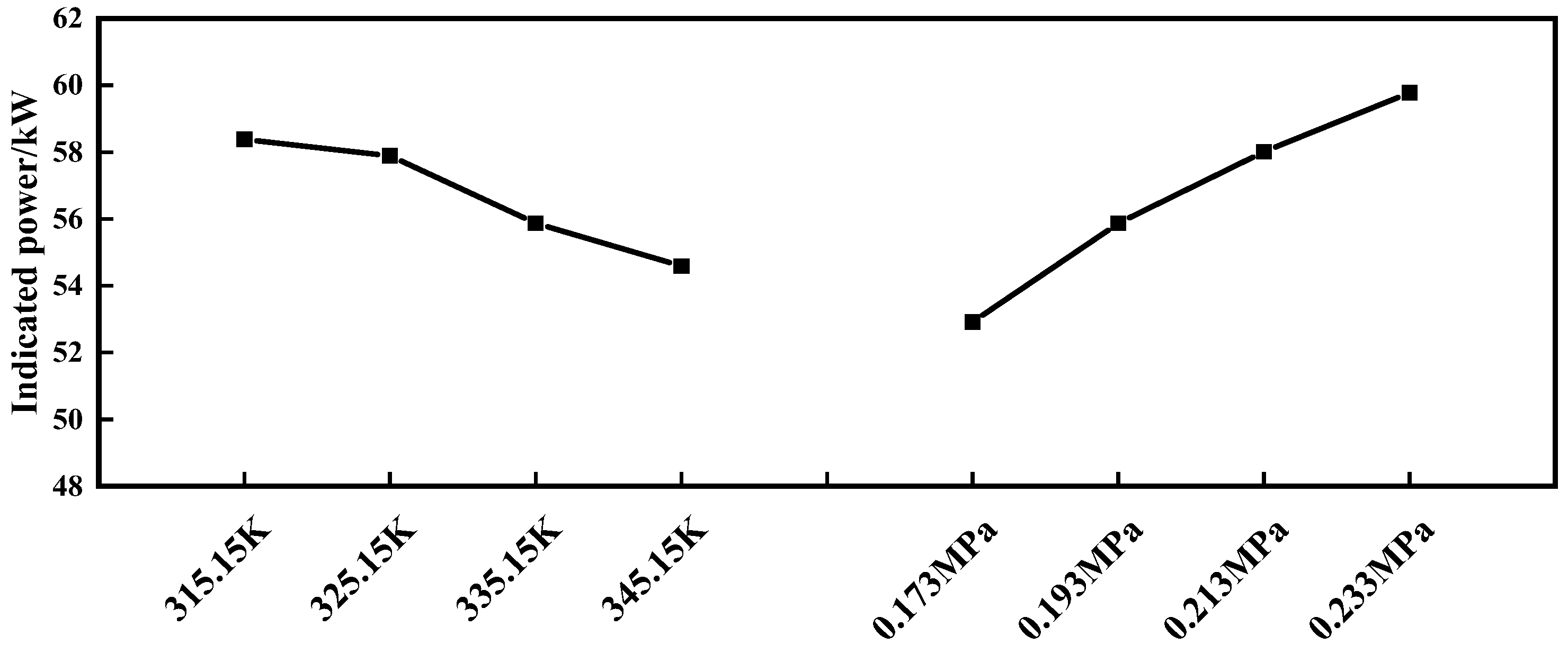
(4) Based on orthogonal experimental design, EGR and methanol blending ratio are identified as the dominant factors affecting NOx emissions, whereas the methanol blending ratio and EGR also play leading roles in determining indicated power. A first-order regression-based orthogonal optimization incorporating interaction effects is further conducted, yielding an optimal parameter combination of a 27% methanol blending ratio, 12.5% EGR, 21.2 °CA injection advance angle, 319.05 K intake temperature, and 0.223 MPa intake pressure, which achieves minimum NOx emissions while maintaining acceptable engine power performance.
The present results suggest that methanol–diesel dual-fuel combustion has good potential for cleaner marine engine operation and partial diesel substitution. These findings provide useful guidance for marine engine decarbonization and engine calibration. Future work should extend the present analysis to a wider range of engine loads, rotational speeds, and transient operating conditions, together with further experimental validation. More attention should also be given to finer methanol blending increments, fuel economy, combustion stability, and practical control strategies for marine applications.