Article

Transportation–Energy Integration in Highway Service Areas: Synergistic Effects of Photovoltaics, EV Charging, and New Business Formats via Random Forest Regression


1
Guangxi New Development Transportation Group Co., Ltd., Nanning 530022, China
2
China Academy of Transportation Sciences, Beijing 100029, China
*
Author to whom correspondence should be addressed.
Energies 2026, 19(7), 1793; https://doi.org/10.3390/en19071793
Submission received: 14 October 2025 / Revised: 11 November 2025 / Accepted: 14 January 2026 / Published: 7 April 2026

Abstract

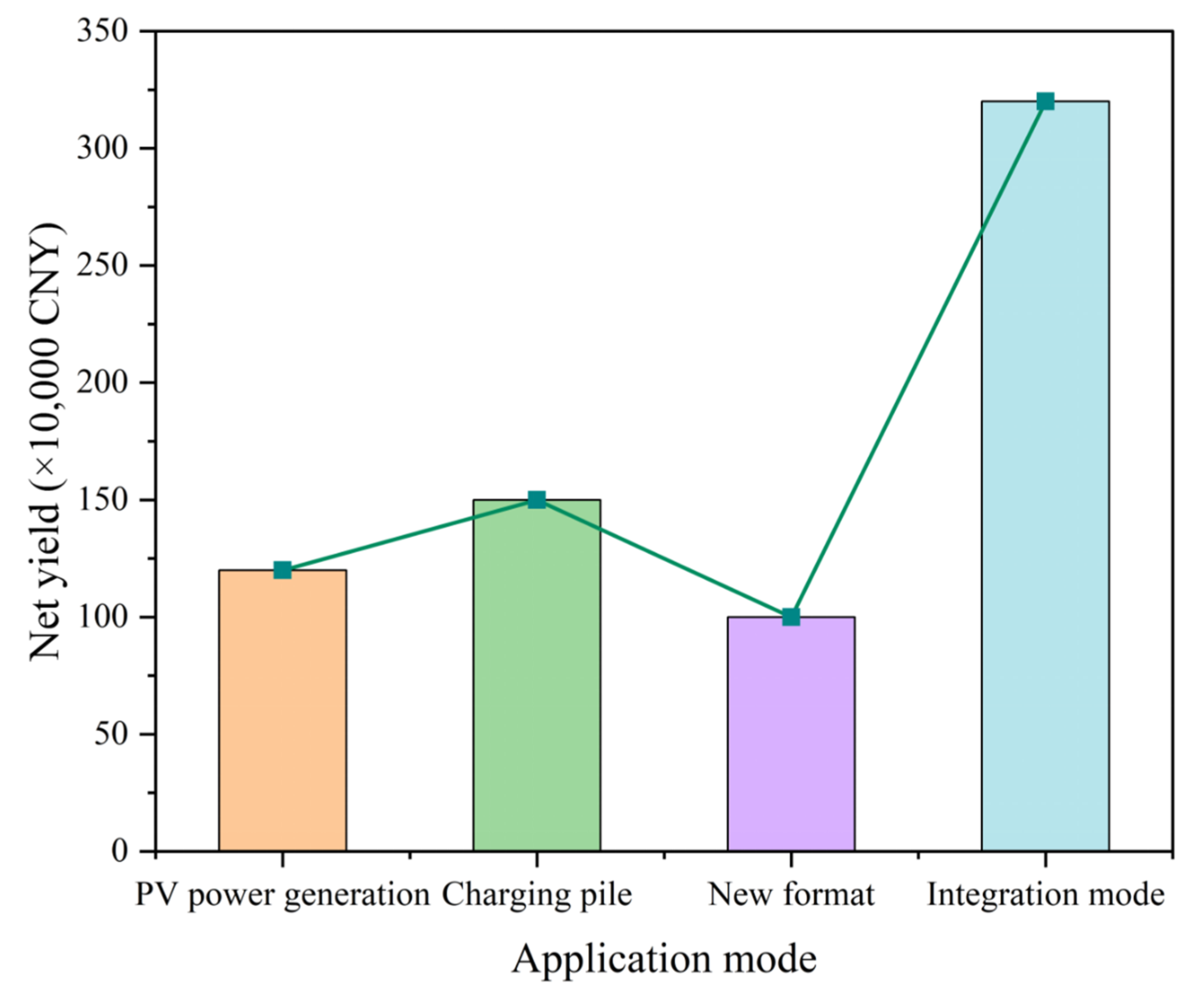
Against the background of the acceleration of the integration of the “double carbon” target and transportation energy, the green transformation and business model innovation of highway service areas, as a high-energy-consumption traffic node, are becoming more and more urgent. However, the existing research focuses on a single technology path, and lacks a systematic quantitative evaluation of the “PV–charging–new format” coordination mechanism and its operating efficiency. Therefore, this paper proposes a collaborative framework that integrates photovoltaic power generation, new energy charging piles, and diversified new formats, and introduces a random forest regression algorithm. Based on the actual operation data of the Guangxi expressway service area, the synergistic effect and regional heterogeneity of multiple factors are systematically evaluated. The results show that a photovoltaic system can reduce the unit electricity price by 25–35%, and the investment recovery period is about 7 years. When the penetration rate of charging piles increases to 35%, the annual income can reach CNY 3.285 million, and the return on investment increases to 2.3 times when the utilization rate exceeds 80%. The new business combination can increase the average daily income by 13.3–26.7%. At the same time, the coordinated implementation of the three elements can achieve an annual net income increase of 27–32%, which is better than the linear superposition of the benefits of a single measure. In addition, the analysis of regional heterogeneity shows that the photovoltaic benefit in the western mountainous area is outstanding, the charging benefit in the coastal area is significant, and the comprehensive benefit in the central hub area is the best. This study provides a quantitative basis to support decisions on the differentiated development path of expressway service areas in the background of traffic–energy integration.

1. Instruction

In the background of the continuous advancement of the “double carbon” goal and the accelerated development of transportation electrification and digitization, the transportation infrastructure is transforming from a single transportation function to a composite public platform deeply coupled with the energy system [1,2]. As transportation hubs and high-energy-consumption areas, expressway service areas are facing the dual challenges of a traditional business model and energy structure transformation [3,4]. With the increase in the penetration rate of new energy vehicles, the widespread deployment of spot power, and distributed renewable energy, service areas are facing the problems of energy cost fluctuation, insufficient charging capacity, and a single business model. At the same time, the embedding of new business forms such as a distributed photovoltaic system, storage and charging integration, and cultural tourism retail provides effective support for the two-way linkage between energy and operation. This trend makes the “transportation–energy–information” three-network collaborative optimization a key path to improve the business performance of service areas and achieve green transformation.
In recent years, significant progress has been made in the optimal allocation of highway service areas and the development of energy systems. The hierarchical charging station planning framework proposed by Zhang et al. [5] optimized the configuration and operation of charging stations by comprehensively considering traffic flow patterns and the scheduling of mobile energy storage vehicles (MESVs), significantly improving charging efficiency and reducing the waiting time of electric vehicles (EVs). Shi et al. [6] proposed a dynamic block optimization model, which further improved the energy utilization efficiency and economic benefits of a photovoltaic microgrid in an expressway service area by intelligently adjusting the configuration of photovoltaic panels. In addition, the multi-granularity source–load–storage cooperative scheduling strategy, based on the combination of robust optimization and stochastic optimization proposed by Song et al. [7], optimizes the operation of a micro-energy network in an expressway service area and improves the reliability and economics of the system. Gönül et al. [8] optimized the location of electric vehicle charging stations on expressways using the weighted sum method, ensuring the balanced distribution and operation efficiency of charging stations. Shi et al. [9] proposed a self-consistent microgrid system optimization configuration model based on wind energy, photovoltaic energy, and hydrogen energy storage, which improved the energy utilization rate and system reliability of an expressway service area.
However, although a large number of studies have made significant progress in technology implementation frameworks and application cases, there is still a lack of systematic assessment of the quantitative impact of service area integration paths on business benefits. Hu et al. [10] analyzed the promotion effect of highway development on green technology innovation through the spatial Dubin model and revealed its significant spatial spillover effect. The integration scheme of distributed photovoltaic power generation and an energy storage system (DPV-DESS) proposed by Li et al. [11] optimized the energy allocation and electric vehicle charging efficiency in an expressway service area. The road photovoltaic system planning strategy proposed by Jiang et al. [12] optimized the deployment and capacity design of photovoltaic systems along highways. Ben-Elia et al. [13] proposed a high-resolution accessibility analysis method to evaluate the impact of transportation network reform on the fairness of public transportation accessibility, which further provided a theoretical reference for the optimization of transportation systems. The TSCES-ACS technical performance evaluation method based on the RAMSR evaluation index system proposed by Huang et al. [14] optimized the evaluation of the energy system in highway service areas combined with uncertain data scenarios. The hybrid renewable energy system proposed by Xu et al. [15], combined with photovoltaics, energy storage, and energy routers, realized the optimization of power flow in highway service areas and promoted the realization of net zero emissions and flexible interconnection.
In summary, the existing research lacks systematic modeling and comprehensive evaluation of the “PV–charging–new format” collaborative mechanism under the framework of energy economics and service system optimization, and does not make full use of real operating data to reveal the role of regional differences in business performance. Therefore, from the perspective of the dual optimization of energy and service systems, this paper constructs a system model of the “PV–charging–new format” collaborative mechanism and comprehensively evaluates cost efficiency, income growth, and sustainability. Based on real operation data, testable empirical analysis is carried out to estimate key parameter intervals and carry out sensitivity tests, to provide quantitative evidence for investment decision-making, to further identify the moderating effect of regional heterogeneity on the synergistic effect, and to put forward an integration path and feasibility suggestions for the sub-dividing strategy to support the green transformation of service areas and regional economic development.

2. Study on the Coupling Relationship Between Traffic Energy and Operational Benefits to a Service Area

2.1. Major Problems and Transformation Needs Facing Highway Service Areas

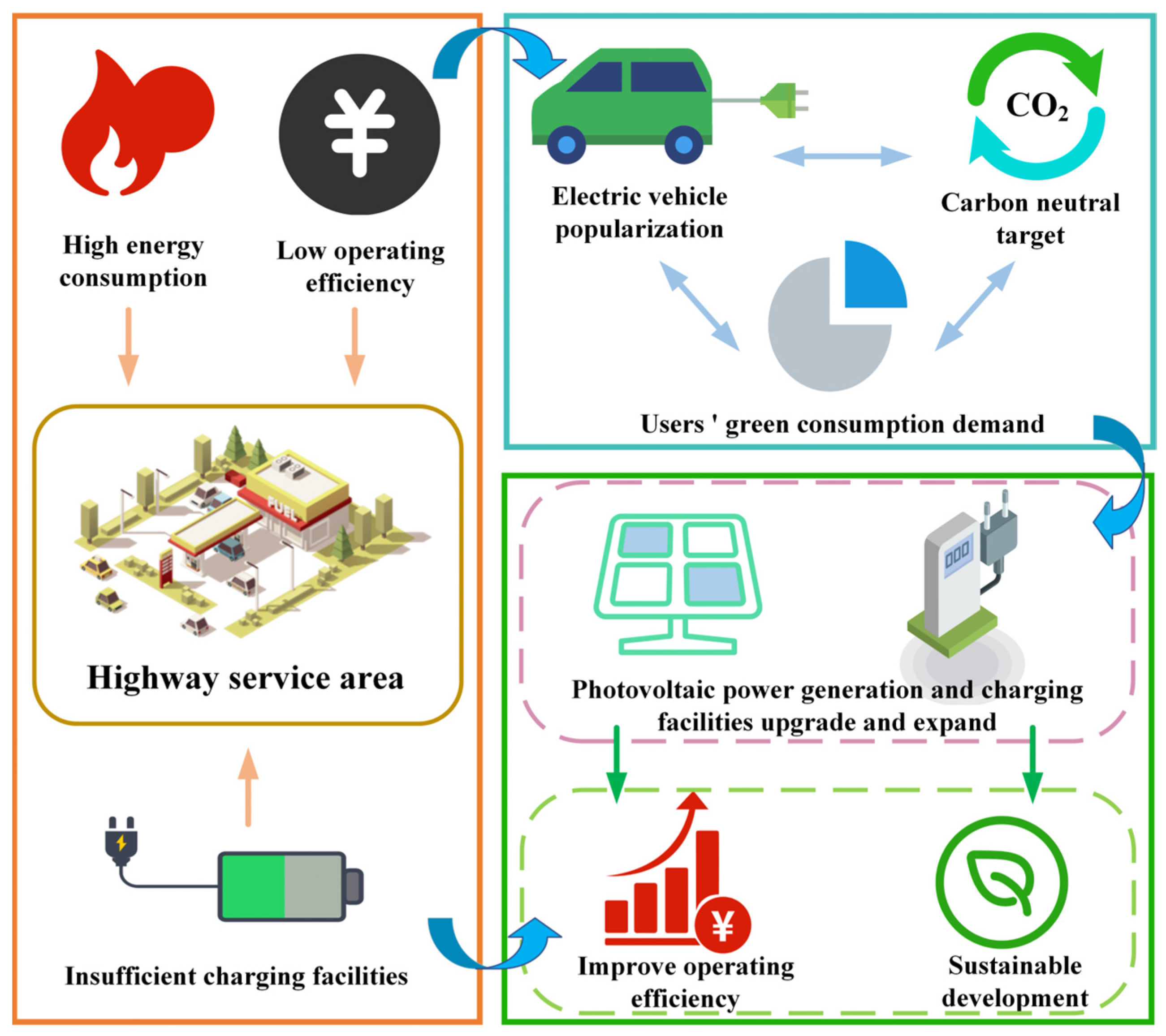
Highway service areas face multiple challenges under the traditional operation mode, including excessive energy consumption, a single source of income, and low operating efficiency, and are in urgent need of transformation and upgrading to cope with the increasingly severe market and environmental pressures. As shown in Figure 1, with the rapid popularization of new energy vehicles, the operation mode of service areas has undergone significant changes, especially in the construction and operation of charging facilities; therefore, traditional service area facilities are difficult to meet the growing demand for electric vehicle charging, bringing new opportunities and challenges. At the same time, the pressure of green transformation is increasing, and the dual drive of policy support and market demand has prompted service areas to accelerate low-carbon transformation. Through the introduction of green technologies, such as photovoltaic power generation and charging piles, not only can energy utilization efficiency be improved but income diversification can also be achieved, laying the foundation for the sustainable development of service areas. Therefore, service areas urgently need to innovate their business models under the framework of green and low-carbon transformation to adapt to new market demands and improve overall operational efficiency.

2.2. The Role of Transportation–Energy Integration in Enhancing Service Area Operational Efficiency

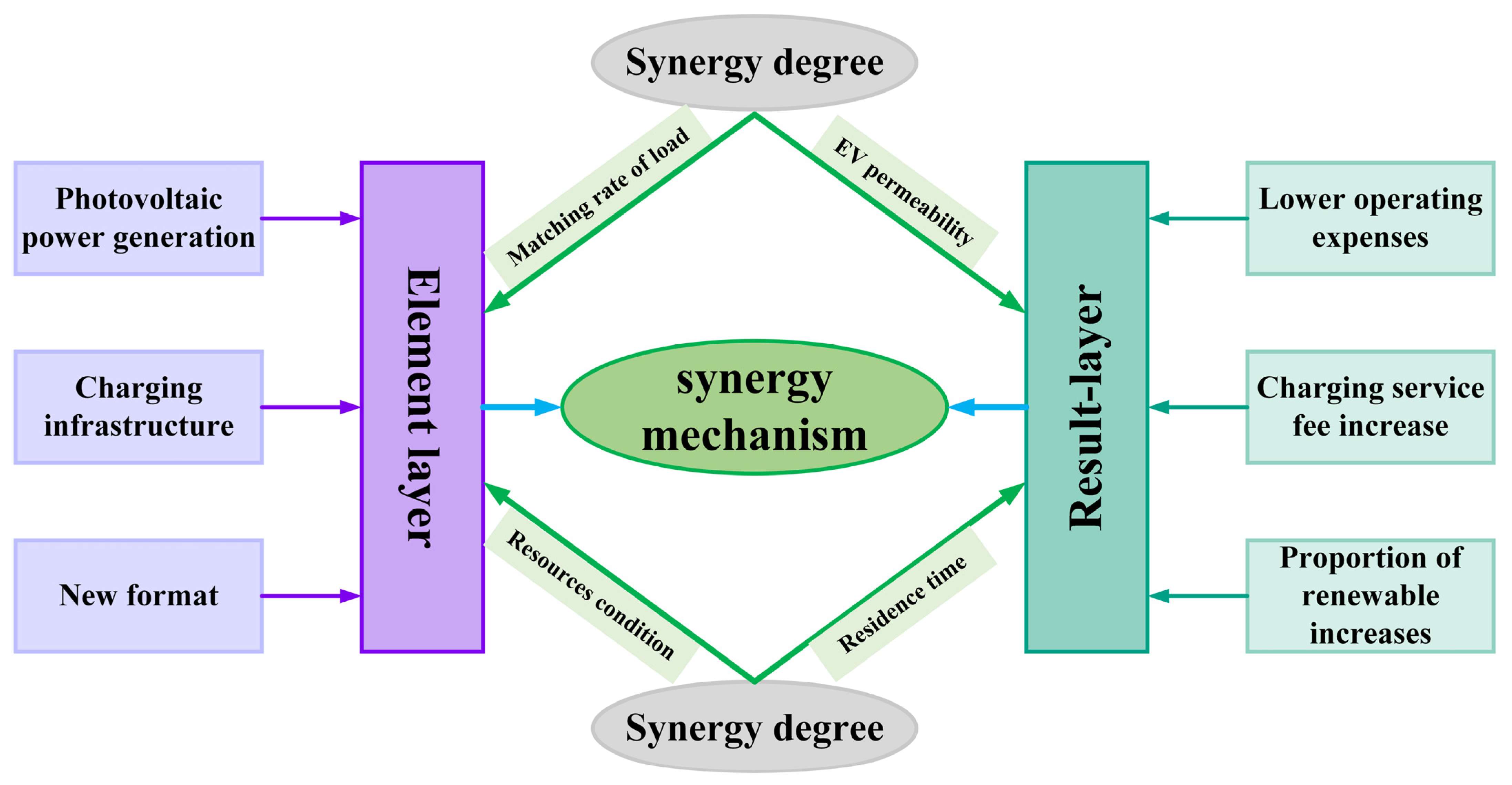
Traffic–energy integration has formed an effective coordination mechanism through the introduction of photovoltaic technology, new energy charging piles, and new formats, which have significantly improved the operating efficiency of highway service areas, as shown in Figure 2. Photovoltaic power generation technology reduces the dependence on external energy by reducing energy procurement costs and increasing energy self-sufficiency, thus effectively reducing operating costs and enhancing the economic benefits for a service area. At the same time, the popularity of new energy charging piles has brought a stable and continuous source of income to a service area. Especially in the context of the gradual increase in the penetration rate of the electric vehicle market, the increasing demand for charging piles has further promoted the increase in income. The introduction of new business forms such as cultural tourism and agriculture complements photovoltaics and charging piles, prolongs customer stay time, increases consumption opportunities, and not only improves the diversity of income but also enhances market competitiveness. The synergy of the three not only brings direct economic benefits to the service area but also promotes growth of the overall operating efficiency by optimizing the allocation of resources and enhancing customer stickiness, and injects new impetus into the sustainable development of service areas.

3. Research Methodology and Modeling

3.1. Data Collection and Analysis Methods

To analyze the operation status and development trend of the Guangxi highway service area, this paper constructs a data sample based on the toll revenue and cross-section traffic volume data of main road sections in Guangxi from 2020 to 2024. The data covers several typical road sections, reflecting the differences in traffic flow, toll levels, and seasonal changes in different regions, providing a comprehensive operational perspective. The data used was collected once a day. The main indicators include the traffic income, traffic flow, solar radiation, electric vehicle flow, and residence time of each section, as shown in Table 1. Through the comprehensive analysis of these data, the operational efficiency and development trends of service areas are further evaluated.
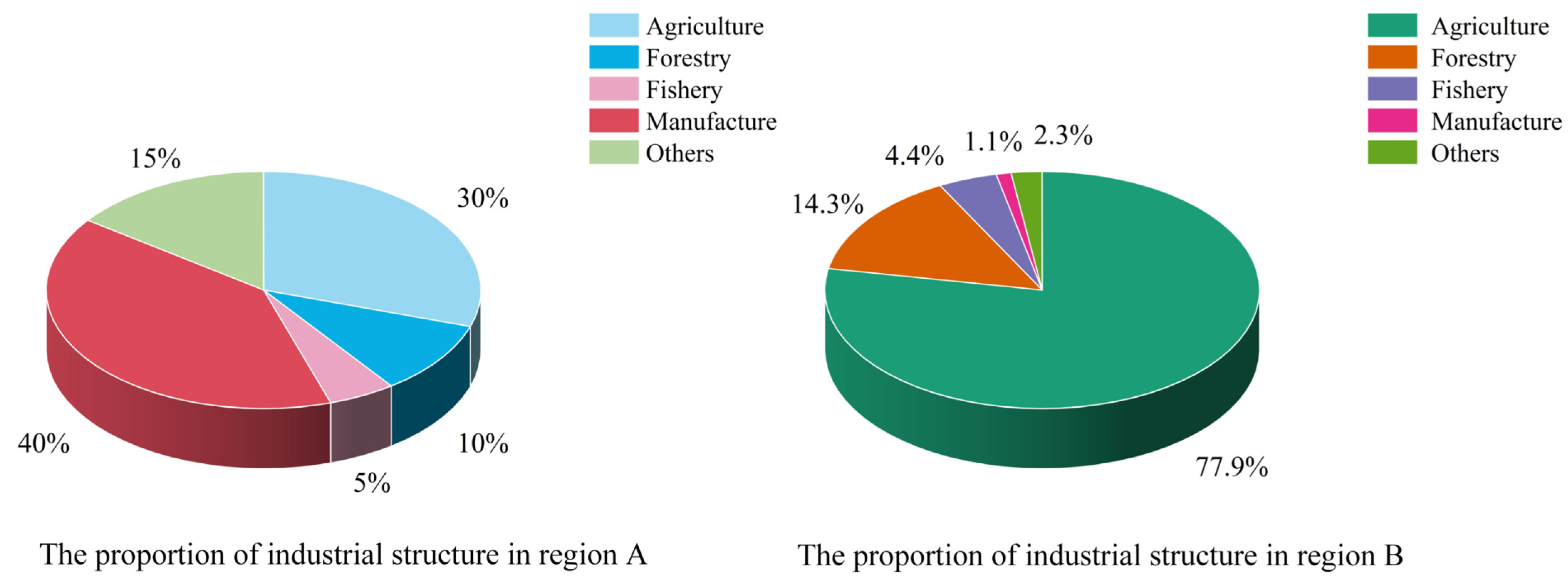
Along the Guangxi highway, the two typical node regions, as important channel nodes, have shown good economic growth momentum and industrial support capacity, as shown in Figure 3. The value-added of industry above a scale in Area A increased by 8.9% year-on-year, with the mining, manufacturing, and electric power and heat production and supply industries all maintaining growth, and food manufacturing, wood processing, electronic equipment manufacturing, and other industries developing rapidly. This gradually formed a diversified industrial pattern represented by the electronic information industrial park, food and dairy processing, etc., where the industrial structure is dominated by manufacturing and agriculture. The total output value of agriculture, forestry, animal husbandry, and fishery in Region B has increased by 5.09% year-on-year, among which forestry and fishery have grown significantly, the value-added of industry above a designated scale has increased by 16.5%, wood processing and chemical manufacturing have realized double-digit growth, and a more complete industrial chain has been built relying on industrial parks and industries such as wood, minerals, and craft manufacturing, with agriculture occupying a dominant position in the industrial structure. In short, Region A has diversified industries and a high proportion of manufacturing industries, while Region B has outstanding agricultural advantages and fast industrial growth. The industrial clusters in the two regions jointly promote the growth of freight transport and consumer demand along the routes and provide strong support for the expansion of the functions of the service area and the enhancement of the benefits in the background of transportation–energy integration, driven by the optimization of the regional economy and industrial structure.

3.2. Photovoltaic Utilization Model

To assess the role of PV technology in enhancing the operational efficiency of service areas, this paper constructs a PV utilization model, focusing on analyzing the investment costs, operational costs, and energy cost savings of PV systems. Through the analysis of the systematic model, the economics and feasibility of PV power generation in different service area application scenarios are evaluated in combination with the actual situation of Guangxi highway service areas [16,17].
Evaluation indicators for the integration of open service areas and surrounding areas are as follows:
E annual = A × G × η
where E annual is the annual power generation (kWh), A is the area of the PV panel (m2), G is the average annual light intensity (kWh/m2), and η is the conversion efficiency of the system.
P = I initial S annual
where P is the payback period (years), I initial is the initial investment cost (dollars), and S annual is the annual energy cost savings (dollars).

3.3. New Energy Charging Pile Revenue Model

To assess the economic benefits of charging piles in service areas, this paper constructs a charging pile revenue model, aiming to analyze how the construction and operation of charging piles affect the operational benefits of service areas. The core of the model is to analyze the relationship between the penetration rate of the electric vehicle market, the charging demand and the number of electric vehicles in the service area, and to estimate the revenue of charging piles [18]. The following equation is used:
R charging = N charging × F use × C unit
where R charging denotes the annual revenue from charging posts (CNY), the number of charging posts is N charging , F use is the average daily frequency of use of the charging posts (times/day), and C unit is the cost per charge (CNY).

3.4. New Business Model

To assess the potential of new business formats to improve the operating efficiency of service areas, this paper constructs an extended revenue model to quantify the potential new revenues brought by different scenarios from the dimensions of cultural and tourism fusion, specialty agriculture, and smart retailing [19,20]. The model takes the disposable time of new energy vehicle owners during charging as the entry point, sets typical business types in combination with consumption preferences, and estimates the unit revenue and user conversion rate according to the research data, which provides theoretical support for the subsequent benefit assessment and policy formulation. The equation is as follows:
R n e w = N E V × T a v g × C r a t e × P a v g
where R n e w is the extended revenue generated by the new business per unit of time (CNY), N E V is the number of electric vehicles arriving at the service area per unit of time, T a v g is the average charging dwell time of electric vehicles (hours), C r a t e is the conversion rate of the users who participated in the consumption of the new business, and P a v g is the average amount of consumption by the users (CNY per person).

3.5. Random Forest Regression

Random forest regression is an ensemble learning method that performs regression analysis by constructing multiple decision trees and combining the predicted results [21]. Because this method can effectively deal with nonlinear relationships, reduce the risk of overfitting, improve the stability and robustness of prediction, and capture the complex interaction between features, this paper chooses this method. In the random forest regression model, the importance of variables is a key indicator to measure the impact of input characteristics on the prediction results. Therefore, this study uses a random forest regression algorithm to analyze the impact of different geographical regions (such as western mountainous areas, coastal areas, and central hub areas) on the operating efficiency of expressway service areas.
The input variables of the model are light resources (affecting the efficiency of photovoltaic power generation), electric vehicle ownership (affecting the demand and use of charging piles), traffic flow (reflecting the number of visits and potential customers in the service area), residence time (affecting new business income, such as cultural tourism, intelligent retail, etc.), and industrial base (reflecting the economic base and commercial development potential of the region). The target variable is the operating efficiency of the service area, which is mainly reflected by the new income brought by charging piles, new business forms, and other channels. Before the model training, the data is processed by missing value interpolation, outlier elimination, and standardization to ensure the integrity and consistency of the data. The dataset is randomly divided into a training set, validation set, and test set, with a ratio of 70%:15%:15%. Meanwhile, the stability and reliability of the model are evaluated by cross-validation. Cross-validation effectively reduces the risk of over-fitting and enhances the generalization ability of the model on different data sets. In terms of hyper-parameter setting, the hyper-parameter of the random forest regression model is set to 100 trees, and the maximum depth is 10. Each tree randomly selects 80% of the features for training during the training process, thereby further improving the robustness of the model.

4. Results and Discussion

4.1. Optimization of Service Area Operating Costs by Photovoltaic Power Generation

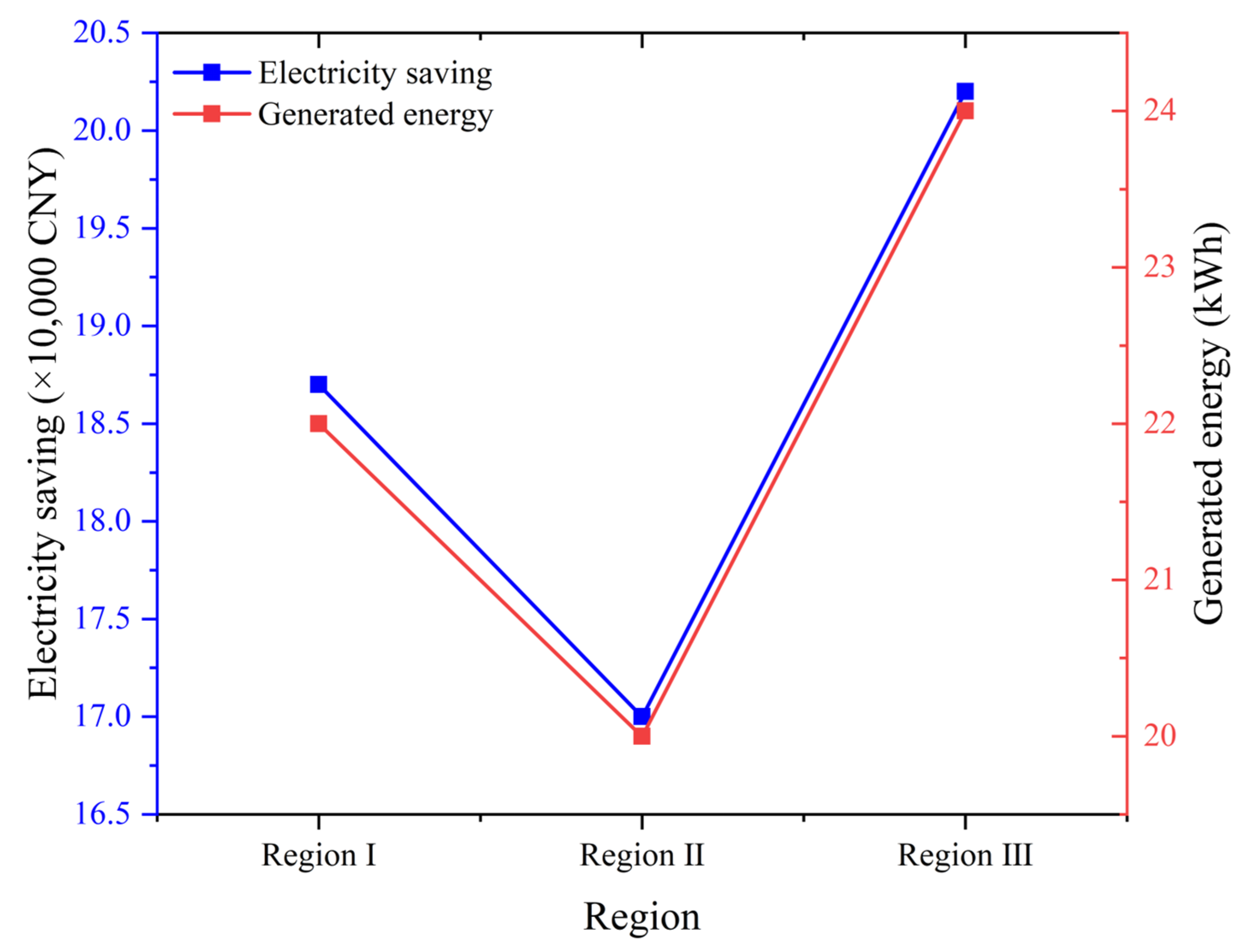
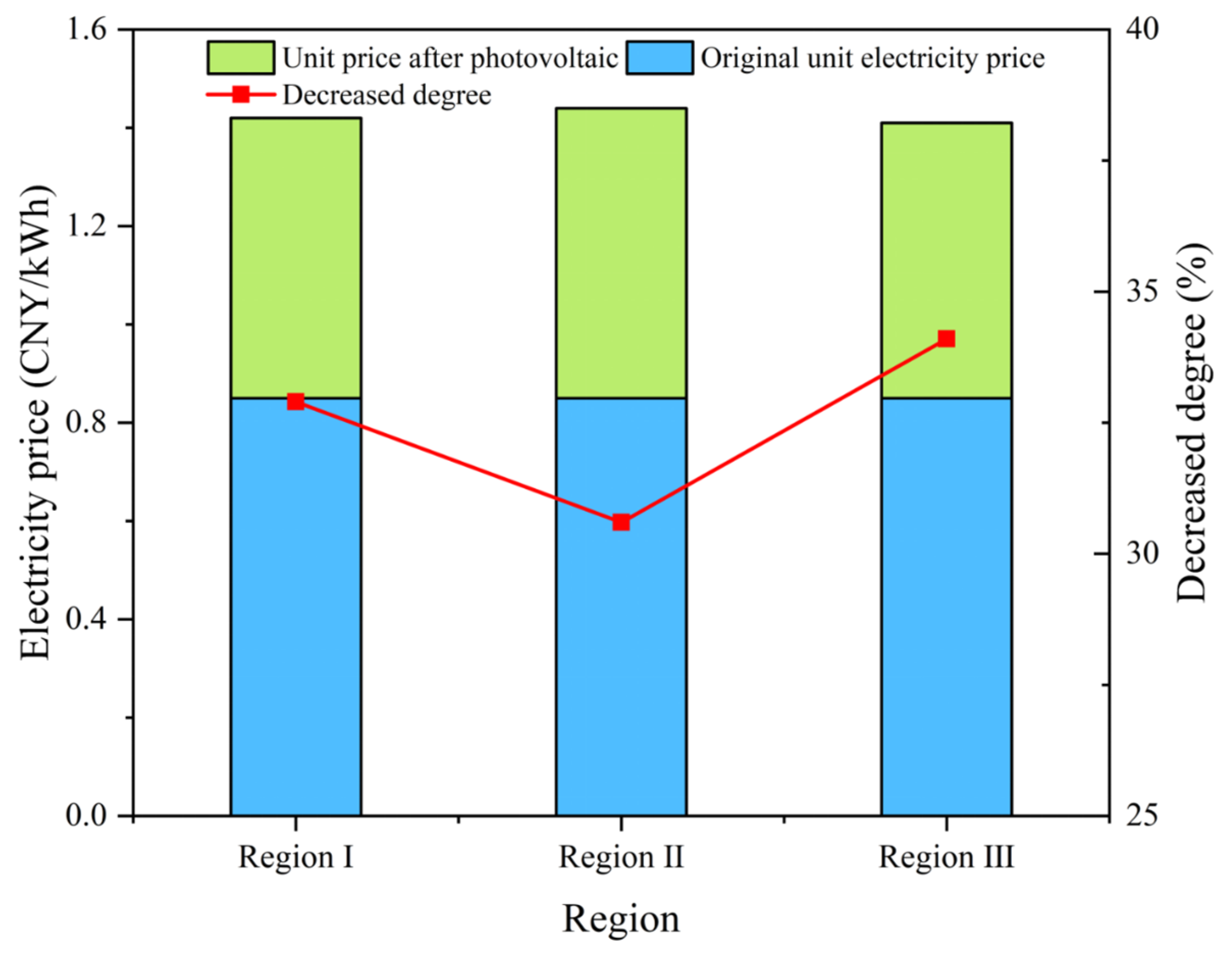
Based on modeling and measurement of rooftop PV systems in typical highway service areas in Guangxi, the results of the study show that PV power generation is significantly effective in optimizing the energy structure of service areas and reducing operating costs. Taking the areas with more than 1600 h of average annual sunshine as representatives, such as Region I, Region II, and Region III, PV systems can satisfy about 35–50% of the daytime electricity demand of the service area, significantly reduce the dependence on traditional utility power, and improve the energy self-sufficiency rate and system resilience. As shown in Figure 4, a roof PV system with an area of 1500 square meters, for example, can generate an average of 240,000 kWh of electricity per year; therefore, according to the current price of commercial electricity, the annual savings are about CNY 200,000 in electricity costs and the payback period is about 7 years, which is of good economic feasibility. As shown in Figure 5, after the optimization of comprehensive operation and maintenance costs, the unit price of electricity can be reduced from the original 0.85 CNY/kWh to 0.56 CNY/kWh and the overall operating costs can be decreased by 25–35%. In addition, under the condition of the same installed capacity, there are differences in the annual power generation and power saving benefits among Region I, Region II, and Region III. Among them, Region III, with superior light resources, has a 34.1% reduction in its unit electricity price, which verifies the economic rationality and promotion potential of constructing PV systems in light-rich regions in the west.

4.2. Revenue Potential and Market Drivers for New Energy Charging Piles

In the charging pile revenue model measurement, the operational benefits of highway service area charging facilities show typical penetration-driven growth characteristics. Taking the average daily traffic flow of about 5000 vehicles, 75% of Type 1 buses, and 15% penetration rate of new energy vehicles as the base scenario, the average daily charging vehicles is measured to be about 560 vehicles. Calculated according to an average charging of 20 kWh per vehicle and a service fee of 0.4 CNY/kWh, the average daily charging revenue can reach CNY 4480 and the average annual charging service revenue is expected to exceed CNY 1.6 million, which shows a good profitability prospect.
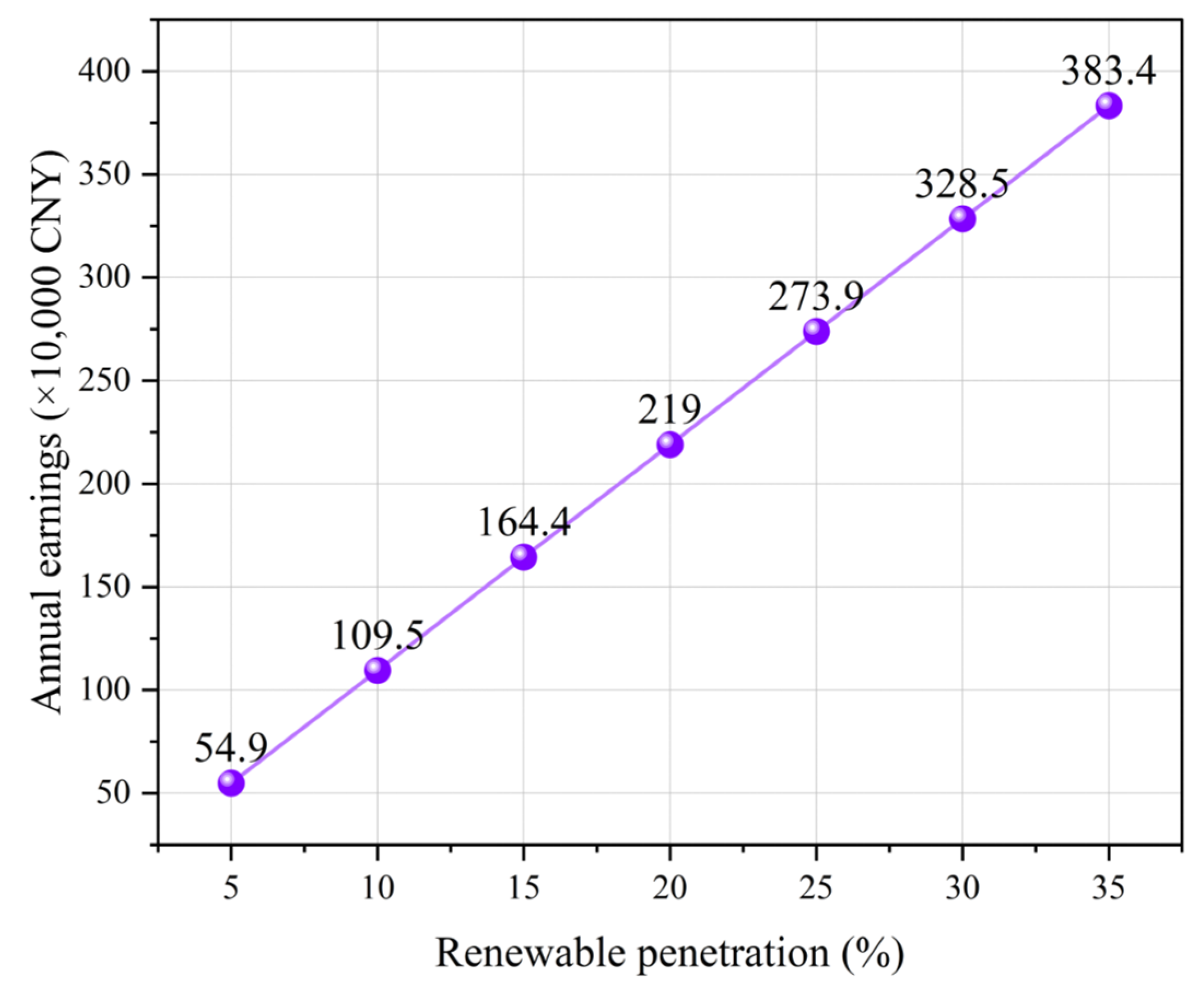
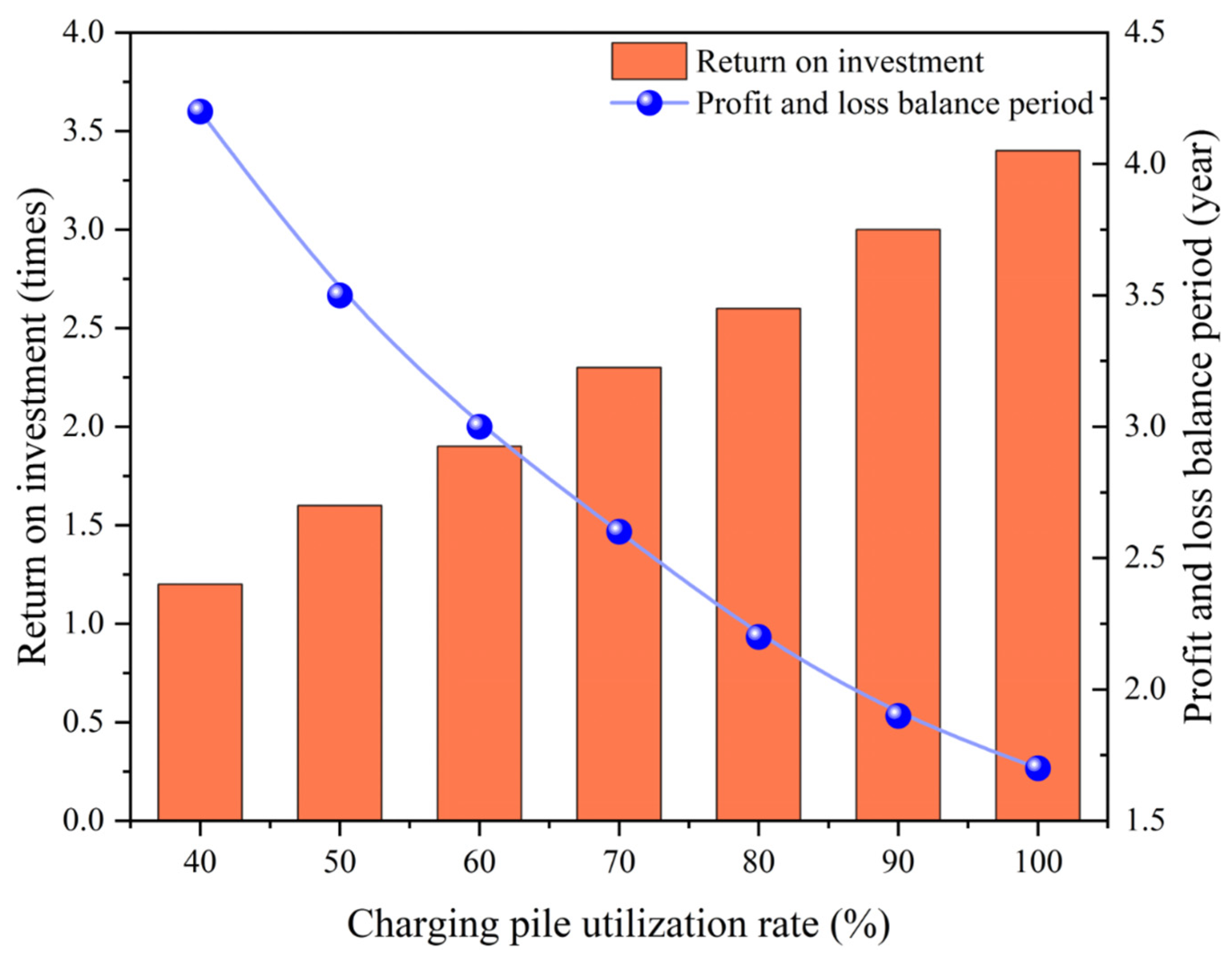
When the utilization rate of charging pile reaches over 80%, its input–output ratio can exceed 1:2, and the breakeven cycle is shortened to within 3–5 years, with high capital recovery efficiency. As shown in Figure 6, as the penetration rate of new energy vehicles increases from 10% to 35%, the annual charging revenue in the service area shows a linear growth trend, verifying the highly positive correlation between the charging business and the expansion of the new energy vehicle market.
Figure 7 reveals the nonlinear impact of charging pile utilization rate on ROI and breakeven cycle. As the utilization rate increases from 40% to 90%, the ROI increases from 0.9 times to 2.3 times, and the breakeven cycle is shortened from about 4.5 years to less than 2 years, reflecting the synergistic and optimized relationship between operational efficiency and economic benefits. The results show that the profitability of charging infrastructure is highly dependent on the improvement of the intensity of use, especially in the service areas of road sections with good accessibility and high traffic density, such as the Heba section and the Wulong section, which have shorter payback periods and better marginal returns and are suitable to be the typical scenarios for prioritizing construction and focusing on the promotion of charging infrastructure.

4.3. Stays Driven by the New Industry to Increase the Effect of Income

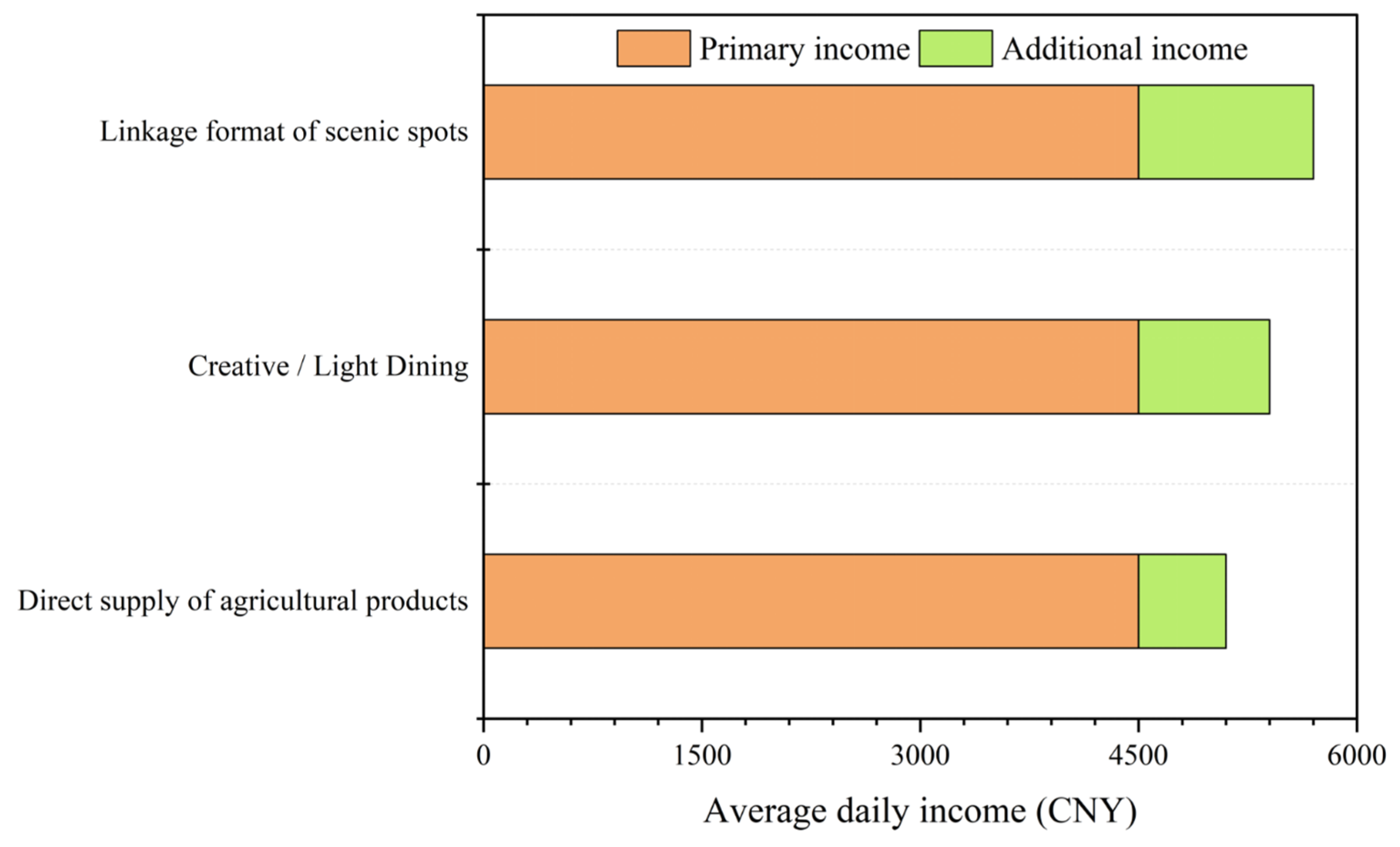
Under the compound scenario of charging and consumption, the average stay of users is extended to more than 45 min, which provides favorable conditions and a development space for the introduction of new businesses such as cultural tourism, agricultural specialties, and casual dining. Based on the new business expansion model, if the per capita consumption is increased from CNY 15 to CNY 20 and there are about 300 new users per day, then the average daily revenue can be increased by CNY 1500 and the annual increase can be more than CNY 550,000, which reflects the benefit of “time realization” brought by the extension of the residence time. As shown in Figure 8, based on the original average daily income of CNY 4500, after superimposing the combination of services such as “direct supply of agricultural specialties”, “cultural creation/light catering”, and “scenic spot linkage business”, the average daily income can be increased by 13.3%, 13.3%, 13.3%, and 13.3%, respectively. This can also be increased by 13.3%, 20.0%, and 26.7%, respectively. Among them, the driving effect of “scenic spot-linked” businesses is the most significant, indicating that they have stronger potential for promoting in-depth consumption. Overall, the introduction of diversified new business forms not only expands the functional boundaries of the service area, but also has the most significant industry-driven effect.

4.4. Integrated Economic Benefit Enhancement Analysis Under the Fusion Mode

As shown in Figure 9, the three measures of photovoltaic power generation, charging piles, and new businesses can all bring a significant annual net income improvement for highway service areas when implemented separately. However, through the construction of the composite benefit model and simulation analysis it is found that after the synergistic integration of the three applications the annual net income can be increased to more than CNY 3.2 million, an increase of 27–32% over the traditional mode of operation, which is better than the linear superposition of the benefits of the various measures. The synergistic gain mainly stems from the complementary functions of multiple elements in the operation system, as the photovoltaic system reduces the fixed energy cost, the charging pile prolongs the user’s stay time and enhances the service viscosity, the new industry enhances the level of per capita consumption and the conversion rate of repurchase, and the synergistic effect of the three measures builds the benefit chain from cost reduction and time extension to revenue enhancement and improves the overall performance of the service area operation. Taking the Heba section as an example, using a hub-type service area with an average daily traffic of more than 10,000 vehicles and a good regional economic foundation to carry out the application of the integration of all elements, the annual net new income is expected to exceed CNY 3 million. This verifies the practical feasibility and economic rationality of the transportation and energy fusion path in promoting the transformation and upgrading of the service area’s operation mode.

4.5. Analysis of Fitness in Different Geographic Regions

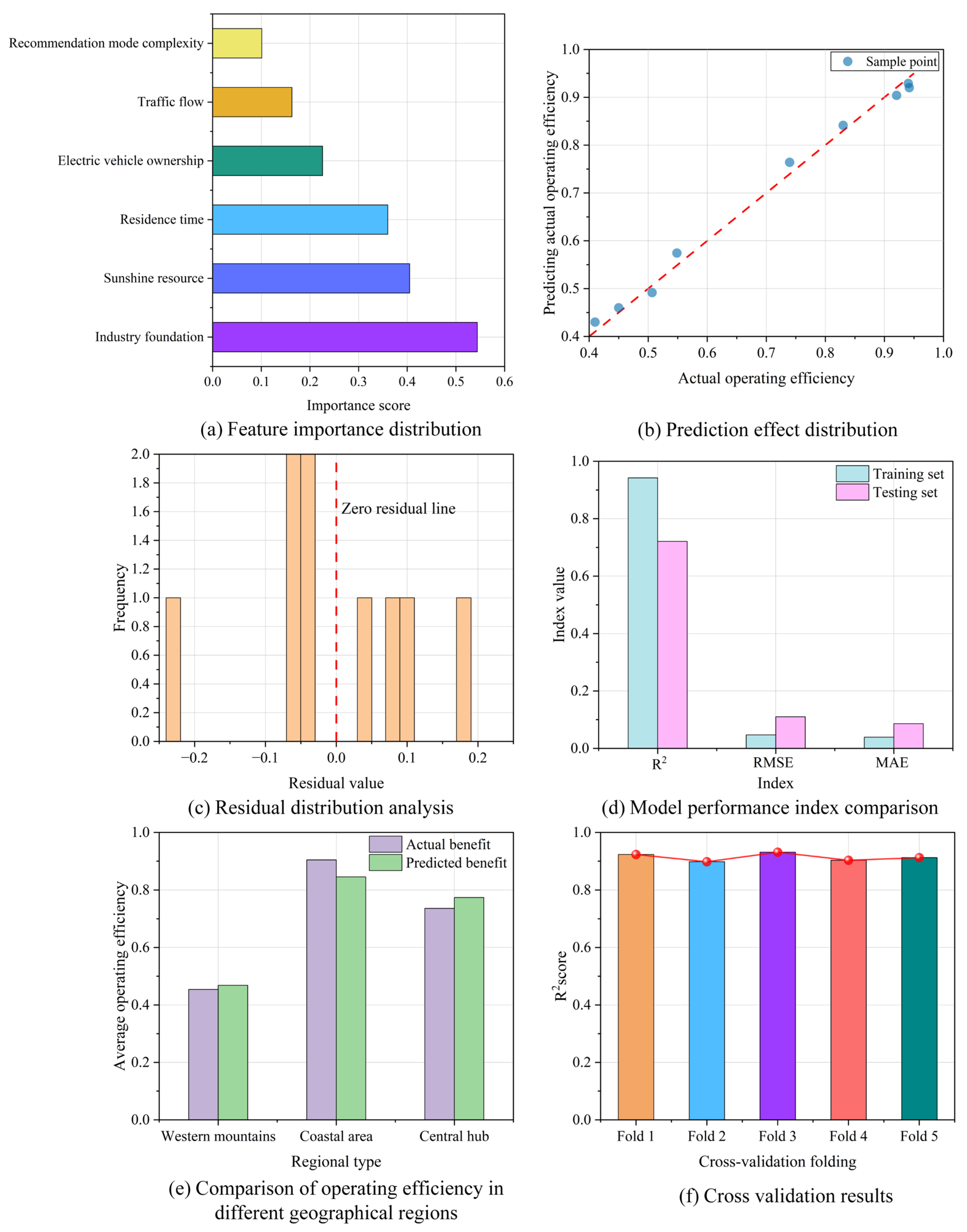
To further explore the impact of different geographical regions on operating efficiency, this study used a random forest regression algorithm to systematically model and analyze multiple factors affecting the operating efficiency of highway service areas. The results of feature importance analysis (Figure 10a) show that industrial base, light resources, and electric vehicle ownership have an important impact on the operating efficiency of the service area, among which the contributions of industrial base and light resources are particularly prominent, which verifies the key role of these factors in improving the economic benefits of the service area. The predictive effect of the model is good. The predicted value is highly correlated with the actual value (Figure 10b), the residual error is approximately normal distribution (Figure 10c), the performance of the training set and the test set is consistent, and the cross-validation R2 value is stable (Figure 10d,f), which proves that the model has excellent prediction accuracy, generalization ability, and robustness.
Based on the model, this study identifies three significantly differentiated benefit output models and their internal driving mechanisms. The western mountainous area is a typical endowment-driven type, and its abundant light resources make photovoltaic power generation the main contribution source of the region’s benefits; the coastal areas are characterized by demand-pull, and the high ownership of electric vehicles is directly transformed into the scale economy effect for charging business. The central hub area shows the characteristics of system coupling. The developed industrial foundation provides conditions for the multifactor coordination of “photovoltaic–charging–new format”, and realizes the transition from single technical benefit to system integration benefit. The comparison of operating benefits in different regions (Figure 10e) verifies the above model division. The research shows that the optimal path of transportation energy integration is significantly dependent on the resource endowment and economic characteristics of the region and the implementation of differentiated development strategies to maximize operating efficiency.

5. Conclusions

In this paper, by constructing a collaborative analysis framework of “photovoltaic–charging–new business format” and combining it with the random forest regression algorithm, a systematic quantitative study on the operation efficiency improvement path and regional adaptability of an expressway service area in the background of traffic–energy integration is carried out. The main conclusions are as follows:
(1) It is proven that multifactor synergy can produce a significant nonlinear gain effect. Compared with the application of a single technology, the system integration of photovoltaics, charging piles, and new formats can produce significant synergistic effects, increasing the annual net income by 27–32%; furthermore, the gain range exceeds the linear superposition of independent benefits of various technologies.
(2) Three typical regional benefit output models are identified. The empirical analysis based on the random forest regression model shows that the western mountainous areas show typical endowment-driven characteristics, and their abundant light resources make photovoltaic power generation become benefit-oriented. The coastal areas are characterized by a demand-pull mode, and the high ownership of electric vehicles is directly transformed into scale economic benefits for the charging business. The central hub area shows the characteristics of system coupling, and the developed industrial foundation provides ideal conditions for multifactor coordination.
(3) A differentiated development path based on regional characteristics is proposed. According to the resource endowment and development stage of different regions, it is suggested to give priority to the layout of photovoltaic power generation systems in the western mountainous areas, focus on the construction of high-utilization-rate charging infrastructure in the coastal areas, and strive to build an integrated ecosystem of “photovoltaic–charging–new format” in the central hub area.
This study breaks through the single technical perspective and provides a systematic analysis framework and differentiated decision-making basis for the green transformation of a service area by quantifying the synergistic effect and regional heterogeneity of “photovoltaic–charging–new format”. However, there are limitations in the dynamic external environment, long-term comprehensive benefit evaluation, and cross-regional universality. Future research will further explore the roles of dynamic energy pricing and policy on operational efficiency and economic benefits and comprehensively assess the long-term impact of different development paths in combination with life cycle cost analysis, so as to provide support for more accurate and sustainable decision-making.

Author Contributions

Data curation, conceptualization, Y.Z.; software, writing—original draft preparation X.D.; Formal analysis, writing—review and editing, X.B.; Investigation, methodology, X.W. All authors have read and agreed to the published version of the manuscript.

Funding

This research is funded by the Key Science and Technology Project of the Transportation Industry, with the project title “Research on the Improvement of Expressway Openness and Industrial Integration Development Path in the New Infrastructure Era” (Project No. 2021-MS7-163), and also by the project “Research on Key Technologies for the Layout and Development of Economy, Industry, and Tourism in the Pinglu Canal Basin” (Project No. AA23062032-2).

Data Availability Statement

The original contributions presented in the study are included in the article, further inquiries can be directed to the corresponding author.

Conflicts of Interest

Author Xiaoning Deng was employed by the company Guangxi New Development Transportation Group Co., Ltd. The remaining authors declare that the research was conducted in the absence of any commercial or financial relationships that could be construed as a potential conflict of interest.

References

  1. Zhu, X.; Wang, Y.; Chen, C.; Hu, J.; Liu, S.; Wu, Y.; Wang, Z.L. Robust solutions to Intelligent and Connected Transportation Systems through energy self-sufficient technology. Nano Energy 2025, 140, 111033. [Google Scholar] [CrossRef]
  2. Tang, R.; Zhang, N.; Ma, Z.; Cai, L. Techno-economic evaluation of developing a zero-carbon highway service area energy system. Energy Sources, Part A: Recovery. Util. Environ. Eff. 2024, 46, 5552–5568. [Google Scholar] [CrossRef]
  3. Sun, Y.; Liu, M. A study on the path planning and optimization of carbon peaking and carbon neutrality in the highway service area. Build. Environ. 2025, 267, 112187. [Google Scholar] [CrossRef]
  4. Zhang, S.; Jiang, W.; Wang, T.; Zhang, Y.; Yuan, D. A comprehensive framework for the design and evaluation of photovoltaic self-sufficient energy systems in highway service areas. Renew. Energy 2026, 256, 123877. [Google Scholar] [CrossRef]
  5. Zhang, Y.; Yin, Z.; Xiao, H.; Luo, F. Coordinated planning of EV charging stations and mobile energy storage vehicles in highways with traffic flow modeling. IEEE Trans. Intell. Transp. Syst. 2024, 25, 21572–21584. [Google Scholar] [CrossRef]
  6. Shi, Z.; Wu, H.; Xiao, T.; Huang, X.; Shao, L.; Ma, Z.; Cao, P. Planning and Energy Self-Supply Strategy for Distributed Photovoltaic Microgrids on Highways Considering Regional Layout Constraints. Processes 2025, 13, 1377. [Google Scholar] [CrossRef]
  7. Song, Y.; Xia, M.; Yang, L.; Chen, Q.; Su, S. Multi-granularity source-load-storage cooperative dispatch based on combined robust optimization and stochastic optimization for a highway service area micro-energy grid. Renew. Energy 2023, 205, 747–762. [Google Scholar] [CrossRef]
  8. Gönül, Ö.; Duman, A.C.; Güler, Ö. A comprehensive framework for electric vehicle charging station siting along highways using weighted sum method. Renew. Sustain. Energy Rev. 2024, 199, 114455. [Google Scholar] [CrossRef]
  9. Shi, R.; Tang, K.; Lee, K.Y. Optimal configuration of self-consistent microgrid system with hydrogen energy storage for highway service area. IFAC-PapersOnLine 2023, 56, 7960–7965. [Google Scholar] [CrossRef]
  10. Hu, X.; Chen, J.; Lin, S. Influence from highways’ development on green technological innovation: The case of Yangtze River economic belt in China. Env. Dev. Sustain. 2023, 25, 11095–11120. [Google Scholar] [CrossRef]
  11. Li, B.; Sun, H.; Lou, J.; Sun, K.; Zhang, Z.; Sun, Y. An integration scheme for highway rest area integrating the distributed photovoltaic generation and energy storage. IEEE Trans. Ind. Appl. 2023, 60, 1083–1092. [Google Scholar] [CrossRef]
  12. Jiang, W.; Wang, T.; Yuan, D.; Sha, A.; Zhang, S.; Zhang, Y.; Xiao, J.; Xing, C. Available solar resources and photovoltaic system planning strategy for highway. Renew. Sustain. Energy Rev. 2024, 203, 114765. [Google Scholar] [CrossRef]
  13. Ben-Elia, E.; Benenson, I. A spatially-explicit method for analyzing the equity of transit commuters’ accessibility. Transp. Res. Part A Policy Pract. 2019, 120, 31–42. [Google Scholar] [CrossRef]
  14. Huang, H.; Hu, L.; Xu, X.; Han, Z. Integrated reliability evaluation of transportation self-consistent energy system architecture configuration schemes based on reliability engineering and data uncertainty. Renew. Energy 2025, 245, 122781. [Google Scholar] [CrossRef]
  15. Xu, X.; Xu, X.; Li, S.; Zhang, X.; Xu, Z.; Ma, T.; Guo, W.; Xiong, Z. Simulation and optimization of hybrid renewable energy system to achieve a net-zero and flexible-interconnected service area for highways. Energy Sustain. Dev. 2025, 87, 101740. [Google Scholar] [CrossRef]
  16. Zhou, R.; Yu, Y.; Wang, Z.; Dong, L.; Luo, X. The spatially differentiated impact of high-speed railway on accessibility and socio-economic development of developing regions: A study in southwest China. Socio-Econ. Plan. Sci. 2024, 95, 102037. [Google Scholar] [CrossRef]
  17. Ye, Y.; Shi, R.; Gao, Y.; Ma, X.; Wang, D. Two-stage optimal scheduling of highway self-consistent energy system in Western China. Energies 2023, 16, 2435. [Google Scholar] [CrossRef]
  18. Li, J.; Liu, C.; Wang, Y.; Chen, R.; Xu, X. Bi-level programming model approach for electric vehicle charging stations considering user charging costs. Electr. Power Syst. Res. 2023, 214, 108889. [Google Scholar] [CrossRef]
  19. Koo, C.; Hong, T.; Kim, J. A decision support system for determining the optimal size of a new expressway service area: Focused on the profitability. Decis. Support Syst. 2014, 67, 9–20. [Google Scholar] [CrossRef]
  20. Xu, H.; Xiao, W.; Zhang, S.; Fan, Y.; Kang, X.; Han, Y.; Zhou, T. Exploring determinants of freeway service area usage in the context of sustainable and collaborated development for transport and tourism. Transp. Res. Part A Policy Pract. 2024, 185, 104124. [Google Scholar] [CrossRef]
  21. Borup, D.; Christensen, B.J.; Mühlbach, N.S.; Nielsen, M.S. Targeting predictors in random forest regression. Int. J. Forecast. 2022, 39, 841–868. [Google Scholar] [CrossRef]
Figure 1. Schematic framework of the main challenges and green transition pathways in highway service areas.
Energies 19 01793 g001
Figure 2. A collaborative mechanism framework of photovoltaics, charging, and a new business model.
Energies 19 01793 g002
Figure 3. Comparison of industrial structure between region A and region B.
Energies 19 01793 g003
Figure 4. Comparison of energy-saving economic benefits of photovoltaic systems in different regions.
Energies 19 01793 g004
Figure 5. Impact of photovoltaic application on unit electricity price cost and reduction in different regions.
Energies 19 01793 g005
Figure 6. Impact of new energy vehicle penetration on annual charging revenue in service areas.
Energies 19 01793 g006
Figure 7. Impact of charging pile utilization on return on investment and profit and loss balance period.
Energies 19 01793 g007
Figure 8. Gaining effect of different new business combinations on average daily revenue in service areas.
Energies 19 01793 g008
Figure 9. Comparison of annual net income of service area under single technology application and integration mode.
Energies 19 01793 g009
Figure 10. Comparative analysis of the suitability of fusion models for different geographic regions.
Energies 19 01793 g010
Table 1. Evaluation indicators for the integration of open service areas and surrounding areas.
Sections2020–2024 Average Daily Toll Revenue
(CNY 10,000)
The Average Daily Traffic Volume from 2020 to 2024 (10,000 Vehicles)
Section A79.24104.9068.4794.882.403.182.073.49
Section B110.39140.6297.74123.482.583.272.183.53
Section C48.4859.2142.6449.931.311.851.402.38
Section D12.5017.497.1617.430.390.530.170.60
Section E102.78109.8693.65126.411.481.611.282.48
Section F46.4149.3750.2762.721.281.441.402.24
Section G44.0051.8137.1442.590.480.620.420.58
Section H11.8317.2027.0238.840.300.440.611.06
Section I-0.0126.8237.43-0.000.630.95
Section J0.0232.8524.8653.720.000.420.330.78
Section K0.799.5920.6327.460.010.140.270.40
Section L6.8214.4113.9318.390.190.380.380.54
Section M0.658.788.8011.940.020.270.270.40
Section N-0.013.648.22-0.000.080.17
Section O--0.002.24--0.000.10
Section P--0.028.86--0.000.09
Section Q-7.8522.9121.53-0.070.210.24
Section R--1.7221.39--0.030.42
Section S--0.1215.44--0.000.31
Disclaimer/Publisher’s Note: The statements, opinions and data contained in all publications are solely those of the individual author(s) and contributor(s) and not of MDPI and/or the editor(s). MDPI and/or the editor(s) disclaim responsibility for any injury to people or property resulting from any ideas, methods, instructions or products referred to in the content.