Article

Deployment Readiness of Artificial Neural Networks in Power Systems (2020–2024): A Bibliometric and Engineering Assessment Using a Domain-Level Evaluation Framework


by
Yelda Karatepe Mumcu
Department of Electricity and Energy, Vocational School of Technical Sciences, Marmara University, 34722 Istanbul, Turkey
Energies 2026, 19(7), 1610; https://doi.org/10.3390/en19071610
Submission received: 27 February 2026 / Revised: 11 March 2026 / Accepted: 16 March 2026 / Published: 25 March 2026

Abstract

The rapid integration of renewable generation, distributed energy resources, and advanced monitoring infrastructures has increased the demand for data-driven methods in modern power systems. Artificial neural networks (ANNs) have become widely adopted for load forecasting, fault diagnosis, state estimation, stability assessment, and energy management. Despite substantial publication growth, large-scale operational deployment of ANN-based solutions remains limited. This study presents a bibliometric and engineering assessment of ANN applications in power systems between 2020 and 2024, based on 1511 SCI-Expanded journal articles retrieved from the Web of Science. Beyond conventional science mapping, the study integrates an engineering-oriented deployment-readiness evaluation that systematically links ANN architectures with core operational problem classes. The results reveal a significant imbalance between reported algorithmic performance and operational validation rigor. Forecasting and energy management applications demonstrate relatively higher readiness due to real-world dataset usage, whereas fault diagnosis and state estimation remain predominantly simulation-driven and lack explainability and robustness validation. A deployment-readiness matrix is applied to quantitatively evaluate dataset realism, interpretability integration, and reliability considerations across domains. The findings indicate that the primary barriers to ANN integration in power systems stem from insufficient validation protocols and resilience-oriented design rather than algorithmic limitations, highlighting key engineering priorities for reliable real-world implementation.

1. Introduction

The rapid digital transformation of power systems, driven by large-scale renewable energy integration, distributed energy resources (DERs), electric vehicle penetration, and advanced monitoring infrastructures, has significantly increased operational complexity in modern grids. High stochastic variability, bidirectional power flows, and the widespread deployment of phasor measurement units (PMUs) and advanced metering infrastructure (AMI) have introduced unprecedented levels of nonlinearity, uncertainty, and high-dimensional data streams. Under these evolving conditions, traditional physics-based and model-driven analytical approaches face scalability and adaptability limitations, particularly in real-time applications such as dynamic state estimation, fault diagnosis, stability assessment, and short-term load forecasting [1,2].
In response to these challenges, artificial neural networks (ANNs) and deep learning architectures have gained substantial attention due to their capability to model nonlinear and high-dimensional relationships without requiring explicit physical system modeling. Recent developments demonstrate the effectiveness of deep neural networks (DNNs) in dynamic state estimation under high renewable penetration scenarios [3,4], reinforcement learning-assisted control strategies in renewable-integrated systems [2], and probabilistic optimal power flow via Bayesian deep architectures [5]. Similarly, convolutional neural networks (CNNs) have enhanced PMU-based fault detection and localization performance in transmission networks [6,7], while recurrent neural networks (RNNs), including LSTM and GRU variants, have achieved superior results in short-term and multi-step load forecasting tasks under volatile grid conditions [8].
Beyond forecasting and protection, ANN-based methods are increasingly employed in anomaly detection [9], stability assessment with explainable frameworks [10], cyber-physical resilience enhancement [11], and trustworthy monitoring architectures tailored for smart grids [12]. This methodological diversification reflects a broader paradigm shift from deterministic grid operation toward data-driven, adaptive, and predictive intelligence systems.
Despite this rapid methodological expansion, a critical discrepancy remains between reported algorithmic performance and real-world operational deployment. A substantial portion of ANN-based studies rely on simulated datasets, limited validation schemes, or single train–test splits, raising concerns regarding reproducibility and reliability under real disturbances [13,14]. Moreover, domain shift significantly degrades model performance when simulation-trained systems encounter field conditions [15]. In safety-critical environments such as protection systems and stability monitoring, explainability, uncertainty quantification, and resilience to adversarial perturbations are essential for regulatory acceptance and operator trust [16,17,18]. However, systematic integration of these engineering requirements into ANN workflows remains limited.
A bibliometric analysis in energy system research has primarily focused on publication trends, citation structures, and collaboration patterns, rather than assessing the engineering maturity or deployment feasibility of proposed methods [19]. While such studies provide valuable descriptive insights into research evolution, they seldom assess feasibility across problem domains from a practical implementation perspective.
To address this gap, this study presents a power-system–oriented bibliometric and engineering assessment of ANN applications published between 2020 and 2024. Based on a rigorously filtered corpus of 1511 SCI-Expanded journal articles retrieved from the Web of Science and screened under PRISMA 2020 guidelines [20], the study integrates science mapping techniques with a semi-quantitative Deployment Readiness Score (DRS) framework.
The main contributions of this study are fourfold:
  • A structured mapping between ANN architectures and dominant power-system problem classes.
  • A semi-quantitative DRS metric evaluating dataset realism, validation rigor, and explainability–robustness integration.
  • A cross-domain operational maturity comparison.
  • An engineering-oriented roadmap for transitioning ANN research toward field-deployable smart grid solutions.
The findings demonstrate that ANN integration barriers in power systems are not primarily algorithmic but engineering-oriented—rooted in insufficient validation protocols, limited real-world dataset utilization, and incomplete resilience-aware design. Forecasting applications exhibit relatively higher readiness due to extensive operational data availability, whereas protection and stability domains remain predominantly simulation-driven and lack systematic robustness evaluation. Although the present review focuses on ANN-centered literature, it is important to note that recent power-system AI research increasingly includes transformer-based and attention-driven architectures. These models differ from classical ANN families in data requirements, interpretability challenges, training cost, and deployment constraints. Their growing role is acknowledged here as an adjacent and rapidly expanding research direction rather than the primary scope of the present review.
Recent studies have begun to explore transformer-based architectures and attention mechanisms for power-system applications such as load forecasting, renewable generation prediction, and anomaly detection in smart grids. These models are particularly attractive for capturing long-range temporal dependencies and complex spatial correlations in high-resolution measurement data. However, compared with conventional ANN and recurrent architectures, transformer-based models often require larger training datasets, higher computational resources, and careful interpretability analyses, which may introduce additional barriers to operational deployment in real power-system environments. Recent applications of transformer architectures in energy forecasting and grid analytics further demonstrate the growing role of attention-based models in power-system AI research.

2. Methodology: Power-System–Oriented Bibliometric and Engineering Framework

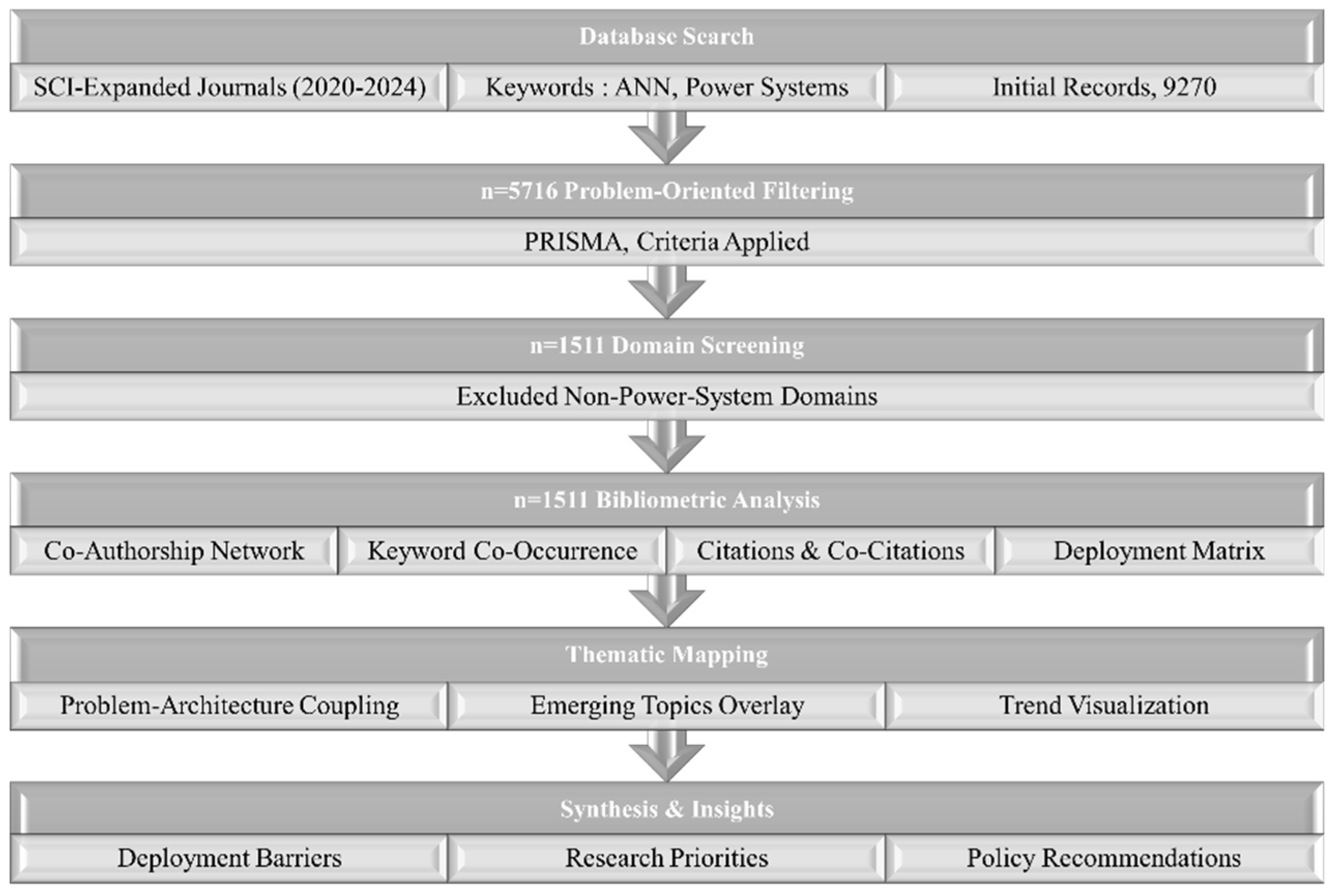
This study adopts a power-system–oriented bibliometric framework that extends conventional AI surveys by explicitly targeting operational power-system problems such as fault diagnosis, state estimation, load forecasting, stability assessment, microgrid control, and optimal power flow. Unlike generic bibliometric reviews, the proposed workflow integrates science mapping with an engineering-oriented deployment assessment to evaluate operational readiness, following established bibliometric analysis guidelines [21]. Figure 1 illustrates the overall workflow, including database retrieval, PRISMA-based filtering, problem-domain classification, and quantitative deployment-readiness evaluation.

2.1. Data Source and Search Strategy

The Web of Science (WoS) Core Collection was selected as the sole data source due to its structured citation indexing, high journal selectivity, and consistent metadata standards, which support reproducible bibliometric analysis [21,22]. Compared with broader databases such as Scopus or publisher-specific sources such as IEEE Xplore, WoS provides a more controlled and standardized indexing environment, reducing duplicate records and ensuring robust citation-network construction for science mapping studies [22].
On 26 December 2025, a topic search (TS) was conducted using the following query:
TS = (“artificial neural network” OR “ANN” OR “deep neural network” OR “DNN”)
AND
TS = (“power system*” OR “smart grid*” OR “fault detection” OR “load forecast*” OR “state estimation” OR “energy management”)
The search was refined with the following filters:
  • Timespan: 2020–2024
  • Index: SCI-Expanded
  • Document Type: Article
  • Language: English
This initial query yielded a total of 9270 records.
The timespan was limited to 2020–2024 to ensure a complete citation window and to mitigate the partial indexing effect that typically affects the most recent publication year. All data were retrieved as of 26 December 2025.

2.2. Domain Refinement and Problem-Oriented Filtering

To ensure strict relevance to operational power-system applications, a problem-oriented refinement was applied using the WoS “Search within Results” tool. The refinement keywords targeted:
  • Fault diagnosis and protection
  • Load and renewable forecasting
  • State estimation
  • Stability assessment
  • Energy management
  • Optimal power flow
  • Microgrid operation
After refinement and manual screening for operational relevance, the final dataset consisted of 1511 SCI-Expanded journal articles.

2.3. PRISMA-Based Screening Procedure

The identification, screening, and eligibility phases were conducted in accordance with the PRISMA 2020 guidelines for transparent reporting of systematic reviews [20]. The use of structured review protocols in bibliometric studies enhances methodological rigor, transparency, and replicability [23]. Following database retrieval and problem-oriented filtering within the Web of Science interface, a manual screening stage was applied to ensure that the final corpus remained strictly focused on operational power-system applications of artificial neural networks.
The manual screening process was based on four inclusion principles. First, the study had to address a clearly identifiable power-system or smart-grid problem, such as load forecasting, fault diagnosis, state estimation, stability assessment, energy management, optimal power flow, or microgrid operation. Second, the ANN-based method had to be used in an operationally relevant context rather than as a purely generic signal-processing or pattern-recognition exercise. Third, the study had to provide sufficient methodological detail to allow classification by problem domain and ANN architecture. Fourth, the article had to fall within the predefined document type, language, indexing, and timespan restrictions described in Section 2.1.
Studies were excluded when the primary application domain was outside power-system operations, even if similar AI methods were employed. This included papers centered on stand-alone electronics, generic industrial diagnostics, non-grid battery analytics, pure image classification tasks, or isolated device-level optimization without a clear connection to grid operation, system monitoring, or grid-connected energy management. Borderline cases, such as electric vehicle battery management, were retained only when the study explicitly addressed grid-interactive functions, including coordinated EV charging, vehicle-to-grid integration, or distribution-level energy management. Studies focused solely on internal battery electrochemistry or stand-alone battery health estimation were excluded.
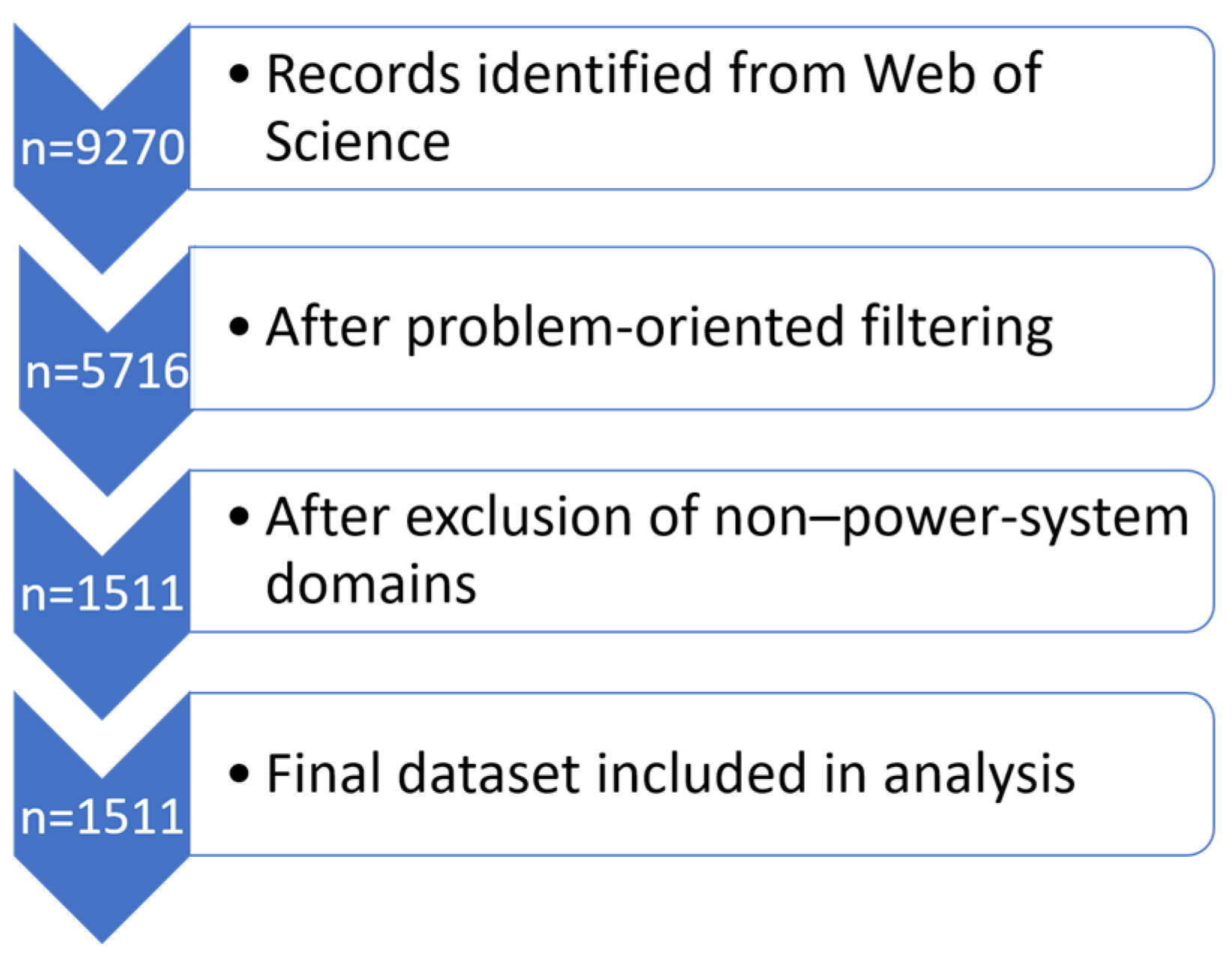
Because most filtering operations were implemented directly within the WoS interface, the number of manually excluded records was limited. However, this final manual review was essential to remove records that were technically related to AI or energy but not sufficiently aligned with the operational scope of power systems. The full refinement process, including the reduction from 9270 initial records to a final corpus of 1511 power-system–oriented ANN articles, is summarized in the PRISMA flow diagram shown in Figure 2.

2.4. Bibliometric Mapping Tools

Two complementary tools were employed:
Bibliometrix/Biblioshiny (R version 4.3.2, R Foundation for Statistical Computing, Vienna, Austria) for descriptive statistics and trend analysis [24], and VOSviewer (version 1.6.20, Centre for Science and Technology Studies (CWTS), Leiden University, Leiden, The Netherlands) for keyword co-occurrence, co-authorship, and reference co-citation mapping [25]. These approaches follow established bibliometric network analysis methodologies widely used in science mapping research [26].
Keyword co-occurrence analysis was conducted to identify thematic clusters and research structures, consistent with classical co-word analysis approaches in scientometrics [27]. Network clustering was performed using association-strength normalization and Louvain community detection algorithms [28]. All preprocessing parameters were archived to ensure methodological transparency and reproducibility [29].

2.5. Quantitative Deployment-Readiness Assessment

To complement descriptive bibliometric mapping with an engineering-oriented perspective, this study introduces a semi-quantitative Deployment Readiness Score (DRS). Composite scoring approaches are widely used to synthesize heterogeneous evaluation criteria into interpretable comparative indices [30]. In the present study, the DRS is not intended as a fully objective or article-level certification metric; rather, it is designed as a transparent domain-level comparative framework that makes deployment-related assumptions explicit and reproducible.
For each major power-system problem domain, deployment readiness was evaluated across three operational dimensions: dataset realism (DR), validation rigor (VR), and explainability–robustness integration (ER). These dimensions were selected because they directly affect the likelihood that an ANN-based method can move beyond laboratory-level performance and operate reliably under field conditions.
Dataset realism (DR) captures the extent to which the underlying data environment reflects real operating conditions. A score of 0 corresponds to purely simulated data. A score of 1 refers to simulated data augmented with noise models or perturbation assumptions. A score of 2 indicates hybrid evidence, where simulated data are combined with limited field, laboratory, or hardware-in-the-loop measurements for training, calibration, or testing. A score of 3 indicates the use of real operational datasets derived from field measurements, utility records, PMUs, AMI infrastructure, SCADA environments, or comparable real-system sources.
Validation rigor (VR) reflects the extent to which the reported evaluation goes beyond nominal predictive accuracy. A score of 0 indicates highly limited evaluation, such as a single split without substantial testing detail. A score of 1 indicates a basic train–test validation setting. A score of 2 represents cross-validation or equivalent repeated evaluation procedures. A score of 3 indicates robustness-oriented validation under disturbances, uncertainty, missing data, topology changes, noise, or adverse operating conditions. In this framework, cross-validation is treated as a useful but intermediate level, rather than as sufficient evidence of deployment readiness by itself.
Explainability–robustness integration (ER) captures whether the model includes mechanisms that support interpretability, trust, and resilient operation. A score of 0 indicates that neither explainability nor uncertainty-oriented robustness is meaningfully addressed. A score of 1 indicates basic interpretability support, such as feature importance analysis or limited post hoc inspection. A score of 2 indicates the use of explicit XAI methods, such as SHAP, LIME, saliency-based analysis, or comparable interpretability tools. A score of 3 indicates integrated treatment of explainability, together with uncertainty quantification, confidence estimation, or robustness-oriented design and testing. The overall Deployment Readiness Score was computed as the arithmetic mean of the three dimensions:
D R S = D R + V R + E R 3
Equal weighting was adopted as a neutrality-preserving baseline. The purpose was to avoid imposing an application-specific hierarchy of importance without an external consensus that would justify differential weights across all problem domains. In other words, the equal-weight structure was used to support comparability rather than to claim that all three dimensions are equally important in every operational context. Indeed, in practical applications, the relative importance of realism, validation, and explainability may vary between forecasting, protection, state estimation, and control tasks. This point is now explicitly acknowledged as a limitation of the present framework.
To address this limitation, the DRS should be interpreted as a structured comparative indicator rather than an absolute measure of readiness. Small changes in weighting may affect the exact numeric value of a domain score, but the broader comparative pattern remains informative because the same scoring logic is applied consistently across all domains. Accordingly, the DRS is best understood as a semi-quantitative map of dominant methodological maturity rather than a substitute for article-level engineering qualification. The DRS values were assigned at the aggregated domain level based on representative patterns identified within the filtered corpus, rather than through line-by-line scoring of all 1511 publications. This aggregation strategy was chosen to support cross-domain synthesis in a large bibliometric dataset. However, it also implies that the resulting scores represent dominant tendencies within each problem class rather than the full distribution of methodological quality across individual studies.
For classification consistency, “simulated data with noise” refers to datasets generated entirely through mathematical or digital simulation, with realism increased through assumed noise, perturbation, or disturbance models, but without direct incorporation of field measurements. By contrast, “hybrid data” refers to studies that combine simulated and real measured data for training, calibration, validation, or testing. This category may include limited field measurements, laboratory data, or hardware-in-the-loop evidence. The boundary between advanced simulation and hybrid validation is not always perfectly sharp; therefore, this distinction is used here as an operational classification rule rather than as an absolute ontological separation.
In this study, explainability refers to the extent to which model behavior can be interpreted and communicated to domain experts, whereas robustness refers to the stability of model performance under noise, disturbances, uncertainty, missing data, and non-ideal operating conditions.
As a robustness-oriented methodological clarification, the study also considered the potential influence of alternative weighting interpretations within the DRS framework. Conceptually, three alternative weighting perspectives may be considered: realism-weighted (emphasizing dataset realism), validation-weighted (prioritizing validation rigor), and explainability-weighted (emphasizing interpretability and robustness integration). Although the absolute numerical values of DRS scores may vary under different weighting assumptions, the relative cross-domain maturity pattern observed in this study remains broadly stable. Therefore, the equal-weight formulation adopted in this work should be interpreted as a neutrality-preserving baseline intended to support transparent cross-domain comparison rather than as a claim that the three dimensions have identical operational importance in every power-system application. This formulation prioritizes methodological transparency and interpretability of the evaluation process, which is particularly important in large-scale bibliometric assessments where heterogeneous studies must be compared under a consistent framework.

3. Results and Discussion

3.1. Publication Trends in ANN-Based Power Systems (2020–2024)

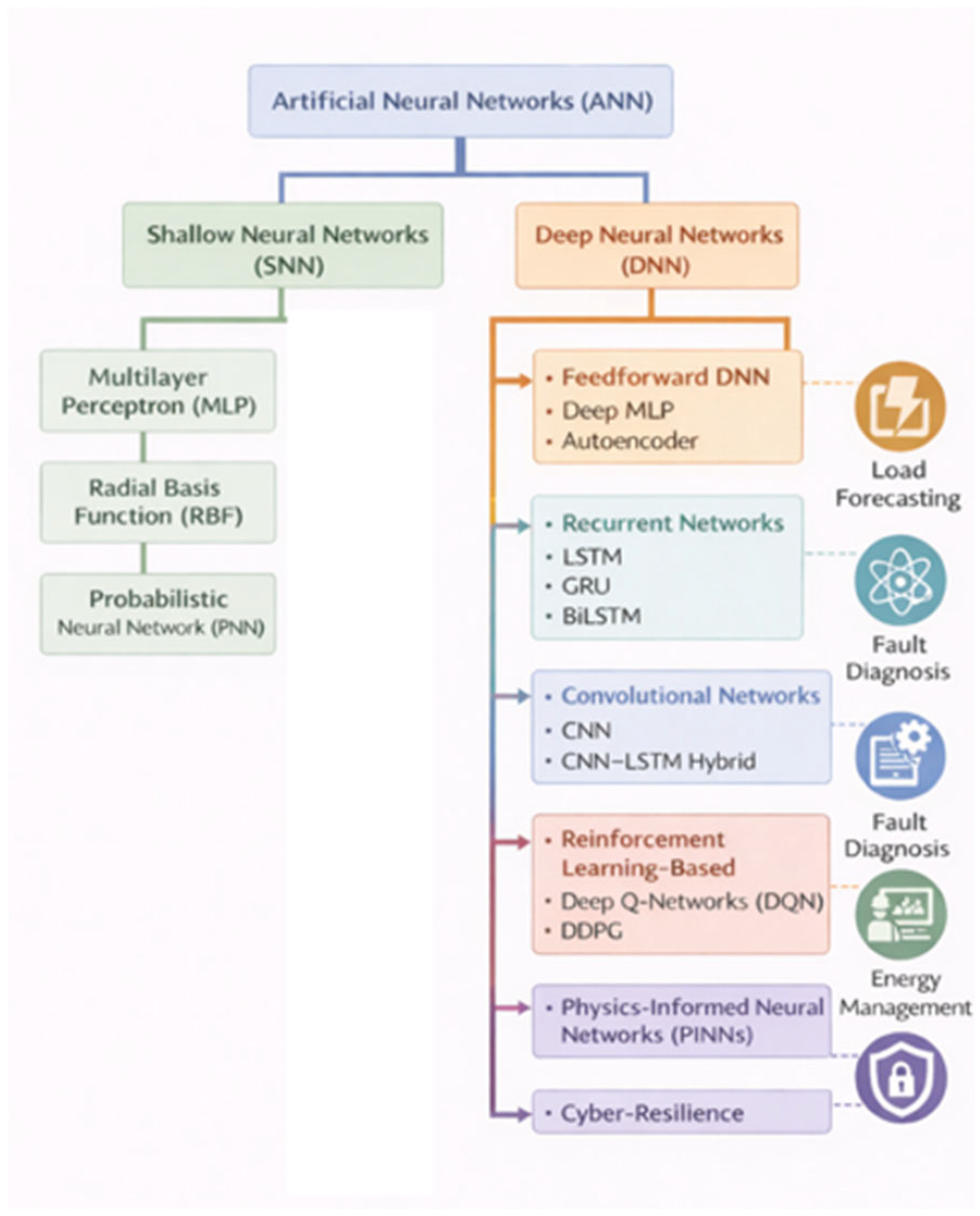
To understand how artificial neural networks (ANNs) are aligned with different power-system problem classes, it is essential to first categorize the major ANN architectures employed across the literature. These models range from traditional shallow multilayer perceptrons to deep learning architectures, including convolutional, recurrent, and hybrid frameworks. Figure 3 presents a taxonomy of ANN models, grouping them by architectural depth and functional specialization. This classification forms the foundation for the coupling analysis between ANN types and their dominant application areas.
Based on this categorization, our bibliometric analysis identifies three dominant clusters of problem–architecture alignment: (i) recurrent and hybrid CNN–LSTM models for forecasting tasks, (ii) feedforward DNNs and reinforcement learning for energy management, and (iii) convolutional models for anomaly detection and state estimation in smart grids. These alignments are further visualized in the keyword co-occurrence and overlay networks in the following sections.
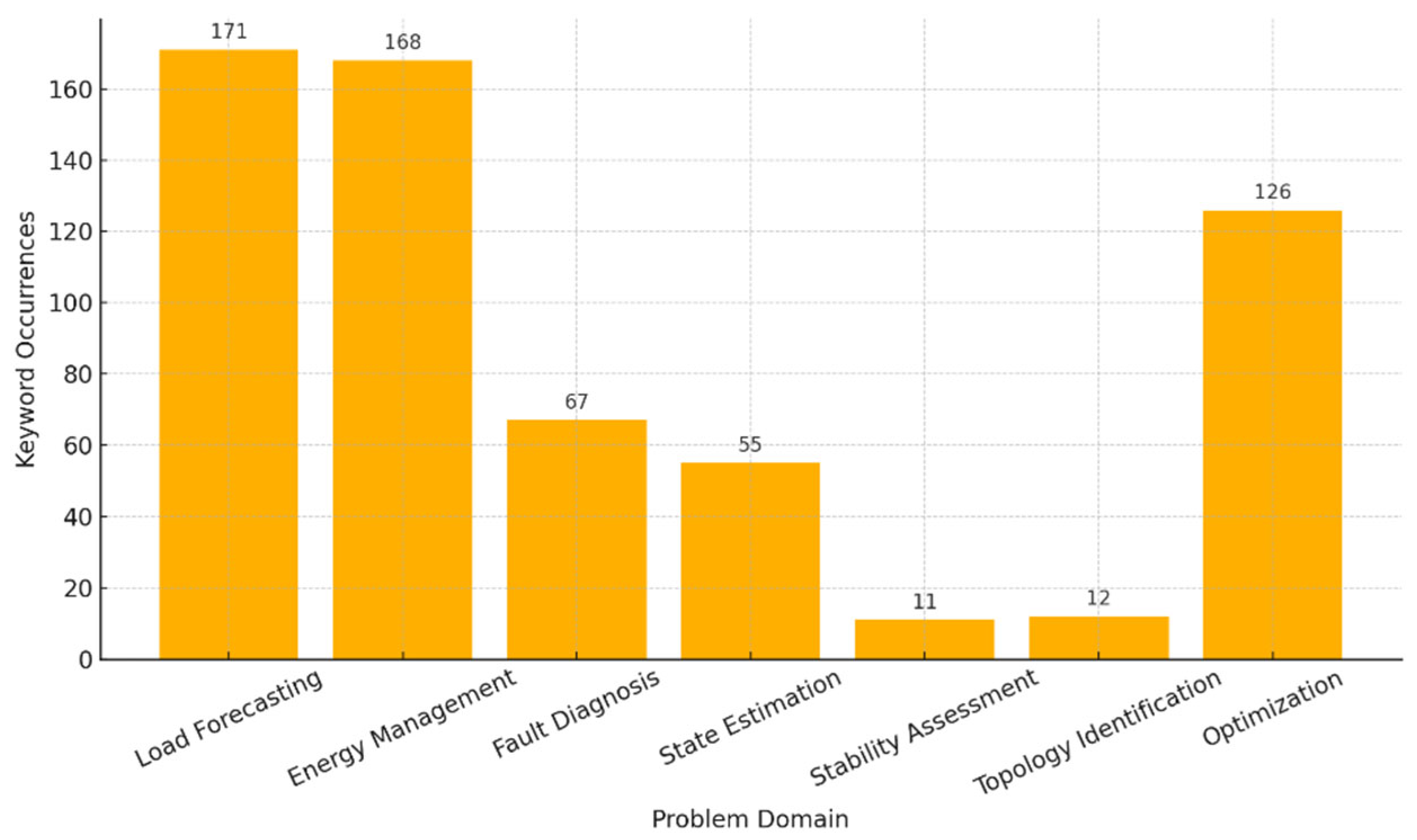
As visualized in Figure 4, the application frequency of artificial neural networks (ANNs) varies significantly across power-system problem domains. Load forecasting (171 occurrences) and energy management (168) clearly dominate the field, indicating a mature methodological ecosystem supported by ample data availability (e.g., smart meters, AMI platforms) and operational relevance. These areas exhibit the highest deployment readiness, as is also reflected in the deployment matrix (Table 1). In contrast, optimization tasks (126 occurrences)—often addressed using reinforcement learning and hybrid models—form a growing research cluster aimed at control, scheduling, and economic dispatch problems in smart grids.
However, safety-critical domains like fault diagnosis (67) and state estimation (55) are markedly less represented. This disparity suggests persistent challenges in explainability, data realism, and validation rigor, which limit field deployment despite promising algorithmic results. Meanwhile, stability assessment (11) and topology identification (12) remain nascent, emerging as strategic opportunities for future research due to their operational importance and current methodological immaturity. Thus, Figure 4 not only maps ANN research density but also reflects deployment bottlenecks and maturity gaps across problem domains—offering a diagnostic view for targeted innovation in power-system AI applications.
The temporal distribution of publications reveals a steady growth in ANN-based research targeting power and energy system applications over the 2020–2024 period. This increase reflects the accelerating digitalization of power systems, driven by expanding renewable integration, the proliferation of advanced metering infrastructure, and the development of smart grid paradigms.
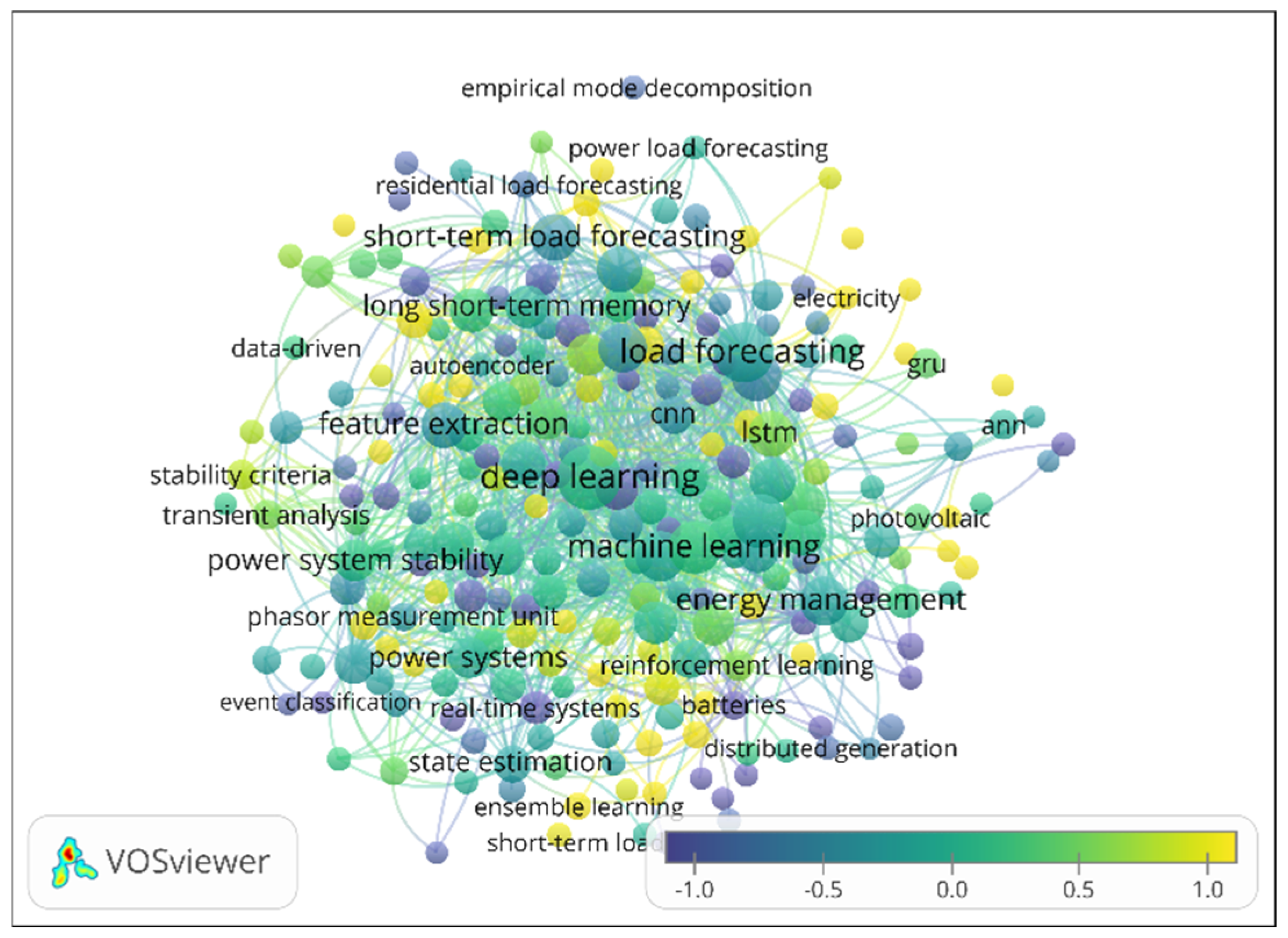
In the earlier years of this period, research largely focused on shallow neural networks and classical machine learning approaches for tasks such as load modeling and demand-side analysis. However, a marked shift toward deep learning architectures has been evident since 2022, coinciding with the increasing availability of high-resolution data from PMUs, smart meters, and distribution automation systems. This shift is confirmed by the dominance of the keyword deep learning in the co-occurrence network discussed in Section 3.2.
From a journal perspective, the most active publication venues include Electric Power Systems Research, IEEE Transactions on Smart Grid, IEEE Access, and IET Generation, Transmission & Distribution. The growing presence of ANN-related work in these power-system-focused journals suggests increased methodological maturity and growing domain acceptance.
Geographically, the majority of publications originate from research groups in China, the United States, and EU member states. This reflects both high national R&D investment in smart grid technologies and strong institutional support for AI applications in energy systems. A rise in multi-institutional collaborations during the second half of the study period suggests a growing awareness that ANN deployment challenges demand cross-sectoral cooperation.
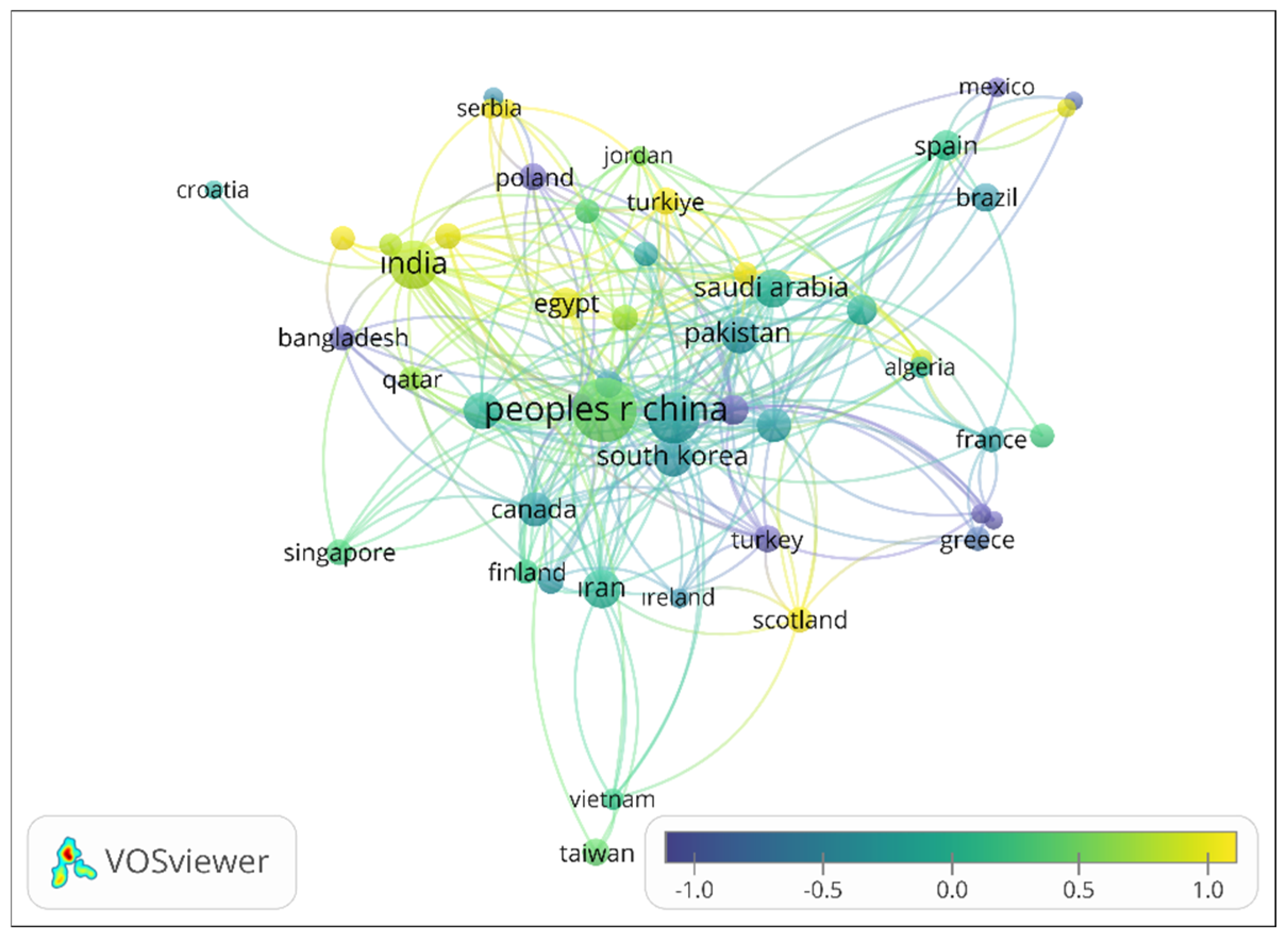
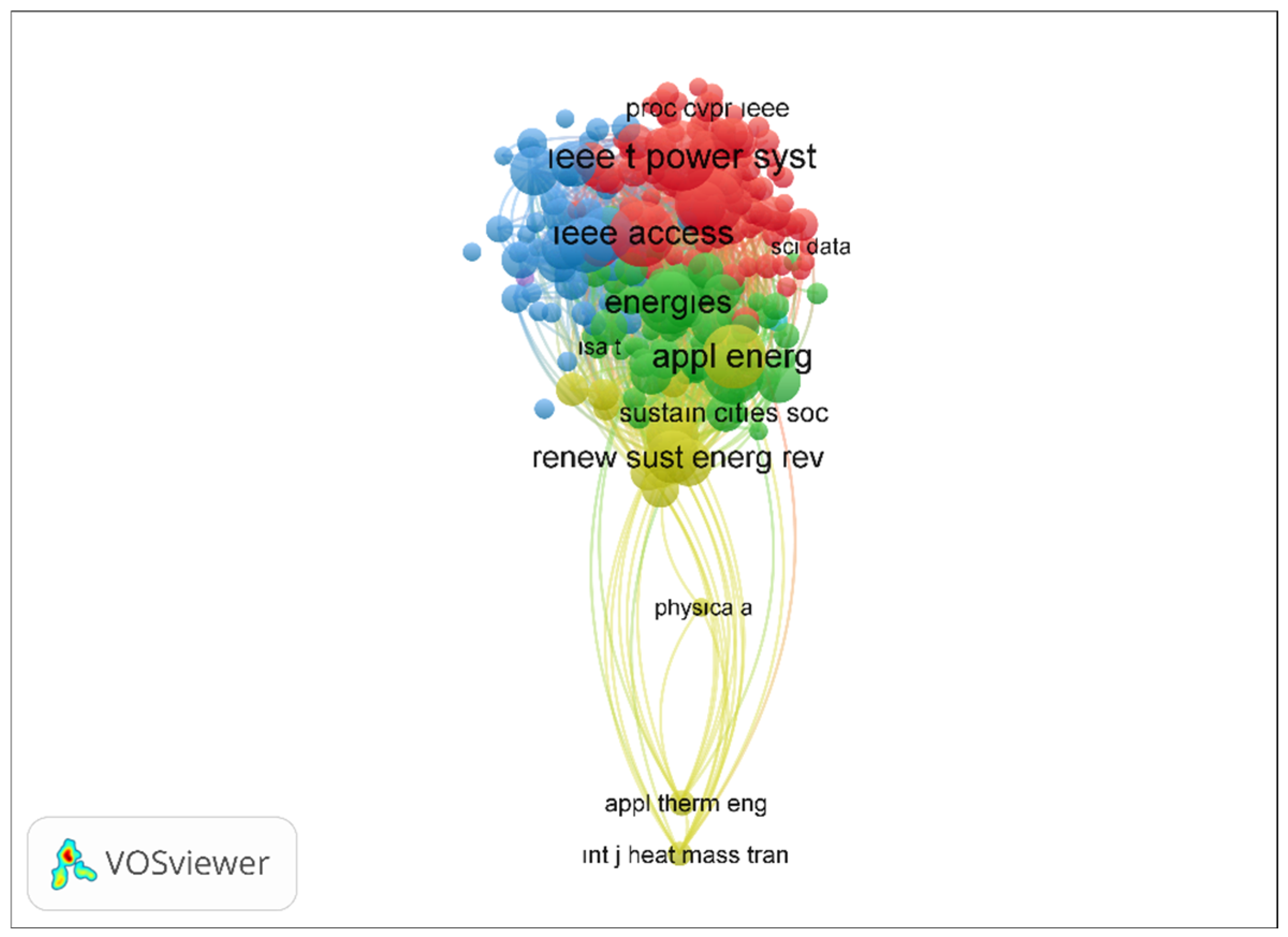
Despite the increasing volume of publications, real-world deployment has not grown proportionally, highlighting the importance of identifying deployment barriers. International collaboration patterns may also influence the practical deployment of ANN-based solutions in power systems. Large-scale smart grid infrastructures often require access to extensive operational datasets, advanced measurement platforms, and interdisciplinary expertise spanning power engineering, data science, and control systems. Consequently, countries with strong collaboration networks and coordinated research programs may be better positioned to translate algorithmic research into field-level pilot projects and real-world grid applications. As illustrated in Figure 5, China, the U.S., and several EU countries lead international collaboration networks. In parallel, the source co-citation map in Figure 6 confirms that IEEE Transactions on Power Systems, IEEE Transactions on Smart Grid, and Electric Power Systems Research form the core journal cluster of the field. From an engineering perspective, this core journal cluster reflects the methodological backbone of ANN research in power systems. These journals collectively host studies that bridge algorithmic development with operational grid challenges, including stability monitoring, forecasting, protection systems, and energy management. The strong co-citation links among these sources suggest that the intellectual foundation of the field is shaped primarily by power-system-focused engineering research, rather than the purely generic machine learning literature.

3.2. Problem–Architecture Coupling Map

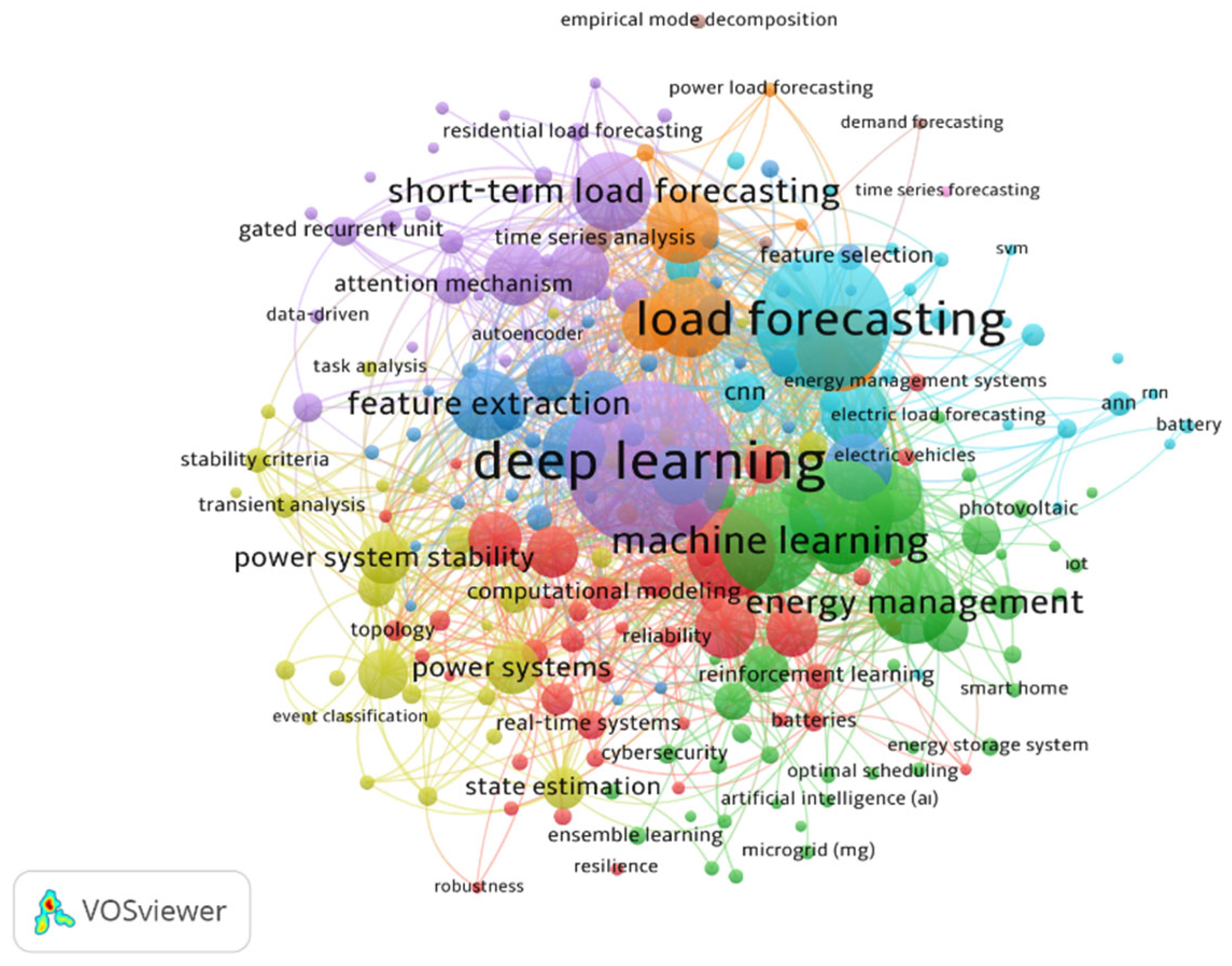
The keyword co-occurrence analysis reveals a high concentration of research activity around deep learning (226 occurrences), load forecasting (171), smart grid (118), and machine learning (111), followed by artificial neural networks (92), forecasting (88), energy management (83), load modeling (80), short-term load forecasting (77), and predictive models (69). These findings indicate a growing emphasis on predictive intelligence and operational optimization within smart grid environments. As illustrated in Figure 7, the keyword co-occurrence network delineates three dominant research clusters.
A closer examination of the coupling between problem classes and ANN architectures identifies three primary thematic clusters:
First, the forecasting cluster—encompassing terms such as load forecasting, short-term load forecasting, and predictive models—is primarily associated with recurrent architectures, including LSTM, GRU, and hybrid CNN–LSTM frameworks. These models are predominantly employed for short- and ultra-short-term forecasting tasks under high renewable penetration, reflecting the increasing volatility of modern distribution systems.
Second, the energy management and load modeling clusters align closely with feedforward deep neural networks and reinforcement learning-assisted architectures. Studies in this category target applications such as demand-side management, microgrid scheduling, and non-intrusive load monitoring, representing a shift from static consumption profiling to adaptive, data-driven energy management strategies.
Third, the smart grid cluster is strongly associated with convolutional and hybrid deep learning models, particularly for tasks involving anomaly detection, topology identification, and PMU-based situational awareness. CNN-based architectures dominate due to their ability to extract spatial and temporal features from high-frequency measurement data streams.
Overall, the problem–architecture coupling map highlights a clear methodological transition from shallow ANNs to deep learning frameworks tailored for specific power-system functions. Despite this evolution, relatively few studies explicitly engage with deployment-focused issues such as explainability, robustness, or the use of real-world datasets. This imbalance suggests that, while algorithmic performance has improved significantly, engineering barriers still limit the operational integration of ANN-based systems in safety-critical environments. This observation further confirms that the current research landscape remains largely performance-oriented, while deployment-oriented engineering considerations such as robustness, interpretability, and operational validation are still emerging research priorities.
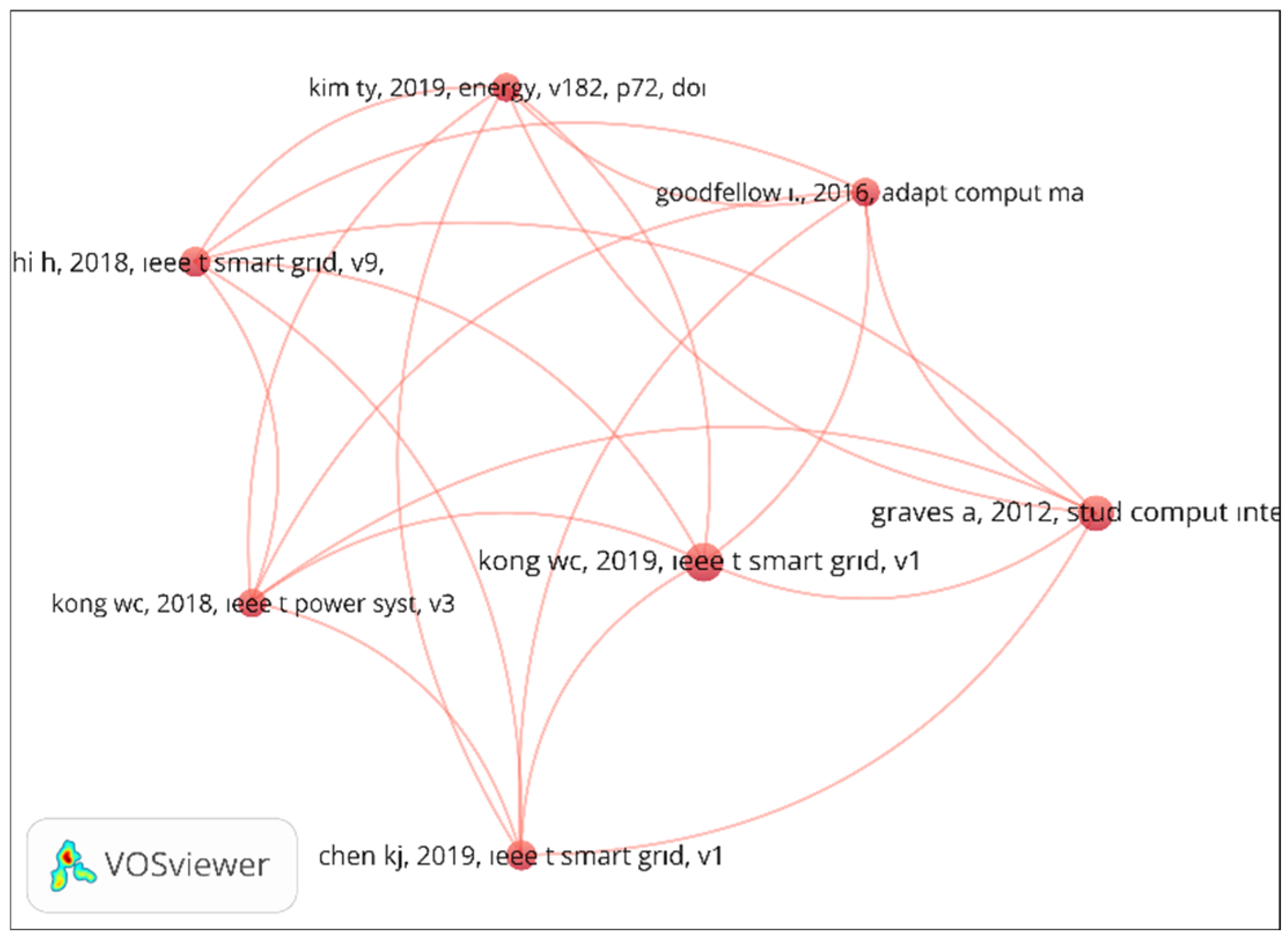
As shown in Figure 8, reference co-citation analysis identifies the foundational works that have shaped the field’s intellectual trajectory. A closer inspection of the co-citation clusters indicates that the most influential foundational studies are concentrated around three main problem families: forecasting and load modeling, stability assessment and dynamic system monitoring, and smart grid operational analytics. This pattern reflects the historical development of ANN applications in power systems, where forecasting tasks matured earlier due to abundant data availability, while stability and protection-related studies remain more recent and often simulation-driven. Meanwhile, the overlay visualization in Figure 9 reveals that keywords related to explainable AI and robustness have only recently emerged, signaling nascent but vital research directions.

3.3. Thematic Clusters and Engineering Interpretation

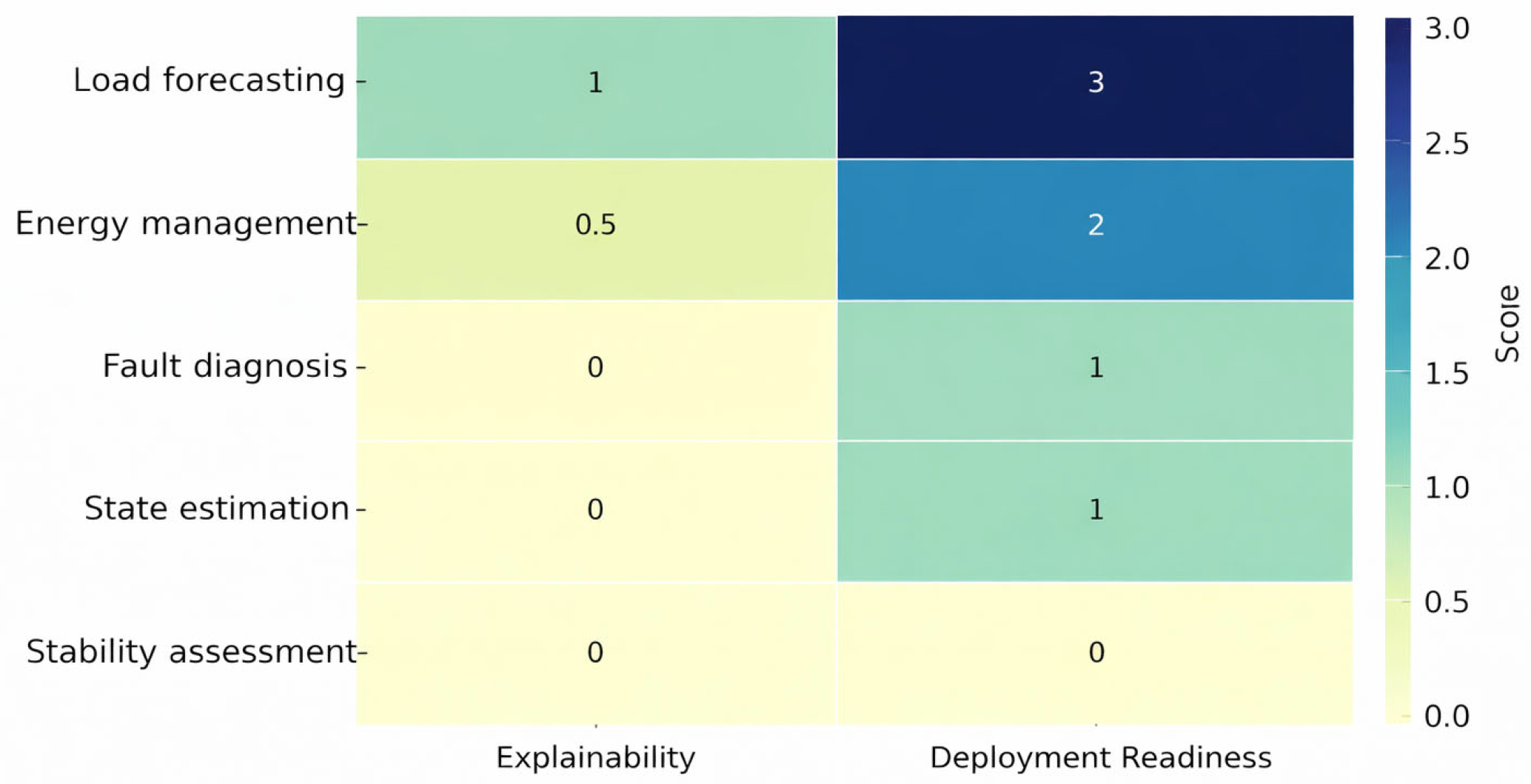
Despite the rapid expansion of ANN-based research in power systems, quantitative evaluation of operational maturity reveals substantial disparities across application domains. Using the proposed Deployment Readiness Score (DRS), calculated as Equation (1), each domain was assessed based on dataset realism (DR), validation rigor (VR), and explainability–robustness integration (ER). As shown in Figure 10, the DRS-based evaluation reveals significant disparities in deployment readiness across different power-system application domains.
Table 1 presents the computed DRS values across five major power-system problem domains. Load forecasting achieves the highest DRS value of 2.00, reflecting widespread use of real-world smart meter datasets (DR = 3) and relatively mature validation practices (VR = 2), although explainability integration remains limited (ER = 1). This indicates moderate-to-high operational readiness compared to other domains. Energy management follows with a DRS of 1.67, supported by hybrid datasets and reinforcement learning–based optimization frameworks. However, limited robustness testing and explainability mechanisms constrain its field-level reliability.
In contrast, fault diagnosis and state estimation both obtain DRS values of 0.67. These domains remain predominantly simulation-driven (DR = 1) and rely on basic validation schemes (VR = 1), with minimal integration of explainability or uncertainty quantification (ER = 0). Despite strong reported classification accuracies in controlled environments, their operational deployment maturity remains low.
The relatively low Deployment Readiness Score observed for the fault diagnosis domain can be explained by several structural limitations commonly reported in the literature. First, real fault datasets are inherently scarce, as severe disturbances occur relatively infrequently, and utility data are often restricted due to confidentiality concerns. As a result, many studies rely primarily on simulated fault scenarios, which may not fully capture the diversity, noise characteristics, and operational uncertainties present in real power systems. Second, fault diagnosis problems typically suffer from severe class imbalance, where normal operating conditions dominate the dataset while fault events are rare. This imbalance can bias machine-learning models toward normal states and reduce their reliability in detecting critical events. Third, explainability and robustness assessments are still limited in many studies, which can reduce operator trust in automated diagnostic systems. These challenges partly explain why many ANN-based fault diagnosis approaches remain primarily at the simulation or laboratory validation stage rather than achieving widespread operational deployment.
Stability assessment records the lowest DRS value (0.33), primarily due to heavy dependence on simulated datasets and limited robustness-oriented validation. This suggests that ANN-based stability tools are still in an early-stage research phase rather than deployment-ready engineering solutions. Overall, the DRS-based evaluation reveals that the primary limitations to ANN integration are not algorithmic accuracy improvements but insufficient validation rigor, lack of dataset realism, and weak resilience-oriented design. The quantitative framework confirms that engineering maturity varies significantly across domains, with forecasting applications demonstrating the highest readiness and protection-oriented applications exhibiting substantial implementation gaps.

3.3.1. Simulation-Dominated Evaluation

The analysis indicates that a large proportion of ANN-based studies rely heavily on simulated datasets and simplified operating conditions. As a result, models trained under idealized assumptions may experience significant domain shifts when deployed in real power-system environments, where noise, measurement uncertainty, and dynamic disturbances are unavoidable [13,15]. Moreover, many studies still employ limited validation protocols, which restricts confidence in their performance under real disturbances [14].
One promising yet underutilized strategy to address domain shift is transfer learning, which enables simulation-trained models to adapt to field data with minimal retraining. Although this approach has shown promise in adjacent fields, its application in ANN-based power-system research remains limited.

3.3.2. Validation Rigor and Reliability-Oriented Testing

Another recurring observation is the lack of explicit uncertainty quantification in ANN-based power-system applications. Although prediction accuracy is widely reported, only a small subset of studies integrates probabilistic risk measures or robustness evaluation, despite the critical importance of reliability for operational power systems [17].

3.3.3. Operational Deployment Gap in Dynamic State Estimation

The results further highlight a persistent gap between algorithmic development and practical deployment. Many ANN models demonstrate high performance under benchmark conditions but provide limited evidence regarding scalability, interoperability with existing grid infrastructure, or real-time operational feasibility [13,14].

3.3.4. Explainability and Operational Trust

Explainability remains a major barrier to the field adoption of ANN-based methods in safety-critical grid operations. Transparent model behavior and interpretable decision mechanisms are increasingly recognized as prerequisites for regulatory approval and operator trust in automated decision support systems [10,16].

3.3.5. Robustness and Adversarial Risk

Finally, ANN-based monitoring and control schemes may introduce additional cyber-physical risks if not properly secured. Machine-learning-driven grid components can become targets of adversarial manipulation or data-integrity attacks, which may propagate into physical system disturbances [11,18].

3.3.6. High-Voltage vs. Distribution-Level Deployment Contexts

Power-system applications of artificial neural networks differ substantially depending on whether the target system is a high-voltage transmission network or a distribution-level grid. Transmission networks are typically characterized by relatively stable topology, lower node counts, and extensive monitoring infrastructure, particularly through phasor measurement units (PMUs) and supervisory control and data acquisition (SCADA) systems. These features enable higher-quality synchronized measurements and facilitate model validation under real operating conditions.
In contrast, distribution systems present a much more complex environment for data-driven methods. Distribution networks often experience dynamic topology changes, limited measurement coverage, heterogeneous equipment, and increasing penetration of distributed energy resources such as photovoltaic generation, electric vehicles, and energy storage systems. As a result, ANN-based methods developed for transmission-level analysis may not directly transfer to distribution-level applications without significant adaptation.
This distinction has direct implications for deployment readiness. Applications such as transient stability assessment or wide-area monitoring benefit from high-quality synchronized data streams, whereas distribution-level forecasting or fault detection often rely on sparse and noisy measurements. Consequently, the maturity of ANN deployment may differ significantly between these two operational contexts.

3.3.7. Operational Latency and Real-Time Constraints

Another critical factor affecting the practical deployment of ANN-based power-system applications is decision-making latency. Different power-system tasks operate under very different time constraints. For example, protection systems and fast stability control require responses within milliseconds or seconds, while forecasting or planning-related applications operate on time scales ranging from minutes to hours.
Although many studies report high predictive accuracy under laboratory conditions, the inference latency of the underlying models and the associated data-processing pipeline are rarely discussed in detail. In real operational environments, the total decision time includes not only model inference, but also data acquisition, preprocessing, communication delays, and integration with existing control systems. Consequently, even highly accurate models may face practical limitations if their computational requirements exceed operational response windows. These latency considerations partly explain why ANN-based forecasting applications have progressed more rapidly toward deployment compared with applications requiring real-time control or protection functions.

3.3.8. Implementation Cost and Infrastructure Requirements

Beyond predictive performance, implementation cost represents a critical dimension of deployment readiness. The practical adoption of ANN-based solutions in power systems depends on several cost-related factors, including data acquisition infrastructure, sensor deployment, computational resources, model retraining requirements, and integration with legacy energy-management systems. Many studies implicitly assume the availability of high-quality datasets and powerful computational resources. However, in real utility environments, the installation of additional sensors, the collection of large, labeled datasets, and the continuous maintenance of machine-learning pipelines may impose significant operational costs. Furthermore, the integration of AI-based models with existing SCADA, EMS, or distribution management systems often requires substantial software engineering effort and validation procedures. These practical constraints suggest that deployment readiness cannot be evaluated solely on the basis of algorithmic performance metrics, but must also consider implementation feasibility and long-term maintainability.

3.3.9. Cybersecurity and Adversarial Risks

The increasing integration of machine-learning models into power-system monitoring and control environments also introduces new cybersecurity challenges. ANN-based systems may become vulnerable to the adversarial manipulation of input data, sensor spoofing, or data-integrity attacks targeting measurement streams.
Because many ANN models rely heavily on historical data patterns, even small perturbations in input signals may produce significant deviations in model outputs. In safety-critical applications such as fault diagnosis, state estimation, or stability monitoring, such vulnerabilities could potentially propagate through the cyber-physical system and affect operational decisions.
Despite these risks, cybersecurity considerations remain relatively underrepresented in the current ANN literature for power systems. Future research should therefore incorporate adversarial robustness testing, anomaly detection mechanisms, and secure data pipelines as part of deployment-oriented validation strategies.

3.3.10. Data Sampling and Physical Data Availability

Data sampling strategies and the availability of real operational datasets represent additional challenges for ANN deployment in power systems. Many studies rely on simulated datasets or limited laboratory measurements, because large-scale field data are often restricted due to confidentiality, privacy, or infrastructure limitations.
In addition, power-system datasets frequently exhibit strong class imbalance, particularly for rare events such as faults or extreme disturbances. This imbalance can bias machine-learning models toward normal operating conditions and reduce their effectiveness in detecting critical but infrequent events. Temporal sampling resolution also plays an important role, as high-frequency PMU data capture dynamic phenomena that may be invisible in lower-resolution SCADA measurements.
These data-related constraints highlight the importance of careful dataset design, representative sampling strategies, and the development of benchmark datasets that better reflect real operational conditions.

4. Conclusions and Future Research Directions

This study provides an engineering-oriented assessment of ANN deployment maturity in power systems based on a systematically refined corpus of 1511 SCI-Expanded journal articles. The analysis establishes a domain-specific mapping between ANN architectures and core operational challenges in modern power networks, explicitly linking algorithmic development with field-level implementation constraints. Unlike prior descriptive studies that primarily emphasize publication trends or methodological taxonomies, the proposed DRS-based framework quantitatively highlights cross-domain disparities in operational maturity. The results indicate that deployment feasibility is governed mainly by dataset realism, validation rigor, and robustness-oriented design rather than algorithmic sophistication alone. This structured evaluation enables a measurable comparison of field readiness across forecasting, protection, state estimation, and stability applications, providing an engineering-grounded basis for scaling ANN integration into real-world power systems.
The keyword overlay and bibliometric coupling maps further reveal a community-wide emphasis on predictive performance over operational trustworthiness. Although themes such as explainable AI and robustness are beginning to emerge, their systematic integration into safety-critical applications remains limited.
Based on these findings, four high-priority research directions are identified to guide the next phase of ANN adoption in power systems:
  • Hybrid model development: Integrate physics-informed constraints with data-driven architectures to improve generalizability, stability, and operational safety.
  • Benchmark dataset curation: Establish open-access, real-world datasets that capture disturbances, topology variations, and measurement uncertainty, in order to reduce domain shift and improve reproducibility.
  • Explainable and uncertainty-aware architectures: Embed interpretability mechanisms and uncertainty quantification within ANN workflows to enhance transparency and support operator decision-making.
  • Resilience testing under cyber-physical conditions: Evaluate ANN models under realistic disturbances, including noise, sensor faults, missing data, and cyber intrusions, to ensure reliable behavior in modern digital grid environments.
Without a transition from performance-centric research toward deployment-oriented engineering validation, ANN-based methods are unlikely to move beyond controlled experimental environments into critical infrastructure. By mapping ANN approaches to specific power-system problems and identifying systematic gaps in validation and trustworthiness, this study provides a practical roadmap for scaling intelligent solutions across real-world grids. By combining bibliometric science mapping with a structured engineering evaluation framework, this study contributes to bridging the gap between algorithmic innovation and operational deployment in modern power systems. The Deployment Readiness Score (DRS) framework introduced in this study is intended not only as a descriptive bibliometric indicator but also as a practical evaluation tool for future research. By explicitly combining dataset realism, validation rigor, and explainability–robustness integration, the framework provides a structured basis for assessing the operational maturity of emerging machine-learning approaches in power systems. Beyond the present analysis, the DRS methodology may be extended to article-level evaluations, multi-database literature reviews, or emerging AI paradigms such as transformer-based architectures, thereby supporting more systematic comparisons between experimental research and real-world deployment readiness.

4.1. Engineering and System-Level Implications

The quantitative findings of this study also carry important engineering and system-level implications for the practical deployment of ANN-based methods in power systems.
First, dataset realism emerges as a primary determinant of deployment readiness. Power-system operators and research institutions should prioritize the development of curated, high-resolution operational datasets that capture real disturbances, topology variations, and measurement uncertainties. Without realistic datasets, ANN models remain vulnerable to domain shift and limited generalizability under field conditions.
Second, validation rigor must evolve beyond performance-centric metrics. Engineering validation should incorporate disturbance testing, robustness analysis under corrupted inputs, and uncertainty quantification to ensure operational reliability in safety-critical applications such as protection and stability monitoring. Standardized benchmarking frameworks would significantly improve cross-study comparability and reproducibility.
Third, explainability and uncertainty integration should be embedded within ANN design workflows. In operational environments, interpretability is not merely desirable but necessary for operator trust, fault diagnosis verification, and post-event analysis. Integrating explainable AI tools with uncertainty-aware modeling can enhance transparency and support decision-making in real-time control environments.
Fourth, resilience-oriented evaluation under cyber-physical conditions should become a routine component of ANN validation. Models should be stress-tested under noise, missing data, sensor failure, and adversarial perturbations to ensure reliability within modern digital substations and smart grid infrastructures.
Overall, the transition from research prototypes to field-deployable ANN systems requires a shift from accuracy-focused experimentation toward deployment-oriented engineering validation. The DRS-based framework proposed in this study provides a structured basis for guiding this transition and for aligning ANN development with the reliability requirements of modern power networks.

4.2. Limitations

This study has several limitations that should be acknowledged. First, the bibliometric dataset was derived exclusively from the Web of Science Core Collection. Although WoS provides a highly structured and reproducible indexing environment, this choice may underrepresent relevant conference proceedings and engineering-oriented publications available in other sources such as IEEE Xplore, Scopus, or CIGRE-related literature. Therefore, the present results should be interpreted as a structured representation of indexed journal-based research rather than an exhaustive map of all ANN-related power-system studies.
Second, the Deployment Readiness Score (DRS) is intended as a semi-quantitative comparative framework rather than a fully objective certification indicator. The scoring structure improves transparency by making the evaluation criteria explicit, but the domain-level aggregation inevitably simplifies the diversity of methodological quality across individual studies. Accordingly, the DRS values represent dominant tendencies within each problem class rather than article-level readiness assessments.
Third, equal weighting of dataset realism, validation rigor, and explainability–robustness integration was adopted as a neutrality-preserving baseline to support cross-domain comparability. However, the relative importance of these dimensions may vary across application contexts. For example, latency and robustness may be more critical in protection-oriented applications, whereas dataset realism and interpretability may be more influential in forecasting or planning tasks. Future work may therefore extend the framework by exploring application-specific or expert-informed weighting schemes.
Fourth, the study focuses specifically on ANN-centered literature published between 2020 and 2024. This scope was intentionally selected to capture a recent and methodologically coherent body of research, but it does not fully encompass the broader AI landscape in power systems, including the rapidly growing role of transformer-based models, foundation models, and large language model–enabled decision-support systems. These emerging directions should be addressed in future reviews.
Finally, although the study integrates bibliometric science mapping with engineering interpretation, the conclusions regarding deployment readiness are still based on patterns reported in the literature rather than on direct field validation by utilities or system operators. As such, the findings should be interpreted as evidence-based comparative insights into methodological maturity, not as proof of operational certification.

Funding

This research received no external funding.

Data Availability Statement

The bibliometric dataset supporting the findings of this study is openly available in Zenodo at https://doi.org/10.5281/zenodo.18799156 (accessed on 27 February 2026). The dataset contains processed metadata in CSV format derived from the Web of Science Core Collection using the search strategy described in Section 2. Raw database records are excluded due to licensing restrictions.

Acknowledgments

During the preparation of this manuscript, the author used generative AI tools for language editing and structural refinement. No human individuals were involved in this process. The author has reviewed and edited the output and takes full responsibility for the content of this publication.

Conflicts of Interest

The author declares no conflicts of interest.

Abbreviations

The following abbreviations are used in this manuscript:
ANNArtificial Neural Network
DNNDeep Neural Network
CNNConvolutional Neural Network
RNNRecurrent Neural Network
LSTMLong Short-Term Memory
GRUGated Recurrent Unit
PMUPhasor Measurement Unit
AMIAdvanced Metering Infrastructure
DERDistributed Energy Resources
WoSWeb of Science
PRISMAPreferred Reporting Items for Systematic Reviews and Meta-Analyses
DRSDeployment Readiness Score
XAIExplainable Artificial Intelligence
UQUncertainty Quantification

References

  1. Zhao, J.; Gómez-Expósito, A.; Netto, M.; Mili, L.; Abur, A.; Terzija, V.; Conejo, A.J. Power system dynamic state estimation: Motivations, definitions, methodologies, and future work. IEEE Trans. Power Syst. 2019, 34, 3188–3198. [Google Scholar] [CrossRef]
  2. Li, Q.; Lin, T.; Yu, Q.; Du, H.; Li, J.; Fu, X. Review of deep reinforcement learning and its application in modern renewable power system control. Energies 2023, 16, 4143. [Google Scholar] [CrossRef]
  3. Carmichael, J.P.; Liao, Y. Application of deep neural networks to distribution system state estimation and forecasting. Front. Sustain. Cities 2022, 3, 814037. [Google Scholar] [CrossRef]
  4. Li, S.; Chang, X.; Ji, L.; Mao, J. Data-Driven Based Dynamic State Estimation Method for Regional Integrated Energy Systems Incorporating Multi-Dimensional Generation-Grid-Load Characteristics. Energies 2025, 18, 6278. [Google Scholar] [CrossRef]
  5. Gao, Z.; Xu, Z.; Yin, L. Bayesian deep neural networks for spatio-temporal probabilistic optimal power flow with multi-source renewable energy. Appl. Energy 2024, 353, 122106. [Google Scholar] [CrossRef]
  6. Jiang, Q.; Li, X.; Wang, B.; Wang, H. PMU-Based fault location using voltage measurements in large transmission networks. IEEE Trans. Power Deliv. 2012, 27, 1644–1652. [Google Scholar] [CrossRef]
  7. Li, W.; Deka, D.; Chertkov, M.; Wang, M. Real-Time Faulted Line Localization and PMU Placement in Power Systems Through Convolutional Neural Networks. IEEE Trans. Power Syst. 2019, 34, 4640–4651. [Google Scholar] [CrossRef]
  8. Tsegaye, S.; Padmanaban, S.; Tjernberg, L.B.; Fante, K.A. Short-term load forecasting using enhanced deep neural networks. IEEE Access 2024, 12, 186856–186871. [Google Scholar] [CrossRef]
  9. Yang, J.; Song, Q.; Hu, L.; Xin, M.; Xiao, R. Power Consumption Anomaly Detection of Smart Grid Based on CAE-GRU. Energies 2025, 18, 4787. [Google Scholar] [CrossRef]
  10. Machlev, R.; Heistrene, L.; Perl, M.; Levy, K.Y.; Belikov, J.; Mannor, S.; Levron, Y. Explainable Artificial Intelligence (XAI) techniques for energy and power systems: Review, challenges and opportunities. Energy AI 2022, 9, 100169. [Google Scholar] [CrossRef]
  11. Humayed, A.; Lin, J.; Li, F.; Luo, B. Cyber-Physical Systems Security—A Survey. IEEE Internet Things J. 2017, 4, 1802–1831. [Google Scholar] [CrossRef]
  12. Ruan, J.; Liang, G.; Zhao, J.; Zhao, H.; Qiu, J.; Wen, F.; Dong, Z.Y. Deep learning for cybersecurity in smart grids: Review and perspectives. Energy Convers. Econ. 2023, 4, 233–251. [Google Scholar] [CrossRef]
  13. Donti, P.L.; Kolter, J.Z. Machine Learning for Sustainable Energy Systems. Annu. Rev. Environ. Resour. 2021, 46, 719–747. [Google Scholar] [CrossRef]
  14. Marković, M.; Bossart, M.; Hodge, B.-M. Machine learning for modern power distribution systems: Progress and perspectives. J. Renew. Sustain. Energy 2023, 15, 032301. [Google Scholar] [CrossRef]
  15. Ibrahim, M.S.; Dong, W.; Yang, Q. Machine learning driven smart electric power systems: Current trends and new perspectives. Appl. Energy 2020, 272, 115237. [Google Scholar] [CrossRef]
  16. Xu, C.; Liao, Z.; Li, C.; Zhou, X.; Xie, R. Review on interpretable machine learning in smart grid. Energies 2022, 15, 4427. [Google Scholar] [CrossRef]
  17. Wang, J.; Pinson, P.; Chatzivasileiadis, S.; Panteli, M.; Strbac, G.; Terzija, V. On Machine Learning-Based Techniques for Future Sustainable and Resilient Energy Systems. IEEE Trans. Sustain. Energy 2023, 14, 1230–1243. [Google Scholar] [CrossRef]
  18. Karimipour, H.; Dehghantanha, A.; Parizi, R.M.; Choo, K.-K.R.; Leung, H. A Deep and Scalable Unsupervised Machine Learning System for Cyber-Attack Detection in Large-Scale Smart Grids. IEEE Access 2019, 7, 80778–80788. [Google Scholar] [CrossRef]
  19. Dominković, D.F.; Weinand, J.M.; Scheller, F.; D’Andrea, M.; McKenna, R. Reviewing Two Decades of Energy System Analysis with Bibliometrics. Renew. Sustain. Energy Rev. 2022, 153, 111778. [Google Scholar] [CrossRef]
  20. Page, M.J.; McKenzie, J.E.; Bossuyt, P.M.; Boutron, I.; Hoffmann, T.C.; Mulrow, C.D.; Shamseer, L.; Tetzlaff, J.M.; Akl, E.A.; Brennan, S.E.; et al. The PRISMA 2020 statement: An updated guideline for reporting systematic reviews. BMJ 2021, 372, n71. [Google Scholar] [CrossRef]
  21. Donthu, N.; Kumar, S.; Mukherjee, D.; Pandey, N.; Lim, W.M. How to conduct a bibliometric analysis: An overview and guidelines. J. Bus. Res. 2021, 133, 285–296. [Google Scholar] [CrossRef]
  22. Mongeon, P.; Paul-Hus, A. The journal coverage of Web of Science and Scopus: A comparative analysis. Scientometrics 2016, 106, 213–228. [Google Scholar] [CrossRef]
  23. Snyder, H. Literature review as a research methodology: An overview and guidelines. J. Bus. Res. 2019, 104, 333–339. [Google Scholar] [CrossRef]
  24. Aria, M.; Cuccurullo, C. Bibliometrix: An R-tool for comprehensive science mapping analysis. J. Informetr. 2017, 11, 959–975. [Google Scholar] [CrossRef]
  25. van Eck, N.J.; Waltman, L. Software survey: VOSviewer, a computer program for bibliometric mapping. Scientometrics 2010, 84, 523–538. [Google Scholar] [CrossRef]
  26. Zupic, I.; Čater, T. Bibliometric methods in management and organization. Organ. Res. Methods 2015, 18, 429–472. [Google Scholar] [CrossRef]
  27. Callon, M.; Courtial, J.P.; Laville, F. Co-word analysis as a tool for describing the network of interactions between basic and technological research. Scientometrics 1991, 22, 155–205. [Google Scholar] [CrossRef]
  28. Blondel, V.D.; Guillaume, J.L.; Lambiotte, R.; Lefebvre, E. Fast unfolding of communities in large networks. J. Stat. Mech. 2008, 2008, P10008. [Google Scholar] [CrossRef]
  29. Petersen, K.; Vakkalanka, S.; Kuzniarz, L. Guidelines for conducting systematic mapping studies in software engineering. Inf. Softw. Technol. 2015, 64, 1–18. [Google Scholar] [CrossRef]
  30. Nardo, M.; Saisana, M.; Saltelli, A.; Tarantola, S.; Hoffman, A.; Giovannini, E. Handbook on Constructing Composite Indicators: Methodology and User Guide; OECD Publishing: Paris, France, 2008. [Google Scholar] [CrossRef]
  31. Chen, K.; Chen, K.; Wang, Q.; He, Z.; Hu, J.; He, J. Short-Term Load Forecasting with Deep Residual Networks. IEEE Trans. Smart Grid 2019, 10, 3943–3952. [Google Scholar] [CrossRef]
  32. Goodfellow, I.; Bengio, Y.; Courville, A. Deep Learning; MIT Press: Cambridge, MA, USA, 2016. [Google Scholar]
  33. Graves, A. Supervised Sequence Labelling with Recurrent Neural Networks; Springer: Berlin/Heidelberg, Germany, 2012. [Google Scholar]
  34. Kim, T.Y.; Cho, S.-B. Predicting residential energy consumption using CNN-LSTM neural networks. Energy 2019, 182, 72–80. [Google Scholar] [CrossRef]
  35. Kong, W.; Dong, Z.Y.; Hill, D.J.; Luo, F.; Xu, Y. Short-Term Residential Load Forecasting Based on Resident Behaviour Learning. IEEE Trans. Power Syst. 2018, 33, 1087–1095. [Google Scholar] [CrossRef]
  36. Kong, W.; Dong, Z.Y.; Jia, Y.; Hill, D.J.; Xu, Y.; Zhang, Y. Short-Term Residential Load Forecasting Based on LSTM Recurrent Neural Network. IEEE Trans. Smart Grid 2019, 10, 841–851. [Google Scholar] [CrossRef]
  37. Shi, H.; Xu, M.; Li, R. Deep Learning for Household Load Forecasting—A Novel Pooling Deep RNN. IEEE Trans. Smart Grid 2018, 9, 5271–5280. [Google Scholar] [CrossRef]
Figure 1. Bibliometric workflow adopted in this study, detailing the database search, filtering stages, analytical modules, and synthesis phases aligned with PRISMA methodology and deployment-focused bibliometric mapping.
Energies 19 01610 g001
Figure 2. PRISMA-based filtering workflow illustrating the multi-step reduction from 9270 initial WoS records to 1511 power-system–oriented ANN articles, enabling domain-specific bibliometric analysis.
Energies 19 01610 g002
Figure 3. ANN model categorization tree.
Energies 19 01610 g003
Figure 4. Frequency of ANN applications by power-system problem domain (2020–2024).
Energies 19 01610 g004
Figure 5. Country co-authorship network of ANN-based power and energy system studies (2020–2024), highlighting dominant international collaboration clusters.
Energies 19 01610 g005
Figure 6. Source co-citation network of journals showing core knowledge sources in ANN-based power-system research. Different colors represent distinct co-citation clusters identified by the clustering algorithm.
Energies 19 01610 g006
Figure 7. Keyword co-occurrence network of ANN applications in power and energy systems (2020–2024), illustrating dominant research clusters around deep learning, load forecasting, smart grids, and energy management. Colors indicate different thematic clusters based on keyword co-occurrence patterns.
Energies 19 01610 g007
Figure 8. Reference co-citation network identifying seminal studies in ANN-based power-system research. Nodes represent cited references (e.g., [31,32,33,34,35,36,37]) extracted from the bibliometric dataset, and links indicate co-citation relationships between influential studies.
Energies 19 01610 g008
Figure 9. Overlay visualization highlighting the emergence of keywords related to explainability and robustness.
Energies 19 01610 g009
Figure 10. Heatmap of ANN deployment readiness and explainability across five major power-system problem domains. Color intensity reflects DRS-based quantitative scores computed according to Equation (1).
Energies 19 01610 g010
Table 1. Semi-quantitative Deployment Readiness Scores (DRS) across major ANN application domains based on equal-weight evaluations of dataset realism, validation rigor, and explainability–robustness integration.
Problem DomainDRVRERDRS
Load forecasting 3212.00
Energy management2211.67
Fault diagnosis1100.67
State estimation1100.67
Stability assessment0100.33
Disclaimer/Publisher’s Note: The statements, opinions and data contained in all publications are solely those of the individual author(s) and contributor(s) and not of MDPI and/or the editor(s). MDPI and/or the editor(s) disclaim responsibility for any injury to people or property resulting from any ideas, methods, instructions or products referred to in the content.