1. Introduction
The transition of power systems towards a more renewable generation mix is driven by significant challenges, including environmental pollution and reliance on fossil fuels. While this transformation is essential, it introduces technical challenges. The distinct operational characteristics of renewable generating units, in contrast to traditional synchronous machines, necessitate fundamental alterations in the operation and planning of power systems. One notable concern is the robustness of the power system. A relative decrease in system inertia, coupled with the inherent variability of renewable energy sources, may lead to more pronounced frequency fluctuations than currently experienced, increasing the likelihood of low-frequency oscillations [
1,
2,
3,
4,
5,
6,
7,
8,
9,
10,
11,
12,
13]. To address this issue, additional regulation must be provided through the integration of Battery Energy Storage Systems (BESS); however, the best place, size, and optimized control setting are not considered simultaneously in the literature at the planning stage [
14]. Consequently, the operational performance of BESS may become uncertain under changing system conditions. Moreover, any unplanned increasing of renewable energy sources (RES) implemented after siting BESS will affect the supply and demand balancing, which influences the BESS performance and grid stability negatively. Considering BESS from an operational perspective makes enhancing the performance of BESS in supporting system stability one of the main system operators’ goals to utilize their assets. Many studies have investigated methods for enhancing the performance of BESS for low-inertia grid stability applications [
15,
16,
17,
18].
In [
15], authors present a methodology for the siting and sizing of frequency-responsive BESS aimed at concurrently ensuring frequency and voltage stability. The placement of BESS was strategically conducted at the bus with the highest sensitivity to voltage, identified through an index known as the reactive power margin. Additionally, an optimization model was developed to ascertain the appropriate size of the BESS to prevent the need for generation shedding. Their proposed approach was implemented in a low-inertia power system that models the characteristics of the high-voltage transmission network in South Australia. However, the authors did not consider sensitivity analysis regarding increasing the penetration of RES and how that will affect the optimal sizing and siting of BESS.
The work in [
16] introduced a method for the optimal placement and capacity allocation of BESS within weak electrical grids, aimed at improving voltage and frequency stability as well as enhancing overall system reliability. The proposed approach employed the adaptive gray wolf optimization (AGWO) algorithm to determine the most effective configuration for the BESS. Their methodology was demonstrated in a weak IEEE 39-bus system characterized by high levels of renewable distributed generation (DG). System performance is evaluated in the context of several unanticipated events, such as short circuit faults, generator malfunctions, and load loss scenarios. A comparative analysis of performance across all cases, both with and without the installation of BESS, was conducted. Although their work evaluated multiple disturbance scenarios, the impact of increasing renewable penetration was not considered. Authors have not discussed the effect of changing control parameters when they chose the site and size of BESS; therefore, the best performance of BESS during operational changes was not addressed. Paper [
17] addresses the significance of the methodology employed to assess the rate of change of frequency (RoCoF). It was noted that while enhancements in the RoCoF services are achieved with shorter delivery times, certain thresholds exist beyond which additional reductions yield minimal effects. This illustrates the tangible benefits of a rapid response, indicating that existing technology is capable of fulfilling the necessary requirements. Various capacities of BESS were tested, revealing consistent performance alongside the phenomenon of diminishing returns. The research addressed the issue of BESS performance meeting the technical requirement by changing the capacity; however, they have not compared their results with other strategies such as optimizing BESS control parameters. So, utilizing BESS capacities to meet the required technical standards was not discussed, which may be the most cost-effective option.
Focusing on control strategies rather than the site or size of BESS was another field of research in this area. The research carried out in [
19] investigated the impact of two control strategies that utilize the concept of virtual inertia—specifically through the use of batteries and the implementation of a virtual inertia algorithm in wind generation units—on frequency regulation within an electric power system. Their analysis was conducted within the context of primary frequency control, particularly in scenarios characterized by a high integration of wind generation. The introduction of each control strategy demonstrated marked enhancement in the system’s frequency response during disturbance events, particularly concerning the variables of frequency and RoCoF. Furthermore, the simulation outcomes indicate that the benefits are significantly amplified when both strategies are employed together. Although the combined strategies obtained better outcomes in [
19] with fixed control parameters in all cases, but optimizing control parameters were not addressed as an important feature in the control strategy with dynamic systems.
In [
18], a detailed review was carried out to tackle the challenges arising from the growing penetration of RES. The focus was on frequency control techniques from the perspective of generation. Their review provided a comprehensive classification of frequency control techniques. Conventional generators manage frequency through traditional automatic generation control mechanisms. The review’s highlighted research proposes a control strategy for single-area frequency management, which comprises two control loops: primary and supplementary. Moreover, an alternative approach to load frequency control through conventional generation involves the dispatch of generators while ensuring a specified level of system inertia was covered in the review. This method is commonly referred to as inertia-constrained unit commitment. Various data-driven techniques are employed and have been covered in this review.
Unlike our previous work in [
10] which emphasized AI-based dispatch without considering COI dynamics, and [
11] which focused on EV fast charging as a dynamic load, the present study uniquely integrates COI-based inertia modeling and RoCoF-informed dispatch strategies. This enables real-time operational optimization of BESS for frequency stability without requiring physical relocation—an approach not explored in our earlier studies.
From the previous literature, limited work was performed in the area of inertia-constrained unit commitment, and there was little research evaluating the performance of BESS during the operation stage. A remarkable work was completed in [
20] in the area of evaluating BESS during operational stage. Authors of [
20] discussed the importance of the Center of Inertia (COI) calculation. They presented a novel approach to the placement of Energy Inertia Resources (EIRs). Utilizing a two-machine test system, the foundational principles for the optimal placing of EIRs are established, leading to the introduction of an inertia distribution index designed for effective resource allocation within large-scale power systems. Through analytical derivations conducted within the two-machine framework, two significant outcomes are achieved: first, a clear mathematical formula for the Center of Inertia (COI) location is derived, which is influenced by the H-inertia constants of the machines and the settings of the voltage controllers; second, a mathematical expression for the system transfer function residue is formulated, demonstrating a convex relationship with respect to location and reaching its minimum precisely at the COI. These findings provide robust evidence supporting the conclusion that EIRs should be strategically positioned at the furthest possible distances from the COI. However, the introduction of RES will make this analysis more challenging because of their inherently intermittent power production. In [
21], the authors present a novel approach to RoCoF-constrained Unit Commitment that takes into account the spatial variations in frequency dynamics, aiming to limit the maximum RoCoF at post-disturbance nodes. The research focused on enhancing the early response of frequency dynamics at these nodes by optimizing Unit Commitment (UC) decisions. The key contributions of their study are threefold. (1) Analytical expressions for the initial RoCoF at nodes following disturbances are derived, considering various types of disturbances such as load changes, line switching, and generator turbine issues. The expressions account for both the location and severity of the disturbances in determining the initial RoCoF at the affected nodes. (2) Given the differences in time scales, the UC decision variables—such as the operational status and baseline operating points of generators—are not explicitly included in the initial RoCoF expressions. Consequently, these expressions are reformulated to incorporate the effects of UC decision variables. The intricate relationship between the initial RoCoF at nodes and the UC decision variables was then linearized into a mixed-integer linear format. (3) A RoCoF-constrained UC model is developed, integrating both the derived expressions for initial RoCoF at nodes and the formula for the maximum RoCoF at the Center of Inertia (COI) to impose limits on the maximum RoCoF at critical nodes. The computational demands of the proposed UC model was adjusted by modifying the accuracy of the RoCoF constraint linearization. Simulation results demonstrated the effectiveness and cost-efficiency of their proposed UC model compared to conventional COI RoCoF-constrained models. In [
22], authors outlined and analyzed current mathematical models that integrate BESS in the Unit Commitment problem. Recent studies have suggested utilizing battery energy storage systems to assist with load balancing, enhance system resilience, and provide energy reserves. Despite the inherent uncertainty in power system operations arising from load, generator availability, and renewable energy sources, only a limited number of papers address this uncertainty [
22].
Unlike existing approaches that recommend relocating BESS to buses farthest from the Center of Inertia (COI), this study investigates whether comparable frequency stability can be achieved by maintaining BESS at its existing location and optimizing generator dispatch using an AI-driven framework.
This study proposes a methodology that integrates COI distance analysis with an AI-assisted dispatch framework to enhance frequency stability in low-inertia power systems. A narrow neural network model is trained using dynamic simulation data to identify generator dispatch conditions that allow a BESS co-located with renewable generation to achieve frequency-nadir performance comparable to the conventional strategy of relocating the BESS to the bus farthest from the COI. The methodology is validated using a modified IEEE nine-bus system through dynamic simulations in PSS®E Version 35. The results demonstrate that appropriate generator dispatch strategies can significantly improve post-disturbance frequency response without physically relocating the BESS, offering a cost-effective and operationally flexible approach for modern power systems with high renewable penetration.
2. Proposed Methodology
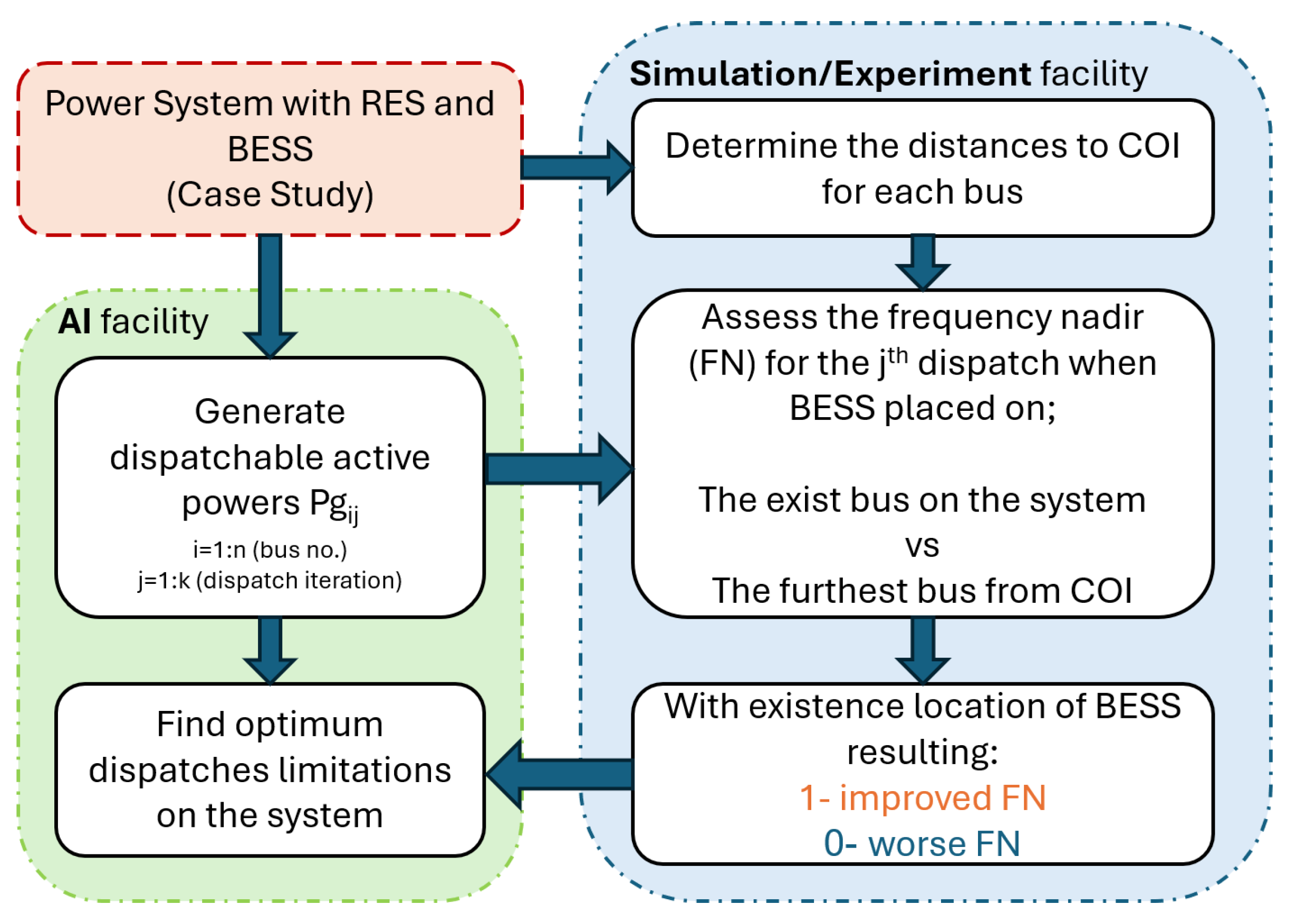
Figure 1 illustrates the proposed methodological framework for managing a power system that integrates renewable energy (RE) sources and a Battery Energy Storage System (BESS). The framework aims to optimize operational strategies that improve frequency stability and system performance through coordinated dispatch decisions.
Within this framework, an artificial intelligence (AI) facility is used to automate dispatch decision-making. The AI model generates dispatchable active power values for each generator, where i denotes the generator index and j represents the dispatch iteration. These dispatch candidates are evaluated while considering system constraints such as generation limits, network conditions, and load requirements. The AI facility interacts iteratively with the power system simulation platform, forming a closed-loop process in which simulation results are used as feedback to improve subsequent dispatch strategies.
The simulation facility uses a power system analysis platform, specifically PSS®E, to evaluate the dynamic performance of the system under different dispatch scenarios. The simulator computes two key metrics used in this study: the electrical distance of each bus from the Center of Inertia (COI) and the system frequency nadir following a disturbance event.
Unlike conventional approaches that focus primarily on static BESS placement, the proposed framework adopts a dynamic operational perspective. By combining COI proximity analysis with AI-driven dispatch optimization, the method enables adaptive decision-making that enhances frequency stability under varying operating conditions.
2.1. Estimation of the Electrical Distance to the COI
Numerous electromechanical oscillation modes, numerous power flow paths, and an irregular distribution of inertia throughout the grid are just some of the many factors that contribute to the complexity of the dynamics of large-scale systems. The characteristics of these systems are overwhelming in number. The dynamic complexity is reduced by concentrating on a single inter-area mode; however, it is difficult to estimate the dynamic behavior’s dependence on parameters and operational conditions. Furthermore, explicit expressions for the location of the COI and residue in terms of the location parameter (alpha) are not considered. An index that is associated with the system distribution of inertia is proposed by [
20] in order to estimate the electrical distance of any bus to the COI. This index is implemented by using the practical concepts described by [
20]. Considering that this index is going to be used to determine the best places for BESS, it is necessary to validate it and establish a statistical correlation with the residue. This is accomplished in a real system, under a variety of different operating conditions.
After a specific disturbance occurs to the system, the frequency of the COI at any time is determined as follows:
where
is the synchronous generator number of the system,
is the total number of synchronous generators,
is the inertia constant of a synchronous generator, and
is the measured frequency of a synchronous generator.
In order to determine the distance between a specific bus and the location of the COI over a given time period
T, it is possible to do so by comparing the frequency of the bus with the frequency of the COI in (
1). This is done by calculating the integral square frequency difference as follows:
where
is the disturbance initiation time (s) and
is the measured frequency of the
ith bus.
In this study, the COI distance index is computed using = 1.0 s (disturbance initiation) and an observation window of T = 5 s. This interval captures the full post-disturbance oscillatory behavior of the system.
To normalize the distances to the COI so that the values lie between zero (closest to COI) and one (furthest to COI), an index for the distance to the COI is determined. Each
for each
ith bus will be divided by the maximum
among the whole
N buses in the system:
Following the computation of the COI distance index, the frequency-nadir assessment is performed to evaluate the dynamic frequency response of the system under disturbance conditions.
2.2. Frequency-Nadir Assessment
Identifying the frequency nadir in a power system requires a thorough dynamic model that encompasses all system components, including generators, load profiles, transmission network impedances, and control mechanisms. The modeling phase is vital for precisely depicting the inertia and dynamic responses of generators and load control systems, which are critical for simulating system behavior during disturbances.
To replicate disturbances, the system model must endure diverse disruptions, including generator tripping, sudden load fluctuations, or transmission line faults. These disturbances should be chosen according to scenarios that exemplify the most extreme conditions anticipated in the actual functioning of the power system.
Dynamic simulation tools, such as MATLAB/Simulink R2023b, PSS®E, or DIgSILENT PowerFactory, are utilized to assess the system’s response following the introduction of these disturbances. These simulations yield a temporal profile of system frequency, facilitating the identification of the frequency nadir—the minimum frequency attained prior to system recovery. This essential metric reflects the system’s capacity to endure and recuperate from disruptions while remaining within operational limits. This study employs PSS®E for this purpose.
The assessment and identification of the frequency nadir in a power system are fundamental for maintaining its stability and reliability, informing operational practices and system design enhancements to reduce the risks linked to frequency fluctuations.
Binary Label Definition
For each dispatch scenario j, the system frequency response is simulated in PSS®E under two configurations:
The resulting frequency nadirs are compared. The binary outcome label is defined as
where label 1 indicates that retaining the BESS at Bus 5 provides equal or better frequency performance, while label 0 indicates that relocation yields better performance.
2.3. Utilized AI Model
The AI model employed in this study is a narrow feedforward neural network implemented using MATLAB’s Neural Network Toolbox. This model is a feedforward neural network (FNN) characterized by a single hidden layer with fewer neurons than the number of inputs or outputs—hence the term “narrow.” Its compact structure is advantageous in control applications within power systems, where low computational burden and reduced overfitting are essential [
23].
The functional representation of the network is given by
where
is the input vector (e.g., bus load, RES output, inertia data);
H is the number of neurons in the hidden layer ();
and are weights from the input-to-hidden and hidden-to-output layers respectively;
, are biases;
is the activation function, typically sigmoid or ReLU.
The training objective is to minimize the mean squared error (MSE) between predicted and target values:
Model Training Procedure
The neural network was trained using dispatch scenarios generated through iterative co-simulation between MATLAB and PSS®E. A dataset of dispatch samples was created by varying generator outputs within feasible operating limits.
The input feature vector includes:
Generator active powers (, , )
Bus load values
Electrical distance to the COI
The neural network consists of a single hidden layer containing H neurons, where H < n to maintain a narrow architecture suitable for control applications.
The dataset was randomly divided into training, validation, and test subsets using a 70%/15%/15% split.
The network is trained using the Levenberg–Marquardt algorithm, a second-order optimization method ideal for small- to medium-sized networks, combining the speed of the Gauss–Newton method with the stability of gradient descent [
24]. MATLAB’s built-in function
trainlm facilitates this training, adjusting weights using Jacobian-based updates and adaptive learning rates [
25].
The model has demonstrated applicability in a variety of power system contexts, including:
Control of renewable generation systems using artificial neural networks [
26];
Load forecasting and stability prediction [
27];
Control of hybrid and renewable systems [
28].
3. Case Study: Analysis and Results
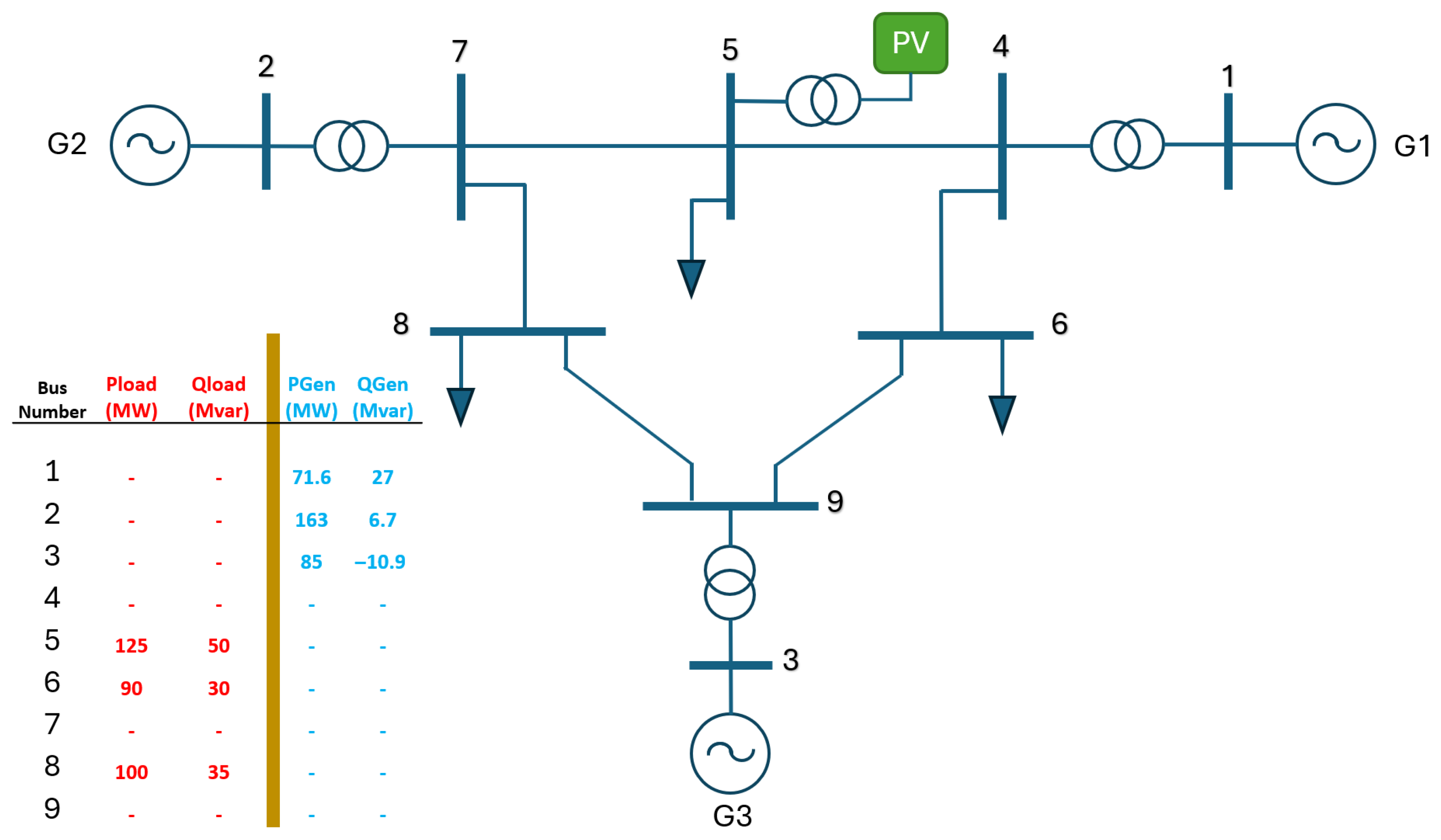
This study employs the IEEE nine-bus system as a case study to implement the proposed methodology. The IEEE nine-bus system is a well-established benchmark for power system analysis and education [
29]. As shown in
Figure 2, it comprises nine buses, three generators, and several loads interconnected through transmission lines. Its compact structure makes it suitable for examining power system behavior under different operating conditions.
3.1. Test System and Component Modeling
This section describes the simulation environment, disturbance definition, and dynamic component models used in the frequency stability analysis.
3.1.1. Simulation Setup
All frequency stability assessments are performed using PSS®E v35 with a fixed timestep dynamic simulation of 10 s duration and timestep s. The network solution is executed at every timestep with no interleaving.
The disturbance scenario applied across all dispatch cases is a sudden active power mismatch of 10 MW initiated at s, representing a partial generation trip. The minimum system frequency (frequency nadir) is recorded following the disturbance to evaluate dispatch configurations.
3.1.2. IEEE Nine-Bus Test System
The modified IEEE nine-bus power system implemented in PSS®E serves as the simulation benchmark for all frequency stability studies.
The system consists of three synchronous generators, nine buses, three load buses, and six transmission lines operating at 230 kV.
A photovoltaic generation unit and a co-located Battery Energy Storage System (BESS) are connected at Bus 5, which is the largest load bus in the network.
Table 1 summarizes the load-flow data and dynamic model assignments used for the IEEE 9-bus test system considered in this study.
3.1.3. Synchronous Generator Models
The three synchronous generators are represented using standard PSS®E dynamic machine models.
Generator G1 uses the GENSAL salient pole model, while generators G2 and G3 use the GENROU round rotor model. Excitation systems are modeled using the IEEET1 model and turbine governors using the IEESGO model. A PSS2A stabilizer is included for each generator.
3.1.4. WECC Converter-Based Resource Models
Both the PV generator and the BESS are represented using WECC second-generation generic models for converter-based resources.
The modeling hierarchy consists of:
REGC_A—generator/converter interface model;
REECB1—electrical controller for PV;
REECC1—electrical controller for BESS.
3.1.5. Generator/Converter Model: REGC_A
The REGC_A model represents the physical power–electronics interface between the converter-based resource and the power system network. In this study, it is used to represent the interface of both the photovoltaic (PV) inverter and the battery energy storage system (BESS) converter. The model receives real current () and reactive current () commands from the higher-level electrical controller (e.g., REECB1 for PV or REECC1 for BESS) and injects these currents into the network at the converter terminal bus.
Internally, REGC_A represents the fast current-control dynamics of the converter and ensures that commanded currents are delivered to the grid subject to operational limits. Its primary responsibilities include enforcing low-voltage ride-through (LVRT) current limiting through the Low-Voltage Power Logic (LVPL) characteristic, applying ramp-rate constraints on current recovery following voltage dips, and implementing high-voltage reactive current suppression logic to protect converter operation under abnormal voltage conditions. The control parameters used for the REGC_A generator/converter model are summarized in
Table 2.
3.1.6. BESS Electrical Controller: REECC1
The REECC1 model governs the active and reactive power dispatch of the BESS through its interaction with the converter interface model REGC_A. It extends the standard renewable energy electrical controller (REEC) architecture by incorporating explicit state-of-charge (SOC) tracking, allowing the model to represent the finite energy capacity of the battery and enforce charging and discharging limits that are not captured in simple droop-based storage representations.
Within the WECC generic renewable energy modeling framework, REECC1 provides the outer electrical control loop that determines the active and reactive current commands delivered to the converter model. These commands are then implemented by REGC_A at the network interface. The control parameters used for the BESS electrical controller model are summarized in
Table 3. The REECC1 model is recommended by WECC and EPRI for representing Battery Energy Storage Systems in planning-grade dynamic simulations in PSS
®E [
30].
3.1.7. PV Electrical Controller: REECB1
The REECB1 model governs the active and reactive power output of the photovoltaic (PV) generator. It shares the same reactive power/voltage () control architecture as REECC1 but replaces the state-of-charge (SOC) tracking block with a frequency-responsive active power control loop, making it suitable for PV generators that may participate in primary frequency response.
Within the WECC generic renewable energy modeling framework, REECB1 provides the outer electrical control layer that determines the real and reactive current commands sent to the converter interface model REGC_A. These commands are then enforced at the network interface by the converter current controller.
In this study, the PV unit connected at Bus 5 is operated in constant power factor mode. The frequency-response function is effectively disabled by selecting wide deadbands (
Hz and
Hz), ensuring that the PV generator does not contribute to primary frequency support. This configuration prevents PV frequency response from influencing the measured frequency nadir, allowing the analysis to isolate the impact of the BESS on system frequency stability. The control parameters used for the PV electrical controller model are summarized in
Table 4.
3.1.8. Model Initialization and Validation
Prior to the disturbance studies, the dynamic models were validated to ensure correct initialization. With no disturbance applied, all relevant state variables, including generator speed, bus voltage, and BESS state of charge, remained constant over the simulation horizon.
The BESS controller was initialized with and was verified to maintain constant SOC under steady-state conditions, confirming proper model initialization and parameterization.
3.2. Electrical Distance to the COI
After establishing the test system and its dynamic component models, the next step is to evaluate the electrical distance of each bus from the Center of Inertia (COI). Using (
1) and (
2), the COI distance indices are computed for the IEEE nine-bus system under the nominal operating condition. The resulting absolute and normalized distance values are summarized in
Table 5.
Table 5 summarizes the absolute and normalized electrical distances of all buses from the Center of Inertia (COI) in the modified IEEE nine-bus system. Here,
denotes the absolute electrical distance under the applied 1 MW mismatch basis, while
is the corresponding normalized index, where values closer to zero indicate proximity to the COI and values closer to one indicate greater electrical separation.
The results show that Bus 4 is the closest bus to the COI, with , while Buses 3 and 2 are the farthest, with and , respectively. Since the PV unit is installed at Bus 5, and Bus 5 also carries the largest load in the network, the BESS is co-located at this bus in the practical base configuration. However, Bus 5 remains relatively close to the COI, with , which motivates the comparison with the more distant buses identified by the COI index.
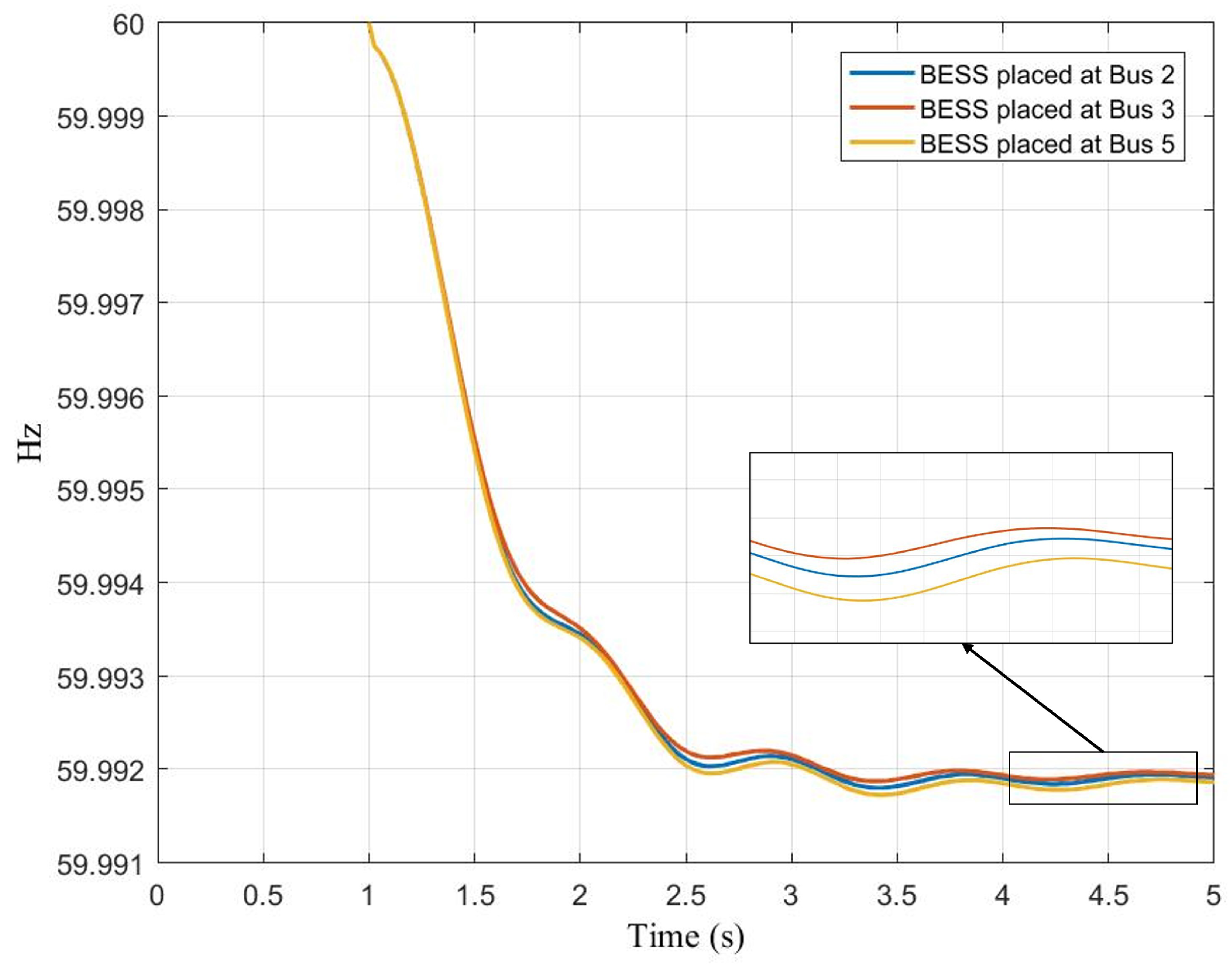
Figure 3 presents the baseline frequency-nadir comparison under a fixed dispatch condition for three BESS placement options within the IEEE nine-bus system: Bus 2, Bus 3, and Bus 5. The frequency nadir, defined as the lowest frequency reached following the applied disturbance, is used here as the primary indicator of post-disturbance frequency stability.
The results show that the frequency nadir varies slightly with BESS location. The cases with the BESS placed at Bus 3 and Bus 2 exhibit similar trends, although the Bus 2 case reaches a slightly lower nadir. Both cases differ from the response obtained when the BESS is retained at Bus 5, indicating that BESS location has a measurable effect on post-disturbance frequency performance.
This comparison highlights the crucial role of BESS in enhancing grid stability and emphasizes the importance of strategic placement to optimize frequency response mechanisms, ensuring the grid’s ability to withstand and quickly recover from disturbances.
Based on the baseline comparison, relocating the BESS to buses farther from the COI, particularly Bus 3 or Bus 2, appears favorable under fixed dispatch conditions. To investigate whether this apparent advantage can be offset through operational coordination, multiple dispatch scenarios are generated using the AI-based framework. The frequency nadir is then evaluated for configurations in which the BESS is either retained at Bus 5 or relocated to the farthest COI buses. Accordingly, two comparative scenarios are examined: Bus 3 vs. Bus 5 and Bus 2 vs. Bus 5.
3.3. Scenario 1: BESS at Bus 3 vs. at Bus 5
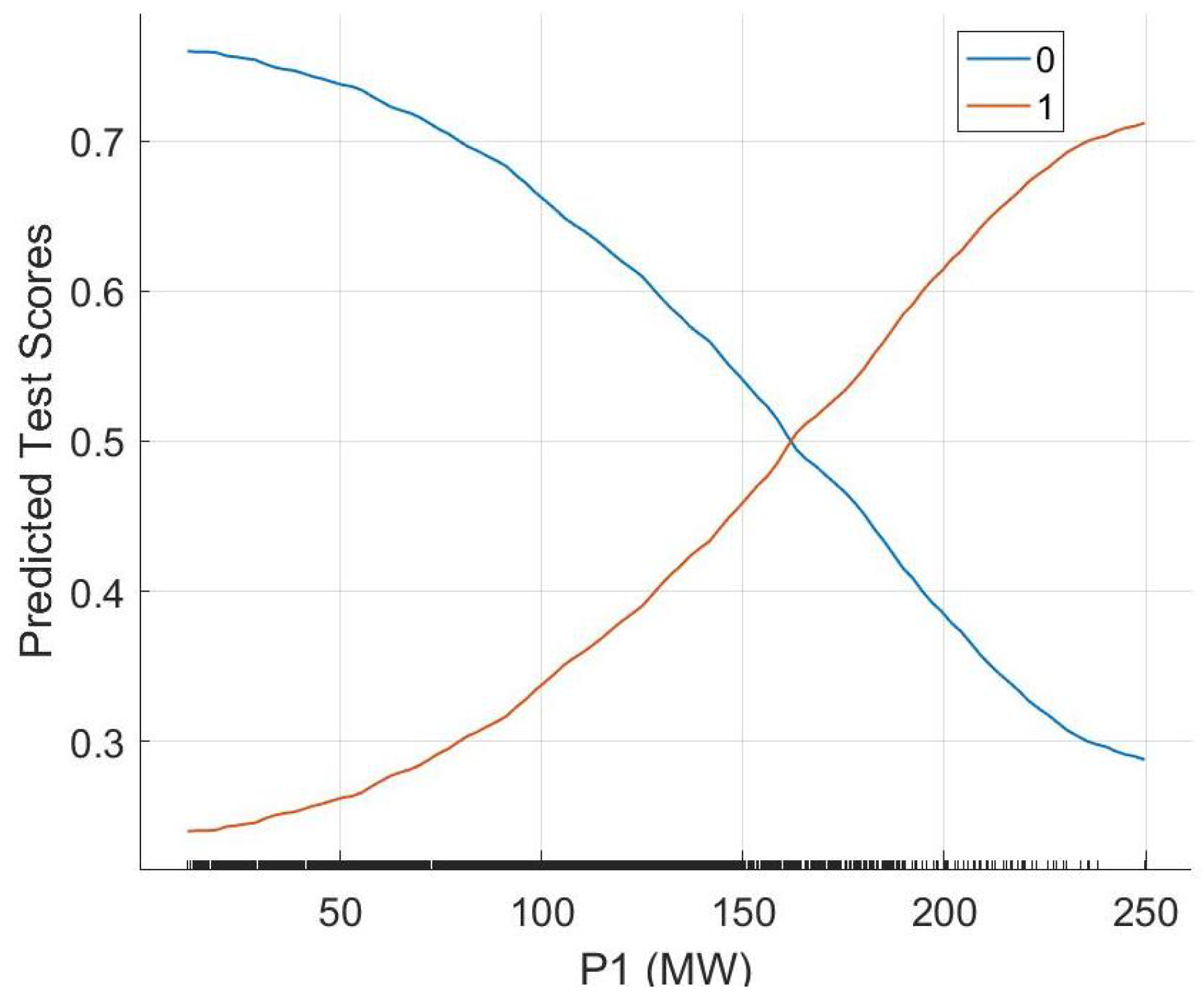
The frequency-nadir behavior in the IEEE nine-bus system, with emphasis on retaining the BESS at Bus 5, is analyzed through the results shown in
Figure 4,
Figure 5 and
Figure 6. These evaluations employ an AI-based model to assess the impact of varying power outputs from Generators G1, G2, and G3 on system stability and frequency performance.
In
Figure 4, the results for Generator G1 (P1) reveal a positive correlation between increased power output and improved frequency nadir when the BESS remains at Bus 5. In particular, once G1 output exceeds 160 MW, the frequency nadir improves noticeably, suggesting that higher generation levels from G1 are critical for enhancing overall system performance. Consequently, dispatch strategies should prioritize elevated power levels from G1 while retaining the BESS at Bus 5.
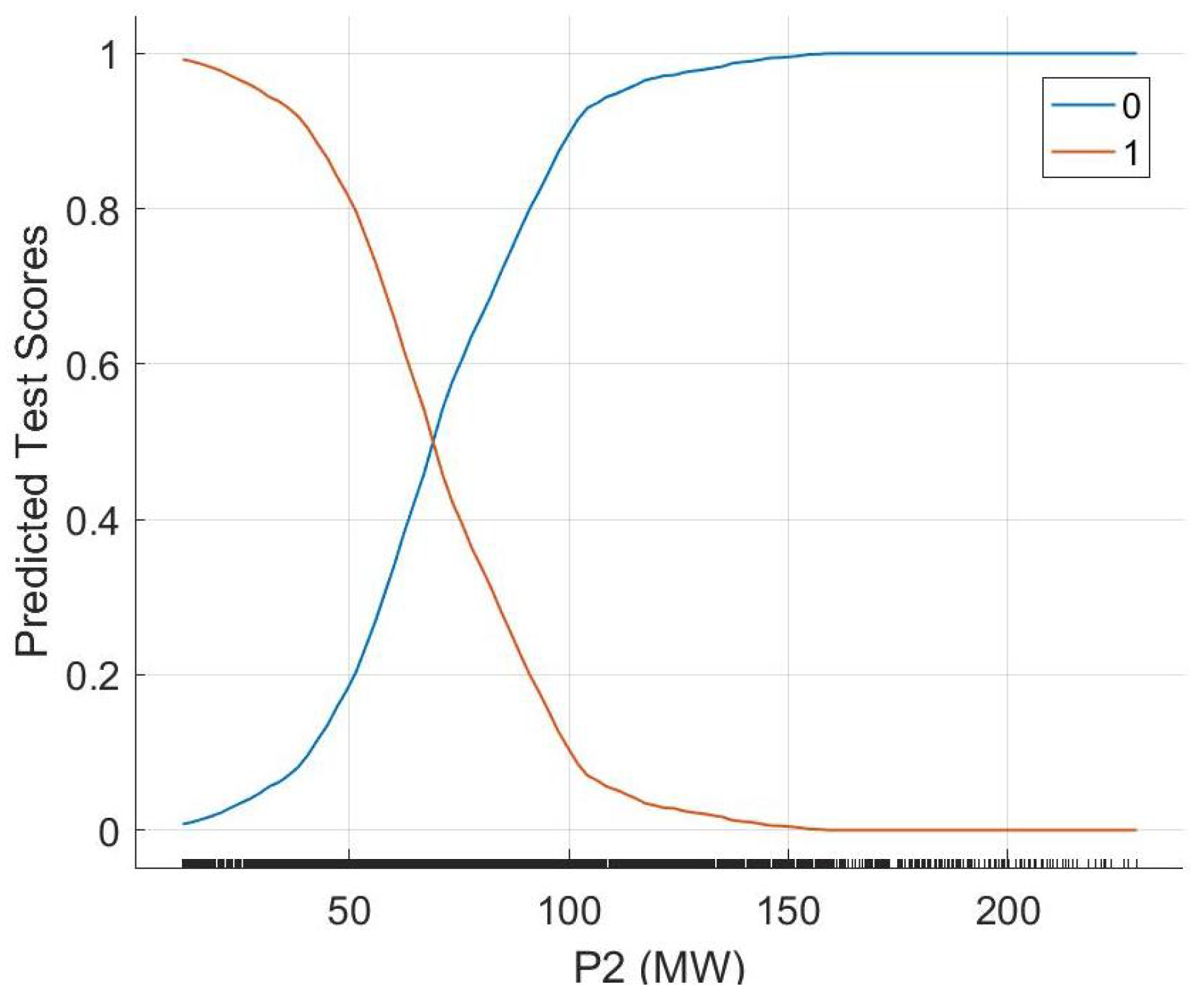
Figure 5 shifts the focus to Generator G2 (P2), where a contrasting behavior is observed. The frequency nadir remains favorable at lower output levels—specifically below 70 MW—but deteriorates as the output exceeds this threshold. This implies that, for G2, dispatch strategies should constrain power output to under 70 MW to better exploit the stabilizing effect of the BESS at Bus 5.
In
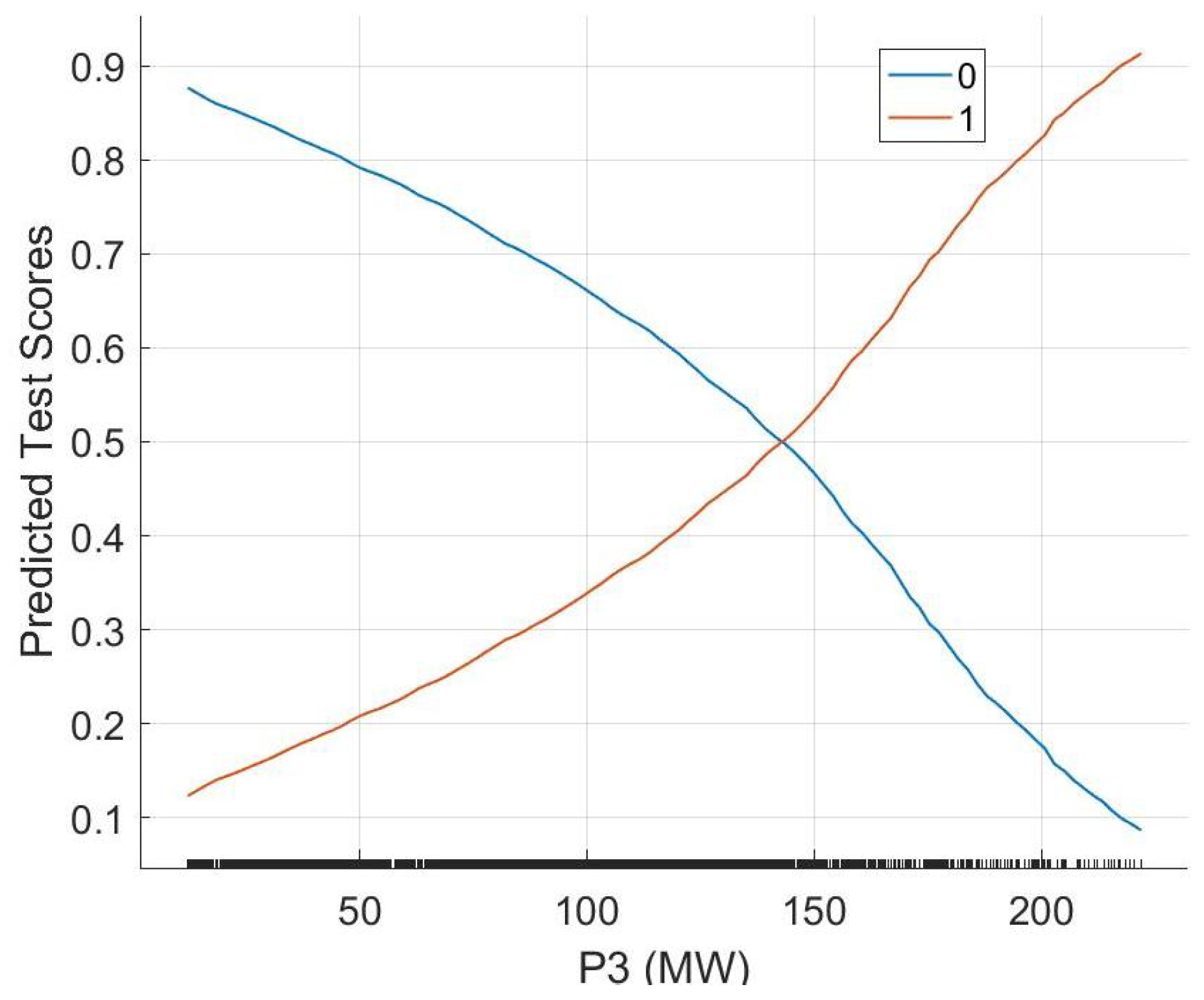
Figure 6, the analysis of Generator G3 (P3) identifies a crossover point at approximately 140 MW. Beyond this threshold, the frequency nadir consistently improves with increasing output. Therefore, to maximize the effectiveness of the BESS at Bus 5, G3 should be dispatched at output levels exceeding 140 MW.
To summarize the dispatch conditions that influence frequency-nadir performance,
Table 6 presents the key generator output thresholds observed in the analysis.
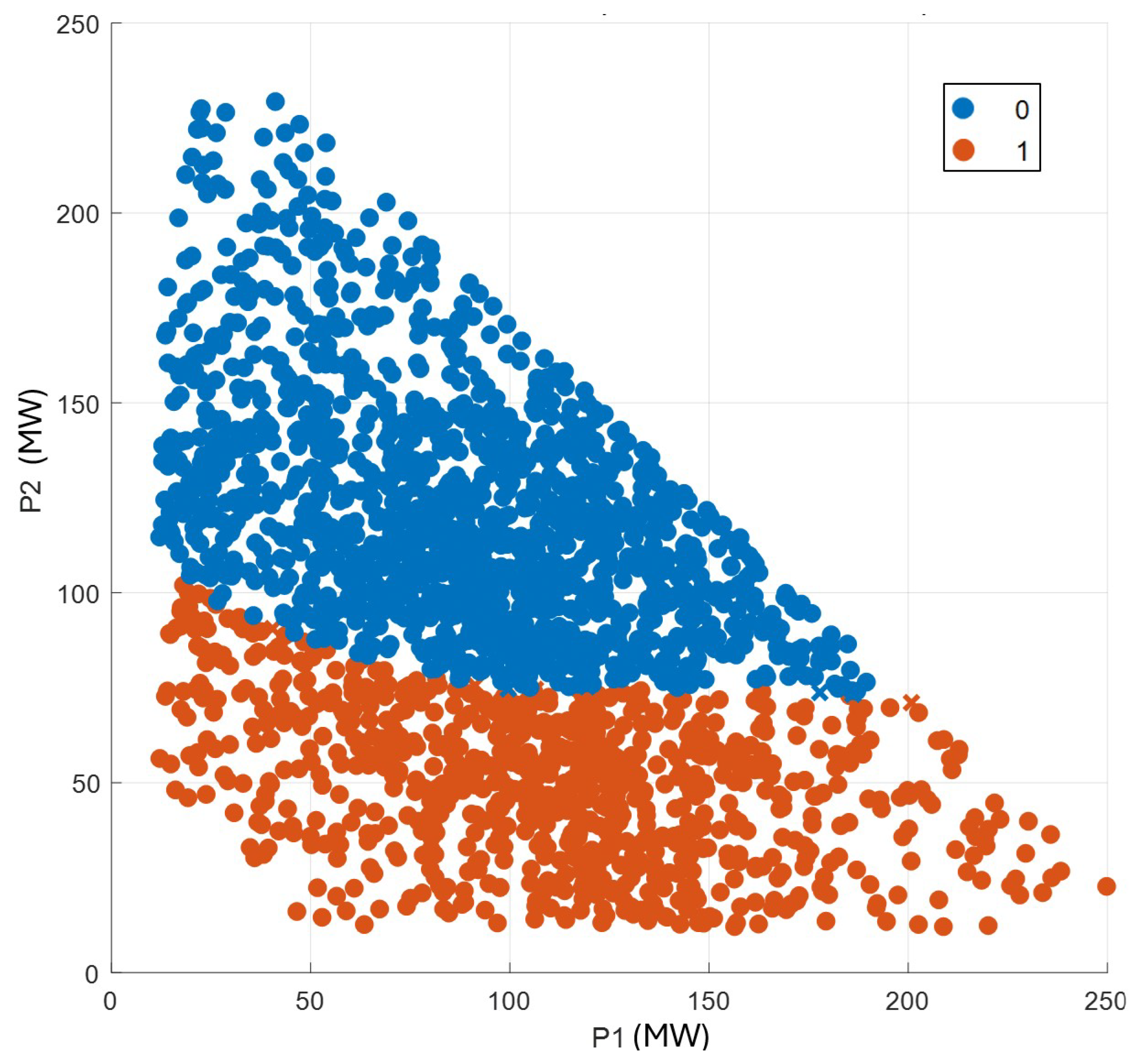
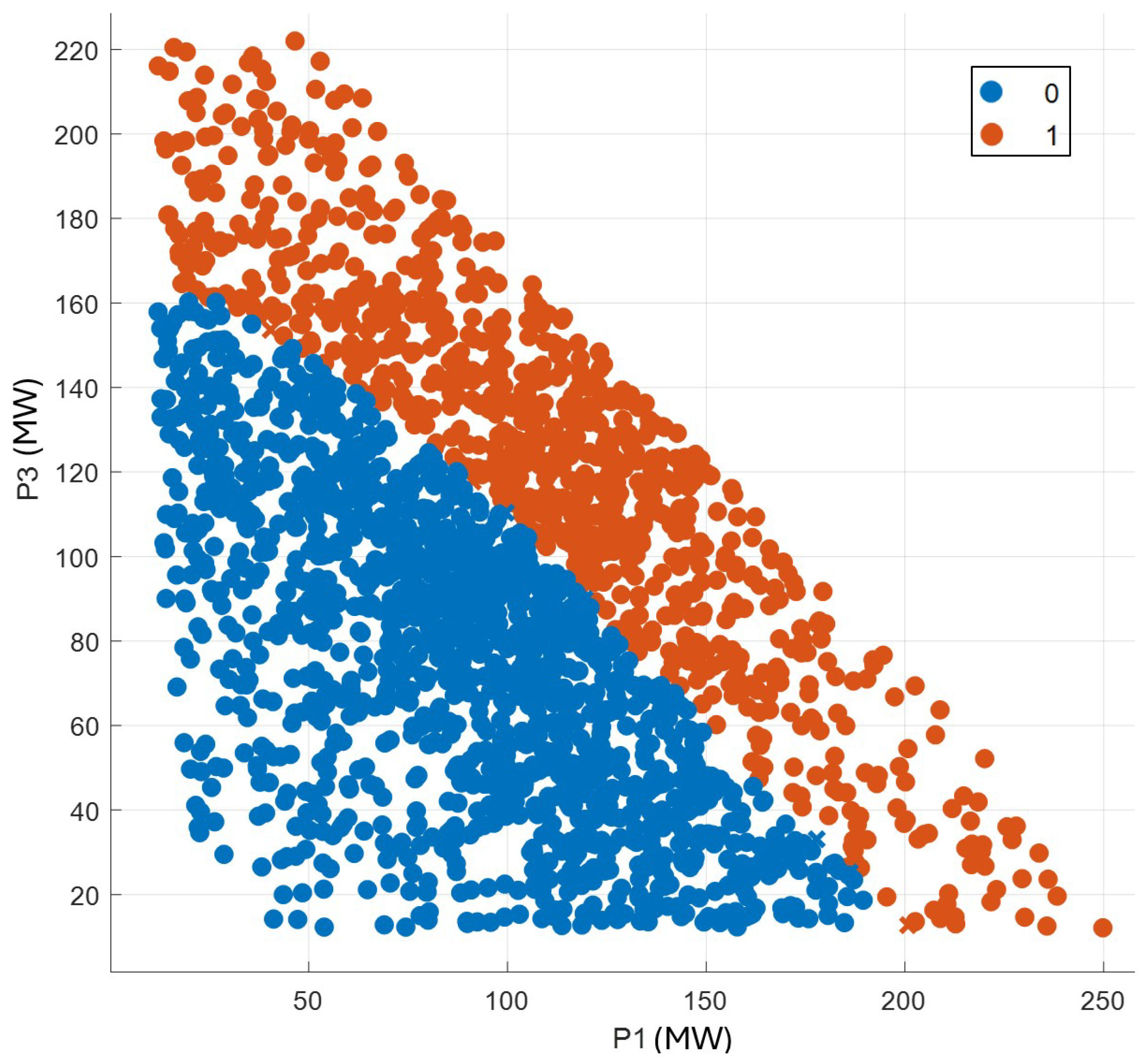
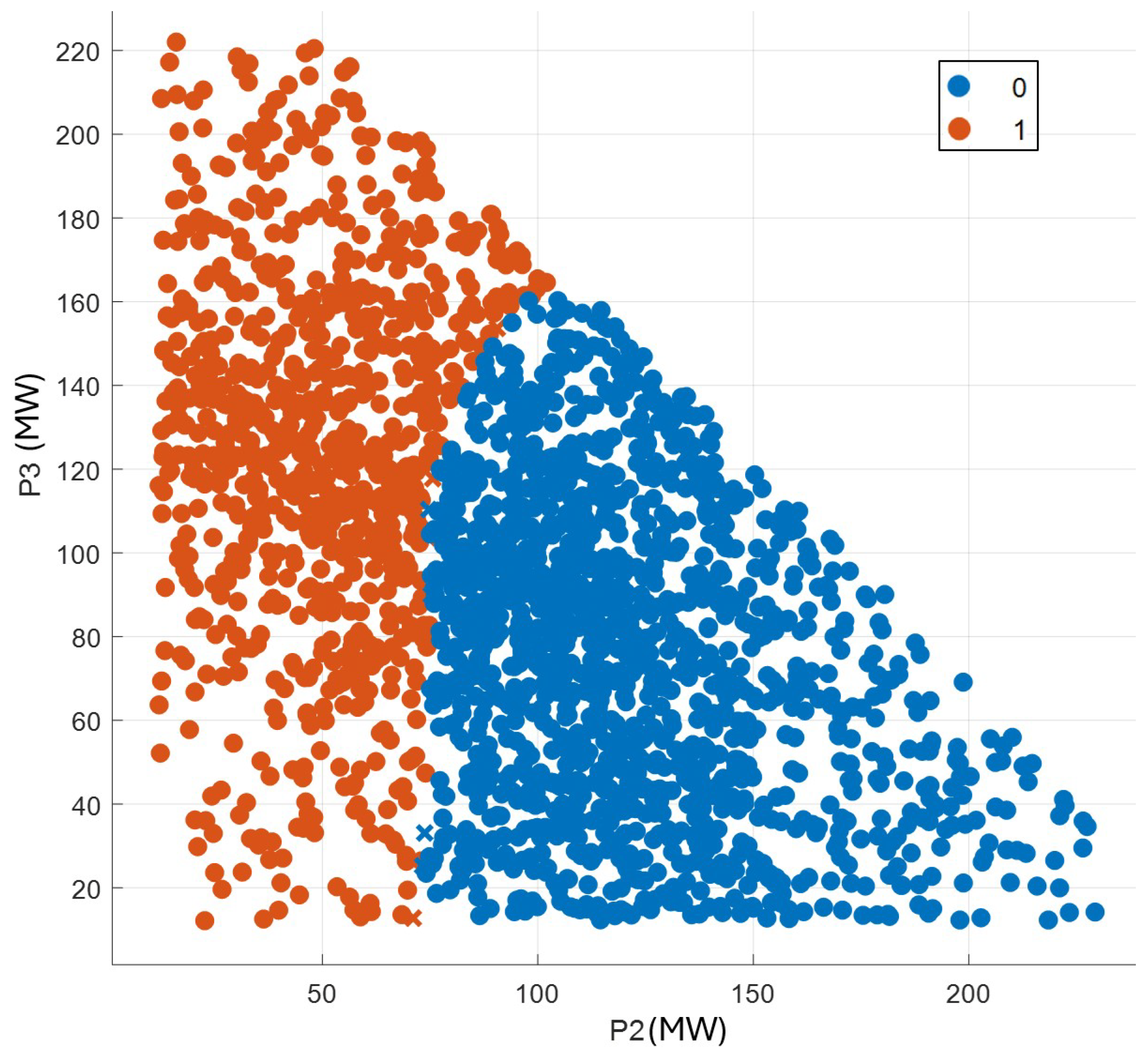
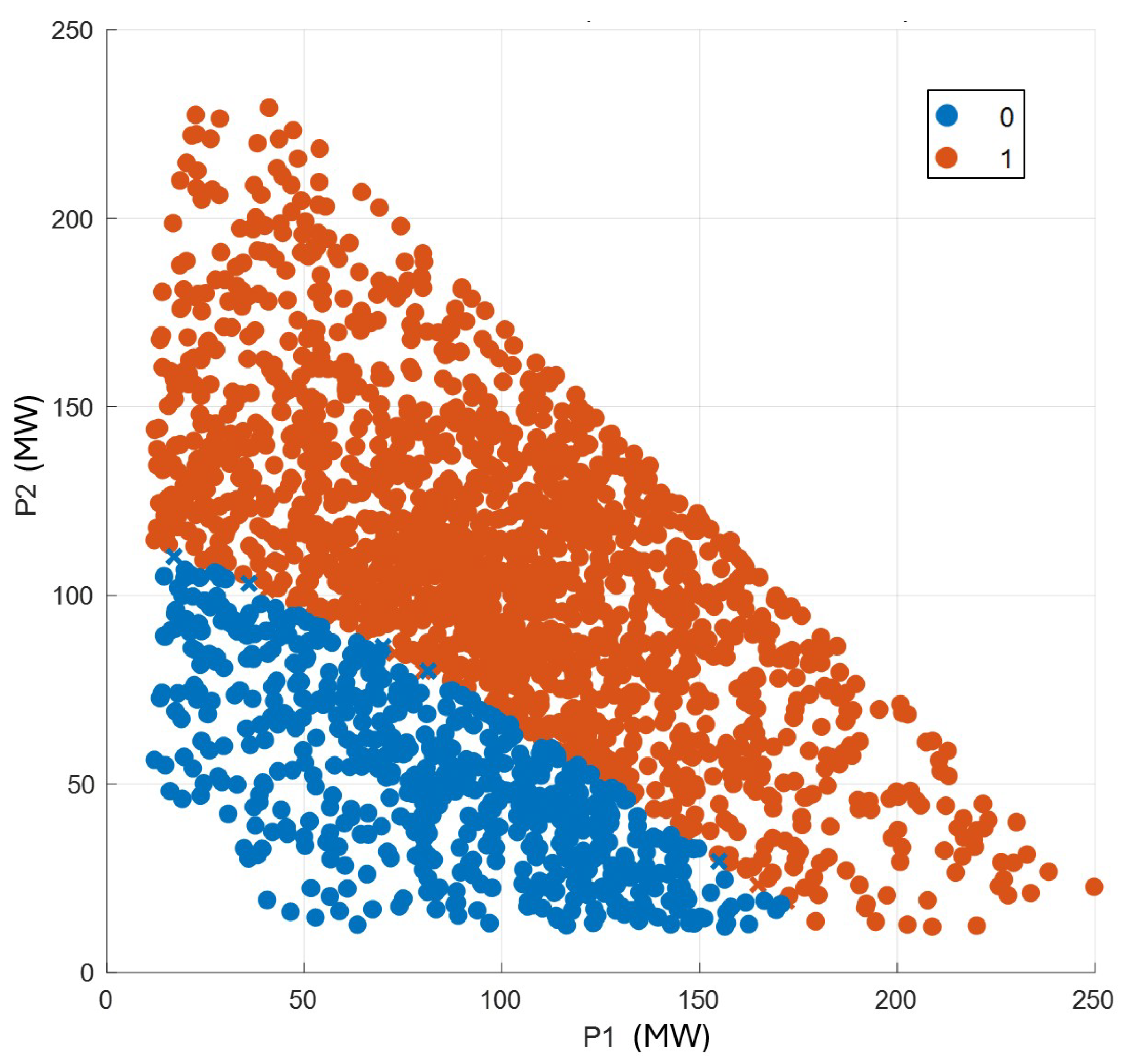
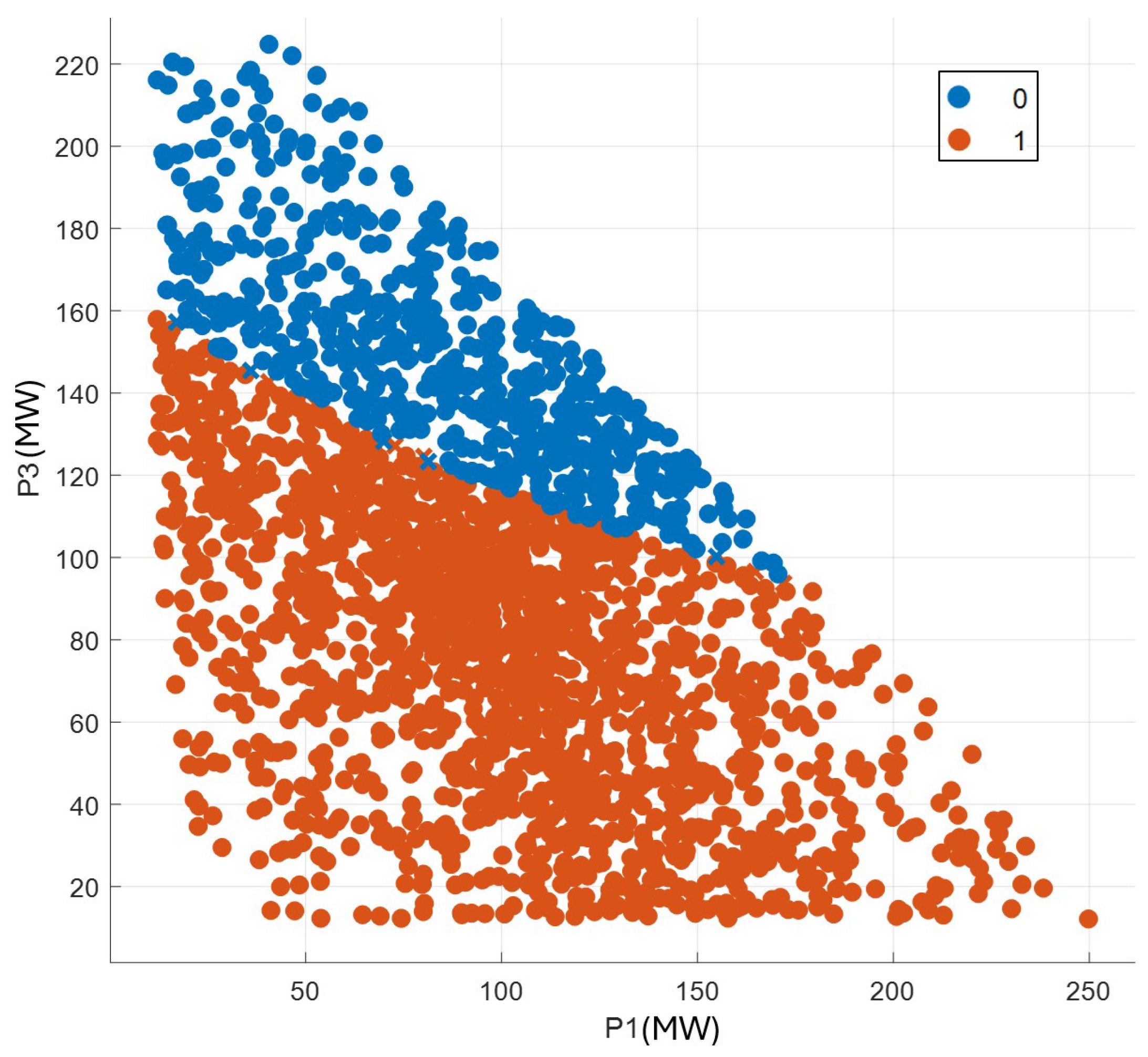
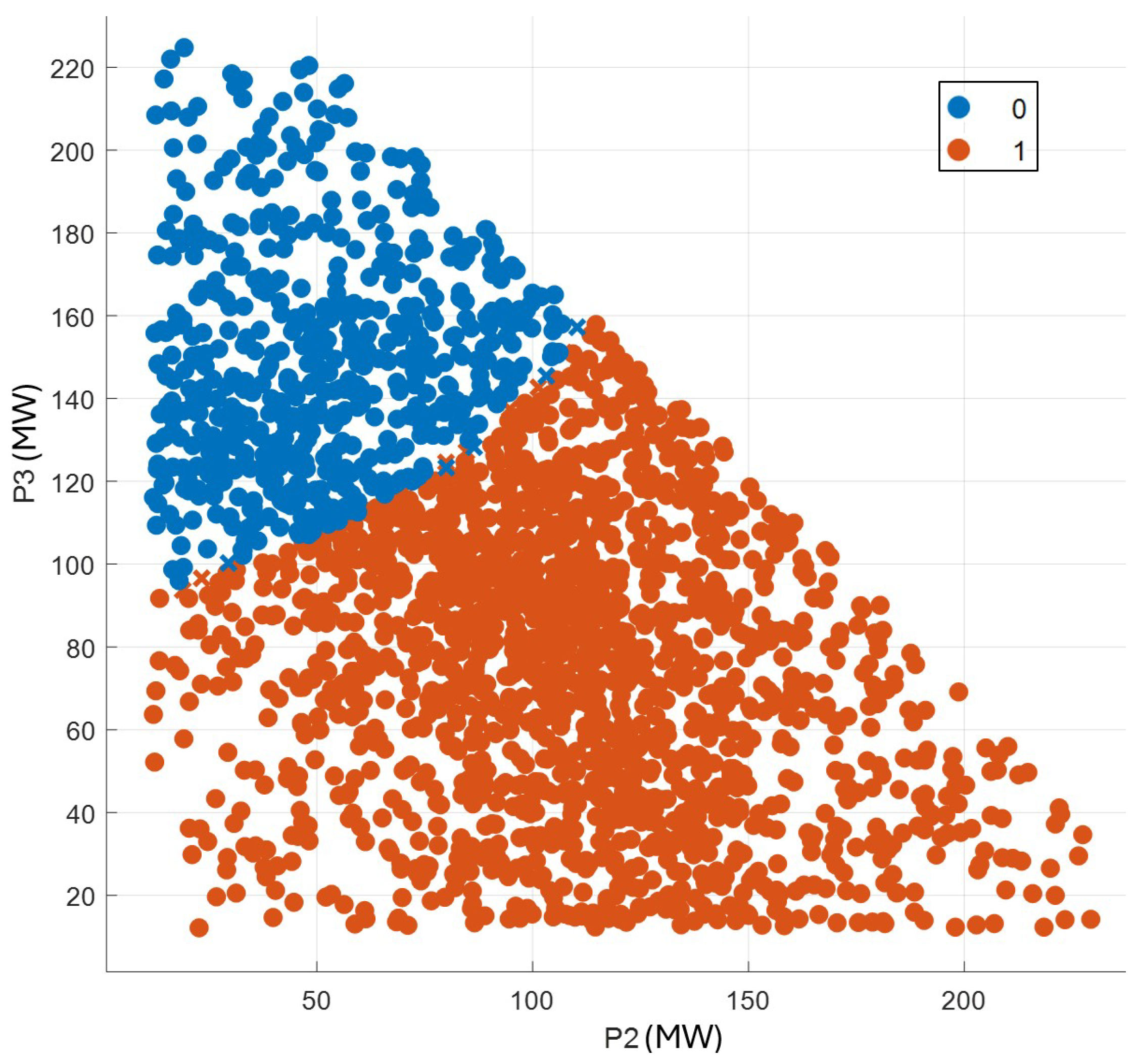
The scatter plots in
Figure 7,
Figure 8 and
Figure 9 further clarify the influence of power dispatch strategies on frequency-nadir outcomes.
Figure 7 examines the relationship between the power outputs of Generators G1 and G2, showing that maintaining the BESS at Bus 5 is advantageous at lower G2 outputs, particularly when G1 operates at or above 160 MW. At higher output levels, however, the benefits diminish, indicating that relocating the BESS to Bus 3 may yield improved stability.
Figure 8 explores the interaction between Generators G1 and G3. The dominance of orange points at mid to high power ranges (100–150 MW for G1 and 80–180 MW for G3) suggests that these dispatch levels are optimal for enhancing frequency-nadir performance when the BESS is retained at Bus 5.
Similarly,
Figure 9 evaluates Generators G2 and G3, revealing favorable outcomes at lower G2 outputs (up to 75 MW) and mid-to-high G3 outputs (above 80 MW). These results indicate that optimal BESS placement depends on the combined generator dispatch conditions and must be evaluated case-by-case.
Together, these analyses highlight the importance of tailored dispatch strategies that account for the distinct impact of each generator on system frequency stability. For G1 and G3, operating above 160 MW and 140 MW respectively is essential to maximize the benefits of keeping the BESS at Bus 5. For G2, on the other hand, limiting the output to below 70–75 MW is critical to retain the stabilizing influence of the BESS at that location.
Overall, understanding these dynamics is crucial for optimizing system resilience and operational efficiency, especially in power networks integrating variable renewable energy sources and advanced storage technologies. The combined insights from both line graphs and scatter plots provide a comprehensive understanding of how BESS placement and generator dispatch interact to affect system dynamics, emphasizing the need for nuanced strategies to maintain grid stability and enhance overall performance.
3.4. Scenario 2: BESS at Bus 2 vs. at Bus 5
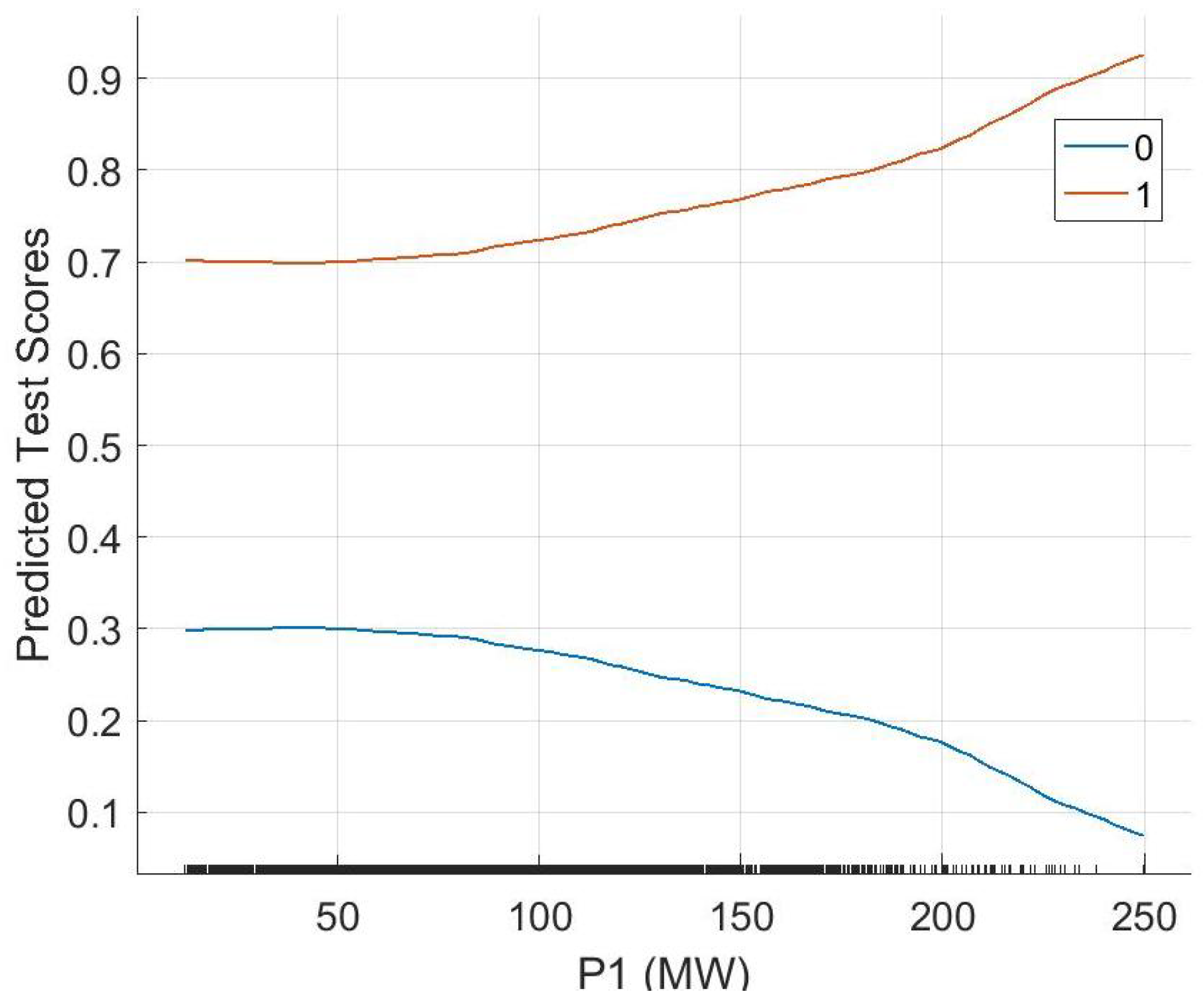
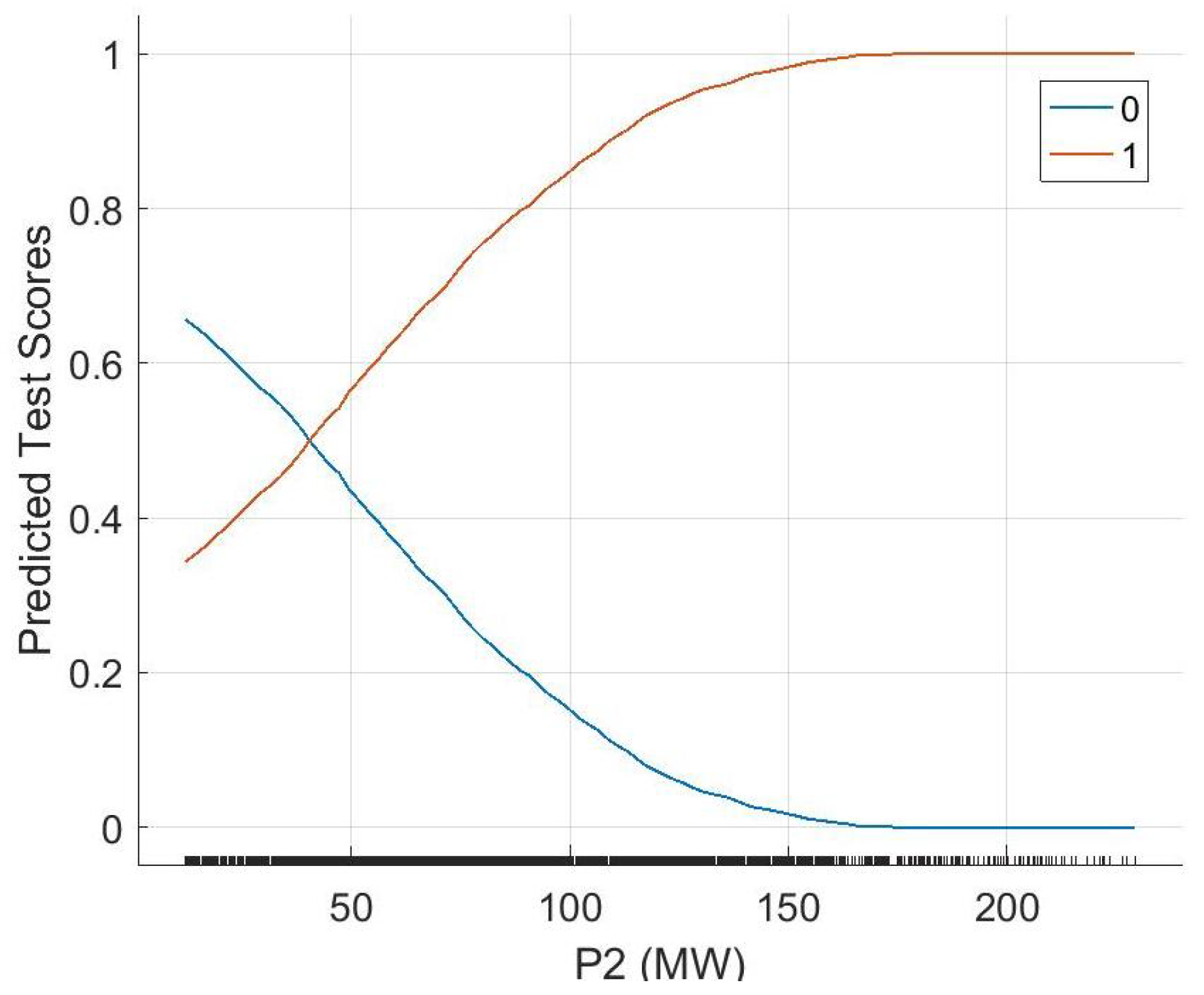
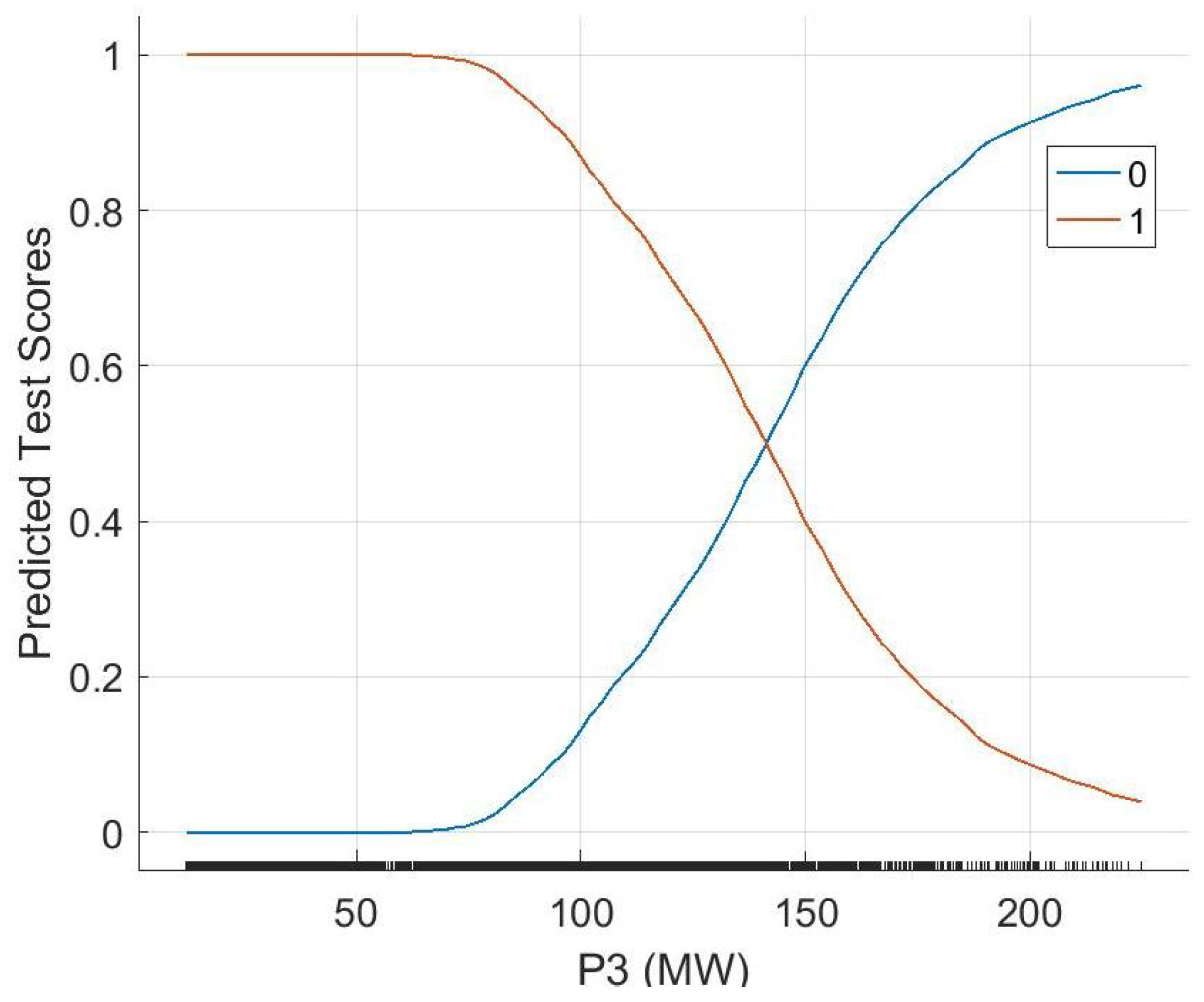
The line graphs in
Figure 10,
Figure 11 and
Figure 12 provide a comprehensive analysis of how generator power outputs influence the frequency nadir within the IEEE nine-bus system, particularly when comparing the performance of a Battery Energy Storage System (BESS) located at Bus 5 vs. Bus 2. These graphs quantify the system’s ability to maintain stable frequency levels under varying output conditions from Generators G1, G2, and G3.
Starting with Generator G1, as shown in
Figure 10, the blue line reveals a decline in frequency nadir as power output increases, indicating that the BESS at Bus 2 becomes less effective in maintaining stability. In contrast, the orange line shows a marked improvement in frequency response with the BESS positioned at Bus 5, especially beyond the critical threshold of 150 MW. This suggests that higher outputs from G1 are more effectively stabilized when the BESS remains at Bus 5, underscoring the importance of strategic placement.
In
Figure 11, the analysis of Generator G2 reveals a transition point around 100 MW. At lower outputs, the BESS at Bus 2 initially provides a more favorable frequency nadir. However, once the output exceeds 40 MW, the orange line rises sharply, showing that higher outputs benefit more from the BESS located at Bus 5. This suggests that for G2, system stability is best supported by the BESS at Bus 5 in higher output scenarios.
The results for Generator G3 in
Figure 12 show a critical crossover point near 140 MW. Beyond this level, the blue line (BESS at Bus 2) continues to decline, indicating poorer frequency-nadir outcomes, whereas the orange line (BESS at Bus 5) performs better at lower output levels. This reinforces the significant role of G3’s output in determining system response and highlights the importance of maintaining the BESS at Bus 5 for improved stability.
Taken together, these results demonstrate that the optimal generator output levels for maintaining the BESS at Bus 5 vary across generators. G1 shows improved performance over a broad output range, G2 performs optimally starting around 40 MW, and G3 benefits from output levels below 140 MW. Aligning generator dispatch strategies with these thresholds enhances grid stability and operational performance, ensuring that the BESS can effectively mitigate frequency fluctuations.
To summarize the dispatch conditions observed in this scenario,
Table 7 presents the main generator output thresholds associated with favorable frequency-nadir performance when the BESS is retained at Bus 5 instead of being relocated to Bus 2.
The scatter plots in
Figure 13,
Figure 14 and
Figure 15 further analyze the effects of power dispatch from Generators G1, G2, and G3 on frequency nadir, comparing the performance of the BESS at Bus 5 vs. Bus 2. Each plot illustrates the power outputs from two generators, with color coding indicating the effectiveness of frequency-nadir management.
In
Figure 13, the clustering of orange dots in the mid- to high-range outputs of G1 and G2 suggests that higher outputs lead to better frequency-nadir management with the BESS at Bus 5. Conversely, blue dots concentrated in lower output ranges indicate that at lower power outputs, the BESS might be more effective at Bus 2.
Figure 14 shows a similar trend, where lower and mid-range outputs from G3 and a wide range from G1 favor the BESS at Bus 5, while blue dots indicate better management at Bus 2 for higher outputs from G3.
Figure 15 reinforces these observations, with orange dots dominating lower to mid output ranges from G3, suggesting better outcomes with the BESS at Bus 5. The prevalence of blue dots at higher outputs from G3 indicates potential benefits from relocating the BESS to enhance system stability.
Overall, the analysis emphasizes that the optimal operation of the BESS at Bus 5 is contingent on mid-range generator outputs. This insight is crucial for developing strategies that maximize the efficacy of the BESS in managing system stability, particularly in configurations that incorporate renewable energy sources. By optimizing generator outputs and considering BESS placement, grid operators can enhance the resilience and efficiency of power systems, ensuring alignment with the objectives of maintaining grid stability and reliability under diverse operating conditions.
4. Conclusions
This paper examined the role of Battery Energy Storage Systems (BESS) in supporting frequency stability in low-inertia power systems with high renewable penetration. The results show that, under specific dispatch conditions, maintaining the BESS at the same bus as the renewable source can provide frequency-nadir performance comparable to relocating it to a bus farther from the Center of Inertia (COI). The AI-assisted dispatch analysis demonstrated that generator-output coordination has a measurable influence on post-disturbance frequency behavior.
In the analyzed case study, improved frequency-nadir performance with the BESS retained at Bus 5 was associated with higher outputs from G1 and G3, while lower output from G2 was found to be favorable in the Bus 3 comparison scenario. These findings suggest that generator dispatch can be used as an operational lever to improve post-disturbance frequency response without necessarily requiring physical relocation of an already-installed BESS.
By integrating COI-based analysis, dynamic simulation, and AI-assisted dispatch screening, the proposed framework provides a proof-of-concept for operationally compensating a non-ideal BESS location through coordinated dispatch adaptation.
The IEEE nine-bus system was selected as a tractable benchmark to demonstrate the proposed methodology. Although the specific dispatch thresholds identified in this study are system dependent, the overall framework combining COI analysis, dynamic simulation, and AI-assisted dispatch screening can be extended to larger networks. Future work will therefore focus on validation using larger benchmark systems, such as the IEEE 39-bus and 118-bus systems, as well as on broader disturbance sets and alternative operating conditions.