1. Introduction
Permanent magnet linear motors (PMLMs) have attracted growing attention in high-speed, high-precision applications where both motion accuracy and energy efficiency are critical [
1,
2,
3]. Unlike conventional rotary motors, PMLMs convert electrical energy directly into linear motion, eliminating intermediate mechanical components such as gearboxes or lead screws. This direct-drive configuration reduces mechanical losses, improves dynamic response, and enhances overall system reliability. As a result, PMLMs have found widespread use in industrial automation and manufacturing lines [
4,
5], precision machine tools [
6,
7,
8], robotics and CNC systems requiring micron-level accuracy [
9,
10], and advanced transportation platforms [
11,
12,
13]. These capabilities have made them an indispensable choice in modern high-performance motion systems.
Despite these advantages, PMLMs remain susceptible to performance degradation caused by magnetic attenuation, mechanical wear, reduced sensor accuracy, and thermal drift. They are also more vulnerable than conventional rotary motors to external disturbances, model uncertainties, actuator faults, sensor noise, and parameter variations. Even minor actuator faults or small oscillations can accumulate into significant trajectory errors in precision tasks, while incipient faults are often difficult to detect before they escalate into critical failures. Such factors can induce vibration, oscillation, and uneven motion, thereby compromising trajectory tracking performance. In industrial practice, these issues degrade output quality and lead to unplanned downtime as well as increased maintenance costs. Achieving the required high precision under these conditions demands robust and responsive disturbance rejection and fault tolerance, underpinned by reliable and effective fault detection (FD) and fault-tolerant control (FTC) strategies capable of operating in real time and adapting to variable operating conditions within a cohesive control framework [
14,
15,
16].
Among the available strategies to address these challenges, FTC and FD play complementary roles. FTC seeks to maintain acceptable performance despite the occurrence of faults, while FD provides the diagnostic capability to identify, isolate, and characterize such faults at an early stage. In the context of PMLMs, where even small deviations can cause substantial trajectory errors, the interplay between FTC and FD becomes critical. Without timely and accurate FD, control reconfiguration may be delayed or ineffective, whereas FTC in isolation cannot guarantee reliable operation if faults remain undetected or misdiagnosed.
A wide variety of strategies have been explored for achieving FTC in electric drive systems, including PMLMs. These can broadly be grouped into model-based and data-driven designs. Model-based, passive FTC methods such as PID [
17], Feedback Linearization (FL) [
18], and sliding-mode control [
19] assume known system parameters and fixed controller structures. While simple, they are often unable to maintain high tracking accuracy under disturbances, actuator degradation, or parametric uncertainties. Active extensions, including adaptive PID [
20] and adaptive robust control with disturbance estimation [
21], can mitigate some of these limitations but remain dependent on accurate models and involve higher computational complexity, which restricts their real-time applicability.
Data-driven FTC methods have also been proposed, leveraging neural networks (NNs) and learning mechanisms to approximate unknown dynamics. Examples include adaptive neural-network-based non-singular fast terminal sliding-mode control [
22] and adaptive NN controllers for PMLMs [
23], which improve robustness to uncertainties but typically lack integrated fault diagnosis and do not generalize well across multiple simultaneous faults. NN observers have also been employed for adaptive FTC [
24], but they still rely on partial structural models and primarily address single-fault scenarios. Similarly, sliding-mode control with dynamic gain adjustment has been used to improve robustness but suffers from increased computational overhead and absence of FD [
25].
The FD itself has been studied extensively through both model-based and data-driven approaches. Observer-based strategies, such as Kalman-filter (KF) residual generators [
18] and sliding-mode diagnostic observers [
26], have achieved reliable detection under certain modeling assumptions but degrade in the presence of parameter uncertainties, threshold sensitivity, and transient conditions. Data-driven FD methods, including S-transform with PSO–LSSVM classification for demagnetization detection [
27], high-gain observers combined with GMDH neural networks for dynamic fault approximation [
28], and image-based retrieval with KAZE feature coding [
29], have reported high diagnostic accuracy but often introduce significant computational costs, making them less suitable for embedded, real-time systems.
There exists a limited number of studies that integrate FD and FTC within a single framework. Model-based combinations such as KF with FL [
18], higher-order sliding-mode observers with PI control [
30], and hidden Markov models coupled with FTC strategies [
31] provide unified structures but remain constrained by their reliance on accurate models and sensitive tuning. On the data-driven side, hybrid frameworks have been reported, including dq-axis current observer-based FD with PI control and decoupling for FTC in subway PMLMs [
32], and reinforcement-learning-based FD–FTC [
33]. While effective in controlled environments, these methods often suffer from reduced transient accuracy, high computational demand, and time-intensive training, which limit their practicality for real-time deployment.
This literature indicates that despite substantial progress, existing methods rarely achieve a fully integrated FD–FTC solution that is both rapid and reliable while also being independent of detailed plant knowledge and computationally efficient for real-time implementation. In particular, approaches that rely heavily on precise models or complex data-driven observers either struggle with uncertainty and multi-fault conditions or impose high computational costs that reduce practicality. These gaps motivate the development of a new framework capable of approximating unknown dynamics, generating reliable residuals, and delivering adaptive and robust control actions in a cohesive structure, ensuring both early fault detection and high-precision trajectory tracking under faults, disturbances, and measurement noise.
Motivated by existing gaps and challenges in the literature, this study proposes a novel integrated FD–FTC framework enabling simultaneous fault detection and control adaptation. The interplay between the two modules is central to the framework’s effectiveness. The FD subsystem is built upon residual signal analysis combined with continuous observation of system outputs, allowing rapid identification of anomalies such as oscillations or early-stage fault behavior. To produce these residuals, a LESO is formulated for both nominal and degraded operating states of the PMLM. In parallel, BELBIC, with proven capacity and effectiveness in various electrical system control applications [
34,
35,
36], is employed to approximate unmodeled dynamics and represent fault effects in real time. The adoption of BELBIC in the proposed FD system provides an efficient neural structure capable of handling system uncertainties and fault effects while supporting rapid detection. Finally, a windowed L1-norm index is applied to the residual signals to ensure fast and reliable decision-making under faulty conditions. On the other side, the FTC module ensures that the PMLM maintains high-precision trajectory tracking and robustness in the presence of actuator faults, external disturbances, and sensor noise. In this module, BELBIC serves as the primary control law, generating the control signal while inherently compensating for the effects of faults and disturbances. Leveraging its real-time approximation of unknown system dynamics, BELBIC adapts the control action to maintain stability and tracking accuracy without requiring explicit fault models. A robust control term is incorporated into the control rule to further mitigate disturbance and fault effects, while an
tracking criterion is applied to guarantee closed-loop stability. This close integration ensures that the FD and FTC modules do not operate in isolation but exchange critical information in real time: BELBIC’s estimations improve LESO’s detection accuracy, while LESO’s residuals enable BELBIC to swiftly reconfigure control actions. The resulting synergy allows for rapid detection, immediate fault accommodation, and high tracking precision even under combined fault–disturbance–noise scenarios, making the proposed framework suitable for safety-critical, high-performance industrial applications. Compared with conventional model-based FD–FTC schemes and offline data-driven fault classifiers, the proposed framework uniquely integrates online fault detection and fault-tolerant control within a single real-time learning-based architecture.
Accordingly, this work advances the state of the art through the following technical contributions:
A unified framework that enables simultaneous fault detection and control adaptation when the system is exposed to actuator degradations, dynamic uncertainties, external perturbations, or sensor noise, without requiring prior knowledge of system parameters.
A dual-role BELBIC design that both enhances LESO-based residual generation for FD and generates adaptive and robust control actions for FTC, streamlining the architecture and improving real-time feasibility.
An LESO-based residual monitoring scheme that achieves rapid and reliable detection of small oscillations and incipient faults, contributing to proactive maintenance, minimizing downtime, and preserving tracking accuracy.
Theoretical guarantees of closed-loop stability and strong disturbance/fault rejection under combined uncertainty–fault–noise conditions, supported by Lyapunov/ analysis.
To demonstrate the effectiveness and robustness of the proposed framework, extensive simulation studies are conducted under both ideal and perturbed conditions. The test scenarios include actuator faults, faults in the system dynamics, external disturbances, and sensor noise. Furthermore, a comprehensive comparative analysis is carried out to evaluate the framework’s performance against benchmark approaches, namely the PID-High gain [
37,
38] and FL-KF [
18] frameworks.
The reminder of this paper is organized as follows.
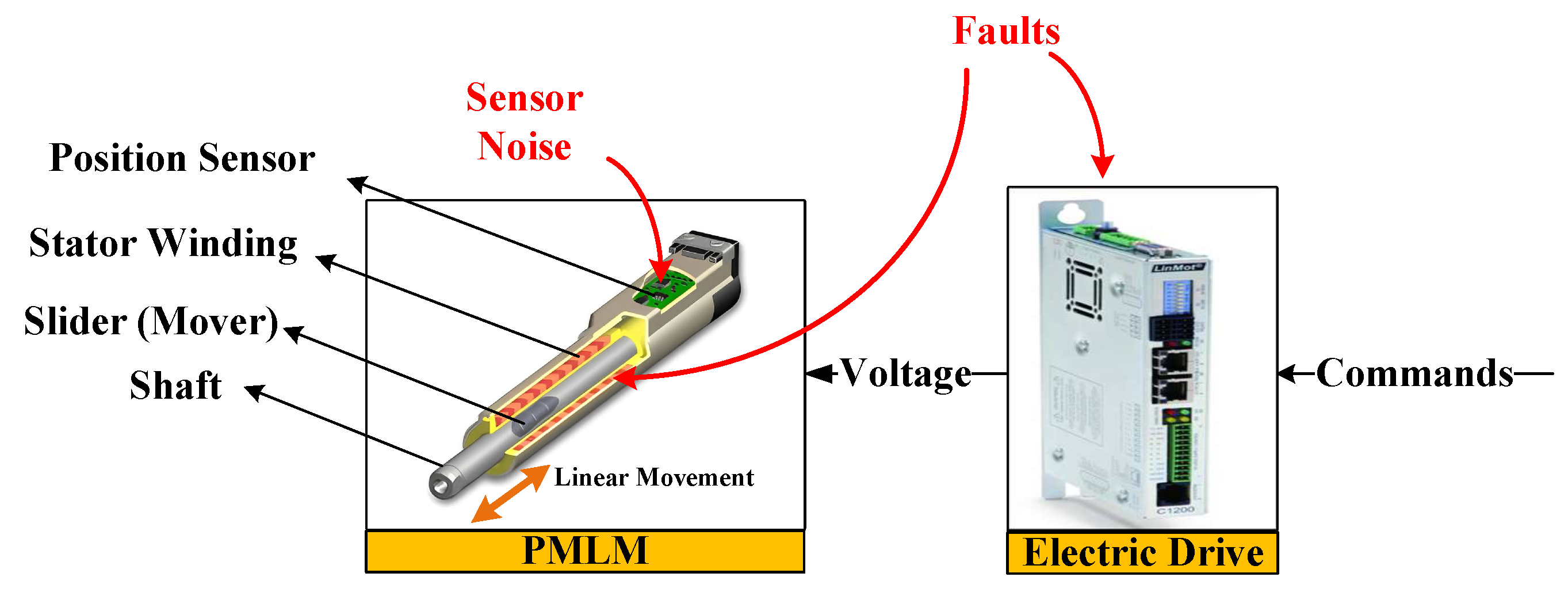
Section 2 introduces PMLMs, their applications, common fault types, and the system model incorporating actuator faults and external disturbances.
Section 3 presents the BELBIC structure and explains how it approximates unknown system parameters by adaptively tuning its neural network components. It then describes the use of LESOs for residual generation in both healthy and faulty modes, followed by the stability analysis of the proposed framework.
Section 4 reports the FD and FTC results, and it compares the proposed method with other approaches under three scenarios through simulations. Finally,
Section 5 concludes the paper.
3. Unified FD-FTC Framework
The framework introduces an integrated strategy for simultaneously achieving FD and FTC in the PMLM system. Unlike conventional schemes that treat detection and control as independent processes, the proposed design establishes a tightly coupled structure where residual generation, fault diagnosis, and control adaptation are inherently interconnected. At the core of the framework lies the synergy between a BELBIC and LESO. The design begins with the FD module, where LESOs are employed to estimate the total disturbance and the system states under both healthy and faulty conditions. By continuously comparing the residuals across operating modes, the FD module promptly identifies faults and incipient oscillations while reducing the effect of sensor noise on fault signatures. In parallel, the FTC module is implemented through the BELBIC structure, which relies on the state estimates provided by the LESOs. The BELBIC formulation serves two complementary purposes. First, it adaptively approximates unknown system dynamics and fault functions in real time. Second, it generates control signals that preserve high-precision trajectory tracking in the presence of faults, disturbances, and noise. Embedding BELBIC within the observer-based framework thus ensures that detection and compensation are tightly coupled rather than operating in isolation. This dynamic interplay ensures that emerging faults are detected early and compensated almost instantaneously, without the delays or switching mechanisms embedded in conventional FTC schemes. Finally, the stability of the overall BELBIC–LESO structure is analyzed using a Lyapunov-based approach. This guarantees closed-loop stability and robustness of the integrated framework against uncertainty, faults, and measurement noise. By enabling residual-based fault detection and adaptive fault-tolerant control in a unified structure, the proposed framework provides rapid detection, immediate accommodation, and reliable performance under diverse operating scenarios.
3.1. Linear Extended State Observer Design Procedure
The fault detection mechanism in this paper is developed on the basis of output residual generation and monitoring, ensuring that any unfavorable oscillation or fault occurrence can be rapidly identified. To achieve this, LESOs are employed for both nominal and faulty operating conditions of the monitored system Equation (1), incorporating unknown parameters into the observer structure. The primary goal of the LESO is to generate residuals that reveal discrepancies between healthy and faulty operations. By evaluating the L1-norms of these residuals, even small faults can be identified quickly and reliably. In addition, LESOs are effective in mitigating the impact of sensor noise and estimating external disturbances, which improves the robustness and reliability of the generated residuals [
44]. Based on Equation (3), the unknown functions
and
are first approximated, and two parallel instances of the identical LESO structure in Equation (5) are implemented online, one initialized under healthy conditions and one operating under potential fault conditions. Both instances share the same structure and observer gains. They are consequently used to generate residuals:
where
generally represents an estimated state,
is the extended state estimate representing the fault or disturbance,
denotes the estimation error, and
are the observer gains. These gains are grouped in the vector form as
This observer structure enables accurate estimation of both the system states and external influences, ensuring that the residuals carry sufficient information for fault detection. More importantly, within the proposed framework, these residuals serve as the key interface between fault detection and the subsequent control stage.
3.2. Fault-Tolerant Control Design Procedure
The procedure of generating proper control commands, which has a low dependency on the presence of faults, is known as FTC. In this section, a control strategy is designed based on the BELBIC-LESO structure. The proposed architecture integrates the FD and FTC modules within a unified closed-loop control structure. The BELBIC-based controller generates the control input using state and disturbance estimates provided by the LESO, while the FD module employs LESO-based residuals to detect faults and abnormal oscillations in real time. This tight coupling enables simultaneous fault diagnosis and control reconfiguration within the same control loop, without requiring explicit fault models or controller switching mechanisms.
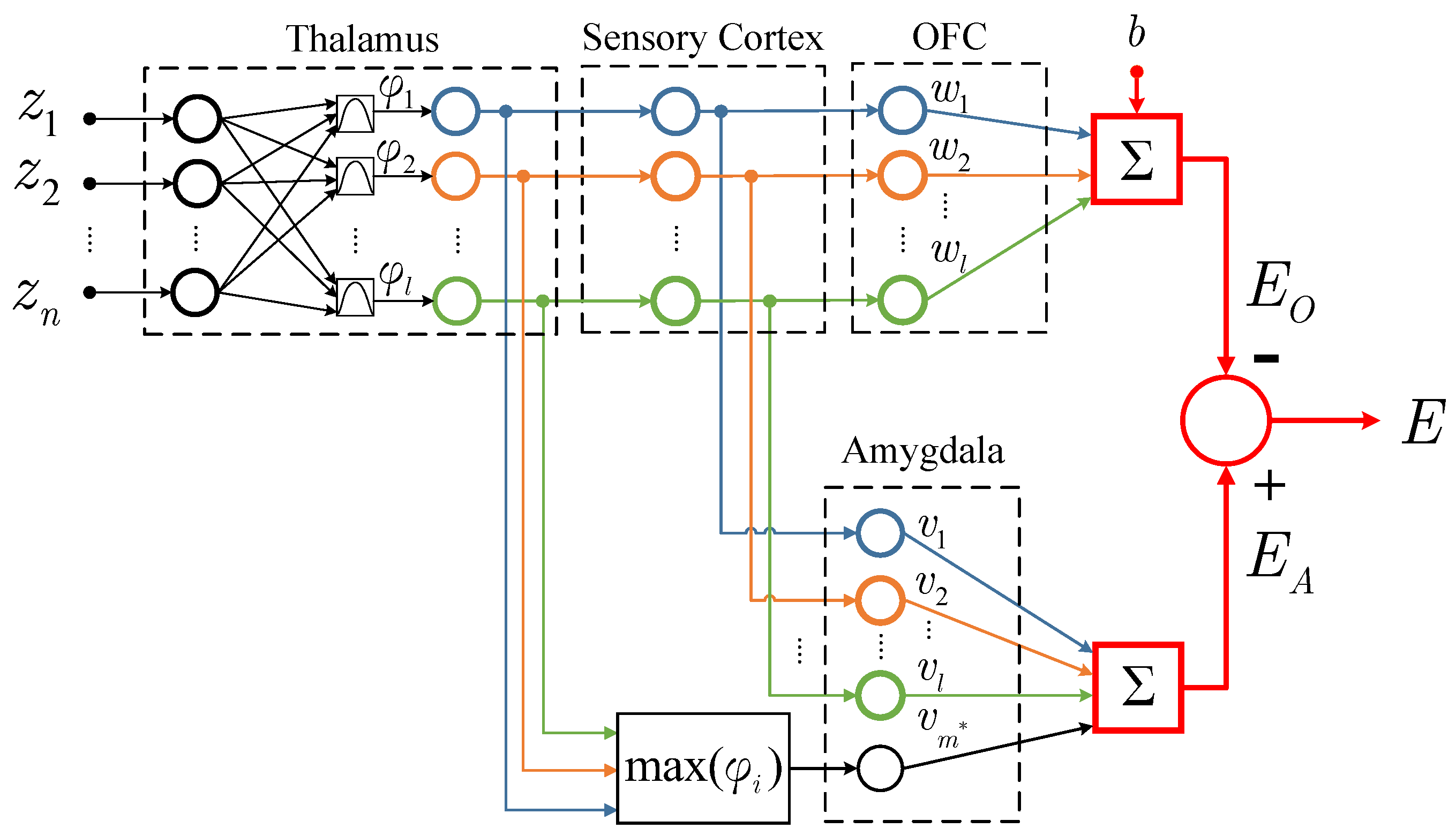
Two neural networks in the BELBIC structure, OFC and Amygdala, are used to estimate unknown functions. According to Equation (4), and Assumption 2, the approximation of unmodeled dynamics is achieved in Equations (7) and (8).
The combined error based on the LESO and according to Lemma 1 can be described as Equation (9).
In Equation (9),
represents a positive constant, while
denotes the estimated state
, obtained using the LESO to reduce the effects of sensor noise on the controller. The derivatives of errors in Equation (9) based on the observer Equation (5) are obtained as Equation (10).
By substituting Equation (10) into Equation (9), Equation (11) is obtained.
where
. According to Equation (11) and Lemmas 1 and 2, the control law is attained as Equation (12).
such that
, where
is a real constant, and
serves as a robust control term aiming at reducing the impact of approximation errors and external disturbances/faults. Here,
, and
r is a positive constant. Assumption 3 ensures that the control signal will remain bounded.
The approximation errors of unknown parameters can be expressed as Equation (13).
where
, and
. Accordingly, the minimum approximation error is represented in Equation (14).
where
and the starred variables represent the desired weights and bias for which the approximation errors will converge to zero. According to Equation (14) and the equation
as defined in Lemma 1, Equation (
15) is obtained.
By adding and subtracting
in Equation (15) and using Equation (12), we can express the derivative of the error dynamic as Equation (16).
By replacing the designed
in Equation (16), we can express the derivative of the error dynamic as Equation (17).
where
and
are defined as
,
, respectively. According to Equations (7), (
8), and (
17), Equation (18) is obtained.
where
,
,
,
,
, and
.
3.3. Fault Detection Mechanism
Theorem 1. Consider the initial system representation in Equation (1), rewritten in the form of Equation (3) under Assumption 1, together with the designed observer Equation (5) and the approximations Equations (7) and (8). The residual will asymptotically converge to a small neighborhood of the origin if the estimator gain is chosen such that the estimation error of the system states exponentially converges to the bounded ball .
Proof. According to Assumption 1, we can set
, representing the rate of change of the fault dynamic/disturbance. By considering this state, we estimate
as the effects of disturbance and fault on the system. The estimation errors are represented as
where
Substituting Equations (1) and (5) into Equation (19) yields:
where
such that
where
. For stability analysis of the system Equation (3) with LESO Equation (5), the Lyapunov function
can be expressed as
where
is the unique solution of
. The derivative of Equation (22) can be represented as Equation (23).
By substituting Equation (21) in Equation (23), the derivative of the Lyapunov function can be written as Equation (24).
where
,
is the maximum eigenvalue of
, and
and
are the absolute maximum values of
h and
, respectively. According to Lemma 3,
exponentially converges to the bounded ball
. □
Building on this result, Theorem 1 provides the basis for defining an average L1-norm for the FD process as defined in Equation (25).
where
T denotes the length of the evaluation window for residual computation. The parameter
T directly affects both the responsiveness and robustness of the detection mechanism: a larger
T enhances noise immunity but introduces slower response due to longer averaging, while a smaller
T increases sensitivity but may amplify transient fluctuations. Therefore, selecting
T involves a trade-off between detection speed and reliability. For clarity, the FD decision rule computes the average
-norm of the residual over a sliding window of length
T as in Equation (25) and declares a fault according to the deviation criterion formalized in Lemma 4; the window length
T governs the trade-off between noise robustness and detection latency.
Lemma 4. A fault event in the system Equation (1) is identified when there exists a finite time instant satisfying . Here, denotes the nominal (healthy-mode) residual index used for relative comparison in this lemma (and it should not be interpreted as a standalone threshold residual in the classical single-residual FD sense). The difference corresponds to the fault detection delay, with being the true instant of fault occurrence [44]. Accordingly, Algorithm 1 demonstrates the steps and sequences of the FD mechanism.
| Algorithm 1 FD and Fault Estimation Mechanism |
Step 1: Approximating the system’s parameters by BELBIC Approximating unknown functions and using BELBIC structure shown in Figure 2.
Step 2: Liner extended state observers (LESOs) Construct two parallel LESO instances (LESO0 and LESOr) to estimate the system states x and output term y. is the extended estimated state that stands for fault/disturbance estimation in each LESO.
Step 3: Residual Generation Step 4: Fault Decision Logic
|
3.4. Stability Analysis of the Framework
To demonstrate the closed-loop stability of the proposed framework, the following Lyapunov function is used:
where
is the corresponding Lyapunov function for the BELBIC controller, and
is the Lyapunov function of the observer. According to Equation (18),
can be expressed as Equation (27).
where
satisfies a Riccati-type relation
for any symmetric
, and positive design constants
,
,
,
,
, and
. The parameters
r and
are positive scalars with
. The derivative of the Lyapunov function Equation (27) can be represented as Equation (28).
By substituting Equation (18) in Equation (28), and after some manipulation, the derivative of
can be expressed as Equation (29).
Here,
is a scalar value, and according to Theorem 1, one can consider
. By considering the adaptation laws, as represented in Equation (30),
the derivative of
can be written as Equation (31).
Theorem 2. Consider the system Equation (3) with the control law Equation (12), and adaptive laws Equation (30), where P is obtained by solving the Riccati-like equation . Then, the closed-loop system satisfies the tracking requirement with attenuation level ρ while guaranteeing boundedness of all adaptive variables:where s and ω are scalar signals, although Equation (32) is expressed in general vector form for convenience. The term ω denotes the worst-case estimation error arising from modeling uncertainties, defined later in Equation (34). Proof. By using Equations (24) and (31),
, and inequality
, Equation (33) is obtained.
Considering
consequently, the worst-case perturbation term is expressed as
On the other hand, according to Equation (24), the following inequality holds:
Then, Equations (33)–(35) can be rewritten as
By adding and subtracting
in Equation (36), the following inequality is obtained:
Integrating inequality Equation (37) over the time interval
yields satisfaction of the
performance condition specified in Equation (32). If the signal
, then by invoking Barbalat’s Lemma in [
45], it follows that the sliding variable
asymptotically approaches zero as
. Therefore, the output signal, i.e.,
, asymptotically tracks the desired trajectory. Finally, according to Equation (37) and Theorem 2, the closed-loop stability of the system with the BELBIC-LESO is guaranteed. Accordingly, all internal states and adaptive parameters remain bounded, the tracking error diminishes to zero, and the residual influence of modeling uncertainties stays confined within a prescribed attenuation bound. □
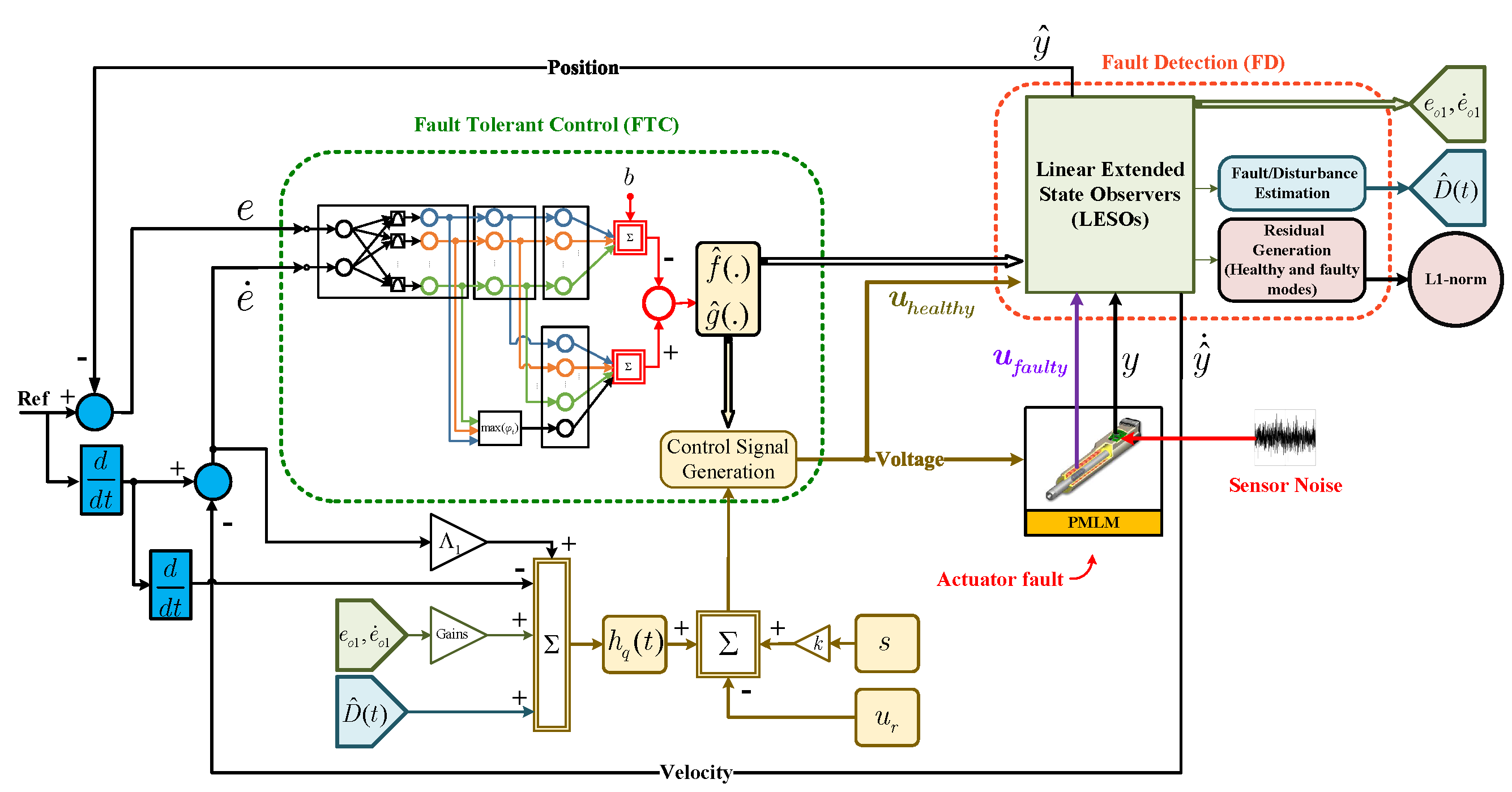
The overall architecture of the proposed FD–FTC is illustrated in
Figure 3. The “Control Signal Generation” block integrates the BELBIC-based adaptive controller with the robust compensation mechanism. This block performs five main operations at each sampling instant:
Online approximation of the unknown nonlinear functions and using the BELBIC neural structure according to Equations (7) and (8).
Construction of the sliding variable based on the LESO-estimated state in order to attenuate sensor noise influence, as defined in Equation (9).
Computation of the auxiliary term , which incorporates the reference trajectory derivatives, observer error correction terms, and the disturbance estimate .
Generation of the control signal u using the feedback linearization structure in Equation (12), combining neural approximations, the stabilizing term , and the robust compensation term .
Online update of the adaptive parameters through the adaptation laws given in Equation (30), ensuring approximation accuracy and closed-loop stability.
This integrated structure enables simultaneous fault accommodation and trajectory tracking without requiring explicit fault reconstruction or controller switching mechanisms.
Remark 1. The established stability proof confirms that the proposed framework ensures closed-loop robustness under uncertainties and external disturbances. Beyond stability, the design operates independently of explicit knowledge of system parameters, structural models, or fault dynamics. The synergistic interplay between the BELBIC learning mechanism and the LESO provides reliable disturbance rejection and uncertainty attenuation while preserving desired tracking performance. This interconnected functionality removes the necessity for complex parameter estimation or fault reconstruction, thereby reducing computational and implementation burdens. From a practical perspective, the framework combines theoretical stability guarantees with structural simplicity, rendering it well-suited for real-world safety-critical applications where robustness and ease of deployment are essential.
4. Simulation Results
This section investigates the performance of the proposed BELBIC–LESO-based FD–FTC framework under three representative operating scenarios: (i) actuator faults with external disturbances, (ii) system-dynamic faults, and (iii) measurement-noise corruption. These scenarios were selected to comprehensively evaluate the framework’s fault detection and fault-tolerant control capabilities. For clarity, the simulation study is structured into healthy (normal) and faulty operating modes. The healthy mode corresponds to nominal PMLM operation without actuator degradation, system dynamics faults, or abnormal disturbances. Faulty operating modes are introduced through specific fault mechanisms in each scenario, including partial actuator degradation, faults in the system dynamics, and measurement noise, which reflect realistic operating conditions of industrial PMLM drive systems. The detailed definitions and parameters of each fault scenario are provided in
Section 4.1,
Section 4.2 and
Section 4.3.
All numerical simulations were executed on a workstation equipped with an Intel i7 (4.90 GHz, 10-core) processor using MATLAB/Simulink (R2024a). The performance of the proposed framework is evaluated under three representative operating scenarios that capture actuator faults and disturbances, system-dynamic faults, and measurement noise effects. These scenarios are selected to comprehensively demonstrate the robustness, accuracy, and practical applicability of the framework in FD, FTC, and trajectory tracking. All simulations were conducted using a fixed-step solver with a sampling time of
and a total simulation duration of
for each scenario. Detection delays
are reported as the first satisfaction time of Lemma 4 estimated from the residual time trace (with interpolation between adjacent samples when crossing occurs between updates); hence, values smaller than
may occur. The fault occurrence time in Scenarios 1 and 2 was
. The residual evaluation window length in the FD module was set to
. Measurement noise was modeled as additive zero-mean noise applied to the position sensor. All observer gains and BELBIC parameters were tuned using a reproducible empirical procedure. Initial parameter ranges were selected to satisfy the stability conditions in
Section 3.4 and practical bandwidth considerations. The final values were obtained via a coarse-to-fine grid search minimizing a composite index of tracking RMSE, fault-detection delay, and control energy. The same tuning procedure and final parameter set were used across all scenarios and benchmark methods.
For each scenario, the evaluation follows a staged methodology. First, the FD mechanism is examined by exciting the system with a persistently exciting input . This excitation provides sufficiently rich dynamics for the observer to capture and isolate fault signatures, enabling a consistent and unbiased comparison across all test conditions. After validating the FD capability, the evaluation proceeds to FTC performance. At this stage, the framework’s ability to maintain closed-loop stability, compensate for fault effects, and preserve accurate trajectory tracking is examined. This two-stage assessment ensures that FD effectiveness is established before analyzing the corrective actions taken by the controller. In Scenario (3), where no fault is present, the analysis focuses solely on tracking performance to assess robustness against measurement noise.
To provide a fair and transparent comparison, the proposed framework is benchmarked against two representative frameworks, which are a PID-High gain [
37,
38] and FL-KF [
18]. The comparison considers observer estimation error, detection capability under small actuator and system dynamics faults, tracking accuracy, and resilience to noise. Importantly, unlike the benchmark frameworks, the proposed framework does not require prior knowledge of system parameters or explicit fault models, and it inherently accommodates sensor noise and disturbance estimation.
Table 1 summarizes the capabilities of each framework.
The parameters of the PMLM system are provided in
Table 2, while the controller and observer parameters for the proposed BELBIC–LESO framework are listed in
Table 3. The adaptive weights are initialized with small random values in the interval
, and the biases are set to
and 0 for approximation of
and
, respectively. To ensure fairness in the evaluation, the parameters of all baseline controllers and observers were kept consistent across all test scenarios, thereby avoiding bias from scenario-specific retuning. The parameters of the proposed BELBIC–LESO framework were empirically tuned to achieve a practical balance between tracking accuracy and control effort. The selected values ensure stable closed-loop performance and serve as a representative benchmark for comparison.
4.1. Scenario 1: Performance Under Actuator Fault and Disturbances
In the first operating scenario, we evaluate the framework’s behavior when the PMLM is subjected to an actuator fault and external disturbances. This scenario reflects practical cases such as a partial actuator degradation or short-circuit fault in the stator winding, which directly affects the delivered control input and induces variations in voltage amplitude. To replicate such conditions, the control input is modeled as , j = 0.9, representing a 10% actuator fault, while the disturbance is defined as . The excitation input applied to the system is chosen as to facilitate residual generation for fault detection.
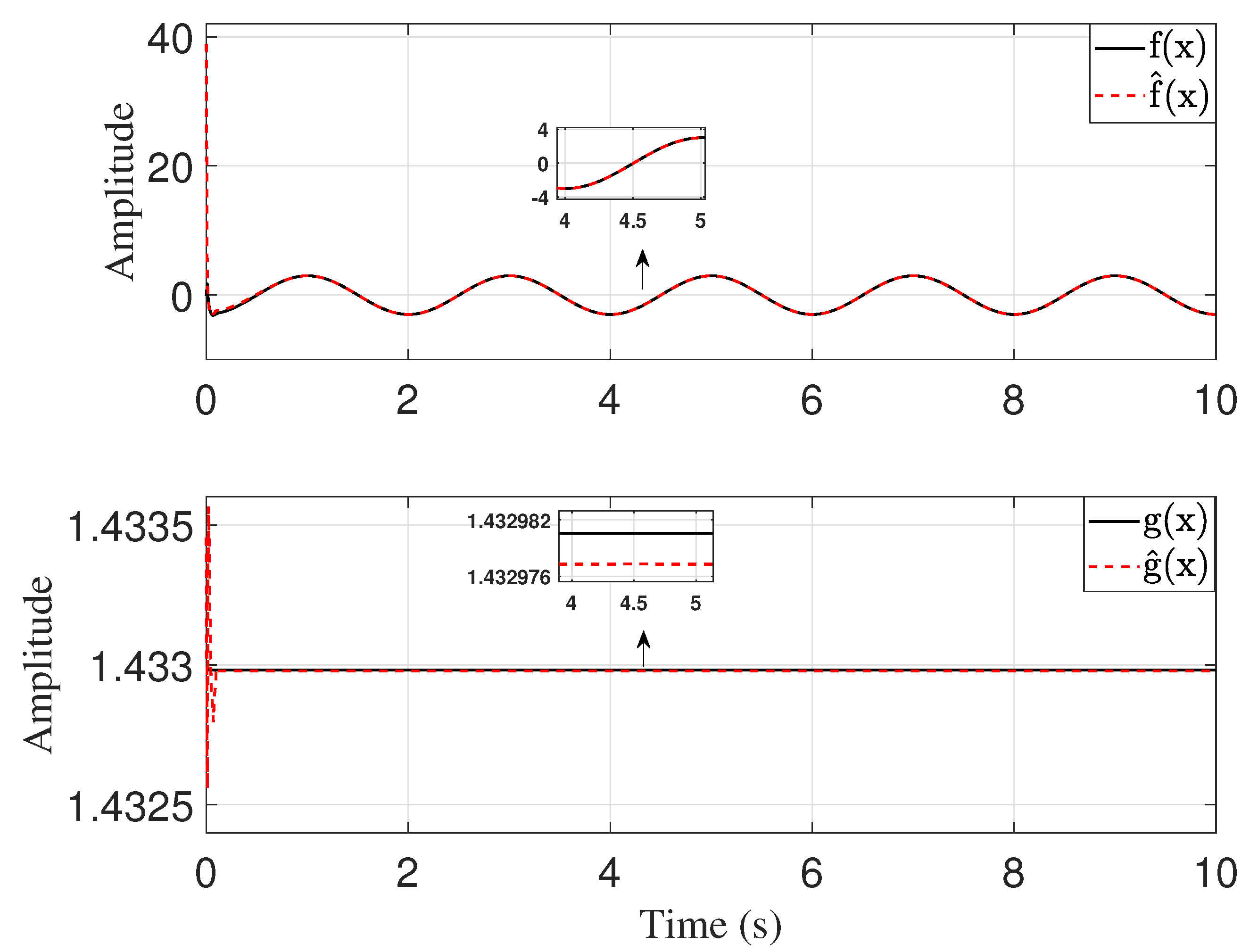
Figure 4 shows the BELBIC approximations of the unknown dynamics
and
. The estimates converge rapidly with small steady-state error, providing accurate neural approximations for both the LESO design and the ensuing control action. This improves residual quality and reduces the control law’s dependence on uncertain parameters.
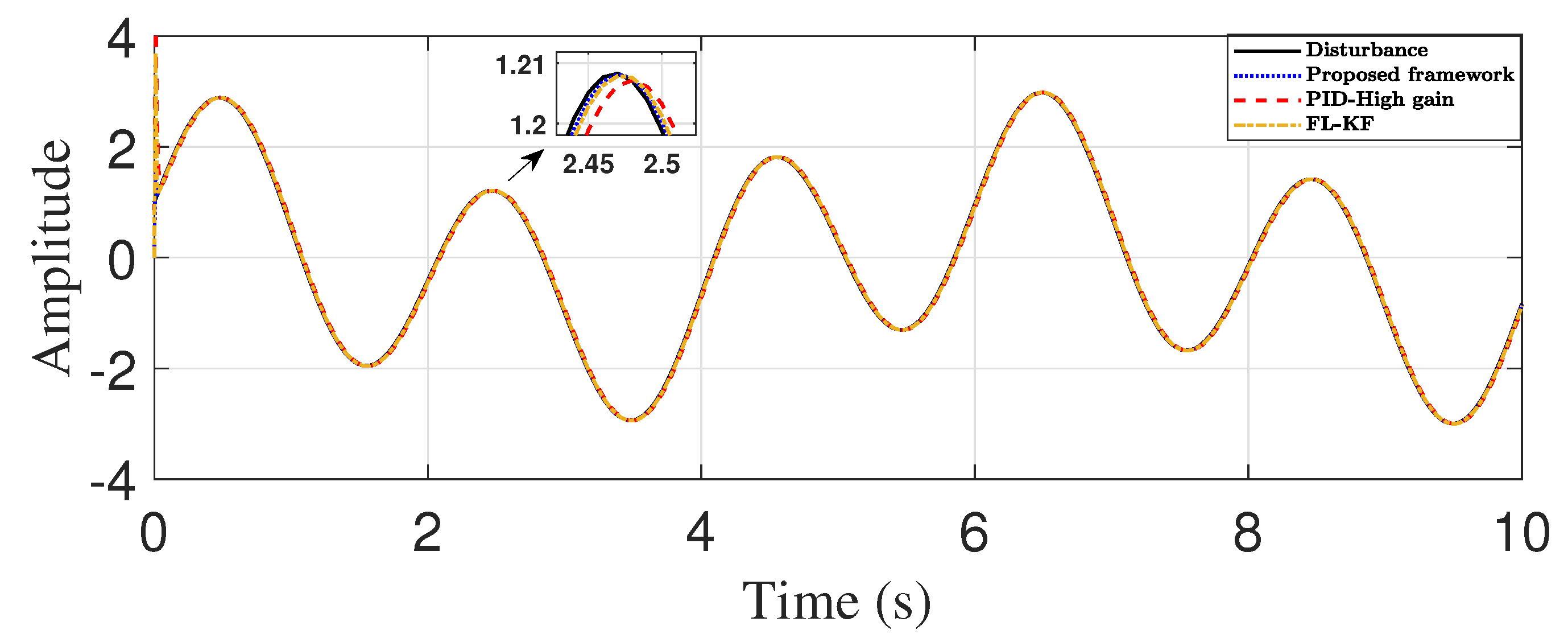
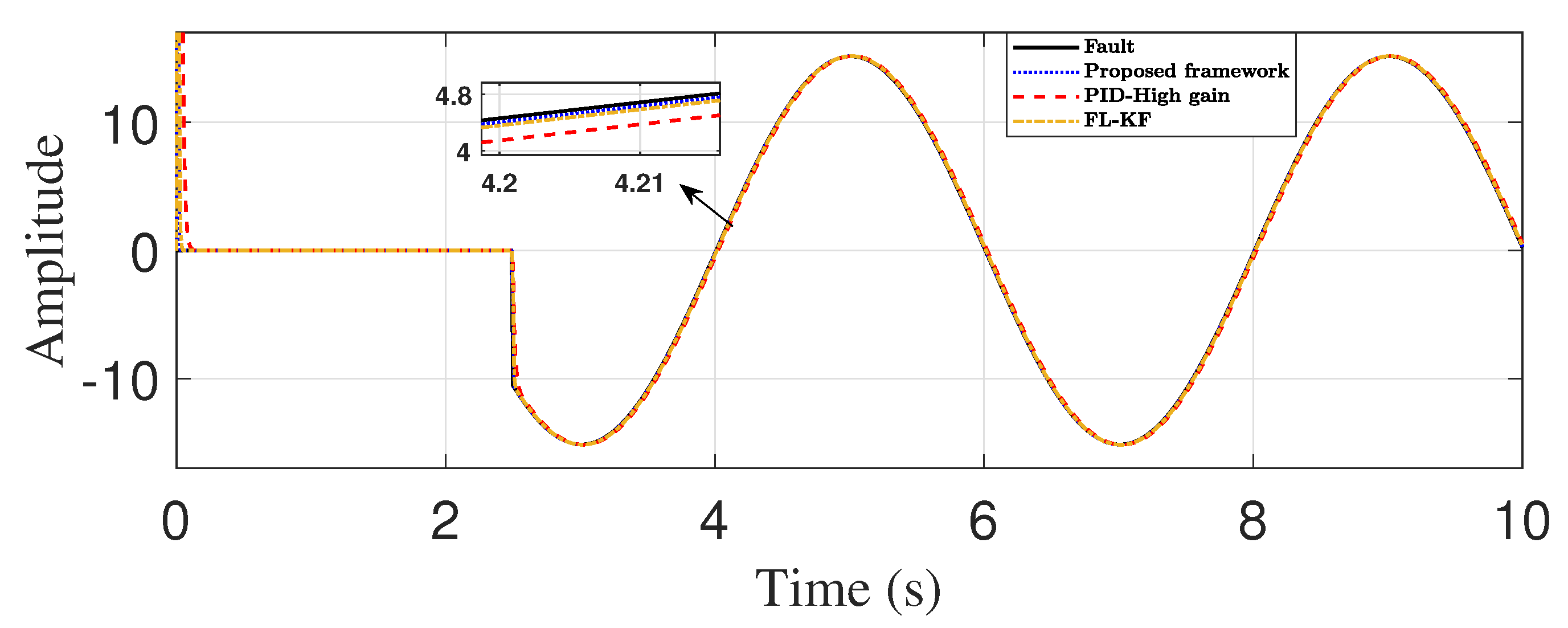
Figure 5 demonstrates reconstruction of the disturbance
. Relative to the benchmarks, the LESO driven by BELBIC estimates exhibits faster convergence and lower estimation error, with negligible phase lag. This higher-fidelity disturbance estimate sharpens the separation between healthy and faulty residuals by reducing noise contamination while simultaneously supplying the controller with real-time compensation signals that improve tracking performance under actuator loss.
The FD performance is first analyzed using the L1-norm residual defined in Equation (25), with a sliding time window of
T = 20 s. The window length
T used in the FD logic (
Section 3.3) is consistent with the time horizons shown in
Figure 6 and with the simulation settings reported in
Section 4, ensuring coherence between the detection rule and the presented results. As shown in
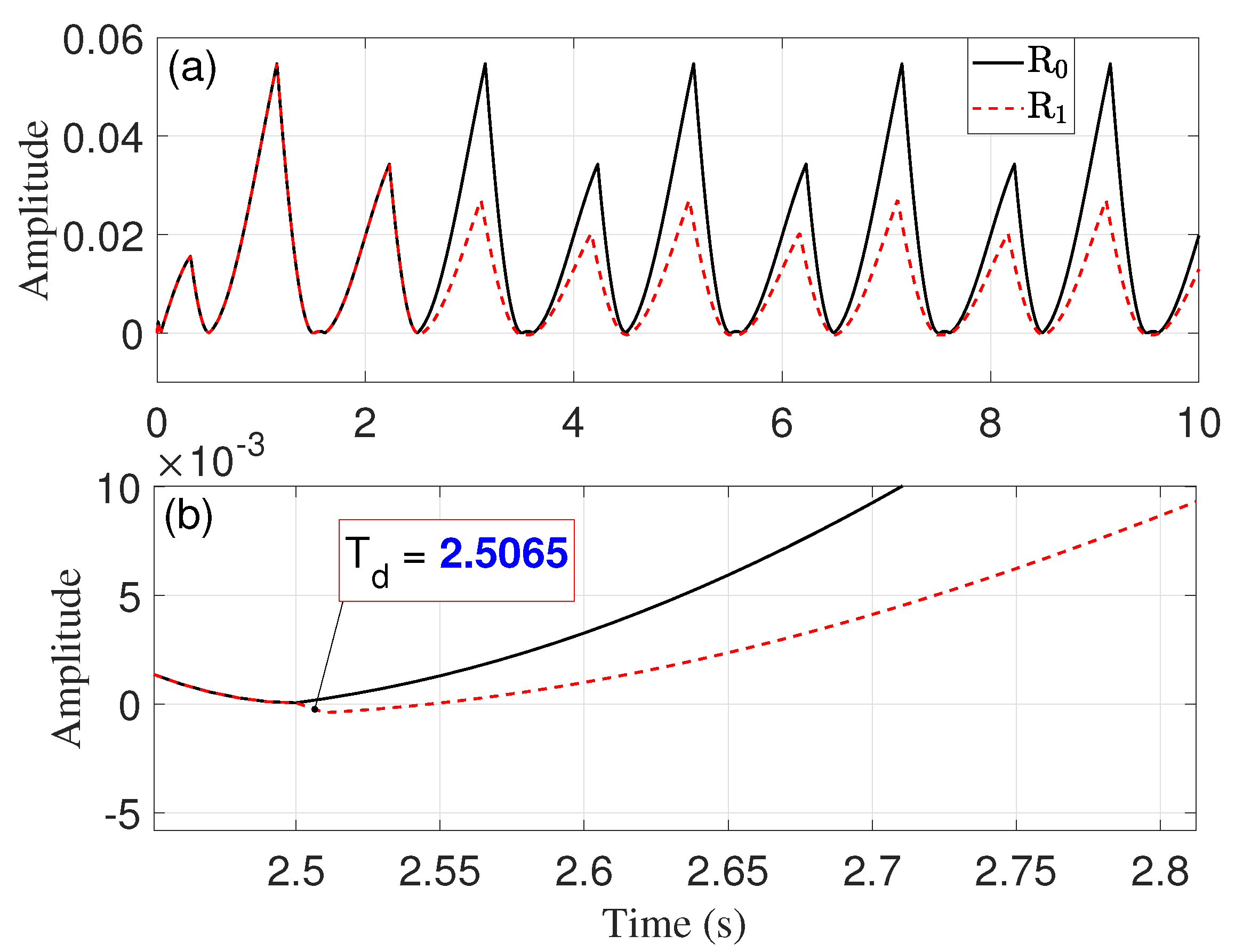
Figure 6, the residuals under normal
and faulty
modes exhibit a clear separation, allowing the detection of the actuator fault at
= 2.5065 s, shortly after fault occurrence at
= 2.5 s. This corresponds to a detection delay of only
= 0.0065 s. Across the reported simulations under external disturbances (and measurement noise in the corresponding noise-injection scenarios), no false alarms were observed during healthy operation and no missed detections occurred under the injected fault scenarios, indicating a practical balance between sensitivity and robustness for the chosen
T and detection threshold.
The detection accuracy is further validated against benchmark methods in terms of root mean square error (RMSE) of residual estimation and detection time, as defined in Equation (38).
where
K is the number of data points during the simulation time, with the time sample of 0.01. The results of this comparison are summarized in
Table 4. The proposed framework achieves the lowest residual estimation error and the fastest detection time compared with PID-High gain and FL-KF, demonstrating its robustness to actuator-related disturbances.
Following FD, the scenario is extended to FTC analysis. Tracking performance is examined under normal and the faulty condition while compensating for the actuator degradation and external disturbance.
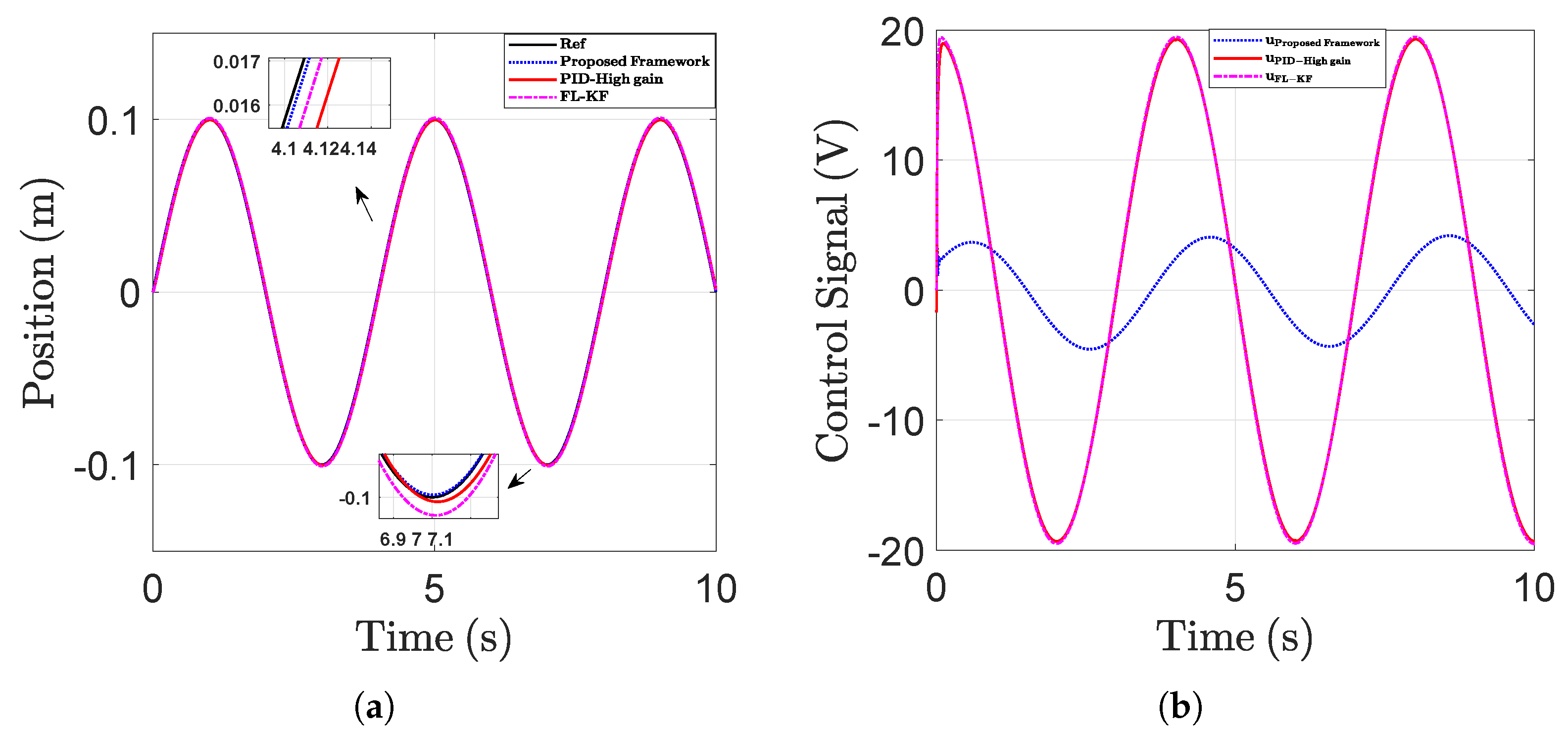
Figure 7 first establishes the baseline by showing the tracking performance and control inputs in the absence of faults or disturbances. The proposed framework achieves nearly perfect tracking, with residual errors on the order of
, while requiring significantly lower control effort compared to the PID-High gain and FL-KF frameworks. This highlights the inherent efficiency of the proposed approach in nominal conditions.
Figure 8 demonstrates the FTC capability of the framework. Despite a 10% actuator degradation and the presence of load disturbance, the proposed framework demonstrates rapid recovery after experiencing the fault. It thus maintains a close trajectory tracking of the setpoint position, exhibiting the smallest deviation from the reference signal. This rapid recovery capability has important practical implications in industrial applications of PMLMs, such as precision manufacturing and semiconductor processing, where actuator faults can cause sudden deviations that, if not compensated quickly, may lead to defective products, accelerated tool wear, or even costly downtime. The ability of the proposed framework to promptly restore accurate tracking ensures minimal disruption to high-precision tasks, directly translating into improved reliability, reduced maintenance costs, and enhanced operational safety. In contrast, the benchmark methods show larger steady-state offsets and transient oscillations. Moreover, the proposed framework achieves this performance while generating the lowest control input, as evident from the bounded amplitude of the input signal. This balance of tracking accuracy and control efficiency underscores the robustness of the framework in practical settings where actuator faults and disturbances coexist.
These qualitative findings are supported by the quantitative results summarized in
Table 5. All summary metrics (e.g., RMSE and residual measures) were computed over the full simulation horizon using
samples (with
and
, resulting in
samples). Under nominal conditions, the proposed framework achieves an RMSE of
, an order of magnitude lower than both PID-High gain and FL-KF methods. More importantly, under the FTC scenario, the proposed method maintains a small RMSE of 0.0113, compared to 0.0194 and 0.1224 for the benchmarks, respectively. This indicates superior accuracy even in the presence of actuator faults. Furthermore, the peak control effort of the proposed framework is only 4.5067 V, representing a reduction of approximately 75–80% compared with the PID-High Gain and FL-KF controllers. Such a reduction in control amplitude directly corresponds to improved energy efficiency, lower thermal stress on the drive electronics, and extended actuator lifespan—factors of critical importance in real-world deployment.
The superior performance of the proposed framework in this scenario can be attributed to the synergistic roles of BELBIC and LESO. The BELBIC module serves a dual purpose; it approximates unknown system dynamics and fault functions in real time while simultaneously generating adaptive control signals to compensate for these effects. This eliminates the need for separate estimators and controllers, thereby reducing computational overhead and improving real-time feasibility. In parallel, the LESO enhances both detection and control; by generating residuals that can accurately distinguish between healthy and faulty modes, it accelerates fault detection, while its disturbance estimation provides the BELBIC controller with compensation signals that directly suppress the impact of external disturbances. This close synergy—where BELBIC improves residual accuracy and LESO strengthens control robustness—is precisely what enables the proposed framework to outperform traditional methods in both precision and efficiency.
4.2. Scenario 2: Performance Under Faults in System Dynamics
In the second scenario, the system is subjected to a dynamic fault directly affecting the PMLM model through the nonlinear fault term , while no external disturbance is applied. This scenario reflects a class of faults that alter the internal system dynamics rather than degrading the actuator itself, such as parametric drifts in electromagnetic characteristics or nonlinear cross-coupling effects in the mover–stator interaction. Detecting such faults is typically more challenging, as they manifest indirectly in the system’s trajectory rather than as straightforward actuator deviations.
Figure 9 and
Figure 10 illustrate the performance of the proposed framework in fault detection under these conditions. As shown in
Figure 9, the framework successfully estimates the fault dynamics, producing accurate approximations of
. Compared to PID-High gain and FL-KF, the proposed approach yields a fault estimate with significantly reduced bias and oscillations, highlighting the advantage of adaptive approximation in capturing model-dependent deviations. This improved estimation quality directly benefits residual generation, as demonstrated in
Figure 10.
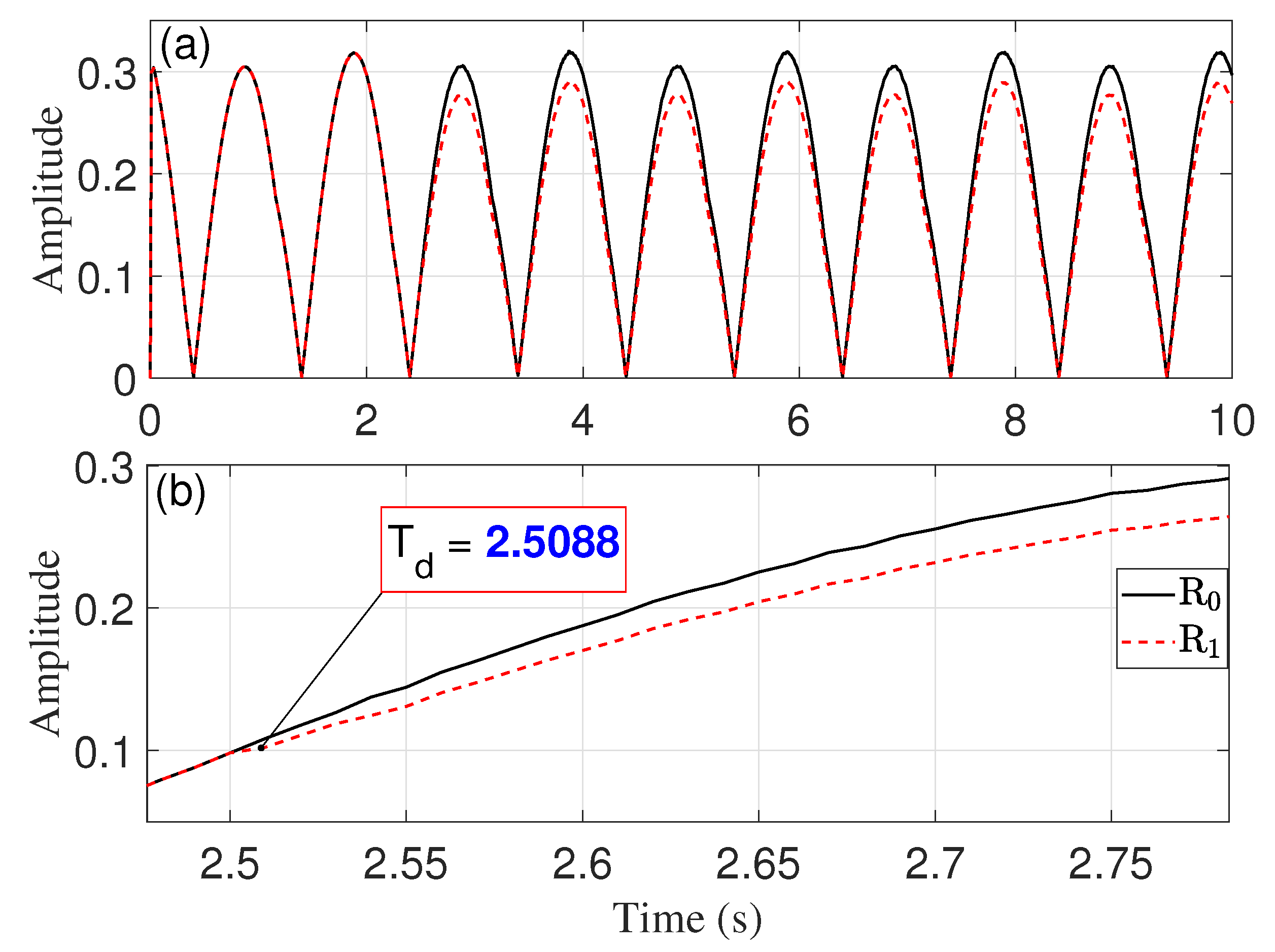
Figure 10a shows the evolution of residuals in both healthy and faulty modes, while
Figure 10b provides a magnified view of the fault detection time. The residual generated by the proposed method exhibits a sharp and early divergence between healthy and faulty states, enabling rapid fault recognition. Specifically, the fault detection occurs at
= 2.5088 s, leading to a detection delay of only
= 0.0088 s.
The quantitative comparison summarized in
Table 6 confirms the superior performance of the proposed framework against the benchmark counterparts. The proposed framework achieves the lowest RMSE (0.0503) in fault estimation while attaining the fastest detection time (0.0088 s). In contrast, PID-High gain has the highest estimation error (1.8371) and exhibits the slowest detection (0.208 s). The FL-KF method improves over PID but still lags behind the proposed framework in both accuracy and detection speed.
These results demonstrate that the interplay between BELBIC’s adaptive approximation and LESO’s disturbance/fault estimation provides a powerful mechanism for capturing dynamic faults within the system model. The ability to detect such faults quickly and accurately is crucial in practice, since unmitigated model deviations in PMLMs can cause long-term instability, degraded trajectory precision, and increased mechanical stress. By providing early and reliable fault signatures, the proposed framework enables timely activation of fault-tolerant strategies, thereby ensuring robust operation in high-precision applications.
For the FTC evaluation in Scenario 2, the proposed framework again demonstrates strong resilience.
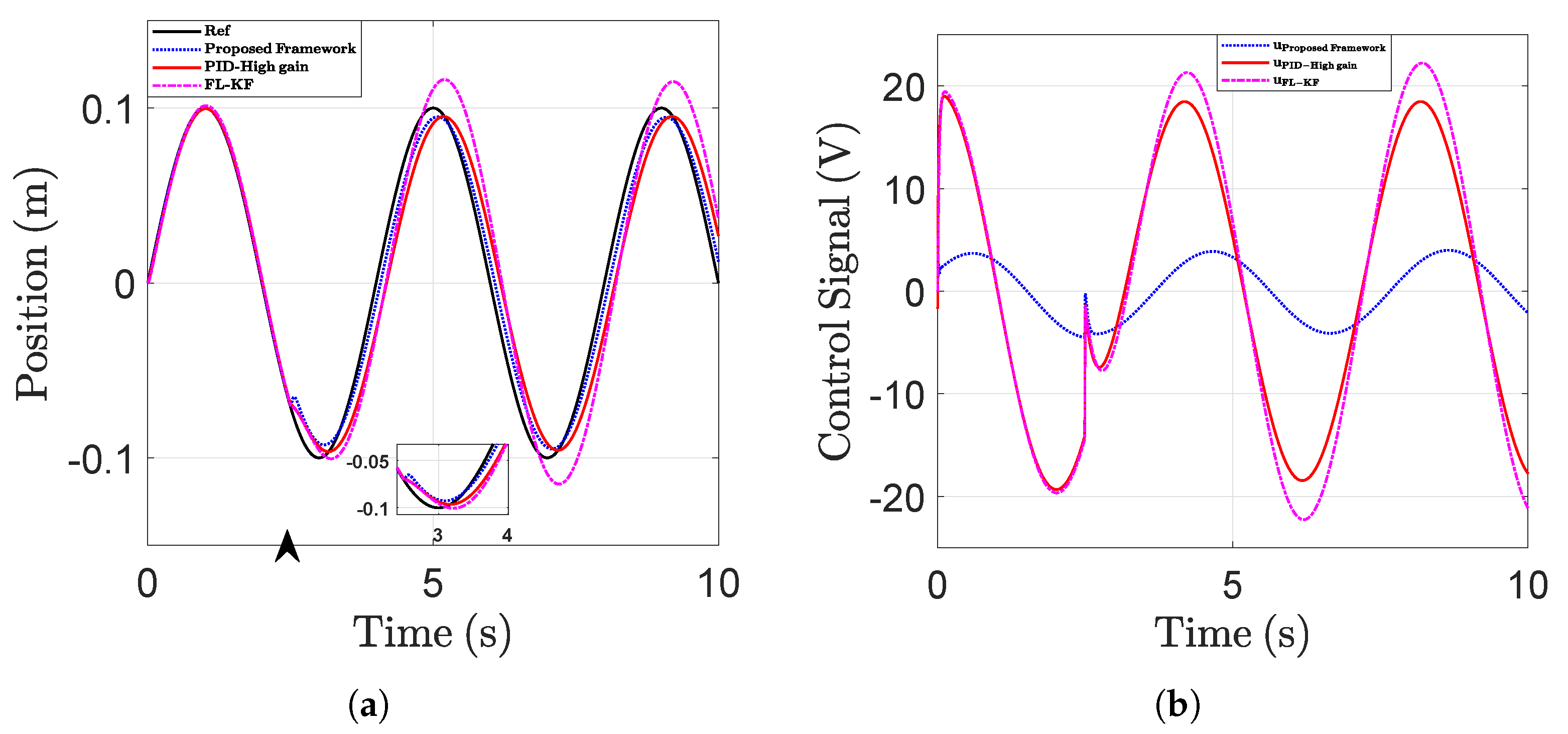
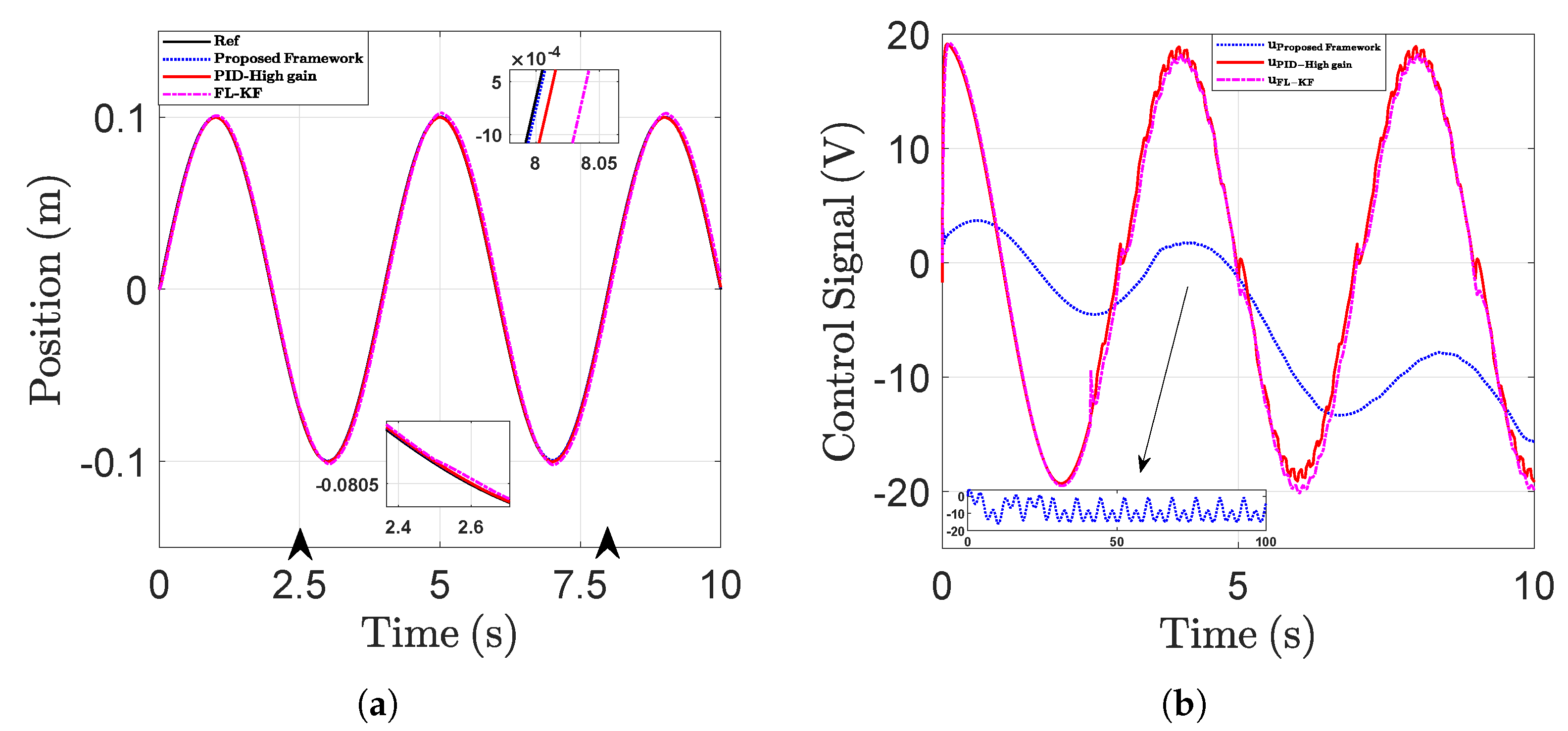
Figure 11 illustrates the position tracking and control signals under the adverse condition of the fault on the system dynamics. The proposed BELBIC–LESO controller maintains highly accurate trajectory tracking, with errors remaining close to zero, even though the underlying system dynamics are altered. In comparison, both the PID-High gain and FL-KF frameworks exhibit degraded performance, showing visible deviations from the reference trajectory and higher sensitivity in their control inputs.
Importantly, the control input profiles highlight the efficiency of the proposed framework. While PID-High gain and FL-KF generate large-amplitude control actions with more oscillatory patterns, the proposed framework produces smoother and more bounded signals, reducing control energy demands and avoiding actuator over-excitation. The robustness of the proposed approach in this scenario is further confirmed by the quantitative metrics in
Table 7. The RMSE under FTC conditions is only 0.0049, significantly lower than the 0.0063 and 0.0074 reported for PID-High gain and FL-KF, respectively. Likewise, the peak control effort is reduced to 15.87 V, compared with nearly 20 V for the benchmark methods.
This combination of lower error and reduced control demand is of practical significance in applications of PMLMs where faults in dynamics, such as nonlinear magnetic saturation or structural wear, may destabilize the system. The ability of the proposed framework to deliver both precise tracking and energy-efficient control in the presence of such dynamic faults underscores its suitability for high-precision, fault-sensitive environments, including automated machining and advanced robotic positioning.
4.3. Scenario 3: Performance Under Measurement Noise
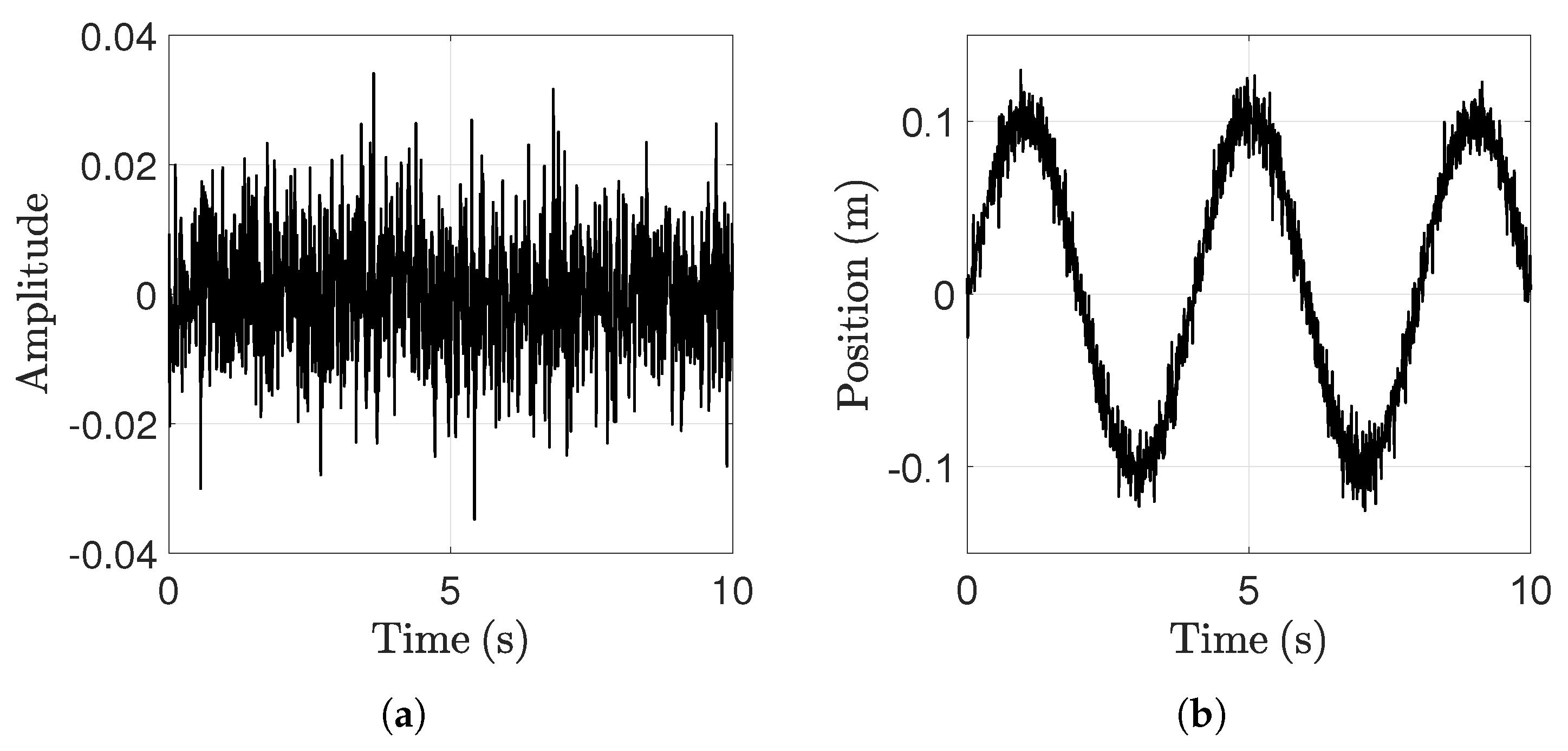
In this scenario, the robustness of the proposed framework against sensor measurement noise is evaluated. Measurement noise is a critical factor in real-world operation of PMLMs, as sensor imperfections and environmental interference can corrupt the feedback signal and compromise control precision. To simulate this condition, a high-frequency noise signal
with a 5% offset and a standard deviation (std) of
is injected into the position sensor measurements, as illustrated in
Figure 12.
Figure 12a shows the noise profile, while
Figure 12b highlights its effect on the measured output, clearly demonstrating how the raw position signal is significantly corrupted.
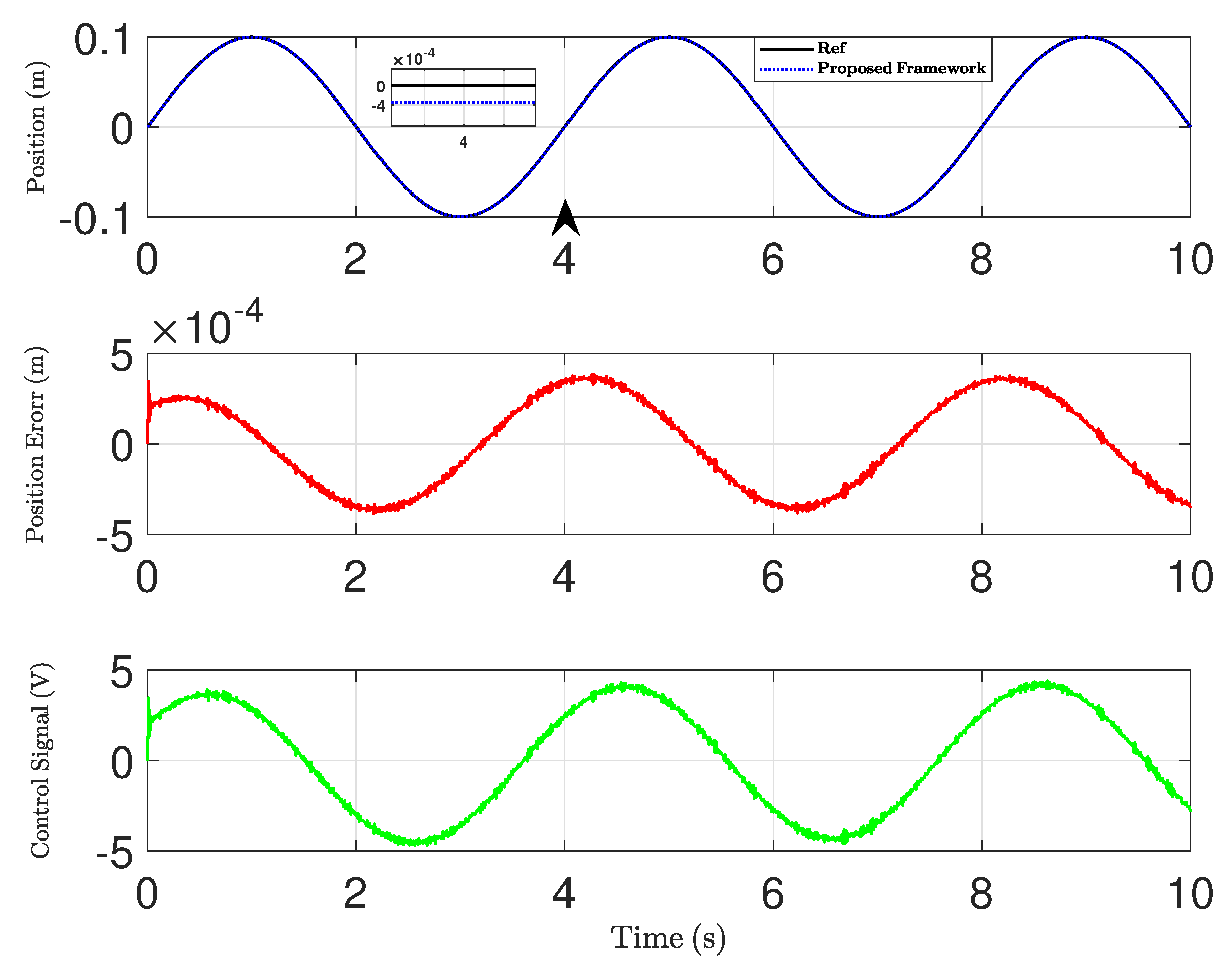
Figure 13 presents the performance of the proposed framework under this noisy condition. Despite the strong noise contamination, the framework maintains highly accurate trajectory tracking (
Figure 13(top)), with tracking errors on the order of
(
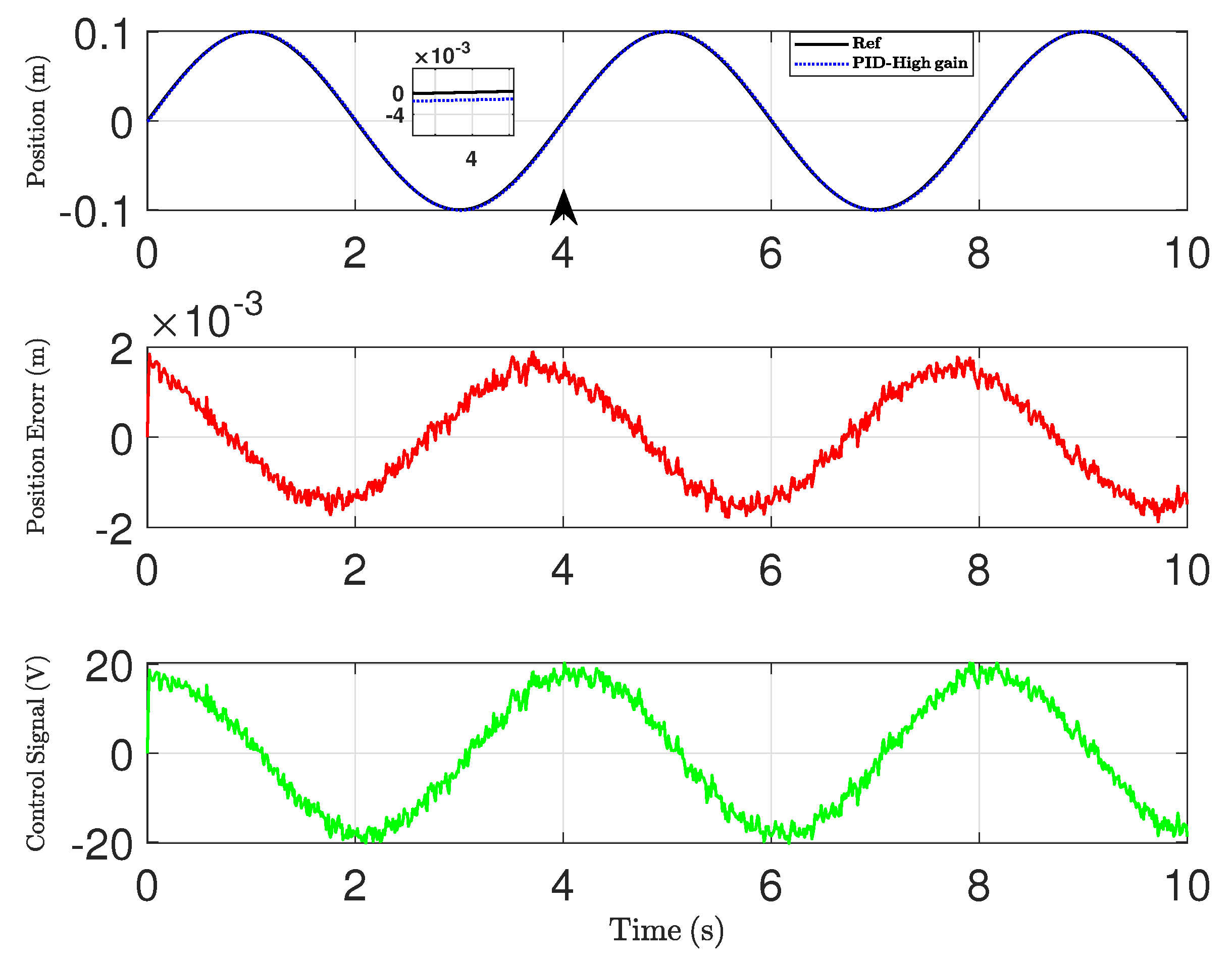
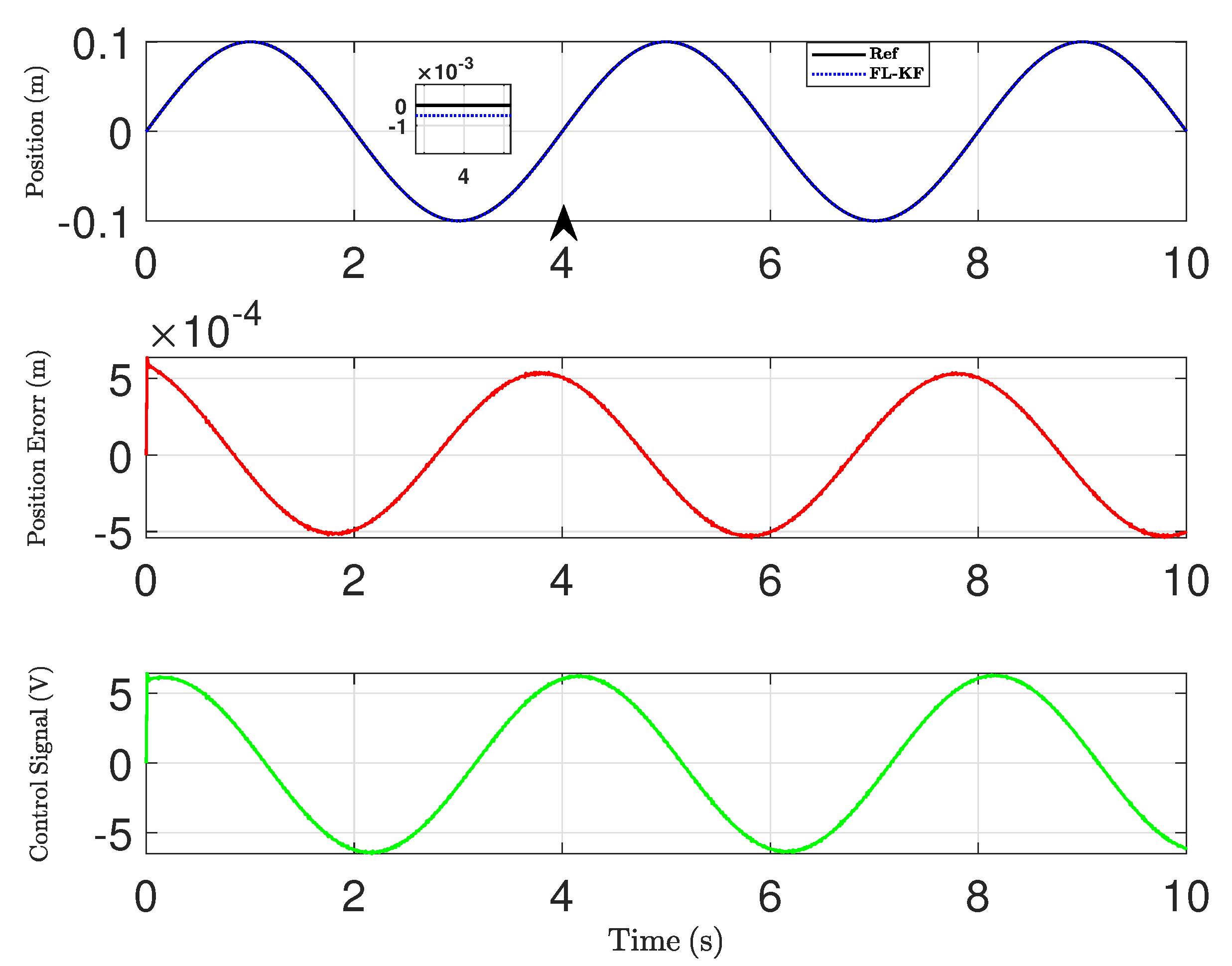
Figure 13(middle)). This error magnitude is an order of magnitude smaller than that of the benchmark PID-High gain and FL-KF methods, shown in
Figure 14 and
Figure 15, respectively. Moreover, the control input generated by the proposed framework (
Figure 13(bottom)) remains smooth and bounded, with peak amplitude less than 5 V, which underscores its efficiency and robustness. By contrast, the PID-High gain method (
Figure 14) produces a control signal with large oscillations in the range of +20 V, reflecting excessive sensitivity to sensor noise. Similarly, the FL-KF framework (
Figure 15) achieves acceptable tracking but requires higher control effort, with peaks exceeding +5 V, while also exhibiting higher error magnitudes.
The superior performance of the proposed framework can be attributed to the LESO’s capability to filter sensor noise while simultaneously estimating system dynamics and disturbances. This dual role ensures that the BELBIC controller receives accurate state estimates, enabling it to adapt its control action effectively. As a result, the system achieves robust tracking without sacrificing energy efficiency.
From a practical standpoint, this property is particularly valuable for high-precision applications of PMLMs, such as semiconductor manufacturing, micro-positioning, and medical robotics, where sensor noise is inevitable and can severely degrade system accuracy.
Remark 2. The proposed BELBIC–LESO framework is suitable for real-time implementation on industrial embedded platforms due to its low computational complexity and online learning structure. The LESO (Equation (5)) consists of three first-order differential equations that are linear in the observer state variables, with computational cost where is the observer state dimension. The BELBIC component adopts the RBENN structure of [39], in which l radial basis functions are embedded in the Thalamus and distributed to the Amygdala and OFC networks, each performing weighted summations over these outputs. The per-step cost of the RBF evaluations, inner product computations for and , and element-wise weight updates in Equation (30) each scale as , yielding a total per-step computational burden of . With basis functions (, ) and observer states as used in the simulations, this corresponds to a small fixed number of algebraic operations per time step. Importantly, the proposed method does not require offline training, large datasets, or iterative optimization routines during online operation, and the computational burden remains bounded throughout. This makes the approach amenable to implementation on industrial processors such as DSPs or ARM-based real-time controllers commonly used in motor drive applications. The required sampling rates and computational loads are compatible with typical real-time control loops employed in PMLM drive systems. 5. Conclusions
This paper presented a unified FD–FTC framework for PMLMs that combines BELBIC with LESO. The BELBIC provides real-time approximations of the unknown dynamics and generates the control action, while the LESO supplies residuals and lumped-disturbance estimates used for rapid fault decision making and compensation. A residual L1–norm with a finite window enables fast and reliable detection without prior knowledge of plant parameters or explicit fault models. Moreover, the integrated FTC capability ensures that once a fault is detected, the controller promptly reconfigures the control input to maintain stability and performance in the presence of actuator degradation, system-dynamic faults, and sensor noise. Theoretical guarantees of closed-loop stability and tracking performance were established via Lyapunov/ analysis, while extensive simulations provided both qualitative and quantitative validation. Qualitatively, the framework demonstrated rapid fault recovery, smooth control effort, and strong robustness under varying fault/noise conditions. Quantitatively, it consistently achieved the smallest residual estimation errors, fault detection within milliseconds, and the lowest RMSE tracking error compared to benchmark PID-High gain and FL-KF frameworks, all while requiring significantly reduced control energy. These results confirm that the BELBIC–LESO interplay—neural approximation for control combined with observer-based residual and disturbance estimation—yields a controller that is accurate, responsive, and energy-efficient under combined fault–disturbance–noise conditions.
From a practical standpoint, the framework’s lack of reliance on precise plant parameters, its ability to operate with noisy position measurements, and its lightweight computational structure for real-time deployment distinguish it as an implementation-friendly solution for high-precision manufacturing, semiconductor handling, and robotic positioning, where uptime, product quality, and actuator longevity are critical. The results presented in this study are based on comprehensive simulation experiments. Experimental validation on a physical PMLM drive platform, including the integration of power electronics (e.g., inverter), sensing units, and real-time control hardware, is planned as part of future work. This experimental extension will enable assessment of the proposed framework under practical non-idealities such as switching delays, quantization effects, and hardware-induced noise. Furthermore, automatic tuning of observer gains, BELBIC learning rates, and residual window/threshold selection will be investigated to enhance adaptability. A comprehensive quantitative comparison with other model-free and data-driven FD–FTC approaches will be considered as well. Such an extension would provide deeper insight into the trade-offs between fault detection accuracy, learning complexity, training requirements, and real-time implementation feasibility on embedded industrial platforms.




 ,
,