Article

Progress in the Energy Transition Process in EU Countries—A Sustainable Multi-Criteria Assessment


1
Institute of Management, University of Szczecin, 70-453 Szczecin, Poland
2
AZIT Ltd., 71-118 Szczecin, Poland
3
Faculty of Computer Science and Telecommunications, Maritime University of Szczecin, 70-500 Szczecin, Poland
*
Author to whom correspondence should be addressed.
Energies 2026, 19(4), 1045; https://doi.org/10.3390/en19041045
Submission received: 24 November 2025 / Revised: 6 February 2026 / Accepted: 9 February 2026 / Published: 16 February 2026

Abstract

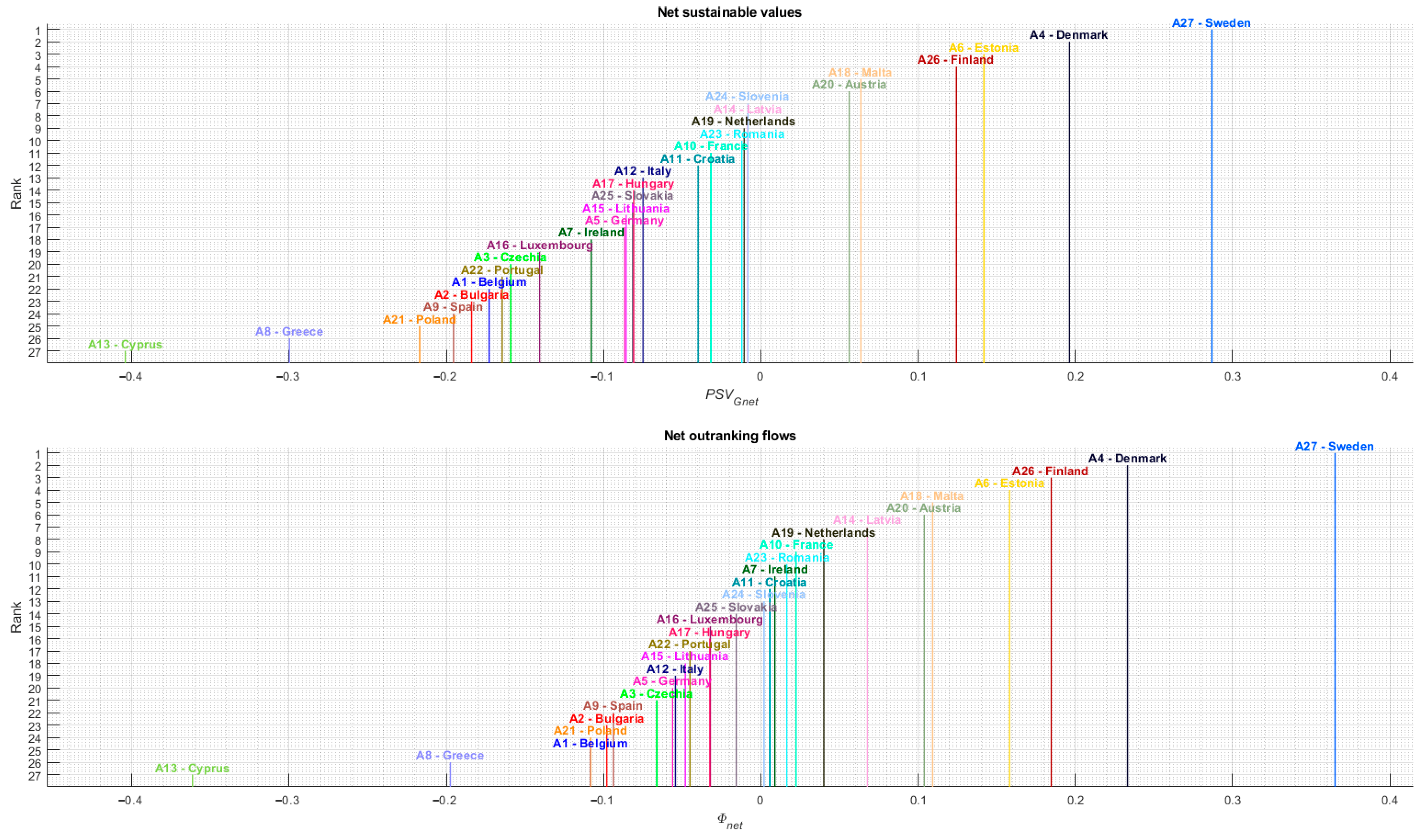
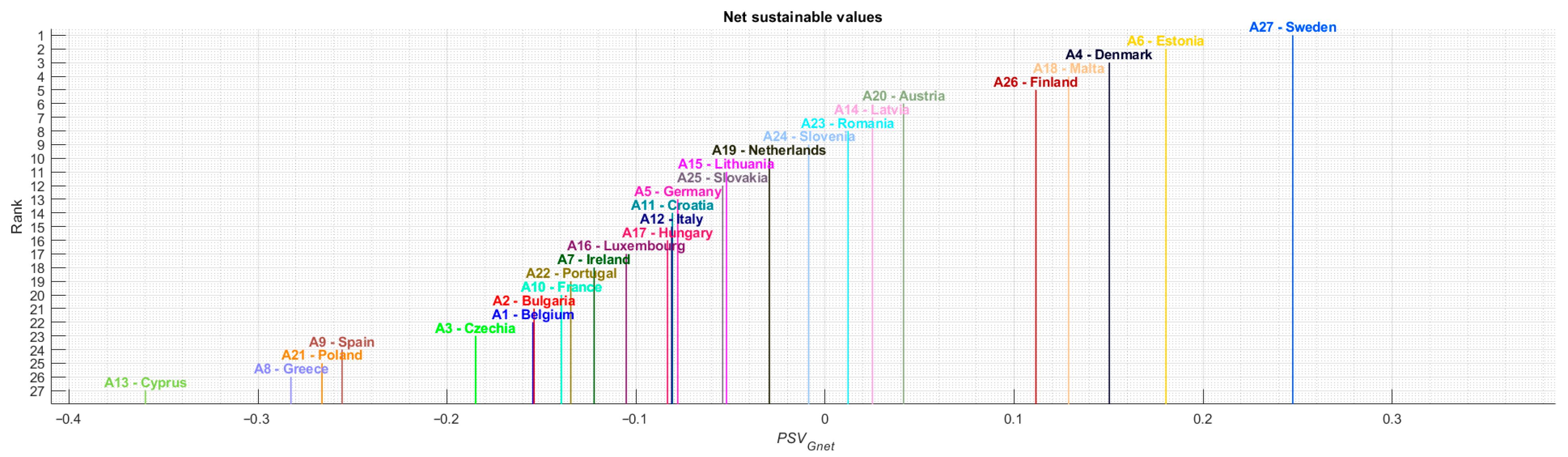
The energy transition process encompasses the transformation of traditional energy systems towards more sustainable energy sources. It is recognized that a well-executed energy transition plays a key role in achieving sustainable development. It should, among other things, minimize environmental impact, support economic growth, ensure equal access to energy, and so on. The energy transition process affects most countries in Europe and around the world, but the pace and scope of these changes vary significantly. Therefore, a significant research issue is assessing the progress of energy transition in EU countries and forecasting this progress by analysing the impact of these transition processes on the environment, economy, and society. The scientific contribution of this article includes the use of an advanced methodological approach, which yields reliable results for assessing and forecasting the progress of energy transition. The study utilized a multi-criteria decision analysis methodology based on the PROSA-G method, enabling a native assessment of the progress of energy transition in accordance with a strong sustainability paradigm. The results indicate that Sweden, Denmark, Estonia, and Finland are the leading countries, with Greece and Cyprus trailing behind. In the coming years, Malta may join the ranks, while Spain and Poland will also be among the outsiders if they do not change their current energy policies.
Keywords: energy transition; renewable energy sources; sustainable assessment; multi-criteria decision analysis; PROSA-G energy transition; renewable energy sources; sustainable assessment; multi-criteria decision analysis; PROSA-G