Article

Thermal Performance of Segmented Stator Teeth Topologies for Electric Motors †

School of Engineering, Newcastle University, Newcastle upon Tyne NE1 7RU, UK
*
Author to whom correspondence should be addressed.
This paper is an extended version of our paper published in 2025 IEEE International Electric Machines and Drives Conference (IEMDC), Houston, TX, USA, 18–21 May 2025, pp. 650–654.
Energies 2026, 19(3), 672; https://doi.org/10.3390/en19030672
Submission received: 20 December 2025 / Revised: 14 January 2026 / Accepted: 21 January 2026 / Published: 27 January 2026
(This article belongs to the Section J: Thermal Management)

Abstract

Different topologies for individual stator teeth as modular electric motor components are investigated via several different metrics such as finite element analysis (FEA), winding methodologies, and thermal performance during electrical power loading. These are easily quantifiable metrics which allow for the direct comparison of the different topologies, particularly with respect to the concentrated windings of the copper wire around the stator teeth. The paper assesses temperature rise, heat dissipation, and the role of air gaps within the copper wire windings. The results show that the winding via robot resulted in 30 (±5)% lower temperature rises on average compared to commercial (hairpin) winding systems, due to more ordered winding which results in larger air gaps between the wires. The air gaps appear to play a critical role in the thermal performance of the stator windings. It is also shown that the different topologies affect thermal performance during electrical loading, suggesting that the different topologies could be useful in different applications.

1. Introduction

Electric motors have been used in all sorts of applications for decades and come in many different types [1,2,3,4]. One advantage of electric motors is that they do not generate harmful gas emissions and the electricity they run off can potentially be derived from renewable sources. This is particularly relevant since it is well-known that in recent decades there has been a surge in concerns relating to the harmful environmental impact of using fossil fuels and their unsustainable (non-renewable) nature [5,6,7,8]. Electric motors typically have either distributed windings or concentrated windings, and although this paper only deals with concentrated windings, both are briefly mentioned here for completeness. Perhaps the most prominent example of electric motors is their use in electrically powered vehicles (EVs) [9,10,11,12]. Their performance and ecological benefits compared to conventional internal combustion engines are well documented [13,14,15,16]. Concentrated windings are typically found in appliances such as power tools or small unmanned aerial vehicles (UAVs) commonly called “drones”. It is common knowledge that drone usage is now more prevalent than ever, in both the civilian and military sectors. As such, research into the thermal performance of concentrated windings for electric motors is both relevant and necessary for the optimization and future development of the technology.
Due to their ubiquity, the optimization and performance enhancement of electric motors is still an active area of research [17,18,19]. When considering power delivered by an electrical machine (Equation (1)), power density (P) can be increased within a given volume (V), as follows:
P = V × M × S × E
Each performance aspect can then be considered separately and either increased or decreased to give the desired power density for the electric machine application.
Magnetic loading (M): Increasing magnetic loading would require a considerable step change in permanent magnet performance, which is not yet on the horizon as a possibility.
Rotational speed (S): Increasing rotational speed is a common trend already seen in EV machines, but doing so creates challenges in the bearing design and rotor containment issues. It can also lead to high frequency AC losses.
Electrical loading (E): Increasing electrical loading requires an increased electrical current through the system, which requires greater slot current density and consequently more heat generation. This could potentially be an issue in systems that are very temperature sensitive or could require better cooling mechanisms which may add to the complexity (and overall weight) of the motor. This has led to numerous approaches for the thermal management of stator teeth, from heat pipes [20,21] to immersion cooling with baffles [22,23] and many more in the literature [24]. There has also been active research into the thermal modelling of such winding systems in recent years [25,26,27,28].
Another method to improve electric motor performance is to optimize the topology of the stator. This paper focusses on the topology of the stator for the thermal performance of concentrated copper wire windings, which can allow increased electrical loading and subsequently greater power density. This means it could also allow the same electrical performance at lower temperatures, reducing the thermal loading on that part of the power train. There are numerous papers on the theoretical modelling of the topologies of stators and connected components [29,30,31,32]. However, whilst there are several papers in the literature concerning segmented stator design [33,34,35,36], there is only a relatively small amount of research published that investigates the practicalities of experimentally testing and characterizing such modular stator tooth topologies [37,38].
Whilst there has been plenty of research into novel materials such as soft magnetic composites (SMCs) over the years [39,40,41,42] and their associated manufacturing techniques [43,44,45,46], this investigation focuses on the use of industry-standard material (NO20 silicon steel). In this investigation, only well-established industry manufacturing techniques will be used against the automated robot winding. This ensures that any differences seen in the thermal performance characteristics of the different topologies can be reasonably assumed to be due to the deliberate changes in the topology and winding of the stator teeth, thus eliminating the uncertainty brought about by batch defects or small anomalies in the production processes. It also helps to remove uncertainties when comparing the simulated and experimental data.
It should be noted that this work is a continuation of earlier work presented at IEMDC 2025 in Houston, Texas USA (conference paper) [47]. This paper builds upon the research in the conference paper and provides a more comprehensive analysis of the concentrated windings around the stator teeth. Although this paper does not attempt to optimize an electric motor in the traditional sense, it does provide a systematic analysis of different winding methodologies and topologies for potential use in different applications. The organization of this paper comprises the introduction, and then the methods are set out and the results of the experiments are presented and discussed. The thermal energy calculations follow on, and the finite element analysis (FEA) and the conclusions. It must be noted that this paper deliberately does not consider the effect of stacking teeth, magnetic fields, rotational losses, and actual coolant flow that would be present in potential electric motor applications. Particularly, in any electric motor application there are inherent trade-offs between thermal performance and electromagnetic performance, including affecting torque and inductance.

2. Experiment Methods

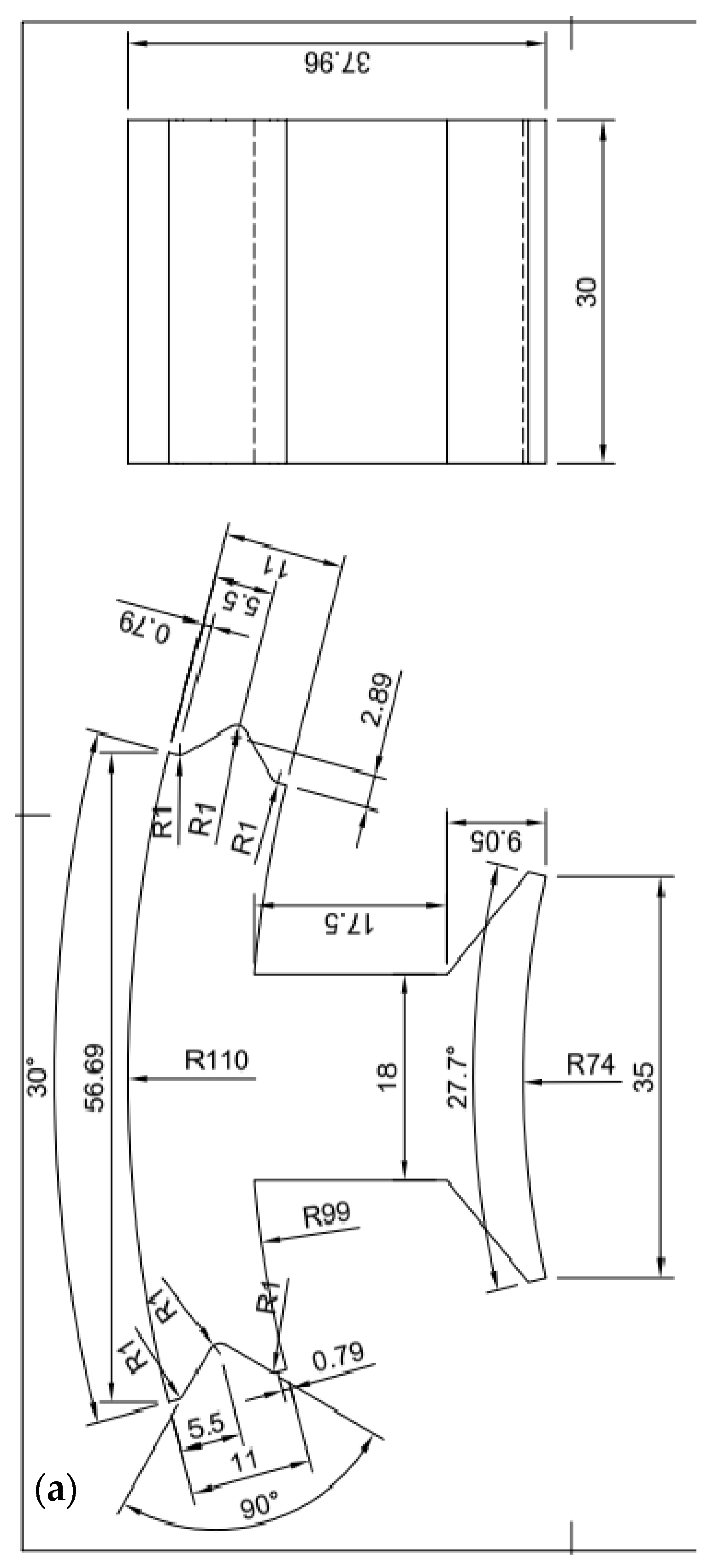
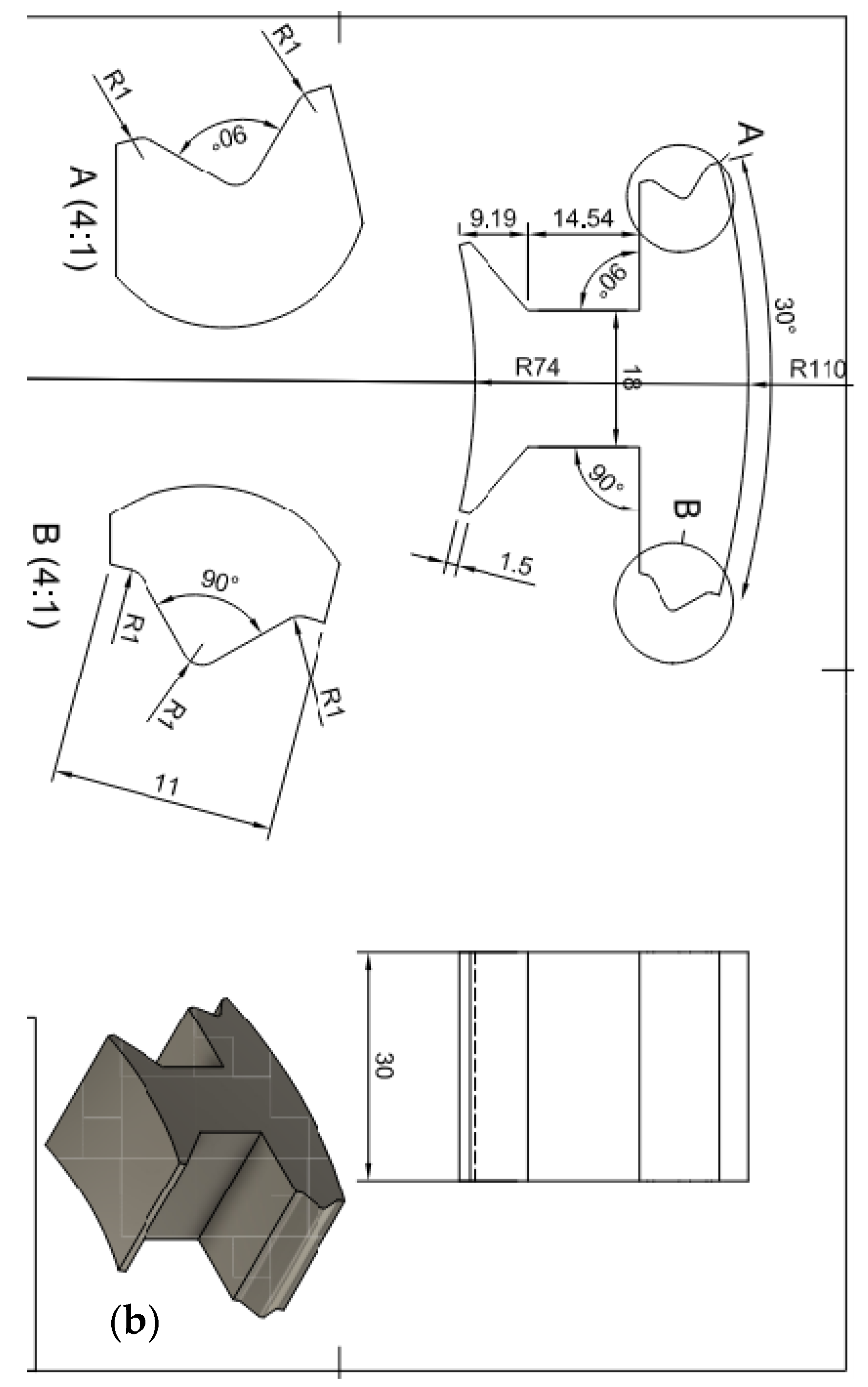
The commercial (hairpin) winding was performed at MTD (Midland Tool Design) ltd (Tipton, UK), and the robotic winding was performed at the Advanced Manufacturing Research Centre (AMRC, University of Sheffield, Sheffield, UK). The experiment matrix and designations used throughout the investigation are as shown (Table 1). The individual stator tooth dimensions in the pre-wound configuration are also shown (Figure 1). Finite element analysis (FEA) within the Ansys Motor-CAD (2025 R2) software package was also performed on the different tooth setups. A PicoTechnology datalogger was used with PicoLog software (v6) to log the data from the k-type thermocouple on a laptop running Windows 10. Microsoft Excel was used to analyze the data and produce the graphs in the paper.
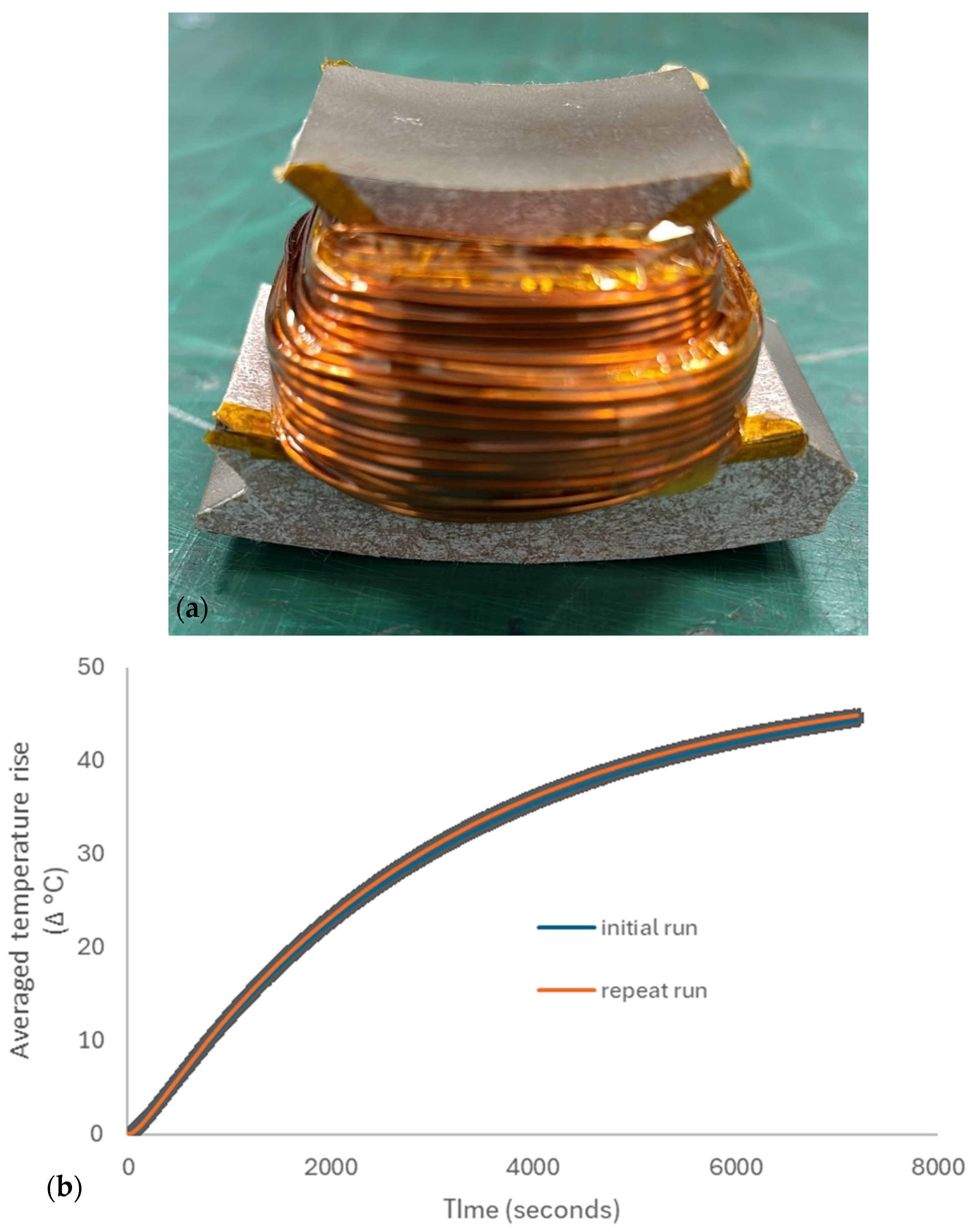
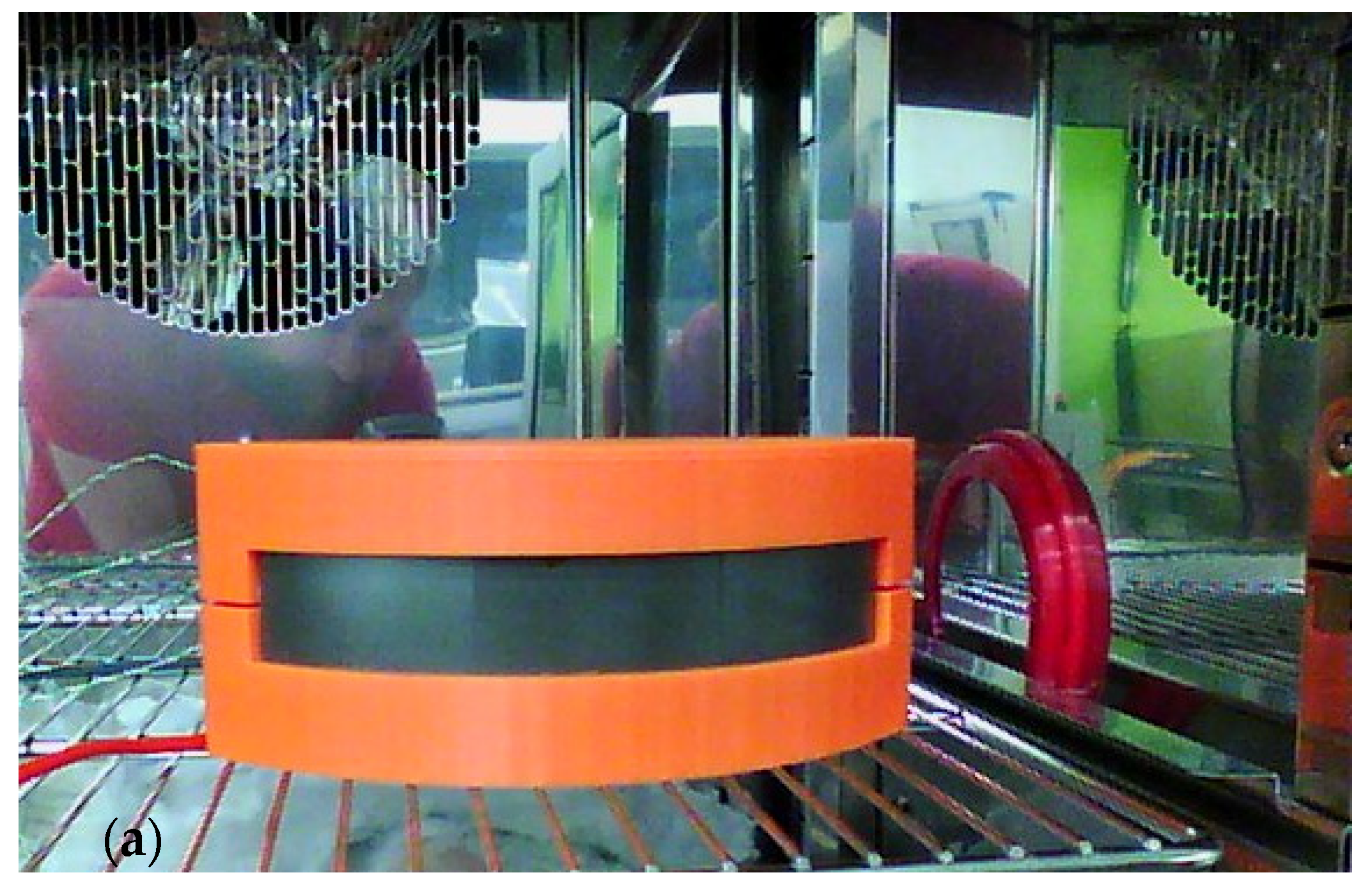
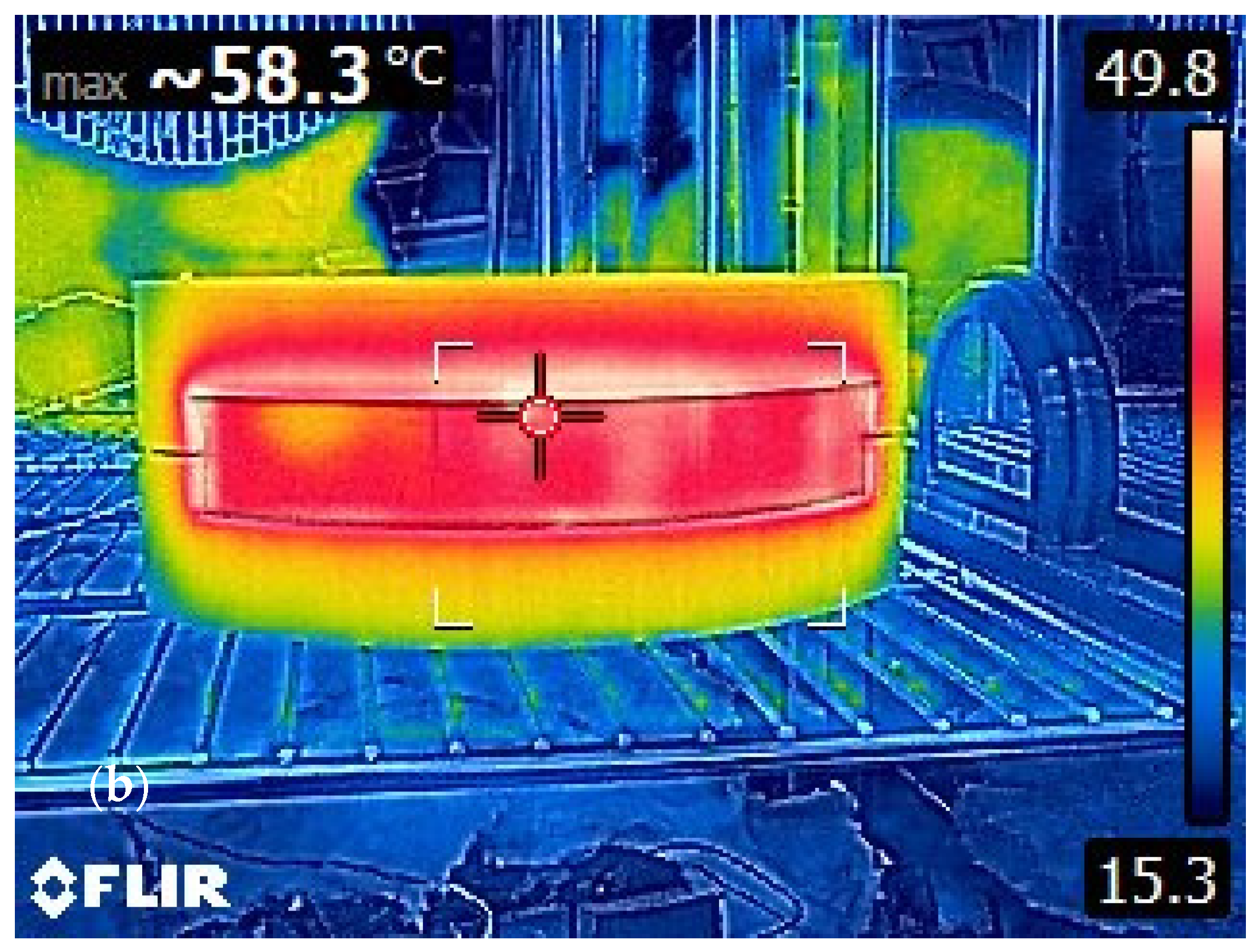
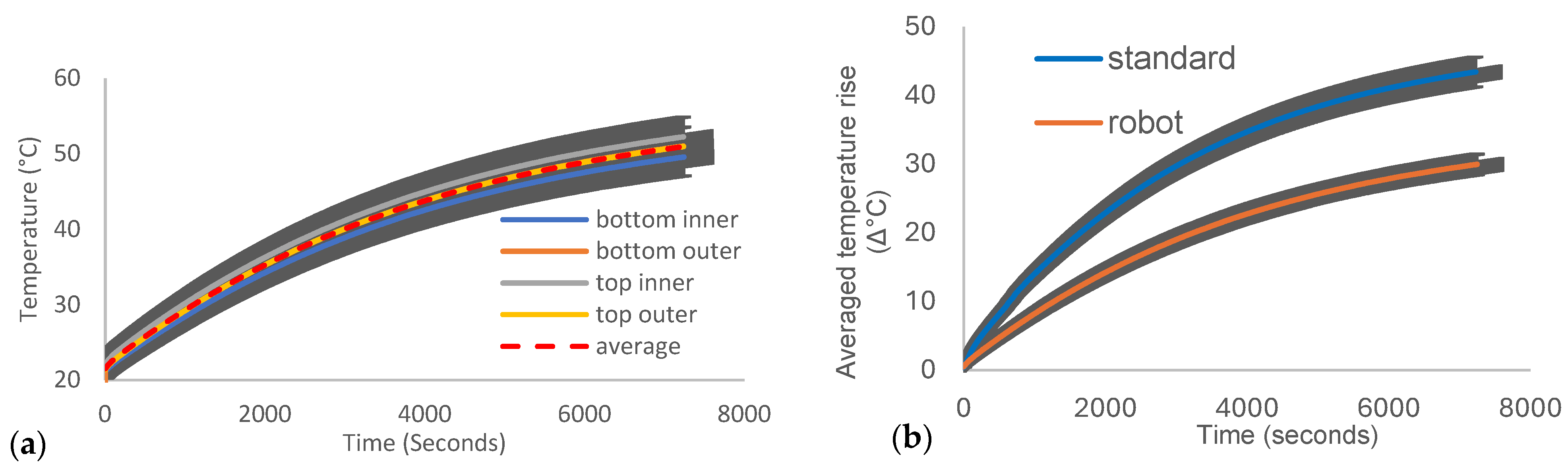
The insulation material between the stator tooth and the copper wire was polyimide (Kapton) tape of 0.07 mm thickness. For the thermal performance testing, each wound tooth was 204 turns unless otherwise stated. The experiments were conducted inside an environmental chamber to isolate any thermal changes from outside influences and control the initial ambient temperature (set to 20 °C). The four thermocouples (k type) were placed on each side of the tooth above and below the windings. The measured temperature rises from the four thermocouples were calculated as an average (arithmetic mean with a typical standard deviation of ±2 °C) to allow for easier comparison of the different topologies and winding methodologies. The power loading was from a DC power source. Each configuration was tested twice to ensure repeatability. An example of the wire wound tooth (Figure 2a), and the repeated configuration results (Figure 2b) are shown to aid the reader. The results appear to have good repeatability (Figure 2b). The copper wire was connected in series between the teeth and placed within a holding jig made from 3D printed ABS thermoplastic, which also acts as a thermally insulated, double wall chamber (Figure 3a). The jig was designed to allow heat transfer into the surrounding air via the exposed stator coreback (Figure 3b), as previously described in the literature [47]. The calculated temperature (from the change in resistance) and thermal energy are based upon time-dependent thermal transients and the energy equation found in the literature [48,49,50,51]. The thermal performance of wound stators is a well-established analytical technique [52,53,54,55] and so provides a good benchmark for the quantitative comparison of the different stator tooth topologies and winding methods.

3. Results and Discussion

3.1. Effects of Different Winding Methodologies

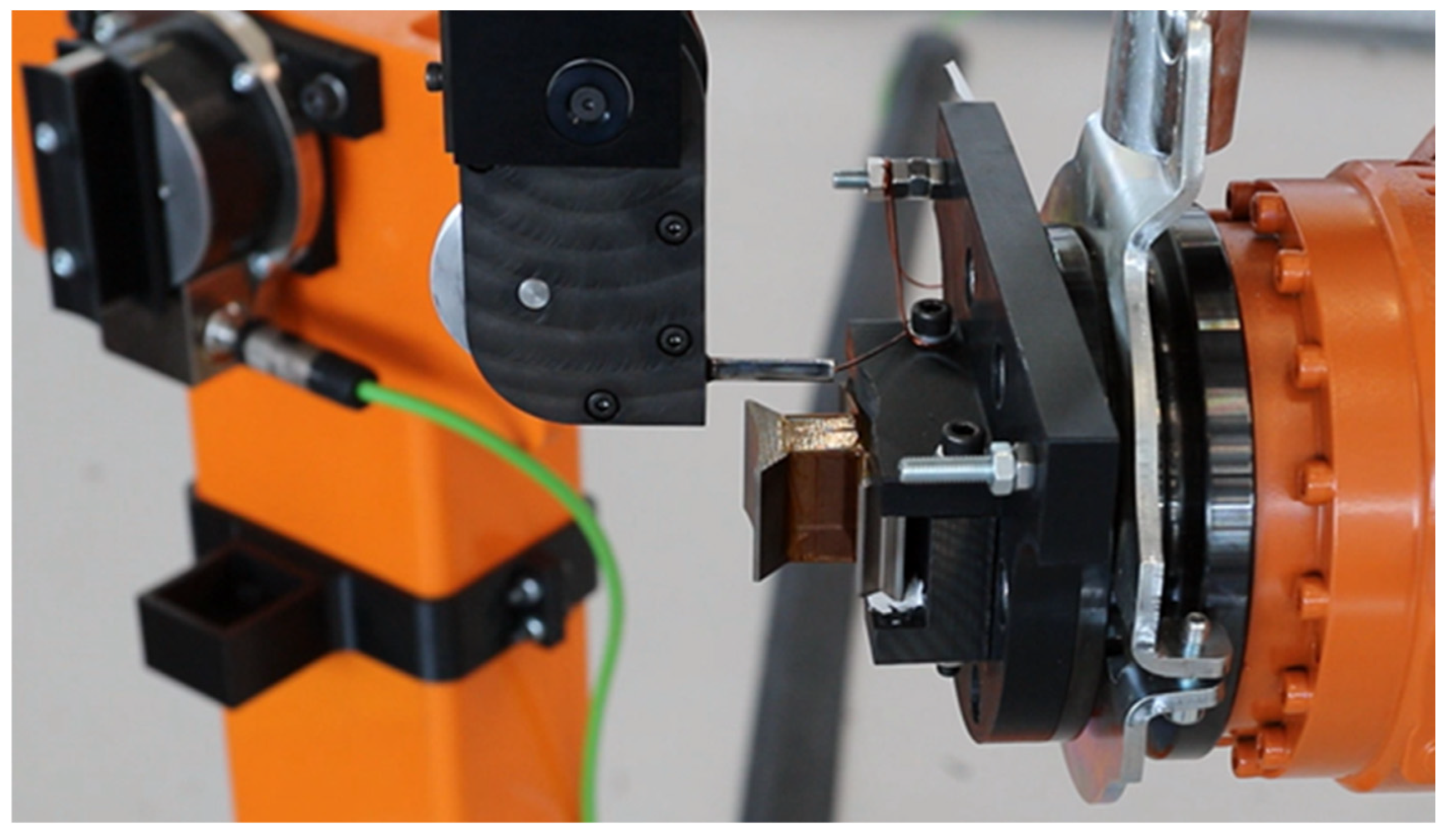
Firstly, in order to determine the difference that winding methodology makes to the thermal performance of the segmented stator teeth, the flat teeth (ST-B1 and ST-B2) were wound with 0.8 mm copper wire for 20 turns (two layers of ten turns each) using either commercial hairpin winding or using a robotic arm previously trained on automated winding. A snapshot of the robot winding process is shown for clarity (Figure 4). An example of the experimental thermocouple data and subsequent average shows there is only a small variance in the localized heat spots on the tooth (Figure 5a). The compared results (Figure 5b) show that the automated robot winding gives a 30 ± 5% (20 ± 3 °C) lower average temperature rise than the commercially wound method.

3.2. Effects of Different Tooth Topologies

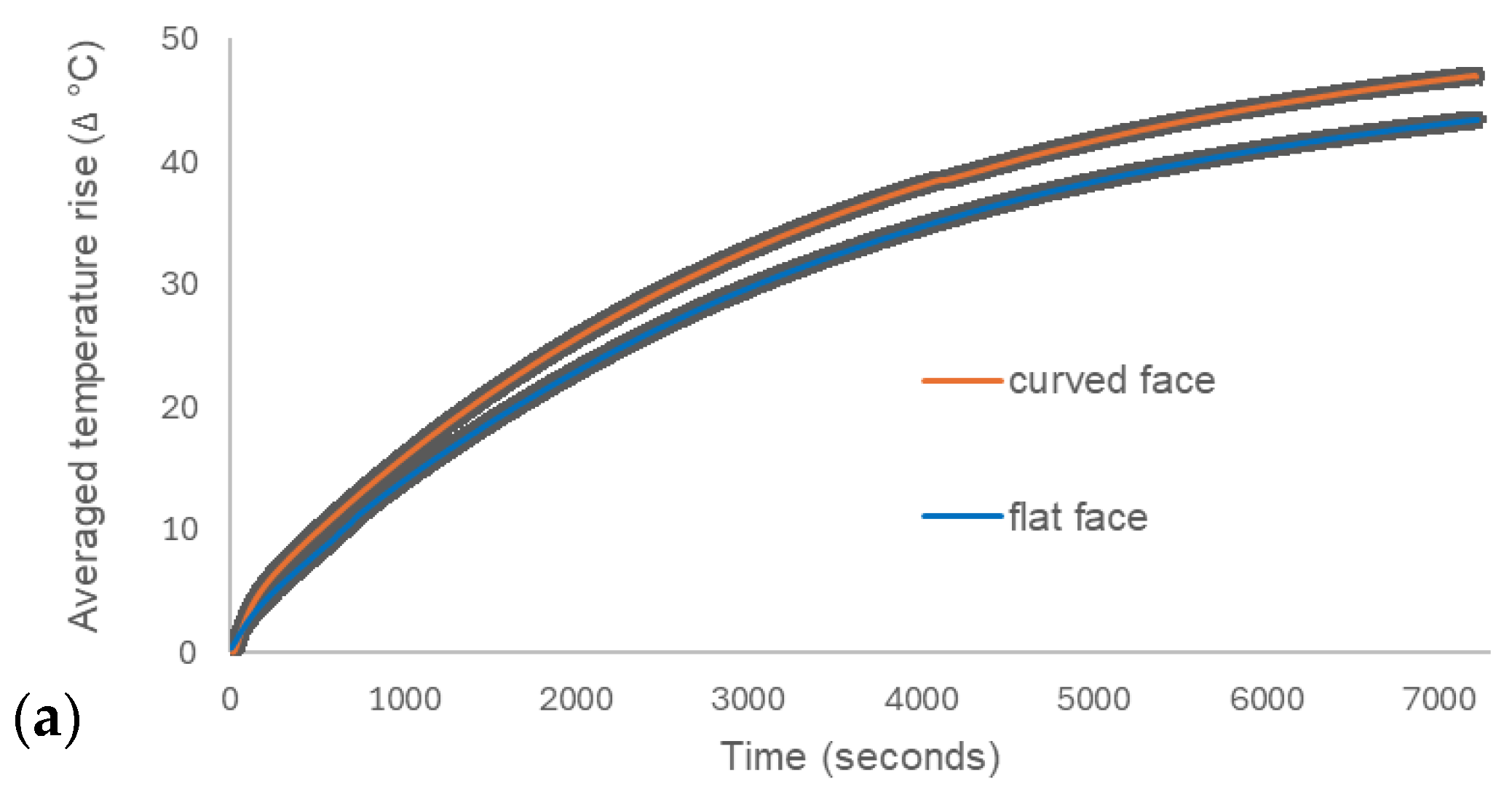
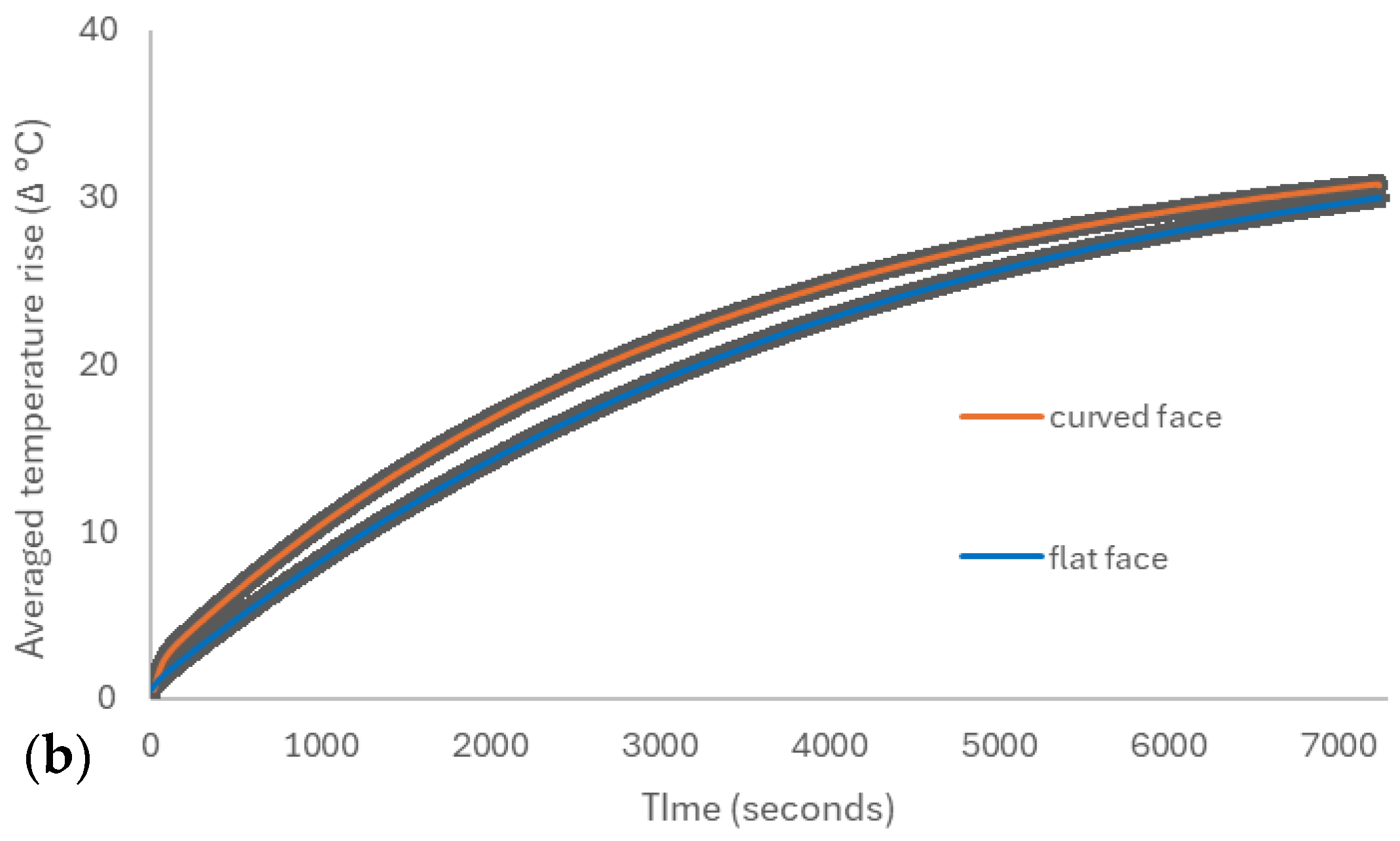
When experimentally comparing the different tooth topologies which were commercially wound with only 20 turns of copper wire at a low power loading (0.35 W and current density 10 A/mm2) over long time periods (approximately 2 h), there is a clear trend in terms of the temperature rise in the silicon steel tooth between the two topologies (Figure 6a). The flat-faced topology shows a slightly lower temperature rise for the same copper wire winding amount and power loading when compared to the curved face topology. It seems that at small time intervals there is very little difference between the two topologies, although the difference becomes apparent after only around 20 min. The temperature difference between the two topologies increases as a function of time until the one-hour mark (approx. 4000 s), where it then remains at a constant difference of 3 °C until the end of the experiment. For the robot-wound topologies (Figure 6b), the difference in temperature is greater early on at short time intervals. However, the difference in temperature reduces and tends towards practically zero at longer time intervals (2 h). This is most likely due to other factors affecting the thermal performance characteristics, such as heat loss due to radiation into the air. It is possible that this aspect functions as a limiting factor, effectively leading to a maximum possible temperature at the given winding and electrical power parameters. Thus, the robot wound teeth tend towards this maximum temperature over long time periods regardless of their topologies.

3.3. Determining Cumulative Effects

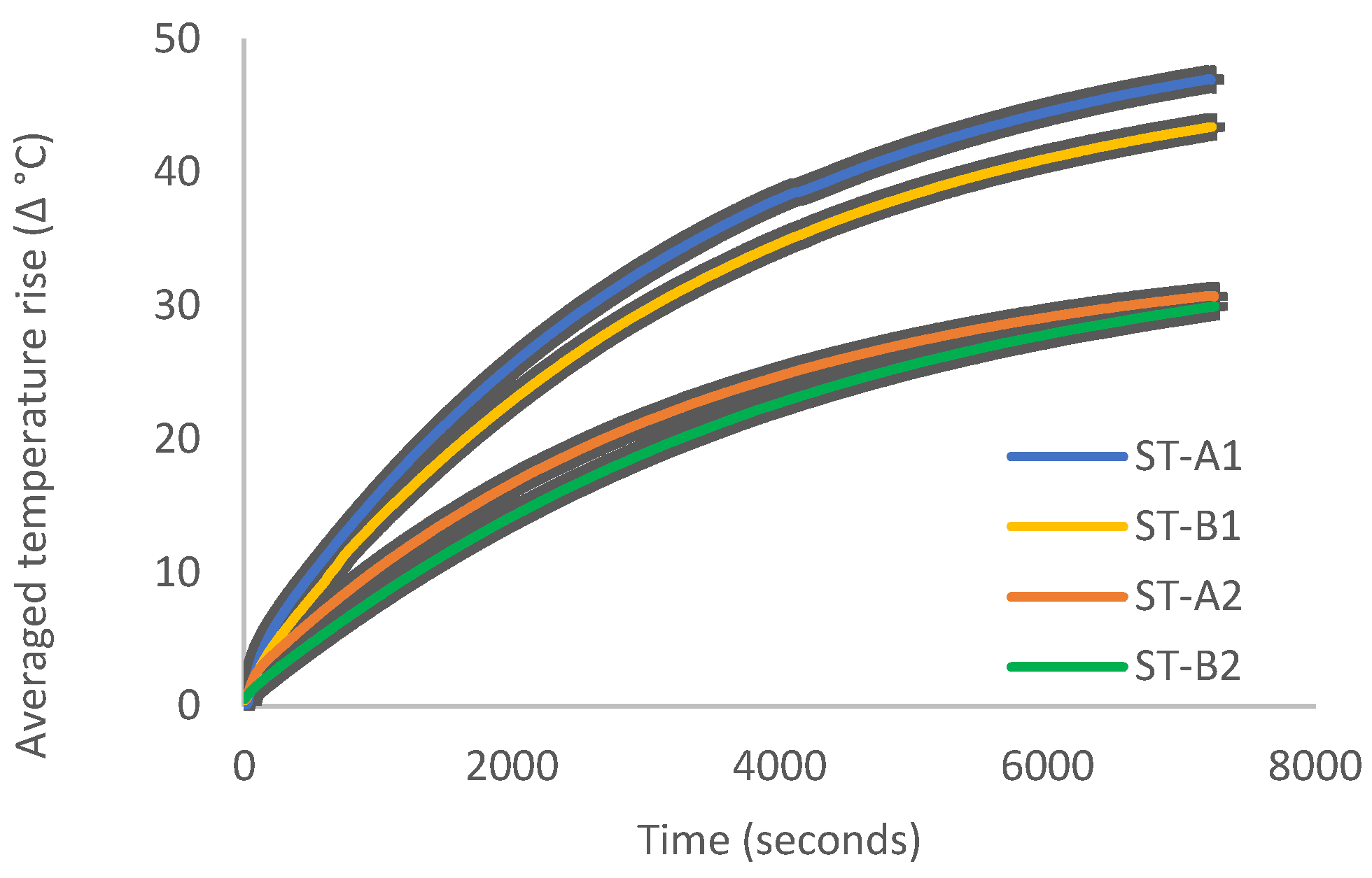
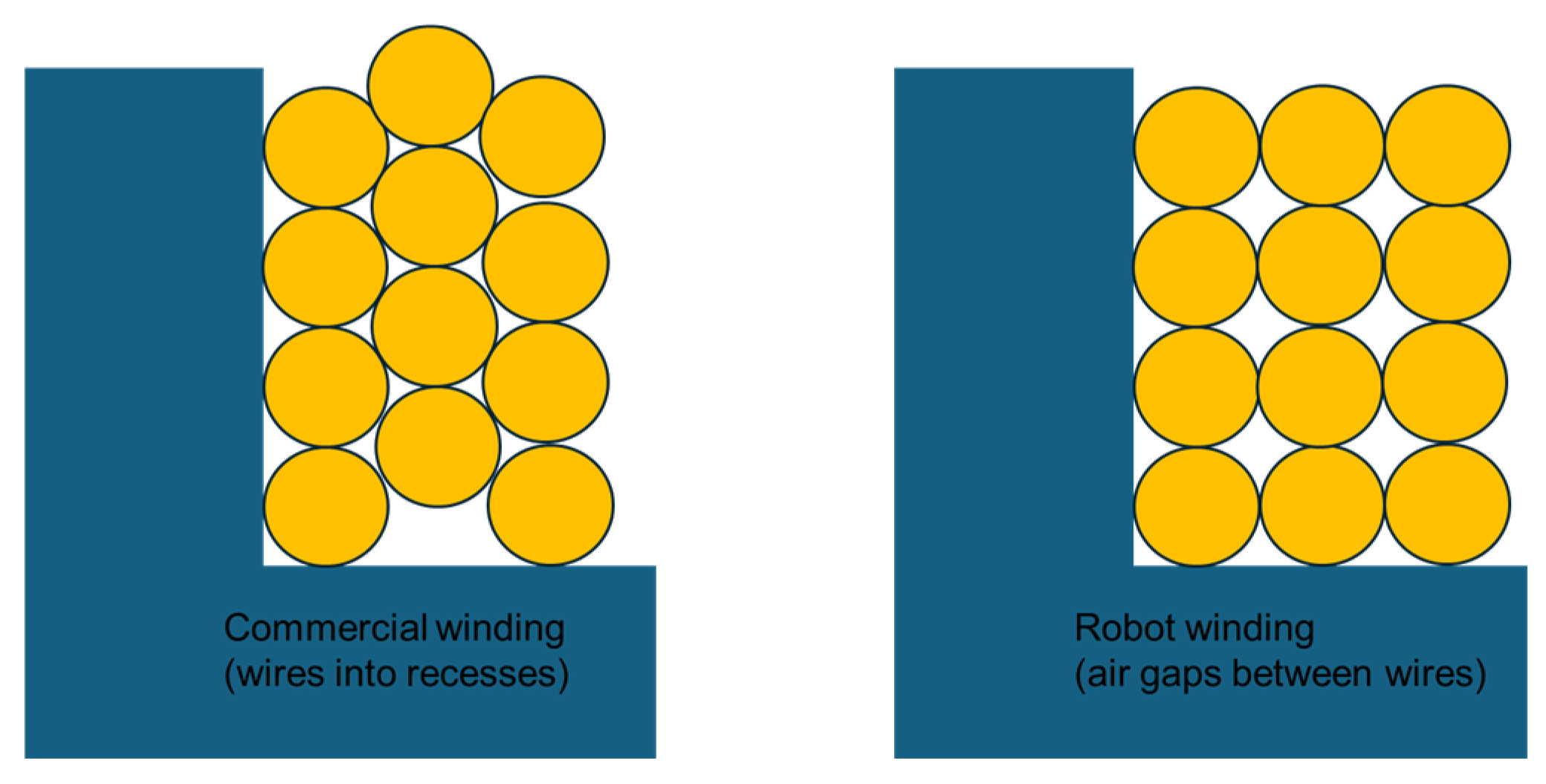
From the cumulated average temperature rises in the different stator tooth systems during experiments (Figure 7), the commercially wound teeth (ST-A1 and ST-B1 systems) have far higher average temperature rises (approximately 20 °C) than the robot wound teeth (ST-A2 and ST-B2 systems). This suggests that the robot winding transfers less heat to the stator tooth than the commercial winding, possibly due to more heat being radiated into the air. For this to occur, the surface area of the winding in contact with the air must be greater in the robot winding than the commercial winding. Given that the robot winds extremely slowly compared to the commercial winding, it is possible that it results in less wire slippage during winding. This would effectively mean bigger air gaps and a larger surface area exposed to air, which would allow greater heat dissipation into the air and help explain the lower temperatures (Figure 8). This radiation into the air is clearly a much larger factor affecting the thermal performance than the tooth topology, suggesting that the transfer of thermal energy from the copper wire occurs at a much faster rate than the thermal conduction into the silicon steel tooth.
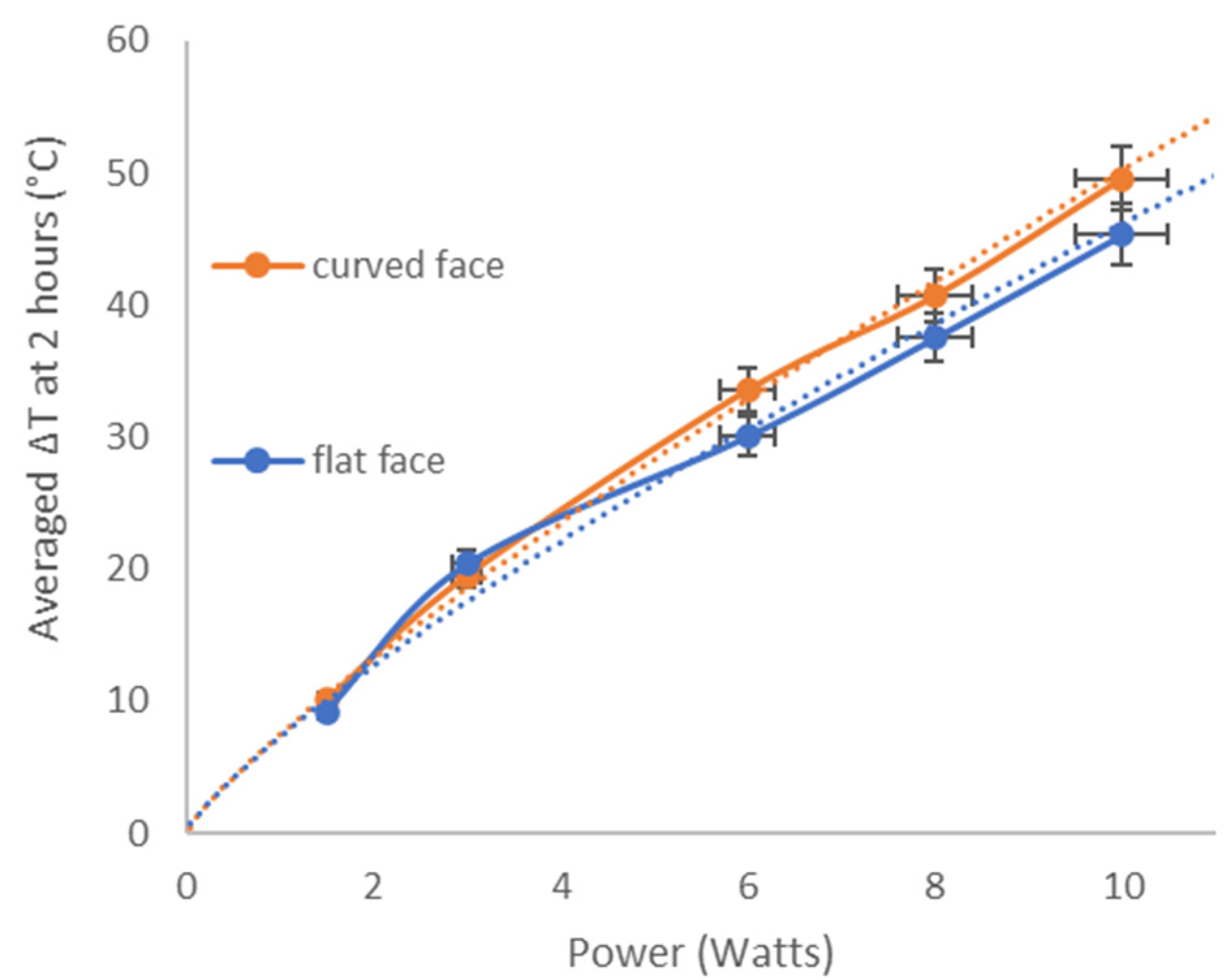
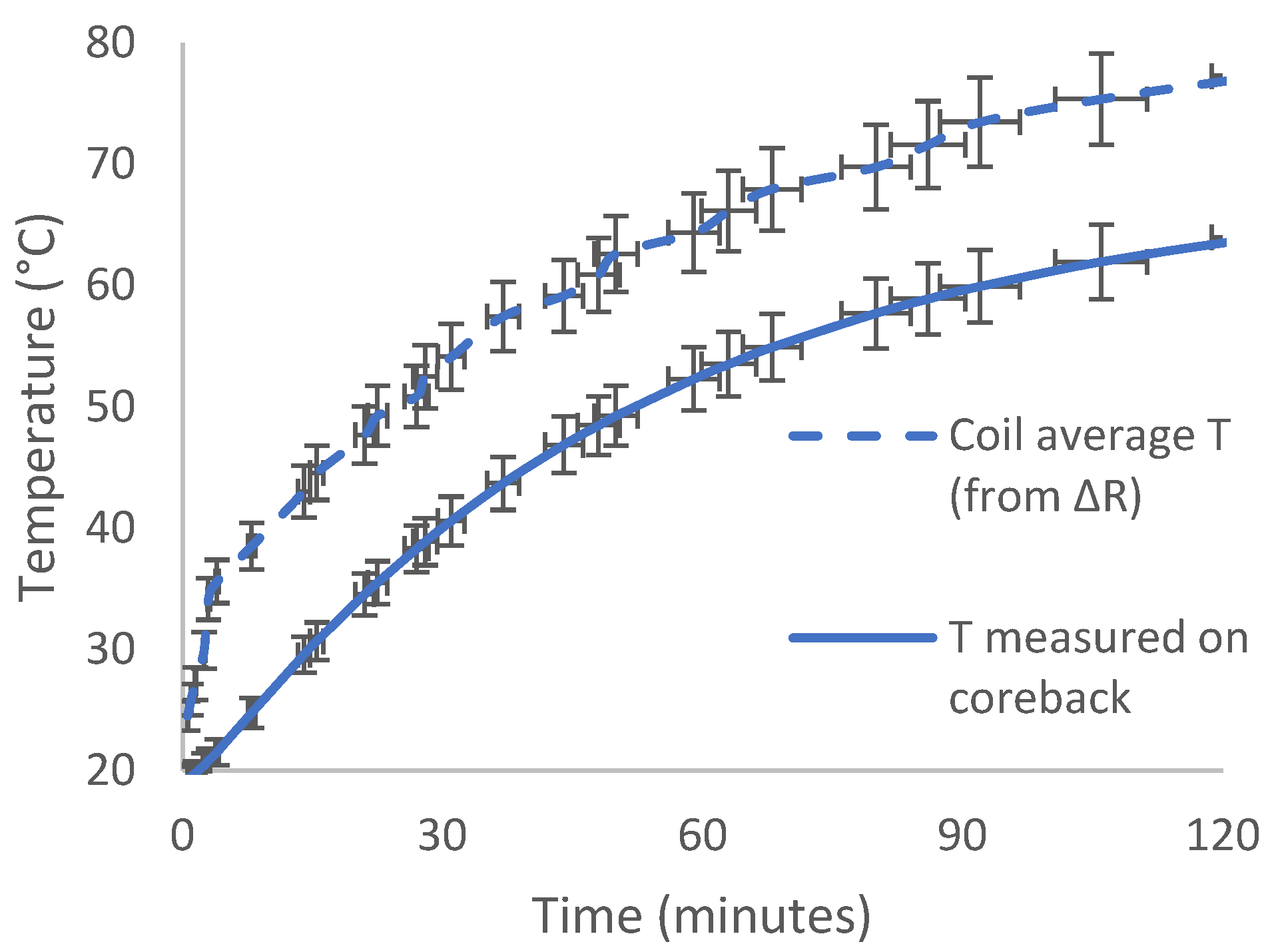
From the graph (Figure 7) it appears that the winding methodology has a far bigger impact on thermal performance than changes in stator tooth topology. It can be seen (Figure 7) that the relatively small change in stator tooth topology can influence the average temperature rise by several degrees. It is also interesting to note that both flat-edged teeth (ST-B1 and ST-B2) resulted in lower temperature rises than their corresponding curved edge teeth (ST-A1 and ST-A2). The robot-wound flat tooth results in the lowest thermal energy transfer of all the different teeth systems. The results from the wound stator teeth under different power loadings (Figure 9) suggest that the different topologies have very similar heat transfer effects. They show a small difference in temperature rise between the two topologies at low power, small enough to be reasonably considered negligible. However, at higher power settings there is a difference in several degrees Celsius (Figure 7). Given that the thermal transient for the average coil and core face temperature of the flat tooth closely follows the calculated thermal resistance (Figure 10), it is likely that the difference in the measured temperature on the tooth and calculated thermal resistance is simply due to heat dissipation into air.

3.4. Thermal Mass Effects

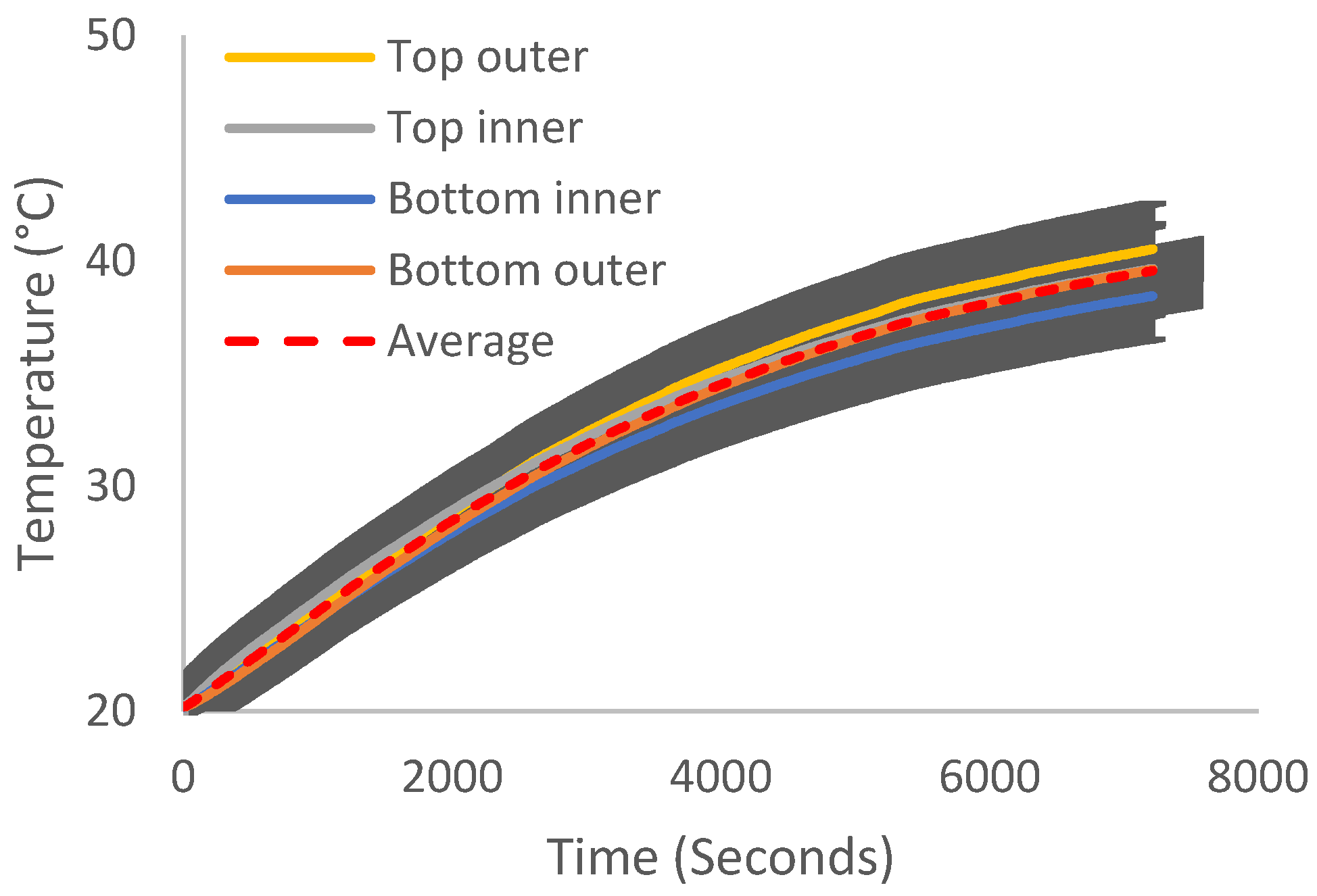
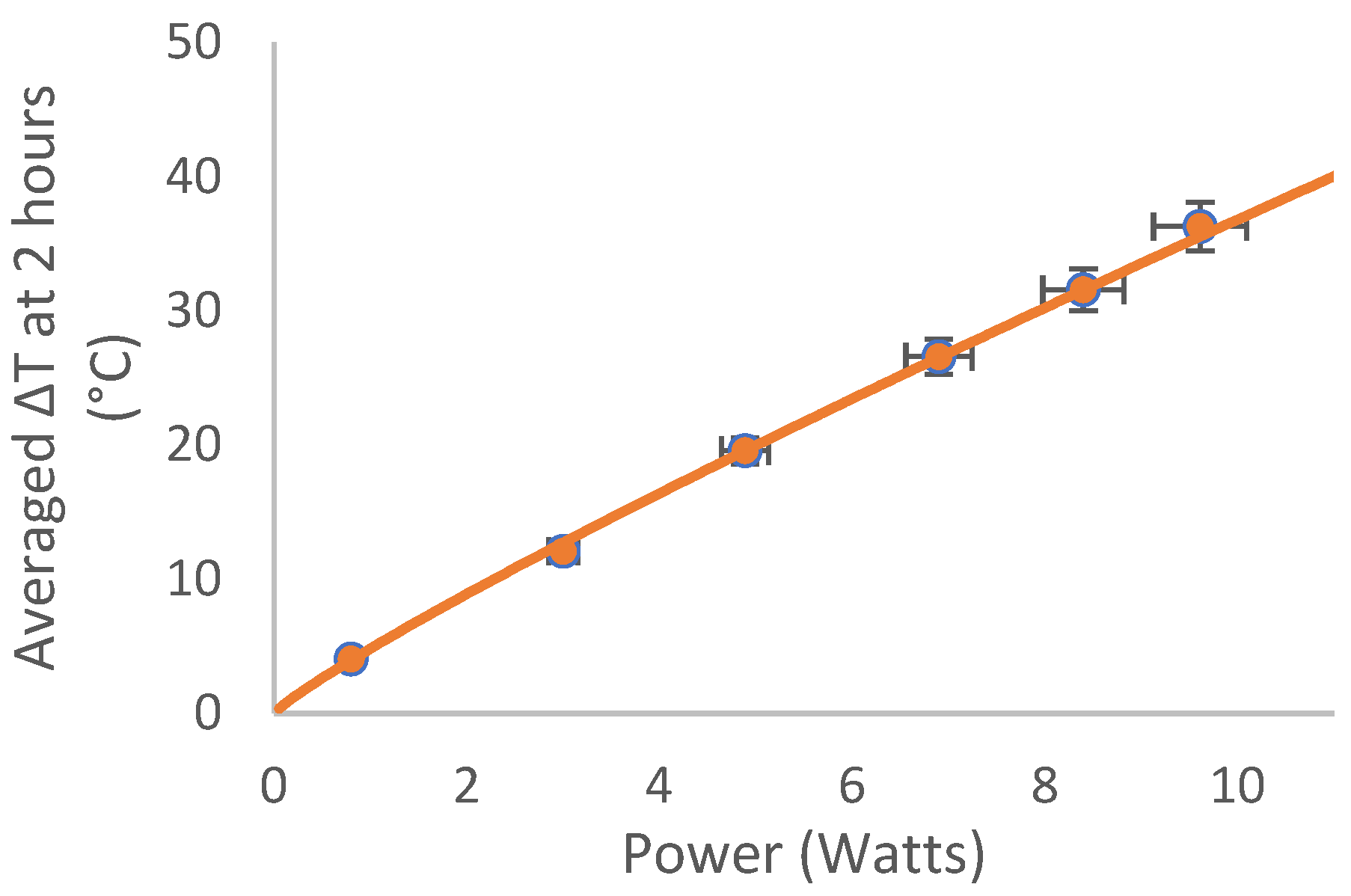
By hairpin winding the copper wire whilst the stator tooth (flat topology) is held within a V-shaped restraining jig (3D printed), the copper fill factor can be increased to around 70% (compared to the previous 50%, calculated from weight) with just over 300 turns. The teeth were thermally tested under an electrical load using the methodology previously described in this paper. Once again, the flat-faced topology exhibits low thermal variance (Figure 11). The large mass of copper leads to a large temperature rise and shows a near-linear relationship between power increase and temperature rise (Figure 12). This linear relationship suggests that at the power ratings studied, the rate of heat dissipation into the air is proportional to the heat conduction into the stator teeth. At such a high fill factor the dissipation of heat between the outer wire of the copper winding would not be sufficient to keep pace with the heat from the resistance in the wire, so the air gaps between the windings must be a significant contributing factor in the dissipation of heat to the air.
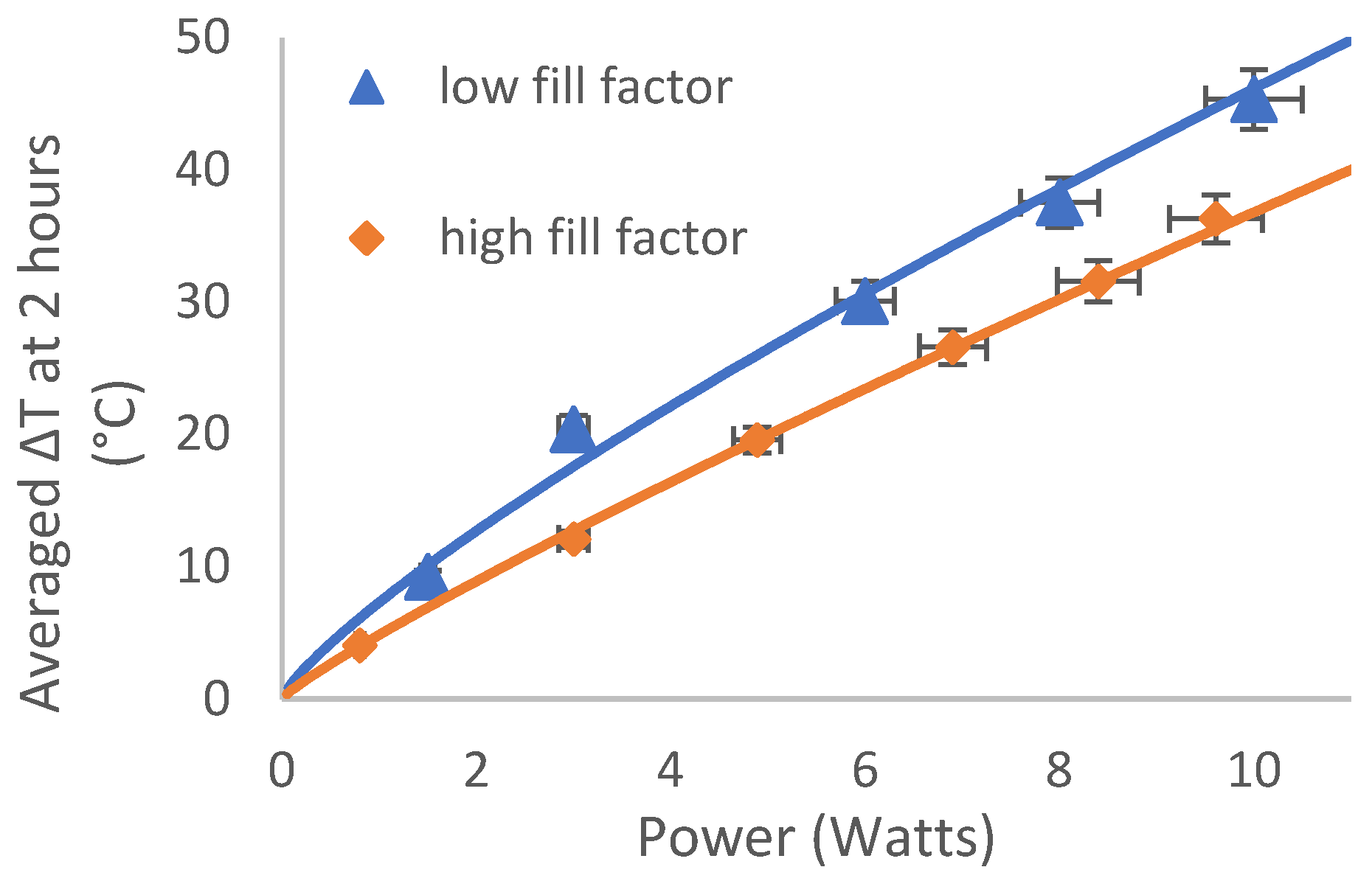
When the results for the high fill factor windings are compared against the low fill factor windings (Figure 13), the lower fill factor causes a larger temperature increase at the stator tooth interface than the high fill factor. This is despite the larger mass of copper in the winding and suggests that the dissipation of heat from the copper winding into the air occurs at a faster rate than the conduction of heat from the copper winding into the silicon steel stator teeth. It is also interesting to note that at higher power ratings the difference in temperature between the fill factors increases, most likely due to the air gaps within the windings not being able to dissipate the heat fast enough. This suggests that there is an upper limit to the rate of heat dissipation into air. This is supported by the theory of heat dissipation via conduction. For conduction in one dimension, Fourier’s law (Equation (2)) suggests a practical limit set by the material’s thermal conductivity (K) and available surface area (A). This is in line with the experimental results showing a trend towards an upper limit of heat dissipation due to a set thermal conductivity for the materials and a finite available surface area.
Q = −K(dT/dx)
where Q = heat flux (W/m2), K = thermal conductivity (W/m*K), T = temperature (kelvin), and x = the distance from the heat source.
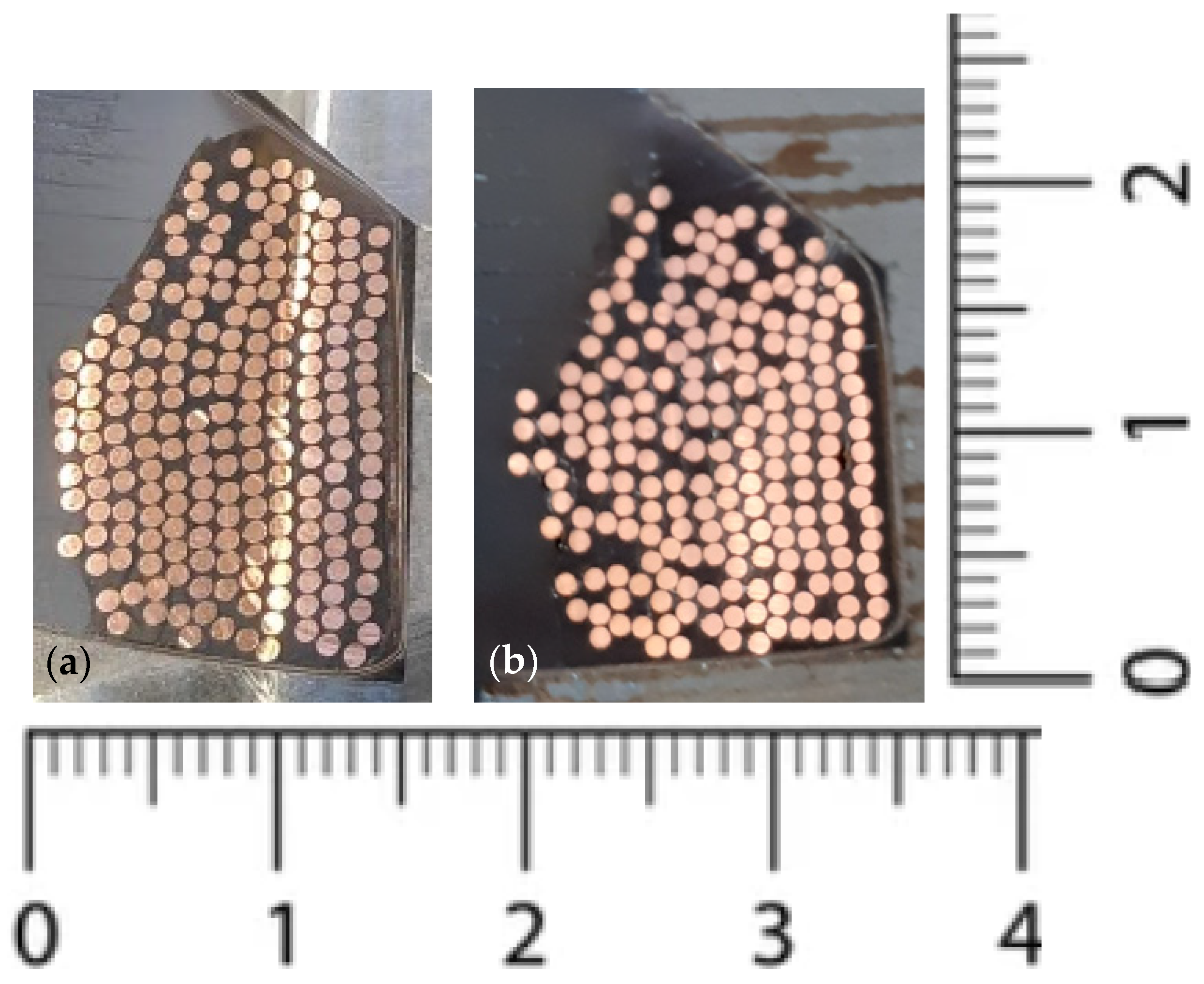
The wound stator teeth were then potted within low-viscosity thermosetting resin and sectioned, allowing for a visual inspection of the windings (Figure 14). Both topologies produce tight windings around the teeth, so the difference in temperature is unlikely to be due to differences in the amount of surface area contact between the teeth and the wire windings. It is interesting to note that the wire windings show no deformation, supporting the hypothesis of air gaps occurring within the windings.

4. Calculating Thermal Energy and Resistance

To determine the thermal energy and calculated resistance within the different systems of the two topologies, 10 W of initial power loading was applied with constant voltage and recorded current. The thermal energy calculations were based upon those found in the literature [56,57] and the well-known energy transfer equation (Equation (3)).
Q = (E × ΔI) × t
where Q = energy transferred (joules), E = voltage (volts), I = current (amperes), and t = time (seconds).
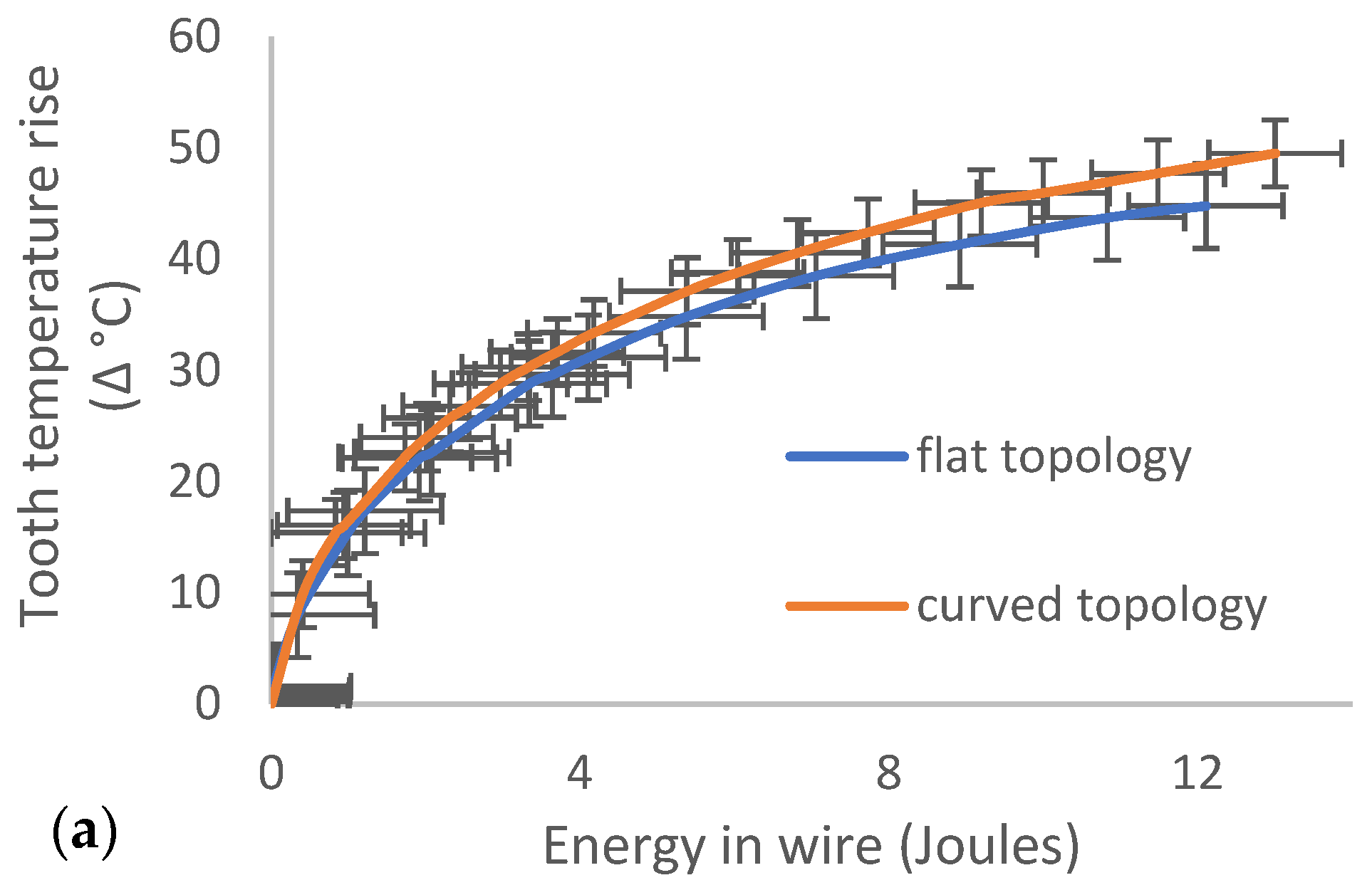
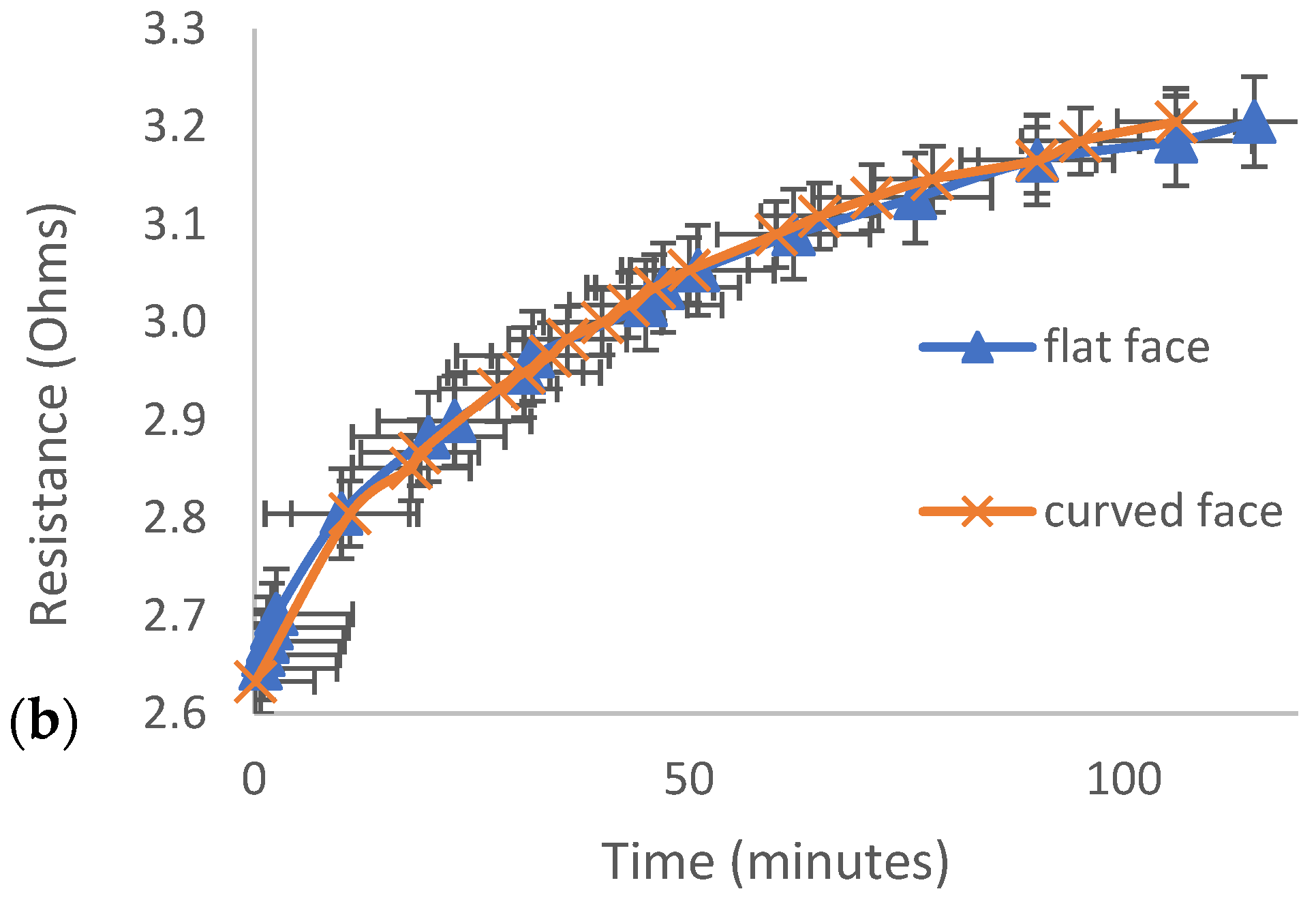
It can be seen from the thermal calculations graph (Figure 15a) that the flat-faced tooth generally has a lower temperature than the curved face at the same energy levels, suggesting that less heat is transferred from the copper winding to it. It should also be noted that the calculated copper wire resistance is effectively the same for both topologies (Figure 15b), and so it is reasonable to infer that the flat topology causes the heat to be dissipated elsewhere, namely into the air. It is reasonable to assume that this is a product of the flat topology inducing bigger air gaps within the copper winding during the winding process.

5. Finite Element Analysis (FEA)

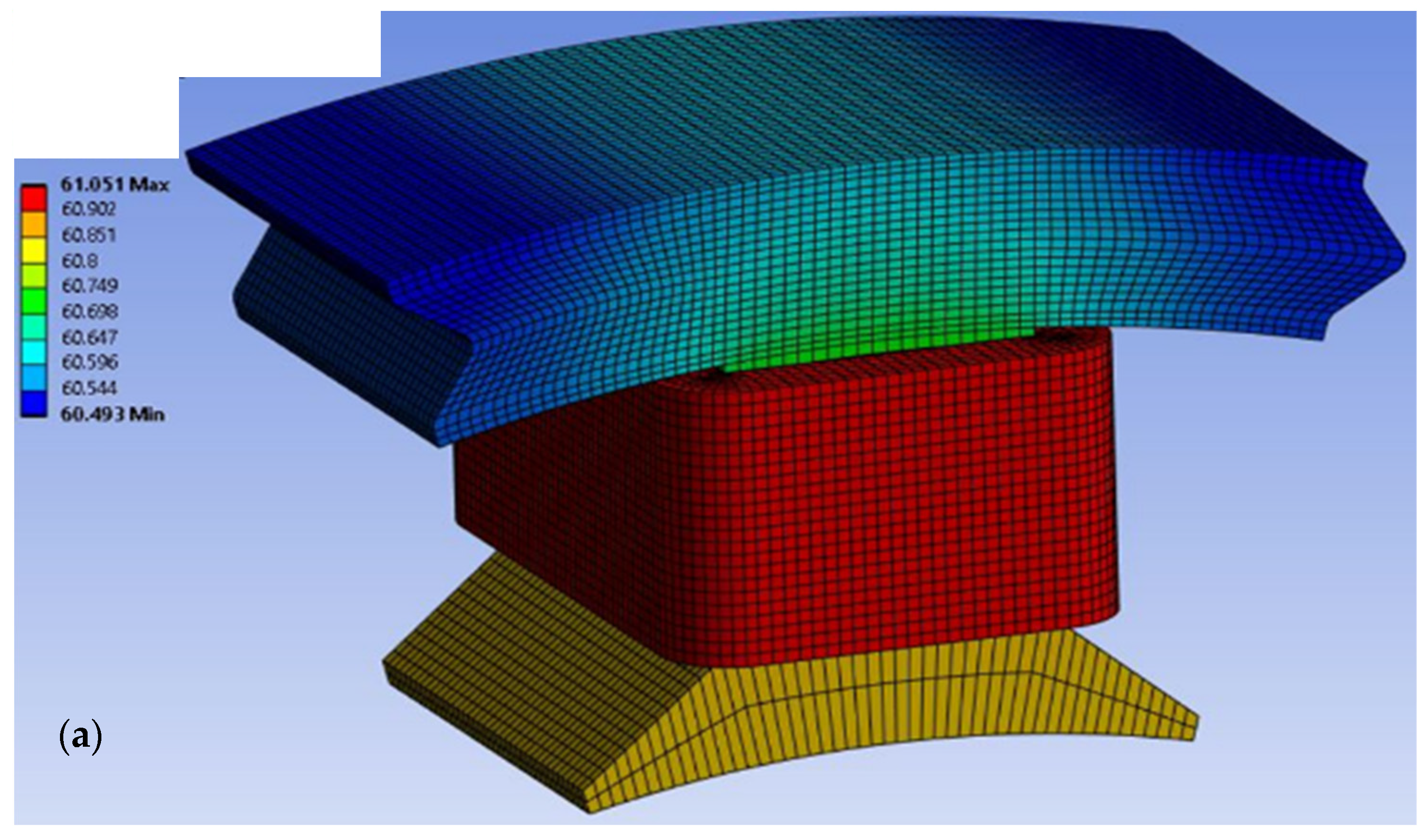
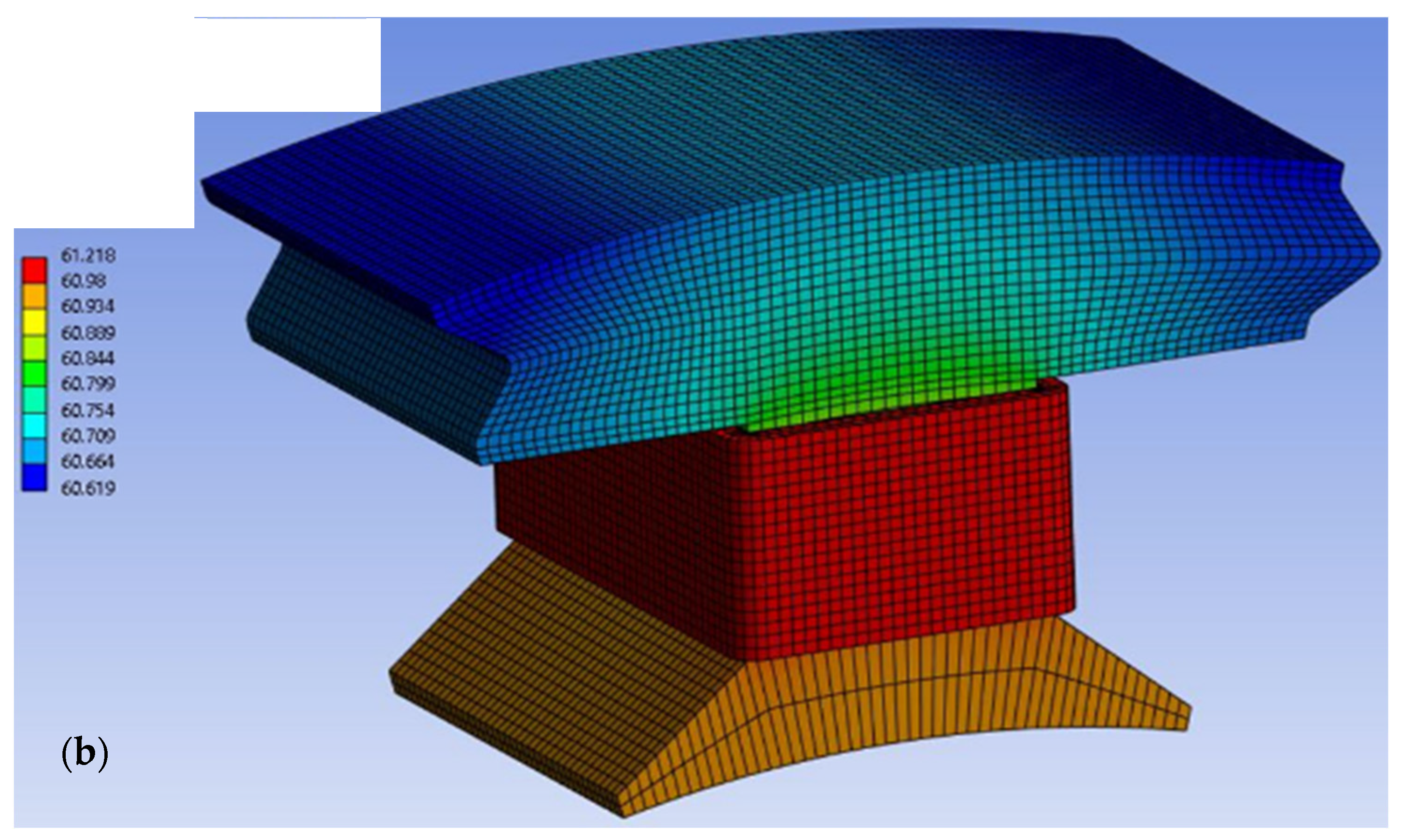
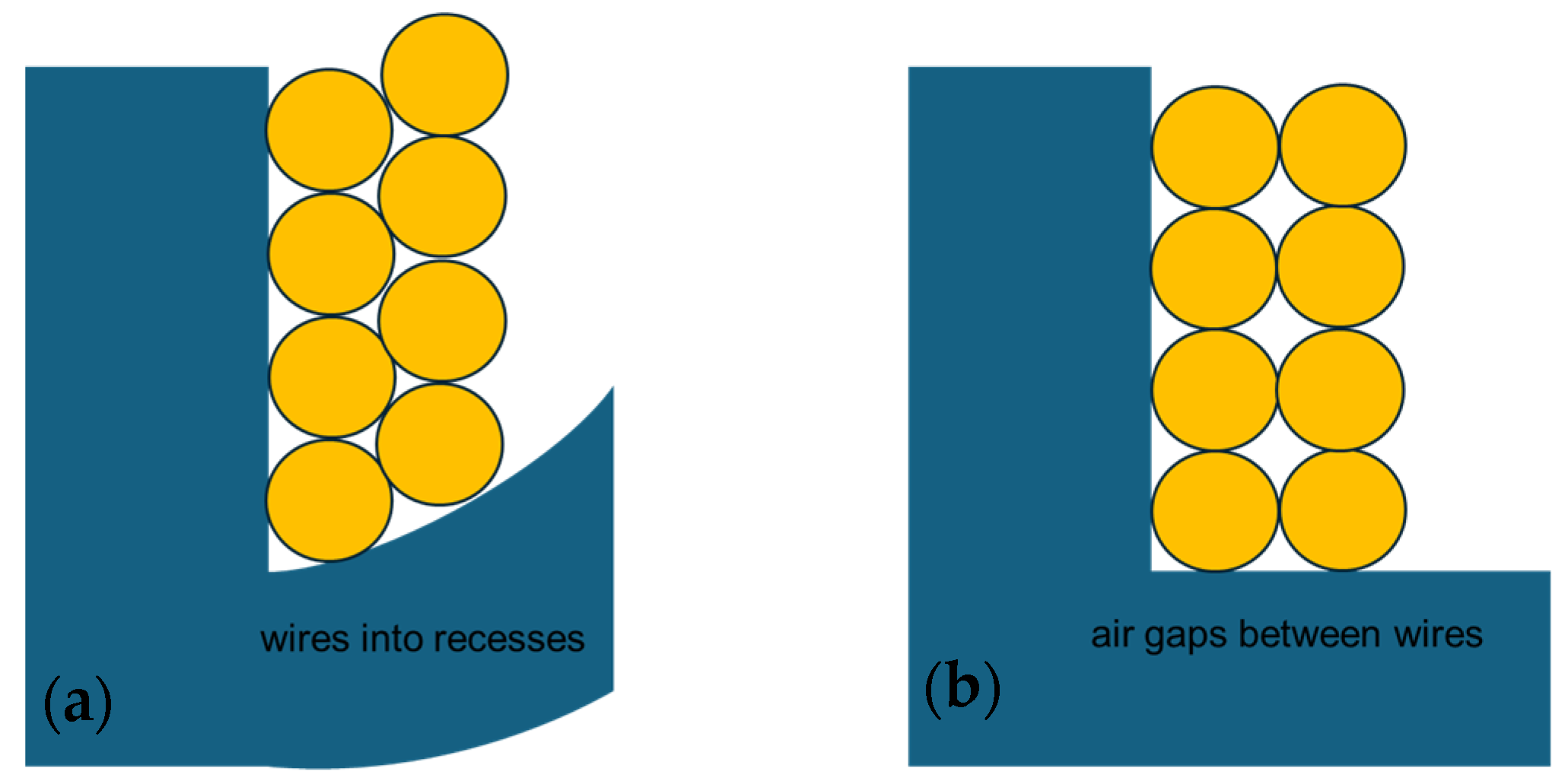
The finite element analysis (FEA) thermal simulation of the wound stator teeth topologies (Figure 16) was performed using parameters obtained from the experimental data (copper loss = 0.35 W, copper wire diameter = 0.8 mm, and wire volume = 7427 mm3). Whilst assumptions were made about the fill factor and subsequent thermal characteristics during the calculations [58,59], the results are still considered valid. The FEA shows that there is very little difference in the temperature results. At first glance, this is not in agreement with the experimental data. However, the FEA assumes the wire winding is a solid block of bulk copper rather than a mesh of wires. The difference in the results between the FEA and the experimental data can then be hypothesized to be due to the air gaps previously discussed. This suggests that the different topologies cause the wire winding to adopt different spacings during winding (Figure 17). Whilst the FEA would appear to be of limited use, it helps highlight the tangible difference made by the hypothesized air gaps within the windings and is thus a worthwhile addition to support the results within this paper.

6. Conclusions

The two topologies investigated here display different thermal performance characteristics. The winding methodology is shown to play a significant factor in determining the thermal performance. It is theorized that the temperature differences are due to the relative precision of the deposition of the copper wire layers during winding. The robot winds at a much slower pace than the commercial hairpin winder, which allows for the second layer of wire to be more precisely placed over the first layer. The commercial winder deposits the second layer slightly faster, which results in slipping of the wire into the recess between the wires of the first layer (Figure 8). This results in the copper wire winding of the robot having air gaps between the layers, whereas the commecial winding is more like a block of copper sleeve. These air gaps, or the lack of them, result in the transfer of 30 (±5)% more thermal energy to the stator tooth in the case of the commercial winding, whereas in the robot winding the thermal energy can escape between the air gaps and is not as readily transferred into the stator tooth. This is supported by the results from the low power loading (Figure 7); it seems that wire winding via the automated robot results in a lower average temperature rise than commercial winding. This means that robotic winding can allow for less heat to be generated at given power ratings compared to commercially wound stators.
The results indicate that there are several effects of interest occurring during the power loading of the tooth systems, with the ratio of air gaps to the bulk volume of the copper being the main contributing factor to temperature rises within the systems. The flat-edged teeth exhibit lower comparative temperature rises, suggesting better heat dissipation into the air. This could be due to the larger air gaps within the wire windings allowing for better heat dissipation and subsequent lower temperatures at the tooth (Figure 17). The use of FEA helps to provide insight into the experimental results and the mechanisms of thermal heat transfer and dissipation. The FEA simply serves to underline the importance of the air gaps discussed in the experimental work. It supports the experimental work by highlighting the difference in results, rather than being a standalone investigation. Although, it must be noted that the results are only viable for the power and wire winding configurations within the scope of the experiments. Whilst it may be possible to extrapolate the calculated thermal curves slightly (e.g., up to 12 Watts), it is not necessarily supported by the data. This is also true when considering the size of the electric motor, as it is possible that other factors affect the thermal performance within smaller or larger machines. The same is true for considering robot vs. commercial winding; the wide variety of different robots in use today make it impossible to give a definite statement on which is “better or worse”, and we can only comment on the results within this paper for these reported experimental conditions. The paper has engineering value by investigating the fundamental effects of thermal energy transfer within a concentrated winding stator module. The design principles can then be applied to a variety of different electric motor systems as required by the reader.

Author Contributions

L.S.: writing—original draft preparation, investigation, and methodology. Y.U.: software and data curation. M.C.K.: resources, validation, and writing—review and editing. G.A.: supervision, project administration, funding acquisition, and writing—review and editing. All authors have read and agreed to the published version of the manuscript.

Funding

The authors gratefully acknowledge the financial support of the EPSRC UKRI (grant EP/S018034/1).

Data Availability Statement

The original contributions presented in this study are included in the article. Further inquiries can be directed to the corresponding author.

Acknowledgments

The authors gratefully acknowledge the help and support of the engineering workshops at Newcastle University.

Conflicts of Interest

The authors declare no conflicts of interest.

References

  1. Sen, P.C. Electric motor drives and control-past, present, and future. IEEE Trans. Ind. Electron. 1990, 37, 562–575. [Google Scholar] [CrossRef]
  2. Palmer, C. The drive for electric motor innovation. Engineering 2022, 8, 9–11. [Google Scholar] [CrossRef]
  3. Zhang, B.; Song, Z.; Liu, S.; Huang, R.; Liu, C. Overview of integrated electric motor drives: Opportunities and challenges. Energies 2022, 15, 8299. [Google Scholar] [CrossRef]
  4. Feng, S.; Magee, C.L. Technological development of key domains in electric vehicles: Improvement rates, technology trajectories and key assignees. Appl. Energy 2020, 260, 114264. [Google Scholar] [CrossRef]
  5. Scrosati, B.; Garche, J. Lithium batteries: Status, prospects and future. J. Power Sources 2010, 195, 2419–2430. [Google Scholar] [CrossRef]
  6. Poizot, P.; Dolhem, F. Clean energy new deal for a sustainable world: From non-CO2 generating energy sources to greener electrochemical storage devices. Energy Environ. Sci. 2011, 4, 2003–2019. [Google Scholar] [CrossRef]
  7. Wang, Q.; Ping, P.; Zhao, X.; Chu, G.; Sun, J.; Chen, C. Thermal runaway caused fire and explosion of lithium-ion battery. J. Power Sources 2012, 208, 210–224. [Google Scholar] [CrossRef]
  8. Saunders, L.; Wang, J.; Stimming, U. Evaluating single-crystal and polycrystalline NMC811 electrodes in lithium-ion cells via non-destructive EIS alone. J. Appl. Electrochem. 2022, 52, 1305–1316. [Google Scholar] [CrossRef]
  9. Yang, Y.; Arshad-Ali, K.; Roeleveld, J.; Emadi, A. State-of-the-art electrified powertrains—Hybrid, plug-in, and electric vehicles. Int. J. Powertrains 2016, 5, 1–29. [Google Scholar] [CrossRef]
  10. Bilgin, B.; Magne, P.; Malysz, P.; Yang, Y.; Pantelic, V.; Preindl, M.; Korobkine, A.; Jiang, W.; Lawford, M.; Emadi, A. Making the case for electrified transportation. IEEE Trans. Transport. Electrific. 2015, 1, 4–17. [Google Scholar] [CrossRef]
  11. Bilgin, B.; Emadi, A. Electric motors in electrified transportation: A step toward achieving a sustainable and highly efficient transportation system. IEEE Power Electron. Mag. 2014, 1, 10–17. [Google Scholar] [CrossRef]
  12. Zhu, Z.Q.; Howe, D. Electrical machines and drives for electric, hybrid, and fuel cell vehicles. Proc. IEEE 2007, 95, 746–765. [Google Scholar] [CrossRef]
  13. Yilmaz, M. Limitations/capabilities of electric machine technologies and modeling approaches for electric motor design and analysis in plug-in electric vehicle applications. Renew. Sus. Ener. Rev. 2015, 52, 80–99. [Google Scholar] [CrossRef]
  14. Emadi, A.; Lee, Y.J.; Rajashekara, K. Power electronics and motor drives in electric, hybrid electric, and plug-in hybrid electric vehicles. IEEE Trans. Ind. Electron. 2008, 55, 2237–2245. [Google Scholar] [CrossRef]
  15. Laskaris, K.I.; Kladas, A.G. Internal permanent magnet motor design for electric vehicle drive. IEEE Trans. Ind. Electron. 2010, 57, 138–145. [Google Scholar] [CrossRef]
  16. Tounsi, S.; Hadj, N.B.; Neji, R.; Sellami, F. Optimization of electric motor design parameters maximizing the autonomy of electric vehicles. Int. Rev. Electric. Eng. 2007, 2, 118–126. [Google Scholar]
  17. Yang, Y.; Schofield, N.; Emadi, A. Integrated electromechanical double-rotor compound hybrid transmissions for hybrid electric vehicles. IEEE Trans. Veh. Technol. 2016, 65, 4687–4699. [Google Scholar] [CrossRef]
  18. Rahman, K.M.; Ehsani, M. Performance analysis of electric motor drives for electric and hybrid electric vehicle applications. In Proceedings of the Power Electronics in Transportation, Dearborn, MI, USA, 24–25 October 1996; pp. 49–56. [Google Scholar]
  19. Cai, W.; Wu, X.; Zhou, M.; Liang, Y.; Wang, Y. Review and development of electric motor systems and electric powertrains for new energy vehicles. Automot. Innov. 2021, 4, 3–22. [Google Scholar] [CrossRef]
  20. Dong, C.; Hu, X.; Qian, Y.; Zhuge, W.; Zhang, Y. Thermal Management Integrated with Flat Heat Pipes for In-Slot Stator Windings of Electric Motors. IEEE Trans. Ind. Appl. 2023, 59, 699–711. [Google Scholar] [CrossRef]
  21. Le, W.; Lin, M.; Jia, L.; Wang, S. Design of a novel stator water-cooling system for yokeless and segmented armature axial flux machine. In Proceedings of the 2021 IEEE 4th Student Conference on Electric Machines and Systems (SCEMS), Huzhou, China, 1–3 December 2021; pp. 1–4. [Google Scholar]
  22. Weiwei, G.; Zhuoran, Z.; Qiang, L. High torque density fractional-slot concentrated-winding axial-flux permanent-magnet machine with modular SMC stator. IEEE Trans. Ind. Appl. 2020, 56, 3691–3699. [Google Scholar] [CrossRef]
  23. Wanjiku, J.; Ge, L.; Zhang, Z.; Chang, K.; Wu, C.; Zhan, F. Electromagnetic and direct-cooling analysis of a traction motor. In Proceedings of the 2021 IEEE Energy Conversion Congress and Exposition (ECCE), Vancouver, BC, Canada, 10–14 October 2021; pp. 1461–1467. [Google Scholar]
  24. Jenkins, C.; Jones-Jackson, S.; Zaher, I.; Pietrini, G.; Rodriguez, R.; Cotton, J.; Emadi, A. Innovations in Axial Flux Permanent Magnet Motor Thermal Management for High Power Density Applications. IEEE Trans. Transport. Electrific. 2023, 9, 4380–4405. [Google Scholar] [CrossRef]
  25. T’Jollyn, I.; Nonneman, J.; Paepe, M.D. Thermal Modeling and Experimental Validation of Mid-Conductor Winding Cooling. Heat Trans. Eng. 2024, 45, 715–727. [Google Scholar] [CrossRef]
  26. Veg, L.; Kaska, J.; Skalický, M.; Pechánek, R. A Complex Study of Stator Tooth-Coil Winding Thermal Models for PM Synchronous Motors Used in Electric Vehicle Applications. Energies 2021, 14, 2395. [Google Scholar] [CrossRef]
  27. Liao, C.; Zhang, Z.; Yao, Y.; Gu, X.; Wang, C.; Bianchi, N. Multiphysics Analysis and Optimization of Air-Cooled High-Speed Concentrated Winding PMSMs With Auxiliary Teeth. IEEE Trans. Transport. Electrific. 2025, 11, 7357–7366. [Google Scholar] [CrossRef]
  28. Dalli, C.J.; Galea, M.; Cilia, J. Thermal Modelling Improvement Aspects for Automotive Physically Integrated Drives. In Proceedings of the International Conference on Electrical Machines (ICEM), Torino, Italy, 1–4 September 2024; pp. 1–6. [Google Scholar]
  29. Yu, Y.; Chai, F.; Pei, Y.; Chen, L. Current reference selection for acoustic noise reduction in two switched reluctance motors by flattening radial force sum. IEEE Trans. Ind. Appl. 2019, 55, 3671–3684. [Google Scholar] [CrossRef]
  30. Reichert, T.; Kolar, J.W.; Nussbaumer, T. Stator tooth design study for bearingless exterior rotor PMSM. IEEE Trans. Ind. Appl. 2013, 49, 1515–1522. [Google Scholar] [CrossRef]
  31. Li, Y.; Zhu, Z.Q.; Li, G.J. Influence of stator topologies on average torque and torque ripple of fractional-slot SPM machines with fully closed slots. IEEE Trans. Ind. Appl. 2018, 54, 2151–2164. [Google Scholar] [CrossRef]
  32. Hao, L.; Lin, M.; Xu, D.; Fu, X.; Zhang, W. Cogging torque reduction of axial-field flux-switching permanent magnet machine by rotor tooth notching. IEEE Trans. Magn. 2015, 51, 1–4. [Google Scholar]
  33. Khoshoo, B.; Aggarwal, A.; Barron, M.; Foster, S.N. Analysis of Segmented Stator and Rotor Design in PMSM Using a Physics-Based MEC Model. In Proceedings of the IEEE Energy Conversion Congress and Exposition (ECCE), Phoenix, AZ, USA, 20–24 October 2024; pp. 5240–5246. [Google Scholar]
  34. He, X.; Zhang, Z.; Wang, H.; Chen, H.; Shi, T. A Novel Separated Teeth and Yokes Structure Motor. In Proceedings of the IEEE Energy Conversion Conference Congress and Exposition (ECCE), Philadelphia, PA, USA, 19–23 October 2025; pp. 1–7. [Google Scholar]
  35. Zheng, M.; Zhu, Z.Q.; Cai, S.; Xue, S.S. A Novel Modular Stator Hybrid-Excited Doubly Salient Synchronous Machine with Stator Slot Permanent Magnets. IEEE Trans. Magn. 2019, 55, 1–9. [Google Scholar] [CrossRef]
  36. Hairulnizam, H.F.; Misron, N.; Ibrahim, N.A.; Ramli, H.R.; Vaithilingam, C.A. Evaluation of the Performance of New Type of Segmented Stator Permanent Magnet Synchronous Motor. IEEE Access 2025, 13, 75563–75575. [Google Scholar] [CrossRef]
  37. Wrobel, R.; Mellor, P.H.; McNeill, N.; Staton, D.A. Thermal performance of an open-slot modular-wound machine with external rotor. IEEE Trans. Energy Conver. 2010, 25, 403–411. [Google Scholar] [CrossRef]
  38. Godbehere, J.; Wrobel, R.; Drury, D.; Mellor, P.H. Experimentally calibrated thermal stator modeling of AC machines for short-duty transient operation. IEEE Trans. Ind. Appl. 2017, 53, 3457–3466. [Google Scholar] [CrossRef]
  39. Perigo, E.A.; Weidenfeller, B.; Kollár, P.; Füzer, J. Past, present, and future of soft magnetic composites. Appl. Phys. Rev. 2018, 5, 031301. [Google Scholar] [CrossRef]
  40. Sunday, K.J.; Taheri, M.L. Soft magnetic composites: Recent advancements in the technology. Met. Powder Rep. 2017, 72, 425–429. [Google Scholar] [CrossRef]
  41. Shokrollahi, H.; Janghorban, K. Soft magnetic composite materials (SMCs). J. Mater. Process. Technol. 2007, 189, 1–12. [Google Scholar] [CrossRef]
  42. Zhao, G.; Wu, C.; Yan, M. Enhanced magnetic properties of Fe soft magnetic composites by surface oxidation. J. Magnet. Magnetic Mater. 2016, 399, 51–57. [Google Scholar] [CrossRef]
  43. Dias, M.M.; Mozetic, H.; Barboza, J.; Martins, R.; Pelegrini, L.; Schaeffer, L. Influence of resin type and content on electrical and magnetic properties of soft magnetic composites (SMCs). Powder Technol. 2013, 237, 213–220. [Google Scholar] [CrossRef]
  44. Blyskun, P.; Kowalczyk, M.; Łukaszewicz, G.; Cieślak, G.; Ferenc, J.; Zackiewicz, P.; Kolano-Burian, A. Influence of particles size fraction on magnetic properties of soft magnetic composites prepared from a soft magnetic nanocrystalline powder with no synthetic oxide layer. Mater. Sci. Eng. B 2021, 272, 115357. [Google Scholar] [CrossRef]
  45. Wu, S.; Dong, Y.; Li, X.; Gong, M.; Zhao, R.; Gao, W.; Wu, H.; He, A.; Li, J.; Wang, X.; et al. Microstructure and magnetic properties of FeSiCr soft magnetic powder cores with a MgO insulating layer prepared by the sol-gel method. Ceram. Int. 2022, 48, 22237–22245. [Google Scholar] [CrossRef]
  46. Peng, Y.; Nie, J.; Zhang, W.; Ma, J.; Bao, C.; Cao, Y. Effect of the addition of Al2O3 nanoparticles on the magnetic properties of Fe soft magnetic composites. J. Magn. Magn. Mater. 2016, 399, 88–93. [Google Scholar] [CrossRef]
  47. Saunders, L.; Ugurluoglu, Y.; Atkinson, G. Segmented stators offering improved thermal performance and the potential for greater power density. In Proceedings of the IEMDC 2025—IEEE International Electric Machines and Drives Conference, Houston, TX, USA, 18–21 May 2025; pp. 650–654. [Google Scholar]
  48. Boglietti, A.; Cossale, M.; Vaschetto, S.; Dutra, T. Winding thermal model for short-time transient: Experimental validation in operative conditions. IEEE Trans. Ind. Appl. 2018, 54, 1312–1319. [Google Scholar] [CrossRef]
  49. Pescetto, P.; Ferrari, S.; Pellegrino, G.; Carpaneto, E.; Boglietti, A. Winding thermal modeling and parameters identification for multithree phase machines based on short-time transient tests. IEEE Trans. Ind. Appl. 2020, 56, 2472–2480. [Google Scholar] [CrossRef]
  50. Boglietti, A.; Carpaneto, E.; Cossale, M.; Vaschetto, S. Stator-winding thermal models for short-time thermal transients: Definition and validation. IEEE Trans. Ind. Electron. 2016, 63, 2713–2721. [Google Scholar] [CrossRef]
  51. Boglietti, A.; Cossale, M.; Propescu, M.; Staton, D.A. Electrical machines thermal model: Advanced calibration techniques. IEEE Trans. Ind. Appl. 2019, 55, 2620–2628. [Google Scholar] [CrossRef]
  52. Ayat, S.; Liu, H.; Chauvicourt, F.; Wrobel, R. Experimental derivation of thermal parameters of the stator- winding region in thermal analysis of pm electrical machines. In Proceedings of the IECON 2018—44th Annual Conference of the IEEE Industrial Electronics Society, Washington, DC, USA, 21–23 October 2018; pp. 496–501. [Google Scholar]
  53. Madonna, V.; Giangrande, P.; Galea, M. Influence of insulation thermal aging on the temperature assessment in electrical machines. IEEE Trans. Energy Conver. 2021, 36, 456–467. [Google Scholar] [CrossRef]
  54. Wrobel, R.; Williamson, S.J.; Booker, J.D.; Mellor, P.H. Characterizing the in situ thermal behavior of selected electrical machine insulation and impregnation materials. IEEE Trans. Ind. Appl. 2016, 52, 4678–4687. [Google Scholar] [CrossRef]
  55. Sciascera, C.; Giangrande, P.; Papini, L.; Gerada, C.; Galea, M. Analytical thermal model for fast stator winding temperature prediction. IEEE Trans. Ind. Electron. 2017, 64, 6116–6126. [Google Scholar] [CrossRef]
  56. Wrobel, R.; Mecrow, B.; Benarous, M.; Sneddon, I.N. Thermal evaluation of a short-operating-duty dual-lane fault-tolerant actuator for aerospace applications. IEEE Trans. Ind. Appl. 2023, 59, 4083–4094. [Google Scholar] [CrossRef]
  57. Wrobel, R. A methodology for experimentally deriving thermal parameters in design of electrical machines for short-duty transient operation. In Proceedings of the 26th International Conference on Electrical Machines (ICEM), Torino, Italy, 1–4 September 2024; pp. 1–7. [Google Scholar]
  58. Lee, H.J.; Min, S.G. Manufacturing-based design methodology of permanent magnet machines considering practical slot-filling factor. IEEE Trans. Transport. Electrific. 2024, 10, 3756–3769. [Google Scholar]
  59. Jaritz, M.; Hillers, A.; Biela, J. General analytical model for the thermal resistance of windings made of solid or litz wire. IEEE Trans. Power Electron. 2019, 34, 668–684. [Google Scholar] [CrossRef]
Figure 1. Technical drawings for (a) ST-A1 and ST-A2, and (b) ST-B1 and ST-B2.
Energies 19 00672 g001aEnergies 19 00672 g001b
Figure 2. Examples of (a) typical wire wound stator tooth and (b) repeat experiment results. The grey outlines represent margins of error.
Energies 19 00672 g002
Figure 3. Stator teeth placement within holding jig during testing (a) conventional imaging and (b) thermal imagining.
Energies 19 00672 g003aEnergies 19 00672 g003b
Figure 4. Snapshot of robot winding the copper wire.
Energies 19 00672 g004
Figure 5. Experimental thermocouple data for (a) robot wound flat face topology (ST-B2) and (b) comparison of winding methodologies. The grey outlines represent the margins of error.
Energies 19 00672 g005
Figure 6. Experimental temperature rise over time for different topologies: (a) commercially wound and (b) robot wound. The grey outlines represent the margins of error.
Energies 19 00672 g006aEnergies 19 00672 g006b
Figure 7. Comparison of stator tooth systems during low power experiments. The grey outlines represent margins of error.
Energies 19 00672 g007
Figure 8. Schematic of different winding methods between layers.
Energies 19 00672 g008
Figure 9. Averaged temperature rises from wound stator tooth systems under constant power loads. Dashed lines show lines of best fit.
Energies 19 00672 g009
Figure 10. Thermal transient for flat topology teeth.
Energies 19 00672 g010
Figure 11. Thermocouple data for jig wound flat face teeth (5 W). The grey outlines represent margins of error.
Energies 19 00672 g011
Figure 12. Temperature rise trends at different power settings.
Energies 19 00672 g012
Figure 13. Comparison of different copper winding fill factors.
Energies 19 00672 g013
Figure 14. Cross-section of resin potted stator teeth: (a) curved topology; (b) flat topology. Scale bar in cm for reference.
Energies 19 00672 g014
Figure 15. Thermal calculations at 10 W of initial power loading. (a) Energy against temperature rise. (b) Calculated thermal resistance within copper wire winding.
Energies 19 00672 g015aEnergies 19 00672 g015b
Figure 16. FEA thermal analysis on wound stator teeth topologies: (a) curved; (b) flat.
Energies 19 00672 g016aEnergies 19 00672 g016b
Figure 17. Copper wire layers during winding of different topologies: (a) curved; (b) flat.
Energies 19 00672 g017
Table 1. Stator teeth topologies and winding methods.
Topology DesignStator Tooth DesignationsWinding Method
Figure 1aST-A1Commercially wound
ST-A2Robot wound
Figure 1bST-B1Commercially wound
ST-B2Robot wound
Disclaimer/Publisher’s Note: The statements, opinions and data contained in all publications are solely those of the individual author(s) and contributor(s) and not of MDPI and/or the editor(s). MDPI and/or the editor(s) disclaim responsibility for any injury to people or property resulting from any ideas, methods, instructions or products referred to in the content.