


Abstract
This paper addresses the highly important and timely issue of the energy transition, a topic of particular relevance within the European Union (EU), which has long been a global leader in pursuing climate neutrality. The article proposes a novel framework for monitoring energy transition progress and its temporal dynamics across the EU countries, adopting a decade-long analytical horizon. The research employs the Dynamic Energy Transition Assessment (DETA) method, which is structured around five key pillars of the energy transition: (1) decarbonization and the shift toward clean energy; (2) energy security and system resilience; (3) energy justice, health impacts, and affordability; (4) energy efficiency and energy management; (5) development, innovation, and modernization of energy infrastructure. Applying this method enabled the study to meet its central objective: evaluating the level of development of these pillars, analyzing the balance among them, and examining both the direction and speed of changes over time. This dynamic approach integrates three core components of transformation processes, state, quality (coherence), and pace of change, offering an innovative combination of structural and temporal perspectives. The originality of this framework lies in its ability to capture the multidimensional and evolving nature of the energy transition. The study is based on 19 indicators, with indicator weights determined through Entropy and Criteria Importance Through Intercriteria Correlation (CRITIC) analytical methods, while pillar weights were assigned using the AHP method in alignment with EU strategic priorities. The findings reveal substantial variation and dynamism in the implementation of energy transition processes across the EU countries. Denmark, Sweden, Germany, France, Portugal, and Spain demonstrate the highest performance in terms of both quality and dynamism, whereas Malta, Cyprus, and Luxembourg perform the weakest. The proposed methodology and the resulting assessment of the level, quality, and dynamics of transformation processes offer broad practical applications. In particular, they can support the monitoring of progress toward EU climate and energy policy goals and inform management and decision-making aimed at achieving a resilient, sustainable, and equitable energy transition.
1. Introduction
The global economy is currently facing the need for a profound and multidimensional transformation in order to maintain climate stability and the long-term resilience of socioeconomic systems. This challenge is further exacerbated by growing geopolitical pressure, increasing links between energy security and national security, and the growing volatility of global energy markets [1,2]. The effects of these processes include sharp spikes in commodity prices, disruptions in supply chains, and instability in the fossil fuel sector. These phenomena highlight the structural weaknesses of existing energy models, which are based on centralized generation sources, import dependency, and the persistently high emissions of many economies [3,4]. Achieving climate neutrality requires a systemic overhaul of how energy is generated, distributed, and consumed, a redefinition of business models, and the modernization of transmission infrastructure, regulatory systems, investment structures, and energy management patterns [5,6,7,8]. Issues of social justice, citizen safety, and reducing the risk of energy poverty are of significant importance, as they become key determinants of social stability in the context of the transition.
In this context, the European Union is one of the global leaders in shaping climate and energy policies based on scientific evidence and long-term commitments. Strategic documents such as the European Green Deal [9], the Fit for 55 legislative package [10], and the European Climate Law [11] set ambitious targets for achieving climate neutrality by 2050 and reducing emissions by at least 55% by 2030. Their implementation requires a coordinated effort by Member States, a profound restructuring of high-emission sectors, the dynamic development of renewable energy sources, improvements in energy efficiency, and the construction of resilient, decentralized, and more flexible energy systems. However, with the growing scale and complexity of these processes, there is a need for adequate measurement and monitoring to enable objective assessment of progress, identification of barriers, and comparability of actions between countries. Due to the heterogeneous nature of the changes and the different conditions in Member States, the importance of analytical tools and synthetic measures capable of capturing the dynamics of the changes taking place and the multidimensional nature of the energy and climate transition is growing.
Previous approaches to assessing energy and climate transition processes have mostly been based on static synthetic indices, e.g., [12,13,14,15], cross-sectional analyses [16,17] or comparisons of changes in the values of individual indicators [18,19,20]. Although they provide important information, they do not fully capture the key elements of assessing the quality of the transition. While static indices allow for a multidimensional assessment of the process, they usually lack the ability to determine the balance between the main areas (dimensions) under study and the dynamics of change over time. As a result, they may lead to an overestimation of the degree of progress of the transition or mask the growth of internal systemic imbalances, which may hinder progress in the long term.
In response to the identified limitations of existing approaches, this study presents a newly developed analytical method: Dynamic Energy Transition Assessment (DETA). This diagnostic and comparative method enables the monitoring of energy transition processes from a multidimensional and dynamic perspective. Its key assumption is the integration, within a single synthetic index, of the assessment of the level of advancement of the transition, the degree of coherence between its main areas, and the pace and direction of changes occurring over time.
The analytical framework of the DETA method is based on five key pillars of the energy transition. These pillars include decarbonization and changes in the structure of the energy mix; energy security and system resilience; energy justice together with the impact of the transition on health and the economic accessibility of energy (Just Transition); energy efficiency and energy management; and development, innovation, and modernization of energy infrastructure.
The application of the developed DETA method enables the analysis of long-term trends as well as the comparison and evaluation of the effectiveness of energy and climate policies in the individual countries studied. The method also allows for the identification of structural imbalances and phases of acceleration, stagnation, or regression in the transition process. The integration of structural and dynamic perspectives constitutes the main added value and demonstrates the originality of the proposed approach compared to existing assessment methods.
Therefore, the utilitarian goal of the research is to develop a diagnostic tool that will allow for comparing the progress of transformation between countries over time, as well as identifying specific areas requiring improvement. The scientific objective, in turn, is to assess the energy transition processes in the European Union countries between 2014 and 2023 using a new, three-component diagnostic tool.
In view of the above, the following research questions have been formulated:
- RQ(1):
- To what extent is the energy transition in the EU-27 countries based on the sustainable development of the five main pillars incorporated in the DETA method, as measured by their level of coherence and the absence of excessive disparities between the pillars?
- RQ(2):
- What is the dynamics of changes in the quality of the energy transition over time, and are there differences between the EU-27 countries in terms of the pace and stability of these processes?
- RQ(3):
- To what extent does the developed dynamic energy transition index (DETAt) allow us to determine the sustainability and direction of changes in energy transition processes in the EU-27 countries?
In order to answer the above questions, extensive research was conducted using the developed DETA method. It allows for determining the baseline level of transformation, assessing the balance of pillars, determining the transformation quality index, and calculating the dynamics of changes over time, leading to the construction of the final dynamic DETA index.
The developed and applied methodology enables both the assessment of the current state of the energy and climate transition in the EU-27 countries and the tracking of change trajectories over time, the identification of areas requiring intervention, and the identification of risks resulting from systemic imbalances among the main pillars of the transition. The research was conducted based on a set of 19 clearly defined indicators characterizing the following five main pillars of the energy transition:
- −
- Decarbonization and energy structure transformation (the share of renewable energy sources in final energy consumption, greenhouse gas emissions per capita, energy emission intensity, the share of high-emission energy sources in the energy mix).
- −
- Energy efficiency and energy management (energy intensity of the economy, energy productivity, final household energy consumption per capita, primary energy consumption per capita, losses in energy transformation and distribution).
- −
- Energy security and system resilience (energy import dependency, Energy source diversification, energy self-sufficiency ratio).
- −
- Energy justice, health impacts, and affordability (Just Transition) (population unable to heat their homes for economic reasons, electricity prices for household consumers, household disposable income per capita, premature deaths due to PM2.5 exposure).
- −
- Development, innovation, and modernization of energy infrastructure (cumulative capacity of wind and photovoltaic installations, GDP per capita, research and development expenditure).
The weights of individual indicators were determined using the Entropy and CRITIC methods and then combined using the Laplace criterion, which made it possible to account for both the informational diversity of the data and their discriminatory power. In turn, the weights of the transformation pillars were determined using the AHP method, in line with the strategic priorities of the European Union.
The novelty and originality of the research results presented in this paper stems from several key elements:
- The proposed approach integrates the assessment of the five pillars of energy transition in a way that takes into account both their level of development and the degree of balance between them, which allows for the identification of internal disparities and systemic risks.
- The DETA method introduces a dynamic view of the transformation process, enabling the analysis of the direction and pace of change over time, and thus the identification of points of acceleration, stagnation, or regression.
- The developed dynamic DETA index combines the assessment of the level, balance, and variability of the transition process, offering a tool capable of monitoring the transition trajectory and identifying barriers and areas requiring intervention.
- The results of the study provide an empirical basis for formulating recommendations on the direction and stability of policies aimed at achieving climate neutrality, taking into account both the structural differences between EU countries and their individual transformation dynamics.
2. Literature Review
The growing complexity of energy transition processes has led to the development of various types of indicator-based methods and analytical tools aimed at assessing implemented changes and comparing the achievements of different countries. An important aspect of this process is also the monitoring of changes over time. The literature is dominated primarily by static methods based on level indicators, among which the most frequently used are the World Energy Trilemma Index (WETI) [12] and the Energy Transition Index (ETI) developed by the World Economic Forum [13]. These indices integrate from several to several dozen partial indicators describing the classical dimensions of the energy trilemma, namely supply security, energy accessibility, and the environmental impact of the energy system. Their unquestionable advantages include high transparency and the possibility of cross-country comparisons. A significant limitation, however, is that they reflect only the state of the system, most often in a given year, and allow only limited assessment of the pace, stability, and durability of ongoing changes.
In response to these limitations, alternative synthetic indices have emerged, based on a narrower but more targeted set of variables directly related to the energy transition. An example is the Energy Transition Progress Index (ETPI), proposed for European Union countries [16]. This index includes, among others, the share of renewable energy sources, energy efficiency and productivity, energy intensity of the economy, and dependence on energy imports. The inclusion of the import component extends classical approaches by incorporating the aspect of energy security. In turn, the use of an emissions and energy-intensity dynamics matrix enables the identification of different transition pathways. Despite these advantages, ETPI focuses mainly on the outcomes of the process and does not allow for a comprehensive assessment of the coherence or resilience of the transition over time.
A significant body of research also consists of studies using multi-criteria decision-making (MCDM) methods to construct synthetic measures of energy transition. An example is the approach proposed by Siksnelytė-Butkienė et al. [20], which employs the neutrosophic MULTIMOORA method to aggregate results. A similar stream is represented by the research of Neofytou et al. [21], in which, using the AHP and PROMETHEE II methods, the Sustainable Energy Transition Readiness (SETR) index was proposed, focusing on the transformational potential and institutional–structural capacities of countries. In turn, study [22] applied the TOPSIS method to the multidimensional assessment of the green transition in EU countries, based on a broad set of 53 OECD indicators. These approaches are characterized by high methodological transparency and usefulness in comparative analyses; however, they are essentially static in nature. They describe the situation at selected points in time and do not allow for a direct assessment of the continuity, stability, or resilience of transformation processes.
In response to these limitations, dynamic approaches have been developed that explicitly account for changes over time. The Energy Transition Efficiency Index (ETEI), proposed in [23], enables the assessment of transition efficiency over a specified period based on changes in, inter alia, the share of renewable energy sources, greenhouse gas emissions, energy intensity of the economy, and energy security. The use of the AHP method to determine weights and principal component analysis (PCA) makes it possible to reduce multicollinearity among variables and identify dominant transformation patterns. However, a limitation of this approach remains the inability to clearly assess the state of the transition in a single year. Even further toward trajectory analysis go Ziemba and Zair [24], who used the proprietary Temporal PROSA method to reconstruct annual energy transition pathways. This method allows for the creation of year-by-year rankings and the aggregation of temporal information, rewarding countries that achieve stable and consistent progress. A dynamic approach was also applied in the study by Dmytrów et al. [25], where the assessment of SDG7 implementation was based on the COPRAS method, and trajectory analysis was supplemented with Dynamic Time Warping (DTW). These approaches provide valuable diagnostic information on the stability and direction of changes; however, they do not lead to the construction of a single, easily interpretable synthetic indicator.
Another stream of research is represented by studies that abandon the construction of single synthetic indicators in favor of classifying and grouping countries according to the course of energy transition processes. In [26], EU countries were grouped based on their transformational potential, defined by the quality of energy systems and macroeconomic diversity, using taxonomic methods. In turn, study [27] proposed a two-stage approach based on the analysis of complete time series and hierarchical clustering, encompassing socioeconomic structure, energy supply policy, and energy consumption. These approaches make it possible to capture the pace and nature of the transition; however, the lack of a synthetic measure limits their applicability in the ongoing monitoring of public policies.
Against this background, the approach presented in [28] stands out, as it focuses not on the effects of the transition but on the quality of planning and governance. The transformation of qualitative assessments of national energy and climate plans into numerical scales enables the evaluation of their coherence with the 2030 and 2050 targets. This approach provides important information on institutional readiness; however, it does not allow for the assessment of the actual effects of the transition or their stability over time.
Table 1 presents selected approaches to assessing the energy transition along with their scope and limitations.
Table 1.
Overview of approaches to assessing the energy transition along with their scope and limitations.
The presented literature review indicates a clear evolution of methods for assessing the energy transition—from static synthetic indices [12,13], through multi-criteria level-based measures [20,21,22], to dynamic and trajectory-based approaches [23,24,25,28]. Nevertheless, a research gap remains evident. Existing tools rarely combine the assessment of the current state, the course of changes, and their stability within a single coherent framework. Additionally, energy security is often treated as a single variable rather than as a structural and multidimensional element of the system. As a result, there is still a lack of approaches that would systemically integrate these perspectives in the context of the current geopolitical situation.
Research Gap
Despite the intensive development of analytical tools for assessing the energy transition, much of the existing literature focuses on two dominant approaches. The first includes static indices that capture the state of the energy system at a given point in time, such as the Energy Transition Index (ETI), the World Energy Trilemma Index (WETI), or various MCDM-based composite measures. The second approach comprises trajectory-based and temporal methods, which analyze patterns and dynamics of change over time but typically do not aim to construct a single synthetic indicator (e.g., DTW or Temporal PROSA).
While both approaches provide valuable and complementary insights, they tend to address selected aspects of the transition process. Static indices primarily reflect the level and structural characteristics of the system, whereas temporal methods emphasize the evolution of changes. As a result, relatively little attention has been devoted to frameworks that simultaneously integrate the level of advancement, structural coherence, and dynamics of the energy transition within a single analytical measure.
The first research gap therefore arises from the limitations of classic level indices (ETI, WETI, ETEI, ETPI), which assess the current state of the system but do not explicitly account for the sustainability, stability, or direction of change. Consequently, countries with high index values may simultaneously experience declining momentum or pronounced imbalances between pillars—phenomena that these measures are unable to capture. Moreover, most existing indices rely on weighted-average aggregation, which does not reflect the degree of inconsistency between different dimensions of the transition.
The second gap concerns the limited ability of commonly used composite indicators, including those based on MCDM techniques, to capture the dynamics of transformation processes. These approaches remain inherently static and therefore do not provide information on the pace, continuity, or resilience of change. They describe the system at a single point in time, overlooking the evolutionary and shock-sensitive nature of the energy transition.
The third gap relates to temporal and trajectory-based methods, such as DTW or time-series clustering, which identify the shape and speed of transformation paths but do not yield a single synthetic measure that would allow for straightforward comparisons across countries and years. As a result, there is still no comprehensive approach that enables the simultaneous assessment of transition level, structural quality, and process stability.
Against this background, the methodology developed in this study, resulting in the Dynamic Energy Transition Assessment (DETA) index, addresses the identified research gaps by integrating static and dynamic perspectives while explicitly accounting for imbalances between the key pillars of the energy transition.
3. Research Methodology
3.1. Data
The study used statistical data from the Eurostat database [29] and the Energy Statistical Pocketbook [30], covering the period between 2014 and 2023. The analysis took into account a total of 19 indicators for which complete time series were available for all EU-27 countries, which avoided the need to fill in gaps and ensured full comparability of data in terms of time and space.
The assessment used five pillars describing the key dimensions of the energy transition. Each of them reflects a different but complementary area of change that is necessary to achieve climate neutrality, and the indicators assigned to them allow for a quantitative analysis of the progress of this process. The pillars examined are:
- (1)
- Decarbonization and energy transition—this pillar refers to the degree of transition from fossil fuels to clean and low-emission energy sources. Its importance stems from the fact that the structure of the energy mix is a key determinant of sectoral emissions and the overall climate path of a country. The indicators used (share of RES in final energy consumption, greenhouse gas emissions per capita, energy emission intensity, and share of high-emission sources in the energy mix) allow for the assessment of both the pace of decarbonization and the reduction in climate pressure resulting from the development of the energy sector.
- (2)
- Energy efficiency and energy management—this pillar reflects the extent to which the economy and households use energy in a rational and loss-reducing manner. Energy efficiency is a key factor in reducing energy demand and thus pressure on production and emissions. Indicators such as the energy intensity of the economy, energy productivity, final and primary energy consumption per capita, and transformation and distribution losses allow for an assessment of both the structure of economic efficiency and the quality of the energy conversion and transmission system.
- (3)
- Energy security and system resilience—the importance of this pillar stems from the need to ensure stable, accessible, and predictable energy supplies. The energy transition must not increase the risk of shortages, raw material dependencies, or vulnerability to crises. The indicators used (energy import dependency, source diversification index (HHI) and energy self-sufficiency) enable the assessment of the stability and resilience of the system, its autonomy and flexibility in the face of disruptions.
- (4)
- Energy justice, health impacts of the transition, and affordability (Just Transition)—this pillar emphasizes social acceptability, economic accessibility, and the impact of the energy transition on public health. The indicators relate to the percentage of the population unable to heat their homes for economic reasons, household electricity prices, disposable income, and the number of premature deaths due to exposure to PM2.5. They therefore allow for an assessment of the impact of the transition on social well-being, energy equality, and the health of the population.
- (5)
- Development, innovation, and modernization of energy infrastructure—this pillar defines the economy’s ability to implement new technologies, expand infrastructure, and develop the energy sector towards a more efficient, digital, and decentralized one. It is key to the sustainability of the transition in the long term. The indicators used (cumulative capacity of wind and photovoltaic installations, GDP per capita, and expenditure on research and development (R&D) as a percentage of GDP) allow for an assessment of the investment, innovation, and modernization potential of the energy system.
Table 2 lists the indicators used in the study, along with a description of their substantive meaning and a justification of their relevance to the research objective.
Table 2.
Characteristics of the indicators used in the study.
The selection of indicators presented in Table 2 is a compromise between the substantive scope necessary to characterize the dimensions of energy transition adopted for the study and the availability of comparable statistical data in international databases. The indicators used allow for analysis over time and between countries. At the same time, they maintain definitional consistency, data series availability, and consistency with the objectives of the study.
3.2. Methods
The study used analytical methods to determine the weights of individual indicators and the relative importance of the dimensions adopted in the energy transition process, in line with the priorities of the European Union’s energy and climate policy. In addition, a new method called Dynamic Energy Transition Assessment (DETA) was applied. The method enables the assessment of the level of progress of the energy transition, the balance between its key pillars, and the dynamics of changes over time. This approach makes it possible to identify the transition trajectory, acceleration points or stagnation, and potential areas of systemic risk, making it a particularly useful tool for monitoring progress towards climate neutrality.
3.2.1. Methods for Determining Indicator Weights
The weights of the indicators within each pillar were determined based on two different analytical approaches: the Entropy method and the Criteria Importance Through Intercriteria Correlation (CRITIC) method. The Entropy method determines indicator weights based on the diversity of observation values: the greater the variability of a given indicator across countries and years, the greater its ability to convey information, and thus the higher its weight. The CRITIC method, on the other hand, takes into account both the variability of indicators and the correlations between them. As a result, it assigns a higher weight to those variables that provide unique information that is not correlated with the others. The final weight values (wi) were determined using the Laplace criterion, which consists of equally averaging the weights obtained from both methods:
This solution avoids the dominance of one approach over the other, while increasing the objectivity of the weights by taking into account both the information content of the indicators (Entropy) and the structure of their interdependencies (CRITIC). As a result, the weights obtained are more stable, resistant to unilateral data deviations, and better reflect the actual contribution of individual indicators to the assessment of the quality and balance of the energy transition process.
It should also be emphasized that, characteristic of all synthetic indices, the applied weighting procedure affects the relative contribution of individual indicators to the final result and may therefore lead to certain differences in countries’ positions in comparative analyses. The selection of two complementary, empirically based methods (Entropy and CRITIC) and their combination using the Laplace criterion were intended to limit the sensitivity of the results to the adoption of a single weighting logic and to increase their interpretative robustness.
Potential modifications of weights may primarily affect the relative positions of countries characterized by a heterogeneous performance profile. At the same time, countries with a more coherent level of development across most of the analyzed areas exhibit lower sensitivity to moderate changes in the weighting scheme. Thus, the adopted approach does not alter the overall structure of the obtained results but may lead to slight shifts among countries with a similar level of transition advancement, which is typical of multidimensional synthetic assessments.
Entropy Method
The Entropy method (Shannon Entropy) is based on the analysis of indicator variability. The assumption is that an indicator with greater variation over time or between countries carries more information and should therefore be given greater weight in the synthetic assessment. Indicators with low variability are considered less informative and are assigned lower weights [31,32]. The steps for determining weights in this method are as follows:
- Construction of a decision matrix:
- 2.
- Normalization of indicators:
- 3.
- Determination of the information entropy of the indicator:
- 4.
- Determination of information divergence (Di):
- 5.
- Determination of indicator weights ():
Criteria Importance Through Intercriteria Correlation (CRITIC) Method
The CRITIC method assigns higher weights to indicators that are highly diverse (have high variability) and convey unique information, i.e., are not strongly correlated with other indicators. This method therefore combines statistical variability with an analysis of the interdependence of indicators [33]. The steps in this method are as follows:
- Construction of a decision matrix according to Equation (2).
- Normalization of indicators:
Stimulants:
Destimulants:
- 3.
- Determination of the standard deviation () of indicators:
- 4.
- Determination of the correlation matrix () between indicators:
- 5.
- Calculation of the measure of the “contrast strength” of information (Ci):
- 6.
- Determination of indicator weights ():
Analytic Hierarchy Process (AHP) Method
The AHP method was developed by Saaty in the 1970s and is one of the most commonly used methods belonging to multi-criteria decision-making (MCDM) methods. The main purpose of the AHP method is to structure complex decision-making problems into a hierarchy and help the decision-maker set priorities (weights) for different criteria and alternatives [34,35]. This method is useful when the decision maker has to make subjective comparisons of elements (e.g., “Criterion A is three times more important than Criterion B”) based on Saaty’s preference scale.
The process of determining weights in the AHP method consists of several stages, which aim to convert the decision maker’s subjective assessments into numerical values representing the priorities of the criteria.
The stages of weight determination in this method are as follows:
- Construction of a pairwise comparison matrix:
The matrix takes the following form:
The elements on the diagonal have a value of 1, which means that the element has equal weight in comparison with itself.
- 2.
- Determining the weight vector (priorities). The standard approach is to calculate the eigenvector corresponding to the largest eigenvalue of the comparison matrix:
The determined vector is normalized so that the sum of its elements is:
The vector w is the final set of weights assigned to the criteria.
- 3.
- Assessment of the consistency of comparisons. Since the AHP method is based on subjective expert assessments, it is necessary to verify their consistency. For this purpose, the consistency index CI is calculated:
Next, the consistency ratio Random Index (CR) is calculated:
The RI value determines the average level of inconsistency of a randomly generated n-dimensional matrix (according to Saaty’s table).
It is assumed that the ratings are acceptably consistent if:
If this condition is not met, the matrix should be reanalyzed.
3.2.2. Dynamic Energy Transition Assessment (DETA) Method
The assessment of energy transition requires an approach that takes into account both its multidimensional nature and its variability over time. Transition is not a homogeneous or linear process, it involves parallel technological, economic, environmental, social, and institutional changes, and their pace and direction may vary between sectors and periods. Therefore, an analytical approach is needed that allows for:
- The integration of diverse indicators describing specific areas of transition.
- Assess the level of achievement of strategic objectives.
- Identify unbalanced development (i.e., progress in some areas at the expense of others).
- Analyze the dynamics of change over time.
The proprietary DETA method was developed to comprehensively assess the progress of the energy transition. It takes into account both the level achieved in individual years and the structural balance between the five key pillars of the process. An important element of this method is the assumption that the energy transition should proceed in a harmonious and consistent manner, without excessive concentration of progress in one area and neglect of others. Therefore, the final transition quality index takes into account not only the level of achievement of the objectives, but also the degree of uniformity of development.
The introduction of a balance component has significant interpretative importance. The relative importance of individual transition pillars was determined ex ante using the AHP method and reflects the strategic priorities of the European Union’s energy and climate policy. Independently of this, the balance coefficient serves to assess the extent to which the development of individual pillars proceeds in a coherent and even manner. As a result, countries achieving very strong performance in selected areas but exhibiting clear disparities among the pillars may obtain lower values of the quality-adjusted index. Such an approach enables the DETA method to distinguish rapid but uneven transition pathways from more balanced trajectories of change, the latter of which may be characterized by greater stability and systemic resilience in the long term.
In addition, the DETA method has a dynamic component, which allows us to assess whether the transition is accelerating, stabilizing, or slowing down. This makes it possible to capture both the state and direction of change, which is particularly important in strategic and political analyses, where it is important not only to know “where we are”, but also “where we are going” and “at what speed”.
The stages of calculation in this method are as follows:
- (1)
- Construction of a decision matrix (Equation (2)).
- (2)
- Normalization of indicators. The indicators have different units and ranges of values, so it is necessary to convert them to a scale of [0; 1] (Equations (8) and (9)). For indicators where a higher value means a more favorable state, a transformation according to Equation (8) is used, and for indicators where a lower value means a more favorable result, a transformation according to Equation (9) is used. After normalization, each value satisfies the condition: .
- (3)
- Aggregation of indicators to the pillar level, i.e., determination of partial pillar indices. For each pillar, its level is calculated as the weighted average of the normalized values of the indicators belonging to that pillar. The value of pillar k in year t is expressed by the equation:
- (4)
- Calculation of the base index (static level of transformation). The level of energy transformation in a given year is calculated as the weighted average of the five pillars:
The value Tt ∈ [0, 1] is interpreted as the level of transformation progress in year t.
- (5)
- Calculation of the balance coefficient between pillars. In order to assess the harmony and uniformity of development, the average value of the pillars is calculated:
Then, the dispersions between the pillars are determined:
The value Dt indicates the degree of imbalance. Dt 0 indicates sustainable development (the pillars are at a similar level); the higher the values of Dt, the more uneven the transformation. Dt is a measure of dispersion (divergence) between the pillars, its values always range from 0 to Dmax:
- (6)
- Determination of the balance coefficient (penalty for disproportions). In order to take into account the degree of balance in development between the five pillars of energy transition, a balance coefficient Rt was used, which corrects the base value of the transition index. The size of this correction depends on the level of dispersion Dt, which describes the discrepancies between the values of the individual pillars. The parameter α, which determines the strength of the “penalty” for imbalance, is of key importance here. The balance coefficient is determined from the equation in the form:
The value of the parameter α is determined so that under conditions of maximum possible imbalance between the pillars (denoted as Dmax), the balance coefficient takes the assumed minimum acceptable value Rmin. This means that for the most asymmetrical distribution of pillar development, the transformation index remains positive but significantly reduced. First, the maximum possible imbalance resulting solely from the pillar weights is calculated (Equation (27)).
Then, the minimum acceptable level of balance Rmin is determined (recommendation: Rmin = 0.30 → moderate penalty should be adopted):
- (7)
- Calculation of the transformation quality index:
- (8)
- Introduction of the dynamics of transformation changes over time. In order to assess the direction and pace of transformation progress, changes in the index over time are analyzed.
- −
- Absolute year-on-year change:where transformation is progressing; stable state; transformation regression.
- −
- Growth rate (relative change):
The gt index shows the percentage increase or decrease in transformation compared to the previous year.
Calculation of the dynamic transformation index (DETAt). This index integrates the level with the dynamics according to Equation (33):
DETAt > : Transformation is accelerating (the growth rate gt is positive).
DETAt ≈ : The transformation is stable (the growth rate gt is close to zero).
DETAt < : The transformation is slowing down (the growth rate gt is negative).
The approach adopted makes it possible to link the assessment of the level of transformation with its systemic coherence, strengthening the interpretation of the final index and allowing the identification of cases of rapid but structurally unsustainable changes that may lead to a slowdown or regression in the longer term.
To enhance the transparency of the structure of the DETA method, Table 3 presents the pillars adopted for the study, together with the indicators characterizing them and the key computational procedures applied in this research.
Table 3.
Structure of the DETA method—pillars, indicators, and computational procedures.
4. Results
This section presents the results of the research in chronological order. First, the weights of the indicators used in the analysis are presented, as well as the weights of the pillars determined using the AHP method. Next, the results of the calculations obtained using the DETA method are presented, including an assessment of the level of transformation, its degree of balance, and the dynamics of change over time. This made it possible to identify the diverse trajectories of the EU-27 countries’ transition towards climate neutrality and to identify areas requiring reinforcement.
4.1. Weights of Indicators
4.1.1. Weights of Indicators in Individual Pillars
In the first stage of the basic research related to the assessment of the level and quality of the energy transition, the weights of the indicators characterizing the individual pillars were determined (in accordance with the methodology presented in Section 3.2.1). The calculations were based on two objective methods: Entropy and CRITIC. Next, the Laplace criterion was applied, which made it possible to obtain the final weights adopted for further calculations. This approach made it possible to balance the results obtained from the Entropy and CRITIC methods and to limit the dominance of one approach over the other. The weights of the indicators were calculated separately for each year of the analyzed period.
Table 4 presents the determined indicator weights for the two extreme points of the observation period—2014 and 2023.
Table 4.
Weights of indicators used to assess the level and quality of energy transition in the EU-27 countries, determined using the CRITIC and Entropy methods.
The compiled results indicate significant differences between the weights assigned by both methods (CRITIC and Entropy). This is due to the different assumptions of both methods regarding the role of variability and correlation between indicators. The Entropy method assigns higher weights to indicators with high value diversity, which is evident, for example, in the case of social indicators (e.g., the percentage of the population unable to heat their homes or premature deaths related to exposure to PM2.5), which are characterized by high variability between the countries studied. In contrast, the CRITIC method reinforces the importance of indicators that, in addition to variability, also show low correlation with other variables. This leads to higher weights for indicators related to energy source diversification or the cumulative capacity of renewable energy installations, among others. These differences highlight the complementarity of the two methods and justify the use of the Laplace criterion to determine stable and balanced weights for use in further analyses. The results of this analysis (taking into account the Laplace criterion) for the years 2014–2023, together with information on the variability of these weights over time, are presented in Table 5.
Table 5.
Final values of the weights of the indicators used to assess the level and quality of energy transition in the EU-27 countries.
The study assumed that if the coefficient of variation of a given indicator’s weights does not exceed 10% throughout the entire study period, then its values determined for individual years can be used in further calculations. However, if the coefficient of variation of the indicator exceeds 10%, its weight is taken as the average value for the entire period. This approach is based on the assumption that weights should reflect the stable and structural nature of the indicators’ significance, rather than short-term fluctuations resulting from incidental or situational factors. This allows for a balance between the dynamics of the transformation process and the consistency of the assessment model, while limiting the risk of over interpreting random changes.
Since for some indicators the coefficient of variation exceeds the 10% threshold (share of high-emission sources in the energy mix, population unable to heat their homes for economic reasons, premature deaths related to exposure to PM2.5, cumulative capacity of wind and photovoltaic installations), average weight values for the entire 2014–2023 period were ultimately used for all indicators.
This approach ensures the stability and resilience of the assessment model, while maintaining the ability to reflect the varying significance of individual indicators. It limits the impact of short-term deviations on the results and strengthens the interpretative consistency of the model. It also allows the values obtained to be treated as representative of the structural nature of the energy transition in the EU-27 countries.
4.1.2. Pillar Weights
In the process of determining the weights of the pillars examined using the AHP method, assumptions were made that reflect the priorities of the European Union’s energy and climate policy and the strategic goal of achieving climate neutrality. Key importance was assigned to the “Decarbonization and energy transition” pillar, as it is the reduction in greenhouse gas emissions and the transition away from fossil fuels that form the foundation of the European Green Deal and the European Climate Law. In comparison, the following pillars were considered to be important but secondary:
- The pillar “Energy security and system resilience”;
- The pillar “Energy justice, health impacts of the transition, and affordability (Just Transition)”.
The former is responsible for the stability of supply and reducing vulnerability to external shocks, while the latter emphasizes the social dimension of the transition, ensuring its acceptability and social balance.
Next, the energy efficiency and energy management pillar was assessed as important, although ranked lower than the pillars described above. Improvements in efficiency support the decarbonization process, but on their own do not guarantee emission reductions unless they are accompanied by changes in the structure of energy carriers.
On the other hand, the development, innovation, and modernization of energy infrastructure pillar received the lowest weighting. This reflects its supportive role, as technological and infrastructural development facilitates the energy transition but represents a means to achieve transformation goals rather than a direct outcome of the process.
Table 6 presents a pair comparison matrix according to the adopted hierarchy.
Table 6.
Comparison matrix in the AHP method.
After conducting a pairwise comparison procedure using the AHP method, weights were determined to reflect the relative importance of each pillar of energy transition. The values obtained are as follows:
- Decarbonization and energy transition: 0.387;
- Energy security and system resilience: 0.240;
- Energy justice, health impacts of the transition, and affordability (Just Transition): 0.240;
- Energy efficiency and energy management: 0.087;
- Development, innovation, and modernization of energy infrastructure: 0.047.
The resulting weight distribution confirms the primacy of the decarbonization process as a key element of the European climate transition, with a significant but supportive contribution from the pillars related to energy security and just transition.
In order to verify the correctness of the estimates, a consistency analysis of the comparison matrix was performed. The following values were obtained:
- λmax = 5.0554,
- CI = 0.0139,
- CR = 0.0124 < 0.10
These indicate very good consistency of the matrix, which means that the comparisons made are logical, stable, and contain no internal contradictions.
4.2. Assessment of the Level, Quality of Energy Transition, and Dynamics of Change
4.2.1. Assessment of Changes in the Index and Quality of Energy Transition and Quality Between 2014 and 2023
To assess changes in the level of the energy transition in the EU-27 countries between 2014 and 2023, the synthetic transition index Tt was calculated (Figure 1). The index reflects the overall progress of the transition in a given year and is based on the values of the pillar indices combined using weights that represent the relative importance of individual transition dimensions, as determined with the AHP method (see Section 4.1.2).
Figure 1.
Values of the transformation index Tt between 2014 and 2023 in the EU-27 countries (AT—Austria, BE—Belgium, BG—Bulgaria, HR—Croatia, CY—Cyprus, CZ—Czech Republic, DK—Denmark, EE—Estonia, FI—Finland, FR—France, DE—Germany, EL—Greece, HU—Hungary, IE—Ireland, IT—Italy, LV—Latvia, LT—Lithuania, LU—Luxembourg, MT—Malta, NL—Netherlands, PL—Poland, PT—Portugal, RO—Romania, SK—Slovakia, SI—Slovenia, ES—Spain, SE—Sweden).
In the next stage, a corresponding transition quality index was determined for each country and individual year (Figure 2). It is an extension of the base index, taking into account the degree of parallelism in the development of the five pillars of transition. This adjustment was made using the structural dispersion measure Dt, which describes the scale of deviations of the pillars’ values from the synthetic value. As a result, the index shows not only the scale of changes (the intensity of transformation), but also their internal consistency, coordination, and systemic sustainability. The index indicates “how advanced” the transformation is, while the index indicates “how evenly” it is progressing. The differences between these values make it possible to identify countries where the transformation process is proceeding harmoniously between the pillars and those where the changes are selective, strengthening some areas at the expense of others. As a result, comparison of the and indices allows for an assessment of the structural quality of the energy transition and its consistency.
Figure 2.
Values of the energy transition quality index () between 2014 and 2023 in the EU-27 countries AT—Austria, BE—Belgium, BG—Bulgaria, HR—Croatia, CY—Cyprus, CZ—Czech Republic, DK—Denmark, EE—Estonia, FI—Finland, FR—France, DE—Germany, EL—Greece, HU—Hungary, IE—Ireland, IT—Italy, LV—Latvia, LT—Lithuania, LU—Luxembourg, MT—Malta, NL—Netherlands, PL—Poland, PT—Portugal, RO—Romania, SK—Slovakia, SI—Slovenia, ES—Spain, SE—Sweden).
An analysis of the values of the synthetic energy transition index Tt (Figure 1) indicates that, between 2014 and 2023, the majority of EU-27 countries experienced a gradual evolution of the energy transition process. In most countries (with the exception of Malta, Estonia, and Luxembourg), a moderate decline in the Tt index can be observed after 2018. This pattern suggests a change in the trajectory of the transition, reflected in a slower pace of improvement of the composite index in the later years of the period under study. While this development coincides with increasing challenges related to energy security, market volatility, and the economic and social costs of the transition, the index itself captures only the aggregate outcome of these processes rather than their direct causes.
Denmark and Sweden clearly stand out from the remaining EU-27 countries, maintaining the highest values of the energy transition index Tt throughout the entire research period. In Denmark, the index decreased from 0.76 in 2014 to approximately 0.64 in 2023, while in Sweden it declined from 0.75 to 0.71. The magnitude of these changes is relatively limited, indicating a high degree of persistence of advanced transition levels and suggesting a stabilization of the index values following earlier periods of more dynamic growth.
However, only by taking into account the transformation quality index , which adjusts values for the structural dispersion of the pillars of transformation, can the differences in the nature and sustainability of transformational changes be captured. The results obtained show clear differences between countries.
In Denmark, the difference between the average values (for the period 2014–2023) of and is small (approx. −0.017 points), which means that the transition is consistent and the individual pillars are developing evenly. Denmark is not only achieving positive decarbonization effects, but is doing so while strengthening energy efficiency, energy security, development, innovation, and social justice. In Sweden, on the other hand, the difference between the average values of the and indices is much greater, at −0.090 points. This means that although the level of transformation is very high, the structure of progress is uneven. Sweden is developing faster in the areas of decarbonization, energy security, and social justice, but is performing significantly worse in terms of energy efficiency.
A high level of transformation with a simultaneous loss of quality is also observed in Austria, Portugal, Finland, Slovenia, Croatia, and Latvia. In these countries, the index remains moderately high (around 0.55–0.60), but the differences from the index are in the range of 0.03–0.06, which indicates moderate inconsistency in the development of the pillars studied.
The situation differs in Poland, the Czech Republic, Slovakia, Romania, and Estonia, where the values of the Tt index remain in the range of 0.43–0.51, while the quality-adjusted index is markedly lower. The observed differences, ranging from 0.15 to 0.25, point to a selective pattern of transition, in which progress is concentrated in one or two pillars. most frequently energy security or energy justice, while other dimensions, such as decarbonization, development, and innovation, advance at a slower pace. This structural imbalance suggests a transition pathway characterized by uneven development across pillars, which may be associated with a higher sensitivity of the overall transition process to external shocks, including energy-related crises.
The lowest and index values were recorded in Cyprus, Luxembourg, and Malta, where the transition is slow and its effects are limited by the scale of the economy and dependence on imported fuels. Importantly, however, Malta and Luxembourg have seen a moderate improvement in the Tt index over time, indicating gradual progress.
In order to show the differences between the EU-27 countries in the course of the energy transition, the values of the sub-indices (pillars) are presented graphically in Figure 3. This visualization allows us to capture not only the values of the individual pillar indices, but also the mutual proportions between them, which provides a basis for assessing the degree of structural balance of the transition.
Figure 3.
Pillar index values for EU-27 countries between 2014 and 2023 for individual pillars ((a) Decarbonization and energy transition; (b) Energy security and system resilience, (c) Energy justice, health effects of the transition, and affordable access (Just Transition), (d) Energy efficiency and energy management, (e) Development, innovation, and modernization of energy infrastructure) (AT—Austria, BE—Belgium, BG—Bulgaria, HR—Croatia, CY—Cyprus, CZ—Czech Republic, DK—Denmark, EE—Estonia, FI—Finland, FR—France, DE—Germany, EL—Greece, HU—Hungary, IE—Ireland, IT—Italy, LV—Latvia, LT—Lithuania, LU—Luxembourg, MT—Malta, NL—Netherlands, PL—Poland, PT—Portugal, RO—Romania, SK—Slovakia, SI—Slovenia, ES—Spain, SE—Sweden).
The smallest disparities, measured by the Dt index values (Table 7) in the analyzed period (which was determined based on the differentiation of the levels of the five pillars of energy transition and then included in the construction of the adjusted transition quality index ), occurred in Austria, Denmark, Portugal, and Belgium. This means that in these countries, the energy transition developed in a relatively harmonious manner, without a clear strengthening of individual pillars at the expense of others. Austria and Denmark stand out in this respect—their average Dt values hover around 0.008, indicating the highest level of sustainable development. In the case of Denmark, very low dispersion values (Dt 0.005) have been observed since 2018, indicating a high degree of balance in the development of the energy transition pillars over time. This pattern is consistent with a stable and coordinated transition pathway, although the index itself captures structural alignment rather than directly measuring institutional arrangements or policy coordination. In Portugal and Belgium, Dt values also remain relatively low (averaging 0.014–0.015), suggesting a generally balanced development of transition pillars. However, the observed dynamics during the 2021–2023 period point to a temporary increase in dispersion, which may reflect a higher sensitivity of the transition process to external shocks and crisis-related adjustments.
Table 7.
Value of the Dt dispersion index between the pillars of energy transition in the EU-27 countries.
In contrast, in countries with high dispersion (including Belgium, Romania, Estonia, Latvia), despite moderately good Tt index levels, high Dt causes a significant reduction in the quality index, which is a sign of selective transformation, carried out in a fragmented manner and susceptible to the risk of stagnation or reversal of trends.
In contrast to countries with low structural dispersion, some EU-27 countries have an average Dt level. This means that the individual pillars of transformation are developing at different rates, but without extreme disparities. This group includes Sweden, France, Spain, Slovenia, Croatia, Lithuania, and Finland, where Dt values range on average between 0.02 and 0.05. In these countries, the energy transition is proceeding in a relatively stable manner, but so-called “structural bottlenecks” are visible. As a result, although the Tt level is moderately high, the differences between Tt and are usually within the range of 5–20%, which means that progress in the transition is being achieved, but in a somewhat uneven manner.
The most pronounced disparities in the analyzed period occurred in the group of countries with high Dt values, i.e., Latvia, Luxembourg, Estonia, Romania, Bulgaria, and Ireland. In these countries, the average dispersion values exceed 0.05, which indicates low parallelism in the development of the pillars of energy transition. This means that certain areas of energy and climate policy are at a higher level, while others show clear delays.
The consequence of high dispersion is a significant reduction in the value of the adjusted energy transition quality index compared to the transition index Tt. The differences for the EU-27 countries (average for the period 2014–2023) range from 2% (Denmark, Austria) to 23% (Luxembourg) (Figure 4).
Figure 4.
Percentage difference between the Tt index and the index (based on average values for 2014–2023) (AT—Austria, BE—Belgium, BG—Bulgaria, HR—Croatia, CY—Cyprus, CZ—Czech Republic, DK—Denmark, EE—Estonia, FI—Finland, FR—France, DE—Germany, EL—Greece, HU—Hungary, IE—Ireland, IT—Italy, LV—Latvia, LT—Lithuania, LU—Luxembourg, MT—Malta, NL—Netherlands, PL—Poland, PT—Portugal, RO—Romania, SK—Slovakia, SI—Slovenia, ES—Spain, SE—Sweden).
It is also worth noting that the inclusion of the Dt indicator in the construction of the transition quality index allows us to capture the differences between a formally advanced transition (high Tt) and a systemically sustainable transition (high ). Low dispersion means high consistency in the pace of development of pillars such as decarbonization, energy innovation, social justice, energy security, and resource efficiency. Thus, in countries with low Dt, the difference between the Tt and indices is small, indicating that transformational progress translates evenly into a sustainable restructuring of the energy system, rather than just the rapid implementation of selected instruments or investments.
4.2.2. Assessment of the Dynamics of Energy Transition Between 2014 and 2023
The DETA method developed and applied in this study, in addition to assessing the energy transition in a given year and its structural quality (understood as the parallel development of the pillars), also takes into account the dynamic aspect, allowing the pace and direction of change in this process to be determined. To this end, the absolute year-on-year change and the relative growth rate were calculated, which makes it possible to identify periods of acceleration, stabilization, or regression of the energy transition in relation to the previous year (or in relation to the designated base year).
The absolute year-on-year change was determined as the difference between the value of the energy transition quality index in the current year and its value in the previous year. A positive value of indicates progress in the transition, a value of zero indicates a stable state, while a negative value signals a slowdown or regression in the energy transition process (Table 8).
Table 8.
Absolute change in the energy transition quality index Δ between 2014 and 2023.
The year 2014 was taken as the base year, therefore the dynamics of changes were determined from 2015 onwards. Positive values of the indicator indicate qualitative progress in the transformation, values close to zero (−0.01 ≤ ≤ 0.01) indicate stabilization, while negative values below −0.01 reflect a slowdown or regression in the transformation process.
The results obtained indicate that the transformation process in most EU-27 countries was irregular and prone to fluctuations. Many countries have experienced alternating periods of progress and regression, suggesting that the energy transition has not been a linear process, but rather a sequence of acceleration and deceleration phases depending on economic and political conditions and crises. Positive values of the index appear sporadically and are usually lower than negative values, which means that during the period under review, there were more frequent phases of slowdown, stabilization, or regression in the quality of the transition than of its intensification.
The greatest stability was observed in countries with relatively advanced energy structures, such as Sweden, Finland, Austria, and Portugal, where year-on-year changes were moderate, reflecting advanced and systemically embedded transformation models. In contrast, in Central and Eastern European countries, including Poland, the Czech Republic, Slovakia, and Romania, there is greater volatility in the dynamics of change and periods of regression, indicating the sensitivity of the transition to macroeconomic factors and various structural barriers.
However, the strongest fluctuations occurred in countries with small energy systems, such as Malta and Estonia, where individual investment changes translated into significant jumps in . In particular, the years 2022–2023 brought a marked deterioration in the quality of the transition in most EU-27 countries. This pattern is consistent with the broader context of the energy crisis and the growing emphasis on supply security, which may have temporarily shifted policy priorities and influenced the observed decline in transition quality indicators, particularly in the years 2022–2023.
Analysis of the Absolute Dynamics of Energy Transition Changes Between 2014 and 2023 (Year-on-Year)
In addition to analyzing absolute year-on-year changes, an assessment of relative changes in the energy transition quality index was also carried out. For this purpose, the growth rate gt was determined, calculated as the ratio of the index level in a given year to its value in the previous year.
The gt indicator reflects the percentage change—a positive value means acceleration and improvement in the quality of the energy transition process, a value close to zero indicates stabilization, while a negative value signals a slowdown or regression in the transition process. Taking relative dynamics into account allows us to identify not only the direction of change, but also its intensity, which is crucial for assessing the resilience of energy systems to regulatory, political, and market shocks. The calculated values of the gt indicator are presented in Table 9.
Table 9.
Relative change in the energy transition quality index in EU-27 countries between 2014 and 2023.
The results obtained indicate that the dynamics of the transformation process in the EU-27 countries was clearly unstable and susceptible to various types of fluctuations. As in the analysis of absolute values, in relative terms there are alternating periods of acceleration and deceleration of the transformation, which confirms the non-linear nature of this process. Positive values of the gt indicator, signaling an increase in the quality of energy transition, appear in many countries only periodically and often on a small scale. Negative values, on the other hand, especially in the years 2021–2023, occur much more frequently and are more intense. This can be interpreted as the dominance of phases of slowdown and/or regression over phases of development in the final years of the period under review, which was due, among other things, to the energy crisis, cost pressures, and the increased importance of energy supply security.
The greatest stability and relatively small fluctuations in the pace of transformation were seen in countries with advanced energy systems and long-standing policies supporting the development of renewable energy sources, social justice, and energy security, such as Sweden, Finland, Austria, and France. In these countries, gt values fluctuated close to zero, indicating a stable, institutionally anchored nature of the transition, even in the face of international turmoil.
In contrast, Central and Eastern European countries, including Poland, the Czech Republic, Slovakia, and Romania, showed significantly greater volatility in the pace of change, more frequent negative values, and smaller ranges of positive growth. This means that the transformation process in these countries is more sensitive to macroeconomic and political factors and structural barriers, such as a high share of fossil fuels and a slower pace of infrastructure modernization.
The most rapid changes in the pace of transformation occurred in countries such as Malta and Estonia, where individual investments or regulatory changes translated into relatively large differences in the pace of transformation. For example, Estonia recorded positive jumps of 20% (2019) and a renewed acceleration in 2021.
At the same time, however, for most EU-27 countries, the last years of the analysis—especially 2022–2023—have been characterized by a slowdown in the pace of transformation (negative gt values), confirming the impact of the energy crisis, the geopolitical situation, supply disruptions, and the need to temporarily return to stabilizing energy sources at the expense of decarbonization efforts.
4.3. Analysis of the Dynamic Transition Index (DETAt)
In the final stage of the research, a dynamic energy transition index (DETAt) was developed, which is a synthetic measure combining the level of transition quality with its dynamics over time (gt). This index was developed to capture the tempo-quality nature of energy transition, i.e., to simultaneously take into account both the degree of advancement of the process and the quality and direction of change in a given period.
The DETAt index therefore makes it possible to assess whether the transition in a given country not only achieves high quality values but also maintains positive and sustainable growth dynamics.
Taking the DETAt index into account allows for a more comprehensive assessment of the state of energy transition in the EU-27 countries, as it captures not only the level of structural achievements but also their sustainability over time. It can therefore serve as an analytical tool for distinguishing between countries characterized by relatively stable transition trajectories and those in which transition outcomes appear more sensitive to economic and energy-related shock.
Figure 5 shows the DETAt index values for the EU-27 countries between 2014 and 2023.
Figure 5.
DETAt index values for EU-27 countries in 2014–2023 (AT—Austria, BE—Belgium, BG—Bulgaria, HR—Croatia, CY—Cyprus, CZ—Czech Republic, DK—Denmark, EE—Estonia, FI—Finland, FR—France, DE—Germany, EL—Greece, HU—Hungary, IE—Ireland, IT—Italy, LV—Latvia, LT—Lithuania, LU—Luxembourg, MT—Malta, NL—Netherlands, PL—Poland, PT—Portugal, RO—Romania, SK—Slovakia, SI—Slovenia, ES—Spain, SE—Sweden).
Analysis of the results obtained indicates that the pace and quality of change in the EU-27 countries varied spatially and temporally, and that the transformation process was not linear. The index values confirm clear differences in the level of systemic stability and adaptability of the EU-27 countries to the challenges of transformation. The highest DETAt index values were obtained by Denmark (average for 2014–2023: 0.663), Sweden (average for 2014–2023: 0.634), Austria (average for 2014–2023: 0.558), France (average for 2014–2023: 0.529), and Portugal (average for 2014–2023: 0.527), making these countries leaders in both the quality and sustainability of energy transition. In these countries, a high level of transformation goes hand in hand with relatively stable dynamics. This means not only consistent decarbonization, but also the ability to maintain a balance between objectives such as climate and energy security.
The group of countries with an average dynamic energy transition index (average for 2014–2023: 0.45–0.52) includes Spain, Finland, Slovenia, Romania, Croatia, and Germany. In these countries, the transition is proceeding in a balanced manner, albeit with periodic slowdowns. The DETAt values in this group of countries indicate a partial stabilization of the process after earlier phases of intensified pro-climate actions. In most cases, the pace of transformation slowed down after 2019 as a result of global crises, including energy tensions.
The lowest DETAt index values (<0.42) were recorded in Bulgaria (average for 2014–2023: 0.396), Luxembourg (average for 2014–2023: 0.276), Cyprus (average for 2014–2023: 0.256), Malta (average for 2014–2023: 0.342) and Poland (average for 2014–2023: 0.422). These countries are characterized not only by a lower level of transformation, but also by a clear instability of this process over time. In their case, the index values (DETAt) show significant volatility, which indicates difficulties in maintaining the continuity of energy reforms and greater susceptibility to economic and political fluctuations. This is particularly evident in Poland, where despite a periodic increase in the index between 2017 and 2019 (from 0.427 to 0.480), subsequent years saw declines, reflecting the impact of structural factors.
In general, the values of the DETAt index reveal systematic differences between groups of EU countries in terms of the stability and coherence of energy transition trajectories. In Northern and Western European countries, the transition tends to follow a more stable, long-term pattern, characterized by relatively balanced progress across key dimensions. In contrast, in many Central and Eastern European countries, transition dynamics appear to be more sensitive to external shocks and policy conditions, resulting in greater variability over time.
The results of the research presented in Section 4.2 indicate that DETAt values are generally lower than Tt values, suggesting that the intensity of transformation activities does not always translate into their sustainability. For example, in countries such as Denmark, Sweden, and Austria, the Tt index remains high (0.63–0.72), but DETAt values show a tendency to stabilize, indicating a transition from a phase of rapid transformation to a phase of consolidation of the achieved effects. In contrast, in Central and Eastern European countries (Poland, the Czech Republic, Slovakia, Bulgaria), greater DETAt volatility and lower average values are observed, indicating that transformation processes are less resistant to disruptions and external pressure, especially in the context of the energy crisis of 2021–2022.
From the point of view of statistical dependencies, the analysis of Pearson’s correlation coefficients (Table 10) confirms very strong links between the indices studied. The strongest relationship was observed between the DETAt and indices (r = 0.9985). This indicates that the dynamic component is closely related to the quality and balance of transformation processes. The relationship between DETAt and Tt (r = 0.9513) is also high, although slightly weaker, confirming that the level of transformation does not always translate directly into its stability and sustainability. The weakest relationship (although still very strong, r = 0.9449) is between the Tt and indices, indicating that not every country with a high level of transformation simultaneously achieves high quality and balance between the energy pillars studied.
Table 10.
Pearson’s correlation coefficient values for the average values: energy transition index Tt, energy transition quality index , and dynamic energy transition index DETAt.
High correlation coefficients indicate a strong structural interdependence between the indices under study, but even with such high convergence, DETAt adds an additional analytical dimension. It allows us to determine whether the observed progress is sustainable and consistent over time. While the Tt and indices describe the current state and consistency of the transformation, DETAt measures the dynamics and stability of its trajectory, thus serving both a diagnostic and prognostic function.
From the point of view of prognostic analysis, changes in the value of the DETAt index over time allow trends to be identified. If the indicator remains stable or shows a positive trend over a period of several years, it can be concluded that the structural foundations of the transition, such as the development of renewable energy sources, decarbonization of the energy mix, and improvement of energy efficiency, are becoming established. On the other hand, declines in DETAt in subsequent years indicate a deterioration in the coherence of the transition and a growing risk of systemic regression.
5. Discussion
The energy transition in the European Union is a long-term, multidimensional process that varies greatly from place to place [28,36,37,38,39]. As numerous studies, e.g., [40,41,42,43,44], show, the level of decarbonization or the share of renewable energy alone are not sufficient indicators of progress towards climate neutrality. What is crucial is the dynamics of change, its sustainability, and the balance between social, economic, and environmental pillars. In the context of increasingly complex energy systems, phenomena such as fuel crises, energy price volatility, and geopolitical tensions reveal the vulnerability of transformation processes to external and internal factors [45,46,47,48,49,50,51].
Therefore, it is increasingly emphasized that effective transformation management requires a shift from static assessment (“how is it now?”) to dynamic assessment (“where are we going and how stable is this direction?”). In this context, integrated indices are becoming increasingly important, as they allow not only to measure the effects of the transition, but also to diagnose the pace, sustainability, and resilience of the changes. Classic measures, such as the Energy Transition Index [12] or the Energy Trilemma Index [13] provide a synthetic assessment of the level of transformation progress, but do not sufficiently take into account the internal dynamics of processes or the qualitative coherence of cross-sectoral actions.
In response to these limitations, a three-component diagnostic tool comprising three complementary indices has been proposed: Tt—measuring the level of progress of the transition, —assessing its quality and structural coherence, and DETAt—a dynamic energy transition index that introduces a time and process perspective. While the first two indicators describe the current state—synthesizing the scale and balance between the pillars of transformation—DETAt captures the pace and sustainability of change, distinguishing stable and long-term processes from short-term modernization impulses. In this way, the tool not only ranks countries in terms of their level of achievement but also reveals the internal logic and dynamics of the processes, indicating which energy systems are developing in a sustainable and resilient manner and which are vulnerable to disruption.
The research conducted and the results obtained for the EU-27 countries in 2014–2023 confirm the validity of this approach. In most of these countries, the level of transformation, measured by the Tt index, remains higher than the value of the dynamic DETAt index, which means that the intensity of transformation processes does not always translate into their sustainability. High Tt index values were recorded, among others, in Denmark and Sweden, where advanced energy reforms have brought long-term effects in terms of decarbonization and innovation [52,53,54,55,56,57,58,59,60]. At the same time, however, the DETAt values in these countries indicate stabilization and a slowdown in momentum after a period of intense change. In contrast, in the new EU-27 countries, Malta, Cyprus, and some Central and Eastern European countries (e.g., Poland, the Czech Republic, and Bulgaria), low DETAt values indicate limited sustainability of progress. The impact of the energy crisis of 2021–2022 is particularly visible in these countries [61,62,63,64].
A comparison of the values of the three indices also indicates their strong but not identical links. The correlation between the Tt and indices confirms (Table 7) that the level and quality of transformation are related, but high consistency does not mean full substitutability. DETAt, in turn, shows a very high correlation with the index, which indicates that the dynamics of change largely depend on the consistency and balance between the pillars under study. At the same time, the slightly lower correlation coefficient between the DETAt and Tt indices suggests that a high level of transformation does not always go hand in hand with its sustainability—in many cases, rapid growth in achievements was subsequently replaced by stagnation or regression. This means that the DETAt index provides complementary information to traditional measures, acting as a kind of “stability sensor” for energy processes.
A comparison of the DETAt index with classic energy transition measures, such as the Energy Transition Index [12] and the World Energy Trilemma Index [13], reveals clear differences in the classification of EU-27 countries. These differences stem from the distinct nature of the phenomena captured by each indicator. The Trilemma and ETI focus primarily on the current state of energy systems. In particular, the Trilemma reflects the balance between energy security, accessibility, and sustainability, while the ETI emphasizes the quality of the regulatory environment and the current efficiency of the energy system. By contrast, the DETAt index highlights the dynamics of change, as well as the stability and consistency of energy transition pillars over time. As a result, Nordic countries such as Denmark and Sweden remain leaders regardless of the measure used, but their advantage in the DETAt index is significantly smaller. This is due to the structure of the index, which rewards not only a high level of development, but also the quality and pace of change compared to the previous year. At the same time, the DETA method lowers the position of countries that achieve high scores in level indices due to strong institutional foundations but are characterized by relatively low transformation dynamics. This applies, among others, to Germany, Finland, and Luxembourg, whose DETA scores are among the lowest in the EU-27. This is despite the relatively high ratings of these countries in static indices such as the Trilemma Energy Index. A different pattern can be observed in some Central and Eastern European countries, including Romania, Lithuania, Latvia, and Portugal. These countries achieve relatively higher values of the DETAt index compared to their positions in level-based measures. This result is associated with higher recent dynamics of change and a more even development of the transition pillars in the analyzed period. At the same time, it should be emphasized that this observation reflects the behavior of the composite index and does not imply a higher overall level of advancement of the energy transition. Rather, it indicates comparatively stronger short- to medium-term momentum and structural coherence within the scope captured by the DETA framework.
In order to assess the compatibility of the DETA index with classic energy transition measurement tools, a matrix of Pearson correlation coefficients was determined between the DETA results and the values of the Energy Trilemma Index [13] and the Energy Transition Index [12] for 2023 (Table 11). The results indicate moderately strong but clearly lower correlations between DETA and the level indices compared to the correlation between the classic measures themselves. The Trilemma–ETI correlation is 0.8191, which confirms their high methodological convergence. Meanwhile, the DETA–Trilemma (0.7050) and DETA–ETI (0.7323) correlations are significantly lower, which clearly indicates that the DETA index measures a qualitatively different dimension of transformation—not the level of achievement of goals, but the sustainability, stability, and dynamics of processes occurring over time.
Table 11.
Pearson rank correlation coefficients between the values of the DETAt, ETI, and Energy Trilemma Index for 2023.
It can therefore be concluded that the dynamic energy transition index is of particular value to decision-makers and institutions responsible for shaping energy and climate policy. Its use allows not only to monitor the progress of reforms, but also to identify turning points at which the direction of the transition is reversed or slowed down. DETA can serve as an early warning tool, signaling a decline in the stability of transformation processes before it translates into specific production or emission indicators. Including this type of measure in the EU’s progress monitoring system, e.g., as part of the mechanisms for assessing the implementation of the Fit for 55 package [10] and the REPowerEU strategy [36], could significantly increase the effectiveness of transformation policy, allowing for an adaptive response to changes in the economic and geopolitical environment [65].
Research shows that the energy transition cannot be assessed solely in terms of current achievements but requires a process-based assessment that takes into account the pace, stability, and balance of change. The proposed proprietary dynamic DETAt index, combined with classic level and quality indicators, provides the basis for a new and comprehensive approach to energy policy analysis. This approach combines diagnostic and prognostic dimensions, while enabling the identification of sustainable development patterns and the detection of areas requiring intervention.
6. Conclusions, Recommendations, Limitations, and Directions for Future Research
This paper presents research aimed at assessing energy transition processes in European Union countries in 2014–2023 using a new three-component diagnostic tool. The developed methodology for assessing energy transition based on the proprietary indicators Tt, , and DETAt is a new research tool that combines the assessment of the level, quality, and dynamics of changes in this process. Its use can significantly increase the precision of monitoring progress in the implementation of EU climate and energy policy objectives, as well as support decision-making towards a more resilient, sustainable, and fair energy transition in the long term.
Based on the research conducted and the results obtained, the following conclusions were formulated regarding both the transformation processes in the EU themselves and the usefulness of the research method developed:
- −
- The results confirm the high position of the Nordic countries (Sweden, Denmark) in the energy transition process, which achieved the highest values of the energy transition level indices Tt and its quality , as well as the overall dynamic index DETAt. However, while Denmark is characterized by a high quality of the transition process (measured by the index, which reflects the balance between the individual pillars of the transition), Sweden shows greater unevenness in this process, resulting from asymmetrical progress in individual areas.
- −
- Western European countries such as Germany, France, Portugal, and Spain maintain relatively high values of the energy transition level index Tt, which indicates the advanced stage of this process. Their transformation quality indices indicate moderate diversity and imbalance between the pillars examined. This means that the level of transformation achieved is not always supported by the consistent and stable development of its components. In addition, the values of the dynamic DETAt index for these countries indicate a slowdown in the pace of change in recent years, which can be interpreted as entering a phase of stabilization after earlier intensive reforms and as a sign of growing sensitivity to disruptions and crises between 2021–2022.
- −
- In most EU-27 countries, the dynamic DETAt index indicates a slowdown in the pace of energy transition in the analyzed period (especially in 2021–2023), which can be interpreted as a stabilization phase following a period of more intensive reforms. Only a few countries, such as Estonia, Malta, and Luxembourg, showed increasing momentum.
- −
- The lowest values of all three indices: Tt, , and DETAt, compared to the EU-27 countries, were recorded in Malta, Cyprus, and Luxembourg. In their case, the low share of RES, limited diversification of the energy mix, high share of fossil fuels in the primary energy balance, and strong dependence on external suppliers of raw materials result in low stability and consistency of transformation processes.
- −
- An analysis of the correlation between the three indicators showed that, although they are strongly interrelated, DETAt provides an additional dimension of information, revealing the sustainability, direction, and stability of the processes, which is a significant advantage of the developed method over static approaches.
Based on the results obtained, practical recommendations were also formulated:
- −
- Energy and climate policy in EU countries should take into account not only the current level of development (Tt), but also the stability and dynamics of change (DETAt), in order to reward countries that are implementing a coherent, long-term transformation.
- −
- The qualitative component of transformation processes, i.e., the balance between social, technological, and environmental pillars, should be strengthened, as a high level without structural coherence does not guarantee the sustainability of the effects.
- −
- It is advisable to develop adaptive monitoring tools which, for example, by integrating the Tt, , and DETAt indicators, could serve as early warning instruments in energy policy, identifying moments of stagnation, slowdown, or regression.
The research also has limitations, which are a natural part of any research process.
First, the obtained results are sensitive to the adopted methodological assumptions, in particular to the selection of partial indicators, their weighting schemes, and aggregation procedures, which are characteristic of all synthetic methods used to assess complex processes. The set of 19 indicators applied in this study covers the key dimensions of the energy transition; however, its scope is dependent on the availability and long-term comparability of statistical data. Consequently, it does not exhaust all possible aspects of transition assessment, especially those that are difficult to capture unambiguously at the macroeconomic level, such as institutional conditions, social perceptions of the transition, or local and spatial determinants of its course. For this reason, the scope of possible generalizations of the results is limited to those areas of the transition that can be described using consistent and comparable quantitative data.
Second, the adopted procedures for weighting indicators (Entropy and CRITIC) and transition pillars (AHP) affect the relative contribution of individual components to the final values of the indices Tt, and, consequently, the synthetic index DETAt. Although the use of empirically based methods and their combination was intended to enhance the stability and objectivity of the results, it should be recognized that alternative weighting schemes could lead to certain differences in country rankings, particularly for those characterized by heterogeneous performance profiles. This implies that the resulting rankings should be interpreted as a comparative and diagnostic tool rather than as an absolute classification of the level of transition.
Third, the proposed method does not yet fully incorporate new and dynamically developing determinants of the energy transition, such as the digitalization of the energy sector, cybersecurity, or the development of hydrogen technologies. Their inclusion in future research could increase the completeness and explanatory power of the DETAt model.
Fourth, the analysis was conducted for the EU-27 countries, which limits the possibility of global comparisons and the consideration of alternative transition models operating outside Europe. In addition, the study is based on data aggregated at the national level, which hampers the identification of intra-country disparities. Meanwhile, the energy transition often has a strong regional and local dimension, particularly in countries with high economic heterogeneity. Applying the DETAt method at the regional level (e.g., NUTS-2) could reveal distinct local transition pathways.
In light of these limitations, several directions for further research have been proposed. First, the application of the DETA method should be extended to other regions of the world, including OECD countries, Asia, and South America. This would make it possible to identify and compare diverse energy transition pathways and energy policy frameworks. Furthermore, future research should focus on incorporating a scenario component that would allow the DETA method to be applied under alternative transition pathways resulting from climate policy objectives, regulatory assumptions, and the structural characteristics of national energy systems. Rather than relying solely on the extrapolation of historical trends, such scenario-based extensions could combine quantitative forecasting techniques with assumptions derived from public policies, better reflecting the non-linear and intervention-driven nature of the energy transition. Further work may also include the integration of the DETAt index with models for assessing risk and resilience in energy systems, including analyses of vulnerability to regulatory, price, and geopolitical shocks. This would allow the DETAt index to be treated not only as a measure of transition progress, but also as an indicator of systemic stability and security.
The methodology for assessing the energy transition based on the Tt, , and DETAt indicators, developed and presented in this paper, is an innovative research tool that combines the assessment of the level, quality, and dynamics of change. Its use can significantly increase the precision of monitoring progress in the implementation of EU climate and energy policy objectives, as well as support decision-making towards a more resilient, sustainable, and fair energy transition in the long term.
Author Contributions
Conceptualization, M.T. and J.B.; methodology, J.B. and M.T.; software, M.T. and J.B.; formal analysis, J.B. and M.T.; investigation, J.B. and M.T.; resources, M.T., J.B. and W.W.G.; data curation, M.T. and J.B.; writing—original draft preparation, M.T., J.B. and W.W.G.; writing—review and editing, J.B. and M.T.; visualization, M.T.; supervision, M.T. and J.B.; project administration, M.T. and J.B.; funding acquisition, M.T. All authors have read and agreed to the published version of the manuscript.
Funding
This publication was funded by the statutory research performed at Silesian University of Technology, Department of Production Engineering (project no. 13/030/BK_26/0095), Faculty of Management and Organization, and the Department of Safety Engineering (project no. 06/030/BK_26), Faculty of Mining, Safety Engineering and Industrial Automation.
Data Availability Statement
The raw data supporting the conclusions of this article will be made available by the authors on request.
Conflicts of Interest
The authors declare no conflicts of interest.
References
- Byrne, J.P.; Vitenu-Sackey, P.A. The macroeconomic impact of global and country-specific climate risk. Environ. Resour. Econ. 2024, 87, 655–682. [Google Scholar] [CrossRef] [Scilit]
- OECD. Net Zero+: Climate and Economic Resilience in a Changing World; OECD Publishing: Paris, France, 2023. [Google Scholar] [CrossRef] [Scilit]
- Khan, K.; Khurshid, A.; Cifuentes-Faura, J. Energy security analysis in a geopolitically volatile world: A causal study. Resour. Policy 2023, 83, 103673. [Google Scholar] [CrossRef] [Scilit]
- Wang, Q.; Ren, F.; Li, R. Geopolitics and energy security: A comprehensive exploration of evolution, collaborations, and future directions. Humanit. Soc. Sci. Commun. 2024, 11, 1071. [Google Scholar] [CrossRef] [Scilit]
- European Anti-Poverty Network. Social and Labour Aspects of the Just Transition Towards Climate Neutrality [Position Paper]. EAPN. 2022. Available online: https://www.eapn.eu/wp-content/uploads/2022/02/eapn-2022-02-08-Social-and-Labour-Aspects-of-the-Just-Transition-towards-Climate-Neutrality_Final-5381.pdf (accessed on 13 December 2025).
- Lonergan, K.E.; Suter, N.; Sansavini, G. Energy systems modelling for just transitions. Energy Policy 2023, 183, 113791. [Google Scholar] [CrossRef] [Scilit]
- Weisenfeld, U.; Rollert, K.E. Explaining energy transition: A systemic social mechanisms approach illustrated with the examples of Germany and Poland. Energy Energy Res. Soc. Sci. 2024, 112, 103512. [Google Scholar] [CrossRef] [Scilit]
- Mikropoulos, E.; Roelfsema, M.; Chen, H.-H.; Staffell, I.; Oreggioni, G.; Hdidouan, D.; Thellufsen, J.Z.; Chang, M.A.; Fragkos, P.; Giannousakis, A.; et al. Examining Pathways for a Climate Neutral Europe by 2050: A Model Comparison Analysis Including Integrated Assessment Models and Energy System Models. Energy 2025, 319, 134809. [Google Scholar] [CrossRef] [Scilit]
- European Commission. The European Green Deal; Publications Office of the European Union: Luxembourg. 2019. Available online: https://eur-lex.europa.eu/legal-content/EN/TXT/?uri=CELEX:52019DC0640 (accessed on 10 December 2025).
- European Commission. Fit for 55 Package: Delivering the EU’s 2030 Climate Target on the Way to Climate Neutrality. Publications Office of the European Union. 2021. Available online: https://op.europa.eu/en/publication-detail/-/publication/649643b0-9008-11ec-b4e4-01aa75ed71a1/language-en (accessed on 10 December 2025).
- European Union. Regulation (EU) 2021/1119 of the European Parliament and of the Council establishing the European Climate Law. Off. J. Eur. Union 2021, 243, 1–17. Available online: https://eur-lex.europa.eu/legal-content/EN/TXT/?uri=CELEX%3A32021R1119 (accessed on 10 December 2025).
- World Economic Forum (WEF). Fostering Effective Energy Transition 2023: Energy Transition Index (ETI) Benchmarking Report; World Economic Forum: Geneva, Switzerland, 2023; Available online: https://www.weforum.org/reports/fostering-effective-energy-transition-2023 (accessed on 13 December 2025).
- World Energy Council (WEC). World Energy Trilemma Index 2023; World Energy Council: London, UK, 2023. Available online: https://www.worldenergy.org/transition-toolkit/world-energy-trilemma-framework (accessed on 13 December 2025).
- Gardumi, F.; Keppo, I.; Howells, M.; Pye, S.; Avgerinopoulos, G.; Lekavičius, V.; Galinis, A.; Martišauskas, L.; Fahl, U.; Korkmaz, P.; et al. Carrying Out a Multi-Model Integrated Assessment of European Energy Transition Pathways: Challenges and Benefits. Energy 2022, 258, 124329. [Google Scholar] [CrossRef] [Scilit]
- Brodny, J.; Tutak, M.; Grebski, W. Empirical Assessment of the Efficiency of Poland’s Energy Transition Process in the Context of Implementing the European Union’s Energy Policy. Energies 2024, 17, 2689. [Google Scholar] [CrossRef] [Scilit]
- Manowska, A.; Bluszcz, A.; Chomiak-Orsa, I.; Wowra, R. Towards Energy Transformation: A Case Study of EU Countries. Energies 2024, 17, 1778. [Google Scholar] [CrossRef] [Scilit]
- Salim, S.S.; Luxembourg, S.L.; Smekens, K.; Dalla Longa, F.; van der Zwaan, B. Pathways to climate neutrality: Europe’s energy transition under the Green Deal. Renew. Sustain. Energy Rev. 2026, 226, 116272. [Google Scholar] [CrossRef] [Scilit]
- Igliński, B.; Kiełkowska, U.; Mazurek, K.; Drużyński, S.; Pietrzak, M.B.; Kumar, G.; Veeramuthu, A.; Skrzatek, M.; Zinecker, M.; Piechota, G. Renewable energy transition in Europe in the context of renewable energy transition processes in the world: A review. Heliyon 2024, 10, e40997. [Google Scholar] [CrossRef] [Scilit]
- Khalili, S.; Oyewo, A.S.; Lopez, G.; Kaypnazarov, K.; Breyer, C. Technologies, Trends, and Trajectories across 100% Renewable Energy System Analyses. Renew. Sustain. Energy Rev. 2026, 226, 116308. [Google Scholar] [CrossRef] [Scilit]
- Siksnelyte, I.; Zavadskas, E.K.; Bausys, R.; Streimikiene, D. Implementation of EU energy policy priorities in the Baltic Sea Region countries: Sustainability assessment based on neutrosophic MULTIMOORA method. Energy Policy 2019, 125, 90–102. [Google Scholar] [CrossRef] [Scilit]
- Neofytou, H.; Nikas, A.; Doukas, H. Sustainable energy transition readiness: A multicriteria assessment index. Renew. Sustain. Energy Rev. 2020, 131, 109988. [Google Scholar] [CrossRef] [Scilit]
- Cheba, K.; Bąk, I.; Szopik-Depczyńska, K.; Ioppolo, G. Directions of green transformation of the European Union countries. Ecol. Indic. 2022, 136, 108601. [Google Scholar] [CrossRef] [Scilit]
- Brodny, J.; Tutak, M.; Grebski, W.W. Empirical Evaluation of the Energy Transition Efficiency in the EU-27 Countries over a Decade—A Non-Obvious Perspective. Energies 2025, 18, 3367. [Google Scholar] [CrossRef] [Scilit]
- Ziemba, P.; Zair, A. Temporal Analysis of Energy Transformation in EU Countries. Energies 2023, 16, 7703. [Google Scholar] [CrossRef] [Scilit]
- Dmytrów, K.; Bieszk-Stolorz, B.; Landmesser-Rusek, J. Sustainable Energy in European Countries: Analysis of Sustainable Development Goal 7 Using the Dynamic Time Warping Method. Energies 2022, 15, 7756. [Google Scholar] [CrossRef] [Scilit]
- Pietrzak, M.B.; Olczyk, M.; Kuc-Czarnecka, M.E. Assessment of the Feasibility of Energy Transformation Processes in European Union Member States. Energies 2022, 15, 661. [Google Scholar] [CrossRef] [Scilit]
- Dugo, V.; Gálvez-Ruiz, D.; Díaz-Cuevas, P. The sustainable energy development dilemma in European countries: A time-series cluster analysis. Energy Sustain. Soc. 2025, 15, 36. [Google Scholar] [CrossRef] [Scilit]
- Perissi, I.; Jones, A. Investigating European Union Decarbonization Strategies: Evaluating the Pathway to Carbon Neutrality by 2050. Sustainability 2022, 14, 4728. [Google Scholar] [CrossRef] [Scilit]
- Eurostat. Eurostat Database. European Commission. 2025. Available online: https://ec.europa.eu/eurostat (accessed on 13 December 2025).
- European Commission. EU Energy Statistical Pocketbook and Country Datasheets. Available online: https://energy.ec.europa.eu/data-and-analysis/eu-energy-statistical-pocketbook-and-country-datasheets_en (accessed on 13 December 2025).
- Zhu, Y.; Tian, D.; Yan, F. Effectiveness of entropy weight method in decision-making. Math. Probl. Eng. 2020, 2020, 3564835. [Google Scholar] [CrossRef] [Scilit]
- Song, M.; Zhu, Q.; Peng, J.; Santibanez Gonzalez, E. Improving the evaluation of cross efficiencies: A method based on Shannon entropy weight. Comput. Ind. Eng. 2017, 112, 99–106. [Google Scholar] [CrossRef] [Scilit]
- Diakoulaki, D.; Mavrotas, G.; Papayannakis, L. Determining objective weights in multiple criteria problems: The critic method. Comput. Oper. Res. 1995, 22, 763–770. [Google Scholar] [CrossRef] [Scilit]
- Saaty, T.L. How to make a decision: The analytic hierarchy process. Eur. J. Oper. Res. 1990, 48, 9–26. [Google Scholar] [CrossRef] [Scilit]
- Moslem, S.; Saraji, M.K.; Mardani, A.; Alkharabsheh, A.; Duleba, S.; Esztergár-Kiss, D. A systematic review of Analytic Hierarchy Process applications to solve transportation problems: From 2003 to 2022. IEEE Access 2023, 11, 11973–11990. [Google Scholar] [CrossRef] [Scilit]
- European Commission. REPowerEU: A Plan to Rapidly Reduce Dependence on Russian Fossil Fuels and Fast Forward the Green Transition. 2022. Available online: https://www.consilium.europa.eu/en/policies/repowereu-plan/ (accessed on 13 December 2025).
- Renou-Maissant, P.; Abdesselam, R.; Bonnet, J. Trajectories for energy transition in EU-28 countries over the period 2000–2019: A multidimensional approach. Environ. Model. Assess. 2022, 27, 525–551. [Google Scholar] [CrossRef] [Scilit]
- Mempel-Śnieżyk, A.; Hlaváček, P.; Hajduga, P. Renewable energy transition in Europein the last two decades. Bibl. Reg. 2024, 24, 21–30. [Google Scholar]
- Barani, M.; Löffler, K.; Crespo del Granado, P.; Moskalenko, N.; Panos, E.; Hoffart, F.M.; von Hirschhausen, C.; Kannavou, M.; Auer, H.; Hainsch, K.; et al. European Energy Vision 2050 and Beyond: Designing Scenarios for Europe’s Energy Transition. Renew. Sustain. Energy Rev. 2026, 225, 116074. [Google Scholar] [CrossRef] [Scilit]
- Markard, J.; Suter, M.; Ingold, K. Socio-technical transitions and policy change—Advocacy coalitions in Swiss energy policy. Environ. Innov. Soc. Transit. 2016, 18, 215–237. [Google Scholar] [CrossRef] [Scilit]
- Cherp, A.; Vinichenko, V.; Jewell, J.; Brutschin, E.; Sovacool, B. Integrating techno-economic, socio-technical and political perspectives on national energy transitions: A meta-theoretical framework. Energy Res. Soc. Sci. 2018, 37, 175–190. [Google Scholar] [CrossRef] [Scilit]
- Geels, F.W.; Sovacool, B.K.; Schwanen, T.; Sorrell, S. Sociotechnical transitions for deep decarbonization: Accelerating innovation is as important as climate policy. Science 2017, 357, 1242–1244. [Google Scholar] [CrossRef] [Scilit] [PubMed]
- Radovanović, M.; Filipović, S.; Vukadinović, S.; Trbojević, M.; Podbregar, I. Decarbonisation of Eastern European Economies: Monitoring, Economic, Social and Security Concerns. Energy Sustain. Soc. 2022, 12, 16. [Google Scholar] [CrossRef] [Scilit]
- Brodny, J.; Tutak, M. Assessing the Energy and Climate Sustainability of European Union Member States: An MCDM-Based Approach. Smart Cities 2023, 6, 339–367. [Google Scholar] [CrossRef] [Scilit]
- Zhu, Z.; Hunjra, A.I.; Alharbi, S.S.; Zhao, S. Global energy transition under geopolitical risks: An empirical investigation. Energy Econ. 2025, 145, 108495. [Google Scholar] [CrossRef] [Scilit]
- Yang, Y.; Xia, S.; Qian, X. Geopolitics of the energy transition. J. Geogr. Sci. 2023, 33, 683–704. [Google Scholar] [CrossRef] [Scilit]
- Schmitz, R.; Flachsbarth, F.; Plaga, L.S.; Braun, M.; Härtel, P. Energy security and resilience: Revisiting concepts and advancing planning perspectives for transforming integrated energy systems. Energy Policy 2025, 207, 114796. [Google Scholar] [CrossRef] [Scilit]
- Goldthau, A. How the energy transitionwill reshape geopolitics. Nature 2019, 569, 29–31. [Google Scholar]
- Koirala, N.P.; Nyiwul, L.; Hu, Z.; Al-Hmoud, R.; Koirala, D.P. Geopolitical Risks and Energy Market Dynamics. Energy Econ. 2025, 150, 108814. [Google Scholar] [CrossRef] [Scilit]
- Gao, D.; Li, S.; Tian, Z. Geopolitical Risk, Energy Market Volatility, and Corporate Energy Dependence: The Role of Green Total Factor Productivity and Decentralized Top Management Team Network. Energy Econ. 2025, 148, 108545. [Google Scholar] [CrossRef] [Scilit]
- Guarascio, D.; Reljic, J.; Zezza, F. Energy Vulnerability and Resilience in the EU: Concepts, Empirics and Policy. J. Ind. Bus. Econ. 2025, 52, 683–726. [Google Scholar] [CrossRef] [Scilit]
- Sovacool, B.K. Contestation, contingency, and justice in the Nordic low-carbon energy transition. Energy Policy 2017, 102, 569–582. [Google Scholar] [CrossRef] [Scilit]
- Niskanen, J.; Haikola, S.; Magnusson, D.; Anshelm, J. Swedish wind power expansion: Conflicting responsibilities between state and municipalities. Renew. Sustain. Energy Rev. 2024, 206, 114881. [Google Scholar] [CrossRef] [Scilit]
- Söderholm, P.; Ek, K.; Pettersson, M. Wind power development in Sweden: Global policies and local obstacles. Renew. Sustain. Energy Rev. 2007, 11, 365–400. [Google Scholar] [CrossRef] [Scilit]
- van der Loos, A.; Normann, H.E.; Hanson, J.; Hekkert, M.P. The co-evolution of innovation systems and context: Offshore wind in Norway and the Netherlands. Renew. Sustain. Energy Rev. 2021, 138, 110513. [Google Scholar] [CrossRef] [Scilit]
- Johansen, K. Blowing in the wind: A brief history of wind energy and wind power technologies in Denmark. Energy Policy 2021, 152, 112139. [Google Scholar] [CrossRef] [Scilit]
- Hansen, K.B.; Enevoldsen, P. Climate politics and renewable energy in Denmark 1975–2020. In Public Governance in Denmark: Meeting the Global Mega-Challenges of the 21st Century? Krogh, A.H., Agger, A., Triantafillou, P., Eds.; Chapter 9; Emerald Publishing: Leeds, UK, 2022. [Google Scholar]
- Brodny, J.; Tutak, M. Towards Industry 5.0: An Integrated Readiness Assessment of EU-27 Member States. J. Clean. Prod. 2026, 540, 147486. [Google Scholar] [CrossRef] [Scilit]
- Morfeldt, J.; Larsson, J.; Andersson, D.; Johansson, D.J.A.; Rootzén, J.; Hult, C.; Karlsson, I. Emission Pathways and Mitigation Options for Achieving Consumption-Based Climate Targets in Sweden. Commun. Earth Environ. 2023, 4, 342. [Google Scholar] [CrossRef] [Scilit]
- Bäckstrand, K. Democracy and the Implementation of the European Green Deal: Comparing Denmark and Sweden. J. Eur. Integr. 2025, 47, 277–297. [Google Scholar] [CrossRef] [Scilit]
- Żak, K.; Pyra, M. Comparison of Trends in Sustainable Energy Development in the Czech Republic and Poland. Sustainability 2024, 16, 8822. [Google Scholar] [CrossRef] [Scilit]
- Emiliozzi, S.; Ferriani, F.; Gazzani, A. The European energy crisis and the consequences for the global natural gas market. Energy J. 2025, 46, 119–145. [Google Scholar] [CrossRef] [Scilit]
- Sæther, B.; Neumann, A. The Effect of the 2022 Energy Crisis on Electricity Markets Ashore the North Sea. Energy Econ. 2024, 131, 107380. [Google Scholar] [CrossRef] [Scilit]
- Śmiech, S.; Karpińska, L. Energy Poverty Response to COVID-19 and Energy Crisis in European NUTS 1 Regions. Soc. Indic. Res. 2025, 179, 1197–1219. [Google Scholar] [CrossRef] [Scilit]
- Paiho, S.; Wessberg, N.; Dubovik, M.; Lavikka, R.; Naumer, S. Twin Transition in the Built Environment—Policy Mechanisms, Technologies and Market Views from a Cold Climate Perspective. Sustain. Cities Soc. 2023, 98, 104870. [Google Scholar] [CrossRef] [Scilit]
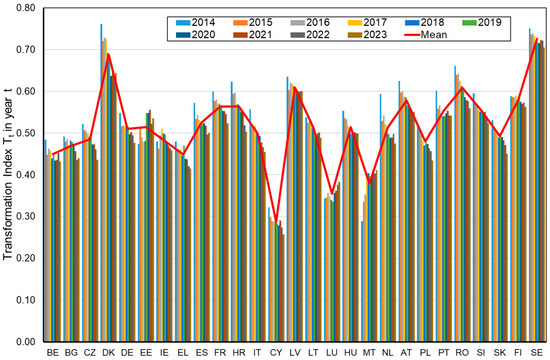
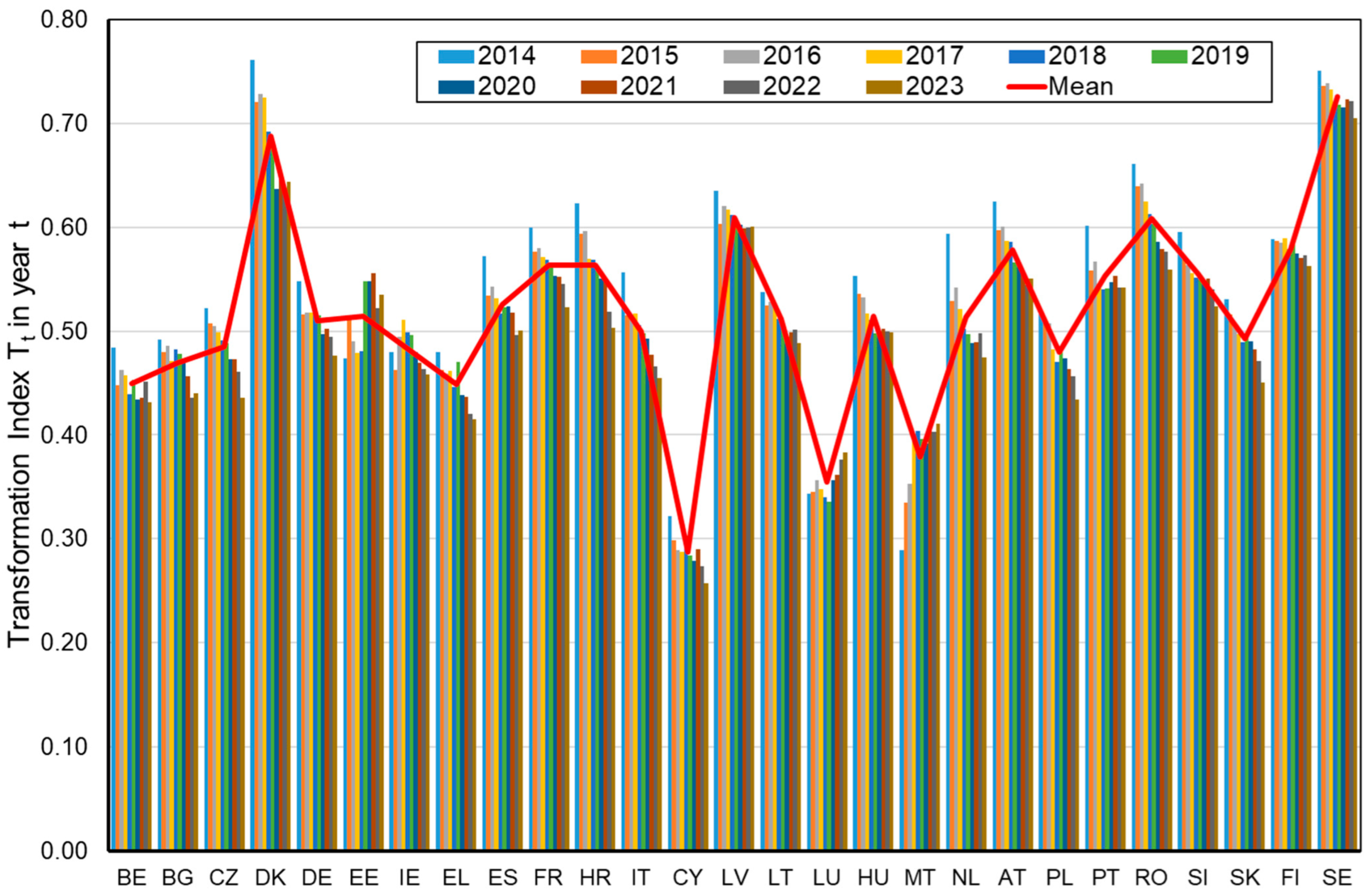
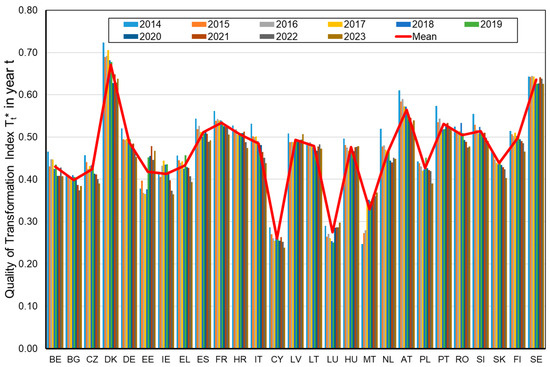
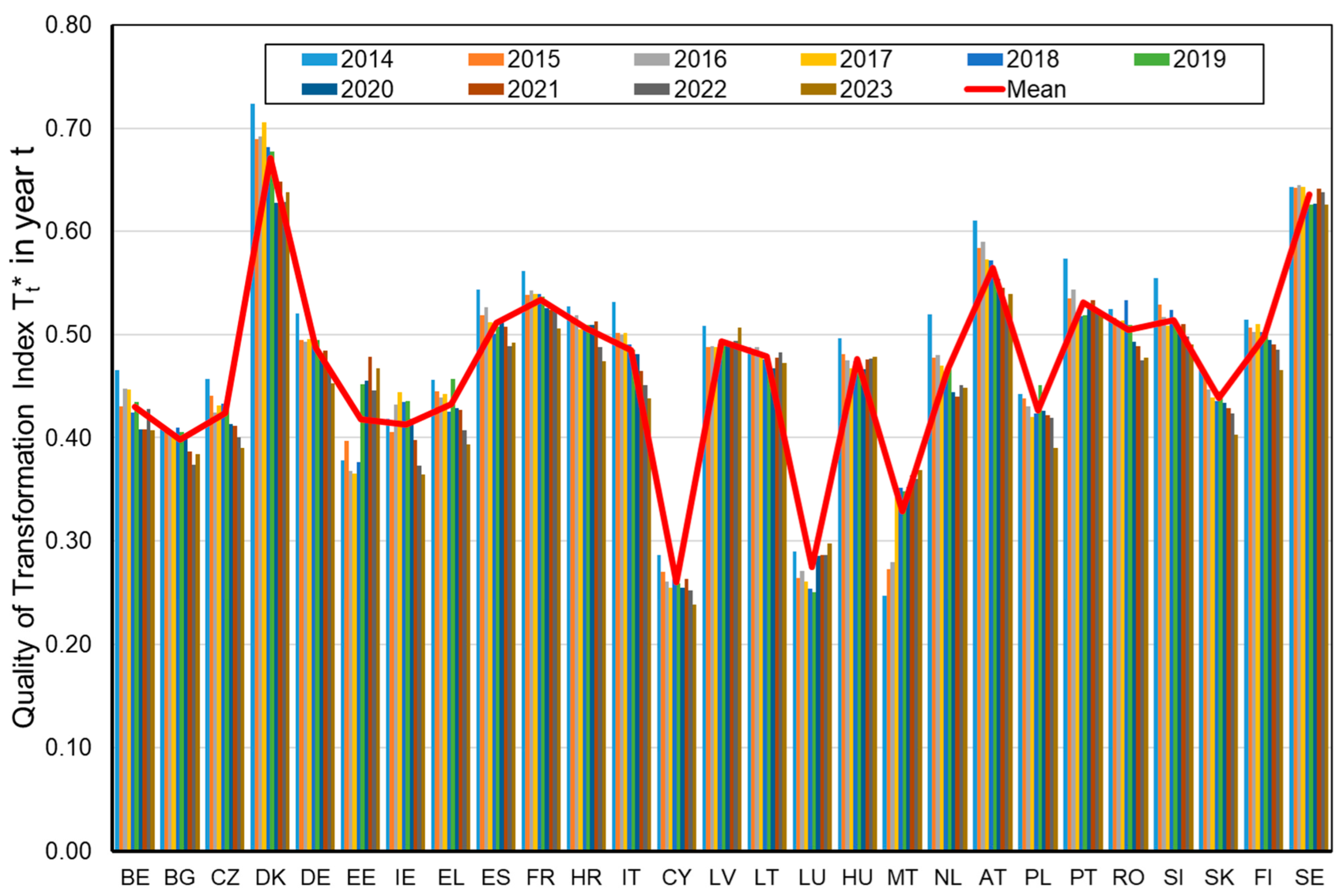
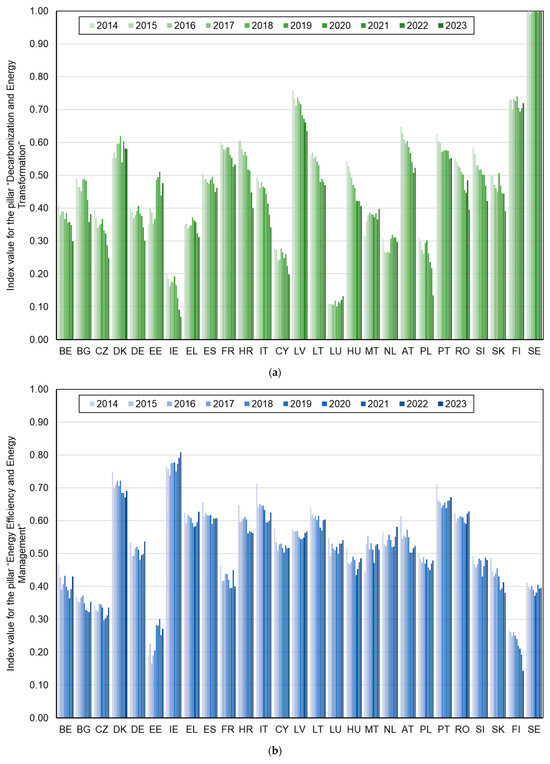
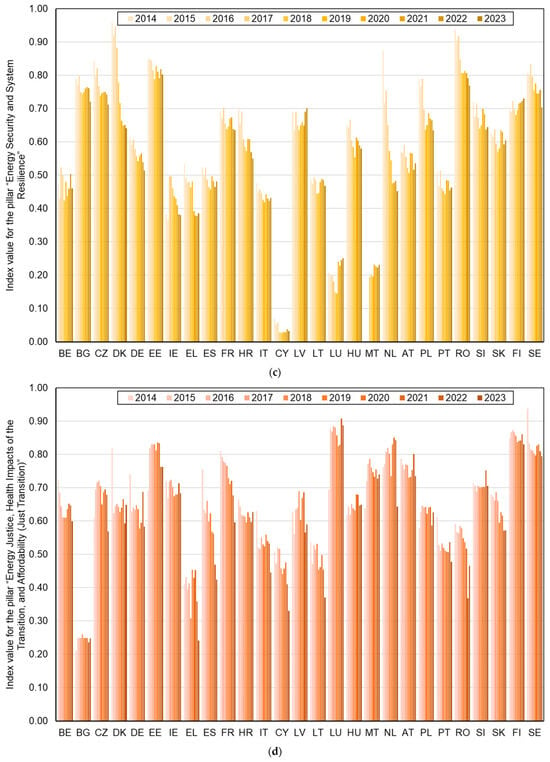
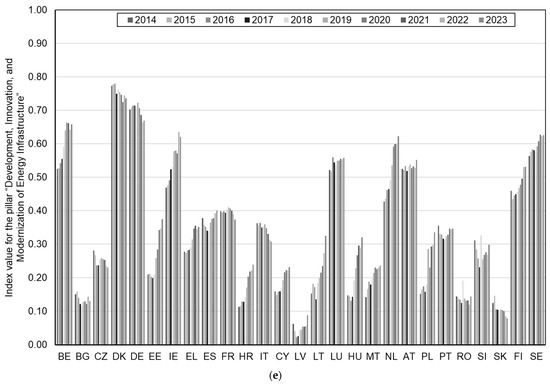
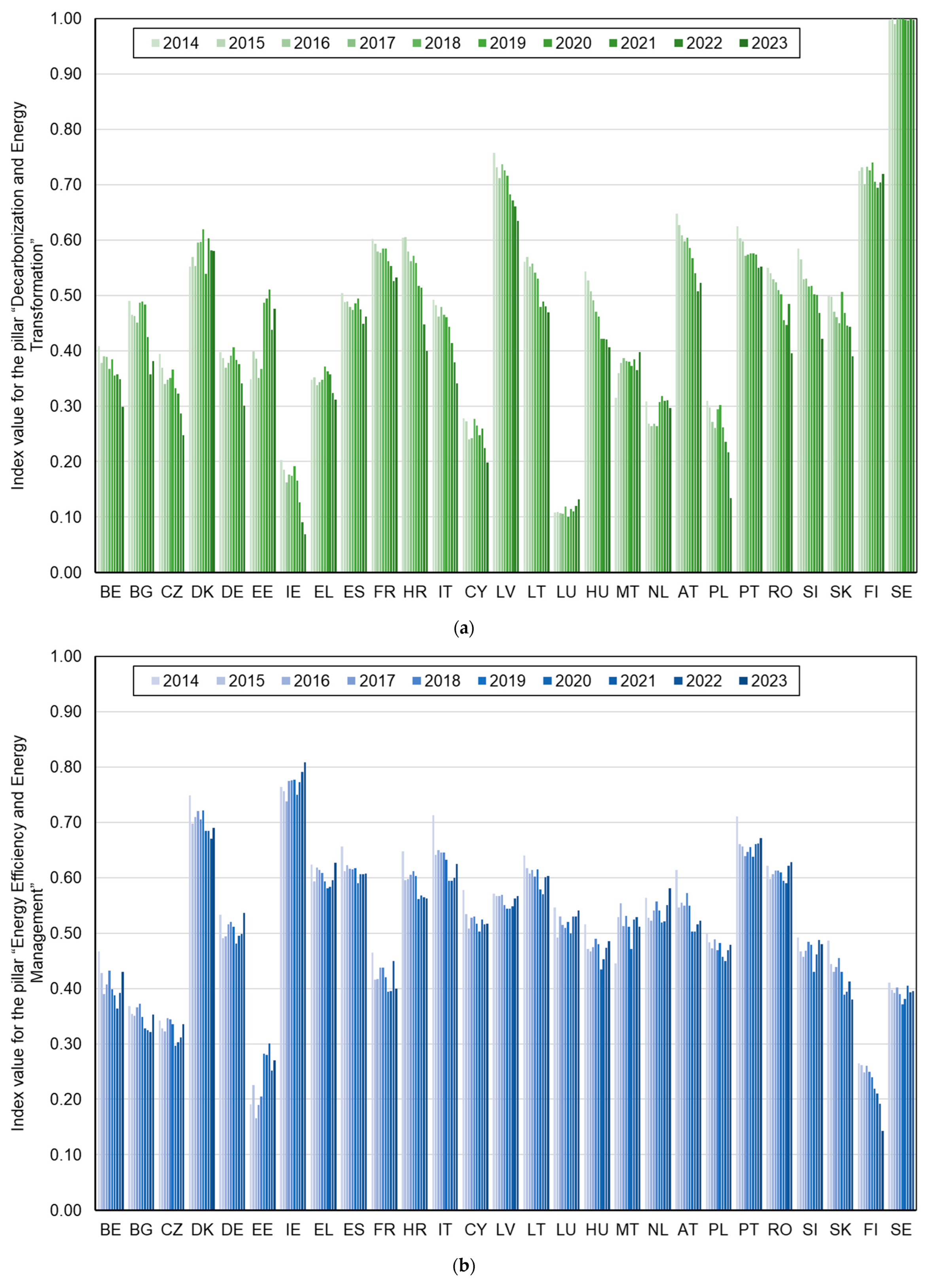
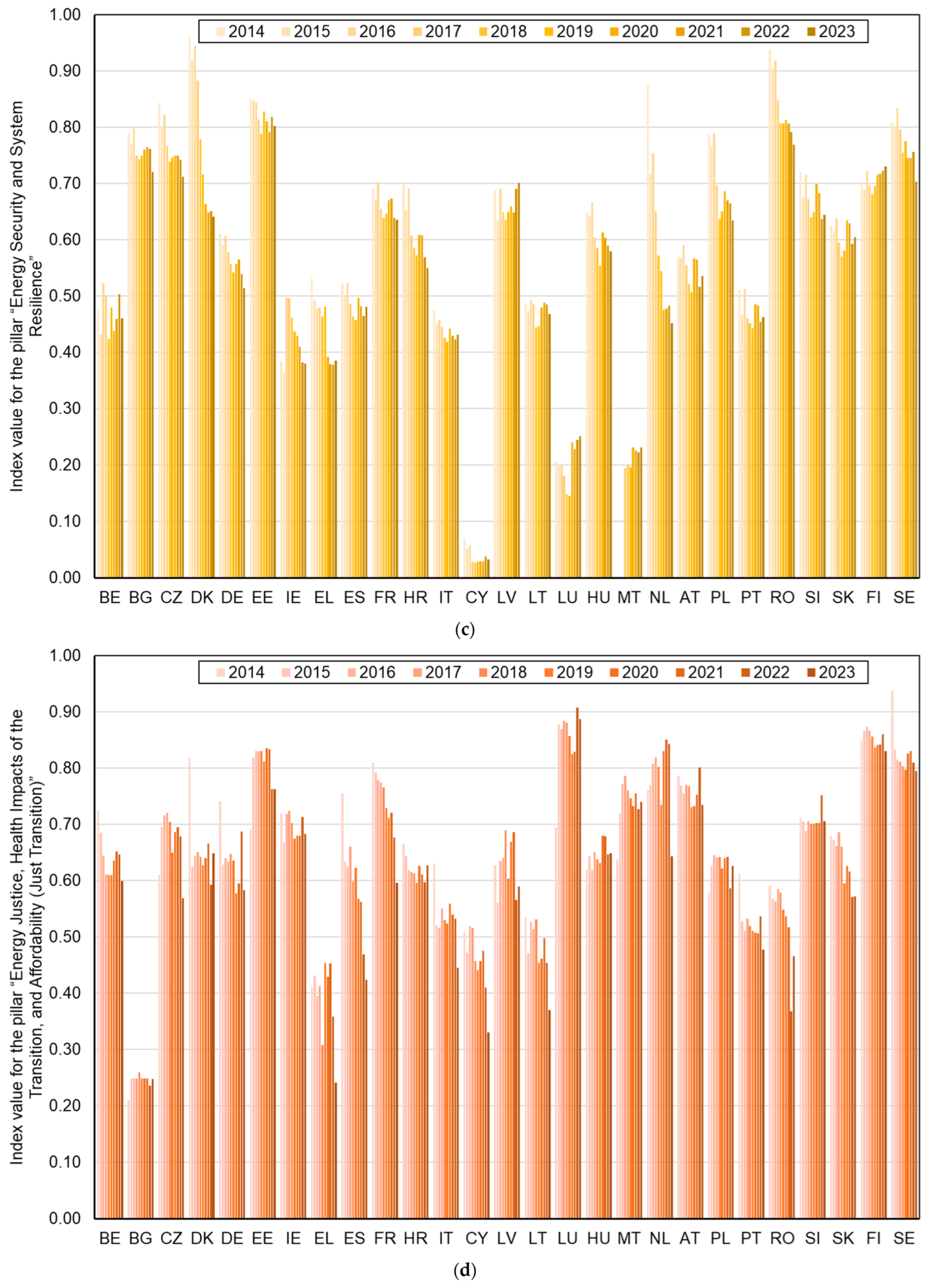
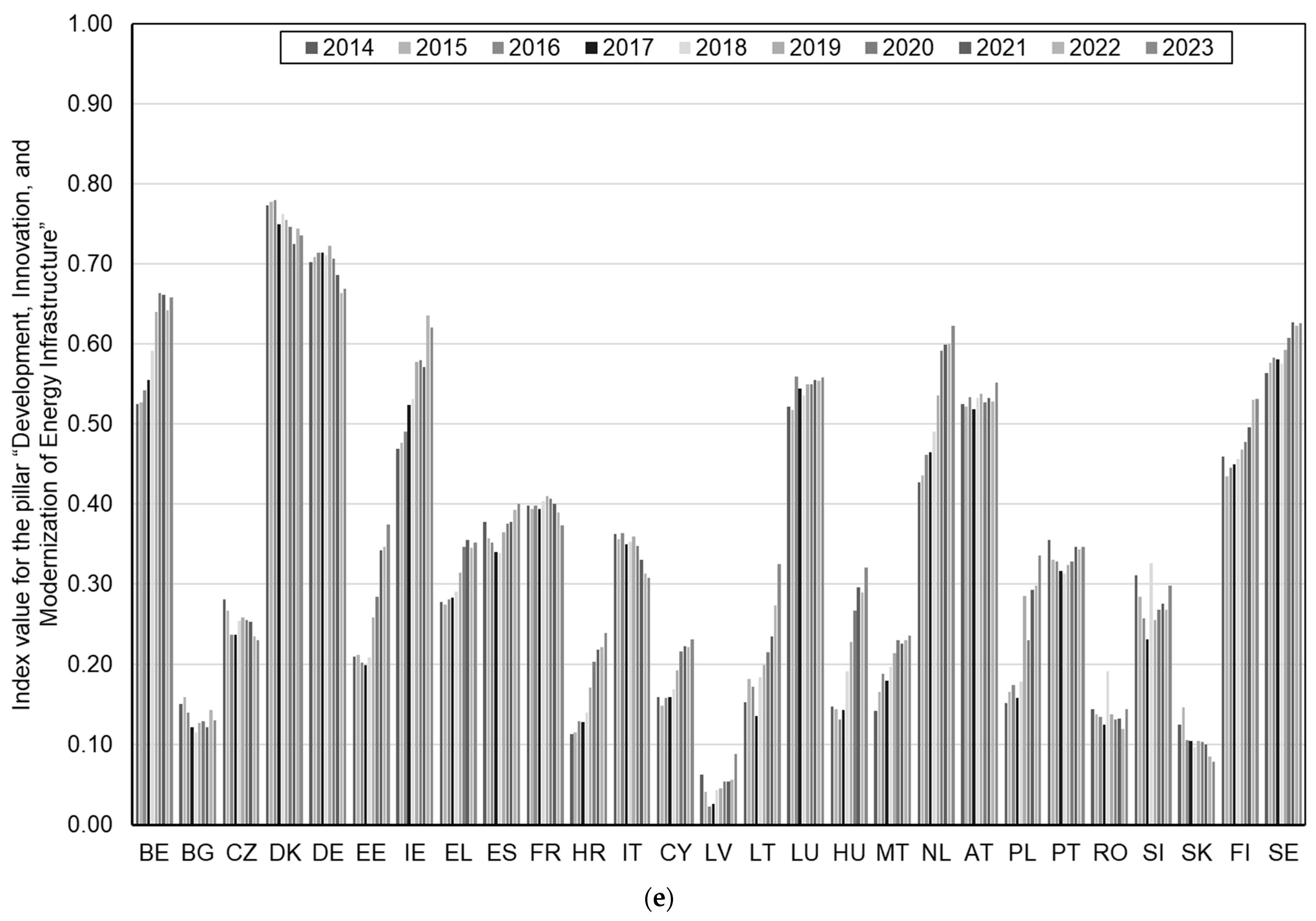
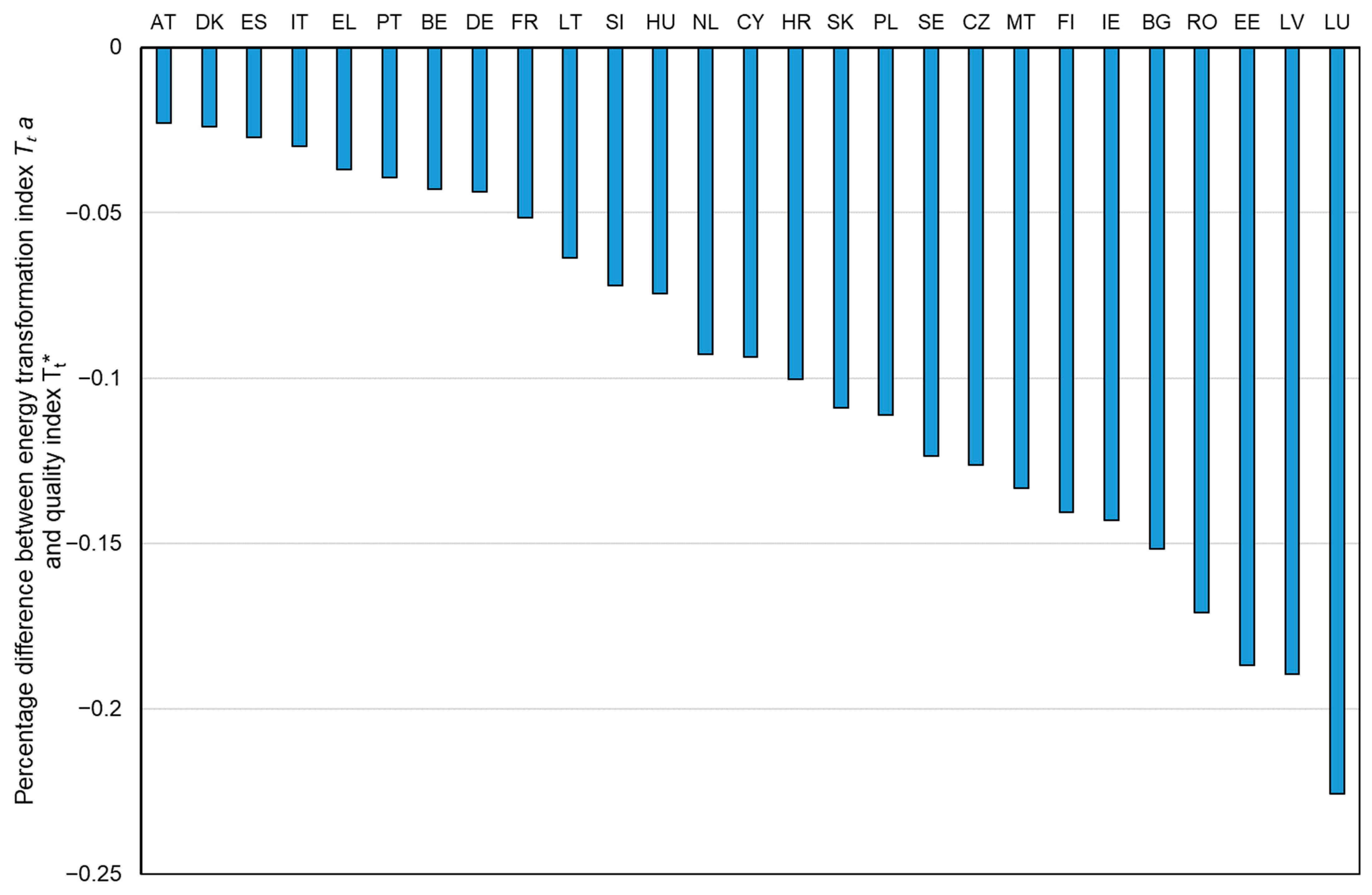
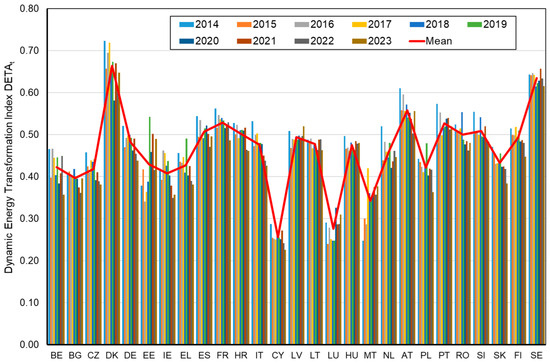
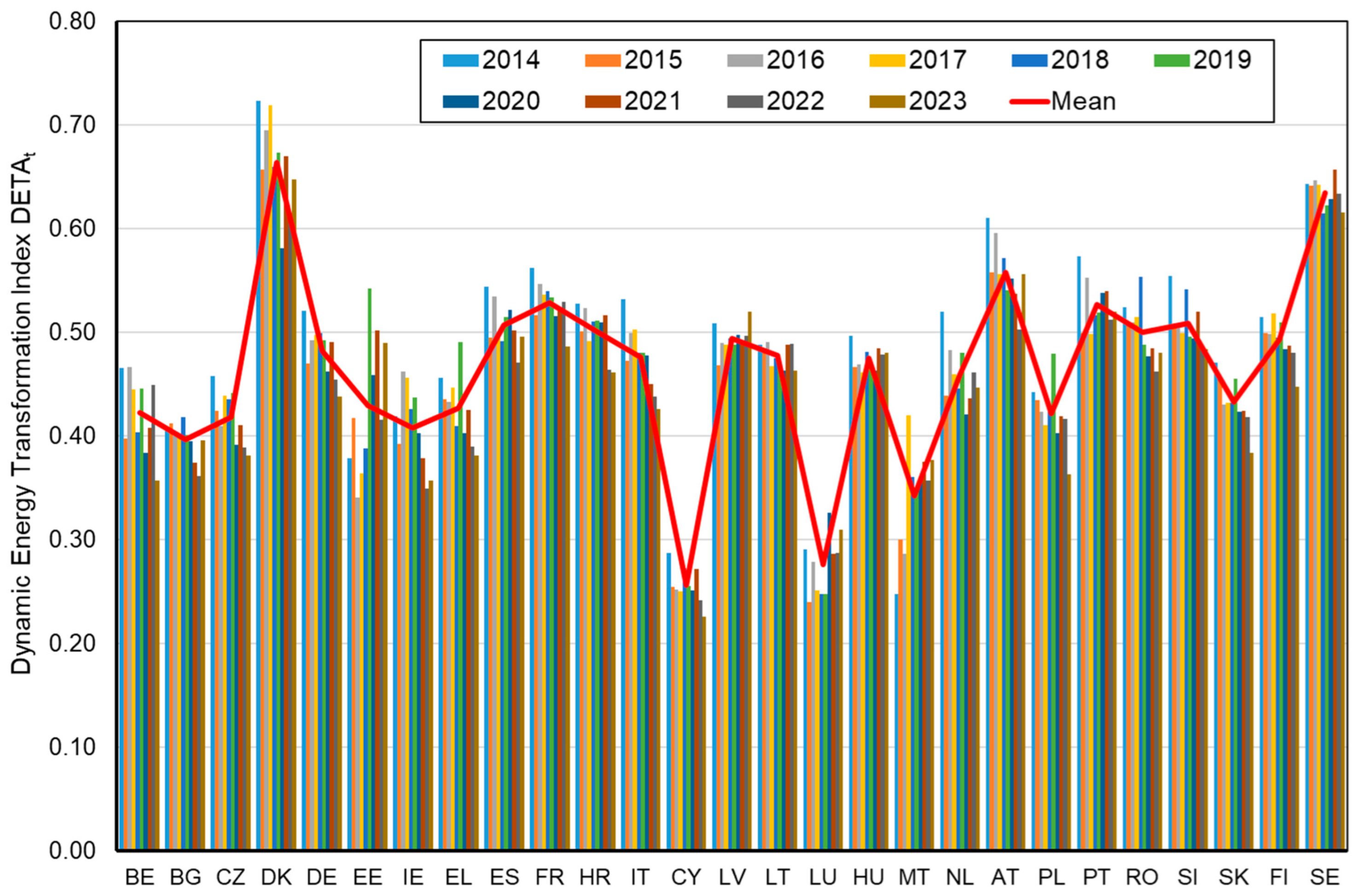

Disclaimer/Publisher’s Note: The statements, opinions and data contained in all publications are solely those of the individual author(s) and contributor(s) and not of MDPI and/or the editor(s). MDPI and/or the editor(s) disclaim responsibility for any injury to people or property resulting from any ideas, methods, instructions or products referred to in the content. |
© 2026 by the authors. Licensee MDPI, Basel, Switzerland. This article is an open access article distributed under the terms and conditions of the Creative Commons Attribution (CC BY) license.