Review

Shipping Decarbonization Using Thermal Energy Storage Systems: A Review

by
Athanasios G. Vallis
1,2,
Efthimios G. Pariotis
2,
John S. Katsanis
2,
George G. Dimopoulos
1 and
Theodoros C. Zannis
2,*
1
School of Naval Architecture and Marine Engineering, National Technical University of Athens, 15773 Athens, Greece
2
Hellenic Naval Academy, Hellenic Navy, 18539 Piraeus, Greece
*
Author to whom correspondence should be addressed.
Energies 2026, 19(16), 3852; https://doi.org/10.3390/en19163852
Submission received: 9 May 2026 / Revised: 10 August 2026 / Accepted: 11 August 2026 / Published: 17 August 2026

Abstract

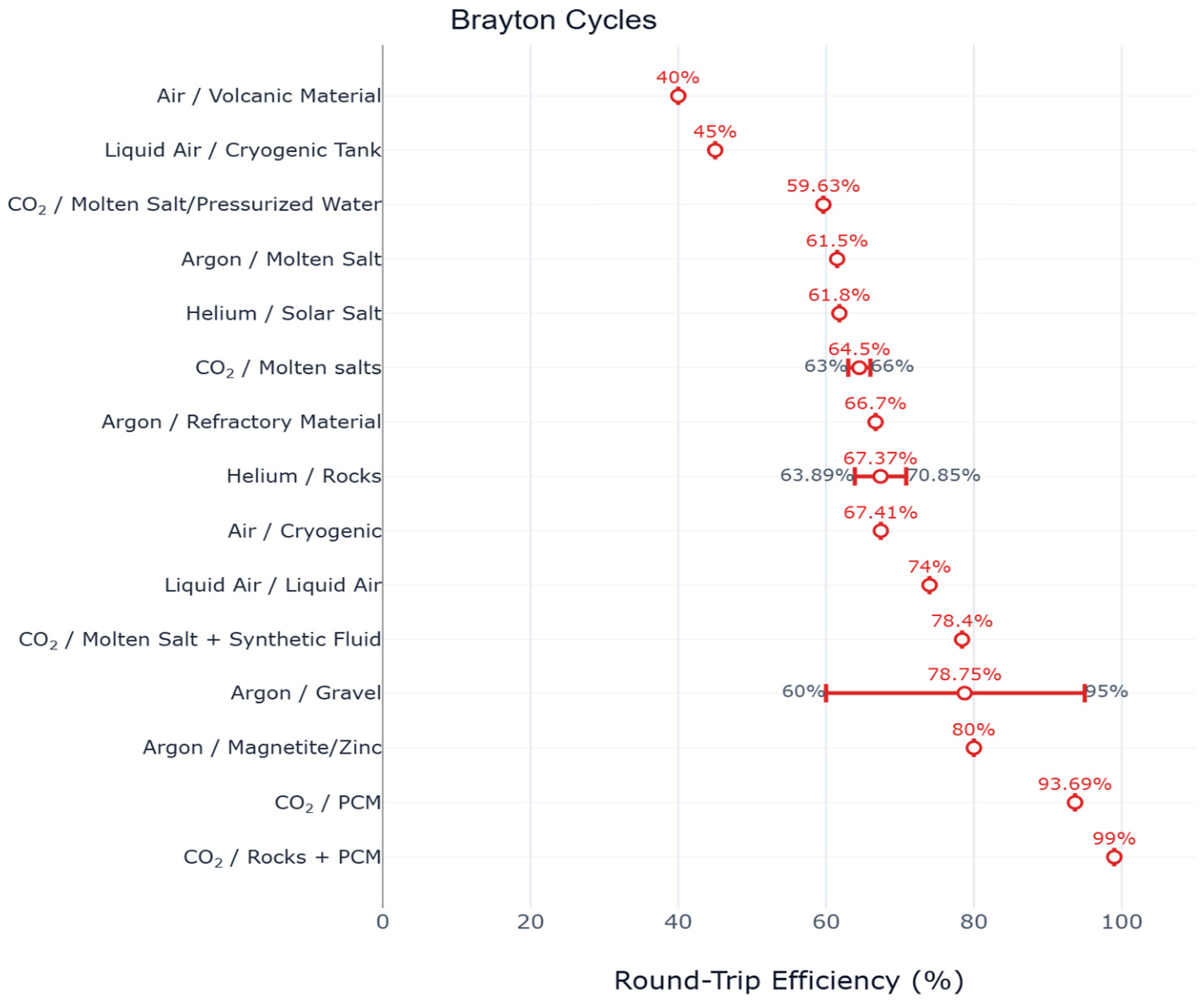
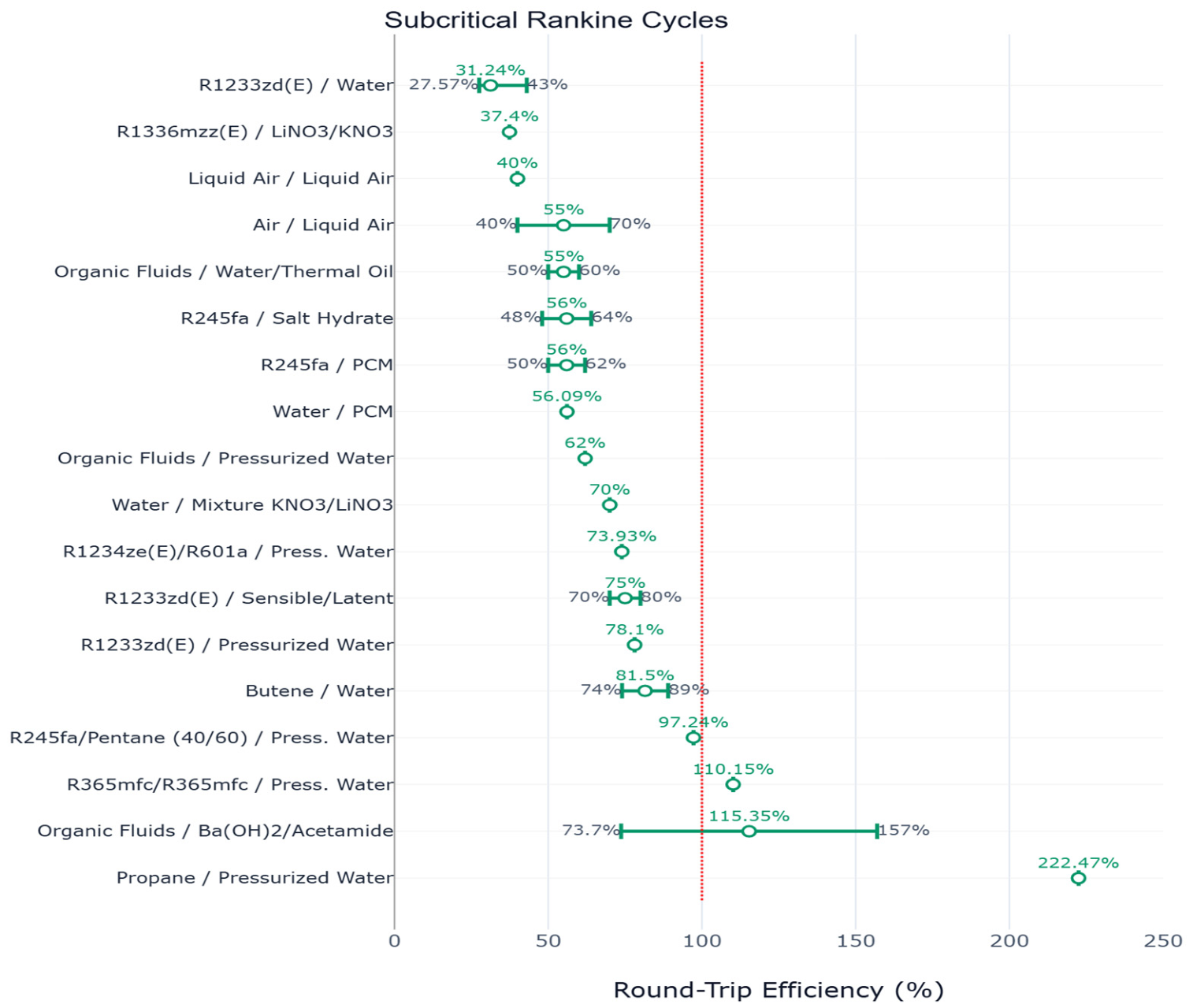
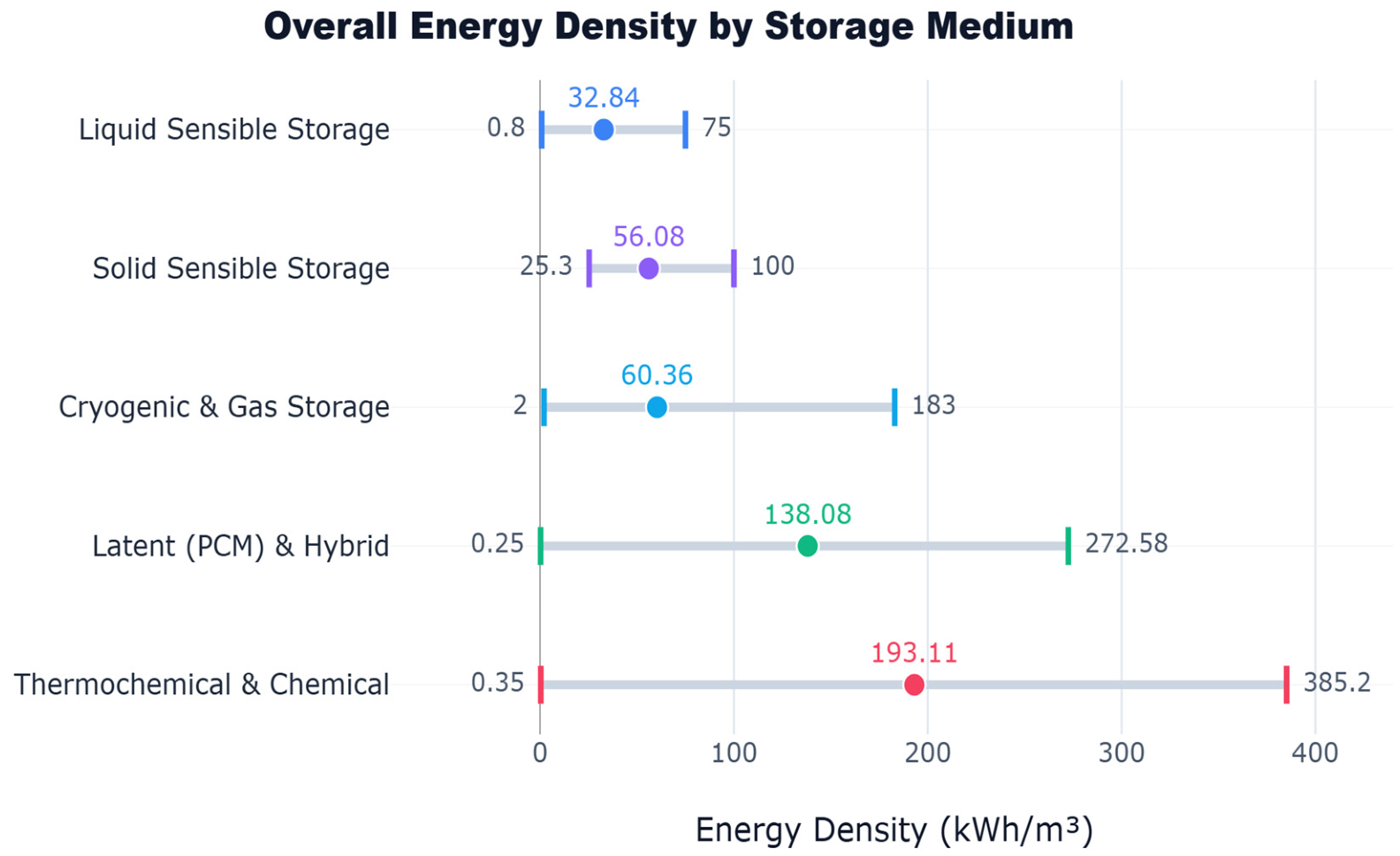
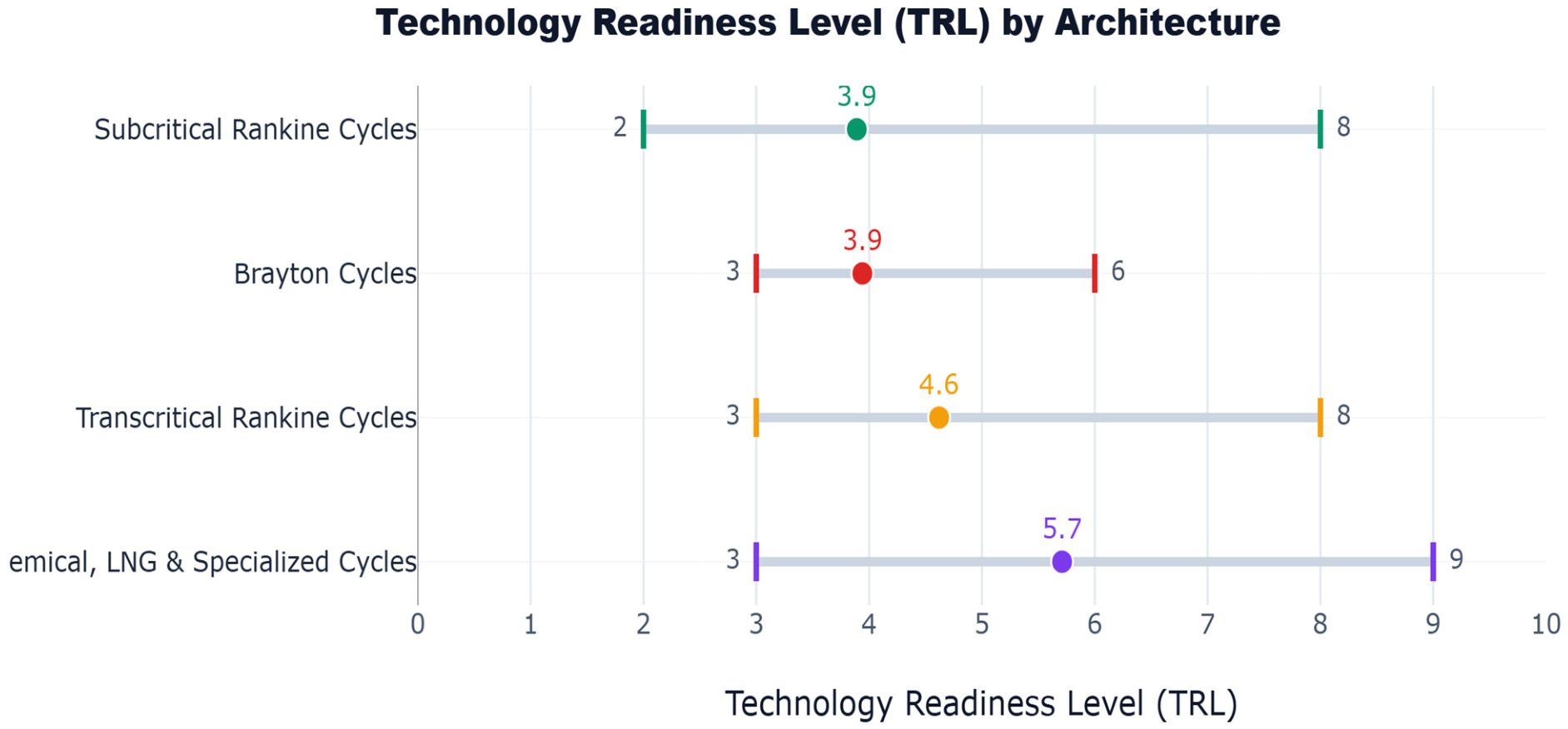
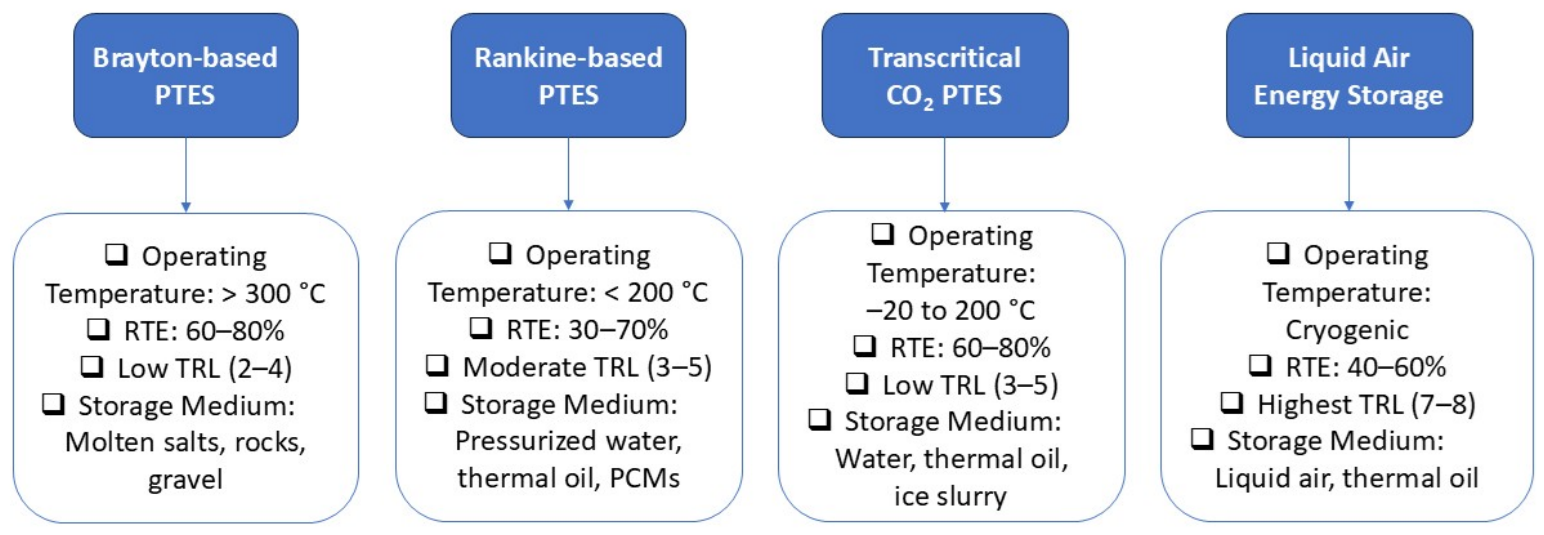
As the global energy sector and maritime industry transition toward carbon neutrality, Carnot batteries have emerged as a critical technology for flexible, long-duration energy management. Carnot batteries, which operate on a Power-to-Heat-to-Power principle, present a highly promising alternative to conventional electrochemical batteries. The present study provides a review of Carnot battery architectures, systematically evaluating their thermodynamic cycles, working fluids, Thermal Energy Storage media and key turbomachinery components. A comparative assessment of the current literature illustrates that system selection requires balancing round-trip efficiency, Energy Storage Density and Technology Readiness Level. According to the findings of the present study, high-temperature Brayton cycles offer robust baseline efficiencies of 60–80% whereas subcritical Rankine cycles benefit from commercial maturity and can achieve efficiencies exceeding 200% when integrated with cryogenic heat sinks like LNG. It should be clarified that efficiency values exceeding 100% represent “Apparent Round-Trip-Efficiencies (RTE)” resulting from the thermodynamic contribution of external exergy streams, such as LNG cryogenic cold, rather than standalone cycle efficiencies, which are strictly below 100%. In addition, volumetric energy density varies drastically based on the physical phase of the storage medium, scaling from under 1 kWh/m3 for unpressurized water to over 385 kWh/m3 for advanced thermochemical systems. Although most configurations currently remain in the prototyping phase, the technology holds transformative potential for the maritime sector. Carnot batteries can deliver a self-contained, zero-emission electrical power supply to cover the vessel’s electrical load requirements during harbor stays and transit within Emission Control Areas (ECAs) by dynamically capturing and storing shipboard waste heat during open sea transit.

1. Introduction

The shipping industry is the core of international supply chains, but it simultaneously represents a major source of greenhouse gas emissions (GHGs). Historically, international shipping has accounted for a substantial portion of global CO2 emissions, a figure that the Third IMO Greenhouse Gas Study warned could escalate drastically by up to 250% by 2050 if mitigation strategies are not strictly enforced [1]. To deal with this issue, the International Maritime Organization (IMO) has implemented strict regulatory frameworks. The IMO’s latest greenhouse gas strategy established a highly ambitious requirement to attain zero GHGs from international shipping by 2050 [2].
Immediate and effective decarbonization strategies are required to meet these strict IMO mandates, especially within localized coastal zones and ECAs. A systematic review of maritime transport decarbonization highlights that the industry is exploring a wide spectrum of technical and operational measures, ranging from energy-efficient ship designs and slow steaming to the gradual adoption of alternative low-carbon and zero carbon fuels [3]. However, the implementation of these sustainable policies, particularly in developing nations, faces substantial economic, infrastructural, and technological obstacles [4]. A promising propulsion alternative for short-sea shipping are electrochemical batteries, but their large-scale implementation for deep-sea or heavy port operations is currently hindered by high capital costs, life-cycle limitations and critical material dependencies. To bypass the limitations of chemical batteries and efficiently harness the increasing global capacity of intermittent renewable energy sources like solar and wind, Thermal Energy Storage has drawn immense research focus [5]. Carnot batteries have emerged as a highly promising Power-to-Heat-to-Power technology capable of large-scale, long-duration energy management [6]. A Carnot battery effectively utilizes surplus electrical energy to generate heat, stores it in low-cost thermal media and later, using a thermodynamic cycle, converts the stored heat back into electricity when required [7]. The commercial maturity and system performance of these thermal batteries are rapidly evolving, positioning them as a highly viable, location-independent alternative to traditional Pumped Hydro storage [8].
The successful deployment and efficiency of a Carnot battery rely heavily on the careful optimization of the thermodynamic cycle, the appropriate selection of its core components and the physical characteristics of the thermal storage materials [9]. Among the various architectural configurations under development, Pumped Thermal Energy Storage (PTES) systems have demonstrated exceptional promise due to their operational flexibility across diverse thermodynamic cycles and working fluids. Advanced thermal cycles, particularly those utilizing supercritical working fluids, benefit from highly compact turbomachinery and the capacity to achieve competitive round-trip efficiencies [10]. Furthermore, these thermal systems are inherently scalable which makes them uniquely suited to meet the intensive, multi-megawatt energy demands of maritime industry [11].
Beyond standard grid balancing, Carnot batteries offer immense thermodynamic and operational flexibility. Their techno-economic viability can be significantly enhanced by integrating them with external thermal sources like waste heat recovery, which drastically improves overall system efficiency [12]. Alternative charging configurations are also being explored, such as replacing the traditional heat pump cycle with concentrated photovoltaic thermal systems and simple resistance heaters as means to further reduce the Levelized Cost of Storage [13]. From a broader energy systems perspective, market modeling indicates that Carnot batteries can play a vital role in stabilizing zero-emission grids, ensuring a reliable power supply [14]. For the maritime sector, this technology presents a transformative opportunity for decarbonization and overall energy efficiency. Beyond relying solely on onshore renewable electricity while docked, Carnot batteries can be dynamically integrated into a vessel’s existing energy architecture offering the unique capability to capture and store abundant waste heat from various shipboard sources, such as the exhaust gases of the main engines, during open-sea transit. In emission-restricted environments like ECAs, this stored thermal energy can be converted subsequently back into electrical power providing a robust, self-contained green energy supply capable of covering electrical needs at port.
As the maritime industry implements comprehensive decarbonization strategies across diverse vessel types and operational profiles, the integration of energy storage solutions becomes increasingly critical. Conventional energy storage systems often face life-cycle limitations and strict geographical constraints. Carnot batteries, operating on a Power-to-Heat-to-Power principle, have emerged as a highly promising and location-independent alternative for long-duration energy management. In this context, the present study provides a review of Carnot battery systems to critically evaluate their broader feasibility, adaptability and economic viability specifically for maritime applications. This study extensively explores the available thermodynamic cycles, such as Brayton, Rankine, and transcritical carbon dioxide cycles, utilized for both the charge (Power-to-Heat) and discharge (Heat-to-Power) phases. Furthermore, it critically assesses the physical and chemical characteristics of various thermal storage mediums, contrasting sensible heat storage, Phase Change Materials and advanced thermochemical systems. Finally, the study provides a robust comparative analysis of Key Performance Indicators, including round-trip efficiency, volumetric energy density, Technology Readiness Level and Levelized Cost of Storage, thereby establishing a framework and identifying key research directions for enabling Carnot batteries into next-generation zero-emission maritime technologies [15]. This review investigates a review of Carnot battery systems to evaluate the feasibility of this technology for maritime applications. Specifically, this study explores the available thermodynamic cycles utilized for both the charge (Power-to-Heat) and discharge (Heat-to-Power) phases, evaluates the physical and chemical characteristics of various thermal storage mediums and examines the critical criteria for turbomachinery and component selection. Furthermore, this research synthesizes data from current literature to provide results for Key Performance Indicators (KPIs) such as round-trip efficiency and volumetric energy density, establishing a framework for enabling Carnot batteries into future zero-emission maritime technologies.

2. Literature Review

As the global energy sector accelerates its transition toward carbon neutrality, the integration of high shares of variable renewable energy (VRE) sources creates an urgent need for flexible storage solutions to provide grid stability and load leveling [15,16]. While lithium-ion batteries dominate short-term storage, they face economic and material constraints for longer durations. Carnot batteries, also known as Pumped Thermal Energy Storage (PTES), have emerged as a promising technology for Long-Duration Energy Storage [15,17]. Carnot batteries represent a specific class of electrical energy storage systems. These systems store electrical energy exclusively as thermal exergy [8]. The charging process converts input electricity into thermal energy. The storage system retains this thermal energy. The discharging process converts this stored thermal energy back into electricity through a power cycle [6]. This unified definition distinguishes Carnot batteries from Compressed Air Energy Storage (CAES). CAES systems store energy primarily as mechanical potential energy in the form of pressurized air and they are not considered Carnot battery [9]. Τhe feasibility of large-scale Compressed Air Energy Storage (CAES) is often tied to geological evaluations of underground cavern capacities [18]. Conversely, Liquid Air Energy Storage (LAES) stores energy as latent heat at cryogenic temperatures without high-pressure mechanical storage. Therefore, the scientific community classifies LAES as a Carnot battery variant [7]. As Zhao et al. [6] demonstrated, Carnot batteries are critical for addressing the intermittency of renewables by converting electricity into thermal energy for storage and converting it back to power when needed.
Alongside Carnot batteries, CAES represent a leading thermo-mechanical alternative capable of large-scale, long-duration energy management. CAES operates by utilizing surplus electricity to compress air into massive storage reservoirs, which is later expanded through turbines to generate power during peak demand. Traditionally, the feasibility of large-scale CAES has been strictly tied to geological evaluations, as it relies on massive underground formations such as solution-mined salt caverns or porous rock aquifers to store the pressurized air [18]. While conventional CAES plants rely on fossil fuel combustion during the expansion phase to prevent turbine freezing, the recent literature has driven the development of low-carbon and geographically flexible configurations. Prominent among these is Adiabatic CAES, which captures and reuses the heat of compression in a thermal store to achieve zero-emission operation [15,19]. Furthermore, to eliminate the reliance on specific underground geologies, researchers have proposed supercritical CAES, which compresses air into a supercritical state to drastically enhance volumetric energy density and enable the use of above-ground manufactured tanks [20].
Dumont et al. [7] highlights that CBs are particularly advantageous due to their use of abundant, low-cost storage media and their ability to decouple power rating from energy capacity, offering a geo-independent alternative to Pumped Hydro Storage. Furthermore, Vecchi et al. [8] emphasize that the commercial maturity of CBs varies significantly, with some Rankine-based systems reaching high Technology Readiness Levels (TRLs), while advanced Brayton and transcritical configurations remain largely in the research phase.
A major portion of existing research has focused on optimizing thermodynamic cycles to maximize round-trip efficiency (RTE). This includes the optimal selection and modeling of compressors and expansion machines, which heavily dictate power conversion performance [19,21]. A significant field of research identified in the literature is the thermal integration of the systems, where waste heat is used to reduce the temperature lift during charging, thereby improving the Coefficient of Performance (COP) of the installation. Research has extensively mapped working fluids to match specific temperature ranges. By using fluids that exhibit a temperature glide during phase change, researchers have demonstrated that heat transfer losses can be minimized, significantly enhancing efficiency in waste heat recovery applications [22], as well as using radiative heat transfer coupled with supercritical cycles for flexible grid support [23].
Early investigations of Carnot batteries focused on sensible heat storage while recent literature explores alternative technologies, such as latent heat storage in order to increase energy density and stabilize discharge temperatures. To avoid the temperature drop associated with sensible storage, Phase Change Materials (PCMs) have been investigated for isothermal storage and optimized heat transfer across various applications [24]. Zhao et al. [25] demonstrated that cascaded PCM structures can match the temperature profiles of working fluids, achieving high system efficiency. Addressing the challenge of self-discharge in thermal batteries, research has expanded into chemical storage, which is receiving increasing attention for its superior storage time dynamics and higher energy density compared to both sensible and latent approaches [26]. Sui et al. [27] introduced the Absorption Carnot battery, which stores energy as a chemical potential difference. This approach has been proven to achieve almost zero self-discharge, making it a unique candidate for seasonal energy storage.
The application of Carnot batteries in the maritime sector is a rapidly emerging field in the literature, driven by regulations on port emissions and the unique thermal characteristics of ships. Studies have proposed the jacket water Carnot battery to eliminate emissions during harbor stays. By recovering stable low-grade heat from marine engines during navigation, these systems can power vessels while docked [28]. For LNG-fueled vessels, the cryogenic exergy of Liquefied Natural Gas is investigated as a highly effective heat sink. Miao et al. [29] demonstrated that using LNG cold energy in a Rankine-based Carnot battery can boost the round-trip efficiency to over 100% by significantly lowering condensation temperatures. Furthermore, Liu et al. [30] explored “Dual-Effect” systems for Floating LNG platforms, utilizing both cold energy and waste heat to enhance grid regulation capabilities.
Existing comprehensive review papers evaluate Carnot battery technologies primarily for land-based applications. These previous studies focus on generic architectures, onshore grid flexibility and baseline terrestrial performance indicators. Current literature examines only low-grade waste heat for the thermal integration of Carnot batteries. Researchers have not examined high-grade waste heat from the exhaust gases and the intercooler of the main engine of a vessel yet. This high-grade waste heat could highly affect the total efficiency of the system. Moreover, the self-discharge rate of Carnot batteries needs further investigation in order to calculate precisely the heat losses over time. However, recent studies highlight the growing potential of Carnot batteries in maritime decarbonization. Wang et al. evaluated an engine waste heat-assisted Carnot battery system for ocean-going vessels during harbor stays. This specific system recovers jacket water waste heat to supply zero-emission power at ports [28]. Similarly, Jiang et al. designed a hybrid Carnot battery for LNG dual-fuel ships. This hybrid configuration integrates engine waste heat recovery and LNG cold energy utilization [31]. Ghilardi et al. investigated a cold Pumped Thermal Energy Storage (PTES) system. This offshore system exploits oceanic temperature differences on a repurposed cargo ship [32]. These recent advancements demonstrate the excellent adaptability of Carnot batteries to marine applications. The present review bridges these significant literature gaps by explicitly evaluating Carnot batteries through a strictly maritime-oriented perspective. This study assesses the feasibility of technology against severe marine constraints. Furthermore, this research highlights the critical need for future studies. Future papers must examine the feasibility of utilizing marine-specific heat sources for thermal storage. These resources include low-grade jacket cooling water, high-grade heat from engine exhaust gases and the cryogenic cold energy of Liquefied Natural Gas. Ultimately, this review establishes a dedicated framework to guide future research toward shipboard decarbonization.

3. Thermodynamic Cycles Used in Thermal Energy Storage Systems

The fundamental operating principle of a Carnot battery is governed by the thermodynamic cycle used to convert electrical energy into thermal energy on the charging phase and the cycle that transduces stored thermal energy into work on the discharging phase. The choice of cycle dictates the system’s operating temperature range, pressure levels and compatibility with storage media. The literature primarily categorizes these systems into gas-based Brayton cycles, phase change Rankine cycles and alternative thermochemical or hybrid concepts.

3.1. Brayton-Based Thermodynamic Cycles

Brayton cycles operate with a gaseous working fluid throughout the entire process. They are favored for high-temperature applications and large-scale storage due to their high-power density and ability to interface with sensible heat storage media like rocks or molten salts [33]. McTigue et al. [33] analyze a supercritical CO2 Brayton cycle. In this configuration, the fluid remains in a supercritical state, avoiding phase change. The study utilizes a recuperated cycle architecture where the compressor inlet conditions are optimized near the critical point of CO2 to minimize compression work, allowing for efficient integration with high-temperature solar heat inputs. A recompression Brayton cycle analyzed using Finite Time Thermodynamics (FTT) by Qu et al. [34]. The specific study addressed a critical issue known as the “pinch point” problem in the heat exchanger. Using FTT constraints they solve this by splitting the flow. A portion of the fluid bypasses the cooler and is compressed directly by reducing the amount of cold fluid in the heat exchanger, balancing the temperatures to ensure efficient operation with realistic component sizes [34]. White et al. [35] theoretically examined the Joule–Brayton cycle using Argon as organic fluid. According to this study, a high compressor temperature ratio enhances both RTE and storage density but increases the associated high-pressure costs. This can be mitigated by employing monatomic gas like Argon as the working fluid. It also suggests that performance is ultimately determined by the specific temperature ratios within the reservoirs rather than the compression ratio alone. Modified Brayton cycles using CO2 mixtures as working fluids were theoretically investigated by Valencia—Chapi et al. [36]. They demonstrated that the integration of supercritical CO2 mixtures offers a promising pathway for enhancing the techno-economic performance of PTES systems. By tuning the critical temperature of the working fluid, these mixtures mitigate performance drops caused by temperature variations, ultimately yielding higher RTEs and a lower Levelized Cost of Storage (LCOS) [36]. In another theoretical study, Wang et al. [37] computationally examined a combined Joule–Brayton and Organic Rankine Cycle (ORC) system. The charging cycle uses a Joule–Brayton heat pump to store heat in a packed bed, while the discharge utilizes a bottoming ORC to recover lower-grade heat remaining in the storage, thereby enhancing the overall RTE and enabling multi-generation of power, heat, and hydrogen. Finally, Zhao et al. [25] utilized a Joule–Brayton cycle coupled with cascaded latent heat storage. The cycle is designed to match the specific melting temperatures of multiple PCMs arranged in series, ensuring that the gas temperature profile closely follows the phase change steps to minimize exergy destruction.

3.2. Rankine-Based Thermodynamic Cycles

Rankine cycles operate by constantly switching the working fluid between liquid and vapor states. This category includes subcritical organic Rankine cycles, steam cycles, and transcritical CO2 cycles. A combined Rankine cycle that integrates a standard ORC with a Rankine-like expansion of Liquefied Natural Gas (LNG) was proposed by Miao et al. [29]. According to this concept, the ORC condenses against the cryogenic LNG, while the LNG vaporizes and expands in a secondary turbine. This cascaded Rankine approach exploits the extreme temperature difference between the heat source and the cryogenic sink and leads to dramatically higher levels of power-to-power efficiency. In another study a segmented Rankine cycle using zeotropic mixtures as working mediums was suggested by Li et al. [38]. Unlike pure fluids that change phase at a constant temperature, zeotropic mixtures exhibit a temperature glide. The study of Li et al. [38] proposed a cycle with multiple pressure stages to align this glide with the temperature rise of the water storage. Theologou et al. [39] present the CHESTER prototype, which utilizes two distinct Rankine loops: a High-Temperature Heat Pump (HTHP) for charging and an ORC for discharging. The cycles are coupled via a Latent Heat Storage (LHS) unit acting as the condenser for the HP and the evaporator for the ORC. Other studies such as Ma et al. [40] and Daniarta et al. [41] focused on reversible Rankine cycle. According to these studies [40,41], a single volumetric machine operates both as a compressor and as expander. This simplifies the system architecture by eliminating the need for separate turbomachinery, reduces the capital cost of the system, but it requires careful optimization of the built-in volume ratio. In another theoretical study conducted by Iqbal et al. [42] sub-ambient Rankine cycles were elaborated. A comparison was made in this study between a high-temperature heat pump cycle against a sub-ambient cycle powered by a Vapor Compression Refrigeration (VCR). The sub-ambient cycle stores “cold” energy, allowing the heat engine to operate between ambient temperature, as the heat source, and the cold storage, as the heat sink. Alternatively to aforementioned Rankine cycles, Lin et al. [43] theoretically analyzed a steam Carnot battery, which compresses low-pressure to high-pressure steam during charging mode and expands the high-pressure steam through a conventional steam turbine during the discharging model. The virtue of this system is that it can be integrated directly into existing industrial steam networks. In the research work of Girelli et al. [44] a transcritical CO2 cycle was designed where the fluid is compressed to a supercritical state, rejects heat to water/oil, expands to a subcritical state and finally it absorbs heat from ice slurry. The large temperature reduction of supercritical CO2 during cooling makes it ideal for heating sensible storage media. A multi-MW thermoelectric energy storage system that is based on transcritical cycles was investigated by Ayachi et al. [45]. According to this study, the ground is used as a cost-effective heat reservoir to address the high costs of traditional thermal storage. The authors [45] optimized the design parameters and evaluated advanced features like heat regeneration and multi-stage configurations. The main finding of Ayachi’s et al. [45] work is that the system’s efficiency relies heavily on the interaction between charging and discharging phases, with heat regeneration offering significant performance advantages. Finally, Kim et al. [46] focused on a promising TEES configuration that utilizes hot water, ice storage, and transcritical CO2 cycles to store and retrieve energy. Kim et al. [46] proposed a novel isothermal approach using liquid pistons and water sprays to compress and expand the CO2, distinguishing it from standard isentropic methods. This isothermal modification reduces the system’s back work ratio, thereby significantly improving the overall RTE.

3.3. Thermochemical Cycles and Novel Concepts

Thermochemical Cycles move beyond simple mechanical cycles, utilizing chemical reactions or electrochemical gradients to store energy instead. More specifically, a novel absorption Carnot battery (ACB) has been proposed by Sui et al. [27], which utilizes hygroscopic salt solutions to provide a compact, high-density storage solution for renewable energy grids. Energy is stored as the chemical concentration potential between the dilute and concentrated solutions. A key advantage of this design is its negligible self-discharge rate in comparison to Rankine-based alternatives which lose significantly more energy over time. A Thermally Regenerative Flow Battery (TRFB) has been examined in the study of Jiang et al. [47] and the specific system converts low-grade waste heat into electricity via an electrochemical cycle. The charging phase is a thermal regeneration process that separates the electrolyte components, establishing a chemical concentration gradient that drives the electrochemical discharge. Jiang et al. [47] optimized key factors of the proposed installation like the inlet height and electrolyte concentration to balance fluid viscosity with electrical conductivity. A Thermochemical Reaction Cycle coupled with a Rankine loop has been suggested and analyzed by Li et al. [48]. The specific system used the hydration and dehydration reaction of salt hydrates. The “charging mode” is based on the endothermic dehydration driven by a heat pump whereas, the “discharging mode” is the exothermic hydration which provides heat to the boiler of an ORC. Li et al. [48] modeled and compared a basic system design against an enhanced version containing recuperators to improve heat recovery. Qi et al. [49] propose a power-to-methanol synergy. This “polygeneration” system maximizes efficiency by simultaneously producing three outputs: heat, electricity, and green methanol. The design bridges thermodynamic storage and chemical manufacturing by recovering waste heat from gas compression and utilizing the energy potential of CO2 liquefaction to drive power generation. The use of a Stirling cycle has been proposed for the discharge phase by Aleman et al. [50]. More specifically, the proposed system employs resistive heating for charging whereas discharging is based on a Stirling engine, which operates with hydrogen gas, and it converts the heat stored in high-temperature aluminum alloys into electricity. The results of this study demonstrated clearly the potential of the proposed technology for long-duration energy storage and its ability to contribute effectively to grid stabilization. In the context of thermochemical cycles, Ghilardi et al. [32] proposed a novel Thermally Integrated Pumped Thermal Energy Storage (TI-PTES) system that leverages the temperature difference between warm surface water and cold deep ocean water in tropical regions. The system utilizes a chiller to store energy in a cold Phase Change Material during the charging phase and employs an Organic Rankine Cycle to generate electricity during discharge. The study points out that the specific cost remains high primarily due to the low efficiency in the discharge phase.

3.4. Relevance of Power Generation Cycles to Maritime Applications

Various power generation cycles have been proposed for Carnot batteries, but their relevance to the maritime industry is strictly dictated by spatial limitations, safety regulations and the availability of specific onboard thermal reservoirs. Although Joule–Brayton cycles utilizing inert gases, such as argon or air, can achieve high round-trip efficiencies, their low volumetric energy density results in excessively large equipment footprints, rendering Brayton-based systems largely incompatible with the severe space constraints of commercial vessels. Conversely, Rankine and Organic Rankine Cycles (ORC) are highly applicable to the shipping industry due to their exceptional capability to recover low and medium-grade waste heat, which is abundantly available from marine diesel engines in the form of jacket cooling water and exhaust gases. The applicability of Rankine cycles is further amplified in LNG fueled vessels by exploiting the deep cryogenic exergy of LNG during regasification as a condenser heat sink, the power-to-power efficiency of marine ORC systems can be significantly boosted, occasionally exceeding 100%. Finally, transcritical and supercritical CO2 cycles represent a highly promising power generation technology for maritime decarbonization. The high fluid density of supercritical CO2 leads to remarkably compact turbomachinery and heat exchangers, thereby drastically reducing the overall volume and weight of the energy storage system onboard. Furthermore, CO2 is non-flammable and non-toxic, complying with the stringent safety and fire prevention standards mandated by marine classification societies, establishing it as an optimal compromise between high-power density, thermal efficiency, and operational safety.

4. Working Fluids in Charging/Discharging Cycles

The selection of working fluids is a critical factor of the thermodynamic efficiency and economic viability of Carnot battery systems. The reviewed literature encompasses a diverse range of fluids, categorized into organic refrigerants for low- and medium-temperature applications, carbon dioxide for transcritical and supercritical cycles, steam for industrial integration and cryogenic fluids for systems exploiting cold energy. The following subsections are devoted to the detailed description of the fluids involved in specific studies, highlighting their roles in charging and discharging modes of examined Carnot batteries.

4.1. Organic Fluids

Organic Rankine Cycle (ORC)-based systems dominate the low-to-medium temperature range (80–200 °C), utilizing refrigerants that match the heat source characteristics. A zeotropic mixture of R245fa and Pentane to optimize phase change temperature range was used in the study of Li et al. [38]. This mixture minimizes exergy destruction in the segmented heat exchangers of their Segmented Energy Storage Carnot battery (S-PTES), achieving higher efficiency than pure fluids. In the study of Miao et al. [29], R1233zd is employed as working medium in the heat pump cycle and propane is utilized in the ORC loop. Propane was selected for its superior thermodynamic properties at low-condensing temperatures, which were achieved by capturing the cold energy from LNG. R1233zd(E) was identified by Ma et al. [40] as the optimal fluid for a reversible Heat Pump-ORC system after a screening process that compared three organic fluids. Although they all shared suitable thermal and environmental properties, R1233zd(E) was chosen because it demonstrated the highest efficiency. The same organic medium was used by Poletto et al. [51] in Carnot battery, which was thermally integrated with a data center. The thermodynamic analysis identified R1233zd(E) as the optimal fluid for both cycles, achieving a round-trip efficiency of 43%. Theologou et al. [39] demonstrate the CHESTER prototype using R1233zd(E) for the high-temperature heat pump loop and R1336mzz(E) for the ORC loop. This dual-fluid approach allows the system to operate effectively with a high-temperature latent heat storage unit. In another study conducted by Yu et al. [52], R245fa was used for an industrial integrated PTES system, which was used for recovering flue gas heat. Based on a multi-criteria analysis prioritizing thermodynamics, safety, and cost, R245fa was identified as the optimal working fluid. It combines superior performance in the targeted 90–150 °C range with adequate environmental compliance (low GWP, zero ODP) and a safe toxicity profile. Wang et al. [28] examined various fluids for recovering ship engine waste heat and determined that R365mfc offers the best thermodynamic performance for their specific jacket water Carnot battery configuration. On the other hand, Li et al. [22] evaluated various zeotropic mixtures for waste heat recovery, and they found that the pair R1234ze(E)/R601a provided optimal temperature matching in heat exchangers, thus, improving significantly the net power output of the installation compared to pure fluids. Daniarta et al. [41] conduct a performance map analysis of reversible cycles and identify R152a as a promising candidate due to its high cycle efficiency. Specifically, among nine candidate fluids, R152a was identified as the superior choice for RRTC applications, achieving a leading power-to-power performance of 1.57 compared to others which remained below 1.50. A hybrid system for LNG ships, comprising the use of R245fa for the heat storage loop and R1234yf for the cold storage loop, which attain an effective matching of the thermal management with power generation, has been proposed by Jiang et al. [31]. Liu et al. [30] select R143a as the ideal working medium emphasizing its capacity to cover the entire temperature range with a long service life. R143a is distinguished by its excellent compatibility with common metals and sealing materials, which simplifies design and manufacturing processes and reduces system costs. Dai et al. [53] compare R1233zd(E), R245fa, Butene, and R236ea, selecting R1233zd(E) as the optimal working fluid due to its superior round-trip efficiency and minimal environmental impact (GWP < 1). Butene and R236ea are constrained by lower critical temperatures that limit their heat storage range, while R1233zd(E) enables a wider operating temperature window.

4.2. Supercritical CO2 and Its Mixtures

Fluids in this category are employed in transcritical or supercritical cycles, offering high-power density and the ability to match temperature profiles in sensible heat storage systems. Qu et al. [34] integrated a Solid Oxide Fuel Cell (SOFC) with a Carnot battery using a supercritical CO2 cycle. The system employs a recompression Brayton cycle, leveraging the high density and specific heat of sCO2 to efficiently store high-grade heat from the fuel cell exhaust. Supercritical CO2 mixtures with Krypton (Kr) or Xenon (Xe) have been investigated by Valencia-Chapi et al. [36]. They found that a mixture of CO2/Xe (80/20) optimizes the critical point, allowing for better matching with PCMs and improved cycle efficiency compared to pure sCO2. A transcritical CO2 PTES system has been proposed by Girelli et al. [44], and according to this proposition, the cycle operates between an ice slurry cold storage and a pressurized water/oil hot storage. The large temperature downplay of CO2 in the transcritical region is valorized to minimize exergy loss during heat exchange with the sensible storage media. In another study, a pumped thermal electricity storage system with solar heat input using supercritical CO2 was suggested and analyzed by McTigue et al. [33]. The specific study highlights sCO2’s suitability for high-temperature cycles (>500 °C) and its compact turbomachinery requirements. Tafur-Escanta et al. [54] proposed a supercritical CO2 heat pump cycle coupled with molten salt storage as a highly competitive energy storage solution, citing its geographical flexibility and superior durability compared to chemical batteries. Achieving an efficiency of 80.26% and a cost of 0.116 C/kWh, the system demonstrates a favorable performance-to-cost ratio. For all the referred factors the authors [54] suggestion for a CO2 PTES can be considered as a strong candidate for future energy storage infrastructure. Ayachi et al. [45] investigated transcritical CO2 cycles coupled with ground heat storage. The study emphasizes the benefit of CO2’s supercritical gas cooling process in effectively rejecting heat to the ground loops. Furthermore, an Electrothermal Energy Storage concept based on transcritical CO2 heat pumps was developed and analyzed by Mercangöz et al. [55]. According to this study, CO2 is characterized as an ideal fluid for transcritical cycles, noting its low critical temperature allows for seamless integration with water storage systems. Its high density, close to the critical point, results in high-power density and compact-sized machinery. Furthermore, CO2 combines high efficiency requiring only small compression ratios. Qi et al. [49] integrate a Carnot battery with power-to-methanol, using CO2 as both the working fluid (in the energy storage cycle) and the feedstock (in the methanol synthesis loop). The system utilizes liquid CO2 storage, bridging the gap between thermodynamic and chemical energy storage. Osterman & Goswami [56] focus on stabilizing discharge temperatures for a supercritical CO2 Brayton power cycle. They analyze the fluid’s interaction with a hybrid sensible/latent packed-bed storage to maintain the turbine inlet temperature near the design point of 650 °C.

4.3. Steam, Hybrid Water/Organic and Cryogenic Cycles

Water-based systems rely on mature technology and high specific heat capacity, often appearing in hybrid configurations. Lin et al. [43] propose a steam Carnot battery (SCB) using water/steam as the working fluid. The system employs a steam compressor to upgrade low-pressure steam, storing heat in Phase Change Materials, and discharges via a standard steam turbine, facilitating direct integration with industrial steam networks. On the other hand, an absorption Carnot battery operating with (H2O/LiBr) solution was proposed and examined by Sui et al. [27]. Miao et al. [29] incorporated LNG into their proposed thermal storage system. On the primary loop fluid, the working mean was propane, while LNG acts as a heat sink of the main discharge cycle. On the secondary cycle, LNG is regasified and expanded through a natural gas turbine to generate supplementary power.

4.4. Working Fluid Evaluation for Thermal Energy Storage

The selection of the working fluid is a fundamental design criterion for Carnot batteries, as it directly dictates the thermodynamic performance, safety, equipment footprint, and operating temperatures of the system. The extensive scientific literature demonstrates that no single working fluid is universally ideal and the selection requires a careful compromise among various operational and spatial constraints. CO2 primarily utilized in transcritical or supercritical thermodynamic cycles, presents an exceptionally high fluid and energy density. This characteristic allows for the use of highly compact turbomachinery, which drastically reduces the physical footprint of the energy storage installation and it is a critical advantage for space-constrained applications such as maritime vessels. Furthermore, CO2 is inexpensive, readily available, non-toxic and non-flammable, offering an optimal safety profile, although it requires operation at very high pressures and exhibits sensitivity to ambient sink temperatures. Conversely, organic fluids, including refrigerants and hydrocarbons, dominate low-to-medium temperature systems such as ORC and heat pumps, making them highly suitable for low-grade waste heat recovery. A unique advantage of zeotropic organic mixtures is their temperature glide during phase change, which can be tailored to match heat sources such as engine exhaust gases, thereby minimizing exergy destruction within the heat exchangers. However, highly efficient hydrocarbons, such as cyclopentane, are extremely flammable, rendering them hazardous for confined spaces. To mitigate this, modern low-GWP refrigerants like R1233zd(E) are utilized to provide a robust compromise between thermodynamic efficiency, compactness, and safety. On the other hand, gases that do not undergo a phase change during normal operation like argon, helium, nitrogen and air are typically employed in high-temperature Brayton cycles. While monoatomic gases yield superior thermodynamic efficiencies compared to diatomic gases and offer excellent chemical stability, their extremely low volumetric energy density in gaseous form necessitates massive storage infrastructures. This makes them largely unsuitable for applications with severe spatial limitations, unless the air is liquefied, as seen in Liquid Air Energy Storage systems. Ultimately, while organic fluids excel in low-grade waste heat recovery and inert gases are suited for massive high-temperature terrestrial facilities, supercritical CO2 bridges the gap for marine applications by offering absolute safety, high density and a substantial reduction in the system’s overall physical footprint.

5. Thermal Energy Storage Technologies

Thermal Energy Storage (TES) constitutes the core element of Carnot battery systems, acting as the connection between the Power-to-Heat charging phase and the Heat-to-Power discharging phase. The selection of the TES technology defines the system’s energy density, operating temperature range, and economic viability, directly influencing the round-trip efficiency of the system. Current research categorizes these technologies based on their physical storage mechanisms—sensible, latent, and thermochemical—each offering distinct trade-offs between cost, capacity, and technological maturity, as we detailed in the subsequent sections.

5.1. Sensible Heat Storage

Sensible Thermal Energy Storage (STES) is a cost-effective and technologically mature approach for thermal management. For high-temperature systems, solid media like gravel and ceramic pebbles are often utilized in packed beds. In these reservoirs, exergy destruction primarily arises from heat transfer across finite temperature differences rather than pressure drops [35]. Recent evaluations confirm that various natural rocks, including intermediate types like andesite, offer excellent thermo-mechanical durability and are highly viable for high-temperature STES [57,58]. When designing manufactured solid storage materials such as ceramic honeycombs or nested pipes, computer models must consider that the material’s properties change with the variation in temperature. Factoring in these constant changes is essential to maximize how efficiently the system absorbs and releases heat [59,60]. In liquid-based STES, pressurized water tanks are a robust solution but are highly sensitive to the working fluid’s temperature variation; mismatched temperature profiles can cause pinch points that reduce power-to-power efficiency [61]. Maintaining thermal stratification within these tanks is critical, as inlet temperature and flow fluctuations can rapidly degrade the thermocline and reduce discharge capacity [62]. To enhance thermal stability and expand operating ranges, alternative fluids like commercial thermal oils, glycol–water mixtures, and molten salts are frequently employed. However, sensible molten salt systems face economic and volumetric limits for long-term, seasonal storage when compared to chemical carriers like hydrogen [63,64]. Because sensible systems store energy purely as temperature, they inevitably suffer from continuous thermal losses to the environment over time and require massive, heavily insulated tank volumes. Finally, STES systems are increasingly customized for specific usages, such as maintaining low-grade heat for biogas production or managing district cooling networks [65,66]. To overcome the inherent energy density constraints of purely sensible media, recent advancements propose hybrid devices that combine continuous latent and sensible heat storage, significantly boosting thermal capacity within a constrained spatial footprint [67].

5.2. Latent Heat Storage

Latent Heat Thermal Energy Storage (LHTES) relies on the absorption and release of thermal energy as a storage medium undergoes a physical phase transition, most commonly between solid and liquid states. The media utilized in these systems, known as Phase Change Materials (PCMs), offer two fundamental physical advantages over traditional sensible heat storage. Firstly, the latent heat of fusion is substantially higher than specific heat capacity, granting LHTES a vastly superior volumetric and gravimetric energy density. This allows for highly compact storage footprints. Secondly, the phase change process occurs isothermally or within a very narrow temperature range. This enables the storage system to absorb and deliver heat at a nearly constant temperature, eliminating the severe temperature gradients and subsequent thermodynamic “pinch points” that plague sensible storage systems. Harnessing these isothermal benefits, Lin et al. [43] proposed coupling PCMs with a steam Carnot battery, demonstrating that matching the PCM melting temperature to the working fluid’s saturation temperature minimizes exergy destruction and stabilizes turbomachinery pressure ratios. For broader temperature ranges, Zhao et al. [25] utilized a cascaded latent storage system with multiple PCM stages of decreasing melting points. This cascaded approach closely approximates the temperature profile of a Brayton cycle working fluid, significantly reducing irreversibilities and improving the system’s Coefficient of Performance. Beyond conventional power cycles, the technological implementation of LHTES is highly versatile. In large-scale generation, LHTES units are being structurally integrated alongside additional multifunctional steam turbines within nuclear power plant layouts to manage thermal loads [68], or engineered specifically to capture and buffer continuous low-grade waste heat streams in data center campuses [69]. In residential and commercial applications, LHTES technology is implemented through electrically driven composite PCMs for localized space heating [70], complex multi-pass finned tube networks utilizing specific PCMs, like octadecanol, for domestic hot water production [71] and specially structured tanks that strategically allocate encapsulated PCM spheres to supply chilled fluid for space cooling [72]. A major technological challenge of LHTES is the low thermal conductivity of most PCMs. To address this, modern LHTES devices rely heavily on advanced heat exchanger geometry. Recent designs have modified standard vertical shell-and-tube configurations by employing discontinuous fin layouts [73] and composite structures combining both longitudinal and twisted fins to enhance the heat transfer efficiency [74]. Other advanced configurations incorporate twisted heating dual-tubes [75] or even active mechanical enhancement, where finned helical coils are paired with motorized agitators to physically mix the PCM and force convective heat transfer during the charging cycle [76]. Finally, to overcome the unpredictable thermal behavior of Phase Change Materials, modern LHTES control systems use machine learning rather than complex physics equations. This data-driven approach accurately tracks the system’s state of charge in real-time, enabling smart, predictive control for grid integration [77].

5.3. Liquid Air Heat Storage

Liquid Air Energy Storage (LAES) has gathered significant attention as a novel thermo-mechanical method for large-scale and long-duration electrical energy storage. As the penetration of intermittent renewable energy sources continues to rise, LAES provides a strategic solution for balancing electrical grids and decarbonizing the energy sector [78]. A primary advantage of LAES over conventional bulk storage systems like Pumped Hydro is that it has virtually no geographical constraints, uses mature components from the industrial gas sector, and can be deployed at utility scales ranging from 5 MW to 100 MW or more [79]. Furthermore, LAES provides multiple grid services, including price arbitrage, load shifting and the stabilization of conventional generation [80]. The core principle of LAES consists of a charging phase where off-peak electricity is used to power an air liquefier. The liquid air is then stored in insulated tanks at atmospheric pressure. During periods of peak demand, the stored liquid air is pumped to high pressure, evaporated, and expanded through turbines to regenerate electricity. Early conceptual studies demonstrated that feeding this high-pressure air into the combustor of a gas turbine could more than double the power generation compared to systems with an ordinary air compressor [81]. Moving beyond theoretical models, the real-world viability of this cycle has been proven through fully integrated pilot-scale demonstration plants. Classical and full-cycle thermodynamic analyses of a 300 kW/2.5 MWh prototype have successfully demonstrated the operational characteristics of the charging, storage, and recovery phases using a Rankine cycle [82]. A critical technical challenge in standalone LAES systems is the round-trip efficiency, which relies heavily on internal heat and cold recovery. Capturing the cryogenic exergy released during the liquid air evaporation phase is essential for pre-cooling the incoming air during the next charging cycle. Dynamic modeling of LAES integrated with packed-bed cold Thermal Energy Storage illustrates that effectively recycling this cold thermal energy enables the standalone plant to reach a round-trip efficiency of approximately 50% [83]. To further elevate efficiency, the recent literature focuses on integrating LAES into hybrid power plants and leveraging external thermal streams. By hybridizing LAES with external heat sources, the system can deliver the stored liquid air energy with equivalent round-trip efficiencies exceeding 80% [84]. One highly synergistic application is coupling LAES with Liquefied Natural Gas (LNG) processes. The immense cold energy of LNG regasification can be utilized as a heat sink, while advanced configurations incorporating magnetic refrigeration systems during LNG production can yield unprecedented energy savings and efficiency enhancements [85]. Beyond power generation, the cryogenic nature of LAES allows it to be adapted for demand-side management in the built environment. Techno-economic models have investigated utilizing the cold exergy of a LAES system directly to meet the daily cooling energy demands of large office buildings, providing a highly effective dual-purpose solution for hot climates [86].

5.4. Thermochemical Storage

Sui et al. [27] developed an absorption Carnot battery that functions as a thermochemical storage system using the water–LiBr working pair. Unlike sensible or latent systems, energy is stored in the chemical potential difference between dilute and concentrated salt solutions, which virtually eliminates thermal losses during the storage period. This configuration achieved a high Energy Storage Density of 16.26 kWh/m3 and demonstrated a self-discharge rate of less than 1%, making it uniquely suitable for long-duration and seasonal energy storage applications where thermal insulation becomes cost-prohibitive. Li et al. [48] assessed a salt hydrate thermochemical energy storage system integrated with a Rankine Carnot battery, utilizing the hydration and dehydration reaction of salts to store heat. This method offers a higher energy density than conventional PCMs and allows for heat upgrading by leveraging the chemical reaction equilibrium temperature. The economic assessment indicated that while the reactor cost is significant, the high energy density of salt hydrates reduces the required storage volume, potentially lowering the Levelized Cost of Storage (LCOS) for specific high-temperature industrial applications.

5.5. Hybrid Sensible–Latent TES

Osterman and Goswami [56] explored a hybrid storage system combining a low-cost sensible packed-bed (rocks) with a small fraction of PCM encapsulated at the top of the tank. The PCM layer acts as a “thermal buffer,” stabilizing the outflow temperature during the discharge phase and preventing the temperature drop characteristic of sensible-only storage. Their results showed that adding just a small percentage of PCM significantly extends the duration of constant-temperature discharge, thereby maintaining the design-point efficiency of the sCO2 turbine for a longer period compared to a pure packed bed. Wang et al. [37] analyzed a combined energy supply system integrating a Carnot battery with a hybrid packed-bed Thermal Energy Storage for multi-energy generation, including hydrogen production. By incorporating encapsulated PCMs within the sensible heat filler, the system showed improved thermal energy density. This hybrid configuration reduced the volume of the storage tanks and facilitated better temperature matching with the supercritical CO2 cycle, enhancing the overall round-trip efficiency and economic viability of the multi-energy supply system.

5.6. TES Materials Selection Criteria

Eppinger et al. [61] established a thermodynamic framework for selecting storage materials by analyzing the temperature glide matching between the working fluid and the storage medium. They determined that the selection is primarily dictated by the phase change behavior of the cycle fluid. For fluids with small temperature latent storage (PCM) is the optimal criterion, as it minimizes the temperature difference during heat transfer. For fluids with large temperature glides sensible storage (water) is preferred to accommodate the “storage lift”. It is also cautioned that for sensible storage, the material selection must ensure the pinch point at the heat exchanger outlet is managed to prevent high exergy destruction rate. Girelli et al. [44] emphasized that the selection of liquid storage media for transcritical CO2 cycles is constrained by pressure and thermal stability limits. They selected Therminol VP1 oil for the high-temperature reservoir because it remains liquid at low pressure up to 294 °C, avoiding the expensive thick-walled vessels required for pressurized water at similar temperatures. Their analysis demonstrates that the optimal material choice is a compromise between the medium’s heat transfer properties, its operating pressure requirements, and the specific cost per kWh of stored thermal energy.

6. Working Materials for Thermal Energy Storage

The choice of Thermal Energy Storage (TES) material dictates the system’s energy density, operating temperature range, and dynamic response characteristics. The reviewed literature investigates a spectrum of storage media, ranging from low-cost sensible heat materials like water and rocks to high-density latent and thermochemical candidates. The selection is often coupled with the specific working fluid to minimize heat transfer irreversibilities. The following subsections categorize the storage materials identified in the studies, evaluating their application in Carnot battery configurations.

6.1. Molten Salts

Molten salts are primarily utilized in high-temperature Carnot batteries, particularly those integrating supercritical CO2 cycles or derived from Concentrated Solar Power (CSP) technology, due to their stability at temperatures exceeding 500 °C. Tafur-Escanta et al. [54] identified “Solar Salt” as the optimal high-temperature medium for supercritical CO2 Carnot batteries. Their study utilized this medium to handle the high thermal requirements of the cycle, supporting a turbine inlet temperature of 600 °C during the discharge phase. By pairing this molten salt hot reservoir with a pressurized water cold reservoir, the system maximizes the temperature spread to enhance efficiency. Although the authors noted that high-temperature tank (AISI) salt for molten salts are more expensive than those for cold water, the thermal stability of the salt is essential for the system’s high-temperature operation. In another study [36], molten salts were used for the hot reservoir and in the specific study focus was made on the thermodynamic irreversibilities within the storage tanks. The results showed that the heat exchangers in the hot salt tank are among the primary sources of exergy destruction due to finite temperature differences. Crucially, they found that matching the molten salt storage with a CO2/Xenon mixture reduces this exergy destruction in the hot tank by 15%, demonstrating that the efficiency of the storage material is highly dependent on the thermophysical properties of the cycle’s working fluid. The integration of nitrate molten salts in supercritical CO2 PTES cycles was analyzed by McTigue et al. [33]. They identified that while molten salts are stable up to 560 °C, their high freezing point (220–350 °C) presents a major integration challenge for non-recuperated sCO2 cycles, which require heat rejection down to near-ambient temperatures. Consequently, McTigue et al. [33] determined that high-temperature sCO2 cycles require a dual-media storage configuration, using molten salts for the high-temperature range and synthetic fluids for the lower range. To eliminate the cost and safety risks of synthetic fluids, they also proposed a low-temperature sCO2 cycle that enables the use of water as a single, cost-effective storage medium.

6.2. Phase Change Materials

Phase Change Materials (PCMs) utilize latent heat to store energy at near-constant temperatures, which is crucial for maintaining stable turbine inlet conditions and reducing exergy destruction during heat transfer. Lin et al. [43] proposed a steam Carnot battery utilizing a dual-PCM storage configuration to ensure stable steam generation. They emphasized the selection of specific working materials to match industrial needs: Alum and Xylitol were selected as the low-temperature PCM (LPCM) to recover waste heat, while a Tin–Zinc–Copper alloy was selected as the high-temperature PCM (HPCM). By precisely matching the melting temperature of these PCMs with the saturation temperature of the steam, the system maintains a constant pressure output, facilitating direct integration with industrial steam networks. A hybrid storage material strategy for a transcritical CO2 PTES has been proposed and deployed by Girelli et al. [44]. For the cold reservoir, they utilized ice slurry (water/ice mixture) to harvest the latent heat of fusion at 0 °C, which ensures a high energy density and minimizes the volume of the cold tank. For the hot reservoir, they proposed [44] a dual-media configuration to reduce capital costs: Pressurized water is used for the lower temperature range, while a Therminol loop transferring heat to a packed bed of limestone rocks is used for the high-temperature range (up to 294 °C). This material selection optimizes the trade-off between the thermal stability of the oil and the low cost of water and rocks. Zhao et al. [25] investigated a cascaded PCM system to optimize the working materials for Carnot batteries. Instead of utilizing a single-Phase Change Material, they modeled a storage bed comprising multiple PCM stages with progressively lower melting points. This “cascaded” material configuration is designed so that the melting temperatures follow an arithmetic distribution, closely aligning the storage profile with the temperature glide of the working fluid. This alignment significantly reduces the exergy destruction caused by heat transfer temperature differences, demonstrating superior efficiency compared to both single-stage PCM systems and sensible storage media (such as liquid-based or packed-bed stores). Finally, a hybrid storage approach, where a small layer of encapsulated salt-based PCM (KCl-NaCl eutectic) is placed at the top of a sensible packed bed of crushed rocks has been proposed by Osterman and Goswami [56]. In this study, the PCM layer, utilizing salts with melting points between 657 °C and 680 °C, acts as a temperature stabilizer. It ensures that the working fluid delivered to the turbine remains close to the design temperature for a long duration, effectively preventing the continuous temperature drop-off characteristic of purely sensible rock-based systems.

6.3. Water

Mercangöz et al. [55] highlighted the thermodynamic advantages of using liquid water as a sensible heat storage medium due to its exceptionally high heat capacity, which results in a storage density roughly five times higher by mass and three times higher by volume compared to rock-based storage. Their proposed Electrothermal Energy Storage (ETES) system utilizes hot water tanks to store pumped heat and an ice slurry system at the cold end. By exploiting the phase change enthalpy of water (ice melting/freezing) at the cold reservoir, the system minimizes the storage volume and increases the temperature ratio. The study emphasizes that this combination of transcritical CO2 and water/ice storage offers significant site-independence as it relies on compact, artificial containment rather than specific geographical features. The integration of storage materials within transcritical CO2 cycles has been examined by Morandin et al. [87]. For the hot reservoir, Morandin et al. [87] proposed a topology with two independent systems of water tanks operating above and below ambient temperature. To address the significant variation in the specific heat of supercritical CO2, they employed [87] multiple intermediate water tanks (splitting the storage into discrete temperature levels) rather than a single stratified tank. This configuration minimizes temperature differences during heat transfer, thereby minimizing exergy destruction. For the cold reservoir, the study utilized an ice slurry (NaCl–Water Brine), optimizing the final ice concentration to effectively manage the sub-ambient heat rejection [87]. Eppinger et al. [61] analyzed the performance of pressurized water tanks as the working material for sensible heat storage in PTES systems. They selected water because it is a proven, commercially available technology capable of operating effectively at the study’s reference temperature of 140 °C. However, the authors [63] emphasized that water’s application is highly sensitive to the pinch point in the heat exchangers. This sensitivity arises from the water’s gliding temperature profile, which must be carefully matched to the working fluid’s temperature change to minimize exergy destruction. Despite this thermodynamic challenge, the study concluded that pressurized water offers a reliable solution for subcritical cycles, achieving round-trip efficiencies of approximately 62% when coupled with Organic Rankine Cycles.

6.4. Thermal Oil

Girelli et al. [44] proposed a hybrid liquid storage configuration to optimize the working materials for a transcritical CO2 cycle. They selected Therminol VP1 synthetic oil for the high-temperature loop (operating up to 294 °C) to overcome the vapor pressure limitations of water. While pressurized water was retained for the lower temperature section (starting at 72 °C), the switch to thermal oil for the high-grade heat allowed the system to operate without the heavy, expensive pressurized vessels that would be required for high-temperature water. Unlike packed-bed systems, this study utilized a multi-tank liquid configuration to match the non-linear temperature profile of the CO2, achieving a specific storage cost of 2412 €/kW for a 10 h system.

6.5. Solid Fillers

Packed beds of solid rock or gravel offer the lowest material cost and are suitable for extremely high temperatures, relying on a thermocline (thermal front) to separate hot and cold regions within a single tank. White et al. [35] performed a thermodynamic analysis of a Joule–Brayton PTES, utilizing packed beds of solid particulate material (gravel/pebbles) as the storage medium. Contrary to transient studies that focus on thermocline spreading, this fundamental cycle analysis demonstrated that the thermodynamic performance is dominated by the compression and expansion irreversibilities rather than the heat transfer losses in the solid filler. The study established that the solid storage material effectively acts as a constant pressure thermal reservoir, and the system’s efficiency is relatively robust against pressure losses in the packed bed, provided the cycle temperature ratio is optimized [35]. Wang et al. [37] experimentally validated a phase change packed-bed system to address the limitations of conventional solid fillers. While acknowledging that solid rocks are cost-effective, Wang et al. [37] demonstrated that their volumetric energy density is limited by the void fraction and lack of latent heat. By replacing standard sensible storage materials with encapsulated PCMs, they achieved a significant improvement in thermal energy density, increasing it from 167.85 kWh/m3 to 272.58 kWh/m3. This material substitution allows for a much smaller physical footprint compared to purely sensible rock-based systems [37].

6.6. Salt Hydrates

Salt hydrates offer a dual mechanism of storage, which comprise latent heat and thermochemical reaction, providing high energy densities for specific temperature bands. Li et al. [48] focus on a thermochemical energy storage (TCES) system using Potassium Carbonate and Magnesium Sulfate. These materials store energy via the enthalpy of reaction. The study finds that offers superior reaction kinetics and stability for integration with Organic Rankine Cycles, achieving higher exergy efficiencies than simple latent storage. Daniarta et al. [41] identify Barium Hydroxide Octahydrate as a promising PCM candidate for reversible Rankine cycles. Its melting point aligns well with the critical temperature of fluids like R152a, optimizing the heat transfer during phase change processes. Sui et al. [27] utilize a liquid Lithium Bromide (LiBr) solution. In this absorption Carnot battery, the material stores energy through chemical potential rather than just temperature. This allows for lossless long-term storage, as the energy is locked in the separation of the salt and water.

6.7. Liquid Metals

Liquid metals and metal alloys are emerging as high-performance storage media due to their exceptional thermal conductivity and wide operating temperature ranges. Alemam et al. [50] presented an experimental demonstration of a system using a eutectic aluminum–silicon alloy as a high-temperature latent heat storage medium. This metallic PCM was selected for its melting point of 576 °C and superior thermal conductivity, which allows for rapid charging and discharging rates that low-conductivity salts cannot achieve without complex enhancements. To facilitate this high-power transfer, the system utilizes Liquid Sodium as the heat transfer fluid, circulating it between the alloy storage tank and the Stirling engine. This combination of a high-conductivity metal alloy and a liquid metal HTF enabled the system to achieve a rapid power response time of <5 s.

6.8. Thermal Energy Storage Media Evaluation for Maritime Applications

Thermal Energy Storage media are categorized into sensible, latent, and thermochemical systems. Sensible heat storage using water, rocks or thermal oils is mature and cost-effective but exhibits low volumetric energy density, requiring large footprints. Latent heat storage utilizes Phase Change Materials to offer significantly higher energy density and isothermal operation, making it highly suitable for compact marine applications despite thermal conductivity. Thermochemical storage provides the highest energy density with negligible heat losses, though it remains in early developmental stages. While high-temperature molten salts face severe freezing and corrosion risks onboard, low-temperature water and PCMs remain highly practical for marine waste heat.

7. Compressors, Turbines and Heat Exchangers in Thermal Energy Storage Systems

The selection of turbomachinery in Carnot battery systems is strictly governed by the thermodynamic cycle and the thermophysical properties of the working fluid. Unlike conventional steady-state power generation, the turbomachinery in these storage systems must often accommodate reversible operation and off-design conditions of the charge and discharge cycles. The literature shows that centrifugal turbomachinery, radial and axial, is the standard for high-power supercritical CO2 systems, while volumetric positive-displacement machines are preferred for smaller-scale ORC applications due to their ability to handle two-phase flows and high-pressure ratios.

7.1. Compressor Technologies

The compression stage represents the primary work input during the charging phase and is a critical determinant of the system’s RTE. The choice of compressor technology is dictated by the specific volume of the fluid and the required pressure ratio. Dynamic compressors for megawatt-scale systems utilizing supercritical fluids, dynamic compressors are favored for their high-power density. McTigue et al. [33] emphasize the advantages of compact rotating turbomachinery for sCO2 configurations. By operating near the critical point, these machines benefit from the fluid’s high density and real-gas properties, which result in high-power densities and high work ratios compared to ideal gas cycles. However, the study notes that the cycle performance in this region is highly sensitive to the compressor inlet temperature and heat exchanger temperature differences; small deviations can lead to significant changes in fluid properties, which may drastically reduce the round-trip efficiency. Ma et al. [40] developed a thermo-economic model for a reversible HP-ORC system based on a dual-function compression/expansion unit. Selecting R1233zd(E) as the optimal working fluid, they simulated the system performance by assuming a constant isentropic efficiency for both the compression and expansion modes, identifying that such reversible volumetric machines are critical for reducing the system’s investment cost compared to separate turbomachinery configurations. Lin et al. [43] focused on steam Carnot batteries, utilizing a multi-stage steam compressor system with intercooling. This configuration compresses low-pressure steam to over 20 bars, reaching discharge temperatures of 305 °C to enable heat transfer into the High-Temperature Phase Change Material (HPCM). The authors explicitly adopted this multi-stage architecture to minimize the specific compression work and accommodate actual compressor performance limitations, ensuring higher cycle efficiency compared to single-stage compression.

7.2. Turbine Technologies

The expander is the critical component responsible for converting the stored thermal exergy back into electrical power during the discharge phase. The selection of expansion technology is strictly governed by the system’s working fluid, power scale, and the necessity to minimize Capital Expenditure. The following literature examines various turbine technologies that are utilized in Thermal Energy Storage systems. Ma et al. [40] investigated a reversible HP-ORC system utilizing a single volumetric dual-function unit (acting as both compressor and expander) to minimize capital expenditure. Through a multi-objective optimization using R1233zd(E), they demonstrated that while this reversible configuration significantly reduces the investment cost, the system design requires a careful balance between efficiency and cost, achieving a competitive LCOS even when modeled with moderate isentropic efficiencies (75%). A reversible Rankine-based thermodynamic cycle that utilizes a single two-phase volumetric expander for both power generation and heat pump modes has been thoroughly investigated by Daniarta et al. [41]. Unlike conventional turbines that require superheated dry vapor, Daniarta et al. [41] highlighted that volumetric machines can operate in the wet vapor region, allowing for a simplified system architecture that eliminates the need for a separate throttle valve. Finally, Theologou et al. [39] integrated a variable volume ratio expander in the Chester laboratory prototype. This advanced component features a variable valve timing mechanism that allows the machine to mechanically adjust its built-in expansion ratio in real-time. This capability is critical for maintaining high performance as the evaporation pressure fluctuates with the changing state of charge of the PCM storage.

7.3. Heat Exchangers Technologies

The heat exchanger (HX) network represents the critical interface between the power cycle and the storage medium. As the dominant cost driver in many Carnot batteries, heat exchangers design requires a trade-off between minimizing the pinch point to enhance efficiency and limiting the heat transfer area to control capital expenditure. The literature highlights a technological segmentation where compact, high-pressure designs are mandatory for supercritical fluid cycles, while conventional architectures remain dominant for subcritical systems.
Theologou et al. [39] utilized commercial Brazed Plate Heat Exchangers (BPHEs) in the Chester laboratory prototype. These components were selected to manage the heat transfer between the organic working fluids and the water storage loops. The study demonstrated that BPHEs effectively maintain tight temperature approaches, which is critical for maintaining the COP during the transient charging and discharging phases. Their application is generally limited to medium pressures, making them ideal for ORC applications but unsuitable for the high-pressure side of supercritical CO2 cycles. For systems utilizing supercritical CO2, the recuperator is often the single most critical component. McTigue et al. [33] emphasized that sCO2 PTES cycles require recuperators with high efficiencies to achieve viable RTEs. Their analysis demonstrates that the system performance is highly sensitive to internal heat recovery, as lower efficiency leads to a significant increase in compressor work and heat rejection requirements. Tafur-Escanta et al. [54] also identified the recuperator as a critical design constraint in molten salt sCO2 systems. Their techno-economic optimization revealed that achieving high cycle efficiency requires recuperators capable of sustaining massive thermal duties, characterized by exceptionally high heat transfer products during the charging phase. This rigorous performance requirement mandates a vast heat transfer surface area capable of withstanding extreme pressures. Consequently, the study reports that this component accounts for a substantial portion of the capital investment, making the high-performance recuperator a primary cost driver in the power block. In packed-bed systems, the storage material itself functions as the heat exchanger, engaging in direct contact heat transfer with the working fluid. Wang et al. [37] constructed a 20 kW experimental system to analyze this configuration using Phase Change Materials. Their study demonstrated that by replacing standard sensible heat materials (rocks) with PCM capsules in the packed bed, the system’s thermal energy density was significantly improved. Osterman and Goswami [56] investigated a hybrid packed bed containing low-cost rocks for sensible storage and a small fraction of encapsulated PCM at the top of the tank. Their analysis demonstrated that this hybrid approach helps stabilize the discharge temperature delivered to the power block, minimizing the efficiency losses in the turbine caused by temperature fluctuations.

8. Results from Efficiency, Energy Density, Technology Readiness and Economic Comparison

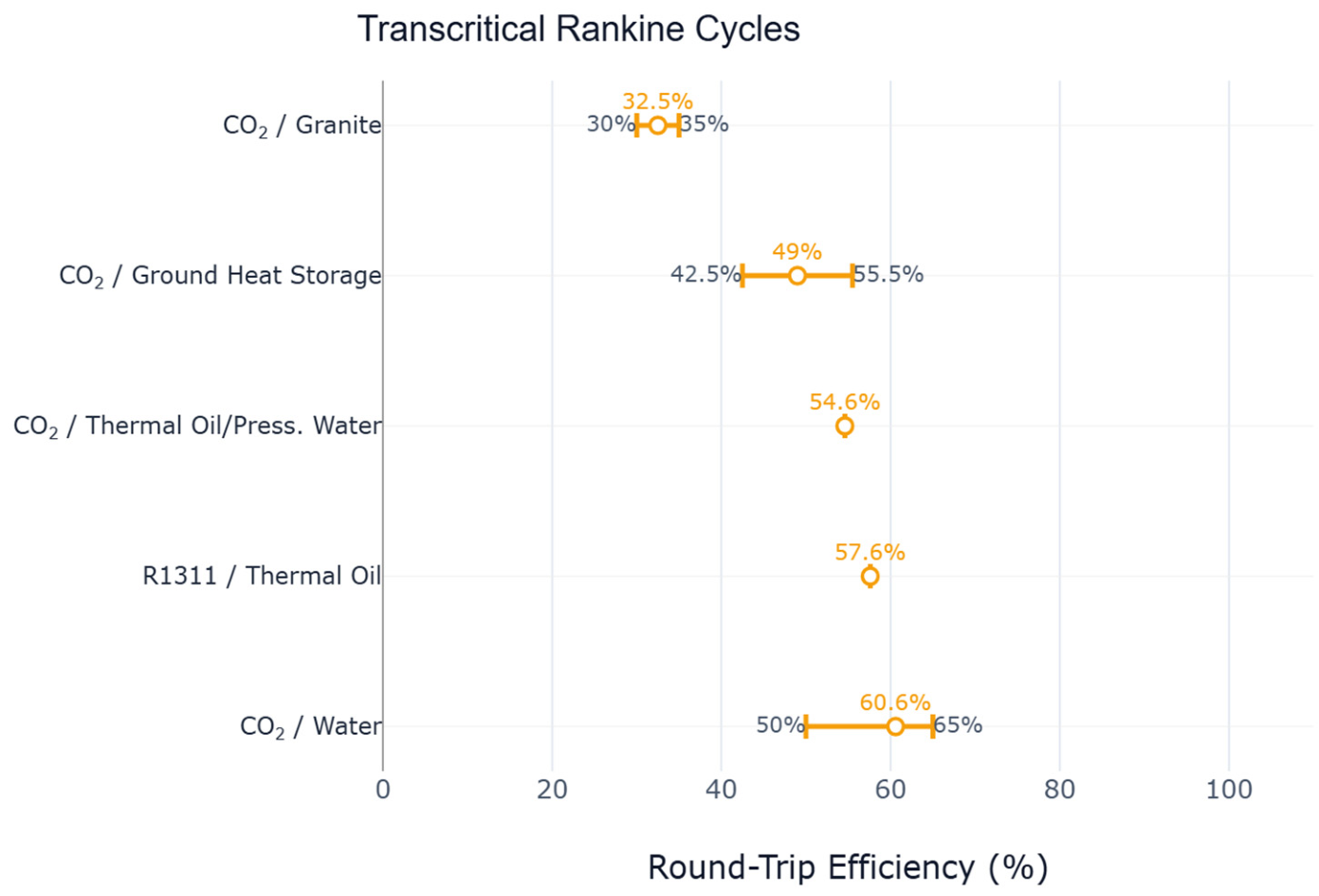
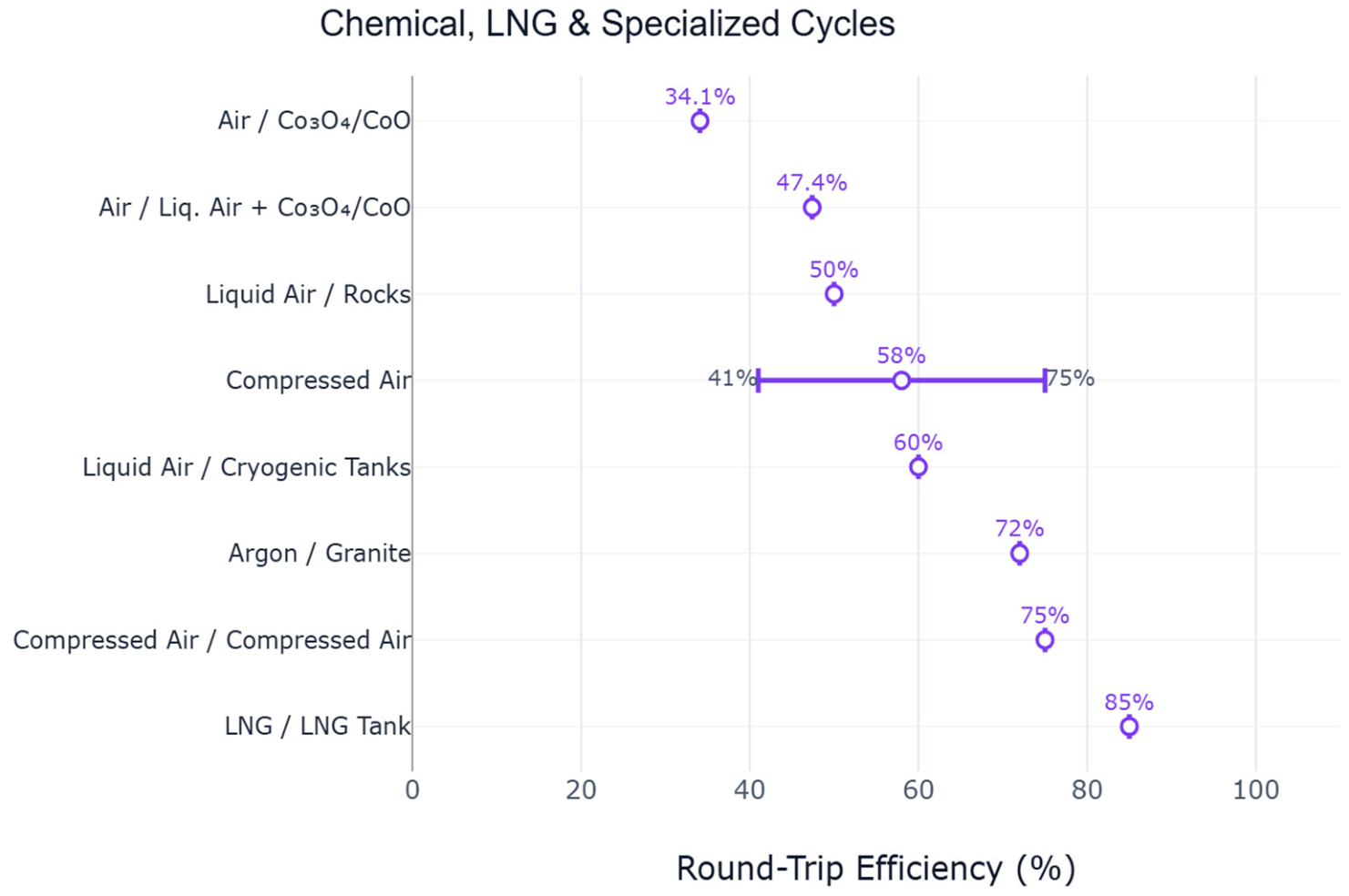
The field of Carnot battery technologies includes a wide variety of thermodynamic cycles, working fluids and thermal storage materials; each offers different advantages depending on the final use. While the previous chapters detailed the specific design principles of individual parts, such as the thermodynamic cycles and heat exchanger networks, this chapter provides a complete comparative analysis of the technology class. The evaluation is structured around three decisive KPIs. The first is RTE, which determines economic competitiveness in electricity-trading markets. The second metric is Energy Storage Density (ESD), which defines the physical size and feasibility of site installation. Finally, TRL assesses the developmental maturity of these systems from lab prototypes to full commercial use. By comparing high-temperature Brayton designs against low-temperature Rankine and hybrid systems, this section explains the fundamental trade-offs between performance, system size and technological risk.

8.1. Round-Trip Efficiency Comparison of Available Thermal Energy Storage Technologies

A systematic evaluation of the compiled dataset reveals a broad spectrum of performance metrics across various Carnot battery architectures. The thermodynamic performance of these systems is heavily dictated by the mutual dependence between the selected power cycle, the working fluid, and the Thermal Energy Storage medium. To ensure a scientifically rigorous comparison, the evaluated configurations are clearly separated and discussed under three distinct categories based on their system boundaries. These categories are standalone, waste-heat-assisted and LNG-assisted systems. Direct efficiency comparisons across these different boundaries are avoided, as the observed differences reflect the thermodynamic contribution of external energy sources rather than the standalone performance of the cycle architecture itself. The reported efficiency values exhibit extreme variance, spanning from baseline round-trip efficiencies of approximately 27% for basic standalone configurations to apparent RTE values exceeding 200% when systems are synergistically coupled with external thermal sinks. The thermodynamic evaluation of hybrid Carnot batteries requires careful contextualization. Standard round-trip efficiency strictly defines the ratio of net electrical work output to electrical work input. Standalone Carnot batteries always exhibit round-trip efficiencies below 100% due to thermodynamic irreversibilities. However, hybrid configurations integrate external exergy streams, such as marine waste heat or LNG cold energy. The standard efficiency calculation considers only the electrical work of the compressor as the system energy input. This mathematical formula completely ignores the additional thermal exergy provided by the external heat or cold sources. Because these external exergy flows are not calculated as supplied energy, the calculated performance metric is elevated and can theoretically be higher than 100%. These external streams provide additional thermodynamic potential. Consequently, the apparent RTE, representing the ratio of electrical output to electrical input, can exceed 100%. Brayton cycle configurations generally establish a robust and consistent standalone high-efficiency baseline, reflecting their inherent suitability for large-scale, high-temperature Thermal Energy Storage. Most of these gas-based systems cluster reliably within exceed standalone RTE range of 60% to 80%. However, optimized configurations have demonstrated significant potential for higher performance. For instance, standalone systems utilizing argon paired with gravel or magnetite/zinc exhibit upper boundaries ranging from 80% to 95%. The theoretical maximum within this category is achieved by a supercritical carbon dioxide cycle integrated with a hybrid sensible and latent storage medium, which reaches 99% efficiency. In contrast, subcritical Rankine cycle architectures display the most extreme performance variance of any category evaluated. Because Rankine systems operate across highly varied temperature boundaries and frequently integrate external waste heat or cold sources, their calculated metrics range from under 30% to apparent RTE values of over 220%. Basic ORCs utilize standard refrigerants like R1233zd(E) and water for sensible storage form the baseline, generally operating with standalone efficiencies between 27.57% and 43%. Performance is substantially elevated through the implementation of advanced organic fluid combinations. For example, zeotropic mixtures such as R245fa/Pentane paired with pressurized water can push standalone efficiencies to 73.93%, while other optimized configurations achieve up to 97.24%. Other advanced organic fluid configurations subjected to low-grade waste heat integration report apparent RTE values ranging from 110% to 157%. The highest apparent RTE values occur when Rankine cycles are utilized for thermal boosting via cryogenic heat sinks. By integrating LNG cold energy into the expansion phase, the system requires significantly less electrical work to condense the working fluid, allowing the effective RTE of an LNG-Rankine cycle utilizing propane to reach 222.47%. Transcritical Rankine cycles, which predominantly rely on carbon dioxide as the working fluid, demonstrate more stable performance compared to their subcritical counterparts. When integrated with high-capacity liquid storage media such as pressurized water or thermal oil, these systems consistently yield efficiencies between 50% and 65%. However, the data highlights a distinct performance drop when these cycles transition away from liquid storage to solid sensible media. Transcritical carbon dioxide systems utilizing solid granite or ground heat storage fall to a modest RTE range of 30% to 55.5%, demonstrating the severe thermodynamic drawbacks of the heat transfer limitations of solid rock reservoirs. Beyond standard Brayton and Rankine configurations, the dataset encompasses several specialized thermo-mechanical and thermochemical cycles. Compressed Air Energy Storage (CAES) systems present a highly competitive and technologically mature profile, with efficiencies consistently ranging from 41% to 75%. Standalone Liquid Air Energy Storage (LAES) and modified Claude cycles exhibit moderate efficiencies, typically hovering between 50% and 60%. Pure thermochemical storage approaches, such as those utilizing air with Co3O4/CoO, currently exhibit lower round-trip efficiencies of approximately 34.1%, though this improves to 47.4% when integrated directly with liquid air processes. Ultimately, the synthesis of this data confirms that while Brayton cycles provide the most reliable baseline for high-temperature bulk storage, combining Rankine cycles with latent heat or cryogenic sources represents the most effective strategy for achieving maximum efficiency in future energy storage applications. The collective performance data retrieved from the examined bibliography is presented in Table 1 and Table 2 and Figure 1, Figure 2, Figure 3 and Figure 4 below:

8.2. Energy Density Comparison

Volumetric energy density is a critical metric for evaluating the physical footprint and practical scalability of Carnot batteries. For volume-constrained applications, a compact footprint is often prioritized alongside thermodynamic efficiency. A systematic analysis of the dataset demonstrates that the volumetric capacity of a Carnot battery is fundamentally restricted by the physical phase and thermal properties of the chosen storage medium, with values ranging from under 1 kWh/m3 for unpressurized liquids to nearly 400 kWh/m3 for advanced chemical reactors. Liquid sensible storage media represent one of the most mature but highly variable categories in terms of energy density, heavily dependent on the operational temperature limits of the fluid. Systems utilizing simple, unpressurized water for sensible heat storage face severe thermal capacity restrictions, resulting in the lowest densities within this category, which generally range between 0.8 and 1.77 kWh/m3. The integration of transcritical carbon dioxide or specialized thermal oils improves this capacity marginally, pushing the density into the 9.7 to 15.0 kWh/m3 range. To achieve grid-scale viable footprints, liquid systems must transition to high-temperature molten salts. Nitrate mixtures (such as LiNO3/KNO3) and solar salts paired with Brayton or Rankine cycles elevate the storage density significantly, creating a robust and reliable performance window between 45.9 and 75.0 kWh/m3. Solid sensible storage offers a stable, highly scalable alternative to liquids, eliminating the need for complex containment tanks and mitigating leakage risks. Traditional packed-bed media such as rocks, gravel and solid granite typically yield volumetric densities comparable to molten salts, ranging consistently between 25.3 and 50.0 kWh/m3. However, the density of solid storage can be drastically improved through material engineering. By hybridizing rock beds with Phase Change Materials, the density can be pushed up to 74.4 kWh/m3. Furthermore, by transitioning from standard geological materials to heavy, highly conductive industrial solids, such as magnetite paired with zinc, the volumetric capacity can be effectively doubled, reaching 100.0 kWh/m3. Configurations dependent on gas compression or liquefaction introduces complications regarding storage volume. Traditional Compressed Air Energy Storage represents the lowest tier of volumetric density across all known technologies, consistently ranging between 2.0 and 6.0 kWh/m3. Although highly efficient, the massive volumetric requirements of gaseous storage make it prohibitive for deployments with limited physical space. In contrast, storing the medium cryogenically as liquid air significantly condenses the required volume, providing a highly dense and competitive spatial footprint. Depending on the chosen cryogenic containment and thermodynamic, liquid air systems range from 11.49 kWh/m3 up to 86.1 and 96.1 kWh/m3, with pure liquid-to-liquid air expansions reaching as high as 183.0 kWh/m3. Phase Change Materials exploit the latent heat of phase transition to absorb and release substantial quantities of thermal energy at a near-constant temperature. Although hybrid configurations that combine latent heat with low-grade sensible media, such as water-based Rankine systems, produce modest energy densities of 0.25 to 6.9 kWh/m3, pure high-temperature PCM architectures exhibit remarkable volumetric efficiency. For instance, a helium-driven Brayton cycle integrated with a dedicated PCM reservoir reaches an extraordinary 272.58 kWh/m3, establishing latent heat storage as one of the most compact thermal technologies currently under investigation. Thermochemical and chemical storage media exhibit the most extreme variance within the volumetric capacity spectrum, a direct result of the energy dynamics inherent in reversible chemical bonds. Low-temperature chemical hydrates produce marginal energy densities between 0.35 and 1.71 kWh/m3. On the other hand, high-temperature thermochemical systems are the best option for saving physical space. For example, an air-based system using reversible Co3O4/CoO chemical reactions reaches a record-breaking energy density of 385.2 kWh/m3. Table 3 summarizes the specific energy density ranges for various storage media identified in the reviewed studies and Figure 5 demonstrates a comparative analysis of EDS for various Carnot battery architectures.

8.3. Technology Readiness Level Comparison

The commercial viability and deployment timeline of Carnot batteries are strictly governed by their Technology Readiness Level. Despite a mature understanding of the underlying thermodynamic principles, translating these concepts into operational energy storage plants—requiring the seamless integration of novel fluids, media, and high-temperature machinery, substantial engineering difficulties. An analysis of the dataset provided reveals that most Carnot battery architectures currently sit in the prototyping and early demonstration phases, although a few systems built with standard industrial equipment are already close to commercial availability. Brayton cycle architectures overwhelmingly populate the early to mid-range developmental stages. Most standard gas-based systems, including those utilizing helium, argon, and supercritical carbon dioxide are currently classified at TRL 3–4. This indicates that while the core concepts have been proven, they are primarily undergoing laboratory-scale validation and experimental prototyping. Minor advancements are observed when Brayton cycles utilize specifically customized mixtures, such as supercritical carbon dioxide with molten salts and synthetic fluids, pushing the readiness to TRL 3–5. More mature Brayton configurations achieve TRL 4–5 by integrating proven sensible media like rocks or solar salts or by utilizing air with cryogenic storage. The highest readiness within the Brayton category reaches TRL 5–6, which is achieved by systems utilizing air with volcanic material or liquid air paired with mature cryogenic tank technology. Rankine cycle architectures, including both subcritical and transcritical variations, display a similar concentration in the prototype stages, but can achieve higher overall readiness levels due to the potential utilization of mature refrigeration and steam components. Standard organic Rankine configurations utilizing fluids such as R1233zd(E), R245fa or butene paired with water, Phase Change Materials, or salt hydrates are predominantly restricted to TRL 3–4. The lowest recorded readiness in the dataset is a zeotropic mixture of R1233zd(E) and pressurized water at TRL 2–3. However, by shifting to more established thermal reservoirs, such as water paired with LiNO3/KNO3 mixtures or standard organic fluids with pressurized water, the systems advance to TRL 4–5. Transcritical carbon dioxide configurations exhibit a slightly broader developmental spectrum. While basic ground heat or water storage setups remain at TRL 3–4, the integration of advanced transcritical components with water storage has been successfully pushed to TRL 6–8. Notably, the absolute highest readiness in the Rankine category is a system utilizing air and liquid air, which reaches TRL 8, reflecting the commercial maturity of air liquefaction and expansion technologies. Alternative, chemical, and specialized cycles present the highest distribution of technology readiness, ranging from fundamental laboratory research to fully commercialized grid infrastructure. Pure thermochemical energy storage, such as systems relying on Co3O4/CoO reactions, currently represents the least mature approach in this category at TRL 3–4, heavily constrained by reactor degradation and chemical stability issues. Hybridizing these thermochemical processes with liquid air improves system feasibility, marginally raising the readiness to TRL 4–5. Conversely, specialized thermo-mechanical systems, like the Ericsson cycle, utilizing granite, cryogenic carbon capture integrated with LNG and foundational modified Claude cycle have successfully reached TRL 5–6, indicating successful pilot-scale demonstrations. Table 4 and Table 5 summarize the findings for the TRL values for various Carnot battery architectures and Figure 6 depicts a comparative analysis of TRL range for various Carnot battery architectures.

8.4. Economic Indicators and Current Literature Limitations

Currently, the literature provides extremely limited economic data for Carnot battery systems due to the fact that most architectures remain at early stages of development or low Technology Readiness Levels. A universal economic generalization is currently infeasible, however specific studies provide preliminary economic indicators for certain architectures. For instance, the Levelized Cost of Storage (LCOS) ranges from 0.139 $/kWh for Rankine-based systems assisted by engine waste heat [25,81] to 0.53 $/kWh for standalone high-temperature Rankine-based configurations [39,83]. Similarly, power-specific Capital Expenditures (CAPEX) present significant variations. This cost ranges between 500 $/kW and 8000 $/kW primarily for Rankine-based architectures [8] and the investment payback period typically ranges from 6.8 to 15 years [51]. Local electricity market prices and operational hours strongly influence this payback period. Systems that integrate low-grade waste heat currently demonstrate the most favorable economic feasibility due to reduced Operating Expenditures (OPEX) and enhanced round-trip efficiencies.

8.5. Cross-Comparison and Technological Trade-Offs

A critical cross-comparison of the evaluated Carnot battery configurations reveals that no single technology simultaneously maximizes efficiency, storage density and practical scalability. Joule–Brayton cycles operating with gases can achieve high round-trip efficiencies (60–80%) and are highly scalable using sensible heat storage. However, they are fundamentally limited by low volumetric energy density, which necessitates massive storage footprints and increases infrastructural complexity. Conversely, Rankine and transcritical CO2 cycles operate at lower temperature differentials, which slightly limits their standalone thermodynamic efficiency but significantly increases their volumetric energy density and compactness. The practical applicability of Rankine-based systems is further enhanced by their ability to seamlessly integrate with low-grade waste heat, making them the most viable compromise for space-constrained applications.
For applications where achieving exceptionally high energy density is identified as the primary operational requirement, Liquid Air Energy Storage (LAES) and thermochemical energy storage (TCES) constitute the most pertinent architectures. LAES provides exceptionally high storage density but introduces significant system complexity and faces substantial exergy losses during the liquefaction and expansion processes, often resulting in lower round-trip efficiencies compared to pumped thermal systems. TCES offers the highest theoretical energy density and negligible self-discharge rates, making it ideal for long-duration storage. However, its practical scalability is currently hindered by severe material degradation, high reactor complexity, and a very low Technology Readiness Level. Ultimately, the optimal architecture depends entirely on the specific application constraints, balancing the proven efficiency of Brayton cycles against the high density and integration flexibility of Rankine and CO2 configurations.
A schematic overview of the consolidated results is presented in Figure 7, highlighting the key operating parameters, efficiency ranges, Technology Readiness Level and storage media of the examined PTES technologies.

9. Carnot Batteries Practical Implementation and Comparison with Alternative Maritime Technologies

This chapter evaluates the practical feasibility of Carnot battery systems for maritime applications. The analysis first investigates critical shipboard integration constraints, including spatial footprint, weight limitations and safety regulations. Subsequently, the text directly compares Carnot batteries against traditional waste heat recovery technologies. Finally, the section evaluates the proposed thermal storage systems alongside established maritime decarbonization alternatives. These alternative solutions include electrochemical batteries, fuel cells and shore power configurations, thereby providing a comprehensive techno-economic assessment.

9.1. Shipboard Integration Constraints and Safety Aspects

The practical shipboard implementation of Carnot batteries introduces severe engineering constraints regarding spatial footprint, weight, and operational safety. Due to the strict volume and payload limitations of marine vessels, the low volumetric energy density of sensible heat storage systems necessitates massive storage tanks, which have a detrimental impact on the vessel’s deadweight and cargo capacity [10]. To mitigate this issue, Latent Heat Thermal Energy Storage utilizing Phase Change Materials offers a much more compact footprint, potentially allowing retrofitted cargo holds to accommodate the required volume [32]. Moreover, in order to ensure environmental and thermodynamic consistency, a precise emissions boundary must be defined for shipboard Carnot batteries. Since the stored thermal energy originates from waste heat recovered from fossil-fuel-consuming main engines, the system does not represent a zero-emission solution across the entire well-to-wake energy chain. Instead, the environmental benefit is strictly characterized by localized zero direct emissions during specific operational phases, such as harbor stays or transit within Emission Control Areas (ECAs). By converting the stored thermal energy into electricity when the main engine is shut down, the vessel can completely deactivate its auxiliary diesel generators, thereby eliminating direct local pollutant and greenhouse gas emissions at berth. This distinction isolates localized operational decarbonization from the broader life-cycle fuel pathway. Furthermore, extreme operational temperatures demand extensive insulation requirements. High-temperature reservoirs and cryogenic liquid air tanks require advanced, thick insulation layers or double-walled vacuum containments to minimize thermal losses and prevent boil-off, which unavoidably increases the overall system weight and footprint [50]. Safety regulations present another critical barrier for maritime deployment. The handling of cryogenic fluids, such as liquid air, demands strict oxygen-cleaning protocols to prevent local oxygen enrichment, which poses severe explosion hazards if in contact with shipboard hydrocarbons or lubricating oils [82]. Similarly, the use of toxic or highly flammable working fluids, such as ammonia or certain organic refrigerants, dictates the mandatory implementation of strict safety measures, advanced sealing and risk assessment protocols within the confined engine room spaces [22,29]. Marine environments require strict protective measures against component failures. Mechanical failures and subsequent leakages introduce severe safety risks. Specifically, working fluid leakages can initiate catastrophic fires or cause severe toxicity in confined shipboard spaces. Therefore, system designers must implement advanced protective measures and utilize advanced sealing technologies to prevent the leakage of hazardous refrigerants.

9.2. Synthesis of Optimal Adaptation Schemes Based on Temperature Ranges

To clarify the optimal technical routes, Carnot battery adaptation schemes are generally classified into low, medium and high-temperature scenarios. Low-temperature scenarios, typically below 200 °C, optimally utilize Rankine-based cycles with organic working fluids [7]. These low-temperature schemes perfectly match marine applications for low-grade waste heat recovery. Medium-temperature scenarios, ranging from 200 °C to 500 °C, primarily adopt transcritical or supercritical CO2 cycles [11]. These transcritical schemes provide a balanced trade-off between thermodynamic efficiency and system compactness. Finally, high-temperature scenarios, exceeding 500 °C, typically employ Brayton-based architectures utilizing molten salts or packed-bed sensible heat storage [103]. While high-temperature schemes offer massive storage capacities for onshore power grids, their severe insulation requirements and thermal constraints currently limit their immediate shipboard integration.

9.3. Dynamic Performance Indicators and Operational Flexibility

To comprehensively evaluate the operational flexibility of Carnot batteries, a comparative analysis of their dynamic performance indicators, namely storage duration, self-discharge rate, and start–stop characteristics, is essential. Regarding storage duration, Carnot batteries are primarily classified as medium-to-long duration energy storage systems. Typical sensible and latent heat configurations are designed for discharge durations ranging from 4 to 24 h [8,97]. For extended or seasonal storage, thermochemical Carnot batteries are considered more suitable. The self-discharge rate is highly dependent on the selected storage medium and the operational temperature. High-temperature Brayton PTES systems typically exhibit a thermal loss of approximately 1% per day [8]. Rankine PTES systems experience moderate thermal losses over time, whereas advanced absorption Carnot batteries utilizing thermochemical processes demonstrate near-zero self-discharge rates [27]. Finally, concerning start–stop characteristics and response times, Carnot batteries are governed by the dynamics of their turbomachinery and the thermal inertia of the storage tanks. While the rotational inertia of compressors and turbines provides grid stabilizing benefits, it inherently limits instantaneous response times compared to electrochemical batteries. However, experimental demonstrations indicate that adjusting the engine speed allows for rapid power ramp-ups within minutes [50]. Furthermore, advanced discharge strategies and multi-stage configurations are currently being investigated to significantly shorten the system response time during operational mode switching [30].

9.4. Comparison with Existing Waste Heat Recovery Technologies

Conventional waste heat recovery technologies operate exclusively during navigation. These systems cease functioning during harbor stays due to main engine shutdowns [28]. Consequently, docked vessels rely on auxiliary generators, creating significant local port emissions. Traditional WHR systems lack Thermal Energy Storage capabilities. These conventional systems directly convert recovered heat into electricity without intermediate storage options. Carnot batteries successfully overcome this fundamental limitation. This innovative technology integrates heat recovery, thermal storage, and thermoelectric conversion into one unified configuration, which completely decouples thermal recovery from electricity generation. The thermal storage system actively stores recovered engine waste heat during the voyage. This unique decoupling mechanism provides a self-contained, zero-emission power supply at ports, effectively enhancing the environmental footprint of the vessel [30].

9.5. Comparison with Alternative Decarbonization Technologies

Electrochemical batteries, particularly lithium-ion systems, face severe limitations for long-duration maritime applications. These chemical systems depend on critical raw materials and exhibit prohibitively high capital costs for extended storage durations [32]. Carnot batteries avoid critical raw material dependencies and utilize abundant, low-cost storage media. Furthermore, these thermal storage systems offer significantly longer lifespans, exceeding 25 to 30 years without major capacity degradation [8]. Alternative energy converters, such as Solid Oxide Fuel Cells (SOFCs), provide highly efficient electricity generation but produce substantial amounts of high-temperature waste heat. Carnot batteries operate synergistically with SOFC systems to improve the overall shipboard energy utilization. The thermal storage system effectively recovers the high-temperature exhaust heat from the fuel cells, thereby increasing the total system efficiency and operational flexibility [34]. Finally, shore power (cold ironing) systems supply clean land-based electricity to docked vessels to eliminate local port emissions. However, simultaneous connections of multiple large vessels impose massive instantaneous loads and severe instability on local port grids. Shipboard Carnot batteries act as highly effective decentralized energy buffers. This buffering function drastically reduces the peak power demand and infrastructural strain on shore-based power grids during harbor stays [30].

10. Conclusions

This paper presents a review of Carnot batteries and Thermal Energy Storage systems, highlighting their critical role in providing flexible, long-duration energy management. The selection of Carnot battery architecture requires careful balancing of thermodynamic efficiency, system footprint and technological maturity.
As a basis for this evaluation, this study systematically examined the core operational components of these Power-to-Heat-to-Power systems. An extensive range of thermodynamic architectures are explored and categorized into high-temperature gas-based Brayton cycles, versatile phase change Rankine cycles and novel thermochemical configurations. The critical role of working fluids was analyzed, highlighting how their selection, ranging from organic refrigerants and supercritical carbon dioxide to cryogenic fluids, must be precisely calibrated to minimize heat transfer irreversibilities. Furthermore, this review evaluated the physical mechanisms of Thermal Energy Storage, contrasting the cost-effectiveness of sensible media like water and molten salts against the high capacity of latent PCMs. The design constraints of main turbomachinery, including reversible expanders and massive high-pressure recuperators, were assessed.
After the analysis of the referred technical fundamentals, a systematic comparative analysis reveals that RTE varies drastically across configurations. High-temperature Brayton cycles provide a reliable baseline efficiency of 60% to 80% for high-capacity storage. Subcritical Rankine cycles exhibit extreme variance, with basic configurations reaching efficiencies of 27% to 43% and combinations of them with cryogenic heat sinks, like Liquefied Natural Gas, drastically reduces condensation work, elevating effective apparent RTE to over 220%. Again, it should be discerned that efficiency values exceeding 100% represent “Apparent RTE” resulting from the thermodynamic contribution of external exergy streams rather than standalone cycle efficiencies, which, as known are strictly below 100%.
Beyond efficiency, volumetric energy density dictates the system’s practical scalability and physical footprint. Sensible heat storage with unpressurized water shows the lowest densities (under 1.8 kWh/m3), while high-temperature molten salts improve this to a robust 45 to 75 kWh/m3. To achieve further optimization, systems must move to latent or chemical media. High-temperature PCMs can store up to 272.58 kWh/m3, while advanced thermochemical reactors utilizing reversible Co3O4/CoO reactions offer an unprecedented 385.2 kWh/m3.
Despite these promising theoretical capacities, commercial deployment is heavily governed by TRL. The majority of Brayton and Rankine configurations remain in prototyping and early demonstration phases ranging from TRL 3 to 5. The most commercially viable near-term pathways rely on commercially mature components with specific Rankine architectures integrating mature refrigeration or air liquefaction technologies have achieved near-commercial status (TRL 8), providing the most realistic strategy for decarbonizing power grids and the maritime industry.
Looking forward, shipping industry represents a highly promising operational sector for the deployment of these mature Carnot battery configurations. As a sector under intense regulatory pressure to adopt greener, zero-emission solutions, maritime vessels inherently generate continuous streams of waste heat from various onboard sources, such as main engine exhaust, scavenge air and jacket cooling water. Future research and development should strongly prioritize exploring how exploiting these thermal streams can further elevate the total efficiency of Carnot batteries. By capturing this thermal exergy during open-sea transit, these systems could provide a self-contained, highly efficient power supply for demanding port operations and navigation within Emission Control Areas, effectively bridging the gap between waste heat recovery and total maritime decarbonization.

11. Future Prospects and Research Directions

Looking forward, the shipping industry represents a highly promising operational sector for Carnot batteries. However, because the vast majority of current literature focuses on terrestrial applications at early Technology Readiness Levels, several critical research gaps must be bridged to enable practical shipboard implementation. To address these gaps, several feasible research directions for marine applications are proposed. Primarily, future case studies must systematically investigate differentiated operational schemes tailored to dynamic vessel profiles, including the evaluation of charging modes during ocean navigation, hybrid operations during Emission Control Area (ECA) transits, and full discharging modes during berthing. Furthermore, the severe spatial and weight constraints of commercial vessels require dedicated research into advanced and highly compact component designs. In this context, future studies must focus on the implementation of advanced thermal insulation technologies to effectively minimize heat losses in high-temperature containments, dynamically stable thermal storage tank structures that withstand shipboard motions and highly compact heat exchangers for transcritical cycles.
In addition, implementing Carnot batteries in complex shipboard power systems necessitates robust energy management systems. Future research should prioritize model predictive control algorithms and intelligent operating mode-switching strategies to seamlessly balance waste heat recovery, auxiliary power demand and dynamic shore-based grid-balancing requirements. As Carnot batteries integrate high-temperature heat reservoirs and cryogenic working fluids, subsequent studies must also collaborate with maritime classification societies to establish rigorous safety protocols, risk assessments regarding toxicity, fire and leakage and standardized regulations for onboard integration. Moreover, the cyclic thermal performance of Phase Change Materials and thermochemical media must be experimentally validated under actual marine operational conditions to assess long-term degradation and corrosion issues in marine environments. Moreover, future research must deliver detailed Levelized Cost of Storage and Life-Cycle Assessment models specifically tailored to the maritime sector, benchmarking Carnot batteries against alternative marine decarbonization technologies such as electrochemical batteries and fuel cells.

Author Contributions

Conceptualization, T.C.Z., A.G.V. and G.G.D.; methodology, T.C.Z. and A.G.V.; investigation, E.G.P.; resources, T.C.Z. and A.G.V.; data curation, T.C.Z., G.G.D. and J.S.K.; writing—original draft preparation, A.G.V.; writing—review and editing, E.G.P., G.G.D. and J.S.K.; supervision, G.G.D., T.C.Z., E.G.P. and J.S.K.; All authors have read and agreed to the published version of the manuscript.

Funding

This research received no external funding.

Data Availability Statement

The data presented in this study are available in the article and the cited references.

Conflicts of Interest

The authors declare no conflicts of interest.

Abbreviations

The following abbreviations are used in this manuscript:
ACBAbsorption Carnot Battery
BPHEBrazed Plate Heat Exchanger
CAESCompressed Air Energy Storage
CCUSCarbon Capture, Utilization, and Storage
COPCoefficient of Performance
CSPConcentrated Solar Power
ETESElectrothermal Energy Storage
FTTFinite Time Thermodynamics
GWPGlobal Warming Potential
HPHeat Pump
HPCMHigh-Temperature Phase Change Material
HTHPHigh-Temperature Heat Pump
HXHeat Exchanger
KPIKey Performance Indicator
LCOSLevelized Cost of Storage
LHSLatent Heat Storage
LHTESLatent Heat Thermal Energy Storage
LNGLiquefied Natural Gas
LPCMLow-Temperature Phase Change Material
ODPOzone Depletion Potential
ORCOrganic Rankine Cycle
PCMPhase Change Material
PHSPumped Hydro Storage
PTESPumped Thermal Energy Storage
RRTCReversible Rankine-based Thermodynamic Cycle
RTERound-Trip Efficiency
SCBSteam Carnot Battery
sCO2Supercritical Carbon Dioxide
SOFCSolid Oxide Fuel Cell
S-PTESSegmented Pumped Thermal Energy Storage
TCESThermochemical Energy Storage
TEESThermo-Electric Energy Storage
TESThermal Energy Storage
TI-PTESThermally Integrated Pumped Thermal Energy Storage
tCO2Transcritical Carbon Dioxide
TRFBThermally Regenerative Flow Battery
TRLTechnology Readiness Level
VCHPVapor Compression Heat Pump
VCRVapor Compression Refrigeration

References

  1. Smith, T.W.P.; Jalkanen, J.P.; Anderson, B.A.; Corbett, J.J.; Faber, J.; Hanayama, S.; O’Keeffe, E.; Parker, S.; Johansson, L.; Aldous, L.; et al. Third IMO Greenhouse Gas Study 2014. 2015. Available online: https://research.manchester.ac.uk/en/publications/third-imo-greenhouse-gas-study-2014 (accessed on 24 September 2024).
  2. Joung, T.-H.; Kang, S.-G.; Lee, J.-K.; Ahn, J. The IMO Initial Strategy for Reducing Greenhouse Gas(GHG) Emissions, and Its Follow-up Actions towards 2050. J. Int. Marit. Saf. Environ. Aff. Shipp. 2020, 4, 1–7. [Google Scholar] [CrossRef] [Scilit]
  3. Fadaie, S.; Thornley, P.; Souppez, J.-B. A Systematic Review of Technologies, Measures, and CO2 Emission Reduction Potential for Maritime Transport Decarbonisation. Adv. Appl. Energy 2025, 20, 100255. [Google Scholar] [CrossRef] [Scilit]
  4. Triantoro, W.; Mangan, J.; Rietig, K. Towards Maritime Transport Decarbonisation in Developing Countries: A Systematic Literature Review. Mar. Policy 2026, 185, 106989. [Google Scholar] [CrossRef] [Scilit]
  5. Tian, Y.; Zhao, C.Y. A Review of Solar Collectors and Thermal Energy Storage in Solar Thermal Applications. Appl. Energy 2013, 104, 538–553. [Google Scholar] [CrossRef] [Scilit]
  6. Zhao, Y.; Song, J.; Zhu, P.; Wang, W.; Song, Z.; Ding, Y. Carnot Battery for Energy Storage: Advancements and Challenges. Green Energy Resour. 2023, 1, 100048. [Google Scholar] [CrossRef] [Scilit]
  7. Dumont, O.; Frate, G.F.; Pillai, A.; Lecompte, S.; De Paepe, M.; Lemort, V. Carnot Battery Technology: A State-of-the-Art Review. J. Energy Storage 2020, 32, 101756. [Google Scholar] [CrossRef] [Scilit]
  8. Vecchi, A.; Knobloch, K.; Liang, T.; Kildahl, H.; Sciacovelli, A.; Engelbrecht, K.; Li, Y.; Ding, Y. Carnot Battery Development: A Review on System Performance, Applications and Commercial State-of-the-Art. J. Energy Storage 2022, 55, 105782. [Google Scholar] [CrossRef] [Scilit]
  9. Liang, T.; Vecchi, A.; Knobloch, K.; Sciacovelli, A.; Engelbrecht, K.; Li, Y.; Ding, Y. Key Components for Carnot Battery: Technology Review, Technical Barriers and Selection Criteria. Renew. Sustain. Energy Rev. 2022, 163, 112478. [Google Scholar] [CrossRef] [Scilit]
  10. Chai, L.; Tassou, S.A. A Technology Review of Pumped Thermal Energy Storage Based on CO2 Cycles. Appl. Therm. Eng. 2025, 281, 128586. [Google Scholar] [CrossRef] [Scilit]
  11. Shamsi, S.S.M.; Barberis, S.; Maccarini, S.; Traverso, A. Large Scale Energy Storage Systems Based on Carbon Dioxide Thermal Cycles: A Critical Review. Renew. Sustain. Energy Rev. 2024, 192, 114245. [Google Scholar] [CrossRef] [Scilit]
  12. Laterre, A.; Dumont, O.; Lemort, V.; Contino, F. Is Waste Heat Recovery a Promising Avenue for the Carnot Battery? Techno-Economic Optimisation of an Electric Booster-Assisted Carnot Battery Integrated into Different Data Centres. Energy Convers. Manag. 2024, 301, 118030. [Google Scholar] [CrossRef] [Scilit]
  13. Kurşun, B. Comparison with Carnot Battery of an Alternate Thermal Electricity Storage Charged by Concentrated Photovoltaic Thermal System and Resistance Heater. Appl. Therm. Eng. 2025, 258, 124587. [Google Scholar] [CrossRef] [Scilit]
  14. Nitsch, F.; Wetzel, M.; Gils, H.C.; Nienhaus, K. The Future Role of Carnot Batteries in Central Europe: Combining Energy System and Market Perspective. J. Energy Storage 2024, 85, 110959. [Google Scholar] [CrossRef] [Scilit]
  15. Luo, X.; Wang, J.; Dooner, M.; Clarke, J. Overview of Current Development in Electrical Energy Storage Technologies and the Application Potential in Power System Operation. Appl. Energy 2015, 137, 511–536. [Google Scholar] [CrossRef] [Scilit]
  16. Argyrou, M.C.; Christodoulides, P.; Kalogirou, S.A. Energy Storage for Electricity Generation and Related Processes: Technologies Appraisal and Grid Scale Applications. Renew. Sustain. Energy Rev. 2018, 94, 804–821. [Google Scholar] [CrossRef] [Scilit]
  17. Steinmann, W.-D.; Bauer, D.; Jockenhöfer, H.; Johnson, M. Pumped Thermal Energy Storage (PTES) as Smart Sector-Coupling Technology for Heat and Electricity. Energy 2019, 183, 185–190. [Google Scholar] [CrossRef] [Scilit]
  18. King, M.; Jain, A.; Bhakar, R.; Mathur, J.; Wang, J. Overview of Current Compressed Air Energy Storage Projects and Analysis of the Potential Underground Storage Capacity in India and the UK. Renew. Sustain. Energy Rev. 2021, 139, 110705. [Google Scholar] [CrossRef] [Scilit]
  19. Budt, M.; Wolf, D.; Span, R.; Yan, J. A Review on Compressed Air Energy Storage: Basic Principles, Past Milestones and Recent Developments. Appl. Energy 2016, 170, 250–268. [Google Scholar] [CrossRef] [Scilit]
  20. Guo, H.; Xu, Y.; Chen, H.; Zhou, X. Thermodynamic Characteristics of a Novel Supercritical Compressed Air Energy Storage System. Energy Convers. Manag. 2016, 115, 167–177. [Google Scholar] [CrossRef] [Scilit]
  21. He, W.; Wang, J. Optimal Selection of Air Expansion Machine in Compressed Air Energy Storage: A Review. Renew. Sustain. Energy Rev. 2018, 87, 77–95. [Google Scholar] [CrossRef] [Scilit]
  22. Li, Y.; Hu, P.; Ni, H.; Mu, K.; Ma, Y. Performance Analysis and Optimisation of Waste Heat Recovery System Based on Zeotropic Working Fluid. Appl. Therm. Eng. 2024, 253, 123799. [Google Scholar] [CrossRef] [Scilit]
  23. Meroueh, L.; Chen, G. Thermal Energy Storage Radiatively Coupled to a Supercritical Rankine Cycle for Electric Grid Support. Renew. Energy 2020, 145, 604–621. [Google Scholar] [CrossRef] [Scilit]
  24. Zalba, B.; Marı́n, J.M.; Cabeza, L.F.; Mehling, H. Review on Thermal Energy Storage with Phase Change: Materials, Heat Transfer Analysis and Applications. Appl. Therm. Eng. 2003, 23, 251–283. [Google Scholar] [CrossRef] [Scilit]
  25. Zhao, Y.; Huang, J.; Song, J.; Ding, Y. Thermodynamic Investigation of a Carnot Battery Based Multi-Energy System with Cascaded Latent Thermal (Heat and Cold) Energy Stores. Energy 2024, 296, 131148. [Google Scholar] [CrossRef] [Scilit]
  26. Airò Farulla, G.; Cellura, M.; Guarino, F.; Ferraro, M. A Review of Thermochemical Energy Storage Systems for Power Grid Support. Appl. Sci. 2020, 10, 3142. [Google Scholar] [CrossRef] [Scilit]
  27. Sui, Y.; Lin, H.; Ding, Z.; Li, F.; Sui, Z.; Wu, W. Compact, Efficient, and Affordable Absorption Carnot Battery for Long-Term Renewable Energy Storage. Appl. Energy 2024, 357, 122504. [Google Scholar] [CrossRef] [Scilit]
  28. Wang, Z.; Xia, R.; Jiang, Y.; Cao, M.; Ji, Y.; Han, F. Evaluation and Optimization of an Engine Waste Heat Assisted Carnot Battery System for Ocean-Going Vessels during Harbor Stays. J. Energy Storage 2023, 73, 108866. [Google Scholar] [CrossRef] [Scilit]
  29. Miao, Z.; Zhang, M.; Yan, P.; Xiao, M.; Xu, J. Thermodynamic Analysis of a Low-Temperature Carnot Battery Promoted by the LNG Cold Energy. J. Energy Storage 2024, 88, 111619. [Google Scholar] [CrossRef] [Scilit]
  30. Liu, H.; Wang, Z.; Liu, S.; Jiang, C.; Ji, Y.; Han, F. A Cold/Hot Dual-Effect Carnot Battery System for Enhancing Shore-Based Power Grid Energy Regulation: Configuration, Assessment and Optimization. Appl. Therm. Eng. 2025, 278, 127380. [Google Scholar] [CrossRef] [Scilit]
  31. Jiang, C.; Wang, Z.; Liu, H.; Liu, S.; Li, Y.; Han, F. Design and performance analysis of hybrid Carnot battery for LNG dual-fuel ship. In Proceedings of the 2025 IEEE 20th Conference on Industrial Electronics and Applications (ICIEA), Yantai, China, 3–6 August 2025; IEEE: New York, NY, USA, 2025; pp. 1–6. [Google Scholar] [CrossRef] [Scilit]
  32. Ghilardi, A.; Baccioli, A.; Frate, G.F.; Ferrari, L. Investigation of the Thermodynamic and Economic Feasibility of Cold Pumped Thermal Energy Storage Using Oceanic Temperature Difference. Energy 2025, 338, 138810. [Google Scholar] [CrossRef] [Scilit]
  33. McTigue, J.; Farres-Antunez, P.; Ellingwood, K.; Neises, T.; White, A. Pumped thermal electricity storage with supercritical CO2 cycles and solar heat input. In Proceedings of the VII International Young Researchers’ Conference–Physics, Technology, Innovations (PTI-2020), Ekaterinburg, Russia, 18–22 May 2020; p. 190024. [Google Scholar] [CrossRef] [Scilit]
  34. Qu, J.; Feng, Y.; Wu, B.; Zhu, Y.; Wang, J. Understanding the Thermodynamic Behaviors of Integrated System Including Solid Oxide Fuel Cell and Carnot Battery Based on Finite Time Thermodynamics. Appl. Energy 2024, 372, 123762. [Google Scholar] [CrossRef] [Scilit]
  35. White, A.; Parks, G.; Markides, C.N. Thermodynamic Analysis of Pumped Thermal Electricity Storage. Appl. Therm. Eng. 2013, 53, 291–298. [Google Scholar] [CrossRef] [Scilit]
  36. Valencia-Chapi, R.; Tafur-Escanta, P.; Muñoz-Antón, J. Exergetic-Cost Analysis of Pumped Thermal Energy Storage (PTES) Systems Using s-CO2 Mixtures as a Working Fluid. J. Energy Storage 2025, 139, 118952. [Google Scholar] [CrossRef] [Scilit]
  37. Wang, H.N.; Xue, X.J.; Zhao, C.Y. Performance Analysis on Combined Energy Supply System Based on Carnot Battery with Packed-Bed Thermal Energy Storage. Renew. Energy 2024, 228, 120702. [Google Scholar] [CrossRef] [Scilit]
  38. Li, Y.; Hu, P.; Ni, H. Thermal-Economic Analysis and Optimization of a Novel Segmented Energy Storage Carnot Battery. Appl. Therm. Eng. 2025, 266, 125713. [Google Scholar] [CrossRef] [Scilit]
  39. Theologou, K.; Johnson, M.; Tombrink, J.; Corrales Ciganda, J.L.; Trebilcock, F.T.; Couvreur, K.; Tassenoy, R.; Lecompte, S. CHESTER: Experimental Prototype of a Compressed Heat Energy Storage and Management System for Energy from Renewable Sources. Energy Convers. Manag. 2024, 311, 118519. [Google Scholar] [CrossRef] [Scilit]
  40. Ma, R.; Qiao, H.; Yu, X.; Yang, B.; Yang, H. Thermo-Economic Analysis and Multi-Objective Optimization of a Reversible Heat Pump-Organic Rankine Cycle Power System for Energy Storage. Appl. Therm. Eng. 2023, 220, 119658. [Google Scholar] [CrossRef] [Scilit]
  41. Daniarta, S.; Kolasiński, P.; Imre, A.R. Performance Map and Theoretical Analysis of Carnot Battery Technology via Novel Reversible Rankine-Based Cycle. Energy Rep. 2024, 11, 4500–4514. [Google Scholar] [CrossRef] [Scilit]
  42. Iqbal, Q.; Fang, S.; Xu, Z.; Yao, Y.; Song, J.; Qiu, L.; Zhao, Y.; Markides, C.N.; Wang, K. Techno-Economic Comparison of High-Temperature and Sub-Ambient Temperature Pumped-Thermal Electricity Storage Systems Integrated with External Heat Sources. J. Energy Storage 2024, 89, 111630. [Google Scholar] [CrossRef] [Scilit]
  43. Lin, X.; Sun, P.; Zhong, W.; Wang, J. Thermodynamic Analysis and Operation Investigation of a Cross-Border Integrated Energy System Based on Steam Carnot Battery. Appl. Therm. Eng. 2023, 220, 119804. [Google Scholar] [CrossRef] [Scilit]
  44. Girelli, S.; Morosini, E.; Alfani, D.; Astolfi, M. Design and Techno-Economic Assessment of a Transcritical CO2 Pumped Thermal Energy Storage System. Energy 2025, 339, 138902. [Google Scholar] [CrossRef] [Scilit]
  45. Ayachi, F.; Tauveron, N.; Tartière, T.; Colasson, S.; Nguyen, D. Thermo-Electric Energy Storage Involving CO2 Transcritical Cycles and Ground Heat Storage. Appl. Therm. Eng. 2016, 108, 1418–1428. [Google Scholar] [CrossRef] [Scilit]
  46. Kim, Y.-M.; Shin, D.-G.; Lee, S.-Y.; Favrat, D. Isothermal Transcritical CO2 Cycles with TES (Thermal Energy Storage) for Electricity Storage. Energy 2013, 49, 484–501. [Google Scholar] [CrossRef] [Scilit]
  47. Jiang, Q.; Shi, Y.; An, Y.; Zhang, L.; Li, J.; Zhu, X.; Liao, Q. A Low-Cost Self-Pumping Membraneless Thermally Regenerative Flow Battery for Small-Scale Waste Heat Recovery. Ind. Eng. Chem. Res. 2024, 63, 8860–8867. [Google Scholar] [CrossRef] [Scilit]
  48. Li, W.; Zhang, L.; Deng, Y.; Zeng, M. Thermo-Economic Assessment of a Salt Hydrate Thermochemical Energy Storage-Based Rankine Carnot Battery System. Energy Convers. Manag. 2024, 312, 118564. [Google Scholar] [CrossRef] [Scilit]
  49. Qi, M.; Cui, C.; Yu, H.; He, T.; Zhao, D. Synergies between Carnot Battery and Power-to-Methanol for Hybrid Energy Storage and Multi-Energy Generation. J. Clean. Prod. 2023, 430, 139548. [Google Scholar] [CrossRef] [Scilit]
  50. Alemam, A.; Lopez Ferber, N.; Eveloy, V.; Martins, M.; Malm, T.; Chiesa, M.; Calvet, N. Experimental Demonstration of a Dispatchable Power-to-Power High Temperature Latent Heat Storage System. J. Energy Storage 2024, 86, 111241. [Google Scholar] [CrossRef] [Scilit]
  51. Poletto, C.; Pascale, A.D.; Ottaviano, S.; Dumont, O.; Branchini, L. Techno-Economic Assessment of a Carnot Battery Thermally Integrated with a Data Center. Appl. Therm. Eng. 2025, 260, 124952. [Google Scholar] [CrossRef] [Scilit]
  52. Yu, Z.; Zhang, X.; Yu, J.; Yang, Y.; Ma, Y.; Wang, L.; Zhang, C.; Yuan, Y.; Jiang, Z.; Huang, S. Integrating a Novel Pumped Thermal Electricity Storage System with Industrial Applications: Simultaneous Achievements in Flue Gas Heat Recovery, Carbon Capture, and Energy Storage. Energy 2025, 337, 138598. [Google Scholar] [CrossRef] [Scilit]
  53. Dai, R.; Tian, R.; Zheng, S.; Wei, M. Finite-Time Thermodynamic and Economic Analysis of Rankine Carnot Battery Based on Life-Cycle Method. Appl. Therm. Eng. 2023, 230, 120813. [Google Scholar] [CrossRef] [Scilit]
  54. Tafur-Escanta, P.; Valencia-Chapi, R.; López-Guillem, M.; Fierros-Peraza, O.; Muñoz-Antón, J. Electrical Energy Storage Using a Supercritical CO2 Heat Pump. Energy Rep. 2022, 8, 502–507. [Google Scholar] [CrossRef] [Scilit]
  55. Mercangöz, M.; Hemrle, J.; Kaufmann, L.; Z’Graggen, A.; Ohler, C. Electrothermal Energy Storage with Transcritical CO2 Cycles. Energy 2012, 45, 407–415. [Google Scholar] [CrossRef] [Scilit]
  56. Osterman, K.; Goswami, D.Y. Effect of PCM Fraction and Melting Temperature on Temperature Stabilization of Hybrid Sensible/Latent Thermal Energy Storage System for sCO2 Brayton Power Cycle. Energy Convers. Manag. 2021, 237, 114024. [Google Scholar] [CrossRef] [Scilit]
  57. Liu, Z.; Wong, L.N.Y.; Chang, S.-C. Experimental Investigation of Major Rocks in Hong Kong as Potential Sensible Thermal Energy Storage Medium. Eng. Geol. 2024, 343, 107763. [Google Scholar] [CrossRef] [Scilit]
  58. Abddaim, E.; Braik, R.; Sakami, S.; Boukhattem, L. Experimental Investigation of Intermediate Rocks as Sensible Thermal Energy Storage Materials: Durability and Characterization. J. Energy Storage 2025, 140, 119071. [Google Scholar] [CrossRef] [Scilit]
  59. Díaz-Alonso, S.; Sánchez-González, A.; Hernández-Jiménez, F.; Soria-Verdugo, A. Modeling Sensible Thermal Energy Storage in Solid Blocks for Concentrating Solar Power. Results Eng. 2023, 18, 101051. [Google Scholar] [CrossRef] [Scilit]
  60. Beyne, W.; De Paepe, M.; Degroote, J. A Sizing Model for a Tube in Tube Sensible Thermal Energy Storage Heat Exchanger with Solid Storage Material. J. Energy Storage 2025, 105, 114622. [Google Scholar] [CrossRef] [Scilit]
  61. Eppinger, B.; Zigan, L.; Karl, J.; Will, S. Pumped Thermal Energy Storage with Heat Pump-ORC-Systems: Comparison of Latent and Sensible Thermal Storages for Various Fluids. Appl. Energy 2020, 280, 115940. [Google Scholar] [CrossRef] [Scilit]
  62. Anacreonte, A.V.; Vitobello, R.; Musto, M. Impact of Inlet Fluctuations on the Stratification of a Sensible Thermal Energy Storage. Renew. Energy 2025, 252, 123484. [Google Scholar] [CrossRef] [Scilit]
  63. Hazarika, R.; Majumdar, R.; Mahapatra, S.; Saha, S.K. Sensible Heat Storage Performances of Hytherm 600 Oil and Energy-Harnessing Features of Glycol-Water Mixture under Simultaneous Charging and Discharging Conditions. Therm. Sci. Eng. Prog. 2025, 68, 104311. [Google Scholar] [CrossRef] [Scilit]
  64. Mukherjee, S.S.; Meshram, H.A.; Rakshit, D.; Saha, B.B. A Comparative Study of Sensible Energy Storage and Hydrogen Energy Storage apropos to a Concentrated Solar Thermal Power Plant. J. Energy Storage 2023, 61, 106629. [Google Scholar] [CrossRef] [Scilit]
  65. Gunjo, D.G. Thermal Performance Evaluation during Charging/Discharging Cycles of Sensible Energy Storage Beds for Biogas Production Process. Int. J. Thermofluids 2024, 22, 100670. [Google Scholar] [CrossRef] [Scilit]
  66. Lamrani, B.; Alqahtani, R.T.; Ajbar, A.; Benaicha, M. Dynamic Performance Analysis of Sensible and Latent Cold Thermal Energy Storage Systems for Building Cooling Networks. Case Stud. Therm. Eng. 2025, 71, 106264. [Google Scholar] [CrossRef] [Scilit]
  67. Chi, B.; Li, B.; Zuo, H.; Xu, H.; Zeng, K.; Lu, Y.; Fang, Z.; Flamant, G.; Yang, H.; Chen, H. Development of Continuous Latent and Sensible Heat Storage Device with Multi-Energy Composition for Enhancing Energy Density. Appl. Therm. Eng. 2025, 262, 125190. [Google Scholar] [CrossRef] [Scilit]
  68. Aminov, R.Z.; Anoshin, D.M. Influence of Latent Heat Thermal Energy Storage Integration Methods on the Efficiency of Thermal Storage Systems within Nuclear Power Plants. J. Energy Storage 2026, 141, 119183. [Google Scholar] [CrossRef] [Scilit]
  69. Li, P.; Chen, M.; Liu, S.; Wang, S.; Liu, J.; Deng, Z. Optimization of a Latent Heat Thermal Energy Storage Device for Waste Heat Recovery in Data Center Campus. Case Stud. Therm. Eng. 2026, 80, 107898. [Google Scholar] [CrossRef] [Scilit]
  70. Khan, S.Y.; Ali, H.; Mazhar, A.R.; Ji, W.; Wang, J.; Li, Y.; Kumar, M.; Shen, Y.; Sohrabi, A.; Saad Ul Haq, M.; et al. Electrically Driven Composite Phase Change Materials for Latent Thermal Energy Storage in Localized Space Heating: Progress, Challenges, and Prospects. Renew. Sustain. Energy Rev. 2026, 231, 116739. [Google Scholar] [CrossRef] [Scilit]
  71. Champel, B.; Bruch, A.; Bentivoglio, F. Performance Enhancement of a Latent Heat Thermal Energy Storage for Domestic Hot Water Production. Energy Rep. 2025, 14, 3221–3236. [Google Scholar] [CrossRef] [Scilit]
  72. Castro-Vizcaíno, A.; Romero-Cano, M.S.; Bosch, J.L.; Ariza, M.J.; Alonso-Montesinos, J.; Puertas, A.M.; Gil, B.; Rosiek, S. Performance of a Thermal Energy Storage Tank Based on Latent Heat with Different Capsule Allocations. Experimental Study in a Pilot Facility. J. Energy Storage 2026, 141, 119282. [Google Scholar] [CrossRef] [Scilit]
  73. Tang, S.; Liu, P.; Song, Y.; Xi, H.; Wu, X.; Yang, X.; Guo, M. Solidification Performance Enhancement of a Latent Heat Thermal Energy Storage System: A Novel Discontinuous Fin Configuration for Vertical Shell-and-Tube Design. Renew. Energy 2026, 261, 125275. [Google Scholar] [CrossRef] [Scilit]
  74. Tang, S.; Zhang, D.; Wang, W.; Xi, H.; Wu, X.; Guo, M. Enhancing Melting-Solidification Performance of Latent Heat Thermal Energy Storage Units with Twisted Fins. Renew. Energy 2026, 260, 125250. [Google Scholar] [CrossRef] [Scilit]
  75. Qasem, N.A.A.; Belazreg, A.; Abderrahmane, A.; Younis, O.; Marzouki, R. Enhancing Performance of Latent Heat Thermal Energy Storage System through Geometrical Optimization of Twisted Heating Dual-Tubes. Therm. Sci. Eng. Prog. 2026, 70, 104527. [Google Scholar] [CrossRef] [Scilit]
  76. Xu, Y.; Xu, Z.; Qi, S. Experimental Study on Charging Characteristics of a Latent Heat Thermal Energy Storage Device Integrated with Finned Helical Coil and Mechanical Agitator. J. Energy Storage 2025, 139, 118807. [Google Scholar] [CrossRef] [Scilit]
  77. Pan, C.; Li, Y. State of Charge Estimation for Latent-Heat Thermal Energy Storage Using Data-Driven Hysteresis Modeling and Koopman State Observer. J. Energy Storage 2026, 153, 120954. [Google Scholar] [CrossRef] [Scilit]
  78. Damak, C.; Leducq, D.; Hoang, H.M.; Negro, D.; Delahaye, A. Liquid Air Energy Storage (LAES) as a Large-Scale Storage Technology for Renewable Energy Integration—A Review of Investigation Studies and near Perspectives of LAES. Int. J. Refrig. 2020, 110, 208–218. [Google Scholar] [CrossRef] [Scilit]
  79. Brett, G.; Barnett, M. The Application of Liquid Air Energy Storage for Large Scale Long Duration Solutions to Grid Balancing. EPJ Web Conf. 2014, 79, 03002. [Google Scholar] [CrossRef]
  80. Guizzi, G.L.; Manno, M.; Tolomei, L.M.; Vitali, R.M. Thermodynamic Analysis of a Liquid Air Energy Storage System. Energy 2015, 93, 1639–1647. [Google Scholar] [CrossRef] [Scilit]
  81. Chino, K.; Araki, H. Evaluation of Energy Storage Method Using Liquid Air. Heat Transf. 2000, 29, 347–357. [Google Scholar] [CrossRef] [Scilit]
  82. Morgan, R.; Nelmes, S.; Gibson, E.; Brett, G. Liquid Air Energy Storage—Analysis and First Results from a Pilot Scale Demonstration Plant. Appl. Energy 2015, 137, 845–853. [Google Scholar] [CrossRef] [Scilit]
  83. Sciacovelli, A.; Vecchi, A.; Ding, Y. Liquid Air Energy Storage (LAES) with Packed Bed Cold Thermal Storage – From Component to System Level Performance through Dynamic Modelling. Appl. Energy 2017, 190, 84–98. [Google Scholar] [CrossRef] [Scilit]
  84. Antonelli, M.; Barsali, S.; Desideri, U.; Giglioli, R.; Paganucci, F.; Pasini, G. Liquid Air Energy Storage: Potential and Challenges of Hybrid Power Plants. Appl. Energy 2017, 194, 522–529. [Google Scholar] [CrossRef] [Scilit]
  85. Ansarinasab, H.; Hajabdollahi, H.; Fatimah, M. Conceptual Design of LNG Regasification Process Using Liquid Air Energy Storage (LAES) and LNG Production Process Using Magnetic Refrigeration System. Sustain. Energy Technol. Assess. 2021, 46, 101239. [Google Scholar] [CrossRef] [Scilit]
  86. Tafone, A.; Romagnoli, A.; Li, Y.; Borri, E.; Comodi, G. Techno-Economic Analysis of a Liquid Air Energy Storage (LAES) for Cooling Application in Hot Climates. Energy Procedia 2017, 105, 4450–4457. [Google Scholar] [CrossRef] [Scilit]
  87. Morandin, M.; Mercangöz, M.; Hemrle, J.; Maréchal, F.; Favrat, D. Thermoeconomic Design Optimization of a Thermo-Electric Energy Storage System Based on Transcritical CO2 Cycles. Energy 2013, 58, 571–587. [Google Scholar] [CrossRef] [Scilit]
  88. Öztürk, H.H.; Başçetinçelik, A. Energy and Exergy Efficiency of a Packed-Bed Heat Storage Unit for Greenhouse Heating. Biosyst. Eng. 2003, 86, 231–245. [Google Scholar] [CrossRef] [Scilit]
  89. Zhang, H.; Wang, L.; Lin, X.; Chen, H. Technical and Economic Analysis of Brayton-Cycle-Based Pumped Thermal Electricity Storage Systems with Direct and Indirect Thermal Energy Storage. Energy 2022, 239, 121966. [Google Scholar] [CrossRef] [Scilit]
  90. Farres-Antunez, P.; Xue, H.; White, A.J. Thermodynamic Analysis and Optimisation of a Combined Liquid Air and Pumped Thermal Energy Storage Cycle. J. Energy Storage 2018, 18, 90–102. [Google Scholar] [CrossRef] [Scilit]
  91. Albert, M.; Ma, Z.; Bao, H.; Roskilly, A.P. Operation and Performance of Brayton Pumped Thermal Energy Storage with Additional Latent Storage. Appl. Energy 2022, 312, 118700. [Google Scholar] [CrossRef] [Scilit]
  92. Desrues, T.; Ruer, J.; Marty, P.; Fourmigué, J.F. A Thermal Energy Storage Process for Large Scale Electric Applications. Appl. Therm. Eng. 2010, 30, 425–432. [Google Scholar] [CrossRef] [Scilit]
  93. Ameel, B.; T’Joen, C.; De Kerpel, K.; De Jaeger, P.; Huisseune, H.; Van Belleghem, M.; De Paepe, M. Thermodynamic Analysis of Energy Storage with a Liquid Air Rankine Cycle. Appl. Therm. Eng. 2013, 52, 130–140. [Google Scholar] [CrossRef] [Scilit]
  94. Hamdy, S.; Morosuk, T.; Tsatsaronis, G. Exergetic and Economic Assessment of Integrated Cryogenic Energy Storage Systems. Cryogenics 2019, 99, 39–50. [Google Scholar] [CrossRef] [Scilit]
  95. Ma, R.; Yang, B. Non-Saturated 3E (Energy, Exergy, and Economic) Analysis of Carnot Battery Systems Based on Organic Rankine Cycle. J. Adv. Therm. Sci. Res. 2023, 10, 59–74. [Google Scholar] [CrossRef] [Scilit]
  96. Dumont, O.; Lemort, V. Mapping of Performance of Pumped Thermal Energy Storage (Carnot Battery) Using Waste Heat Recovery. Energy 2020, 211, 118963. [Google Scholar] [CrossRef] [Scilit]
  97. Frate, G.F.; Ferrari, L.; Desideri, U. Multi-Criteria Investigation of a Pumped Thermal Electricity Storage (PTES) System with Thermal Integration and Sensible Heat Storage. Energy Convers. Manag. 2020, 208, 112530. [Google Scholar] [CrossRef] [Scilit]
  98. Koen, A.; Antunez, P.F.; White, A. A study of working fluids for transcritical pumped thermal energy storage cycles. In Proceedings of the 2019 Offshore Energy and Storage Summit (OSES), Brest, France, 10–12 July 2019; IEEE: New York, NY, USA, 2019; pp. 1–7. [Google Scholar] [CrossRef] [Scilit]
  99. Tauveron, N.; Macchi, E.; Nguyen, D.; Tartière, T. Experimental Study of Supercritical CO2 Heat Transfer in a Thermo-Electric Energy Storage Based on Rankine and Heat-Pump Cycles. Energy Procedia 2017, 129, 939–946. [Google Scholar] [CrossRef] [Scilit]
  100. Howes, J. Concept and Development of a Pumped Heat Electricity Storage Device. Proc. IEEE 2012, 100, 493–503. [Google Scholar] [CrossRef] [Scilit]
  101. Wu, S.; Zhou, C.; Doroodchi, E.; Moghtaderi, B. Techno-Economic Analysis of an Integrated Liquid Air and Thermochemical Energy Storage System. Energy Convers. Manag. 2020, 205, 112341. [Google Scholar] [CrossRef] [Scilit]
  102. Safdarnejad, S.M.; Hedengren, J.D.; Baxter, L.L. Dynamic Optimization of a Hybrid System of Energy-Storing Cryogenic Carbon Capture and a Baseline Power Generation Unit. Appl. Energy 2016, 172, 66–79. [Google Scholar] [CrossRef] [Scilit]
  103. Novotny, V.; Basta, V.; Smola, P.; Spale, J. Review of Carnot Battery Technology Commercial Development. Energies 2022, 15, 647. [Google Scholar] [CrossRef] [Scilit]
Figure 1. Comparative analysis of RTE for Brayton-based architectures.
Energies 19 03852 g001
Figure 2. Comparative analysis of RTE for subcritical Rankine-based architectures.
Energies 19 03852 g002
Figure 3. Comparative analysis of RTE and Effective Efficiency for transcritical Rankine-based architectures.
Energies 19 03852 g003
Figure 4. Comparative analysis of RTE for chemical, LNG and geothermal architectures.
Energies 19 03852 g004
Figure 5. Comparative analysis of Energy Storage Density for various Carnot battery architectures.
Energies 19 03852 g005
Figure 6. Comparative analysis of Technology Readiness Level Range for various Carnot batteries architectures.
Energies 19 03852 g006
Figure 7. Comparative schematic overview of the main characteristics of the investigated Thermal Energy Storage technologies.
Energies 19 03852 g007
Table 1. Summary of round-trip efficiency (RTE) ranges for Brayton cycle and Rankine cycle Carnot battery architectures.
Thermodynamic CycleWorking FluidStorage MediumRTE (%)Reference
Brayton CycleArgonGravel80–95%[35]
ArgonMolten Salt61.5%[33]
ArgonGravel60–80%[46]
CO2Molten salts63–66[36]
CO2PCM93.69[34]
CO2Molten Salt + Synthetic Fluid78.4%[33]
CO2Rocks + PCM99%[56]
CO2Molten Salt/Pressurized Water59.63%[54]
AirVolcanic Material40[88]
Liquid AirLiquid Air74[81]
Liquid AirCryogenic Tank45[86]
HeliumRocks63.89–70.85[89]
HeliumSolar Salt61.8[90]
ArgonMagnetite/Zinc80[91]
AirCryogenic 67.41[20]
ArgonRefractory Material66.7[92]
Rankine CycleR1234ze(E)/R601aPressurized Water73.93[22]
R245fa/Pentane (40/60)Pressurized Water97.24[38]
R1233zd(E)Water28.16[40]
R1233zd(E)Pressurized Water78.1%[53]
R245faSalt Hydrate48–64[48]
R245faPCM50–62[52]
Liquid AirLiquid Air40[93]
AirLiquid Air40–70[94]
R1233zd (E)Water27.57[95]
R1233zd (E)Sensible/Latent70–80[96]
R1233zd (E)Water33–43[51]
R1336mzz(E)LiNO3/KNO337.4[39]
PropanePressurized Water222.47%[29]
ButeneWater74–89[42]
WaterMixture KNO3/LiNO370[17]
WaterPCM56.09[43]
R365mfc/R365mfcPressurized Water110.15%[28]
Organic FluidsWater/Thermal Oil50–60[97]
Organic FluidsBa(OH)2·8H2O/Acetamide73.7–157[41]
Organic FluidsPressurized Water62[61]
Table 2. Summary of round-trip efficiency (RTE) ranges for transcritical Rankine cycle, Ericsson cycle, liquid air, thermochemical, cryogenic carbon capture, modified Claude cycle and CAES Carnot battery architectures.
Thermodynamic CycleWorking FluidStorage MediumRTE (%)Reference
Transcritical Rankine CycleCO2Ground Heat Storage42.5–55.5[45]
CO2Water50–64[87]
CO2Water51–65[55]
CO2Thermal Oil/Pressurized Water54.6[44]
CO2Water60–64.8%[46]
R1311Thermal Oil57.6[98]
CO2Water65[55]
CO2Granite30–35[99]
Ericsson CycleArgonGranite72%[100]
Liquid Air-ThermochemicalAirLiquid air, methanol, propane, Co3O4/CoO47.4[101]
ThermochemicalAirCo3O4/CoO34.1[101]
Cryogenic Carbon CaptureLNGLNG Tank85[102]
Modified Claude CycleLiquid AirRocks50[83]
Liquid AirCryogenic Tanks60[79]
Compressed Air Energy StorageCompressed AirCompressed Air75[93]
AirCompressed Air41–75[27]
Table 3. Summary Energy Storage Density (ESD) ranges for various Carnot battery architectures.
Thermodynamic CycleWorking FluidStorage MediumEnergy Density
(kWh/m3)
Reference
Brayton Cycle Helium PCM 272.58 [37]
Brayton Cycle Argon Gravel 50 [35]
Brayton Cycle Argon Molten Salt 50 [33]
Brayton CycleCO2Molten Salt + Synthetic Fluid50[33]
Brayton CycleCO2Rocks + PCM43.4–74.4[56]
Brayton Cycle Liquid Air Cryogenic Tank 86.1 [86]
Brayton Cycle Helium Rocks 25.3–28.1 [89]
Brayton Cycle Helium Solar Salt 45.9 [90]
Brayton Cycle Argon Magnetite/Zinc 100 [91]
Brayton Cycle Air Cryogenic 96.1 [20]
Rankine CycleR1233zd(E)Water1.77[40]
Rankine Cycle Liquid Air Liquid Air 183 [93]
Rankine Cycle R1233zd (E) Sensible/Latent 0.25–6.9 [96]
Rankine Cycle R1336mzz(E) LiNO3/KNO3 49.8 [39]
Rankine Cycle Butene Water 0.8–0.99 [42]
Rankine Cycle Water Mixture KNO3/LiNO3 75 [17]
Rankine Cycle Organic Fluids Water/Thermal Oil 10–15 [97]
Rankine Cycle Organic Fluids Ba(OH)2·8H2O/Acetamide 0.35–1.71 [41]
Transcritical Rankine Cycle CO2 Thermal Oil/Pressurized Water 57.5 [44]
Transcritical Rankine Cycle CO2 Water 9.7 [46]
Ericsson Cycle Argon Granite 44.8 [100]
Liquid Air-Thermochemical Air Liquid air, methanol, propane, Co3O4/CoO 36.8 [101]
Thermochemical Air Co3O4/CoO 385.2 [101]
Modified Claude Cycle Liquid Air Cryogenic Tanks 11.49 [79]
Compressed Air Energy Storage Compressed Air Compressed Air 5 [93]
Compressed Air Energy Storage Air Compressed Air 2–6[27]
Table 4. Summary of TRL values for Brayton cycle and Rankine cycle Carnot battery architectures.
Thermodynamic CycleWorking FluidStorage MediumTRLReference
Brayton Cycle Helium PCM 3–4[37]
Brayton Cycle Argon Gravel 3–4[35]
Brayton Cycle Argon Molten Salt 3–4[33]
Brayton Cycle Argon Gravel 3–4[46]
Brayton CycleCO2Molten salts3–4[36]
Brayton CycleCO2PCM3–4[34]
Brayton CycleCO2Molten Salt + Synthetic Fluid3–5[33]
Brayton CycleCO2Rocks + PCM3–4[56]
Brayton CycleCO2Molten Salt/Pressurized Water3–4[54]
Brayton Cycle Air Volcanic Material 5–6[88]
Brayton Cycle Liquid Air Liquid Air 3–4[81]
Brayton Cycle Liquid Air Cryogenic Tank 5–6[86]
Brayton Cycle Helium Rocks 4–5[89]
Brayton Cycle Helium Solar Salt 4–5[90]
Brayton Cycle Argon Magnetite/Zinc 3–4[91]
Brayton Cycle Air Cryogenic 4–5[20]
Brayton Cycle Argon Refractory Material 3–4[92]
Rankine CycleR1234ze(E)/R601aPressurized Water3–4[22]
Rankine CycleR245fa/Pentane (40/60)Pressurized Water3–4[38]
Rankine CycleR1233zd(E)Water3–4[40]
Rankine CycleR1233zd(E)Pressurized Water2–3[53]
Rankine Cycle R245fa Salt Hydrate 3–4[48]
Rankine Cycle R245fa PCM 3–4[52]
Rankine Cycle Liquid Air Liquid Air 3–4[93]
Rankine Cycle Air Liquid Air 8[94]
Rankine Cycle R1233zd (E) Water 3–4[95]
Rankine Cycle R1233zd (E) Sensible/Latent 4–5[96]
Rankine Cycle R1233zd (E) Water 4–5[51]
Rankine Cycle R1336mzz(E) LiNO3/KNO33–4[39]
LNG—Rankine Cycle Propane Pressurized Water 3–4[29]
Rankine Cycle Butene Water 3–4[42]
Rankine Cycle Water Mixture KNO3/LiNO34–5[17]
Rankine Cycle Water PCM 3–4[43]
Rankine Cycle R365mfc/R365mfcPressurized Water3–4[28]
Rankine Cycle Organic Fluids Ba(OH)2·8H2O/Acetamide 3–4[41]
Rankine Cycle Organic Fluids Pressurized Water 4–5[61]
Table 5. Summary of TRL values for Brayton cycle, transcritical Rankine cycle, Ericsson cycle, liquid air, thermochemical, cryogenic carbon capture, modified Claude cycle and CAES Carnot battery architectures.
Thermodynamic CycleWorking FluidStorage MediumTRLReference
Transcritical Rankine Cycle CO2 Ground Heat Storage 3–4[45]
Transcritical Rankine Cycle CO2 Water 3–4[87]
Transcritical Rankine Cycle CO2 Water 6–8[55]
Transcritical Rankine Cycle CO2 Water 3–4[46]
Transcritical Rankine Cycle R1311 Thermal Oil 4–5[98]
Transcritical Rankine Cycle CO2 Water 4–5[55]
Transcritical Rankine Cycle CO2 Granite 3–4[99]
Ericsson Cycle Argon Granite 5–6[100]
Liquid Air—Thermochemical Air Liquid air, methanol, propane, Co3O4/CoO 4–5[101]
Thermochemical Air Co3O4/CoO 3–4[101]
Cryogenic Carbon Capture LNG LNG Tank 5–6[102]
Modified Claude Cycle Liquid Air Rocks 5–6[83]
Modified Claude Cycle Liquid Air Cryogenic Tanks 7[79]
Compressed Air Energy Storage Compressed Air Compressed Air 8–9[93]
Compressed Air Energy Storage Air Compressed Air 4–5[27]
Disclaimer/Publisher’s Note: The statements, opinions and data contained in all publications are solely those of the individual author(s) and contributor(s) and not of MDPI and/or the editor(s). MDPI and/or the editor(s) disclaim responsibility for any injury to people or property resulting from any ideas, methods, instructions or products referred to in the content.