3.1. Deterministic Mathematical Programming
The mathematical programming methods reviewed below are predominantly deployed in centralized EMS architectures for grid-connected day-ahead scheduling: LP and MILP require a single supervisory agent to collect all data, solve a global problem, and disseminate setpoints within the scheduling horizon [
13,
17]. In islanded or multi-microgrid contexts the same approach requires decomposition (ADMM, dual decomposition) or hierarchical aggregation [
18].
The classical methods, also known as conventional, used in microgrid energy management are based on linear, non-linear and mixed integer programming techniques. The linear programming technique is used to model systems defined by linear constraints and an objective function that needs to be either maximized or minimized [
33,
34]. If the constraints are nonlinear, the system can be approached using nonlinear programming. On the other hand, when decision variables are constrained to take integer values (e.g., −1, 0, 1, 2) the problem is classified as mixed-integer programming (MIP). As a result of the constraint of integer variables, an optimization problem becomes non-convex, increasing computational challenges and complexity in solving the optimization problem. Dynamic programming refers to the process of simplifying decision-making by progressively breaking it down into a sequence of decision phases. The computational time required to solve a problem is reduced through the application of dynamic programming compared to approaches that do not reuse solutions to similar subproblems. Therefore, where a controller manages voltage and frequency, dynamic modeling is essential to determining the impact of control algorithms on the operational performance of individual microgrid components.
Furthermore, a dynamic model is used in demonstrating compliance with regulatory requirements and specific standards, such as the Institute of Electrical and Electronics Engineers (IEEE) Standard 1547 or the applicable local grid code [
4]. In dynamic modeling, software packages are commonly employed either to select pre-made component models or to develop unique models derived from various software packages.
The multi-energy microgrid model integrates electricity and heat networks with PV panels, batteries, combined heat and power (CHP) units, and gas boilers in [
35]. Two types of demand response programs (incentive-based and price-based) and three scenarios are applied. The problem is formulated as a mixed-integer programming model and solved using optimization solvers CPLEX, GUROBI, and CBC. A case study implemented in Belle Île en Mer, France, demonstrates that the “CHP Only” scenario and demand response strategies significantly reduces electricity and total energy costs. GUROBI is identified as the most efficient solver for large-scale problems.
The study [
36] proposes a two-layer EMS for microgrid clusters, utilizing demand-side flexibility and a shared battery ESS to reduce operational costs and emissions while ensuring backup power to prevent blackouts. The lower layer schedules optimal day-ahead operation, while the upper layer coordinates the entire cluster for improved overall efficiency. The problem is formulated as a mixed-integer quadratic programming (QP) model with linear constraints. A cluster of three microgrids in Australia are used as a real case study that validate the effectiveness of this approach.
The authors of [
37] propose a “mix-mode” EMS that jointly employs linear programming (LP) and mixed integer linear programming (MILP) to handle the objective functions, while particle swarm optimization (PSO) serves as the sizing routine that determines the battery storage capacity in kWh. Because storage capacity directly influences operating cost, the scheme optimizes the EMS and the battery size simultaneously.
A centralized formulation built around the notion of end-user flexibility is reported in [
38], where a QP-based power scheduling method is refined to deliver optimal battery dispatch. Validation is carried out on a grid-connected microgrid comprising a PV farm and a battery, with the utility grid treated as a dispatchable source; the same architecture is further examined on a modified IEEE 33-bus distribution feeder hosting several microgrids and shown to be suitable for real-time use.
In [
39], MILP is used to optimize a hybrid microgrid with RESs like wind, diesel, battery storage, and electric vehicles (EVs). The model includes costs from emissions, battery, and EV uncertainties. MILP enables efficient, coordinated control and is well-suited for planning and scheduling. However, its accuracy depends on forecast quality, especially for RESs. The paper [
40] addresses the optimal EMS of microgrids equipped with ESSs. QP is employed as an effective optimization technique to optimize microgrid profitability and grid support requirements. An extended QP cost function is proposed to better reflect realistic operating conditions, keeping important benefits like reducing peak power use and ensuring enough power reserves. The approach is also extendable to EVs.
In [
41], an optimal operation of studied microgrid with PV, energy storage and distributed resources is performed by solving a linear programming model. The authors proposed the concept of a virtual power plant (VPP) used for decision making of the resource dispatch such as the charge and discharge pattern for energy storage which leads to decrease in total costs.
The paper [
42] presents a linear battery degradation model for stochastic MILP-based microgrid sizing considering various factors such as different sources of energy generation and loads, costs, constraints, and grid topology.
In [
43], Rahbar et al. propose a real-time EMS for cooperative microgrids with individual RESs and ESSs to minimize total energy costs. An offline linear optimization problem is solved using Lagrange duality, followed by two low-complexity online algorithms: store-then-cooperate and cooperate-then-store, each suited to different cost-saving scenarios.
The authors in [
44] formulate an EMS as a MILP problem for the tertiary control within a smart house, incorporating penalty terms for unbalanced demand, the cost of energy exchange, the EV battery cost, and EV range anxiety. Loads are represented through three profiles—adjustable, shiftable, and critical. Range anxiety is defined here as a driver’s concern about the battery being exhausted before reaching the destination, and three levels of this parameter are tested to explore how the average state of charge (SOC) of the EV batteries trades off against the microgrid’s total energy cost.
A MILP-based EMS for a hybrid grid-connected microgrid that refines the power reference signals sent to the DERs according to their operating modes is presented by Luna et al. [
45]. Their design brings together a cost-minimizing optimization model, a two-stage charging procedure for the ESSs, and a fuzzy supervisory unit that compensates for utility power mismatch by tuning the DER references.
For a community of microgrids, Ref. [
46] develops a bi-level hierarchical EMS cast as a MILP to economically coordinate operation. At the lower level, each microgrid minimizes its own operating cost by scheduling DER output, ESS charging and discharging, and the power traded with the main grid. The upper level then uses these outcomes to set device power levels community-wide and to govern power flows among microgrids and with the external network so as to minimize the total operating cost of the whole community. Nonlinearity in the model is handled through linearization, whereas nonconvexity is addressed by adding implicit logic constraints.
Reference [
47] first applies a long short-term memory (LSTM) network to predict PV generation and load demand from operational records of a PV–energy-storage microgrid. A microgrid optimization model is then constructed to minimize the total daily operating cost under the relevant operational constraints, with particular attention to safety requirements on grid power exchange. This problem is recast as a MILP and solved with a computational solver to yield a cost-effective day-ahead schedule.
Most EMSs formulated using LP, NLP, or MILP assume centralized supervisory control. Advantages of this approach include its simplicity in implementation and ease of understanding. It is computationally efficient for small to medium-sized systems and can provide globally optimal solutions under ideal conditions. Moreover, many classical/conventional methods when applied to real-world problems face challenges such as neglecting numerical difficulties in the first- or second-order derivative calculation; divergence risk; or aspects related to insufficient modeling of microgrid elements. Also, the use of day-ahead forecast data is the most common approach to address uncertainty. While this method is straightforward to implement, it tends to have lower accuracy.
As shown in
Table 3, deterministic mathematical programming approaches, including LP, MILP, and QP formulations, are most commonly applied to day-ahead scheduling in grid-connected microgrids, offering optimality guarantees under well-defined constraints.
Overall, classical optimization methods are most suitable when the EMS problem can be formulated with well-defined constraints, reliable input data, and have a moderate number of decision variables. Their transparency makes them attractive for planning and benchmarking; however, their performance decreases when microgrid operation involves strong nonlinearities, high uncertainty, or real-time adaptation requirements. Future studies should therefore use classical methods not only as standalone solutions but also as baselines for hybrid, uncertainty-aware, and learning-assisted EMS designs.
The reviewed formulations differ substantially in computational requirements, optimality guarantees, and applicability. LP (no binary variables) is fastest: Ref. [
31] reports LP computation of 1853 s versus 5652 s for the equivalent MILP at a 0% optimality gap. MILP dominates grid-connected scheduling with on/off switching and outperforms PSO and LP on identical residential cost metrics [
22]. MINLP is most accurate for electrochemical components but demanding: [
29] reports convergence in three iterations (21.96 s) versus more than 200 iterations (178.5 s) for PSO, with a 36.53% cost reduction over the nearest rule-based baseline. Meta-heuristics (PSO, GA, DE, and OOBO) handle non-convexity naturally but offer no formal optimality guarantees: Ref. [
23] reports 20–48% cost reduction, 30–45% faster than PSO/GA/DE, and the MTBO scheme of [
48] reports 21.6% lower operating cost and 13.12% lower emissions than PSO on an identical test microgrid, with consistent gains over GWO and SSA. Distributed decomposition (ADMM) enables scalable multi-microgrid coordination without convergence guarantees for non-convex problems [
18], while hybrid hierarchical tools (HOMER Pro + MATLAB) address coordination at different timescales [
27].
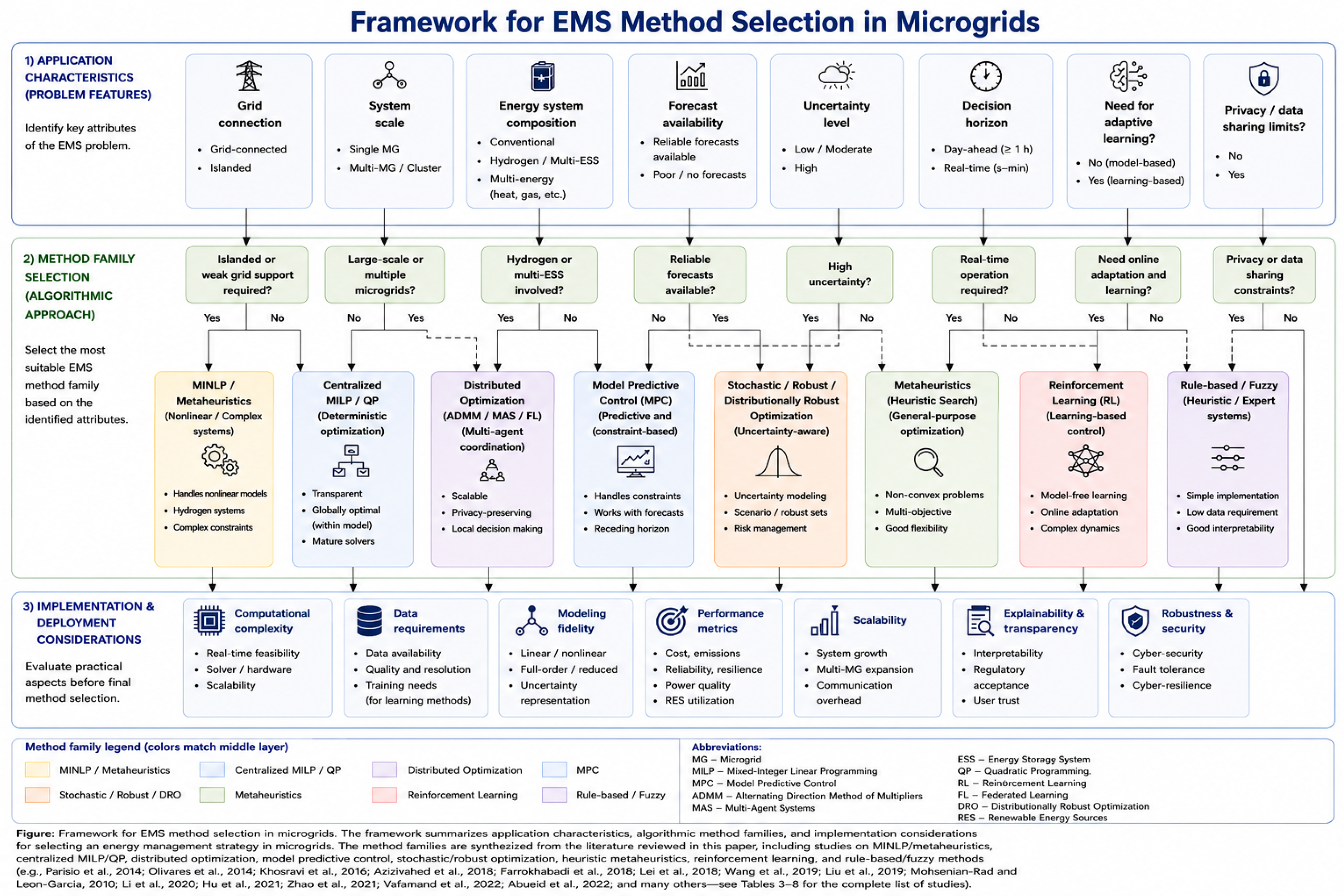
Figure 4 synthesizes these trade-offs for practitioners.
3.2. Heuristic and Meta-Heuristic Approach-Based Energy Management Systems
To overcome the above-mentioned problems, heuristic and meta-heuristic techniques were proposed in the early 1970s [
9]. Meta-heuristic algorithms are a class of search algorithms that employ various general heuristics to solve complex optimization problems [
49]. The most attractive aspect of meta-heuristic algorithms is that their application does not require specific knowledge of the optimization problem at hand. Therefore, they can be used to describe a general problem-solving approach for optimization problems or related issues. The heuristic and meta-heuristic methods are applied across various engineering fields, including communications, power systems, microgrid EMSs, and transportation. Genetic Algorithms (GAs) and particle swarm optimization (PSO) are two commonly used meta-heuristic approaches in the development of microgrid energy management systems, primarily due to their parallel computing capabilities. In addition to the well-established PSO and GA techniques, newer approaches such as Gray Wolf Optimization (GWO) have emerged. Energy management in microgrids utilizes techniques such as Ant Colony Optimization (ACO), Bacterial Foraging Optimization (BFO), Artificial Immune Systems (AISs), Artificial Bee Colonies (ABCs), and Gray Wolf Optimization (GWO) [
4].
The research [
50] proposes an effective EMS for standalone and grid-connected solar microgrids using the Bald Eagle Search (BES) optimization algorithm. The microgrid includes PV panels, fuel cells, and BESSs. BES optimizes one-day scheduling to minimize operating costs, maintain stable DC bus voltage, improve efficiency, and protect the battery from overcharge and deep discharge. Compared to other optimizers like PSO, BES achieved lower energy costs, higher efficiency and better battery state-of-charge management. Despite the advantages mentioned above, its performance depends on proper parameter tuning and may require re-optimization for different system setups, limiting its generalizability and real-time application.
Dufo-López et al. [
51] proposed a control strategy for optimal energy management of a hybrid system based on genetic algorithms. The system consists of renewable energy sources (solar, wind, and hydro), an AC generator, an electrolyzer, and fuel cells. Energy management is optimized to reduce operational costs, allowing the excess energy produced by the renewable sources to be used for charging the batteries or producing hydrogen in the electrolyzer. The load that cannot be supplied by renewable sources can be covered either by discharging the battery or by using the fuel cells.
The butterfly optimization algorithm is used in [
52] for economic optimization scheduling of microgrid groups in both grid-connected and off-grid modes. Tent chaotic mapping and simplex search techniques are used to improve cost savings by managing distributed energy sources. However, it lacks adaptability to real-time data and takes longer to run as it scales up.
Luna et al. [
53] presents the design and experimental validation of an adaptable EMS implemented in real time. The employed architecture enables interaction between measurement, forecasting, and optimization modules, where a generic generation-side mathematical problem is modeled with the objective of minimizing operational costs and load disconnections. The entire EMS has been experimentally tested on a test bench in both grid-connected and island modes. Furthermore, its performance has been validated in scenarios involving significant mismatches in forecast generation and load.
The proposed multi-objective intelligent EMS [
54] aims to minimize the operational costs and environmental impact of a microgrid, considering its pre-operational variables such as the future availability of RESs and load demand. An artificial neural network (ANN) is used to predict the PV and wind power generation 24 and 1 h in advance, respectively, along with the load demand. The battery scheduling is obtained using a fuzzy logic-based expert system.
Reference [
55] proposes a day-ahead optimal energy management strategy for industrial microgrids with high renewable penetration, operating both islanded and grid-connected. Using regrouping particle swarm optimization (RegPSO) over hourly intervals, the method accounts for forecast renewable generation and load demand. The microgrid meets local demand and trades energy with the main grid, buying or selling power. Objectives include minimizing fuel, operation, maintenance, and energy purchase costs while maximizing profits from energy sales.
In [
56], a microgrid is integrated with wind power generation, fuel cells, a diesel generator, and an electrolyzer. A fuel cell is used when the energy demand is not covered by the wind turbine, to ensure energy balance when operating diesel generators to reduce the operational costs. The fuel cell operates to meet the high load demand, considering the economic and environmental benefits with a ~70% cost saving. The improved multi-objective PSO algorithm is used to solve the model.
Marzband et al. [
57] proposed a multi-period ABC optimization algorithm for economic dispatch, incorporating generation, storage, and demand response offers, including the intermittent nature of solar energy resources and wind generation. The algorithm outperforms a modified conventional EMS, as validated on a microgrid testbed, achieving approximately 30% cost reduction. An ANN–Markov Chain model is employed to forecast non-dispatchable generation and load demand.
In [
58] a novel multi-objective optimization approach for grid-connected microgrids is proposed integrating a fuzzy logic-based expert system with GWO. The method aims to minimize generation costs and fossil fuel emissions by optimizing battery capacity and reducing fossil fuel usage.
The authors in [
59] develop a multi-objective optimization model for a microgrid EMS that includes degradation costs and a carbon trading mechanism. Using a hybrid energy storage system and demand response, the model smooths renewable fluctuations and reduces emissions. An artificial hummingbird optimization algorithm finds the optimal strategy, resulting in 20.2% lower costs, 4.5% less carbon emissions, and 32.6% longer battery life compared to conventional systems.
The authors of [
60] presented a meta-heuristic optimization method to optimize a microgrid, focusing on the selection and sizing of generation and storage components. The paper applies two meta-heuristic algorithms: an evolutionary algorithm and PSO. The proposed approach ensures technical feasibility and economic viability. Moreover, it also recognizes the uncertainty of using RESs.
In the paper [
61], the authors present a real-time EMS for microgrids, employing GA to minimize the overall costs of operation and
emissions while maximizing RES use. The system integrates MATLAB-dSPACE real-time tools and a ZigBee communication network designed for challenging environments. Experimental validation on a real microgrid testbed demonstrates the effectiveness of the proposed RT-EMS under real-world conditions.
A two-layer optimization algorithm for microgrid energy scheduling is introduced in [
62]. Its goal is to drive down the total operational cost, which encompasses the bidding cost of RESs, the load-shedding penalty, the generation cost of the units, and the battery cost, together with demand-responsive loads. The scheme relies on an ACO method capable of handling time-dependent technical and economic constraints. When benchmarked against a modified conventional EMS and a PSO-based EMS, the proposed approach lowers energy cost by roughly 20% and 5% relative to those two methods, respectively. The authors additionally probe its plug-and-play behavior in several real-time scenarios and confirm satisfactory operation through experimental testing.
For multi-microgrid systems, Arefifar et al. [
63] put forward a centralized EMS built on a Tabu search algorithm and introduce a probabilistic indicator, EMSI, that lets multiple energy-management options be assessed at once. This index is defined as the gap between the microgrid’s operating costs before and after the EMS is applied. Several sensitivity studies then demonstrate that the method not only recovers operating costs but also yields long-term financial benefits.
Table 4 provides a comparative overview of heuristic and meta-heuristic EMS approaches reviewed in this study, summarizing the optimization method, microgrid type, objective, uncertainty handling, and key components for each reference.
In summary, heuristic and meta-heuristic EMS approaches are preferable for complex, nonlinear, and multi-objective problems where traditional optimization methods struggle to obtain feasible solutions within a reasonable computational time. It can manage incomplete or uncertain data and is easy to adapt to different system models and scales. They are particularly useful for sizing, scheduling, and operational planning of microgrids with many components. However, they also have some disadvantages. They are computationally expensive, especially for real-time control, and may converge to local optima if not properly tuned. In addition to this, their dependence on algorithm parameters, stopping criteria, and case-specific tuning limits direct comparability among studies; therefore, future work should report standardized benchmarks, sensitivity analyses, and computational times more consistently.
The convergence properties of meta-heuristic and DRL methods are rarely documented with the rigor applied to deterministic solvers. Ref. [
23] reports OOBO convergence curves reaching the optimum in fewer iterations than PSO, GA, and DE with matched initialization (population 100 and 100 iterations); the MTBO scheme of [
48] likewise reports faster convergence and lower final cost than PSO, GWO, and SSA on an identical problem. The authors of Ref. [
25] validated their EMS through 100 randomized simulations, reporting a mean 54.58% cost reduction with its standard deviation. For learning-based control, Ref. [
64] identifies low convergence rate, sparse reward, and limited scalability as the primary DRL challenges, and [
65] documents a reward-function sensitivity analysis exposing the explicit trade-off between unmet-load penalty and battery wear. Reported cost reductions are relative to author-defined baselines and cannot be ranked directly across studies as configuration, DER mix, load profiles, and pricing assumptions differ; the figures should be read as within-study indicators [
26,
31,
65].
3.3. Stochastic, Robust, and Distributionally Robust Optimization Approaches
EMSs use stochastic and robust programming methods to handle uncertainties in key variables such as electricity prices, solar radiation, wind speed, and load demand. Stochastic programming models these uncertainties using known probability distributions, while robust programming addresses them without relying on probabilistic data, assuming values fall within a defined uncertainty range. Both approaches aim to minimize total operating costs—including energy trading and system operation—and support effective decision-making over single or multiple time periods [
4,
9].
Reference [
66] proposes a stochastic mixed-integer programming model for optimal energy management of unbalanced three-phase AC microgrids. It accounts for uncertainties in demand, renewable generation, and voltage and includes contingency constraints for resilient operation. The model, solved via linearization and convex solvers, manages PV, storage, EV chargers, load control, and backup generation. Tested on real microgrid data, it minimizes operational costs while maximizing local renewable use and ensuring resilience during islanded operation.
In [
67], EMSs for multi-energy microgrids (MEMGs) that supply both electricity and heat are presented. The MEMG operator sets energy prices and schedules using a game-theoretic model, while different users optimize their energy trading. The complex problem is simplified into a MILP for easier solving and stochastic optimization approach is used to handle day-ahead and intra-day market coordination, including risk management with conditional value-at-risk (CVaR). The solution involves breaking the problem into smaller parts solved in parallel, improving efficiency.
The study [
68] proposes a two-stage robust optimization EMS for microgrids combining carbon trading and demand response to improve low-carbon goals, cost efficiency, and stability. The first stage plans energy use without full uncertainty, and the second adjusts based on real data. The model reduces emissions by encouraging renewables but may increase costs. Demand response and storage help balance loads. Though effective, the approach requires accurate uncertainty data and has higher computational demands.
Che Hu et al. [
69] proposed an energy management model for a microgrid considering the uncertainties in the demand and supply of electricity. Their two-stage stochastic program, implemented in GAMS, is validated on a real network at the Nuclear Energy Research Centre in Taiwan. Battery capacity is sized in the first stage, whereas the second stage determines the microgrid’s optimal operating strategy.
The paper [
70] proposes a two-stage energy management system for grid-connected microgrids with high RES and EV integration. It uses multi-layer scheduling for individual microgrids and their community, minimizing operational and risk costs in day-ahead and real-time markets. Uncertainties are modeled via stochastic programming with Monte Carlo simulation. The approach is validated on a standard system using GAMS.
The study in [
71] presents a multi-objective stochastic EMS that aims to minimize costs, reduce losses, and maximize RESs use at the same time. It solves a single MILP problem considering various wind, solar, and load scenarios to create a set of optimal trade-off solutions (Pareto frontier). Operators can choose the best schedule based on their priorities. While this approach improves robustness and captures important trade-offs, it requires significant computing power, expert decisions to pick solutions, and relies on accurate probabilistic data.
A two-level pricing mechanism for coupled microgrids to achieve an optimal operating performance is shown in [
72]. This mechanism, based on stochastic programming, is divided at two levels: the upper level guarantees operational quality by trading energy with energy market operator; and the lower level performs the actual transactions between networked microgrids.
The authors of [
73] propose an optimization model with aim to maximize energy exchange benefits while minimizing social costs for an interconnected microgrid using the Taguchi orthogonal matrices. Uncertainties are represented through interval prediction. By targeting the worst-case realization, the resulting schedule stays robust across most uncertainty outcomes, as confirmed through Monte Carlo simulation.
For an interconnected microgrid containing RESs, diesel generators, a BESS, and assorted loads, Shen et al. [
74] develop a stochastic EMS structured as a two-layer, scenario-based optimization. The upper layer performs forecast-driven economic scheduling, and the lower layer handles real-time control. Uncertainty is captured via Latin hypercube sampling within a Monte Carlo framework, producing a range of scenarios for the distributed resources, load, and electricity price, and a sensitivity study is used to derive the standard deviation of the expected price and the associated reliability level.
Reference [
75] presents a stochastic energy management framework for microgrids during unplanned islanding events caused by main grid disturbances. The paper addresses uncertainty in islanding duration as well as prediction errors in demand and renewable power generation. Instead of predicting a fixed disconnection time, the model estimates a probability distribution and minimizes the expected operational cost. The model also considers the effect on later grid-connected operation and is formulated as a MILP problem.
Liu et al. [
76] proposed two energy management problems for grid-connected microgrid considering RESs and load uncertainties. The first addresses scheduling that stays within predefined energy limits to safeguard the system, whereas the second examines the permissible real-time deviation in energy capacity for frequency regulation. To cope with the uncertainties introduced by renewable integration and fluctuating loads, both are cast as chance-constrained programs. The study shows these problems can be solved using LP and the approach is validated through two real-world case studies.
A hierarchical control scheme for scheduling and coordinating loads and dispatchable energy within a microgrid is put forward in [
77]. It applies stochastic optimization on a slow timescale to mitigate RES forecast errors, while deterministic optimization runs on a fast timescale to refresh the optimal dispatch decisions.
The authors in [
78] propose a probabilistic energy management system for remote hybrid AC/DC microgrids to ensure cost-effective dispatch under renewable energy uncertainty conditions. The approach includes load management for thermal and electric vehicles, considering generator limits, controllable loads, and battery charge/discharge constraints.
Table 5 summarizes the stochastic, robust, and distributionally robust optimization approaches reviewed in this study, which explicitly model uncertainties in renewable generation, load demand, and electricity prices, offering improved resilience compared to deterministic methods.
Beyond the classical scenario-based, stochastic, chance-constrained, robust, and distributionally robust formulations,
Table 6 is extended with three learning-oriented families: Bayesian and Gaussian-process uncertainty quantification [
79,
80], probabilistic machine learning feeding chance-constrained MPC [
81], and ensemble forecasting producing calibrated predictive intervals [
80,
82].
Taken together, stochastic and robust programming methods provide a systematic way to incorporate RESs, load, and market uncertainties into EMS decisions. They are especially appropriate for day-ahead scheduling, resilience-oriented planning, and risk-aware operation. Their main gap is computational scalability, which motivates decomposition techniques, scenario reduction, and hybrid combinations with faster online controllers.
Overall, optimization-based EMSs provide the clearest mathematical link between objectives, constraints, and operating schedules. Deterministic programming is implementation-ready and interpretable for moderate-size problems, meta-heuristics improve flexibility for nonlinear and multi-objective cases, and stochastic/robust methods improve uncertainty handling. Their main trade-off is computational burden, particularly for large scenario sets, integer variables, and real-time deployment.