Article

A Unified ANN-Based Approach for Fault Classification, Location and CCT-Based Stability Assessment in HVAC Transmission Systems


by
Nazmun Nahar Karima
1,
Md. Rifat Hazari
1,*,
Shameem Ahmad
2,
Chowdhury Akram Hossain
1,
Mohammad Abdul Mannan
1 and
Michela Longo
3,*
1
Faculty of Engineering, American International University-Bangladesh (AIUB), Dhaka 1229, Bangladesh
2
Department of Electrical and Electronic Engineering, BSRM School of Engineering, BRAC University, Dhaka 1212, Bangladesh
3
Department of Energy, Politecnico di Milano, 20156 Milan, Italy
*
Authors to whom correspondence should be addressed.
Energies 2026, 19(14), 3405; https://doi.org/10.3390/en19143405
Submission received: 9 June 2026 / Revised: 8 July 2026 / Accepted: 16 July 2026 / Published: 19 July 2026
(This article belongs to the Section A: Sustainable Energy)

Abstract

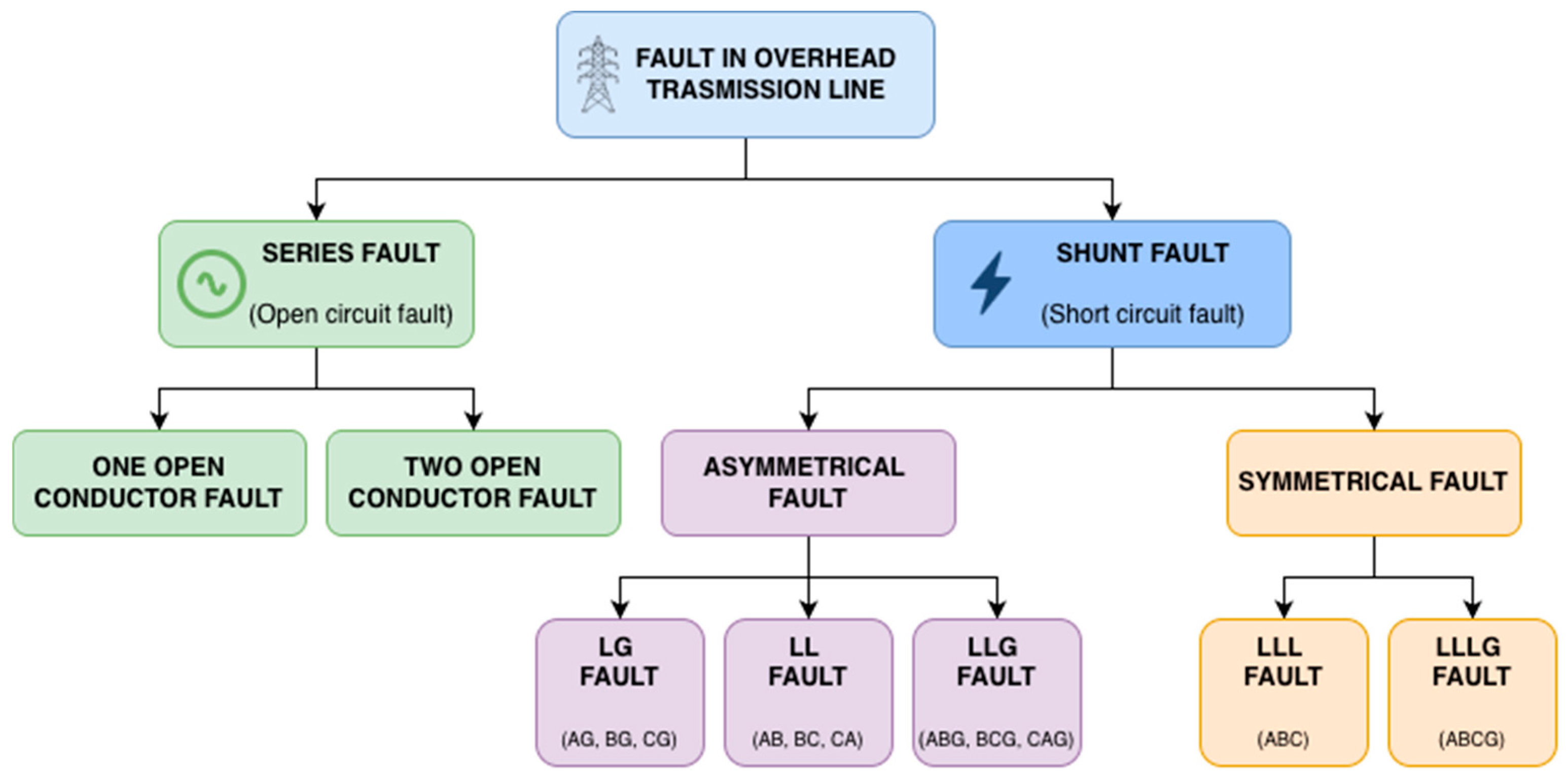
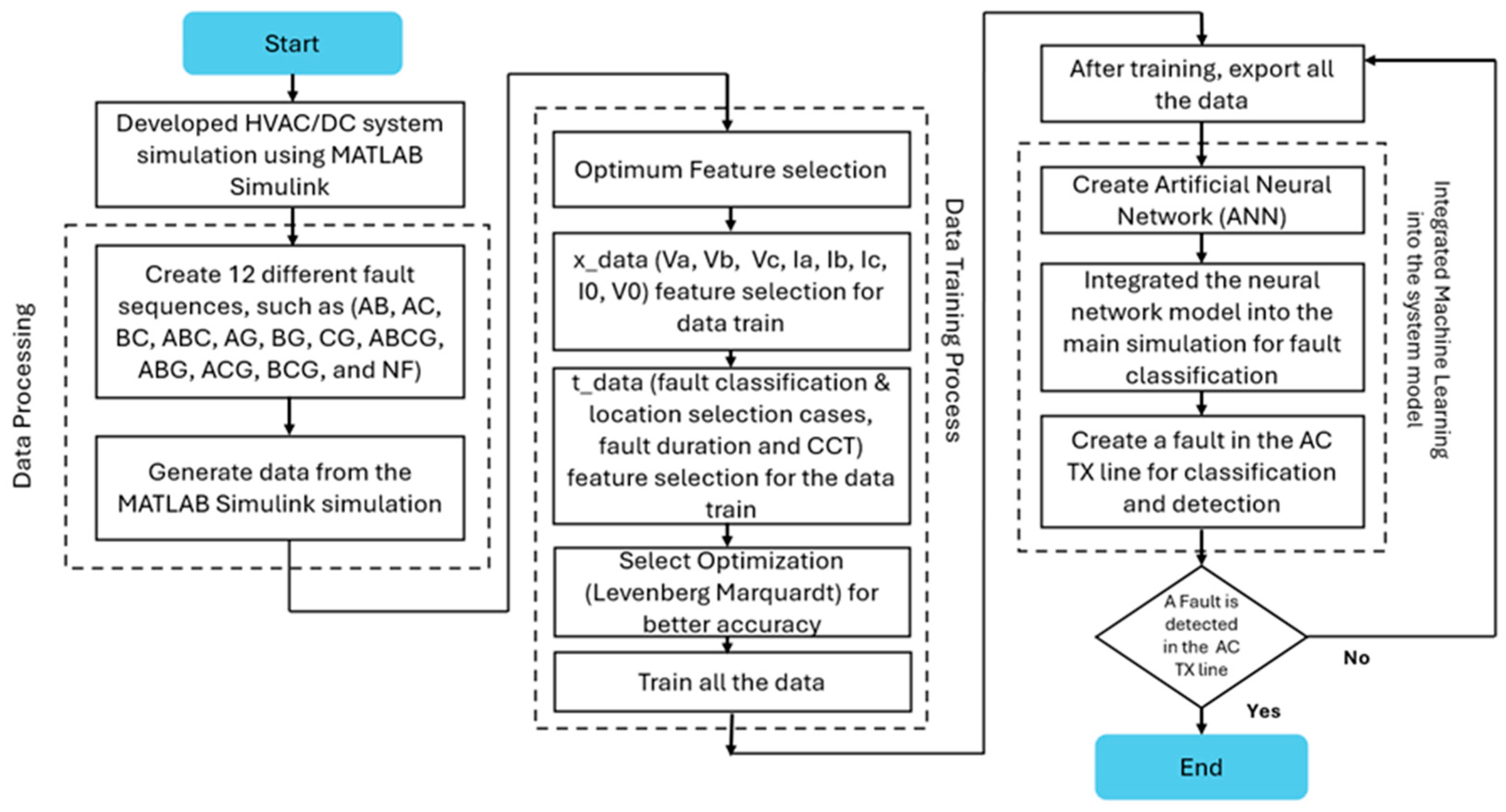
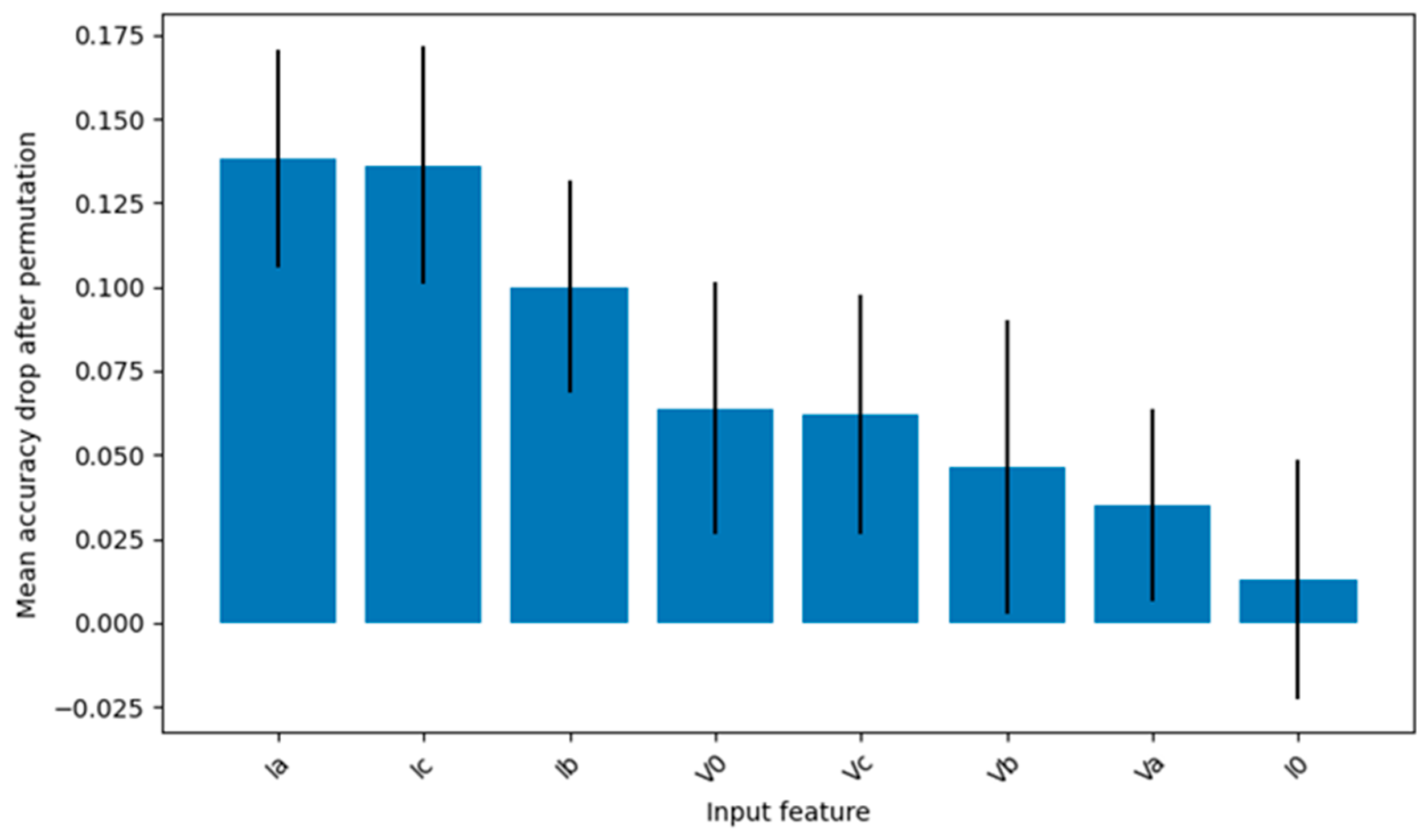
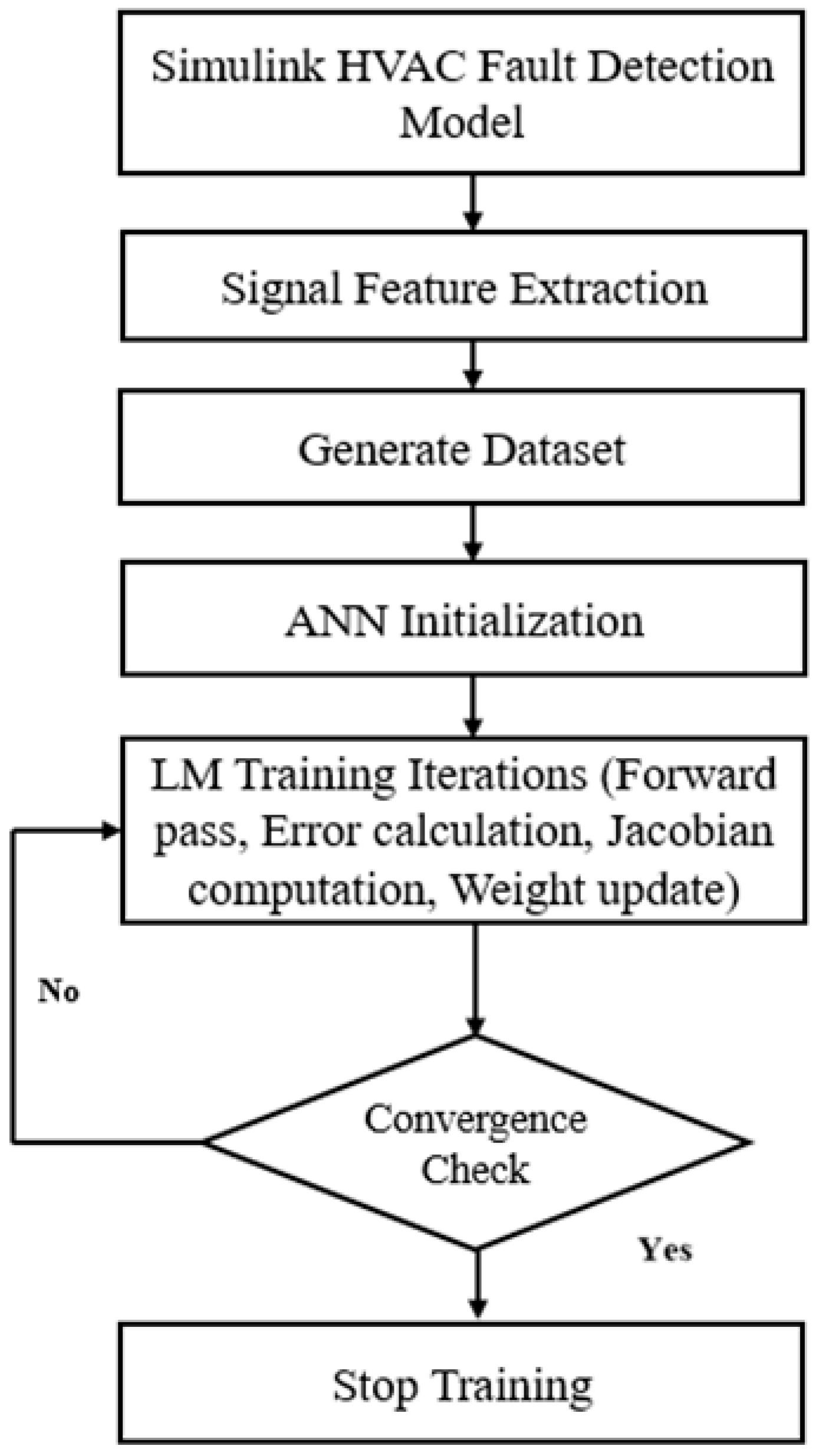
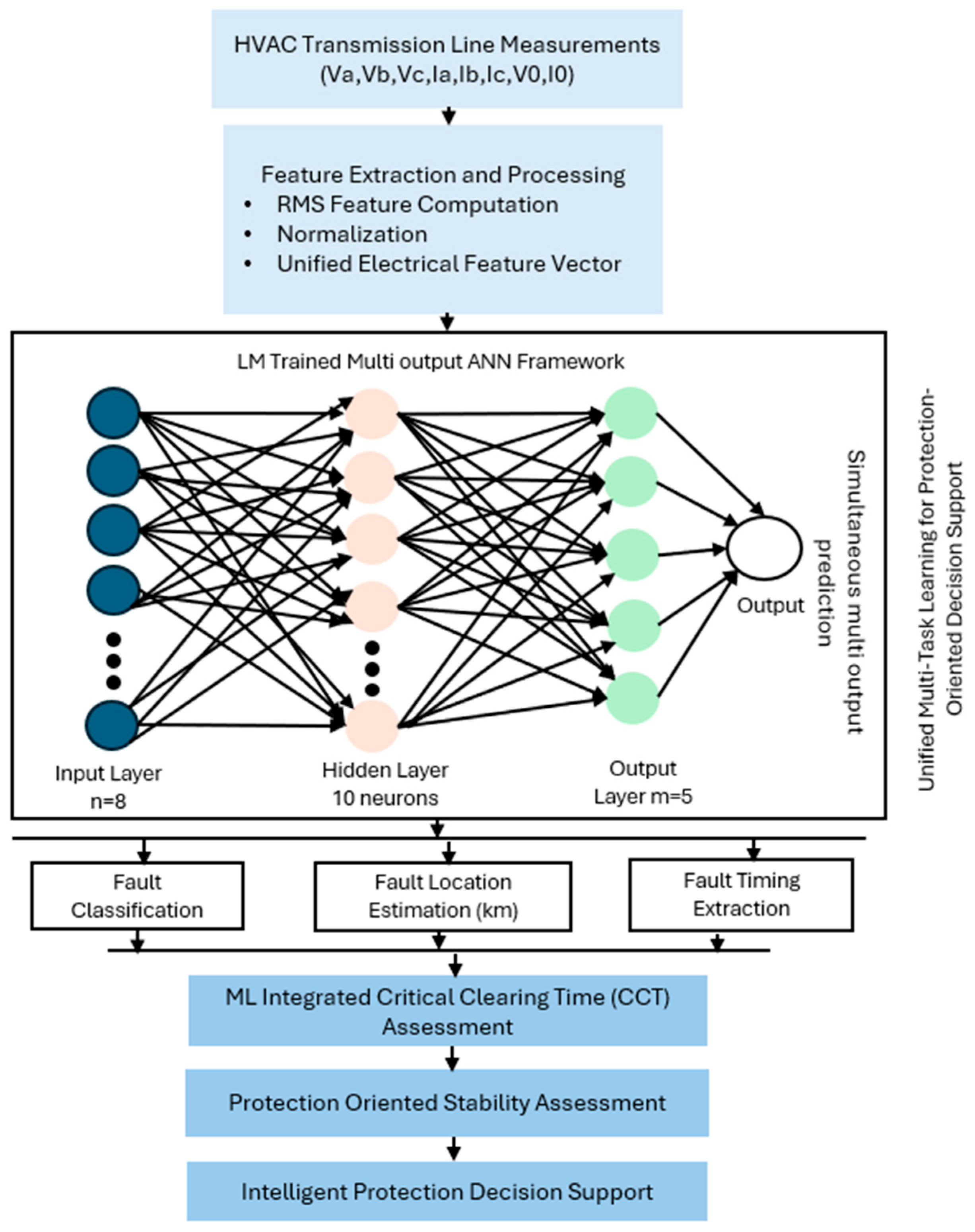
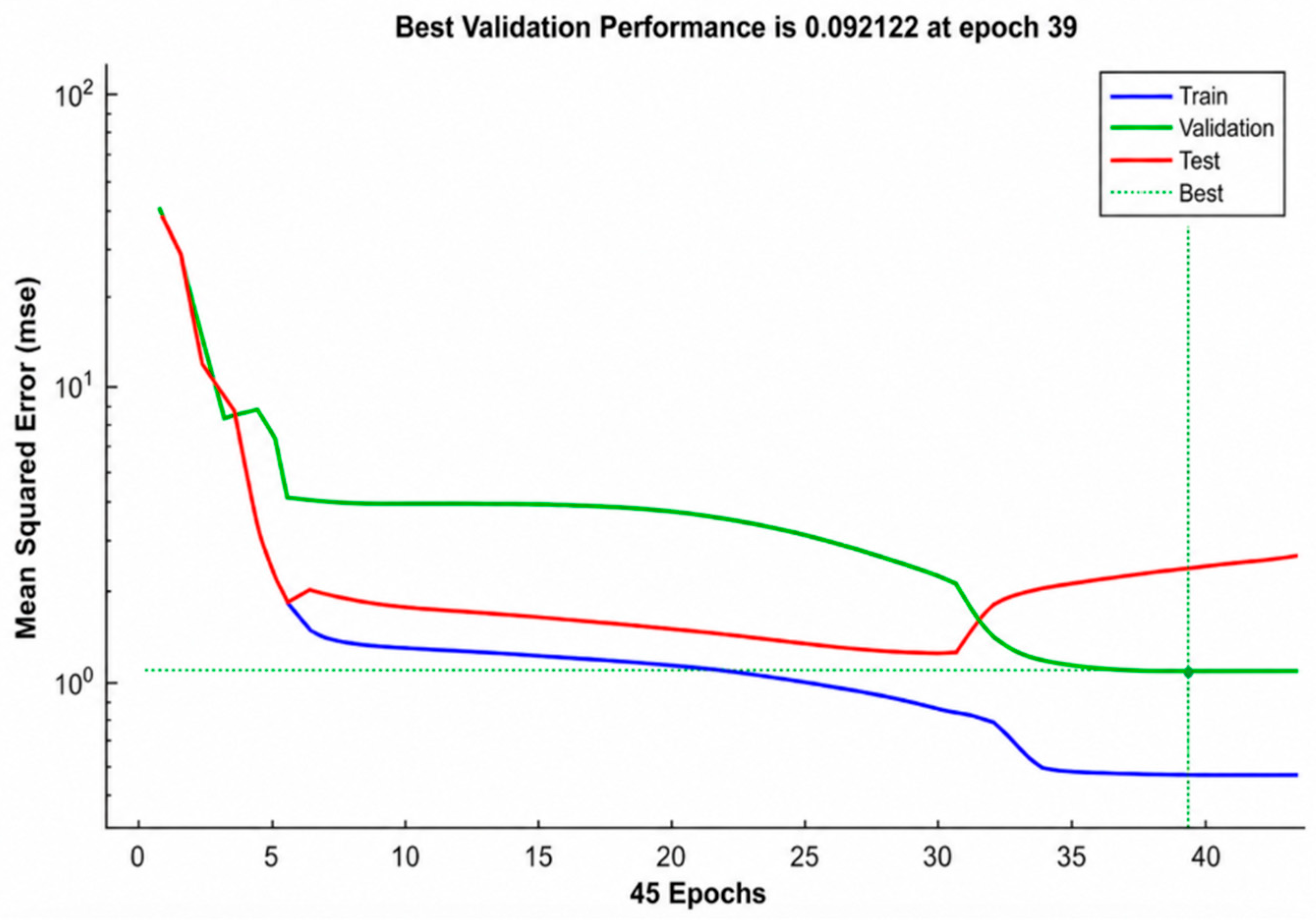
Accurate and fast fault detection is essential to ensure the stability and reliability of High Voltage AC (HVAC) transmission systems. Conventional protection methods, including impedance-based and traveling wave techniques, may exhibit reduced performance under noisy operating conditions, system uncertainties, and complex fault scenarios while often requiring separate approaches for fault classification, location detection, and stability assessment. This paper proposes a unified Artificial Neural Network (ANN) based framework for simultaneous fault classification, location detection, and stability assessment using Critical Clearing Time (CCT) within a single HVAC transmission line model. A detailed MATLAB Simulink model is developed to generate a structured dataset comprising twelve fault scenarios, including single-line, double-line, three-phase, and ground faults at different locations along the transmission line. Three-phase voltages and currents, along with zero-sequence components, are used as input features. The ANN model is trained using the Levenberg–Marquardt (LM) optimization algorithm, which was comparatively evaluated against Bayesian Regularization (BR) and Scaled Conjugate Gradient (SCG) and demonstrated faster convergence, lower prediction error, and higher regression accuracy. To further evaluate the robustness of the proposed framework under high-impedance fault conditions, supplementary simulations were performed using fault resistance values of 10 Ω and 50 Ω in addition to the baseline 0.01 Ω case. The resulting datasets were combined to form an expanded training and evaluation dataset, enabling comprehensive validation of the proposed LM-trained ANN under varying fault resistance conditions. Using the baseline dataset, the proposed framework achieved a high regression coefficient (R = 0.9882) and low mean squared error (MSE = 0.1386), demonstrating accurate fault classification and precise per-kilometer fault location estimation. Furthermore, the integration of fault inception time and duration enables direct computation of CCT, allowing the model to distinguish between stability-critical and non-critical fault conditions. The results confirm that the proposed framework provides a comprehensive and efficient solution for real-time fault analysis by combining classification, localization, temporal analysis, and stability-aware decision support within a single model.
Keywords: HVAC transmission systems; fault classification; fault location; artificial neural network; Levenberg–Marquardt optimization; Critical Clearing Time HVAC transmission systems; fault classification; fault location; artificial neural network; Levenberg–Marquardt optimization; Critical Clearing Time