Article

A Hybrid Deep Learning Approach for Small-Sample TOC Prediction in Saline Lacustrine Shale

1
State Key Laboratory of Petroleum Resources and Engineering, China University of Petroleum (Beijing), Beijing 102249, China
2
College of Geosciences, China University of Petroleum (Beijing), Beijing 102249, China
3
School of Geosciences, China University of Petroleum (East China), Qingdao 266580, China
4
Exploration and Development Research Institute, SINOPEC, Beijing 100083, China
*
Authors to whom correspondence should be addressed.
Energies 2026, 19(14), 3360; https://doi.org/10.3390/en19143360
Submission received: 23 April 2026 / Revised: 7 July 2026 / Accepted: 8 July 2026 / Published: 16 July 2026

Abstract

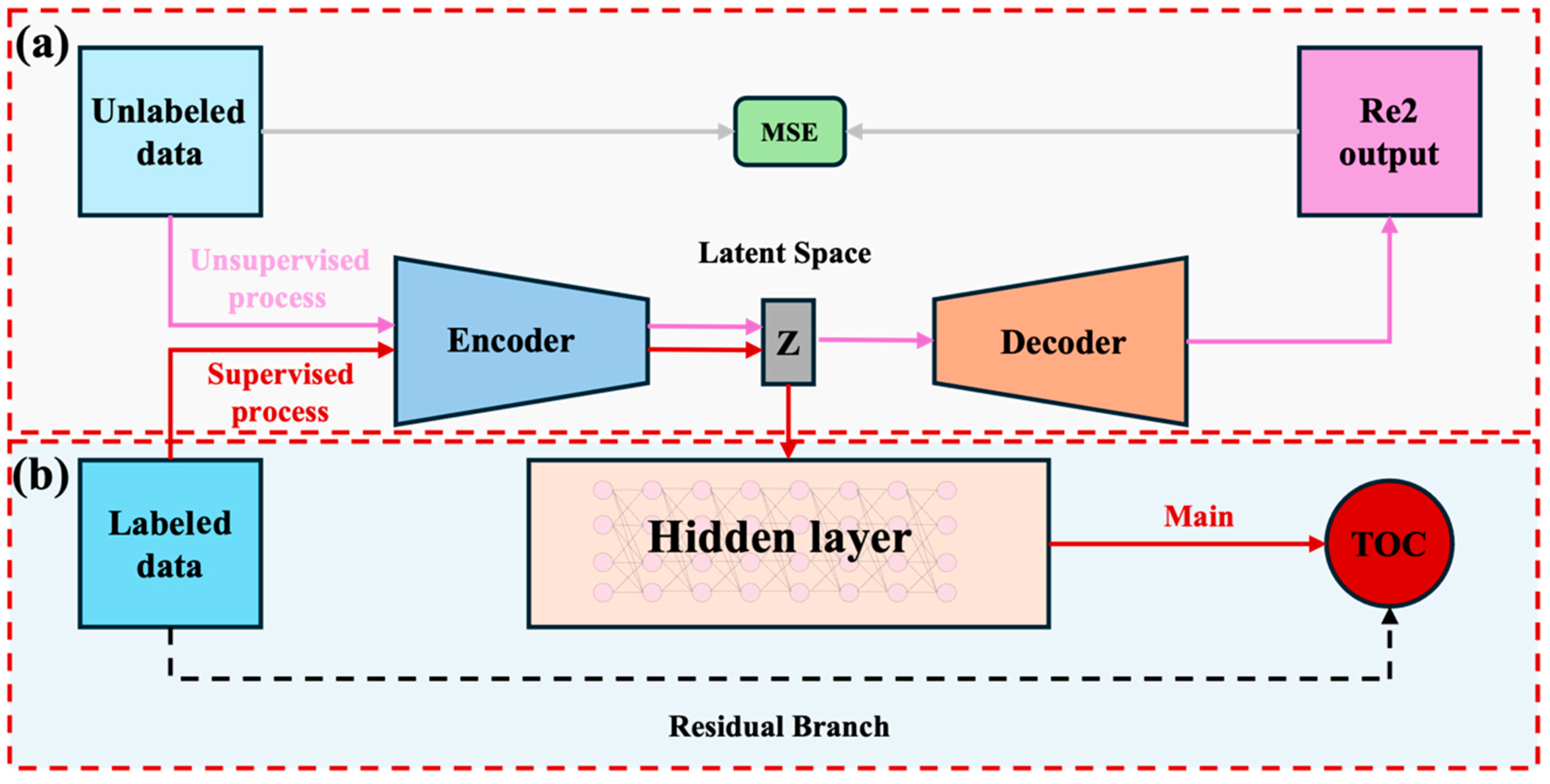
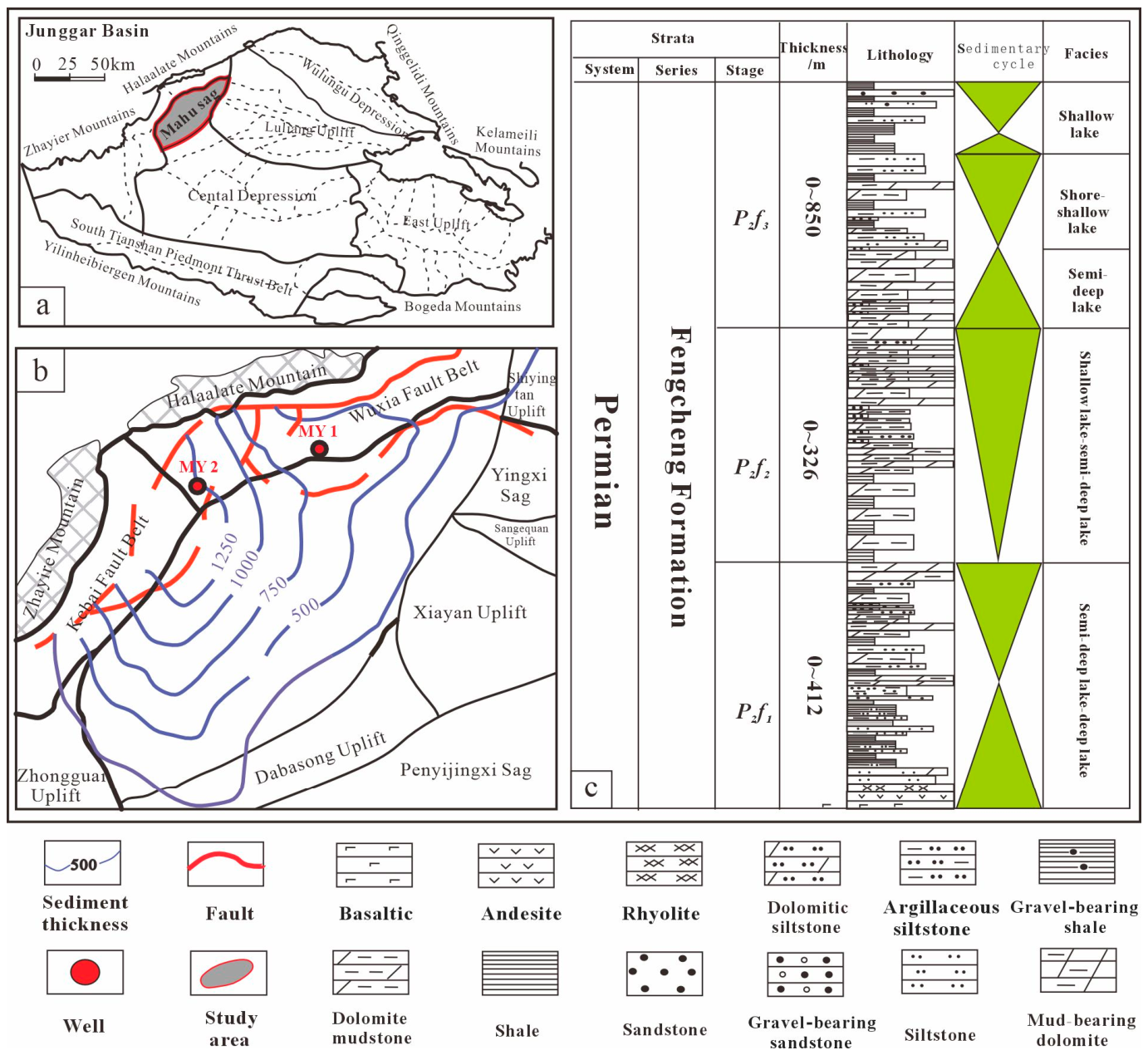
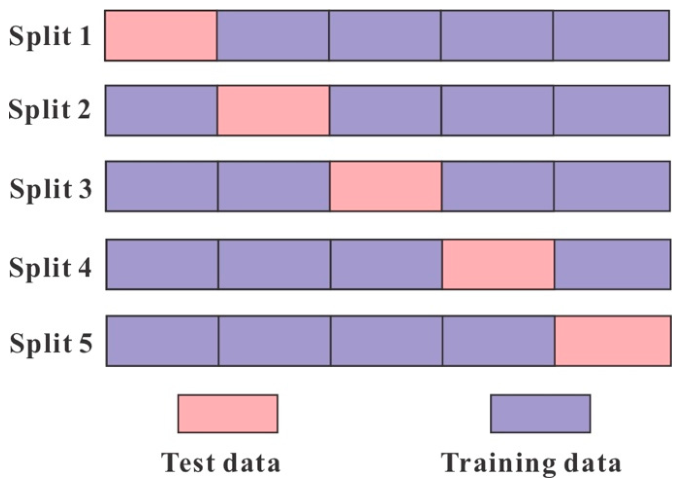
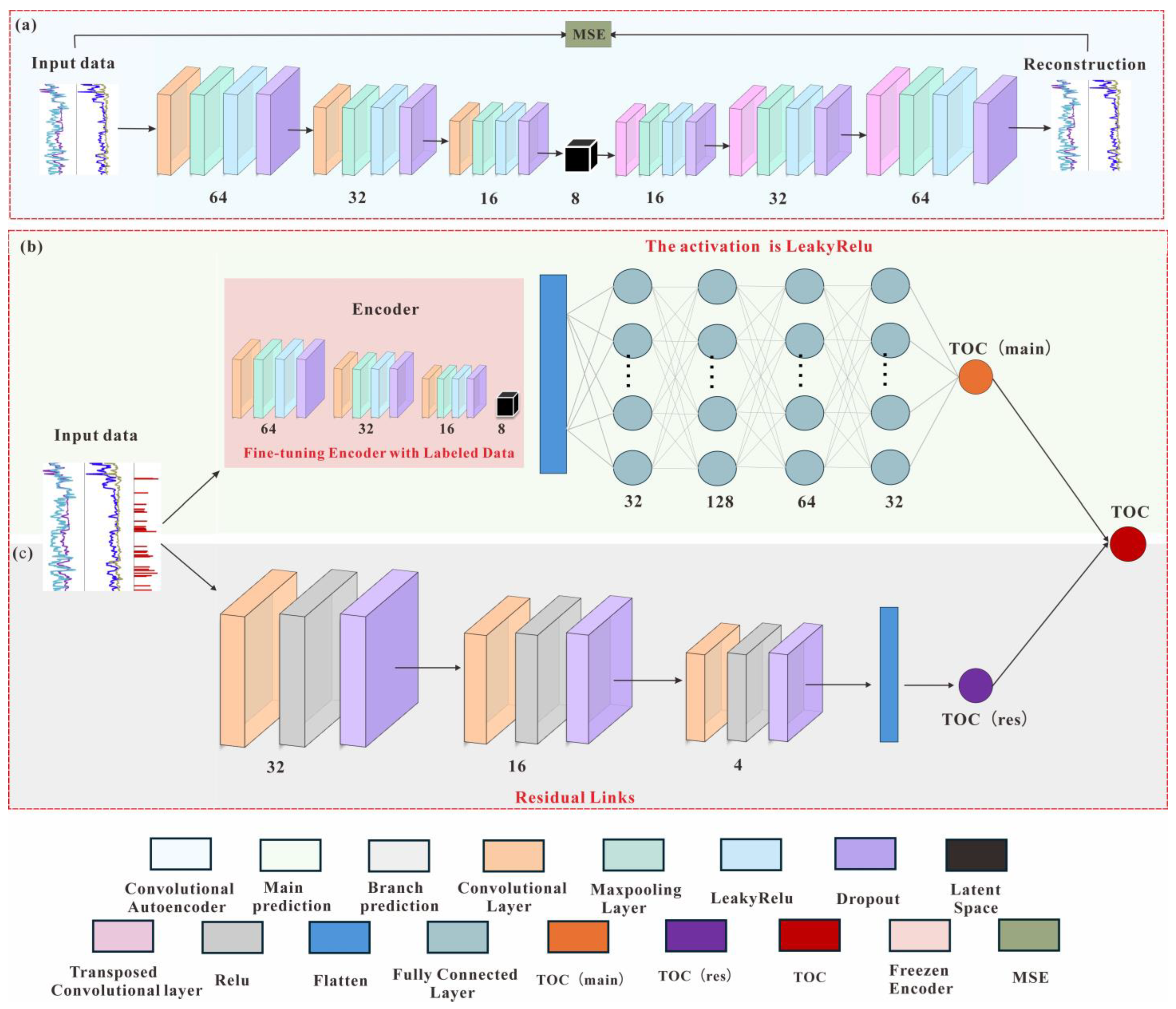
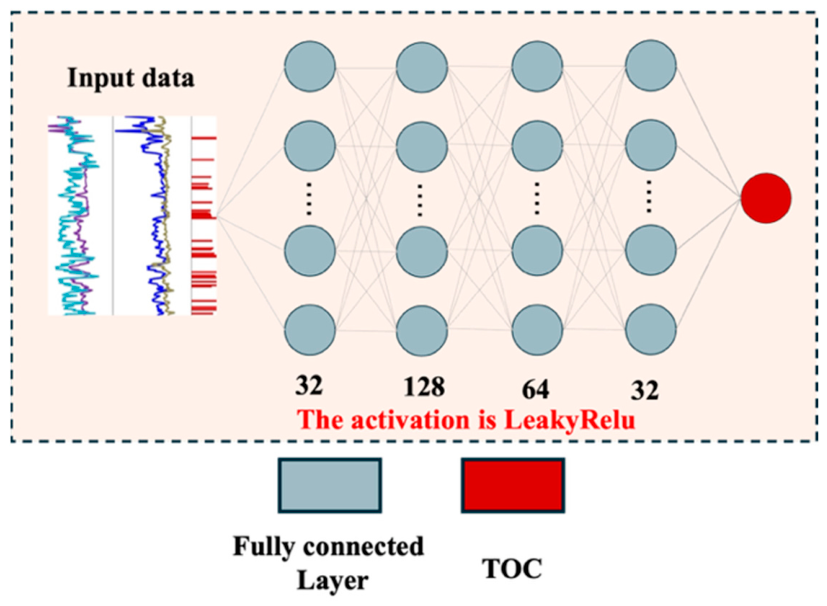
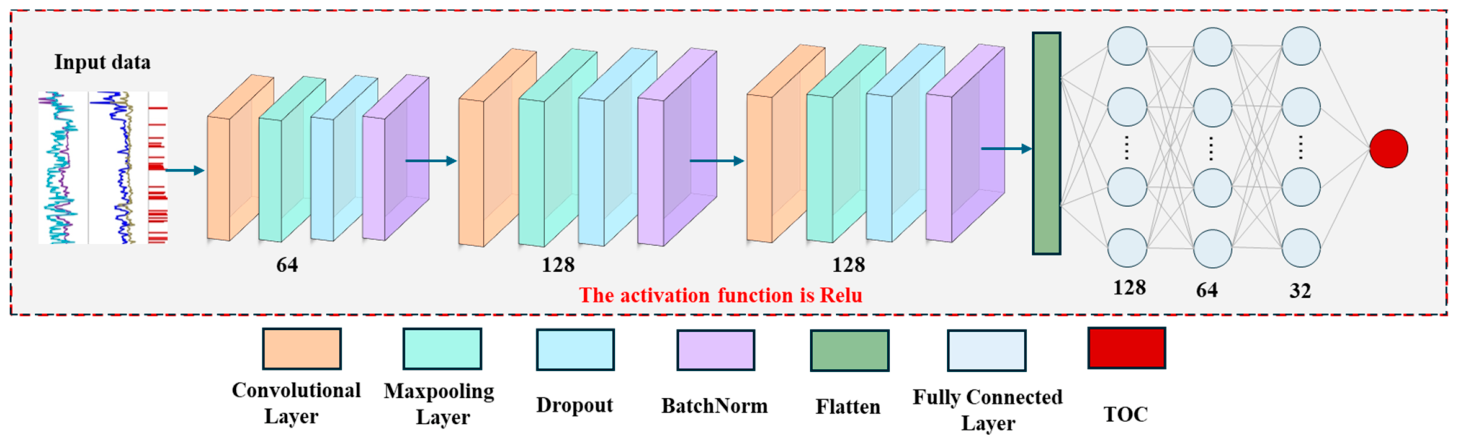
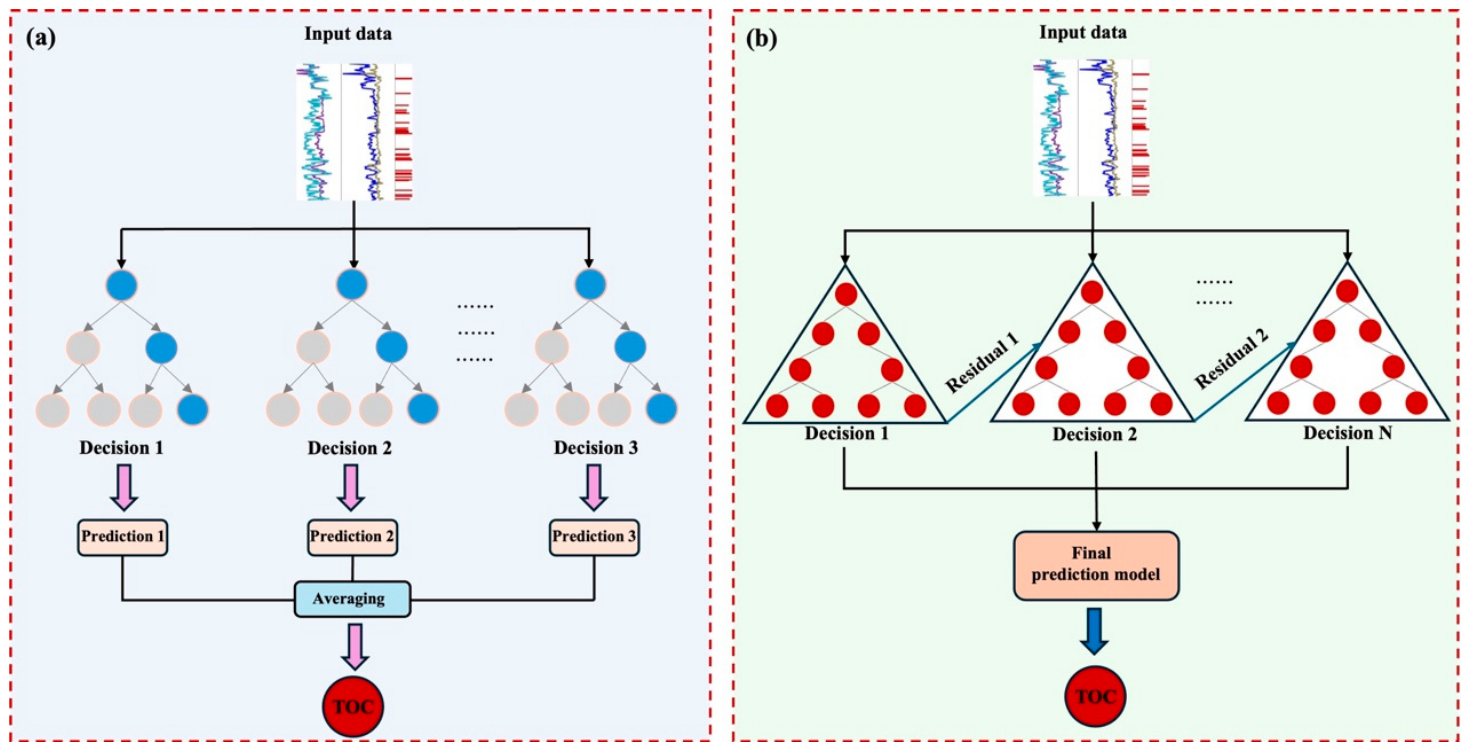
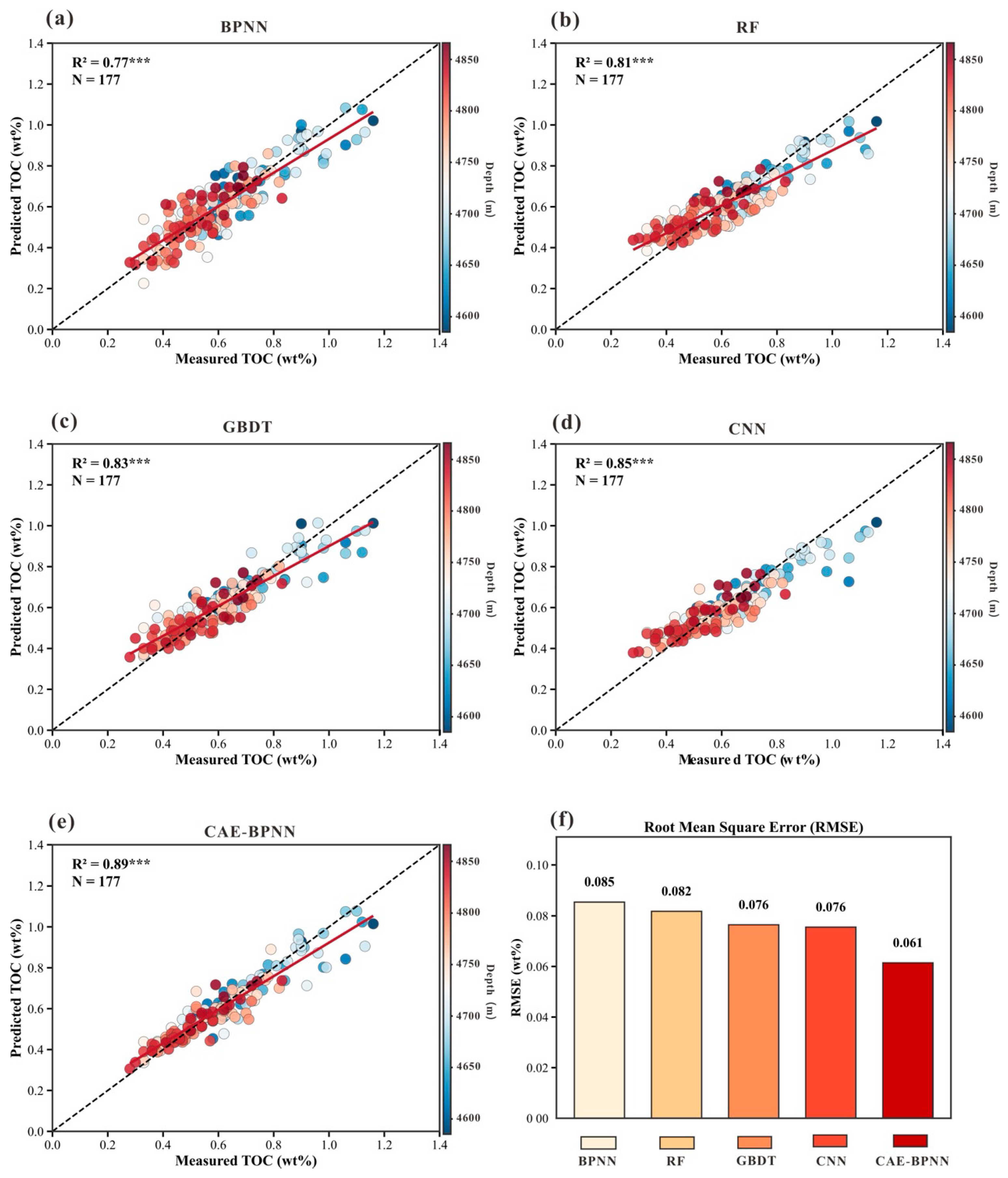
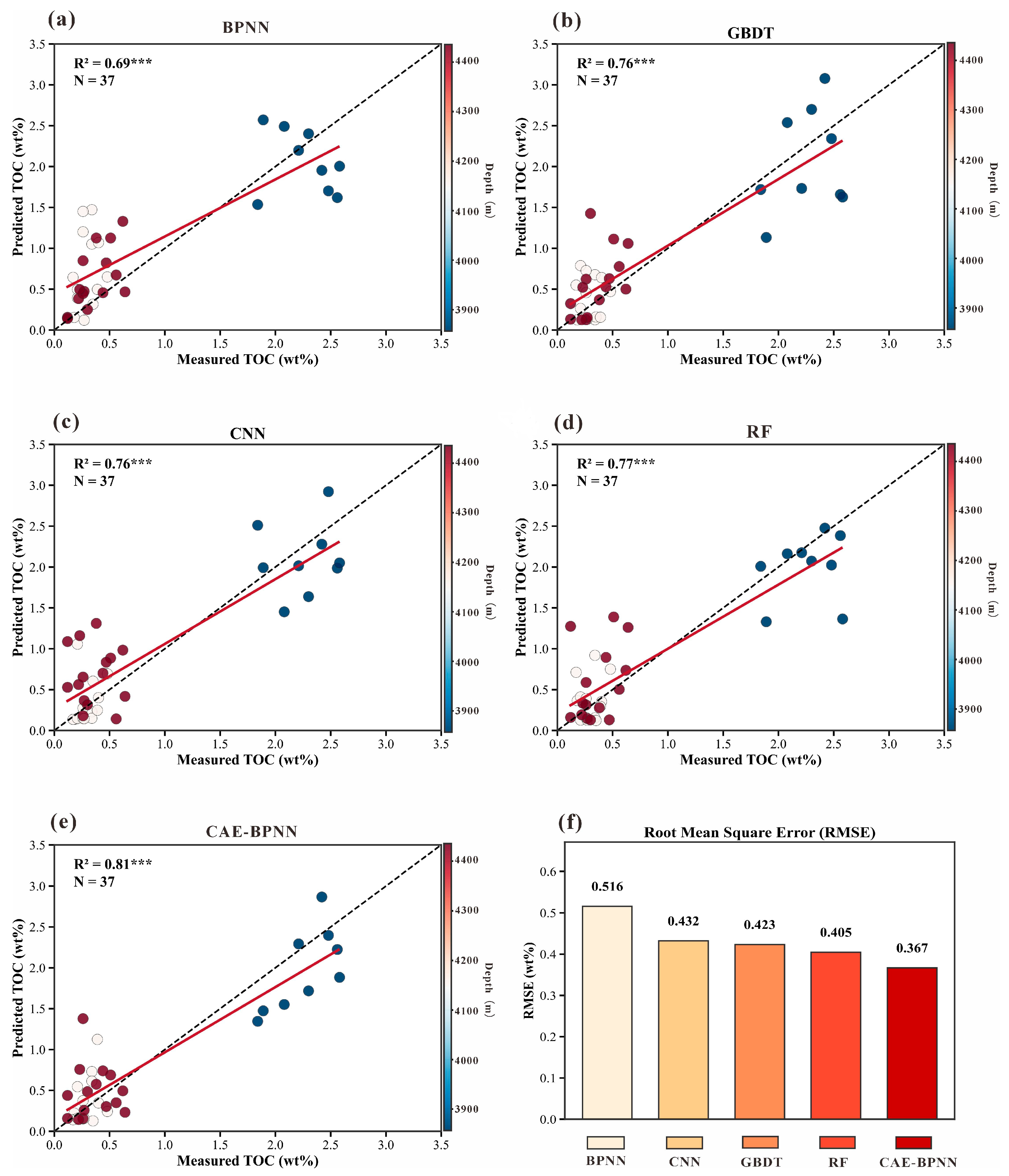
Total organic carbon (TOC) is a key parameter for geological sweet spot optimization and resource evaluation. However, accurate TOC prediction remains challenging under small-sample conditions because conventional physical and machine learning methods are commonly limited by insufficient labeled data. To address this problem, this study proposes a hybrid deep learning framework that integrates a convolutional autoencoder with a BP neural network (CAE-BPNN). In this framework, the CAE is first used to learn representative feature expressions from abundant unlabeled logging data, and the learned encoder is then transferred to the supervised prediction stage, where labeled samples are used for TOC prediction through the BPNN. The dataset includes 177 measured TOC samples and 1388 unlabeled logging samples from the Fengcheng Formation shale in Well MY1, in the Mahu Sag, and data from Well MY2 are used for independent validation. Model performance is evaluated using five-fold cross-validation with the coefficient of determination (R2) and root mean square error (RMSE) as metrics. For Well MY1, CAE-BPNN achieves the best performance, with R2 = 0.89 and RMSE = 0.061, outperforming CNN (R2 = 0.85, RMSE = 0.075), GBDT (R2 = 0.83, RMSE = 0.076), RF (R2 = 0.81, RMSE = 0.082), and BPNN (R2 = 0.77, RMSE = 0.085). In the independent validation using Well MY2, CAE-BPNN also shows superior predictive performance, with R2 = 0.81 and RMSE = 0.367. These results indicate that unlabeled logging data can effectively enhance feature representation and improve TOC prediction accuracy under limited labeled-sample conditions. The proposed method provides an effective solution for small-sample TOC prediction and offers a reliable basis for movable oil evaluation using the oil saturation index (OSI), as well as a reference for predicting other geological parameters such as S1, S2, and porosity.
Keywords: small-sample; total organic carbon content; unsupervised learning; convolutional autoencoder; movable oil evaluation small-sample; total organic carbon content; unsupervised learning; convolutional autoencoder; movable oil evaluation