1. Introduction
With the low-carbon transformation of the global energy structure and the further advancement of the “dual carbon” strategy, the large-scale integration of high-penetration distributed renewable energy (e.g., wind power and photovoltaics) into the grid has become a core feature of modern power systems [
1,
2,
3]. According to official statistics, China’s total installed capacity of wind and photovoltaic power exceeded 1.84 billion kW by the end of 2025, accounting for more than 47.3% of the national total installed power generation capacity [
4]. Northwest China, represented by Xinjiang, Inner Mongolia, Gansu, Qinghai, and Tibet (with Lhasa as the core load center), is endowed with superior wind and solar energy resources and has become the core cluster of China’s large-scale renewable energy bases. The combined installed capacity of wind and PV in the above five provinces accounts for over 40% of the national total, forming a distinct spatial pattern of “power generation in the west and load consumption in the east”.
To address the spatial mismatch between energy bases and load centers, China has built the world’s largest ultra-high voltage direct current (UHVDC) transmission network [
5]. At present, dozens of ±800 kV UHVDC projects have been put into operation, and the world’s first ±1100 kV UHVDC transmission project has achieved large-capacity, long-distance cross-regional power transmission across 3300 km [
6]. Meanwhile, research and engineering planning for ±1500 kV next-generation UHVDC technology are also advancing steadily, which will further improve the transmission capacity and economic efficiency of cross-regional energy allocation. Nevertheless, UHVDC transmission mainly addresses the large-scale outward power delivery from centralized renewable energy bases; for distributed renewable energy and terminal load clusters widely distributed in load centers, relying solely on long-distance transmission will lead to excessive line losses and insufficient operational flexibility. As a local integration carrier for distributed generation, multi-type energy storage systems, and flexible end-user loads, the microgrid plays a key supporting role in improving clean energy utilization efficiency and grid resilience [
7]. In addition, with the liberalization of the retail electricity market, prosumer-oriented operation planning is of great significance for optimizing microgrid–grid interaction and BESS operation [
8]. However, the strong randomness of renewable energy output and the dynamic fluctuations on the demand side pose severe technical challenges to the day-ahead operation scheduling of microgrids. Therefore, how to coordinate the output of heterogeneous distributed generation units while ensuring real-time power balance and achieve bilateral synergistic optimization of comprehensive economic cost and pollutant emissions remains a core scientific problem to be solved in the field of microgrid environmental economic dispatch (EED) [
9,
10,
11].
Microgrid EED is essentially a typical high-dimensional, nonlinear, strongly constrained multi-objective optimization problem. At a fundamental level, wind speed and solar irradiance are governed by complex meteorological processes, exhibiting pronounced diurnal, seasonal, and interannual variations. In power system planning and baseline scheme design, typical meteorological year (TMY) data—screened from 10- to 30-year long-term observation series—are widely used to construct operation scenarios that reflect long-term average climatic conditions. However, TMY inherently filters out extreme meteorological events and interannual fluctuation features by selecting representative months, making it inadequate for supporting the refined operation of high-renewable-penetration distribution networks.
In contrast, complete long-term meteorological series offer great potential for the operation of such networks. First, they provide a full-sample data foundation for stochastic optimal dispatch: long-term series retain multi-scale statistical laws of meteorological elements, which support the construction of more realistic uncertainty models, enabling generated scenarios to cover both normal and extreme fluctuation conditions, thus effectively enhancing the robustness of day-ahead dispatch schemes. Second, they support extreme-risk identification and response: typical extreme scenarios—such as consecutive low-radiation days, prolonged wind lulls, and rapid wind ramp events—can be extracted from long-term meteorological records to guide spinning reserve configuration and emergency operation strategies, thereby mitigating operational risks caused by renewable energy fluctuations. Third, they enable multi-time-scale coordination: long-term series contain fluctuation information from interannual to intra-day levels, which can support medium- and long-term operation planning, seasonal storage scheduling, and the linkage between day-ahead and real-time dispatch, improving the overall economic efficiency of distribution networks.
To effectively translate these long-term profiles into reliable dispatch strategies, however, traditional deterministic day-ahead models must be re-evaluated, as they often fail to capture severe power imbalances and operational risks [
12,
13]. To tackle this issue, researchers have increasingly introduced scenario generation and stochastic programming techniques to quantify the uncertainties on both the supply and demand sides [
14]. However, early studies mostly adopted single-variable probability distribution assumptions, which are often based on the strict premise that random variables are independent of each other, thereby neglecting the multi-dimensional spatiotemporal coupling characteristics among wind power, photovoltaic generation, and local load within the same geographical region over time. To more accurately capture such spatiotemporal dependencies, recent studies have gradually introduced Copula functions (e.g., Frank Copula or Gaussian Copula) to construct multivariate joint probability distributions [
15,
16,
17]. Compared with traditional methods, Copula theory, by separating marginal distributions from correlation structures, can generate day-ahead typical operation scenarios that are more consistent with the physical reality of microgrids [
18]. Building upon this, the present study constructs its Gaussian Copula modeling framework based on historical meteorological and load series, fully exploiting the temporal correlation information contained in the historical data. Through scenario generation and reduction techniques, this framework achieves the high-fidelity reproduction of wind–solar–load fluctuation characteristics.
On the other hand, under extreme scheduling scenarios with drastic fluctuations in wind and solar power output, relying solely on the flexible regulation of conventional gas turbines or diesel generators on the supply side is often constrained by their ramp rates, making it difficult to maintain real-time power balance on their own [
19]. Therefore, introducing demand response (DR) on the load side, especially price-based demand response (PBDR) driven by time-of-use pricing signals, has become a key means of smoothing source–load fluctuations in microgrids by guiding users to shift electricity consumption away from peak hours [
20,
21]. However, existing models for constructing PBDR mechanisms often rely on static price elasticity matrices, generally neglecting the physical ramp limits of end-use loads during inter-temporal load shifting and the effect of user fatigue decay over time [
22,
23,
24]. In practical engineering, such simplified linear modeling can easily lead to a systemic “rebound peak” due to the excessive load concentration shifted to low-price periods [
25,
26], thus significantly undermining the physical feasibility of optimal scheduling schemes.
At the algorithmic solving level, the high-dimensional, non-convex, and discontinuous characteristics of the microgrid EED problem render traditional gradient-based mathematical programming methods prone to failure when dealing with complex multi-objective frontiers [
27]. Metaheuristic swarm intelligence algorithms, represented by the fast non-dominated sorting genetic algorithm (NSGA-II) [
28] and the multi-objective particle swarm optimization algorithm (MOPSO) [
29], have become the tools of choice for solving multi-objective day-ahead dispatch due to their independence from gradient information and strong global search capabilities. The dung beetle optimizer (DBO), a novel bio-inspired algorithm proposed by Xue and Shen in 2023, has demonstrated excellent convergence accuracy in engineering optimization owing to its unique multi-modal behavior mechanisms such as rolling, breeding, and foraging [
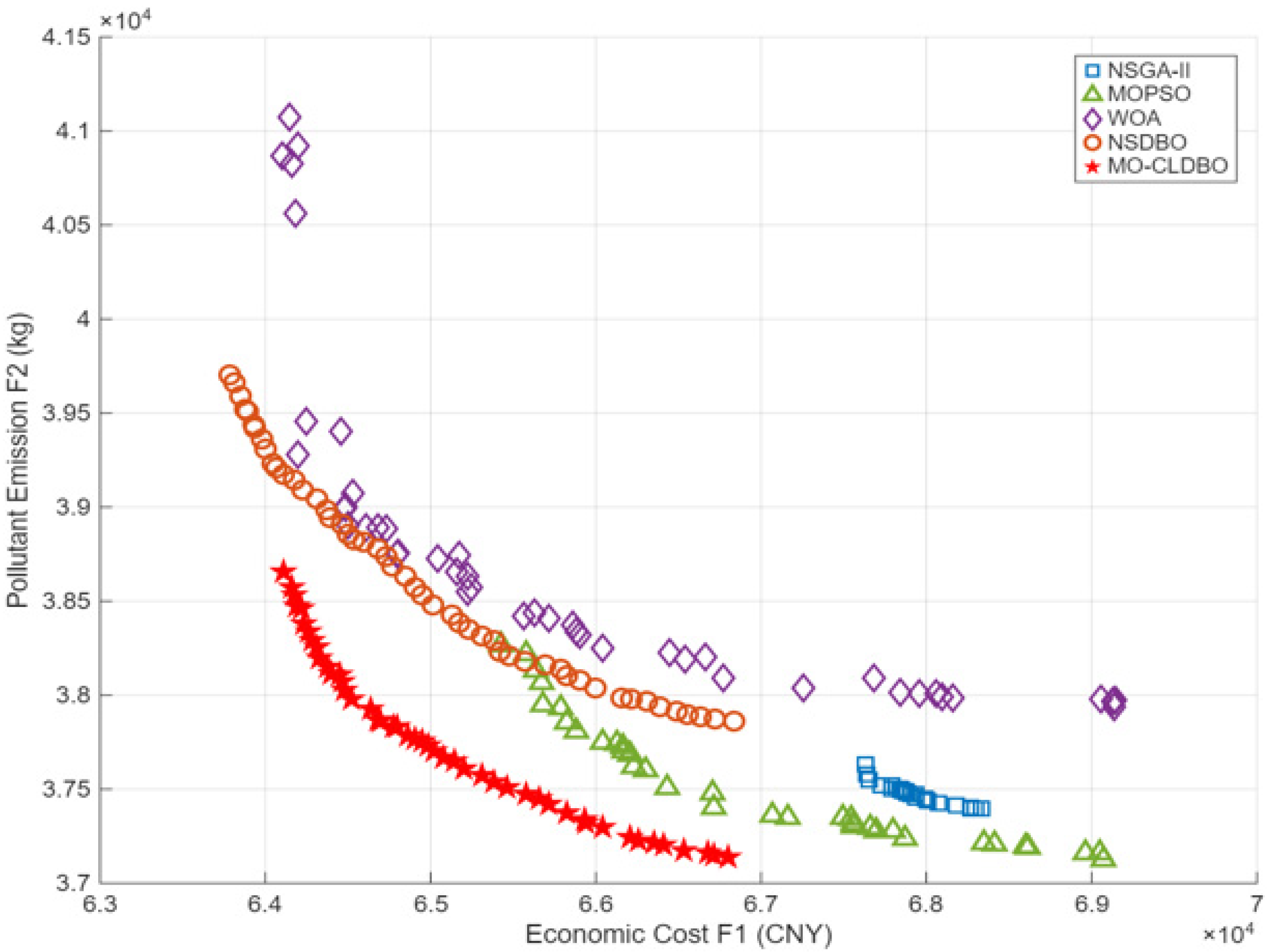
30]. However, when the standard DBO is extended to a multi-objective optimization framework and faces high-dimensional microgrid dispatch models involving the complex temporal coupling of energy storage, it still suffers from poor spatial ergodicity of the initial population and a tendency to fall into specific local optima in the later stages of iteration. More importantly, when traditional non-dominated sorting handles high-dimensional conflicting objectives (e.g., the trade-off between economy and environmental protection) without an effective population diversity preservation mechanism to guide the search, the population is prone to excessive aggregation toward specific local extreme regions of the Pareto front. This significant drawback in multi-objective optimization, known as “Pareto front collapse”, prevents the algorithm from providing decision-makers with widely and evenly distributed flexible dispatch alternatives.
To address the above shortcomings, this paper constructs a multi-objective environmental economic dispatch model for microgrids that accounts for the spatiotemporal dependence of wind and solar power and refined demand response, and proposes an improved multi-objective dung beetle optimization algorithm (MO-CLDBO). The core innovative work of this paper is mainly reflected in the following three aspects:
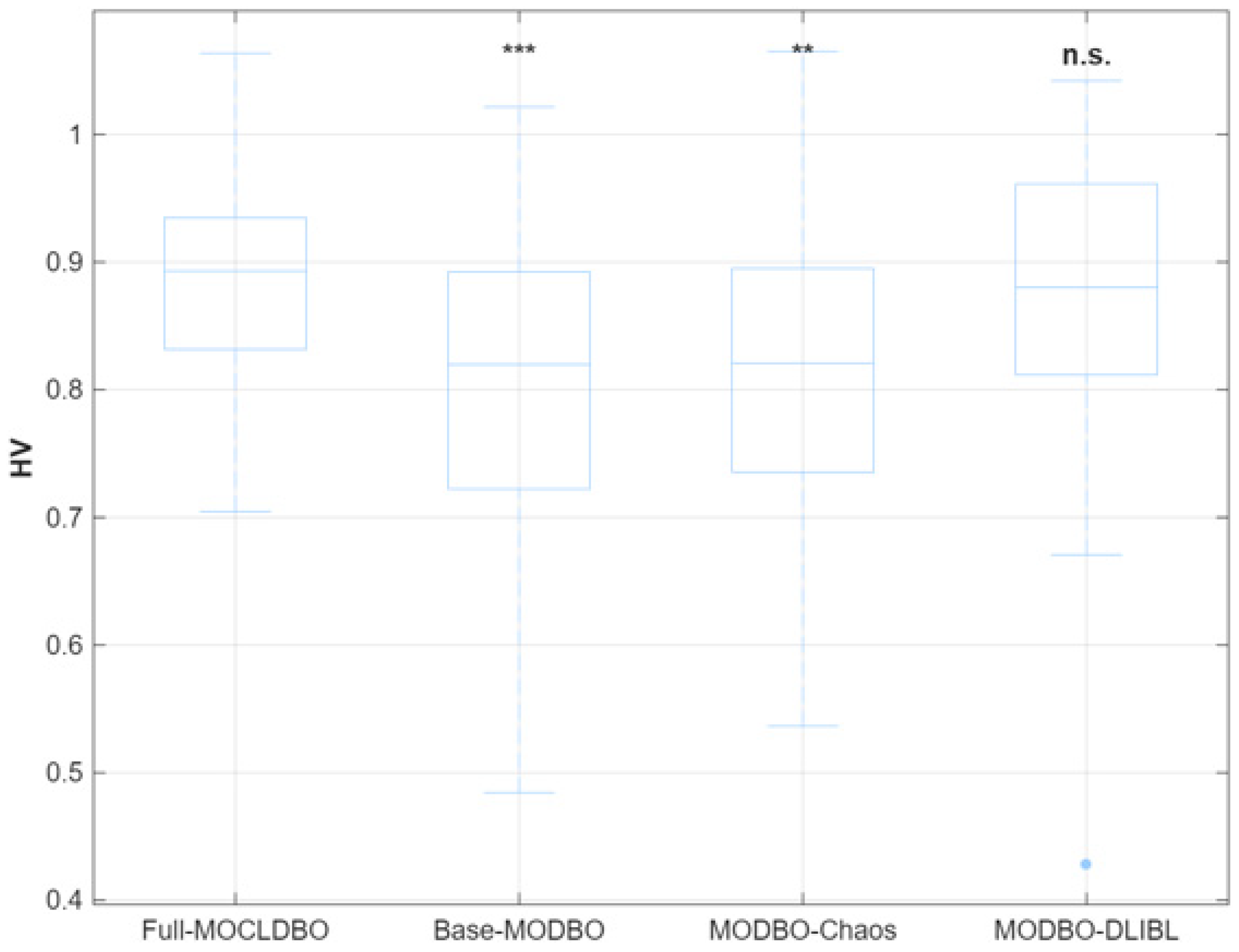
Deep improvement of algorithm mechanism: A Folded Two-Dimensional Modified Coupled Logistic-Sine Map (Folded 2D-MCLSM) is constructed to replace pseudo-random numbers for enhancing the quality of the initial population; a fast non-dominated sorting and crowding distance mechanism is integrated; and a dynamic lens imaging backward learning (DLIBL) strategy is designed to provide strong momentum for the population to escape from non-convex local deadlocks.
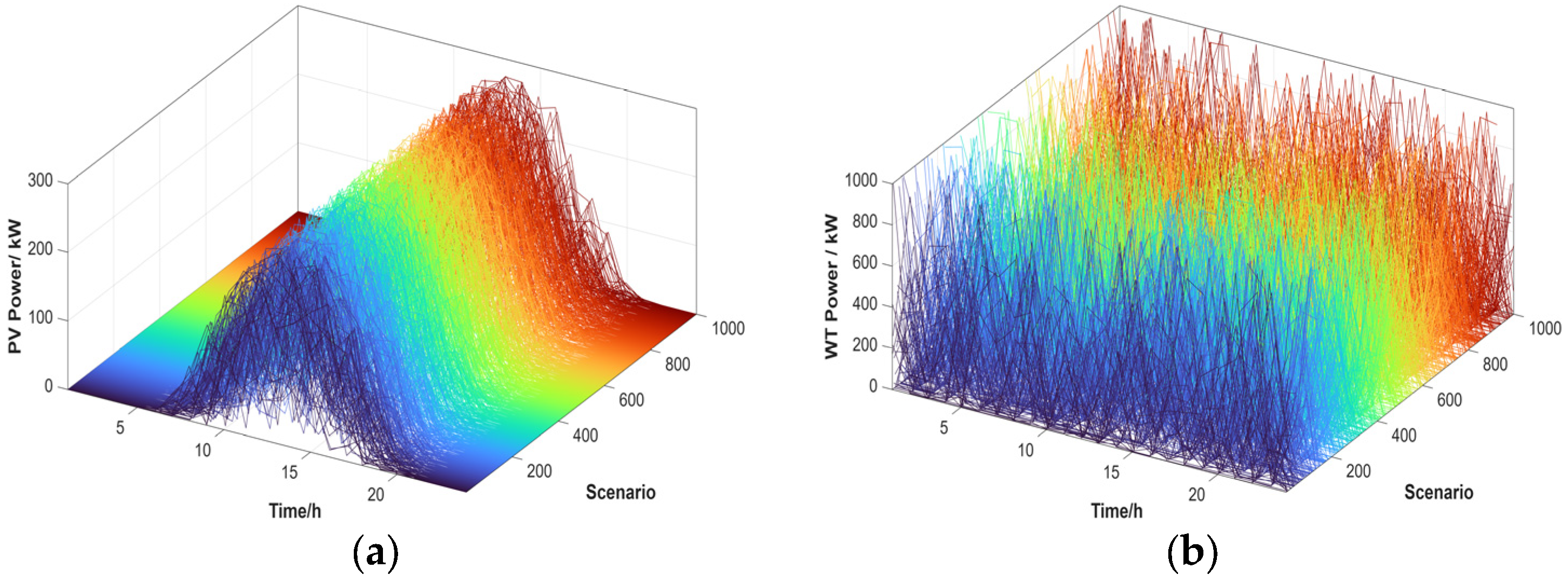
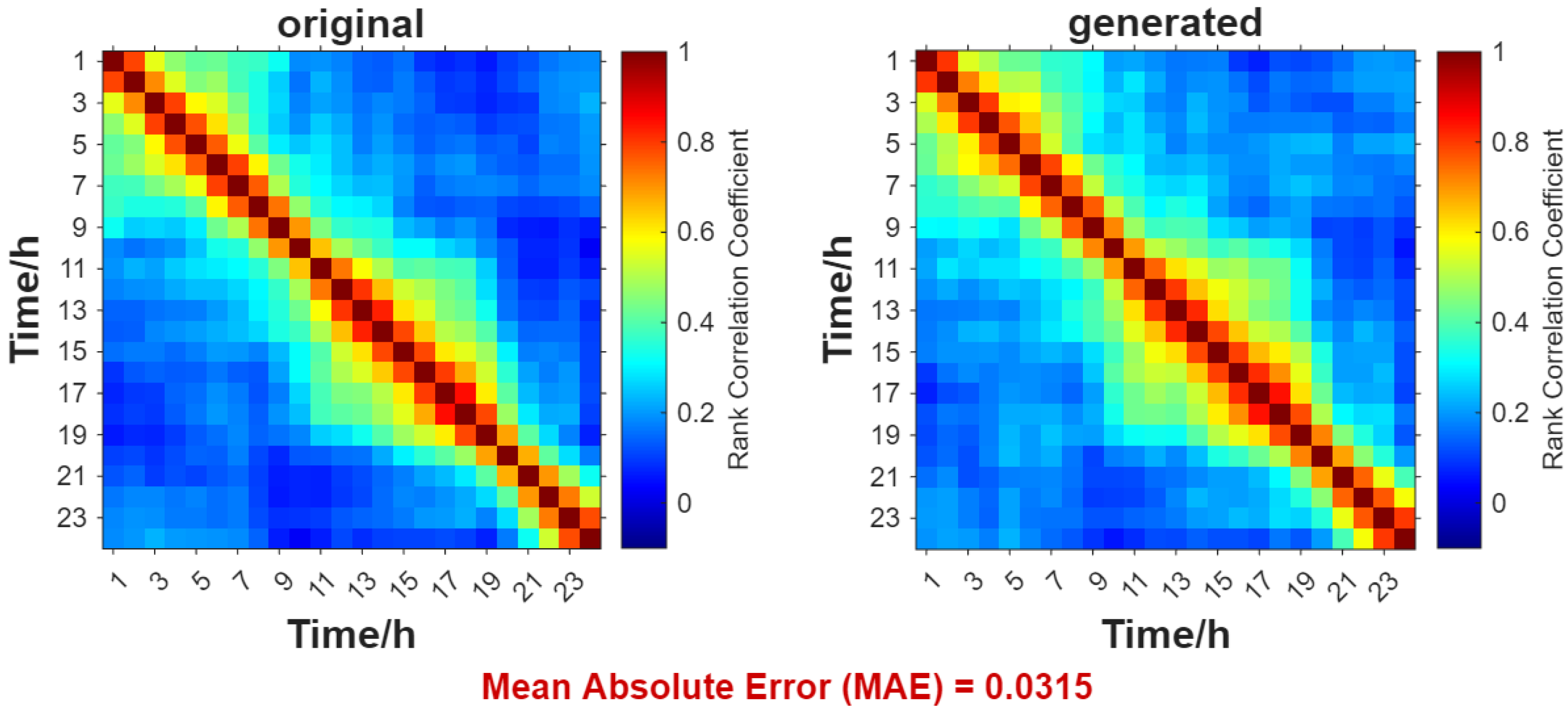
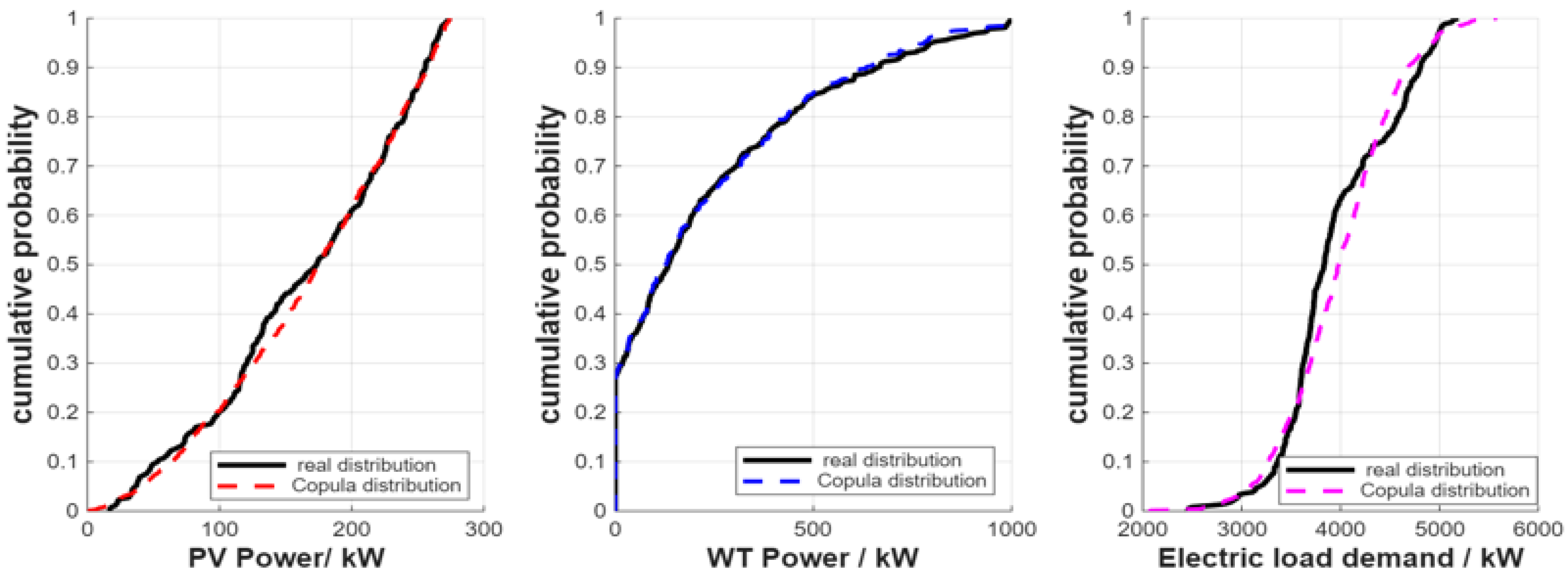
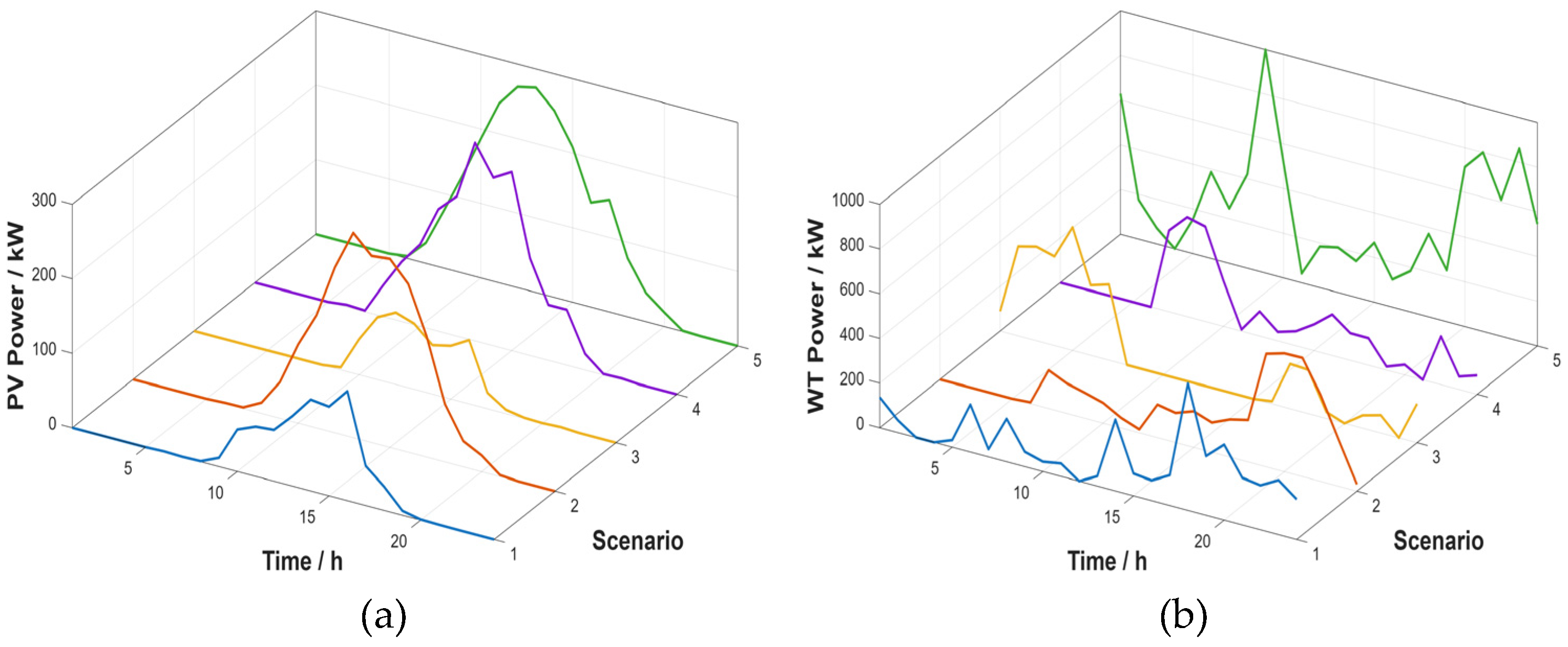
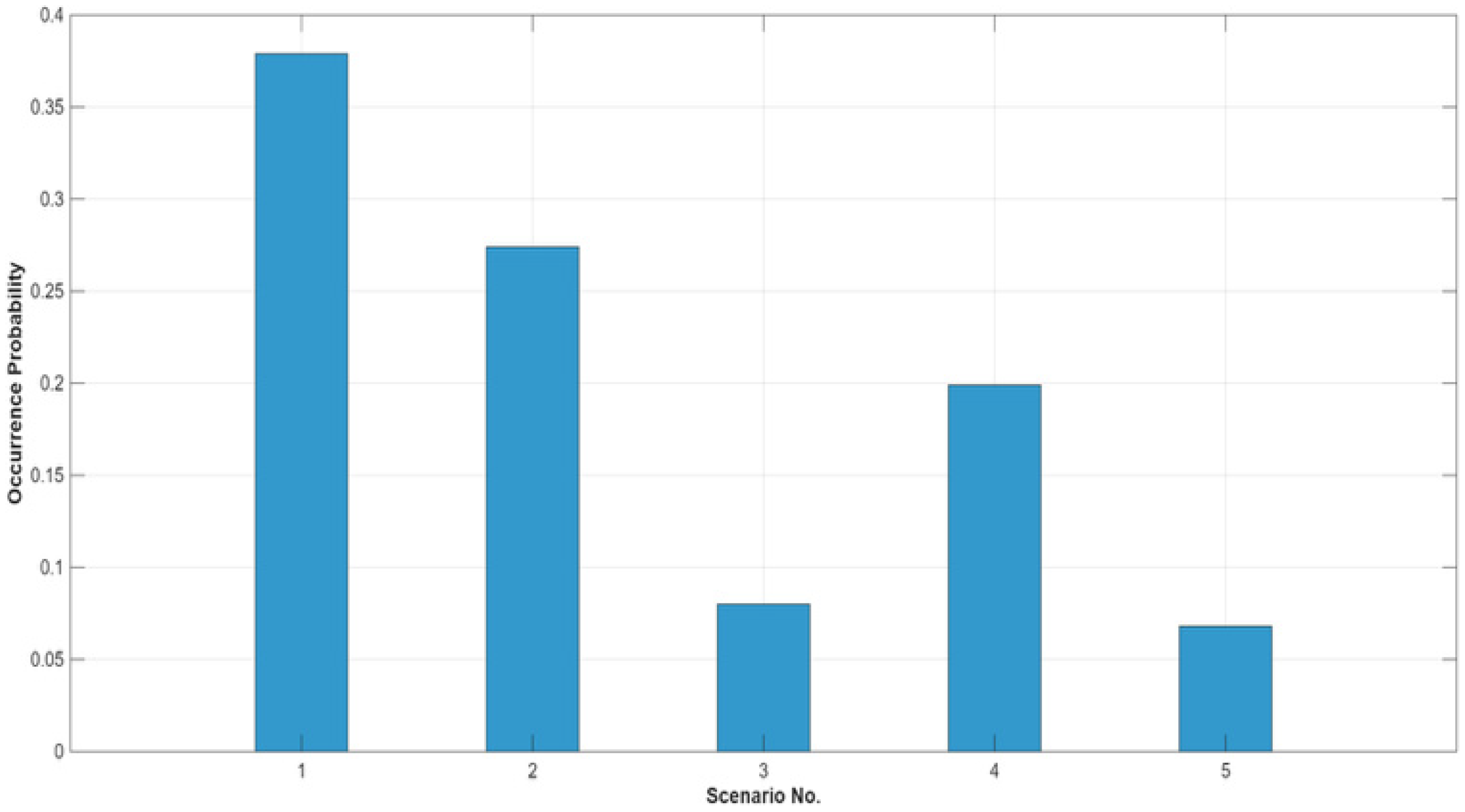
Characterization of spatiotemporal dependence uncertainty: A multivariate joint probability model of wind speed and solar irradiance is established using the Gaussian Copula function, coupled with Monte Carlo sampling and simultaneous backward reduction for typical scenario reduction, closely restoring the physical temporal characteristics.
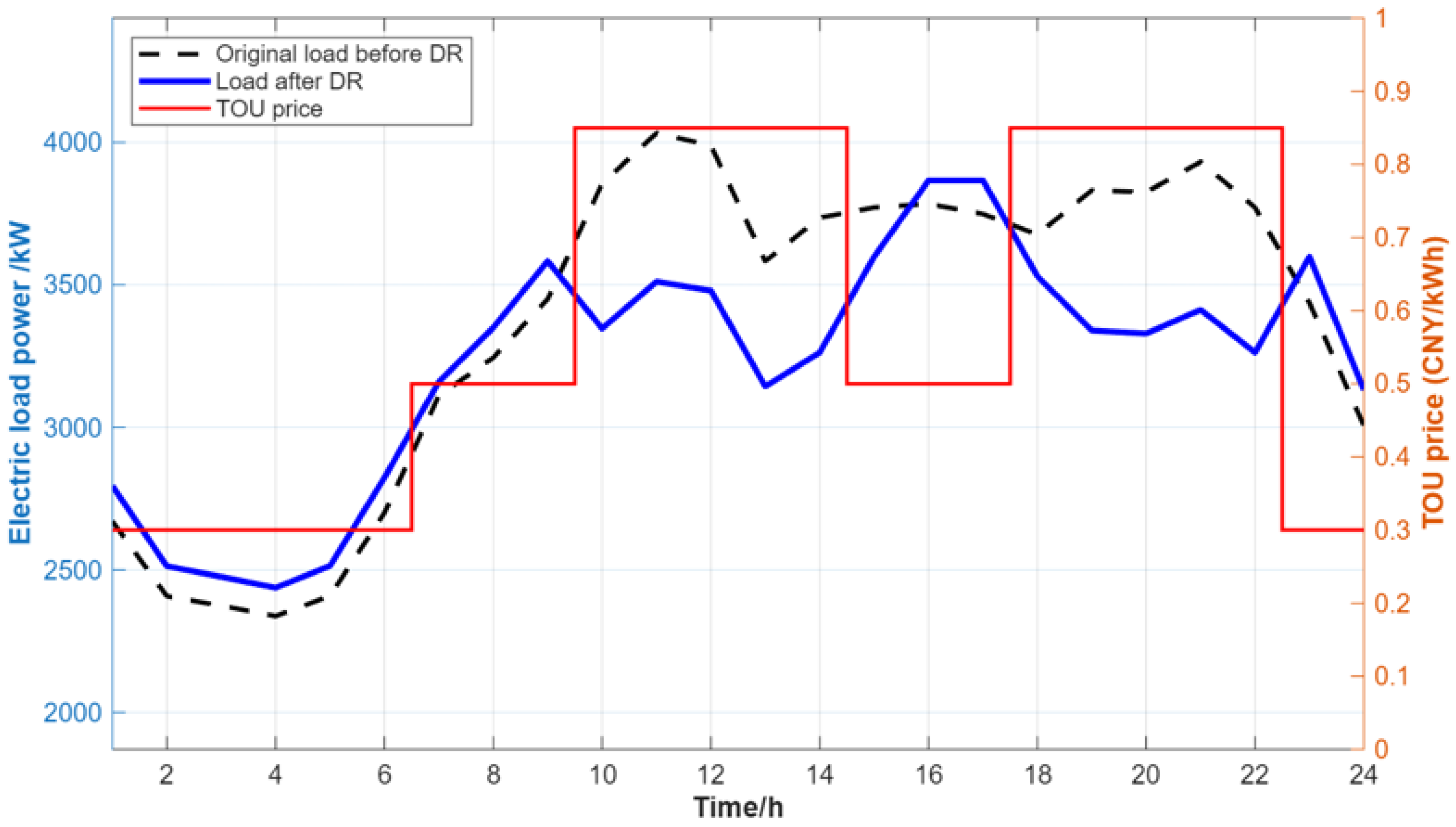
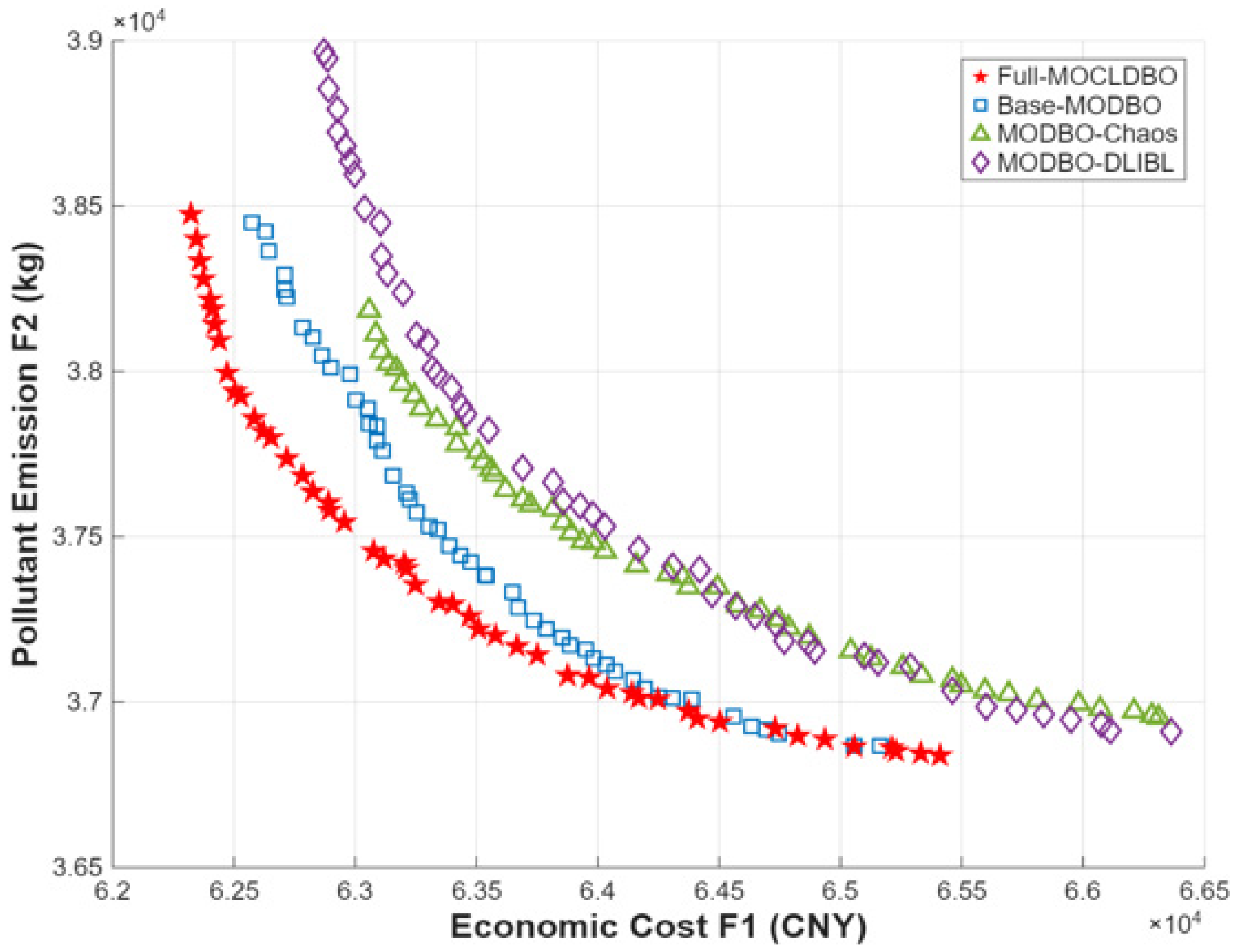
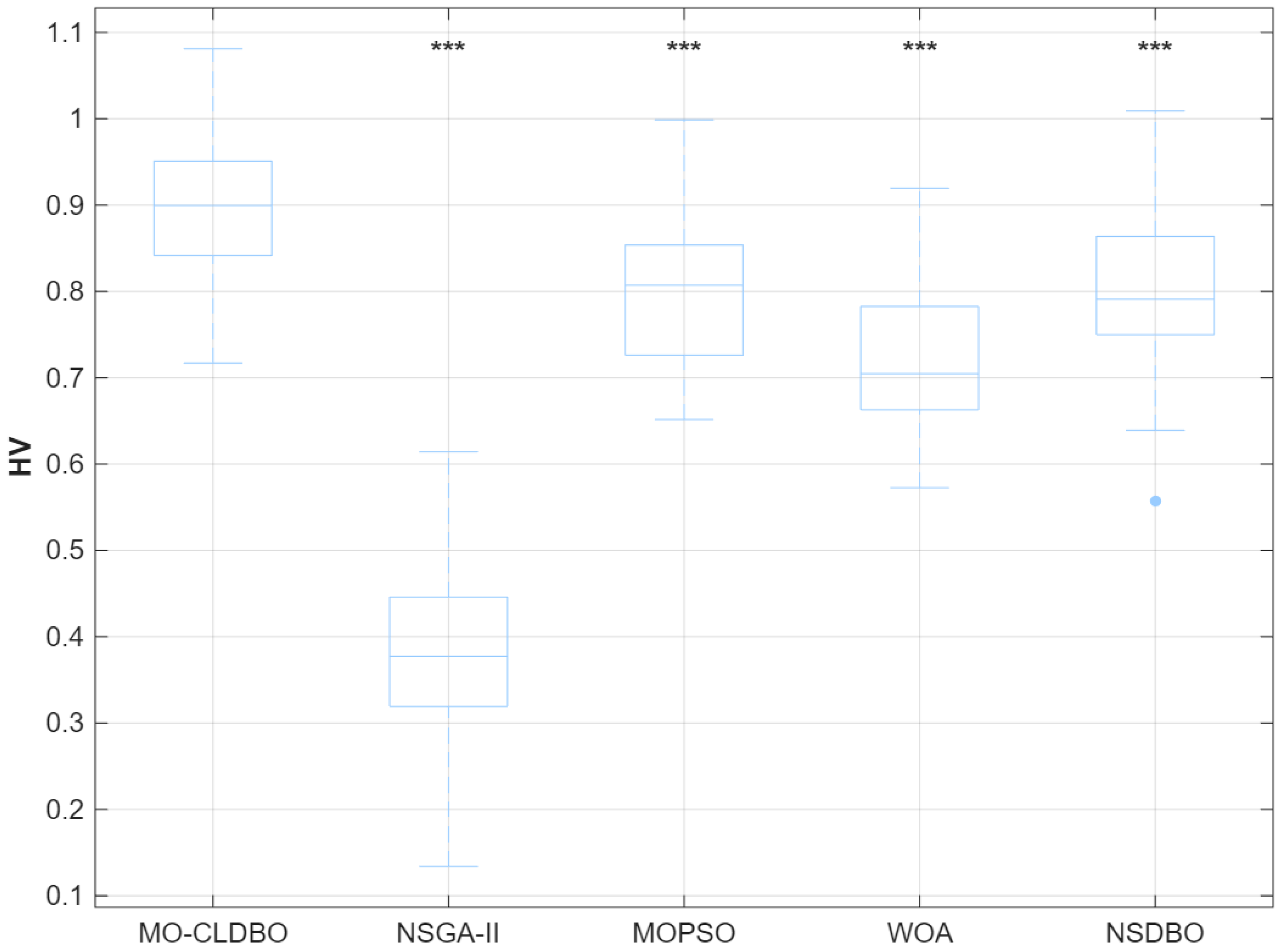
Model engineering refinement and validation: A PBDR model incorporating a time decay factor and transfer ramp constraints is introduced. Simulation results demonstrate that MO-CLDBO achieved the best performance in both the comprehensive hypervolume (HV) indicator and emission reduction benefit assessment, and passed the Wilcoxon rank-sum test.
It is worth emphasizing that the novelty of this paper does not stem from the use of non-dominated sorting, chaotic maps, or opposition-based learning per se, but rather from: (i) the specific mathematical improvements made to the chaotic map (the folded 2D-MCLSM with a modulo folding operator) and the opposition-based learning strategy (DLIBL with dynamic target-guided adaptation); (ii) their synergistic integration into a unified multi-objective optimization framework (MO-CLDBO); and (iii) the application of this enhanced algorithm to a comprehensive microgrid environmental economic dispatch model that explicitly incorporates spatiotemporal correlations and refined demand response. By coordinating these interdependent elements, this work offers a potential alternative for alleviating certain algorithmic and engineering challenges that conventional stochastic dispatch models may struggle to fully conquer. These three interconnected aspects collectively constitute the original contributions of this work.
4. Improved Multi-Objective Dung Beetle Optimizer
4.1. Dung Beetle Optimizer
The DBO algorithm simulates four main operational processes of dung beetles: rolling, breeding, foraging, and stealing, and finally selects the optimal solution.
(1) Ball-rolling dung beetles
During the rolling process, dung beetles use a celestial navigation mechanism to change their path, and their movement trajectory is influenced by both light source intensity and environmental disturbances.
In the formula,
is the iteration number;
represents the position of the
-th dung beetle at the
-th iteration;
is a constant in the interval
;
is a constant in the interval
;
is an environmental disturbance coefficient taking the value
or
;
is the global worst solution; and
represents the change in light intensity.
(2) Breeding dung beetles
Female individuals select the optimal egg-laying area through a dynamic boundary strategy. The egg-laying area is dynamically adjusted with the number of iterations, and the position of the brood ball also changes dynamically accordingly.
In the formula,
represents the position of the
-th brood ball at the
-th iteration;
and
are both
independent random vectors;
is the dimension of the optimization problem.
(3) Small dung beetles
The position update of small dung beetles during the foraging process is as follows:
In the formula,
is a random number following a normal distribution;
is a random number in the interval
.
(4) Thieving dung beetles
Thieving dung beetles steal the dung balls of other dung beetles, and their position update method is as follows:
In the formula,
is a constant representing the intensity of competition;
is a
random vector following a normal distribution.
4.2. Improvement Strategy 1: Two-Dimensional Modulus-Based Coupled Chaotic Map
In swarm intelligence optimization algorithms, the quality of the initial population directly determines the global exploration capability in the early stage and the convergence speed in the later stage. The standard DBO algorithm typically uses a pseudo-random number generator to uniformly distribute the initial population within a given solution space. However, when facing high-dimensional non-convex economic-environmental dispatch problems, conventional random initialization can easily lead to an uneven distribution of the population in the solution space, resulting in the clustering of individuals or blind spots in promising regions, causing the algorithm to fall into local optima at the early stage of iteration.
To achieve better ergodicity of the population, traditional algorithms often employ one-dimensional chaotic maps (such as the tent or logistic map). Nevertheless, under limited computer floating-point precision, one-dimensional maps are prone to falling into short-period orbits. Moreover, the topological projection characteristics of continuous chaotic maps determine that their probability density exhibits a typical “U-shaped” distribution, leading to severe accumulation of initial solutions at the boundaries of the multi-dimensional search space.
To address the above issues and achieve nearly complete ergodicity and unbiased distribution of the population, this paper proposes a two-dimensional coupling chaotic map based on the modulo operator, termed the Folded 2D Modified Coupled Logistic-Sine Map (Folded 2D-MCLSM). Unlike existing chaotic maps, Folded 2D-MCLSM adopts the modulo (mod) operation instead of the sine function as the boundary constraint mechanism, combined with a parameter amplification strategy. This allows the chaotic state to fully expand during iteration and then be folded back into a bounded interval via the modulo operation, thereby achieving two key advantages: First, complete ergodicity—the modulo operation fundamentally eliminates the distribution preference introduced by the sine function, enabling the chaotic sequence to cover the entire domain without gaps in the phase space. Second, highly uniform numerical distribution—the modulo folding operation breaks the nonlinear distortion caused by sine compression, ensuring that the output sequence maintains absolute uniformity in probability density. Its mathematical model is expressed as follows:
where
are the chaotic state variables of the two dimensions,
and
are control parameters, and
denotes the fractional part operation. In this paper,
was chosen to maximize the complexity and ergodicity of the chaotic system.
Compared with the standard DBO algorithm, the MO-CLDBO algorithm using the two-dimensional coupled chaotic map based on the modulo operator achieves a more uniform distribution of initial solutions in the objective space, effectively reducing the probability of the initial population falling into local Pareto traps, thereby laying a solid foundation for subsequent efficient multi-objective optimization.
4.3. Improvement Strategy 2: Dynamic Lens Imaging Backward Learning (DLIBL)
In the middle and late stages of multi-objective microgrid dispatch iteration, the population tends to quickly converge toward the current non-dominated solution set (i.e., the local Pareto front). Due to the creation of a large number of local valleys in the high-dimensional solution space, the conventional DBO algorithm has strong exploitation capability near local extreme points but insufficient global escape ability to jump out of deep local traps. To address this issue, this paper introduces a dynamic lens imaging backward learning mechanism while retaining the non-dominated sorting framework.
(1) Mathematical model of dynamic lens imaging backward learning
The symmetry center of standard lens imaging backward learning is still the geometric center
of the search region. However, in the multi-objective economic-environmental dispatch of microgrids with complex nonlinear constraints, the geometric center often does not possess high-quality fitness information, leading to blindness in standard backward learning. The standard imaging formula can be expressed as:
In this paper, the static optical center
of the lens is dynamically mapped to the Pareto-optimal individual
with Rank-1 in the non-dominated sorting at each iteration, and the refracted object
is mapped to the inferior individual
with poor fitness. Substituting these into the above formula yields the dynamic target-guided refraction formula proposed in this paper:
where
is called the lens adjustment coefficient.
(2) Design of dynamic adaptive mechanism
To perfectly match the search requirements of microgrid dispatch at different iteration stages, this paper adopts a dual dynamic nonlinear design for the trigger probability and the scaling factor :
1. Nonlinear trigger probability
To avoid wasting computational resources and disrupting the converged excellent population by performing backward learning at every iteration, an intervention probability
that decays nonlinearly with the number of iterations is introduced:
2. Dynamic scaling factor
A fixed scaling factor cannot balance the broad exploration in the early stage and the deep exploitation in the later stage. This paper designs it as a variable that dynamically increases with the number of iterations:
From the formula, it can be seen that in the early stage of iteration, the value of
is small, resulting in a larger refraction step size, which allows newly generated individuals to transition to emerging search regions farther from the optical center. As the iteration progresses, the value of
increases linearly, the refraction step size shortens, and the generated individuals will closely surround the Pareto optimal solution for refined fine-tuning.
4.4. Non-Dominated Sorting Mechanism
Multi-objective optimization problems are significantly different from single-objective ones. When multiple objectives exist, conflicts among them make it impossible to directly compare solutions, and thus it is difficult to find a single solution that simultaneously optimizes all objective functions. To address this issue, this paper introduces a non-dominated sorting mechanism to improve the selection process of the dung beetle algorithm. The non-dominated sorting mechanism originates from the non-dominated sorting genetic algorithm and performs well in high-complexity scenarios such as microgrid optimal dispatch.
(1) Definition of Pareto dominance relation
Let any two candidate solutions be
and
, and their corresponding objective function vectors be:
where
is the number of objective functions. For a minimization problem, if candidate solution
is not worse than
in all objectives and is strictly better than
in at least one objective, then
is said to dominate
, denoted as
. Its mathematical expression is:
Based on the above dominance relation, all individuals in the population can be divided into several non-overlapping non-dominated fronts. Among them, individuals in the first non-dominated front are not dominated by any other individuals in the population and possess the highest Pareto superiority; individuals in the second non-dominated front are only dominated by individuals in the first front, and so on. By stratifying the candidate solutions, a ranking of the multi-objective solution set can be achieved, providing a basis for subsequent environmental selection and Pareto set updates.
(2) Crowding distance calculation
To ensure the uniformity and diversity of the Pareto solution set in the objective space, this paper introduces the crowding distance to measure the sparsity of individuals within the same non-dominated layer. The crowding distance for individuals in each non-dominated layer is calculated sequentially according to Equation (40) based on the m objective functions, followed by internal sorting within the non-dominated layer.
In the formula,
and
are the
-th objective function values of individuals
and
, respectively;
and
are the maximum and minimum values of the
-th objective function among all individuals in the population, respectively.
(3) Elite preservation strategy
This paper adopts an elite strategy. First, the parent population is merged with the newly generated individuals, followed by layered screening based on the non-dominated sorting results. For individuals within the same non-dominated front, further selection is performed according to their crowding distances. Finally, individuals with higher non-dominated ranks and more uniform distribution are retained for the next generation. This strategy can effectively preserve excellent solutions and enhance the diversity and stability of the Pareto solution set.
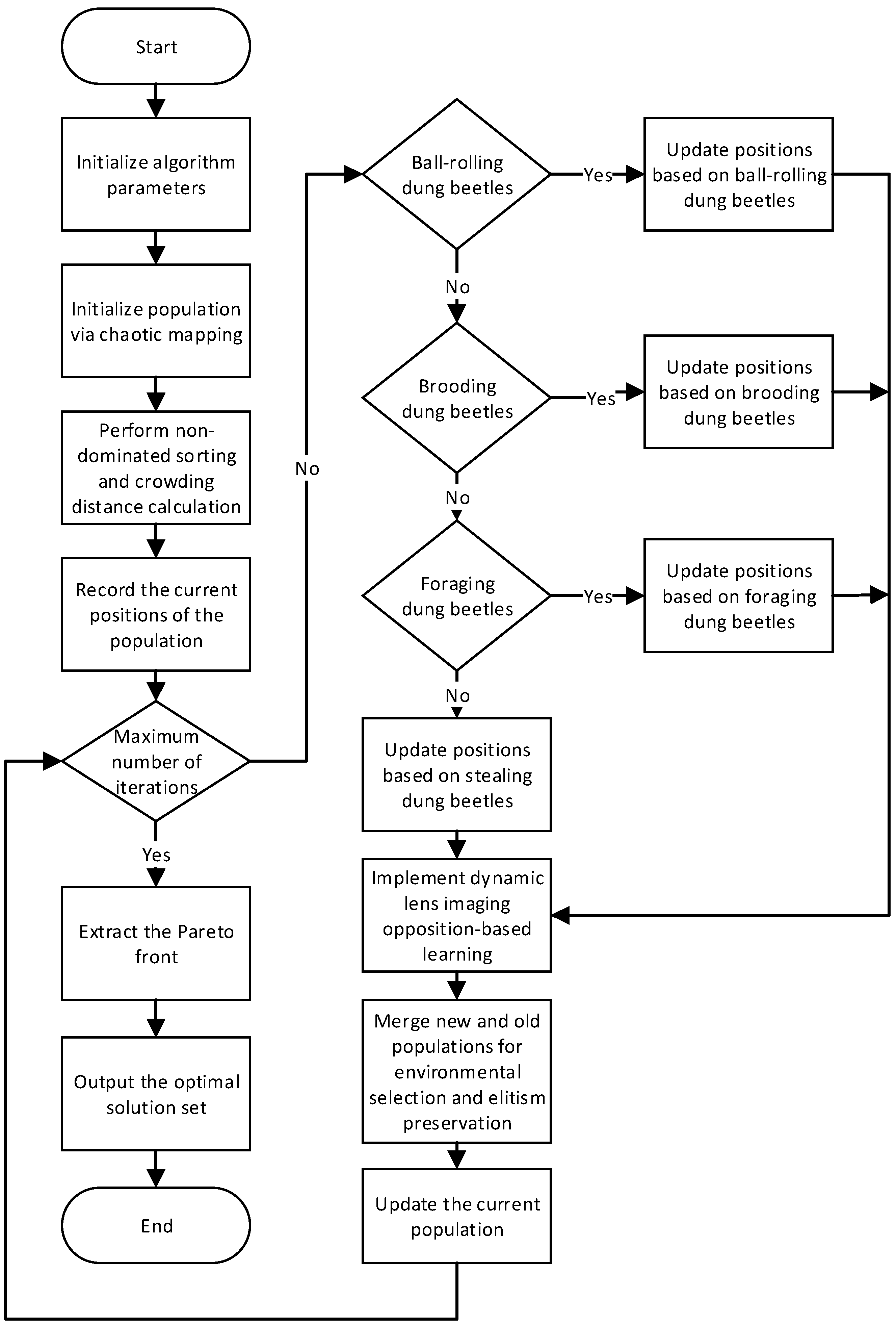
The flowchart of the MG optimization scheduling model based on MO-CLDBO is shown in
Figure 1.
Figure 1 depicts the step-by-step workflow of the MO-CLDBO algorithm for microgrid economic-environmental dispatch. The algorithm first initializes parameters and generates an initial population using chaotic mapping. Individuals are evaluated via non-dominated sorting and crowding distance calculation before entering the main iteration loop. If the termination criterion is unmet, positions are updated by simulating four dung beetle behaviors. A dynamic lens imaging opposition-based learning strategy is then adaptively activated with a nonlinearly decaying probability, followed by population merging and elite-preserving environmental selection. The algorithm stops upon reaching the maximum iterations and outputs an evenly distributed Pareto optimal front for microgrid scheduling.
6. Conclusions
This paper addresses the day-ahead dispatch problem of microgrids with high-penetration distributed generation and complex flexible loads by constructing a multi-objective environmental economic dispatch model that accounts for wind–solar uncertainty and price-based demand response. An improved multi-objective dung beetle optimization algorithm integrating hyperchaotic mapping and dynamic lens imaging backward learning was proposed. Through simulations and rigorous statistical tests, the following core conclusions can be drawn:
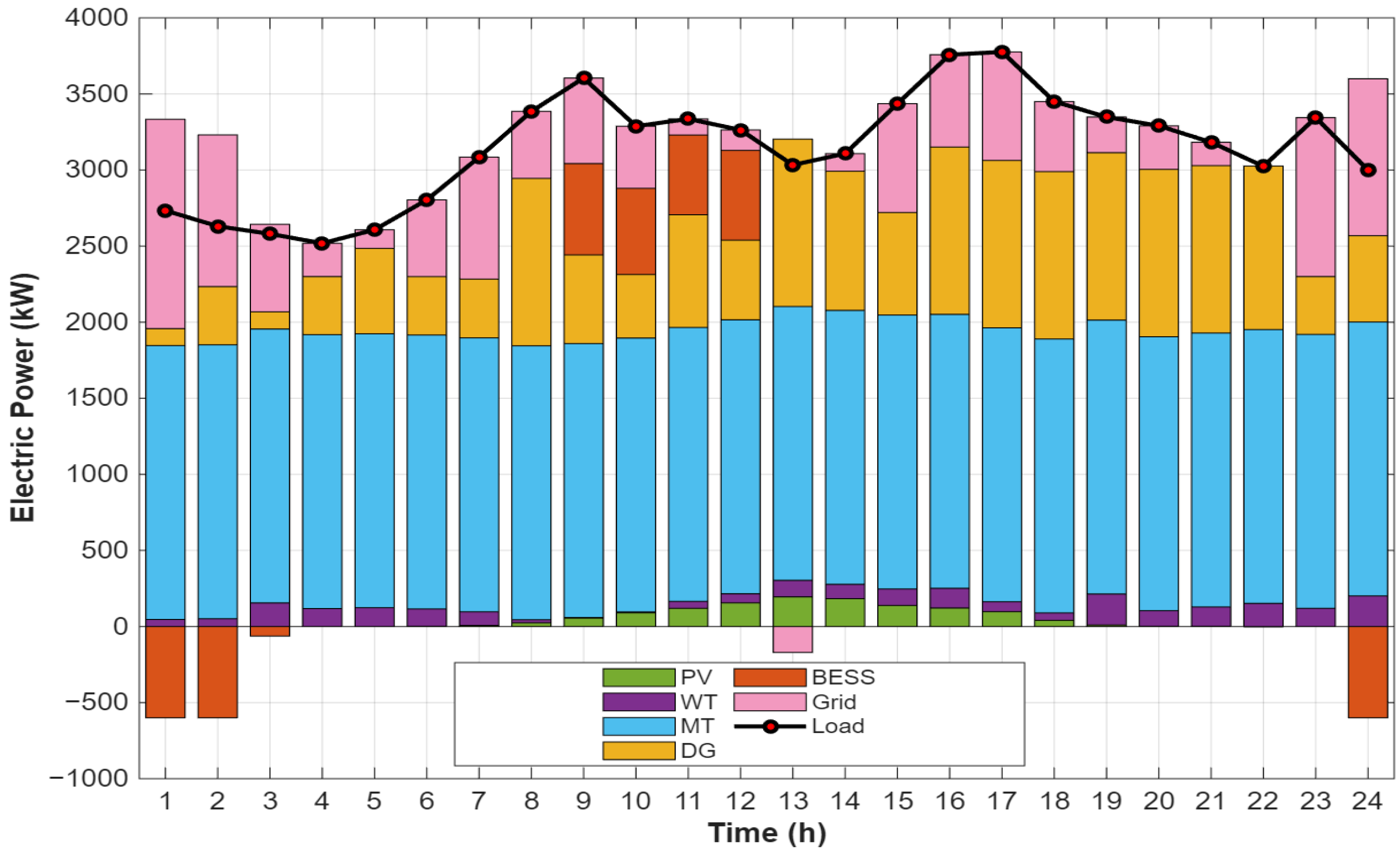
(1) Uncertainty modeling and demand response mechanism: The multivariate joint probability model based on the Gaussian Copula function effectively captures the physical coupling characteristics of wind speed and solar irradiance in temporal evolution. The introduction of the PBDR mechanism achieves deep peak shaving and valley filling of the load curve, significantly enhancing the physical feasibility and security of the day-ahead microgrid dispatch scheme.
(2) Algorithmic optimization performance: The combination of Folded 2D-MCLSM chaotic initialization and the DLIBL backward learning strategy effectively alleviates the premature convergence defect of the original DBO algorithm when dealing with high-dimensional non-convex constraints. MO-CLDBO effectively mitigates the Pareto front collapse tendency that easily occurs in the late stage of traditional multi-objective evolution with non-dominated sorting, and maintains favorable population diversity and uniform distribution capability in complex multimodal solution spaces.
(3) Multi-objective comprehensive benefits and statistical verification: Statistical results from 50 independent runs show that MO-CLDBO achieved the lowest average comprehensive operating cost (64,879 CNY) and the highest average hypervolume (HV, 0.8992) among compared classical algorithms such as NSGA-II and MOPSO. The highest HV value indicates that the proposed algorithm delivered the best overall Pareto-front quality and the most balanced cost–emission trade-off. The Wilcoxon rank-sum test results (all p-values far below 0.05) rigorously verify the statistically significant improvement of the proposed algorithm in overall multi-objective optimization performance. The proposed scheduling framework can provide microgrid decision-makers with well-distributed optimal compromise solutions, realizing a coordinated balance between economic benefits and low-carbon environmental protection.
Future work will consider extending this dispatch framework to multi-microgrid cluster interconnection scenarios and explore the introduction of deep reinforcement learning techniques to cope with real-time dynamic fluctuations of sources and loads on shorter time scales.