Article

Effective Butanol Production from Sugarcane Molasses by Immobilized Clostridium beijerinckii in Batch and Fed-Batch Fermentations Integrated with Product Recovery

by
Patthranit Narueworanon
1,
Chalida Daengbussadee
2,
Lakkana Laopaiboon
3,4 and
Pattana Laopaiboon
3,4,*
1
Regional Health Promotion Center 8, Udon Thani 41000, Thailand
2
Department of Microbiology, Faculty of Science, Khon Kaen University, Khon Kaen 40002, Thailand
3
Department of Biotechnology, Faculty of Technology, Khon Kaen University, Khon Kaen 40002, Thailand
4
Fermentation Research Center for Value Added Agricultural Products (FerVAAP), Khon Kaen University, Khon Kaen 40002, Thailand
*
Author to whom correspondence should be addressed.
Energies 2026, 19(13), 3185; https://doi.org/10.3390/en19133185
Submission received: 14 May 2026 / Revised: 24 June 2026 / Accepted: 2 July 2026 / Published: 4 July 2026

Abstract

This study investigated the enhancement of an acetone–butanol–ethanol (ABE) fermentation from sugarcane molasses using Clostridium beijerinckii TISTR 1461 immobilized on lotus stalk (LS) pieces. The addition of 0.01 g/L of ZnSO4, MnSO4 or FeSO4 into the molasses medium containing 50 g/L of sugar negatively impacted butanol production. However, incorporating 2.2 g/L of ammonium acetate as a buffer increased the butanol concentration (PB), ABE concentration (PABE), and butanol productivity (QB) by 8–11%. Optimization of the initial sugar concentration in batch mode showed that 80 g/L yielded the highest PB (19.65 g/L) and QB (0.55 g/L·h). To further improve the butanol production efficiency, two strategies were employed: fed-batch process and gas stripping (GS) for product recovery. Integrating a GS system into the batch process increased the PB (22.26 g/L), and QB (0.61 g/L·h) by ~11–13%. In a fed-batch mode (an initial sugar concentration of 50 g/L at 50% of the total working volume), feeding a medium at 150 g/L (corresponding to a total sugar concentration in all media of 100 g/L), a feeding time of 3 h and feeding rate of 25 mL/h achieved the highest PB and QB. The most effective results were obtained by combining a fed-batch culture with a GS system, which boosted the total PB to 23.04 g/L, PABE to 35.91 g/L and QB to 0.64 g/L·h with a butanol yield of 0.30 g/g. These values are a 14–15% improvement over the non-GS fed-batch process. The study findings demonstrate that utilizing LS as a low-cost immobilization carrier, coupled with product recovery (GS) in batch/fed-batch modes, significantly improves butanol production efficiency.

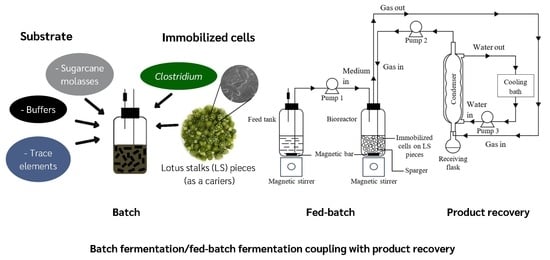
Graphical Abstract

1. Introduction

Biobutanol, produced by acetone–butanol–ethanol (ABE) fermentation, has the potential to serve as an alternative substitute for fossil fuels because it has a high energy density, 29.2 MJ/L, and it can replace gasoline (with an energy density of 32 MJ/L) without modifying current internal combustion engines [1]. Butanol is superior to ethanol because it has a higher energy content, lower volatility, lower heat of vaporization, is less hygroscopic, less flammable, and less corrosive [2,3]. Additionally, butanol has diverse applications, including use as a green solvent in various industries, e.g., paints, coatings, varnishes, resins, lubricants, textiles and printing, pharmaceuticals, chemical intermediates, extraction and purification, plastics and polymers [4]. In recent years, the butanol market has grown strongly. Its value is projected to be US$7.83 billion in 2026. At a compound annual growth rate (CAGR) of 3.4%, it is projected to increase to $10.64 billion in 2035 [5]. Consequently, butanol production will be highly profitable.
Clostridium acetobutylicum and C. beijerinckii are two bacterial strains often used for ABE fermentations [6,7]. ABE fermentations exhibit a biphasic growth pattern during metabolite production. Phase 1 is acidogenesis. Here, bacterial cells primarily yield acetic and butyric acids during exponential growth. This decreases the pH of the culture medium. Phase 2 is solventogenesis, which starts in the late exponential growth phase and concludes in the stationary phase. Acids produced from acidogenesis are assimilated and used for solventogenesis. During the second phase, butanol is produced as the dominant solvent, whereas acetone and ethanol are present at lower concentrations [6,8].
Cell immobilization is a manageable process that uses efficient techniques to enable high-performance fermentation. It is a practical method to provide more highly butanol-tolerant bacteria with greater cell densities, promoting better process stability, higher biological activity, and further overcoming the limiting factors of ABE fermentations. This improves their fermentation efficiency over that of free cells [9,10]. According to the literature, adsorption for cell immobilization is frequently used because it is easy and requires no chemical supplementation that can inhibit bacterial cells [11,12]. Microbial cells adhere to the surfaces of organic or inorganic support materials. Adhesion may occur by electrostatic adsorption or by embedding microbes in the voids of an immobilized carrier surface, while retaining a suitable cell density in the broth [9]. Cell immobilization in ABE fermentation has been explored using numerous carrier materials, ranging from bricks [9] and zeolite [13] to lignocellulosic biomass such as wood pulp [14], corn stalk bagasse [15], sweet sorghum bagasse [15,16], and sugarcane bagasse [17]. In this study, lotus stalk (LS) pieces were employed as an immobilization carrier due to their low cost and wide availability. Our previous work showed that scanning electron microscopy (SEM), atomic force microscopy (AFM), and Brunauer–Emmett–Teller analyses revealed high porosity and large specific surface area of LS pieces, which can promote bacterial cell adherence to their surfaces via electrostatic adsorption [18]. LS pieces are good carriers for immobilization of C. beijerinckii for high butanol production [18]. Sugarcane molasses, a byproduct of sugar production in Thailand, is used as a substrate for a variety of products because it is abundant in fermentable sugars—namely sucrose, glucose, and fructose—that Clostridium spp. can readily convert into acetone, butanol, and ethanol [18,19,20]. Cell growth and metabolite production in ABE fermentation are influenced by factors such as inclusion of trace elements, buffering agents, and the initial sugar concentration of the medium [21,22,23,24,25].
Micronutrients, or trace elements, are important factors in butanol production. Zinc (Zn2+), manganese (Mn2+), and iron (Fe2+) affect cell growth, acid re-assimilation, and butanol production in terms of concentration and productivity [21,22,23]. Butanol dehydrogenase, a key enzyme in clostridia responsible for butanol biosynthesis, requires Zn2+ to maintain good activity [26]. The biological activity of butanol dehydrogenase could be substantially influenced by Zn2+ as an essential in vivo regulatory factor [26]. Mao et al. [27] reported that Mn2+, as a cofactor for some key enzymes, can increase enzyme activity and facilitate cell growth and ABE biosynthesis. Ferredoxin requires Fe2+ as a cofactor to facilitate acetyl-CoA synthesis, which subsequently acts as a key precursor in the formation of acetogenic products [28]. Consequently, supplementing the fermentation medium with ferrous ions has been shown to enhance ABE yield [24].
Feasible butanol production requires careful fermentation process development. Batch fermentations are most often used owing to their simplicity and because they are closed culture systems. Biomass and substrate are added only once to a bioreactor with no media removal during fermentation. Its products are harvested at the end of fermentation. Batch-mode fermentations have disadvantages, especially for microorganisms that exhibit slow growth rates or those that are highly susceptible to inhibitory effects caused by excessive substrate concentrations [29]. Fed-batch fermentation is another alternative and is usually considered under conditions of substrate inhibition or catabolite repression [6,30]. Typically, fed-batch fermentation begins in a batch mode with a small amount of biomass and low substrate concentration. Then, a feeding medium is introduced to the reactor after the initial substrate is almost depleted. This process has a greater total substrate throughput at a low substrate concentration, thereby alleviating osmotic pressure on bacterial cells. The advantages of this process include reduced substrate inhibition, higher productivity, and diminished toxic effects of the medium components in high concentrations [31]. Additionally, it reduces the inoculum size and its preparation compared with a batch fermentation mode.
ABE fermentations are limited to low concentration, yield, and productivity due to butanol toxicity to microbial cells [32]. To avoid this toxicity, in situ butanol recovery from fermentation broths has been applied, e.g., liquid–liquid extraction, pervaporation, gas stripping (GS), and adsorption [33,34]. Among these techniques, GS systems are particularly promising, and their use is not complicated in ABE fermentations. GS is a process in which volatile solvents are recovered from fermentation broth by sparging a gas into the bioreactor during an ABE fermentation. These products are then condensed using a cooled condenser. Simplicity, lack of fouling, and facile operation are the advantages of GS. GS selectively removes volatile ABE products from the fermentation broth, while organic acids and other essential nutrients are retained to sustain the metabolic activity of microorganisms [35]. Nevertheless, to the best of our knowledge, the integration of a GS system with immobilized-cell butanol fermentation by C. beijerinckii TISTR 1461 using lotus stalks as a carrier and sugarcane molasses as a substrate under both batch and fed-batch modes has not been previously reported.
The major aim of this work is to improve butanol production efficiency from sugarcane molasses by C. beijerinckii TISTR 1461 immobilized on lotus stalk (LS) pieces. First, the effects of trace elements (Zn2+, Mn2+, and Fe2+), buffering agents (ammonium acetate, K2HPO4, and KH2PO4), and initial sugar concentrations on butanol production were investigated in batch fermentation to enhance butanol titer (PB) and productivity (QB) using an optimized medium composition. Subsequently, a GS system and/or fed-batch fermentation were further employed to continuously remove butanol from the broth and sustain sugar availability, thereby reducing product toxicity, improving sugar utilization, and further improving PB and QB values.

2. Materials and Methods

2.1. Raw Materials and Butanol Production Medium

Sugarcane molasses containing 79 °Bx of total soluble solids was obtained from Mit Phuwiang Sugar Factory, Nong Rua, Khon Kaen, Thailand. The molasses was preserved at −20 °C to prevent contaminant growth before use. Two nitrogen sources were employed in this study: yeast extract (YE, Oxoid, Basingstoke, Hants, UK) for the immobilization medium and dried spent yeast (DSY) for the butanol production (BP) medium. DSY was kindly provided by Beer Thip Brewery Co., Ltd., located in Phra Nakhon Si Ayutthaya, Thailand. The composition of sugarcane molasses and the nitrogen sources were reported in previous studies [18,19].
To prepare the BP medium, distilled water was added to molasses to prepare a solution containing a total sugar concentration of 50 g/L. Then, 6 g/L of DSY were added to the medium before sterilization at 110 °C for 28 min (modified from Narueworanon et al. [19]).

2.2. Microorganism, Culture Media Preparation, and Growth Conditions

Inoculum preparation was carried out using sterile modified cooked meat medium (CMM, Oxoid, Basingstoke, Hants, UK) and tryptone (Oxoid, Basingstoke, Hants, UK)-glucose (Fluka, Buchs Switzerland)-yeast extract (TGY) medium as growth media [36]. Oxygen was removed from the media by sterile oxygen-free nitrogen (OFN) gas sparging using a 0.2 μm pore-size polytetrafluoroethelene (PTFE) membrane filter (Midisart® 2000, Sartorious, Goettingen, Germany). This was done to create strictly anaerobic conditions.
Clostridium beijerinckii TISTR 1461 was obtained from the Thailand Institute of Scientific and Technological Research (TISTR), located in Khlong Luang, Pathumthani, Thailand. It was retained as a spore suspension and stored at 4 °C in sterile distilled water. A ~1 × 10⁶ spores/mL suspension was heat-shocked for 1 min [36]. After cooling in ice water for 1 min, 0.5 mL of the spore suspension was transferred into 10 mL of sterile CMM and incubated at 37 °C for 9–10 h, at which point the cells had developed into highly active vegetative forms. The vegetative cells, 5% (v/v) at 0.5 OD (optical density at 600 nm), were inoculated into 45 mL of a sterile TGY medium. It was then incubated at 37 °C for 3–4 h to obtain cells growing in the log-phase [19]. Actively growing cells in a TGY medium were used as an inoculum for cell immobilization.

2.3. Preparation of Carriers and Immobilization Medium

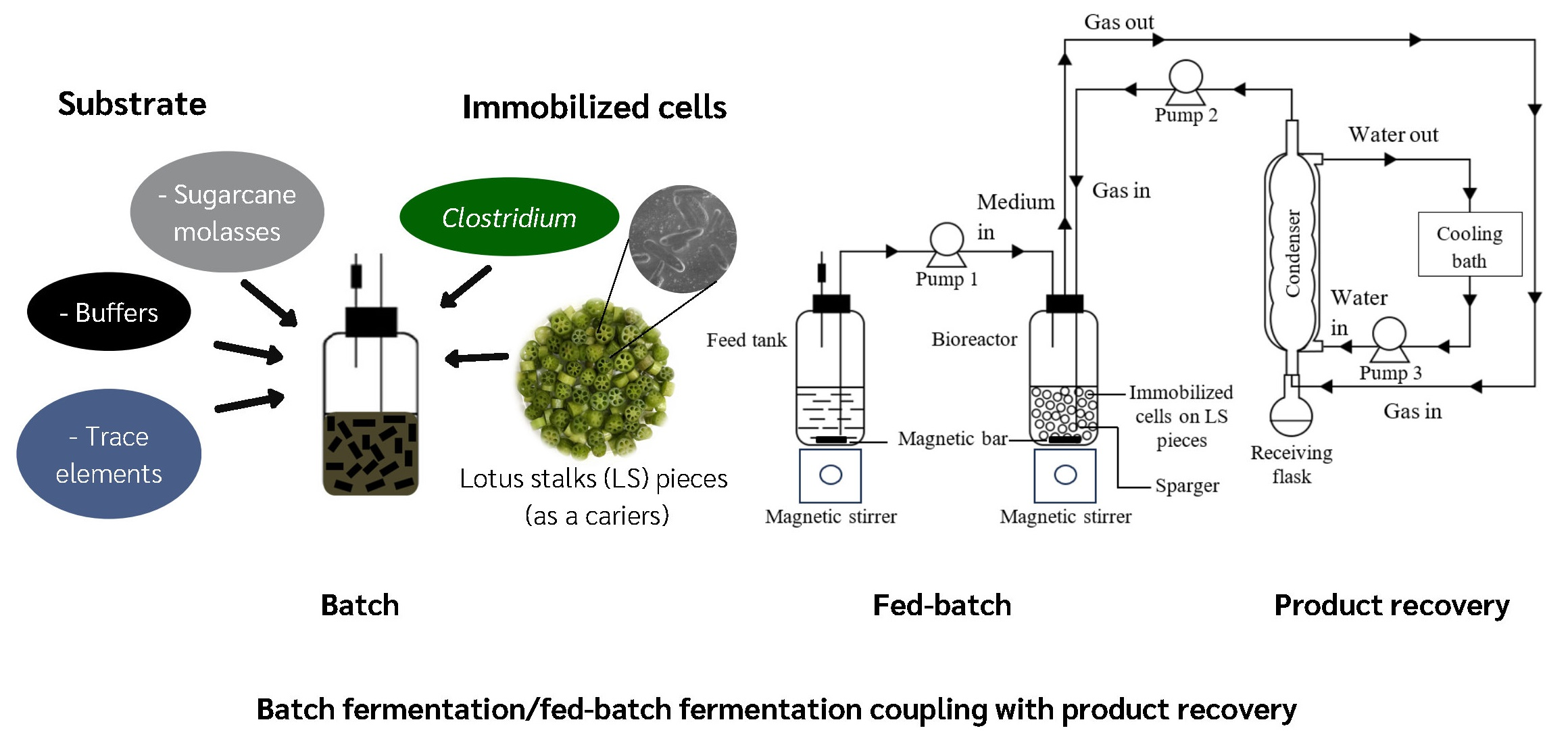
Lotus stalk (LS) pieces with diameters ranging from 7 to 10 mm were cut into 4 mm lengths, and dried at 60 °C to constant weight (Figure 1). After autoclaving, the sterile LS pieces were added to a sterile immobilization medium with a 1:31 (w/v) carrier loading in a 1 L screw-capped bioreactor [18]. The immobilization medium consisted of sugarcane molasses supplemented with 50 g/L of total sugar and 1 g/L of YE. Anaerobic conditions were achieved by sparging the sterile immobilization medium containing LS pieces with OFN gas. Then, 5% (v/v) of active inoculum in a TGY medium at 0.5 OD at 600 nm (Section 2.2) was inoculated into the immobilization medium containing the carriers and incubated at 37 °C under static conditions. After 24 h of incubation, the immobilization medium was removed, and the LS pieces were washed with fresh sterile BP medium under anaerobic conditions before use in an ABE fermentation [18].

2.4. Experimental Procedures

2.4.1. Batch ABE Fermentations: Effects of Trace Elements and Buffers

ZnSO4, MnSO4, and FeSO4 (KemAus, Cherrybrook, New South Wales, Australia) were used to investigate the effects of trace elements and buffers for butanol production enhancement. These three compounds, at 0.01 g/L, were added to a BP medium (Section 2.1) [21,22,37]. After sterilization, the initial pH of the BP medium was adjusted to 6.5 [36], and anaerobic conditions were then created using OFN gas sparging. The BP medium (600 mL) was then placed into a 1 L screw-capped bioreactor containing immobilized cells on LS pieces (Section 2.3) to initiate anaerobic butanol fermentation. The fermentation was done at 37 °C at a 150-rpm agitation.
The effects of 2.2 g/L of ammonium acetate, 0.5 g/L of K2HPO4, and 0.5 g/L of KH2PO4 (all from BDH, Leuven, Belgium) were studied. These are the buffers used in the standard synthetic butanol production medium (P2 medium) [37]. The three buffers tested in this study were Buffers 1, 2, and 3. Buffer 1, a cocktail of buffers, consisted of K2HPO4, KH2PO4, and ammonium acetate, whereas Buffer 2 was formulated using K2HPO4 and KH2PO4. Buffer 3 contained only ammonium acetate. Each buffer was added to the individual tested butanol production media before sterilization. ABE fermentations were performed as previously described.

2.4.2. Batch ABE Fermentations: Effects of Initial Sugar Concentrations and Product Recovery by Gas Stripping

To optimize the initial sugar concentrations for ABE fermentation from the optimum sugarcane molasses medium (Section 2.4.1), the initial sugar concentration in the BP medium was varied at 50, 60, 70, 80, 90, and 100 g/L. The batch process with BP media using immobilized cells on LS pieces was done as described in Section 2.4.1.
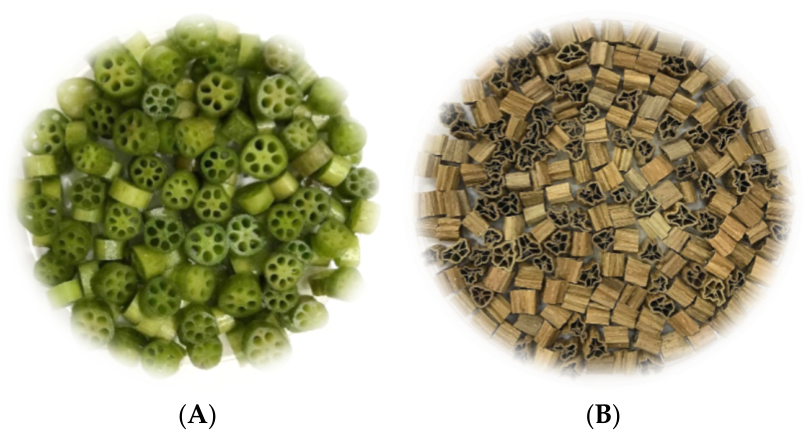
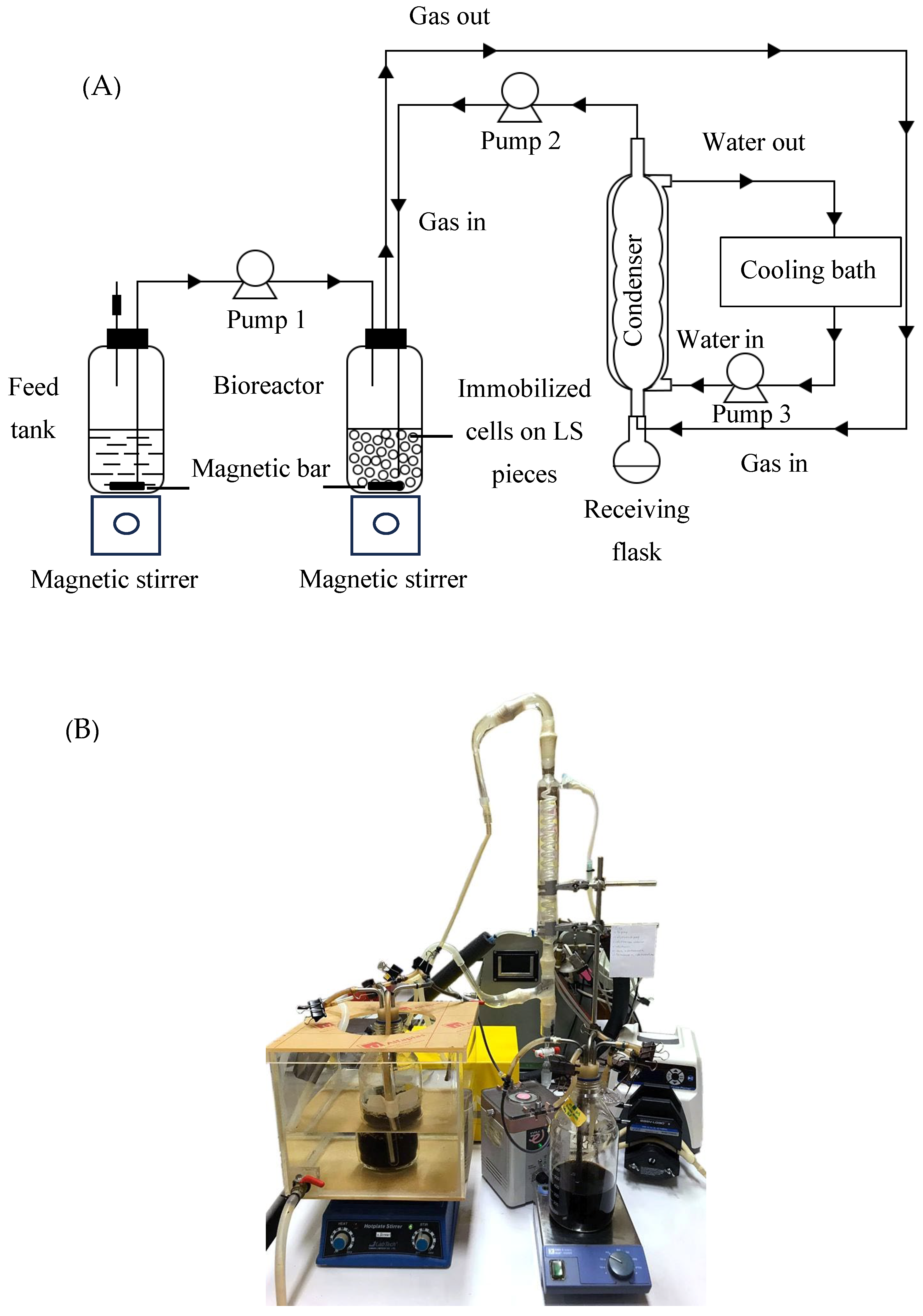
To enhance butanol production in the batch ABE fermentation at the optimum initial sugar concentration, a gas stripping (GS) system was connected to the 1 L bioreactor, as shown in Figure 2. The feed tank does not appear in this Figure. GS was started at the lowest pH (after 12 h) during the ABE fermentation. This is the pH breakpoint, which separates the acidogenesis and solventogenesis phases by C. beijerinckii TISTR 1461 [38]. The gas flow rate of the GS system was controlled at 1.0 mL/min using a peristaltic pump (Masterflex® L/S®, Cole-Parmer, Vernon Hills, IL, USA) [38]. The temperature of the coolant, 95% (v/v) ethanol in a condenser (Pyrex, Corning, NY, USA; condenser 40 mm × 450 mm and cooling coil 0.60 mm × 1500 mm) was maintained at −2 °C [19,39,40]. Samples were taken for analysis from the bioreactor and receiving flask at 12 h intervals.

2.4.3. Improved Butanol Production by a Fed-Batch ABE Fermentation and Gas Stripping System

Immobilized cells of C. beijerinckii TISTR 1461 on LS pieces were prepared (Section 2.3). The fermentation was first performed in batch mode. A sterile BP medium containing 50 g/L of total sugar at 50% of the total working volume was used to initiate the fermentation in 1 L screw-capped bioreactors [41,42]. After 3, 6, or 9 h, an equal volume (50% of the total working volume) of the various feeding media (containing sugar concentrations of 110, 150, and 190 g/L, corresponding to total sugar in the whole medium of 80, 100, and 120 g/L, respectively) was continuously fed into the bioreactor at 25 mL/h, with medium feeding terminated at 12 h.
A GS system was used to improve butanol production in fed-batch ABE fermentations, as shown in Figure 2, and operated as described in Section 2.4.2.

2.5. Analytical Methods

In all fermentations, samples were withdrawn from the bioreactors at 12 h intervals and centrifuged at 12,000 rpm for 10 min to remove particles and bacterial cells. The supernatants were then used for all subsequent analyses. Acetone, butanol, ethanol, acetic acid, and butyric acid levels were quantified by gas chromatography (GC) (Shimadzu, GC-2014, Kyoto, Japan) equipped with a flame ionization detector (FID), with H2 serving as the fuel gas. ABE fermentation products were separated in a Porapak Q column (3 m × 2 mm). The oven temperature was programmed at 160 °C for 9 min, heated from 160 to 220 °C at 8 °C/min, then held for 12 min at 220 °C. The injector and detector temperatures were 220 and 230 °C, respectively. N2 was used as a carrier gas, and isobutanol (8 g/L) served as an internal standard for measurement accuracy [36]. Total sugar concentration was measured in terms of total carbohydrate using a phenol–sulfuric acid method [43]. The cell concentration as an inoculum was spectrophotometrically determined from its optical density at 600 nm (Spectro SC, Labomed, Culver City, CA, USA) [36]. The remaining sugars in the sugarcane molasses (sucrose, fructose, and glucose) were quantified by high-performance liquid chromatography (HPLC). The HPLC apparatus consisted of an isocratic pump (Waters, 515 HPLC Pump, Milford, MA, USA), degasser (Waters, In-Line Degasser, AF, Milford, MA, USA), six port injector (7726i, Rheodyne, Milford, MA, USA), refractive index (RI) detector (Waters, 2414, Milford, MA, USA), temperature control box (Waters, Column Heater Module, Milford, MA, USA), integrator (Waters, Empower, Milford, MA, USA) and an Inertsil® NH2 column (5 µm, 250 × 4.6 mm, GL Sciences, Tokyo, Japan). The mobile phase consisted of acetonitrile and water (75:25, v/v) flowing at 0.8 mL/min [44,45]. Analyses were performed at 35 °C. Samples were filtered through a 0.45 µm nylon membrane (Chrom Tech®, Apple Valley, MN, USA) before analysis. Butanol yield (YB/S, g/g) was calculated as the butanol produced (PB, g/L) divided by the total sugar utilized (g/L). Volumetric butanol productivity (QB, g/L·h) and acetone–butanol–ethanol productivity (QABE, g/L·h) were calculated as the butanol concentration (PB, g/L) or acetone–butanol–ethanol level (PABE, g/L) produced divided by the fermentation time giving the highest product concentrations.

2.6. Statistical Analysis

All the experiments were performed in triplicate, and the results are expressed as mean ± SD. Statistical significance among treatments was evaluated using Duncan’s multiple range test at a significance level of 0.05.

3. Results and Discussion

3.1. Effects of Trace Elements and Buffers in Batch ABE Fermentations

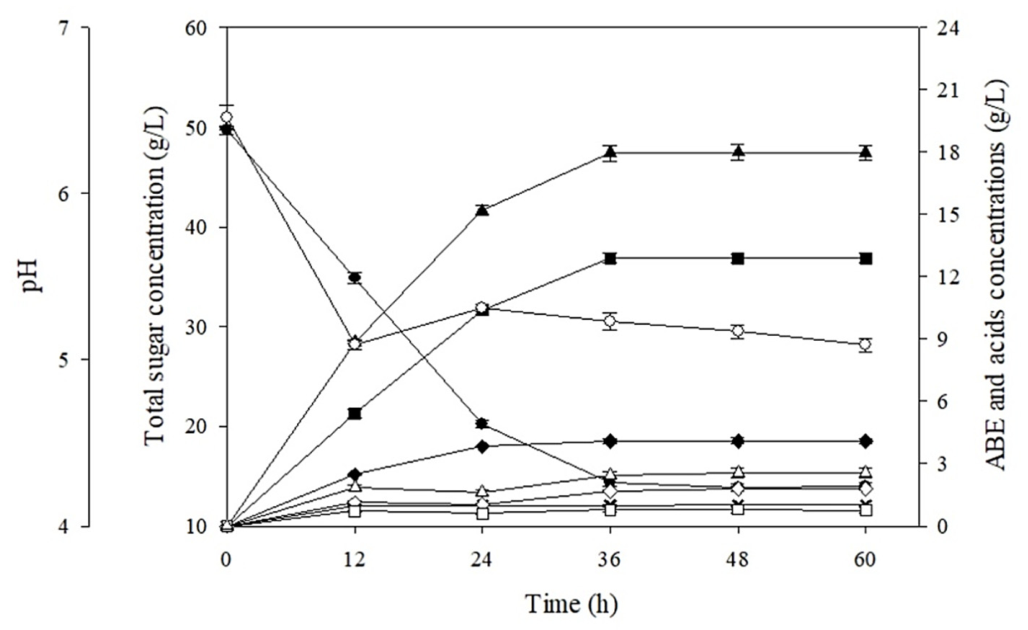
Figure 3 illustrates the ABE fermentation profiles obtained from immobilized C. beijerinckii TISTR 1461 cultivated in sugarcane molasses medium supplemented with 50 g/L of sugar and 6 g/L of DSY. The pH of the fermentation broth decreased during the first 12 h of fermentation, resulting from acetic and butyric acid production during acidogenesis. This implied that acetate kinase and butyrate kinase in the ABE fermentation pathway were active, and ATP was generated, showing that the bacterial cells were energetic. The pH in the fermented broth slightly increased over 12 h, while acetone, butanol, and ethanol production from the above acids by acetoacetate decarboxylase, butanol dehydrogenase, and alcohol dehydrogenase were respectively observed during solventogenesis. Sugar concentration rapidly decreased from 50 to 14.38 g/L, whereas sugar remaining using the free cells of C. beijerinckii TISTR 1461 was 18.91 g/L. These results indicated that the LS as a carrier did not interfere with sugar uptake and product formation by the bacterial cells. SEM images show that immobilized C. beijerinckii TISTR 1461 on LS pieces performed well, as previously reported by Narueworanon et al. [18]. After 36 h of fermentation, 12.89 g/L butanol (PB) and 17.95 g/L ABE (PABE) concentrations were detected (Table 1), corresponding to 0.36 g/L·h of butanol (QB) and 0.50 g/L·h of ABE (QABE) productivity.
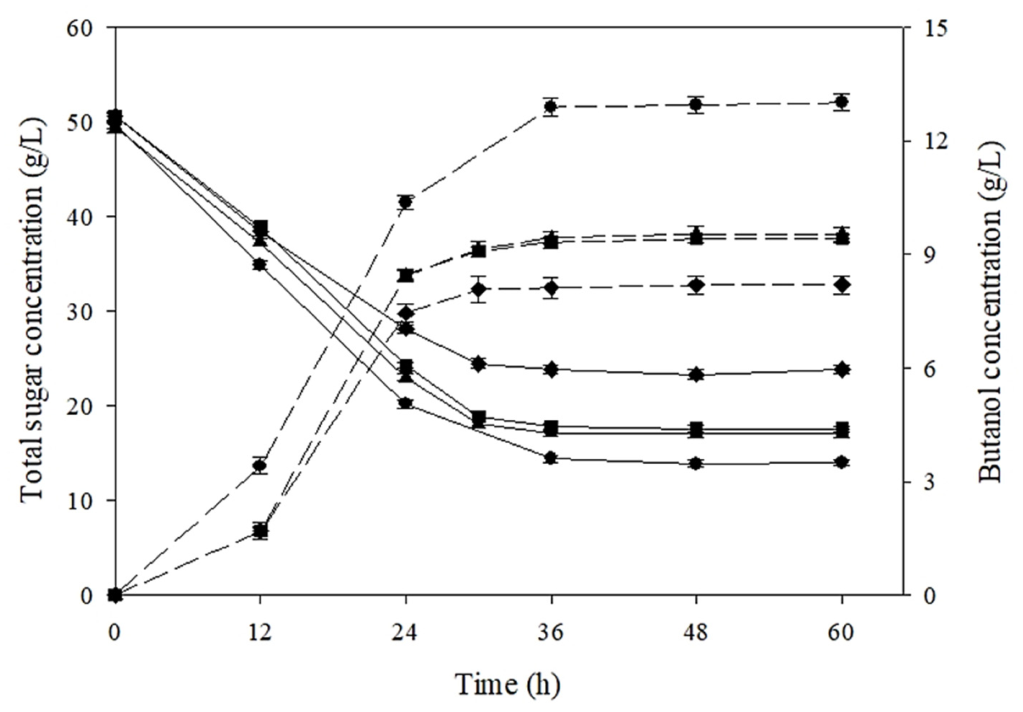
The sugar consumption and butanol production profiles from the sugarcane molasses medium with metal supplementation are shown in Figure 4. Surprisingly, the PB, QB, and sugar consumption (SC) values under all metal supplementations were approximately 13–37% lower than with no metal addition. When 0.01 g/L of ZnSO4, MnSO4, or FeSO4 was added into the molasses medium, the bacterial cells produced only 9.08, 9.14, and 8.07 g/L of PB, respectively, after 30 h of fermentation (Figure 4 and Table 1). ZnSO4, MnSO4, and FeSO4 at 0.01 g/L were present in the standard synthetic medium (P2 medium). However, when they were added to the molasses medium, negative effects were observed on butanol production by the immobilized C. beijerinckii TISTR 1461 cells. This might have been due to excessive concentrations of metal ions when added to those already present in the molasses [18]. The concentrations of Zn, Mn, and Fe in raw (original) sugarcane molasses were 1.13, 1.09, and 152 mg/L, respectively. However, the concentrations of these ions in the molasses were lower since the raw molasses was diluted to obtain a 50 g/L initial sugar concentration. The concentrations of Zn, Mn, and Fe in the diluted molasses were 0.0001, 0.0092, and 0.0129 g/L, respectively. When 0.01 g/L of each metal ion was added into the medium, the final concentrations of Zn, Mn, and Fe in the molasses medium were 0.0101, 0.0192, and 0.0229 g/L, respectively, which were higher than those obtained by Wu et al. [21]. They reported that ZnSO4 supplementation at levels greater than 0.01 g/L decreased the PB, PABE, and the maximum cell density of C. acetobutylicum, indicating an inhibitory effect of ZnSO4 on ABE fermentation. Li et al. [23] indicated that an MnSO4 concentration below 0.015 g/L increased the PB and PABE. However, MnSO4 exceeding 0.015 g/L decreased the PB and PABE values. Including 20 ppm of FeSO4 into the molasses medium (corresponding to 0.020 g/L) can increase butyric acid production by about 20%. This suggests that butanol product selectivity would potentially be enhanced during the solventogenic phase [28].
Some literature shows positive effects of metal addition in butanol production. However, the butanol production under metal supplementation levels in our study were lower than with no metal addition. Optimization of these metal concentrations to improve butanol production by C. beijerinckii TISTR 1461 in a molasses medium should be further studied.
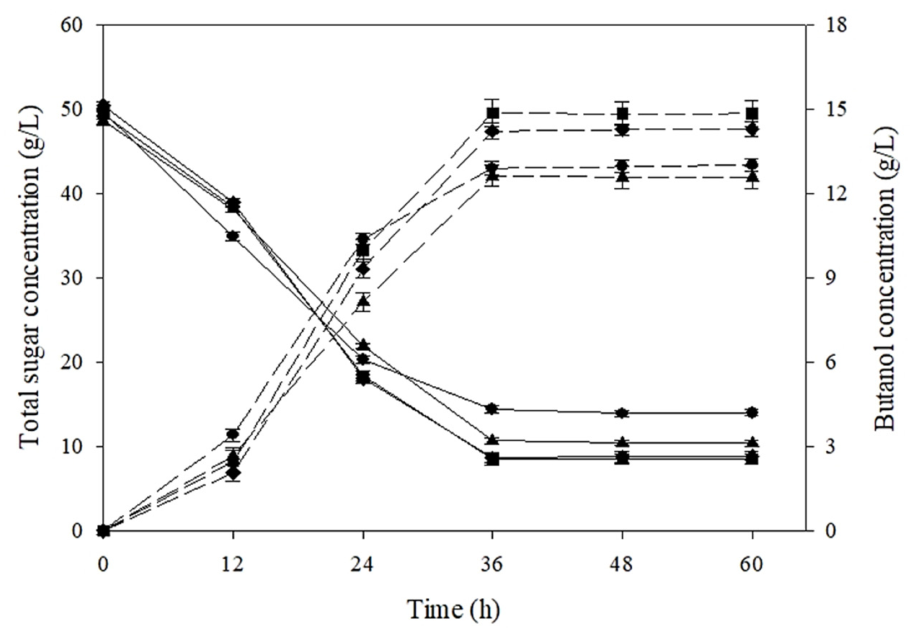
To improve the butanol production of immobilized C. beijerinckii TISTR 1461 cells, the effects of three buffers on batch ABE fermentation were studied. The results showed that the addition of Buffer 1 (K2HPO4, KH2PO4, and ammonium acetate) and Buffer 3 (ammonium acetate) yielded higher SC and ABE production than the control treatment with no buffer. Buffer 2 (K2HPO4 and KH2PO4) had no positive effect on SC and ABE production (Figure 5 and Table 1). Higher sugar utilization with Buffers 1 and 3 resulted in greater PB, PABE, QB, and QABE values. The PB, PABE, QB, QABE, and SC values under Buffer 3 addition were not significantly different from those with Buffer 1. This indicates that the metabolic pathways of ABE fermentation under these conditions were similar. The PB, QB, and SC values under Buffer 3 addition increased by ~8–12% compared to the control treatment. The results illustrate that using only ammonium acetate is sufficient for ABE fermentation. It is an effective buffer that improves butanol production in terms of PB, QB, and SC in batch ABE fermentation. Therefore, Buffer 3 (ammonium acetate) was applied in subsequent experiments.
Similar results were reported by Gu et al. [46]. They found that after adding 30 mM (2.31 g/L) of ammonium acetate to a cassava medium in batch ABE fermentation with C. acetobutylicum EA 2018, the PB value significantly increased from 8.3 to 13 g/L. Furthermore, ammonium acetate supplementation in this cassava medium decreased the fermentation time by ~57% compared to fermentation with no ammonium acetate addition.
Owing to low total sugar levels (in terms of total carbohydrate using a phenol–sulfuric acid method), the residual sugars might be unfermentable by the bacterial strain (~7 g/L). To confirm this hypothesis, HPLC analysis was used to determine the types of sugars remaining. HPLC results clearly showed that no glucose, fructose, or sucrose was present in the residual sugars. Thus, no fermentable sugar remained in the fermented broth for further butanol production by the immobilized C. beijerinckii TISTR 1461 cells. Increasing the initial sugar concentration was investigated in subsequent experiments to improve butanol production.

3.2. Improved Butanol Production in Batch Fermentation by Optimization of Initial Sugar Concentration and Product Recovery

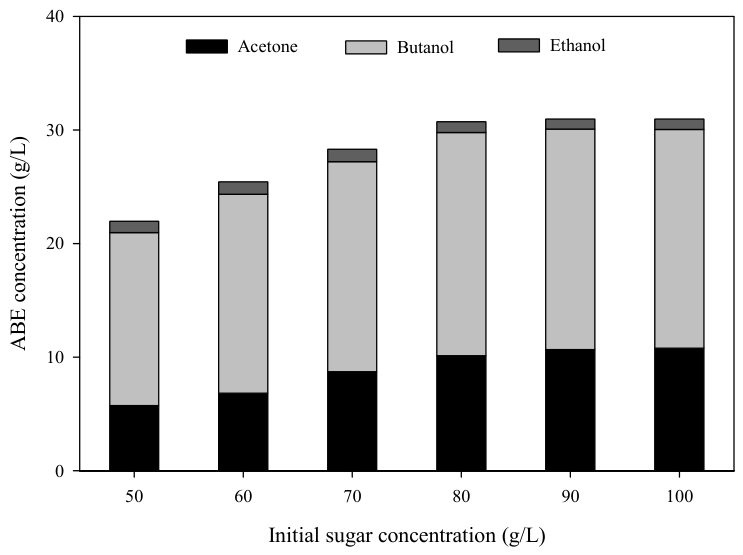
No fermentable sugar remained in the molasses medium containing 50 g/L of initial sugar (Section 3.1). So, the initial sugar concentration in the molasses medium was increased to enhance butanol production by C. beijerinckii TISTR 1461 immobilized on LS pieces. When it was varied from 50 to 100 g/L, acetone and butanol production increased with initial sugar concentrations up to 80 g/L (Figure 6). The ethanol concentrations produced at all tested initial sugar concentrations were not different, implying that 50–100 g/L initial sugar concentrations did not affect the ethanol production pathway. The highest PB (19.65 g/L), PABE (30.73 g/L), QB (0.55 g/L∙h), and QABE (0.85 g/L∙h) were obtained at an 80 g/L initial sugar concentration after 36 h. At initial sugar levels higher than 80 g/L, PB and PABE did not significantly increase. This might have been due to product or substrate inhibition in the fermentation system [32,47]. Li et al. [48] reported that high sugar concentrations (>60 g/L) in cane molasses inhibited the cell growth and butanol accumulation by C. beijerinckii MUT3. This outcome could be attributed to substrate inhibition caused by an excess amount of substrate, which is frequently encountered in batch fermentation systems. However, Ezeji et al. [32] reported that C. beijerinckii BA101 was inhibited at glucose concentrations above 100 g/L. Additionally, Kittithanesuan and Phisalaphong [49] reported that immobilized C. acetobutylicum ATCC 824 on thin-shell silk cocoons in an ABE fermentation from sugarcane juice with an initial sugar concentration of 100 g/L yielded a low PB, 5 g/L. This might have been due to the osmotic strength of the medium, which inhibited cell metabolism. Literature reports indicate that the efficiency of butanol production depends on the Clostridium strain and environmental conditions used for ABE fermentation.
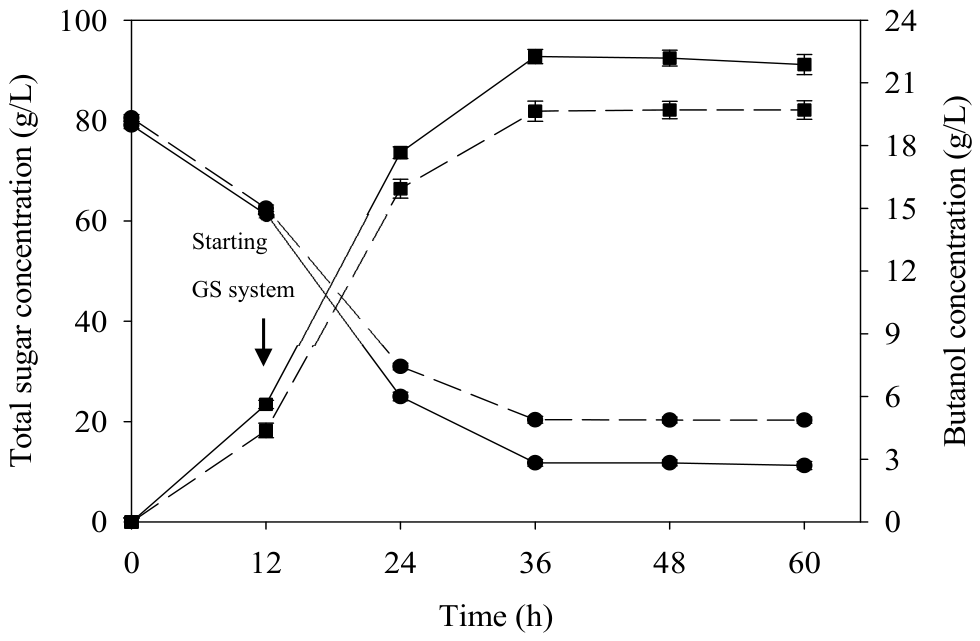
At an 80 g/L initial sugar concentration, immobilized C. beijerinckii TISTR 1461 could not completely utilize sugar in the broth. About 20 g/L of total residual sugar remained, or 75% SC (Figure 7). When a GS system was connected to the bioreactor (Figure 2), the batch ABE fermentation profiles were similar to those with no GS system, but the total residual sugar was less, ~12 g/L, indicating that the immobilized cells could utilize more sugar in the molasses medium for butanol production (Figure 7). After 36 h of fermentation, the PB, QB, and SC values increased to 22.26 g/L, 0.62 g/L·h, and 85%, respectively (Figure 7). These values increased by ~11–13% compared to those with no GS system. The obtained results clearly illustrate that the use of a GS technique could promote sugar consumption and butanol production by the immobilized C. beijerinckii TISTR 1461. Additionally, this technique did not alter the butanol production pathway. YB/S (0.33 g/g) values under both systems were not significantly different.

3.3. Improved Butanol Production by Fed-Batch Fermentation

3.3.1. Effects of Feeding Medium Concentration

In fed-batch fermentations, low initial sugar concentrations are initially used to prevent substrate inhibition [50]. Substrate feeding is initiated when the substrates have been sufficiently consumed and bacterial growth remains in the exponential phase [41]. In the current study, a fed-batch fermentation with continuous feeding was performed using a molasses medium containing 50 g/L of sugar (Figure 5) at a 50% initial working volume [41,42]. According to sugar consumption and butanol production profiles of the batch process (Figure 5 and Figure 7), both parameters sharply increased during the first 24 h of fermentation, indicating that feeding should be completed within this period. Therefore, feeding was initiated at 3, 6, or 9 h. The feeding medium contained 110 g/L of sugar, calculated to achieve a total sugar concentration of 80 g/L across all media, which was determined to be optimal in the batch fermentation (Figure 7). The feeding medium was continuously supplied at a flow rate of 25 mL/h to complete feeding within 24 h. At feeding times of 6 and 9 h, the PB (18.39 and 18.52 g/L) and PABE values (29.37 and 29.71 g/L) were not different, corresponding to 0.51 g/L·h of QB and 0.82 g/L·h of QABE. These values at feeding times of 6–9 h were lower than those of a batch fermentation at 80 g/L of total sugar (Figure 6 and Figure 7). At a feeding time of 3 h, the PB (18.95 g/L), PABE (29.79 g/L), QB (0.53 g/L·h) and QABE (0.83 g/L·h) were slightly lower than the batch fermentation (Figure 6 and Figure 7) (PB = 19.65 g/L, PABE = 30.63 g/L, QB = 0.55 g/L, QABE = 0.85 g/L) (Table 2).
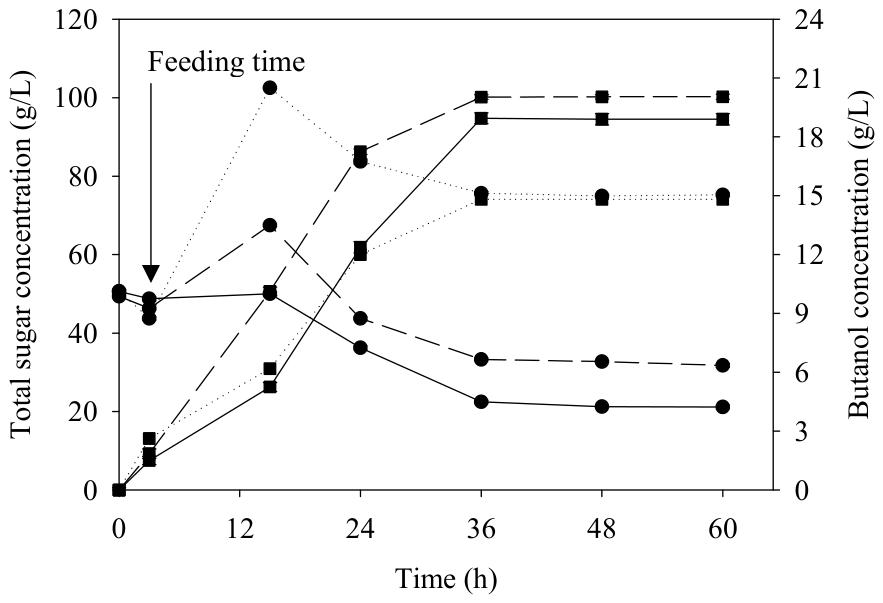
Then, the effect of feeding medium sugar concentrations was investigated in a fed-batch ABE fermentation with a feeding time of 3 h and a 25 mL/h flow rate. The sugar concentrations in the feeding medium were varied at 110, 150, and 190 g/L (corresponding to 80, 100, and 120 g/L of total sugar in all media, respectively). The PB value increased with greater feeding medium sugar concentrations, 110 to 150 g/L. The highest PB (20.03 g/L) and PABE (31.75 g/L) were achieved at a feeding medium concentration of 150 g/L (Figure 8 and Table 2). Under this condition, a QB of 0.56 g/L·h and QABE of 0.88 g/L·h were obtained. When the feeding medium concentration exceeded 150 g/L, PB and PABE greatly decreased. This might have been due to substrate inhibition in the fed-batch fermentation. Under all tested conditions, the butanol yield (YB/S) was unchanged, indicating that sugar levels and feeding regimes did not affect the butanol production pathway. Hence, a feeding medium containing 150 g/L of sugar was chosen for studying a fed-batch ABE fermentation coupled with a GS system to enhance butanol production in the subsequent experiment.

3.3.2. Fed-Batch Fermentation Coupled with a Gas Stripping System

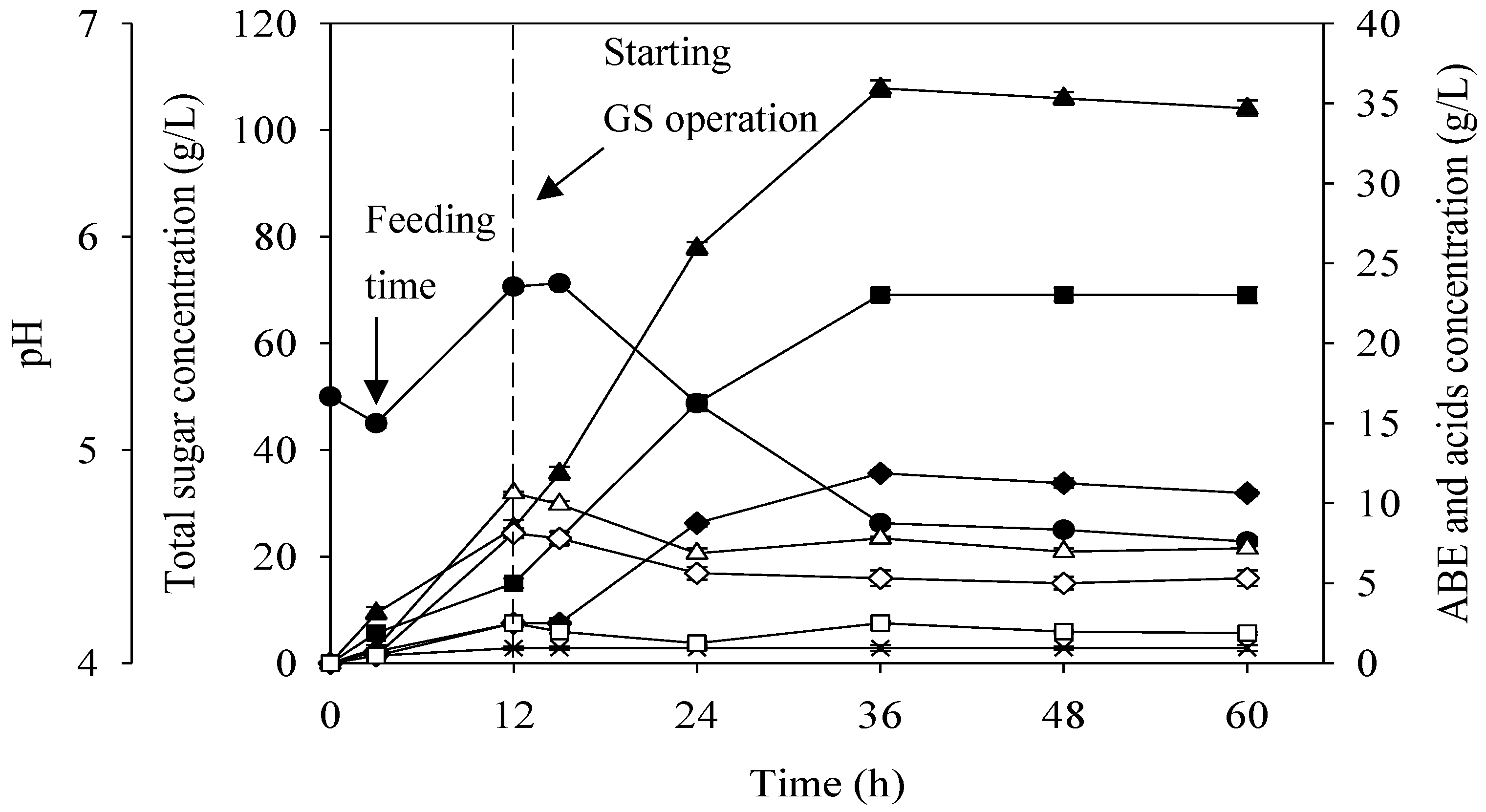
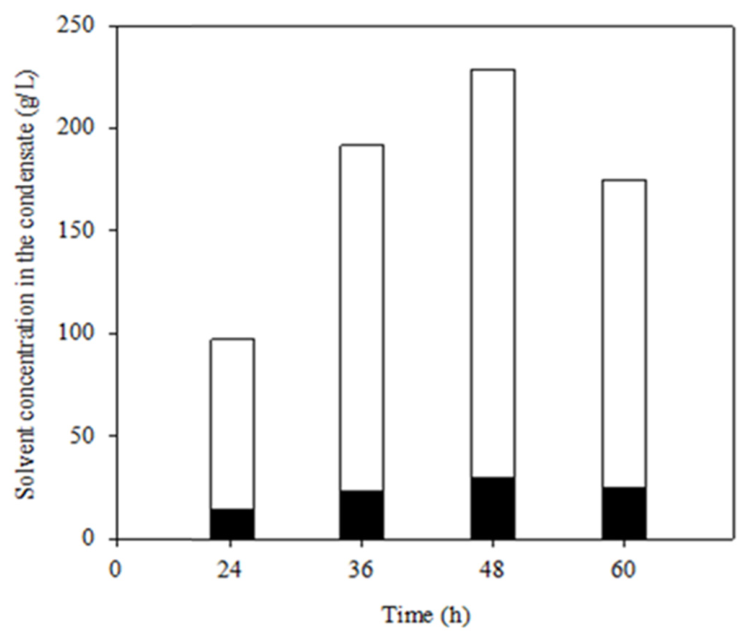
The immobilized cells on LS pieces could not completely utilize sugar in a fed-batch ABE fermentation, with ~33% of residual total sugar at a feeding medium concentration of 150 g/L (Table 2), corresponding to 100 g/L of total sugar in the whole medium (Section 3.3.1). A GS technique was therefore used to enhance sugar consumption and butanol production. The ABE fermentation profiles of the fed-batch mode coupled with a GS system are shown in Figure 9. They were similar to those with no GS system (Figure 8), implying that the fermentation pathways of the bacterial cells under these conditions were unchanged. GS was started at 12 h, and a high concentration of solvents was obtained in the GS condensate (Figure 10). During the fermentation, the solvent concentrations in the condensate were 98–229 g/L (butanol at 82–198 g/L and acetone at 16–31 g/L). Ethanol was not detected in the condensate, which might have been due to a low ethanol concentration produced in the fermentation broth (~1 g/L), resulting in a very low yield by the GS system. After 36 h of fermentation, the PB, QB, and SC with the GS system increased to 23.04 g/L, 0.64 g/L·h, and 74.24 g/L, respectively (Table 2). These values were increased by ~7–15% compared to those of the fed-batch ABE fermentation with no GS system. The results illustrate that GS is an effective method for improving sugar consumption and butanol production in fed-batch ABE fermentations. More sugar was consumed in the integrated fed-batch ABE fermentation/GS process, while butanol toxicity decreased since ABE production and removal in the bioreactor occurred simultaneously. However, the GS system conditions should be optimized for sugar consumption and butanol production of immobilized C. beijerinckii TISTR 1461. Additionally, YB/S values with and without GS were not different (Table 2), reconfirming that the GS system did not affect the metabolic pathway of butanol production in the ABE fermentation.

3.4. Comparison of the Batch and Fed-Batch ABE Fermentations Integrated with an In Situ Gas Stripping System

Separation by gas stripping (GS) removes solvents by dissolving them in a gas sparged through a fermentation broth. This alleviates product toxicity, enabling higher substrate utilization. Table 3 shows data from batch and fed-batch ABE fermentations with an integrated in situ GS system by free and immobilized cells. The literature reports that ABE fermentations with GS systems can yield improved butanol production compared with fermentations done with no GS system. The resulting butanol and ABE concentrations ranged from 10.5 to 23.0 g/L and 17.5 and 35.9 g/L, respectively (Table 3). The obtained butanol and ABE concentrations were influenced by the initial substrate concentrations, fermentation modes, GS operation, microorganisms used, fermentation conditions, and cell type (free or immobilized cells). The highest butanol and ABE concentrations were observed in our study, with high YB/S values (0.30–0.33 g/g). High YB/S required greater levels of essential enzymes, such as butanol dehydrogenase, and the NADH necessary for reduction in butanol production. The higher QB values (0.61–0.64 g/L·h) observed in our study show that the rate of butanol production was greater than in previously reported works. The fed-batch mode shows higher butanol production efficiency than the batch mode in terms of PB, PABE, and QB. The mode of fermentation may affect the butanol metabolic pathway, impacting the YB/S value. Our study results show that the fed-batch process presents slightly improved PB, PABE, and QB values, whereas the batch process achieves a marginally better YB/S. Slight differences in the PB, PABE, and QB of our study may be due to factors such as low initial sugarcane molasses levels, the feeding strategy, and the use of a GS system. Hence, these factors must be investigated in future research to enhance butanol production. However, our results clearly demonstrate that batch and fed-batch fermentations by immobilized C. beijerinckii cells, coupled with a GS system, can promote butanol production.

4. Conclusions

Batch and fed-batch ABE fermentations from a sugarcane molasses medium by immobilized C. beijerinckii TISTR 1461 cells on LS pieces, a low-cost carrier for immobilization, is a promising technique yielding higher PB and QB values of 22–23 g/L and 0.61–0.64 g/L·h, respectively. These values exceeded those achieved using free cells under comparable conditions. Immobilized cells offer the additional advantage of easier cell recovery and reuse. Integrating the fermentation with gas stripping boosts the PB and QB values by ~11–15% compared to a process with no gas stripping. In a fed-batch fermentation, the sugar concentration in the feed medium and the feeding time affect butanol production. Overall, batch and fed-batch modes using immobilized C. beijerinckii TISTR 1461 cells, coupled with gas stripping, can serve as an alternative method to improve the efficiency of sugar consumption and butanol production. The reusability of the LS carriers is currently under investigation using repeated-batch fermentation. Future studies should also address practical engineering aspects, including the mechanical strength of the LS carriers, the energy consumption of the gas stripping system, the efficiency of product condensation, and long-term operational stability of the process, to further evaluate the scalability and industrial feasibility of this process.

Author Contributions

Conceptualization, P.L. and L.L.; Formal analysis and investigation, P.N. and C.D.; methodology, P.N. and C.D.; writing—original draft preparation, P.N. and C.D.; supervision, P.L. and L.L.; writing—review and editing, P.L., L.L. and C.D.; funding acquisition, P.L. and L.L. All authors have read and agreed to the published version of the manuscript.

Funding

This research was financially supported by the Fundamental Fund 2025 of Khon Kaen University, the National Science, Research and Innovation Fund (NSRF), Thailand (Grant. No. 203252).

Data Availability Statement

The data presented in this study are available on request from the corresponding author.

Acknowledgments

We thank the Mitr Phu Viang Sugar Co., Ltd., Khon Kaen, Thailand, for providing sugarcane molasses, and Beer Thip Brewery Co., Ltd., Phra Nakhon Si Ayutthaya, Thailand for supplying dried spent yeast.

Conflicts of Interest

The authors declare that they have no known competing financial interests or personal relationships that could have appeared to influence the work reported in this paper.

References

  1. Xue, C.; Cheng, C. Butanol production by Clostridium. Adv. Bioenergy 2019, 4, 35–77. [Google Scholar] [CrossRef]
  2. Qureshi, N.; Ezeji, T.C. Butanol, ‘a superior biofuel’ production from agricultural residues (renewable biomass): Recent progress in technology. Biofuels Bioprod. Biorefining Innov. A Sustain. Econ. 2008, 2, 319–330. [Google Scholar] [CrossRef]
  3. Qureshi, N.; Lin, X.; Liu, S.; Saha, B.C.; Mariano, A.P.; Polaina, J. Global view of biofuel butanol and economics of its production by fermentation from sweet sorghum bagasse, food waste, and yellow top presscake: Application of novel technologies. Fermentation 2020, 6, 58. [Google Scholar] [CrossRef]
  4. Global N Butanol Derivatives Market Report 2025. Available online: https://www.cognitivemarketresearch.com/n-butanol-derivatives-market-report (accessed on 9 October 2025).
  5. Regional Insights and Forecasts from 2026 to 2035. Available online: https://www.marketreportsworld.com/market-reports/normal-butanol-market-14715633 (accessed on 17 April 2026).
  6. Li, S.Y.; Srivastava, R.; Suib, S.L.; Li, Y.; Parnas, R.S. Performance of batch, fed-batch, and continuous A–B–E fermentation with pH-control. Bioresour. Technol. 2011, 102, 4241–4250. [Google Scholar] [CrossRef] [PubMed]
  7. Zhou, Z.; Ding, H.; Shi, C.; Peng, S.; Zhu, B.; An, X.; Li, H. Enhanced butanol tolerance and production from puerariae slag hydrolysate by Clostridium beijerinckii through metabolic engineering and process regulation strategies. Bioresour. Technol. 2025, 419, 132035. [Google Scholar] [CrossRef] [PubMed]
  8. Su, C.; Zhang, C.; Wu, Y.; Zhu, Q.; Wen, J.; Wang, Y. Combination of pH adjusting and intermittent feeding can improve fermentative acetone-butanol-ethanol (ABE) production from steam exploded corn stover. Renew. Energy 2022, 200, 592–600. [Google Scholar] [CrossRef]
  9. Zhou, W.; Liu, J.; Fan, S.; Xiao, Z.; Qiu, B.; Wang, Y.; Li, J.; Liu, Y. Biofilm immobilization of Clostridium acetobutylicum on particulate carriers for acetone-butanol-ethanol (ABE) production. Bioresour. Technol. Rep. 2018, 3, 211–217. [Google Scholar] [CrossRef]
  10. Lin, Z.; Cong, W.; Zhang, J. Biobutanol production from Acetone–Butanol–Ethanol fermentation: Developments and prospects. Fermentation 2023, 9, 847. [Google Scholar] [CrossRef]
  11. Djukic-Vukovic, A.P.; Mojovic, L.V.; Jokic, B.M.; Nikolic, S.B.; Pejin, J.D. Lactic acid production on liquid distillery stillage by Lactobacillus rhamnosus immobilized onto zeolite. Bioresour. Technol. 2013, 135, 454–458. [Google Scholar] [CrossRef] [PubMed]
  12. Ferreira dos Santos Vieira, C.; Duzi Sia, A.; Maugeri Filho, F.; Maciel Filho, R.; Pinto Mariano, A. Isopropanol-butanol-ethanol production by cell-immobilized vacuum fermentation. Bioresour. Technol. 2022, 344, 126313. [Google Scholar] [CrossRef] [PubMed]
  13. Vichuviwat, R.; Boonsombuti, A.; Luengnaruemitchai, A.; Wongkasemjit, S. Enhanced butanol production by immobilized Clostridium beijerinckii TISTR 1461 using zeolite 13X as a carrier. Bioresour. Technol. 2014, 172, 76–82. [Google Scholar] [CrossRef] [PubMed]
  14. Survase, S.A.; Heiningen, A.V.; Granström, T. Continuous bio-catalytic conversion of sugar mixture to acetone-butanol-ethanol by immobilized Clostridium acetobutylicum DSM 792. Appl. Microbiol. Biotechnol. 2012, 93, 2309–2316. [Google Scholar] [CrossRef] [PubMed]
  15. Cai, D.; Li, P.; Chen, C.; Wang, Y.; Hu, S.; Cui, C.; Qin, P.; Tan, T. Effect of chemical pretreatments on corn stalk bagasse as immobilizing carrier of Clostridium acetobutylicum in the performance of a fermentation-pervaporation coupled system. Bioresour. Technol. 2016, 220, 68–75. [Google Scholar] [CrossRef] [PubMed]
  16. Cai, D.; Chang, Z.; Gao, L.; Chen, C.; Niu, Y.; Qin, P.; Wang, Z.; Tan, T. Acetone–butanol–ethanol (ABE) fermentation integrated with simplified gas stripping using sweet sorghum bagasse as immobilized carrier. Chem. Eng. J. 2015, 176–185. [Google Scholar] [CrossRef]
  17. Chacón, S.J.; Matias, G.; Ezeji, T.C.; Maciel Filho, R.; Mariano, A.P. Three-stage repeated-batch immobilized cell fermentation to produce butanol from non-detoxified sugarcane bagasse hemicellulose hydrolysates. Bioresour. Technol. 2021, 321, 124504. [Google Scholar] [CrossRef] [PubMed]
  18. Narueworanon, P.; Laopaiboon, L.; Laopaiboon, P. Capability of immobilized Clostridium beijerinckii TISTR 1461 on lotus stalk pieces to produce butanol from sugarcane molasses. Processes 2021, 9, 573. [Google Scholar] [CrossRef]
  19. Narueworanon, P.; Phukoetphim, N.; Laopaiboon, L.; Laopaiboon, P. Impacts of initial sugar, nitrogen and calcium carbonate on butanol fermentation from sugarcane molasses by Clostridium beijerinckii. Energies 2020, 13, 694. [Google Scholar] [CrossRef]
  20. de Oliveira, R.A.; Zetty Arenas, A.M.; Plácido, J.; Tovar, L.P. Integrated kinetic modeling of acetone-butanol-ethanol fermentation by Clostridium saccharoperbutilacetonicum N1-4: Co-utilization strategy with cane molasses, biomass-derived sugars, and furaldehydes. Biomass Bioenergy 2024, 191, 107435. [Google Scholar] [CrossRef]
  21. Wu, Y.D.; Xue, C.; Chen, L.J.; Bai, F.W. Effect of zinc supplementation on acetone–butanol–ethanol fermentation by Clostridium acetobutylicum. J. Biotechnol. 2013, 165, 18–21. [Google Scholar] [CrossRef] [PubMed]
  22. Wu, Y.D.; Xue, C.; Chen, L.J.; Bai, F.W. Impact of zinc supplementation on the improved fructose/xylose utilization and butanol production during acetone–butanol–ethanol fermentation. J. Biosci. Bioeng. 2016, 121, 66–72. [Google Scholar] [CrossRef] [PubMed]
  23. Li, H.G.; Ofosu, F.K.; Li, K.T.; Gu, Q.Y.; Wang, Q.; Yu, X.B. Acetone, butanol, and ethanol production from gelatinized cassava flour by a new isolates with high butanol tolerance. Bioresour. Technol. 2014, 172, 276–282. [Google Scholar] [CrossRef] [PubMed]
  24. Durán-Padilla, V.R.; Davila-Vazquez, G.; Chávez-Vela, N.A.; Tinoco- Valencia, J.R.; Jáuregui-Rincón, J. Iron effect on the fermentative metabolism of Clostridium acetobutylicum ATCC 824 using cheese whey as substrate. Biofuel Res. J. 2014, 4, 129–133. [Google Scholar] [CrossRef]
  25. Capilla, M.; San-Valero, P.; Izquierdo, M.; Penya-roja, J.M.; Gabaldón, C. The combined effect on initial glucose concentration and pH control strategies for acetone-butanol-ethanol (ABE) fermentation by Clostridium acetobutylicum DSM 792. Biochem. Eng. J. 2021, 167, 107910. [Google Scholar] [CrossRef]
  26. Walter, K.A.; Bennett, G.; Papoutsakis, E.T. Molecular characterization of two Clostridium acetobutylicum ATCC 824 butanol dehydrogenase isozyme genes. J. Bacteriol. 1992, 174, 7149–7158. [Google Scholar] [CrossRef] [PubMed]
  27. Mao, S.; Luo, Y.; Bao, G.; Zhang, Y.; Li, Y.; Ma, Y. Comparative analysis on the membrane proteome of Clostridium acetobutylicum wild type strain and its butanol-tolerant mutant. Mol. BioSyst. 2011, 7, 1660–1677. [Google Scholar] [CrossRef] [PubMed]
  28. Restiawaty, E.; Grinanda, D. Ferrous ion and medium composition effects on acidogenic phase in biobutanol production from molasses. J. Phys. Conf. Ser. 2017, 877, 012072. [Google Scholar] [CrossRef]
  29. Kolesinska, B.; Fraczyk, J.; Binczarski, M.; Modelska, M.; Berlowska, J.; Dziugan, P.; Antolak, H.; Kaminski, Z.J.; Witonska, I.A.; Kregiel, D. Butanol synthesis routes for biofuel production: Trends and perspectives. Materials 2019, 12, 350. [Google Scholar] [CrossRef] [PubMed]
  30. de Brito Bezerra, P.K.S.; de Azevedo, J.C.S.; dos Santos, E.S. Biobutanol production by batch and fed-batch fermentations from the green coconut husk hydrolysate using C. beijerinckii ATCC 10132. Biomass Convers. Biorefin. 2023, 14, 23447–23459. [Google Scholar] [CrossRef]
  31. Branska, B.; Koppova, K.; Husakova, M.; Patakova, P. Application of fed-batch strategy to fully eliminate the negative effect of lignocellulose-derived inhibitors in ABE fermentation. Biotechnol. Biofuels Bioprod. 2024, 17, 87. [Google Scholar] [CrossRef] [PubMed]
  32. Ezeji, T.C.; Qureshi, N.; Blaschek, H.P. Acetone butanol ethanol (ABE) production from concentrated substrate: Reduction in substrate inhibition by fed-batch technique and product inhibition by gas stripping. Appl. Microbiol. Biotechnol. 2004, 63, 653–658. [Google Scholar] [CrossRef] [PubMed]
  33. Xue, C.; Zhao, J.; Lu, C.; Yang, S.T.; Bai, F.; Tang, I. High-titer n-butanol production by Clostridium acetobutylicum JB200 in fed-batch fermentation with intermittent gas stripping. Biotechnol. Bioeng. 2012, 109, 2746–2756. [Google Scholar] [CrossRef] [PubMed]
  34. Chen, C.W.; Mirzaei, S.; Huang, C.C.; Li, S.Y. A scale-up study of the continuous ABE fermentation in a packed bed coupled with the extraction/gas-stripping in situ butanol recovery process. Sep. Purif. Technol. 2023, 318, 123952. [Google Scholar] [CrossRef]
  35. Xue, C.; Zhao, J.; Chen, L.; Yang, S.T.; Bai, F. Recent advances and state-of-the-art strategies in strain and process engineering for biobutanol production by Clostridium acetobutylicum. Biotechnol. Adv. 2017, 35, 310–322. [Google Scholar] [CrossRef] [PubMed]
  36. Sirisantimethakom, L.; Laopaiboon, L.; Sanchanda, P.; Chatleudmongkol, J.; Laopaiboon, P. Improvement of butanol production from sweet sorghum juice by Clostridium beijerinckii using an orthogonal array design. Ind. Crop. Prod. 2016, 287–294. [Google Scholar] [CrossRef]
  37. Qureshi, N.; Blaschek, H.P. Production of acetone-butanol-ethanol (ABE) by a hyper-producing mutant stain of Clostridium beijerinckii BA101 and recovery by pervaporation. Biotechnol. Prog. 1999, 15, 594–602. [Google Scholar] [CrossRef] [PubMed]
  38. Thanapornsin, T.; Sanchanda, P.; Laopaiboon, L.; Laopaiboon, P. Batch butanol fermentation from sugarcane molasses integrated with a gas stripping system: Effects of sparger types and gas flow rates. Asia Pac. J. Sci. Technol. 2018, 23, 1–12. [Google Scholar] [CrossRef]
  39. Wechgama, K.; Laopaiboon, L.; Laopaiboon, P. Enhancement of batch butanol production from sugarcane molasses using nitrogen supplementation integrated with gas stripping for product recovery. Ind. Crop. Prod. 2017, 95, 216–226. [Google Scholar] [CrossRef]
  40. Ezeji, T.C.; Qureshi, N.; Blaschek, H.P. Production of acetone, butanol and ethanol by Clostridium beijerinckii BA101 and in situ recovery by gas stripping. World J. Microbiol. Biotechnol. 2003, 19, 595–603. [Google Scholar] [CrossRef]
  41. Phukoetphim, N.; Salakkam, A.; Laopaiboon, P.; Laopaiboon, L. Improvement of ethanol production from sweet sorghum juice under batch and fed-batch fermentations: Effects of sugar levels, nitrogen supplementation, and feeding regimes. EJB Electron. J. Biotechnol. 2017, 26, 84–92. [Google Scholar] [CrossRef]
  42. Vu, T.K.L.; Le, V.V.M. Using fed-batch fermentation in high-gravity brewing: Effects of nutritional supplementation on yeast fermentation performance. Int. Food Res. J. 2010, 17, 117–126. [Google Scholar]
  43. Mecozzi, M. Estimation of total carbohydrate amount in environmental samples by the phenol-sulphuric acid method assisted by multivariate calibration. Chemom. Intell. Lab. Syst. 2005, 79, 84–90. [Google Scholar] [CrossRef]
  44. Daengbussadee, C.; Laopaiboon, L.; Kaewmaneewat, A.; Sirisantimethakom, L.; Laopaiboon, P. Novel methods using an Arthrobacter sp. to create anaerobic conditions for biobutanol production from sweet sorghum juice by Clostridium beijerinckii. Processes 2021, 9, 178. [Google Scholar] [CrossRef]
  45. Daengbussadee, C.; Laopaiboon, L.; Laopaiboon, P. Butanol production by a novel efficient method using mixed cultures of Clostridium beijerinckii and Arthrobacter sp. in stirred-tank and gas-lift bioreactors. Fermentation 2022, 8, 160. [Google Scholar] [CrossRef]
  46. Gu, Y.; Hu, S.; Chen, J.; Shao, L.; He, H.; Yang, Y.; Yang, S.; Jiang, W. Ammonium acetate enhances solvent production by Clostridium acetobutylicum EA 2018 using cassava as a fermentation medium. J. Ind. Microbiol. Biotechnol. 2009, 6, 1225–1232. [Google Scholar] [CrossRef] [PubMed]
  47. Jiang, W.; Zhao, J.; Wang, Z.; Yang, S.T. Stable high-titer n-butanol production from sucrose and sugarcane juice by Clostridium acetobutylicum JB200 in repeated batch fermentations. Bioresour. Technol. 2014, 163, 172–179. [Google Scholar] [CrossRef] [PubMed]
  48. Li, H.G.; Luo, W.; Gu, Q.Y.; Wang, Q.; Hu, W.J.; Yu, X.B. Acetone, butanol, and ethanol production from cane molasses using Clostridium beijerinckii mutant obtained by combined low-energy ion beam implantation and N-methyl-N-nitro-N-nitrosoguanidine induction. Bioresour. Technol. 2013, 137, 254–260. [Google Scholar] [CrossRef] [PubMed]
  49. Kittithanesuan, N.; Phisalaphong, M. Enhanced acetone-butanol production from sugarcane juice by immobilized Clostridium acetobutylicum (ATCC 824) on thin-shell silk cocoons. Biotechnol. Bioprocess Eng. 2015, 20, 599–607. [Google Scholar] [CrossRef]
  50. Niglio, S.; Marzocchella, A.; Rehmann, L. Clostridial conversion of corn syrup to acetone-butanol-ethanol (ABE) via batch and fed-batch fermentation. Heliyon 2019, 5, e01401. [Google Scholar] [CrossRef] [PubMed]
  51. Rochón, E.; Ferrari, M.D.; Lareo, C. Integrated ABE fermentation-gas stripping process for enhanced butanol production from sugarcane-sweet sorghum juices. Biomass Bioenergy 2017, 98, 153–160. [Google Scholar] [CrossRef]
  52. Plaza, P.E.; Coca, M.; Yagüe, S.L.; Gutiérrez, G.; Rochón, E.; García-Cubero, M.T. Bioprocess intensification for acetone-butanol-ethanol fermentation from brewer’s spent grain: Fed-batch strategies coupled with in-situ gas stripping. Biomass Bioenergy 2022, 156, 106327. [Google Scholar] [CrossRef]
  53. Lu, C.; Dong, J.; Yang, S.T. Butanol production from wood pulping hydrolysate in an integrated fermentation-gas stripping process. Bioresour. Technol. 2013, 143, 467–475. [Google Scholar] [CrossRef] [PubMed]
  54. Cai, D.; Chen, C.; Zhang, C.; Wang, Y.; Wen, H.; Qin, P. Fed-batch fermentation with intermittent gas stripping using immobilized Clostridium acetobutylicum for biobutanol production from corn stover bagasse hydrolysate. Biochem. Eng. J. 2017, 125, 18–22. [Google Scholar] [CrossRef]
Figure 1. LS pieces used as carriers for cell immobilization to produce butanol: (A) fresh, and (B) dried LS pieces.
Energies 19 03185 g001
Figure 2. Schematic diagram (A), and image (B) of butanol production from sugarcane molasses by immobilized C. beijerinckii TISTR 1461 cells on LS pieces, coupled with a gas stripping (GS) system.
Energies 19 03185 g002
Figure 3. Profiles of batch ABE fermentation from sugarcane molasses containing 50 g/L of sugar and 6 g/L of DSY by immobilized C. beijerinckii TISTR 1461 cells on LS pieces: (●) total sugar, (○) pH, (▲) ABE, (∆) total acids, (◆) acetone, (■) butanol, (×) ethanol, (◊) acetic acid and (□) butyric acid.
Energies 19 03185 g003
Figure 4. Profiles of sugar consumption and butanol production from sugarcane molasses medium containing 50 g/L of sugar by immobilized C. beijerinckii TISTR 1461 cells on LS pieces with supplementation using various metal ions: control or no metal ion addition (●), 0.01 g/L of ZnSO4 (■), 0.01 g/L of MnSO4, (▲) and 0.01 g/L of FeSO4 (◆); total sugar (solid lines) and butanol (dashed lines).
Energies 19 03185 g004
Figure 5. Profiles of sugar utilization and butanol production from sugarcane molasses medium by immobilized C. beijerinckii TISTR 1461 cells immobilized on LS pieces under different buffer conditions. Control (●), Buffer 1 (■), Buffer 2 (▲), and Buffer 3 (◆); total sugar (solid lines) and butanol (dashed lines).
Energies 19 03185 g005
Figure 6. ABE production in batch fermentation by immobilized C. beijerinckii TISTR 1461 cells on LS pieces from a sugarcane molasses medium at various initial sugar concentrations.
Energies 19 03185 g006
Figure 7. Profiles of sugar consumption and butanol production by immobilized C. beijerinckii TISTR 1461 cells on LS pieces from a sugarcane molasses medium (initial sugar, 80 g/L) with (solid lines) and with no (dashed lines) gas stripping (GS) system; (●) total sugar, and (■) butanol concentrations.
Energies 19 03185 g007
Figure 8. Profiles of fed-batch ABE fermentation from sugarcane molasses medium by immobilized C. beijerinckii TISTR 1461 cells on LS pieces at a feeding time of 3 h under different feeding medium concentrations: 110 g/L (solid lines); 150 g/L (dashed lines), and 190 g/L (dotted lines) of sugar; (●) total sugar, and (■) butanol concentrations.
Energies 19 03185 g008
Figure 9. Profiles of fed-batch ABE fermentation by immobilized C. beijerinckii TISTR 1461 cells on LS pieces from a sugarcane molasses medium (100 g/L of sugar in the whole medium) coupled with gas stripping (GS); (●) total sugar, (▲) cumulative ABE, (∆) total acids, (◆) acetone, (■) butanol, (×) ethanol, (◊) acetic acid and (□) butyric acid concentrations.
Energies 19 03185 g009
Figure 10. Acetone (black bars) and butanol (white bars) production by immobilized C. beijerinckii TISTR 1461 cells on LS pieces coupled with gas stripping (GS) in the condensate during fed-batch fermentation.
Energies 19 03185 g010
Table 1. ABE fermentation parameters from a sugarcane molasses medium containing 50 g/L of initial total sugar, with and without metal ion supplementation, and buffer and no buffer addition, by immobilized C. beijerinckii TISTR 1461 cells on LS pieces.
SupplementAcetone
(g/L)
Butanol
(g/L)
Ethanol
(g/L)
ABE
(g/L)
Total Acid (g/L)Sugar Utilized (%)Time (h)QB
(g/L·h)
QABE
(g/L·h)
No metal ion/
no buffer
(control)
4.08 ± 0.11 aA12.89 ± 0.24 aA0.99 ± 0.03 aA17.95 ± 0.38 aA2.43 ± 0.18 aA71.07 ± 0.39 aA360.36 ± 0.01 aA0.50 ± 0.01 aA
Metal ion (no buffer supplement)
0.01 g/L of ZnSO43.15 ± 0.20 b9.08 ± 0.13 b0.98 ± 0.01 a13.21 ± 0.34 b3.93 ± 0.41 b62.68 ± 0.37 b300.30 ± 0.00 b0.44 ± 0.01 b
0.01 g/L of MnSO43.23 ± 0.32 b9.14 ± 0.21 b0.96 ± 0.07 a13.33 ± 0.60 b3.91 ± 0.30 b62.03 ± 0.43 b300.30 ± 0.01 b0.44 ± 0.02 b
0.01 g/L of FeSO43.00 ± 0.18 b8.07 ± 0.34 c0.96 ± 0.05 a12.03 ± 0.57 c3.73 ± 0.28 b51.68 ± 0.52 c300.27 ± 0.01 c0.40 ± 0.02 c
Buffer (no metal ion supplement)
Buffer 1 13.64 ± 0.13 B14.86 ± 0.49 B1.03 ± 0.02 A19.53 ± 0.62 B3.25 ± 0.21 B82.84 ± 0.65 B360.41 ± 0.01 B0.54 ± 0.01 B
Buffer 2 22.98 ± 0.07 C12.72 ± 0.37 A1.05 ± 0.01 A16.75 ± 0.44 C2.02 ± 0.10 C78.06 ± 0.36 C360.35 ± 0.01 A0.47 ± 0.01 C
Buffer 3 34.74 ± 0.03 D14.21 ± 0.28 B1.04 ± 0.05 A19.99 ± 0.21 B3.35 ± 0.13 B82.92 ± 0.59 B360.39 ± 0.01 B0.56 ± 0.01 B
t = fermentation time (h); QB = Butanol productivity (g/L·h); QABE = ABE productivity (g/L·h); 1 Buffer 1 = ammonium acetate, 2.2 g/L; K2HPO4, 0.5 g/L and KH2PO4, 0.5 g/L; 2 Buffer 2 = K2HPO4, 0.5 g/L and KH2PO4, 0.5 g/L; 3 Buffer 3 = ammonium acetate, 2.2 g/L; a, b, and c For the tested metal ions, mean values assigned the same letter in the same column show no significant difference at α = 0.05, as assessed by Duncan’s multiple range test; A, B, C, and D For the tested buffers, mean values assigned the same letter in the same column show no significant difference at α = 0.05, as assessed by Duncan’s multiple range test.
Table 2. Fermentation parameters of fed-batch ABE fermentation from a sugarcane molasses medium by immobilized C. beijerinckii TISTR 1461 cells on LS pieces at a feeding time of 3 h under different feeding medium concentrations with and without a gas stripping (GS) system.
Product/Fermentation ParameterFeeding Medium Concentration (g/L of Sugar) *
110
No GS
150
No GS
190
No GS
150
With GS
Acetone (g/L)9.90 ± 0.15 a10.69 ± 0.09 bB5.41 ± 0.18 c11.84 ± 0.11 aA
Butanol (g/L)18.95 ± 0.29 a20.03 ± 0.12 bB14.82 ± 0.34 c23.04 ± 0.20 bA
Ethanol (g/L)0.94 ± 0.02 a1.03 ± 0.06 bA0.97 ± 0.03 ab1.03 ± 0.03 aA
ABE (g/L)29.79 ± 0.46 a31.75 ± 0.27 bB21.20 ± 0.55 c35.91 ± 0.33 bA
Acetic acid (g/L)5.65 ± 0.25 a5.39 ± 0.23 aA3.91 ± 0.16 b5.58 ± 0.18 aA
Butyric acid (g/L)2.91 ± 0.08 a2.20 ± 0.14 bA1.70 ± 0.10 c2.32 ± 0.09 aA
Total acid (g/L)8.56 ± 0.33 a7.59 ± 0.36 bA5.61 ± 0.28 c7.90 ± 0.26 aA
Total Sugar utilized (%)73.67 ± 0.50 a66.78 ± 0.32 bB39.35 ± 0.43 c74.24 ± 0.27 bA
YB/S (g/g)0.30 ± 0.00 a0.30 ± 0.00 aA0.30 ± 0.00 a0.30 ± 0.01 aA
QB (g/L·h)0.53 ± 0.01 a0.56 ± 0.00 bB0.41 ± 0.01 c0.64 ± 0.01 aA
QABE (g/L·h)0.83 ± 0.01 a0.88 ± 0.01 bB0.59 ± 0.02 c1.00 ± 0.01 bA
* Feeding medium concentration at 110, 150, and 190 g/L sugar corresponding to 80, 100, and 120 g/L of total sugar in all media, respectively. YB/S, butanol yield; QB, butanol productivity, and QABE, ABE productivity. All experiments were conducted in triplicate, and the data were reported as mean ± SD. a, b, and c Mean values assigned the same letter in the same row show no significant difference at α = 0.05, as assessed by Duncan’s multiple range test. A and B mean values assigned the same letter in the same row show no significant difference at α = 0.05, as assessed by Duncan’s multiple range test in a comparison between 150 g/L no GS and 150 g/L with GS.
Table 3. ABE fermentation integrated with an in situ gas stripping system.
Substrate
(Sugar Concentration, g/L)
Fermentation ModeMicroorganismFree Cells/
Immobilized Cells
Total Butanol (g/L)Total ABE (g/L)YB/S
(g/g)
QB
(g/L·h)
References
Sugarcane-sweet sorghum juices
(75 g/L)
BatchC. acetobutylicum DSM 792Free cells10.517.50.180.10[41]
Fed-batch18.631.80.160.13
Sugarcane molasses
(40 g/L)
BatchC. beijerinckii TISTR 1461Free cells14.118.90.390.29[37]
P2 Medium
(80 g/L)
BatchC. acetobutylicum JB 200Free cells19.831.80.250.41[51]
Brewer’s spent grain
(43 g/L)
Fed-batchC. beijerinckii DSM 6422Free cells13.218.00.170.11[52]
P2 Medium
(70 g/L)
BatchC. acetobutylicum ABE 1401Immobilized cells on sweet sorghum bagasse17.228.40.400.22[15]
Wood pulping hydrolysate
(54.4 g/L)
BatchC. beijerinckii CC101Free cells13.517.70.230.13[53]
Corn stover hydrolysate
(97.6 g/L)
Fed-batchC. beijerinckii ABE-P 1201Immobilized cells on corn stover bagasse18.628.30.190.09[54]
Sugarcane molasses
(80–100 g/L)
BatchC. beijerinckii TISTR 1461Immobilized cells in lotus stalks22.334.70.330.61This study
Fed-batch23.035.90.300.64
Disclaimer/Publisher’s Note: The statements, opinions and data contained in all publications are solely those of the individual author(s) and contributor(s) and not of MDPI and/or the editor(s). MDPI and/or the editor(s) disclaim responsibility for any injury to people or property resulting from any ideas, methods, instructions or products referred to in the content.