1. Introduction
With the continuous advancement of the global “carbon neutrality” strategy, the energy storage industry has witnessed explosive growth committed to renewable energy development and utilization. LIBs, one type of core energy storage device, have been widely applied as consumer electronics, electric vehicles, and large-scale energy storage for their high energy density, long cycle life, and cost effectiveness, which have played an irreplaceable role in promoting the transformation of energy structure [
1,
2,
3,
4,
5,
6]. In recent years, in the field of energy storage, increasingly stringent requirements have been put forward for LIBs regarding their high energy density, fast charging/discharging capabilities, and inherent safety. The performance upgrade of each core component of the batteries has become the focus of industry research [
7,
8,
9]. Among those components, the separator is closely related to the electrochemical performance and safety of the LIBs for their unique physical and chemical characteristics, and it is significant to have an insight into the effect of separators on the comprehensive performance of advanced LIBs [
10,
11,
12].
In fact, the separator undertakes two core functions. First, it serves as a physical barrier that completely isolates the positive and negative electrodes, preventing internal short circuits caused by direct contact between them, thereby acting as the first line of defense for battery safety. Second, its internal porous structure provides storage space for the liquid electrolyte and constructs fast transport channels for the reversible migration of lithium ions during the charge and discharge processes, directly influencing the battery’s kinetic characteristics [
13,
14,
15]. Based on this, an ideal lithium battery separator must simultaneously satisfy multiple key parameters: (1) high porosity with a uniformly interconnected pore structure to ensure efficient lithium-ion transport; (2) excellent electrolyte wettability with reduced interfacial impedance; (3) sufficient mechanical strength to withstand external mechanism damage; and (4) excellent structural thermal stability to exhibit no significant thermal shrinkage under high-temperature environments, avoiding the risk of thermal runaway [
14,
15,
16,
17]. Currently, polyolefin microporous separators are widely used in commercial LIBs with mature manufacturing processes, mainly including the polypropylene (PP) monolayers, polyethylene (PE) monolayers, and PP/PE/PP three-layer composite membranes dominating the market [
16,
17,
18,
19]. However, their inherent shortcomings make it difficult to meet the development demands of next-generation high-safety, high-power, and high-energy-density lithium batteries [
17,
18,
19,
20]. Regarding porosity, polyolefin separators are mostly prepared by dry or wet biaxial stretching processes, with a porosity generally below 55%. Moreover, their pore structures are mostly narrow and linear, which not only limits the adsorption and storage capacity of the electrolyte but also increases the transport resistance of lithium ions, making it difficult to meet the application requirements of high-rate charge/discharge [
13,
16]. In terms of electrolyte wettability, polyolefins are non-polar polymers lacking polar functional groups in their molecular chains, resulting in an extremely poor affinity with carbonate-based liquid electrolytes. The electrolyte contact angle typically exceeds 40°, and the electrolyte absorption rate is below 100%. This not only increases the interfacial impedance of the battery but also leads to electrolyte loss during long-term cycling, accelerating battery capacity degradation [
21,
22]. Regarding thermal stability, polyolefin materials have relatively low melting points. When the battery temperature rises due to abuse conditions such as overcharging or short circuits, the separator undergoes severe thermal shrinkage. When the temperature exceeds 160 °C, the separator may even melt and rupture, directly causing internal short circuits between the positive and negative electrodes, thereby inducing serious safety accidents such as thermal runaway, combustion, or even explosion. In terms of mechanical properties, although polyolefin separators possess certain in-plane tensile strength, their longitudinal mechanical properties and puncture resistance have notable deficiencies [
23,
24,
25,
26,
27,
28].
To address the shortcomings of polyolefin separators in terms of heat resistance, wettability, and thermal stability, researchers have conducted extensive studies on high-performance non-polyolefin separators. Among these, polyimide (PI) is widely regarded as an ideal polymer matrix for preparing advanced lithium battery separators due to its excellent high-temperature resistance, mechanical properties, and chemical and electrochemical stability, as well as the abundant polar imide groups in its molecular chains. For example, Miao et al. prepared PI nanofiber nonwoven separators via electrospinning, and the results showed that the separators exhibited superior thermal stability, electrolyte wettability, and rate capability compared to commercial polyolefin separators [
29]. Shayapat et al. fabricated electrospun PI composite separators and found that the introduction of inorganic components further improved the thermal dimensional stability and electrochemical performance of the separators [
30]. Wang et al. reported that crosslinked polyimide fiber separators demonstrated good thermal stability and structural stability, which were beneficial for enhancing the cycle performance and safety of batteries [
31]. Furthermore, Gu et al. constructed carboxyl-containing PI porous separators with good thermal stability, flame retardancy, and electrolyte absorption capacity, exhibiting certain fast-charging application potential [
32]. Sun et al. showed that PI-based functionalized separators help regulate the uniform deposition of lithium ions and inhibit lithium dendrite growth, thereby improving the cycling stability of lithium metal batteries [
33].
In general, electrospinning technology, an efficient technique for nanofiber fabrication, demonstrates a unique advantage in enabling the preparation of nanofiber membranes with three-dimensionally interconnected porous structures, high porosity, and large specific surface area by adjusting the spinning process parameters. Additionally, the porous structure of these membranes not only significantly enhances the electrolyte absorption and retention capacity but also provides continuous and uniform transport pathways for lithium ions, making it highly compatible with the performance requirements of high-performance lithium battery separators [
34,
35,
36,
37]. However, pure PI electrospun nanofiber membranes still suffer from issues such as weak inter-fiber bonding strength, insufficient mechanical properties, and limited dimensional stability at high temperatures. Introducing inorganic ceramic fillers to construct composite PI separators is an effective strategy for achieving synergistic improvements in their overall performance [
38,
39,
40]. Garnet-type LLZTO (Li
6.4La
3Zr
1.4Ta
0.6O
12), a typical garnet-type solid-state electrolyte, possesses high lithium-ion conductivity, excellent chemical stability, and good compatibility with lithium metal. After being ground and refined, LLZTO can be incorporated into the PI spinning system, where the rigid skeleton of the inorganic particles significantly enhances the mechanical strength and thermal dimensional stability of the composite separator. Simultaneously, leveraging the polar sites and lithium-ion conduction characteristics of LLZTO further optimizes the electrolyte wettability, lithium-ion transference number, and electrode interface compatibility of the separator, thereby overcoming the performance shortcomings of pure PI nanofiber separators [
40].
Therefore, in this paper, PI-based composite nanofiber separators modified with nano-scale LLZTO particles were prepared via electrospinning technology. The influence of LLZTO particle incorporation on the key physicochemical properties of the composite separators, including the microstructure, porosity, electrolyte wettability, mechanical properties, and thermal shrinkage, was systematically investigated, and the optimal doping ratio of LLZTO was determined. Subsequently, lithium metal symmetric cells were assembled using the composite separator with the optimal ratio, and their ionic conductivity, lithium-ion transference number, rate capability, and long-term cycling stability were characterized, while the underlying mechanisms were thoroughly elucidated. Meanwhile, the electrochemical performance of full cells based on the composite separator was explored. Furthermore, thermal runaway tests were conducted on Ah-level pouch cells assembled with the composite separator, comprehensively verifying its application potential in high-safety and high-power lithium-ion batteries. This study provides experimental evidence and theoretical reference for the design and preparation of high-performance PI-based composite separators.
3. Results and Discussion
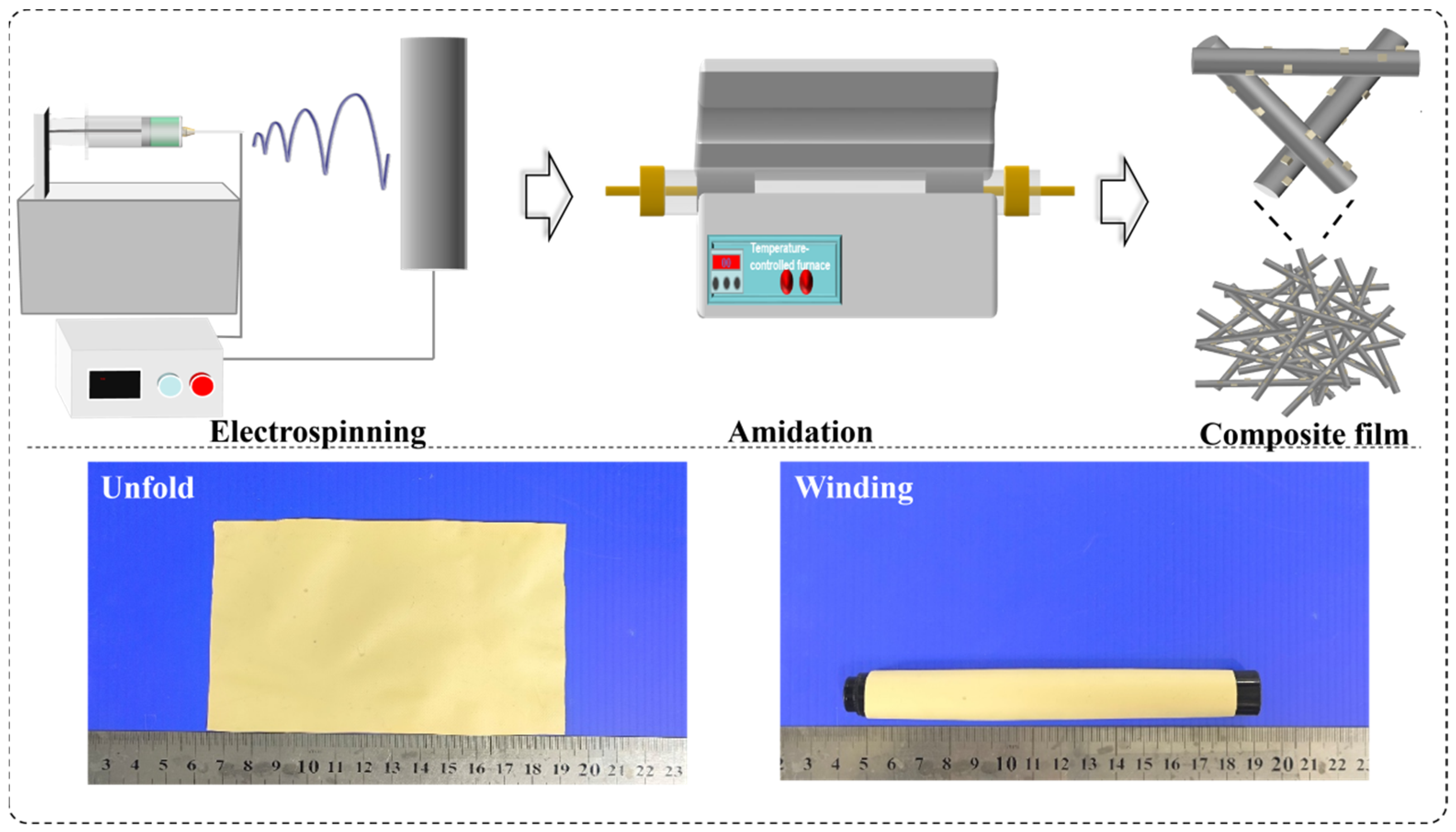
As shown in
Figure 1, in this work, a composite fiber membrane was successfully prepared via electrospinning technology and a subsequent imidization process. The membrane material exhibited good flatness and flexibility, demonstrating promising application prospects. In particular, there is no fracture for the nanofiber 180-degree bend (
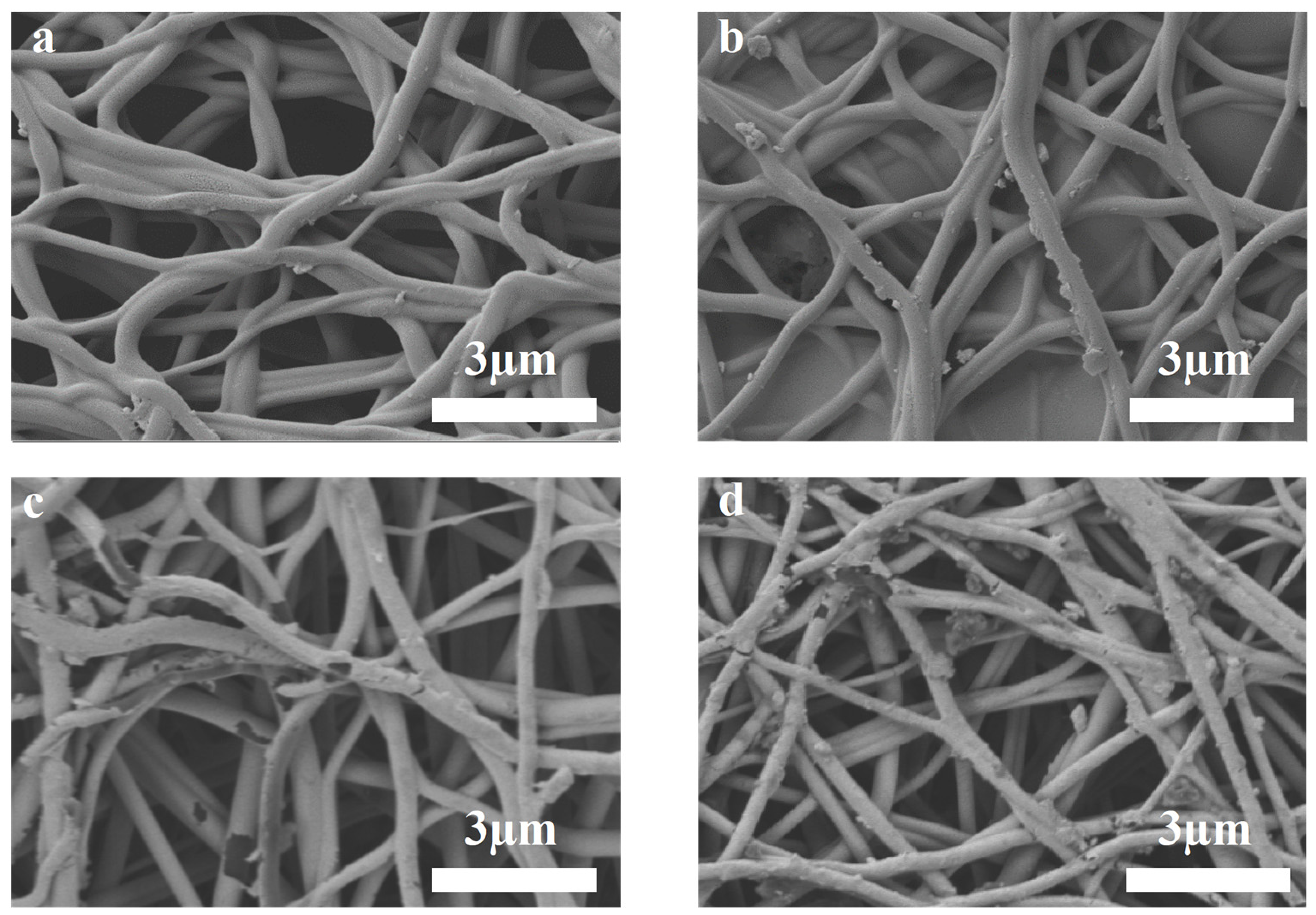
Figure S1). SEMs were employed to characterize the microstructure of the composite separators with different LLZTO additions, as shown in
Figure 2. The LLZTO content was calculated as the percentage ratio of the residual mass to the initial mass of the sample. At an LLZTO mass fraction of 1.77 wt%, as in
Figure 2a, the composite separator still maintained the typical three-dimensionally interconnected porous structure. The fibers were continuous with a relatively smooth surface, and no significant bead formation was observed. LLZTO particles were relatively uniformly distributed on the fiber surface. When the LLZTO addition was increased to 3.49 wt%, as in
Figure 2b, the composite fibers still maintained good continuity and a relatively complete porous network structure. The ceramic particles were dispersed relatively uniformly, and the fiber morphology and pore structure remained generally regular. However, upon further increasing the LLZTO addition, the microstructure of the composite separators gradually deteriorated as in
Figure 2c, where some degree of particle agglomeration appeared in localized regions and some pore structures were affected. When the addition was increased to 9.78 wt%, particle agglomeration became more pronounced and the three-dimensional porous network structure was disrupted, as seen in
Figure 2d. Thus, 3.49 wt% LLZTO was selected as the subsequent research object and is abbreviated as PICLP (CLP refers to Li
+-conduction LLZTO). To clarify the distribution state of the LLZTO in the composite separator, EDS elemental mapping analysis was performed on PICLP, and the results are shown in
Figure S2. Ta, Zr, and O elements were relatively uniformly distributed in the fiber membrane and matched well with the fiber network corresponding to the C and N elements, indicating that LLZTO was successfully introduced into the PI nanofiber matrix.
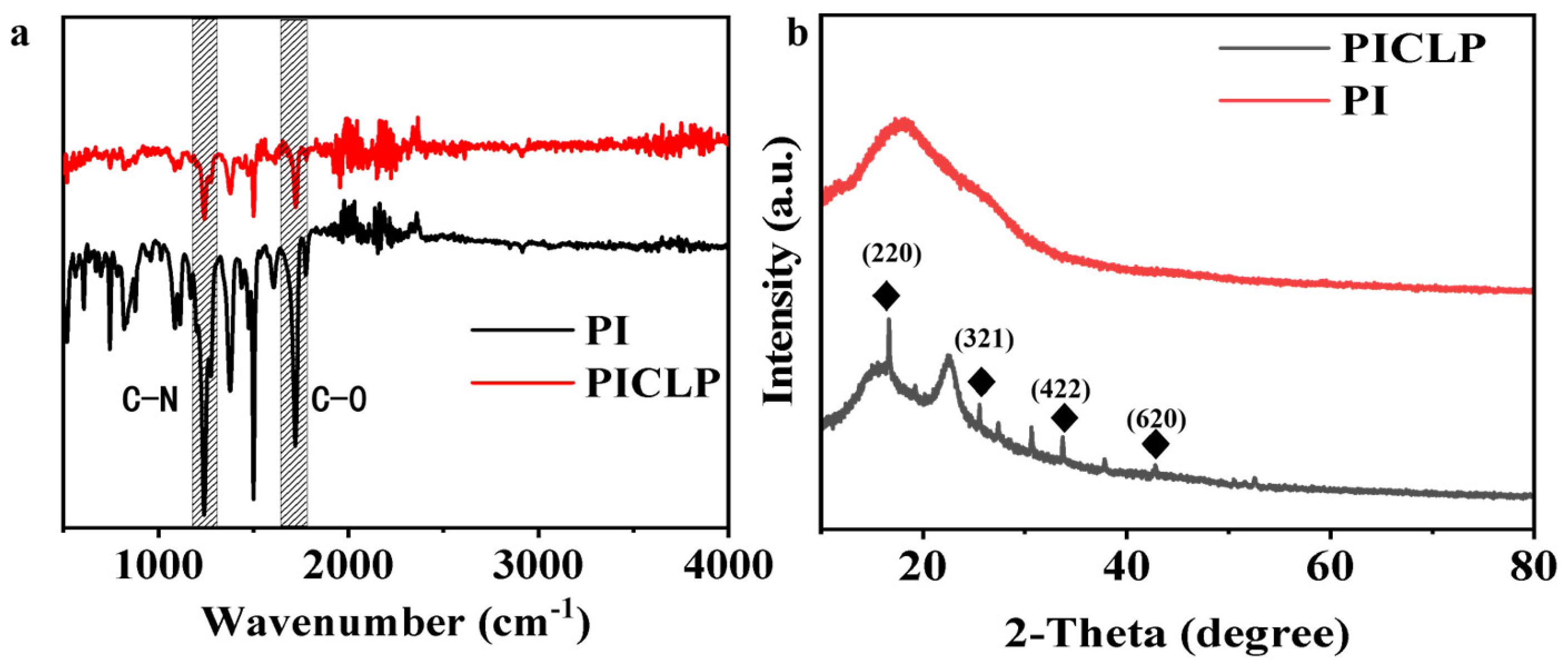
Fourier transform infrared spectroscopy (FT-IR) and X-ray diffraction (XRD) were further employed to characterize the chemical structures of the pure PI separator and the PICLP composite separator, and the results are shown in
Figure 3a. For the pure PI separator, characteristic absorption peaks corresponding to the asymmetric and symmetric stretching vibrations of C=O in the imide ring appeared at 1775 cm
−1 and 1716 cm
−1, respectively, and a characteristic peak corresponding to the stretching vibration of C-N in the imide ring appeared at 1372 cm
−1, indicating that the precursor had formed a typical polyimide structure after heat treatment. Compared with the pure PI separator, the PICLP composite film still retained the above characteristic absorption peaks, suggesting that the main chemical structure of PI did not change significantly after the introduction of the CLP. The XRD results are shown in
Figure 3b. The pure PI separator exhibited a broad peak around 20°, showing typical amorphous polymer structural characteristics. Besides the amorphous diffraction features, the PICLP composite film exhibited relatively distinct characteristic diffraction peaks around 17°, 24°, 32°, and 43°, which correspond to the crystalline diffraction signals of the CLP, indicating that the lithium-conducting ceramic maintained its original crystal structure during the composite process. Combining the SEM, FT-IR, and XRD results, it can be concluded that the lithium-conducting ceramic was successfully incorporated into the PI nanofiber separator, providing a structural foundation for the performance enhancement of the composite separator.
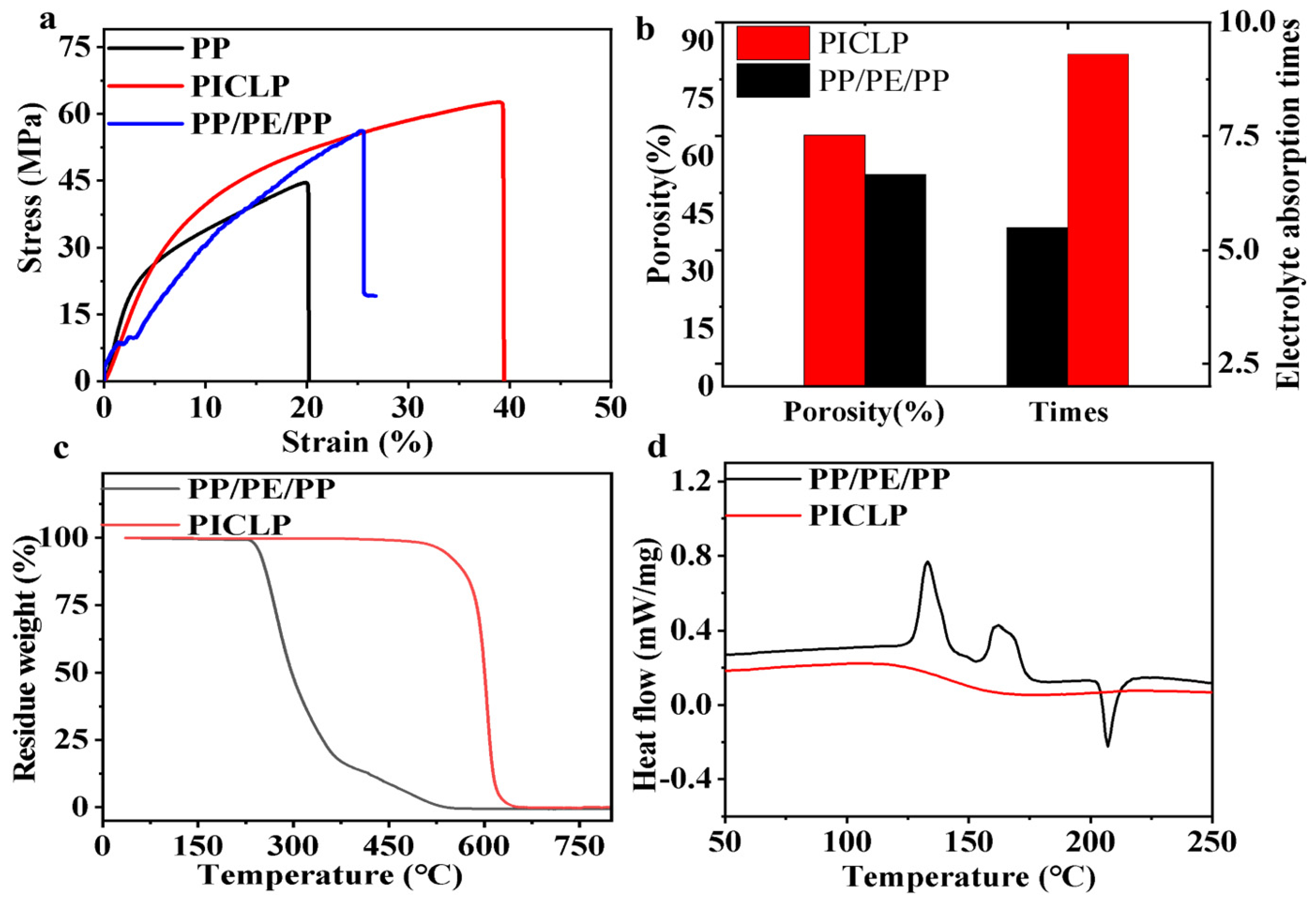
As shown in
Figure 4, the mechanical properties, pore structure characteristics, and thermal stability of the PICLP composite fiber membrane were further characterized.
Figure 4a presents the stress–strain curves of the PP, PP/PE/PP, and PICLP separators. As can be seen, the commercial PP separator exhibits a tensile strength of approximately 43 MPa, and the commercial PP/PE/PP tri-layer separator has a tensile strength of about 55 MPa. In contrast, the as-prepared PICLP composite separator achieves a tensile strength of 62 MPa, representing improvements of 44% and 13% over the PP and PP/PE/PP separators, respectively. Meanwhile, the PICLP composite separator shows a fracture strain of approximately 40%, which is significantly higher than those of the PP (~20%) and PP/PE/PP (~25%) separators, indicating that it possesses not only higher strength but also superior toughness. This remarkable enhancement in mechanical performance is mainly attributed to the inherent excellent mechanical properties of the polyimide matrix and the synergistic interfacial interactions between the components in the composite structure, which can provide more reliable mechanical protection for lithium-ion batteries. Combined with the aforementioned SEM results, it is evident that the pure PI nanofibers were mainly simple stacked with weak inter-fiber bonding points, making fiber slip prone to occur under tension, thus resulting in a limited mechanical support capacity. After the introduction of the CLP, a certain degree of overlapping and adhesion between the fibers appeared, enhancing the integrity of the fiber network and enabling more effective load transfer, thereby improving the tensile performance of the composite separator. Additionally,
Figure S3 provide the tensile strength tests for the composite film with distinct CLP content.
Figure 4b shows that the porosity and electrolyte absorption rate of PICLP reached 65% and 9.0 times, respectively, both higher than those of the commercial PP/PE/PP separator (55% and 5.5 times), indicating that PICLP is more favorable for electrolyte storage and ion transport. From
Figure 4c, it can be observed that the PP/PE/PP separator began to show significant weight loss at approximately 250 °C, whereas PICLP maintained a relatively high mass fraction up to approximately 550 °C, indicating a significantly higher thermal decomposition temperature and superior thermal stability.
Figure 4d presents the DSC curves. Based on the peak positions and material characteristics, the PP/PE/PP separator exhibited distinct upward endothermic peaks at approximately 130 °C and 165 °C, which can be attributed to the melting endothermic processes of the crystalline regions of the PE layer and PP layer, respectively. As the crystalline regions melted, the polyolefin skeleton gradually transformed from an ordered crystalline state to a disordered molten state, causing the pore structure of the separator to collapse and induce thermal shrinkage. Subsequently, a downward exothermic peak appeared around 200 °C, indicating that the molten polyolefin system had entered a further thermal destabilization process. In contrast, PICLP did not exhibit any obvious melting phase transition peak in the temperature range of 50–250 °C, indicating that it has no significant thermally induced phase transition similar to that of polyolefin separators within this temperature range, and thus possesses better thermal stability.
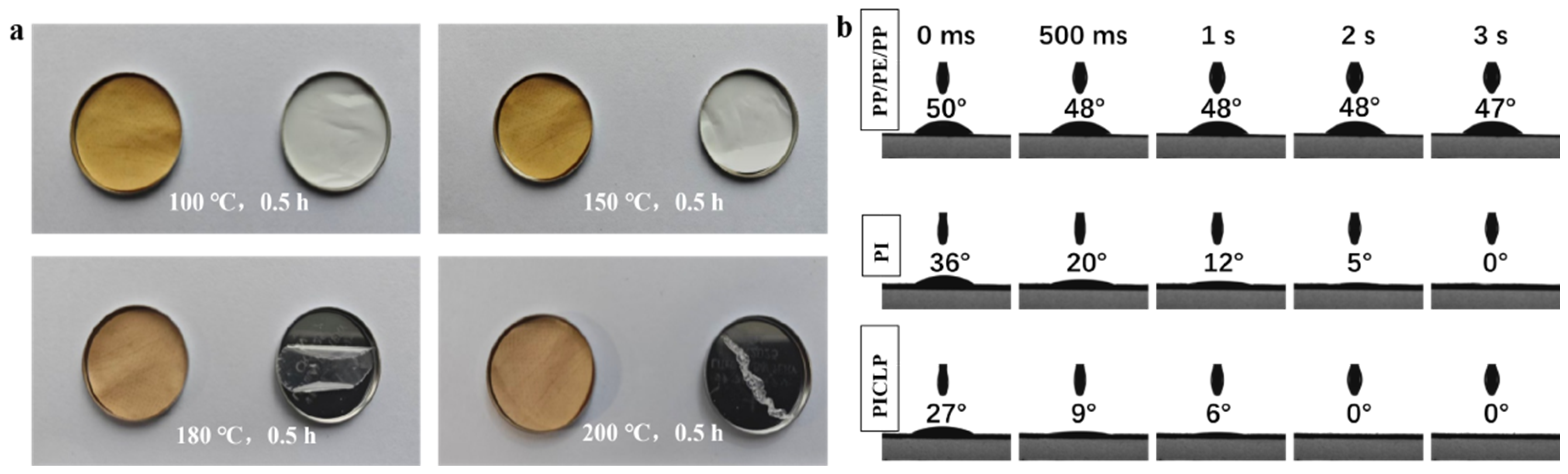
Figure 5a shows that after treatment at 100 °C and 150 °C for 0.5 h, both PICLP and the commercial PP/PE/PP separator remained essentially intact. Additionally, the porous structure almost totally disappeared (
Figure S4). When the temperature was increased to 180 °C, the PP/PE/PP separator had undergone significant shrinkage, while PICLP still maintained a relatively complete disk shape. At 200 °C, the PP/PE/PP separator further melted and curled, with a marked decrease in structural stability, whereas PICLP still showed no obvious thermal shrinkage and the microstructure could be found (
Figure S5), indicating its excellent thermal dimensional stability.
Figure 5b presents the wettability test of the electrolyte on the surfaces of different separators. For the PP/PE/PP separator, the contact angle decreased only from 50° to 47° within 3 s, with almost no noticeable spreading of the droplet, demonstrating poor wettability. For the pure PI separator, the contact angle gradually decreased from 36° to 0°, showing good electrolyte affinity. For PICLP, the initial contact angle further decreased to 27° and rapidly dropped to 0° within 2 s, indicating a faster wetting rate and superior wetting ability toward the electrolyte. These results suggest that the introduction of the CLP, while maintaining the heat-resistant advantages of the PI separator, further improves the wetting characteristics of the separator surface, thereby benefiting the electrolyte absorption capacity and ion transport performance.
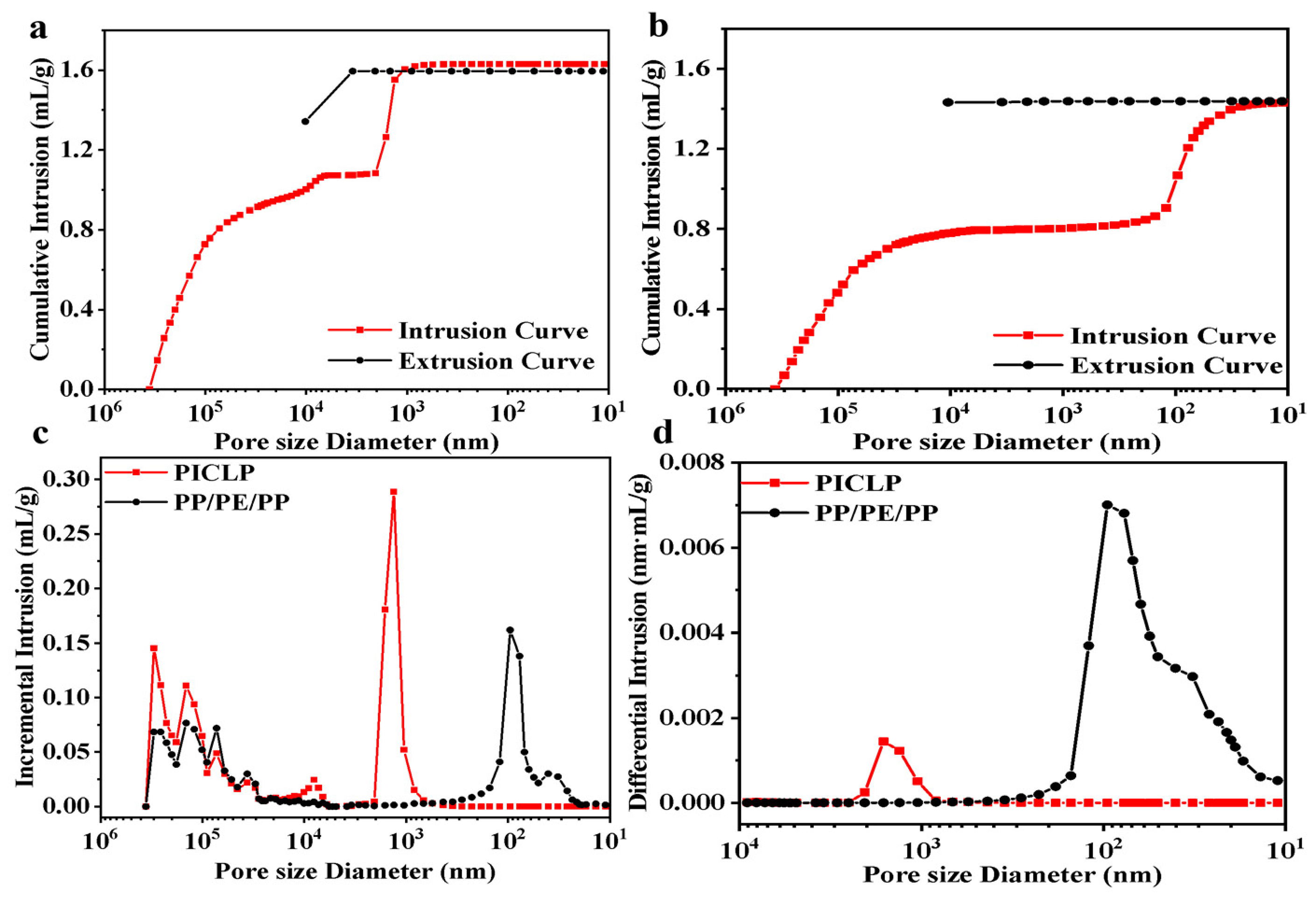
Figure 6a,b show the cumulative mercury intrusion–extrusion curves of the two separators, respectively. It can be observed that both separators exhibit a certain degree of hysteresis during the mercury intrusion and extrusion processes, indicating that their internal pores possess a certain degree of pore connectivity and tortuosity. In particular, PICLP shows a higher overall cumulative mercury intrusion volume, and its curve exhibits more distinct stepwise increase characteristics over a wider pore size range, indicating that it has a larger accessible pore volume and a richer hierarchical pore structure. This is consistent with the three-dimensionally interconnected fiber structure observed by SEM and also aligns with its higher porosity and electrolyte absorption rate.
Figure 6c,d further reflect the pore size distribution characteristics of the two separators. From the incremental mercury intrusion pore size distribution and differential mercury intrusion pore size distribution curves, it can be seen that PICLP exhibits a relatively wider pore size distribution range, a higher peak intensity, and a more pronounced multimodal distribution characteristic, indicating the presence of pore structures at different scales within it. This mainly originates from the three-dimensional porous network formed by the interweaving of nanofibers, as well as the further regulation of the fiber packing mode and pore configuration after the introduction of LLZTO. In contrast, the commercial PP/PE/PP separator has a relatively concentrated pore size distribution with a narrower distribution peak, indicating a relatively simple pore structure. Therefore, for PICLP, a higher total pore volume and a richer hierarchical pore structure are beneficial for rapid electrolyte wetting and storage, and can provide more effective transport channels for Li
+ migration, thereby reducing ion transport resistance and improving mass transfer processes.
To evaluate the influence of different separators on lithium-ion transport behavior, the lithium-ion transference number (t
Li+) of the separator systems was determined using direct-current polarization combined with AC impedance testing.
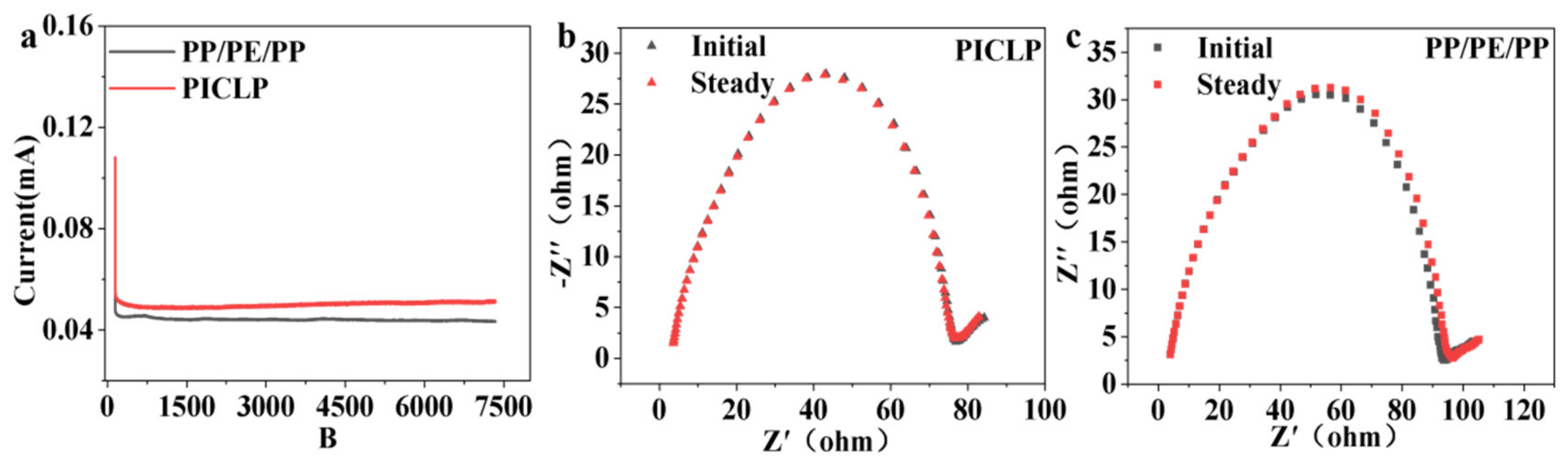
Figure 7a shows the current variation curve over time during constant voltage polarization. It can be observed that both separator systems exhibited relatively high currents at the initial stage of polarization, followed by rapid decay and stabilization, which is attributed to the redistribution of ions within the electrolyte and the gradual establishment of steady-state transport during polarization. In contrast, the current response of the PICLP system was consistently higher than that of the commercial PP/PE/PP separator both before and after polarization, indicating that the PICLP separator corresponded to higher electrochemical activity and a relatively lower degree of concentration polarization. Combining the initial and steady-state electrochemical impedance spectra shown in
Figure 7b,c, the calculated t
Li+ of PICLP reached 0.38, significantly higher than that of the commercial PP/PE/PP separator (0.32). This result indicates that PICLP is more favorable for Li
+ transport. Further analysis of the Nyquist plots reveals that the PICLP system exhibits smaller impedance characteristics both before and after polarization, with a smaller difference between the initial and steady-state impedance spectra, suggesting that this composite separator has good interfacial compatibility with the electrolyte and can maintain a relatively stable ion transport interface during polarization. In contrast, the commercial PP/PE/PP separator system exhibits larger impedance, indicating unpromising ion migration behavior. The higher t
Li+ of PICLP is mainly attributed to its superior pore structure and interfacial characteristics. On the one hand, the three-dimensionally interconnected porous network constructed by nanofibers and the introduction of LLZTO provide more effective transport channels for Li
+. On the other hand, the synergistic effect between the lithium-conducting ceramic filler and the fibers matrix helps improve the electrolyte wetting and retention capacity of the separator, reducing interfacial transport resistance, thereby promoting directional Li
+ migration. Furthermore, a higher lithium-ion transference number helps alleviate concentration polarization during battery operation, improves the uniformity of interfacial ion distribution, and is beneficial for enhancing the rate capability and cycling stability of the battery.
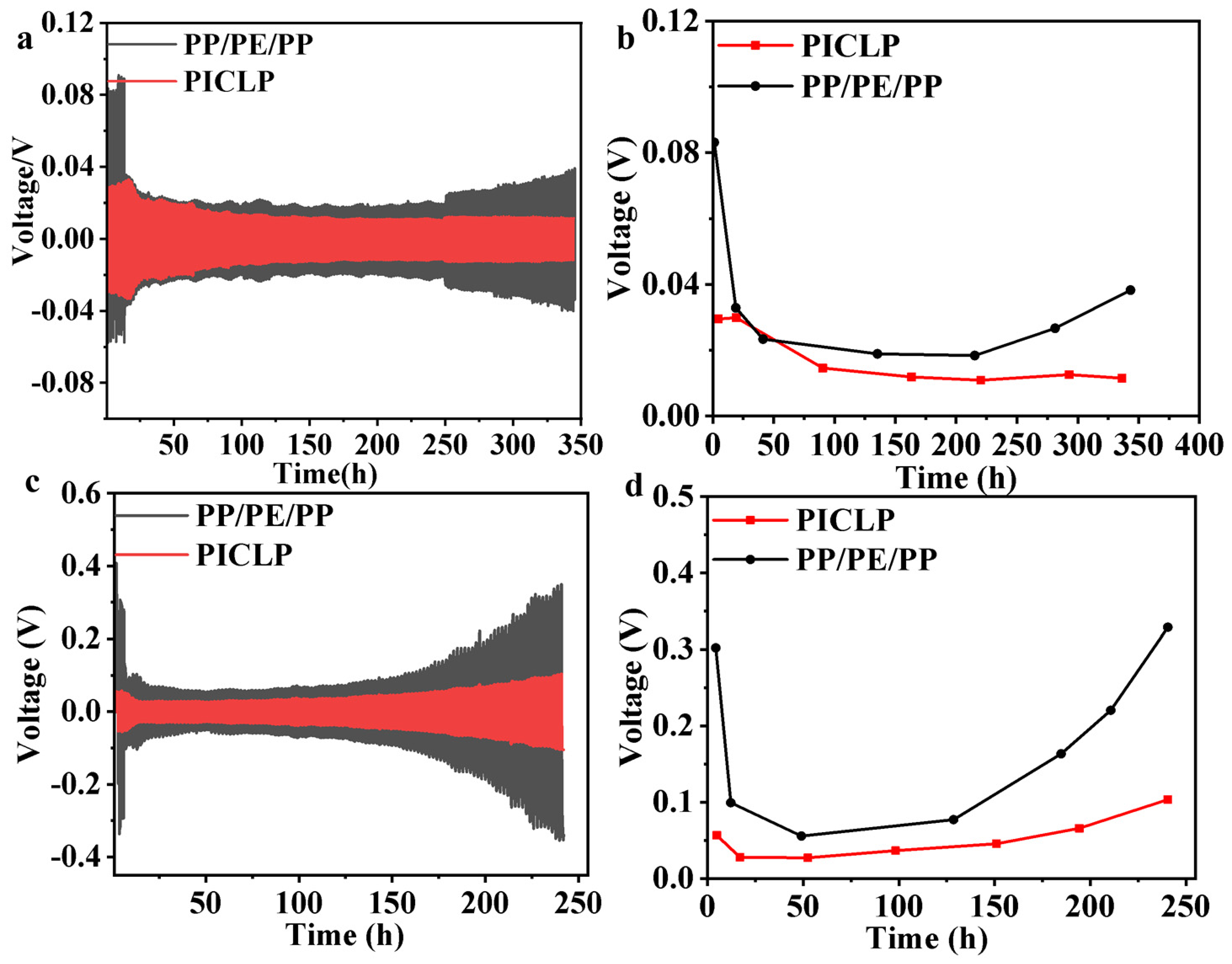
Figure 8a,c show the long-term cycling test results of Li|Li symmetric cells at different current densities. The cycling polarization voltage of the Li|Li symmetric cell directly reflects the ion transport kinetics and the extent of interfacial side reactions. Compared with the commercial PP/PE/PP separator, the PICLP separator exhibited smaller and more stable polarization voltages at both 0.5 mA and 1 mA; at a current density of 0.5 mAcm
−2, the steady-state polarization voltage of the PICLP composite membrane remained stable at approximately 15 mV, while that of the commercial PP/PE/PP membrane was around 25 mV, with a polarization reduction of 40%. At a current density of 1 mA cm
−2, the steady-state polarization voltage of PICLP was approximately 40 mV, significantly lower than 80 mV of the PP/PE/PP membrane, with a polarization reduction of 50%. Moreover, this performance gap further widened with the increase in cycling time. Notably, this overpotential (~0.1 V at 1 mA cm
−2) is comparable to the state-of-the-art PI-S-3-Re separator reported recently, while our PICLP separator exhibits superior thermal stability and a simpler fabrication process, indicating that it is more favorable for achieving uniform Li
+ transport and alleviating lithium dendrite-induced interface degradation. The polarization voltages extracted at specific cycle numbers further demonstrate that the PICLP system exhibits slower polarization growth and superior interfacial stability during cycling in
Figure 8b,d. These results indicate that the PICLP separator can effectively regulate the lithium deposition/stripping process, thereby enhancing the cycling reversibility and long-term stability of the symmetric cell.
Based on the advantages of the above-mentioned separators in terms of thermal stability, wettability, and ion transport, coin-type full cells were further assembled to evaluate their practical application performance. As shown in
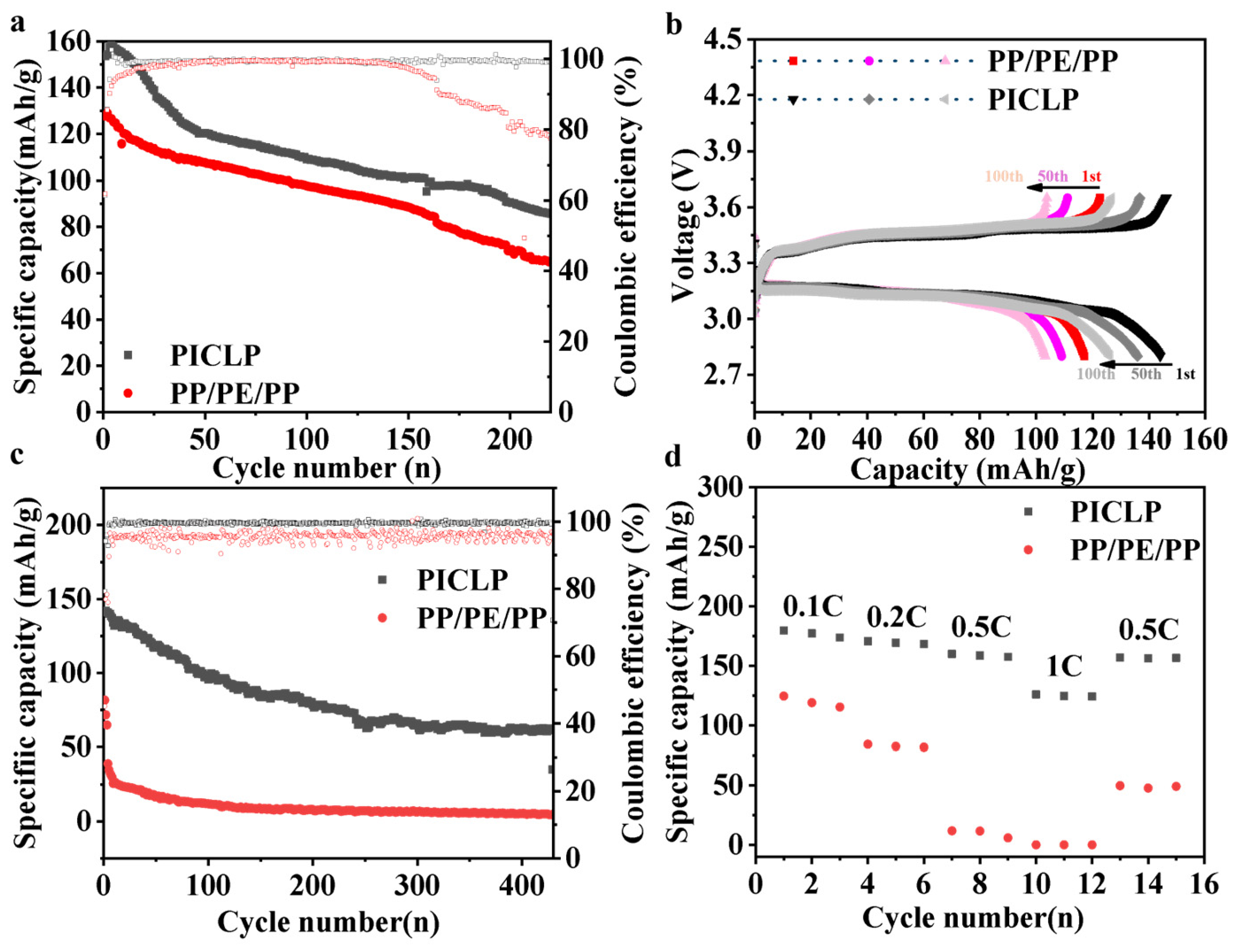
Figure 9a, under long-term cycling at 0.1 C, the PICLP separator cell maintained a higher specific discharge capacity and better capacity retention, demonstrating superior long-term cycling stability. The PICLP separator not only enhances the initial electrochemical activity of the battery but also maintains specific capacity stability during prolonged cycling. As shown in
Figure 9b, under 0.5 C conditions, the PICLP separator cell consistently maintained a higher specific capacity during cycling, with slower capacity fading, and the Coulombic efficiency remained close to 100%, indicating good charge/discharge reversibility and electrode structural stability.
Figure 9c further shows that the charge/discharge curves of the PICLP separator cell are more stable with smaller voltage polarization, indicating that it can effectively reduce the internal ion transport resistance of the battery and improve electrode reaction kinetics.
Figure 9d shows that under different rate conditions, the PICLP separator cell exhibited higher capacity output, and the capacity recovery was more pronounced when the rate was turned back, indicating better rate capability and electrode structural stability. It can be seen that the excellent electrochemical performance of the full cell can be attributed to the outstanding ion transport behavior associated with the PICLP separator, which reduces electrode polarization. The corresponding capabilities analyses are presented in
Tables S1 and S2.
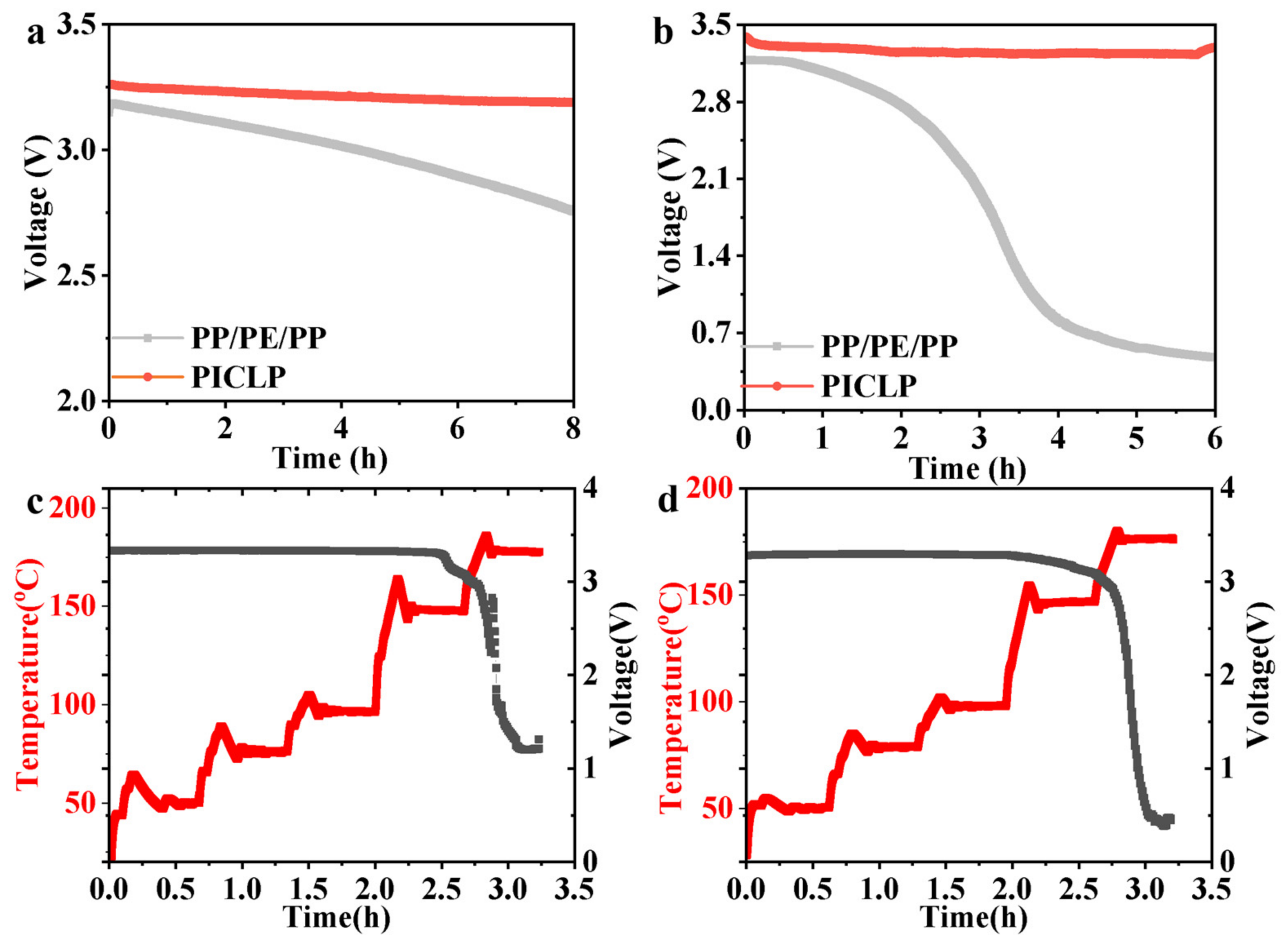
To evaluate the thermal stability of full cells assembled with different separators under high-temperature conditions, constant-temperature resting and stepwise heating tests were conducted on fully charged coin-type full cells, with the results shown in
Figure 10. As shown in
Figure 10a, under resting conditions at 80 °C for 6 h, the voltage of the full cell with the commercial separator gradually decreased. When the temperature was further increased to 100 °C, as shown in
Figure 10b, the voltage of the cell assembled with the PICLP separator showed almost no significant change, while the commercial PP/PE/PP separator cell exhibited more pronounced voltage decay. After 3 h, the voltage dropped below 0.5 V, corresponding to a cell short circuit. In contrast, the PICLP separator maintained a constant open-circuit voltage throughout the process, demonstrating superior thermal stability. The stepwise heating results further revealed the differences in failure mechanisms between the two systems. As shown in
Figure 10c, the voltage of the full cell with the commercial PP/PE/PP separator exhibited an obvious inflection point at 150 °C, followed by a rapid decline. It can be inferred that the sudden voltage drop in
Figure 10c is mainly related to the phase transition of the separator upon heating, leading to pore structure collapse. Subsequently, the separator undergoes thermal shrinkage and melting due to the phase transition, causing direct contact between the positive and negative electrodes, i.e., a short circuit. In contrast, as shown in
Figure 10d, the PICLP system did not exhibit a similar sudden voltage drop behavior within the corresponding temperature range but rather showed a slow decreasing trend, indicating that its failure process is not dominated by instantaneous internal short circuits caused by thermal shrinkage of the separator, but may be related to chemical reactions of the electrode materials and electrolyte at high temperatures. To verify the above conclusion, the positive electrode material was placed in the electrolyte and subjected to heat treatment at 150 °C, followed by XRD characterization. The results showed that, compared to the fresh positive electrode, the heat-treated positive electrode exhibited new diffraction peaks, and the peak intensities also significantly decreased (
Figure S6). The above results indicate that under high-temperature conditions (>150 °C), the positive electrode material undergoes seriously chemical reactions with the electrolyte, leading to phase changes, and these side reactions further cause open-circuit voltage decay.
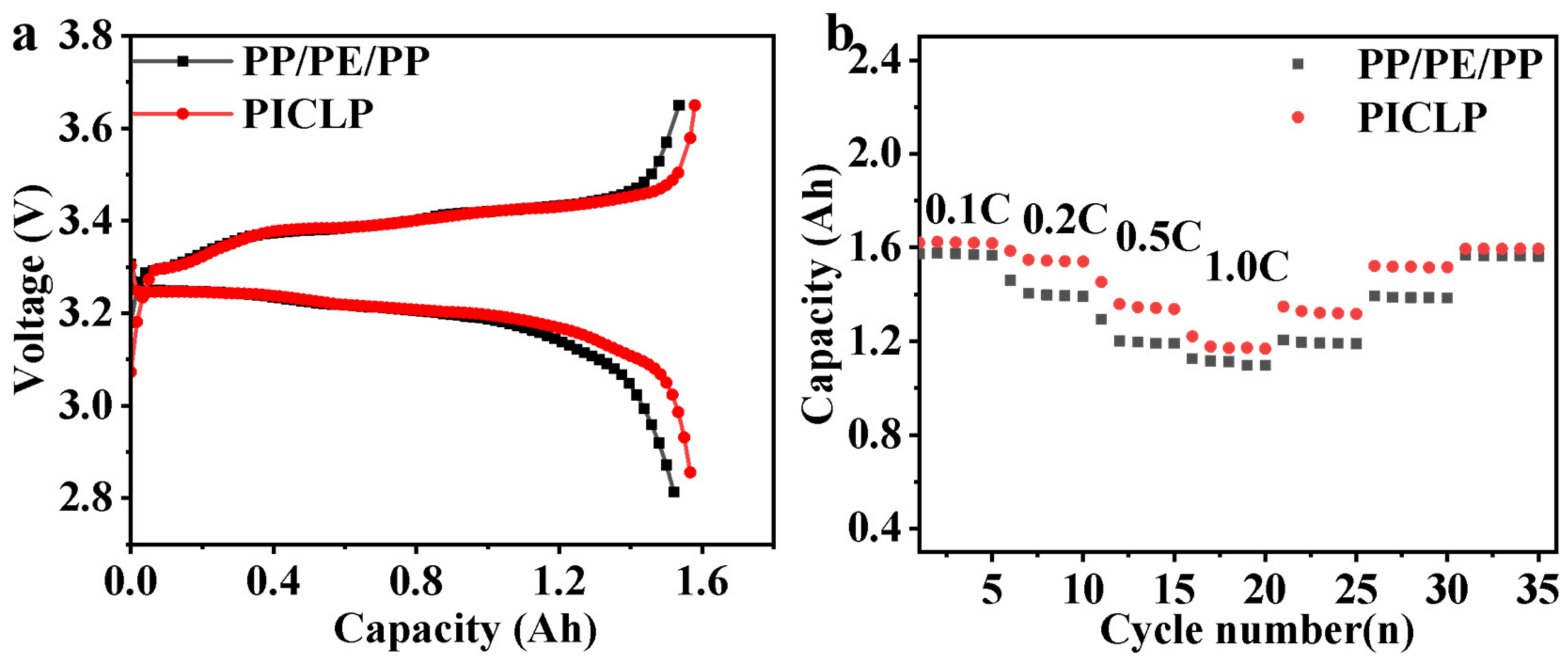
Figure 11a shows the ampere-hour-level pouch cells assembled with the two types of separators. Compared with the commercial PP/PE/PP separator, the pouch cell based on the PICLP separator exhibits a higher charge/discharge capacity, a clearer voltage plateau, and a relatively smaller charge–discharge plateau gap, indicating lower voltage polarization and better reaction reversibility during the charge/discharge process. This demonstrates that the PICLP separator can effectively improve the internal ion transport process of the battery and reduce interfacial impedance. As shown in
Figure 11b, under different rate conditions, the PICLP pouch cell maintains a relatively high capacity output, with an overall performance superior to that of the control group using the commercial PP/PE/PP separator. Particularly under high-rate conditions, the PICLP system exhibits slower capacity fading, indicating that it can maintain efficient ion transport and stable electrode reactions even at relatively high current densities. Furthermore, when the rate is reduced back, the capacity of the PICLP-based cell recovers well. Overall, the PICLP separator not only exhibits excellent performance in coin cells but also effectively reduces polarization, enhances capacity output, and improves rate capability in pouch cells that are closer to practical applications, further demonstrating its application potential in high-performance lithium-ion batteries.
As shown in
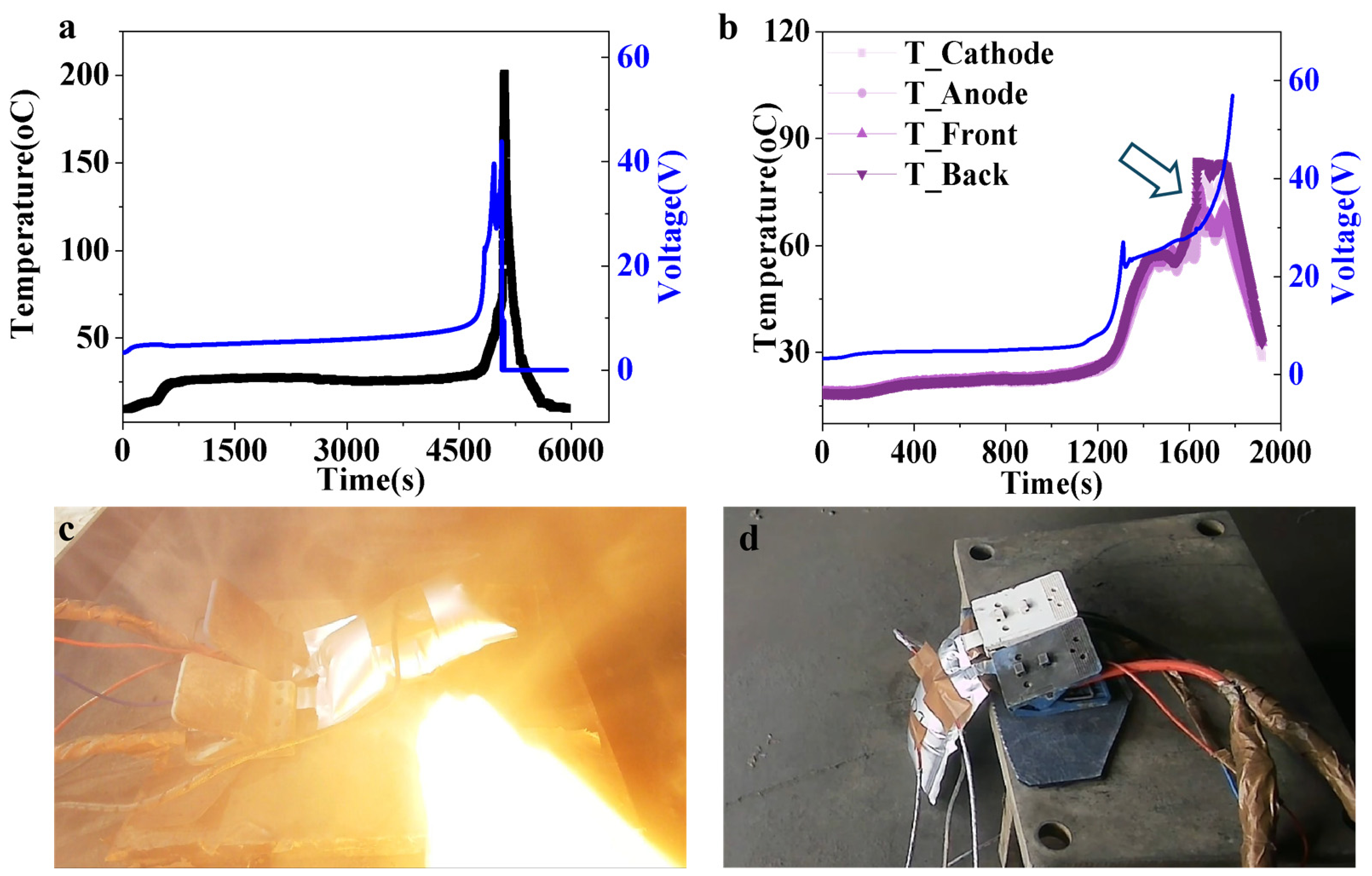
Figure 12, to verify the thermal safety of ampere-hour-level pouch cells based on the composite separator, overcharge tests were conducted on cells with the two types of separators.
Figure 12a shows the voltage–temperature relationship during overcharging of the pouch cell with the commercial separator, corresponding to the evolution characteristics from an abnormal temperature increase to a decrease during the overcharge process.
Figure 12b shows the overcharge test of the PICLP-based pouch cell. In comparison, its maximum temperature was significantly lower than that of the cell with the commercial separator, and its voltage did not drop to zero.
Based on existing studies on the overcharge behavior of lithium-ion pouch cells, combined with the voltage curves and visual results from this work, the process can be summarized into three stages: First, the battery is in the early stage, transitioning from normal charging to overcharging (voltage > 4.3 V), with the voltage slowly increasing and no obvious abnormality in the battery appearance. At this stage, the layered cathode structure begins to decompose, releasing highly reactive lattice oxygen and dissolving transition metal ions, which trigger the initial oxidative decomposition of carbonate-based electrolytes. Subsequently, as overcharging continues, the high-voltage-induced side reactions between the electrode and electrolyte gradually intensify, and the accumulation of gas generated from electrolyte decomposition causes the pouch cell to gradually swell. Additionally, the solid electrolyte interphase (SEI) film on the anode decomposes, followed by exothermic reactions between exposed lithium metal/lithium dendrites and the electrolyte, generating additional gas and heat and accelerating the swelling process. Finally, when the internal pressure and heat accumulation further increase, the battery enters the thermal runaway stage. In this final stage, the rapid temperature rise (>200 °C) leads to violent bulk electrolyte decomposition and complete cathode breakdown, producing massive gas pressure that ruptures the soft package, while the vaporized organic electrolyte and high-temperature electrode particles form the observed smoke.
Figure 12c shows that the commercial separator-based cell experienced thermal runaway in the final stage, and the corresponding battery appearance evolution process is shown in
Figure S7.
Figure 12d shows the final state of the PICLP separator-based pouch cell, and its corresponding structural evolution process is shown in
Figure S8. The above results indicate that there is a significant difference in the final failure modes between the two systems. The pouch cell with the commercial separator eventually underwent obvious combustion under continuous overcharge conditions, indicating that overcharging ultimately led to thermal runaway of the battery. Although the pouch cell with the PICLP separator also experienced swelling and pressure release processes, no fire occurred. This suggests that, under the experimental conditions of this study, the internal gas in the PICLP-based system was mainly generated by electrolyte decomposition under high voltage and side reactions between the electrolyte and the electrodes, rather than being caused by a short circuit between the positive and negative electrodes. The PICLP separator effectively delays the onset of the internal short circuit by maintaining its structural integrity at high temperatures, thus preventing the violent combustion caused by direct contact between the positive and negative electrodes. Therefore, its maximum temperature was significantly lower than that of the cell with the commercial separator.