


Abstract
This paper reviews selected biofuels that are currently in use, as well as fuels considered promising, for powering compression-ignition (CI) engines, including Common Rail systems. The review focuses on fuel properties, production pathways, operational compatibility, and the effects on engine performance and exhaust emissions. The objective is to systematize the current state of knowledge on biodiesel, hydrotreated vegetable oil (HVO), biomass-to-liquid (BtL), F-34, and sustainable aviation fuel (SAF), and to identify their key advantages, implementation constraints, and research gaps relevant to transport and power-generation applications. The paper compiles and compares published studies on fuel production routes and on the consequences of fuel use in CI engines with respect to performance and pollutant emissions. As an outcome, the available evidence is synthesized, fuels with the highest implementation potential are indicated in the context of emission reduction while maintaining required operational functionality, and priority areas for further research are highlighted, including the still insufficiently characterized effects of SAF on CI engine operation and emissions.
1. Introduction
Compression-ignition (CI) engines currently account for the largest share of the global market for produced internal combustion engines. This is primarily due to their high thermal efficiency and broad applicability. On average, a CI engine achieves a thermal efficiency of approximately 45%, compared with about 40% for a spark-ignition engine. In 2024, the Chinese company Weichai Power developed a CI engine with a thermal efficiency of 53.09% [1]. This was achieved, inter alia, through improvements in the fuel supply system, optimization of the pressure ratio between boost (delivery) pressure and intake pressure, and the adoption of technological solutions aimed at reducing friction between cooperating components. Consequently, CI engines can be considered prospective, as increasing efficiency translates into lower fuel consumption and, therefore, reduced emissions of toxic exhaust constituents [2].
A major contribution to reducing the concentrations of emitted toxic exhaust components was the introduction of Common Rail fuel-injection systems. These systems enabled flexible control of injection timing and metering of the injected fuel quantity (as a function of engine operating conditions). A key advantage is the capability to split injection into multiple phases. This approach allows combustion parameters to be controlled, thereby enabling an effective reduction in the emission of toxic exhaust constituents. Owing to these features, the Common Rail system is the most widely applied fuel-injection system in modern compression-ignition engines [3].
In addition to emissions and operating economy, the long-term viability of CI engines is determined by another factor: fuel availability. Since the development of the CI engine concept, the primary fuels used have been hydrocarbon fuels derived from crude oil processing. Crude oil is a fossil resource with finite reserves. It is currently projected that, under an energy-security policy that does not simultaneously implement climate policy, crude oil reserves will be depleted by the end of the 21st century [4].
The availability of hydrocarbon fuels is also strongly dependent on the global geopolitical situation. It is evident that countries with the highest crude oil production exert the greatest influence on petroleum fuel prices. As a result, crude oil availability and price are inevitably used as leverage to exert pressure on other countries in order to secure benefits for oil-producing states. Examples include the oil crisis following the Yom Kippur War in 1973 between Egypt and Syria and Israel. At that time, Arab OPEC countries condemned U.S. military support for Israel and announced a 5% reduction in oil production while increasing the price per barrel by 17%. This led to an oil crisis affecting all highly industrialized countries and those dependent on crude oil supplies. Crude oil supply can also be indirectly affected by social transformations in oil-producing countries, where political and social upheavals have reduced production volumes; a notable example is the Iranian Revolution at the turn of the 1970s and 1980s. The evolution of crude oil prices is shown in Figure 1, which presents price changes together with key historical events influencing these trends [5,6].
Figure 1.
Crude oil price changes from 1861 to 2023 in relation to historical events affecting price levels [5].
Moreover, global population is projected to exceed 9 billion by 2050. This is directly associated with increased fuel demand, as population growth implies higher global flows of goods and passengers [7]. Over recent decades, energy consumption—predominantly generated through the combustion of fossil fuels—has increased dramatically. This trend is mainly attributed to rising living standards and ongoing industrialization [8].
Approximately 98% of energy production is associated with greenhouse gas emissions to the atmosphere, and about 80% of this energy is derived from fossil fuels [9]. At present, roughly half of the carbon dioxide released to the atmosphere as a result of fossil fuel combustion is not absorbed by vegetation and therefore remains in the atmosphere [10]. Atmospheric CO2 concentrations continue to increase because additional carbon is introduced into the atmosphere that had previously been sequestered in coal and crude oil deposits deep below the Earth’s surface. Combustion of carbon from these deposits increases the total amount of CO2 circulating within the ecosystem [11]. An energy transition from primary (fossil) fuels to renewable sources can significantly curb temperature rise associated with the greenhouse effect [12].
Due to the need to mitigate climate change and to reduce dependence on fuels derived from non-renewable resources, interest in alternative fuels has increased substantially, particularly those produced from renewable feedstocks. To meet increasingly stringent requirements regarding exhaust emissions and fuel availability, fuels originating from renewable sources—such as biofuels—have increasingly become the subject of engineering research [13]. The concept of using biofuels to power internal combustion engines dates back to the late 19th century, when Rudolf Diesel designed his engine with the intention of operating it on oil produced from processed peanuts [14]. In the 1930s and 1940s, and especially during World War II, biofuels took the form of vegetable oils that were used as an emergency substitute for diesel fuel [15].
By definition, an alternative fuel is any fuel that can be applied from a technical standpoint to reduce the demand for a dominant conventional fuel. In common usage, the term typically refers to fuels whose deployment reduces the consumption of petroleum-derived fuels. Alternative fuels were explicitly defined in 1992 in the Energy Policy Act (EPAct). According to EPAct, alternative fuels include: natural gas and liquid fuels derived from natural gas, blends containing 85% or more alcohol with gasoline (by volume), liquefied petroleum gas, coal-derived liquid fuels, hydrogen, and biofuels [16].
However, the long-term development prospects for CI engines remain constrained by declining fossil fuel reserves, geopolitical instability affecting supply, and adverse climate impacts. Consequently, the importance of alternative fuels—particularly those of renewable origin—continues to grow. Biofuels (originally envisaged as the primary fuel by Rudolf Diesel) currently represent a practical alternative that enables the adaptation of existing infrastructure toward transport decarbonization.
Research on alternative fuels should focus on combustion characteristics, formulation of optimal fuel compositions, and engine calibration strategies for engines operated on alternative fuels, in order to ensure compatibility, high efficiency, and compliance with current exhaust emission regulations. The development of CI engine technology in combination with low-emission fuels may play a significant role in the fuel transition of the transport sector.
Given the intensive research activity in the field of alternative fuels, the aim of this paper is to review biofuels in the context of their use in compression-ignition engines equipped with Common Rail systems. This approach facilitates identification of potential directions for further research and development in this area.
The paper first discusses biodiesel due to its widespread use and, consequently, the largest production volume. Next, hydrotreated vegetable oil (HVO) is presented as the second most commonly used biofuel; in Western European countries it is widely available at filling stations. Subsequently, the characteristics of biomass-to-liquid (BtL) fuels are described. The following chapter addresses aviation fuel Jet A-1 and its military variant F-34, as these fuels are used in military vehicles as alternatives to diesel fuel. Finally, sustainable aviation fuels (SAFs) are presented as aviation-fuel-type products manufactured from renewable feedstocks.
The literature review within the above scope was conducted according to the methodology shown in Figure 2. First, the objective of the literature review was defined. Subsequently, available scientific studies addressing fuels such as biodiesel, HVO, BtL, Jet A-1, F-34, and SAF were examined. Criteria were then established according to which the fuels were described and compared: physicochemical properties, production methods, drawbacks and limitations, and compatibility with compression-ignition engines. Finally, a multi-criteria assessment of each fuel was performed.
Figure 2.
Schematic of the literature review methodology.
2. Biodiesel
2.1. Properties
Biodiesel is a fuel composed of monoalkyl esters of long-chain fatty acids. It is produced from renewable, biogenic resources, i.e., vegetable oils and animal fats [17]. Moreover, it represents a promising alternative to conventional diesel fuel, primarily due to its potential for carbon neutrality [18]. It meets low-emission requirements well and is relatively inexpensive to synthesize. Another important advantage is the flexibility in selecting feedstocks for biodiesel production [19,20]. Biodiesel is also attractive from a research perspective because sulfur is absent from the raw materials used for its production. In addition, it is biodegradable and non-toxic. Owing to its higher autoignition temperature, biodiesel is considered safer with respect to transport and distribution [21,22,23].
Compared with diesel fuel, biodiesel typically yields lower particulate matter emissions—by approximately 40%—while CO emissions are reduced by about 44% and hydrocarbon emissions by up to 86% [24]. Due to the presence of oxygenated species, which account for approximately 11% of the fuel molecule, biodiesel tends to burn more completely. Conventional diesel fuel contains no oxygen in its chemical structure; therefore, under certain conditions incomplete combustion may occur, leading to increased emissions of toxic exhaust constituents. The permissible sulfur content in diesel fuel is 10 ppm according to EN 590 [25], and the same limit applies to biodiesel. In practice, however, vegetable-oil-derived biodiesel exhibits a substantially lower actual sulfur content than diesel fuel, due to the absence of sulfur in the feedstock and the applied purification processes. Consequently, when biodiesel is used instead of diesel fuel, sulfur-compound emissions are markedly reduced [26]. Because sulfur oxides are essentially absent from the exhaust, the risk of acid rain formation is reduced. In addition, emissions of substances considered carcinogenic—such as benzene, toluene, and ethylbenzene—are decreased [27].
2.2. Raw Materials for Biodiesel Production
Feedstocks used for biodiesel production are classified into four categories corresponding to successive generations. The first three generations differ in terms of the source from which the feedstock is obtained and its prior industrial use. These generations are based on naturally occurring feedstocks, whereas fourth-generation feedstocks originate from synthetic sources [28].
First-generation feedstocks comprise edible oils. Thus, biofuels of the first generation can be produced from, inter alia, rapeseed, soybean, palm, sunflower, and coconut oils [29]. The most important characteristics of the most widely used feedstocks of this generation are summarized in Figure 3. These oils are food-grade products, which accounts for their widespread global availability. High accessibility and relatively low production costs are clear advantages. However, large-scale use of such feedstocks may increase the prices of edible oils due to increased demand. In addition, it may intensify deforestation in order to secure new agricultural land for cultivation of oil crops used as feedstocks for vegetable oil production [30].
Figure 3.
Summary of the most commonly used feedstocks for first-generation biodiesel production [31,32,33,34,35,36,37].
Second-generation biodiesel is produced from feedstocks that are not suitable for human consumption, e.g., due to the presence of toxic compounds. Examples include non-edible energy crops, non-edible oils, agricultural and municipal wastes, waste oils, and algae [38]. A clear advantage of second-generation feedstocks is the absence of competition with the food sector. A rapid increase in demand for these materials does not affect food prices or food supply. In addition, crops used for this purpose are generally undemanding in cultivation; therefore, they can be grown on less fertile soils for which demand is lower [39]. Another feature that makes such feedstocks attractive from an industrial perspective is the generation of valuable by-products through transesterification [29].
Among second-generation feedstocks, used cooking oil is considered particularly environmentally favorable. It consists of glycerol esters containing a mixture of fatty acids, which are soluble only in organic solvents [40]. In many regions, collection and recycling systems for used cooking oils are not well developed. As a result, substantial quantities are discharged into soil, leading to contamination. This problem affects, for example, countries such as Indonesia. In highly developed countries such as Japan, the issue of used cooking oil also exists; however, it is more related to the underutilization of its potential rather than soil pollution. In large Japanese cities, used cooking oil is collected from users and then disposed of by incineration in dedicated facilities. This represents a loss of potential, given the possibility of using these materials for biofuel production. When a biofuel is combusted in an internal combustion engine, the chemical energy contained in the molecules is utilized, and the released energy is ultimately converted into useful work for vehicle propulsion rather than into heat that is simply dissipated to the atmosphere. In smaller towns and rural areas, waste cooking oil is often discharged into the sewage system, which also constitutes a loss of its potential value [41]. It is estimated that approximately 540,000 tons of waste edible oil are generated in Malaysia and released into the environment in a manner similar to that observed in Indonesia. Given the ongoing increase in global population, the amount of waste cooking oil generated is expected to rise further; therefore, it represents a highly promising alternative to both crude oil and first-generation feedstocks [40]. A major drawback of biodiesel produced from first-generation feedstocks has been the high cost of the feedstock itself, which after processing results in a fuel that is more expensive than conventional diesel fuel. Waste edible oil is approximately 2–3 times cheaper than fresh vegetable oil. The retail price of biodiesel is largely determined by feedstock cost, which accounts for approximately 75–90% of total production costs [42].
Third-generation feedstocks include various algae and microorganisms. Numerous studies have shown that microalgae are a rich source of diverse carbon-based compounds that can be used in multiple sectors, including the pharmaceutical, petrochemical, and agricultural industries [43]. Microalgae are a source of, among others, β-carotene, chlorophyll, polysaccharides, proteins, and lipids. The latter can be divided into polar and non-polar fractions. Polar lipids form cellular membranes, whereas non-polar lipids—comprising acylglycerols and free fatty acids—serve as an energy reserve [44]. Fatty acids present in microalgae typically contain 12 to 22 carbon atoms, and the number of carbon atoms in the molecule largely determines both the quality and yield of this feedstock for biodiesel production. Due to high photosynthetic efficiency in biomass formation, microalgae represent a promising lipid source that does not affect food supply (unlike first-generation feedstocks) and does not require large areas of arable land (unlike some second-generation feedstocks) [45].
Microalgae exhibit higher productivity compared with other oil-bearing crops. Relative to oil palm, microalgae can produce up to 25 times more oil. As noted above, a key factor affecting the final biodiesel price is the cost of obtaining the feedstock. Microalgae harvesting is relatively simple and inexpensive, and cultivation itself is also not costly. Moreover, microalgae can be grown in a variety of environments that are unsuitable for cultivation of conventional crops.
One approach to microalgae cultivation is production in open pond systems, as shown in Figure 4. In this system, microalgae are cultivated in shallow water ponds (approximately 15–30 cm) to ensure adequate illumination of the cells. Water motion is induced by mixers, and the flow velocity is typically maintained at 0.15–0.30 m/s, which promotes mixing of microalgal cell layers and limits sedimentation [46]. Inoculation is performed using starter cultures such as Nannochloropsis or Chlorella, followed by nutrient supply to the pond, including nitrogen, phosphorus, and trace elements. To enhance productivity, CO2 is dosed into the water, which also enables pH control [47]. Once the produced biomass reaches the target concentration, microalgae are allowed to settle, followed by mechanical dewatering. Due to the relatively low cell concentrations in open ponds, this downstream processing is comparatively costly [48].
Figure 4.
Open pond system for microalgae production [32].
Microalgae can also be produced in photobioreactors (PBRs), which are complex systems of tubes or panels designed to maximize the surface-to-volume ratio, thereby increasing microalgal biomass growth [49]. Unlike open ponds, PBRs enable tight control of pH, temperature, CO2 supply, light intensity and distribution, as well as optimized mixing and aeration. PBR systems reduce contamination of cultivated cultures and allow stable enhancement of cellular lipid content through controlled access to light and nitrogen [50]. An example of a tubular photobioreactor (PBR) is shown in Figure 5.
Figure 5.
Flow-through photobioreactor [51].
Microalgal growth is highly intensive, and biomass can double within 24 h. In addition to lipids, microalgae cultivation generates valuable co-products such as biopolymers, proteins, carbohydrates, and residual biomass, which enables the utilization of post-processing residues for animal feed or fertilizers. During cultivation, the use of herbicides and pesticides is not required [52].
In this review, third-generation feedstocks comprise microalgae and microorganisms used as lipid sources based on natural or selectively bred strains, whereas the fourth generation refers to an approach in which genetic modification and metabolic engineering play a key role in improving growth productivity, CO2 uptake, and the accumulation of lipids or hydrocarbons. The literature indicates that the fourth generation is associated with the use of genetically modified organisms (GMOs) to increase productivity and potentially achieve a more favorable environmental balance, while also emphasizing regulatory and deployment barriers. Through genetic modification, it becomes possible to cultivate plants under adverse weather conditions. However, detailed information on such genetic modifications is limited because it is often protected as proprietary know-how [53].
In the context of fuels, the objectives of microalgal metabolic engineering most commonly focus on increasing carbon flux toward lipid biosynthesis, primarily triacylglycerols (TAG). Review studies describe strategies that include:
- modifying fatty-acid synthesis and the TAG pathway (the so-called Kennedy pathway),
- enhancing the expression of enzymes that are critical for TAG synthesis,
- suppressing competing pathways (e.g., carbohydrate accumulation),
- inhibiting lipid catabolism to limit lipid degradation [54,55].
For example, experimental studies on model microalgae (e.g., Nannochloropsis) indicate that genetic interventions (such as DGAT overexpression) can significantly increase TAG content and modify the fatty-acid profile, which is directly relevant to the quality of lipid feedstocks for producing esters (FAME—Fatty Acid Methyl Esters) or paraffinic components after hydroprocessing [56].
Another important research direction is the regulation of metabolism through stress conditions (e.g., nitrogen limitation) while simultaneously using metabolic engineering tools to mitigate the typical trade-off between biomass growth and lipid accumulation. The literature emphasizes that stress (particularly nitrogen stress) promotes TAG accumulation but often reduces growth rate; therefore, genetic and process strategies are being developed to maintain biomass productivity at elevated lipid contents. In parallel, genome-editing tools are being intensively developed, enabling precise modifications of metabolic pathways and accelerating the development of strains with desired traits [57,58].
Despite promising laboratory results, the industrial-scale deployment of fourth-generation feedstocks remains limited. Reviews indicate that, beyond biology itself, key techno-economic factors typical for microalgae remain critical, including the energy intensity and costs of harvesting, biomass thickening, and lipid fraction extraction and purification [54,59]. In addition, for GMOs there are constraints related to biosafety, culture stability and contamination risk, as well as regulatory conditions governing the use of genetically modified organisms (particularly in open systems). Consequently, the literature indicates that transitioning from laboratory results to large-scale production requires parallel progress in process engineering (cultivation systems, separation, and energy integration) and in the assessment of environmental risks [53].
From the perspective of this review (CI engines and low-emission fuels), the relevance of the fourth generation lies primarily in its potential to increase the supply of lipid feedstocks for the FAME/HEFA pathways or, in the longer term, to enable targeted production of “drop-in” hydrocarbon molecules. At the same time, according to the literature, the current state of fourth-generation technologies should be regarded as a developmental stage, the deployment maturity of which depends on successfully addressing scale-up challenges, unit costs, and regulatory requirements [30,53,59].
2.3. Methods of Obtaining
There are several pathways for converting organic compounds into biodiesel with properties comparable to those of diesel fuel. Biodiesel can be produced using the following methods:
- transesterification,
- cracking,
- microemulsification,
- pyrolysis.
It should be emphasized here that these methods apply exclusively to biodiesel. The approaches described in this subsection concern ways of converting lipid-based feedstocks so as to enable their practical use in compression-ignition engines.
Transestrification
The most widely used method for biodiesel production is transesterification [60]. Transesterification is a chemical reaction in which a triglyceride is converted to a diglyceride and subsequently to a monoglyceride, which forms methyl or ethyl esters. These esters constitute the fuel referred to as biodiesel [61]. The main types of transesterification processes are shown in Figure 6 [62].
Figure 6.
Schematic showing the main types of transesterification processes [62].
The overall transesterification reaction is presented below. It consists of three consecutive, reversible reactions; the mechanism of these reactions is described below [61,63].
These reactions proceed in the presence of a catalyst, which is applied to increase the reaction rate [17]. Catalysts may be basic, acidic, or enzymatic in nature [64]. After completion of the esterification/transesterification step, the final products include not only the ester phase but also crude glycerol. Owing to the wide range of technical applications of glycerol, it is recovered from crude glycerol. Approximately 1 kg of glycerol is generated per 10 kg of produced biodiesel, and it is used, among others, in the cosmetics industry [65].
Pyrolysis
Pyrolysis is the thermal decomposition of organic materials under oxygen-free conditions. The process is typically carried out within a temperature range of 300–900 °C. The oxygen-free environment prevents combustion of the pyrolysis products. During pyrolysis and the associated decomposition of biomass, solid products (char), liquid products (an aqueous phase, an organic phase, and tars), and non-condensable gases are formed. This process is effective for producing liquids (referred to as pyrolysis oil or bio-oil) and char [66].
Pyrolysis can be performed under various conditions. By adjusting process parameters such as temperature, heating rate, residence time, pressure, or by employing a catalyst, the properties of the resulting products can be controlled [67]. To obtain a condensable product, biomass should be exposed to high temperatures for a short period. In contrast, to maximize gaseous products, biomass should be subjected to high temperatures over a longer time. When the objective is to obtain solid products, the reaction should be conducted for a prolonged period at a relatively lower temperature [68].
Liquids produced by pyrolysis are commonly referred to as bio-oil or pyrolysis oil. It is a viscous, dark-brown liquid containing numerous oxygenated polar compounds, formed via condensation of gaseous products [69]. Several pyrolysis modes are distinguished and are most often classified based on the heating rate (HR), expressed as the increase in temperature per unit time (°C/s). Accordingly, the following categories are typically defined:
- (a)
- slow pyrolysis, HR < 1;
- (b)
- intermediate pyrolysis, HR = 1–100;
- (c)
- fast pyrolysis, HR = 100–1000;
- (d)
- flash pyrolysis, HR > 1000 [70].
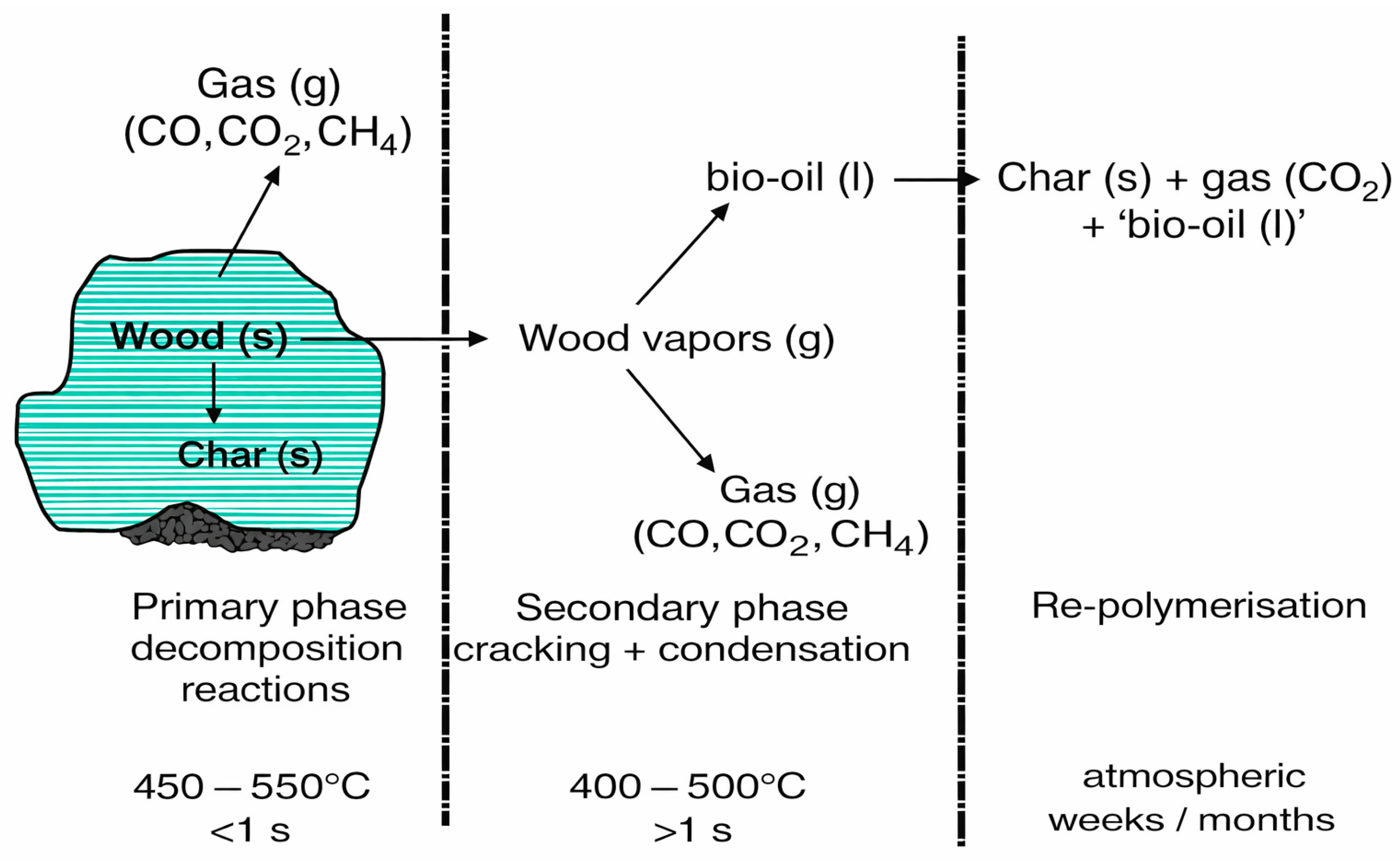
Fast pyrolysis is used to produce bio-oil. Bio-oil obtained immediately after pyrolysis cannot be used directly as a biofuel. This is due to its two-phase nature, consisting of an aqueous phase and an organic phase. This composition results from the use of moist feedstock for pyrolysis, where water is released during processing. Only after phase separation can one of the fractions—the organic phase—be considered for use as a biofuel. It may also be subjected to upgrading to obtain a higher-quality fuel. The aqueous phase contains various chemicals, such as acetic acid and hydroxy acetone, which can be recovered and utilized in the chemical industry [71]. A schematic of reaction pathways occurring during wood pyrolysis is shown in Figure 7.
Mineral oils contain oxygen only in trace amounts (on the order of a few ppm). In contrast, bio-oils typically contain approximately 35–40% oxygen, which contributes, among other factors, to their high polarity [72]. Pyrolysis is a relatively simple and efficient process enabling rapid production of targeted products by appropriate selection of operating conditions; however, it also presents challenges. In particular, the high oxygen content and limited thermal stability of bio-oils necessitate further processing and upgrading [73].
Figure 7.
Reaction pathways occurring during wood pyrolysis [74].
Biodiesel produced via pyrolysis can, in principle, be used in compression-ignition engines; however, it is generally regarded as a low-value fuel. This is due to the inevitable removal of oxygen during thermal processing at the production stage, which eliminates the key environmental benefit associated with the use of an oxygenated fuel [75]. In addition, compared with petroleum diesel, its lower heating value, lower volatility, and higher thermal instability may preclude its application in certain compression-ignition engines [76]. Biodiesel production from bio-oil also requires appropriate distillation equipment to separate individual liquid fractions. Despite various upgrading measures applied during processing, the resulting fuel may in some cases exhibit a composition closer to gasoline than to diesel fuel; moreover, sulfur-containing constituents may be present, which undermines the environmental performance of the fuel [77,78].
Micro emulsification
Emulsification and micro emulsification of bio-oil represent one approach to addressing issues arising from the inferior properties of bio-oil compared with petroleum diesel. Bio-oil is characterized by lower oxidative stability, poorer low-temperature properties, and higher NOx emissions [79].
According to IUPAC (International Union of Pure and Applied Chemistry), a microemulsion is a dispersion of water, oil, and a surfactant forming an isotropic and thermodynamically stable system with a dispersed-domain diameter in the range of 1–100 nm, most commonly 10–50 nm [80]. Due to the high viscosity of crude vegetable oil, it is not suitable for direct use as a fuel in compression-ignition engines equipped with Common Rail injection systems. A simple method to reduce its viscosity is micro emulsification. This process involves mixing vegetable oil with an alcohol (or water) and a surface-active agent (surfactant). A surfactant is a chemical compound that reduces the surface tension of a liquid or the interfacial tension between two liquids. To improve the properties of micro emulsified fuels, cetane improvers are also added [81].
This method has a distinct advantage relative to others: no chemical reactions occur. In addition, microemulsions can provide improved spray quality and enhanced mixing of fuel with air. This is attributed to micelles, which contain components with low boiling points. During injection into the combustion chamber, rapid phase change of micellar components to the gas phase can induce micro-explosions [82]. A micelle surrounded by a higher-boiling liquid (in the case of biofuels, e.g., vegetable oil) promotes secondary atomization of the surrounding liquid into smaller droplets. As a result, the atomized oil absorbs heat through a larger surface area and evaporates more rapidly. This phenomenon improves combustion efficiency, which translates into reduced fuel consumption and improved overall efficiency of compression-ignition engines [83].
It has been shown that using water as an additive to bio-oil enables effective control of NOx emissions in compression-ignition engines. The presence of water reduces in-cylinder temperature due to heat absorption associated with water’s high specific heat capacity and high latent heat of vaporization. Lower combustion temperatures directly reduce the NOx formation rate. The mechanism of micro-explosion during heating of fuel microemulsion droplets containing water at different concentrations is illustrated in Figure 8, Figure 9 and Figure 10 [78].
Figure 8.
Water-in-diesel emulsion (5% water) [78].
Figure 9.
Water-in-diesel emulsion (10% water) [78].
Figure 10.
Water-in-diesel emulsion (20% water) [78].
Relative to neat vegetable oils, microemulsions exhibit lower viscosity, higher cetane number, and improved atomization. However, prolonged use of micro emulsified biofuels in engines may lead to issues such as injector needle sticking, incomplete combustion, or carbonaceous deposit formation in the combustion chamber [78].
Studies on biodiesel–water emulsions have shown that increasing water content in the emulsion increases the combustion rate, particularly under full-load conditions. This is attributed to higher in-cylinder temperatures, which promote more intense micro-explosions of water droplets within the emulsion [84]. As shown in Figure 8, changes in the emulsion droplet are visible from the onset of heat delivery to the heater, with boiling occurring rapidly. This is related to the lower thermal inertia of an emulsion of this composition. The specific heat capacity of biodiesel is substantially lower (1774 J/kg·K [85]) than that of water (4180 J/kg·K [86]). Figure 9 presents the ignition process of an emulsion droplet containing 10% water. A delay in the onset of boiling is evident, and ignition occurs approximately 0.5 s later compared with a droplet containing 5% water. A similar trend was observed for an emulsion containing 20% water: boiling and ignition occurred even later, as shown in Figure 10, with ignition occurring 0.750 s later than for the emulsion containing 10% water. Furthermore, the results indicate that emulsions with water content up to 18% can be used without risking a loss of combustion stability [84].
Dilution and blending
The direct use of vegetable oils to fuel compression-ignition engines is unfavorable both in terms of storage and distribution and with respect to engine durability. This results from the high viscosity of vegetable oils, their acidic character, and the presence of free fatty acids. In addition, during storage and combustion of vegetable oils, tar-like compounds are formed due to polymerization of constituent species. These effects ultimately contribute to thickening of the engine lubricating oil. Degradation of vegetable oil during storage and incomplete combustion remain major issues that have so far precluded their direct application as fuels [87].
To enable the use of vegetable oils in compression-ignition engines, dilution with materials such as diesel fuel or ethanol is applied. This reduces the viscosity and density of the vegetable oil, improving its suitability as a fuel. In this way, engine torque can be increased while reducing brake specific fuel consumption relative to operation on neat vegetable oil. However, studies of ethanol–vegetable oil blends have shown that ethanol addition promotes combustion of the blend due to ethanol’s lower boiling point [88].
Studies investigating the performance and emissions characteristics of compression-ignition engines fueled with neat vegetable oil, biodiesel, and diesel fuel have shown that vegetable oils have higher viscosity than diesel fuel. They are also more reactive toward oxygen and exhibit higher cloud and pour points. Nevertheless, vegetable oils and their biodiesels can provide lower engine noise and reduced emissions of particulate matter, hydrocarbons, and carbon monoxide, albeit with a slight increase in nitrogen oxides. Fuel blending allows a compromise between performance and toxic exhaust emissions; specifically, a vegetable-oil/diesel blend at 25/75, and similarly a biodiesel/diesel blend at 20/80, were reported to yield the most favorable overall results in this regard [89].
Not every vegetable oil is suitable for blending with diesel fuel. Past attempts to use a 25/75 sunflower oil/diesel blend in compression-ignition engines were unsuccessful because the blend was unsuitable for long-term storage. This was attributed to its high viscosity at 313 K (4.88 cSt), exceeding the ASTM maximum viscosity at this temperature (4.0 cSt) [90].
2.4. Drawbacks and Limitations
Although biodiesel offers certain advantages over petroleum-derived diesel fuel, it also exhibits drawbacks and limitations. Clear advantages of FAME biodiesel relative to diesel fuel include a higher cetane number, lower aromatic content, and improved lubricity [91]. For FAME fuels, feedstock cost dominates the economic balance: approximately 70–90% (depending on the feedstock used) of total production cost is associated with the feedstock. When assessing fuel price and environmental impacts of production, the analysis should not be limited to the manufacturing process alone, but should adopt a broader “cradle-to-grave” perspective. This implies including the costs and impacts associated with feedstock production and harvesting, transport, pre-processing (e.g., oil extraction), fuel production, and subsequent distribution [92,93]. A schematic of such an assessment is shown in Figure 11.
Figure 11.
Life-cycle (“cradle-to-grave”) pathway for soybean biodiesel production [94].
Used cooking oil and animal fats are indeed relatively inexpensive feedstocks; however, the increased complexity of their processing makes production more costly than biodiesel manufactured from edible oils [32]. Waste cooking oils and animal fats typically contain substantially higher levels of free fatty acids than refined vegetable oils. When conventional base-catalyzed transesterification is applied, free fatty acids react with the base, forming soaps. These soaps reduce the yield of fatty acid methyl esters and, moreover, stabilize emulsions, which makes phase separation of the transesterification products difficult. For this reason, an acid esterification pretreatment step is commonly applied prior to base transesterification to reduce the free fatty acid content and thereby minimize soap formation. This operation, however, increases the production costs of second-generation biodiesel and requires specialized equipment to conduct the process. In the case of first-generation biodiesel, the primary driver of high production cost is the high price of the feedstock. For third-generation biodiesel, the supply chain for feedstock production is not as mature as for the first two generations. Feedstock supply scale is important: the greater the feedstock availability, the lower its cost. If the feedstock is inexpensive, the final fuel product is also less expensive [95,96,97].
A key factor influencing both environmental performance and production costs is the catalyst used in the conversion process. Selection of an appropriate catalyst can reduce energy consumption during production and decrease the amount of generated waste (through higher process efficiency in the presence of the catalyst) [98].
FAME biodiesel exhibits limited oxidative stability. Unsaturated fatty acids in methyl esters readily oxidize during storage when exposed to air. This leads to an increase in acid number and the formation of peroxides, resins, and aldehydes. Oxidation of FAME results in deposit formation and darkening of fuel color, which in turn impairs filtration and increases fuel corrosivity. The presence of polyunsaturated fatty acids, trace amounts of metals such as copper, sodium, iron, or potassium, excessively high storage temperatures, and long storage durations further accelerate fuel oxidation [99,100,101].
At lower temperatures, saturated monoglycerides, trace glycerol, and metal soaps formed during production may crystallize in biodiesel. The presence of these species increases the cloud point and cold filter plugging point (CFPP), creating operational issues in cold climates or under winter conditions. Deterioration of low-temperature properties is also promoted by excessively long storage without quality control of the stored batch [102,103,104].
Another limitation of biodiesel is its hygroscopicity, which is higher than that of diesel fuel. As water uptake progresses, microbial biofilms may form at the fuel–water interface. These microorganisms produce organic acids that cause corrosion of storage tanks and other elements of the fuel system. Consequently, water absorption leads to biological sludge formation, accelerated corrosion of tank bottoms and fuel lines, impaired filtration, and fuel quality instability. With increasing water content and the absence of regular water drainage, the intensity of fuel system degradation increases [105,106,107].
A further drawback that complicates biodiesel use in older engines is its interaction with metals and elastomers. Biodiesel can accelerate corrosion of certain metals, such as brass or copper, whereas stainless steel is resistant. Corrosion intensity is affected by the concentration of acids formed during fuel oxidation, the presence of water, temperature, and the duration of fuel–material contact [108,109,110]. Seals are critical components of fuel systems, and their susceptibility to biodiesel can lead to loss of tightness. Some elastomers may soften, swell, or lose mechanical integrity after prolonged exposure to biodiesel. This is attributed to the polar nature of methyl esters and their ability to extract plasticizers from polymers, which may cause seals to harden and become brittle [111].
2.5. Compatibility with Compression-Ignition Engines
Biodiesel is one of the earliest developed biofuels and remains the most mature to date. Nevertheless, it has certain disadvantages that prevent its universal use as a 100% substitute for conventional diesel fuel. One of the key issues associated with FAME biodiesel is the formation of internal deposits and deposits on injector tips. This is particularly critical for high-pressure, multi-hole injectors used in third- and fourth-generation Common Rail systems, where injection pressures exceed 205 MPa [112,113]. In FAME fuels, the main contributors to deposit formation include mono- and diglycerides and metal soaps containing sodium, potassium, calcium, or magnesium. Contamination of nozzle orifices can have several serious consequences. Changes in the area and geometry of injector orifices alter spray penetration and increase spray asymmetry, which contributes to increased particulate matter emissions. Fuels with elevated metal content promote formation of dry deposits on the injector tip; an example is shown in Figure 12a.
Figure 12.
Deposits on the injector nozzle tip: (a) dry, (b) wet [114].
In addition, deposits on the external surface of the nozzle tip may increase the active area available for adsorption or condensation of hydrocarbons, which in turn can lead to higher emissions of unburned hydrocarbons. Due to hydrocarbon adsorption, injector-tip deposits may appear “wet”. An example of this type of deposit on the nozzle tip is shown in Figure 12b. Non-uniform fuel atomization and variations in injected fuel quantity among individual injectors may result in a loss of engine power and increased noise emissions during operation. To limit the extent of this problem, fuel standards—e.g., EN 14214 [115] have been introduced to restrict the content of monoglycerides and specific metals [113,114,116].
3. Hydrotreated Vegetable Oil
Hydrotreated vegetable oil (HVO) is a biogenic fuel produced by hydrotreating vegetable oils or animal fats. Hydrotreating involves the addition of hydrogen to the vegetable-oil feedstock [117]. Chemically, HVO is a mixture of n-alkanes and isoalkanes within the boiling range of conventional diesel fuel. Unlike FAME, HVO contains no esters or other components prone to degradation. Due to its higher price and limited availability, this fuel is not yet widely used [118]. The European Commission estimates that by the end of 2025, HVO production in the European Union will reach 32 million tons per year, with forecasts indicating an increase to 39 million tons per year by 2030. In the United States, HVO production tripled over the last three years and reached 7.4 million tons in 2024. The largest HVO producers in Europe are the Netherlands, Finland, Sweden, France, Spain, and Italy. In Poland, completion of an HVO production facility with a capacity of up to 300 thousand tons per year is planned for 2025. Nevertheless, the market share of this fuel is expected to remain limited: annual consumption of liquid and gaseous transport fuels in Poland (diesel fuel, gasoline, LPG) is approximately 27.5 million tons, hence HVO would account for about 1.1% of the domestic fuel market [119,120,121].
3.1. Properties
As a result of hydrotreating, HVO has a chemical composition similar to diesel fuel and is fully miscible with diesel, enabling its use in compression-ignition engines without hardware modifications. As a paraffinic fuel with low contents of polar and aromatic species, neat HVO may exhibit reduced lubricity unless treated with additives. Therefore, in practice, lubricity must be controlled and improved either by using lubricity additives (friction modifiers) or by appropriate blending with other fuel components. Failure to ensure adequate lubricity may accelerate wear of fuel-injection system components, including injectors and the high-pressure pump in Common Rail systems [122,123].
Compared with conventional diesel fuel, HVO typically has a higher hydrogen content and a slightly higher lower heating value on a mass basis; however, due to its lower density, it exhibits approximately 5% lower volumetric energy density. Moreover, HVO is characterized by a higher cetane number than diesel fuel and a narrower (lower) boiling-range distribution, which is an important feature. A lower boiling range promotes faster evaporation in the combustion chamber, resulting in a shorter ignition delay and thus improved combustion efficiency—an effect that is particularly evident for HVO at low and medium engine loads [124].
The use of HVO reduces emissions of hydrocarbons, carbon monoxide, and particulate matter. The reduction in particulate emissions is especially pronounced at low ambient temperatures. However, changes in NOx emissions relative to diesel fuel have not been unambiguously established. Some authors report that HVO reduces NOx emissions, whereas others observe an increase or a negligible effect [125]. Table 1 summarizes the key properties of HVO, FAME, and diesel fuel. The comparison clearly indicates that HVO offers advantages over the other fuels in several respects: its cetane number is substantially higher than that of diesel fuel and FAME, and its mass-based heating value is also higher. HVO is inferior only to diesel fuel in terms of volumetric heating value [126].
Table 1.
Physical and chemical properties of HVO, FAME, and diesel fuel [126].
3.2. Methods of Obtaining
The most important stage in HVO production is hydrotreating, i.e., the reaction of biomass with hydrogen at elevated temperature, under suitable pressure, and in the presence of catalysts. Hydrogen is used to remove oxygen atoms and double bonds from the triglyceride structure [127]. The hydrotreating feed consists of fatty-acid triglycerides, which can be classified as simple or mixed. Simple triglycerides contain three identical fatty acids, whereas mixed triglycerides comprise three different fatty acids. Fatty acids can in turn be classified according to the presence and number of double bonds as saturated, monounsaturated, or polyunsaturated [128]. The properties of the fatty acids constituting the triglycerides are important because they influence the course of the hydrotreating process. Hydrotreating proceeds through three main steps, the first being hydrogenation of the double bonds present in the hydrocarbon chains of the triglyceride. Overall, hydrotreating of fatty-acid triglycerides comprises:
- (a)
- hydrogenation, during which unsaturated fatty acids are saturated with hydrogen, thereby eliminating double bonds;
- (b)
- hydrodeoxygenation, in which oxygen is removed as H2O via reaction with hydrogen;
- (c)
- hydrocracking, involving cleavage of long hydrocarbon chains into shorter ones, enabling production of fuels with tailored properties [129,130].
Through catalytic hydro processing, a wide range of feedstocks can be converted, including crude vegetable oils, used cooking oils, animal fats, and algal oils. In addition, pyrolysis oils and Fischer–Tropsch-derived waxes can also be processed using this approach. The applicable feedstocks and processing pathways are schematically presented in Figure 13 [131].
Figure 13.
Schematic showing HVO feedstocks and their conversion pathways [131].
Following hydrotreating of triglycerides, the next stage in HVO production is isomerization. This step is not mandatory; its application depends on the climate in which the fuel will be used, as isomerization is intended to improve low-temperature properties. The process increases the degree of branching in the hydrocarbon structure, which lowers the cloud point and cold filter plugging point. Isomerization also increases fuel volatility because isoparaffins have lower boiling temperatures [132].
3.3. Drawbacks and Limitations
Although hydrotreated vegetable oil is a modern fuel with relatively favorable environmental characteristics, it also exhibits certain drawbacks that affect its effectiveness and the extent of its market penetration. At present, HVO is more expensive than conventional diesel fuel and its production is more complex, mainly due to the relatively sophisticated production pathway. Diesel fuel production is largely based on crude oil distillation followed by upgrading of distillate fractions using suitable additives. In contrast, HVO production requires hydrotreating, isomerization, and hydrocracking. These are complex, energy-intensive processes that rely on multiple inputs from different supply chains, notably hydrogen and vegetable oils or animal fats. Catalysts must also be considered: although they are not constituents of the final fuel, they are essential for conducting the production process [133,134].
Hydrogen cost is a major factor influencing the price of HVO. Hydrogen is expensive both to produce and to transport, and hydrotreating requires large quantities. At present, most hydrogen is produced via natural-gas reforming, which is associated with additional CO2 emissions and thus environmental costs. A potential mitigation pathway is hydrogen production via electrolysis powered by renewable electricity. However, this approach introduces a further challenge by increasing hydrogen production costs, which in turn raises the price of HVO [135]. Another factor affecting HVO cost is the price of catalysts used in production. Hydrotreating commonly employs catalysts based on nickel, molybdenum, cobalt, and/or aluminum; these are relatively expensive materials and require periodic replacement [136,137,138,139].
Currently, HVO is not fully competitive with diesel fuel, also due to the limited availability of suitable feedstocks. The supply of biogenic feedstocks for HVO production varies across regions and is often unstable, depending on crop seasonality and/or the availability of animal fats [140,141]. Storage and transport costs for these feedstocks are also higher than for crude oil. They exhibit lower chemical stability and therefore require appropriate storage conditions to prevent accelerated oxidation; as a consequence, they have a defined and relatively short shelf life. The feedstock supply chain is more complex than that of crude oil, which can be delivered to refineries via pipelines or tankers, reducing unit transport costs. In contrast, HVO feedstocks typically require rail or road transport [142].
A further barrier to broader use of HVO in compression-ignition engines is its limited availability, resulting from still-developing production and distribution infrastructure. In addition, production is concentrated in selected regions, leading to uneven availability: access to HVO is generally higher in Western Europe, whereas in some Eastern European countries the fuel is not yet commercially available [143].
3.4. Compatibility with Compression-Ignition Engines
HVO is fully compatible with compression-ignition engines. Accordingly, it can be used as a neat fuel (100% replacement of diesel fuel) or blended with diesel fuel at various ratios. Because HVO properties are similar to those of conventional diesel fuel, there is generally no need to modify injectors, the high-pressure pump, or other engine components to enable operation on HVO [144]. When operating on neat HVO, calibration changes to injection parameters in the engine control unit may be required to maintain performance, due to HVO’s higher cetane number and thus shorter ignition delay. Owing to its composition, combustion of HVO produces fewer in-cylinder deposits than diesel fuel. Reduced particulate emissions during HVO operation also contributes to increased durability of diesel particulate filters (DPFs) [145].
HVO has a lower density than diesel fuel. Nevertheless, its mass-based energy density is slightly higher than that of diesel fuel. From an operational perspective, a compression-ignition engine fueled with HVO may therefore exhibit approximately 2–5% higher fuel consumption (on a volumetric basis) [146].
In addition, HVO has better low-temperature properties than standard FAME biodiesel. For example, the cloud point of FAME (specifically rapeseed methyl esters) is −3.8 °C, whereas for HVO it is −39 °C. The cold filter plugging point (CFPP) for FAME is −11 °C, while for HVO it is −34.7 °C [136,147].
HVO is less hygroscopic than FAME biodiesel, which reduces the risk of water uptake. Consequently, using HVO instead of FAME can lower the risk of corrosion in the fuel system. The absence of esters in HVO is a further factor making it a favorable alternative to FAME [148]. Esters in FAME fuels are more prone to oxidation, which can lead to deposit formation and overall fuel-quality deterioration during storage. The lack of esters means that HVO has higher oxidative stability, enabling longer storage without fuel-quality degradation. Moreover, ester oxidation products may contribute to fuel filter plugging and deposit formation in the injection system. By eliminating esters, HVO minimizes the risk of such issues, thereby supporting engine reliability [149].
Another advantage of HVO relative to FAME is its material compatibility with engine components such as seals and fuel lines. Contact between HVO and elastomeric hoses or sealing materials does not typically lead to degradation. In addition, the absence of sulfur and the lower soot emissions during HVO operation (compared with diesel fuel) may increase engine oil lifetime and extend oil-change intervals due to less intensive contamination of the lubricant with combustion by-products and sulfur species [147,150,151].
4. BtL Fuel (Biomass to Liquid)
BtL (biomass-to-liquid) is a synthetic liquid fuel produced from biomass. Its production is based on converting biomass into a liquid hydrocarbon fuel. A clear advantage of BtL is that a wide range of feedstocks can be used, including municipal or agricultural waste, wood, cellulose, or algae—meaning that BtL does not compete for resources with the food sector [152]. BtL is produced through a sequence of steps: biomass pretreatment, gasification, syngas cleaning, Fischer–Tropsch synthesis (or pyrolysis), and finally hydro processing [153].
4.1. Properties
BtL is a liquid with properties similar to those of conventional diesel fuel. It is characterized by a high cetane number of approximately 75, resulting in a shorter ignition delay compared with diesel fuel, for which EN 590 requires a minimum cetane number of 51. The lower heating value of BtL is about 43 MJ/kg, higher than that of diesel fuel (35 MJ/kg). Its density ranges from 0.72 to 0.82, whereas diesel fuel density is approximately 0.85. Therefore, similarly to HVO, despite its higher mass-based heating value, BtL exhibits a lower volumetric energy density than diesel fuel due to its lower density. Consequently, an engine fueled with BtL may show a slight increase in fuel consumption associated with the lower volumetric energy density [154].
The kinematic viscosity of BtL at 40 °C complies with applicable requirements, typically within 2.1–3.5 cSt; EN 15940 [155], which specifies requirements for paraffinic synthetic diesel fuels, requires viscosity in the range of 2.0–4.5 cSt. BtL also exhibits very high oxidative stability because it contains no unsaturated esters (in contrast to FAME). With the exception of density, BtL meets the requirements specified in EN 590. The fuel contains no sulfur, oxygen, nitrogen, aromatics, or heavy metals [156,157].
Although BtL production is costly and energy-intensive, it should be noted that an important advantage of BtL is its low environmental burden relative to other biofuels. This is associated with the combustion characteristics of BtL in vehicle engines, leading to the lowest CO2-equivalent emissions to the atmosphere. In addition, the production pathway itself is environmentally favorable; among biofuels, it is reported to generate the lowest CO2-equivalent emissions. A comparison of CO2-equivalent emissions associated with different fuels is presented in Figure 14 [158].
Figure 14.
“Cradle-to-grave” CO2-equivalent emissions of a mid-size passenger car as a function of fuel type [158].
4.2. Methods of Obtaining
The first stage of BtL fuel production is the acquisition of biomass feedstock, which may include woody residues, straw, energy crops (e.g., grasses), or agricultural wastes. Wood is most commonly used due to its relatively high homogeneity, consistent physical characteristics, and quality. An additional advantage is its widespread availability globally. As a result, biomass feedstock is typically supplied from distances not exceeding ~100 km, which reduces fuel production costs [159]. After delivery to the plant, the feedstock is cleaned to remove metallic and mineral contaminants, and then screened to obtain wood chips of the desired size. Subsequently, the chips are dried and milled to reduce particle size to approximately 1 mm [160].
The prepared biomass is then fed to a reactor where gasification takes place. Under controlled conditions of elevated temperature and limited oxidant supply (air/oxygen) and/or steam, biomass undergoes thermochemical conversion leading to gasification. Process temperature depends on the applied technology: in fluidized-bed gasification (including circulating fluidized bed, CFB), typical temperatures are ~700–900 °C, whereas entrained-flow (EF) gasification operates at substantially higher temperatures, typically ≥1200 °C (often ~1200–1600 °C). Gasification produces synthesis gas (syngas) composed mainly of H2, CO, CO2, and CH4, with additional components depending on the gasifying medium and trace contaminants [161,162,163].
Syngas leaving the gasifier contains undesirable impurities such as tars, ash/particulates, and sulfur- and nitrogen-containing compounds, and therefore requires cleaning. Gas cleaning typically includes filtration and cooling, followed by removal of sulfur and nitrogen species (e.g., via chemical absorption). Other problematic impurities, particularly tars, are commonly mitigated using catalytic cracking. These steps yield a clean, specification-grade syngas suitable for downstream conversion [164].
After purification, the syngas is subjected to catalytic Fischer–Tropsch synthesis. This reaction is carried out in a reactor over iron- or cobalt-based catalysts. Cobalt catalysts are typically applied in low-temperature Fischer–Tropsch (LTFT), at 190–260 °C and 2.5–4.5 MPa, whereas iron catalysts are used in high-temperature Fischer–Tropsch (HTFT), usually at 300–350 °C and 2.0–2.5 MPa. During this process, carbon monoxide and hydrogen are converted into hydrocarbons, oxygenated compounds, and water; the most abundant product classes include alkanes (paraffins), alkenes (olefins), and alcohols, as reflected by the synthesis reactions (Equations (4)–(6)) [165,166,167].
nCO + (2n + 1)H2 → CnH2n+2 + nH2O
nCO + 2nH2 → CnH2n + nH2O
nCO + 2nH2 → CnH2n+1OH + (n − 1)H2O
The products of Fischer–Tropsch synthesis comprise hydrocarbons with a wide distribution of carbon numbers, including gases, liquids, and waxes. To obtain a fuel with specified properties, the Fischer–Tropsch product stream is subjected to distillation, during which different hydrocarbon fractions are separated [168]. The main stages of BtL fuel production are shown in Figure 15.
Figure 15.
Block diagram showing BtL feedstocks and conversion pathways [169].
4.3. Drawbacks and Limitations
BtL fuel production technology, despite the numerous environmental benefits associated with the use of renewable feedstocks, faces technical, economic, and environmental constraints that contribute to a high fuel price and hinder wider deployment. The high cost of BtL is driven, inter alia, by substantial capital expenditure and operating costs. High capital costs are closely related to the technological complexity of the overall process, which necessitates specialized equipment for biomass gasification, advanced syngas cleaning units, and reactors for Fischer–Tropsch synthesis. In addition, the high operating and maintenance costs of such equipment increase overall expenditures, complicating commercialization of the technology [170].
Another barrier to the wider implementation of BtL production is the moderate overall energy efficiency of the production chain, resulting from its multi-step and energy-intensive nature. The cumulative unit cost of fuel decreases with increasing production volume; i.e., the larger the plant output, the lower the cost per litre of fuel. However, individual stages—from biomass drying and comminution, through synthesis and distillation, to final upgrading—introduce substantial energy losses, which limits the competitiveness of BtL relative to conventional diesel fuel. Only sufficiently large-scale BtL plants can approach cost competitiveness with diesel fuel. According to P. Swain et al., a plant capable of producing BtL at a cost competitive with diesel fuel would require a thermal input of 2000–4000 MWth and production capacity of approximately 16,000–32,000 barrels of fuel [168].
4.4. Compatibility with Compression-Ignition Engines
When used in compression-ignition engines, BtL offers several benefits. Engines fueled with BtL typically exhibit lower emissions of HC, CO, and CO2 compared with diesel fuel and biodiesel. In addition, BtL can provide high thermal efficiency and reduced fuel consumption relative to diesel fuel and biodiesel. Because BtL fuel properties are close to those of diesel fuel, it can be used in compression-ignition engines without hardware modifications. This includes parameters such as lower heating value (43.1 for diesel fuel versus 43.9 for BtL) and dynamic viscosity at 25 °C (1.99 for diesel fuel versus 2.09 Pa·s for BtL). Owing to its high purity and absence of contaminants, BtL reduces wear of engine components, particularly within the fuel supply system [169,170].
Studies on the effect of BtL on compression-ignition engine operation have shown that the higher cetane number shortens ignition delay, enabling a longer combustion duration and a smoother heat-release profile. Moreover, peak combustion temperature is reduced. Together, these effects decrease thermal loads on engine components. A lower heat-release rate reduces the pressure rise rate, which is also associated with a lower maximum in-cylinder pressure; consequently, mechanical loads on the crank–piston assembly are reduced. Due to the presence of lighter hydrocarbon fractions, cold-start performance is improved and exhaust smoke is reduced [171].
5. F-34/Jet A-1
F-34 is an aviation fuel used in NATO member countries. It is similar in composition and properties to Jet A-1, differing primarily by the presence of corrosion inhibitors and anti-icing additives that are blended into F-34 but are not present in Jet A-1. F-34 was introduced as a substitute for diesel fuel in military applications. The underlying concept is to maximize interoperability of military equipment by using a single battlefield fuel common to aircraft as well as wheeled and tracked vehicles. The main benefit for NATO forces is a significant simplification of the fuel supply chain [172,173]. Jet A-1 and F-34 are conventional, petroleum-derived fuels produced through crude oil refining and do not belong to the biofuel category. Nevertheless, their inclusion in this review is purposeful for two reasons, as outlined below.
Jet A-1 and F-34 constitute an important link in the pathway for introducing SAF into piston-engine applications, because within NATO forces F-34 serves as the single battlefield fuel. Consequently, it is used not only for aircraft engines but also for wheeled and tracked vehicles. At present, a gradual introduction of SAF in combination with F-34 is being observed. This means that SAF may enter compression-ignition engine applications indirectly through a supply chain based on the single battlefield fuel concept. It should also be emphasized that SAF is not used anywhere as a neat fuel; it is always deployed in combination with petroleum-derived aviation fuel (Jet A-1 or F-34). Given these circumstances, from an engineering perspective, assessing SAF compatibility with compression-ignition engines without addressing the base fuel (Jet A-1/F-34) would be incomplete, because these fuels largely determine the relevant properties and operational constraints [174,175,176].
In addition, Jet A-1/F-34 provides a reference point for key differences in fuel properties that are critical to Common Rail system operation. These petroleum-derived fuels exhibit a different distillation profile, lower viscosity and density, and poorer lubricity compared with diesel fuel. These parameters are crucial for Common Rail performance and for the combustion process in the engine. Without characterizing these fuels, it would be difficult to justify rigorously why SAF may exacerbate or mitigate specific issues such as lubricity, seal compatibility, or emission changes. For this reason, Jet A-1/F-34 is treated as a reference fuel in this review [173,177].
5.1. Properties
F-34 is an aviation kerosene with a relatively narrow distillation range, approximately corresponding to hydrocarbons from C8 to C16. Compared with fuels such as FAME, HVO, or BtL, it also exhibits a lower final boiling point (250–300 °C). Diesel fuel typically comprises C10–C22 hydrocarbons, with a final boiling point around 340 °C. F-34 remains fluid at much lower temperatures than diesel fuel: its cold filter plugging point (CFPP) is approximately −47 °C, whereas for standard winter diesel fuel in Eastern Europe the CFPP is typically −20 °C (as specified by PN-EN 590) [178].
The kinematic viscosity of F-34 at 40 °C is lower than that of diesel fuel, typically 1.2–1.5 cSt for F-34 versus 2.0–4.5 cSt for diesel fuel (EN 590). The density of this aviation fuel is slightly lower than that of diesel fuel: approximately 0.80 g/cm3 at 15 °C, whereas diesel fuel density is typically 0.82–0.84 g/cm3. This results in a lower injected fuel mass per cycle at the same injected volume [178,179]. Cetane number is not specified by aviation-fuel standards and depends on the composition and relative proportions of constituent hydrocarbons; however, it is typically in the range of 40–45. For diesel fuel, a minimum cetane number is mandated; in Europe EN 590 requires a cetane number of at least 51. A lower cetane number leads to a longer ignition delay, which is generally undesirable [180].
Another important property is lubricity. Relative to diesel fuel, this is the most critical difference, because Jet A-1 does not meet the lubricity requirements applied to diesel fuel. For this reason, F-34 contains a corrosion inhibitor with lubricity-improving functionality. This additive enhances lubricity only to a limited extent, providing merely minimal protection for injection equipment components. To increase the lubricity of F-34 to a level comparable to diesel fuel—so that injection-system durability matches diesel operation—the concentration of lubricity additives would need to be increased by an order of magnitude from the current 10–24 mg/L [172,181].
5.2. Production Pathways
Jet A-1 serves as the base fuel for F-34 production. It is obtained from crude oil distillation, where the middle distillate fraction is separated typically within the 150–270 °C range. This fraction is subsequently purified by hydrotreating, removing sulfur compounds, unsaturated hydrocarbons, and other contaminants. These treatments yield a saturated and stabilized fuel with improved thermal stability and reduced tendency for deposit formation during storage. The resulting purified kerosene contains approximately 75% saturated hydrocarbons (paraffins and cycloparaffins) and no more than 25% aromatics, while meeting the quality specifications of ASTM D1655 and DEF STAN 91-91 [182,183].
To obtain F-34, performance additives are then blended. The fuel system icing inhibitor (FSII) absorbs moisture and depresses the freezing point of water, preventing ice crystal formation under low-temperature operating conditions and thereby avoiding blockage of filters and fuel lines. The most commonly used compound is diethylene glycol monomethyl ether (DiEGME), typically added at 0.1% by volume [184]. In addition, a corrosion inhibitor/lubricity improver (CI/LI) is added. This additive is typically based on dimerized linoleic acid and is dosed at the level of tens of milligrams per liter. It compensates for the loss of natural lubricity caused by deep hydrotreating and protects the fuel system against corrosion. The presence of this additive reduces wear of pump and injector components to the required level [185]. A third additive, applied for safety reasons, is the static dissipator additive (SDA), which increases fuel electrical conductivity, prevents the accumulation of electrostatic charge during fuel transfer, and minimizes the risk of spark ignition during refueling operations [186]. The presence of these three additives in Jet A-1 qualifies the fuel as F-34 and is essential for ensuring fuel-system reliability under harsh conditions (cold, moisture) and for safe handling.
5.3. Drawbacks and Limitations
F-34 is characterized by a relatively low cetane number. Because cetane number is not specified by aviation-fuel standards, it may vary between batches; typically it is within ~38–45, whereas the minimum required cetane number for diesel fuel in Europe is 51. The lower cetane number translates into a longer ignition delay—by approximately 25–50% relative to diesel fuel—which can impair cold starting and lead to rough engine operation at low temperatures. A long ignition delay is also associated with increased combustion noise due to a more rapid pressure rise during ignition of the fuel–air mixture [179,187,188].
Jet A-1 exhibits negligible lubricity. As noted above, F-34 differs from Jet A-1 only by the presence of three additives, of which one is responsible for lubricity improvement. Despite these additives, protection of the fuel-injection system remains substantially lower than for diesel fuel. F-34 also has a lower density (0.78–0.81 kg/L) than diesel fuel (0.83–0.85 kg/L). While the mass-based energy density is similar to diesel fuel, the lower density reduces the energy delivered per unit volume, resulting in increased volumetric fuel consumption [187].
F-34 is produced to an aviation specification, which allows a wider range (than diesel fuel) for several parameters, including sulfur content. F-34 may contain up to 25 vol.% aromatics and up to 3000 ppm sulfur, whereas the permissible sulfur content for diesel fuel is up to 15 ppm [189].
5.4. Compatibility with Compression-Ignition Engines
Using F-34 in compression-ignition engines changes the exhaust-emission profile. Some studies have reported reduced NOx and particulate matter emissions. The pronounced reduction in particulate emissions is attributed to the beneficial effect of higher fuel volatility and an increased ignition delay (relative to diesel fuel), which enhances premixing during the mixture preparation phase [190]. Hydrocarbon and carbon monoxide emissions are typically slightly higher than for diesel fuel. This is linked to less complete combustion during the expansion phase: a longer ignition delay means that part of the fuel–air mixture burns more slowly and at a lower temperature, leaving unburned fuel fragments. Thus, F-34 can provide cleaner combustion in terms of particulate emissions at the expense of slightly higher HC and CO emissions [191,192].
The lower volumetric energy density of F-34 can reduce compression-ignition engine performance if no modifications are made. Power loss during operation on F-34 can reach up to 10% compared with diesel fuel. The reduced volumetric energy density also increases fuel consumption, because the engine must obtain the same amount of energy from the fuel to deliver the same crankshaft torque. If a given unit volume of F-34 contains less energy, a larger volume must be consumed to maintain performance [193]. When F-34 is used without prior engine recalibration (e.g., increased injection advance, correction of injected quantity), studies have reported a 12% increase in fuel consumption and a power reduction of approximately 7%. Engine adaptation through appropriate calibration changes can reduce the power penalty to about 5% [179,190].
Long-term operation on F-34 may affect engine durability and the fuel-injection system. Tests have confirmed accelerated wear of tribological interfaces in high-pressure pumps and injectors. Increased friction in precision pairs such as the pump plunger–barrel and the injector needle can lead to scuffing due to lower lubricity than diesel fuel. This occurs despite the presence of lubricity additives, because their concentration is insufficient to achieve diesel-like lubricity. Operation on this fuel may also lead to fuel system leakage. Seals used in diesel-fuel systems may swell due to aromatic compounds; with F-34 this swelling effect is less pronounced due to the lower aromatic content, which can result in loss of tightness and leaks [194].
Long-term use of F-34 can have beneficial effects on engine oil. Reduced soot formation leads to slower soot-related contamination of the lubricating oil, potentially extending oil-drain intervals. Another advantage is reduced deposit formation on injector nozzles and valves, attributed to the lighter hydrocarbon fractions present in F-34 compared with diesel fuel. Cleaner combustion of F-34 also reduces contamination of the exhaust system. Overall, F-34 does not tend to promote excessive deposit formation, facilitating cleanliness of engine components [195].
Overall, the compatibility of F-34 with compression-ignition engines can be regarded as conditionally satisfactory. The fuel enables correct engine operation and cleaner combustion in terms of particulate emissions, but at the expense of slightly reduced performance and with the need to mitigate accelerated wear. In military applications, this trade-off is fully acceptable due to simplified fuel logistics. In the civilian market, F-34 is generally not used to fuel compression-ignition engines due to the above limitations.
6. Sustainable Aviation Fuel (SAF)
Sustainable aviation fuel (SAF) is intended for aircraft turbine engines, similarly to Jet A-1 and its military variant, F-34. Unlike these fuels, SAF is produced from biogenic feedstocks. Consequently, future use of biogenic aviation fuels to power compression-ignition engines in military vehicles appears unavoidable, given the NATO single-fuel concept and increasing pressure to decarbonize fuel supply chains [196].
It should be emphasized that SAF is not a single fuel with strictly defined properties. Rather, the term SAF refers to a family of alternative fuels to conventional petroleum-derived aviation fuels. The vast majority of their parameters meet the requirements for fuels intended for aircraft propulsion systems. Any differences in properties arise from the feedstocks used for production and the applied conversion technologies. Because certain parameters vary across SAF pathways, these fuels are typically used as blends with conventional aviation fuel. At present, eight SAF production technologies have been certified. These are listed in Table 2, which also provides the permissible blending ratios with conventional fuel and information on the feedstocks used in each pathway [197,198].
Table 2.
Overview of certified SAF production pathways and associated feedstocks, together with the allowable blending limits with conventional fuel [197].
6.1. Properties
Sustainable Aviation Fuel (SAF) should exhibit the same or closely similar physicochemical properties as conventional Jet A-1 fuel in order to be used as a drop-in replacement. It should be noted that SAF comprises a group of bio-based fuels produced via different technological pathways. As a result, variations in properties may occur among individual samples of particular SAF types. This variability has been documented, among others, in the FAA Alternative Jet Fuels Test Database, which shows the spread of SAF fuel parameters depending on the production route. Nevertheless, the variability in fuel properties must remain within the acceptable limits specified by the standards for conventional aviation fuels. Accordingly, such parameters as density, viscosity, calorific value, and flash point fall within the standard limits established for Jet A-1 fuel [201,202]. The most important properties of SAF are summarized in Table 3 and compared with those of Jet A-1 fuel. SAF consists primarily of iso-alkanes (67%), n-alkanes (25%), and aromatic hydrocarbons (8%) [203]. In addition, it is characterized by a higher hydrogen-to-carbon ratio and a higher flash point, which contribute to lower emissions of toxic exhaust components and improved safety during storage and distribution [204]. Sustainable Aviation Fuel (SAF) provides better ignition characteristics than conventional aviation fuels, including Jet A-1. Although aviation fuels are formally classified with respect to their application in aircraft engines, the literature indicates that many SAF blends and components are characterized by a higher cetane number. Combined with a higher hydrogen-to-carbon ratio in the molecular structure, this results in a shorter ignition delay. Another advantageous property is the higher smoke point compared with that of conventional aviation fuels. The lower content of aromatic hydrocarbons leads to reduced soot formation during combustion [205,206,207,208]. In contrast to Jet A-1, in which the sulfur content may reach up to 0.3% by mass, SAF is virtually sulfur-free. These properties make SAF comparable to conventional aviation fuel in terms of quality and operational safety, while at the same time offering more environmentally friendly combustion due to reduced particulate matter emissions [209].
Table 3.
Summary of key SAF properties with reference to ASTM D1655 and ASTM D7566 specifications [197].
Paraffinic SAF components have a lower density than conventional fuel, which results in a lower volumetric energy density. This occurs even when the gravimetric heating value is comparable or higher, owing to the greater hydrogen content in the molecular structure. In aviation, this is of key importance from the perspective of flight range. In compression-ignition engine applications, however, this translates into a reduction in the injected fuel mass, thereby necessitating recalibration of the fuel injection control system, including adjustment of injector opening duration and common rail pressure [208,210].
The kinematic viscosity of individual SAF fuels and their blends must satisfy the requirements imposed by applicable standards. According to the data presented in Table 3, only SIP (Synthetic Iso-Paraffins) does not meet the viscosity requirements specified in ASTM D1655 and ASTM D7566. For this reason, it may only be used as a 10% blend with Jet A-1 fuel. The remaining SAF fuels also cannot be used in pure form for engine operation. This is due to their low aromatic content, whereas aromatic compounds are necessary to ensure adequate sealing performance of the fuel system. On the one hand, aromatics are strongly associated with particulate formation during combustion; on the other hand, they are essential for maintaining compatibility with fuel system components. Experimental studies have clearly shown that the higher the aromatic content in the fuel, the greater the swelling tendency of the elastomers tested. Paraffinic fuels exhibit a significantly weaker swelling effect in this regard. The literature emphasizes that aromatics are a very important component from the standpoint of material compatibility, even though they are unfavorable in terms of emissions. For this reason, efforts to reduce aromatic content must be balanced against fuel system compatibility requirements [208,211,212].
6.2. Methods of Obtaining
At present, the most widely applied SAF production pathway is HEFA (Hydroprocessed esters and fatty acids). The feedstocks used are biogenic triglycerides such as vegetable oils, animal fats, and used cooking oils. The HEFA process comprises several steps: feedstock pretreatment/purification, followed by hydrodeoxygenation (i.e., removal of oxygen from the molecules in the presence of hydrogen and a catalyst). These steps are followed by cracking and subsequent isomerization of the produced hydrocarbons until hydrocarbon chain lengths corresponding to aviation kerosene are obtained. The final step is distillation, yielding the aviation-fuel fraction referred to as HEFA-SPK. The end products are essentially pure paraffinic hydrocarbons with properties similar to conventional Jet A-1, with the key difference that HEFA-derived fuels are virtually sulfur-free. Due to the lack of aromatics, ASTM D7566 [200] specifies their use only as a blend component up to 50 vol.% with petroleum-derived kerosene [213,214,215,216].
Another SAF production technology is FT-SPK (Fischer–Tropsch synthetic paraffinic kerosene). In this pathway, a mixture of hydrocarbons is produced from synthesis gas and subsequently refined to aviation fuel. Syngas is generated by biomass gasification; for SAF applications, lignocellulosic biomass, forestry and agricultural residues, and municipal solid waste are typically used. Purified syngas reacts in the presence of cobalt- or iron-based catalysts in a Fischer–Tropsch reactor, producing a hydrocarbon mixture with a broad chain-length distribution. The product is then subjected to cracking and isomerization to obtain aviation kerosene, which after distillation yields a fuel with quality and properties close to Jet A-1. However, FT-SPK contains essentially no aromatic compounds and therefore can be used only in blends up to 50 vol.% with conventional aviation fuel. A variant of this pathway is FT-SPK/A, in which light aromatic hydrocarbons (e.g., benzene) are alkylated to introduce a controlled aromatic content (approximately 8%) into the fuel. This improves similarity to conventional kerosene and may enable higher blending levels with petroleum-derived aviation fuel [201,214,217].
A further SAF pathway is ATJ-SPK (alcohol-to-jet synthetic paraffinic kerosene). In this case, intermediate products for aviation-fuel synthesis may include bio-isobutanol or ethanol obtained via fermentation of sugar- or lignocellulosic biomass. The alcohol is processed through dehydration (water removal) and oligomerization (chain growth). The resulting liquid is then hydrogenated (saturation of bonds in the presence of hydrogen), followed by distillation to separate the kerosene fraction meeting aviation-fuel requirements. Distillation also produces a diesel-range co-product. The allowable ATJ-SPK blending limit with conventional aviation fuel is 50 vol.% [214,217].
HFS-SIP (hydroprocessed fermented sugars—synthetic iso-paraffin) is a pathway in which sugars (e.g., from sugarcane) are fermented by engineered yeast to produce a C15 hydrocarbon with four double bonds, farnesene. Farnesene is then hydroprocessed to the corresponding saturated alkane, farnesane, which is subsequently distilled to obtain a specific SAF component. Unlike HEFA fuels, HFS-SIP does not produce a synthetic paraffinic kerosene fraction covering the full kerosene boiling range; therefore, only up to 10 vol.% blending with conventional aviation fuel is currently permitted [198,218].
6.3. Drawbacks and Limitations
The SAF components discussed above (FT-SPK, HEFA-SPK, ATJ-SPK, and HFS-SIP) are aviation biofuels with very low, or even near-zero, aromatic hydrocarbon content. Conventional Jet A-1 contains approximately 15–20% aromatics, which ensure proper swelling of elastomer seals and thus fuel-system tightness. ASTM D7566 requires a minimum aromatic content of 8%; therefore, neat SPK fuels must be blended with Jet A-1 to meet this minimum requirement. Current certification limits allow blending of FT-SPK or HEFA-SPK up to 50 vol.%, whereas HFS-SIP is limited to 10 vol.%. These restrictions mean that no SAF component can currently replace Jet A-1 at 100% on its own. Consequently, blending with conventional fuel and/or the addition of purpose-made renewable aromatic components is required to ensure full compliance with fuel and material compatibility requirements [219,220].
Paraffinic SAF components typically have lower density than Jet A-1, which reduces the volumetric energy density of the blend. Although the mass-based energy density may be slightly higher due to higher hydrogen content, the lower volumetric energy density implies that more SAF (by volume) is required to cover the same distance compared with conventional kerosene. Another limitation is poorer lubricity of SPK fuels, associated with the absence of sulfur-containing compounds. Therefore, lubricity improver additives are often required. It has been shown that small additions of suitable esters or fatty acids can significantly reduce wear in lubricity tests without adversely affecting other physicochemical properties of the fuel [221,222].
The chemical stability of paraffinic SAF also differs from that of conventional fuel. The lack of naturally occurring inhibitors (e.g., aromatics) makes neat SPK more susceptible to oxidation during long-term storage, potentially leading to peroxide formation and gum deposits in the fuel system if antioxidant additives are not applied. In blends with Jet A-1, this issue is mitigated because the aromatics present in Jet A-1 and the typical antioxidant additive package help satisfy thermal and oxidative stability requirements [223].
Important constraints also arise from SAF production scale and logistics. HEFA-SPK is the most mature pathway; nevertheless, its supply is constrained by feedstock availability. It is estimated that due to limited availability of waste oils, HEFA could cover at most ~10% of global jet-fuel demand by 2050 [220]. FT-SPK requires very high capital investment and complex process integration; to date, relatively few facilities have reached commercial-scale production volumes for aviation fuel using this technology. The HFS-SIP pathway has so far been implemented only at pilot scale, with output limited by high product cost and low production efficiency. Production complexity also affects ATJ-SPK, as it requires alcohol production followed by conversion to jet fuel. The multi-step process reduces overall yields and increases production cost, and it requires dedicated infrastructure for specialized unit operations. Together, these factors constitute substantial economic and logistical challenges for potential SAF producers [224].
As a result, SAF is currently more expensive than conventional aviation kerosene and its supply remains limited. Nevertheless, SAF can be used in existing fuel infrastructure and in engines without modification. When blended with Jet A-1, SAF components meet aviation-fuel specifications, and their use as blending components does not require changes to aircraft on-board systems. Full substitution of conventional fuel would require further technological development, for example, scalable routes for producing renewable aromatics. In parallel, research and development on improved sealing materials would be needed to mitigate the reduced aromatic content in fuels [220,225].
6.4. Compatibility with Compression-Ignition Engines
All of the previously mentioned certified SAF pathways are hydrocarbon fuels of a paraffinic nature. They are characterized by a higher hydrogen-to-carbon ratio and a higher flash point compared with conventional aviation fuels. These factors may affect both pollutant emissions and combustion characteristics.
The paraffinic nature of SAF fuels, together with their low sulfur content and low concentration of polar compounds, may result in poorer lubricity compared with diesel fuel, which is particularly critical for the high-pressure components of the Common Rail system. Tribological studies comparing SPK fuel with Jet A-1 have demonstrated differences in friction and wear of tribological pairs lubricated with these fuels. SPK exhibited significantly poorer lubricating performance than both Jet A-1 and diesel fuel. This implies that the use of this type of fuel in a Common Rail system without blending would lead to a substantial reduction in fuel system service life [226].
Studies of the Common Rail system have shown that kerosene fuel and its blends with paraffinic kerosene (FT-SPK) may exhibit a slightly lower injection rate and a lower injected fuel mass than diesel fuel. This behavior is attributed to the lower density of kerosene-based fuels relative to diesel fuel. In practical terms, this may result in a loss of engine power, which can, however, be mitigated by appropriate adjustment of injection control parameters, including injection duration and rail pressure [227].
The molecular structure of ATJ-SPK, characterized by a high proportion of branched alkanes, leads to lower ignition reactivity and changes in low-temperature heat release compared with conventional aviation fuel. This may potentially affect ignition delay in a compression-ignition engine. In practice, ATJ-SPK could be considered for use in compression-ignition engines. It should be emphasized, however, that this would only be feasible if it were blended with conventional fuel and accompanied by appropriate recalibration of the control system. It should also be noted that there is currently a very limited number of long-term studies addressing the use of this type of fuel in compression-ignition engines. This indicates the need for dedicated research on the effects of fueling compression-ignition engines with ATJ-SPK/diesel blends on engine operating parameters [228].
In the case of SIP (Synthetic Iso-Paraffins), direct engine studies on compression-ignition engines are available. These studies have already demonstrated the feasibility of operating an engine fueled with farnesane, i.e., a fuel belonging to the group of synthetic iso-paraffins, while analyzing its performance and emissions under experimental conditions [229]. In addition, the scientific literature includes comparisons of performance and exhaust emissions from a compression-ignition engine fueled with blends of farnesane, biodiesel, and diesel fuel, based on steady-state tests of a medium-duty compression-ignition engine. It was found that farnesane may improve the performance and emissions characteristics of compression-ignition engines, provided that the engine control unit is properly calibrated. Moreover, the results showed that a farnesane/biodiesel blend emitted lower amounts of harmful pollutants than diesel fuel, although the nature of the emission changes depended on the fuel blend composition and engine operating conditions [230].
Among SAF fuels, synthetic iso-paraffins (SIPs) provide some of the most direct evidence of compatibility with compression-ignition engines, although further studies on the durability of Common Rail systems are still required. Nevertheless, the influence of SAF fuels on compression-ignition engine fueling requires further investigation. Although there are indications suggesting that SAF fuels may be applicable in compression-ignition engines, the current scientific literature still lacks conclusive studies confirming their full compatibility and effectiveness in such applications. Further experimental research is necessary to evaluate the impact of these fuels on engine performance, emissions, and durability in compression-ignition engines [207,231].
7. Discussion
The literature review indicates that different alternative fuels affect compression-ignition (CI) engine operation in distinct ways, which is due to the different fuel properties, as illustrated in Table 4. Due to its lower heating value compared with conventional diesel fuel, biodiesel typically reduces maximum engine power and torque, which translates into higher fuel consumption. HVO, in contrast, is chemically similar to diesel fuel and therefore enables maximum power and torque levels comparable to those obtained with conventional diesel fuel. The synthetic BtL fuel generally exhibits better properties than diesel fuel; except for density, it satisfies all requirements specified for diesel fuel in EN 590. By comparison, the use of F-34 (or the related Jet A-1) in CI engines increases ignition delay and prolongs the combustion duration; if the necessary engine modifications are not implemented, this results in reduced power and torque and increased fuel consumption. Despite these drawbacks, this fuel offers other important attributes, notably low emissions of toxic exhaust constituents. SAF, in turn, provides a higher cetane number and a higher hydrogen-to-carbon ratio, and thus its ignition characteristics are more favorable than those of F-34. However, SAF cannot currently be used as a neat fuel and can only serve as a blending component with conventional aviation fuel. Therefore, it does not fully address the objective of reducing dependence on fossil fuels.
Table 4.
Summary of key properties of HVO, FAME, diesel fuel, BtL, F-34, and SAF (HEFA) [125,155,193,208,232,233,234,235,236,237,238,239].
Engine durability and reliability are also influenced by fuel type. Biodiesel has a higher tendency to oxidize and to form deposits, particularly after long-term storage or storage at elevated temperature. This may lead to fuel filter plugging and accelerated wear of fuel-system components. In contrast, such issues have not been commonly reported for HVO and BtL, as their physicochemical properties, cleanliness, and thermal stability are close to those of diesel fuel. As a result, these fuels can be considered fully interchangeable with diesel fuel. Aviation fuels such as Jet A-1 and SAF exhibit poorer lubricity, and the additive packages designed for aircraft engines may be insufficient to ensure adequate lubrication of Common Rail injectors. Overall, the above fuels generally contribute to reduced emissions of toxic exhaust constituents from compression-ignition engines (with NOx often remaining an exception).
From a broader perspective, biodiesel is more widely available and is commonly used in blends with diesel fuel (e.g., B7, B20). HVO and BtL are “drop-in” fuels and can be used in compression-ignition engines without hardware modifications. The distribution of SAF in aviation is increasing; however, large-scale production remains challenging. Key technological constraints relate to feedstock availability and sourcing, as the distribution of lipid resources and biomass varies across regions. High production costs remain a major barrier to wider deployment of these alternative fuels. Nevertheless, it should be emphasized that all of these fuels can contribute to reducing the environmental footprint of compression-ignition engines that are widely used in transport and industry.
Nitrogen oxides (NOx) emissions in compression-ignition engines are determined primarily by the thermal and kinetic conditions in the cylinder, in particular by the peak combustion temperature, the duration of high-temperature zones, and the local availability of oxygen in the regions where oxidation reactions occur. Unlike particulate matter emissions—where the literature often reports consistent trends when oxygenated or paraffinic fuels are used—the findings for NOx are more diverse. These discrepancies arise not only from fuel properties, but also from differences in test conditions such as engine type, injection-system configuration, exhaust gas recirculation (EGR) rate, boosting strategy, and injection control strategy. For this reason, a coherent interpretative framework is presented below to enable comparison of NOx trends for FAME, HVO, and BtL fuels.
NOx formation in a compression-ignition engine is driven by the thermal conditions that occur during combustion. The intensity of NOx formation increases with increasing temperature. The direction of changes in NOx concentration in the exhaust is strongly influenced by ignition delay, because when ignition delay is longer, a larger portion of the injected fuel mixes with air before ignition occurs. After ignition, such a mixture burns very intensely over a short period, which promotes a rise in temperature and can increase the NOx concentration in the exhaust. Conversely, when ignition delay is shorter, the initial phase of combustion is less intense, which contributes to limiting the peak temperature and may reduce NOx concentration in the exhaust.
In addition, NOx emissions are affected by fuel physical properties relevant to spray formation and evaporation. Fuel density and viscosity influence injection behavior, breakup of the fuel jet, droplet size, and evaporation rate. These phenomena shape the distribution of the fuel–air mixture in the combustion chamber. If, as a result of fuel properties and injection conditions, regions form in which the mixture composition is more uniform and oxygen access is better, combustion may proceed more intensely, which under certain conditions can increase NOx. In contrast, if evaporation is slower and regions with poorer local air–fuel mixing occur in the combustion chamber, particulate matter and carbon monoxide emissions may increase, while NOx may decrease due to lower peak temperatures in those regions.
Fuel chemical composition—primarily the presence of oxygen within the fuel molecule and the paraffinic nature of the fuel—also affects NOx emissions. Fuels containing oxygen in the molecule can promote more complete oxidation in regions where, when using diesel fuel, incomplete combustion might occur. Oxygenated fuels can reduce particulate matter and carbon monoxide emissions, but under some conditions they can also increase NOx if combustion intensity and in-cylinder temperature rise. Paraffinic fuels such as HVO or BtL do not contain oxygen in the molecule and are typically characterized by high cetane number, which promotes rapid autoignition and a combustion process that does not favor high NOx emissions.
The presence of an EGR system reduces the oxygen concentration in the charge entering the combustion chamber and increases the heat capacity of that charge, which lowers the peak combustion temperature and limits NOx formation. For this reason, comparisons of NOx emissions for engine operation on different fuels are reliable only when the EGR rate is the same.
For FAME biodiesel, the literature often reports higher NOx emissions compared with diesel fuel, alongside reduced emissions of particulate matter, carbon monoxide, and hydrocarbons. The NOx increase is commonly associated with the presence of oxygen in the fuel molecule and changes in combustion behavior resulting from the different physical and chemical properties of FAME. The literature indicates that a NOx increase is not inevitable. Higher EGR rates, retarding the start of injection, adjusting pilot-injection parameters, and optimizing injection pressure can reduce NOx while maintaining the favorable reduction in particulate emissions. Therefore, it can be concluded that for FAME a tendency toward higher NOx is frequently observed under unchanged calibration, whereas appropriately selected control strategies can substantially mitigate this effect.
For HVO, the literature reports decreases in NOx, negligible changes, and increases in NOx. This is because HVO combines features that may act in opposing directions. On the one hand, HVO typically has a high cetane number, which shortens ignition delay and can lead to a smoother initial phase of combustion. Under these conditions, peak temperatures may be lower, which supports NOx reduction. On the other hand, HVO often has lower density than diesel fuel and a different distillation fraction distribution, which affects injection, evaporation, and mixture formation. If fuel metering is volumetric and density differences are not compensated, peak temperatures may change. Ultimately, the direction of NOx change depends on whether the effects associated with shortened ignition delay and a shift in combustion timing dominate, or whether the effects resulting from changes in mixture preparation and in-cylinder thermal conditions prevail. For this reason, interpretation of NOx results for HVO should always be referenced to the EGR level as well as injection timing and ignition delay.
BtL is a synthetic paraffinic fuel, often characterized by high cetane number and very low aromatic content. In many cases it leads to reduced particulate emissions, which may indirectly affect in-cylinder thermal conditions. As with HVO, the effect of BtL on NOx is not unambiguous because it depends on the balance between competing mechanisms. Shortened ignition delay and more stable ignition can limit peak temperatures, supporting NOx reduction. At the same time, if heat release becomes more intense and occurs earlier under given operating conditions, peak temperatures may rise, increasing NOx. Consequently, BtL may exhibit reduced NOx, negligible changes, or increased NOx depending on load, engine speed, EGR level, and injection strategy.
The diversity of NOx results in the literature for FAME, HVO, and BtL can be rationalized by separating two evaluation approaches:
- (a)
- assessment under unchanged engine calibration, i.e., under conditions of actual “fuel substitution” without intervention in control settings;
- (b)
- assessment after tuning injection and EGR control parameters to maintain a comparable combustion evolution over the engine cycle.
For FAME, increased NOx is often observed under unchanged calibration, whereas after control tuning it is possible to mitigate that increase. For HVO and BtL, the lack of a single NOx trend results from the strong dependence on operating conditions and on the combustion evolution over the engine cycle. Therefore, comparative conclusions should be formulated only under clearly specified EGR conditions, start of injection, and indicators describing the crank-angle location of the main stages of combustion within the cycle. This approach enables a consistent interpretation of the differences reported in the literature and provides a comparable assessment of the potential of individual fuels to reduce NOx emissions while also reducing particulate emissions.
8. Conclusions
- In military applications, where F-34 is used as a single battlefield fuel and is also supplied to wheeled and tracked vehicles, SAF components may be indirectly introduced into compression-ignition (CI) engines if SAF is incorporated into the aviation fuel pool. From an engineering perspective, this creates the need to evaluate the compatibility of Jet-type fuel blends (Jet A-1/F-34) containing SAF components with CI piston engines. The present review also indicates that the number of empirical studies addressing CI engine operation fueled with SAF or SAF/aviation fuel blends remains limited, highlighting a significant research gap that requires further investigation.
- The literature review confirms that FAME can substantially reduce particulate matter, CO, and hydrocarbon emissions relative to conventional diesel fuel. However, its application is associated with several limitations related to its physicochemical properties. In particular, its lower heating value may increase fuel consumption, whereas its high oxygen content and the resulting changes in combustion behavior may, under certain operating conditions, promote higher NOx emissions. Furthermore, limited oxidative stability and susceptibility to degradation during storage constitute important operational drawbacks, particularly under long-term storage and elevated-temperature conditions.
- Paraffinic fuels such as HVO and BtL exhibit fuel properties similar to those of conventional diesel, enabling their use in CI engines without hardware modifications. The reviewed studies indicate that, compared with FAME, these fuels offer better storage stability and a lower risk of oxidation-related operational issues. Nevertheless, their broader deployment is still constrained by several factors identified in the literature, including high production costs, especially in the case of BtL, limited feedstock availability, and infrastructure-related requirements.
- The review confirms that feedstock availability remains a major constraint on the large-scale deployment of renewable fuels, regardless of whether edible or waste-derived feedstocks are considered. In this context, fourth-generation feedstocks, including genetically modified microalgae, represent a promising development pathway with the potential to reduce pressure on agricultural land use. However, according to the current state of knowledge, these solutions are still at the developmental stage, and their industrial-scale implementation requires further progress in biomass productivity, process stability, and cost reduction in biomass production and processing.
The findings of the review indicate that NOx mitigation for FAME and paraffinic fuels (HVO/BtL) depends primarily on calibration-oriented measures, including adjustment of injection timing, selection of appropriate multi-stage injection strategies, and optimization of EGR rates according to fuel type and engine load. In parallel, for FAME, particular attention should be paid to improving storage stability, for example through the use of antioxidant additives, and to minimizing associated operational risks. For Jet/SAF-type fuels applied in CI engine systems, further research is especially needed on the durability of fuel injection equipment, particularly Common Rail systems, lubricity, sealing-material compatibility, and emission behavior under transient and low-temperature operating conditions, as these aspects remain insufficiently documented in the available literature.
Author Contributions
Conceptualization, K.D.; methodology, K.D., M.K.; formal analysis, K.D.; investigation, K.D.; resources, K.D., M.K.; data curation, K.D., M.K.; writing—original draft preparation, K.D., M.K.; writing—review and editing, T.D.; visualization, K.D., M.K.; supervision, M.K.; project administration, K.D.; funding acquisition, M.K. All authors have read and agreed to the published version of the manuscript.
Funding
This work was financed by the Military University of Technology under research project nr EL_UGBWIM_10012026_01.
Data Availability Statement
No new data were created or analyzed in this study. Data sharing is not applicable to this article.
Conflicts of Interest
The authors declare no conflict of interest.
References
- Available online: https://www.prnewswire.com/apac/news-releases/four-world-records-set-weichai-power-unveils-worlds-first-diesel-engine-with-53-09-thermal-efficiency-302122681.html (accessed on 14 July 2025).
- Available online: https://www.konstrukcjeinzynierskie.pl/aktualnosci/wydarzenia/3402-rekordowy-silnik-diesla (accessed on 29 April 2024).
- Wang, Z.; Wyszyński, M.; Xu, H.; Abdullah, N.; Piaszyk, J. Fuel injection and combustion study by the combination of mass flow rate and heat release rate with single and multiple injection strategies. Fuel Process. Technol. 2015, 132, 118–132. [Google Scholar] [CrossRef] [Scilit]
- Bollen, J.; Hers, S.; Zwaan, B. An integrated assessment of climate change, air pollution, and energy security policy. Energy Policy 2010, 38, 4021–4030. [Google Scholar] [CrossRef] [Scilit]
- Energy Institute. Statistical Review of World Energy 2024, 73rd ed.; Energy Institute: London, UK, 2024. [Google Scholar]
- Oil Embargo 1973–1974, Office of the Historian. Available online: https://history.state.gov/milestones/1969-1976/oil-embargo (accessed on 19 May 2025).
- Neupane, D.; Adhikari, P.; Bhattarai, D.; Rana, B.; Ahmed, Z.; Sharma, U.; Adhikari, D. Does Climate Change Affect the Yield of the Top Three Cereals and Food Security in the World? Earth 2022, 3, 45–71. [Google Scholar] [CrossRef] [Scilit]
- Mehmood, M.A.; Ibrahim, M.; Rashid, U.; Nawaz, M.; Ali, S.; Hussain, A.; Gull, M. Biomass production for bioenergy using marginal lands. Sustain. Prod. Consum. 2017, 9, 3–21. [Google Scholar] [CrossRef] [Scilit]
- Yusuf, M.; Beg, M.; Ubaidullah, M.; Shaikh, S.; Keon, L.; Hellgardt, K.; Abdullah, B. Kinetic studies for DRM over high-performance Ni–W/Al2O3–MgO catalyst. Int. J. Hydrogen Energy 2022, 47, 42150–42159. [Google Scholar] [CrossRef] [Scilit]
- St. Fleur, N. Atmospheric greenhouse gas levels hit record, Report says. The New York Times, 10 November 2015.
- Li, T.; Liu, Z.; Zhang, H.; Jiang, Q. Environmental emissions and energy consumptions assessment of a diesel engine from the life cycle perspective. J. Clean. Prod. 2013, 53, 7–12. [Google Scholar] [CrossRef] [Scilit]
- Bacenetti, J.; Negri, M.; Fiala, M.; González-García, S. Anaerobic digestion of different feedstocks: Impact on energetic and environmental balances of biogas process. Sci. Total Environ. 2013, 463, 541–551. [Google Scholar] [CrossRef] [Scilit] [PubMed]
- De, B.; Panua, R.S. An experimental study on performance and emission characteristics of vegetable oil blends with diesel in a direct injection variable compression ignition engine. Procedia Eng. 2014, 90, 431–438. [Google Scholar] [CrossRef] [Scilit]
- Davies, P.A.; Hossain, A.K. Plant oils as fuels for compression ignition engines: A technical review and life-cycle analysis. Renew. Energy 2009, 35, 1–13. [Google Scholar] [CrossRef] [Scilit]
- Kim, H.J.; Kang, B.S.; Kim, M.J.; Park, Y.M.; Kim, D.K.; Lee, J.S.; Lee, K.Y. Transestrification of Vegetable oil to biodiesel using heterogeneous base catalyst. Catal. Today 2004, 93–95, 315–320. [Google Scholar] [CrossRef] [Scilit]
- Cleveland, C.; Morris, C. Dictionary of Energy, 2nd ed.; Elsevier: Amsterdam, The Netherlands, 2015; Chapter I; p. 20. [Google Scholar] [CrossRef] [Scilit]
- Yang, L.; Takase, M.; Zhang, M.; Zhao, T.; Wu, X. Potential non-edible oil feedstock for biodiesel production in Africa: A survey. Renew. Sustain. Energy Rev. 2014, 38, 461–477. [Google Scholar] [CrossRef] [Scilit]
- Martinez-Guerra, E.; Gude, V.G. Assessment of Sustainability Indicators for Biodiesel Production. Appl. Sci. 2017, 7, 869. [Google Scholar] [CrossRef] [Scilit]
- Jeswani, H.; Chilvers, A.; Azapagic, A. Environmental sustainability of biofuels: A review. Proc. R. Soc. A 2020, 476, 20200351. [Google Scholar] [CrossRef] [Scilit] [PubMed]
- Gingh, A.R.; Singh, S.K.; Jain, S. A review on bioenergy and biofuel production. Mater. Today Proc. 2022, 49, 510–516. [Google Scholar] [CrossRef] [Scilit]
- Tayari, S.; Abedi, R.; Rahi, A. Comparative assessment of engine performance and emissions fueled with three different biodiesel generations. Renew. Energy 2020, 147, 1058–1069. [Google Scholar] [CrossRef] [Scilit]
- Garcia, R.; Figueiredo, F.; Brandão, M.; Hegg, M.; Castanheira, É.; Malça, J.; Nilsson, A.; Freire, F. A meta-analysis of the life cycle greenhouse gas balances of microalgae biodiesel. Int. J. Life Cycle Assess. 2020, 25, 1737–1748. [Google Scholar] [CrossRef] [Scilit]
- Sun, S.; Li, K. Biodiesel production from phoenix tree seed oil catalyzed by liquid lipozyme TL100L. Renew. Energy 2020, 151, 152–160. [Google Scholar] [CrossRef] [Scilit]
- Tan, S.X.; Lim, S.; Ong, H.C.; Pang, Y.L. State of the art review on development of ultrasound-assisted catalytic transesterification process for biodiesel production. Fuel 2019, 235, 886–907. [Google Scholar] [CrossRef] [Scilit]
- EN 590; Automotive Fuels—Diesel—Requirements and Test Methods. European Committee for Standardization: Brussels, Belgium, 2025.
- Young, C.G.; Amais, R.S.; Schiavo, D.; Garcia, E.E.; Nóbrega, J.A.; Jones, B.T. Determination of sulfur in biodiesel microemulsions using the summation of the intensities of multiple emission lines. Talanta 2011, 84, 995–999. [Google Scholar] [CrossRef] [Scilit]
- Thomas, J.J.; Manojkumar, C.V.; Sabu, V.R.; Nagarajan, G. Development and validation of a reduced chemical kinetic model for used vegetable oil biodiesel/1-Hexanol blend for engine application. Fuel 2020, 273, 117780. [Google Scholar] [CrossRef] [Scilit]
- Singh, D.; Sharma, D.; Soni, S.L.; Inda, C.S.; Sharma, S.; Sharma, P.K.; Jhalani, A. A Comprehensive Review on 1st-Generation Biodiesel Feedstock Palm Oil: Production, Engine Performance, and Exhaust Emissions. Bioenergy Res. 2021, 14, 1–22. [Google Scholar] [CrossRef] [Scilit]
- Gaur, A.; Mishra, S.; Chowdhury, S.; Baredar, P.; Verma, P. A review on factor affecting biodiesel production from waste cooking oil: An Indian perspective. Mater. Today Proc. 2021, 46, 5594–5600. [Google Scholar] [CrossRef] [Scilit]
- Banga, S.; Pathak, V. Biodiesel production from waste cooking oil: A comprehensive review on the application of heterogenous catalysts. Energy Nexus 2023, 10, 100209. [Google Scholar] [CrossRef] [Scilit]
- Pradana, Y.S.; Makertihartha, G.B.; Indarto, A.; Prakoso, T.; Soerawidjaja, T.H. A Review of Biodiesel Cold Flow Properties and Its Improvement Methods: Towards Sustainable Biodiesel Application. Energies 2024, 17, 4543. [Google Scholar] [CrossRef] [Scilit]
- Osman, W.N.A.; Rosli, M.H.; Mazli, W.N.A.; Samsuri, S. Comparative review of biodiesel production and purification. Carbon Capture Sci. Technol. 2024, 13, 100264. [Google Scholar] [CrossRef] [Scilit]
- Pei, Z.; Luo, L. Biofuels from Renewable Sources, a Potential Option for Biodiesel Production. Bioengineering 2022, 10, 29. [Google Scholar] [CrossRef] [Scilit]
- Umana, U.; Ebong, M.S.; Godwin, E. Biomass Production from Oil Palm and Its Value Chain. J. Hum. Earth Future 2020, 1, 30–38. [Google Scholar] [CrossRef] [Scilit]
- Kim, D.S.; Hanifzadeh, M.; Kumar, A. Trend of biodiesel feedstock and its impact on biodiesel emission characteristics. Environ. Prog. Sustain. Energy 2018, 37, 7–19. [Google Scholar] [CrossRef] [Scilit]
- Shaah, M.A.H.; Hossain, M.S.; Allafi, F.A.S.; Alsaedi, A.; Ismail, N.; Kadir, M.O.A.; Ahmad, M.I. A review on non-edible oil as a potential feedstock for biodiesel: Physicochemical properties and production technologies. RSC Adv. 2021, 11, 25018. [Google Scholar] [CrossRef] [Scilit]
- Elgharbawy, A.S.; Sadik, W.A.; Sadek, O.M.; Kasaby, M.A. A review on biodiesel feedstocks and production technologies. J. Chil. Chem. Soc. 2021, 66, 5098–5109. [Google Scholar] [CrossRef] [Scilit]
- Saleh, A.M.; Alias, A.B.; Saleh, N.M.; Yassin, K.F.; Ahmed, O.K.; Abdulquader, M.A.; Mahdi, H.H. Production of First and Second-Generation Biodiesel for Diesel Engine Operation: A Review. NTU J. Renew. Energy 2023, 5, 8–23. [Google Scholar] [CrossRef] [Scilit]
- Suzihaque, M.U.H.; Alwi, H.; Ibrahim, U.K.; Abdullah, S.; Haron, N. Biodiesel production from waste cooking oil: A brief review. Mater. Today Proc. 2022, 63, 490–495. [Google Scholar] [CrossRef] [Scilit]
- Alias, N.I.; Kumar, J.; Zain, S.M. Characterization of Waste Cooking Oil for Biodiesel Production. J. Kejuruter. SI 2018, 1, 79–83. [Google Scholar] [CrossRef] [Scilit]
- Haruhiro, F.; Wataru, I.; Katsuyuki, N.; Joko, P.; Hiroe, T.; Genshiro, K. A Comparative Study of Waste Cooking Oil Recycling Programs in Bogor and Niigata Cities and GHG Emission Reduction by Recycling. In International Conference on Circuits; Atlantis Press: Dordrecht, The Netherlands, 2015. [Google Scholar] [CrossRef] [Scilit]
- Nomanbhay, S.; Hussein, R.; Ong, M.Y. Sustainability of biodiesel production in Malaysia by production of bio-oil from crude glycerol using microwave pyrolysis: A review. Green Chem. Lett. Rev. 2018, 11, 135–157. [Google Scholar] [CrossRef] [Scilit]
- Das, P.; Aziz, S.S.; Obbard, J.P. Two phase microalgae growth in the open system for enhanced lipid productivity. Renew. Energy 2011, 36, 2524–2528. [Google Scholar] [CrossRef] [Scilit]
- Subhash, G.V.; Rajvanshi, M.; Kumar, B.N.; Govindachary, S.; Prasad, V.; Dasgupta, S. Carbon streaming in microalgae: Extraction and analysis methods for high value compounds. Bioresour. Technol. 2017, 244, 1304–1316. [Google Scholar] [CrossRef] [Scilit]
- Ahmad, A.L.; Mat Yasin, N.H.; Derek, C.J.C.; Lim, J.K. Microalgae as a sustainable energy source for biodiesel production: A review. Renew. Sustain. Energy Rev. 2011, 15, 584–593. [Google Scholar] [CrossRef] [Scilit]
- Sawant, S.S.; Gosavi, S.N.; Khadamkar, H.P.; Mathpati, C.S.; Pandit, R.; Lali, A.M. Energy efficient design of high depth raceway pond using computational fluid dynamics. Renew. Energy 2019, 133, 528–537. [Google Scholar] [CrossRef] [Scilit]
- Alavianghavanini, A.; Moheimani, N.R.; Bahri, P.A. Process design and economic analysis for the production of microalgae from anaerobic digestates in open raceway ponds. Sci. Total Environ. 2024, 923, 171554. [Google Scholar] [CrossRef] [Scilit]
- Pandey, S.; Narayanan, I.; Selvaraj, R.; Varadavenkatesan, T.; Vinayagam, R. Biodiesel production from microalgae: A comprehensive review on influential factors, transesterification processes, and challenges. Fuel 2024, 367, 131547. [Google Scholar] [CrossRef] [Scilit]
- Janaun, J.; Ellis, N. Perspectives on biodiesel as a sustainable fuel. Renew. Sustain. Energy Rev. 2010, 14, 1312–1320. [Google Scholar] [CrossRef] [Scilit]
- Razzak, S.A.; Bahar, K.; Islam, K.M.O.; Haniffa, A.K.; Faruque, M.O.; Hossain, S.M.Z.; Hossain, M.M. Microalgae cultivation in photobioreactors: Sustainable solutions for a greener future. Green Chem. Eng. 2024, 5, 418–439. [Google Scholar] [CrossRef] [Scilit]
- Mohler, D.T.; Wilson, M.H.; Fan, Z.; Groppo, J.G.; Crocker, M. Beneficial Reuse of Industrial CO2 Emissions Using a Microalgae Photobioreactor: Waste Heat Utilization Assessment. Energies 2019, 12, 2634. [Google Scholar] [CrossRef] [Scilit]
- Rodolfi, L.; Zitelli, G.C.; Bassi, N.; Padovani, G.; Biondi, N.; Bonini, G.; Tredici, M.R. Microalgae for oil: Strain selection, induction of lipid synthesis and outdoor mass cultivation in a low-cost photobioreactor. Biotechnol. Bioenergy 2009, 102, 100–112. [Google Scholar] [CrossRef] [Scilit] [PubMed]
- Jafarihaghighi, F.; Bahrami, H.; Ardjamand, H.; Mirzajanzadeh, M.; Haghighi, B.J.; Mahdavi, A. Comparing among second, third, and fourth generations (genetically modified) of biodiesel feedstocks from the perspective of engine, exhaust gasses and fatty acid: Comparative assessment. Clean. Chem. Eng. 2022, 2, 100025. [Google Scholar] [CrossRef] [Scilit]
- Kang, N.K.; Baek, K.; Koh, H.G.; Atkinson, C.A.; Ort, D.R.; Jin, Y.S. Microalgal metabolic engineering strategies for the production of fuels and chemicals. Bioresour. Technol. 2022, 345, 126529. [Google Scholar] [CrossRef] [Scilit]
- Chintagunta, A.D.; Kumar, P.J.; Kumar, N.S.S. Metabolic engineering and genome editing strategies for enhanced lipid production in microalgae. Biocell 2024, 48, 1181–1195. [Google Scholar] [CrossRef] [Scilit]
- Zhang, L.; Wang, S.; Han, J.C.; Yang, G.P.; Pan, K.H.; Xu, J.L. Manipulation of triacylglycerol biosynthesis in Nannochloropsis oceanica by overexpressing an Arabidopsis thaliana diacylglycerol acyltransferase gene. Algal Res. 2022, 61, 102590. [Google Scholar] [CrossRef] [Scilit]
- Zhu, Z.; Sun, J.; Fa, Y.; Liu, X. Enhancing microalgal lipid accumulation for biofuel production. Front. Microbiol. 2022, 13, 1024441. [Google Scholar] [CrossRef] [Scilit]
- Pu, Z.; Wang, X.; Chen, Y.; Li, J.; He, X.; Chen, W.; Zhao, C. Application of CRISPR/Cas9 gene editing system in microalgal metabolic engineering and synthetic strategies of functional food ingredients. Biotechnol. Adv. 2026, 87, 108796. [Google Scholar] [CrossRef] [Scilit] [PubMed]
- Hardinanto, A.; Adinisa, L.; Nurjannah, I.; Subroto, T.; Mochida, K. Bioprocess strategies for enhancing lipid content in microalgae to improve biofuel production. Energy Nexus 2025, 20, 100582. [Google Scholar] [CrossRef] [Scilit]
- Sharma, Y.C.; Singh, B. Development of biodiesel from karanja, a tree found in rural India. Fuel 2008, 87, 1740–1742. [Google Scholar] [CrossRef] [Scilit]
- Shahid, E.; Jamal, Y. Production of biodiesel: A technical review. Renew. Sustain. Energy Rev. 2011, 15, 4732–4745. [Google Scholar] [CrossRef] [Scilit]
- Sinha, S.; Agarwal, A.K.; Garg, S. Biodiesel development from rice bran oil: Transesterification process optimization and fuel characterization. Energy Convers. Manag. 2008, 49, 1248–1257. [Google Scholar] [CrossRef] [Scilit]
- Panneerselvam, N.; Murugesan, A.; Vijayakumar, C.; Kumaravel, A.; Subramaniam, D.; Avinash, A. Effects of injection timing on bio-diesel fuelled engine characteristics—An overview. Renew. Sustain. Energy Rev. 2015, 50, 17–31. [Google Scholar] [CrossRef] [Scilit]
- Demirbas, A. Biodiesel production from vegetable oils via catalytic and non-catalytic supercritical methanol transesterification methods. Prog. Energy Combust. Sci. 2005, 31, 466–487. [Google Scholar] [CrossRef] [Scilit]
- Zhang, J.; Wang, Y.; Muldoon, V.; Deng, S. Crude glycerol and glycerol as fuels and fuel additives in combustion applications. Renew. Sustain. Energy Rev. 2022, 159, 112206. [Google Scholar] [CrossRef] [Scilit]
- Wang, Y.; Li, B.; Gao, A.; Ding, K.; Xing, X.; Wei, J.; Huang, Y.; Lam, J.C.; Subramanian, K.A.; Zhang, S. Volatile-char interactions during biomass pyrolysis: Effect of biomass acid-washing pretreatment. Fuel 2023, 340, 127496. [Google Scholar] [CrossRef] [Scilit]
- Varma, A.K.; Mondal, P. Pyrolysis of sugarcane bagasse in semi batch reactor: Effects of process parameters on product yields and characterization of products. Ind. Crops Prod. 2017, 95, 704–717. [Google Scholar] [CrossRef] [Scilit]
- Bridgewater, A.V. Review of fast pyrolysis of biomass and product upgrading. Biomass Bioenergy 2012, 38, 68–94. [Google Scholar] [CrossRef] [Scilit]
- Dhyani, V.; Bhaskar, T. A comprehensive review on the pyrolysis of lignocellulosic biomass. Renew. Energy 2018, 129, 695–716. [Google Scholar] [CrossRef] [Scilit]
- Jerzak, W.; Acha, E.; Li, B. Comprehensive Review of Biomass Pyrolysis: Conventional and Advanced Technologies, Reactor Designs, Product Compositions and Yields, and Techno-Economic Analysis. Energies 2024, 17, 5082. [Google Scholar] [CrossRef] [Scilit]
- Zhang, S.; Yan, Y.; Li, T.; Ren, Z. Upgrading of liquid fuel from the pyrolysis of biomass. Bioresour. Technol. 2005, 96, 545–550. [Google Scholar] [CrossRef] [Scilit]
- Lehto, J.; Oasmaa, A.; Solantausta, Y.; Kyto, M.; Chiaramonti, D. Fuel Oil Quality and Combustion of Fast Pyrolysis Bio-Oils; VTT Technical Research Centre of Finland: Espoo, Finland, 2013; Volume 87. [Google Scholar]
- Pires, A.P.P.; Arauzo, J.; Fontr, J.; Domine, E.M.; Arroyo, A.F.; Garcia-Perez, A.E.; Montoya, J.; Chejne, F.; Pfromm, P.; Garcia-Perez, M. Challenges and Opportunities for Bio-oil Refining: A Review. Energy Fuels 2019, 33, 4683–4720. [Google Scholar] [CrossRef] [Scilit]
- Jahirul, M.I.; Rasul, M.G.; Chowdhury, A.A.; Ashwath, N. Biofuels Production through Biomass Pyrolysis—A Technological Review. Energies 2012, 5, 4952–5001. [Google Scholar] [CrossRef] [Scilit]
- Abbaszaadeh, A.; Ghobadian, B.; Omidkhah, A.R.; Najafi, G. Current biodiesel production technologies: A comparative review. Energy Convers. Manag. 2012, 63, 138–148. [Google Scholar] [CrossRef] [Scilit]
- French, R.; Czernik, S. Catalytic pyrolysis of biomass for biofuels production. Fuel Process. Technol. 2010, 91, 25–32. [Google Scholar] [CrossRef] [Scilit]
- Parawira, W. Biodiesel production from Jatropha curcas: A review. Sci. Res. Essays 2010, 5, 1796–1808. [Google Scholar]
- Khan, M.Y.; Karim, Z.A.A.; Aziz, A.R.; Tan, I.M. Experimental Investigation of Microexplosion Occurrence in Water in Diesel Emulsion Droplets during the Leidenfrost Effect. Energy Fuels 2014, 28, 7079–7084. [Google Scholar] [CrossRef] [Scilit]
- Leng, L.; Han, P.; Yuan, X.; Li, J.; Zhou, W. Biodiesel microemulsion upgrading and thermogravimetric study of bio-oil produced by liquefaction of different sludges. Energy 2018, 153, 1061–1072. [Google Scholar] [CrossRef] [Scilit]
- Slomkowski, S.; Aleman, J.; Gilbert, R.; Hess, M.; Horie, K.; Jones, R.G.; Kubisa, P.; Meisel, I.; Mormann, W.; Penczek, S.; et al. Terminology of polymers and polymerization processes in dispersed systems. Pure Appl. Chem. 2011, 83, 2229. [Google Scholar] [CrossRef] [Scilit]
- Pantidar, V.; Chandra, A.; Singh, M.; Kale, R.K. Phase behaviour and physicochemical study of Karanj oil-ethanol microemulsion as alternative renewable biofuel. J. Sci. Ind. Res. 2014, 73, 461–464. [Google Scholar]
- Abrar, I.; Bhaskarwar, A.N. Microemulsion fuels for compression ignition engines: A review on engine performance and emission characteristics. Fuel 2019, 257, 115994. [Google Scholar] [CrossRef] [Scilit]
- Gowrishankar, S.; Krishnasamy, A. Novel surfactants for stable biodiesel-water emulsions to improve performance and reduce exhaust emissions of a light-duty diesel engine. Fuel 2022, 330, 125562. [Google Scholar] [CrossRef] [Scilit]
- Debnath, B.K.; Saha, U.K.; Sahoo, N. A comprehensive review on the application of emulsions as an alternative fuel for diesel engines. Renew. Sustain. Energy Rev. 2015, 42, 196–211. [Google Scholar] [CrossRef] [Scilit]
- Gautam, R.; Kumar, S. Performance and combustion analysis of diesel and tallow biodiesel in CI engine. Energy Rep. 2020, 6, 2785–2793. [Google Scholar] [CrossRef] [Scilit]
- He, F.; Wu, N.; Zhou, Z.; Wang, J. Experimental investigation on transpiration cooling using propylene glycol aqueous solution. Int. J. Therm. Sci. 2021, 164, 106890. [Google Scholar] [CrossRef] [Scilit]
- Gebremariam, S.N.; Marchetti, J.M. Biodiesel production technologies: Review. AIMS Energy 2017, 5, 425–457. [Google Scholar] [CrossRef] [Scilit]
- Bilgin, A.; Durgun, O.; Sahin, Z. The effects of diesel-ethanol blends on diesel engine performance. Energy Sources 2002, 24, 431–440. [Google Scholar] [CrossRef] [Scilit]
- Chauhan, B.S.; Singh, R.K.; Cho, H.M.; Lim, H.C. Practice of diesel fuel blends using alternative fuels: A review. Renew. Sustain. Energy Rev. 2016, 59, 1358–1368. [Google Scholar] [CrossRef] [Scilit]
- Atabani, A.E.; Silitonga, A.S.; Badruddin, I.A.; Mahlia, T.M.I.; Masjuki, H.H.; Mekhilef, S. A comprehensive review on biodiesel as an alternative energy resource and its characteristics. Renew. Sustain. Energy Rev. 2012, 16, 2070–2093. [Google Scholar] [CrossRef] [Scilit]
- Available online: https://dieselnet.com/tech/fuel_biodiesel_std.php (accessed on 2 November 2025).
- Elgharbawy, A.S.; Farghali, M.; Osman, A.I.; Hanafy, M.A.; Al-Muhtaseb, A.H. Innovative biodiesel production for sustainable energy: Advances in feedstocks, transesterification, and cost efficiency. Biomass Bioenergy 2025, 201, 108114. [Google Scholar] [CrossRef] [Scilit]
- He, L.; Luthfi, A.A.I.; Saleh, N.M.; Yaakob, Z.; Said, N.S.M.; Mohamed, P.; Li, X. BSFL biodiesel production and cost reduction: A review. Fuel Process. Technol. 2025, 271, 108206. [Google Scholar] [CrossRef] [Scilit]
- Khorshidi, V. Optimization of Energy/Performance in the Cooling Chain Using Cold Physical Exergy of Cryogens. Master’s Thesis, Politecnico di Milano, Milan, Italy, 2019. [Google Scholar]
- Chai, M.; Tu, Q.; Lu, M.; Yang, Y.J. Esterification pretreatment of free fatty acid in biodiesel production, from laboratory to industry. Fuel Process. Technol. 2014, 125, 106–113. [Google Scholar] [CrossRef] [Scilit]
- Leung, D.Y.C.; Wu, X.; Leung, M.K.H. A review on biodiesel production using catalyzed transesterification. Appl. Energy 2020, 87, 1083–1095. [Google Scholar] [CrossRef] [Scilit]
- Naseef, H.H.; Tulaimat, R.H. Transesterification and esterification for biodiesel production: A comprehensive review of catalysts and palm oil feedstocks. Energy Convers. Manag. X 2025, 26, 100931. [Google Scholar] [CrossRef] [Scilit]
- Hanafy, M.A.; Ali, R.M.; Elghabrawy, A.S.; Osman, A.I.; Farrag, M.A.; Al-Anzi, A.H. Life cycle assessment of facile applicable biodiesel production. S. Afr. J. Chem. Eng. 2025, 54, 291–307. [Google Scholar] [CrossRef] [Scilit]
- Rangel, N.V.P.; da Silva, L.P.; Pinheiro, V.S.; Figueredo, I.M.; Campos, O.S.; Costa, S.N.; Luna, F.M.T.; Cavalcante, C.L., Jr.; Marinho, E.S.; Lima-Neto, P.; et al. Effect of additives on the oxidative stability and corrosivity of biodiesel samples derived from babassu oil and residual frying oil: An experimental and theoretical assessment. Fuel 2021, 289, 119939. [Google Scholar] [CrossRef] [Scilit]
- Amran, N.A.; Bello, U.; Ruslan, M.S.H. The role of antioxidants in improving biodiesel’s oxidative stability, poor cold flow properties, and the effects of the duo on engine performance: A review. Heliyon 2022, 8, e09846. [Google Scholar] [CrossRef] [Scilit]
- Serrano, M.; Bouaid, A.; Martinez, M.; Aracil, J. Oxidation stability of biodiesel from different feedstocks: Influence of commercial additives and purification step. Fuel 2013, 113, 50–58. [Google Scholar] [CrossRef] [Scilit]
- Thangamani, S.; Sundaresan, S.N.; Kannappan, S.; Barawkar, V.T.; Jeyaseelan, T. Impact of biodiesel and diesel blends on the fuel filter: A combined experimental and simulation study. Energy 2021, 227, 120526. [Google Scholar] [CrossRef] [Scilit]
- Seniorita, L.; Minami, E.; Kawamoto, H. Prediction of solidification behavior of biodiesel containing monoacylglycerols above the solubility limit. Fuel 2022, 315, 123204. [Google Scholar] [CrossRef] [Scilit]
- Marcella, F.; Pichler, J.; Agocs, A.; Dewitz, B.; Drexler, T.; Orfaniotis, A. Root causes for low-temperature filter blocking at petrol stations—A field study. Fuel 2024, 366, 131304. [Google Scholar] [CrossRef] [Scilit]
- Lee, J.; Ray, R.I.; Little, B. An assessment of alternative diesel fuels: Microbiological contamination and corrosion under storage conditions. Biofouling 2010, 26, 623–635. [Google Scholar] [CrossRef] [Scilit]
- Ramadhani, A.N.; Harimawan, A.; Devianto, H. Water content effect on biofilm formation and bio-corrosion process in biodiesel-diesel storage tank. Int. J. Eng. Technol. 2018, 7, 2009–2012. [Google Scholar] [CrossRef] [Scilit]
- Komariah, L.N.; Rachman, S.A.; Rendana, M.; Ramayanti, C.; Surani, N.L.; Erisna, D. Microbial Contamination of Diesel-Biodiesel Blends in Storage Tank; an analysis of colony morphology. Heliyon 2022, 8, e09264. [Google Scholar] [CrossRef] [Scilit] [PubMed]
- Maru, M.M.; Lucchese, M.M.; Legnani, C.; Quirino, W.G.; Balbo, A.; Aranha, I.B.; Costa, L.T.; Vilani, C.; de Sena, L.A.; Damasceno, J.C.; et al. Biodiesel compatibility with carbon steel and HDPE parts. Fuel Process. Technol. 2009, 90, 1175–1182. [Google Scholar] [CrossRef] [Scilit]
- Kovats, A.; Tóth, J.; Isaák, G.; Keresztényi, I. Aspects of storage and corrosion characteristics of biodiesel. Fuel Process. Technol. 2015, 134, 59–64. [Google Scholar] [CrossRef] [Scilit]
- Herayna, Y.; Pamungkas, A.; Romelan, R.; Solikhah, M.D.; Barus, B.R.; Wibowo, C.S.; Supriyadi, F.; Thahar, A.; Wibowo, E.; Wirawan, S.S. Evaluation of Corrosion Effects in Diesel-Biodiesel and Diesel-Biodiesel-HVO Blends on Metals for Fuel Storage Systems. Corros. Sci. Technol. 2024, 23, 352–364. [Google Scholar] [CrossRef]
- Fazal, M.A.; Rubaiee, S.; Al-Zahrani, A. Overview of the interactions between automotive materials and biodiesel obtained from different feedstocks. Fuel Process. Technol. 2019, 196, 106178. [Google Scholar] [CrossRef] [Scilit]
- Pach, M.; Hittig, H.; Cronhjort, A.; Bernemyr, H. Characterization of Internal Diesel Injector Deposits from Heavy-Duty Vehicles; SAE Technical Paper, 2021-24-0062; SAE International: Warrendale, PA, USA, 2021. [Google Scholar] [CrossRef] [Scilit]
- Available online: https://dieselnet.com/tech/engine_fi_nozzle_deposits.php (accessed on 1 November 2025).
- Barker, J.; Richard, P.; Snape, C.; Meredith, W. Diesel Injector Deposits—An Issue That Has Evolved with Engine Technology; SAE Technical Paper, 2011-01-1923; SAE International: Warrendale, PA, USA, 2011. [Google Scholar] [CrossRef] [Scilit]
- Liaquat, A.M.; Masjuki, H.H.; Kalam, M.A.; Fattah, I.M.R. Impact of biodiesel blend on injector deposit formation. Energy 2014, 72, 813–823. [Google Scholar] [CrossRef] [Scilit]
- Rytter, E.; Hillestad, M.; Ausbo, B.; Lamb, J.J.; Sarker, S. Thermochemical Production of Fuels. In Hydrogen, Biomass and Bioenergy; Academic Press: Cambridge, MA, USA, 2020; Chapter 6; pp. 89–117. [Google Scholar] [CrossRef] [Scilit]
- Szeto, W.; Leung, D.Y.C. Is hydrotreated vegetable oil a superior substitute for fossil diesel? A comprehensive review on physicochemical properties, engine performance and emissions. Fuel 2022, 327, 125065. [Google Scholar] [CrossRef] [Scilit]
- Available online: https://www.orlen.pl/pl/o-firmie/media/komunikaty-prasowe/2024/Pazdziernik-2024/orlen-uruchomil-sprzedaz-hvo100 (accessed on 4 March 2025).
- Available online: https://atrexpress.com.pl/artykul/hvo-zamiennik-diesla-o-wysokim-potencjale (accessed on 4 March 2025).
- Available online: https://logistyka.rp.pl/regulacje-ue/art39820171-wyboista-droga-dla-paliw-alternatywnych (accessed on 4 March 2025).
- Alkhayat, S.A.; Joshi, G.D.; Henein, N. Analysis and Correlation of Ignition Delay for Hydrotreated Vegetable Oil and Ultra Low Sulfur Diesel and Their Blends in Ignition Quality Tester. Fuel 2021, 289, 119816. [Google Scholar] [CrossRef] [Scilit]
- Karczewski, M.; Chojnowski, J.; Szamrej, G. A Review of Low-CO2 Emission Fuels for a Dual-Fuel RCCI Engine. Energies 2021, 14, 5067. [Google Scholar] [CrossRef] [Scilit]
- Hunicz, J.; Matijosius, J.; Rimkus, A.; Kilikevicius, A.; Kordos, P.; Mikulski, M. Efficient hydrotreated vegetable oil combustion under partially premixed conditions with heavy exhaust gas recirculation. Fuel 2020, 268, 117350. [Google Scholar] [CrossRef] [Scilit]
- Millo, F.; Jafari, M.J.; Piano, A.; Postrioti, L.; Brizi, G.; Vassallo, A.; Pesce, F.; Fittavolini, C. A fundamental study of injection and combustion characteristics of neat Hydrotreated Vegetable Oil (HVO) as a fuel for light-duty diesel engines. Fuel 2025, 379, 132951. [Google Scholar] [CrossRef] [Scilit]
- Sikora, M.; Orliński, P. Hydrotreated vegetable oil fuel within the Fit for 55 package. Combust. Engines 2024, 197, 3–8. [Google Scholar] [CrossRef] [Scilit]
- Suarez-Bertoa, R.; Kousoulidou, M.; Clairotte, M.; Giechaskiel, B.; Nuottimaki, J.; Sarjovaara, T.; Lonza, L. Impact of HVO blends on modern diesel passenger cars emissions during real world operation. Fuel 2019, 235, 1427–1435. [Google Scholar] [CrossRef] [Scilit]
- Bezergianni, S.; Dimitriadis, A.; Kikhtyanin, O.; Kubicka, D. Refinery co-processing of renewable feeds. Prog. Energy Combust. Sci. 2018, 68, 29–64. [Google Scholar] [CrossRef] [Scilit]
- Lubowicz, J. Impact of Bio-Component Obtained by the „Co-Processing” on Properties of Diesel Fuel; Prace Naukowe Instytutu Nafty i Gazu: Krakow, Poland, 2016; Volume 208, pp. 1–172. [Google Scholar]
- Mussa, N.S.; Toshtay, K.; Capron, M. Catalytic Applications in the Production of Hydrotreated Vegetable Oil (HVO) as a Renewable Fuel: A Review. Catalysts 2024, 14, 452. [Google Scholar] [CrossRef] [Scilit]
- Sonthalia, A.; Kumar, N. Hydroprocessed vegetable oil as a fuel for transportation sector: A review. J. Energy Inst. 2019, 92, 1–17. [Google Scholar] [CrossRef] [Scilit]
- Goberghan, D. Routes to Market for Hydrogenated Vegetable Oils; SAE Technical Paper, 2023-32-0130; SAE International: Warrendale, PA, USA, 2023. [Google Scholar] [CrossRef] [Scilit]
- Hor, C.J.; Tan, Y.H.; Mubarak, N.M.; Tan, I.S.; Ibrahim, M.L.; Yek, P.N.Y.; Karri, R.R.; Mohammad, K. Techno-economic assessment of hydrotreated vegetable oil as a renewable fuel from waste sludge palm oil. Environ. Res. 2023, 220, 115169. [Google Scholar] [CrossRef] [Scilit]
- Dimitriadis, A.; Natsios, I.; Dimaratos, A.; Katsaounis, D.; Samaras, Z.; Bezergianni, S.; Lehto, K. Evaluation of a Hydrotreated Vegetable Oil (HVO) and Effects on Emissions of a Passenger Car Diesel Engine. Front. Mech. Eng. 2018, 4, 7. [Google Scholar] [CrossRef] [Scilit]
- Lorenzi, G.; Baptista, P.; Venezia, B.; Silva, C.; Santarelli, M. Use of waste vegetable oil for hydrotreated vegetable oil production with high-temperature electrolysis as hydrogen source. Fuel 2020, 278, 117991. [Google Scholar] [CrossRef] [Scilit]
- Chojnowski, J.; Nogas, P. The potential of HVO as a highly reactive biofuel in dual fuel systems. Bull. Mil. Univ. Technol. 2021, 70, 65–76. [Google Scholar] [CrossRef] [Scilit]
- Douvartzides, S.L.; Charisiou, N.D.; Papageridis, K.N.; Goula, M.A. Green Diesel: Biomass Feedstocks, Production Technologies, Catalytic Research, Fuel Properties and Performance in Compression Ignition Internal Combustion Engines. Energies 2019, 12, 809. [Google Scholar] [CrossRef] [Scilit]
- Srifa, A.; Faungnawakij, K.; Itthibenchapong, V.; Viriya-Empikul, N.; Charinpanitkul, T.; Assabumrungrat, S. Production of bio-hydrogenated diesel by catalytic hydrotreating of palm oil over NiMoS2/γ-Al2O3 catalyst. Bioresour. Technol. 2014, 158, 81–90. [Google Scholar] [CrossRef] [Scilit]
- Kochanek, E. Wielowymiarowość Interesów Energetycznych w Dobie Transformacji Systemowej; WAT: Warsaw, Poland, 2021. [Google Scholar]
- Mata, T.M.; Caetano, N.S.; Costa, C.A.V.; Sikdar, S.K.; Martins, A.A. Sustainability analysis of biofuels through the supply chain using indicators. Sustain. Energy Technol. Assess. 2013, 3, 53–60. [Google Scholar] [CrossRef] [Scilit]
- Makepa, D.C.; Chihobo, C.H. Barriers to commercial deployment of biorefineries: A multi-faceted review of obstacles across the innovation chain. Heliyon 2024, 10, e32649. [Google Scholar] [CrossRef] [Scilit]
- Proskurina, S.; Junginger, M.; Heinimo, J.; Tekinel, B.; Vakkilainen, E.K. Global biomass trade for energy—Part 2: Production and trade streams of wood pellets, liquid biofuels, charcoal, industrial roundwood and emerging energy biomass. Biofuels Bioprod. Biorefining 2018, 13, 371–387. [Google Scholar] [CrossRef] [Scilit]
- Igliński, B.; Kiełkowska, U.; Pietrzak, M.B.; Skrzatek, M. Energia Odnawialna w Województwie Zachodniopomorskim; Nicolaus Copernicus University: Toruń, Poland, 2023. [Google Scholar] [CrossRef] [Scilit]
- Orliński, P.; Sikora, M.; Bednarski, M.; Gis, M. The Influence of Powering a Compression Ignition Engine with HVO Fuel on the Specific Emissions of Selected Toxic Exhaust Components. Appl. Sci. 2024, 14, 5893. [Google Scholar] [CrossRef] [Scilit]
- Sikora, M.; Orliński, P.; Matej, J. Hydro-treated vegetable oil as a potential biofuel for self-ignition engines. Transp. Samoch. 2022, 65, 14–19. [Google Scholar] [CrossRef] [Scilit]
- Aatola, H.; Larmi, M.; Sarjovaara, T. Hydrotreated Vegetable Oil (HVO) as a Renewable Diesel Fuel: Trade-off between NOx, Particulate Emission, and Fuel Consumption of a Heavy Duty Engine. SAE Int. J. Engines 2008, 1, 1251–1262. [Google Scholar] [CrossRef] [Scilit]
- Głąb, J. Sediment as a Problem in Fame Storage. J. KONBiN 2016, 39, 97–107. [Google Scholar] [CrossRef] [Scilit]
- Bortel, I.; Vávra, J.; Takáts, M. Effect of HVO fuel mixtures on emissions and performance of a passenger car size diesel engine. Renew. Energy 2019, 140, 680–691. [Google Scholar] [CrossRef] [Scilit]
- Stępień, Z.; Urzędowska, W.; Oleksiak, S.; Czerwiński, J.; Andersen, O. Influence of Diesel fuels containing FAME on engine lube oil degradation and particulate matter (PM) emission. In Proceedings of the Euro Oil & Fuel 2010. Biocomponents in Diesel Fuels—Impact on Emission and Ageing on Engine Oil, Munich, Germany, 21–24 November 2010. [Google Scholar] [CrossRef] [Scilit]
- Krasodomski, W.; Zolty, M. Porównanie standardowych metod oznaczania stabilności oksydacyjnej olejów napędowych zawierających FAME. Nafta-Gaz 2017, 73, 422–429. [Google Scholar] [CrossRef] [Scilit]
- Hulkkonen, T.; Erkkila, K.; Nylund, N.O.; Tilli, A.; Mikkonen, S.; Saikkonen, P.; Maki, R.; Amberla, A. Emission Performance of Paraffinic HVO Diesel Fuel in Heavy Duty Vehicles. In Proceedings of the 2011 JSAE/SAE International, Kyoto, Japan, 30 August–2 September 2011. [Google Scholar] [CrossRef] [Scilit]
- Hari, T.K.; Yaakob, Z.; Binitha, N.N. Aviation biofuel from renewable resources: Routes, opportunities and challenges. Renew. Sustain. Energy Rev. 2015, 42, 1234–1244. [Google Scholar] [CrossRef] [Scilit]
- Ringsmuth, A.K.; Landsberg, M.J.; Hankamer, B. Can photosynthesis enable a global transition from fossil fuels to solar fuels, to mitigate climate change and fuel-supply limitations? Renew. Sustain. Energy Rev. 2016, 62, 134–163. [Google Scholar] [CrossRef] [Scilit]
- Bezergianni, S.; Dimitriadis, A. Comparison between different types of renewable diesel. Renew. Sustain. Energy Rev. 2013, 21, 110–116. [Google Scholar] [CrossRef] [Scilit]
- BS EN 15940:2023; Automotive Fuels—Paraffinic Diesel Fuel from Synthesis Or hydrotreatment—Requirements and Test Methods. European Committee for Standardization: Brussels, Belgium, 2023.
- Verger, T.; Azimov, U.; Adeniyi, O. Biomass-based fuel blends as an alternative for the future heavy-duty transport: A review. Renew. Sustain. Energy Rev. 2022, 161, 112391. [Google Scholar] [CrossRef] [Scilit]
- Rantanen, L.; Linnaila, R.; Aakko, P.; Harju, T. NExBTL-Biodiesel Fuel of the Second Generation; SAE Technical Paper No. 2005-01-3771; SAE International: Warrendale, PA, USA, 2005. [Google Scholar] [CrossRef] [Scilit]
- No, S.-Y. Application of hydrotreated vegetable oil from triglyceride based biomass to CI engines—A review. Fuel 2014, 115, 88–96. [Google Scholar] [CrossRef] [Scilit]
- Hamelinck, C.N.; Faaij, A.P.C.; Uil, H.; Boerrigter, H. Production of FT transportation fuels from biomass; technical options, process analysis and optimisation, and development potential. Energy 2004, 29, 1743–1771. [Google Scholar] [CrossRef] [Scilit]
- Swanson, R.M.; Platon, A.; Satrio, J.A.; Brown, R.C.; Hsu, D.D. Techno-Economic Analysis of Biofuels Production Based on Gasification; National Renewable Energy Laboratory: Golden, CO, USA, 2010. [CrossRef] [Scilit]
- Dimitriou, I.; Goldingay, H.; Bridgwater, A.V. Techno-economic and uncertainty analysis of Biomass to Liquid (BTL) systems for transport fuel production. Renew. Sustain. Energy Rev. 2018, 88, 160–175. [Google Scholar] [CrossRef] [Scilit]
- Li, X.; Grace, J.; Lim, J.C.; Watkinson, P. Biomass gasification in a circulating fluidized bed. Biomass Bioenergy 2004, 26, 171–193. [Google Scholar] [CrossRef] [Scilit]
- Makawana, J.; Dhass, A.D.; Ramana, P.V.; Sapariya, D.; Patel, D. An analysis of waste/biomass gasification producing hydrogen-rich syngas: A review. Int. J. Thermofluids 2023, 20, 100492. [Google Scholar] [CrossRef] [Scilit]
- Pfeifer, C.; Hofbauer, H. Development of catalytic tar decomposition downstream from a dual fluidized bed biomass steam gasifier. Powder Technol. 2008, 180, 9–16. [Google Scholar] [CrossRef] [Scilit]
- Letcher, T.M. Future Energy; Elsevier: Amsterdam, The Netherlands, 2020. [Google Scholar] [CrossRef] [Scilit]
- Sajjad, H.; Masjuki, H.H.; Varman, M.; Kalam, M.A.; Arbab, M.I.; Imtenan, S.; Rahman, S.M.A. Engine combustion, performance and emission characteristics of gas to liquid (GTL) fuels and its blends with diesel and bio-diesel. Renew. Sustain. Energy Rev. 2014, 30, 961–986. [Google Scholar] [CrossRef] [Scilit]
- Sarbak, Z. Proces Fischera-Tropscha, LAB Laboratoria, Aparatura, Badania. 2019, Volume 2. Available online: https://bibliotekanauki.pl/articles/273930 (accessed on 12 November 2025).
- Speight, J.G. Handbook of Industrial Hydrocarbon Processes, 2nd ed.; Gulf Professional Publishing: Houston, TX, USA, 2019. [Google Scholar] [CrossRef] [Scilit]
- Swain, K.P.; Das, L.M.; Naik, S.N. Biomass to liquid: A prospective challenge to research and development in 21st century. Renew. Sustain. Energy Rev. 2011, 15, 4917–4933. [Google Scholar] [CrossRef] [Scilit]
- Ogunkoya, D.; Fang, T. Engine performance, combustion, and emissions study of biomass to liquid fuel in a compression-ignition engine. Energy Convers. Manag. 2015, 95, 342–351. [Google Scholar] [CrossRef] [Scilit]
- Rimkus, A.; Žaglinskis, J.; Rapalis, P.; Skačkauskas, P. Research on the combustion, energy and emission parameters of diesel fuel and a biomass-to-liquid (BTL) fuel blend in a compression-ignition engine. Energy Convers. Manag. 2015, 106, 1109–1117. [Google Scholar] [CrossRef] [Scilit]
- NATO. Logistic Handbook, Chapter 15—Fuels, Oil, Lubricants and Petroleum Handling Equipment; North Atlantic Treaty Organization: Brussels, Belgium, 1997. [Google Scholar]
- Anastopoulos, G.; Lois, E.; Zannikos, F.E.; Kalligeros, S.; Teas, C. HFRR lubricity response of an additized aviation kerosene for use in CI engines. Tribol. Int. 2002, 35, 599–604. [Google Scholar] [CrossRef] [Scilit]
- Yang, Z.; Boehm, R.C.; Bell, D.C.; Heyne, J.S. Maximizing Sustainable aviation fuel usage through optimization of distillation cut points and blending. Fuel 2023, 353, 129136. [Google Scholar] [CrossRef] [Scilit]
- Yang, Z.; Xu, Z.; Feng, M.; Cort, J.R.; Gieleciak, R.; Heyne, J.; Yang, B. Lignin-based jet fuel and its blending effect with conventional jet fuel. Fuel 2022, 321, 124040. [Google Scholar] [CrossRef] [Scilit]
- Arkoudeas, P.; Kalligeros, S.; Zannikos, F.; Anastopoulos, G.; Karonis, D.; Korres, D.; Lois, E. Study of using JP-8 aviation fuel and biodiesel in CI engines. Energy Convers. Manag. 2003, 44, 1013–1025. [Google Scholar] [CrossRef] [Scilit]
- Yang, S.; Moon, H.; Lee, C. A Study of Spill Control Characteristics of JP-8 and Conventional Diesel Fuel with a Common Rail Direct Injection System. Energies 2017, 10, 2104. [Google Scholar] [CrossRef] [Scilit]
- EN 14214; Liquid Petroleum Products—Fatty Acid Methyl Esters (FAME) for Use in Diesel Engines and Heating Applications—Requirements and Test Methods. European Committee for Standardization: Brussels, Belgium, 2019.
- Solmaz, H.; Jamik, H.; Içingür, Y.; Calam, A. Investigation of the effects of civil aviation fuel Jet A1 blends on diesel engine performance and emission characteristics. Indian J. Eng. Mater. Sci. 2014, 21, 200–206. [Google Scholar]
- Sarosh, A.; Qamar, S.; Javaid, S.S. Feasibility Assessment of Running JP-8 Fuel in Diesel Engine. In International Conference on Aerospace Science and Engineering (ICASE); Institute of Space Technology Islamabad: Islamabad, Pakistan, 2015. [Google Scholar]
- McGann, B.; Kim, K.; Lee, T.; Temme, J.; Kweon, C.B. Effect of the Cetane Number on Jet Fuel Spray Ignition at High-Temperature and -Pressure Conditions. Energy Fuels 2020, 34, 1337–1346. [Google Scholar] [CrossRef] [Scilit]
- LePera, M. JET A1 vs. JP-8 Differences and Effects on Long Term Use; Information Papers—Petroleum and Water Knowledge Center; U.S. Army Quartermaster Corps and Quartermarter School, Fort Gregg-Adams: Fort Lee, VA, USA, 1999.
- Pickett, M.B.; Burnette, P.F.; Wells, S.P.; Sullivan, P.D.; Hawk, J.R. Fire safety tests comparing synthetic jet and diesel fuels with JP-8. Fire Saf. J. 2011, 46, 89–95. [Google Scholar] [CrossRef] [Scilit]
- Jia, T.; Gong, S.; Pan, L.; Deng, C.; Zou, J.J.; Zhang, X. Impact of deep hydrogenation on jet fuel oxidation and deposition. Fuel 2020, 264, 116843. [Google Scholar] [CrossRef] [Scilit]
- Balster, L.M.; Strobel, E.M.; Vangsness, M.; Bowen, L.; Mueller, S.S.; Brown, L.; Pike, D.D.; Dalrymple, D.L. Effect of FSII on microbial contamination in jet fuel: DiEGME and TriEGME. In Proceedings of the 11th International Conference on Stability, Handling and Use of Liquid Fuels, Prague, Czech Republic, 18–22 October 2009. [Google Scholar]
- Johnson, D.W.; Flake, M.; Adams, R. Determination of Corrosion Inhibitor–Lubricity Improver in Jet Fuels by Liquid Chromatography–Electrospray Ionization Mass Spectrometry. Curr. Trends Mass. Spectrom. 2014, 12, 26–32. [Google Scholar]
- Pruski, D.; Sprynskij, M. Jet Fuel Contamination: Forms, Impact, Control, and Prevention. Energies 2024, 17, 4267. [Google Scholar] [CrossRef] [Scilit]
- Pickett, L.M.; Hoogterp, L. Fundamental Spray and Combustion Measurements of JP-8 at Diesel Conditions. SAE Int. J. Commer. Veh. 2008, 1, 108–118. [Google Scholar] [CrossRef] [Scilit]
- Rothamer, D.; Murphy, L. Systematic study of ignition delay for jet fuels and diesel fuel in a heavy-duty diesel engine. Proc. Combust. Inst. 2013, 34, 3021–3029. [Google Scholar] [CrossRef] [Scilit]
- Auersvald, M.; Šiman, M.; Vachková, E.L.; Kroufek, J.; Straka, P.; Barzallo, G.; Vozka, P. A comparative study of aromatic content in pyrolysis oils from waste plastics and tires: Assessing common refinery methods. Fuel 2024, 369, 131714. [Google Scholar] [CrossRef] [Scilit]
- Fernandes, G.; Fuschetto, J.; Filipi, Z.; Assanis, D.N.; McKee, H. Impact of military JP-8 fuel on heavy-duty diesel engine performance and emissions. Proc. Inst. Mech. Eng. Part D J. Automob. Eng. 2007, 221, 957–970. [Google Scholar] [CrossRef] [Scilit]
- Lee, J.; Oh, H.; Bae, C. Combustion process of JP-8 and fossil Diesel fuel in a heavy duty diesel engine using two-color thermometry. Fuel 2012, 102, 264–273. [Google Scholar] [CrossRef] [Scilit]
- Papagiannakis, R.G.; Kotsiopoulos, P.N.; Hountalas, D.T.; Yfantis, E.A. Single Fuel Research Program Comparative Results of the Use of JP-8 Aviation Fuel Versus Diesel Fuel on a Direct Injection and Indirect Injection Diesel Engine; SAE Technical Papers; SAE International: Warrendale, PA, USA, 2006. [Google Scholar] [CrossRef] [Scilit]
- Dziubak, T.; Karczewski, M.; Chmaj, G. Experimental evaluation of the influence of blends of aviation fuel with RME on the performance of an engine with a common-rail power system. Fuel Process. Technol. 2025, 275, 108254. [Google Scholar] [CrossRef] [Scilit]
- Likos, W.; Owens, E.C.; Lestz, S. Laboratory Evaluation of MIL-T-83133 JP-8 Fuel in Army Diesel Engines; Interim Report, Engineering, Environmental Science; Southwest Research Institute: San Antonio, TX, USA, 1988. [Google Scholar]
- Montemayor, A.F.; Stavinoha, L.L.; Lestz, S.J. Potential Benefits from the Use of JP-8 Fuel in Military Ground Equipment; Interim Report BFLRF No. 249; U.S. Army Belvoir Research, Development and Engineering Center, Materials, Fuels, and Lubricants Laboratory: Fort Belvoir, VA, USA, 1989.
- Lau, J.I.C.; Wang, Y.S.; Ang, T.; Seo, J.C.F.; Khadaroo, S.N.; Chew, J.J.; Lup, A.N.K.; Sunarso, J. Emerging technologies, policies and challenges toward implementing sustainable aviation fuel (SAF). Biomass Bioenergy 2024, 186, 107277. [Google Scholar] [CrossRef] [Scilit]
- Marszałek, N.; Lis, T. The future of sustainable aviation fuels. Combust. Engines 2022, 61, 29–40. [Google Scholar] [CrossRef] [Scilit]
- Kittel, H.; Horskil, J.; Šimáček, P. Properties of Selected Alternative Petroleum Fractions and Sustainable Aviation Fuels. Processes 2023, 11, 935. [Google Scholar] [CrossRef] [Scilit]
- ASTM D7566; Standard Specification for Aviation Turbine Fuel Containing Synthesized Hydrocarbons. ASTM International: West Conshohocken, PA, USA, 2025.
- ASTM D1655; Standard Specification for Aviation Turbine Fuels. ASTM International: West Conshohocken, PA, USA, 2025.
- IATA. Fact Sheet 2. Sustainable Aviation Fuel: Technical Certification. Available online: https://www.iata.org/contentassets/d13875e9ed784f75bac90f000760e998/saf-technical-certifications.pdf (accessed on 10 December 2025).
- Lin, C.H.; Wang, W.C. Direct conversion of glyceride-based oil into renewable jet fuels. Renew. Sustain. Energy Rev. 2020, 132, 110109. [Google Scholar] [CrossRef] [Scilit]
- Halim, E.; Lee, C.P.; Wang, W.C.; Lin, J.K.; Lin, Y.C. Production of hydro-processed renewable jet fuel over SAPO-11-based catalyst. Int. J. Energy Res. 2021, 46, 1059–1076. [Google Scholar] [CrossRef] [Scilit]
- Odani, A.; Solecki, A.; Lee, T. Evaluation of physicochemical variability of sustainable aviation fuels. Front. Energy Res. 2022, 10, 1052267. [Google Scholar] [CrossRef] [Scilit]
- Alhikami, A.F.; Wang, W.C. Experimental study of the spray ignition characteristics of hydro-processed renewable jet and petroleum jet fuels in a constant volume combustion chamber. Fuel 2021, 283, 119286. [Google Scholar] [CrossRef] [Scilit]
- Hsieh, H.C.; Chen, X.X.; Alhikami, A.F.; Wang, W.C. A study of the sooting behavior of hydro-processed renewable jet and petroleum jet fuels in a laminar counter-flow flame. Fuel 2021, 291, 120212. [Google Scholar] [CrossRef] [Scilit]
- Lin, J.K.; Warit Abi, N.; Wang, W.C. The properties of sustainable aviation fuel I: Spray characteristics. Energy 2023, 283, 129125. [Google Scholar] [CrossRef] [Scilit]
- Walking, C.J.; Zhang, D.D.; Harvey, B.G. Extended fuel properties of sustainable aviation fuel blends derived from linalool and isoprene. Fuel 2024, 356, 129554. [Google Scholar] [CrossRef] [Scilit]
- Song, Z.; Li, Z.; Liu, Z. Comparison of Emission Properties of Sustainable Aviation Fuels and Conventional Aviation Fuels: A Review. Appl. Sci. 2024, 14, 5484. [Google Scholar] [CrossRef] [Scilit]
- Kroyan, Y.; Wojcieszyk, M.; Kaario, O.; Larmi, M. Modeling the impact of sustainable aviation fuel properties on end-use performance and emissions in aircraft jet engines. Energy 2022, 255, 124470. [Google Scholar] [CrossRef] [Scilit]
- Zheng, L.; Singh, P.; Cronly, J.; Ubogu, E.A. Impact of Aromatic Structures and Content in Formulated Fuel for Jet Engine Applications on Particulate Matter Emissions. J. Energy Resour. Technol. Trans. ASME 2021, 143, 122301. [Google Scholar] [CrossRef] [Scilit]
- Fu, J. Flash points measurements and prediction of biofuels and biofuel blends with aromatic fluids. Fuel 2019, 241, 892–900. [Google Scholar] [CrossRef] [Scilit]
- Gutiérrez-Antonio, C.; Gómez-Castro, F.I.; de Lira-Flores, J.A.; Hernández, S. A review on the production processes of renewable jet fuel. Renew. Sustain. Energy Rev. 2017, 79, 709–729. [Google Scholar] [CrossRef] [Scilit]
- Cabrera, E.; Melo de Sousa, J.M. Use of Sustainable Fuels in Aviation—A Review. Energies 2022, 15, 2440. [Google Scholar] [CrossRef] [Scilit]
- Lin, C.H.; Chen, Y.K.; Wang, W.C. The production of bio-jet fuel from palm oil derived alkanes. Fuel 2020, 260, 116345. [Google Scholar] [CrossRef] [Scilit]
- Kolosz, B.W.; Luo, Y.; Xu, B.; Maroto-Valer, M.M.; Andresen, J.M. Life cycle environmental analysis of ‘drop in’ alternative aviation fuels: A review. Sustain. Energy Fuels 2020, 4, 3229–3263. [Google Scholar] [CrossRef] [Scilit]
- SkyNRG. Sustainable Aviation Fuel—Technology Basics. Available online: https://skynrg.com/sustainable-aviation-fuel/technology/ (accessed on 4 May 2025).
- CORSIA SUPPORTING DOCUMENT, Eligible Fuels—Life Cycle Assessment Methodology, Version 5. 2022. Available online: https://www.icao.int/CORSIA/corsia-eligible-fuels (accessed on 21 November 2025).
- Jürgens, S.; Oßwald, P.; Selinsek, M.; Piermartini, P.; Schwab, J.; Pfeifer, P.; Bauder, U.; Ruoff, S.; Rauch, B.; Köhler, M. Assessment of combustion properties of non-hydroprocessed Fischer-Tropsch fuels for aviation. Fuel Process. Technol. 2019, 193, 232–243. [Google Scholar] [CrossRef] [Scilit]
- van Dyk, S.; Saddler, J. Progress in Commercialization of Biojet/Sustainable Aviation Fuels (SAF)—Technologies and Policies; IEA Bioenergy Task 39; IEA: Paris, France, 2024. [Google Scholar]
- Jagtap, S.S. Assessment of feedstocks for blended alcohol-to-jet fuel manufacturing from standalone and distributed scheme for sustainable aviation. In Proceedings of the AIAA Propulsion and Energy 2019 Forum, Indianapolis, IN, USA, 19–22 August 2019. [Google Scholar] [CrossRef] [Scilit]
- Ababneh, H.; Mohammad, N.; Choudhury, H.A.; Zhang, L.; Gani, R.; McKay, G.; Elbashir, N. Enhancing the lubricity of gas-to-liquid (GTL) paraffinic kerosene: Impact of the additives on the physicochemical properties. BMC Chem. Eng. 2020, 2, 9. [Google Scholar] [CrossRef] [Scilit]
- Amara, A.B.; Kaoubi, S.; Starck, L. Toward an optimal formulation of alternative jet fuels: Enhanced oxidation and thermal stability by the addition of cyclic molecules. Fuel 2016, 173, 98–105. [Google Scholar] [CrossRef] [Scilit]
- Wandelt, S.; Zhang, Y.; Sun, X. Sustainable aviation fuels: A meta-review of surveys and key challenges. J. Air Transp. Res. Soc. 2025, 4, 100056. [Google Scholar] [CrossRef] [Scilit]
- Anuar, A.; Undavalli, V.; Khandelwal, B.; Blakley, S. Effect of fuels, aromatics and preparation methods on seal swell. Aeronaut. J. 2021, 125, 1542–1565. [Google Scholar] [CrossRef] [Scilit]
- Soloiu, V.; Davis, Z.; Molina, G.J.; Myrthil, C.; Willis, J.; Weaver, A. Comparative Analysis of the Lubrication, Friction, and Wear of Injection System Materials, with Synthetic Paraffinic Kerosene, Jet-A, and ULSD; SAE Technical Paper 2023-01-1633; SAE International: Warrendale, PA, USA, 2023. [Google Scholar] [CrossRef] [Scilit]
- González-Ruíz, S.; Fernández-Yáñez, P.; Domínguez-Piedrafita, A.; García-Contreras, R.; Campo, M.; Armas, O. Impact of Synthetic Paraffinic Kerosene Blends on the Injection Rate in Common-Rail Systems of Reciprocating Engines. Appl. Sci. 2025, 16, 118. [Google Scholar] [CrossRef] [Scilit]
- Wanga, Z.; Meng, J.; Hu, Z.; Yuan, H.; Su, S.; Zheng, B. Effect of injection parameters on combustion characteristics of an aviation kerosene piston engine with blended alcohol-to-jet synthetic paraffin kerosene (ATJ-SPK). Appl. Therm. Eng. 2025, 281, 128577. [Google Scholar] [CrossRef] [Scilit]
- da Costa, R.B.R.; Coronado, C.J.; Hernandez, J.J.; Malaquias, A.C.T.; Flores, L.F.V.; Carvalho, J.A. Experimental assessment of power generation using a compression ignition engine fueled by farnesane—A renewable diesel from sugarcane. Energy 2021, 233, 121187. [Google Scholar] [CrossRef] [Scilit]
- Soto, F.; Marques, G.; Torres-Jimenez, E.; Vieira, B.; Lacerda, A.; Armas, O.; Guerrero-Villar, F. A comparative study of performance and regulated emissions in a medium-duty diesel engine fueled with sugarcane diesel-farnesane and sugarcane biodiesel-LS9. Energy 2019, 176, 392–409. [Google Scholar] [CrossRef] [Scilit]
- Starck, L.; Pidol, L.; Jeuland, N.; Chapus, T.; Bogers, P.; Bauldreay, J. Production of Hydroprocessed Esters and Fatty Acids (HEFA)—Optimisation of Process Yield. Oil Gas. Sci. Technol.–Rev. d’IFP Energ. Nouv. 2014, 71, 10. [Google Scholar] [CrossRef] [Scilit]
- Labeckas, G.; Slavinskas, S.; Vilutiene, V.; Kanapkiene, I. Dependency of the autoignition delay, combustion and exhaust emissions of a diesel engine on the cetane number of aviation-turbine JP-8 fuel. Agric. Eng. 2014, 46, 23–39. [Google Scholar] [CrossRef] [Scilit]
- Trueblood, M.B.; Lobo, P.; Hagen, D.E.; Achtenberg, S. Application of a hygroscopicity tandem differential mobility analyzer for characterizing PM emissions in exhaust plumes from an aircraft engine burning conventional and alternative fuels. Atmos. Chem. Phys. 2018, 18, 17029–17045. [Google Scholar] [CrossRef] [Scilit]
- Pirjola, L.; Kuuluvainen, H.; Timonen, H.; Saarikoski, S.; Teinila, K.; Salo, L.; Datta, A.; Simonen, P.; Karjalainen, P.; Kulmala, K.; et al. Potential of renewable fuel to reduce diesel exhaust particle emissions. Appl. Energy 2019, 254, 113636. [Google Scholar] [CrossRef] [Scilit]
- Scenna, R.; Gupta, A. Partial oxidation of JP8 in a well-insulated distributed reactor. Fuel Process. Technol. 2016, 142, 174–181. [Google Scholar] [CrossRef] [Scilit]
- Link, F.; de Klerk, A. Viscosity and Density of Narrow Distillation Cuts from Refined Petroleum- and Synthetic-Derived Distillates in the −60 to +60 °C Range. Energy Fuels 2022, 36, 12563–12579. [Google Scholar] [CrossRef] [Scilit]
- Zheng, L.; Boylu, R.; Cronly, J.; Ahmed, I. Experimental study on the impact of alternative jet fuel properties and derived cetane number on lean blowout limit. Aeronaut. J. 2022, 126, 1997–2016. [Google Scholar] [CrossRef] [Scilit]
- Dinkov, R.; Stratiev, D.; Andreev, I.; Georgiev, G.; Angelova, M.; Dmitrova, R.Z.; Toteva, V. Relation of the Content of Sustainable Components (HEFAs) in Blends with Hydrotreated Straight-Run Kerosene to the Properties of Aviation Fuel. Processes 2024, 12, 1045. [Google Scholar] [CrossRef] [Scilit]
- Kossalbayev, B.D.; Kakimova, A.B.; Sadvakasova, A.K.; Bauenova, M.O.; Balouch, H.; Lyaguta, M.A.; Ahmad, F.; Kirbayeva, D.K.; Ozgul, S.; Allakhverdiev, S.I. Strategies for genetic modification of microalgae to improve the production efficiency of liquid biofuel. Int. J. Hydrogen Energy 2025, 100, 1301–1314. [Google Scholar] [CrossRef] [Scilit]
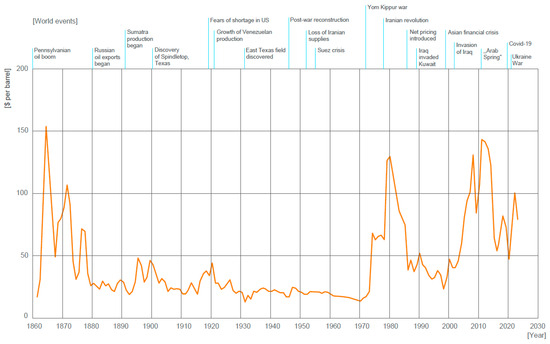
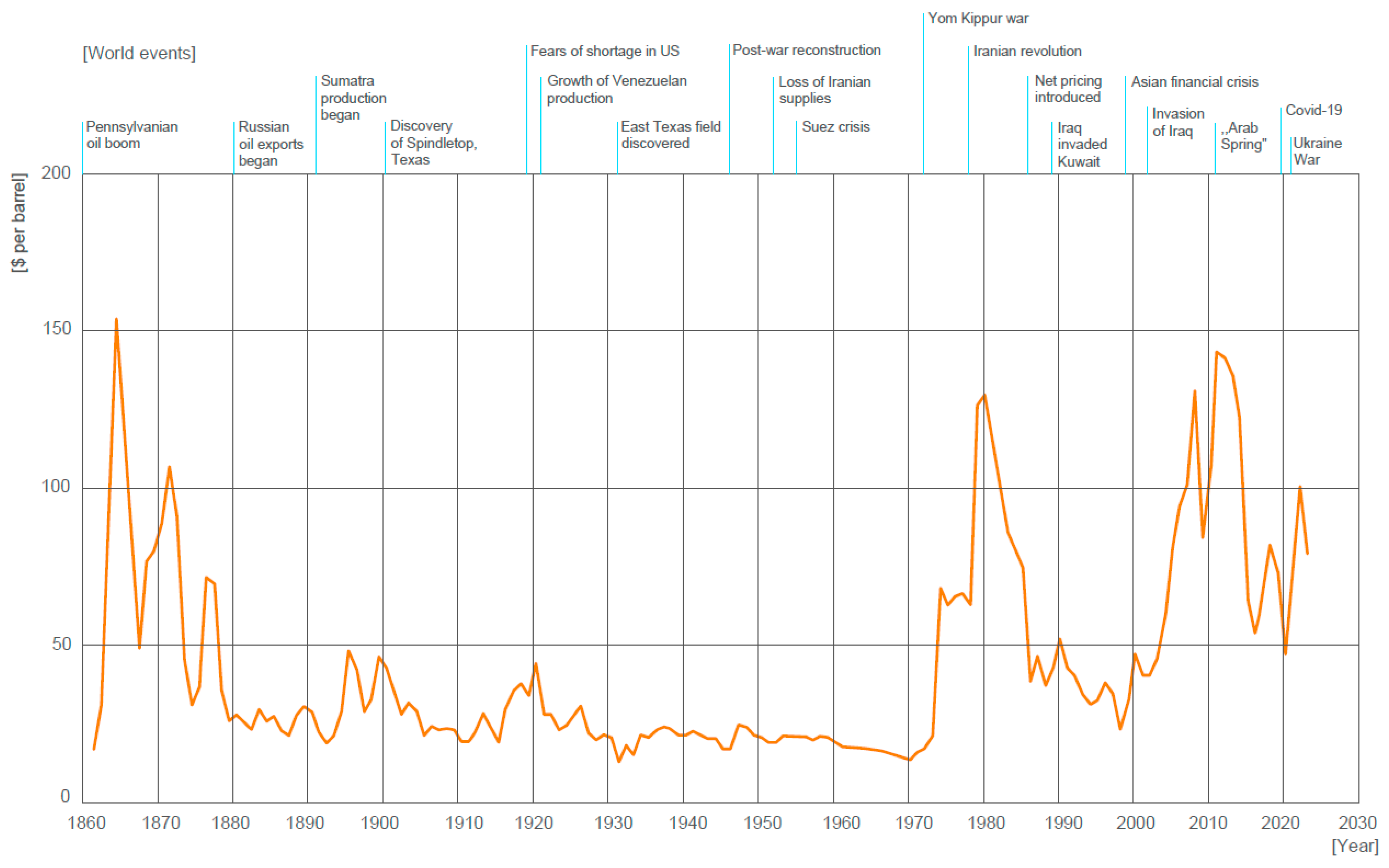
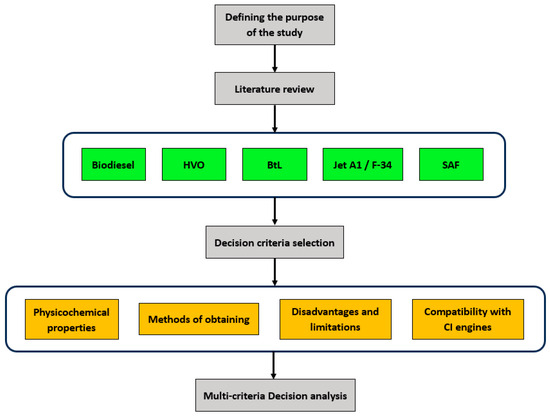
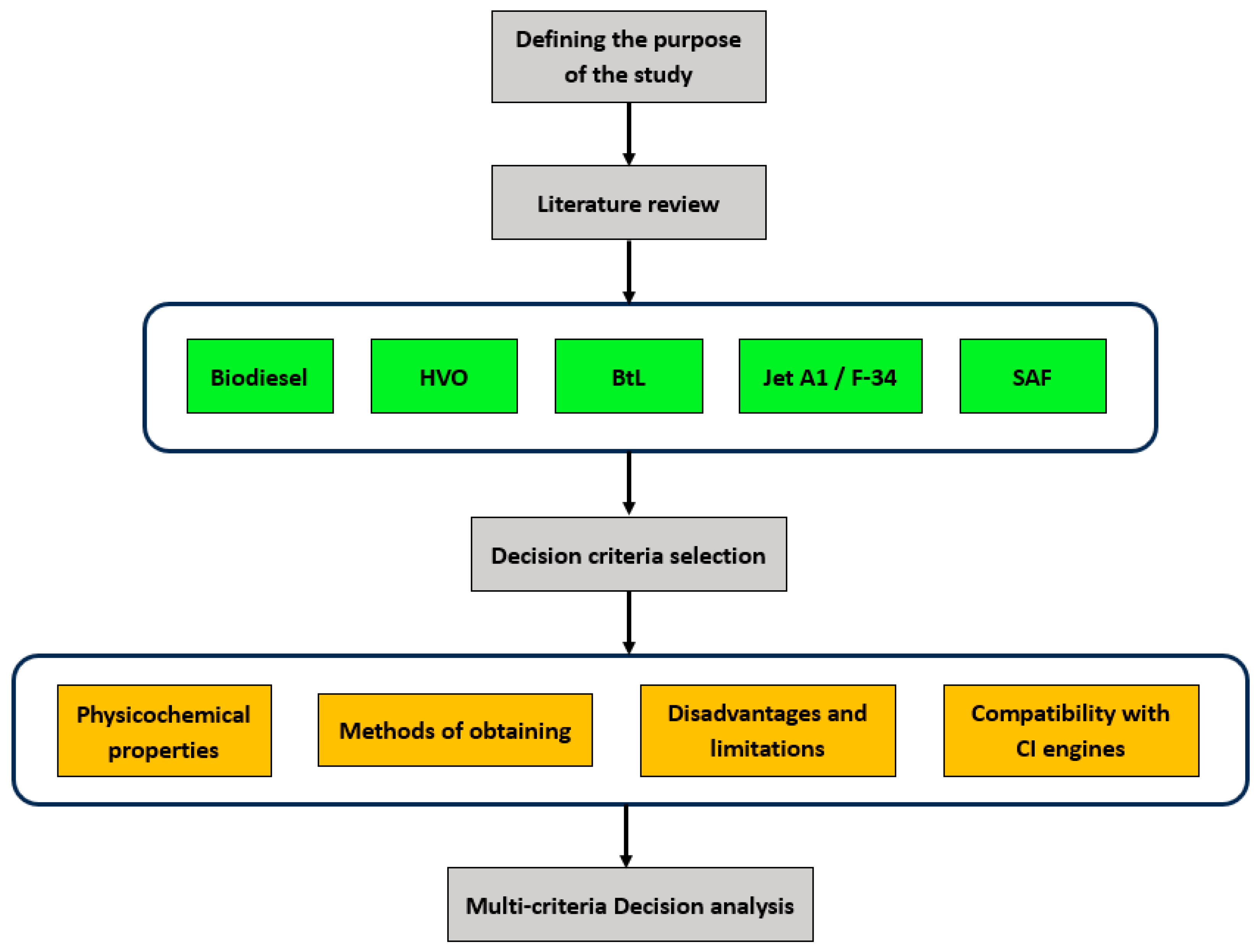
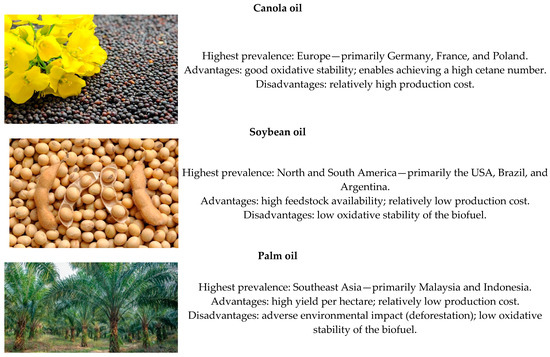
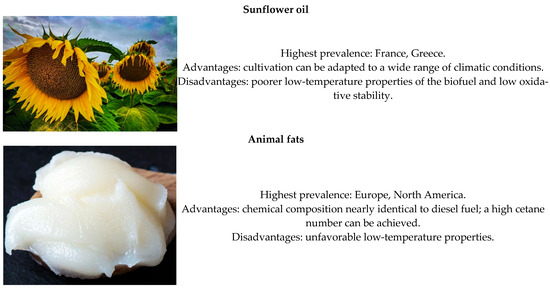
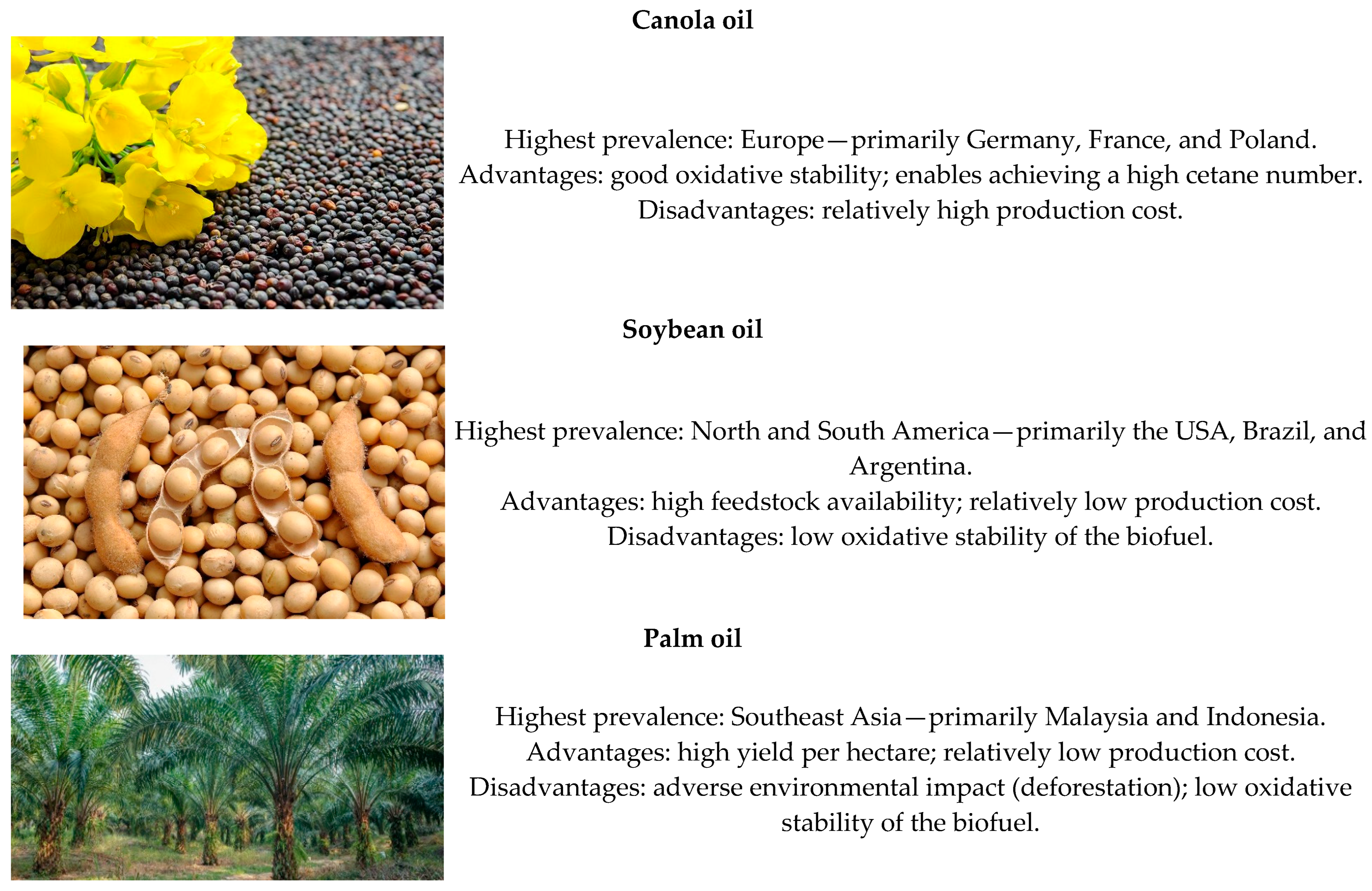
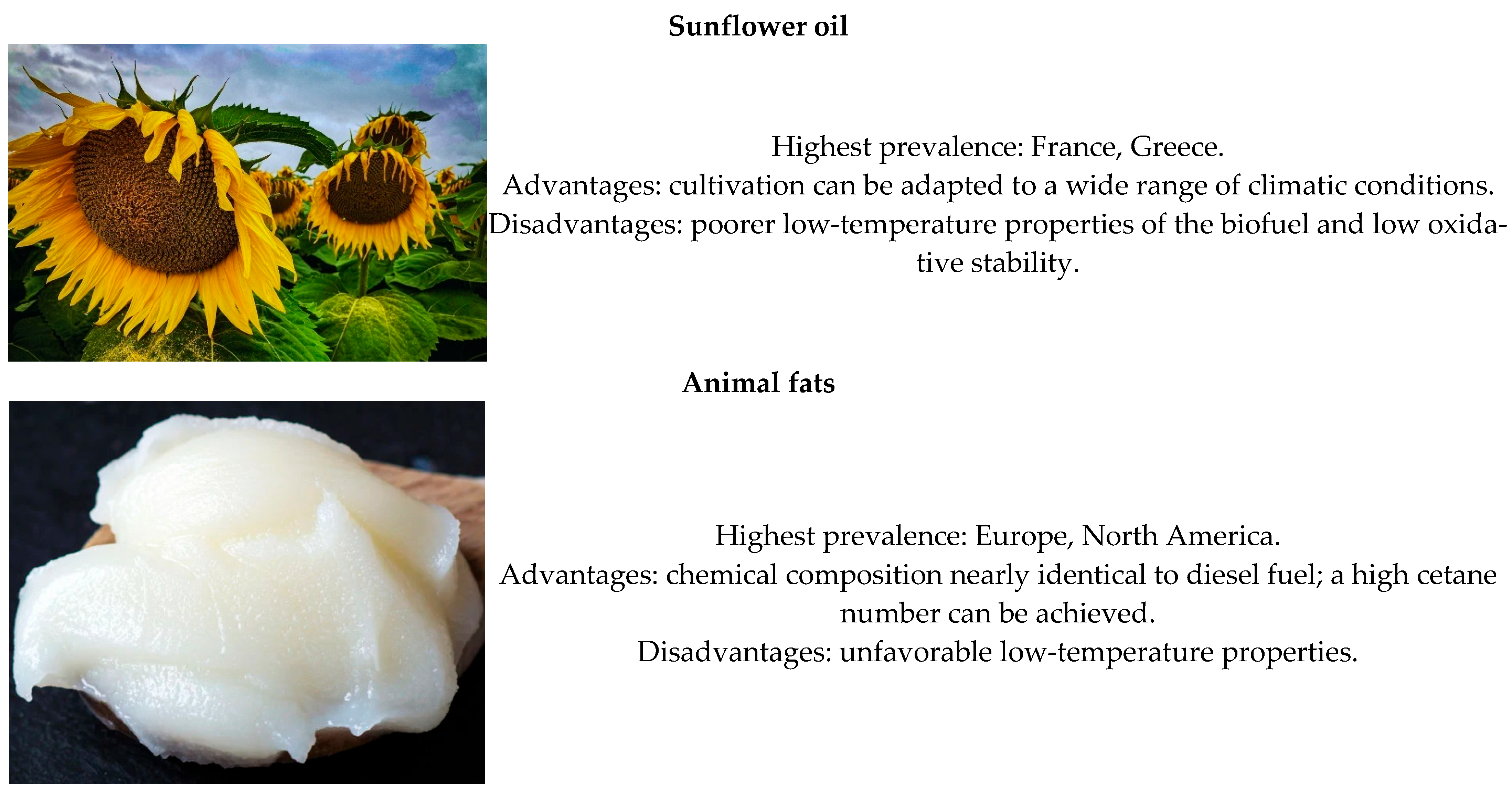
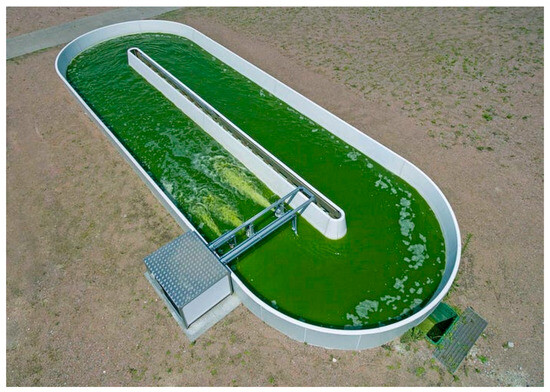
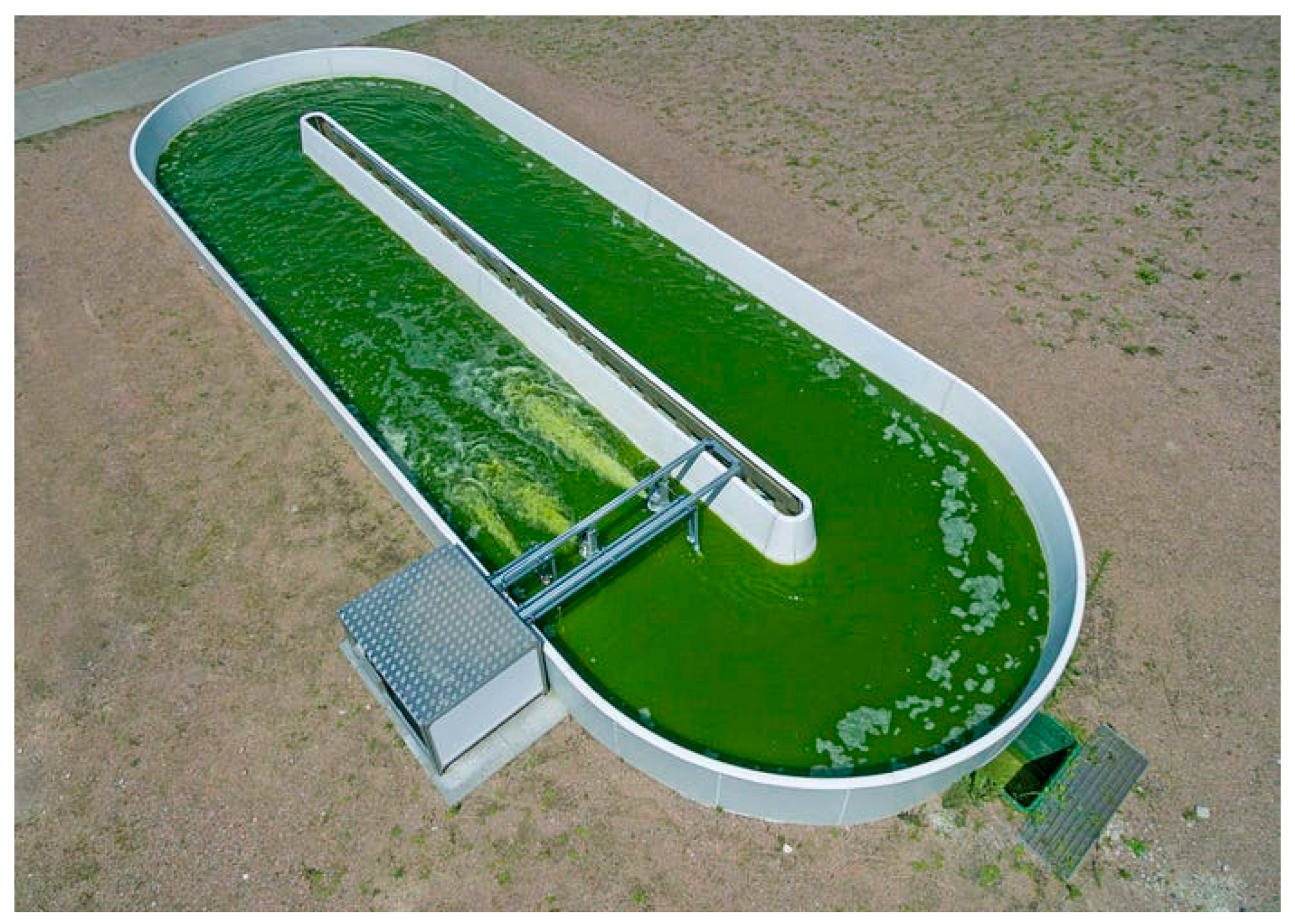
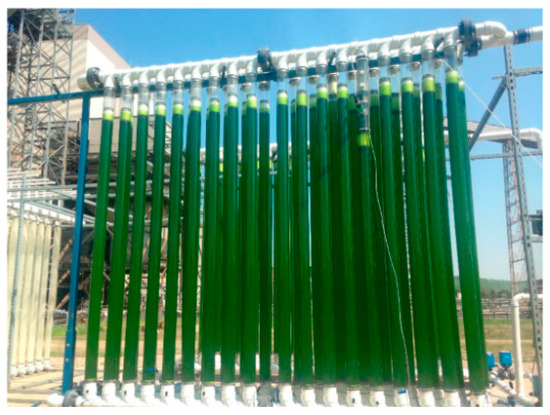
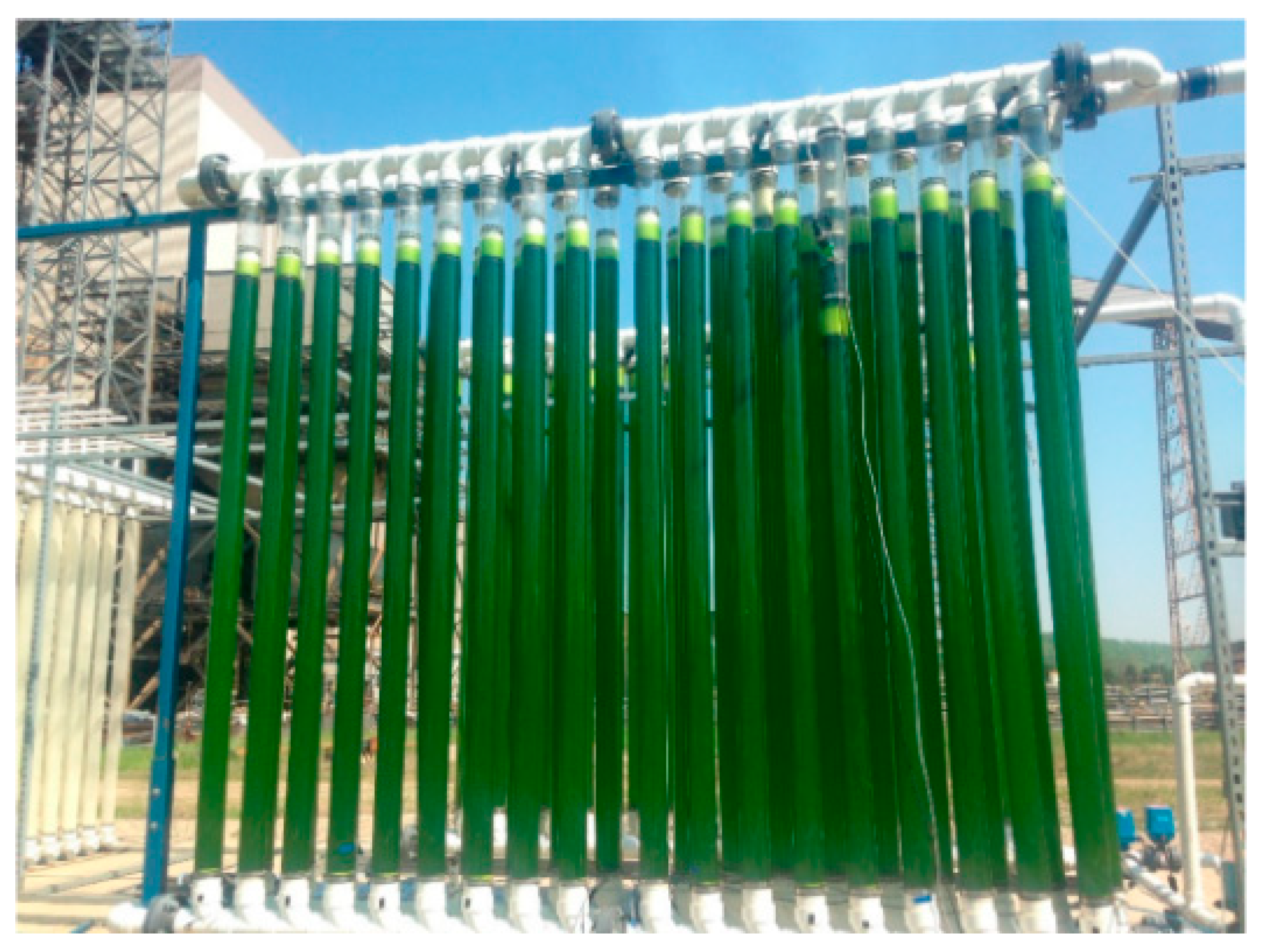
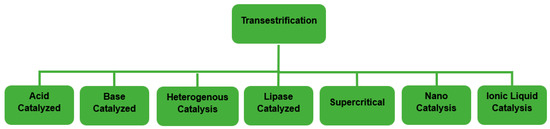
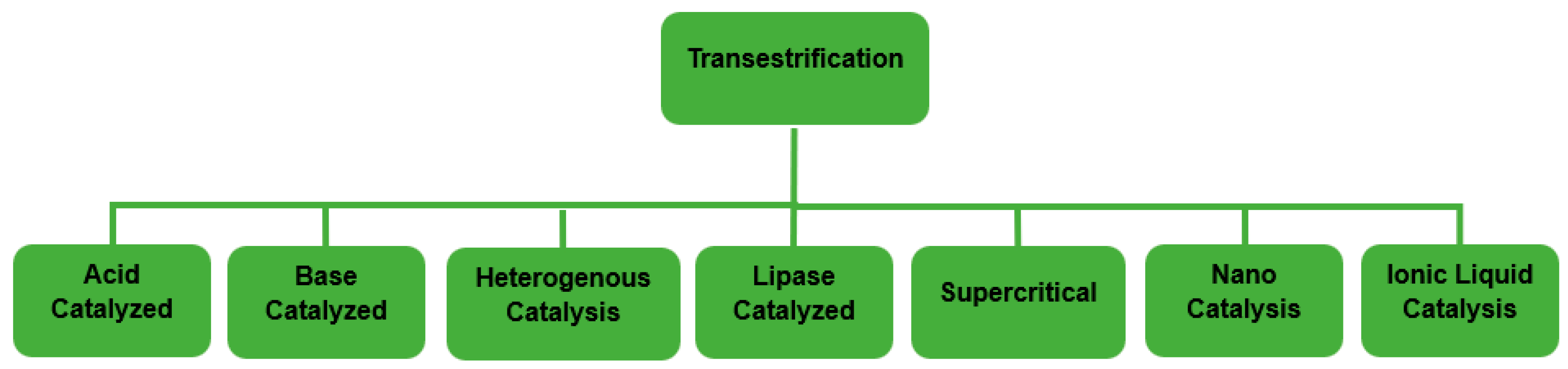






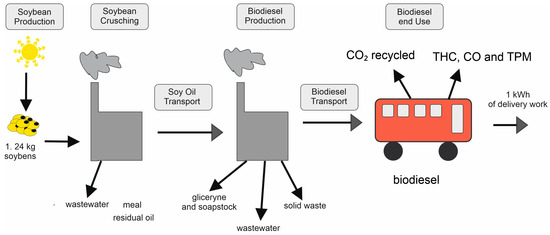
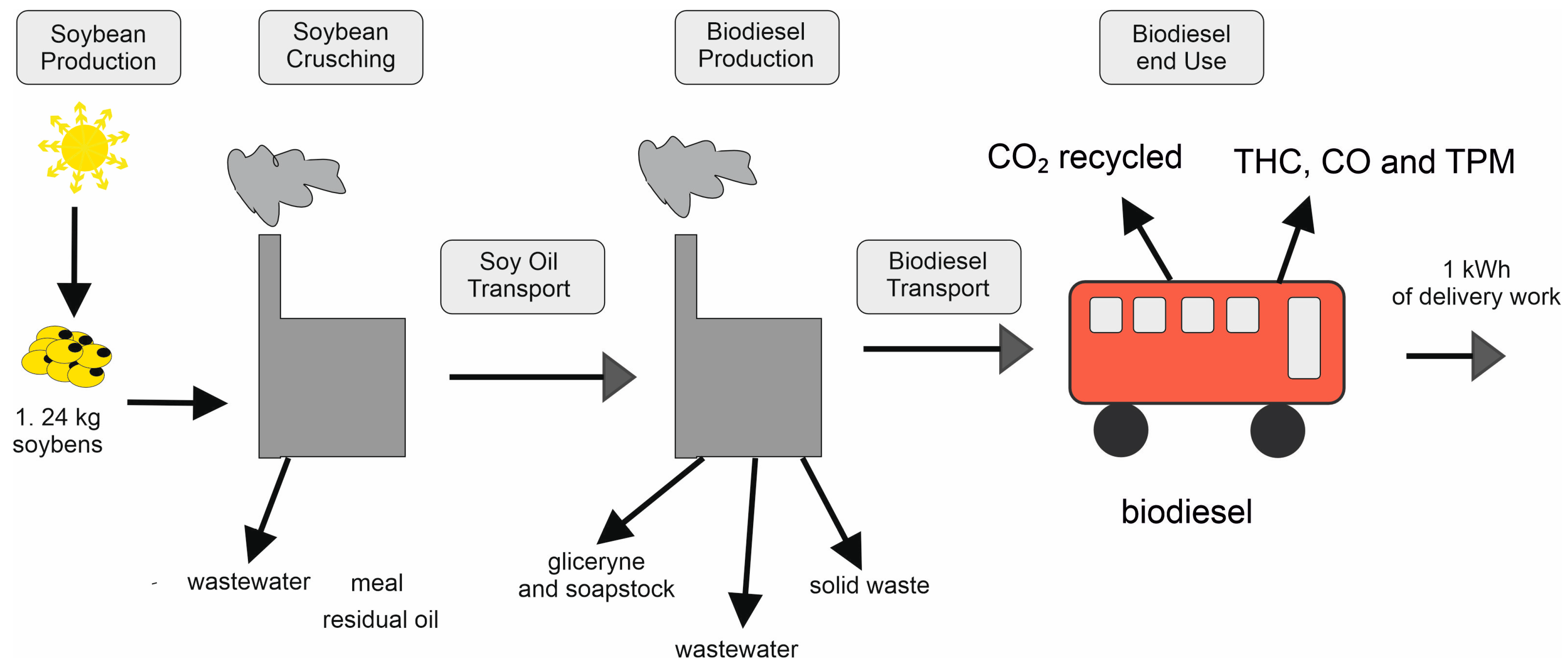
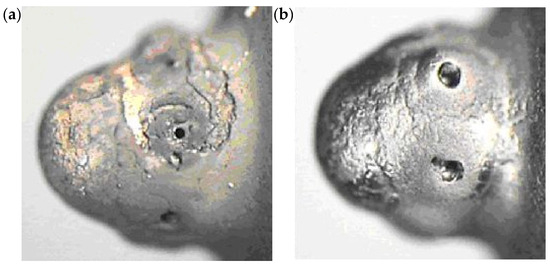
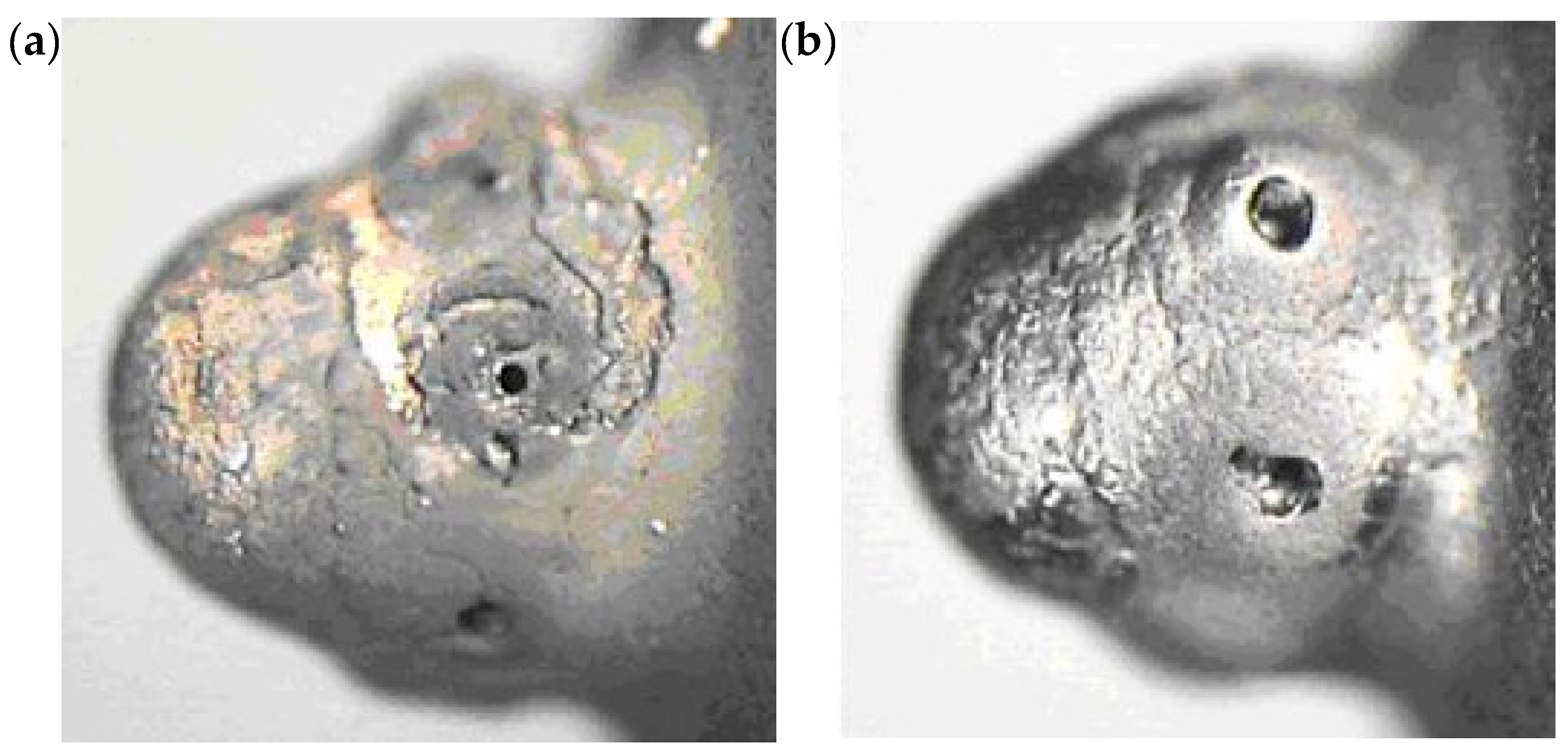
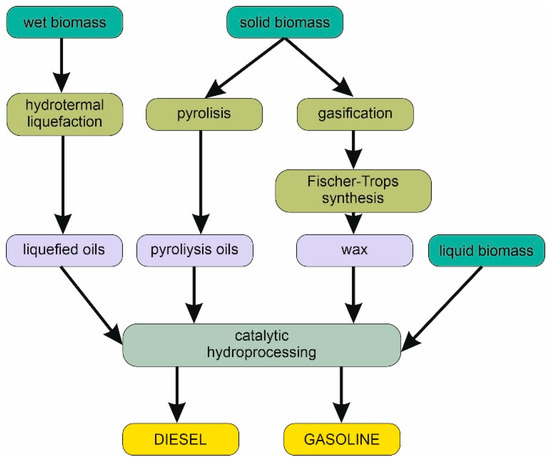
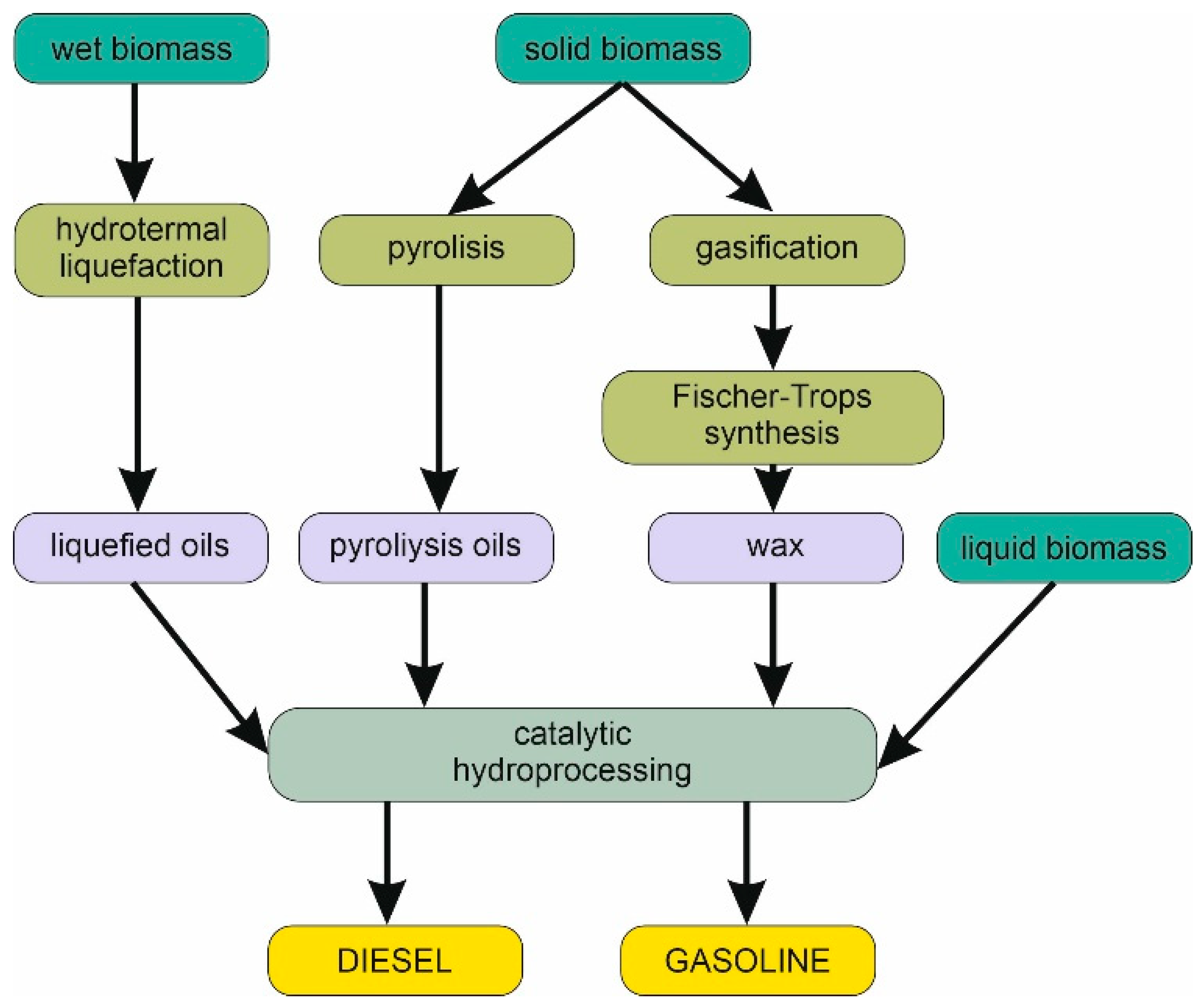
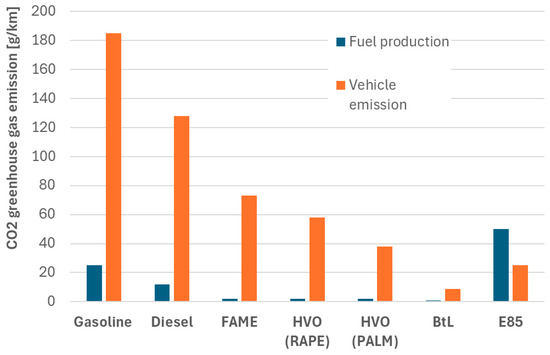
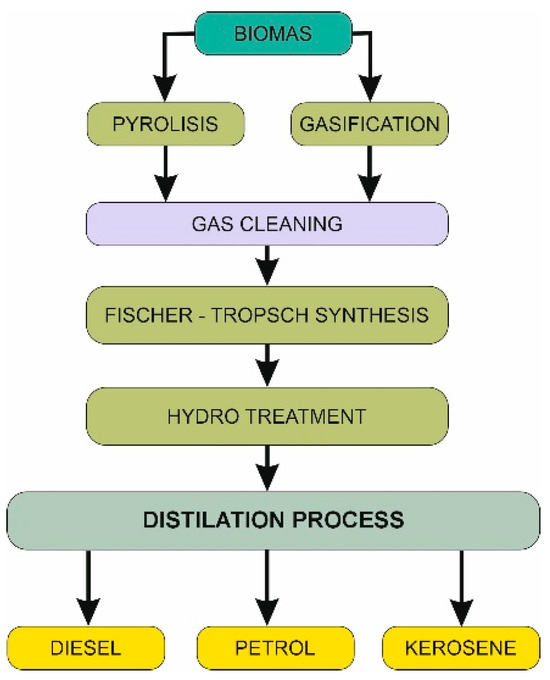
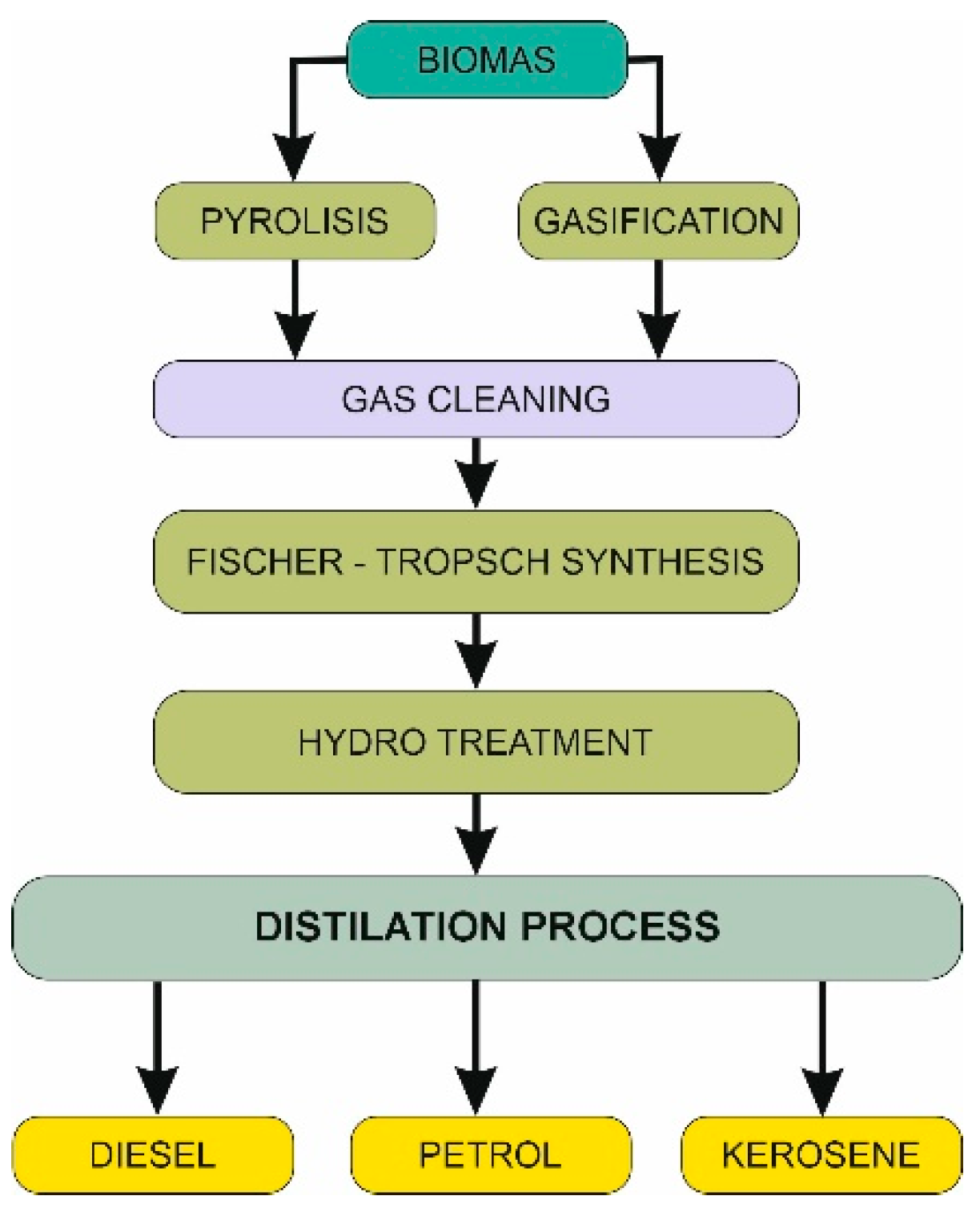

Disclaimer/Publisher’s Note: The statements, opinions and data contained in all publications are solely those of the individual author(s) and contributor(s) and not of MDPI and/or the editor(s). MDPI and/or the editor(s) disclaim responsibility for any injury to people or property resulting from any ideas, methods, instructions or products referred to in the content. |
© 2026 by the authors. Licensee MDPI, Basel, Switzerland. This article is an open access article distributed under the terms and conditions of the Creative Commons Attribution (CC BY) license.