


Abstract
As the climate crisis intensifies, the importance of carbon mitigation policies has become increasingly prominent. Rural regions, serving as one of China’s major carbon emission sources, are poised to become key focus regions for emission reduction. However, significant disparities in rural development levels and carbon emissions across China’s regions necessitate tailored energy sustainability and carbon mitigation strategies. Notably, advanced and emerging/developing nations exhibit substantial differences in research priorities and practical pathways, offering multifaceted insights for China’s rural carbon emission research. Adopting a hybrid bibliometric and narrative approach, the study retrieves data from the Web of Science, applies CiteSpace for bibliometric visualization, and synthesizes thematic developments in the international literature through a narrative analysis, with a discussion of the implications for China. The findings reveal distinct trajectories: over the past 25 years, advanced countries have shifted their research focus from air quality improvement to low-carbon mitigation, while emerging and developing countries have transitioned from energy demand toward air quality enhancement, with emerging momentum toward low-carbon strategies. By reviewing 95 relevant articles, this study summarizes the differences between the two in terms of their main lines of research. Building on these differences, this study proposes targeted research priorities for advanced and emerging/developing regions of China.
1. Introduction
The escalating climate crisis poses significant threats to global ecosystems and human health [1]. By 2024, the global average temperature reached 15.10 °C—1.6 degrees Celsius above pre-industrial levels [2]—edging perilously close to the Paris Agreement’s critical 2-degree threshold. This trajectory underscores the urgent need for comprehensive decarbonization strategies.
Despite growing global attention to decarbonization, mitigation efforts and research have predominantly focused on urban and industrial sectors. By contrast, rural regions have received less attention in carbon emission research. Since the adoption of the Paris Agreement, advanced and emerging/developing nations have conducted extensive rural carbon emission research, yet their divergent technological capabilities and policy frameworks have yielded fundamentally different research priorities and practical pathways. Comparative syntheses of these experiences remain limited, despite their potential to inform differentiated and stage-specific mitigation strategies in regions with uneven development.
China provides a particularly illustrative context for examining these issues. As the world’s largest carbon emitter, China has pledged to achieve carbon peaking by 2030 and carbon neutrality by 2060 [3]. Agricultural and rural regions, representing a major contributor to China’s carbon footprint, are now strategic priorities for emission reduction. Although urban and industrial carbon emissions are at the core of the government’s emission reduction regulations, the carbon emissions issue in rural regions is also worthy of attention [4]: China has a large population base, with approximately 500 million people living in rural regions, and the total carbon emissions in rural regions should not be underestimated [5]. Meanwhile, approximately 50% of rural households still rely on coal, petroleum, and straw as their main energy sources [6,7]. This high-carbon energy consumption pattern is not conducive to the realization of China’s “dual carbon” goals. In addition, compared with urban regions that have implemented systematic emission reduction measures, rural regions still have significant room for emission reduction in terms of upgrading energy infrastructure and replacing clean energy [6]. Therefore, it is still of great significance to study carbon emission reduction in rural China.
China’s rural regions exhibit pronounced disparities in development levels, with carbon emissions demonstrating marked regional variations [8]—a reality that highlights the need for geographically tailored carbon mitigation strategies. With the context of climate change, some advanced regions of China (such as Beijing, Shanghai, Jiangsu) share similarities in rural regions with advanced countries: with a relatively high economic level, they both have been actively promoting low-carbon energy technologies in rural regions [9]. Meanwhile, some developing regions of China (such as Heilongjiang, Henan, Sichuan) share similarities in rural regions with developing countries: they are highly dependent on fossil energy and locally sourced straw because of their needs for cheap energy [10,11]. This makes China highly correlated with global research on rural carbon emissions.
In 2022, China formally outlined its “Building Livable, Economically Vibrant, and Ecologically Harmonious Rural Communities” initiative [12], mandating the integration of ecological preservation, low-carbon development, and rural revitalization. Against this backdrop, refining rural carbon reduction pathways has emerged as a critical challenge for realizing the nation’s vision of sustainable rural transformation.
This study addresses two critical questions: What are the differences between advanced and emerging/developing countries in rural carbon emission research? For advanced and emerging/developing regions of China, what development trend can be referenced from research on rural carbon emissions of advanced and emerging/developing countries?
Drawing on international literature, this review focuses on the implications of rural carbon emission research for regions in China at different stages of development. Specifically, this study aims to reveal the differences and evolution trends of research interests by comparing the research literature on rural carbon emissions in advanced and emerging/developing countries. This will inform future carbon reduction research in diverse global regions. Meanwhile, through a review of the key research literature on rural carbon emissions in advanced and emerging/developing countries, this study explores the future research trends of rural regions in advanced and emerging/developing regions of China.
2. Methodology
This study adopts a hybrid bibliometric and narrative review design, with a scoping review framework used for literature identification and screening. As shown in Figure 1, PRISMA-ScR was used as the review protocol [13] (the checklist is provided in File S1). The Web of Science Core Collection was used to identify the literature, as it provides comprehensive coverage of high-quality peer-reviewed journals. The search strategy focused on core concepts related to rural carbon emissions and was formulated as follows: “TS = ((carbon OR low-carbon) AND emission AND rural) AND PY = (2000–2024)”. There were 3722 records identified on 22 July 2024. CiteSpace was used to remove duplicate and non-article records. During the screening phase, records conducted exclusively in China were excluded. Following this standard, there were 1834 articles selected for CiteSpace analysis. The research regions of these articles involve a total of 34 advanced countries and 79 emerging and developing countries, according to the advanced and emerging/developing economies recognized by the International Monetary Fund (IMF) [14] (details regarding the country classification can be found in Table A1). There were 929 articles related to research on rural carbon emissions of advanced countries, 884 articles related to the issues of emerging and developing countries, and 21 articles related to the issues of both advanced and emerging/developing countries. The 21 articles were included in the analysis of advanced countries and the analysis of emerging/developing countries. Figure 2 shows the number of articles related to research on different countries and regions.
Figure 1.
PRISMA-ScR flow diagram. The data were independently collected by two researchers and cross-checked regularly to ensure accuracy and consistency.
Figure 2.
The number of articles related to research on advanced countries, emerging and developing countries, and both advanced and emerging/developing countries.
In response to the first question raised previously, the articles were analyzed by keyword co-occurrence network and clustering using CiteSpace. The raw keyword data were preprocessed, including synonym consolidation (see Supplementary File S2 for details), before being imported into CiteSpace for analysis. To identify the recent research interests, an additional analysis was performed focusing on the articles published in the last 5 years (2020–2024). To identify research trends of the issue in advanced countries and emerging and developing countries, the keywords were sorted by number of occurrences based on a 5-year interval.
Given the rapid development of the field, this study determined citation thresholds based on time. To address the second question raised previously, 95 articles were selected to perform detailed reading on the basis of meeting any of the following conditions: (a) articles with more than 50 citations; (b) articles published after 2015 with more than 30 citations; (c) articles published after 2023 with at least 1 citation; (d) articles whose primary focus was not on the issue of rural carbon emission (e.g., articles primarily examining urban regions that only mentioned rural regions, or those primarily measuring atmospheric particulate matter concentrations) were excluded. There are 95 articles meeting the conditions. The articles were analyzed and discussed with possible research trends on rural carbon emissions in China. The analysis focused on methods, results, and discussion sections of each article. Data items include sample characteristics, statistical analysis results of the conclusions, and the quality assessment of the studies.
3. Results
3.1. Keywords
CiteSpace (version 6.3.R1) was employed for visual analysis. The time span was set from 2000 to 2024, with a time slice of one year. Keywords were selected as the node type, screened using the g-index (k = 10 for 2000–2024, k = 25 for 2020–2024). The cosine algorithm was used to calculate link strength, and the Pathfinder algorithm was applied for network pruning.
In advanced countries from 2000 to 2024, research on rural carbon emission mainly focuses on air quality, with key keywords such as “particulate matter”, “aerosols”, “air pollution”, “black carbon”, and “source apportionment” highlighting high attention to pollution sources, as shown in Figure 3a.
Figure 3.
Keyword co-occurrence networks in rural carbon emission research, 2000–2024. Networks visualize core research topics and their interlinkages for (a) advanced countries and (b) emerging and developing countries. In each network, nodes represent high-frequency keywords, with their size proportional to occurrence frequency. Lines between nodes indicate co-occurrence relationships in the same publications, with thicker lines denoting stronger association strength.
In emerging and developing countries, primary research focuses on carbon emissions and centers on climate change, air pollution, and rural energy consumption, as shown in Figure 3b. Keywords such as “biomass” and “rural electrification” highlight the significant impacts of traditional biomass energy use in rural regions on both carbon emissions and public health. Air pollution arising from urbanization and biomass combustion remains a core issue in rural carbon emission research.
Figure 4 illustrates that recent research in advanced countries over the past five years has added topics such as “ecosystem services” and “land use”, indicating a growing focus on integrating low-carbon solutions into environmental and energy systems. In emerging and developing countries, “battery”, “wind”, “optimal design”, and “greenhouse gases” have been added, linking carbon mitigation efforts to sustainable development goals.
Figure 4.
Keyword co-occurrence networks in rural carbon emission research, 2020–2024. Networks visualize core research topics and their interlinkages for (a) advanced countries and (b) emerging and developing countries. Methods and network conventions (e.g., node size, line thickness) are identical to those used for Figure 3.
Research trends in advanced and emerging/developing countries reflect different social and economic contexts. In advanced countries, research has focused on solutions and policy measures to reduce carbon emissions under technological development. Instead, emerging and developing countries consider rural energy needs, emphasizing energy access and biomass combustion. At the same time, both are gradually moving towards sustainable carbon emissions management.
3.2. Cluster
Figure 5 shows the cluster results of keywords over the past 25 years. From 2000 to 2024, major research clusters (Q = 0.4361, S = 0.7965) in advanced countries include greenhouse gas emissions (#0), black carbon (#1), atmospheric aerosols (#2), emissions (#3), air pollution (#4), air quality standards (#5), and petrochemical alkene emissions (#6). The central focus on “greenhouse gas emissions” reflects a shift from generic “carbon” research toward applied and quantifiable metrics used in climate action planning. Other clusters (#1, #2, #3, #4, #5, #6) all focused on the theme of air pollution, highlighting the emphasis on improving air quality.
Figure 5.
Keyword co-occurrence network clusters in rural carbon emission research, 2000–2024. Networks are derived from literature published in (a) advanced countries and (b) emerging and developing countries. Keywords are algorithmically clustered and color-coded to represent distinct research themes (e.g., #0 greenhouse gas emissions).
Major research clusters (Q = 0.568, S = 0.8279) in emerging and developing countries include particulate matter, vocs and emissions (#0, #6, #7), cost of energy (#1), economic growth (#2), redd (#3), air pollution (#4), and carbon footprint (#5). The clustering of pollutant emissions (#0, #4, #6, #7) highlights that air pollution constitutes a key focus of current research. The clusters associated with redd (#3) and carbon footprint (#5) reflect the importance attached to climate issues by emerging and developing countries and their participation in global decarbonization policies. Meanwhile, the cost of energy cluster (#1) underscores the influence of energy prices, affordability, and costs on carbon emissions, illustrating the balancing considerations between energy demand and emission reduction strategies in emerging and developing countries. The economic growth (#2) indicates that carbon emission reduction is being increasingly pursued in synergy with rural economic growth and poverty alleviation.
Figure 6 shows the clustering results of keywords over the past 5 years. From 2020 to 2024, the main research clusters (Q = 0.6128, S = 0.84) in advanced countries include black carbon, carbon monoxide and carbon dioxide (#0, #4, #9), ecosystem services (#1), hybrid energy system (#2), environmental Kuznets curve (#3), climate change mitigation (#5), secondary organic aerosols (#6), greenhouse gas and particulate matter (#7), and fuel economy standards (#8). Research trends in recent years have shown a shift towards low-carbon strategies, with a focus on climate change mitigation (#5) and hybrid energy system (#2), reflecting villages seeking to transition to a more sustainable energy system and reduce dependence on fossil fuels.
Figure 6.
Keyword co-occurrence network clusters in rural carbon emission research, 2020–2024. Networks are derived from literature published in (a) advanced countries and (b) emerging and developing countries. Methods and network conventions (e.g., node size, line thickness, cluster coloring) are identical to those used for Figure 5.
Major research clusters (Q = 0.5919, S = 0.8388) in emerging and developing countries include cost of energy (#0), indoor air pollution (#1), black carbon (#2), urbanization (#3), redd plus (#4), climate change (#5), and circular economy (#6). Energy cost (#0), pollutant emissions (#1, #2), and climate change (#5) remain the primary focus of research. The emergence of clusters such as redd plus (#4) and circular economy (#6) highlights the new pathways that emerging and developing countries are pursuing to achieve economic development and transform energy consumption within the context of climate change.
3.3. The Evolution of Research Hotspots
Keyword bursts, or periods when certain terms appear most frequently, indicate shifts in focus corresponding to environmental, technological, and socioeconomic changes. Figure 7 shows the results of keyword bursts. Before 2010, research in advanced countries focused on air pollution such as “carbon monoxide” (burst strength 6.15, 2000–2009), “atmosphere” (5.67, 2000–2009), and “air” (5.79, 2001–2011). These bursts align with a period during which environmental policy frameworks prioritized urban emissions, air quality, and health risks. In comparison, early research in emerging and developing countries was more narrowly tied to household air pollution and its associated health risks, including “particulate matter” (4.55, 2007–2019) and “exposure” (6.14, 2009–2015).
Figure 7.
Top 25 keywords with the strongest citation bursts in rural carbon emission research, 2000–2024. Panels (a,b) present the keyword burst analysis for literature from advanced and emerging/developing countries, respectively. Each line represents a keyword, with the red segment indicating its burst period and intensity.
After 2010, both groups show a marked thematic shift, but with different emphases and intensities. In advanced countries, keywords such as “greenhouse gas emissions” (8.9, 2016–2020), “carbon footprint” (6.98, 2017–2022), and “life cycle assessment” (6.4, 2017–2021) exhibit the strongest bursts in the dataset, reflecting a gradual shift from direct pollution issues to climate change and sustainable development. In emerging and developing countries, conservation-related terms such as “deforestation” (6.56, 2011–2020) and “conservation” (8.65, 2013–2019) stand out. Burst keywords after 2020—such as “optimization” (9.49, 2021–2024), “sensitivity analysis” (5.24, 2021–2022), and “technoeconomic analysis” (4.31, 2022–2024)—signal a transition toward integrated assessment approaches driven by REDD+ mechanisms and the global push for low-carbon development pathways.
Based on the analysis of the change table of high-frequency words from 2000 to 2024 (Table 1 and Table 2), the long-term, hot and emerging topics in rural carbon emission research are classified. “Emissions” and “particulate matter” have dominated research discussions for the ongoing challenges facing sustainable development. These long-term themes show that reducing pollution and improving air quality are key environmental goals in both advanced and emerging/developing countries.
Table 1.
Change table of high-frequency terms of rural carbon emissions in advanced countries from 2000 to 2024. The frequency of occurrence is indicated in parentheses.
Table 2.
Change table of high-frequency terms of rural carbon emissions in emerging and developing countries from 2000 to 2024. The frequency of occurrence is indicated in parentheses.
Among the hot topics, research in advanced countries tends to give priority to urban pollution and the allocation of pollution sources, reflecting the attention paid to air quality and public health issues in the process of industrialization and urbanization in these countries. In contrast, research in emerging and developing countries has focused more on climate change and combustion issues, which may be related to the urgency of energy access, economic development, and environmental change that these countries face. The past five years have witnessed a rapid rise in research frequency in emerging and developing countries on “rural electrification” (73), “renewable energy” (56), and “optimization” (53)—far exceeding the previously dominant focus on emissions. This shift indicates that optimizing rural power systems and expanding the use of renewable energy have become the primary pathways for emerging and developing countries to secure energy supply while simultaneously reducing carbon emissions, which shows new challenges that the experience of advanced countries may not be sufficient to fully address.
Combined with the changes in hot topics and the results of cluster analysis in the past five years, it can be summarized that the main line of research in advanced countries has shifted from exploring pollution sources and improving air quality to using renewable energy and reducing carbon emissions, and that in emerging and developing countries, the main line of research has shifted from biomass combustion and energy demand to improving air quality. The changes are summarized in Figure 8. In recent years, there has been a trend towards the use of renewable energy and reducing carbon emissions. This indicates that the two have similar change rules of research main lines, and the current research hot spots in advanced countries may become the research hot spots in emerging and developing countries in the future.
Figure 8.
Changes in research lines for advanced and emerging/developing countries, 2000–2024.
4. Differences and Similarities of Studies in Advanced and Emerging/Developing Countries
There were 95 articles selected to perform detailed reading, among which 21 were from advanced countries and 74 from emerging and developing countries. A list of the reviewed articles is provided in Table S1.
4.1. Advanced Countries
Advanced countries, due to their relatively mature technologies and funds, began to explore various aspects of carbon reduction in rural regions earlier. Based on 21 representative studies, this study sorts out the research progress on rural carbon emissions in advanced countries from four aspects: agricultural practice, low-carbon energy, transportation facilities, carbon sequestration, and household emissions.
4.1.1. Energy Low-Carbon Transformation
For the research on renewable energy, advanced countries pay more attention to the optimization and adjustment of technical paths. Among them, biomass energy is regarded as an important path for rural decarbonization, and its role and impact have been widely discussed. Jenssen et al. [15] demonstrated through model analysis that biomass cogeneration systems can cover 100% of the energy demands of typical rural regions in Germany, and the optimal solution can reduce carbon emissions by 97%. However, its economic viability is highly dependent on subsidy policies, and the production of biofuels leads to significant competition for arable land. Production costs and the demand for ecological resources also need to be evaluated. Perea-Moreno et al. [16] analyzed the potential of using a biomass district heating (BDH) system in a small community in southern Spain. Through technological innovation, 35 tons of carbon emissions could be reduced, 68% of fuel costs could be saved, and 4 hectares of forest were needed to provide biomass. Furthermore, supply chain design and technology selection of biomass energy directly affect rural carbon emissions. For instance, Huang et al. [17] achieved aviation fuel substitution through the optimization of the agricultural waste supply chain in the midwestern United States. Indrawan et al. [18] evaluated the economic feasibility of rural electrification by using gasification technology to treat biomass and municipal solid waste (MSW). Ahmadi et al. [19] combined life cycle assessment (LCA) and technical economic analysis (TEA) to optimize the carbon reduction path for replacing diesel power generation with biomass energy in remote rural regions of Canada and to verify the economic feasibility and carbon credit benefits of small-scale biomass supply chains. However, although the original intention of biofuels was to reduce greenhouse gas emissions, their production may lead to changes in rural land use, and their negative impact on the environment should be considered [20,21].
The application of renewable energy systems in rural regions has also been discussed. Nakata et al. [22] established a wind-led rural energy system in Iwate Prefecture, Japan, which can reduce energy costs by 31% and carbon emissions by 50%. Its success depends on the economy of wind energy. Meanwhile, the application of renewable energy systems shows regional differences. Piwowar and Dzikuć [23] systematically evaluated the emission reduction potential of various renewable energy sources in rural Poland, pointed out the predicament of energy low-carbon transformation in Poland as a coal-dependent economy, and emphasized the necessity of policy support, technological substitution, and the enhancement of public awareness. As an emission reduction model integrating agriculture and energy production, Proctor et al. [24] hold that the large-scale deployment of agricultural photovoltaic systems in rural regions of the United States can bring about better emission reduction and economic benefits, while promoting rural employment and social equity.
4.1.2. Low-Carbon Agricultural Technologies
Advanced countries mainly promote agricultural carbon reduction through innovative agricultural management strategies, focusing on enhancing agricultural production efficiency and carbon sinks. For instance, the long-term Recommended Management Practices (RMPs) trial in northeastern Italy demonstrated [25] that high-intensity intensive farming led to an average annual soil carbon loss of 1.1 tons C/ha. The most promising RMPs in the Veneto region were conversion to grassland and the use of organic fertilizers. Schröder et al. [26] innovatively proposed the marginal land energy crop strategy, using mutagenic breeding to improve non-food crops such as sunflowers, combined with the biogas dry fermentation process, to achieve the dual benefits of carbon reduction and soil fertility improvement on degraded land in Greece. The Swedish research team further developed the marginal land intercropping system. The study suggests that the rich intercropping of unfertilized species on marginal land can effectively reduce greenhouse gas emissions, while promoting biodiversity and soil carbon sequestration [27]. The carbon emission assessment and analysis of four dairy sheep farming systems in Spain examined the ecological economic trade-off between intensive and extensive farming [28].
Ecosystem carbon sinks have considerable potential for emission reduction, but there is a lack of quantification of their economic benefits. Aertsens et al. [29] quantified the huge carbon sequestration potential of agroforestry systems in Europe, equivalent to 37% of the total emissions of the European Union in 2007, and pointed out that if the social value of these carbon sinks is internalized, support for farmers should be significantly increased. Zhang et al. [30] evaluated the carbon removal potential of Japanese forests from 2018 to 2042 and proposed a development path that combines refined forest management and carbon trading markets to enhance carbon sink capacity and convert rural forest resources into economic benefits.
However, the upgrading of agricultural technology may come at a high cost of carbon emissions. Theurl et al. [31] conducted a study on the carbon footprint of tomato production systems in Austria, Spain, and Italy, which indicated that the carbon emissions from heated greenhouse production were twice those of imported products, highlighting the carbon contradiction in technology-intensive agriculture.
4.1.3. Carbon Reductions in Sectors Beyond Agriculture
Other studies have covered life cycle assessment and emission reduction paths in fields such as construction, infrastructure, and transportation, and compared the most applicable local materials [32], technologies, and management solutions [33]. Among them, rural sustainable transportation has certain potential for emission reduction, but it is facing development predicaments. Kamruzzaman et al. [34], through the case of rural regions in Northern Ireland, found that despite the use of sustainable transportation methods, the carbon emissions from transportation of some residents were actually higher, and they also faced the risk of social exclusion. They emphasized the importance of improving local services and infrastructure in rural regions. Schasché et al. [35] analyzed the problem of low user acceptance of low-carbon demand-responsive transportation (DRT) in rural regions, and pointed out that DRT services in EU countries face conflicts in expectations of social-economic and ecological performance. The characteristics of low population density in rural regions, residents’ reliance on private cars, and travel habits should be taken into consideration.
4.2. Emerging and Developing Countries
Rural regions in emerging and developing countries have considerable potential for carbon emission reduction, but also face significant implementation difficulties. Based on 74 representative studies, this paper sorts out the research progress on rural carbon emissions in emerging and developing countries from five aspects: low-carbon energy, carbon sinks and carbon trading, low carbonization of agriculture, and comprehensive governance.
4.2.1. Carbon Emission Characteristics and Low-Carbon Energy
The core issue of rural carbon emissions in emerging and developing countries stems from extensive use of carbon-intensive energy and inefficient combustion [36]. Studies in Kenya [37], Bangladesh [10], India [38], and other places have shown that the inefficient combustion of biomass fuel is the core emission source, leading to dual problems of high carbon emissions and indoor air pollution [11,36,39]. To reduce air pollution, many studies have explored the potential and limitations of household energy technologies, such as improved bio-mass cookstoves (ICS), in different regions. Although improving stoves helps reduce pollution [40], and has advantages over traditional stoves in terms of cost, fuel savings, health improvement, and forest protection [41], their health benefits still fail to meet expectations [38,42]; it is necessary to combine clean fuels such as biogas and liquefied petroleum gas (LPG) [40]. Experiments in many places have proved that biogas [43,44] and LPG [45] have significant benefits of emission reduction and pollution reduction compared with biomass combustion, but are restricted by user preferences [46,47]; the potential for emission reduction cannot be fully exerted, and technological maturity still needs to be enhanced [43].
The efficient utilization of biomass energy has become a key path for rural energy emission reduction in emerging and developing countries. Ravindranath et al. [48] evaluated the potential of bioenergy technology to meet energy demands in rural India and found that biomass power generation has great potential, lower power generation costs than diesel power generation, and strong local applicability. However, it faces promotion obstacles such as insufficient technical standardization and financing difficulties [49]. The attempts made by Kpalo et al. [50] to develop biomass fuel blocks from agricultural waste and Sanka et al. [51] to prepare biomass coal balls from carbonized fecal sludge in Tanzania to replace traditional high-carbon-emission energy sources indicate that rural regions in emerging and developing countries are more inclined towards localized production and low-tech threshold energy reduction methods. However, there is a lack of analysis on the emissions throughout the entire life cycle of such technologies.
Applications of renewable energy technologies are confronted with practical cost issues in rural regions of emerging and developing countries. Chaurey et al. [52] confirmed the emission reduction benefits of solar home systems (SHS) in rural India, but high transaction costs and decentralized projects limited their applicability. Lau et al. [53] found that in rural regions of Malaysia, the hybrid photovoltaic/diesel system faces the contradiction of high short-term cost and good long-term benefits. Deichmann et al. [54] hold that decentralized renewable energy has cost advantages in remote rural regions, but it can only cover a few households and has limited potential for emission reduction in the short term. Centralized power grids still dominate in densely populated regions and need to reduce emissions through low-carbon fuel structures. Hybrid renewable energy systems, as solutions that integrate energy demand and carbon emission reduction, have been widely studied for their optimization and localization.
4.2.2. Low-Carbon Agricultural Technologies
In addition to the energy sector, there is also attention on carbon sequestration and carbon emission reduction in the agricultural sector of emerging and developing countries. In emerging and developing countries, rural regions are confronted with carbon sink losses and increased carbon emissions caused by agricultural expansion and extensive land use changes [55], and their huge carbon sink potential has become a hot topic of international discussion as well. The carbon sink potential includes agriculture [56,57], land use change [58,59], pastures [60], and landscapes [61], and the potential has been quantified by ecological benefits and economic value in existing research.
Innovation of low-carbon technologies and management methods is the main path for agricultural carbon emissions reduction in emerging and developing countries. Many studies have explored the possible main reasons for the increase in agricultural carbon emissions, including land use change [62,63], agricultural industrialization [64], agricultural mechanization and intensification [65], and high-carbon technology [66,67,68], whereas in sub-Saharan African countries, the increase in agricultural economic activities [69] has led to a reduction in carbon emissions. Such differences may stem from differences in agricultural technologies among emerging and developing countries. Similarly, carbon emissions have complex impacts on agricultural production as well. The cases of nine East African countries (Burundi, Djibouti, Eritrea, Ethiopia, Kenya, Rwanda, Somalia, Tanzania, and Uganda) [70] suggest that carbon emissions have a significant positive impact on grain production in the long term, while the cases of India and Ethiopia [68,71] demonstrated that CO2 emissions suppress agricultural productivity significantly. The two, respectively, tend to favor climate-adaptive intelligent agricultural management and low-carbon emission reduction agricultural technologies.
Multiple regions have explored agricultural management strategies to increase carbon sequestration and productivity enhancement with low carbon emissions. Bryan et al. [72] compared common strategies of different agroecological zones in Kenya, believing that comprehensive soil fertility management performed best in most agroecological zones. Nambiar et al. [73] found that forestry and wood businesses contribute to carbon sequestration benefits in tropical regions. They reduced carbon emissions from construction by replacing high-carbon-emission building materials, thereby promoting green growth. Maharjan et al. [74] studied the perception of environmental protection agriculture (ECA) among Nepalese farmers. They had a high recognition of the ecological benefits of ECA and focused on income from agricultural products and price sensitivity.
In other regions, integrated systems of agriculture show stronger climate resilience and economic stability compared with traditional systems [75]. In Latin America, Montagnini et al. [76] verified that the intensive silvopastoral system (ISPS) enhances livestock productivity and climate resilience; in Brazil, Gil et al. found that an integrated soybean–cattle system (ICL) balances high economic returns with low levels of climatic and economic risk [75]; in tropical humid West Africa, Tschora and Cherubini showed that agroforestry practices offer multiple-win solutions for carbon storage, crop yield, and income [77]; in India, Reang found that the traditional pineapple agroforestry system (PAFS) [78] sustains carbon stocks, reduces land use emissions, and delivers community co-benefits.
In emerging and developing countries, low-carbon agricultural technologies emphasize the low-cost recycling and utilization of local waste resources [79]. Among the technologies, biochar technology is a widely discussed technique for utilizing local waste resources in emerging and developing countries. Biochar addition to soil can sequester carbon and increase crop yields. For instance, Pandit et al. [80] verified the effects of various biochar doses on soil carbon sequestration and increased yield of maize and mustard in Nepal. It can efficiently remove organic and inorganic contaminants from environmental water ecosystems as well [81]. Biochar production has the advantages of low resource consumption and low cost when using local waste as a feedstock [81,82]. LCAs of different biochar production technologies have been conducted to promote carbon reduction in production processes in tropical regions [83]. There is still a lack of comprehensive assessment of biochar in rural applications that combines environmental impact and soil carbon sequestration effects, which might be the future research direction of this technology.
4.2.3. Carbon Trading
The carbon market is regarded as a tool reducing carbon emissions and increasing rural incomes [56]. Whereas carbon trading requires a strategic foundation [84], Reducing Emissions from Deforestation and Forest Degradation (REDD) is one of the representative agreements. REDD+ is the original concept of REDD, plus sustainable management of forests and the conservation and enhancement of forest carbon stocks [85]. The strategies have been proposed to compensate for the value of carbon stored in forests that would otherwise be released into the atmosphere by deforestation [86]. They can have the effect of increasing forest carbon sinks and reducing poverty through local distribution mechanisms which distribute international REDD+ funds transparently, fairly, and efficiently to local participants [87]. With the introduction of the before-after-control-intervention (BACI) evaluation framework, the true benefits of REDD+ can be more accurately assessed [88,89].
These strategies have been critically discussed as well. Their adoption among farmers is low because the economic benefits of carbon trading are not sufficient to compete with those generated by agriculture [86,90]. Their implementation faces other three constraints: incompatibility with international markets, insufficient implementation efforts, and land tenure systems [85,91]. Furthermore, REDD+ will exacerbate inequalities in several ways in rural regions of emerging and developing countries. REDD+ shifts the costs of conservation from wealthier to poorer places and people [92]. Without gender-responsive design, REDD+ initiatives risk reinforcing inequities by affecting resource use and decision making [89]. Additionally, the actual benefits of carbon projects are concentrated in resource-rich groups [57]. Focusing only on carbon reduction targets may exacerbate poverty by ignoring the livelihood needs of smallholder farmers [93]. Therefore, future applications of REDD+ need to achieve a win–win situation for environmental objectives and social development. This requires REDD+ to implement social protection policies that contribute to the achievement of the UN Sustainable Development Goals (SDGs).
4.2.4. Other Emission Reduction and Governance Pathways
Apart from agriculture and forestry, technological decarbonization paths have been explored through LCA in buildings, infrastructure, and industrial production in rural regions of emerging and developing countries. Among these, construction [94], energy consumption [95,96], and transportation [97,98] made a significant contribution to the carbon footprint.
Poor construction quality and inadequate climate adaptability contribute to significantly high energy consumption and high carbon emissions in rural buildings [96]. Main renovation directions are climate-adaptive renovations to reduce energy consumption and the application of local and natural materials with low cost [99]. In the transport sector, carbon reduction involves reducing transport distance and innovative transport tools. For instance, Ahmed et al. [97] achieved carbon emissions reduction by optimizing the collection radius of agricultural residues and the layout of biorefineries.
Waste management and recycling are gaining importance in rural regions of emerging and developing countries. DBSIL, an Indian sugar company [100], has implemented a circular economy model in the industrial sector through zero liquid discharge (ZLD), wastewater resource utilization, and biomass energy substitution for fossil fuels. Suthagar et al. [101] attempted to implement a sustainable green circular economy model in the medical system of rural regions in India, recycling medical waste through reverse logistics and remanufacturing it to reduce landfill and resource consumption.
The carbon emission reduction potential of localized social governance deserves attention as well. For instance, Dominican rural communities are highly sensitive to climate change, while their limited awareness of carbon dioxide removal (CDR) and historical distrust of government and foreign investment projects hinder the advancement of carbon reduction efforts [102]. There are successful cases of “bottom-up” community-led governance, such as the practices of Indian sugar company DBSIL [100], small-farmer communities in Timor-Leste [103], and the measures in communities of Nepal and Alaska [104]. These cases emphasize cross-level coordination of non-governmental organizations, local adaptation and institutionalization of traditional knowledge. Furthermore, market tools such as carbon tax are one of the policy means. There is a nonlinear threshold for its carbon emissions reduction effect, which means a certain tax rate needs to be reached to stimulate technological transformation [105]. The combination of carbon tax and cap and trade performs best in rural waste transport in India [98]. Meanwhile, policies related to social equity have made certain contributions to carbon emissions reduction. The case in sub-Saharan Africa [106] shows that bridging the rural–urban divide in clean cooking fuel and electricity access can yield significant carbon emissions reductions. However, the effective implementation of these policies also requires a high degree of enforcement, resource allocation efficiency, and institutional stability on the part of the government [106]. In Indonesia, the implementation of energy subsidy policies has been overly inclined towards large-scale projects due to the lack of procedural justice, which has suppressed investment in distributed photovoltaic and wind energy and contributes to the failure to address energy poverty in remote regions [107].
4.3. Research Trends
This paragraph compares the research differences between advanced and emerging/developing countries and describes the gaps in rural carbon emission research. The research topics in advanced and emerging/developing countries are largely the same, both including energy low-carbon transformation, agricultural carbon emission reduction, and low-carbon technologies in multiple fields.
The main differences of the research interests are summarized in Table 3. In the field of energy low-carbon transformation, applying renewable energy such as biomass energy provides significant carbon emission reduction benefits in advanced countries. Conversely, emerging and developing countries, particularly those facing severe rural air pollution, favor locally sourced and low-cost technologies for decarbonization. In the field of agricultural carbon emission reduction, both emphasize promoting carbon reduction and increasing production through agricultural management. In addition, emerging and developing countries are focusing on low-carbon technologies that recycle local waste resources, such as biochar technology. Other discussions have mainly focused on the building and transport sectors in rural regions.
Table 3.
Research trend.
In contrast, emerging and developing countries are more concerned with international carbon trading. Several studies have shown that carbon trading agreements such as REDD or REDD+ can bring certain economic benefits to emerging and developing countries. However, there are still issues regarding social equity and compatibility with local systems in their implementation. Optimizing governance methods in emerging and developing countries has certain potential for reducing carbon emissions as well.
Compared to urban regions [108,109], rural carbon emissions related to lifestyles (e.g., consumption, travel, and production activities) remain understudied. Meanwhile, urban research has discussed circular economy practices [110,111], while rural research, although emphasizing the recycling and utilization of waste, still lacks exploration of circular economy in various fields.
It can be seen that the future research in advanced countries may focus on the upgrading, promotion, and impact assessment of low-carbon technologies, as well as the exploration of circular economy practices. Research in emerging and developing countries may focus on innovating governance methods and carbon emission reduction strategies that are suitable for their local conditions with low costs, and consideration of waste recycling and utilization.
5. Discussion and Conclusions
This study aims to provide a reference for future research in China’s advanced and emerging/developing regions by conducting a literature review of research on rural carbon emissions in advanced and emerging/developing countries from 2000 to 2024. Through an analysis of the trends in research hotspots using CiteSpace, this study found that the research focus in advanced countries has shifted from investigating pollution sources and improving air quality to utilizing renewable energy and reducing carbon emissions. In emerging and developing countries, the research focus has shifted from biomass combustion and energy demand to improving air quality, and in recent years, there has been a trend toward utilizing renewable energy and reducing carbon emissions. This reflects similar research trends across different stages of development. At the same time, by reading recent research literature, we summarized the differences between the two in terms of their main lines of research.
China proactively engages in international cooperation, assimilating global technological and policy innovations to advance rural development frameworks. Based on the above research findings and considering the contextual realities of regional disparities within China, this study constructs an evidence-to-decision matrix aimed at translating global policy paradigms into concrete pathways tailored to different regions across the country. Overall, this review is primarily intended to inform future research in China, particularly for rural regions facing different development constraints. At the same time, the staged transition pathways and analytical perspectives discussed may also be relevant for other developing countries with similar regional heterogeneity.
5.1. Advanced Regions
This study conceptually adopts an IMF-consistent approach to classify China’s province-level economies into advanced and emerging or developing groups. The classification is based on both income level and economic structure:
Income Metric: Nominal per capita GDP converted at exchange rates (in US dollars) is used. This approach is conservative and transparent due to the lack of purchasing power parity (PPP) data at the provincial level.
Criteria: A provincial unit is classified as “advanced” if its nominal per capita GDP reaches the lower range of advanced economies (approximately USD 25,000 to USD 30,000), and its economic structure is predominantly service-based. Otherwise, it is categorized as “emerging or developing.” This classification is used for analytical purposes to reflect differences in development stage and economic structure.
The advanced regions of China (excluding Hong Kong, Macao, and Taiwan) are Beijing and Shanghai. Table 4 provides implications for these regions.
Table 4.
Evidence-to-decision matrix for advanced regions.
5.2. Emerging or Developing Regions
The emerging or developing regions of China (excluding Hong Kong, Macao, and Taiwan) are Anhui, Chongqing, Fujian, Gansu, Guangdong, Guangxi, Guizhou, Hainan, Hebei, Heilongjiang, Henan, Hubei, Hunan, Inner Mongolia, Jiangxi, Jiangsu, Jilin, Liaoning, Ningxia, Qinghai, Shaanxi, Shandong, Shanxi, Sichuan, Tianjin, Tibet, Xinjiang, Yunnan, and Zhejiang, comprising 29 provincial-level administrative divisions. Table 5 provides implications for these regions.
Table 5.
Evidence-to-decision matrix for emerging and developing regions.
Although applications for advanced and emerging/developing rural regions are presented separately, they reflect different stages of a continuous carbon reduction process. Basic energy substitution measures in emerging and developing regions can provide a foundation for subsequent system integration as infrastructure and institutional capacity improve. The convergence of advanced and emerging/developing experiences therefore lies in the scalable and adaptive integration of technological, institutional, and governance solutions across different development stages.
5.3. Limitation and Future Trend
This study has several limitations. Firstly, the search strategy was focused on core concepts to capture the central knowledge structure of the field and therefore may not fully encompass some related studies using alternative terminologies or perspectives. An exploratory expansion of search terms produced largely overlapping results, indicating that the main bibliometric patterns are not sensitive to moderate variations in search strategy. Future research would benefit from a more expansive search approach. Secondly, the exclusion of studies from China meant that the impact on China could only be inferred, rather than directly analyzed, highlighting the need for more studies from the Chinese context in future work.
Regarding future research, there is an emerging trend of increasing convergence between the research interests of advanced and emerging/developing countries. Emerging and developing countries can benefit from the governance experiences of advanced nations, particularly in terms of urban–rural integrated carbon reduction strategies, while adapting these strategies to local conditions. This study provides a foundational basis for future studies from a rural perspective.
Supplementary Materials
The following supporting information can be downloaded at: https://www.mdpi.com/article/10.3390/en19010231/s1, Tsble S1: List of studies included in the narrative analysis; File S1: PRISMA-ScR-Checklist. File S2: Term_Normalization.
Author Contributions
Conceptualization, D.G.; Methodology, D.G. and X.J.; Formal analysis, X.J., H.Z. and X.Y.; Writing—original draft preparation, D.G., X.J. and H.Z.; Writing—review and editing: W.-S.C. and X.Y.; Supervision, W.-S.C. and X.Y. All authors have read and agreed to the published version of the manuscript.
Funding
This research received no external funding.
Data Availability Statement
Data sharing is not applicable to this article as no new datasets were generated or analyzed during this study. All data discussed in this review are derived from previously published studies, which are cited in the reference list.
Acknowledgments
We thank our colleagues for their stimulating discussions and technical support.
Conflicts of Interest
The authors declare that they have no known competing financial interests or personal relationships that could have appeared to influence the work reported in this paper.
Appendix A
This table reports the country classification used in the analysis. The classification follows the IMF framework distinguishing advanced economies from emerging and developing economies. The IMF classifies 41 economies as advanced economies. Excluding non-sovereign entities (Hong Kong SAR, Macao SAR, Taiwan Province of China, and Puerto Rico), this study identifies 37 advanced countries. Similarly, the IMF classifies 155 economies as emerging and developing economies. Excluding non-sovereign entities (Aruba and West Bank and Gaza) and Kosovo due to its disputed sovereign status, this study identifies 152 emerging and developing countries. The classification follows the IMF framework at the economy level, while restricting the analysis to sovereign countries for consistency with the country-level empirical design.
The resulting classification therefore represents a country-based subset of the IMF economy-level framework, rather than a complete replication of the IMF’s original categorization. The classification is used solely to define internationally comparable development categories for analytical purposes and does not constitute a normative assessment of countries’ development status.
Table A1.
List of countries considered.
References
- IPCC. Sections. In Climate Change 2023: Synthesis Report. Contribution of Working Groups I, II and III to the Sixth Assessment Report of the Intergovernmental Panel on Climate Change; Core Writing Team; Lee, H., Romero, J., Eds.; IPCC: Geneva, Switzerland, 2023; pp. 35–115. [Google Scholar] [CrossRef] [Scilit]
- ECMWF Global Climate Highlights 2024. Available online: https://climate.copernicus.eu/global-climate-highlights-2024 (accessed on 12 August 2025).
- Xinhua News Agency Statement by H.E. Xi Jinping, President of the People’s Republic of China, at the General Debate of the 75th Session of the United Nations General Assembly. Available online: https://www.gov.cn/xinwen/2020-09/22/content_5546168.htm (accessed on 5 June 2025). (In Chinese)
- Zhang, H.; Li, S.; Peng, M. Regional Imbalance of Carbon Emissions from China’s Rural Energy Consumption and Dynamic Identification of Driving Factors. Chin. Rural. Econ. 2022, 112–134. Available online: https://link.cnki.net/urlid/11.1262.F.20220208.1652.014 (accessed on 26 December 2025). (In Chinese)
- National Bureau of Statistics of China Main Data of the Seventh National Population Census. Available online: https://www.stats.gov.cn/sj/zxfb/202302/t20230203_1901080.html (accessed on 26 June 2025). (In Chinese)
- Pengwei, Y.; Zhang, H.; Wei, S.; Qi, Z. Analysis on the energy flow and carbon flow of China in 2017. Coal Econ. Res. 2019, 39, 15–22. (In Chinese) [Google Scholar]
- Zhang, Z.; Zhou, Y.; Zhao, N.; Li, H.; Tohniyaz, B.; Mperejekumana, P.; Hong, Q.; Wu, R.; Li, G.; Sultan, M.; et al. Clean Heating during Winter Season in Northern China: A Review. Renew. Sustain. Energy Rev. 2021, 149, 111339. [Google Scholar] [CrossRef] [Scilit]
- Li, B.; Tian, Y.; Wang, Q. Evolution of Regional Differences and Equity of Rural Carbon Emissions in China. J. Huazhong Agric. Univ. (Soc. Sci. Ed.) 2024, 25–37. (In Chinese) [Google Scholar] [CrossRef]
- Science and Technology Education Department of Agriculture and Rural Affairs. China Rural Energy Yearbook (2014–2021); China Agricultural Press: Beijing, China, 2021. (In Chinese) [Google Scholar]
- Begum, B.A.; Paul, S.K.; Dildar Hossain, M.; Biswas, S.K.; Hopke, P.K. Indoor Air Pollution from Particulate Matter Emissions in Different Households in Rural Areas of Bangladesh. Build. Environ. 2009, 44, 898–903. [Google Scholar] [CrossRef] [Scilit]
- Ravindra, K.; Kaur-Sidhu, M.; Mor, S.; John, S. Trend in Household Energy Consumption Pattern in India: A Case Study on the Influence of Socio-Cultural Factors for the Choice of Clean Fuel Use. J. Clean. Prod. 2019, 213, 1024–1034. [Google Scholar] [CrossRef] [Scilit]
- Xi, J. Report to the 20th National Congress of the Communist Party of China. Available online: https://www.gov.cn/xinwen/2022-10/25/content_5721685.htm (accessed on 30 June 2025). (In Chinese)
- Tricco, A.C.; Lillie, E.; Zarin, W.; O’Brien, K.K.; Colquhoun, H.; Levac, D.; Moher, D.; Peters, M.D.J.; Horsley, T.; Weeks, L.; et al. PRISMA Extension for Scoping Reviews (PRISMA-ScR): Checklist and Explanation. Ann. Intern. Med. 2018, 169, 467–473. [Google Scholar] [CrossRef] [Scilit] [PubMed]
- International Monetary Fund World Economic Outlook Database—Groups and Aggregates. Available online: https://www.imf.org/en/publications/weo/weo-database/2023/april/groups-and-aggregates (accessed on 23 December 2025).
- Jenssen, T.; König, A.; Eltrop, L. Bioenergy Villages in Germany: Bringing a Low Carbon Energy Supply for Rural Areas into Practice. Renew. Energy 2014, 61, 74–80. [Google Scholar] [CrossRef] [Scilit]
- Perea-Moreno, A.-J.; Perea-Moreno, M.-Á.; Hernandez-Escobedo, Q.; Manzano-Agugliaro, F. Towards Forest Sustainability in Mediterranean Countries Using Biomass as Fuel for Heating. J. Clean. Prod. 2017, 156, 624–634. [Google Scholar] [CrossRef] [Scilit]
- Huang, E.; Zhang, X.; Rodriguez, L.; Khanna, M.; De Jong, S.; Ting, K.C.; Ying, Y.; Lin, T. Multi-Objective Optimization for Sustainable Renewable Jet Fuel Production: A Case Study of Corn Stover Based Supply Chain System in Midwestern U.S. Renew. Sustain. Energy Rev. 2019, 115, 109403. [Google Scholar] [CrossRef] [Scilit]
- Indrawan, N.; Simkins, B.; Kumar, A.; Huhnke, R.L. Economics of Distributed Power Generation via Gasification of Biomass and Municipal Solid Waste. Energies 2020, 13, 3703. [Google Scholar] [CrossRef] [Scilit]
- Ahmadi, L.; Kannangara, M.; Bensebaa, F. Cost-Effectiveness of Small Scale Biomass Supply Chain and Bioenergy Production Systems in Carbon Credit Markets: A Life Cycle Perspective. Sustain. Energy Technol. Assess. 2020, 37, 100627. [Google Scholar] [CrossRef] [Scilit]
- Wiens, J.; Fargione, J.; Hill, J. Biofuels and Biodiversity. Ecol. Appl. 2011, 21, 1085–1095. [Google Scholar] [CrossRef] [Scilit]
- Cuesta-Mosquera, A.; Glojek, K.; Močnik, G.; Drinovec, L.; Gregorič, A.; Rigler, M.; Ogrin, M.; Romshoo, B.; Weinhold, K.; Merkel, M.; et al. Optical Properties and Simple Forcing Efficiency of the Organic Aerosols and Black Carbon Emitted by Residential Wood Burning in Rural Central Europe. Atmos. Chem. Phys. 2024, 24, 2583–2605. [Google Scholar] [CrossRef] [Scilit]
- Nakata, T.; Kubo, K.; Lamont, A. Design for Renewable Energy Systems with Application to Rural Areas in Japan. Energy Policy 2005, 33, 209–219. [Google Scholar] [CrossRef] [Scilit]
- Piwowar, A.; Dzikuć, M. Development of Renewable Energy Sources in the Context of Threats Resulting from Low-Altitude Emissions in Rural Areas in Poland: A Review. Energies 2019, 12, 3558. [Google Scholar] [CrossRef] [Scilit]
- Proctor, K.; Murthy, G.; Higgins, C. Agrivoltaics Align with Green New Deal Goals While Supporting Investment in the US’ Rural Economy. Sustainability 2020, 13, 137. [Google Scholar] [CrossRef] [Scilit]
- Morari, F.; Lugato, E.; Berti, A.; Giardini, L. Long-term Effects of Recommended Management Practices on Soil Carbon Changes and Sequestration in North-eastern Italy. Soil Use Manag. 2006, 22, 71–81. [Google Scholar] [CrossRef] [Scilit]
- Schröder, P.; Herzig, R.; Bojinov, B.; Ruttens, A.; Nehnevajova, E.; Stamatiadis, S.; Memon, A.; Vassilev, A.; Caviezel, M.; Vangronsveld, J. Bioenergy to Save the World: Producing Novel Energy Plants for Growth on Abandoned Land. Environ. Sci. Pollut. Res. 2008, 15, 196–204. [Google Scholar] [CrossRef] [Scilit] [PubMed]
- Carlsson, G.; Mårtensson, L.; Prade, T.; Svensson, S.; Jensen, E.S. Perennial Species Mixtures for Multifunctional Production of Biomass on Marginal Land. GCB Bioenergy 2017, 9, 191–201. [Google Scholar] [CrossRef] [Scilit]
- Escribano, M.; Elghannam, A.; Mesias, F.J. Dairy Sheep Farms in Semi-Arid Rangelands: A Carbon Footprint Dilemma between Intensification and Land-Based Grazing. Land Use Policy 2020, 95, 104600. [Google Scholar] [CrossRef] [Scilit]
- Aertsens, J.; De Nocker, L.; Gobin, A. Valuing the Carbon Sequestration Potential for European Agriculture. Land Use Policy 2013, 31, 584–594. [Google Scholar] [CrossRef] [Scilit]
- Zhang, B.; Imbulana Arachchi, J.; Managi, S. Forest Carbon Removal Potential and Sustainable Development in Japan. Sci. Rep. 2024, 14, 647. [Google Scholar] [CrossRef] [Scilit]
- Theurl, M.C.; Haberl, H.; Erb, K.-H.; Lindenthal, T. Contrasted Greenhouse Gas Emissions from Local versus Long-Range Tomato Production. Agron. Sustain. Dev. 2014, 34, 593–602. [Google Scholar] [CrossRef] [Scilit]
- Mergel, C.; Menrad, K.; Decker, T. Which Factors Influence Consumers’ Selection of Wood as a Building Material for Houses? Can. J. For. Res. 2024, 54, 467–478. [Google Scholar] [CrossRef] [Scilit]
- Lehtoranta, S.; Vilpas, R.; Mattila, T.J. Comparison of Carbon Footprints and Eutrophication Impacts of Rural On-Site Wastewater Treatment Plants in Finland. J. Clean. Prod. 2014, 65, 439–446. [Google Scholar] [CrossRef] [Scilit]
- Kamruzzaman, M.; Hine, J.; Yigitcanlar, T. Investigating the Link between Carbon Dioxide Emissions and Transport-Related Social Exclusion in Rural Northern Ireland. Int. J. Environ. Sci. Technol. 2015, 12, 3463–3478. [Google Scholar] [CrossRef] [Scilit]
- Schasché, S.E.; Sposato, R.G.; Hampl, N. The Dilemma of Demand-Responsive Transport Services in Rural Areas: Conflicting Expectations and Weak User Acceptance. Transp. Policy 2022, 126, 43–54. [Google Scholar] [CrossRef] [Scilit]
- Sidhu, M.K.; Ravindra, K.; Mor, S.; John, S. Household Air Pollution from Various Types of Rural Kitchens and Its Exposure Assessment. Sci. Total Environ. 2017, 586, 419–429. [Google Scholar] [CrossRef] [Scilit]
- Bailis, R.; Ezzati, M.; Kammen, D.M. Greenhouse Gas Implications of Household Energy Technology in Kenya. Environ. Sci. Technol. 2003, 37, 2051–2059. [Google Scholar] [CrossRef] [Scilit]
- Lewis, J.J.; Hollingsworth, J.W.; Chartier, R.T.; Cooper, E.M.; Foster, W.M.; Gomes, G.L.; Kussin, P.S.; MacInnis, J.J.; Padhi, B.K.; Panigrahi, P.; et al. Biogas Stoves Reduce Firewood Use, Household Air Pollution, and Hospital Visits in Odisha, India. Environ. Sci. Technol. 2017, 51, 560–569. [Google Scholar] [CrossRef] [Scilit]
- Pathak, M.; Kuttippurath, J. Elucidating the Changing Particulate Matter Pollution and Associated Health Effects in Rural India during 2000–2019. Environ. Pollut. 2024, 348, 123830. [Google Scholar] [CrossRef] [Scilit]
- Yip, F.; Christensen, B.; Sircar, K.; Naeher, L.; Bruce, N.; Pennise, D.; Lozier, M.; Pilishvili, T.; Loo Farrar, J.; Stanistreet, D.; et al. Assessment of Traditional and Improved Stove Use on Household Air Pollution and Personal Exposures in Rural Western Kenya. Environ. Int. 2017, 99, 185–191. [Google Scholar] [CrossRef] [Scilit]
- García-Frapolli, E.; Schilmann, A.; Berrueta, V.M.; Riojas-Rodríguez, H.; Edwards, R.D.; Johnson, M.; Guevara-Sanginés, A.; Armendariz, C.; Masera, O. Beyond Fuelwood Savings: Valuing the Economic Benefits of Introducing Improved Biomass Cookstoves in the Purépecha Region of Mexico. Ecol. Econ. 2010, 69, 2598–2605. [Google Scholar] [CrossRef] [Scilit]
- Wathore, R.; Mortimer, K.; Grieshop, A.P. In-Use Emissions and Estimated Impacts of Traditional, Natural- and Forced-Draft Cookstoves in Rural Malawi. Environ. Sci. Technol. 2017, 51, 1929–1938. [Google Scholar] [CrossRef] [Scilit] [PubMed]
- Lansche, J.; Müller, J. Life Cycle Assessment (LCA) of Biogas versus Dung Combustion Household Cooking Systems in Developing Countries—A Case Study in Ethiopia. J. Clean. Prod. 2017, 165, 828–835. [Google Scholar] [CrossRef] [Scilit]
- Sfez, S.; De Meester, S.; Dewulf, J. Co-Digestion of Rice Straw and Cow Dung to Supply Cooking Fuel and Fertilizers in Rural India: Impact on Human Health, Resource Flows and Climate Change. Sci. Total Environ. 2017, 609, 1600–1615. [Google Scholar] [CrossRef] [Scilit]
- Perumpully, S.J.; Gautam, S.; John Paul, J.; Sreenath, M. Evaluating the Impact of Personal Exposure to Emissions from Sustainable Commercial Heating and Cooking Fuels on Women in Rural Southern India and Their Alignment with Sustainable Development Goals. Water Air Soil Pollut. 2024, 235, 54. [Google Scholar] [CrossRef] [Scilit]
- Adkins, E.; Tyler, E.; Wang, J.; Siriri, D.; Modi, V. Field Testing and Survey Evaluation of Household Biomass Cookstoves in Rural Sub-Saharan Africa. Energy Sustain. Dev. 2010, 14, 172–185. [Google Scholar] [CrossRef] [Scilit]
- Bhojvaid, V.; Jeuland, M.; Kar, A.; Lewis, J.; Pattanayak, S.; Ramanathan, N.; Ramanathan, V.; Rehman, I. How Do People in Rural India Perceive Improved Stoves and Clean Fuel? Evidence from Uttar Pradesh and Uttarakhand. Int. J. Environ. Res. Public Health 2014, 11, 1341–1358. [Google Scholar] [CrossRef] [Scilit] [PubMed]
- Ravindranath, N.H.; Balachandra, P. Sustainable Bioenergy for India: Technical, Economic and Policy Analysis. Energy 2009, 34, 1003–1013. [Google Scholar] [CrossRef] [Scilit]
- Kothari, R.; Vashishtha, A.; Singh, H.M.; Pathak, V.V.; Tyagi, V.V.; Yadav, B.C.; Ashokkumar, V.; Singh, D.P. Assessment of Indian Bioenergy Policy for Sustainable Environment and Its Impact for Rural India: Strategic Implementation and Challenges. Environ. Technol. Innov. 2020, 20, 101078. [Google Scholar] [CrossRef] [Scilit]
- Kpalo, S.Y.; Zainuddin, M.F.; Manaf, L.A.; Roslan, A.M. Evaluation of Hybrid Briquettes from Corncob and Oil Palm Trunk Bark in a Domestic Cooking Application for Rural Communities in Nigeria. J. Clean. Prod. 2021, 284, 124745. [Google Scholar] [CrossRef] [Scilit]
- Sanka, P.M.; Germain, O.; Khalifa, L.; Komakech, H.; Magambo, H. Production of Low Emission Briquettes from Carbonized Faecal Sludge as an Alternative Source of Cooking Energy. Energy Sustain. Soc. 2024, 14, 14. [Google Scholar] [CrossRef] [Scilit]
- Chaurey, A.; Kandpal, T.C. Carbon Abatement Potential of Solar Home Systems in India and Their Cost Reduction Due to Carbon Finance. Energy Policy 2009, 37, 115–125. [Google Scholar] [CrossRef] [Scilit]
- Lau, K.Y.; Yousof, M.F.M.; Arshad, S.N.M.; Anwari, M.; Yatim, A.H.M. Performance Analysis of Hybrid Photovoltaic/Diesel Energy System under Malaysian Conditions. Energy 2010, 35, 3245–3255. [Google Scholar] [CrossRef] [Scilit]
- Deichmann, U.; Meisner, C.; Murray, S.; Wheeler, D. The Economics of Renewable Energy Expansion in Rural Sub-Saharan Africa. Energy Policy 2011, 39, 215–227. [Google Scholar] [CrossRef] [Scilit]
- Fearnside, P.M. Challenges for Sustainable Development in Brazilian Amazonia. Sustain. Dev. 2018, 26, 141–149. [Google Scholar] [CrossRef] [Scilit]
- Perez, C.; Roncoli, C.; Neely, C.; Steiner, J.L. Can Carbon Sequestration Markets Benefit Low-Income Producers in Semi-Arid Africa? Potentials and Challenges. Agric. Syst. 2007, 94, 2–12. [Google Scholar] [CrossRef] [Scilit]
- Tschakert, P.; Coomes, O.T.; Potvin, C. Indigenous Livelihoods, Slash-and-Burn Agriculture, and Carbon Stocks in Eastern Panama. Ecol. Econ. 2007, 60, 807–820. [Google Scholar] [CrossRef] [Scilit]
- Kuemmerle, T.; Olofsson, P.; Chaskovskyy, O.; Baumann, M.; Ostapowicz, K.; Woodcock, C.E.; Houghton, R.A.; Hostert, P.; Keeton, W.S.; Radeloff, V.C. Post-Soviet Farmland Abandonment, Forest Recovery, and Carbon Sequestration in Western Ukraine: Carbon Sequestration on Abandoned Farmland. Glob. Change Biol. 2011, 17, 1335–1349. [Google Scholar] [CrossRef] [Scilit]
- Bustamante, M.M.C.; Silva, J.S.; Scariot, A.; Sampaio, A.B.; Mascia, D.L.; Garcia, E.; Sano, E.; Fernandes, G.W.; Durigan, G.; Roitman, I.; et al. Ecological Restoration as a Strategy for Mitigating and Adapting to Climate Change: Lessons and Challenges from Brazil. Mitig. Adapt. Strateg. Glob. Change 2019, 24, 1249–1270. [Google Scholar] [CrossRef] [Scilit]
- Viglizzo, E.F.; Ricard, M.F.; Taboada, M.A.; Vázquez-Amábile, G. Reassessing the Role of Grazing Lands in Carbon-Balance Estimations: Meta-Analysis and Review. Sci. Total Environ. 2019, 661, 531–542. [Google Scholar] [CrossRef] [Scilit]
- Ersoy Mirici, M.; Berberoglu, S. Terrestrial Carbon Dynamics and Economic Valuation of Ecosystem Service for Land Use Management in the Mediterranean Region. Ecol. Inform. 2024, 81, 102570. [Google Scholar] [CrossRef] [Scilit]
- German, L.; Schoneveld, G.C.; Pacheco, P. The Social and Environmental Impacts of Biofuel Feedstock Cultivation: Evidence from Multi-Site Research in the Forest Frontier. Ecol. Soc. 2011, 16, art24. [Google Scholar] [CrossRef] [Scilit]
- Ribeiro, K.; Sousa-Neto, E.R.D.; Carvalho, J.A.D.; Sousa Lima, J.R.D.; Menezes, R.S.C.; Duarte-Neto, P.J.; Da Silva Guerra, G.; Ometto, J.P.H.B. Land Cover Changes and Greenhouse Gas Emissions in Two Different Soil Covers in the Brazilian Caatinga. Sci. Total Environ. 2016, 571, 1048–1057. [Google Scholar] [CrossRef] [Scilit] [PubMed]
- Munasinghe, M.; Jayasinghe, P.; Deraniyagala, Y.; Matlaba, V.J.; Santos, J.F.D.; Maneschy, M.C.; Mota, J.A. Value–Supply Chain Analysis (VSCA) of Crude Palm Oil Production in Brazil, Focusing on Economic, Environmental and Social Sustainability. Sustain. Prod. Consum. 2019, 17, 161–175. [Google Scholar] [CrossRef] [Scilit]
- Aziz, S.; Chowdhury, S.A. Analysis of Agricultural Greenhouse Gas Emissions Using the STIRPAT Model: A Case Study of Bangladesh. Environ. Dev. Sustain. 2023, 25, 3945–3965. [Google Scholar] [CrossRef] [Scilit]
- Ismael, M.; Srouji, F.; Boutabba, M.A. Agricultural Technologies and Carbon Emissions: Evidence from Jordanian Economy. Environ. Sci. Pollut. Res. 2018, 25, 10867–10877. [Google Scholar] [CrossRef] [Scilit] [PubMed]
- Imran, M.A.; Ali, A.; Ashfaq, M.; Hassan, S.; Culas, R.; Ma, C. Impact of Climate Smart Agriculture (CSA) through Sustainable Irrigation Management on Resource Use Efficiency: A Sustainable Production Alternative for Cotton. Land Use Policy 2019, 88, 104113. [Google Scholar] [CrossRef] [Scilit]
- Mulusew, A.; Hong, M. A Dynamic Linkage between Greenhouse Gas (GHG) Emissions and Agricultural Productivity: Evidence from Ethiopia. Humanit. Soc. Sci. Commun. 2024, 11, 52. [Google Scholar] [CrossRef] [Scilit]
- Adedoyin, F.F.; Alola, A.A.; Bekun, F.V. The Nexus of Environmental Sustainability and Agro-Economic Performance of Sub-Saharan African Countries. Heliyon 2020, 6, e04878. [Google Scholar] [CrossRef] [Scilit] [PubMed]
- Abdi, A.H.; Warsame, A.A.; Sheik-Ali, I.A. Modelling the Impacts of Climate Change on Cereal Crop Production in East Africa: Evidence from Heterogeneous Panel Cointegration Analysis. Environ. Sci. Pollut. Res. 2022, 30, 35246–35257. [Google Scholar] [CrossRef] [Scilit]
- Baig, I.A.; Chandio, A.A.; Ozturk, I.; Kumar, P.; Khan, Z.A.; Salam, M.A. Assessing the Long- and Short-Run Asymmetrical Effects of Climate Change on Rice Production: Empirical Evidence from India. Environ. Sci. Pollut. Res. 2022, 29, 34209–34230. [Google Scholar] [CrossRef] [Scilit] [PubMed]
- Bryan, E.; Ringler, C.; Okoba, B.; Koo, J.; Herrero, M.; Silvestri, S. Can Agriculture Support Climate Change Adaptation, Greenhouse Gas Mitigation and Rural Livelihoods? Insights from Kenya. Clim. Change 2013, 118, 151–165. [Google Scholar] [CrossRef] [Scilit]
- Nambiar, E.K.S. Tamm Review: Re-Imagining Forestry and Wood Business: Pathways to Rural Development, Poverty Alleviation and Climate Change Mitigation in the Tropics. For. Ecol. Manag. 2019, 448, 160–173. [Google Scholar] [CrossRef] [Scilit]
- Maharjan, K.L.; Gonzalvo, C.M.; Singh, M. Farmer Perspectives on the Economic, Environmental, and Social Sustainability of Environmental Conservation Agriculture (ECA) in Namobuddha Municipality, Kavre, Nepal. Sustainability 2024, 16, 4523. [Google Scholar] [CrossRef] [Scilit]
- Gil, J.D.B.; Garrett, R.D.; Rotz, A.; Daioglou, V.; Valentim, J.; Pires, G.F.; Costa, M.H.; Lopes, L.; Reis, J.C. Tradeoffs in the Quest for Climate Smart Agricultural Intensification in Mato Grosso, Brazil. Environ. Res. Lett. 2018, 13, 064025. [Google Scholar] [CrossRef] [Scilit]
- Montagnini, F.; Ibrahim, M.; Murgueitio Restrepo, E. Silvopastoral Systems and Climate Change Mitigation in Latin America. Bois For. Trop. 2013, 316, 3–16. [Google Scholar] [CrossRef] [Scilit]
- Tschora, H.; Cherubini, F. Co-Benefits and Trade-Offs of Agroforestry for Climate Change Mitigation and Other Sustainability Goals in West Africa. Glob. Ecol. Conserv. 2020, 22, e00919. [Google Scholar] [CrossRef] [Scilit]
- Reang, D.; Hazarika, A.; Sileshi, G.W.; Pandey, R.; Das, A.K.; Nath, A.J. Assessing Tree Diversity and Carbon Storage during Land Use Transitioning from Shifting Cultivation to Indigenous Agroforestry Systems: Implications for REDD+ Initiatives. J. Environ. Manag. 2021, 298, 113470. [Google Scholar] [CrossRef] [Scilit]
- Nayal, F.S.; Mammadov, A.; Ciliz, N. Environmental Assessment of Energy Generation from Agricultural and Farm Waste through Anaerobic Digestion. J. Environ. Manag. 2016, 184, 389–399. [Google Scholar] [CrossRef] [Scilit] [PubMed]
- Pandit, N.R.; Mulder, J.; Hale, S.E.; Zimmerman, A.R.; Pandit, B.H.; Cornelissen, G. Multi-Year Double Cropping Biochar Field Trials in Nepal: Finding the Optimal Biochar Dose through Agronomic Trials and Cost-Benefit Analysis. Sci. Total Environ. 2018, 637–638, 1333–1341. [Google Scholar] [CrossRef] [Scilit]
- Obey, G.; Adelaide, M.; Ramaraj, R. Biochar Derived from Non-Customized Matamba Fruit Shell as an Adsorbent for Wastewater Treatment. J. Bioresour. Bioprod. 2022, 7, 109–115. [Google Scholar] [CrossRef] [Scilit]
- Cornelissen, G.; Pandit, N.R.; Taylor, P.; Pandit, B.H.; Sparrevik, M.; Schmidt, H.P. Emissions and Char Quality of Flame-Curtain “Kon Tiki” Kilns for Farmer-Scale Charcoal/Biochar Production. PLoS ONE 2016, 11, e0154617. [Google Scholar] [CrossRef] [Scilit] [PubMed]
- Smebye, A.B.; Sparrevik, M.; Schmidt, H.P.; Cornelissen, G. Life-Cycle Assessment of Biochar Production Systems in Tropical Rural Areas: Comparing Flame Curtain Kilns to Other Production Methods. Biomass Bioenergy 2017, 101, 35–43. [Google Scholar] [CrossRef] [Scilit]
- Corbera, E.; Brown, K. Building Institutions to Trade Ecosystem Services: Marketing Forest Carbon in Mexico. World Dev. 2008, 36, 1956–1979. [Google Scholar] [CrossRef] [Scilit]
- Burgess, N.D.; Bahane, B.; Clairs, T.; Danielsen, F.; Dalsgaard, S.; Funder, M.; Hagelberg, N.; Harrison, P.; Haule, C.; Kabalimu, K.; et al. Getting Ready for REDD+ in Tanzania: A Case Study of Progress and Challenges. Oryx 2010, 44, 339–351. [Google Scholar] [CrossRef] [Scilit]
- Butler, R.A.; Koh, L.P.; Ghazoul, J. REDD in the Red: Palm Oil Could Undermine Carbon Payment Schemes. Conserv. Lett. 2009, 2, 67–73. [Google Scholar] [CrossRef] [Scilit]
- Hoang, M.H.; Do, T.H.; Pham, M.T.; Van Noordwijk, M.; Minang, P.A. Benefit Distribution across Scales to Reduce Emissions from Deforestation and Forest Degradation (REDD+) in Vietnam. Land Use Policy 2013, 31, 48–60. [Google Scholar] [CrossRef] [Scilit]
- Sills, E.O.; De Sassi, C.; Jagger, P.; Lawlor, K.; Miteva, D.A.; Pattanayak, S.K.; Sunderlin, W.D. Building the Evidence Base for REDD+: Study Design and Methods for Evaluating the Impacts of Conservation Interventions on Local Well-Being. Glob. Environ. Change 2017, 43, 148–160. [Google Scholar] [CrossRef] [Scilit]
- Larson, A.M.; Solis, D.; Duchelle, A.E.; Atmadja, S.; Resosudarmo, I.A.P.; Dokken, T.; Komalasari, M. Gender Lessons for Climate Initiatives: A Comparative Study of REDD+ Impacts on Subjective Wellbeing. World Dev. 2018, 108, 86–102. [Google Scholar] [CrossRef] [Scilit]
- Villamor, G.B.; Le, Q.B.; Djanibekov, U.; Van Noordwijk, M.; Vlek, P.L.G. Biodiversity in Rubber Agroforests, Carbon Emissions, and Rural Livelihoods: An Agent-Based Model of Land-Use Dynamics in Lowland Sumatra. Environ. Model. Softw. 2014, 61, 151–165. [Google Scholar] [CrossRef] [Scilit]
- Corbera, E.; Estrada, M.; May, P.; Navarro, G.; Pacheco, P. Rights to Land, Forests and Carbon in REDD+: Insights from Mexico, Brazil and Costa Rica. Forests 2011, 2, 301–342. [Google Scholar] [CrossRef] [Scilit]
- McAfee, K. Green Economy and Carbon Markets for Conservation and Development: A Critical View. Int. Environ. Agreem. 2016, 16, 333–353. [Google Scholar] [CrossRef] [Scilit]
- Pokorny, B.; Scholz, I.; De Jong, W. REDD+ for the Poor or the Poor for REDD+? About the Limitations of Environmental Policies in the Amazon and the Potential of Achieving Environmental Goals through pro-Poor Policies. Ecol. Soc. 2013, 18, art3. [Google Scholar] [CrossRef] [Scilit]
- Cornejo, P.K.; Zhang, Q.; Mihelcic, J.R. Quantifying Benefits of Resource Recovery from Sanitation Provision in a Developing World Setting. J. Environ. Manag. 2013, 131, 7–15. [Google Scholar] [CrossRef] [Scilit]
- Koiwanit, J. Analysis of Environmental Impacts of Drone Delivery on an Online Shopping System. Adv. Clim. Change Res. 2018, 9, 201–207. [Google Scholar] [CrossRef] [Scilit]
- Tahsildoost, M.; Zomorodian, Z. Energy, Carbon, and Cost Analysis of Rural Housing Retrofit in Different Climates. J. Build. Eng. 2020, 30, 101277. [Google Scholar] [CrossRef] [Scilit]
- Ahmed, W.; Sarkar, B. Management of Next-Generation Energy Using a Triple Bottom Line Approach under a Supply Chain Framework. Resour. Conserv. Recycl. 2019, 150, 104431. [Google Scholar] [CrossRef] [Scilit]
- Ghosh, S.; Küfer, K.-H.; Roy, S.K.; Weber, G.-W. Carbon Mechanism on Sustainable Multi-Objective Solid Transportation Problem for Waste Management in Pythagorean Hesitant Fuzzy Environment. Complex Intell. Syst. 2022, 8, 4115–4143. [Google Scholar] [CrossRef] [Scilit]
- Sen, B.; Chanda, D.; Saha, R. Mechanical Strength Characterization and Seismic Performance of Rammed Earthen Walls Built on Eco-Friendly Lateritic Soil and Sustainable Stabilizing Materials. Sādhanā 2024, 49, 37. [Google Scholar] [CrossRef] [Scilit]
- Singh, P.; Solomon, S.; Rastogi, P.; Kumar, K.; Rao, G.P. Achieving Sustainable Development Goals: A Case Study of Dalmia Bharat Sugar & Industries Limited. Sugar Technol. 2024, 26, 313–324. [Google Scholar] [CrossRef] [Scilit]
- Suthagar, K.S.; Mishra, U. Sustainable Green Circular Economic Model with Controllable Waste and Emission in Healthcare System. Environ. Dev. Sustain. 2024, 27, 8767–8809. [Google Scholar] [CrossRef] [Scilit]
- Hilser, H.; Hiraldo, L.; Moreau, C.; Draiby, A.; Cox, E.; Andrews, M.G.; Winks, L.; Walworth, N.G. Public Engagement and Collaboration for Carbon Dioxide Removal: Lessons from a Project in the Dominican Republic. Front. Clim. 2024, 6, 1290999. [Google Scholar] [CrossRef] [Scilit]
- Chandra, A.; Dargusch, P.; McNamara, K.E. How Might Adaptation to Climate Change by Smallholder Farming Communities Contribute to Climate Change Mitigation Outcomes? A Case Study from Timor-Leste, Southeast Asia. Sustain. Sci. 2016, 11, 477–492. [Google Scholar] [CrossRef] [Scilit]
- Thornton, T.F.; Comberti, C. Synergies and Trade-Offs between Adaptation, Mitigation and Development. Clim. Change 2017, 140, 5–18. [Google Scholar] [CrossRef] [Scilit]
- Memari, A.; Ahmad, R.; Abdul Rahim, A.R.; Akbari Jokar, M.R. An Optimization Study of a Palm Oil-Based Regional Bio-Energy Supply Chain under Carbon Pricing and Trading Policies. Clean Technol. Environ. Policy 2018, 20, 113–125. [Google Scholar] [CrossRef] [Scilit]
- Opoku, E.E.O.; Acheampong, A.O.; Aluko, O.A. Impact of Rural-Urban Energy Equality on Environmental Sustainability and the Role of Governance. J. Policy Model. 2024, 46, 304–335. [Google Scholar] [CrossRef] [Scilit]
- Setyowati, A.B. Mitigating Inequality with Emissions? Exploring Energy Justice and Financing Transitions to Low Carbon Energy in Indonesia. Energy Res. Soc. Sci. 2021, 71, 101817. [Google Scholar] [CrossRef] [Scilit]
- Minx, J.; Baiocchi, G.; Wiedmann, T.; Barrett, J.; Creutzig, F.; Feng, K.; Förster, M.; Pichler, P.-P.; Weisz, H.; Hubacek, K. Carbon Footprints of Cities and Other Human Settlements in the UK. Environ. Res. Lett. 2013, 8, 035039. [Google Scholar] [CrossRef] [Scilit]
- Ivanova, D.; Büchs, M. Household Sharing for Carbon and Energy Reductions: The Case of EU Countries. Energies 2020, 13, 1909. [Google Scholar] [CrossRef] [Scilit]
- Bolger, K.; Doyon, A. Circular Cities: Exploring Local Government Strategies to Facilitate a Circular Economy. Eur. Plan. Stud. 2019, 27, 2184–2205. [Google Scholar] [CrossRef] [Scilit]
- Turcu, C.; Gillie, H. Governing the Circular Economy in the City: Local Planning Practice in London. Plan. Pract. Res. 2020, 35, 62–85. [Google Scholar] [CrossRef] [Scilit]
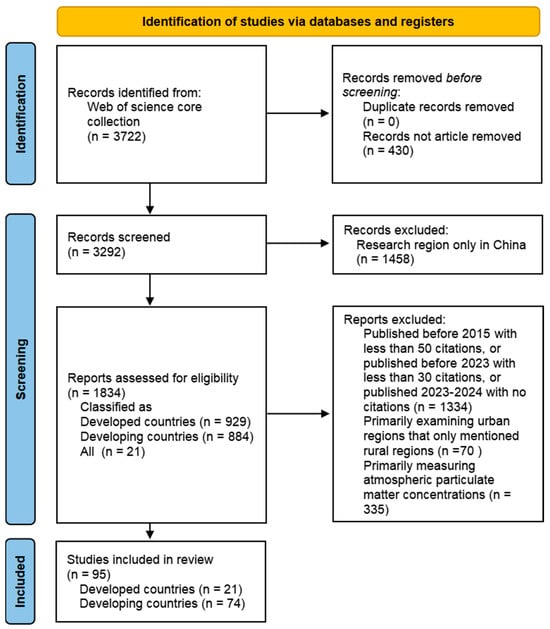
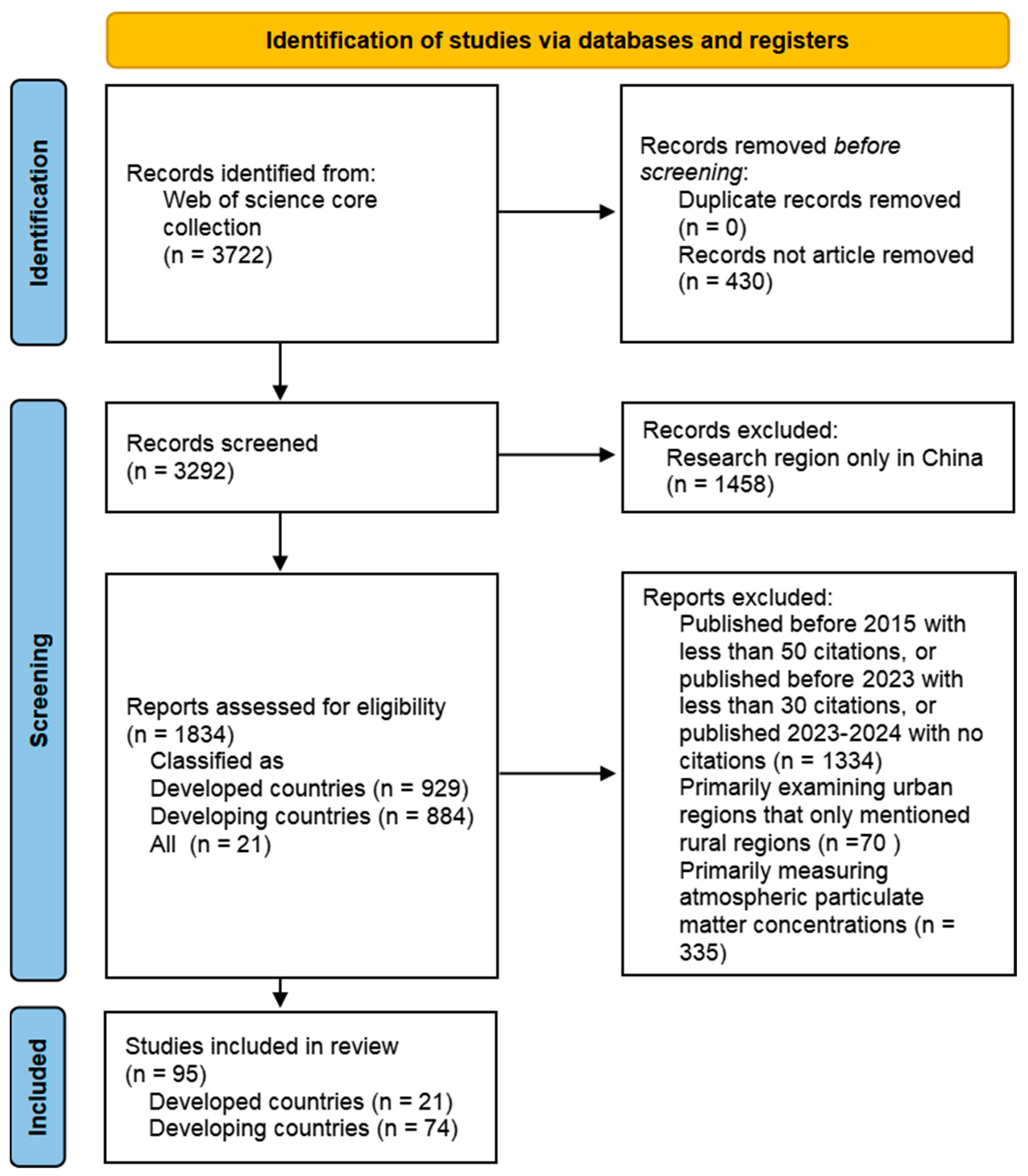
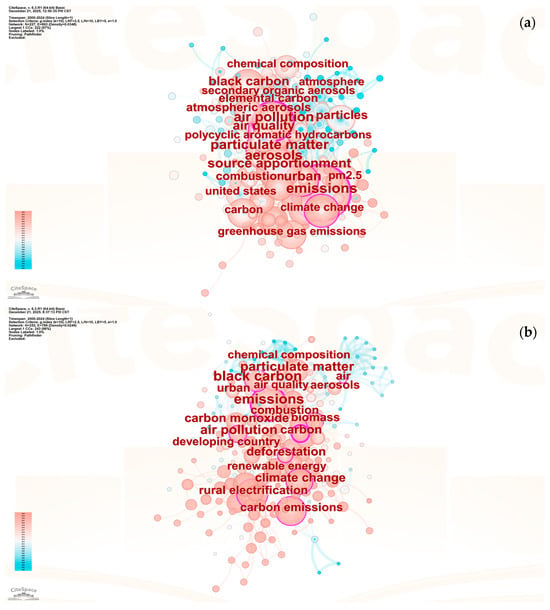
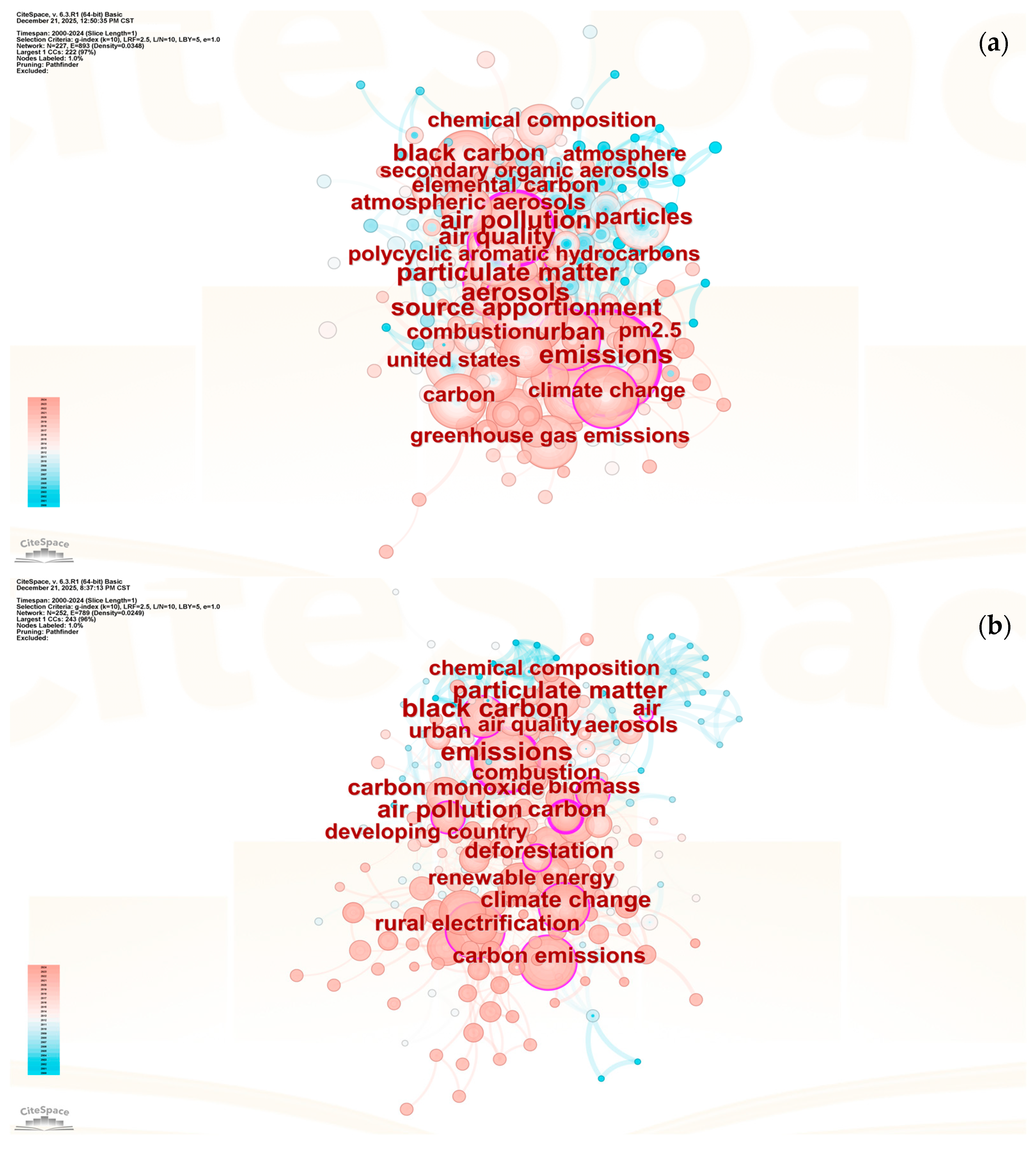
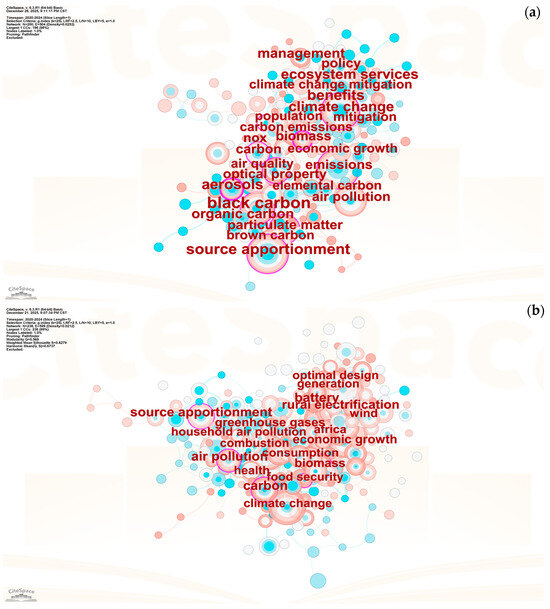
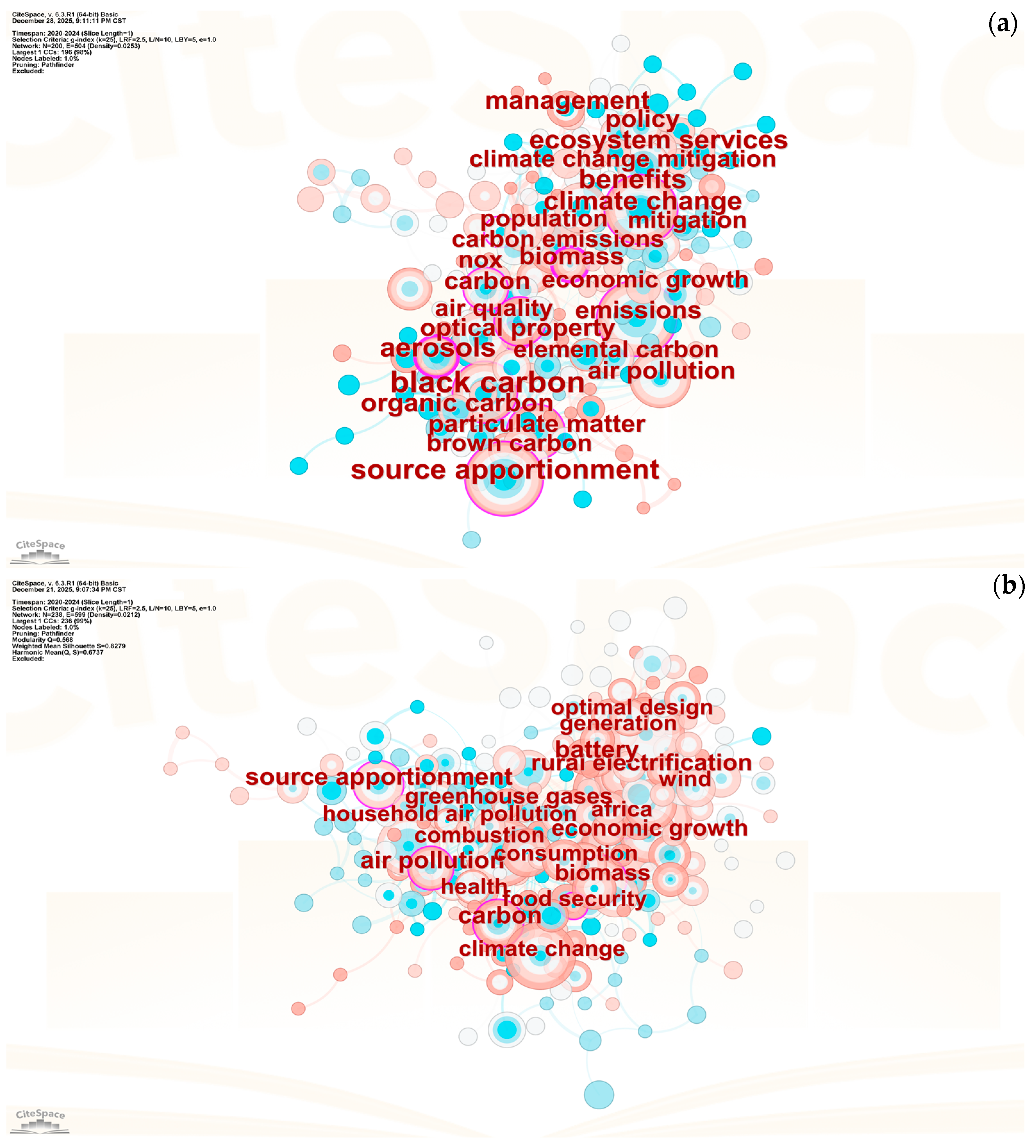
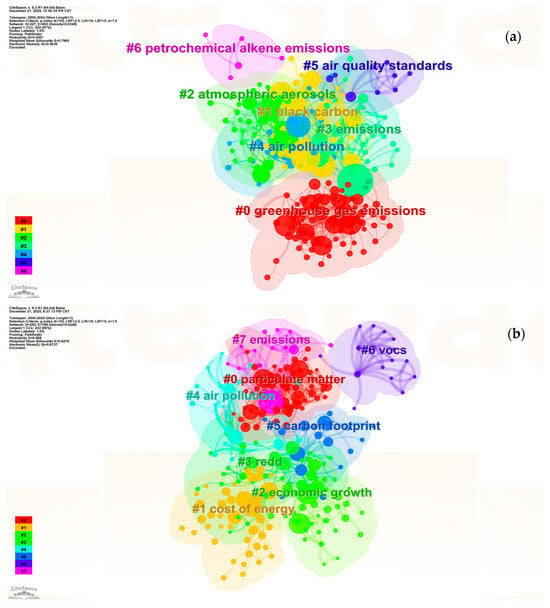
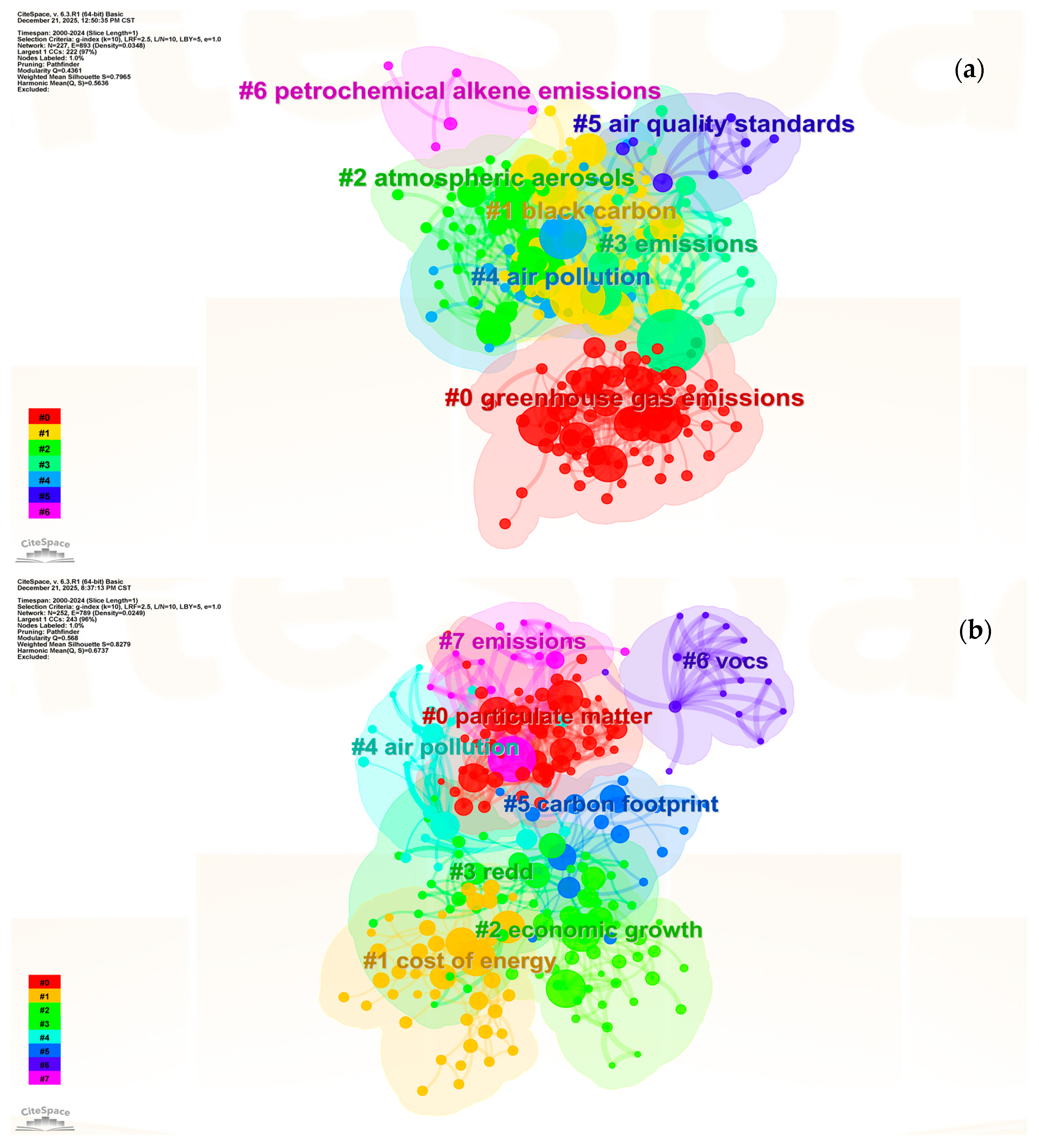
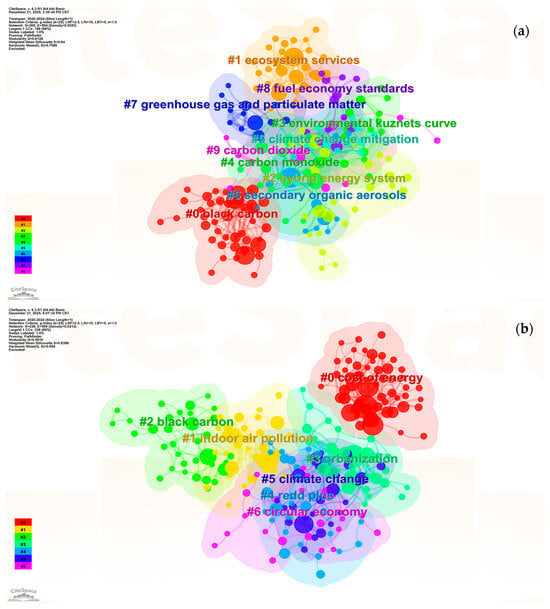
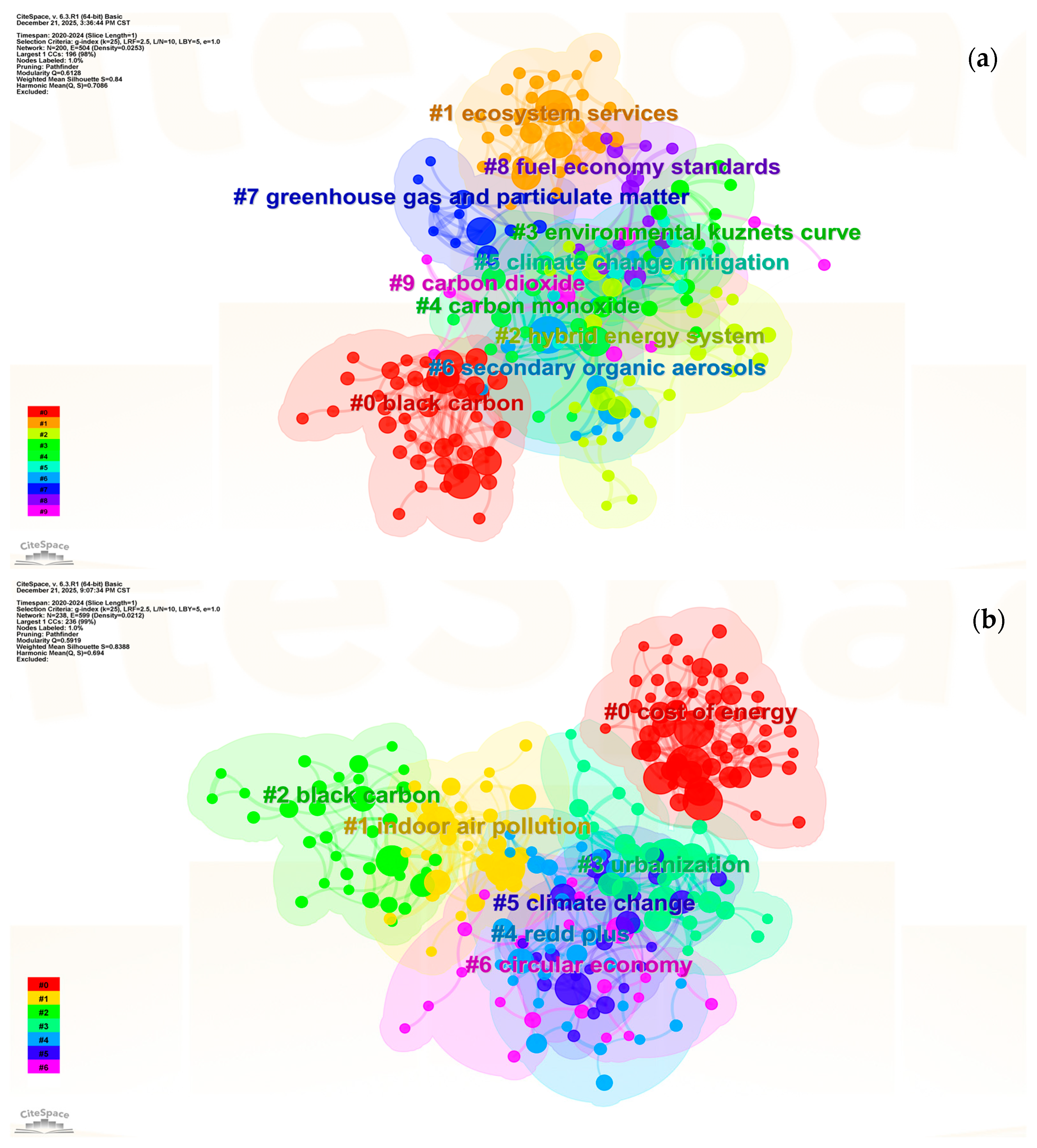
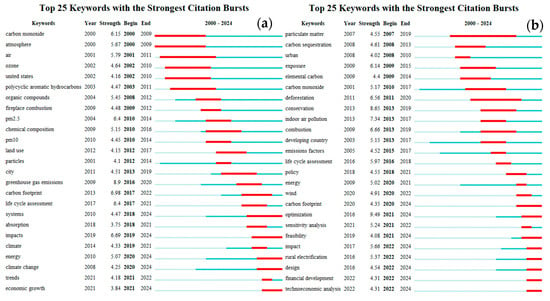
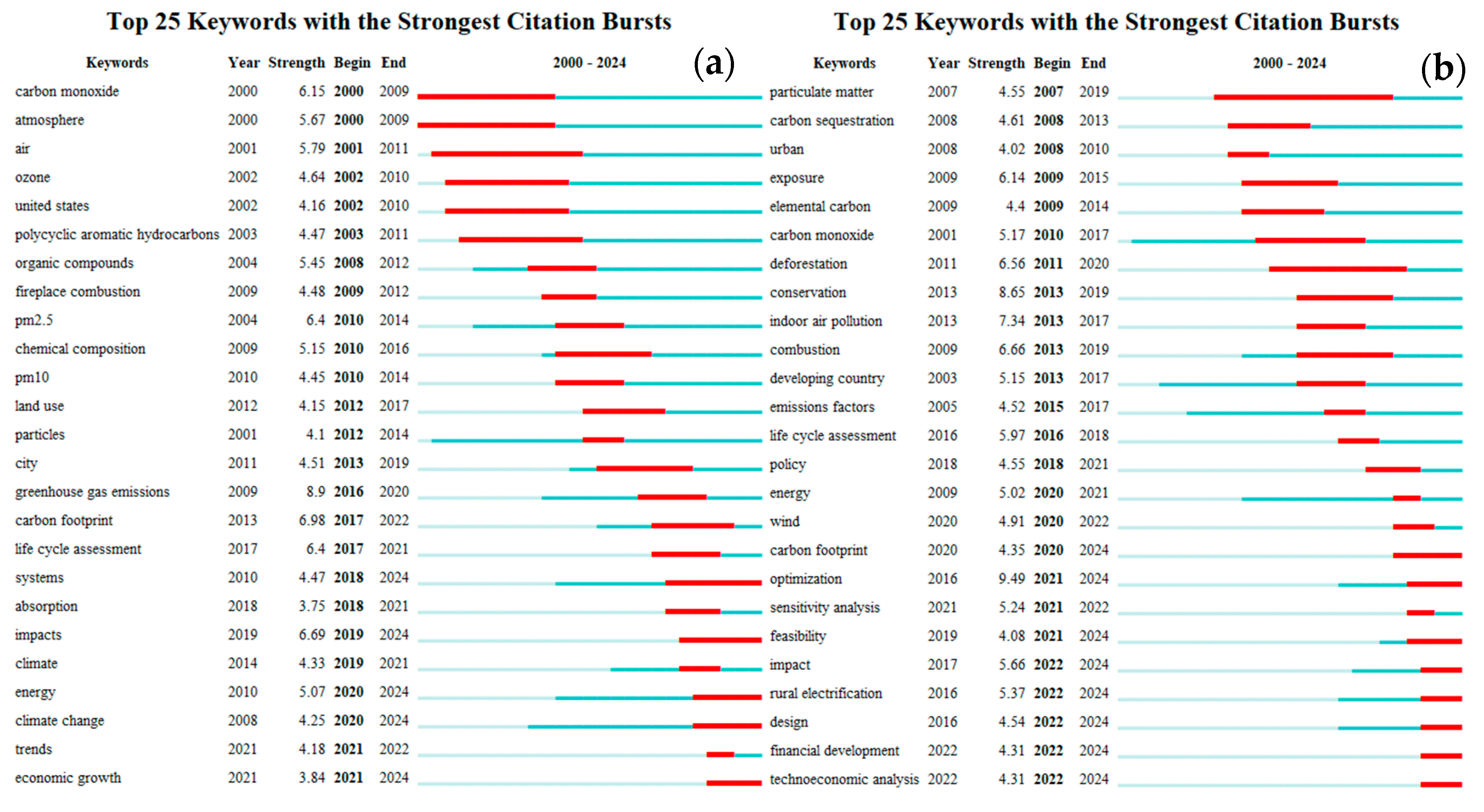
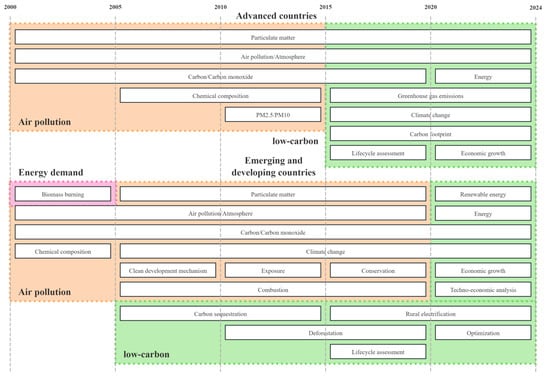
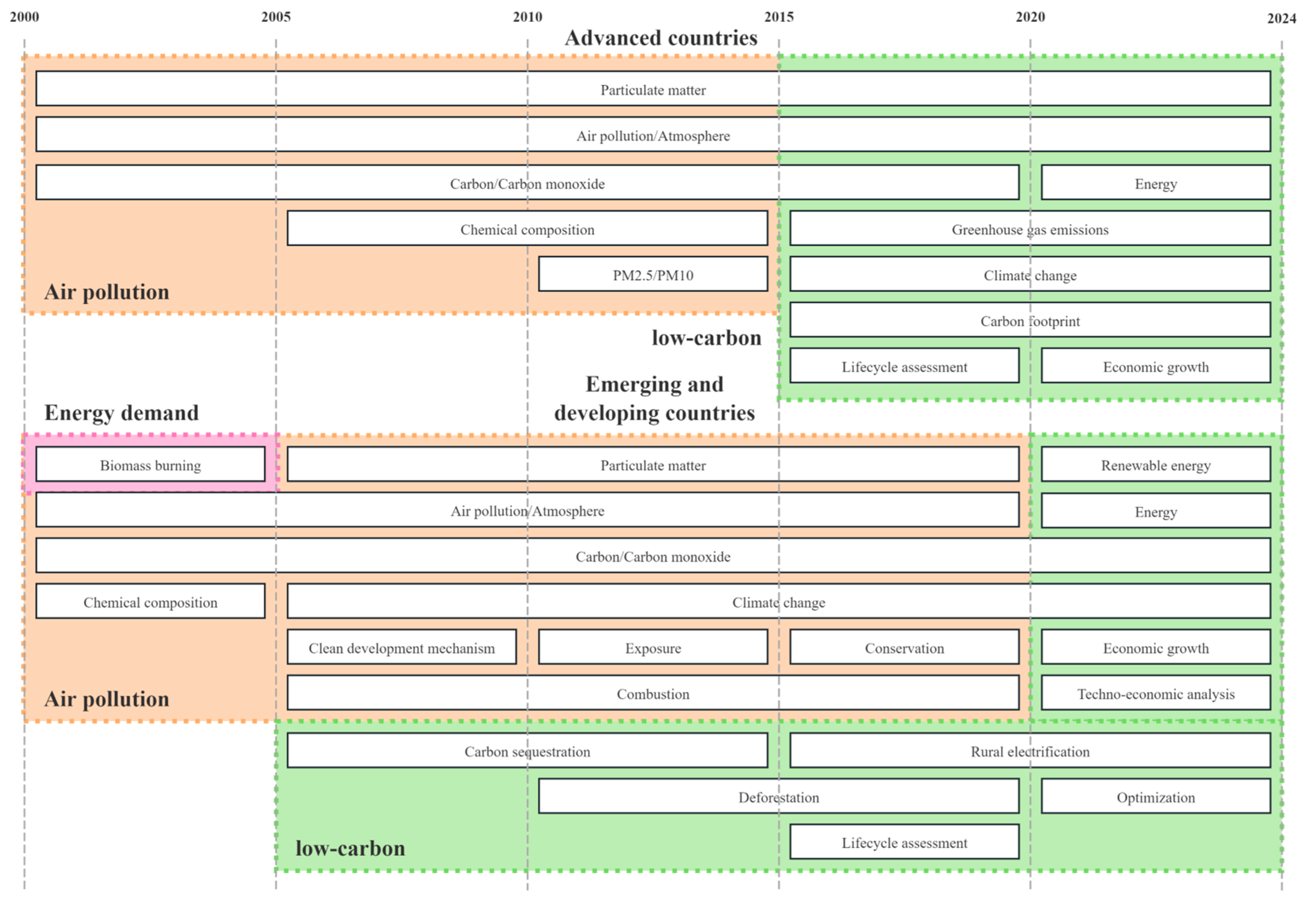

Disclaimer/Publisher’s Note: The statements, opinions and data contained in all publications are solely those of the individual author(s) and contributor(s) and not of MDPI and/or the editor(s). MDPI and/or the editor(s) disclaim responsibility for any injury to people or property resulting from any ideas, methods, instructions or products referred to in the content. |
© 2025 by the authors. Licensee MDPI, Basel, Switzerland. This article is an open access article distributed under the terms and conditions of the Creative Commons Attribution (CC BY) license.