Article

Study on Purge Strategy of Hydrogen Supply System with Dual Ejectors for Fuel Cells

by
Yueming Liang
1,2 and
Changqing Du
1,2,*
1
Hubei Research Center for New Energy & Intelligent Connected Vehicle, Wuhan University of Technology, Wuhan 430070, China
2
Foshan Xianhu Laboratory of the Advanced Energy Science and Technology Guangdong Laboratory, Foshan 528000, China
*
Author to whom correspondence should be addressed.
Energies 2025, 18(9), 2168; https://doi.org/10.3390/en18092168
Submission received: 14 March 2025 / Revised: 15 April 2025 / Accepted: 22 April 2025 / Published: 23 April 2025
(This article belongs to the Special Issue Advances in Hydrogen Energy and Fuel Cell Technologies)

Abstract

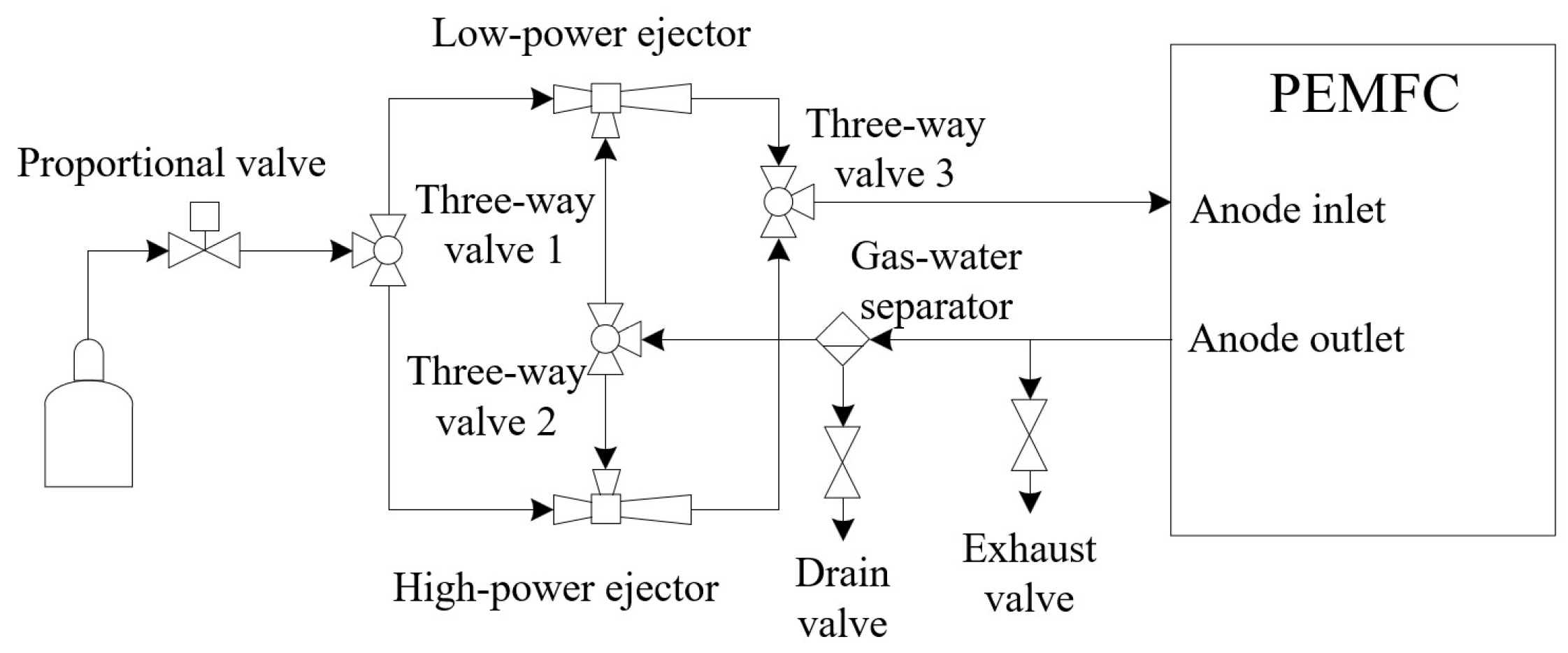
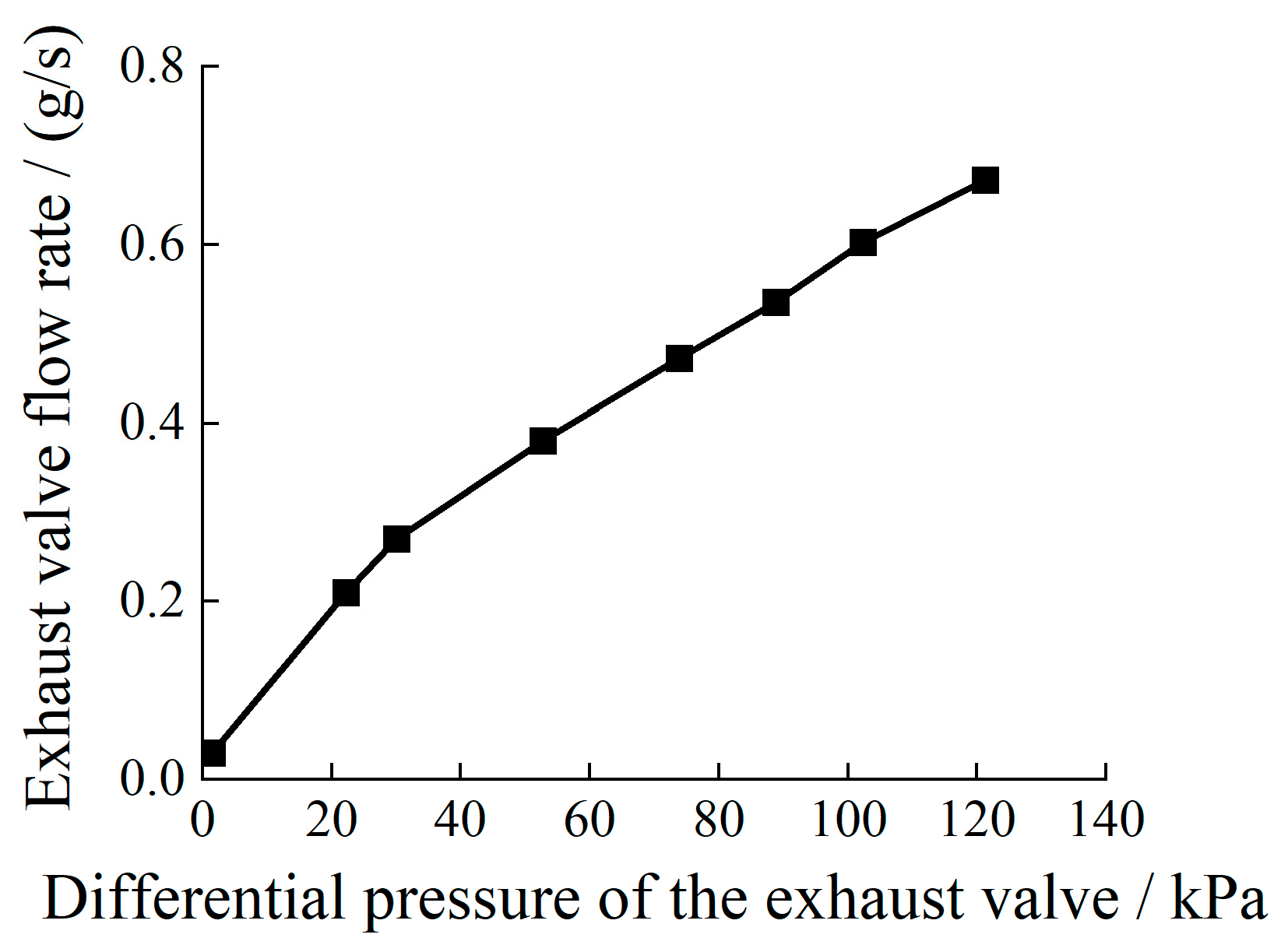
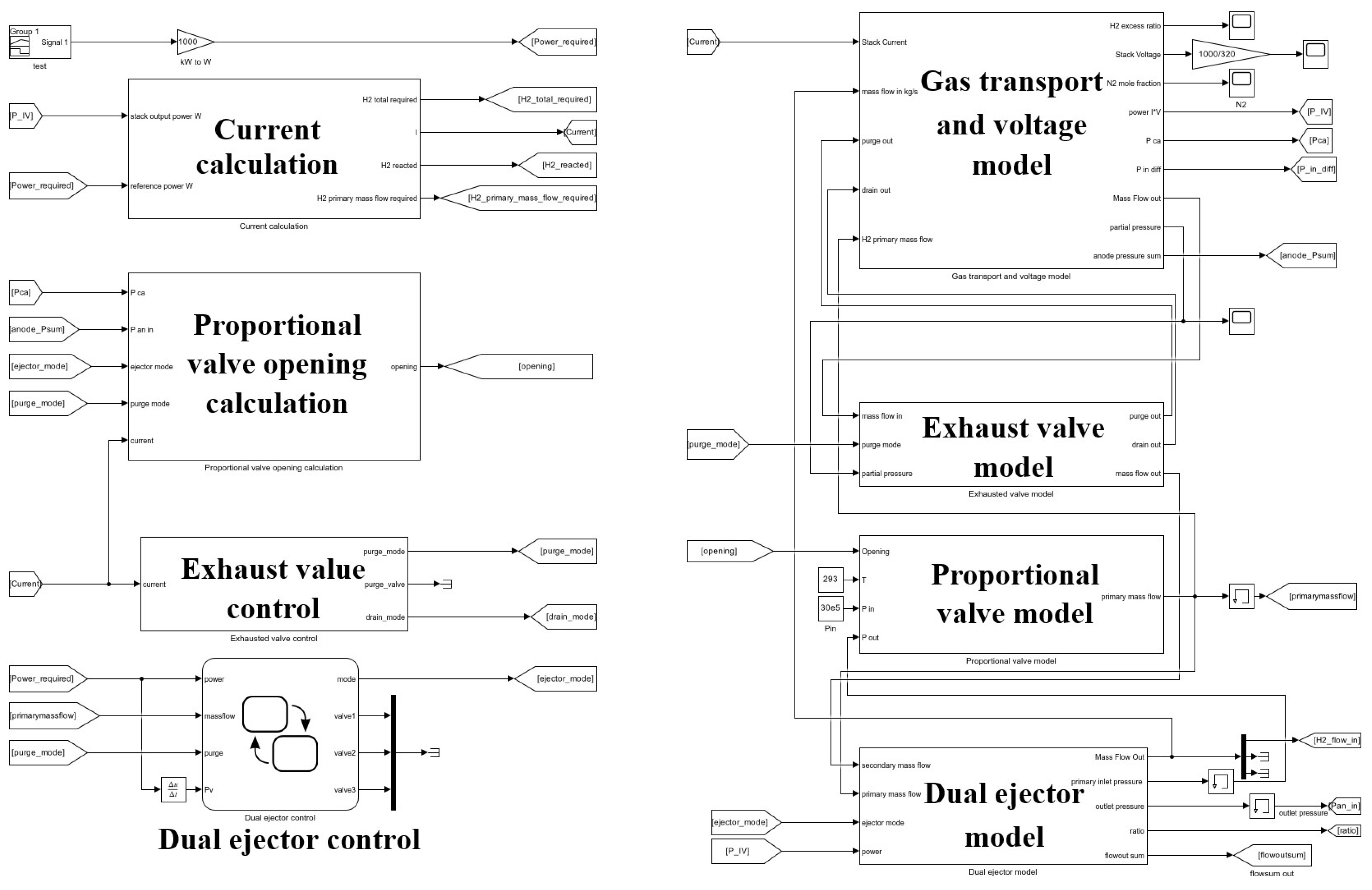
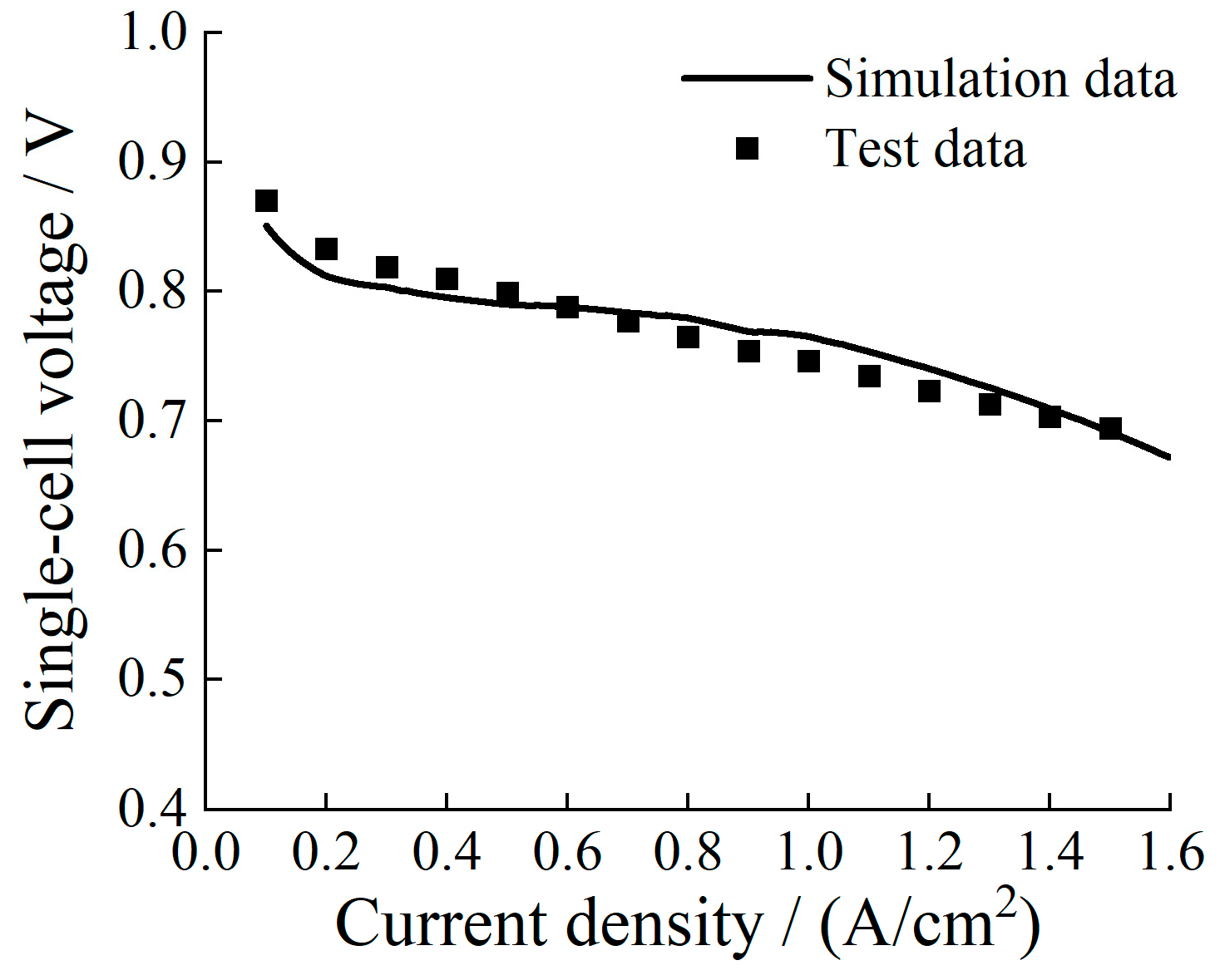
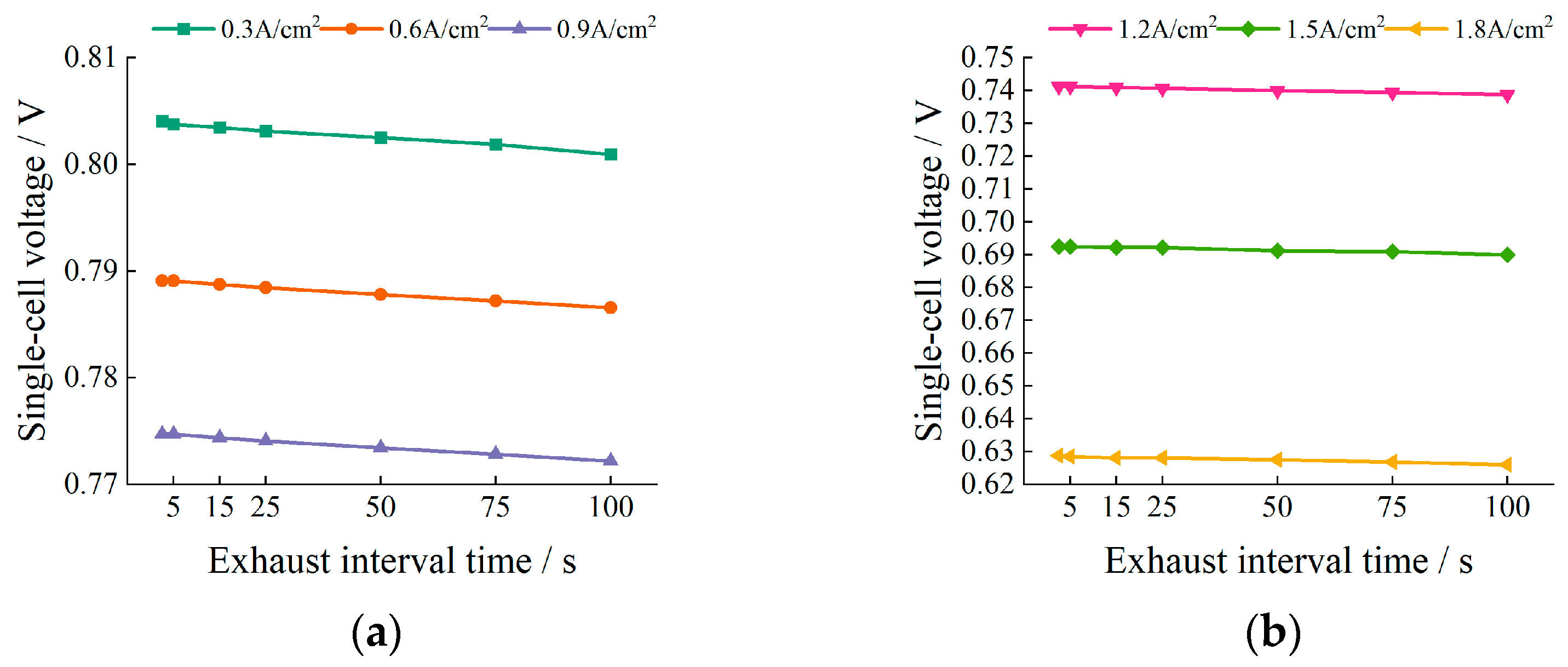
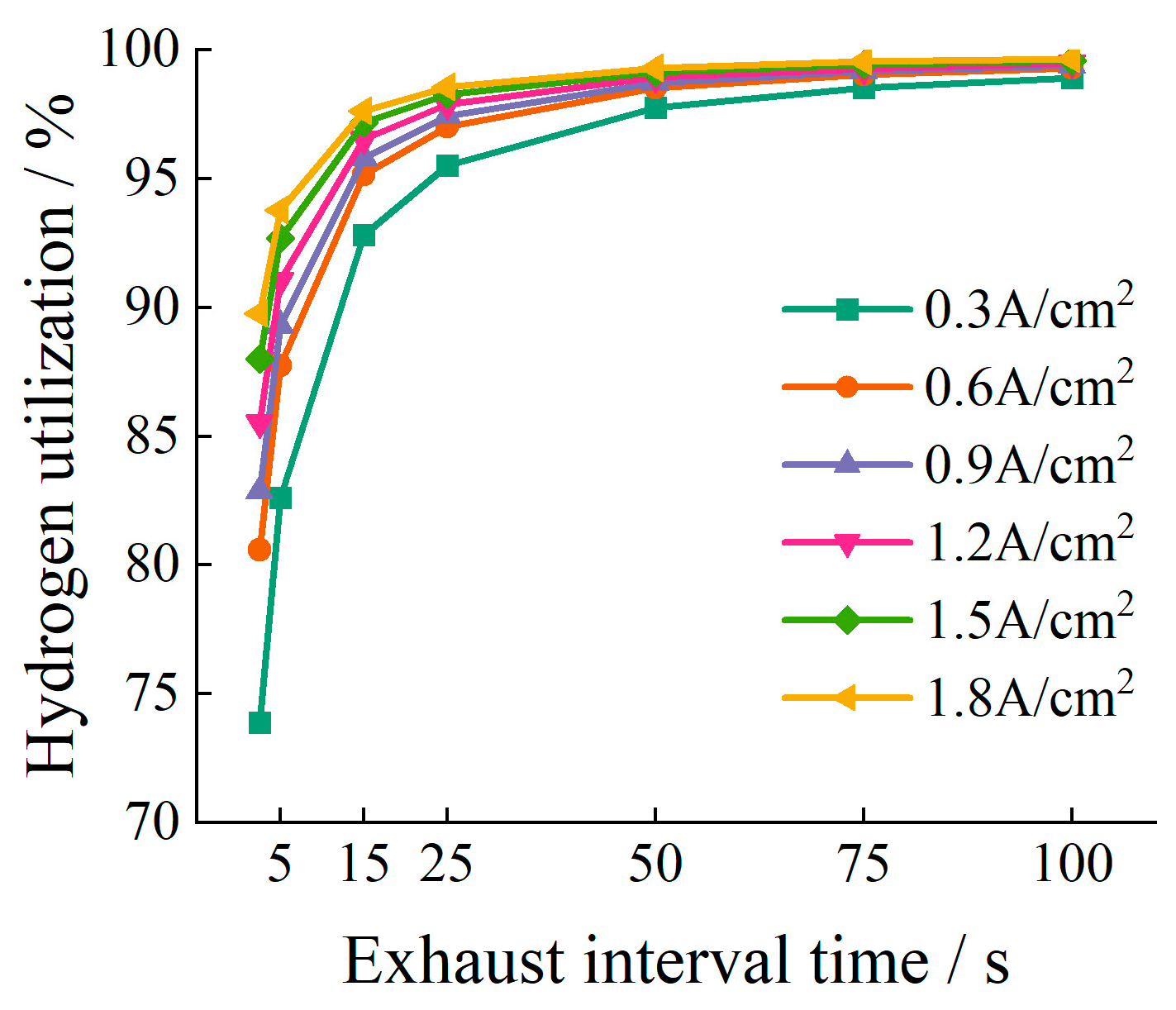
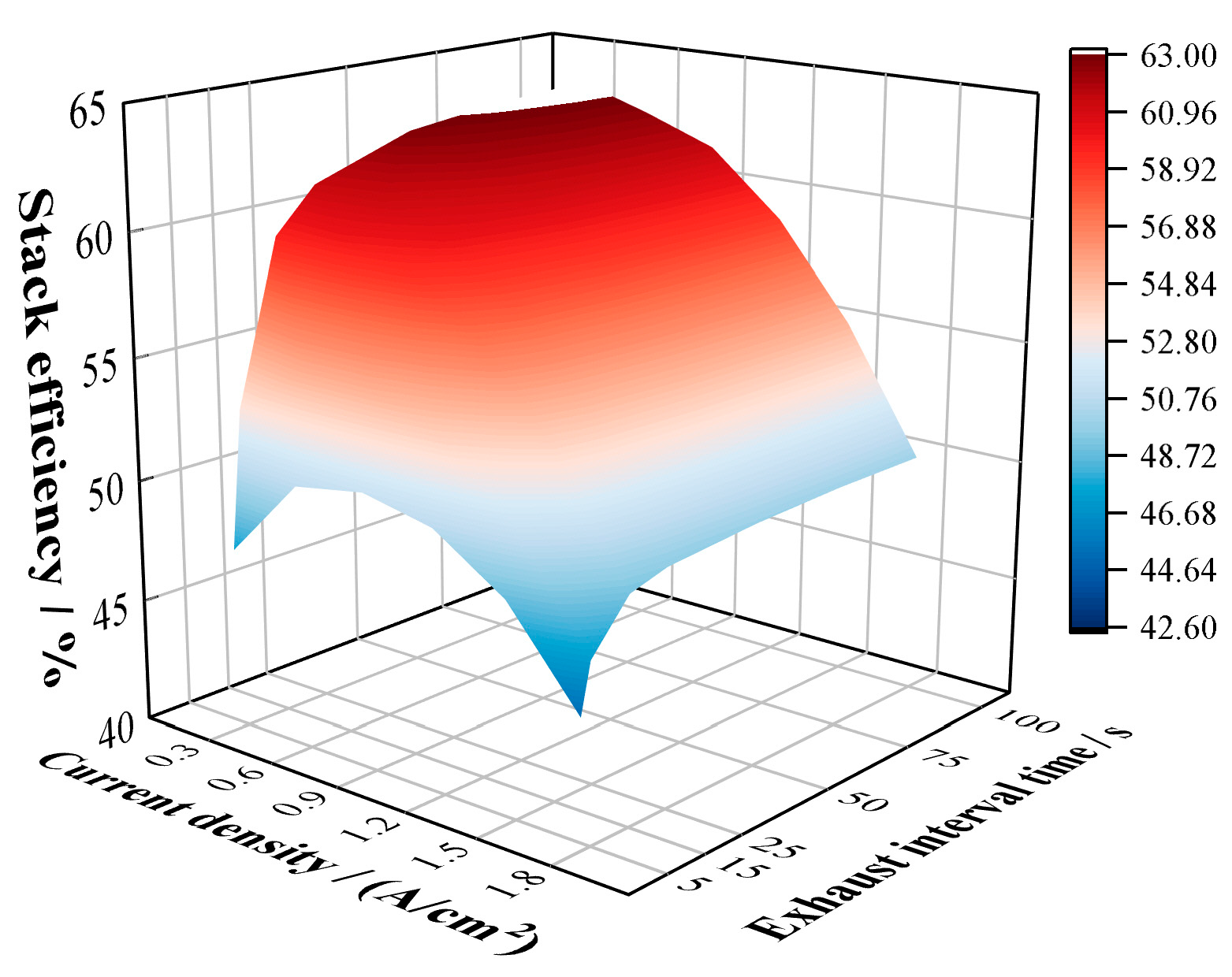
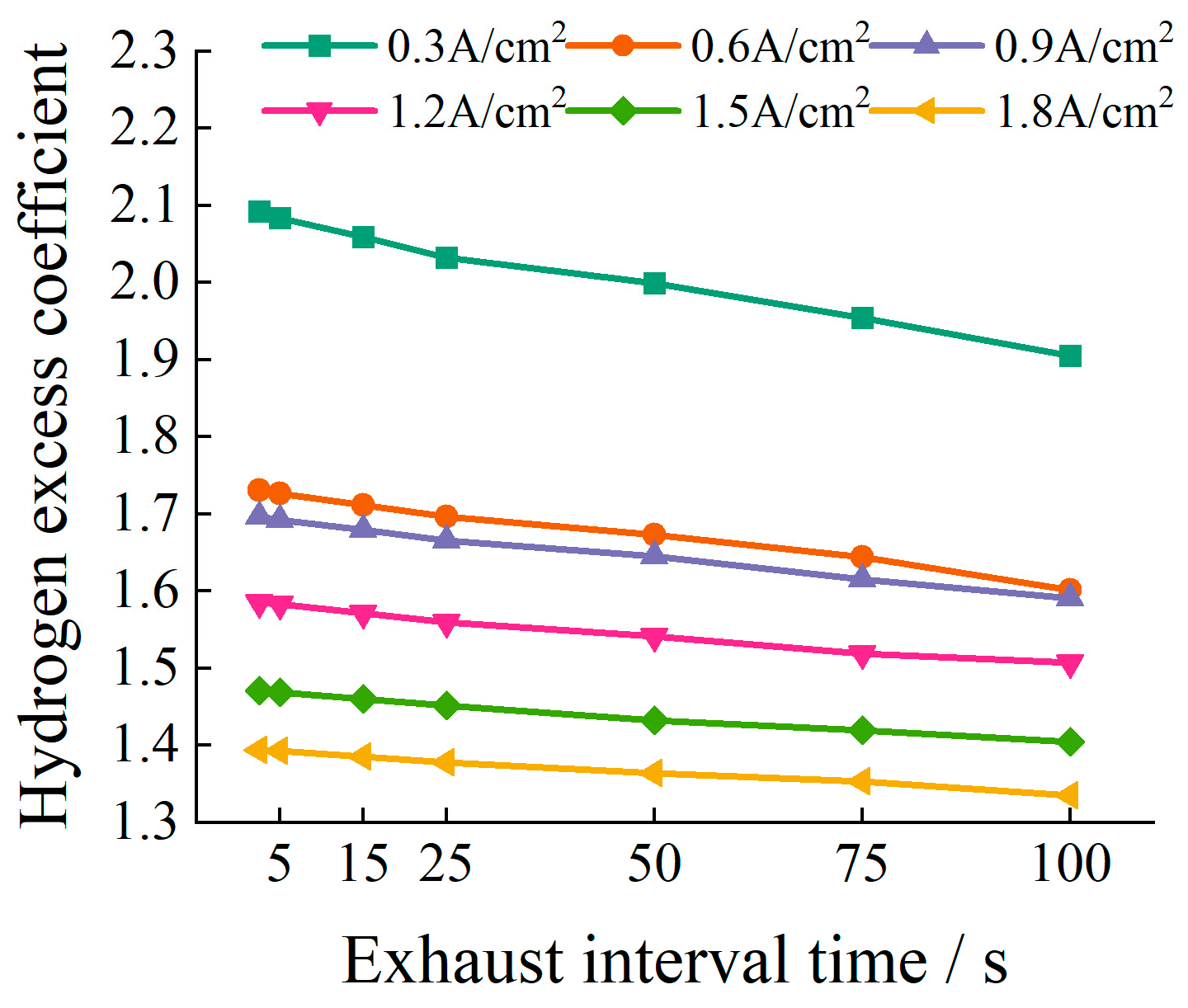
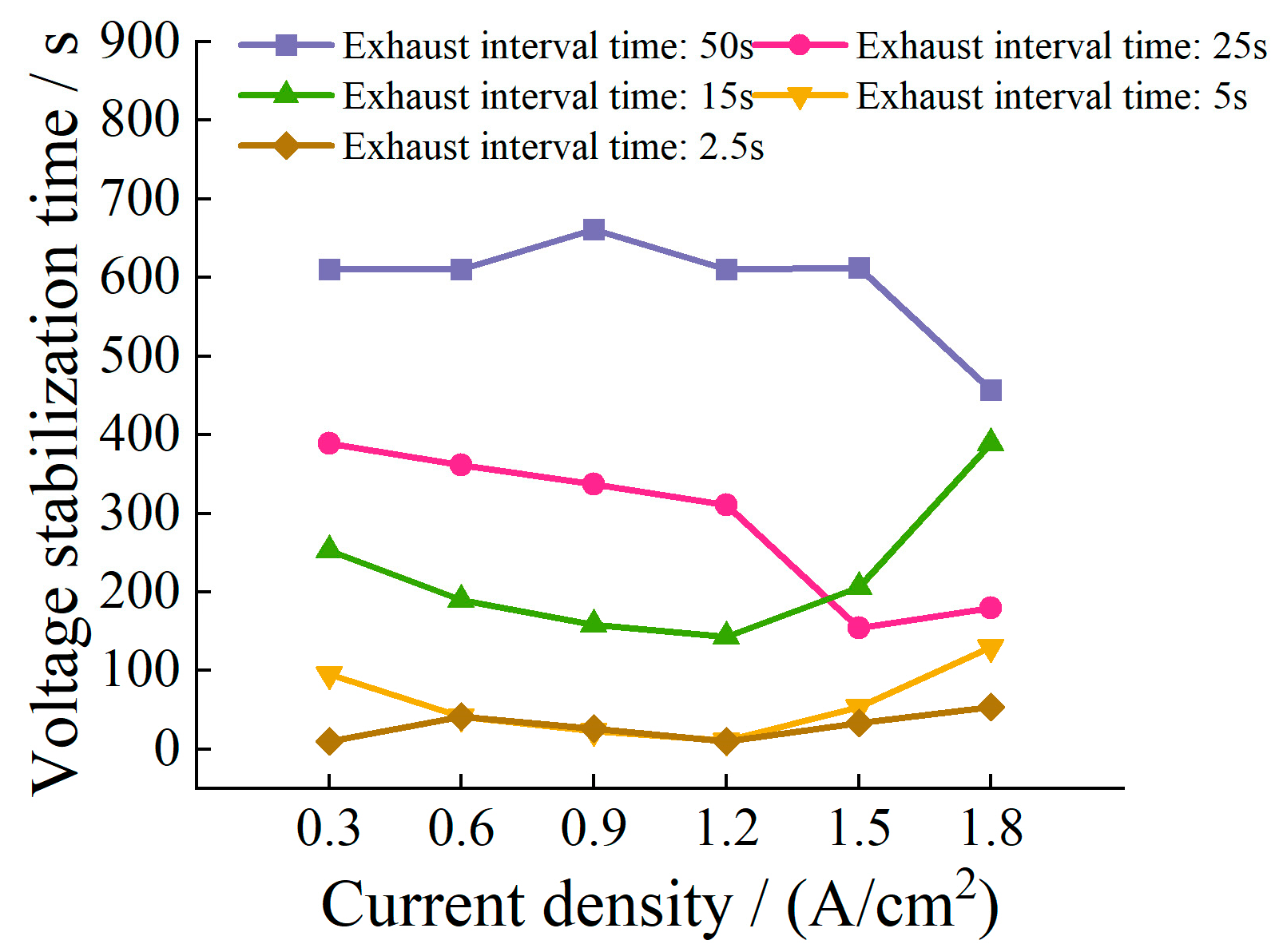
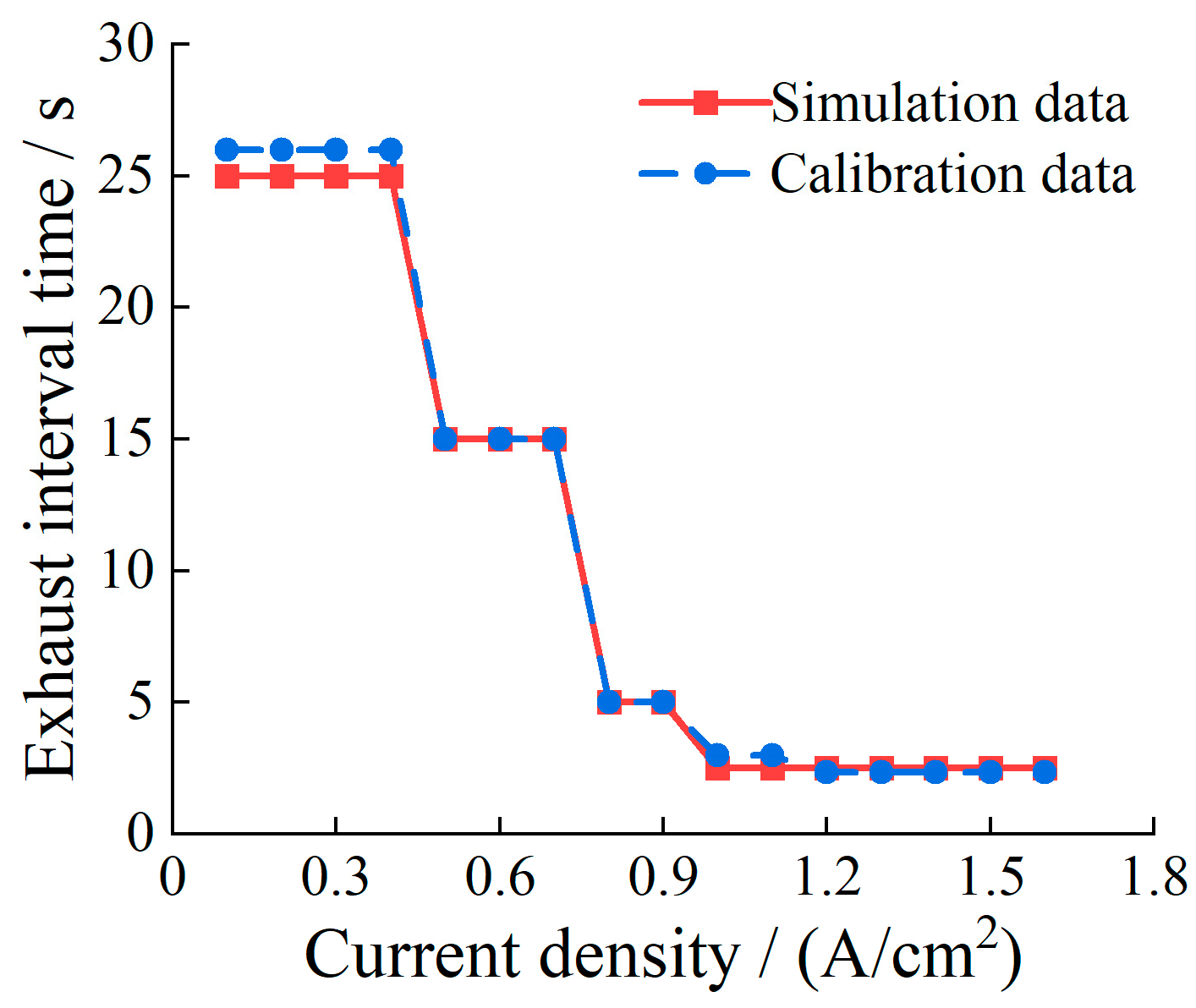
The exhaust purge on the anode side is a critical step in the operation of fuel cell systems, and optimizing the exhaust interval time is essential for enhancing stack efficiency and hydrogen utilization. This paper proposed a method to determine the purge strategy of hydrogen supply system based on theoretical and simulation analysis. To investigate the impact of anode purge strategy on the performance of automotive fuel cells, a model of a 100 kW fuel cell stack and a dual-ejector hydrogen supply system was developed in MATLAB/Simulink(R2022b) using principles of fluid dynamics, simulation, and experimental data. This model effectively captures the accumulation and exhaust of hydrogen, nitrogen, and vapor within the anode. Simulations were conducted under seven different exhaust interval times at varying current densities to study the effect of exhaust interval on the performance of the fuel cell. The results indicate that for a 100 kW fuel cell, the exhaust interval time should be controlled within 25 s and should decrease as the current density increases. At low current density, increasing the exhaust interval has a more significant effect on improving hydrogen utilization. At high current density, reducing the exhaust interval helps maintain a stable hydrogen excess ratio and shortens the time required for the output voltage to reach a stable state.
Keywords: proton exchange membrane fuel cell; hydrogen supply system; anode purge strategy; fuel cell stack efficiency proton exchange membrane fuel cell; hydrogen supply system; anode purge strategy; fuel cell stack efficiency