Article

Numerical Investigation on the Effect of Passive Jet Control on the Performance of a Vortex Induced Vibration Energy Harvester System

1
Faculty of Mechanical Engineering, Lublin University of Technology, 20-618 Lublin, Poland
2
Faculty of Electrical Engineering, Lublin University of Technology, 20-618 Lublin, Poland
*
Author to whom correspondence should be addressed.
Energies 2025, 18(4), 793; https://doi.org/10.3390/en18040793
Submission received: 26 December 2024 / Revised: 3 February 2025 / Accepted: 6 February 2025 / Published: 8 February 2025
(This article belongs to the Section K: State-of-the-Art Energy Related Technologies)

Abstract

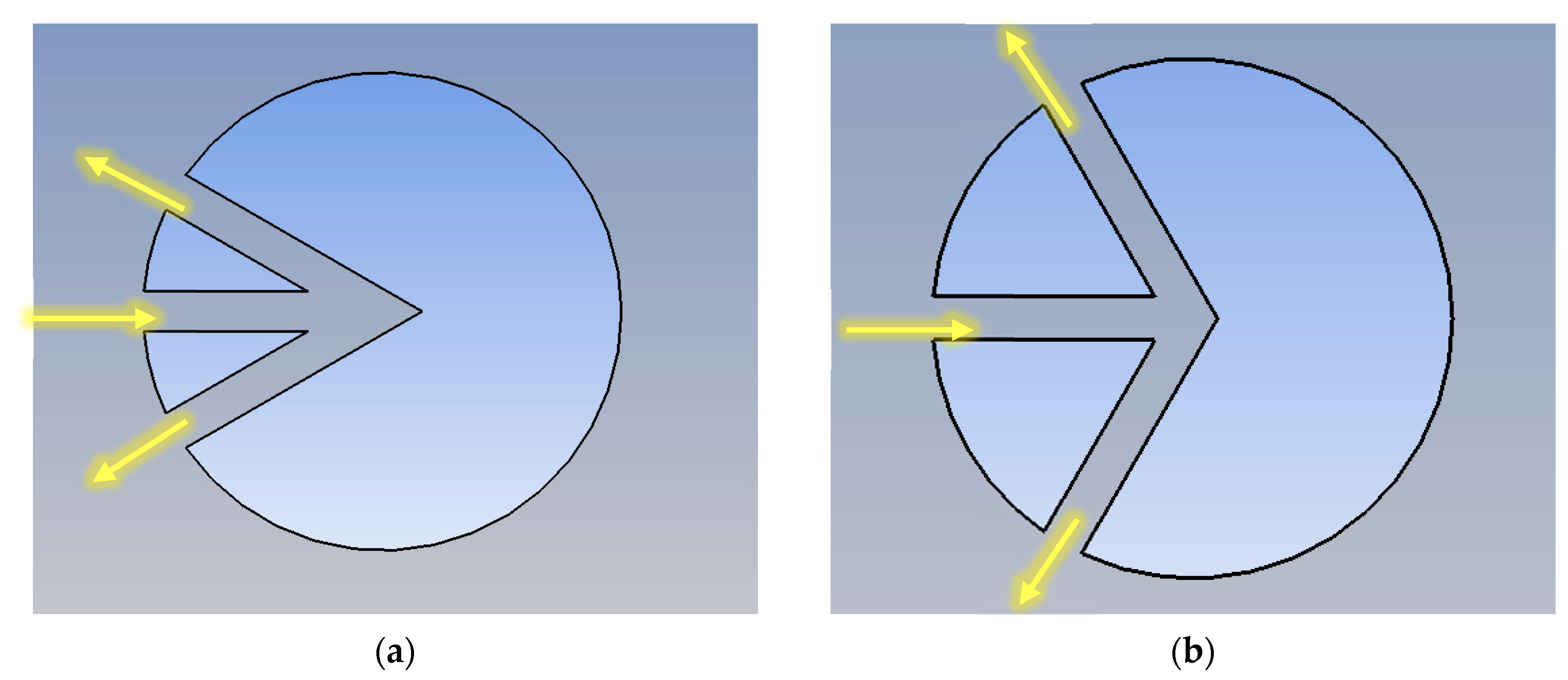
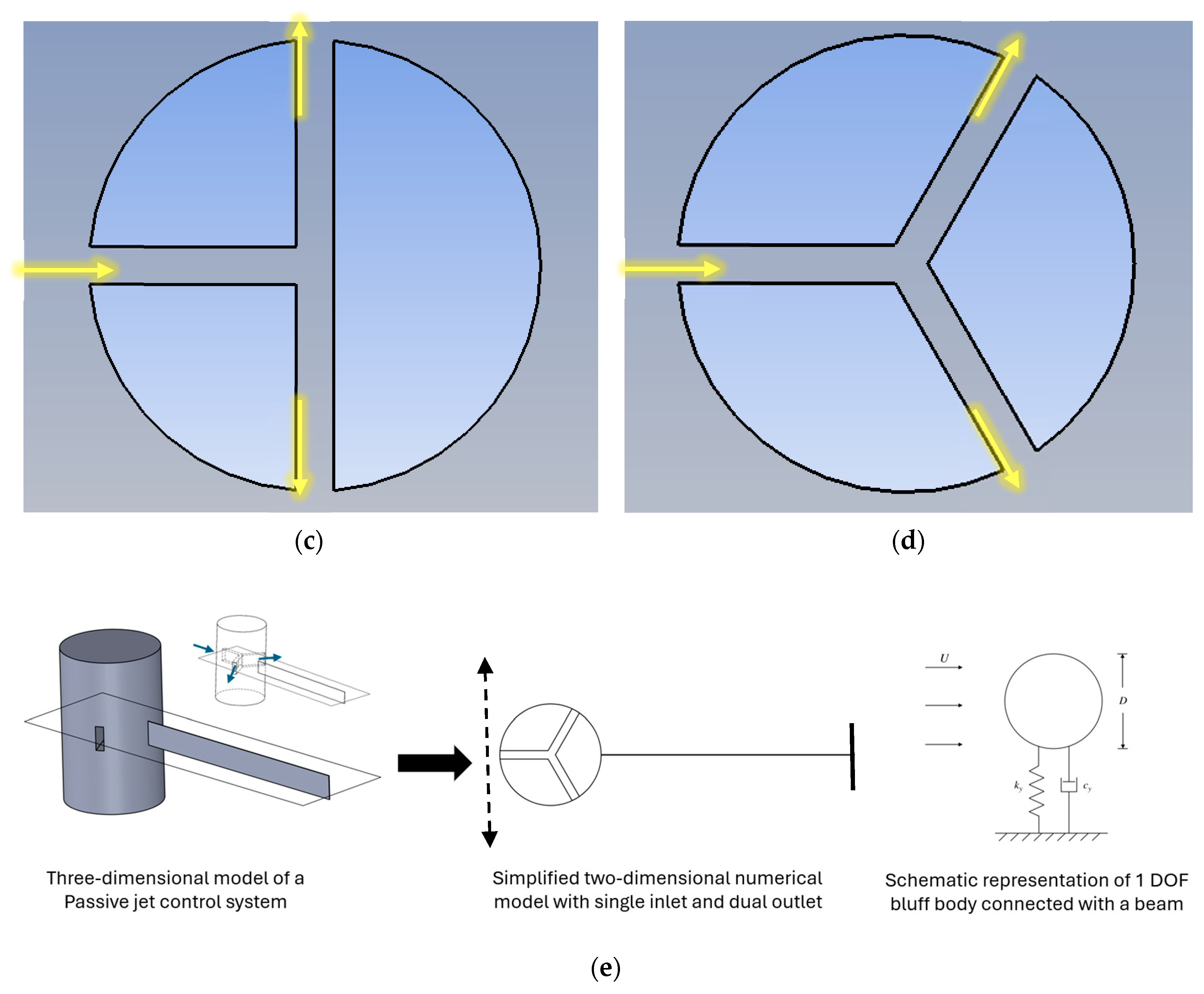
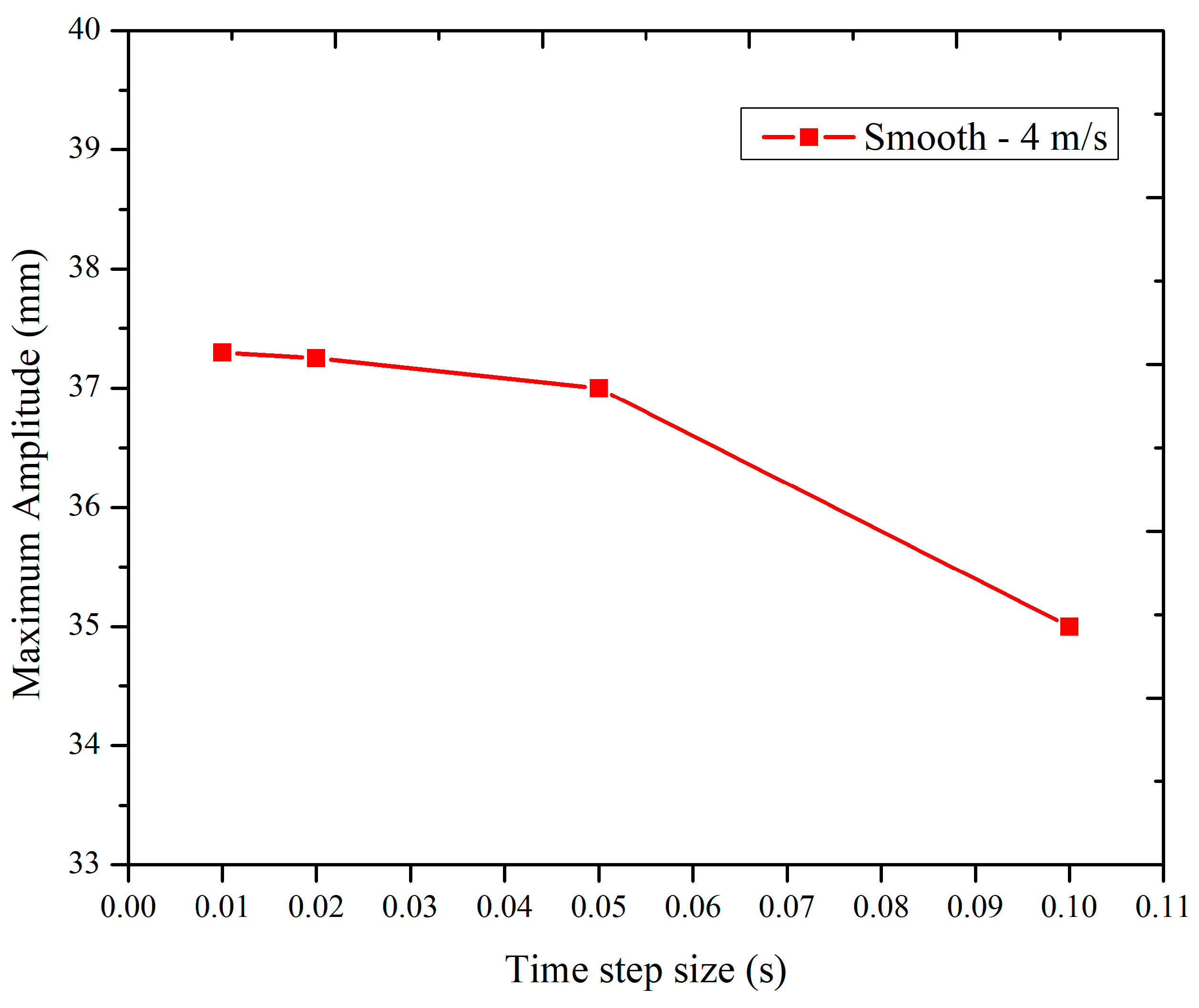
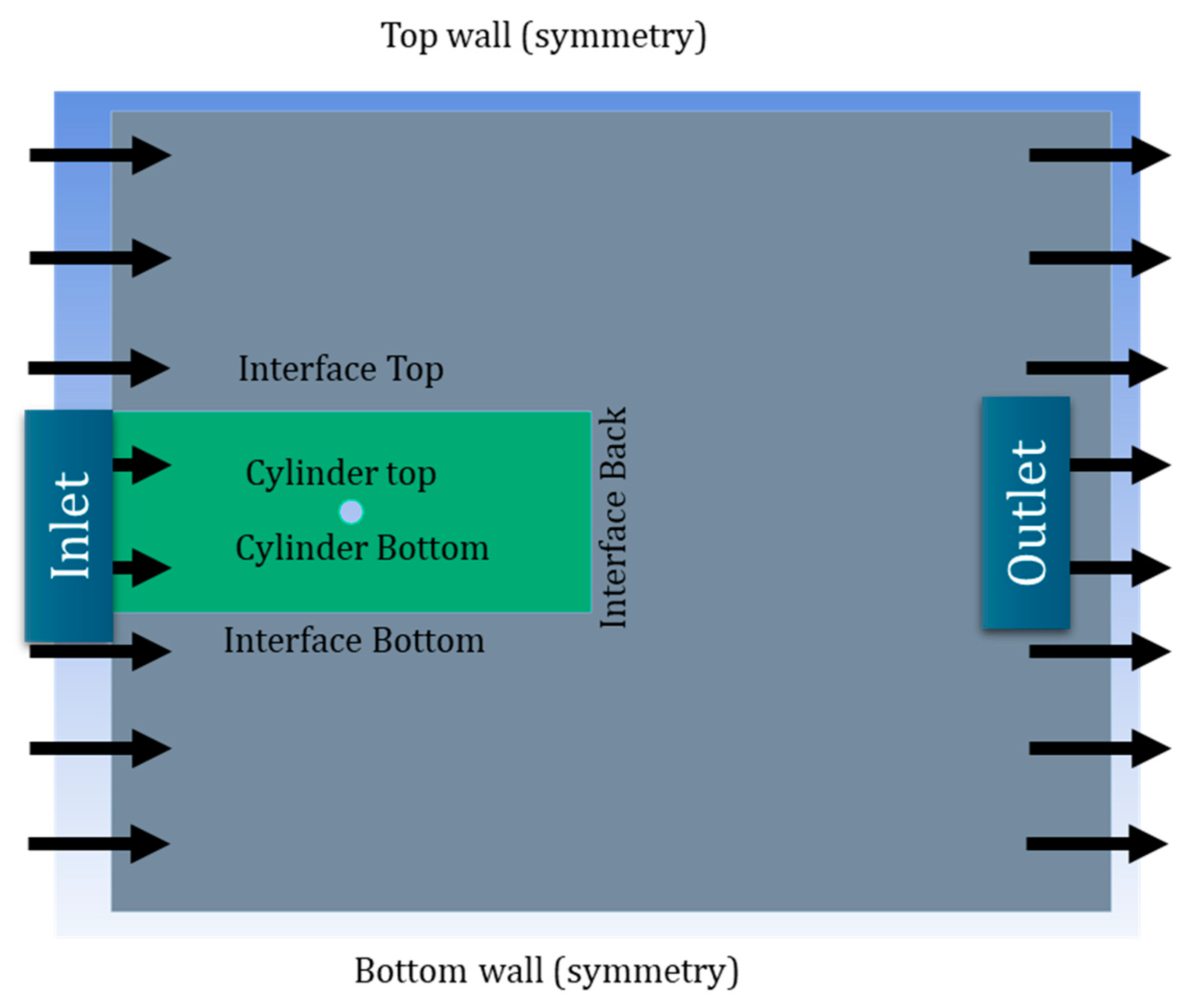
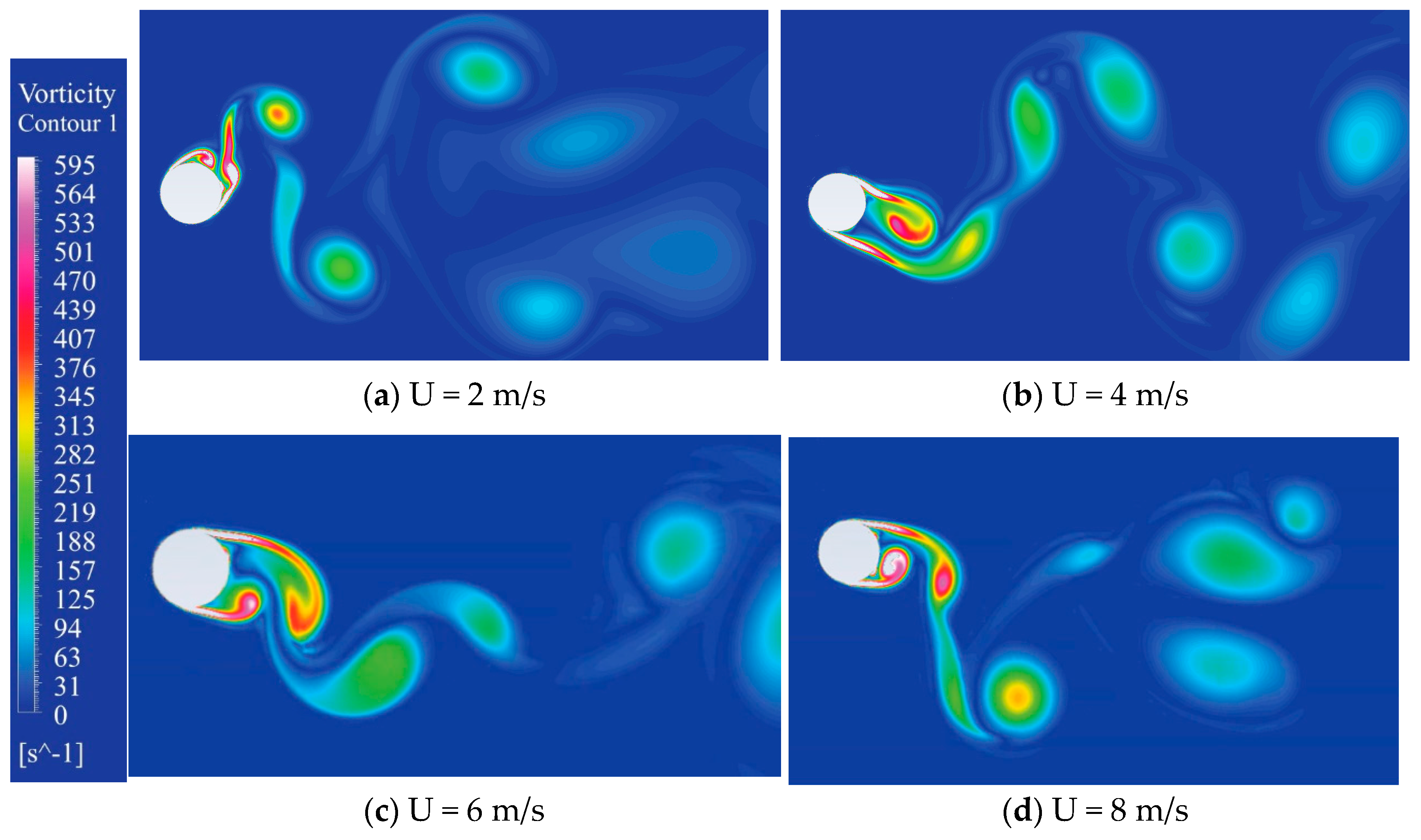
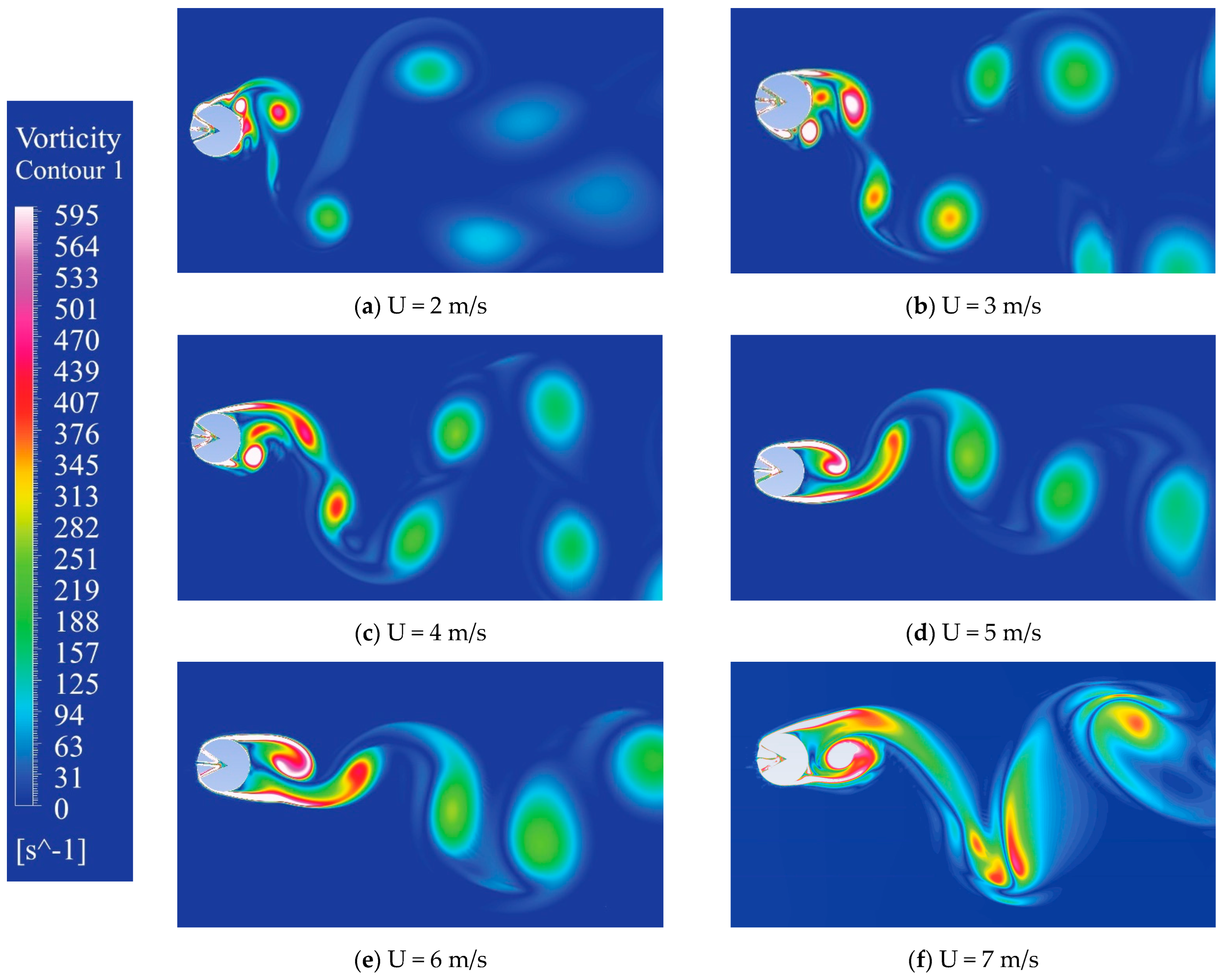
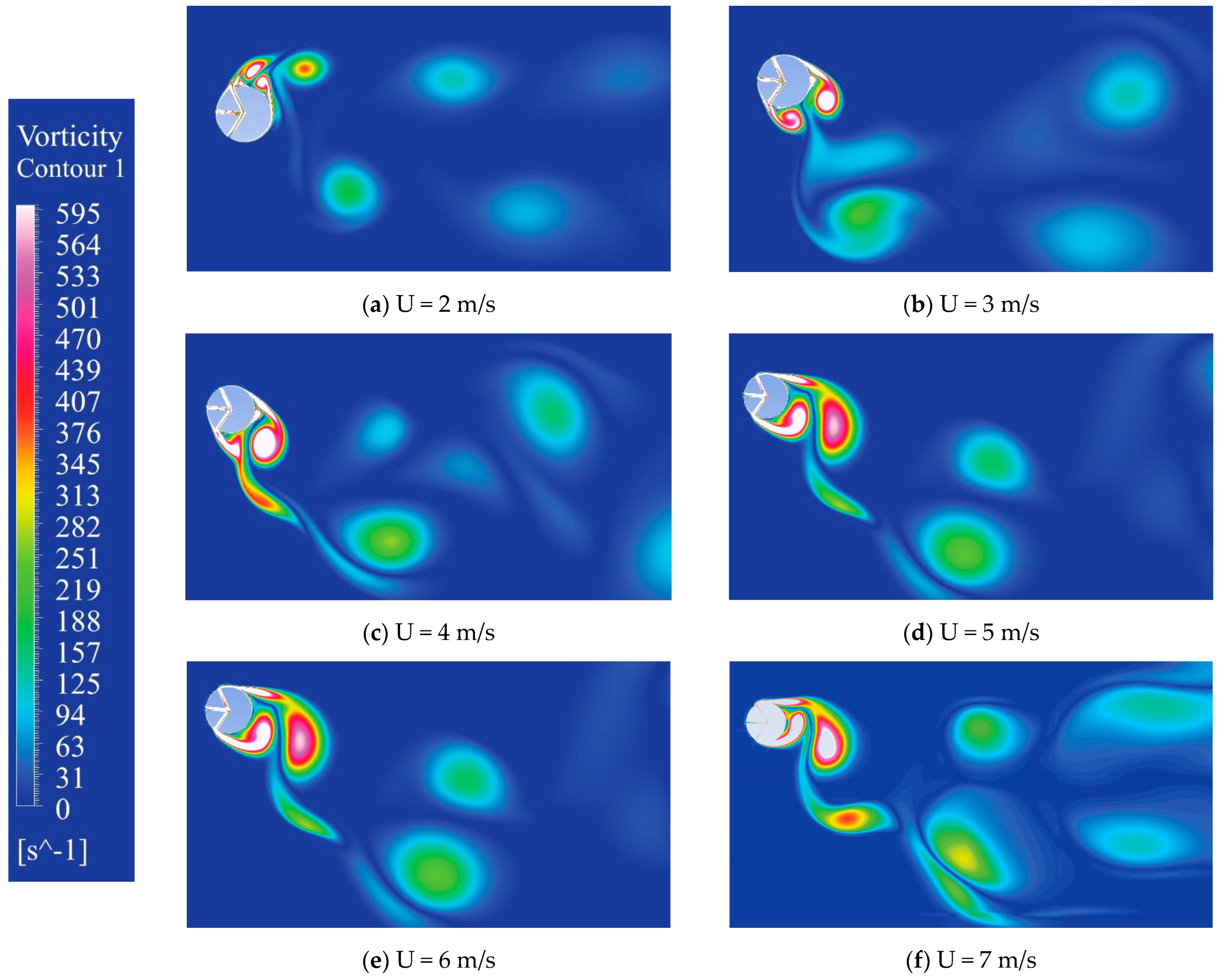
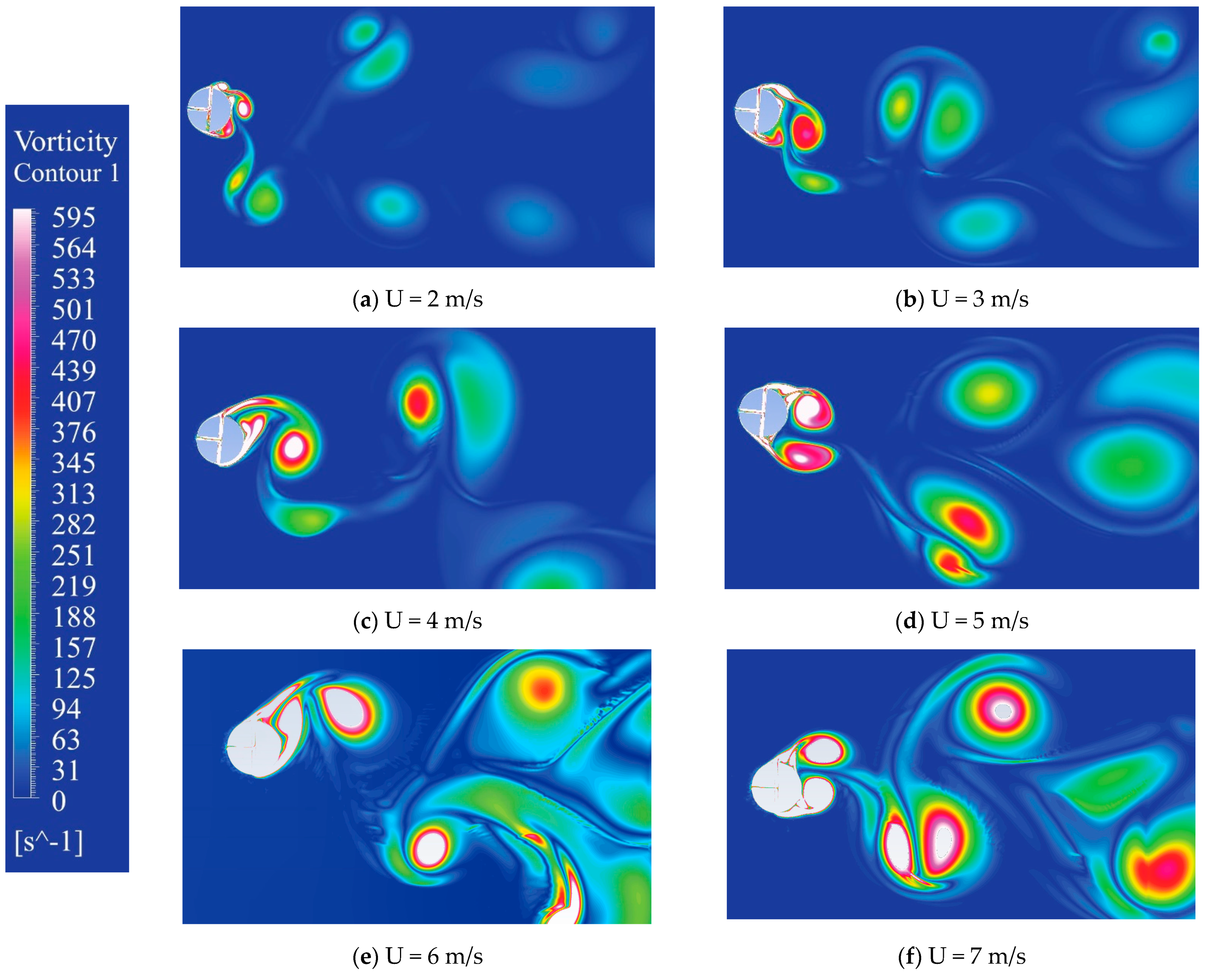
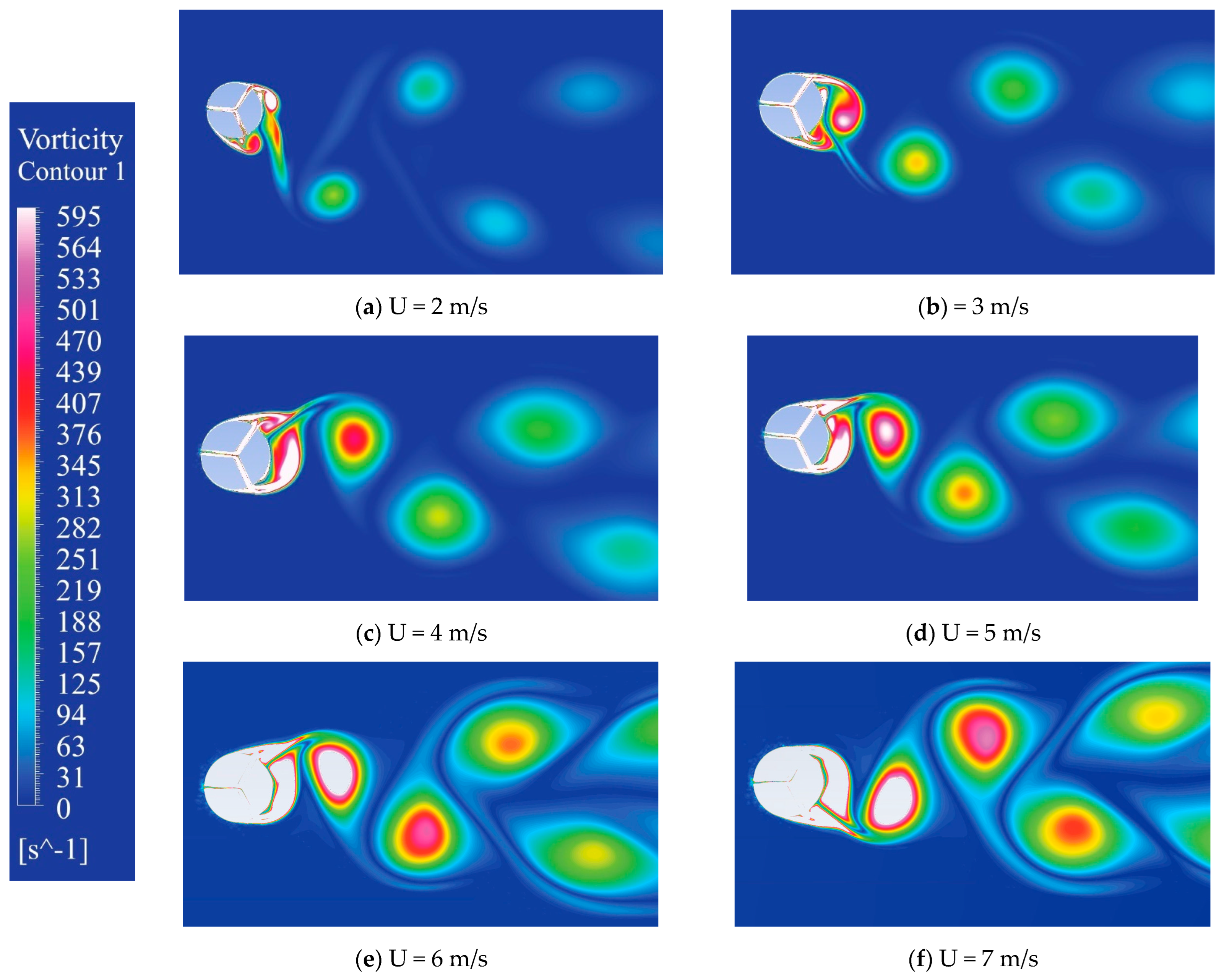
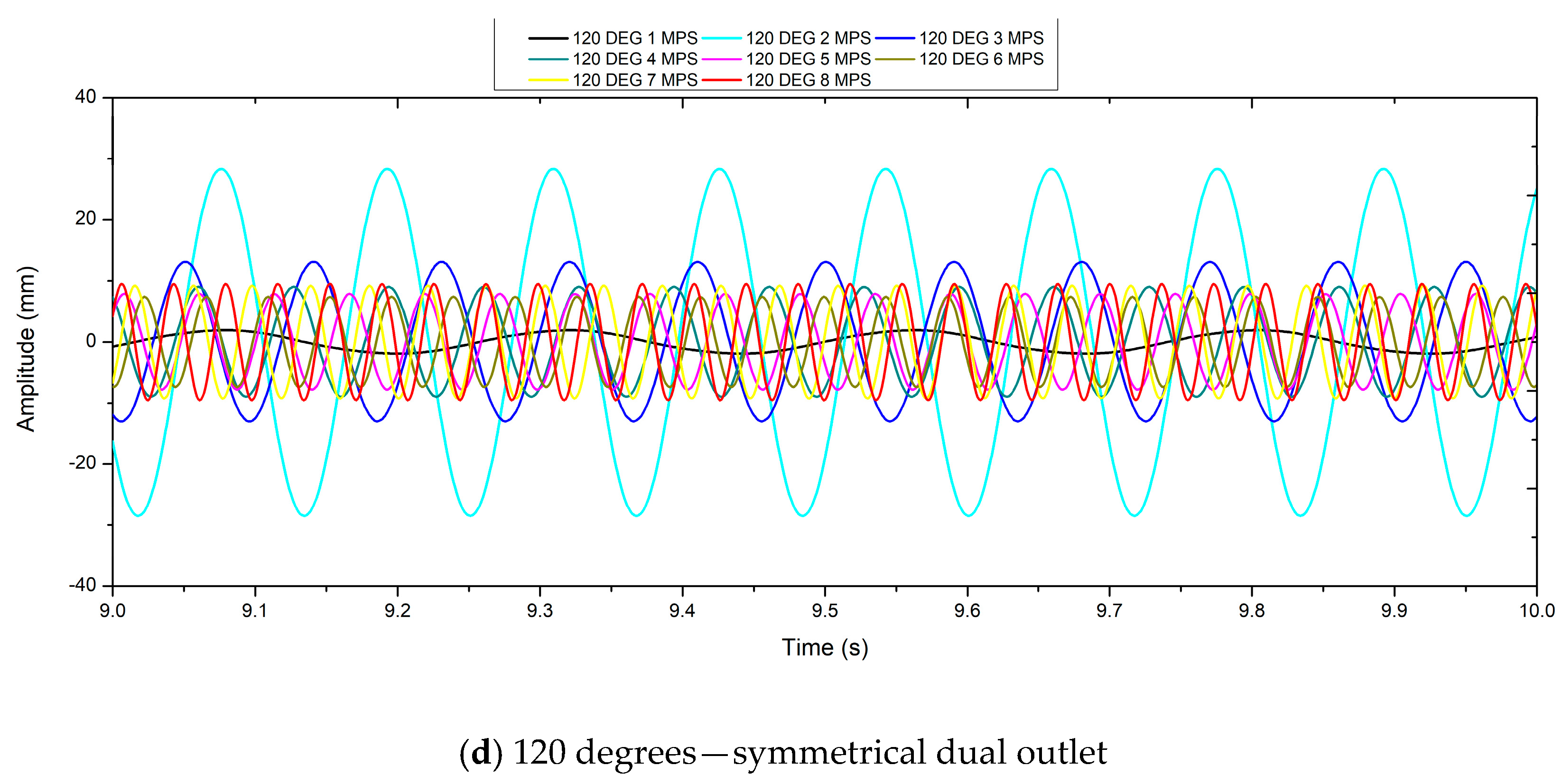
The present study investigates the effect of the passive jet control system on the performance of a vibration energy harvester system (VIVEHS). The shape of a bluff body plays a crucial role in determining the vortex shedding mechanism, while the passive jet control system influences the dynamic behavior of these vortices, either enhancing or suppressing the bluff body’s oscillatory performance. This study introduces key innovations, including the incorporation of perforations in the bluff body, variations in outlet angles, and different inlet and outlet configurations. In this regard, a two-dimensional numerical investigation has been carried out to understand and optimize the dynamic response from the bluff body and its effect on beam deflection. The validation of the numerical code has been carried out for a cylindrical shaped bluff body using ANSYS Fluent 23.2 numerical modelling software. Upon validation, the effects of a single inlet and a symmetrical dual outlet with different outlet angles are numerically analyzed under various flow conditions to assess their impact on the dynamic behavior of the system. The outlet angle varies between 30 degrees and 120 degrees with intervals of 30 degrees. The contours of vorticity and the bluff body dynamic characteristics were observed and plotted for various flow conditions ranging between 1 m/s and 8 m/s with intervals of 1 m/s. The results of this numerical study are crucial for designing passive jet control systems in practical energy harvesting applications. The optimization of outlet configurations and control strategies can significantly enhance both the efficiency and stability of energy harvesting systems.
Keywords: vortex induced vibration; energy harvester; passive jet control system; computational fluid dynamics; numerical simulation vortex induced vibration; energy harvester; passive jet control system; computational fluid dynamics; numerical simulation