1. Introduction
Electric machines, which emerged during the Industrial Revolution, have become a cornerstone of technological advancement. Among these machines, BLDC motors have gained importance in both academic studies and industrial applications in recent years [
1]. BLDC motors have attracted attention because of their longer life, higher efficiency, and lower maintenance-demanding structures compared to conventional brushed motors [
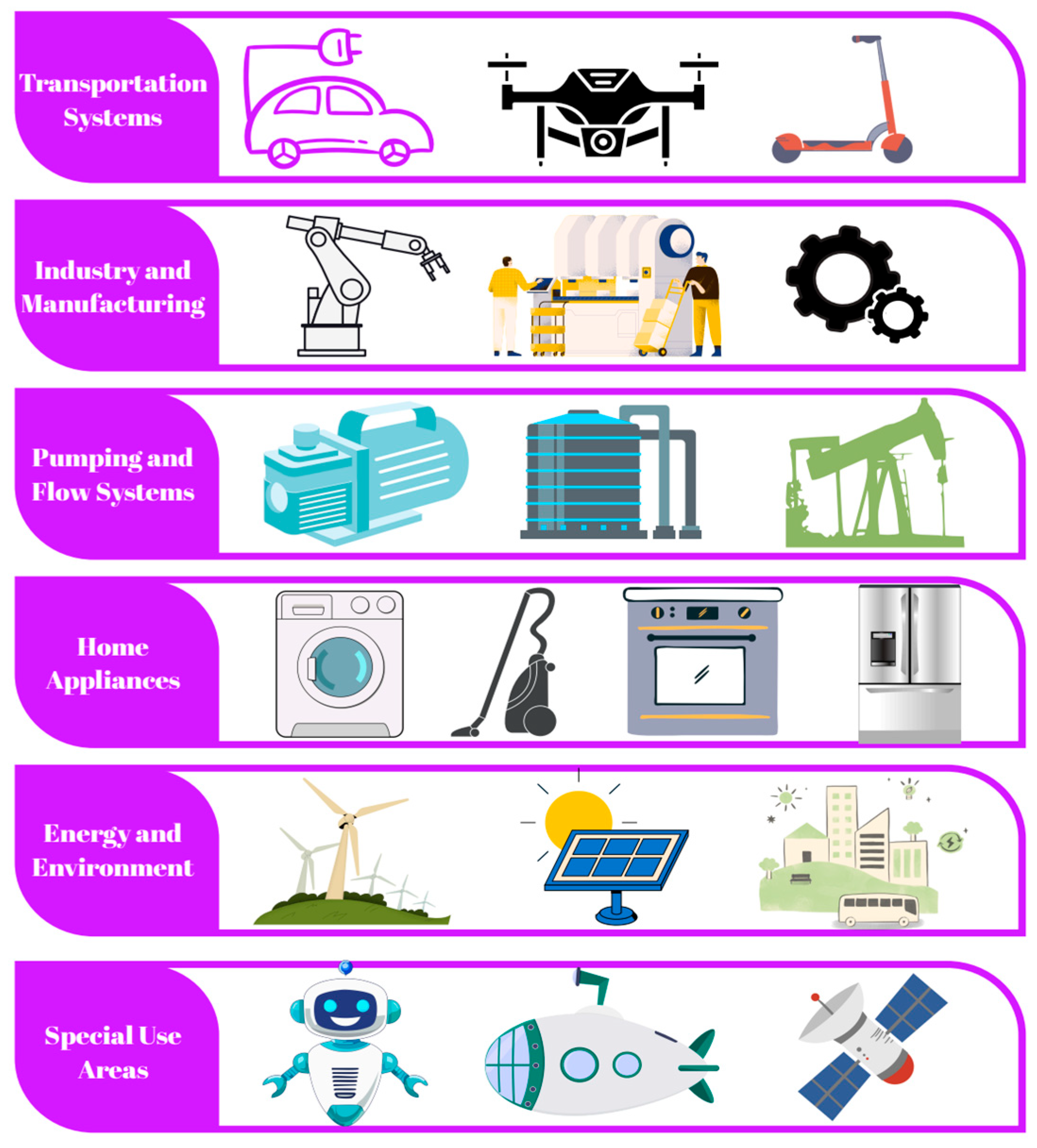
2]. These features have led to their widespread use in a wide variety of applications, from automotive to defense industries and household appliances to medical devices [
3].
The production of these motors, which offer numerous advantages, has been supported by engineering approaches inspired by nature. Rotational motion mechanisms in biological systems attract attention with their high energy efficiency, low friction in fluid environments, and high maneuverability, forming an important reference for engineering designs [
4]. These similarities demonstrate that movement systems in nature can serve as a source of inspiration for innovative motor designs in engineering. The bacterial flagellum is the best-known example of this structure, as it is a biological nanomotor driven by a proton gradient at the cellular level; however, it is not the only example [
5]. Flow-directing mechanisms in fish fins, aerodynamic structures that create micro-vortices in dragonfly wings, and helical vane systems that enable some plant seeds to float in the air for long periods are also among nature’s successful rotor designs in terms of efficient rotation and thrust generation [
6].
The application of these biological principles to engineering systems has yielded particularly interesting results in rotor designs at both micro and macro scales. The literature shows that biomimetic airfoils have been developed to increase the efficiency of propellers used in unmanned aerial vehicles (UAVs), demonstrating that micro-indented surfaces like bird feathers reduce aerodynamic losses, while fish-fin-shaped wing tips reduce vortex-induced inefficiency [
7]. Studies have revealed that rotor blade profiles inspired by maple seeds and similar helical seed geometries provide high thrust and stable rotation behavior even at low speeds, demonstrating that biological inspiration directly contributes to engineering performance [
8]. Another study shows that biomimetic propellers offer advantages such as noise reduction, vibration reduction, increased gliding efficiency, and higher lift force with lower energy consumption, particularly in multi-rotor UAVs [
9].
Therefore, these aerodynamic and hydrodynamic advantages provided by biological systems are not merely a conceptual source of inspiration; they find direct application in UAVs equipped with BLDC motors, micro-robotic systems, small powerful electric propulsion systems, and rotor architectures operating at low Reynolds numbers. Notable results in this field include the increased stability of multi-rotor propulsion structures that mimic multi-tail logic, the high thrust produced by helical blade geometries even at low speeds, and the improved boundary layer behavior of surface textures in microstructures [
10].
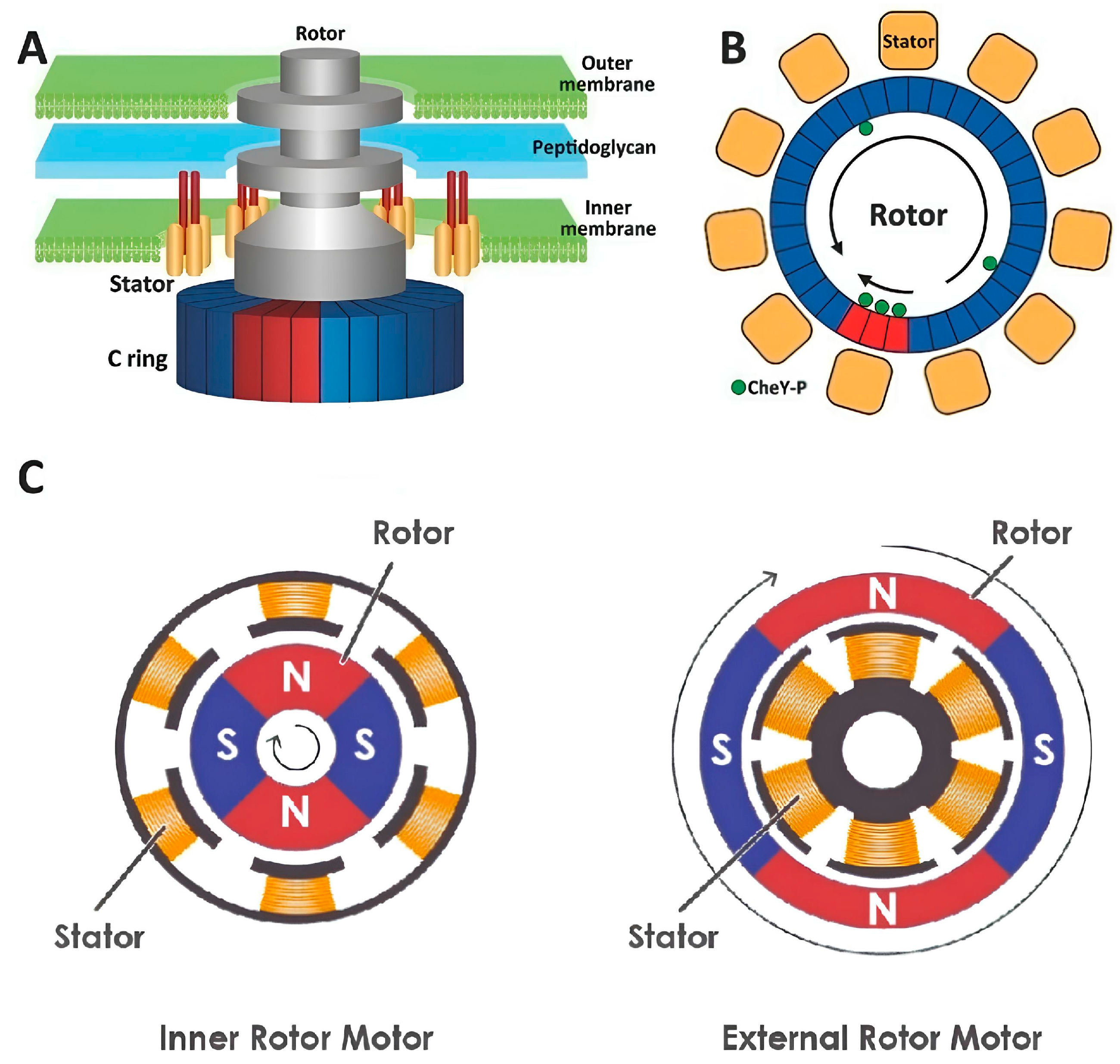
In this context, there is a striking similarity between the working principle of the bacterial flagellum and the electromagnetic drive mechanism of the BLDC motor. In this context,
Figure 1A,B show the bacterial flagellum mechanism, whereas
Figure 1C shows the different BLDC types (inner and external rotor BLDC types). The fundamental principle in both systems is the conversion of energy into rotational motion, torque generation, and optimization of fluid motion. Therefore, biologically inspired rotor and propeller designs are gaining importance as a noteworthy research area in UAVs, micro air vehicles, robotic systems, and low-noise electric propulsion applications using BLDC motors.
This similarity is not merely a theoretical analogy; in recent years, interest in nature-inspired designs has increased in engineering. Advantages such as low noise, high lift efficiency, and reduced friction in fluids, observed in biological structures, are being adapted to rotor and propeller systems driven by BLDC motors. The studies in the literature focus on multi-segmented and aerodynamically optimized rotor structures like bacterial flagella [
11,
12,
13]. This biomimetic approach has created an important research area aimed at improving BLDC motor performance in both micro-flying vehicles and UAVs.
Figure 1.
Similarity between the biological motor structure of the bacterial flagellum and the engineering structure of the BLDC motor; (
A,
B) the bacterial flagellum mechanism, (
C) different BLDC types [
4,
5].
Figure 1.
Similarity between the biological motor structure of the bacterial flagellum and the engineering structure of the BLDC motor; (
A,
B) the bacterial flagellum mechanism, (
C) different BLDC types [
4,
5].
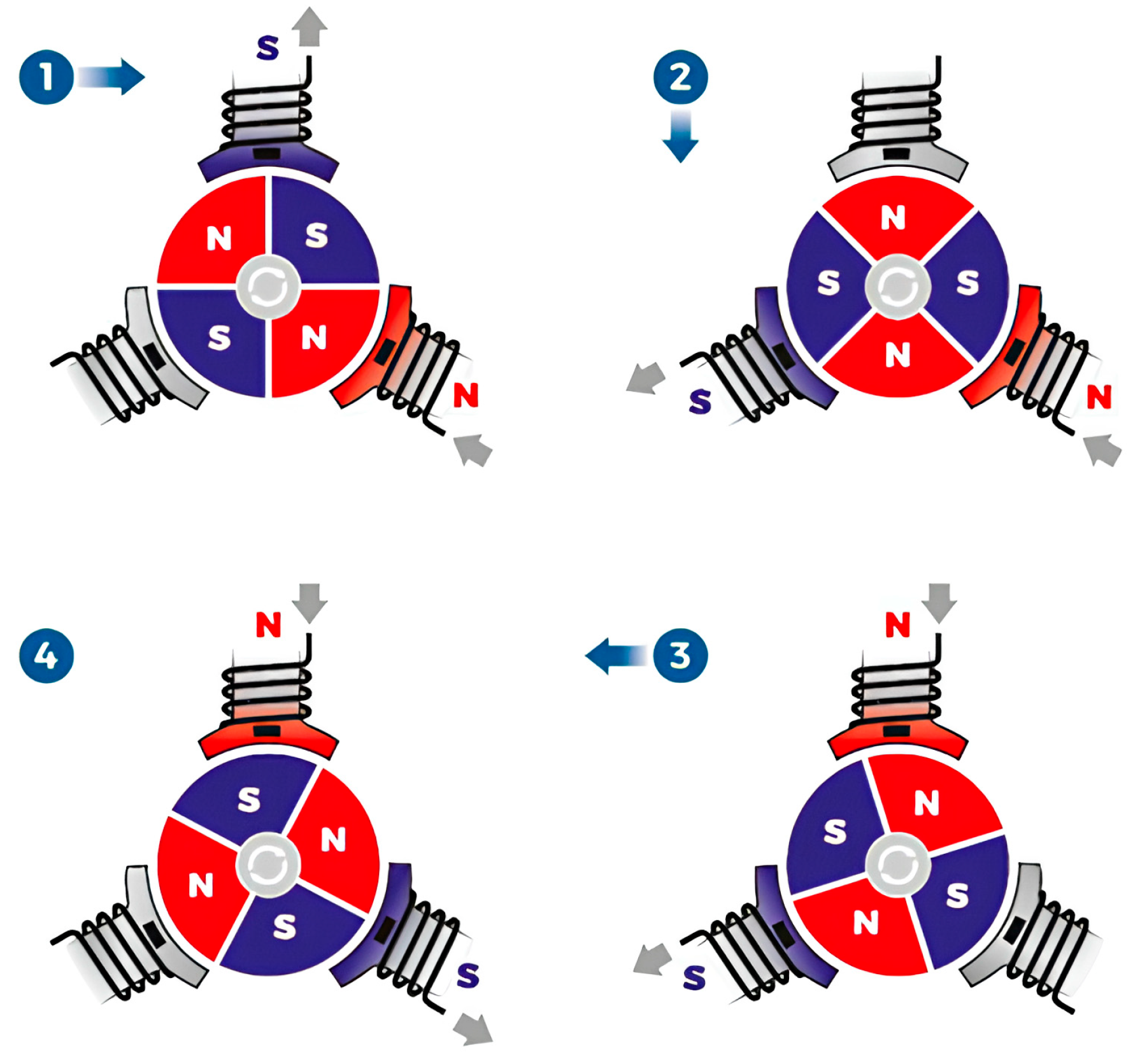
The main reasons for the widespread use of BLDC motors are their technical advantages, such as high efficiency, compact structure, quiet operation, low maintenance, high torque-to-weight ratio, and high dynamic performance [
4,
5]. Owing to their permanent magnet rotor structure, elimination of the need for brushes and commutators greatly reduces energy losses and mechanical wear caused by friction [
14,
15]. These structural advantages make BLDC motors stand out in areas such as electric vehicles (EVs), unmanned aerial vehicles, robotic systems, and the aerospace and defense industries [
11].
Nevertheless, BLDC motors are known to have certain structural and functional faults despite these technological benefits. Particular faults that can negatively impact motor performance and system reliability include torque ripple, electromagnetic interference (EMI), acoustic noise, electronic commutation faults, rotor and stator faults, bearing faults, sensor faults, and thermal instability [
16]. Therefore, it is necessary to enhance both the motor design and control algorithms. To address these faults, advanced drive techniques, such as vector control, direct torque control, and artificial intelligence-based control, have been extensively studied in the literature [
17,
18,
19].
The increasing use of BLDC motors has necessitated more careful evaluation of potential faults in these motors. In particular, in motors operating at high speeds and under harsh conditions, intrinsic faults such as stator and rotor faults can cause serious system faults if not detected early [
20]. Therefore, developing fault diagnosis systems for monitoring the health status of motors and early detection of faults are of great importance. In the literature, the methods developed for this purpose are generally classified into three main groups: signal-based, model-based, and data-based approaches [
21,
22,
23]. Among these methods, motor current signature analysis, vibration analysis, acoustic emission measurements, artificial neural networks, support vector machines, and Bayesian classifiers stand out [
24].
In recent years, more reliable and accurate fault detection systems have been developed by combining multi sensor data with machine learning algorithms [
22]. The features obtained from vibration and current signals are transferred to artificial intelligence models, and possible faults in both the electrical and mechanical components of the motor can be classified with high accuracy [
25]. In such studies, third harmonic analysis, kurtosis, and statistical measurements can be used to make detailed inferences about the magnitude and type of failure [
25,
26].
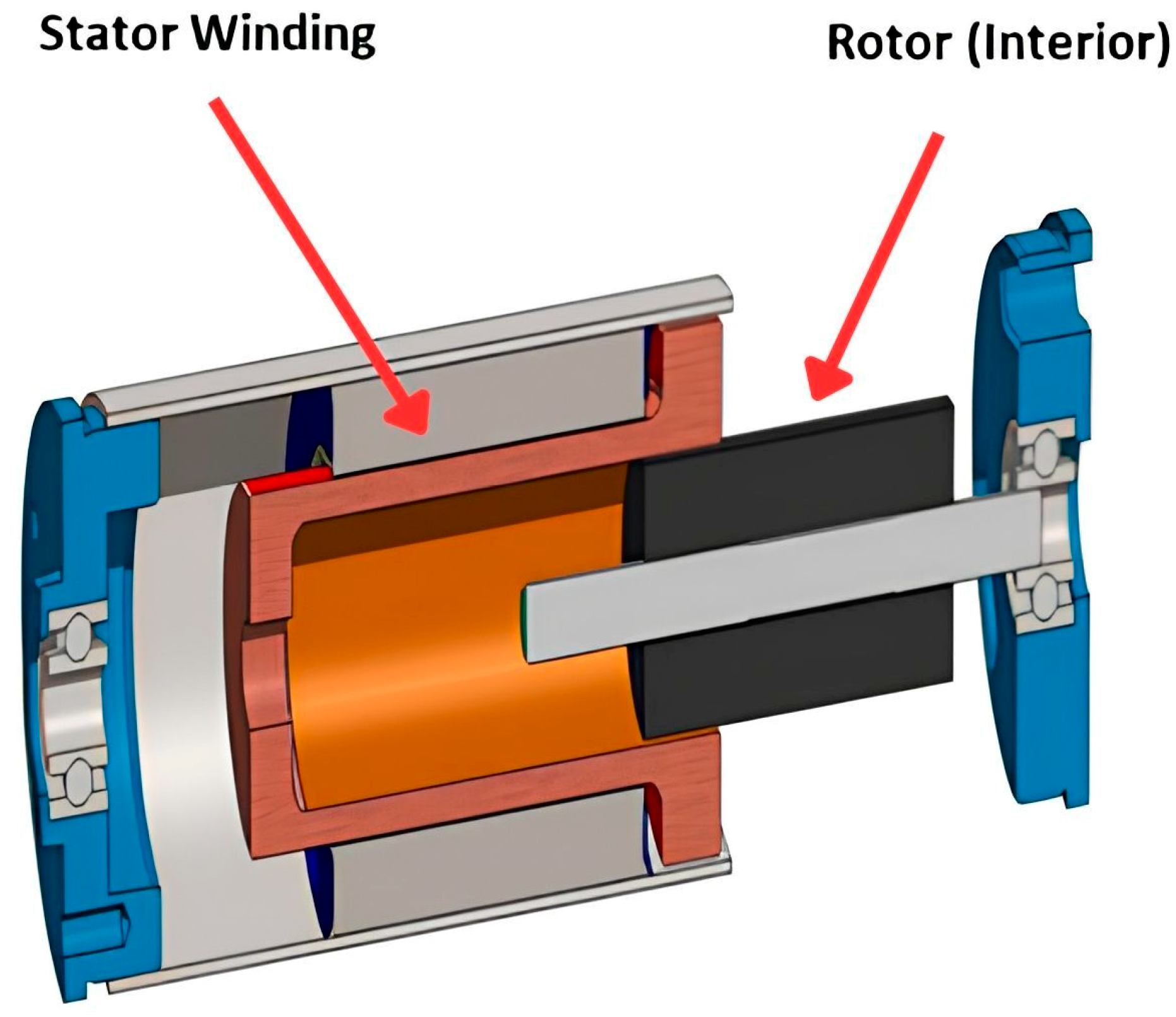
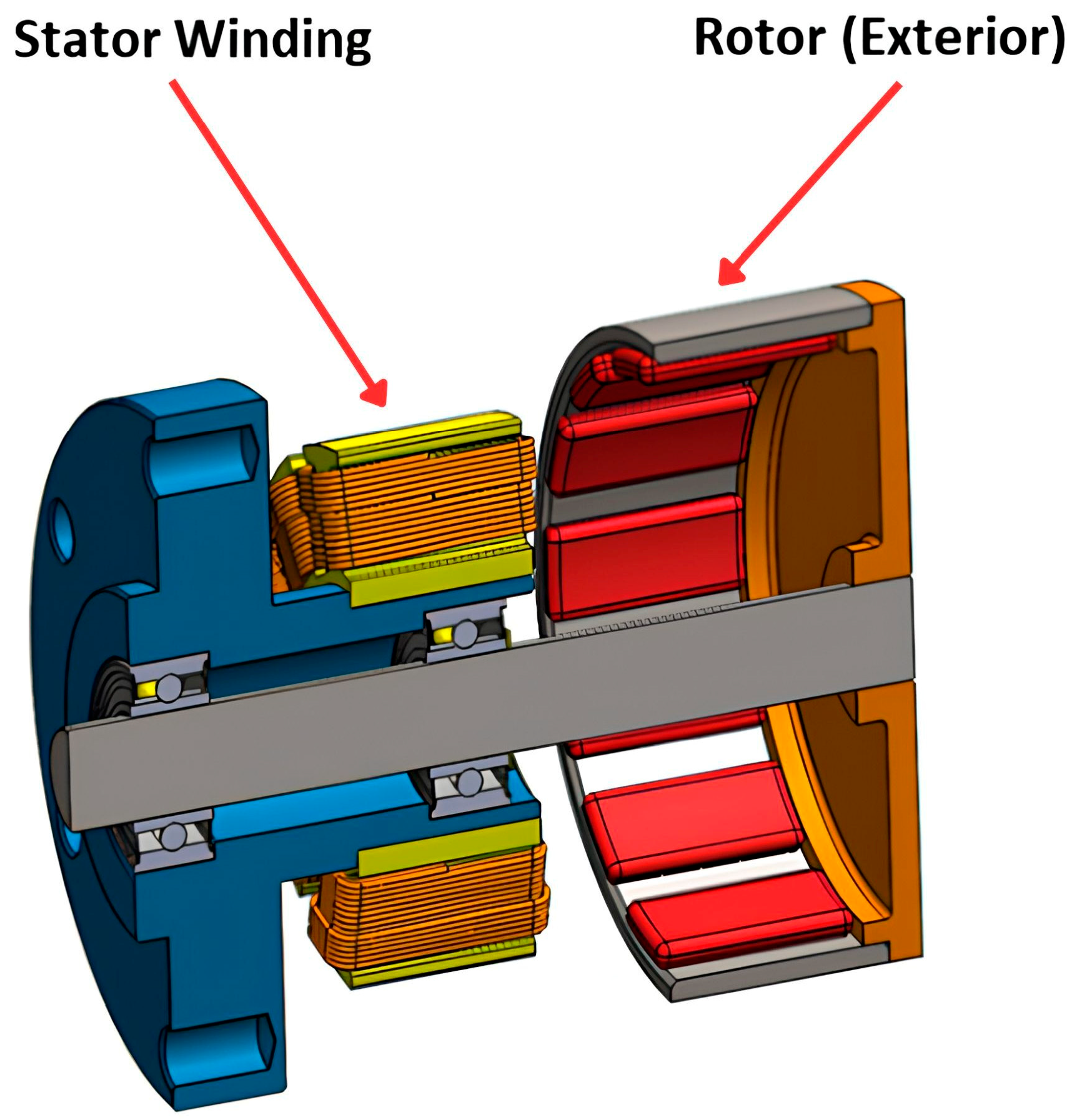
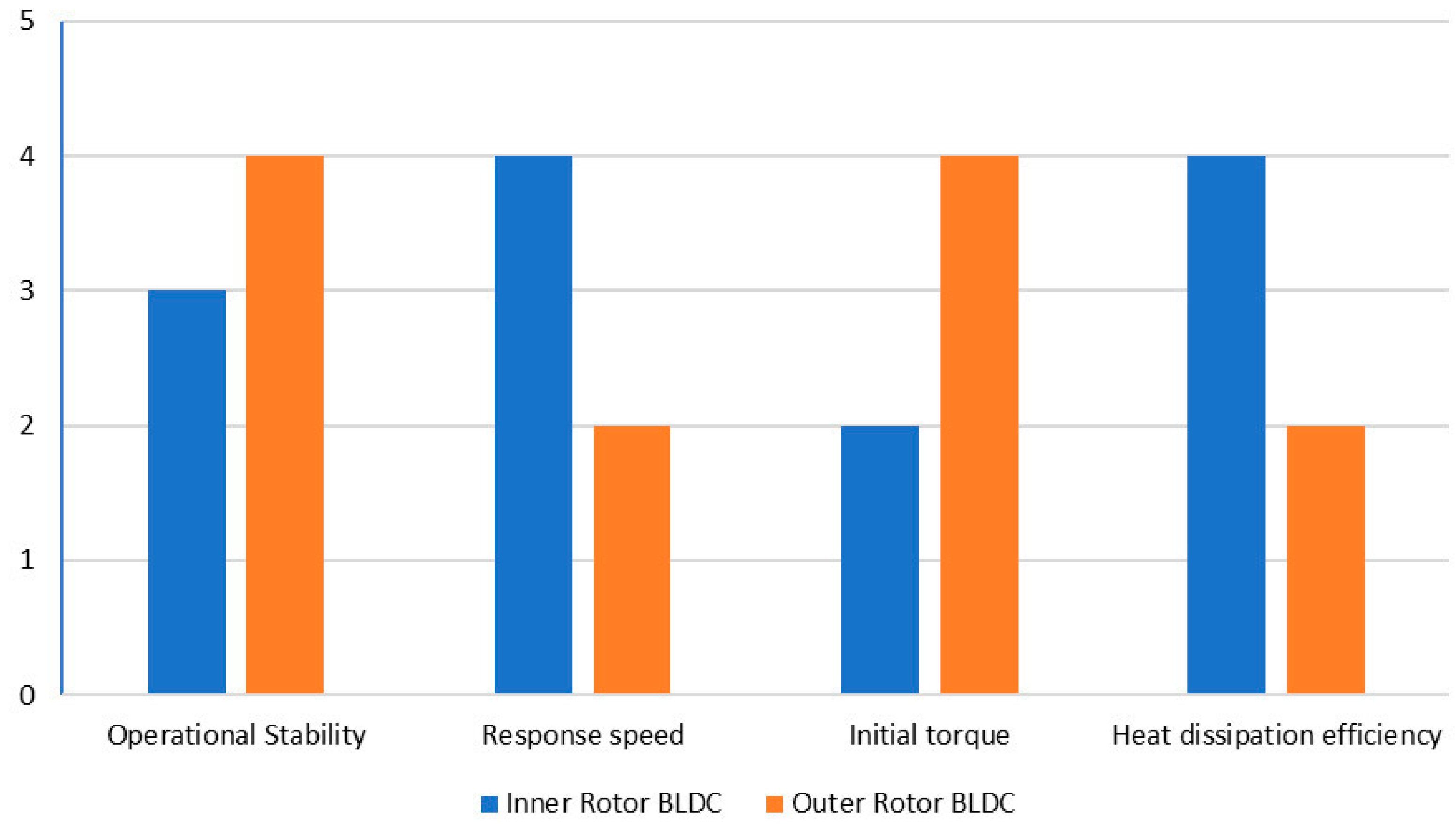
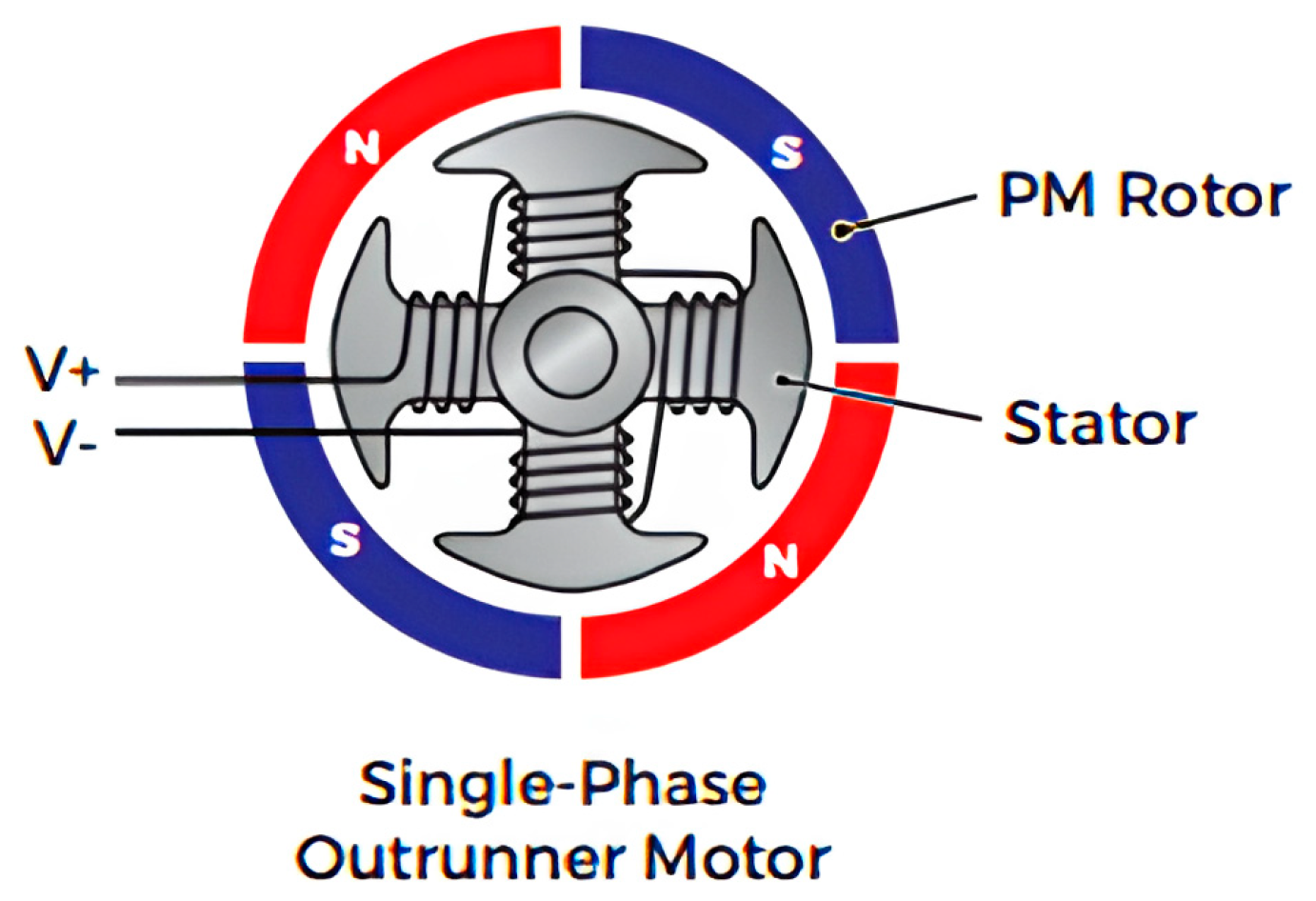
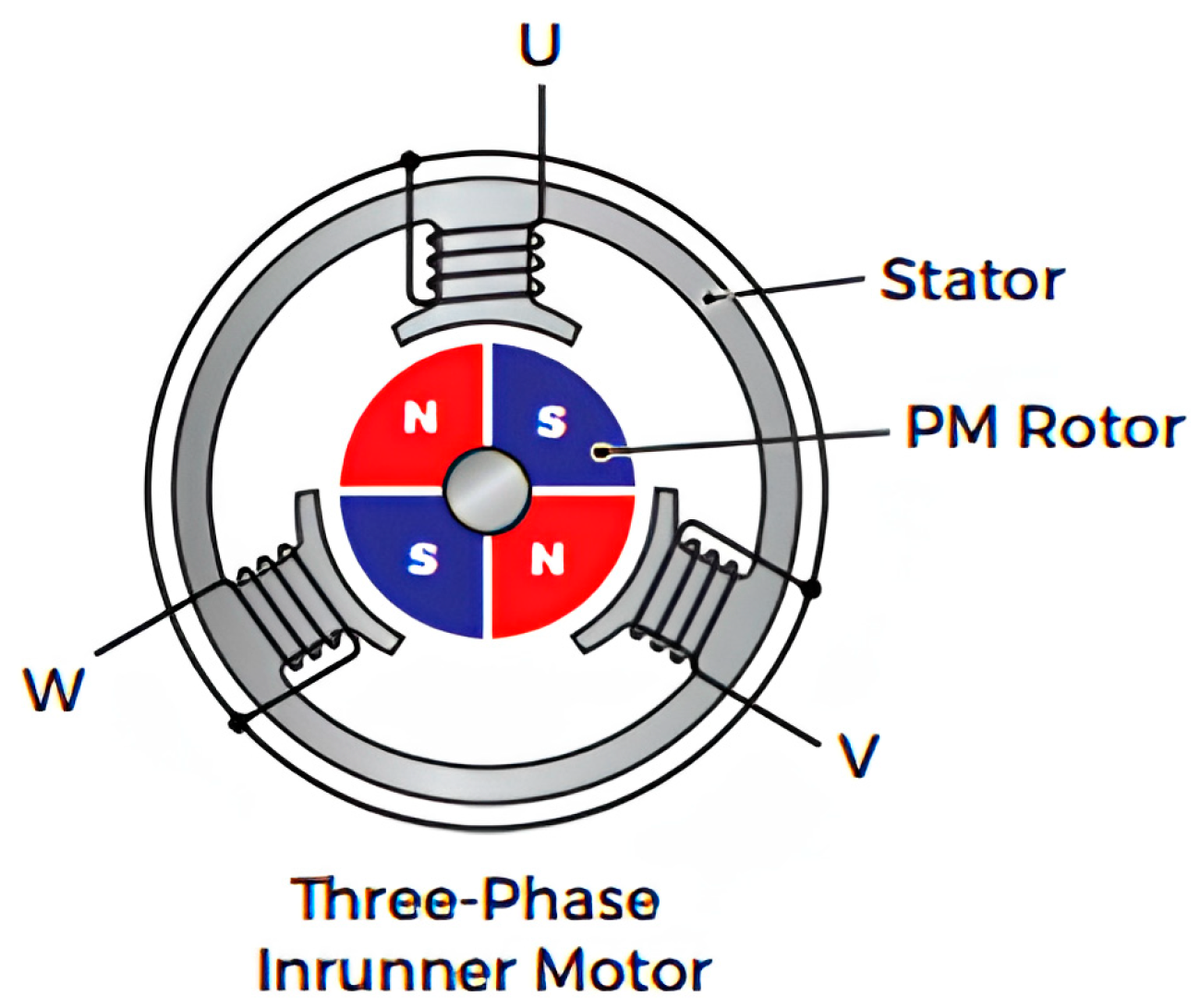
BLDC motors are classified according to their structure. There are two main structures: inner rotor and outer rotor types [
27]. While inner rotor motors are preferred in applications requiring high speed and low torque, outer rotor motors are used in systems requiring low speed and high torque [
28,
29]. There are also structural differences between systems that use sensors to determine the rotor position and those that operate without sensors. Although sensorless systems offer advantages in terms of cost and simplicity, they have disadvantages, such as the inability to accurately determine the rotor position at low speeds [
30]. This necessitates the development of special techniques, such as initial position detection.
Modeling and simulation of BLDC motors are also important for the development of control and fault detection systems. Methods used for estimating motor parameters include estimation error methods, continuous-time system identification algorithms, and Fourier transforms [
31]. These models have been successfully used in both simulation and real-time microcontroller-based applications [
32,
33]. In addition, some studies have shown that these models, which are implemented in low-cost embedded systems, yield effective results in field applications [
34].
This study aims to comprehensively evaluate the structural characteristics of BLDC motors, motor types, common failure types, and diagnostic methods for these failures by examining the relevant literature with a disciplined and holistic approach. The main objective of the study is to eliminate the fragmented nature of existing research, present the information systematically and coherently, and clarify technical concepts that are often confused in the literature. In this regard, the study reexamines the existing knowledge on both the mechanical and electrical components of BLDC motors through a detailed analysis, discussing failure mechanisms along with their effects and presenting a holistic perspective on the advantages and limitations of different diagnostic approaches. Furthermore, in light of the gaps identified in the literature, technical requirements and potential areas for development that could guide future research are discussed, highlighting where BLDC motor technology needs to advance in terms of academic research and industrial applications. In this respect, the study aims to provide a framework of reference for researchers in the field, focusing on both theory and practice.
5. BLDC Motor Fault Detection Methods
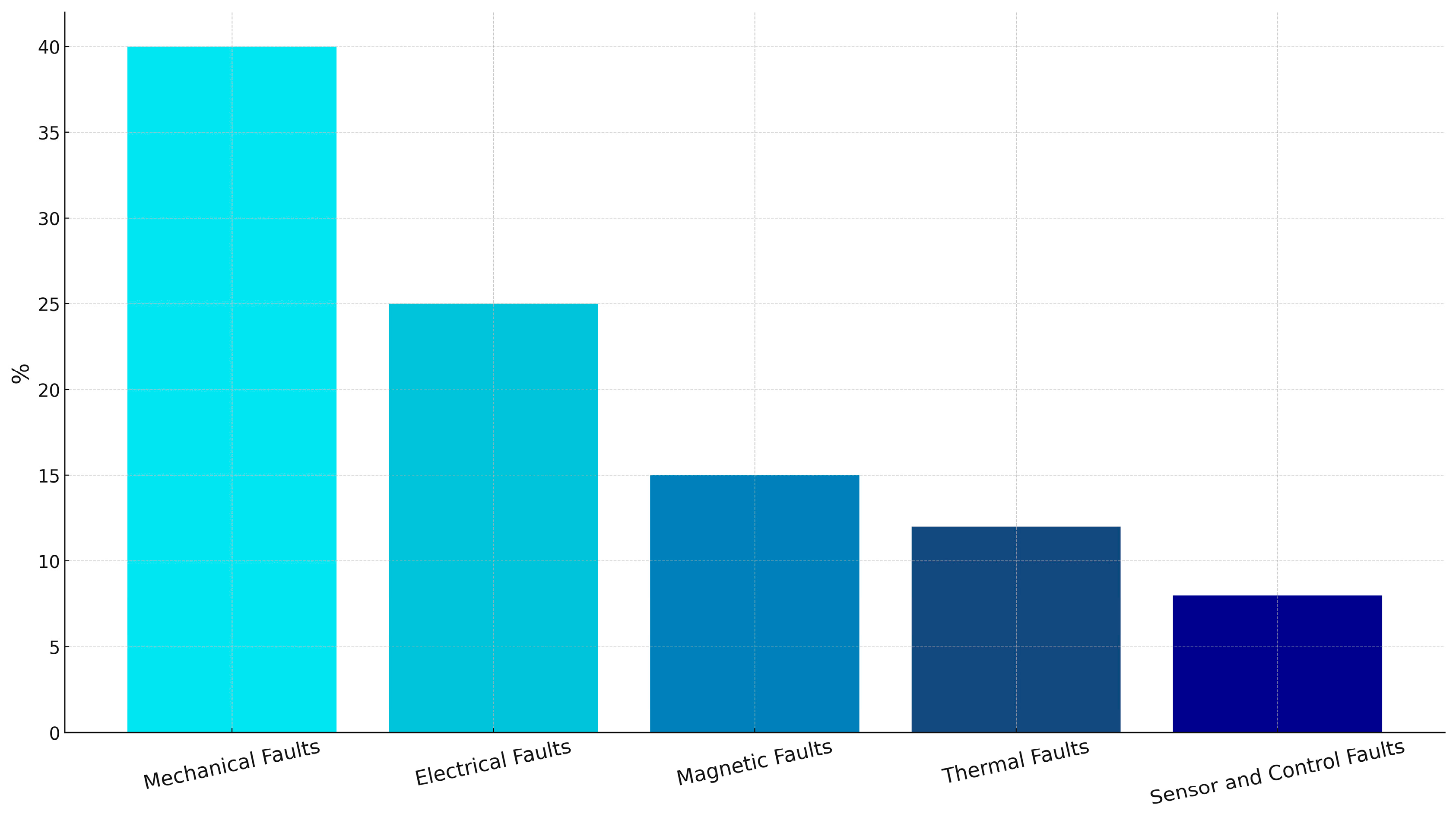
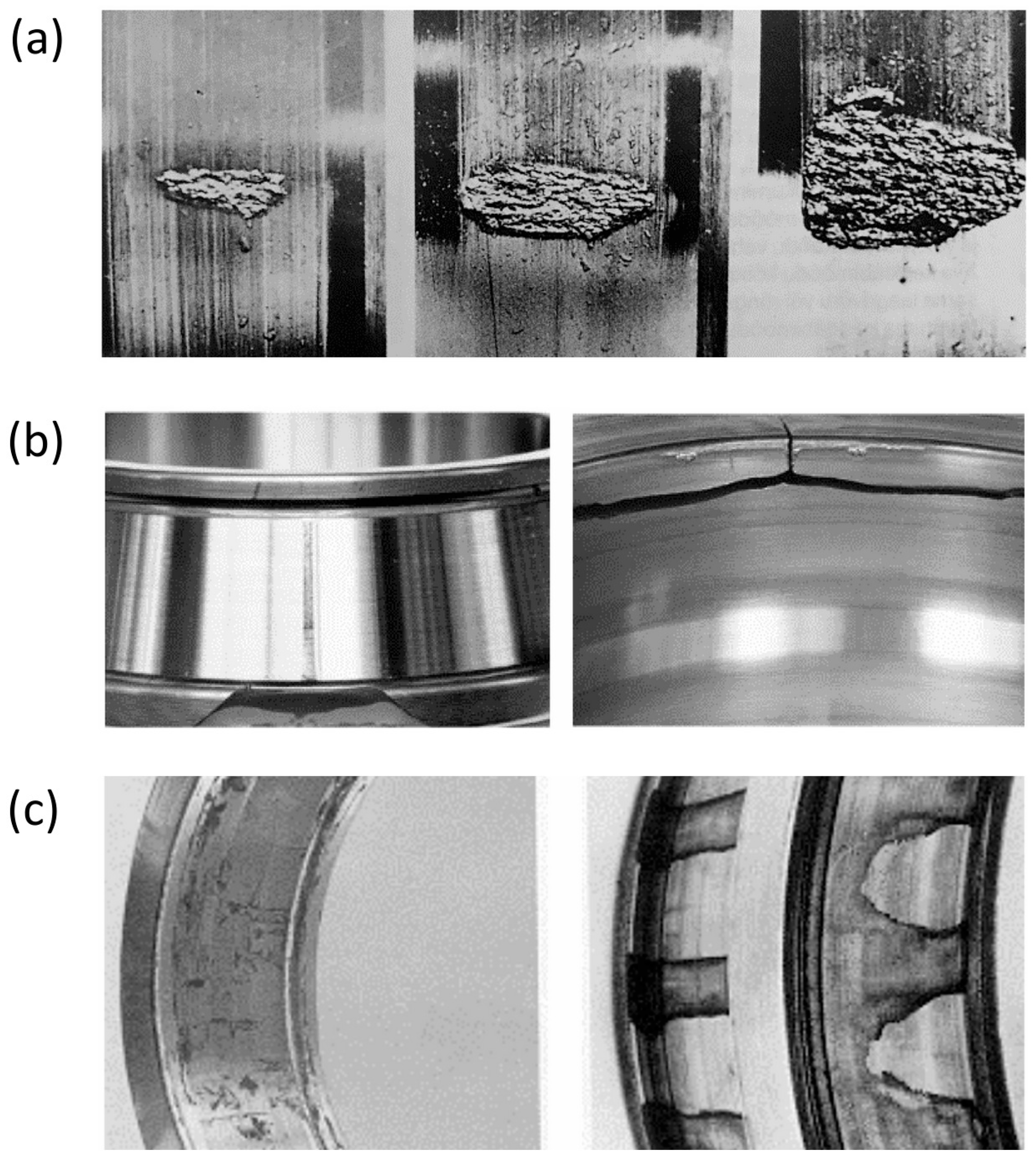
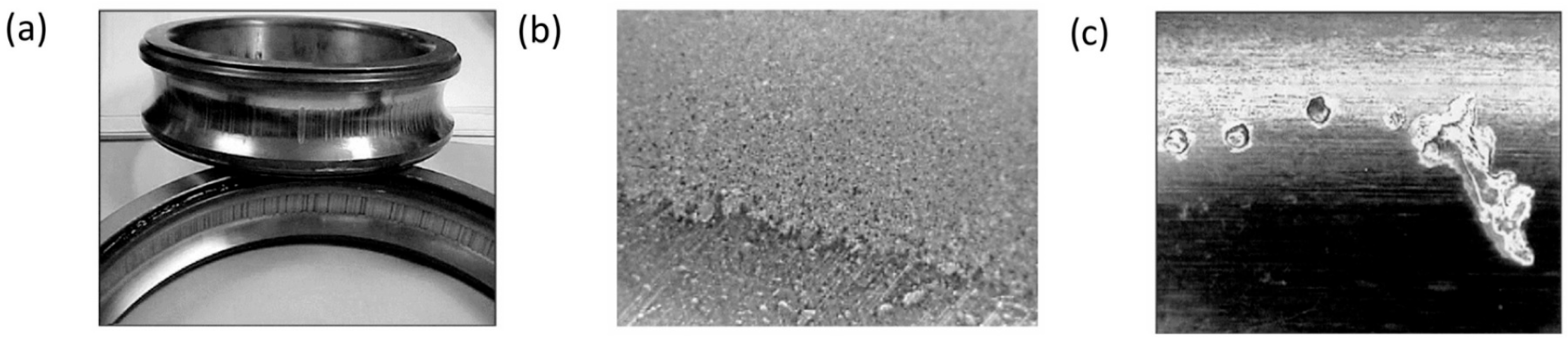
Section 4 classifies faults observed in BLDC motors as mechanical, electrical, magnetic, thermal, or sensor-driven. These faults occur in different components of the motor and negatively impact performance, efficiency, and reliability. Mechanical faults are generally caused by bearing, shaft, and rotor imbalance, while electrical faults are associated with insulation failure, short circuits, and shaft currents [
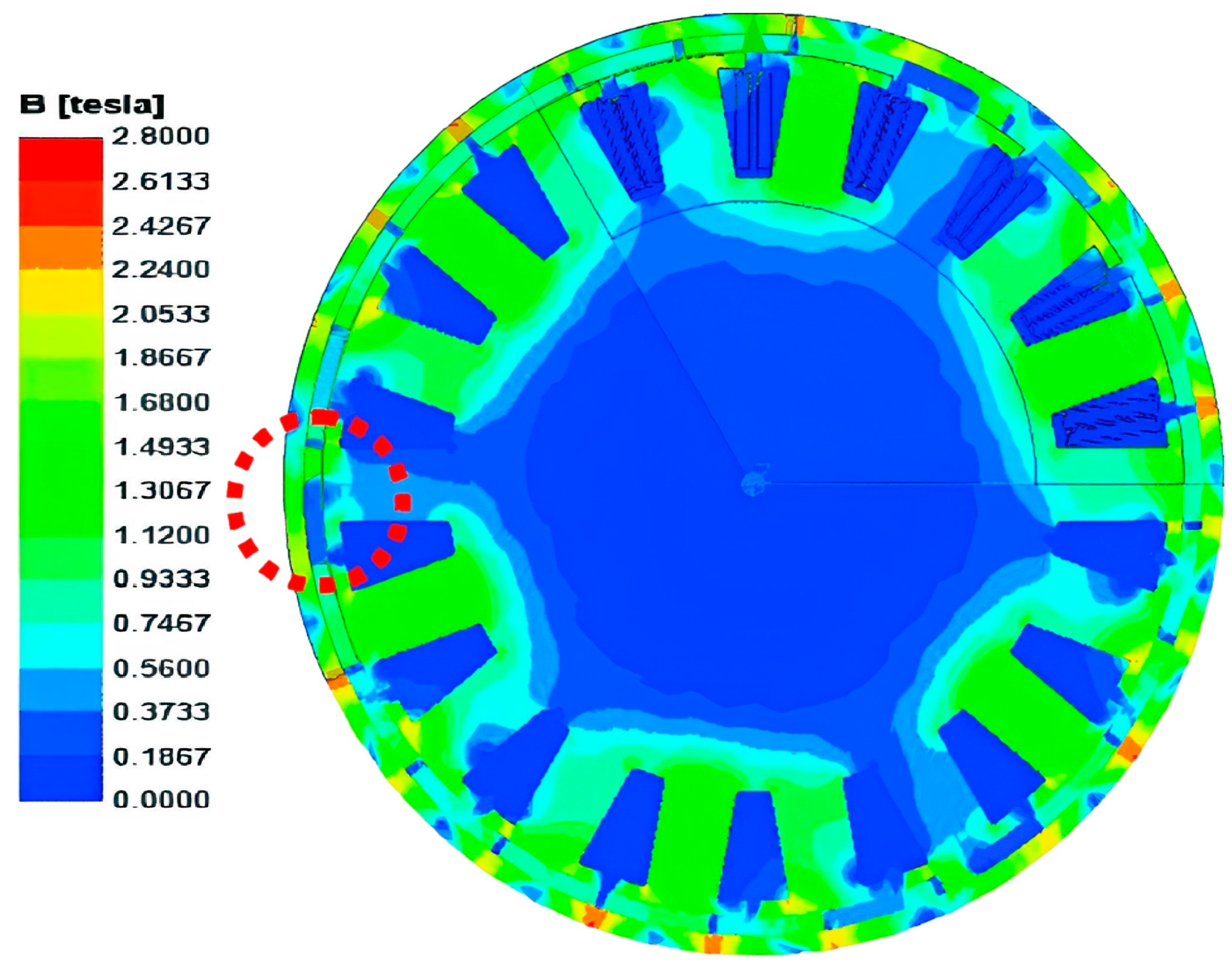
91]. Magnetic faults are caused by magnet breakage, cracking, or demagnetization, while thermal faults are caused by high temperatures and inadequate cooling [
101]. Sensor and control faults are associated with position sensing errors, control circuit failures, or software-based commutation faults [
110,
111].
Table 8 lists the fault types, causes, and detection methods identified in
Section 4. To improve motor reliability, it is crucial to accurately classify fault types and apply specific detection methods for each type.
The mechanical, electrical, magnetic, thermal, and sensor-related faults summarized in
Table 8 represent the most common fault types encountered in BLDC motors. However, identifying these faults requires advanced diagnostic systems that combine multi-dimensional data analysis, signal processing, and AI-enabled methods, rather than relying solely on the traditional approach of physically inspecting the motor. Due to the complex structure and dynamic operating conditions of BLDC motors, each fault type generates unique frequency, vibration, and current values. This necessitates the use of multidisciplinary analysis techniques to ensure accurate and rapid fault detection.
Table 8.
Types of faults in BLDC motors, their causes, and detection methods [
115].
Table 8.
Types of faults in BLDC motors, their causes, and detection methods [
115].
| Fault Type | Cause of Formation | Symptoms | Detection Methods |
|---|
| Mechanical Faults | Misalignment, insufficient lubrication, overload, vibration | Increased vibration, noise, irregular rotation, excessive heating | Vibration analysis, acoustic signal analysis, speed fluctuation measurement, condition monitoring sensors |
| Electrical Faults | Insulation breakdown, excessive current, harmonics, sudden temperature change | Current imbalance, excessive current draw, motor failure, burning smell | Current-voltage analysis, impedance measurement, signal monitoring with oscilloscope, harmonic analysis |
| Magnetic Faults | High temperature, impacts, manufacturing defects, prolonged overload | Torque fluctuations, loss of efficiency, irregular speed changes | Magnetic flux measurement, Hall sensor data, FEM-based analysis, magnetic field scanning |
| Thermal Faults | Insufficient cooling, high current, increased ambient temperature | Insulation melting, performance decline, motor stoppage | Thermal camera measurements, temperature sensors, thermal modeling, IR thermography |
| Sensor and Control Faults | Sensor failure, EMI effects, software or control circuit failure | Incorrect speed/position information, irregular operation, sudden motor stoppage | Sensor signal analysis, fault code diagnosis, control circuit tests, shaft current measurement |
In the literature, fault detection methods are generally classified under five main headings: signal processing techniques; model-based methods; artificial intelligence-based methods; data-based methods; and thermal and magnetic monitoring-based methods [
116]. Because each approach has different advantages and limitations, it is important to choose the appropriate method depending on the fault type, system structure, and available data. This section will discuss these methods in detail, including the conditions under which faults in BLDC motors can be detected using these techniques, sample applications from the literature, and the practical effectiveness of these methods from an academic perspective.
5.1. Signal Processing Methods
One of the most widely used methods for detecting faults in BLDC motors is signal processing. These methods are based on the mathematical and statistical analysis of signals such as current, voltage, vibration, or acoustic noise obtained during motor operation [
117]. Directly examining signals in the time domain provides significant advantages, especially for understanding transient behavior during sudden load changes or start-up. Using signal processing, damage to the bearing system of a BLDC motor can be observed as spikes and irregular vibrations in the time signal. The presence and severity of a fault can be assessed by calculating statistical parameters such as mean, variance, peak value, or kurtosis. This method can detect not only BLDC faults but also ESC faults in BLDC motors [
118].
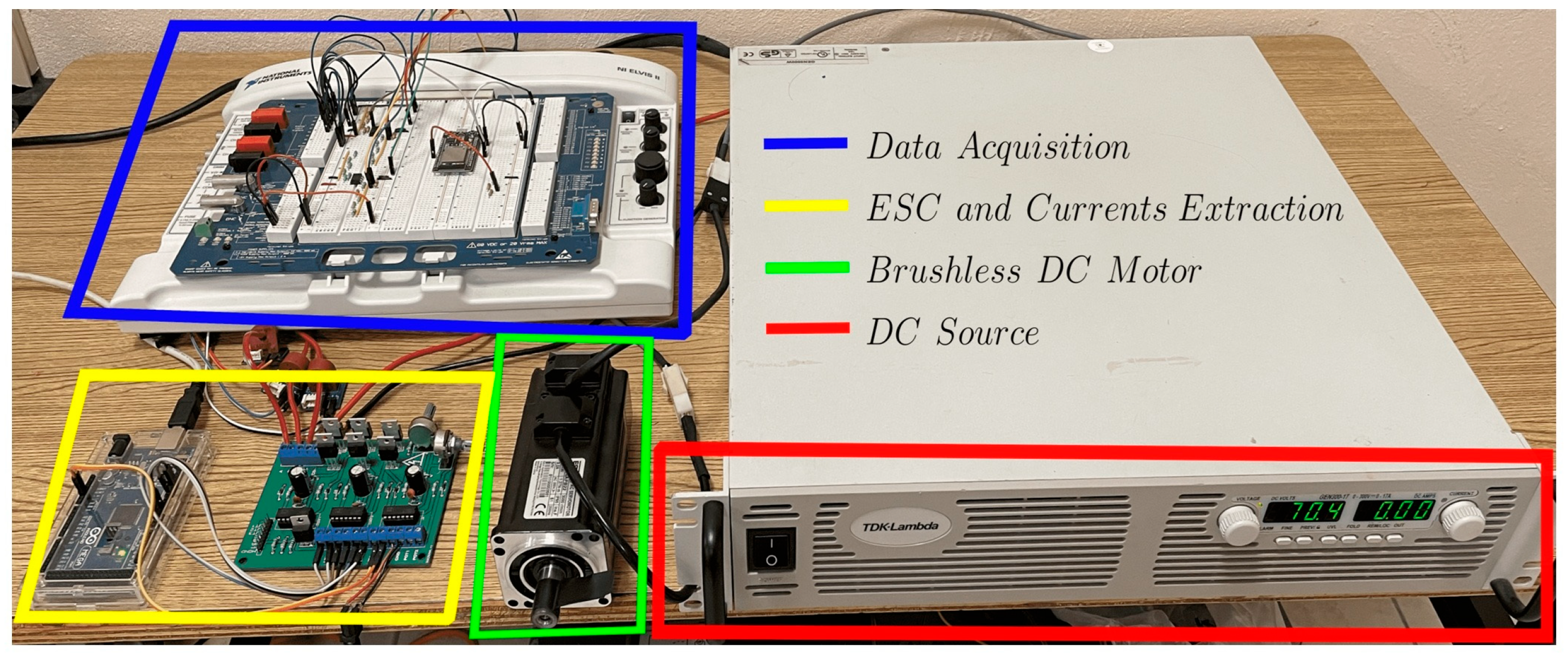
Figure 15 shows the setup of a data collection study for ESC fault detection.
Figure 15.
Current data collection study in brushless motors used for ESC fault diagnosis [
118].
Figure 15.
Current data collection study in brushless motors used for ESC fault diagnosis [
118].
However, analyses performed in the time domain may not always be sufficient. The motor’s frequency components provide more effective fault detection. Therefore, transferring signals to the frequency domain using Fourier transform is an effective method for diagnosing electrical faults [
119]. In BLDC motors, electrical faults, such as short circuits or phase breaks in the stator windings, produce characteristic harmonic components [
120]. The fast Fourier transform enables fault diagnosis by isolating these components. Furthermore, power spectral density analysis reveals noise sources or magnetic imbalances by examining the motor’s energy distribution in the frequency domain. For example, in the case of rotor shaft misalignment, prominent sideband frequencies are observed in the stator current. While these methods provide high accuracy during continuous operation, they may be limited in detecting short-term, sudden faults [
121].
The Fourier transform divides the motor signal into specific time intervals and performs frequency analysis at each. This method allows us to monitor how instantaneous load changes or sudden voltage imbalances in BLDC motors evolve over time. More advanced wavelet transform techniques are particularly suitable for analyzing transient and nonlinear signals [
122,
123]. Short-term events such as rotor magnet failure or insulation weakening become apparent through wavelet analysis. In recent years, the Hilbert–Huang transform has also been favored for the separation of nonlinear and nonstationary motor signals [
124]. This approach provides a more detailed understanding of mechanical and electrical faults by examining the motor’s complex vibration patterns.
Taken together, it is clear that signal processing techniques play an important role in BLDC motors for both early fault diagnosis and periodic maintenance planning. However, because each method has its own advantages and limitations, hybrid approaches are often preferred in practical applications [
125]. When a BLDC motor is used in a compressor system, vibration signals can be initially analyzed in the time domain for preliminary assessment. Then, fault frequencies can be determined using frequency-based analysis. Finally, the transient nature of the fault can be examined in detail using the wavelet transform. This provides high reliability in detecting both permanent and transient faults.
5.2. Model-Based Methods
Model-based methods for fault diagnosis in BLDC motors involve creating a physical or mathematical model of the system and then comparing the predicted behavior with actual system data [
126]. The primary goal of this approach is to create a reference model representing the normal operating conditions of the motor and use the differences between the measured data and this model as fault indicators. Consequently, the fault detection process is closely linked to understanding and modeling the system dynamics. There are generally two main approaches to model-based methods: analytical modeling and state-observer-based modeling methods [
127]. Analytical modeling involves mathematically representing the motor, and the relationships between current, torque, speed, and electromotive force are usually described by differential equations [
128]. Significant deviations from this mathematical model are observed when conditions such as winding short circuits, rotor magnet failures, or torque fluctuations occur in BLDC motors. Therefore, the presence and type of fault can be determined by analyzing the magnitude of the error between the measured signals and the model outputs.
In contrast, state-observer-based methods aim to estimate the system’s state variables in real time. Kalman filters, extended Kalman filters, sliding-mode observers, and Luenberger observers are frequently used for this purpose [
129]. Kalman-based methods are widely preferred for fault detection because they can accurately estimate motor parameters in environments with high measurement noise [
130].
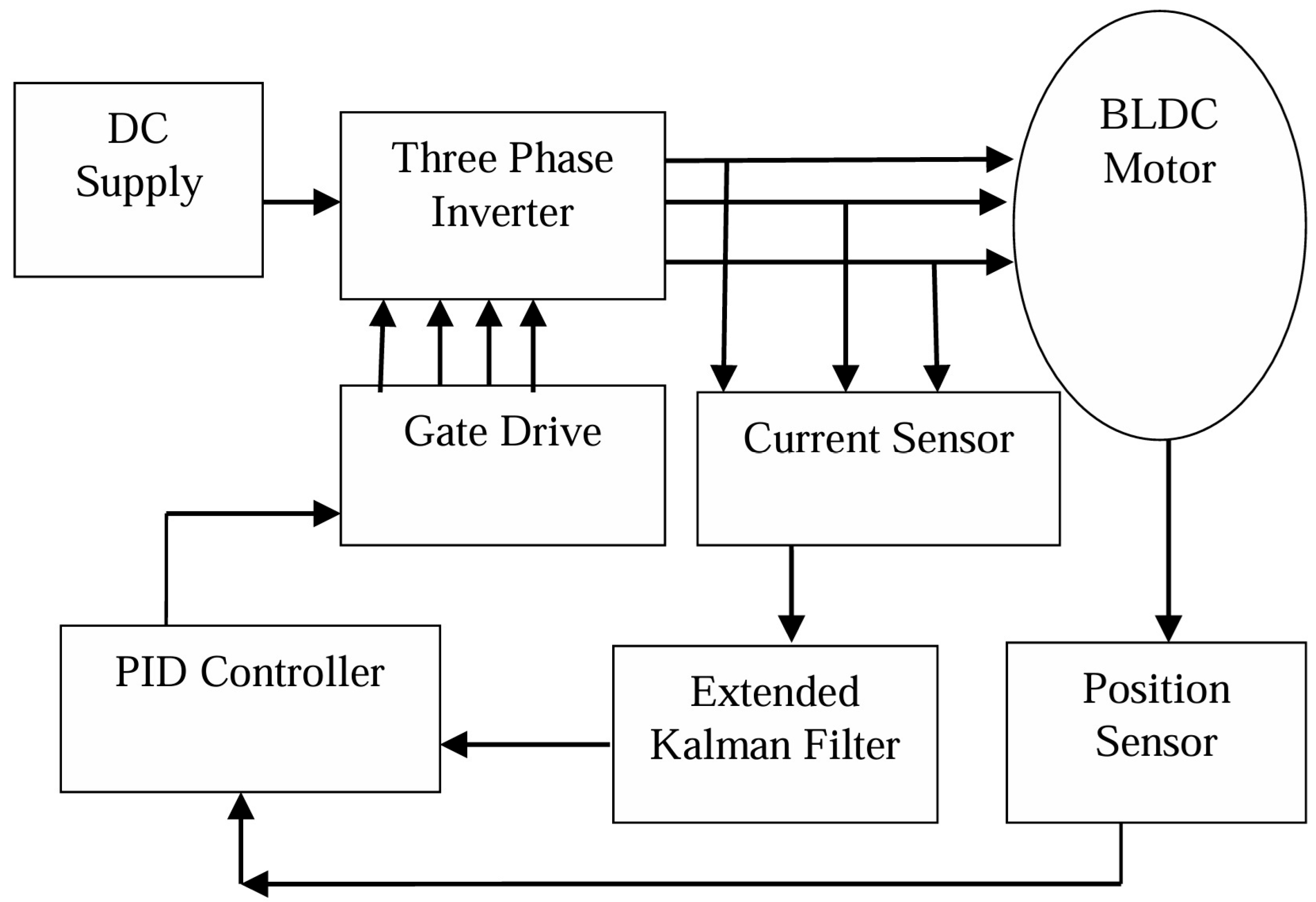
Figure 16 shows the block diagram of the extended Kalman filter for BLDC motor faults. These observers estimate normal system behavior based on the motor model. A difference between the measured and predicted values exceeding a certain threshold indicates a potential fault.
Figure 16.
Extended Kalman filter for BLDC motor fault detection [
129].
Figure 16.
Extended Kalman filter for BLDC motor fault detection [
129].
In BLDC motor applications, model-based approaches are highly effective in early detection of disturbances that affect system dynamics, such as electrical faults and magnetic imbalances [
126,
127]. In a BLDC motor, phase current imbalances or changes in electromagnetic torque can cause deviations from model predictions, and these differences can be used to determine the magnitude and location of the fault. Furthermore, in hybrid systems where thermal models are integrated, motor parameter changes resulting from temperature increases can be monitored using model-based controllers. This allows for the prediction of faults resulting from overheating.
The main advantage of these methods is that they require a deep understanding of the physical system, enabling high-accuracy fault detection. However, this also presents a limitation, as all motor parameters must be known to obtain accurate results. Furthermore, as model complexity increases, so does the computational load, which limits processor capacity, especially in real-time applications [
131]. In this context, model-based methods provide a robust theoretical framework for fault diagnosis in BLDC motors, performing particularly well in applications where the system dynamics are well understood and sensor data is reliable. Recent studies have integrated these methods with AI-based techniques to create hybrid detection systems, combining the physical accuracy of the model with the generalizability of learning-based systems [
132,
133].
5.3. Artificial Intelligence-Based Methods
In recent years, AI- and machine learning-based methods have increasingly replaced traditional analytical approaches in motor fault detection [
132]. Classical mathematical models often fail to represent the entire behavior of such systems; therefore, data-driven and learning-based approaches offer a more flexible and adaptable solution [
133]. The complex electromechanical structure of BLDC motors, with their nonlinear and time-varying dynamics, makes AI-based models more successful than other methods [
134]. AI-based fault diagnosis begins with the extraction of statistical or spectral features from signals obtained during motor operation. These features are then converted into a feature vector and fed into classification, regression, or clustering algorithms [
135]. Classification-based methods are the most widely used strategy for determining the fault type. Algorithms such as artificial neural networks, support vector machines, decision trees, random forests, and k-nearest neighbors offer high accuracy in distinguishing between faulty and healthy conditions [
136]. Numerous studies in the literature have trained artificial neural networks based on vibration, current, and EMF signals for early diagnosis of BLDC motor faults [
132,
133,
134,
135,
136]. To detect winding short circuits in a faulty BLDC motor, time-frequency-based features extracted from phase currents are fed to a neural network; the network predicts the presence of a fault based on the differences between these patterns [
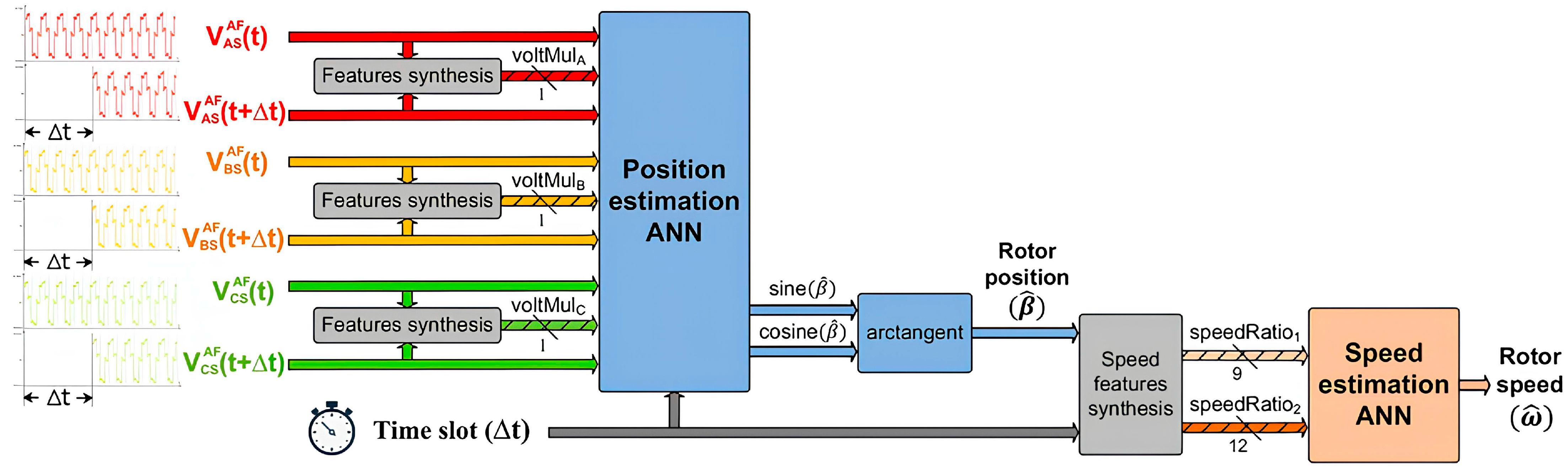
135,
136]. Similarly (
Figure 17), it classifies the fault types and determines the severity of faults using the position of the motor.
Figure 17.
Block diagram of the ANN prediction algorithm for BLDC motor fault detection [
136].
Figure 17.
Block diagram of the ANN prediction algorithm for BLDC motor fault detection [
136].
In addition to machine learning techniques, deep learning-based approaches have become increasingly prominent in recent years. Convolutional neural networks can perform fault detection directly on raw data, eliminating the need for manual feature extraction from motor signals. CNN models have a high success rate in analyzing complex signal patterns, particularly those of BLDC motors, such as magnetic imbalance and bearing failure [
137,
138]. Furthermore, recurrent neural networks and long short-term memory networks are effectively used to predict fault evolution by learning time-dependent patterns in time-series data. The main advantage of these methods is that they can make decisions based solely on measured data, independent of the motor’s physical parameters [
136,
137]. This allows the system to be easily adapted to different motor types or operating conditions. However, a disadvantage is that large and balanced datasets are required to obtain accurate results. Insufficient data can lead to a decrease in the model’s generalization ability or an increased risk of misclassification. Consequently, recent research has focused on overcoming these limitations using techniques such as transfer learning, data augmentation, and hybrid models [
136,
137,
138]. Hybrid-based approaches increase fault detection accuracy and early diagnosis performance. The use of hybrid models in vibration-based fault detection has achieved a fault diagnosis accuracy rate of 98.8% in the literature [
139]. Furthermore, the use of these hybrid models has significantly reduced early diagnosis time [
137,
138]. Consequently, studies are being conducted on the development of self-learning predictive maintenance systems that integrate these approaches with model-based and signal processing techniques.
5.4. Data-Based Methods
This approach performs the fault detection process based on the statistical properties of the measurement data, without directly relying on the physical model or theoretical equations of the system. The basic principle is to analyze patterns and differences between large volumes of data obtained from the healthy and faulty states of the engine and to extract fault indicators from these differences [
140]. Therefore, data-based methods have an observation-based and empirical learning structure. The main advantage of these methods is that they eliminate the need for complex physical models. Because BLDC motors are nonlinear, multivariable, and dynamic systems, accurately modeling all physical parameters is both difficult and time-consuming. Data-based analysis overcomes this challenge by generating meaningful information directly from measured signals. The goal is to predict the system’s state by detecting hidden patterns, trends, or anomalies in time-series data.
The most common techniques used in data-based fault detection include statistical process control, principal component analysis, independent component analysis, cluster analysis, and correlation-based monitoring methods [
140,
141]. These methods identify deviations related to fault occurrence by establishing statistical relationships in motor operating signals. The power of data-based approaches lies in their potential to create early warning systems. Faults in BLDC motors typically develop gradually. Bearing damage begins with a slight increase in vibration, followed by current fluctuations and thermal instabilities. Data-based monitoring systems can provide early detection by statistically analyzing these small changes before any visible deterioration occurs. Sliding window-based analyses can dynamically assess engine health by monitoring trends in time-varying signals [
142]. In these systems, continuous data streams from the engine are collected via sensors, analyzed online, and sent to decision support systems. This provides real-time information about the engine’s operating status, enabling preventive maintenance decisions in the event of potential failures.
However, the accuracy of data-based methods depends largely on the quality of the data, the sampling rate, and the reliability of the measurements [
143]. Inaccurate estimates can occur due to noisy or missing data. Furthermore, processing high-dimensional data can incur significant computational costs. However, despite these drawbacks, the ability to detect fault signals directly from measurement data without the need for a physical model makes this method practical and reliable. As digital sensor technologies develop and big data infrastructures become widespread, data-based approaches are increasingly used in real-time fault diagnosis systems [
144]. Consequently, many recent studies have combined data-based methods with dimensionality reduction, feature selection, and machine learning approaches to develop hybrid systems [
133,
134].
5.5. Thermal and Magnetic Tracking-Based Methods
Thermal analysis and imaging-based fault detection methods are techniques that assess motor health by examining the thermal reflections of electrical and mechanical faults. Abnormal operating conditions in BLDC motors often result in localized temperature increases [
97]. Therefore, monitoring the temperature distribution is crucial for early fault detection and prevention. Thermal analysis evaluates the heat transfer dynamics of a BLDC motor. Under normal operating conditions, the temperature distribution on the motor surface is uniform. However, in the event of a fault, heat accumulates intensely at specific points. Partial short circuits in the stator windings of a faulty BLDC motor lead to increased current density in this region and abnormal heating. Similarly, rotor shaft misalignment or bearing failure cause mechanical losses from friction to be converted into thermal energy [
145]. Such conditions not only reduce the overall efficiency of the motor but can also lead to more serious long-term consequences such as insulation degradation and magnet remanence loss.
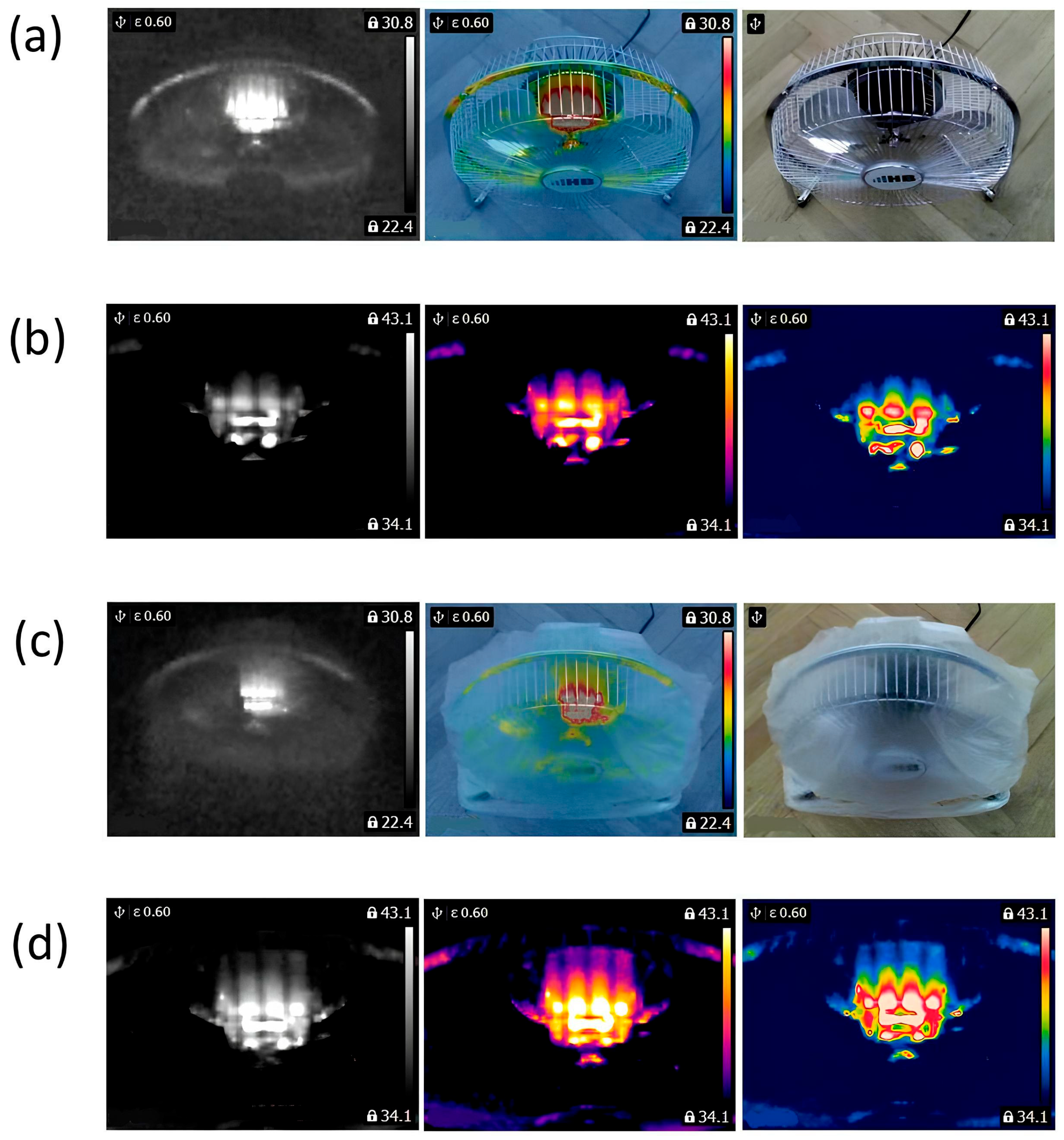
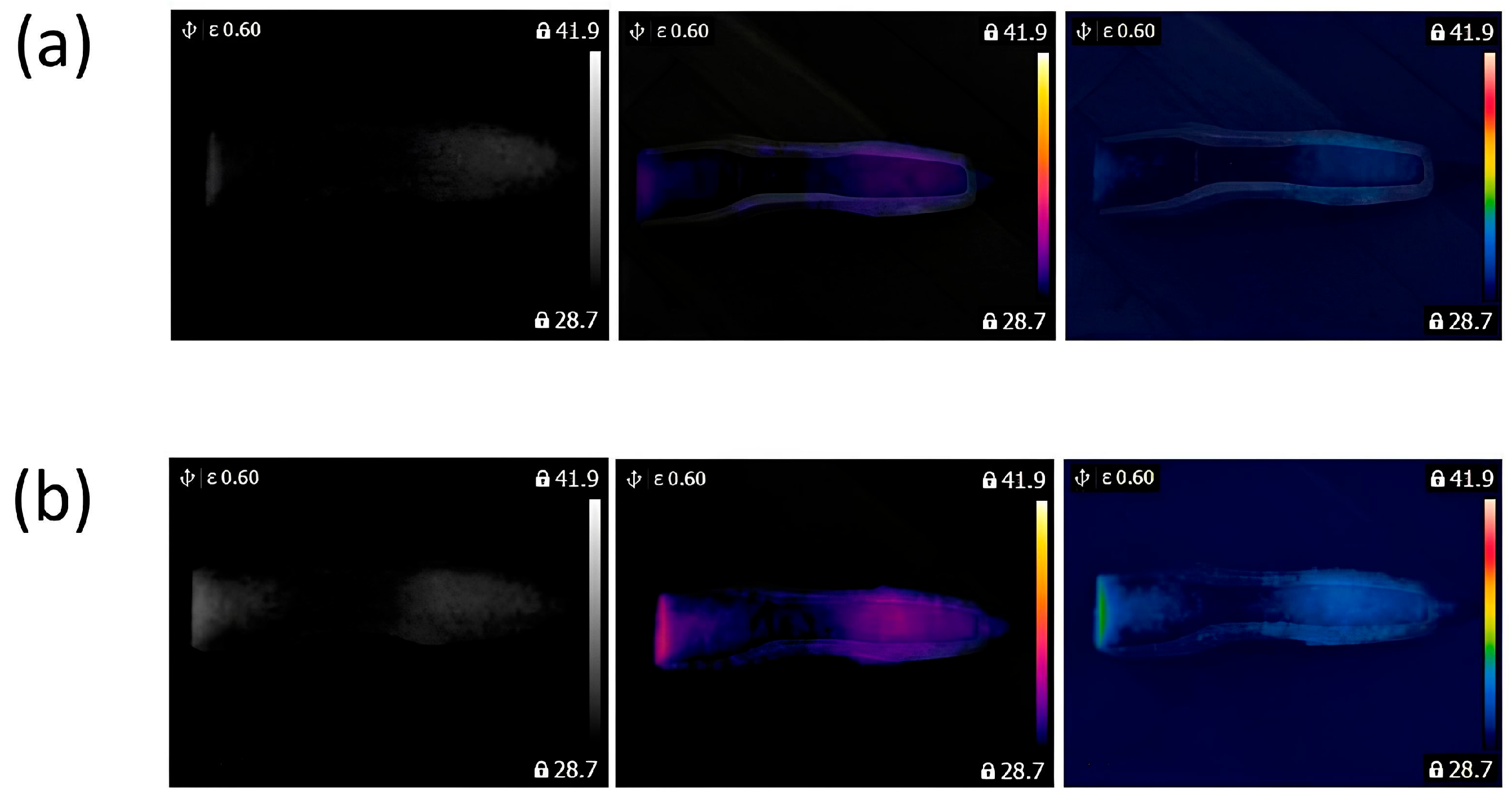
Infrared thermography is one of the most widely used methods for detecting such thermal anomalies [
97]. Surface temperature maps obtained by thermal cameras provide visual and quantitative data about the motor’s operating conditions (
Figure 13 and
Figure 14). Thermographic images can be used in both offline and online monitoring systems. High-speed infrared cameras, in particular, capture temperature changes on a millisecond scale, enabling the creation of early warning systems. Numerous studies in the literature have successfully detected local temperature anomalies in the stator windings, rotor magnets, and bearing areas of BLDC motors using IR thermography [
144,
145]. In recent years, thermal imaging-based analyses have been combined with artificial intelligence-based image processing algorithms [
146]. Deep learning-based convolutional neural networks can automatically classify normal and faulty conditions by analyzing patterns obtained from thermal images. This approach offers a significant advantage, especially in detecting small temperature differences that are imperceptible to the human eye. Furthermore, the spatial characteristics of heat distribution maps are used to understand the thermal responses of motor components under different load conditions, enabling load-dependent fault detection. Thermal analysis methods provide valuable data not only for fault detection but also for planning preventive maintenance strategies. Continuous thermal monitoring systems record thermal trends throughout the motor’s operating life, enabling the prediction of potential faults before they occur. Such systems are important for protecting motors in application areas where thermal health is critical, such as industrial automation and EV motors.
Imaging-based approaches are not limited to thermal imaging. Electromagnetic field imaging and high-speed camera-based visual analysis are also used to observe the rotational stability, rotor alignment, and commutation behavior of BLDC motors [
147]. When used in conjunction with thermography to detect complex faults such as mechanical vibration and rotor imbalance, these methods form the basis of multi-data fusion-based diagnostic systems. In this context, thermal analysis and imaging-based methods are powerful tools for reliable, real-time, and non-contact fault detection in BLDC motors. Methods based on both surface temperature and heat flow reveal the overall health of the system. Moreover, these methods are becoming increasingly common in sensorless systems as they provide high accuracy fault diagnosis without requiring physical contact [
148].
6. Future Challenges and Opportunities
In recent years, BLDC motor technologies have shown a strong upward trend in the academic literature and in industrial applications thanks to their efficiency, ease of maintenance, and modular structure [
149]. While this market currently has very high growth potential, the sustainability of this growth depends on overcoming the technical and economic obstacles facing the technology. The increasing demand for BLDC motors in sectors such as automotive, consumer electronics, drones, and automation is putting pressure on manufacturers to deliver innovative solutions while controlling costs.
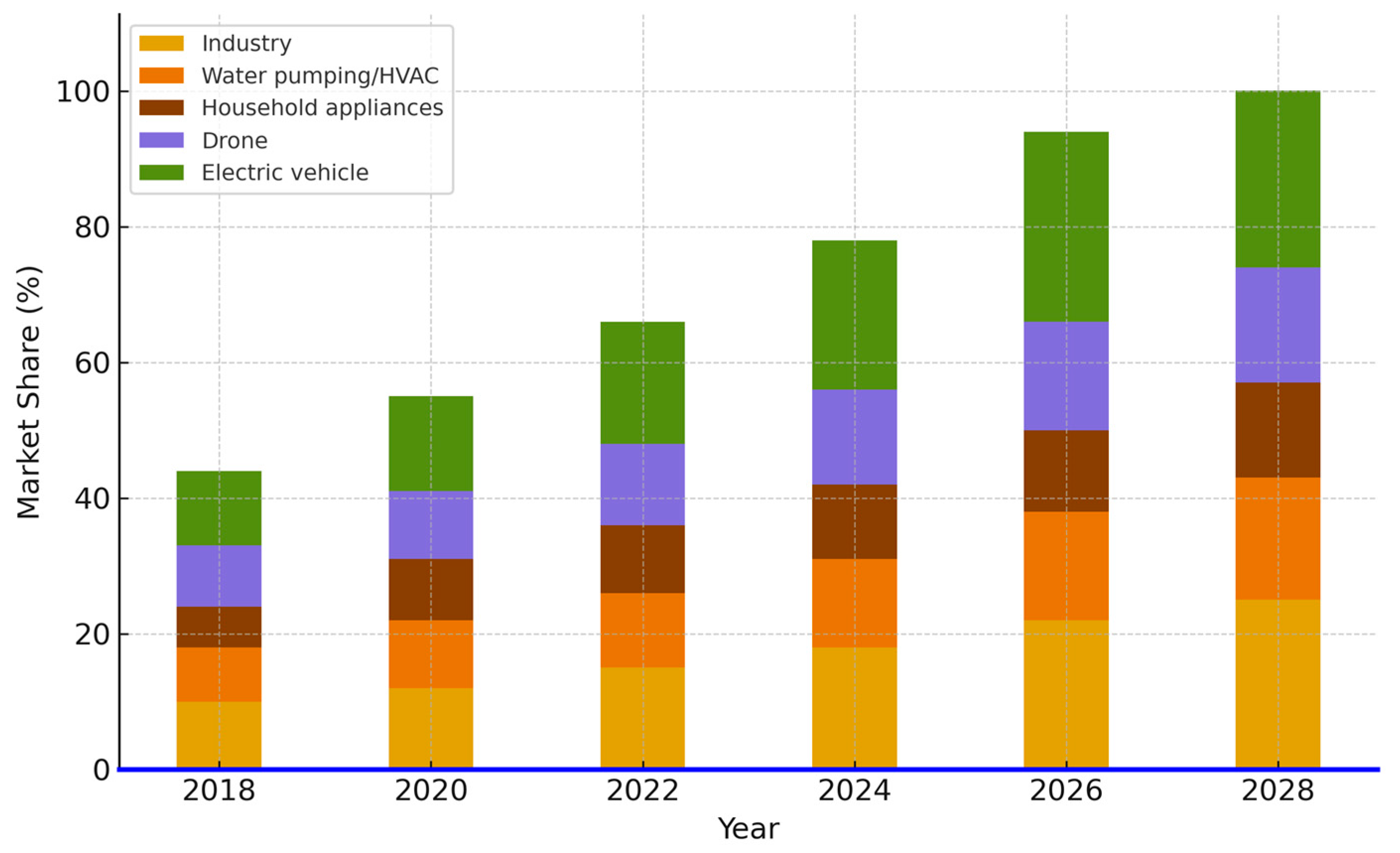
Figure 18 illustrates the expected BLDC motor demand by motor count across different industries in the next few years.
Figure 18.
Future analysis of end-user demand for BLDC motors used in different fields [
52,
150].
Figure 18.
Future analysis of end-user demand for BLDC motors used in different fields [
52,
150].
Additionally, cost pressure is one of the most serious challenges faced by BLDC motors. The cost of critical components, such as magnet raw materials and high-performance semiconductor elements, directly impact motor production costs [
151]. Fluctuations in rare earth magnet prices and supply chain uncertainties are reducing manufacturers’ profit margins, particularly in highly competitive markets. This situation is accelerating the search for lower-cost materials or alternative magnet solutions. The global BLDC motor market is currently valued at approximately USD 22.2 billion, and the annual compound growth rate is expected to be around 6–7 per cent until 2030 (
Figure 19). Cost optimization strategies and integrated supply chain models will be crucial for manufacturers to gain a competitive advantage in the future.
Figure 19.
Market analysis of BLDC motors in the coming years [
150].
Figure 19.
Market analysis of BLDC motors in the coming years [
150].
In addition to cost pressures, technical limitations in BLDC motor control electronics are also significant. The high-frequency switching techniques employed in motor drivers can result in electromagnetic interference, harmonic distortions, and parasitic effects. In sensitive medical devices, communication equipment or systems with strict electromagnetic compatibility standards, these faults may necessitate expensive filtering solutions. In such cases, driver design and EMI management engineering solutions become increasingly important. From a technical performance perspective, BLDC motors present challenges in high-power, low-speed combinations. In applications such as pump systems, energy storage systems or heavy industrial drives, the ability to provide high torque at low speeds can be critical [
152,
153]. Additionally, the motor’s internal losses and thermal loads create significant obstacles when approaching control limits. Thermal management has become one of the most important parameters in determining the performance limit of the motor, particularly in compact packaging designs or high-energy-density applications.
Overcoming these technical obstacles also presents significant opportunities in the world of BLDC motors. First, the development of control strategies has the potential to reduce cost and complexity by removing sensors from the motor system [
154]. This approach works by deriving the rotor position from back-EMF or current-voltage signals and minimizes the impact of sensor errors on the system. Software-centric optimizations, adaptive control techniques with embedded microcontrollers, can improve system performance by better managing variation tolerances. Furthermore, material science and magnetic optimization studies also hold potential to shape the future of BLDC technology [
154,
155]. Innovations in new magnet alloys, structures that increase magnetic flux without reducing magnet volume, high thermal tolerance magnetic materials, and lightweight composite rotor–stator structures are at the forefront. Such developments provide advantages in terms of the motor’s cost-efficiency balance.
Another important area of opportunity is the use of the Internet of Things (IoT) and data-driven predictive maintenance applications. Monitoring BLDC motors using sensor networks integrated with cloud-based analysis systems enables the creation of early warning systems that can detect faults before they occur [
156]. This reduces maintenance costs and increases system availability. This approach can significantly impact applications where energy efficiency and uptime are critical [
157].
Table 9 summarizes the challenges and solutions for BLDC motors. In conclusion, the future of BLDC motors will be shaped by cost pressures and technical challenges. However, overcoming these challenges through sensorless control techniques, advances in materials, advanced driver designs, and data-driven analysis will enable BLDC technology to expand its scope of applications.
7. Conclusions
This study provides a comprehensive examination of the structural characteristics, application areas, potential failure modes, and detection methods of BLDC motors. BLDC motors are now widely used in applications ranging from industrial systems to EVs thanks to their high efficiency, low maintenance requirements, and precise control capabilities. However, their broad range of applications has also led to an increased focus on the complex failure types to which motors are exposed under different operating conditions. In this study, BLDC motor faults are classified into five categories: mechanical, electrical, magnetic, thermal, and sensor-control. Each type of failure is considered a critical factor that directly affects system performance and reduces energy efficiency. In this context, the advantages, limitations, and applicability conditions of traditional signal processing, model-based, data-based, and thermal analysis-imaging-based methods proposed in the literature were compared, along with the methods themselves. Thus, this study provides a comprehensive evaluation of existing fault detection strategies.
The findings suggest that a single method is insufficient for all failure scenarios. The highest success rates are achieved using hybrid approaches that combine signal processing-based feature extraction with artificial intelligence-supported classification techniques. Notably, deep learning-based methods are robust against noise and can process multiple sensor data simultaneously, making them a prominent application in this field. Real-time fault detection, data standardization, and artificial intelligence applications will continue to be priority research topics in BLDC motor fault diagnosis in the future. Furthermore, the continuous monitoring of motor data via IoT-enabled systems, coupled with the widespread adoption of early warning systems that leverage cloud-based analytics, will markedly enhance system reliability while curbing maintenance expenses. In conclusion, this study provides an interdisciplinary perspective on reliability analysis of BLDC motors and offers a guiding framework for academic research and industrial applications alike. The future of BLDC motor technologies will be shaped by hardware improvements and the integration of data science, signal processing, and artificial intelligence-based approaches. It is anticipated that future studies will extend system life, increase energy efficiency, and contribute to the development of preventive maintenance strategies.