


Abstract
Metal powders have both a high specific energy and a high energy density, which explains their widespread use in energetic materials (propellants, explosives and pyrotechnics). Pyrotechnic compositions are used extensively for both civilian and military applications. However, the combustion of pyrotechnics remains challenging to understand or predict due to the diversity of the components and the wide range of parameters that affect their results. Therefore, ongoing research efforts worldwide aim to investigate the combustion mechanisms of pyrotechnic compositions to improve their performance. In this review, studies on the ignition and combustion mechanisms of four metal powders (Al, Mg, Fe and B) are discussed. Moreover, their use as fuel in pyrotechnic systems is reported, as well as the combustion performance and energy release of the pyrotechnic mixtures. Additionally, some mixtures composed of fluorinated oxidizers and Al, Mg and B are also presented. Thermal analysis methods such as DSC and TG are used to obtain the thermal behavior of the pyrotechnic compositions. Furthermore, parameters such as particle size and the equivalence ratio that affect the performance of pyrotechnic mixtures and those that remain little studied are reported in this review.
1. Introduction
Metallic powders, alloys and metallic composites are widely used as high-energy-density fuels or additives in fuels in pyrotechnics [1,2,3,4], explosives [5,6,7] and propellants [8,9,10,11,12,13,14,15,16]. Metal fuels have advantages of high gravimetric and volumetric energy [17]; this explains the growing interest they have shown over the past several decades [18,19,20]. Figure 1 shows the gravimetric and volumetric values of the following metal fuels: aluminum (Al), boron (B), beryllium (Be), iron (Fe), lithium (Li), magnesium (Mg), titanium (Ti) and zinc (Zn). For iron, the supposed oxide formed is Fe2O3. Pyrotechnic compositions are energetic materials composed of at least one reducer, mainly metallic fuel and an oxidizer [21,22]. Moreover, an additive that can be a binder is used to increase the cohesion between the particles of the fuel and oxidizer and confer special effects to the mixtures [23,24]. These compositions can burn in the absence of air because they provide their own oxygen [25]. They have the ability to produce several effects during combustion, including heat, light, smoke and sound [20,23,26,27]. Since most compositions are designed for a specific purpose, ensuring reproducibility is a central issue, as even a slight deviation can affect the desired effect [28]. This wide range of possible effects explains why they are used in so many applications, both civilian and military: airbags, fireworks, rockets, gas or heat generators, thermal batteries, fire extinguishers, aeronautics and civil engineering [29,30,31]. Fundamentally, pyrotechnic combustion is a chemical redox reaction between a fuel and an oxidizer, and an initial energy input is required to trigger the combustion process [32]. Additionally, the pyrotechnic combustion takes place as solid–solid, solid–liquid and/or solid–gaseous state reactions. As most of the redox reactions in pyrotechnic compositions take place in a solid state, the homogeneity of the mixture is crucial for optimal performance [33,34]. However, the behavior of pyrotechnic compositions is affected by several factors, such as particle size, composition itself, specific surface area, humidity, loading pressure, homogeneity, temperature, thermal conductivity and morphology [35,36,37,38,39]. This leads to highly individualized behaviors for each composition, as each component contributes unique physical and chemical properties to the mixture. For example, commonly used fuels such as magnesium and aluminum exhibit significant differences in properties like heat release, oxide passivation (porous oxide layer for MgO, whereas Al exhibits a passive oxide layer) behavior and combustion products. These differences have an effect on key combustion characteristics, such as ignitability of the mixture, combustion time, burning velocity and heat release. In addition, transition metals such as Zr, Fe, Ni and Mo have higher catalytic activity than their oxides. They can be combined and improve the combustion performance of metal-based compositions [40,41]. Similarly, oxidizers, which serve as a source of oxygen for combustion, release oxygen through melting or decomposition while either absorbing or releasing heat. The choice of oxidizer is critical, as it affects the thermal degradation of the composition. Indeed, the fuel reacts with the oxygen released by the oxidizer mainly by melting or decomposition, as noted earlier, to ignite the pyrotechnic mixture [42,43]. Moreover, it is worth mentioning that the ignition of the mixture can occur after, but may also take place before or during, the release of oxygen by the oxidizer [44]. In general, oxidizers used in pyrotechnics are inorganic compounds [30,45,46,47] or metal oxides [48,49,50]. Also, fluorinated oxidizers are used in pyrotechnics because fluorine has a strong oxidizing capability and can oxide metals [29,51,52,53]. In addition, polytetrafluoroethylene (PTFE) and polyvinylidene fluoride (PVDF) are the most interesting fluoropolymers used as oxidizers in pyrotechnic mixtures. Therefore, the choice of reducer and oxidizer often depends on the application [28]. For this inherent complexity, the combustion and thermal behavior of pyrotechnics are particularly challenging to predict. In addition to this inherent complexity, pyrotechnic compositions occur in different forms (loose powders, consolidated pellets and filaments) and are subject to diverse experimental conditions. This diversity complicates the understanding of their behavior, and the comparison is difficult. However, several metrics for comparison are reported in the literature, including the temperature of the onset of oxidation and the mass loss or mass gain at a certain temperature in TG curves, the temperatures of the DSC peaks and integrated heat flow from the DSC peak. Ignition energy, ignition delay time, burning time and combustion temperature represent important indicators for evaluating the sample’s reactivity [40,54,55,56]. In this work, some of these metrics are presented in different tables. In this review, we will first discuss metal combustion modes; then, the ignition and combustion mechanism of four metals (Al, Mg, Fe and B) are investigated. Their use as fuels in pyrotechnic compositions as well as different parameters that influence the composition performances are investigated in detail.
Figure 1.
Energy density and specific energy of various metal fuels.
2. Combustion Mode of Metal Fuels
Two main modes characterize metal combustion.
The first mode is analogous to hydrocarbon droplet combustion. In this mode, the metal vaporizes and reacts homogeneously with oxygen, and the oxide is formed in the gas phase and subsequently condenses into sub-micron-sized particles. Moreover, reactants diffuse into the flame zone, whereas products diffuse away from the flame zone. This type of combustion is diffusion-controlled and is also known as homogeneous combustion or vapor-phase combustion.
In the second mode, the reaction occurs on the particle surface. The solid metal reacts heterogeneously with the gas, and the metal oxide products are formed directly on the metal’s surface. This results in a final metal oxide particle that is slightly larger than the initial metal particle. In this mode, combustion is a kinetically controlled regime, and it is also referred to as heterogenous combustion or surface mode. In addition to these two main combustion modes, a third mode, also known as hybrid or dual or transition mode, exists and combines the features of both vapor-phase and surface-controlled regimes. The reaction occurs on the metal surface, but the high partial pressure leads to the formation of suboxides in the gaseous phase. The three modes are illustrated in Figure 2. It is noteworthy that the regime is influenced by the specific area as a result; smaller particles promote a kinetically controlled regime, whereas larger particles favor a diffusion regime. During the combustion of metal particles in oxygen, where the main combustion product is a metal oxide, the metal flame temperature corresponds to the volatilization or vaporization–dissociation temperature of the formed oxide. This is because the heat required for the oxide’s vaporization–dissociation exceeds the heat available to raise the condensed oxide above its boiling point [57]. Mathematically, this can be expressed by the following Equation (1):
where is the heat of the reaction of the metal at the reference temperature 298 K, is the enthalpy required to raise the product to its volatilization temperature at the pressure of concern and is the heat of the vaporization–dissociation of the metal oxide.
Another characteristic of metals is that they have a high boiling point. For a metal to burn in the gas phase, the volatilization temperature or the oxide vaporization–dissociation must be higher than the metal’s boiling point. Conversely, if the oxide volatilization temperature is lower than the boiling point of the metal, combustion must proceed in a heterogeneous manner on the particle’s surface. Thus, to determine whether a metal burns in the vapor phase or in condensed phase, it is sufficient to compare the metal’s boiling temperature with the temperature at which the metal–product oxide is decomposed or dissociated to the gas phase. This concept has become known as “Glassman’s criterion” [57].
Based on this criterion, Al, Be, Cr, Fe, Hf and Ti may be able to burn in the vapor phase. It is worth noting that in the case of Fe, vapor-phase combustion would only be predicted if one assumes that the oxide formed is FeO. This does not apply when the combustion predominantly produces the more stable oxides or , in which case the Glassman criterion indicates a heterogeneous-controlled combustion mode. Accordingly, B, Si and Zr would burn in the condensed phase.
Glassman’s criterion enables the prediction of whether a metal burns in the vapor or the condensed phase. So, in the case of Zr, based on the comparison of the metal’s boiling point and oxide vaporization temperature of the metal, it could be stated that Zr burns in the condensed phase, which is partially true. Indeed, it has been observed that during Zr combustion, the reaction mechanism involves the formation of supersaturated metal–gas solutions and small particles [58,59], suggesting a vapor phase. Therefore, it can be concluded that Zr combustion involves both the condensed and vapor phase. Thus, Zr burns in hybrid mode. Therefore, Glassman’s criterion indicates the predominant mode but certainly not the only mode that occurs during the combustion of a metal. Similar observations for B and Si suggest that these metals undergo combustion in hybrid mode. For metals burning in the heterogeneous phase according to the simplified Glassman criterion, Bergthorson et al. introduced an additional condition to determine the presence of intermediate oxides forming suboxides, which indicates the existence of a vapor phase. The parameter introduced by the authors is partial pressure. At a high partial pressure, i.e., above 10−4 bar, the metal forms, for example volatile silicon suboxides (SiO) or volatile boron suboxides (BO) in the case of silicon (Si) or boron (B). This indicates that the metals are burning in hybrid mode [60].
Overall, based on thermodynamic calculations, Fe appears to be one of the metals most representative of combustion in the condensed phase, without the significant deviations observed for other metals such as B or Zr [60,61,62,63]. So, predicting the combustion mode is crucial since this determines the size of the resulting oxide particles. Homogeneous or hybrid combustion produces nano-scale oxide particles, some of which agglomerate into larger ones. Several properties of metal and metal oxides are presented in Table 1. and in Table 1 refer respectively to the metal boiling point and volatization temperature (or stoichiometric combustion temperature creating compound under ambient conditions T = 298 K, P = 1 atm).
Figure 2.
Schematic of the three combustion modes of a metal particle. Adapted from [61].
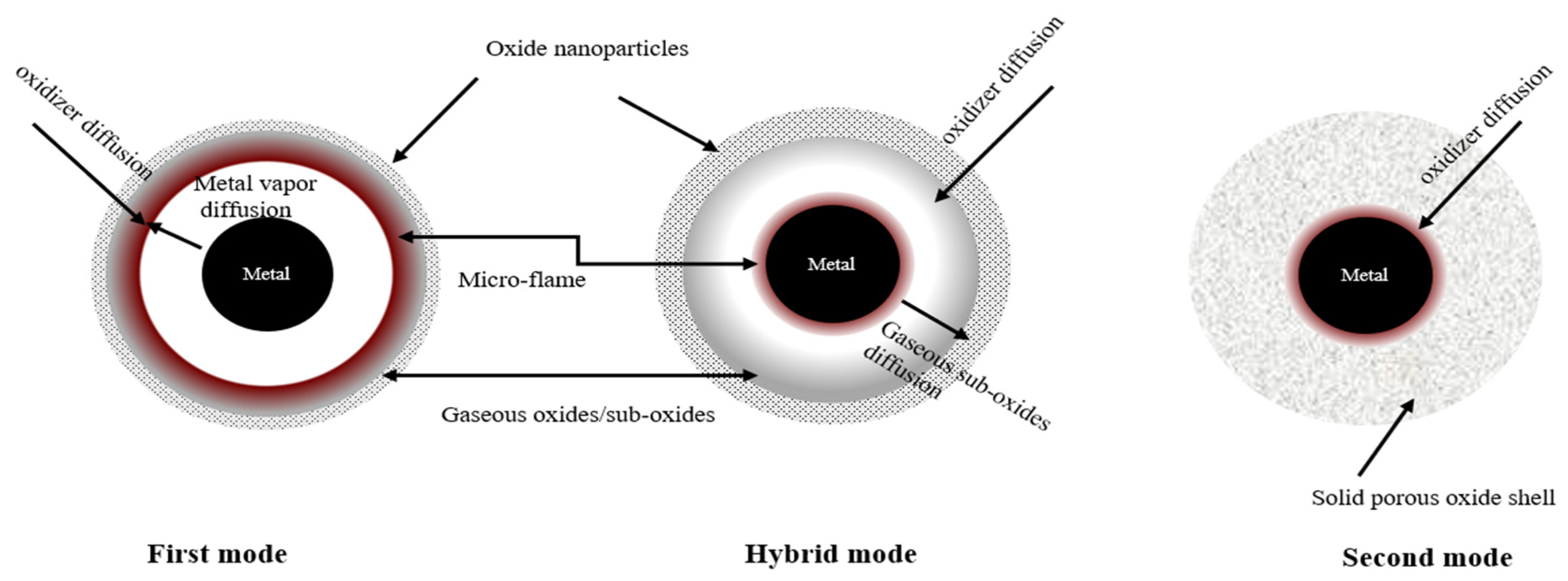
Table 1.
Various properties of metal and metal oxides, from [25,61,62].
3. Micro-Explosions
A micro-explosion can be defined as a phenomenon where the burning particle breaks into several fragments. Moreover, both weak and strong micro-explosions are defined in terms of the number of the fragment produced [64]. In [65], the authors identified three modes of micro-explosion: “moderate”, where less than five fragments are produced; “violent”, where numerous smaller fragments are formed, and “hybrid”, where an explosion with a dense phase is released. L. McNanna and L. Dreizin recently carried out significant work on this topic. The authors identified three major mechanisms leading to the occurrence of micro-explosions: firstly, the difference in boiling points between the metals in an alloy or a burning metal and its combustion products; secondly, the phase change involving a supersaturated metal–gas solution; and finally, asymmetry in the standoff flame and the particle structure. They stated that the last mechanism is most common for the burning of Al particles [66]. Rubio et al. investigated micro-explosions and ignition in Al–polymer composites. The authors used a laser to ignite the composite, and the results showed that the tendency of aluminum to undergo micro-explosions was found to depend on laser flux and polymer content [67].
Micro-explosions are also observed during iron combustion [68,69]. This is facilitated by an increase in the impurity [64]. In addition, Poletaev et al. scrutinized iron particle micro-explosions in laminar and diffusion flames, concluding that the intensity of iron particle micro-explosions is associated with metal mass concentrations in air [70]. Moreover, Huang et al. examined the micro-explosion of burning iron particles in various oxidizing environments. They reported that the gas temperature and oxygen concentration eventually causes micro-explosions [65]. Previously, Li et al. studied the combustion behaviors of pure iron and mixed particles, particularly iron–aluminum and iron–coal mixtures. They speculated that the rapid increase in internal pressure caused by the ripening and flammability of iron pentacarbonyl and oxygen bubbles was connected with the occurrence of micro-explosions [68,71].
As with most metals, micro-explosions occur during Mg combustion [72,73,74,75,76]. In [73], the authors attributed the cause of the micro-explosions to the vapor pressure of Mg, which ultimately exceeds the mechanical performance of MgO, causing it to crack. In [72], the occurrence of micro-explosions is attributed to the transport phenomena of condensed combustion products (CCPs). These fragmentations (micro-explosions) lead to irregularly shaped oxide particles. Further investigations are needed, as these micro-explosions influence combustion stability, the products formed and their morphology [77,78,79].
4. Thermal Behavior
Thermal behavior describes a material’s response to the application of heat [25]. To study or determine the thermal behavior of a compound, it is common to use thermal analysis techniques. According ICTAC, thermal analysis techniques are referred to as “A group of techniques in which a property of the sample is monitored against time or temperature while the temperature of the sample, in a specified atmosphere, is programmed.” [80]. The thermal analysis technics frequently employed for energetic materials in general and for pyrotechnic compositions in particular include thermogravimetric analysis (TGA) or thermogravimetry (TG) and differential scanning calorimetry (DSC) [81,82].
TGA or TG is a technique where the mass of an investigated sample is measured as a function of temperature or time while the sample is subjected to a controlled temperature program. In TGA, the mass loss of the sample is recorded as the temperature increases. The basic instrumental requirements are simple: a precision balance, a programmable furnace, and a recorder. In addition, TG is designed in such a way that a gas that is either inert (argon, nitrogen or helium) or oxidizing (air or oxygen) surrounds the sample. Moreover, the mass loss observed in TG curves can be due to events such as moisture volatilization, decomposition and evolution of gases from solids [82,83].
In DSC experiments, the difference in energy input between an investigated sample and a reference material is measured while the sample and reference are subjected to a controlled temperature program. DSC can provide detailed information on the mechanism of combustion reactions. DSC traces relating to any combustion reaction are generally represented by peaks. Such peaks, whether oriented upwards or downwards, depending on the instrument manufacturer, could be a consequence of various possible exothermic or endothermic reaction mechanisms. Therefore, further tests and analysis are required to determine the reaction mechanism represented by such DSC traces [82,84].
Thermal analysis techniques are useful for studying pre-ignition phenomena, such as the phase changes of individual components, the decomposition kinetics and the ignition temperatures of the compositions. They also provide information on thermal stability and composition. Although they are relevant to the processes involved in pyrotechnic compositions, thermal analysis methods do not provide structural information. Additional analysis and experimental evidence are required to provide well-grounded insight [85].
5. Aluminum
Aluminum (Al) is the most abundant metal in the Earth’s crust [86]. Due to its interesting proprieties, such as low cost, storage stability, light weight, heat combustion, etc., as well as its high gravimetric and volumetric density [87], it is used in various industrial applications such as pyrotechnics, explosives and propellants [88,89,90,91]. Al has a melting point of 930 K and a boiling point of 2680 K [87,92]. Al is easy to oxidize in the air, which leads to the formation of an amorphous oxide layer coating the Al and hindering the complete combustion of the Al core, resulting in a low energy release [93,94]. The thickness of this alumina layer is in the range of 0.5–5 nm [93,95]. Therefore, one of the most effective methods of improving the combustion efficiency and energy release of Al powder is to remove the oxide film on its surface. For this purpose, blending Al powder with an oxidizer can greatly enhance its combustion properties. The oxidizer accelerates the combustion process and reduces the formation of an Al oxide layer, enabling more Al particles to participate in the reaction. This accelerates the combustion process, resulting in increased combustion efficiency and heat release [67,90].
It is widely known that Al combustion is a diffusion-controlled regime following a power law = ; is the combustion time, a and n are parameters determined empirically and D is the initial particle diameter [94,96,97]. An exponent of n = 2 corresponds to a purely diffusion-controlled process, while n = 1 corresponds to a kinetically controlled process; therefore 1 < n < 2 indicates a transition or hybrid regime where both diffusion and chemical kinetics are rate-limiting. The weakening of the exponent from 2 signifies a shift towards kinetic control. Experiments in [94,98] showed that n is not always close to 2, suggesting that diffusion is not the only limited regime during Al combustion and that kinetic phenomena are also involved. However, various experimental studies have proven the limitations of this model, demonstrating that the combustion time of Al is influenced by multiple parameters [94,99].
By compiling the available experimental data, Beckstead determined some correlations to calculate burning time depending on particle diameter, pressure, temperature and oxidizer concentrations in the gas phase [97,100]. He proposed Equation (2):
: the burning time in milliseconds (ms);
P: the pression in atm;
T: the temperature in K;
: initial diameter.
The above is the effective oxidizer concentration and is equal to the oxygen concentration in the case of combustion in air; a = 0.0244 for n = 1.5 and a = 0.00735 for n = 1.8. So, it has been demonstrated that Equation (2) works well with larger Al particles. P. Lynch et al. studied the combustion of Al with a small particle size (3–11 µm) under high pressures (4–25 atm), using the same oxidizer () as Beckstead and improved Equation (2) [96]:
They proposed different values for the coefficients a0, a1 and a2 [96].
In summary, both kinetic and diffusion regimes coexist during Al combustion, and the transition from diffusion to a kinetic regime can be experimentally evidenced by a weakening of the exponent in the law.
It should be noted that it is common to use a metal alloy or composite as an alternative to pure metals in several applications [93,101,102,103].
Major studies have been conducted on Al-based pyrotechnics, making Al one of the most widely used pyrotechnic fuels [25,87,88,94]. C. Ru et al. investigated the reactivity of Al nanoparticles (nAl, ~50 nm) and microparticles (mAl, ~1 μm) in pyrotechnic compositions using several oxidizers (). To achieve this, they characterized each pyrotechnic composition (Al/, Al/ and Al/) using a combustion cell. The results showed that nano-Al exhibited better reactivity characteristics than micro-Al particles in terms of the maximum pressure, pressurization rate, combustion duration and energy release. The binary pyrotechnic nAl/ has a maximum pressure of 1.37 ± 0.048 MPa and a highest pressurization rate of 7.58 ± 0.32 , but it is the nAl/ composition that releases the greatest quantity of energy, 2222 [104]. K. Harisivasri et al. aimed to understand the thermal behavior of /Al/S. The crucible used in the DSC experiment was designed to create two types of environments: confined and unconfined. In the confined condition test, the sulfur decomposed, and the liberated heat triggered a reaction between the Al and , whereas all the tested compositions were found to be non-reactive under unconfined conditions. The highest heat release reached 637 and was obtained with a mass ratio of 53% : 33% Al: 14% S [105]. To obtain suitable safety and sensitivity, X. Ji et al. prepared an Al/Zr/ pyrotechnic composition. melts at 510 °C. Since Zr is more reactive than Al, an intense reaction occurs between Zr and the oxygen released by at 530 °C. This temperature can be considered as the composition’s ignition temperature. However, the formation of an passivation layer on the surface of the Al powder can hinder further reaction with the remaining Al core at a temperature lower than 600 °C [106]. A recent study conducted by D.A. Michalski et al. investigated the parameters influencing the burning rate and thermal aging effects on burning proprieties of Al//MgSt. The study reported that increasing the binder content MgSt (2.5–10 wt%) increases the mechanical stability of the Al/ pellets and decreases the ignition temperature. However, increasing the amount of MgSt has a negative effect on burning rates. Moreover, freshly prepared and thermally aged Al//MgSt (5 wt%) samples have similar mean ignition temperatures, but aged pellets display a lower burning rate than fresh pellets [107]. S. Deng et al. prepared Al/CuO thermite using three types of synthesis methods: precipitation (PC) displacement (DP) and mechanically mixed (MM). This research has demonstrated that the synthesis method and equivalence ratio influence the ignition and combustion proprieties of thermite. Regardless of the mixing method used, the slightly fuel-rich condition (ϕ = 2) released more energy than the very-fuel-rich condition (ϕ = 7). However, the efficiency of combustion, which is defined as the ratio of the experimental heat of a reaction to the theoretical heat of a reaction, demonstrates that combustion is more efficient for ϕ = 7 than for ϕ = 2. In addition, PC-thermites have a higher combustion efficiency regardless of the equivalence ratio. For ϕ = 2, it is DP-thermite that exhibits the lowest combustion efficiency, whereas for ϕ = 7, the lowest combustion efficiency is exhibited by MM-thermite [108]. J. Song et al. studied the thermal behavior of Al// using simultaneous TG-DSC. W. Shi et al. investigated the effect of porosity and the equivalence ratio on the performance of nanothermites. For this purpose, they prepared porous metals (p, pCuO and p) via urea co-precipitation and high-temperature annealing, which were then physically mixed with nano-Al. DSC analyses revealed two major peaks during the combustion of each nanothermite. It should be noted that except for Al/pCuO, the equivalence ratio that releases the most energy during the first peak is different than that during the second peak. Moreover, Al/p exhibits violent combustion and a broader combustion flame than Al/nano , unlike the other two oxidizers for which porous and nano-oxide metals show a similar combustion flame [109]. H. Nie et al. examined the combustion of bimetallic thermite. An increase in Ni content in Al/ decreases the heat of combustion. The authors attributed this reduction in the heat of combustion to the replacement of the more energy-releasing Al with micron-scale Ni. Additionally, they studied the effect of aging, with results showing a decrease in the energy output for all aged samples compared to the fresh samples. Nonetheless, adding Ni enhanced the anti-aging proprieties of the composition [110]. In a similar vein, Z. Deng et al. aimed to enhance the performance of Al/B/ ternary thermite. The mixture was prepared using electrophoretic deposition technology, and the combustion performance was compared with that of physically mixed compositions. The results showed that the Al/B/ thermite produced by electrophoretic deposition exhibited a lower activation energy, i.e., greater reactivity (168.3 ), a lower onset temperature (524.9 °C) and a higher combustion heat (1240.9 ). However, the TG curves showed that there was a higher mass gain for physically mixed Al/B/ than for Al/B/ thermite mixed by electrophoretic deposition [111]. The results suggest that the addition of in Al/ has a negative effect on heat release. In another study, decomposition at 500 °C pre-ignited the main composition and significantly increased the combustion rate of the samples. Moreover, the addition of drastically decreased the activation energy, reducing it from 342.03 for Al/ to 207.77 for Al// [112]. V. K. Patel et al. developed nano-square tablets (NSTs) that were sputter-coated with aluminum layers of three thicknesses: 60 nm, 100 nm and 140 nm. DSC-TG analyses revealed that the aluminum sputter layer of 140 nm completely combusted with , thus displaying the best combustion proprieties. It exhibited the greatest heat of reaction (710 ) and generated a very high pressurization rate of 4.08 [113]. J. Chen et al. examined the effect of CuO on the thermal kinetics and combustion of Al/. They first investigated two binary compositions, Al/ and Al/CuO. The heat released by the two binary compositions was 1066 and 849 , respectively. The addition of CuO in Al/ significantly increased the heat released, reaching 2252 for a 20% CuO content. However, Al//20% CuO had the highest activation energy of 550.63 , i.e., it was the least reactive among the tested compositions. Moreover, DSC curves displayed that the progressive addition of CuO reduced the number of exothermic peaks of Al/, decreasing from two to one peak at a 10% CuO content [114]. S. Li et al. studied Al//CuO and Al thermites. Their analysis of combustion performance showed that Al//CuO required more ignition energy than Al, indicating that it was the least reactive, as confirmed by the boost rate values, which were 6.84 and 28.29 for Al//CuO and Al, respectively. On the other hand, the thermal critical explosion temperature of Al//CuO was 594.8 °C, which is about 121.05 °C higher than of Al. Thus, Al//CuO had higher thermal safety [115].
According to what we described above, double oxide or bimetal can improve the combustion and thermal proprieties of thermite.
It is common to use fluoropolymers to enhance the combustion proprieties of metal. Indeed, at low temperatures and even before the melting point of Al, fluoropolymers such as PTFE, PVDF, etc., are highly reactive and corrode the shell. This makes it easier for oxidizers to access the Al core to [67,116,117]. K.Guo et al. prepared Al-Zn with fluorinated polymers (PVDFs), inspired by the two-way tunneling method. Thermal analyses revealed that the PVDFs enabled the formation of non-volatile solid products. Therefore, PVDF plays a key role in the decomposition process, as it allows the following: (1) The removal the layer formed around Al-Zn, promoting the oxidation of the Al core; (2) the residual PVDF reacts with Al to form AlF3, which has a boiling point (1291 °C) much lower than that of (3000 °C). This gaseous product can escape more easily into the air rather than covering the Al surface and hindering the oxidation of the inner Al. This reduces the agglomeration of combustion products and promotes complete combustion [93]. W. Zhou et al. tried to determine the thermal conductivity of Al/PVDF, they used theorical models (Maxwell–Eucken Nielsen) and experimental methods using a hot disk. They found that the mass ratio, particle size, morphology (spherical or flaky), porosity, interaction between compounds and dispersion all affect thermal conductivity [118].
A summary of the thermal behavior results of some of the Al-based pyrotechnic compositions can be found in Table 2.
Table 2.
Summary of the thermal behavior results of some of the Al-based systems.
6. Magnesium
Magnesium (Mg) is one of the most largely available elements in the earth’s crust. It has a low structural density with a high specific strength [119]. This unique material property has led to an increase in the use of Mg in various applications from ramjet engines due to the high exothermicity produced by the Mg- reaction [120,121,122], pyrotechnics [20,123], automotive and space technology and lunar and Martian research notability [124,125,126,127,128]. It is commonly assumed that Mg particles burn in the vapor phase, meaning that the combustion mode is diffusion-limited, like the combustion of a hydrocarbon fuel droplet [61,63,72]. This leads to the assumption that magnesium particles burn according to the well-known law [129]. However, it should be noted that this model is inappropriate for other metals such as Al, Zr, Ti, etc., as demonstrated in the previous section with the case of Al. Mg combustion does not necessarily lead to the formation of oxide nanoparticles.
In fact, magnesium combustion produces solid or liquid oxides known as condensed combustion products (CCPs) [122]. Moreover, large potholes, burrows and porous MgO were observed in [61,130], which is common in CCPs. Gol’dshleger and Amosov investigated the influence of gas temperature and oxidizer concentration on the combustion modes of Mg particles, confirming suspicions of a combustion mode other than diffusion (homogeneous). Their results suggested the presence of three modes: homogeneous, heterogeneous and hybrid [61,131]. To summarize, Mg combustion time follows a power law . Under gas-phase combustion, diffusion is the limited reaction and the exponent n is ~2, whereas under surface reaction, combustion is controlled by kinetics and n is ~1 [73]. Finally, it should be noted that, depending on the conditions, the combustion mode may change during combustion [61].
S. Cordova et al. investigated the oxidation of Mg particles under oxygen. The Mg powders used had three particle sizes (30, 60 and 300 µm) and two morphologies (spherical and flakes). Isothermal and non-isothermal methods applied to TG results showed that Mg oxidation depends on the parameters mentioned above (temperature, oxidizer concentration and particle size) [132]. In addition to these parameters, other factors such as atmosphere or chemical composition affect the combustion proprieties of Mg, as shown in [72,133].
Magnesium powder is an excellent fuel in pyrotechnic compositions, as it can produce various desired effects such as light, smoke and fireworks. Several studies have therefore been conducted on the combustion proprieties and thermal behavior of Mg-based pyrotechnics [134,135,136].
Y. Nishiwaki et al. studied the impact of moisture-related deterioration products ( and ) on the thermal behavior of ammonium perchlorate (AP)/Mg composition. Comparing the thermal analyses of AP/Mg and AP/(deterioration products) revealed that the deterioration products have a negative effect on the thermal proprieties of AP/Mg. They contribute to an increase in the onset temperature and a decrease in the heat of combustion. Moreover, this study also demonstrated that the type of crucible used for thermal analyses influences the results [137]. Another study based on Mg/AP composition, conducted by W. Ao et al., aimed to investigate the ignition and combustion of Mg/AP under different atmospheres (vapor water, air and argon) with different Mg contents and particle sizes. Ignition using a CO2 laser showed that increasing the Mg content and reducing its particle size led to stronger combustion. Furthermore, micro-explosions were observed during combustion. In addition, at a low Mg content in air, Mg/AP exhibited the shortest ignition time delay. The smallest Mg particle sizes studied (61–75 μm) achieved the highest flame temperature due to their large specific area. The authors proposed a three-step mechanism governing Mg/AP combustion: (1) heating in the condensed phase; (2) reaction in the condensed phase and AP decomposition and (3) reaction in the gas phase and a reaction between the AP decomposition products, AP and Mg and its oxides [120]. S. Bekhouche et al. studied the effect of humidity on the degradation of pyrotechnic igniter //Mg/phenolic resin (PIC) and tracer pyrotechnic /Mg/Mg-Al/phenolic resin (PTC). The results showed that moisture-related-aging promoted the formation of the fuel hydroxide and that the formation of nitrite ion -based compounds may play a strong autocatalytic effect on the combustion of the studied composition [138]. Later, the same group investigated the effect of temperature and humidity on the performance and sensitivity of a tracer pyrotechnic composition (/Mg/phenolic resin. To achieve this, the authors separated samples into three categories, one dedicated to the study of the effect of moisture, one dedicated to the study of the effect of thermal aging and one for studying of the effect of fresh samples (pristine) to be used for upcoming comparisons with other samples. They found that both humidity and thermal aging contribute to an increase in the sensitivity of a pyrotechnic mixture. In addition, the cracks that occur in thermally aged samples are responsible for the change in morphology and reduce energy activation, making the aged samples easier to ignite than the pristine samples. However, in terms of energy released, both the moisture-induced and thermally aged samples exhibited lower energy than the pristine samples due to the formation of a layer, which hinders the reaction between Mg and [139]. To study the thermal and kinetic behavior of ternary pyrotechnic composition (Mg//DNAN), C. Rosères et al. first investigated the thermal and kinetic behavior of each compound of the mixture. The DSC curves exhibited four peaks, and the main findings indicate that Mg particle sizes do not influence the reaction between the three compounds, except in the case of Mg oxidation. Moreover, the smallest Mg particle sizes led to the lowest activation energy for the last peak. In addition, DNAN used as a binder reduces the activation energy of all compositions and decreases the ignition temperature [140]. Another study conducted by the same researchers investigated the effect of composition and Mg particle size on burning velocity. For this purpose, Mg//DNAN, a ternary composition, was studied with 20 mass ratios, which Charles Roseres et al. termed X1, X2…X20. Three Mg granulometry classes were defined: 140–200 µm (A), 200–250 µm (B) and 250–300 µm (C). For this studied composition, the burning velocity increased from a low Mg content to a maximum around 30 wt% Mg. Moreover, the highest velocities were obtained for the (A) granulometry class. Additionally, it was demonstrated that the binder content has a negative influence on the burning velocity of pyrotechnic compositions [141].
Several studies have been conducted to identify safer alternatives to due to its toxicity [142]. In this context, D.A. Michalsk et al. recently investigated Mg/ and Mg/ with five different binders (MgSt, PEG1, PGE2, PVP and HPMC) as a possible replacement for -based delay compositions. The mixtures were prepared in pellet form. The results showed that the burning velocity of the Mg//MgSt pellets was between 41.9 and 91.4 depending on the particle sizes. In addition, smaller particle size ranges (11–40 µm) led to higher burning rates. On the other hand, the burning velocity of a Mg/ composition ranged from 13.3 to 19.5 depending on the binder used [143]. These results illustrate the potential of Mg/ and Mg/ compositions as substitutes for -based delay compositions. The addition of CuO nanoparticles decreases the ignition temperature in Mg-based mixtures. However, larger CuO particle sizes lead to the formation of larger CuO agglomerates, which in turn increase the ignition temperature and the activation energy. Thus, a higher heat of reaction is obtained with smaller particles [133,144,145].
The use of fluorine-based oxidizers and Mg-alloy-based fuel in pyrotechnics has also been studied [145,146,147]. W. Zhao et al. aimed to replace Mg with Mg-Zn alloys in Mg/PTFE pyrotechnics. The Mg-Zn alloy was prepared by centrifugation with Zn contents of 5 wt% and 10 wt%. Their findings indicated that the ignition temperature of Mg-Zn/PTFE was lower than that of Mg/PTFE and that the ignition of Mg-10%Zn/PTFE (130 ms) occurs slightly earlier than Mg-5%Zn/PTFE (155 ms) and above 200 ms earlier than Mg/PTFE (368 ms) composites. This was attributed to an increase in Zn content in the composition and a decrease in energy activation. However, the theorical heat released of Mg (24.80 ) is higher than Mg-Zn: 23.77 and 22.80 for a 5 wt% and 10% content, respectively. These results were confirmed through two experimental methods: oxygen bomb calorimetry and TG-DSC [148]. Another group investigated the performance of a Zn-Mg alloy as fuel in a Zn-Mg//PVC/phenolic resin pyrotechnic composition. Therefore, M. Zhang et al. prepared Zn-Mg alloys with different Mg contents and different particle sizes. The results showed that the Mg-rich (Zn-30%Mg//PVC/phenolic resin) compositions displayed the best performances in terms of flame temperature, luminous intensity (1773.0 cd) and heat release (974.7 ). In addition, the highest combustion temperature of the pyrotechnic compositions was reached with 30% Mg (1387.5 °C), while a 70% of Mg content exhibited a combustion temperature of 1246.0 °C. Moreover, smaller particle sizes produced similar effects, whereas Mg-lean compositions, i.e., Zn-rich compositions, resulted in higher solid residues of 47.73% and 44.71% for Zn-10%Mg//PVC/phenolic resin and Zn-20%Mg//PVC/phenolic resin, respectively [149]. Y. Li et al. introduced a Mg-Gd alloy as fuel in a Mg-Gd alloy/Teflon/Viton (MGTV) pyrotechnic composition and studied its combustion properties in comparison with Mg/Teflon/Viton (MTV) and Mg-Al alloy/Teflon/Viton (MATV). The results indicated that the MGTV composition is the only one able to burn at a low pressure of 0.03 MPa, whereas the MTV and MATV compositions began to burn at 0.05 MPa. For example, at 0.1 MPa, the burning rate of MGTV (2.23 ) was 62% higher than that of MTV (1.38 ) and 17% than that of MATV (1.91 ). Furthermore, the flame area, radiation intensity and radiation energy of MGTV (101.42 ; 4.04 w and 25.07 w) were similar to those of MATV (101.41 ; 3.91 w and 23.34 ), whereas they were 68%, 237% and 102% greater than that of MTV (60.35 ; 1.20 w and 12.43 w). However, the heats of combustion and explosion of MGTV were the least at 8064 and 15.298 , respectively. Moreover, Mg-Gd powder exhibited better oxidation resistance than Mg and Mg-Al powders. Also, the radiative performance of MGTV was attributed to its high burning rate rather than the heat released [150]. Table 3 summarizes the thermal analysis results of some pyrotechnics.
Table 3.
Thermal analysis results of some Mg-based pyrotechnics.
7. Iron
Iron (Fe) is the second most abundant metal after Al in the earth’s crust, with an abundance estimated of ~5% [151]. The urgent need for the development of alternative energies in the energy sector has led to the investigation of several metals (Al, Si, Fe, Mg, B, etc.) [17,60,152,153]. Iron has shown great potential due to its high energy density and the large amount of heat released during combustion [17,154]. Its use or potential use is not limited to renewable energies. It is present in numerous other applications, such as energetic materials and the steel industry [11,155]. The combustion of iron particles results in the formation of a condensed-phase iron oxide layer. The first layer is composed of FeO (wüstite), the second layer is composed of (magnetite), and the last layer, farthest from the iron surface, is (haematite). Complete oxidation first results in the vaporization of Fe, forming FeO. Then, FeO condenses to . Finally, a second condensation leads to the formation of . It is worthy to note that consists of FeO and , and due to their crystalline structures, and are only stable in the solid phase. However, in a lean oxygen environment, FeO is the only oxide that exists on the iron surface [68,156,157,158,159]. Moreover, the iron adiabatic flame temperature can reach 2250 K in air with or as main formed oxides. So, according to Glassman’s simplified paradigm, if the flame temperature is below the metal fuel’s boiling point (~3133 K for Fe), the combustion should proceed with heterogeneous surface oxidation [60,160]. Furthermore, several studies have shown that iron combustion is a condensed-phase kinetic process. J. Sun et al. studied the combustion of iron particles of different particle sizes. They defined a non-dimensional diameter, which is the ratio of the measured diameter to the smallest diameter. Their findings indicated that for a smaller diameter, the combustion time was proportional to the non-dimensional diameter. For larger iron particles, the combustion time was observed to exponentially increase with the non-dimensional diameter [161]. This was because the specific surface area was larger for the smaller iron particles [162]. These results are consistent with those observed in [160]. However, the authors of these two later cited studies also noted that temperature is nearly inversely proportional to the concentration of oxygen, suggesting a diffusion combustion regime. The formation of nano-oxide particles was observed in several studies [163,164,165,166]. Iron–oxide nanoparticles are more evident in iron particles burning in a gaseous phase [165]. Thus, as previously observed in the combustion of Al and Mg particles, there is a range of particle sizes that acts as a transition zone between heterogeneous (kinetic) combustion and diffusion-controlled combustion [77]. The combustion process of an iron particle is initially limited by the rate of external oxygen diffusion and is then partially controlled by the kinetics inside the particle [167]. Tang et al. studied the combustion mode of particles in iron dust flames for particles between 3 and 34 μm in size. They found that the combustion of micro-sized particles was kinetically controlled, whereas for larger particles was diffusion-controlled, with transition occurring at about 3 μm [168].
Based on the current state of knowledge, the use of metallic iron in pyrotechnic compositions has not been sufficiently explored. This observation is potentially due to iron’s poor aging stability and the relatively rapid formation of oxides under normal storage conditions, unlike other metallic fuels such as Al, Mg, Zr or Si [11,169]. Nevertheless, micron-sized iron powder offers a good industrial potential, low preparation costs, nontoxicity, ease of storage and even gasless combustion [170]. J. Tribelhorn et al. examined the combustion of three binary pyrotechnic systems using Fe powder as fuel and , and as oxidizers. The tests were performed under various pressing pressures (0–165 MPa). The results showed that the mass ratio and the compaction pressure of powders significantly impacted the burning rate. It is noteworthy that the highest burning rates were obtained at 55 MPa for all binary systems. In addition, the burning rates at 55 MPa ranged from 2.2 to 63.6 for Fe/ compared with 8.0 to 39 for Fe/ and 3.6 to 8.3 for Fe/. Moreover, the highest burning rates were obtained at different iron mass ratios. For Fe/, the maximum burning rate was achieved at 30% Fe, while for Fe/ and Fe/, it was at a 40 and 50% Fe content, respectively [171]. In another context, iron-based pyrotechnic compositions are used as a heat source in thermal batteries [172,173,174,175]. In [176], Koch reviewed pyrotechnics used in thermal batteries. He found that a sponge-type iron with potassium perchlorate (Fe/) in pellet form constitutes a pyrotechnic heater that can withstand the external shocks experienced by the battery. Moreover, the iron content of this pyrotechnic was between 80 and 90%, with the highest experimental heat release achieved at an 80% Fe content (1559 ). M. Gerlich et al. studied a gasless pyrotechnic composition consisting of Fe as a reducer and as an oxidizer at various iron contents. The results revealed that the highest burning rate (23.73 ) was achieved with a composition containing 25% Fe. Moreover, thermal analyses showed that a Fe/ reaction took place in the solid state, as reported in [171]. Furthermore, sensitivity testing allowed Fe/ to be classified as a non-flammable mixture [177]. P-G. LAYE et al. carried out a thermal analysis of Fe/ with iron contents of 50, 60 and 70% and an iron mean particle diameter < 10 µm [178].
8. Boron
Due to its high gravimetric energy and volumetric energy of 58.5 and 136 , boron is an attractive fuel for propellants, explosives and pyrotechnics [179,180,181]. Boron has high melting and boiling points of 2075 °C and 4000 °C, respectively. However, the low melting point (450 °C) of the boron oxide layer and its high boiling point (1860 °C) hinder the full exploitation of boron’s potential, as during combustion B particles are wrapped in a liquid oxidation film that hinders their exposure to the oxidizer [182]. These characteristics mentioned above are responsible for the poor ignition performance and low combustion efficiency of B [183].
In the literature, we found several studies that proposed ignition and combustion mechanisms of boron. King’s model, for example, is based on oxygen diffusion through the liquid boron oxide–boron interface and reacts with boron [184,185]. According to this ignition model, the combustion of both large and small boron particles is controlled by diffusion ( power law) and kinetics ( power law). The authors estimated that the shift from diffusion-controlled to kinetics-controlled regimes occurs at a particle size of 15–30 μm [185]. In [186], the authors showed that the combustion of large B particles (d > 35 μm) follows a law, suggesting a diffusion-controlled phenomenon. The L-W ignition model proposed in [187] consists of four reactions for the ignition of B particles. Additionally, studying small boron particles of 7 and 10 μm confirmed that for the small particle sizes, the combustion of boron powder is kinetically controlled [188]. Taking all of this into account, it is clear that the size of boron particles plays a fundamental role in their combustion. However, these models neglect other parameters, such as boron’s morphology, crystallinity, purity, atmosphere, etc., that have been demonstrated to affect boron combustion [55,189,190,191].
L. Dreizin et al. carried out a lot of research on the ignition and combustion of B. In [192], they studied the combustion of B at two levels of purity, (with purity higher than 99%) and (with purity higher than 95%), maintained at a relative humidity of 70%. It is expected that hydration will primarily involve boron oxide coating the powder particles. The hydration heats for and are 88.42 and 29.6 , respectively. These values demonstrated that the oxide film formed on boron particles with higher impurity levels () is thicker than that formed on a higher-purity boron, requiring more heat for hydration. was subsequently modified by washing it with acetonitrile and with toluene . In addition, at 70 °C, the hydration heats for and are 18.47 and 11.86 , respectively. This illustrates that the oxide layers of these two materials are thinner than those of the two materials described above. These energies are lower than that of (29.6 ), but due to its great specific area, has a lower onset temperature. Purer boron remains the most stable material at low temperatures, demonstrating the influence of purity level on boron combustion. In another study, L. Dreizin et al. investigated the kinetics of heterogeneous reactions occurring during boron combustion. To this end, two samples were prepared and washed in acetonitrile and water: and . The particle size distribution range for both samples is from sub-micron size to 30 μm, with the majority of particles around 10 μm. The results showed that the combustion of and led to similar activation energies. In the case of , the mean activation energy was found to be 148 ± 6 when the oxide layer thickness was lower than 5 nm. Above this thickness, the mean activation energy reached 162 ± 9 . The flame temperature for both samples is between 3500 and 4500 K, which is near the boron boiling point. Burning time measurements revealed that boron combustion follows a power law with an exponent lower than 2, , confirming that heterogeneous kinetics govern the combustion of boron particle sizes smaller than 30 μm [54].
A great number of experimental studies have focused on boron-based pyrotechnic compositions. M. Gandhi et al. presented B-AN ()-PN () mixtures containing a 25 mass% of B and various mass% of AN and PN, which were fabricated using emulsion-assisted milling. They investigated the ignition, combustion and thermal behavior of these compositions. The results of thermal analyses showed that adding PN significantly reduces the ignition temperature for all ternary composites. Depending on the content of each oxidizer, certain phenomena appear or disappear. For example, with the addition of PN for B-85AN-15PN, the AN-IV → AN-III phase transformation is no longer observed, while for B-50AN-50PN, a new endothermic peak appears at ~85 °C [193]. V. Weiser et al. analyzed the combined effects of particle size and mass ratio. For this purpose, they studied the binary pyrotechnic mixture B/ with two mass ratios: 15:85 and 35:65. The mean particle size of boron was 2 µm. This study examined the influence of particle sizes. The mean diameters of the particles were 6, 20 and 300 µm. The results showed that, for a mass ratio of 15:85, the B/KNO3 pyrotechnic composition with the mean particle size of 300 µm had the highest burning velocity compared to compositions with mean particle sizes of 20 µm and 6 µm. For the other mass ratio, 35:65, the B/ mixture with a mean particle size of 20 µm exhibited the highest burning velocity, followed by B/ mixtures with mean particle sizes of 6 µm and 300 µm, respectively. These results illustrate the fact that the highest velocities are not necessarily obtained with the smallest particle sizes [194]. J. Sivan et al. conducted similar research, investigating the effect of boron particle size on B/ ignition [195]. Q. Huang et al. studied the effect of Mg on the ignition and heat release of B/. They prepared B/Mg/ using a solvent extraction method. The results showed that the B/Mg/ composition had the best ignition and combustion proprieties compared to B/. Among other findings, they demonstrated that the heat release of the ternary composition (−1772.5 ) was more than the double that of the binary composition (−831.8 ) [196]. S. Huang et al. aimed to enhance the combustion of B. To this end, they used a xenon flash lamp, bomb calorimeter and constant volume vessel to study the combustion of B with five oxidizers (; ; CuO and ). It was found that B- has the most advantageous ignition characteristics, namely minimal energy ignition and the shortest ignition delay time compared to the other mixtures, while B-CuO exhibited the most interesting combustion properties, with the highest peak pressure and combustion efficiency. Thus, a key contribution of this work is the study of the influence of binary metal oxides on the thermal properties of boron: B-(26%–74%CuO). Further, the findings indicate that this novel ternary formulation has ignition properties like those of B- while displaying significantly superior combustion properties compared to mixtures containing a single metal oxide [197]. Later, L. Hu et al. [198] prepared boron-rich fuels with 10 wt% of eight nano-metal oxide additives (ZnO; ; ; CuO; and CBO using mechanical ball milling. The results showed that B- has the most favorable ignition with an oxidation onset temperature at 449 °C, while in terms of combustion, B-CuO showed the most vigorous characteristic with a combustion velocity of 28.9 . B-CBO was then studied and exhibited better combustion characteristics than the two individual mixtures. B-CBO has an ignition temperature of 472.5 °C, which is close to that of B-, and a burning velocity of 37.8 , which greatly exceeds that of B-CuO. These resutls agree with those reported in [197]. This confirms that using two metal oxides rather than a single metal oxide enhances the ignition and combustion performance of boron powder more effectively. Finally, the authors introduced AP in three binary compositions: B--AP; B-CuO-AP and B--AP. Overall, B-CuO-AP demonstrated the best combustion performance, suggesting that CuO is the most effective additive for MIC boron-rich combustion performance. L. Yan et al. aimed to explore the influence of NiO on the combustion of B powder with varying particle sizes. Specifically, the study examined the effects of different NiO concentrations (5, 10, and 15 wt%). TG and DSC analyses revealed that increasing the NiO content decreases the mass gain, ignition temperature and peak temperature while increasing the heat release. These high energies promote the evaporation of the layer. The combustion process can be divided into three stages: ignition, stable combustion and extinction. The combustion temperatures are in the range of 1800–3300 K. The thermic effect of NiO on B raises the combustion temperature within this range and accelerates the evaporation of the oxide film [199]. P. Agarwal and T. Matsoukas investigated the effect of boron content (20, 33, 50, 67, 80 and −90%) on the ignition and heat release of Mg/PTFE with PTFE acting as the oxidizer. Thermal analyses indicated that 33%B/67%PTFE exhibited the best performance in terms of heat release. The results also showed a weight gain that is due to the oxidation of B, and weight loss can be due to reactions such as the decomposition of PTFE [200].
It is also worth mentioning that several boron carbide-based pyrotechnic compositions have been studied experimentally and theoretically [201,202,203,204]. Xu et al. demonstrated the influence of reducer particle size and the reducer–oxidizer ratio in a / pyrotechnic composition. To achieve this, they varied the reducer–oxidizer ratio between 10:90 and 30:70 with three granulometry classes (5 μm, 53 μm and 106 μm). The results showed that the highest flame temperature and highest combustion rate were obtained with a mass ratio of 25:75 and that the smallest granulometry class had the best combustion characteristics, such as combustion rate, thermal sensitivity and flame temperature [205]. K. Horiuchi et al. discussed the reactivity of with four metal oxides (CuO, , and ). The results showed that the and mixtures had the highest burning rate. Additionally, thermal analyses revealed that the thermal conductivity and the oxygen release temperature of the oxide had no significant influence. Therefore, the gas produced from carbon oxidation appeared to be the key factor governing the combustion rate [206]. A summary of the results of the thermal analysis of pyrotechnics based on B fuel is presented in Table 4.
Table 4.
Summary of the thermal analysis of some B-based pyrotechnic mixtures.
Other metal fuels such as zirconium (Zr) [59,207]; titanium (Ti) [47,208]; tungsten (W) [35,209] and silicon (Si) [210,211] are of great interest in pyrotechnic systems.
9. Discussion and Conclusions
This work highlights the two modes of metal combustion: kinetic-controlled regime and diffusive-controlled regime. Glassman’s criterion indicates the dominant mode, i.e., the mode with the highest probability of controlling combustion. Depending on the experimental conditions, the prediction of Glassman’s criterion can be fully confirmed as slightly nuanced due to another mode occurring that is different than that predicted by the criterion. Another important parameter mentioned in this review is the combustion time, which demonstrates the dependency of metal particle size to a varying degree. So, mastering the combustion mode requires knowledge of the size range in which the two kinetic and diffusive modes coexist. This is referred to as a hybrid or dual combustion mode. One of the advantages of knowing the combustion mode is the ability to predict the nature or form of the combustion products. The metals (Al, Mg, Fe and B) studied in this review have diverse characteristics that allow them to be classed in different groups. For example, Al and Mg are more reactive due to their relatively low melting and boiling temperatures. Al and Mg also have in common the ability to burn in a diffusive mode, consequently involving vapor during combustion, whereas Fe and B burn in a condensed phase according to Glassman’s criterion. Furthermore, the melting and boiling points of Fe and B are higher than those of Al and Mg. As a result, Fe- and B-based pyrotechnic mixtures exhibit higher ignition temperatures and energies than Al- and Mg-based pyrotechnic compositions, which we will discuss further below. On one hand, Al and B have at least one common point: the passive nature of the oxide layer that envelops them, hindering full combustion. Removing this layer is necessary to allow the energy they contain to be fully released. On the other hand, the layers of Fe and Mg oxides are easily penetrable. In addition, another phenomenon observed during the combustion of these metals is the occurrence of micro-explosions [66,78,148,212]. While there are common causes in all these metals, there are also causes specific to each metal, as demonstrated in [66]. Concerning the use of these metals as fuel in pyrotechnic formulations, it should be noted that each pyrotechnic composition is formulated according to the desired effect, and proprieties such as the heat of combustion, burning velocity, thermal behavior, impact sensitivity and flame temperature and color depend on the type of metallic fuel selected. We note that Al-based pyrotechnics are the most studied type of pyrotechnic due to their high reactivity and relatively low cost. Moreover, during combustion, the oxide shell of Al undergoes a phase transition and physical cracking, which subsequently enhances combustion efficiency. In addition, Al produces interesting effects for pyrotechnic applications, such as bright and sparks. Concerning Mg-based pyrotechnics, they are mainly used in the manufacture of signals, flares and smoke due to Mg’s ability to produce a bright light with different colors depending on the oxidizer and or binder used. As for Fe-based pyrotechnics, their combustion takes place in a solid state. They produce little gas and would therefore be suitable for use in formulating new gasless pyrotechnic time delays [213]. Regarding B-based pyrotechnic mixtures, we first note that the theorical complete oxidation of boron leads to a 218% increase in the initial mass of boron, although this value is not actually reached in reality [55]. Thermal analysis (specifically TG) of the studies cited in this work showed that pyrotechnic compositions based on boron combined with metal oxides systematically resulted in lower mass gains than boron oxidation. In contrast, the use of other types of oxidizers (, PTFE, etc.) resulted in mass losses. This observation suggests that the combustion of pyrotechnic mixtures using boron as fuel is governed by the oxidizer used. As mentionned above, the formation of boron oxide hinders the complete combustion of boron. However, it has been observed that polyfluoromers can inhibit the wrapping of boron by boron oxide and accelerate the combustion through the gasification of products formed by the surface reaction between boron and fluoropolymers [214]. Furthermore, Al and Mg should be prioritized as fuels in pyrotechnic mixtures requiring a high combustion velocity, whereas due to the nature of their combustion, pyrotechnic compositions based on Fe and B burn at a relatively low combustion velocity. Fe- and B-based pyrotechnic formulations must take this fact into account and ensure that high burning velocities are not the main objective of these formulations. Moreover, several approaches can be used to improve the proprieties of any pyrotechnic mixture. For example, combining two metals with different characteristics can drastically improve the combustion proprieties of the primary pyrotechnic mixture, as demonstrated in [106,110,196]. During the combustion of this type of formulation, which can be referred to as a ternary pyrotechnic composition or bimetal pyrotechnic composition, the most sensitive metal initiates the reaction with the oxygen released by the oxidizer, thereby releasing sufficient energy to ensure better combustion of the main fuel. Another advantage of doubling the metal fuel is an increase in the occurrence and intensity of micro-explosions due to the intrinsic differences between the two metals [66]. Micro-explosions increase the combustion surface area and subsequently improve metal combustion [214]. Nevertheless, as reported in [25,215], the replacement of Mg with MgAl allowed for a higher energy release but also a higher ignition temperature, i.e., a greater ignition energy than Mg. Conversely, replacing Mg with MgZn results in a lower ignition temperature than Mg but also in a lower energy release [148]. Doubling oxidizers in pyrotechnic mixtures leads to similar effects. In summary, bimetallic and dual oxidizer compositions enhance the ignition and combustion proprieties of original binary compositions [114,196]. Particular attention must be paid to the quantity of the second fuel or second oxidizer. Indeed, it has been reported that too much CuO (20%) in Al/ has certainly led to the release of a greater amount of combustion energy, but this has come at the cost of a slight deterioration in ignition properties (increase in ignition temperature, ignition energy and activation energy) [114]. Another technique involves adding binders. These have both positive and negative effects. As seen in [140], using DNAN as a binder reduced the activation energy and ignition temperature of all compositions. But on other hand, DNAN negatively influences the burning velocity of pyrotechnic mixtures [141]. A similar observation was made with MgSt as a binder in [107]; MgSt enhanced the mechanic cohesion between Al and and reduced the ignition temperature but negatively affected the combustion velocity. In addition, in Ba(/Mg, the addition of phenolic resin led to the highest luminous intensity, burning velocity and flame temperature [216]. As we have seen, the performances of pyrotechnic mixtures depend on more than just their constituents. All other parameters mentioned in the introduction influence the performance of pyrotechnic compositions. Any change in one of these parameters directly affects the mixture behavior. DSC and TG are powerful techniques for investigating the thermal behavior of pyrotechnic compositions. The ignition temperature, the onset temperature and the energy release are parameters obtained by these thermal methods. However, the results provided by thermal analyses must be supported by additional analyses. Additionally, pyrotechnic compositions are sensitive to various stimuli, such as shock, flame, friction, etc.; therefore, it is important to take precautions when handling them. Adding a binder can improve the safety and stability of pyrotechnic mixtures. Further research on other parameters influencing the combustion of pyrotechnic compositions such as porosity or thermal conductivity should be carried out, but research should also be carried out on safer and less toxic pyrotechnic compositions that consider environmental and human health aspects. The broad range of possible pyrotechnic formulations should make this feasible.
Author Contributions
D.O.P. investigation, writing—original draft preparation, writing—review and editing, N.M. and S.B. Conceptualization, L.C. Conceptualization, resources, writing—review and editing, supervision, funding acquisition. All authors have read and agreed to the published version of the manuscript.
Funding
This work was funded by Région Centre—Val de Loire and University of Orléans (France).
Data Availability Statement
No new data were created or analyzed in this study.
Conflicts of Interest
The authors declare no conflict of interest.
References
- Liao, D.; Lou, W.; Feng, H.; Kan, W.; Li, Z.; Lu, Y. A Review on the Preparation and Properties of Energetic Materials for Micro Pyrotechnic Trains. Results Eng. 2025, 26, 105179. [Google Scholar] [CrossRef] [Scilit]
- Zhou, B.; Liu, Y.; Shi, C.; Guo, Z.; Guan, H. Study on the Infrared Radiation Characteristics of Spectrally Matched Pyrotechnics PTFE/B/KNO3. Infrared Phys. Technol. 2025, 150, 106020. [Google Scholar] [CrossRef] [Scilit]
- Tian, X.-T.; Li, Y.-X.; Yu, M.-H.; Xiao, B.; Liu, P.-J.; Yan, Q.-L. High-Temperature Interaction Mechanisms of Typical Igniting Pyrotechnics with Cellulose as the Packing Material. Fuel 2024, 357, 129800. [Google Scholar] [CrossRef] [Scilit]
- Barkley, S.J.; Lynch, J.E.; Miklaszewski, E.J.; Dilger, J.M.; Crespo, W.F.; Michael, J.B.; Subramaniam, S.; Sippel, T.R. Microwave-Assisted Modulation of Light Emission Intensity in Alkali-Pyrotechnic Plumes. Combust. Flame 2021, 225, 406–416. [Google Scholar] [CrossRef] [Scilit]
- Yao, J.; Chang, K.; Yang, F.; Guo, X.; Bi, X.; Nie, J.; Yan, S.; Jiao, Q. Energy Output Characteristics of an Enhanced Aluminized Explosive: Impact of Al-Li Alloy Fuel. Combust. Flame 2025, 275, 114064. [Google Scholar] [CrossRef] [Scilit]
- He, Q.; Wang, J.; Mao, Y.; Yin, H.; Cao, W.; Nie, F. Fabrication of Gradient Structured HMX/Al and Its Combustion Performance. Combust. Flame 2021, 226, 222–228. [Google Scholar] [CrossRef] [Scilit]
- Jiang, F.; Wang, X.; Huang, Y.; Feng, B.; Tian, X.; Niu, Y.; Zhang, K. Effect of Particle Gradation of Aluminum on the Explosion Field Pressure and Temperature of RDX-Based Explosives in Vacuum and Air Atmosphere. Def. Technol. 2019, 15, 844–852. [Google Scholar] [CrossRef] [Scilit]
- Dîrloman, F.-M.; Rotariu, A.-N.; Rotariu, T.; Noja, G.-F.; Ginghină, R.-E.; Zvîncu, N.-D. Ballistic and Thermal Characterisation of Greener Composite Solid Propellants Based on Phase Stabilized Ammonium Nitrate. Case Stud. Therm. Eng. 2024, 54, 103987. [Google Scholar] [CrossRef] [Scilit]
- Rotariu, T.; Pulpea, B.-G.; Dîrloman, F.-M.; Diacon, A.; Rusen, E.; Toader, G.; Zvîncu, N.-D.; Iordache, T.-V.; Botiș, R.H. The Influence of Potassium Salts Phase Stabilizers and Binder Matrix on the Properties of Novel Composite Rocket Propellants Based on Ammonium Nitrate. Materials 2022, 15, 8960. [Google Scholar] [CrossRef] [Scilit]
- Shen, C.; Yan, S.; Yao, J.; Li, S.; Guo, X.; Nie, J.; Ou, Y.; Jiao, Q. Combustion Behavior of Composite Solid Propellant Reinforced with Al-Based Alloy Fuel. Mater. Lett. 2021, 304, 130608. [Google Scholar] [CrossRef] [Scilit]
- Thomas, J.C.; Lukasik, G.D.; Rodriguez, F.A.; Kulatilaka, W.D.; Petersen, E.L. Combustion of Iron Particles in Solid Propellants at Elevated Pressure. FirePhysChem 2024, 4, 252–263. [Google Scholar] [CrossRef] [Scilit]
- DeLuca, L.T. Overview of Al-Based Nanoenergetic Ingredients for Solid Rocket Propulsion. Def. Technol. 2018, 14, 357–365. [Google Scholar] [CrossRef] [Scilit]
- Xin, H.; Wang, K.; Ren, H.; Jiao, Q. Comparative Study on Combustion Behavior of Aluminum-Based Alloy Fuels and Aluminum Powder in Solid Propellants. Metals 2023, 13, 1492. [Google Scholar] [CrossRef] [Scilit]
- Glotov, O.G. Screening of Metal Fuels for Use in Composite Propellants for Ramjets. Prog. Aerosp. Sci. 2023, 143, 100954. [Google Scholar] [CrossRef] [Scilit]
- Deluca, L.T.; Maggi, F.; Dossi, S.; Weiser, V.; Franzin, A.; Gettwert, V.; Heintz, T. High-Energy Metal Fuels for Rocket Propulsion: Characterization and Performance. Chin. J. Explos. Propellants 2013, 36, 1–14. [Google Scholar]
- Pang, W.; Li, Y.; DeLuca, L.T.; Liang, D.; Qin, Z.; Liu, X.; Xu, H.; Fan, X. Effect of Metal Nanopowders on the Performance of Solid Rocket Propellants: A Review. Nanomaterials 2021, 11, 2749. [Google Scholar] [CrossRef] [Scilit]
- Bergthorson, J.M. Recyclable Metal Fuels for Clean and Compact Zero-Carbon Power. Prog. Energy Combust. Sci. 2018, 68, 169–196. [Google Scholar] [CrossRef] [Scilit]
- Lee, J.-S.; Lin, L.-K.; Lin, C.-H.; Ch’en, P.-J.; Huang, C.-W.; Chang, S.-S. A Study of Zirconium/Potassium Perchlorate Primer Mixtures. Thermochim. Acta 1990, 173, 211–218. [Google Scholar] [CrossRef] [Scilit]
- Sabatini, J.J.; Poret, J.C.; Broad, R.N. Boron Carbide as a Barium-Free Green Light Emitter and Burn-Rate Modifier in Pyrotechnics. Angew. Chem. Int. Ed. 2011, 50, 4624–4626. [Google Scholar] [CrossRef] [Scilit]
- Ward, J.R.; Decker, L.J.; Barrows, A.W. Burning Rates of Pressed Strands of a Stoichiometric Magnesium-Sodium Nitrate Mix. Combust. Flame 1983, 51, 121–123. [Google Scholar] [CrossRef] [Scilit]
- Tribelhorn, M.J.; Venables, D.S.; Brown, M.E. Combustion of Some Zinc-Fuelled Binary Pyrotechnic Systems. Thermochim. Acta 1995, 256, 309–324. [Google Scholar] [CrossRef] [Scilit]
- Kim, K.M.; Choi, S.I.; Eom, K.H.; Ahn, G.H.; Paik, J.G.; Ryu, B.T.; Kim, Y.H.; Won, Y.S. Thermodynamic Analysis on the Aging of THPP, ZPP and BKNO3 Explosive Charges in PMDs. Energies 2019, 12, 209. [Google Scholar] [CrossRef] [Scilit]
- Bagherpour, S.; Mahdavi, M.; Abedini, E. Investigation of Thermal Behavior of Energetic and Non-Energetic Binders on Luminous Efficiency of High Performance Miniature Flares. Def. Technol. 2019, 15, 193–197. [Google Scholar] [CrossRef] [Scilit]
- Prakash, B.; Saxena, A.; Tyagi, Y.K.; Devi, K.; Tanwar, R.K.; Kumar, A. Maltose-Based Pyrotechnic Aerosol Forming Composites for Fire Extinguishing Application. FirePhysChem 2025, 5, 190–200. [Google Scholar] [CrossRef] [Scilit]
- Pouretedal, H.R.; Roudashti, M.H. Thermal Behavior of Metallic Fuel Pyrotechnics of Al, Mg and Alloy of Al–Mg: A Review. J. Therm. Anal. Calorim. 2024, 149, 12635–12650. [Google Scholar] [CrossRef] [Scilit]
- Sui, H.; Huda, N.; Shen, Z.; Wen, J.Z. Al–NiO Energetic Composites as Heat Source for Joining Silicon Wafer. J. Mater. Process. Technol. 2020, 279, 116572. [Google Scholar] [CrossRef] [Scilit]
- De Lagarde, V.M.; Chevalier, L.; Méausoone, C.; Cazier, F.; Dewaele, D.; Cazier-Dennin, F.; Janona, M.; Logie, C.; Achard, S.; André, V.; et al. Acute and Repeated Exposures of Normal Human Bronchial Epithelial (NHBE) Cells Culture to Particles from a Coloured Pyrotechnic Smoke. Environ. Toxicol. Pharmacol. 2024, 105, 104327. [Google Scholar] [CrossRef] [Scilit]
- Berger, B. Military Pyrotechnics. CHIMIA 2004, 58, 363. [Google Scholar] [CrossRef] [Scilit]
- Agrawal, J.P. High Energy Materials: Propellants, Explosives and Pyrotechnics, 1st ed.; Wiley: Hoboken, NJ, USA, 2010; ISBN 978-3-527-32610-5. [Google Scholar]
- Han, B.; Gnanaprakash, K.; Park, Y.; Yoh, J.J. Understanding the Effects of Hygrothermal Aging on Thermo-Chemical Behaviour of Zr-Ni Based Pyrotechnic Delay Composition. Fuel 2020, 281, 118776. [Google Scholar] [CrossRef] [Scilit]
- Co, S.P. Manufacturing and Temperature Effects on Heat Pellet Ignition Sensitivity. Available online: https://www.osti.gov/servlets/purl/1142263 (accessed on 22 September 2025).
- Guo, S.; Focke, W.W.; Tichapondwa, S.M. Sn/Mn/Bi2O3 Ternary Pyrotechnic Time Delay Compositions. ACS Sustain. Chem. Eng. 2020, 8, 14524–14530. [Google Scholar] [CrossRef] [Scilit]
- Catoire, L. Detailed Chemical Kinetic Models for Nanothermites Combustion. Propellants Explos. Pyrotech. 2019, 44, 41–46. [Google Scholar] [CrossRef] [Scilit]
- Glueck, J. Development and Characterization of Environmentally Benign Light and Smoke-Producing Pyrotechnical Formulations. Ph.D. Thesis, Ludwig Maximilian University of Munich, Munich, Germany, 2018. [Google Scholar]
- Gnanaprakash, K.; Lee, Y.; Yoh, J.J. Investigation of Aging Induced Processes on Thermo-Kinetic and Combustion Characteristics of Tungsten Pyrotechnic Delay Composition. Combust. Flame 2021, 228, 114–127. [Google Scholar] [CrossRef] [Scilit]
- Bekhouche, S.; Trache, D.; Chelouche, S.; Abdelaziz, A.; Tarchoun, A.F.; Benchaa, W.; Benameur, S.; Mezroua, A. Unraveling the Impact of Heat- or Moist-Aging on the Combustion Heat, Ignition Features, Multistep Thermal Decomposition, and Kinetics of a Magnesium-Based Energetic Composite. Combust. Sci. Technol. 2024, 196, 2603–2620. [Google Scholar] [CrossRef] [Scilit]
- Myroshnyk, O.; Shkoliar, I.; Melnyk, V.; Diadiushenko, O.; Myhalenko, K.; Tomenko, M. Analysis of the temperature effect on the initiation of combustion of metallic fuel in pyrotechnic mixtures. Emerg. Situat. Prev. Liq. 2024, 8, 131–138. [Google Scholar] [CrossRef] [Scilit]
- Gnanaprakash, K.; Yoh, J.J. Burning Characteristics of Pyrotechnic Time-Delay Composition Subjected to Moisture and Heat. J. Propuls. Power 2021, 37, 868–875. [Google Scholar] [CrossRef] [Scilit]
- Fathollahi, M.; Pourmortazavi, S.M.; Hosseini, S.G. Particle Size Effects on Thermal Decomposition of Energetic Material. J. Energ. Mater. 2007, 26, 52–69. [Google Scholar] [CrossRef] [Scilit]
- Cantini, D.F.V.; Pelikan, V.; Pachman, J. Modeling and Optimization of Pyrotechnic Compositions Using Central Composite Design and Response Surface Methodology. FirePhysChem 2025, S2667134425000203. [Google Scholar] [CrossRef] [Scilit]
- Chaturvedi, S.; Dave, P.N. A Review on the Use of Nanometals as Catalysts for the Thermal Decomposition of Ammonium Perchlorate. J. Saudi Chem. Soc. 2013, 17, 135–149. [Google Scholar] [CrossRef] [Scilit]
- Oh, J.; Yoh, J.J. Understanding How Metal Oxidation and Oxidizer Decomposition Affect the Thermal Degradation of Aging Pyrotechnic Compositions. Combust. Flame 2023, 257, 113038. [Google Scholar] [CrossRef] [Scilit]
- Babar, Z.; Malik, A.Q. Investigation of the Thermal Decomposition of Magnesium–Sodium Nitrate Pyrotechnic Composition (SR-524) and the Effect of Accelerated Aging. J. Saudi Chem. Soc. 2017, 21, 262–269. [Google Scholar] [CrossRef] [Scilit]
- Jian, G.; Chowdhury, S.; Sullivan, K.; Zachariah, M.R. Nanothermite Reactions: Is Gas Phase Oxygen Generation from the Oxygen Carrier an Essential Prerequisite to Ignition? Combust. Flame 2013, 160, 432–437. [Google Scholar] [CrossRef] [Scilit]
- Chang, Y.; Zhao, W.; Chu, E.; Nie, J.; Ren, W.; Duan, B.; Jiao, Q. Ti Nanoparticle Additives Enhance Combustion Behavior and Reactivity in B-Based Thermites. RSC Adv. 2025, 15, 23867–23873. [Google Scholar] [CrossRef] [Scilit] [PubMed]
- Li, C.; Yan, N.; Ye, Y.; Lv, Z.; He, X.; Huang, J.; Zhang, N. Thermal Analysis and Stability of Boron/Potassium Nitrate Pyrotechnic Composition at 180 °C. Appl. Sci. 2019, 9, 3630. [Google Scholar] [CrossRef] [Scilit]
- Marsh, A.W.; Zheng, A.X.; Wang, G.T.; Hobbs, M.L.; Kearney, S.P.; Mazumdar, Y.C. Evolution of Titanium Particle Combustion in Potassium Perchlorate and Air. Combust. Flame 2023, 253, 112787. [Google Scholar] [CrossRef] [Scilit]
- Esteve, A.; Rossi, C. Thermite Combustion: Current Trends in Modeling and Future Perspectives. Appl. Energy Combust. Sci. 2025, 22, 100332. [Google Scholar] [CrossRef] [Scilit]
- Tichtchenko, E.; Magliano, H.; Wu, T.; Pillemont, L.; Simonin, O.; Bédat, B.; Estève, A.; Rossi, C. Numerical Modeling and Experimental Study of Self-Propagating Flame Fronts in Al/CuO Thermite Reactions. Int. J. Therm. Sci. 2025, 211, 109687. [Google Scholar] [CrossRef] [Scilit]
- Jiang, C.; Bi, H.; Lin, Q.; Ni, Z. Influence of Different Oxides on the Combustion Process of Nano Aluminum. Fuel 2025, 380, 133132. [Google Scholar] [CrossRef] [Scilit]
- Valluri, S.K.; Schoenitz, M.; Dreizin, E. Fluorine-Containing Oxidizers for Metal Fuels in Energetic Formulations. Def. Technol. 2019, 15, 1–22. [Google Scholar] [CrossRef] [Scilit]
- Xue, X.; Ma, L.; Yu, Y. Effects of Mg/PTFE Pyrotechnic Compositions on Reignition Characteristics of Base Bleed Propellants and Heating Mechanism. Def. Technol. 2022, 18, 94–108. [Google Scholar] [CrossRef] [Scilit]
- Yang, Z.; Liu, H.; Li, M.; Wang, X.; Das, O.; Han, Z.X.; Jiang, L. Al-Mg@PVDF and Al-Si@PVDF Composites with Enhanced Combustion and Energy Release Characteristics. Def. Technol. 2025, 48, 1–25. [Google Scholar] [CrossRef] [Scilit]
- Chintersingh, K.-L.; Sun, Y.; Schoenitz, M.; Dreizin, E.L. Heterogeneous Reaction Kinetics for Oxidation and Combustion of Boron. Thermochim. Acta 2019, 682, 178415. [Google Scholar] [CrossRef] [Scilit]
- Momtaz, M.; McNanna, J.L.; Schoenitz, M.; Dreizin, E.L. Effect of Powder Characteristics on Thermal Oxidation of Boron. Thermochim. Acta 2025, 743, 179917. [Google Scholar] [CrossRef] [Scilit]
- Liu, Y.; Wang, Y.; Liu, Y.; Zhao, B.; Liu, W.; Yan, Q.; Fu, X. High Calorific Values Boron Powder: Ignition and Combustion Mechanism, Surface Modification Strategies and Properties. Molecules 2023, 28, 3209. [Google Scholar] [CrossRef] [Scilit]
- Glassman, I.; Yetter, R.A. Combustion, 4th ed.; Academic Press: Cambridge, MA, USA, 2008; ISBN 978-0-12-088573-2. [Google Scholar]
- Badiola, C.; Dreizin, E.L. Combustion of Micron-Sized Particles of Titanium and Zirconium. Proc. Combust. Inst. 2013, 34, 2237–2243. [Google Scholar] [CrossRef] [Scilit]
- Wang, Q.; Shen, Z.; Sun, J.; Shu, C.-M.; Jiang, J.; Deng, J.; Sheng, Y.; Laiwang, B. Combustion Characteristics of Zirconium Particles Coated with Ferrite Nanoparticles. Powder Technol. 2021, 389, 145–154. [Google Scholar] [CrossRef] [Scilit]
- Bergthorson, J.M.; Goroshin, S.; Soo, M.J.; Julien, P.; Palecka, J.; Frost, D.L.; Jarvis, D.J. Direct Combustion of Recyclable Metal Fuels for Zero-Carbon Heat and Power. Appl. Energy 2015, 160, 368–382. [Google Scholar] [CrossRef] [Scilit]
- Wronski, T.; Sciacovelli, A. Analysis of the Potential of Four Reactive Metals as Zero-carbon Energy Carriers for Energy Storage and Conversion. J. Energy Storage 2024, 100, 113514. [Google Scholar] [CrossRef] [Scilit]
- Sundaram, D.; Yang, V.; Yetter, R.A. Metal-Based Nanoenergetic Materials: Synthesis, Properties, and Applications. Prog. Energy Combust. Sci. 2017, 61, 293–365. [Google Scholar] [CrossRef] [Scilit]
- Yetter, R.A.; Risha, G.A.; Son, S.F. Metal Particle Combustion and Nanotechnology. Proc. Combust. Inst. 2009, 32, 1819–1838. [Google Scholar] [CrossRef] [Scilit]
- Peng, F.; Liu, H.; Kong, C.; Mi, X.; Tian, B.; Zheng, Y.; Xu, S.; Cai, W. Micro-Explosion of Burning Iron Particles with Carbon Impurity. Combust. Flame 2025, 274, 113974. [Google Scholar] [CrossRef] [Scilit]
- Huang, J.; Li, S.; Sanned, D.; Xu, L.; Xu, S.; Wang, Q.; Stiti, M.; Qian, Y.; Cai, W.; Berrocal, E.; et al. A Detailed Study on the Micro-Explosion of Burning Iron Particles in Hot Oxidizing Environments. Combust. Flame 2022, 238, 111755. [Google Scholar] [CrossRef] [Scilit]
- McNanna, J.L.; Dreizin, E.L. Disruptive Events in Combustion of Metal Particles. Fuel 2025, 383, 133892. [Google Scholar] [CrossRef] [Scilit]
- Rubio, M.A.; Gunduz, I.E.; Groven, L.J.; Sippel, T.R.; Han, C.W.; Unocic, R.R.; Ortalan, V.; Son, S.F. Microexplosions and Ignition Dynamics in Engineered Aluminum/Polymer Fuel Particles. Combust. Flame 2017, 176, 162–171. [Google Scholar] [CrossRef] [Scilit]
- Li, Y.-H.; Purwanto, A.; Chuang, B.-C. Micro-Explosion Mechanism of Iron Hybrid Methane-Air Premixed Flames. Fuel 2022, 325, 124841. [Google Scholar] [CrossRef] [Scilit]
- Kong, C.; Wang, Y.; Qian, Y.; Wu, X.; Zhang, Z. Moderate Micro-Explosion during the Combustion of Iron Wire in Atmospheric Air. Proc. Combust. Inst. 2023, 39, 3489–3495. [Google Scholar] [CrossRef] [Scilit]
- Poletaev, N.I.; Khlebnikova, M.Y. Combustion of Iron Particles Suspension in Laminar Premixed and Diffusion Flames. Combust. Sci. Technol. 2022, 194, 1356–1377. [Google Scholar] [CrossRef] [Scilit]
- Li, Y.-H.; Pangestu, S.; Purwanto, A.; Chen, C.-T. Synergetic Combustion Behavior of Aluminum and Coal Addition in Hybrid Iron-Methane-Air Premixed Flames. Combust. Flame 2021, 228, 364–374. [Google Scholar] [CrossRef] [Scilit]
- Liu, X.; Schoenitz, M.; Dreizin, E.L. Combustion of Mg and Composite Mg·S Powders in Different Oxidizers. Combust. Flame 2018, 195, 292–302. [Google Scholar] [CrossRef] [Scilit]
- Wang, X.; Liu, Y.; Xu, X.; Liu, D.; Yang, Q. Combustion of Single Micron-Sized Magnesium Particles in Carbon Dioxide. Chem. Eng. J. 2024, 495, 153897. [Google Scholar] [CrossRef] [Scilit]
- Hashim, S.A.; Karmakar, S.; Roy, A. Effects of Ti and Mg Particles on Combustion Characteristics of Boron–HTPB-Based Solid Fuels for Hybrid Gas Generator in Ducted Rocket Applications. Acta Astronaut. 2019, 160, 125–137. [Google Scholar] [CrossRef] [Scilit]
- Li, C.; Hu, C.; Deng, Z.; Hu, X.; Li, Y.; Wei, J. Dynamic Ignition and Combustion Characteristics of Agglomerated Boron-Magnesium Particles in Hot Gas Flow. Aerosp. Sci. Technol. 2021, 110, 106478. [Google Scholar] [CrossRef] [Scilit]
- Liu, L.; Ao, W.; Wen, Z.; Wang, Y.; Long, Y.; Liu, P.; He, G.; Li, L.K.B. Modifying the Ignition, Combustion and Agglomeration Characteristics of Composite Propellants via Al-Mg Alloy Additives. Combust. Flame 2022, 238, 111926. [Google Scholar] [CrossRef] [Scilit]
- Deutschmann, M.P.; Sperling, A.; Covini, E.; Böhm, B.; Dreizler, A.; Nirschl, H. Single Iron Particle Combustion—A Morphology Study of Partially Oxidized Iron Particles. Powder Technol. 2024, 445, 120102. [Google Scholar] [CrossRef] [Scilit]
- Huang, J.; Wu, Z.; Cai, W.; Berrocal, E.; Aldén, M.; Li, Z. Volume Expansion and Micro-Explosion of Combusting Iron Particles Analyzed Using Magnified Holographic Imaging. Powder Technol. 2023, 420, 118412. [Google Scholar] [CrossRef] [Scilit]
- Buchheiser, S.; Deutschmann, M.P.; Rhein, F.; Allmang, A.; Fedoryk, M.; Stelzner, B.; Harth, S.; Trimis, D.; Nirschl, H. Particle and Phase Analysis of Combusted Iron Particles for Energy Storage and Release. Materials 2023, 16, 2009. [Google Scholar] [CrossRef] [Scilit]
- Abraham, J.; Mohammed, A.P.; Ajith Kumar, M.P.; George, S.C.; Thomas, S. Thermoanalytical Techniques of Nanomaterials. In Characterization of Nanomaterials; Elsevier: Amsterdam, The Netherlands, 2018; pp. 213–236. ISBN 978-0-08-101973-3. [Google Scholar]
- Liu, Z. Review and Prospect of Thermal Analysis Technology Applied to Study Thermal Properties of Energetic Materials. FirePhysChem 2021, 1, 129–138. [Google Scholar] [CrossRef] [Scilit]
- Menczel, J.D.; Prime, R.B. Thermal Analysis of Polymers: Fundamentals and Applications; John Wiley: Hoboken, NJ, USA, 2009; ISBN 978-0-471-76917-0. [Google Scholar]
- Stolarczyk, A.; Jarosz, T. Thermal Properties of Energetic Materials—What Are the Sources of Discrepancies? Fire 2022, 5, 206. [Google Scholar] [CrossRef] [Scilit]
- Green, S.P.; Wheelhouse, K.M.; Payne, A.D.; Hallett, J.P.; Miller, P.W.; Bull, J.A. On the Use of Differential Scanning Calorimetry for Thermal Hazard Assessment of New Chemistry: Avoiding Explosive Mistakes. Angew. Chem. Int. Ed. 2020, 59, 15798–15802. [Google Scholar] [CrossRef] [Scilit] [PubMed]
- Łysień, K.; Jarosz, T.; Głosz, K.; Stolarczyk, A. Elucidating the Mechanisms of Reactions in Energetic Materials: A Critical Methodology Review. Fire 2024, 7, 99. [Google Scholar] [CrossRef] [Scilit]
- Heilig, A. Aluminum. In Encyclopedia of Toxicology; Elsevier: Amsterdam, The Netherlands, 2005; pp. 82–84. ISBN 978-0-12-369400-3. [Google Scholar]
- Jiao, Q.; Zhang, B.; Yan, S.; Ou, Y.; Yan, T.; Du, F. Oxidation and Ignition of a Heterogeneous Al-Zn Alloy Powder Metallic Fuel. Mater. Lett. 2020, 267, 127502. [Google Scholar] [CrossRef] [Scilit]
- Cao, W.; Zhang, X.; Jia, Y.; Zhou, Z.; Li, W.; Xiao, Q.; Xu, S.; Jiao, F.; Zhao, F.; Xu, S.; et al. Energy Output Characteristics and Safety Design of Al-AlH3 Composite Dust for Energetic Material Additive. Combust. Flame 2023, 254, 112842. [Google Scholar] [CrossRef] [Scilit]
- Meng, L.; Song, Q.; Yao, C.; Zhang, L.; Pang, S. Chemical Reaction Mechanisms and Models of Energetic Materials: A Perspective. Energ. Mater. Front. 2025, 6, 129–144. [Google Scholar] [CrossRef] [Scilit]
- Zhang, H.; Xiao, F.; An, C.; Chong, C.; Ran, Y.; Zhang, Y.; Li, Y.; Shuang, J.; Zhang, J. Enhancing Combustion Performance of Composite Propellants through Chemical Modification to Bond Nano-Aluminum Powder and RDX Building Blocks for Energy Release Coupling. Combust. Flame 2025, 279, 114305. [Google Scholar] [CrossRef] [Scilit]
- Yang, Z.; Liu, H.; Li, M.; Wang, X.; Li, Y.; Han, Z.; Singh, A.V.; Jiang, L.; Rotaru, A. Combustion and Energy Release Characteristics of Al/CuWO4 Metal Oxide-Based Thermite. Ceram. Int. 2025, S0272884225026860. [Google Scholar] [CrossRef] [Scilit]
- Washburn, E.B.; Webb, J.A.; Beckstead, M.W. The Simulation of the Combustion of Micrometer-Sized Aluminum Particles with Oxygen and Carbon Dioxide. Combust. Flame 2010, 157, 540–545. [Google Scholar] [CrossRef] [Scilit]
- Guo, K.; Kou, Y.; Zhang, M.; Wu, P.; Huang, Q.; Li, J.; Jia, Y.; Zhu, C. Enhanced Combustion Performance of Al–Zn Alloys with Property Optimization Inspired by “Two-Way Tunneling” Strategy. Surf. Coat. Technol. 2024, 494, 131444. [Google Scholar] [CrossRef] [Scilit]
- Glorian, J.; Gallier, S.; Catoire, L. On the Role of Heterogeneous Reactions in Aluminum Combustion. Combust. Flame 2016, 168, 378–392. [Google Scholar] [CrossRef] [Scilit]
- Halter, F.; Glasziou, V.; Keck, H.; Legros, G.; Chauveau, C. Experimental Investigation of Ignition Temperatures of Aluminum Particles. In Proceedings of the 13th United States National Combustion Meeting, Central States Section of the Combustion Institute, College Station, TX, USA, 19–22 March 2023. [Google Scholar]
- Lynch, P.; Krier, H.; Glumac, N. A Correlation for Burn Time of Aluminum Particles in the Transition Regime. Proc. Combust. Inst. 2009, 32, 1887–1893. [Google Scholar] [CrossRef] [Scilit]
- Beckstead, M.W. A Summary of Aluminum Combustion. Available online: https://apps.dtic.mil/sti/tr/pdf/ADA425147.pdf (accessed on 22 September 2025).
- Friedman, R.; Macek, A. Ignition and Combustion of Aluminum Particles & Hot Ambient Gases. Combust. Flame 1962, 6, 9–19. [Google Scholar] [CrossRef] [Scilit]
- Li, L.; Chen, X.; Musa, O.; Zhou, C.; Zhu, M. The Effect of Pressure and Oxygen Concentration on the Ignition and Combustion of Aluminum–Magnesium Fuel-Rich Propellant. Aerosp. Sci. Technol. 2018, 76, 394–401. [Google Scholar] [CrossRef] [Scilit]
- Braconnier, A.; Gallier, S.; Halter, F.; Chauveau, C. Aluminum Combustion in CO2-CO-N2 Mixtures. Proc. Combust. Inst. 2021, 38, 4355–4363. [Google Scholar] [CrossRef] [Scilit]
- Wainwright, E.R.; Dean, S.W.; Vummidi Lakshman, S.; Weihs, T.P.; Gottfried, J.L. Evaluating Compositional Effects on the Laser-Induced Combustion and Shock Velocities of Al/Zr-Based Composite Fuels. Combust. Flame 2020, 213, 357–368. [Google Scholar] [CrossRef] [Scilit]
- Wainwright, E.R.; Schmauss, T.A.; Vummidi Lakshman, S.; Overdeep, K.R.; Weihs, T.P. Observations during Al:Zr Composite Particle Combustion in Varied Gas Environments. Combust. Flame 2018, 196, 487–499. [Google Scholar] [CrossRef] [Scilit]
- Li, N.; Wei, Z.; Zhao, W.; Yan, S.; Liu, D.; Jiao, Q. Improved Ignition and Combustion Performance of Al-Zn-Mg Ternary Alloys by Incorporating Mg into Al-Zn Alloys. Chem. Eng. J. 2024, 494, 153237. [Google Scholar] [CrossRef] [Scilit]
- Ru, C.; Chen, L.; Zhang, H.; Wang, H.; Xu, H.; Chi, Z.; Zhang, Y. Exploration of the Reactivities of Homemade Binary Pyrotechnics. Sci. Rep. 2024, 14, 27555. [Google Scholar] [CrossRef] [Scilit] [PubMed]
- HariSivaSri Phanindra, K.; Sivapirakasam, S.P.; Soni, P.; Surianarayanan, M.; Balasubramanian, K.R. Thermal Reaction Studies and Prediction of Stoichiometry of Pyrotechnic Compositions Using DSC and XRD Methods. Thermochim. Acta 2019, 675, 100–106. [Google Scholar] [CrossRef] [Scilit]
- Ji, X.; Liu, Y.; Li, Z.; Yu, Q.; Gao, Y.; Zhang, H.; Wang, L. Thermal Behavior of Al/Zr/KClO4 Pyrotechnic Compositions at High Temperature. Thermochim. Acta 2018, 659, 55–58. [Google Scholar] [CrossRef] [Scilit]
- Michalski, D.A.; Wickleder, C.; Kaul, P.M. Investigation of Al/SrO2/MgSt and Si/CaO2/MgSt Delay Pellets and Parameters Influencing the Burning Rate As Well As Thermal Aging Effects on Their Burning Properties. Propellants Explos. Pyrotech. 2025, 50, 24–36. [Google Scholar] [CrossRef] [Scilit]
- Deng, S.; Jiang, Y.; Huang, S.; Shi, X.; Zhao, J.; Zheng, X. Tuning the Morphological, Ignition and Combustion Properties of Micron-Al/CuO Thermites through Different Synthesis Approaches. Combust. Flame 2018, 195, 303–310. [Google Scholar] [CrossRef] [Scilit]
- Shi, W.; Wang, X.; Xu, J.; Guan, Z.; Jiang, Q.; Zhang, W.; Yu, C.; Song, C.; Chen, J. Enhancing the Energy Release Performance of Nanothermites through Metal Oxides Free Oxygen and Pores. Chem. Eng. J. 2024, 481, 148483. [Google Scholar] [CrossRef] [Scilit]
- Nie, H.; Chan, H.Y.; Pisharath, S.; Hng, H.H. Combustion Characteristic and Aging Behavior of Bimetal Thermite Powders. Def. Technol. 2021, 17, 755–762. [Google Scholar] [CrossRef] [Scilit]
- Deng, Z.; Wang, Y.; Liu, R.; Li, W.; Gan, Q. Enhanced Performance of Al/B/Fe2O3 Composite Thermite Prepared via Electrophoretic Deposition Technology. Mater. Today Commun. 2024, 41, 110342. [Google Scholar] [CrossRef] [Scilit]
- Song, J.; Guo, T.; Yao, M.; Ding, W.; Zhang, X.; Bei, F.; Tang, J.; Huang, J.; Yu, Z. Thermal Behavior and Combustion of Al Nanoparticles/MnO2 -Nanorods Nanothermites with Addition of Potassium Perchlorate. RSC Adv. 2019, 9, 41319–41325. [Google Scholar] [CrossRef] [Scilit]
- Patel, V.K.; Ganguli, A.; Kant, R.; Bhattacharya, S. Micropatterning of Nanoenergetic Films of Bi2 O3/Al for Pyrotechnics. RSC Adv. 2015, 5, 14967–14973. [Google Scholar] [CrossRef] [Scilit]
- Chen, J.; Guo, T.; Ding, W.; Song, J.; Yao, M.; Bei, F.; Li, S. Effect of CuO on the Thermal Kinetics and Combustion Properties of Al/MoO3 Thermite Prepared by Ball Milling. Ceram. Int. 2021, 47, 16500–16510. [Google Scholar] [CrossRef] [Scilit]
- Li, S.; Chen, J.; Guo, T.; Ding, W.; Jiang, L.; Yao, M.; Song, J.; Xie, L.; Mao, Y. Comparative Investigations of Ternary Thermite Al/Fe2O3/CuO and Al/Fe2O3/Bi2O3 from Pyrolytic, Kinetics and Combustion Behaviors. Def. Technol. 2023, 26, 180–190. [Google Scholar] [CrossRef] [Scilit]
- Thiruvengadathan, R.; Wang, A. Nanoenergetic Materials: From Materials to Applications. Nanomaterials 2024, 14, 1574. [Google Scholar] [CrossRef] [Scilit] [PubMed]
- Tao, J.; Wang, X.; Wang, J.; Zhang, K.; Wang, H. Reactivity and Reaction Mechanism of Al-PTFE Mechanically Activated Energetic Composites. FirePhysChem 2021, 1, 123–128. [Google Scholar] [CrossRef] [Scilit]
- Zhou, W.; Zuo, J.; Ren, W. Thermal Conductivity and Dielectric Properties of Al/PVDF Composites. Compos. Part Appl. Sci. Manuf. 2012, 43, 658–664. [Google Scholar] [CrossRef] [Scilit]
- Prasad, S.V.S.; Prasad, S.B.; Verma, K.; Mishra, R.K.; Kumar, V.; Singh, S. The Role and Significance of Magnesium in Modern Day Research-A Review. J. Magnes. Alloys 2022, 10, 1–61. [Google Scholar] [CrossRef] [Scilit]
- Ao, W.; Zhang, Y.; Liu, L.; Huo, C.; Liu, P.; Li, L.K.B. Ignition and Combustion Experiments on Mg/AP Composite Fuels in Different Reaction Environments. Combust. Flame 2023, 247, 112505. [Google Scholar] [CrossRef] [Scilit]
- Huang, J.; Li, Y.; Zhou, Z.; Xiang, M. Study on the Impact of the Atomized Water Droplet Size on the Performance of Magnesium-Based Water Ramjet Engine. Appl. Therm. Eng. 2025, 279, 127849. [Google Scholar] [CrossRef] [Scilit]
- Nishii, K.; Koizumi, H. Temperature Measurement on Condensed Combustion Products of Magnesium with Oxygen and Water Vapor. Combust. Flame 2024, 262, 113362. [Google Scholar] [CrossRef] [Scilit]
- Tuukkanen, I.M.; Charsley, E.L.; Goodall, S.J.; Laye, P.G.; Rooney, J.J.; Griffiths, T.T.; Lemmetyinen, H. An Investigation of Strontium Nitrite and Its Role in the Ageing of the Magnesium–Strontium Nitrate Pyrotechnic System Using Isothermal Microcalorimetry and Thermal Analysis Techniques. Thermochim. Acta 2006, 443, 116–121. [Google Scholar] [CrossRef] [Scilit]
- Zhao, Z.; Chen, J.; Yang, Z.; Zhao, C.; Wei, Y.; Wang, W.; Qiao, H.; Ao, W. Ignition and Combustion Characteristics of Magnesium-Based Nanofluid Fuel. Acta Astronaut. 2024, 223, 234–241. [Google Scholar] [CrossRef] [Scilit]
- Álvarez, F.; White, C.; Narayana Swamy, A.K.; Shafirovich, E. Combustion Wave Propagation in Mixtures of JSC-1A Lunar Regolith Simulant with Magnesium. Proc. Combust. Inst. 2013, 34, 2245–2252. [Google Scholar] [CrossRef] [Scilit]
- Delgado, A.; Cordova, S.; Shafirovich, E. Thermite Reactions with Oxides of Iron and Silicon during Combustion of Magnesium with Lunar and Martian Regolith Simulants. Combust. Flame 2015, 162, 3333–3340. [Google Scholar] [CrossRef] [Scilit]
- Sari, N.H.; Suteja; Anas, H.; Amrullah, A.; Mahardika, M. Enhanced Mechanical and Thermal Performance of Paederia Foetida Fiber-Magnesium/Epoxy Composites: A Sustainable Solution for Automotive and Aerospace Industries. Case Stud. Chem. Environ. Eng. 2025, 11, 101077. [Google Scholar] [CrossRef] [Scilit]
- MacRobbie, C.J.; Wang, A.; Hickey, J.-P.; Wen, J.Z. In-Situ Thermite Combustion of Micro Magnesium Fuel and Lunar Regolith Simulant Nanoparticles. Fuel 2025, 382, 133722. [Google Scholar] [CrossRef] [Scilit]
- Wang, S.; Corcoran, A.L.; Dreizin, E.L. Combustion of Magnesium Powders in Products of an Air/Acetylene Flame. Combust. Flame 2015, 162, 1316–1325. [Google Scholar] [CrossRef] [Scilit]
- Zhang, K.; Han, Y.; Ren, D.; Zhu, C. Experimental and Numerical Investigations on the Condensed Combustion Products of Mg-Based Solid Fuels. Fuel 2022, 329, 125423. [Google Scholar] [CrossRef] [Scilit]
- Gol’dshleger, U.I.; Amosov, S.D. Combustion Modes and Mechanisms of High-Temperature Oxidation of Magnesium in Oxygen. Combust. Explos. Shock Waves 2004, 40, 275–284. [Google Scholar] [CrossRef] [Scilit]
- Cordova, S.; Estala-Rodriguez, K.; Shafirovich, E. Oxidation Kinetics of Magnesium Particles Determined by Isothermal and Non-Isothermal Methods of Thermogravimetric Analysis. Combust. Flame 2022, 237, 111861. [Google Scholar] [CrossRef] [Scilit]
- Tekumalla, S.; Gupta, M. An Insight into Ignition Factors and Mechanisms of Magnesium Based Materials: A Review. Mater. Des. 2017, 113, 84–98. [Google Scholar] [CrossRef] [Scilit]
- Kotter, L.N.; Bouma, R.H.B.; Groven, L.J. Multi-spectral Flare Designs Using Both Red- and Green-light Emitters: Progress towards Wavelength Selectable Signals. Propellants Explos. Pyrotech. 2023, 48, e202200224. [Google Scholar] [CrossRef] [Scilit]
- Ambekar, A.; Yoh, J.J. Chemical Kinetics of Multi-Component Pyrotechnics and Mechanistic Deconvolution of Variable Activation Energy. Proc. Combust. Inst. 2019, 37, 3193–3201. [Google Scholar] [CrossRef] [Scilit]
- Sadek, R.; Kassem, M.; Abdo, M.; Elbasuney, S. Spectrally Adapted Red Flare Tracers with Superior Spectral Performance. Def. Technol. 2017, 13, 406–412. [Google Scholar] [CrossRef] [Scilit]
- Nishiwaki, Y.; Akiyoshi, M.; Matsunaga, T.; Kumasaki, M. Effect of Deterioration Products in Moisture on the Thermal Behavior of Ammonium Perchlorate/Magnesium Mixture. Sci. Tech. Energ. Mater 2018, 79, 151–155. [Google Scholar]
- Bekhouche, S.; Trache, D.; Abdelaziz, A.; Chelouche, S.; Fouzi Tarchoun, A.; Boudjellal, A.; Mezroua, A. Towards Understanding the Effect of Humidity on the Degradation of Pyrotechnic Compositions through Spectroscopic Data Combined with Chemometric Methods. Z. Anorg. Allg. Chem. 2021, 647, 1547–1559. [Google Scholar] [CrossRef] [Scilit]
- Bekhouche, S.; Trache, D.; Abdelaziz, A.; Chelouche, S.; Tarchoun, A.F. Towards Understanding the Effect of Temperature and Humidity on the Safety and Performance of Tracer Pyrotechnic Composition. FirePhysChem 2024, 4, 224–229. [Google Scholar] [CrossRef] [Scilit]
- Rosères, C.; Courty, L.; Gillard, P.; Boulnois, C. Thermal Behaviour and Kinetic Parameters of Ternary Mg+SrO2 +DNAN Pyrotechnic Compositions. Propellants Explos. Pyrotech. 2022, 47, e202100269. [Google Scholar] [CrossRef] [Scilit]
- Rosères, C.; Courty, L.; Gillard, P.; Boulnois, C. Burning Velocities of Pyrotechnic Compositions: Effects of Composition and Granulometry. Energies 2022, 15, 3942. [Google Scholar] [CrossRef] [Scilit]
- Koenig, J.T.; Shaw, A.P.; Poret, J.C.; Groven, L.J. Strontium Molybdate as a Replacement for Barium Chromate in the Traditional Tungsten Time Delay: An Exploration of Reaction Mechanisms for Design of Pyrotechnic Delays. J. Energ. Mater. 2020, 38, 20–34. [Google Scholar] [CrossRef] [Scilit]
- Michalski, D.A.; Wickleder, C.; Kaul, P.M. Investigation of Mg/Li2O2 and Mg/CaO2 Pyrotechnic Delay Compositions as Delay Pellets. Propellants Explos. Pyrotech. 2025, 50, e202400214. [Google Scholar] [CrossRef] [Scilit]
- Hosseini, S.G.; Sheikhpour, A.; Keshavarz, M.H.; Tavangar, S. The Effect of Metal Oxide Particle Size on the Thermal Behavior and Ignition Kinetic of Mg–CuO Thermite Mixture. Thermochim. Acta 2016, 626, 1–8. [Google Scholar] [CrossRef] [Scilit]
- Ketegenov, T.; Nadirov, R.; Teltayev, B.; Milikhat, B.; Kalmuratova, B.; Keiichi, H.; Kamunur, K. The Effect of CuO on the Thermal Behavior and Combustion Features of Pyrotechnic Compositions with AN/MgAl. Sustainability 2024, 16, 1488. [Google Scholar] [CrossRef] [Scilit]
- Ma, S.; Huang, H.; Zou, H.; Lv, X.; Zhao, S.; Zhang, T.; Shu, Q. Advanced Moisture-Resistant Mg@PDA@PTFE: Proportional Optimization and Energy Release Characterization. Fuel 2025, 381, 133374. [Google Scholar] [CrossRef] [Scilit]
- Li, J.; Chen, X.; Wang, Y.; Shi, Y.; Shang, J. Burning and Radiance Properties of Red Phosphorus in Magnesium/PTFE/Viton (MTV)-Based Compositions. Infrared Phys. Technol. 2017, 85, 109–113. [Google Scholar] [CrossRef] [Scilit]
- Zhao, W.; Jiao, Q.; Chen, P.; Yan, S.; Zhu, Y.; Zhang, B.; Zeng, X.; Liu, D.; Ou, Y.; Wang, F. Synergetic Energetic Kinetics of Mg-Zn Alloys and Pyrotechnics. Combust. Flame 2022, 240, 112000. [Google Scholar] [CrossRef] [Scilit]
- Zhang, M.; Wang, Y.; Zhang, C.; Zeng, Y.; Xiong, D.; Ren, W.; Huang, Q.; Guo, K.; Wu, P.; Jia, Y.; et al. Tuning the Performances of Smoke-Light Signaling Agents by Zn-Mg Alloys. Chem. Eng. J. 2024, 502, 157932. [Google Scholar] [CrossRef] [Scilit]
- Li, Y.; Wang, J.; Liu, H.; Liu, D.; Song, D.; Li, Y. Combustion Properties of Mg-Based Ignition Charge Using Mg-Gd Alloy Powder as the Fuel. Chem. Eng. J. 2022, 441, 135633. [Google Scholar] [CrossRef] [Scilit]
- Ilbert, M.; Bonnefoy, V. Insight into the Evolution of the Iron Oxidation Pathways. Biochim. Biophys. Acta BBA—Bioenerg. 2013, 1827, 161–175. [Google Scholar] [CrossRef] [Scilit]
- Halter, F.; Jeanjean, S.; Chauveau, C.; Berro, Y.; Balat-Pichelin, M.; Brilhac, J.F.; Andrieu, A.; Schonnenbeck, C.; Leyssens, G.; Dumand, C. Recyclable Metal Fuels as Future Zero-Carbon Energy Carrier. Appl. Energy Combust. Sci. 2023, 13, 100100. [Google Scholar] [CrossRef] [Scilit]
- Campari, E.G.; Bianchi, M.; Tomesani, L. Boron as a Storage Medium for Solar Energy. Energy Procedia 2017, 126, 541–548. [Google Scholar] [CrossRef] [Scilit]
- Bergthorson, J.M.; Yavor, Y.; Palecka, J.; Georges, W.; Soo, M.; Vickery, J.; Goroshin, S.; Frost, D.L.; Higgins, A.J. Metal-Water Combustion for Clean Propulsion and Power Generation. Appl. Energy 2017, 186, 13–27. [Google Scholar] [CrossRef] [Scilit]
- Mousa, E.; Wang, C.; Riesbeck, J.; Larsson, M. Biomass Applications in Iron and Steel Industry: An Overview of Challenges and Opportunities. Renew. Sustain. Energy Rev. 2016, 65, 1247–1266. [Google Scholar] [CrossRef] [Scilit]
- Parkinson, G.S. Iron Oxide Surfaces. Surf. Sci. Rep. 2016, 71, 272–365. [Google Scholar] [CrossRef] [Scilit]
- Jean-Philyppe, J.; Fujinawa, A.; Bergthorson, J.M.; Mi, X. The Ignition of Fine Iron Particles in the Knudsen Transition Regime. Combust. Flame 2023, 255, 112869. [Google Scholar] [CrossRef] [Scilit]
- Fujinawa, A.; Thijs, L.C.; Jean-Philyppe, J.; Panahi, A.; Chang, D.; Schiemann, M.; Levendis, Y.A.; Bergthorson, J.M.; Mi, X. Combustion Behavior of Single Iron Particles, Part II: A Theoretical Analysis Based on a Zero-Dimensional Model. Appl. Energy Combust. Sci. 2023, 14, 100145. [Google Scholar] [CrossRef] [Scilit]
- Dreizin, E.L. Phase Changes in Metal Combustion. Prog. Energy Combust. Sci. 2000, 26, 57–78. [Google Scholar] [CrossRef] [Scilit]
- Panahi, A.; Chang, D.; Schiemann, M.; Fujinawa, A.; Mi, X.; Bergthorson, J.M.; Levendis, Y.A. Combustion Behavior of Single Iron Particles-Part I: An Experimental Study in a Drop-Tube Furnace under High Heating Rates and High Temperatures. Appl. Energy Combust. Sci. 2023, 13, 100097. [Google Scholar] [CrossRef] [Scilit]
- Sun, J.-H.; Dobashi, R.; Hirano, T. Combustion Behavior of Iron Particles Suspended in Air. Combust. Sci. Technol. 2000, 150, 99–114. [Google Scholar] [CrossRef] [Scilit]
- Ning, D.; Shoshin, Y.; Van Oijen, J.A.; Finotello, G.; De Goey, L.P.H. Burn Time and Combustion Regime of Laser-Ignited Single Iron Particle. Combust. Flame 2021, 230, 111424. [Google Scholar] [CrossRef] [Scilit]
- Ning, D.; Shoshin, Y.; Van Oijen, J.A.; Finotello, G.; de Goey, L.P.H. Critical Temperature for Nanoparticle Cloud Formation during Combustion of Single Micron-Sized Iron Particle. Combust. Flame 2022, 244, 112296. [Google Scholar] [CrossRef] [Scilit]
- Prasidha, W.; Baigmohammadi, M.; Shoshin, Y.; De Goey, P. Towards an Efficient Metal Energy Carrier for Zero–Emission Heating and Power: Iron Powder Combustion. Combust. Flame 2024, 268, 113655. [Google Scholar] [CrossRef] [Scilit]
- Palečka, J.; Sniatowsky, J.; Goroshin, S.; Higgins, A.J.; Bergthorson, J.M. A New Kind of Flame: Observation of the Discrete Flame Propagation Regime in Iron Particle Suspensions in Microgravity. Combust. Flame 2019, 209, 180–186. [Google Scholar] [CrossRef] [Scilit]
- Ning, D.; Shoshin, Y.; Van Stiphout, M.; Van Oijen, J.; Finotello, G.; De Goey, P. Temperature and Phase Transitions of Laser-Ignited Single Iron Particle. Combust. Flame 2022, 236, 111801. [Google Scholar] [CrossRef] [Scilit]
- Soo, M.; Mi, X.; Goroshin, S.; Higgins, A.J.; Bergthorson, J.M. Combustion of Particles, Agglomerates, and Suspensions—A Basic Thermophysical Analysis. Combust. Flame 2018, 192, 384–400. [Google Scholar] [CrossRef] [Scilit]
- Tang, F.-D.; Goroshin, S.; Higgins, A.J. Modes of Particle Combustion in Iron Dust Flames. Proc. Combust. Inst. 2011, 33, 1975–1982. [Google Scholar] [CrossRef] [Scilit]
- Wojewódka, A.; Gerlich, M. Termite Pyrotechnic Compositions of Iron and Alkaline Earth Metals Peroxides. Mater. Wysokoenergetyczne High Energy Mater. 2020, 12, 55–72. [Google Scholar] [CrossRef] [Scilit]
- Wright, A.; Goroshin, S.; Higgins, A. Combustion Time and Ignition Temperature of Iron Particles in Different Oxidizing Environments. In Proceedings of the 25th International Colloquium on the Dynamics of Explosions and Reactive Systems, Leeds, UK, 2–7 August 2015. [Google Scholar]
- Tribelhorn, M.J.; Blenkinsop, M.G.; Brown, M.E. Combustion of Some Iron-Fuelled Binary Pyrotechnic Systems. Thermochim. Acta 1995, 256, 291–307. [Google Scholar] [CrossRef] [Scilit]
- Guidotti, R.A.; Odinek, J.; Reinhardt, F.W. Characterization of Fe/KClO4 Heat Powders and Pellets. J. Energ. Mater. 2006, 24, 271–305. [Google Scholar] [CrossRef] [Scilit]
- Guidotti, R.A. Development History of Fe/KCIO4 Heat Powders at Sandia and Related Aging Issues for Thermal Batteries; Sandia National Lab. (SNL-NM): Albuquerque, NM, USA; Livermore, CA, USA, 2001. [Google Scholar]
- Czajka, B.; Tabat, S.; Styczyński, S.; Wachowski, L.; Zieliński, M.; Pietrowski, M. Physicochemical Properties of Iron Powders Used as Re- Ducing Agents in Materials of High Calorific Value. Available online: https://wydawnictwa.ipo.lukasiewicz.gov.pl/wp-content/uploads/2021/06/Czajka-2.pdf (accessed on 24 November 2025).
- Wachowski, L.; Czajka, B. Activator—Induced Modification of Selected Properties of Heat Generating Fe-KClO4 Mixture. Cent. Eur. J. Energ. Mater 2006, 3, 51–63. [Google Scholar]
- Koch, E.-C. Special Materials in Pyrotechnics VII: Pyrotechnics Used in Thermal Batteries. Def. Technol. 2019, 15, 254–263. [Google Scholar] [CrossRef] [Scilit]
- Gerlich, M.M.; Wojewódka, A.T. Study of Gasless Compositions Used in Time-Delay Elements: Fe/BaO2 Composition. J. Therm. Anal. Calorim. 2020, 139, 3473–3479. [Google Scholar] [CrossRef] [Scilit]
- Laye, P.G.; Rogers, P.J.; Tipping, J. Differential Thermal Analysis and Temperature Profile Analysis of Pyrotechnic Systems: Mixtures of Iron and Potassium Dichromate. Thermochim. Acta 1980, 39, 357–359. [Google Scholar] [CrossRef] [Scilit]
- Yan, T.; Liu, P.; Song, N.; Ou, Y. Insight into Combustion Characteristics of Micro- and Nano-Sized Boron Carbide. Combust. Flame 2023, 251, 112721. [Google Scholar] [CrossRef] [Scilit]
- Yuan, J.; Liu, J.; Zhang, L.; Xu, P.; Chen, D.; Yang, W. Combustion and Agglomeration Characteristics of Boron Particles in Boron-Containing Fuel-Rich Propellant. Combust. Flame 2021, 232, 111551. [Google Scholar] [CrossRef] [Scilit]
- Ojha, P.K.; Karmakar, S. Boron for Liquid Fuel Engines-A Review on Synthesis, Dispersion Stability in Liquid Fuel, and Combustion Aspects. Prog. Aerosp. Sci. 2018, 100, 18–45. [Google Scholar] [CrossRef] [Scilit]
- Liang, D.; Liu, J.; Zhou, Y.; Zhou, J. Ignition and Combustion Characteristics of Amorphous Boron and Coated Boron Particles in Oxygen Jet. Combust. Flame 2017, 185, 292–300. [Google Scholar] [CrossRef] [Scilit]
- Xi, J.; Liu, J.; Wang, Y.; Hu, Y.; Zhang, Y.; Zhou, J. Metal Oxides as Catalysts for Boron Oxidation. J. Propuls. Power 2014, 30, 47–53. [Google Scholar] [CrossRef] [Scilit]
- King, M.K. Boron Ignition and Combustion in Air-Augmented Rocket Afterburners. Combust. Sci. Technol. 1972, 5, 155–164. [Google Scholar] [CrossRef] [Scilit]
- King, M.K. Ignition and Combustion of Boron Particles and Clouds. J. Spacecr. Rockets 1982, 19, 294–306. [Google Scholar] [CrossRef] [Scilit]
- Mohan, G.; Wllliams, F.A. Ignition and Combustion of Boron in O2/Inert Atmospheres. AIAA J. 1972, 10, 776–783. [Google Scholar] [CrossRef] [Scilit]
- Li, S.C.; Williams, F.A. Ignition and Combustion of Boron in Wet and Dry Atmospheres. Symp. Int. Combust. 1991, 23, 1147–1154. [Google Scholar] [CrossRef] [Scilit]
- Li, S.C.; Williams, F.A.; Takahashi, F. An Investigation of Combustion of Boron Suspensions. Symp. Int. Combust. 1989, 22, 1951–1960. [Google Scholar] [CrossRef] [Scilit]
- Ojha, P.K.; Prabhudeva, P.; Karmakar, S.; Maurya, D.; Sivaramakrishna, G. Combustion Characteristics of JP-10 Droplet Loaded with Sub-Micron Boron Particles. Exp. Therm. Fluid Sci. 2019, 109, 109900. [Google Scholar] [CrossRef] [Scilit]
- Cao, Z.; Wu, J. Purification and Characterization of Amorphous Boron Powder by Microwave Heating Combined with Acid Leaching. Powder Technol. 2022, 412, 118022. [Google Scholar] [CrossRef] [Scilit]
- Ao, W.; Zhou, J.H.; Yang, W.J.; Liu, J.Z.; Wang, Y.; Cen, K.F. Ignition, Combustion, and Oxidation of Mixtures of Amorphous and Crystalline Boron Powders. Combust. Explos. Shock Waves 2014, 50, 664–669. [Google Scholar] [CrossRef] [Scilit]
- Liu, X.; Gonzales, J.; Schoenitz, M.; Dreizin, E.L. Effect of Purity and Surface Modification on Stability and Oxidation Kinetics of Boron Powders. Thermochim. Acta 2017, 652, 17–23. [Google Scholar] [CrossRef] [Scilit]
- Gandhi, P.M.; Schoenitz, M.; Wainwright, E.R.; Gottfried, J.L.; Dreizin, E.L. Spherical Composite Powders Combining Boron with Ammonium and Potassium Nitrates. Combust. Flame 2024, 266, 113525. [Google Scholar] [CrossRef] [Scilit]
- Weiser, V.; Roth, E.; Eisenreich, N.; Berger, B.; Haas, B. Burning behaviour of different b/kno3 mixtures at pressures up to 4 mpa. In International Annual Conference-Fraunhofer Institut fur Chemische Technologie; Fraunhofer-Institut fur Chemische Technologie: Pfinztal, Germany, 1999. [Google Scholar]
- Sivan, J.; Haas, Y.; Grinstein, D.; Kochav, S.; Yegudayev, G.; Kalontarov, L. Boron Particle Size Effect on B/KNO3 Ignition by a Diode Laser. Combust. Flame 2015, 162, 516–527. [Google Scholar] [CrossRef] [Scilit]
- Huang, Q.; Zhang, C.; Guo, K.; Zeng, Y.; Mingxing, Z.; Wen-long, R.; Xiong, D.; Lin, Z.; Zhu, C. High-Efficiency Synthesis of B@Mg@KNO3 by Solvent Extraction Enhances the Ignition and Energy Release Performance of B. J. Alloys Compd. 2024, 1004, 175780. [Google Scholar] [CrossRef] [Scilit]
- Huang, S.; Deng, S.; Jiang, Y.; Zheng, X. Experimental Effective Metal Oxides to Enhance Boron Combustion. Combust. Flame 2019, 205, 278–285. [Google Scholar] [CrossRef] [Scilit]
- Hu, L.; Liu, D.; Yang, K.; Lu, J.; Shi, C.; Wang, J.; Liu, X.; Chen, L. Effects of Nano-Metal Oxide Additives on Ignition and Combustion Properties of MICs-Boron Rich Fuels. Def. Technol. 2024, 39, 157–167. [Google Scholar] [CrossRef] [Scilit]
- Yan, L.; Zhu, B.; Yan, X.; Wang, W.; Chen, J.; Liu, J.; Sun, Y. Study on Combustion Performance of Boron Powder Promoted by Nickel Oxide. Thermochim. Acta 2023, 726, 179558. [Google Scholar] [CrossRef] [Scilit]
- Agarwal, P.P.K.; Matsoukas, T. Highly Energetic Formulations of Boron and Polytetrafluoroethylene for Improved Ignition and Oxidative Heat Release. FirePhysChem 2025, 5, 1–6. [Google Scholar] [CrossRef] [Scilit]
- Xu, J.; Zhu, C.; Xie, X.; Yan, C.; Wang, Y. A Study on Kinetics of Ignition Reaction of B4C/KNO3 and B4C/KClO4 Pyrotechnic Smoke Compositions. J. Therm. Anal. Calorim. 2020, 140, 2317–2324. [Google Scholar] [CrossRef] [Scilit]
- Zhang, S.; Jiang, Y.; Xu, D.; Li, J.; Zhao, C.; Yang, L. Investigating the Effect of NiO and NiF2 on Boron Carbide Combustion. Def. Technol. 2025, S2214914725001837. [Google Scholar] [CrossRef] [Scilit]
- Xiong, D.; Huang, Q.; Zhang, C.; Wang, Y.; Zhang, M.; Lin, Z.; Ren, W.; Jia, Y.; Zhu, C. Improved Boron Carbide Ignition Performance Based on PVDF Surface Discrete Point Distribution. Combust. Sci. Technol. 2025. [Google Scholar] [CrossRef] [Scilit]
- Zhou, B.; Shi, C.; Huang, J.; Liu, Y.; Guan, H. Combustion and Radiation Properties of B4 C/PTFE Based Pyrolants Under the Influence of Various Oxidants. Combust. Sci. Technol. 2025. [Google Scholar] [CrossRef] [Scilit]
- Xu, J.; Yan, C.; Zhu, C. Combustion of B4C/KNO3 Binary Pyrotechnic System. Def. Technol. 2021, 17, 692–702. [Google Scholar] [CrossRef] [Scilit]
- Horiuchi, K.; Huynh, A.; Kalman, J. Reactivity of Boron Carbide and Metal Oxide Mixtures. Proc. Combust. Inst. 2023, 39, 3313–3321. [Google Scholar] [CrossRef] [Scilit]
- Zhao, W.; Hui, Y.; Ma, X.; Liu, Z.; Le, W.; Wei, Z.; Jiao, Q.; He, Q. A Facile and Effective Strategy for Modifying Combustion of Zr/KClO4 via Adding Si. Ceram. Int. 2024, 50, 45683–45691. [Google Scholar] [CrossRef] [Scilit]
- Polis, M.; Stolarczyk, A.; Szydlo, K.; Jarosz, T.; Procek, M.; Slawski, S.; Hawelek, L. Ti/WO3, a Nanothermite for Special Purposes: An Experimental Study. Def. Technol. 2024, 41, 1–12. [Google Scholar] [CrossRef] [Scilit]
- Gerlich, M.; Hara, M.; Trzciński, W.A. Tungsten and Copper (II) Oxide Mixtures as Gasless Time Delay Compositions for Mining Detonators. Materials 2023, 16, 3797. [Google Scholar] [CrossRef] [Scilit]
- Gerlich, M.; Trzciński, W.A.; Hara, M. Combustion Characteristics and Thermochemistry of Selected Silicon-Based Compositions for Time-Delay Detonators. Materials 2025, 18, 1456. [Google Scholar] [CrossRef] [Scilit]
- Bekhouche, S.; Abdelaziz, A.; Tarchoun, A.F.; Benchaa, W.; Chelouche, S.; Chalgoum, F.; Jouini, M.; Pang, W.; Trache, D. Impact of Temperature and Humidity on the Thermal Decomposition Behavior and the Ignition Characteristics of Si-Based Pyrotechnic Delay Composition. FirePhysChem 2025, S2667134425000379. [Google Scholar] [CrossRef] [Scilit]
- Wainwright, E.R.; Lakshman, S.V.; Leong, A.F.T.; Kinsey, A.H.; Gibbins, J.D.; Arlington, S.Q.; Sun, T.; Fezzaa, K.; Hufnagel, T.C.; Weihs, T.P. Viewing Internal Bubbling and Microexplosions in Combusting Metal Particles via X-Ray Phase Contrast Imaging. Combust. Flame 2019, 199, 194–203. [Google Scholar] [CrossRef] [Scilit]
- Focke, W.W.; Tichapondwa, S.M.; Montgomery, Y.C.; Grobler, J.M.; Kalombo, M.L. Review of Gasless Pyrotechnic Time Delays. Propellants Explos. Pyrotech. 2019, 44, 55–93. [Google Scholar] [CrossRef] [Scilit]
- Han, L.; Wang, R.; Chen, W.; Wang, Z.; Zhu, X.; Huang, T. Preparation and Combustion Mechanism of Boron-Based High-Energy Fuels. Catalysts 2023, 13, 378. [Google Scholar] [CrossRef] [Scilit]
- Wang, Y.; Jiang, W.; Zhang, X.; Liu, H.; Liu, Y.; Li, F. Energy Release Characteristics of Impact-Initiated Energetic Aluminum–Magnesium Mechanical Alloy Particles with Nanometer-Scale Structure. Thermochim. Acta 2011, 512, 233–239. [Google Scholar] [CrossRef] [Scilit]
- Ouyang, D. Effect of Different Binders on the Combustion Characteristics of Ba(NO3)2/Mg-Containing Pyrotechnic Mixtures. Cent. Eur. J. Energ. Mater. 2013, 10, 209–215. [Google Scholar]
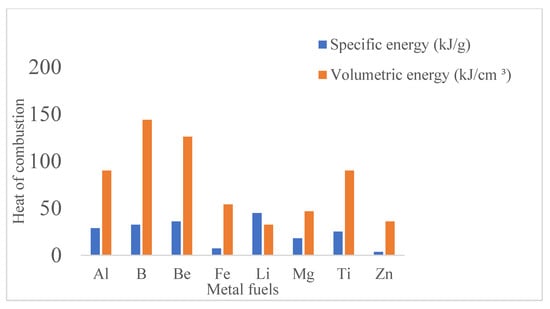
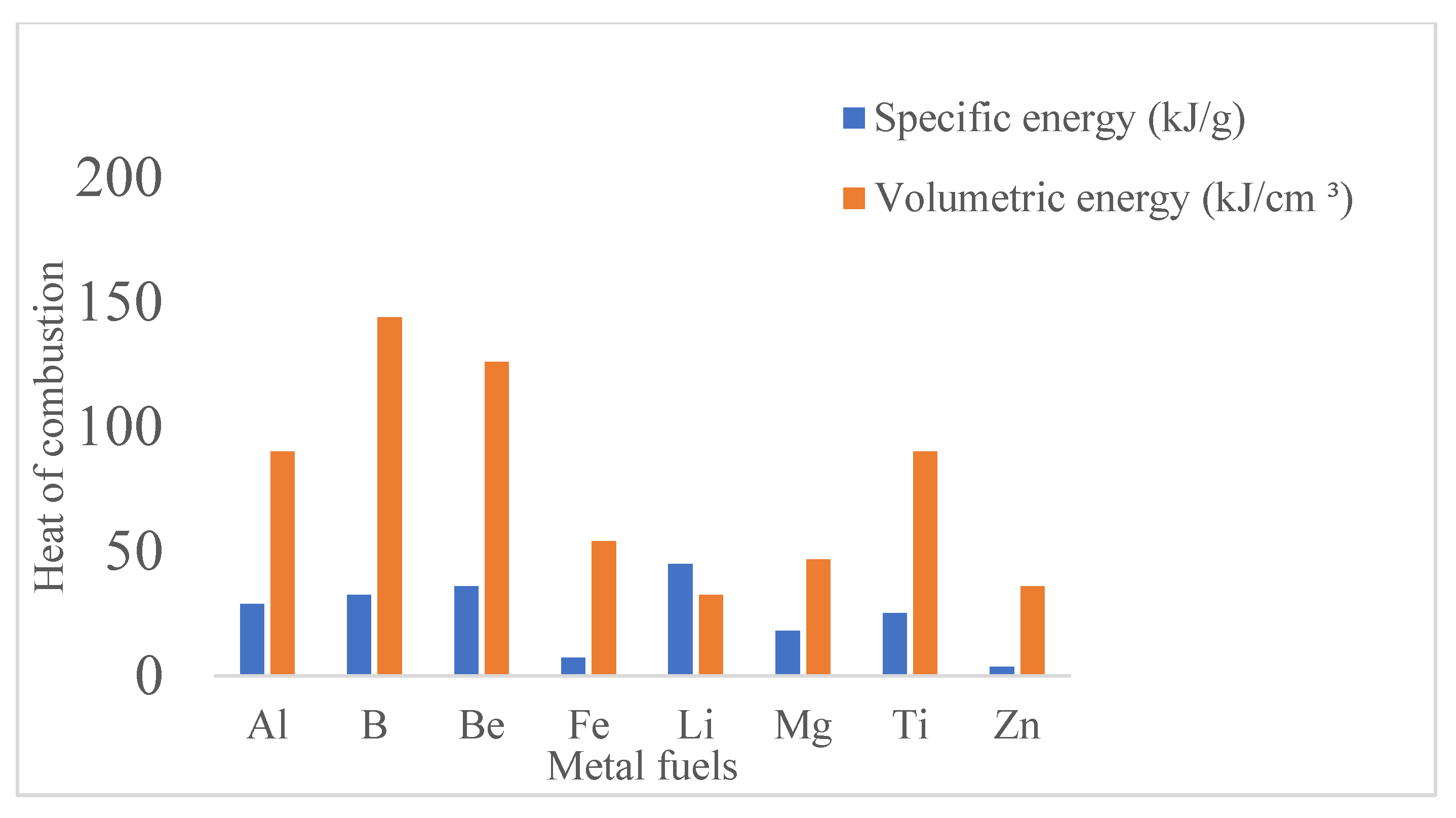

Disclaimer/Publisher’s Note: The statements, opinions and data contained in all publications are solely those of the individual author(s) and contributor(s) and not of MDPI and/or the editor(s). MDPI and/or the editor(s) disclaim responsibility for any injury to people or property resulting from any ideas, methods, instructions or products referred to in the content. |
© 2025 by the authors. Licensee MDPI, Basel, Switzerland. This article is an open access article distributed under the terms and conditions of the Creative Commons Attribution (CC BY) license (https://creativecommons.org/licenses/by/4.0/).