Article

Selection Path for Energy-Efficient Food Waste Management in Urban Areas: Scenario Analysis and Insights from Poland


by
Anna Rolewicz-Kalińska
*,
Krystyna Lelicińska-Serafin
and
Piotr Manczarski
Faculty of Building Services, Hydro and Environmental Engineering, Warsaw University of Technology, Nowowiejska 20 St., 00-653 Warsaw, Poland
*
Author to whom correspondence should be addressed.
Energies 2025, 18(2), 385; https://doi.org/10.3390/en18020385
Submission received: 16 December 2024 / Revised: 2 January 2025 / Accepted: 14 January 2025 / Published: 17 January 2025
(This article belongs to the Collection Feature Papers in Energy, Environment and Well-Being)

Abstract

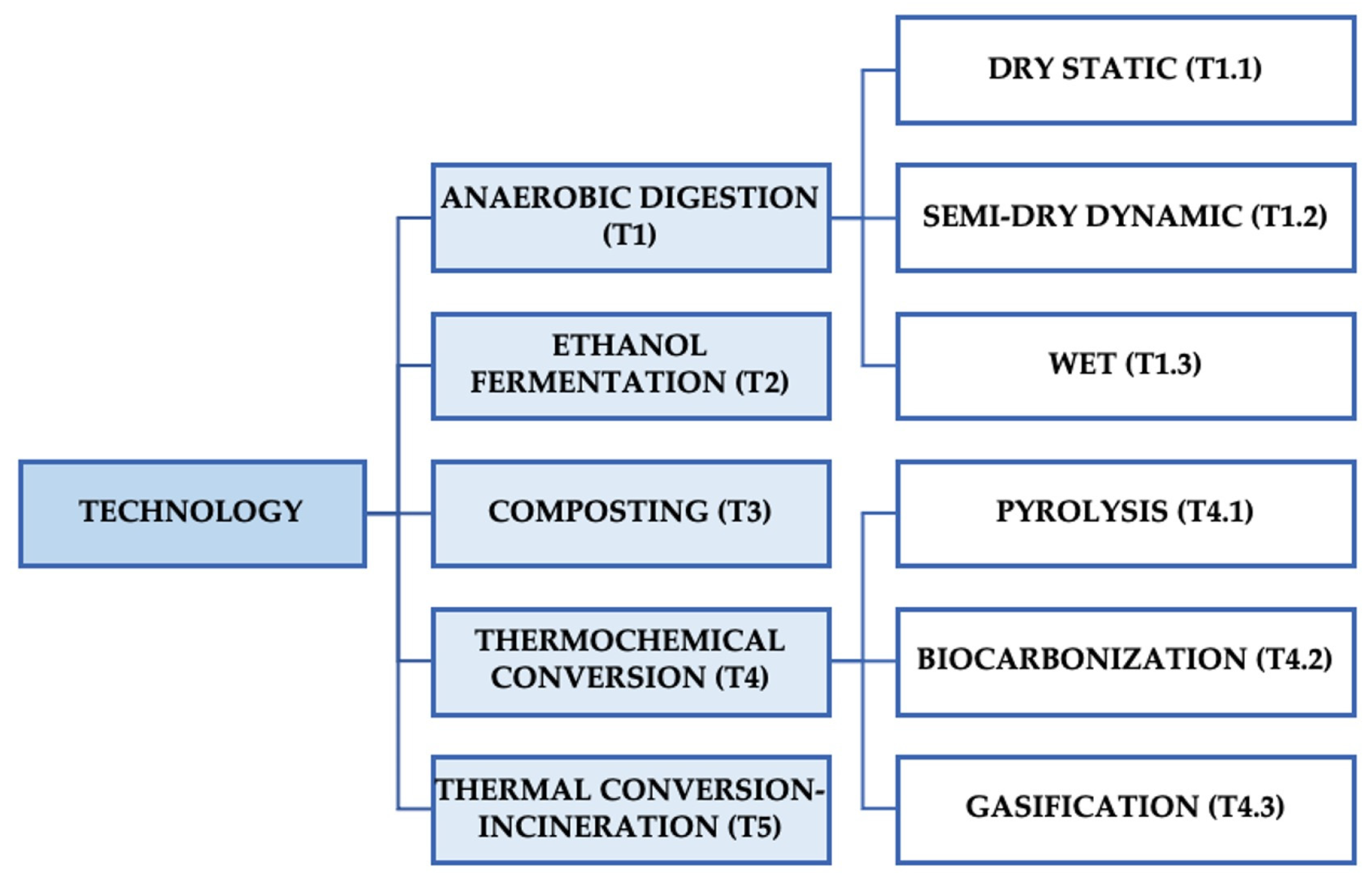
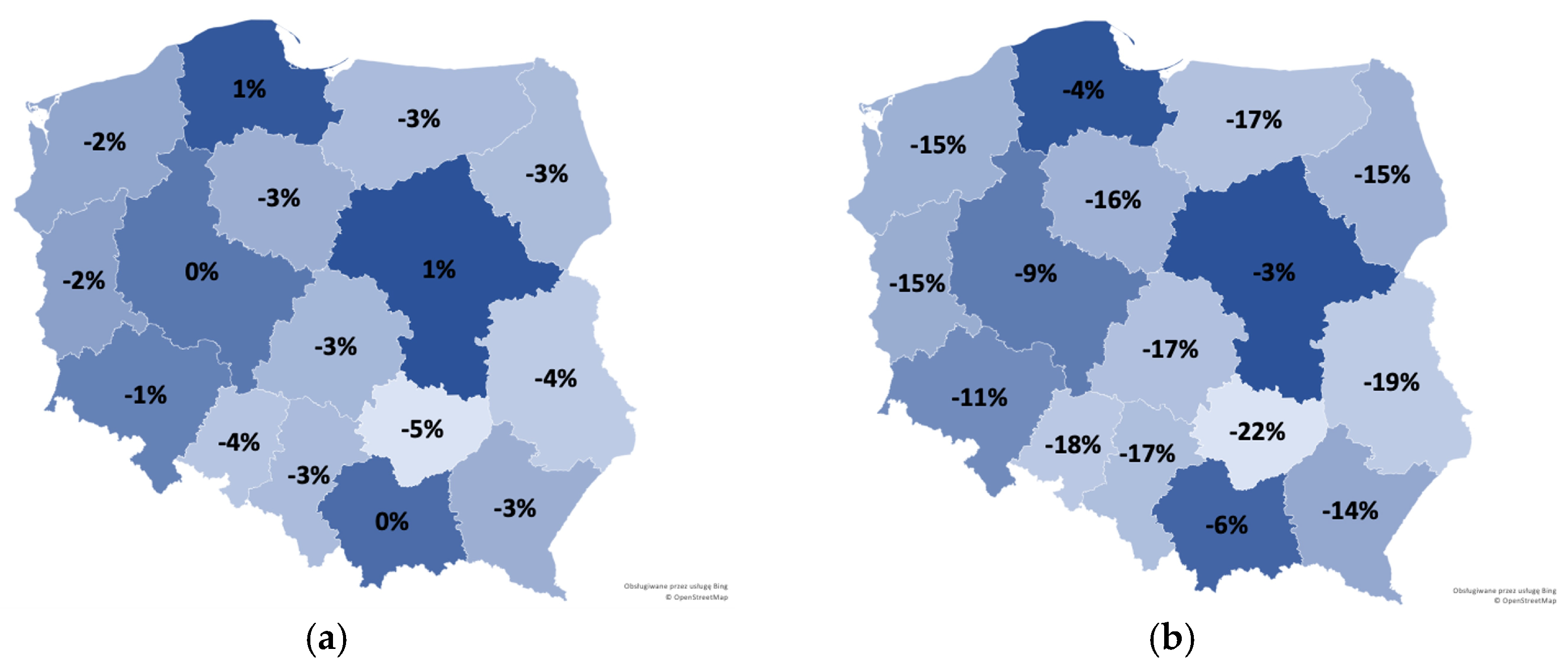
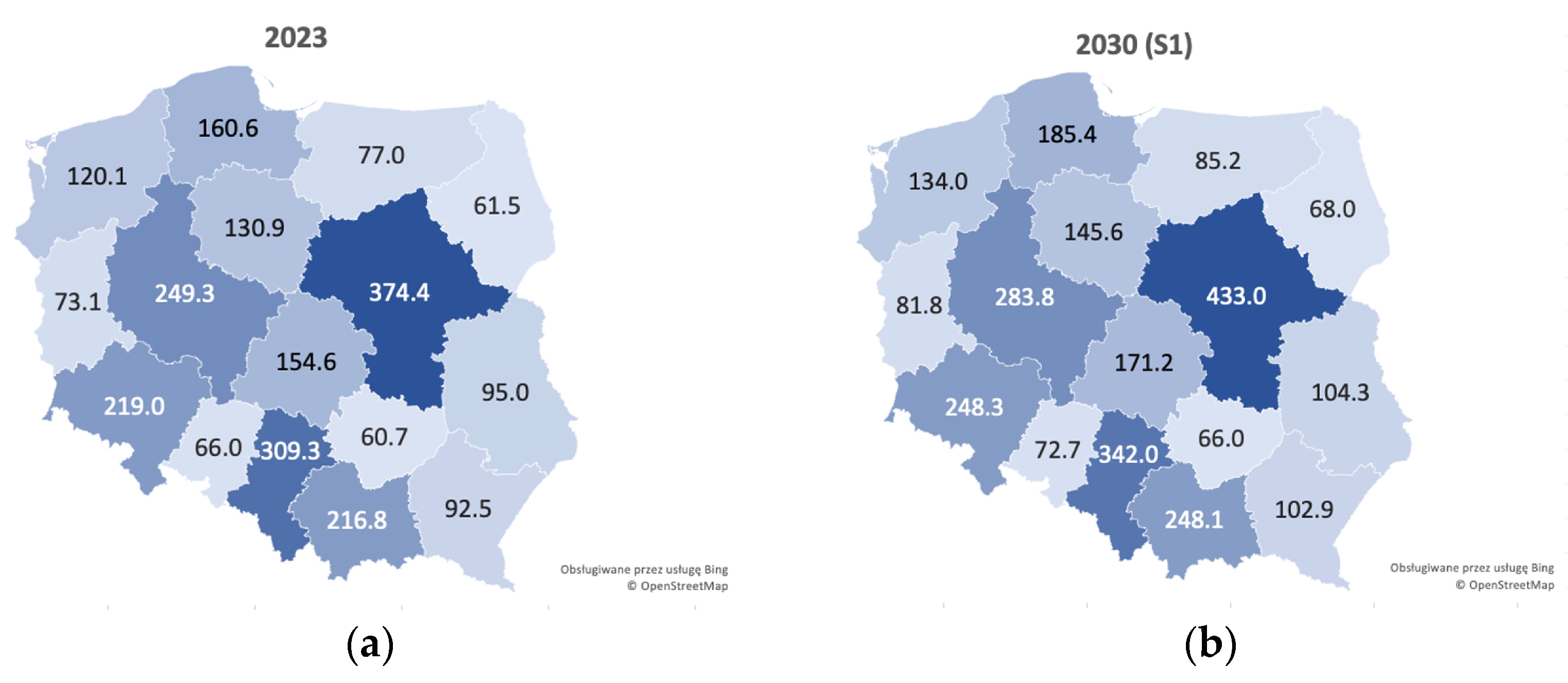
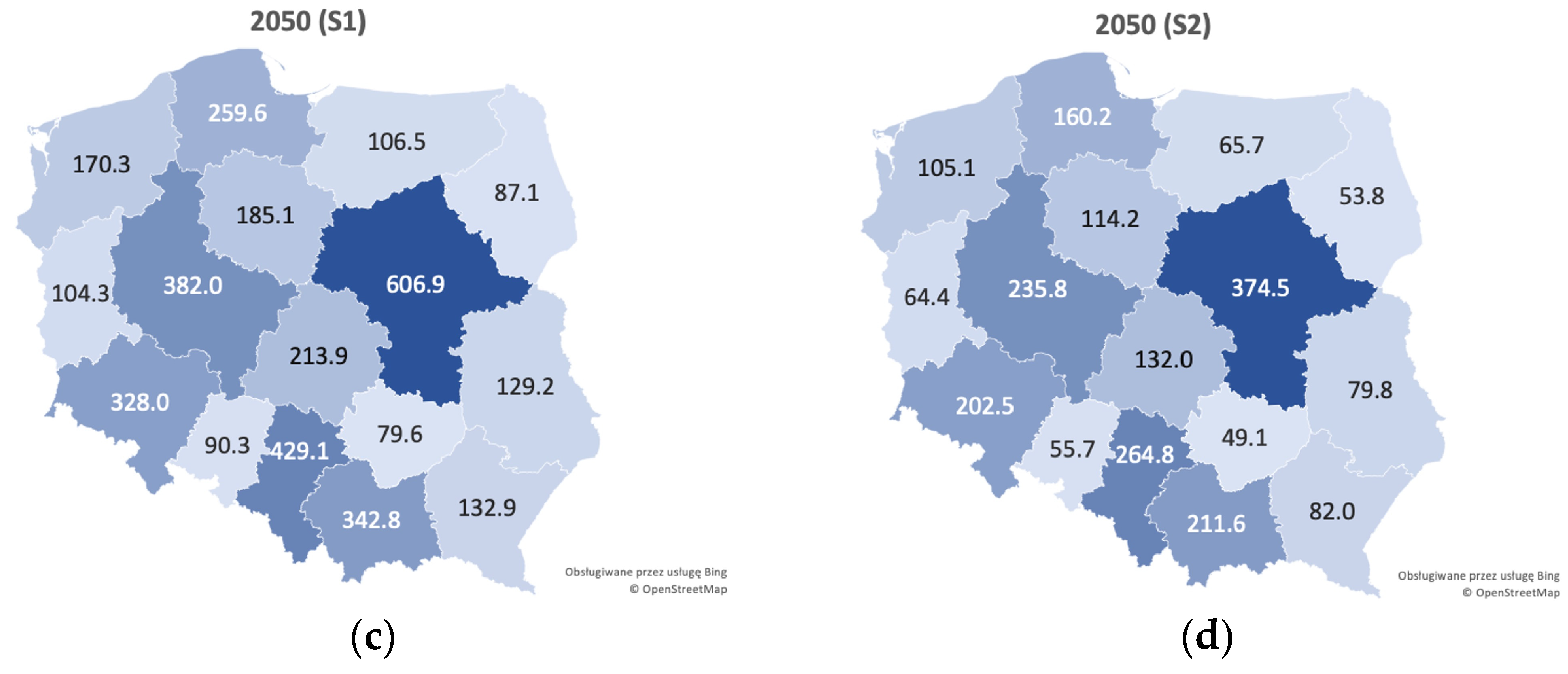
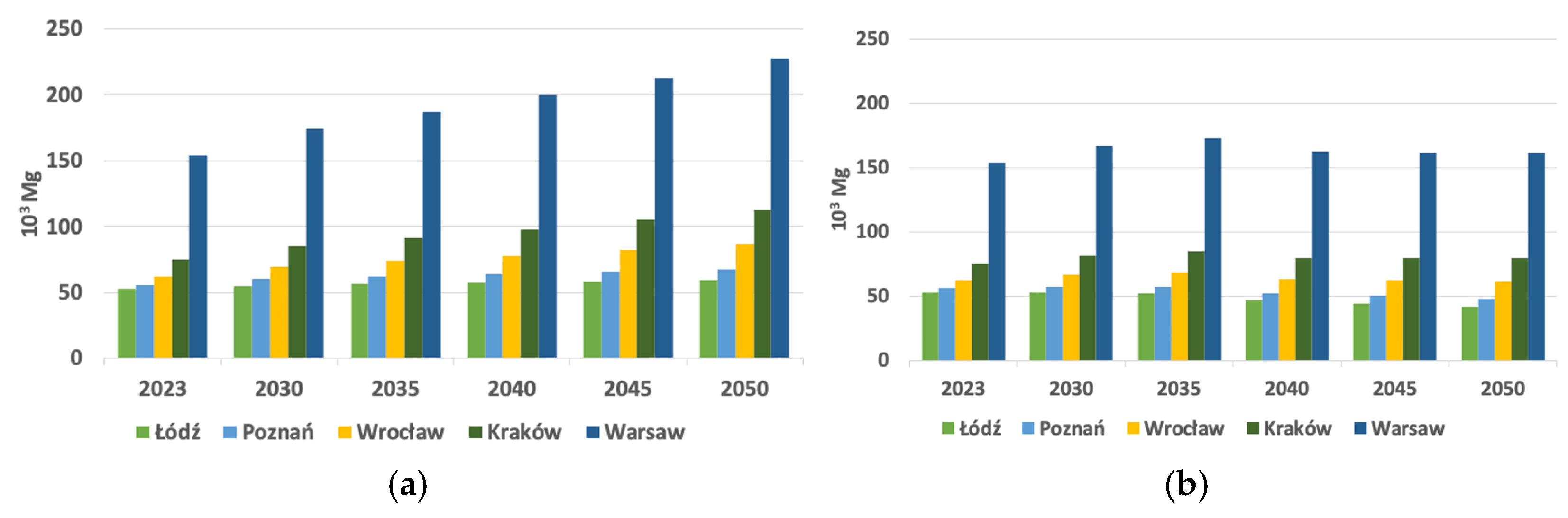
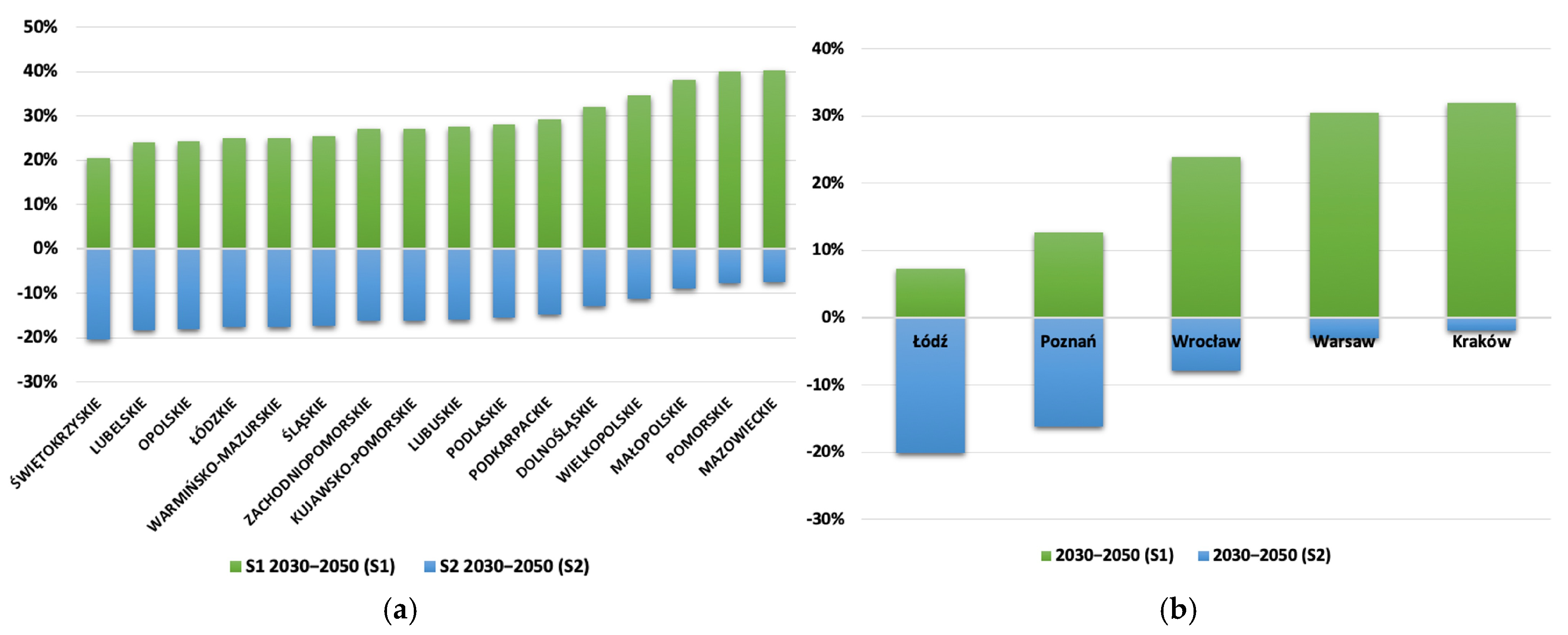
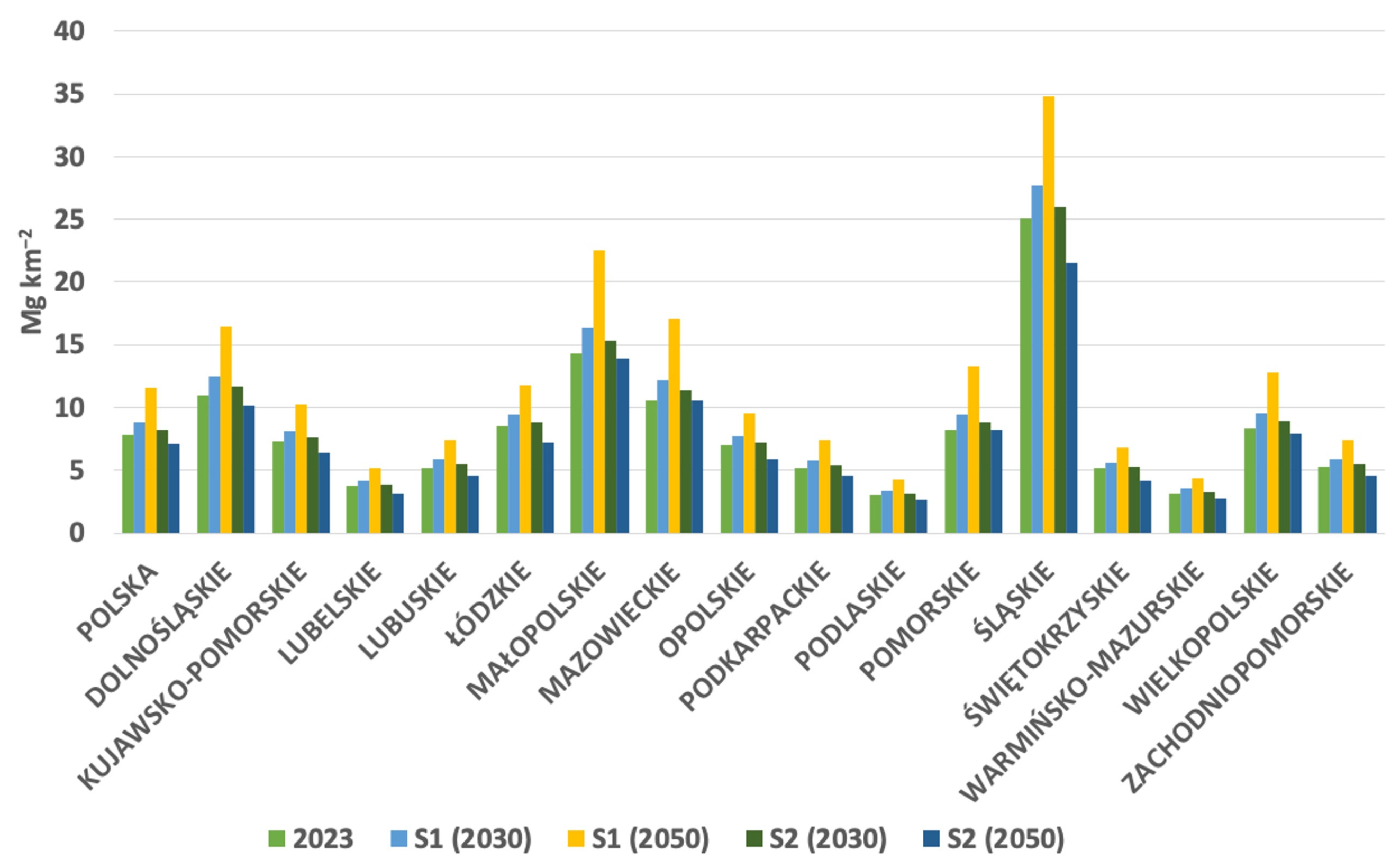
The problem of food being wasted in households has become an essential challenge in recent years. Food waste can be valorized in accordance with the principles of sustainable development, including as a source of energy. This study analyses the potential of anaerobic fermentation, pyrolysis, ethanol fermentation, incineration, and composting to treat food waste, focusing on its energy yield. This research considered two potential scenarios for generating food waste in Poland in both the near term (2030) and the long term (2050). Scenarios were proposed for regions with different levels of urbanization and demographic trends. The criteria for the selection of technologies for the energy-efficient processing of food waste from households in Poland were identified, taking into account the current state of these technologies, their prospective development, demographic changes, the nature of the regions, the trajectory of food waste generation, the spatial food waste generation rate, and the energy potential. Technologies like methane fermentation and thermochemical methods should be developed in densely populated areas with a high spatial food waste generation rate. Among the thermochemical processes, fast pyrolysis will provide the most significant energy benefits, followed by moderate pyrolysis and biocarbonization—at similar levels. Incineration is placed between carbonization and gasification. In less populated areas with lower spatial food waste generation rates, combining substrates with co-processing food waste and green waste should be considered. Biocarbonization systems can be integrated with composting in rural regions.
Keywords: food waste; anaerobic digestion; pyrolysis; incineration; energy potential food waste; anaerobic digestion; pyrolysis; incineration; energy potential