Article

The Energy Footprint in the EU: How CO2 Emission Reductions Drive Sustainable Development

1
Faculty of Management, AGH University of Krakow, A. Mickiewicza Ave. 30, 30-059 Kraków, Poland
2
Loughborough Business School, Loughborough University, Epinal Way, Loughborough LE11 3TU, UK
3
Faculty of Economics and Management, Lesya Ukrainka Volyn National University, Voli Ave, 13, 43-025 Lutsk, Ukraine
4
Department of Biosystems Engineering, Faculty of Environmental and Mechanical Engineering, Poznan University of Life Sciences, Wojska Polskiego 50, 60-627 Poznan, Poland
5
Novovolynsk Educational and Research Institute of Economics and Management, West Ukrainian National University, Novovolynsk Shevchenko Boulevard 2, 45-400 Novovolynsk, Ukraine
*
Author to whom correspondence should be addressed.
Energies 2025, 18(12), 3110; https://doi.org/10.3390/en18123110
Submission received: 14 May 2025 / Revised: 5 June 2025 / Accepted: 7 June 2025 / Published: 12 June 2025

Abstract

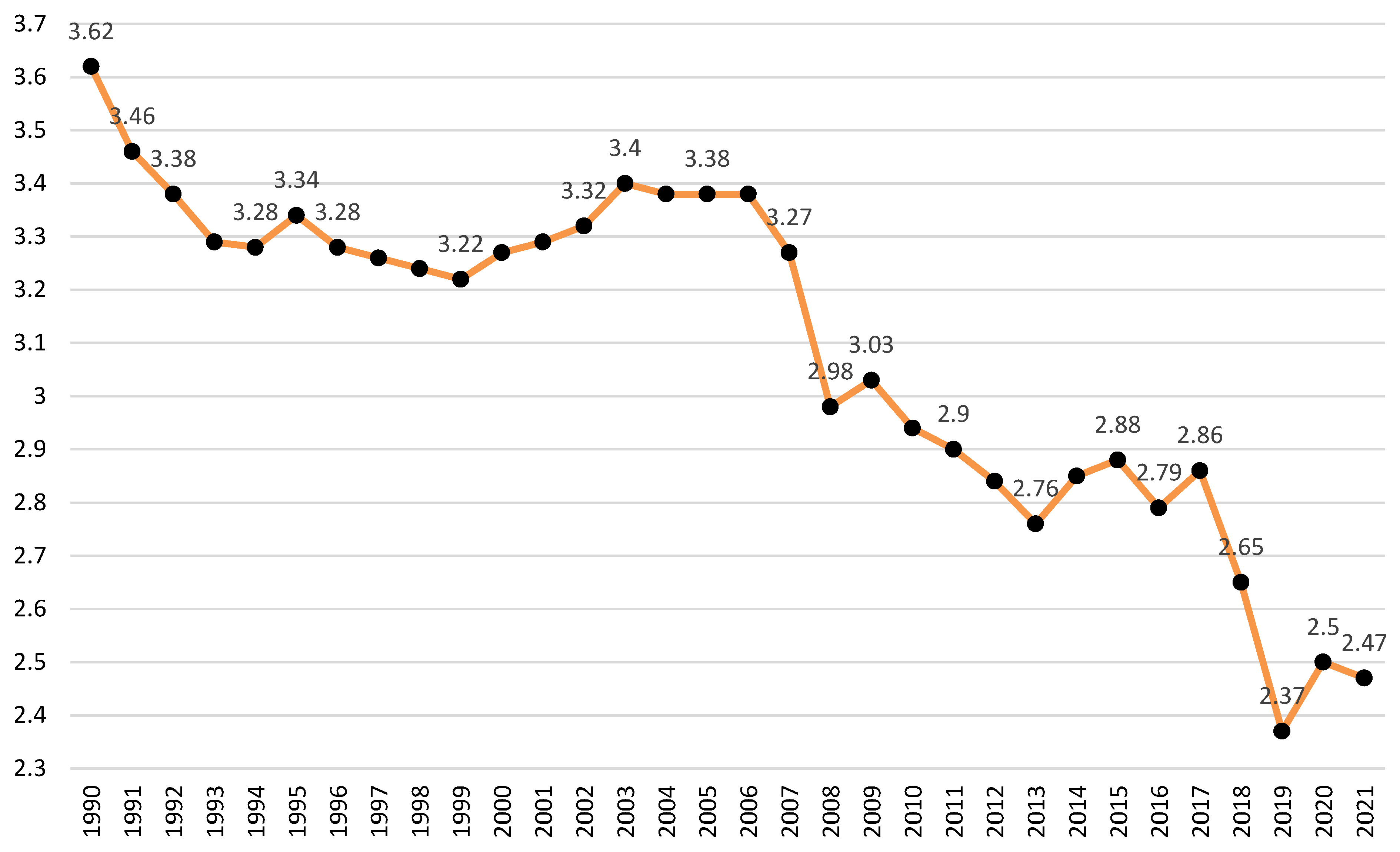
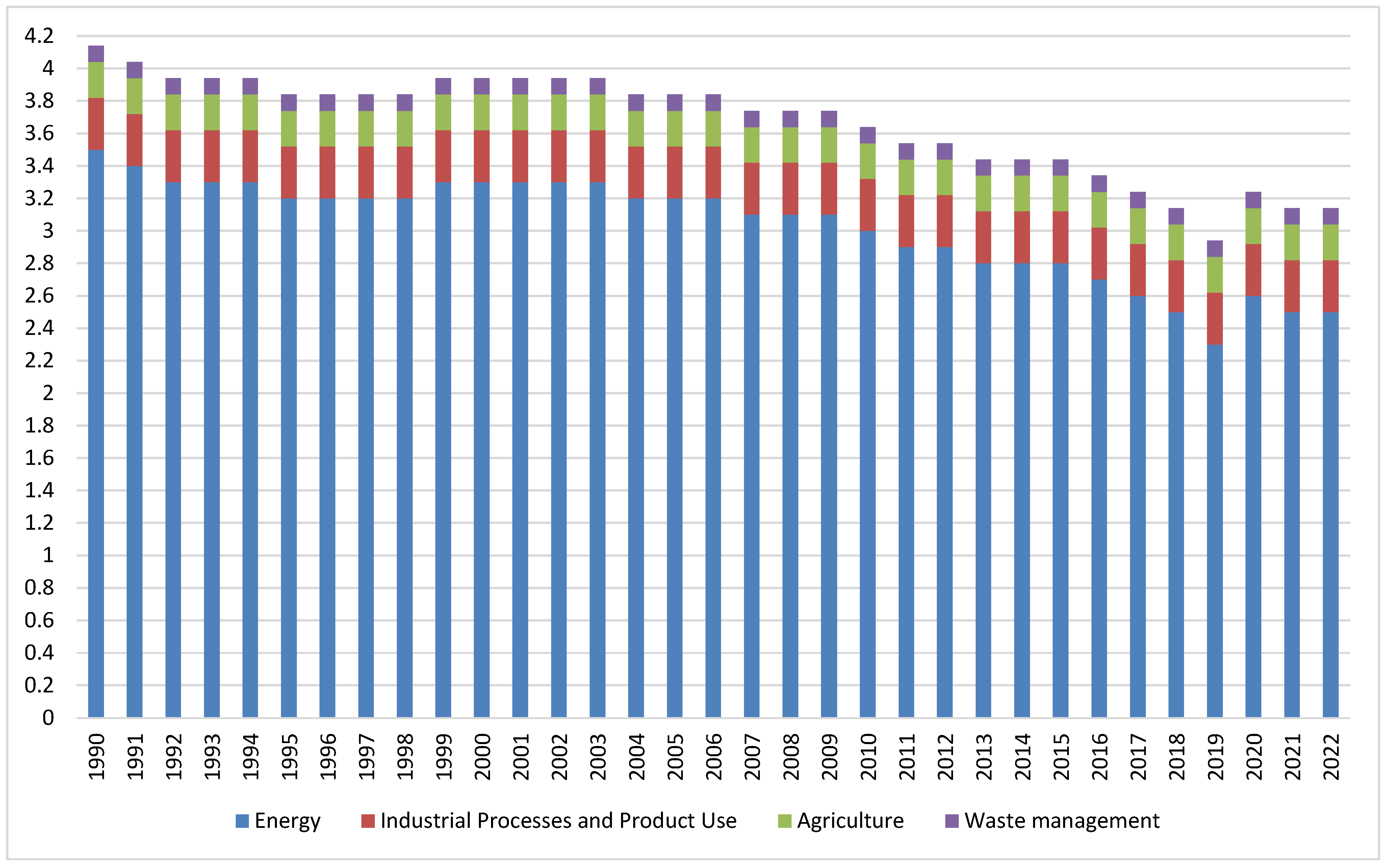
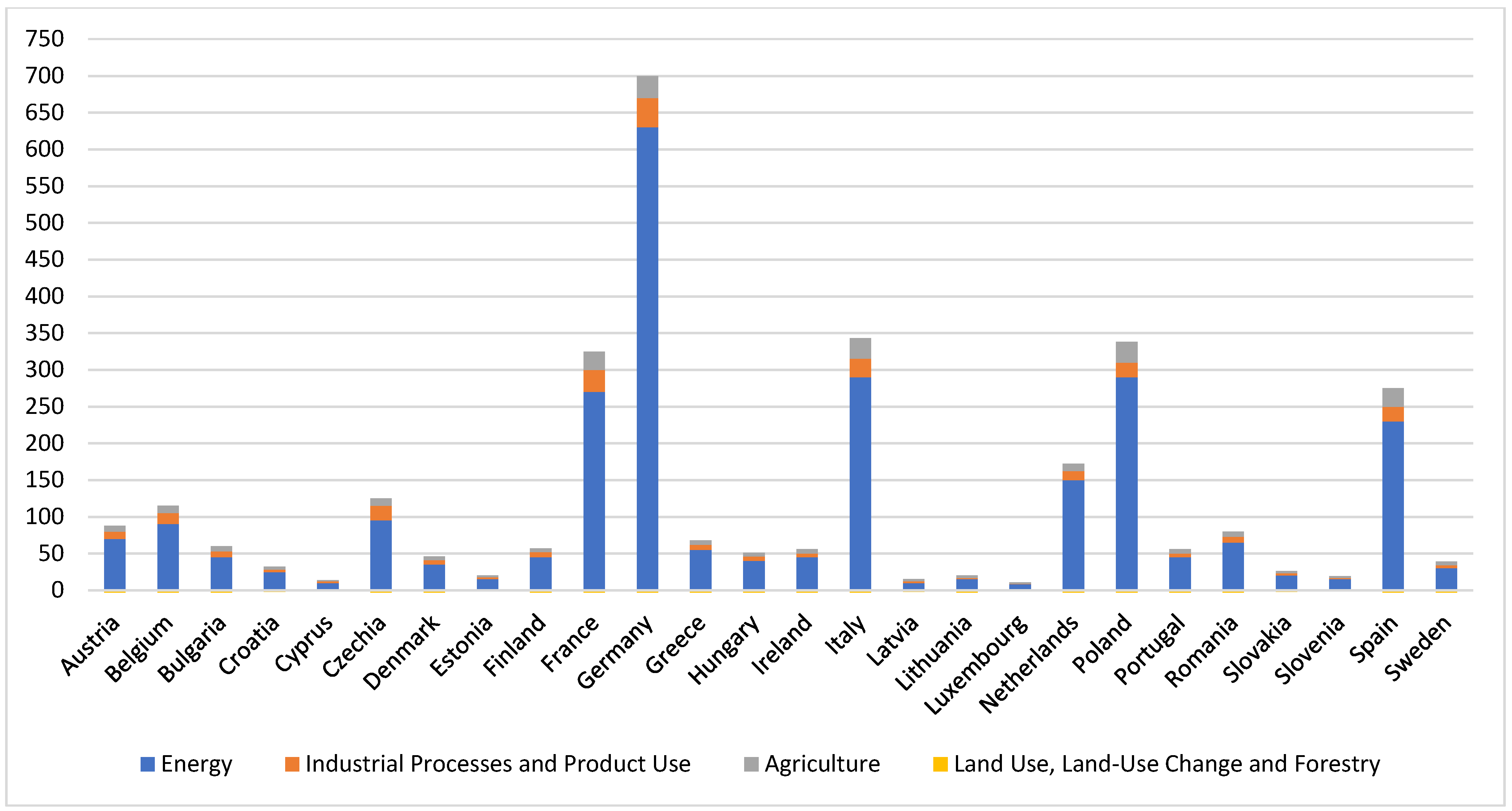
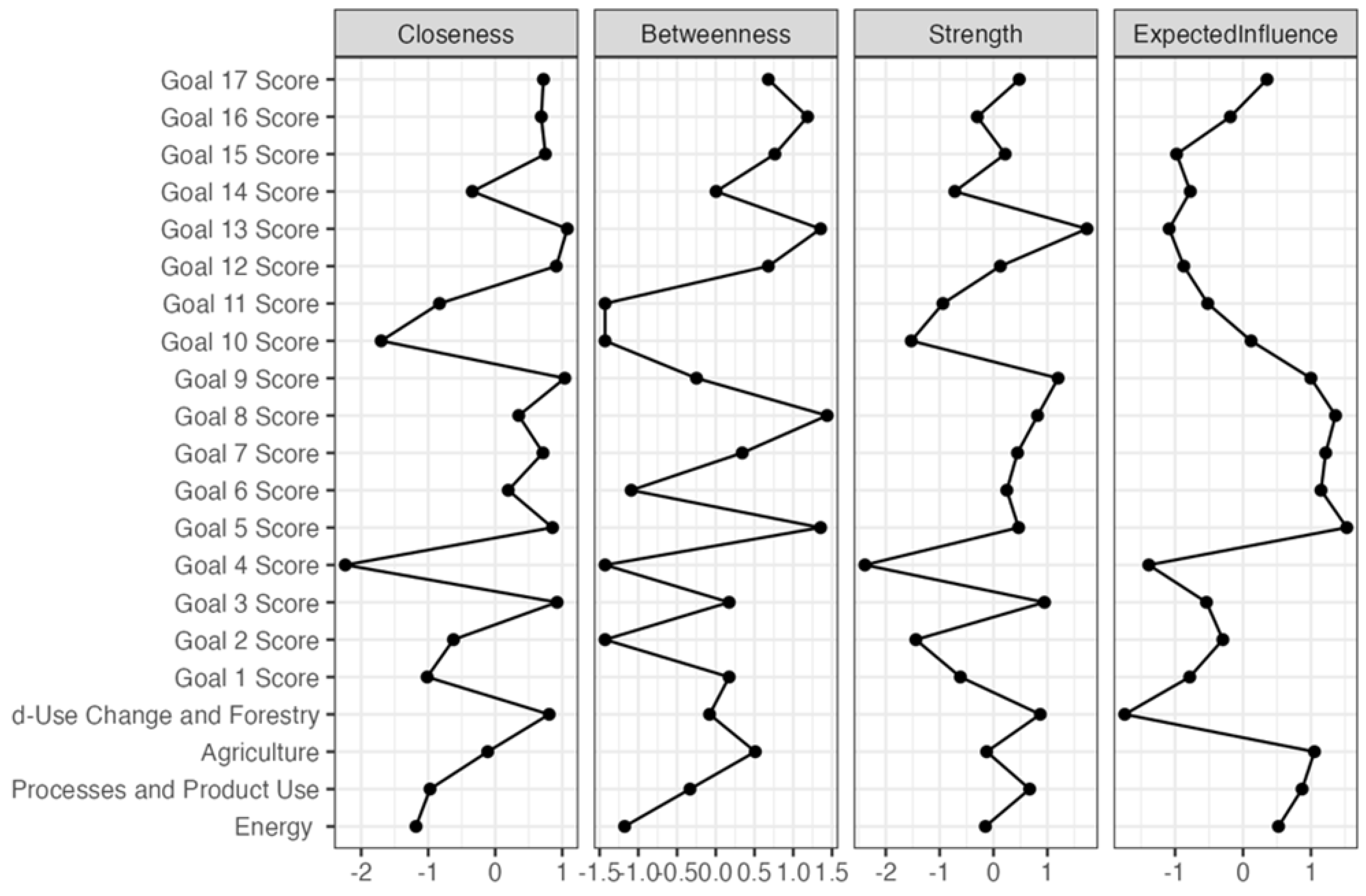
Understanding how sectoral CO2 emissions shape sustainable development outcomes is essential for designing effective energy and economic strategies within the European Union (EU). This study presents a multidimensional analysis of CO2 emissions, the contributions of individual sectors, and their connections to the Sustainable Development Goals (SDGs). Using Bayesian network analysis, the research identifies significant interdependencies between emission reductions and progress in sustainable development, highlighting the complex relationship between energy transition, economic growth, and social justice. The findings show that total CO2 emissions in the EU have decreased since 1990; however, the rate of reduction varies across sectors and member states. The most substantial decreases have been recorded in the energy sector, while industrial processes and agriculture show slower progress. Economic crises, such as the 2008 financial collapse and the COVID-19 pandemic, have led to temporary declines in emissions; however, lasting achievements in sustainability require structural transformations rather than short-term disruptions. The Bayesian model reveals strong connections between emission reductions and progress on clean energy (SDG 7), responsible consumption (SDG 12), and climate action (SDG 13), while also indicating indirect impacts on economic growth (SDG 8) and social equity. This highlights the importance of integrated policymaking to maximise the benefits of sustainable development. This study provides a data-driven foundation for enhancing EU climate strategies, ensuring that emission reductions support environmental goals, economic resilience, and social well-being.
Keywords: energy footprint; sustainable development; Bayesian network; CO2 emissions; EU policy; sectoral analysis; Sustainable Development Goals energy footprint; sustainable development; Bayesian network; CO2 emissions; EU policy; sectoral analysis; Sustainable Development Goals