Article

A Novel LCLC Parallel Resonant Circuit for High-Frequency Induction Heating Application

1
Department of Electrical Engineering, Taizhou University, Taizhou 225300, China
2
College of Hydraulic Science and Engineering, Yangzhou University, Yangzhou 225009, China
*
Author to whom correspondence should be addressed.
Energies 2024, 17(23), 5892; https://doi.org/10.3390/en17235892
Submission received: 11 October 2024 / Revised: 13 November 2024 / Accepted: 19 November 2024 / Published: 24 November 2024
(This article belongs to the Section F3: Power Electronics)

Abstract

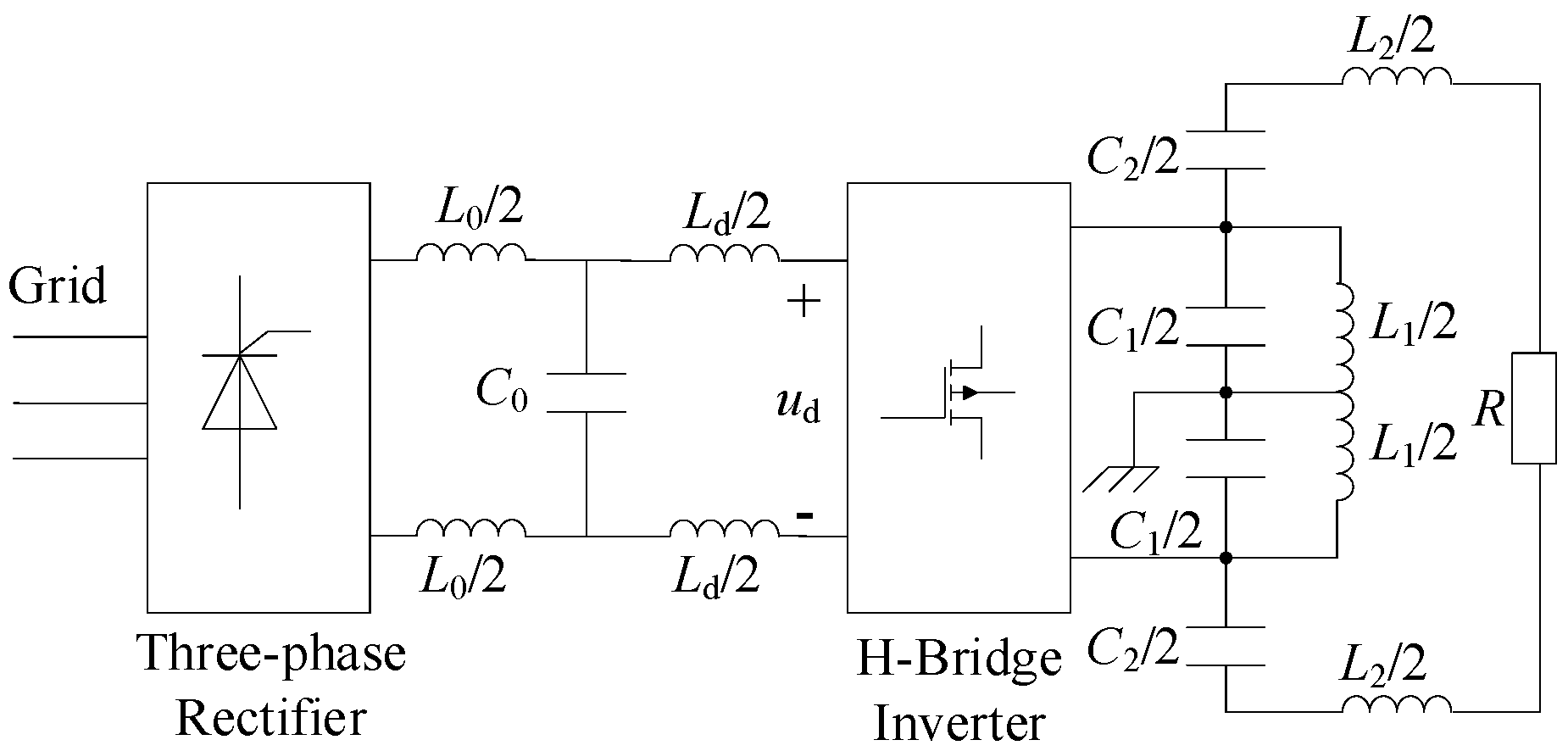
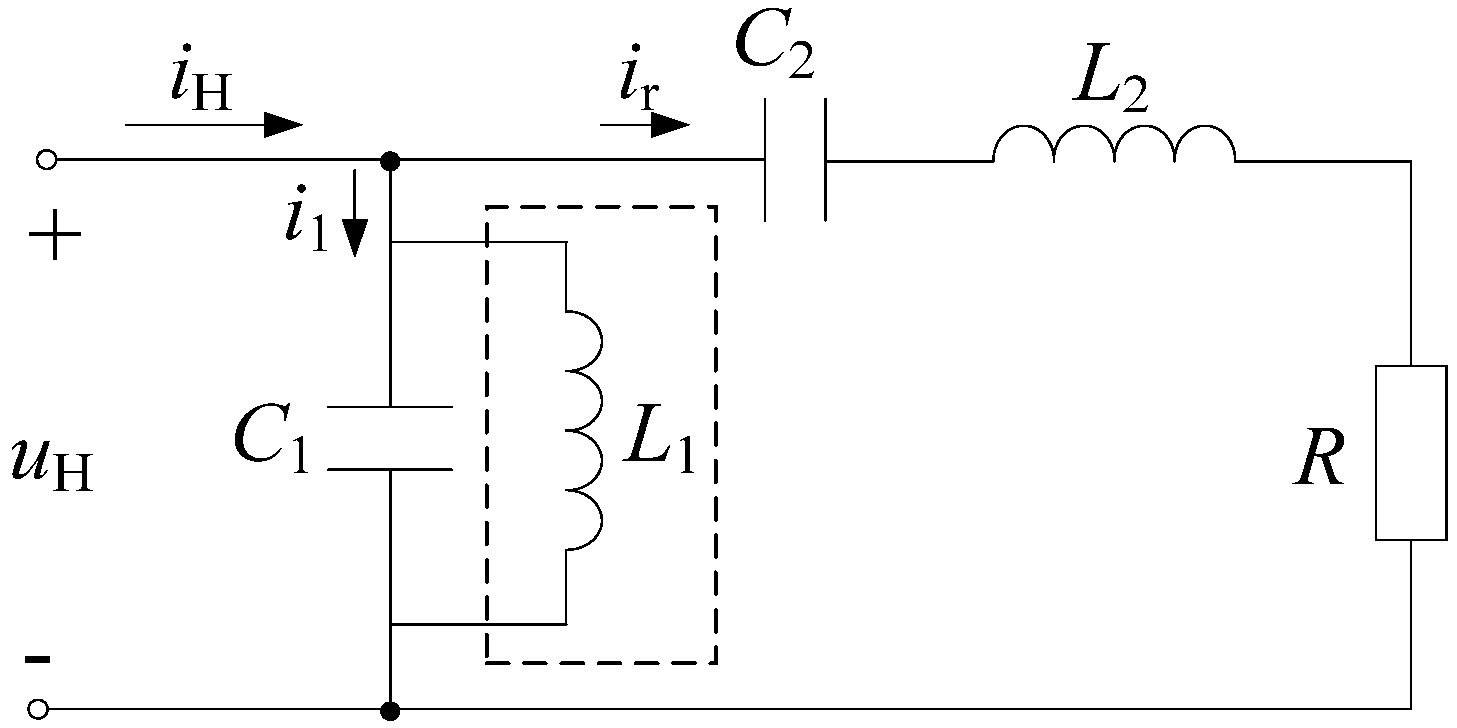
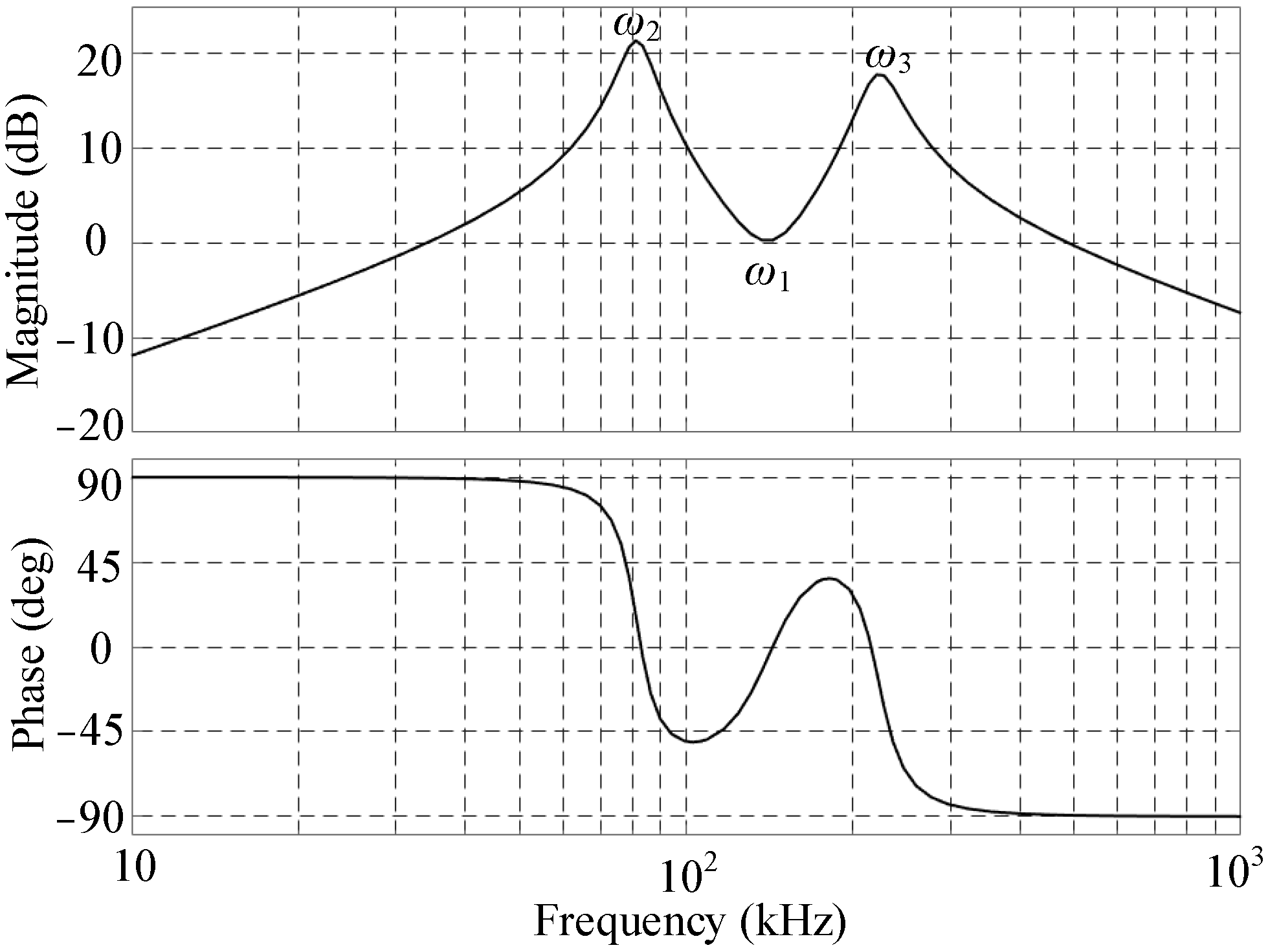
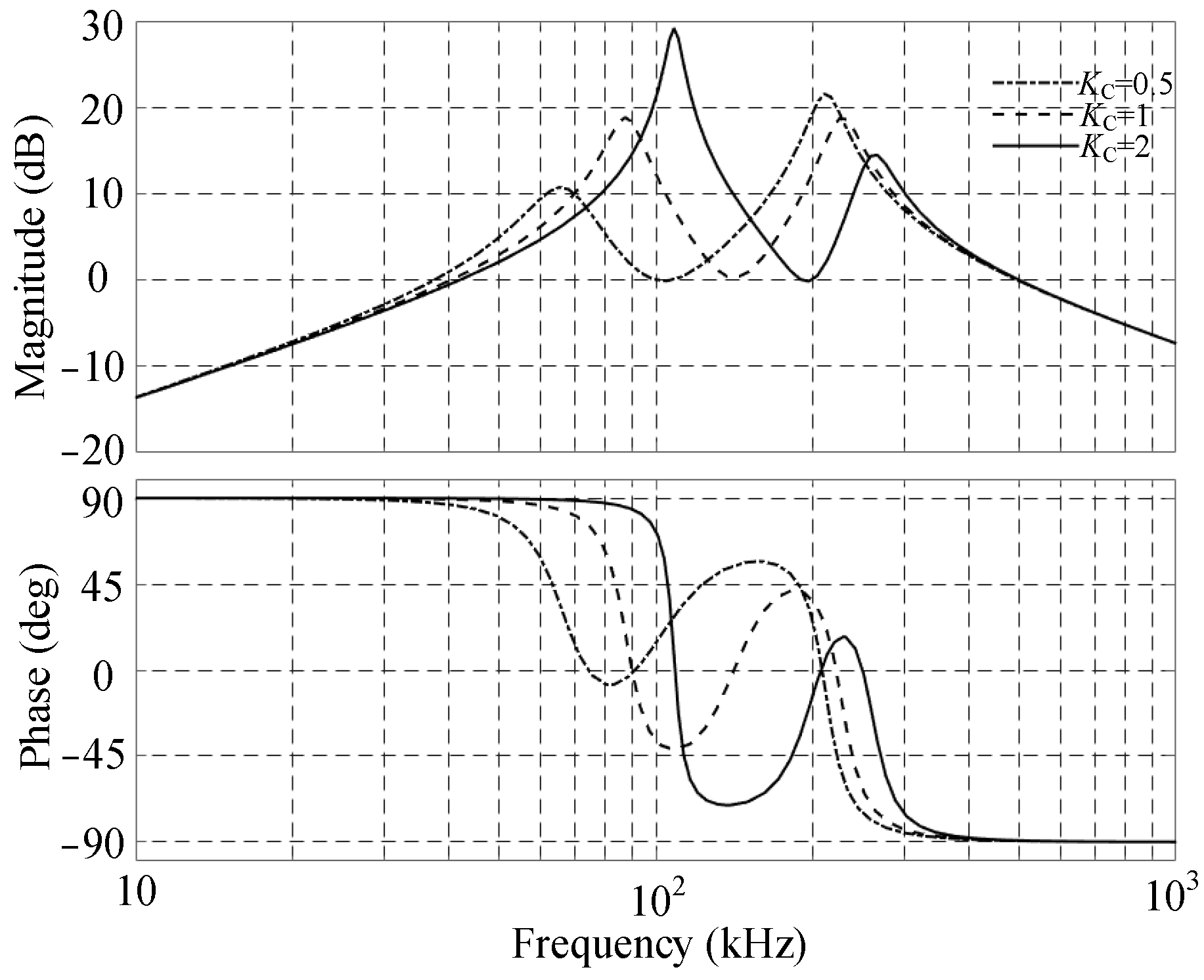
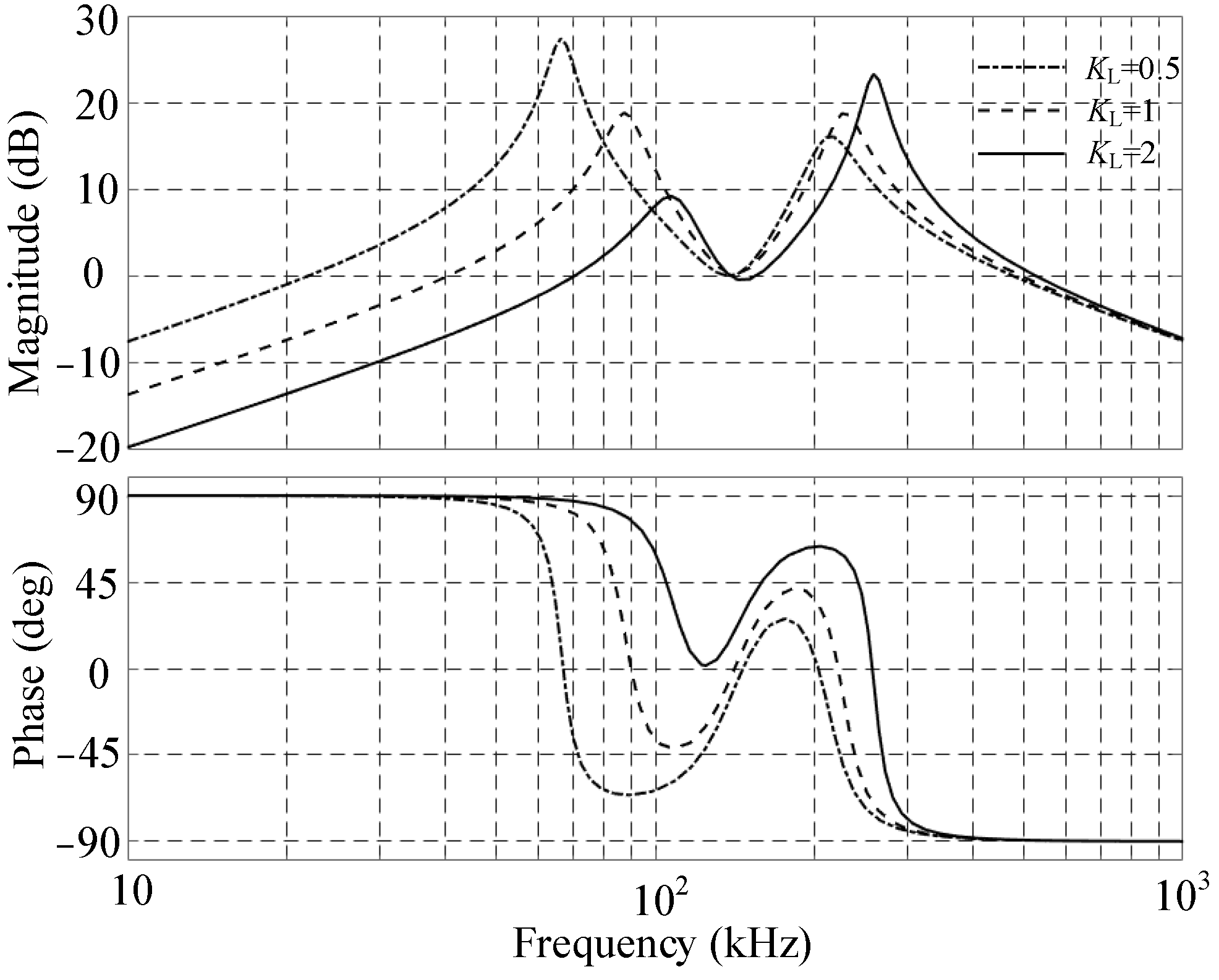
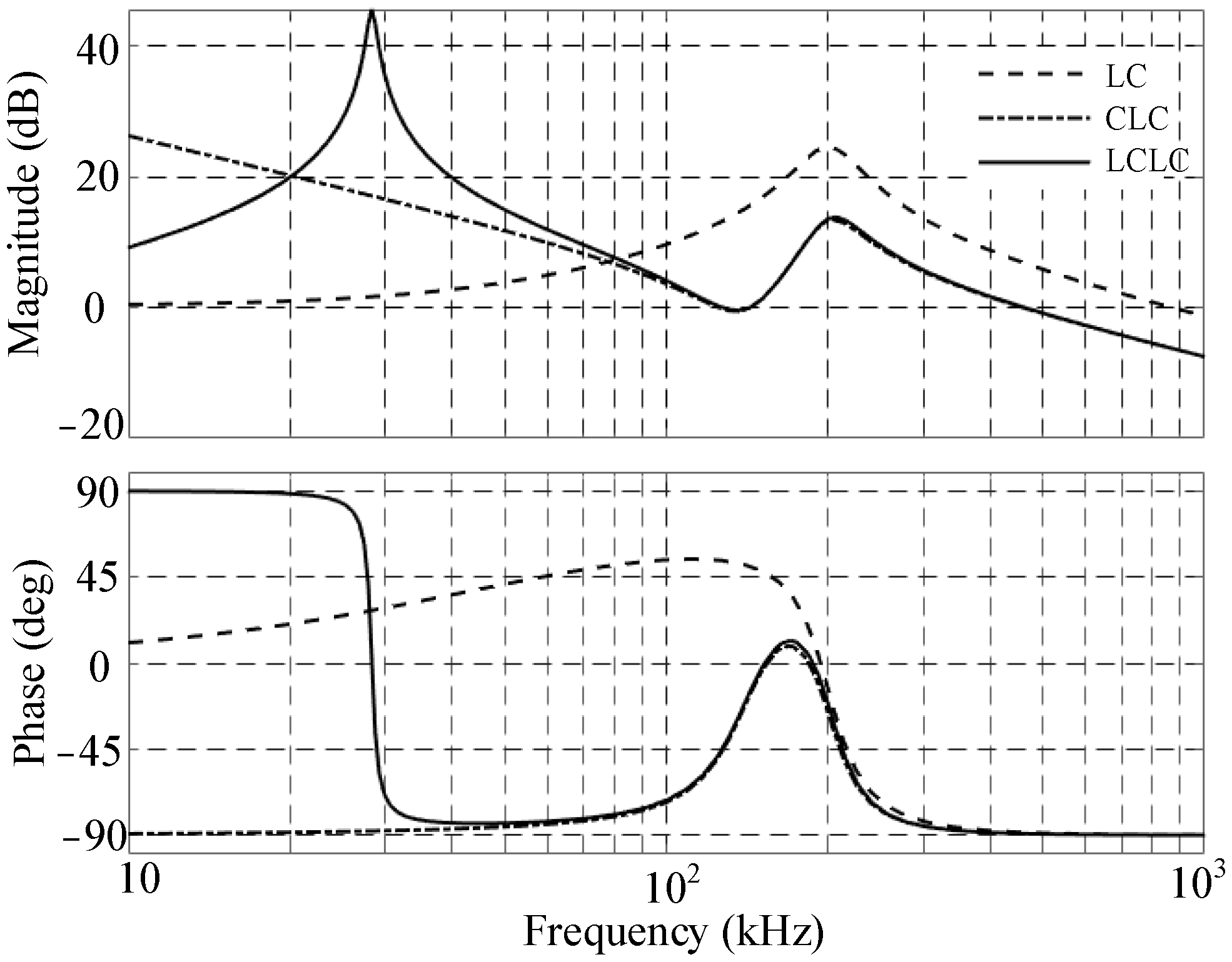
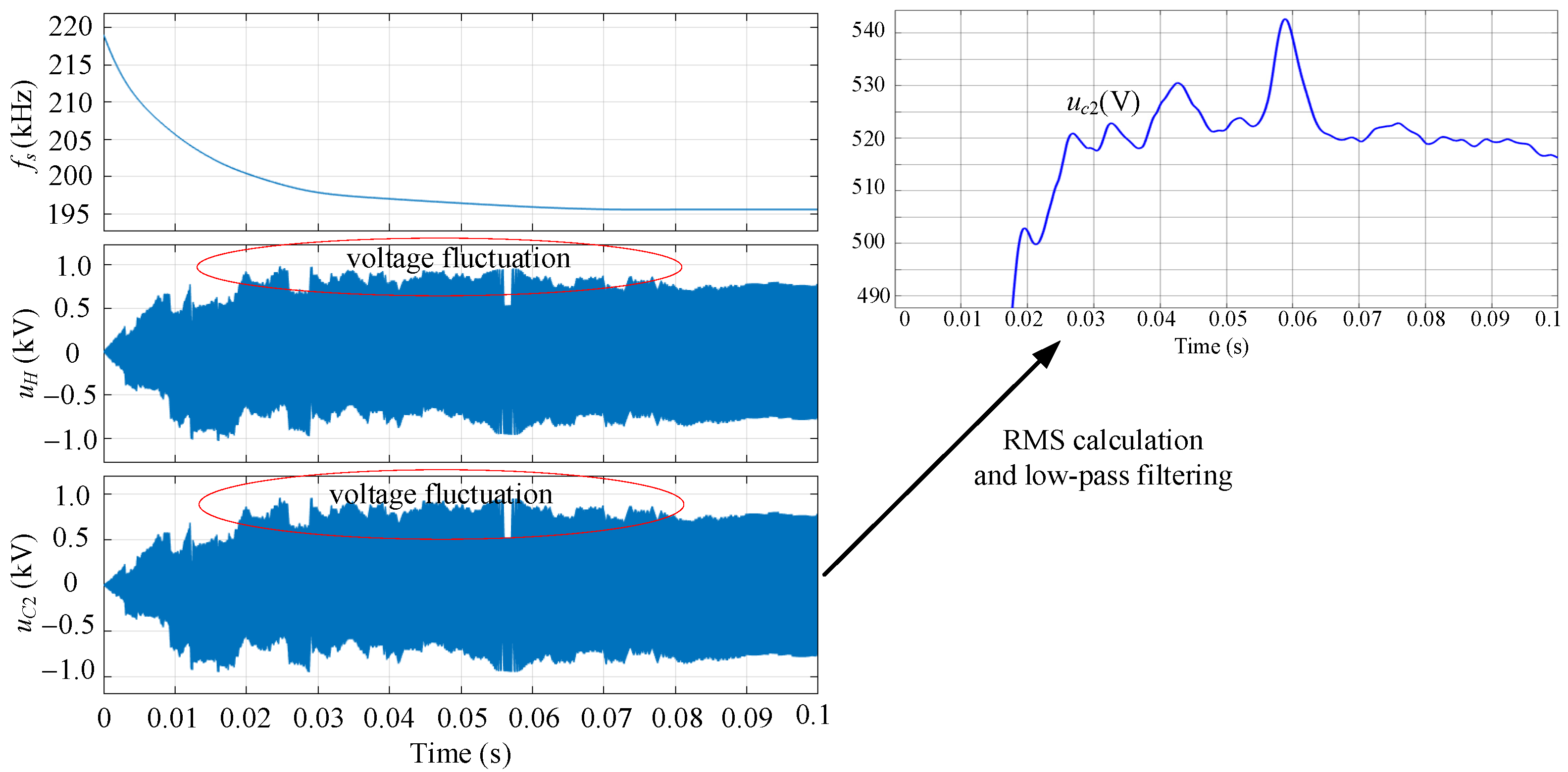
The application of induction heating power supply in the continuous production line of tinplate has garnered significant research and scholarly attention. However, the impedance matching of LC or CLC resonant circuits in the system lacks flexibility and is susceptible to overvoltage during startup. As a solution to the problem, a novel four-order LCLC parallel resonant circuit was proposed in this study for high-frequency induction heating power supply. By incorporating auxiliary inductors in parallel with CLC compensating capacitor branches, the induction heating system can operate reliably and achieve optimal load impedance matching. The equivalent circuit and mathematical model of the new resonant load were established, and the frequency characteristics of the circuit system were analyzed. Then, the parallel resonance characteristics of the new resonant circuit were comprehensively elucidated, including the quality factor, impedance characteristics, behavior of resonant current, and properties of voltage regulation. Finally, a simulation model of a high-frequency induction heating power supply was developed based on the proposed LCLC resonant circuit and compared with LC and CLC resonant circuits. The results demonstrated that the induction heating power supply system utilizing the proposed LCLC parallel resonant load exhibits superior parallel resonant characteristics, enhanced load impedance-matching flexibility, and improved output voltage stability when compared to traditional LC or CLC parallel resonant loads.
Keywords: high-frequency induction heating power supply; current source inverter; LCLC resonant circuit; parallel resonance; impedance matching high-frequency induction heating power supply; current source inverter; LCLC resonant circuit; parallel resonance; impedance matching