Article

Study on the Thermodynamic–Kinetic Coupling Characteristics of Free-Piston Stirling Air Conditioning


1
College of Coal and Chemical Industry, Shaanxi Energy Institute, Xianyang 712000, China
2
School of Mechatronic Engineering, Xi’an Technological University, Xi’an 710021, China
*
Author to whom correspondence should be addressed.
Energies 2024, 17(22), 5795; https://doi.org/10.3390/en17225795
Submission received: 19 October 2024 / Revised: 9 November 2024 / Accepted: 18 November 2024 / Published: 20 November 2024
(This article belongs to the Section J: Thermal Management)

Abstract

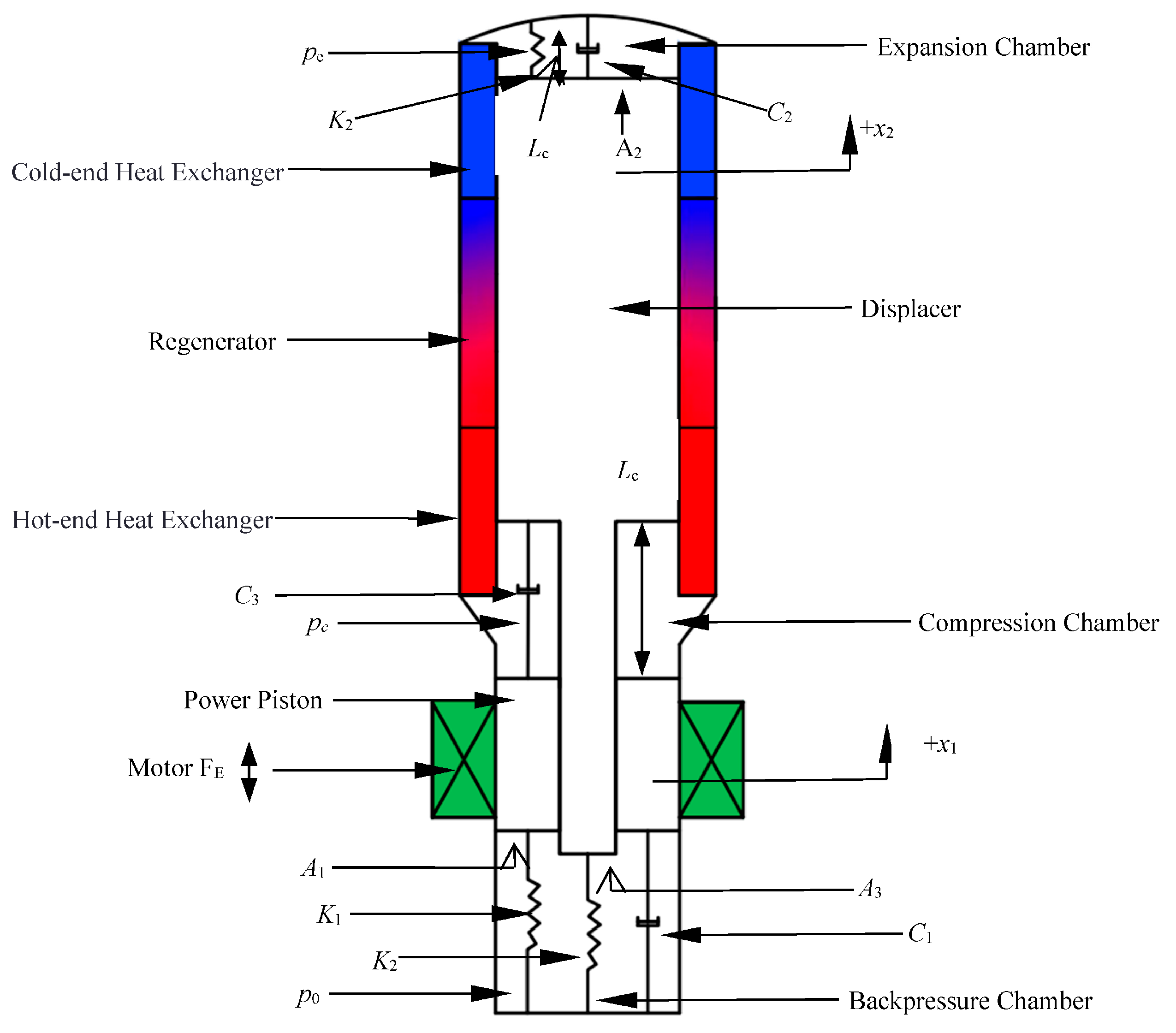
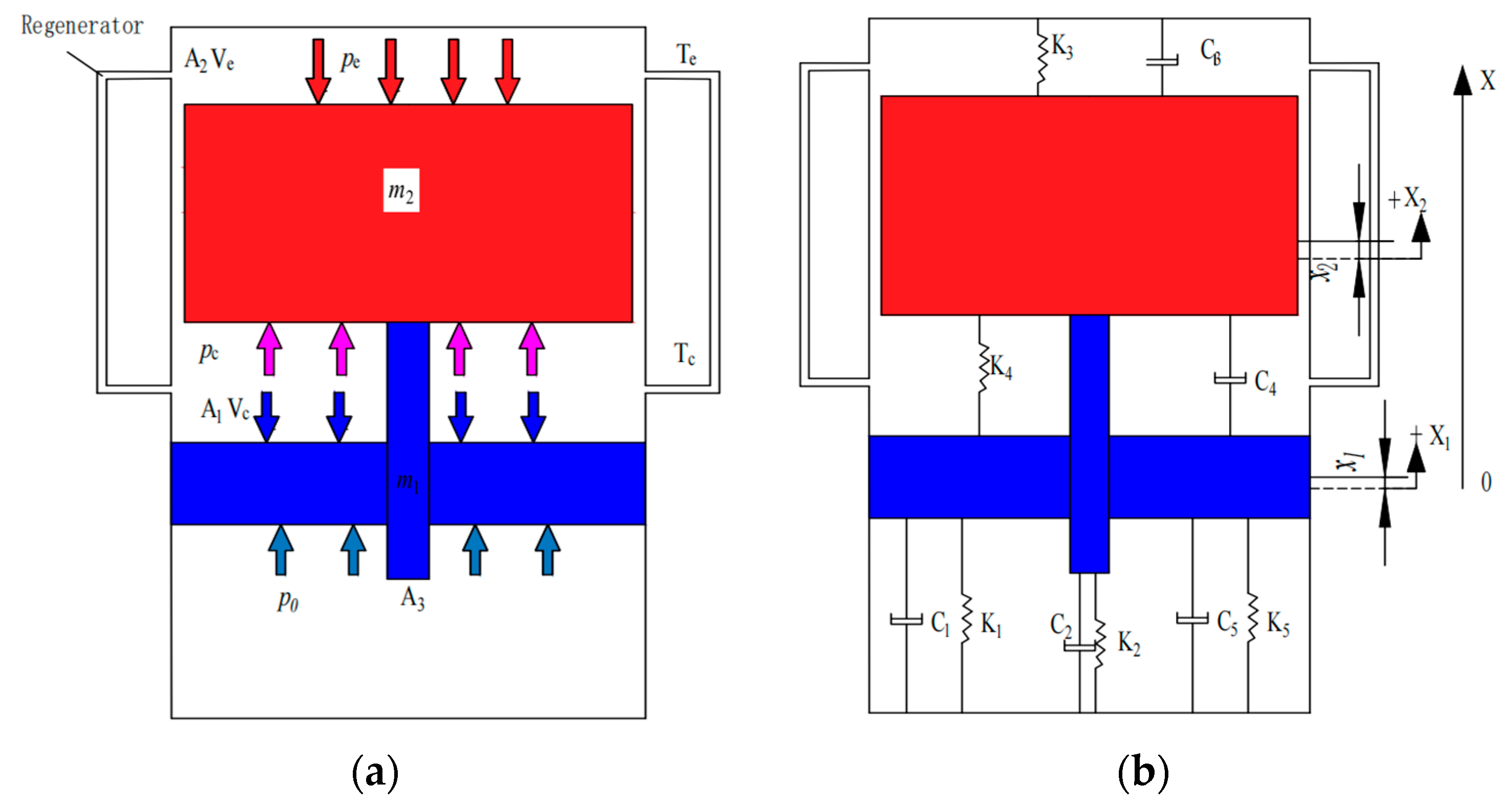
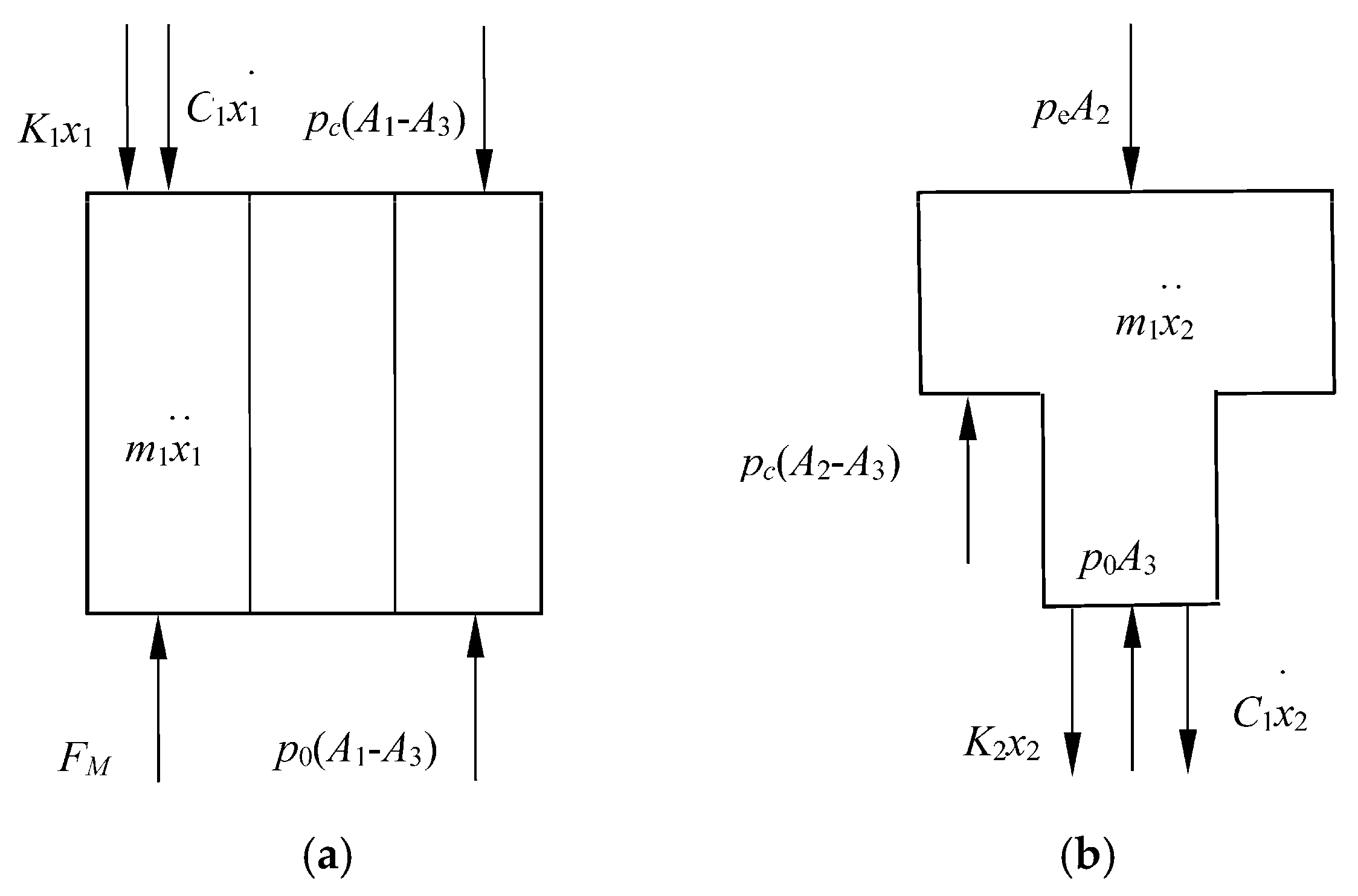
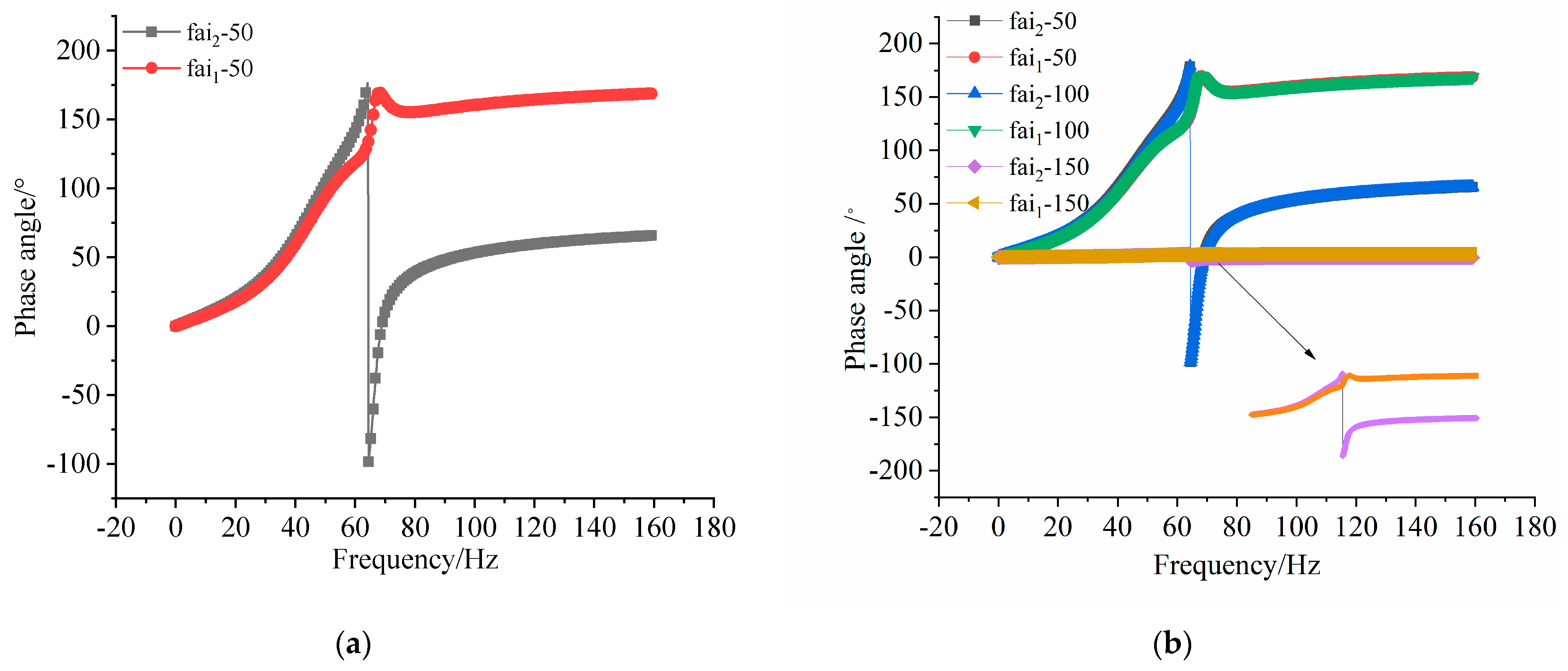
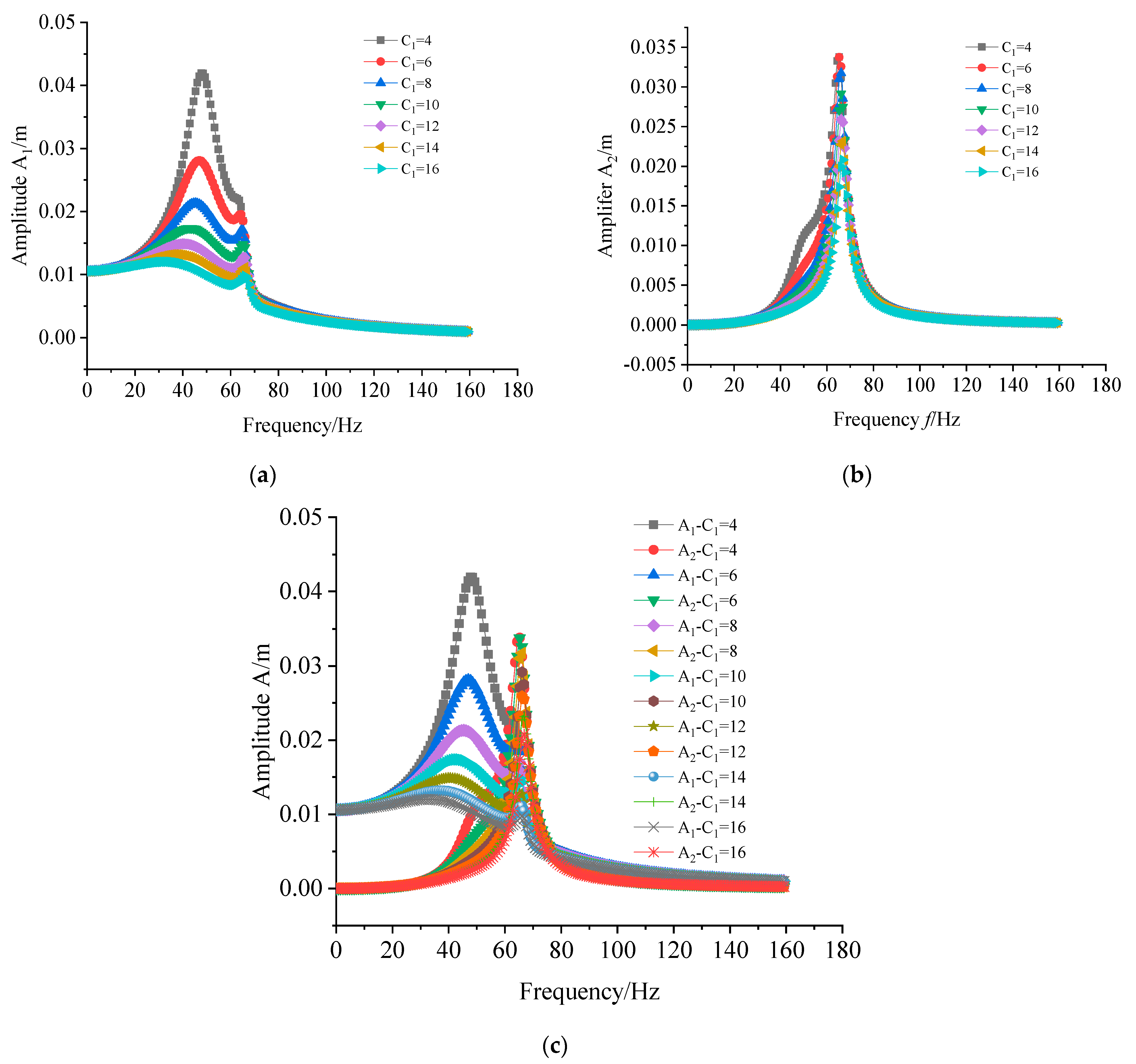
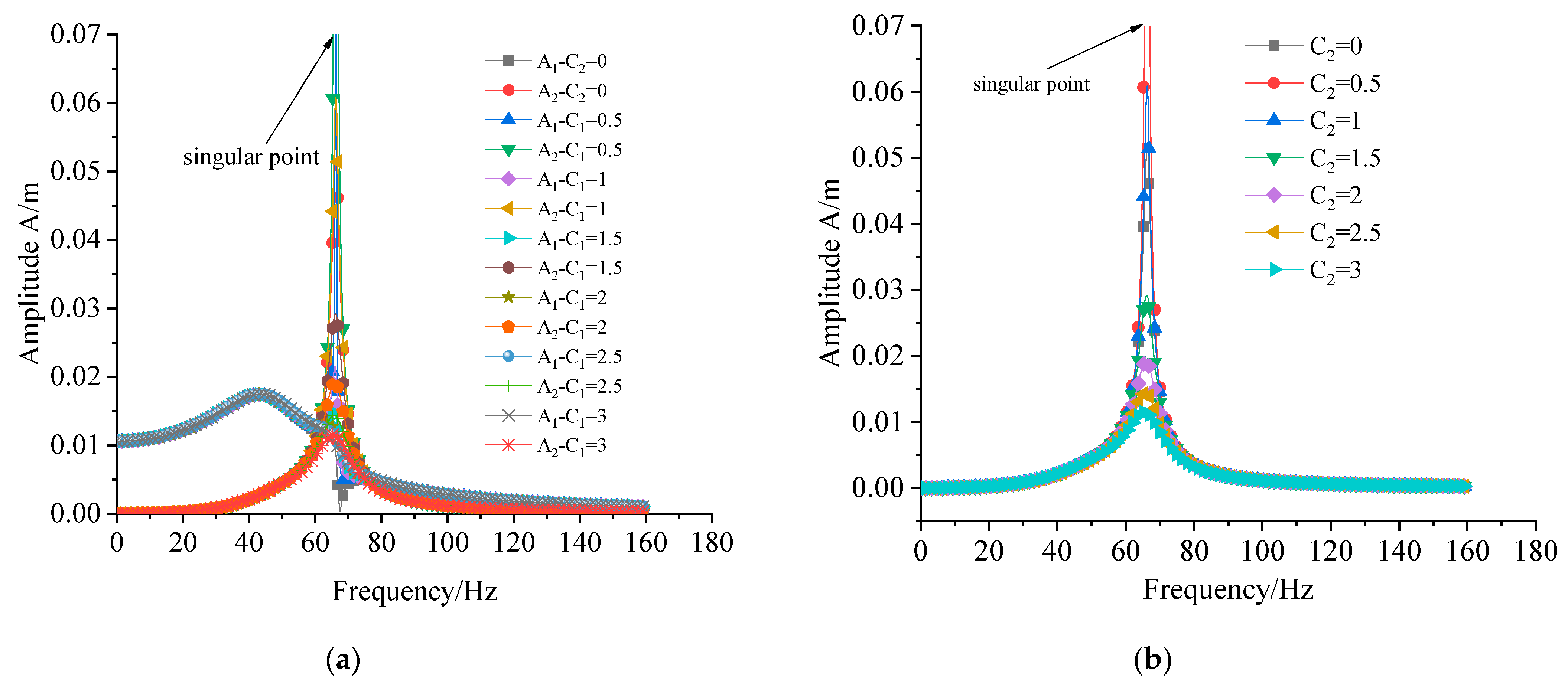
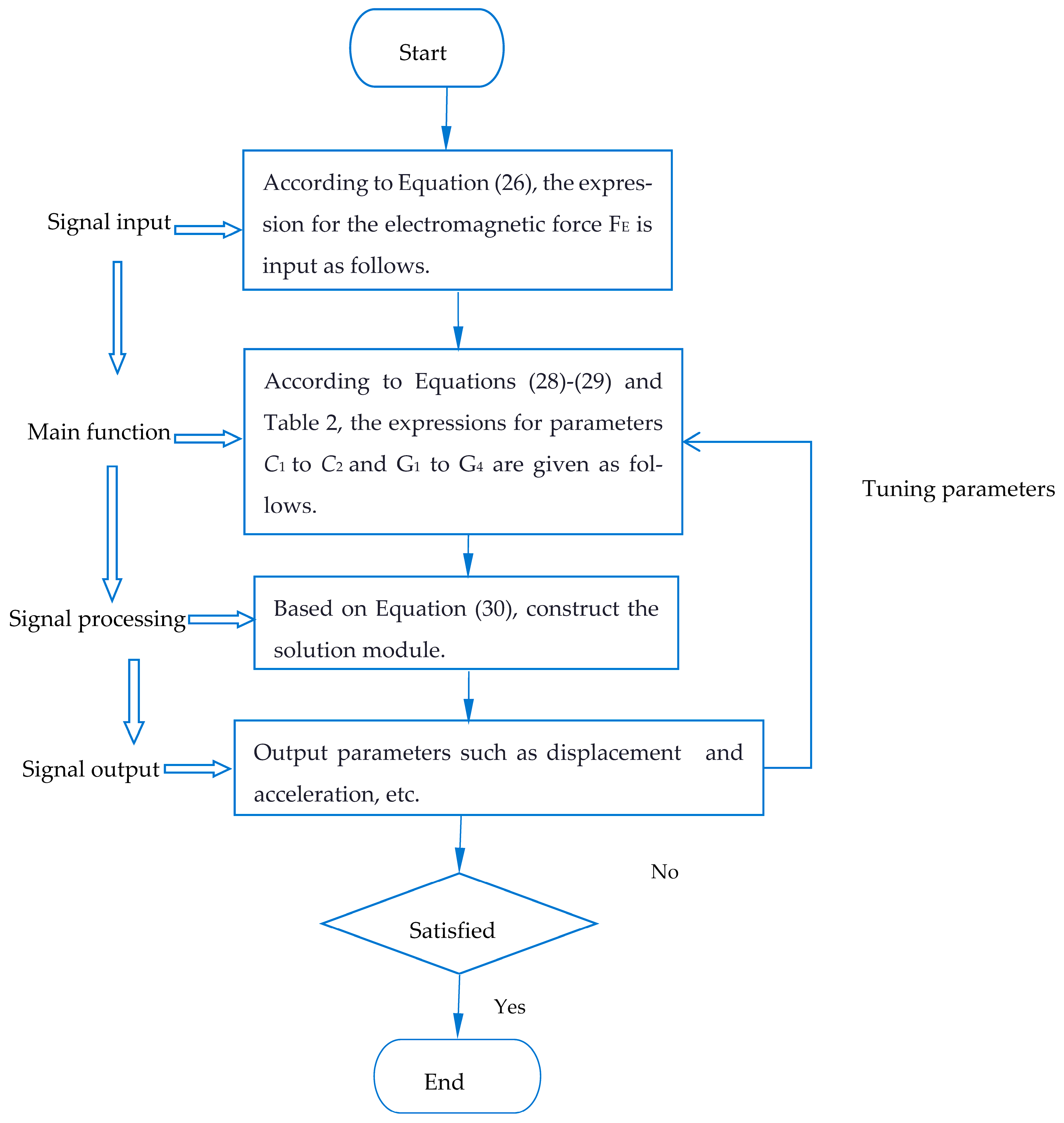
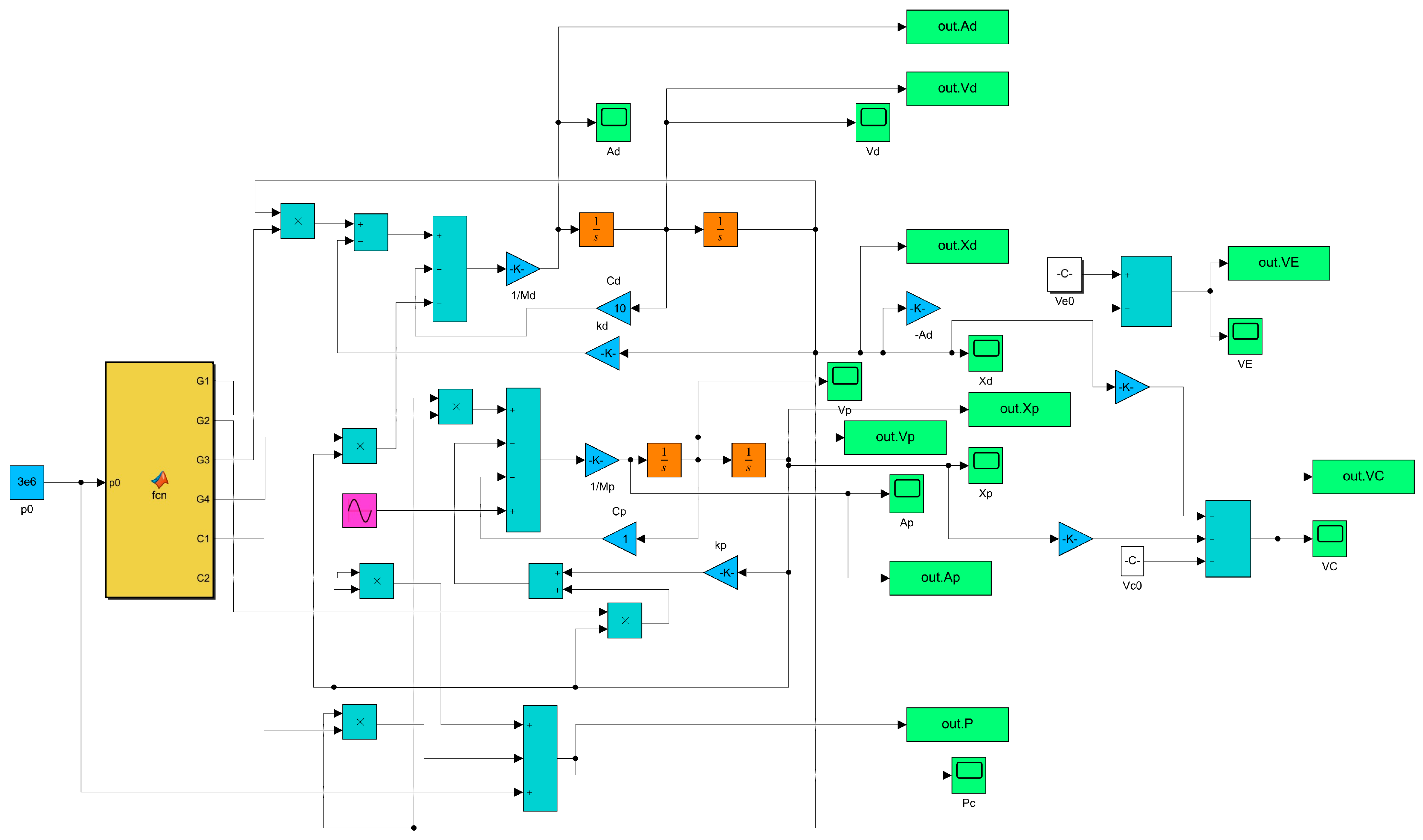
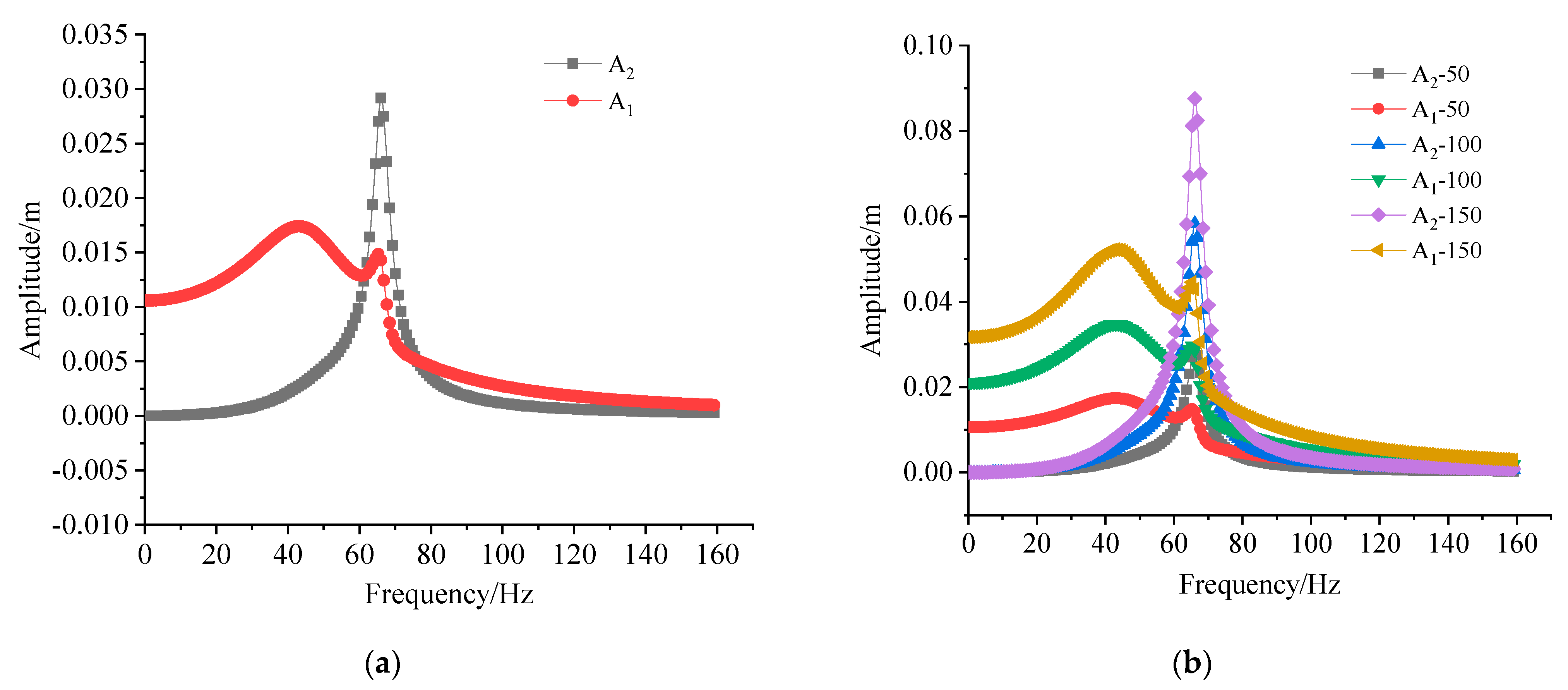
Unlike traditional free-piston Stirling heat engines or heat pumps, the free piston Stirling air conditioning (FPSAC) is specifically designed for electric vehicle air conditioning under ambient room temperature conditions. In the FPSAC system, the displacer and the power piston are coupled through gas forces, emphasizing the importance of investing the thermodynamic–kinetic coupling characteristics. This study analyzed the damping terms within the dynamic equations of the FPSAC model and solved these equations to reveal system dynamics. By linearizing the working chamber’s pressure, the study examined the machine’s dynamic behavior, presenting solutions for amplitude and phase angle. Derived expressions for the displacement and acceleration of both the power piston and the displacer further support this analysis. The research evaluates the influence of driving force on amplitude and phase angle, alongside the impact of damping coefficients, thereby isolating thermodynamic–dynamic coupling characteristics. Control equations integrating dynamics and thermodynamics were developed, and a comprehensive system model was constructed using MATLAB(2020a)/Simulink to simulate acceleration and displacement variation in the pistons. Key findings include: (1) a positive correlation between driving force and displacer, where increased force leads to higher amplitudes; (2) a frequency of 65 Hz reveals a singularity occurs in displacer amplitude, resulting in system instability; (3) phase angle between pistons reduces to below 10° when the driving force exceeds 150 N; and (4) the power piston’s amplitude decreases with an increase in damping C1, while changes in damping C2 primarily affect the displacer’s singularity position around 65 Hz, with higher C2 values shifting the singularity to lower frequencies.
Keywords: thermodynamics–dynamics; coupling; amplitude; phase; damping; vibration thermodynamics–dynamics; coupling; amplitude; phase; damping; vibration