Article

Detection of Cavitation in a Centrifugal Pump-as-Turbine Using Time-Domain-Based Analysis of Vibration Signals


Department of Civil, Structural and Environmental Engineering, Trinity College Dublin, D02 PN40 Dublin, Ireland
*
Author to whom correspondence should be addressed.
Energies 2024, 17(11), 2598; https://doi.org/10.3390/en17112598
Submission received: 29 April 2024 / Revised: 23 May 2024 / Accepted: 25 May 2024 / Published: 28 May 2024
(This article belongs to the Section A3: Wind, Wave and Tidal Energy)

Abstract

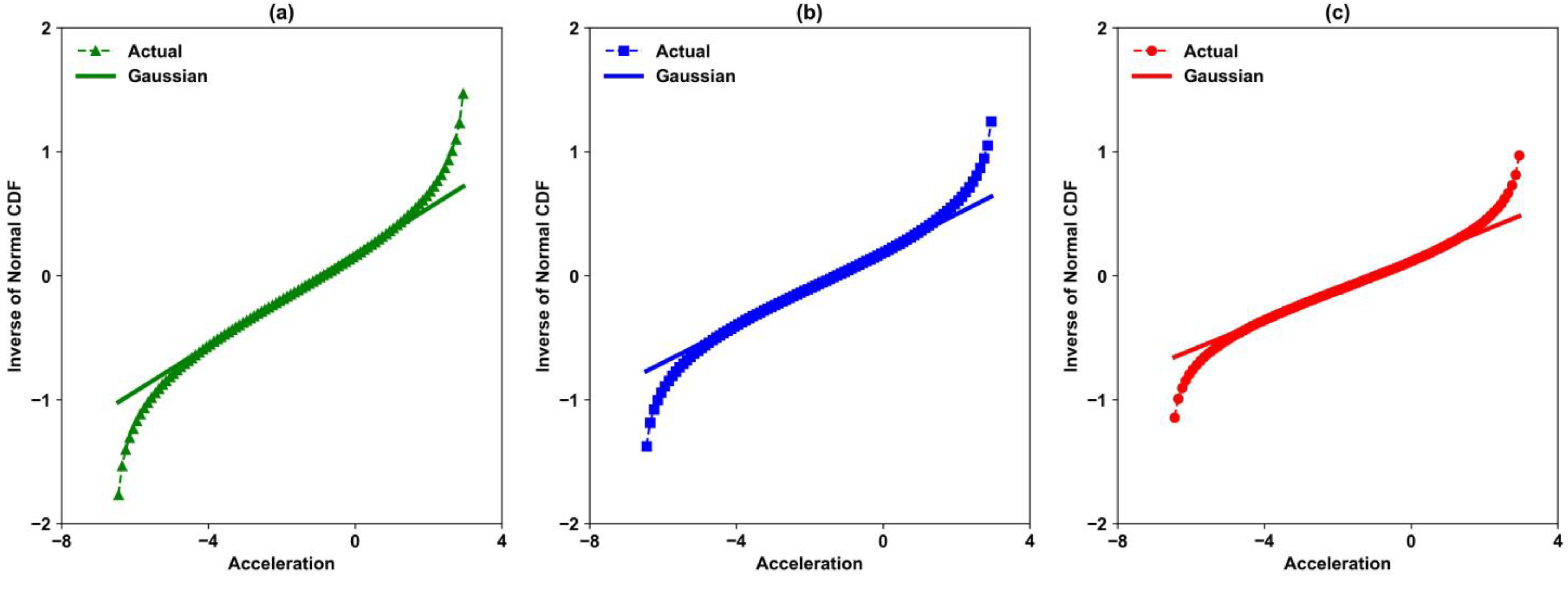
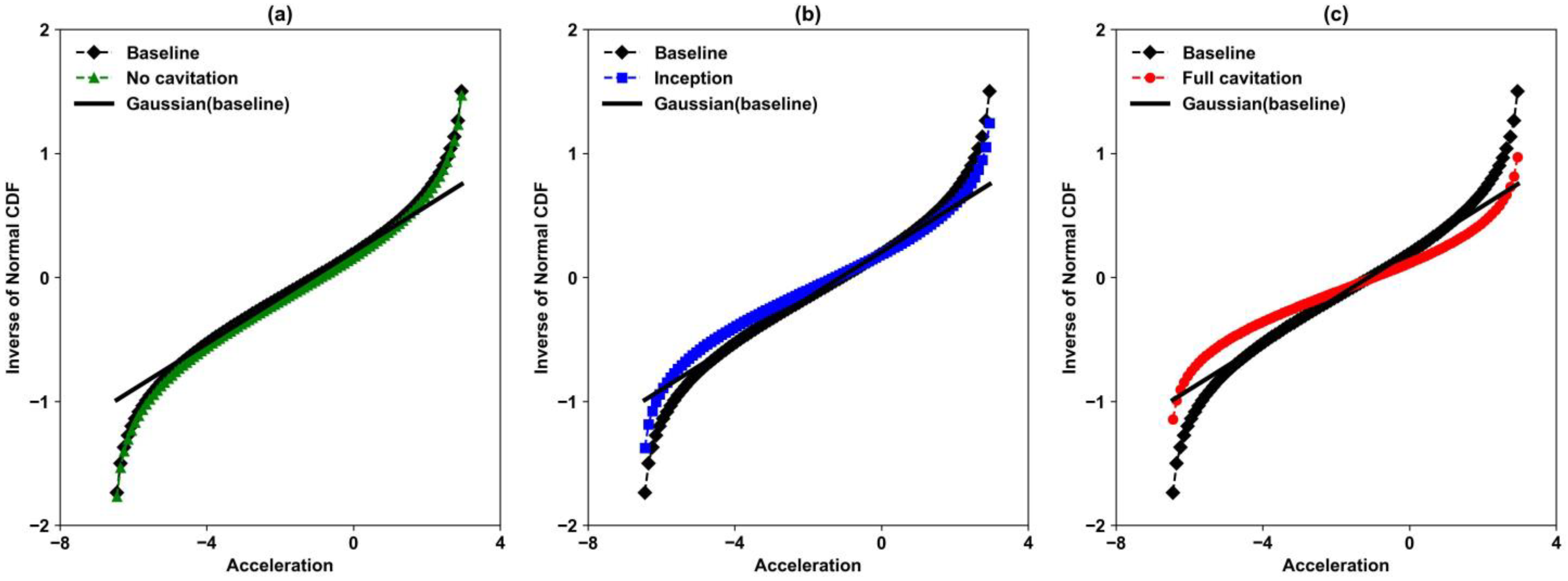
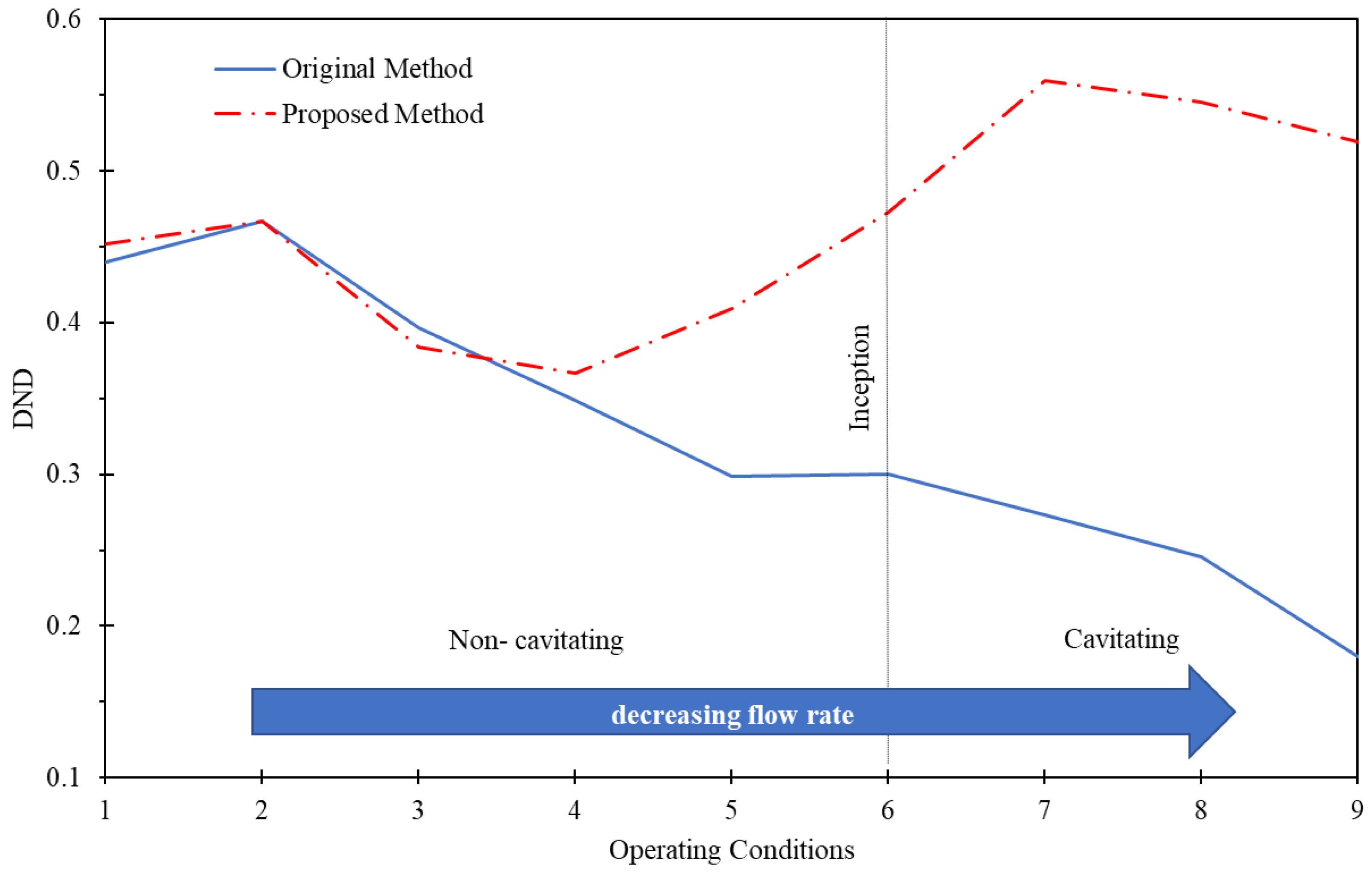
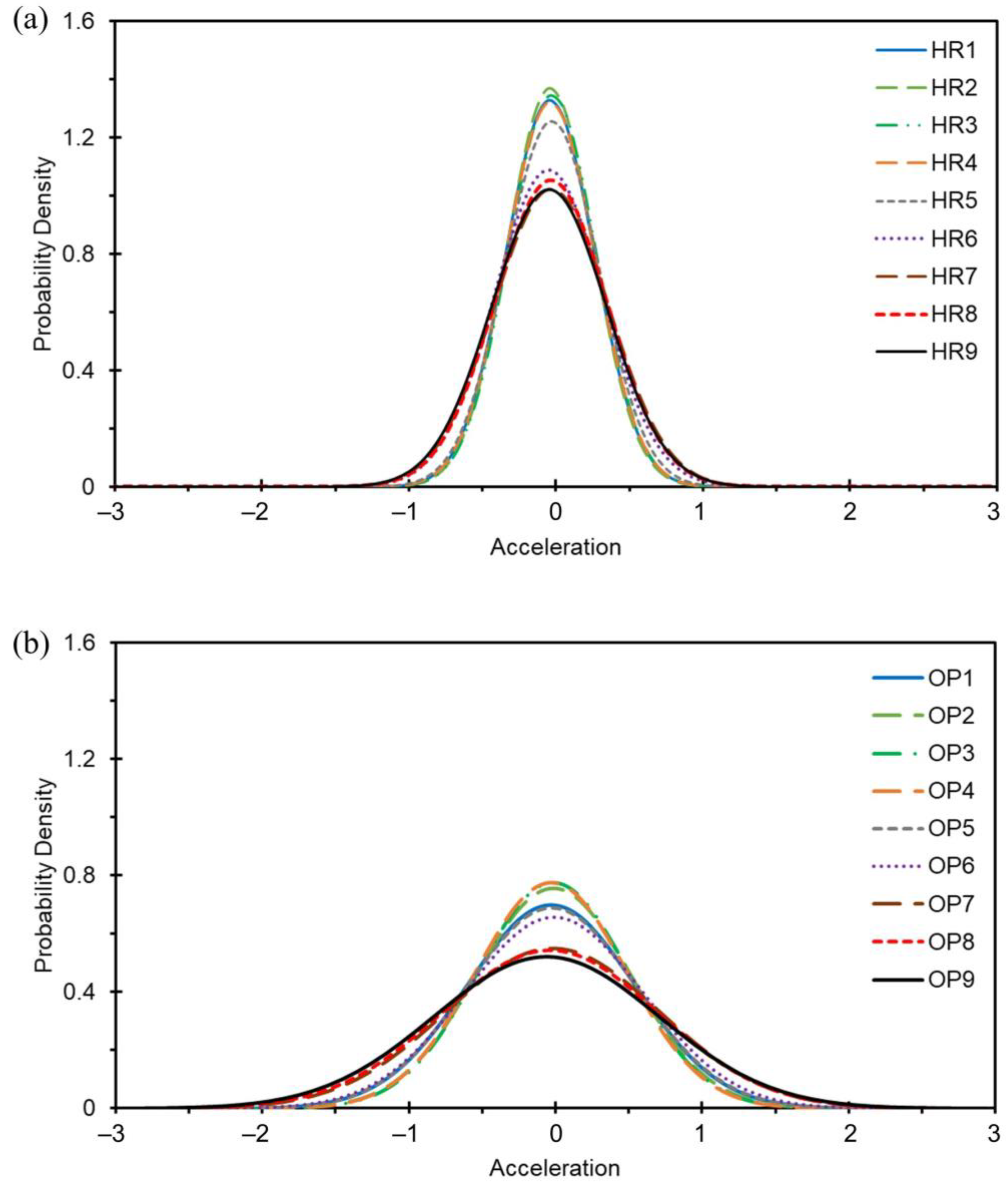
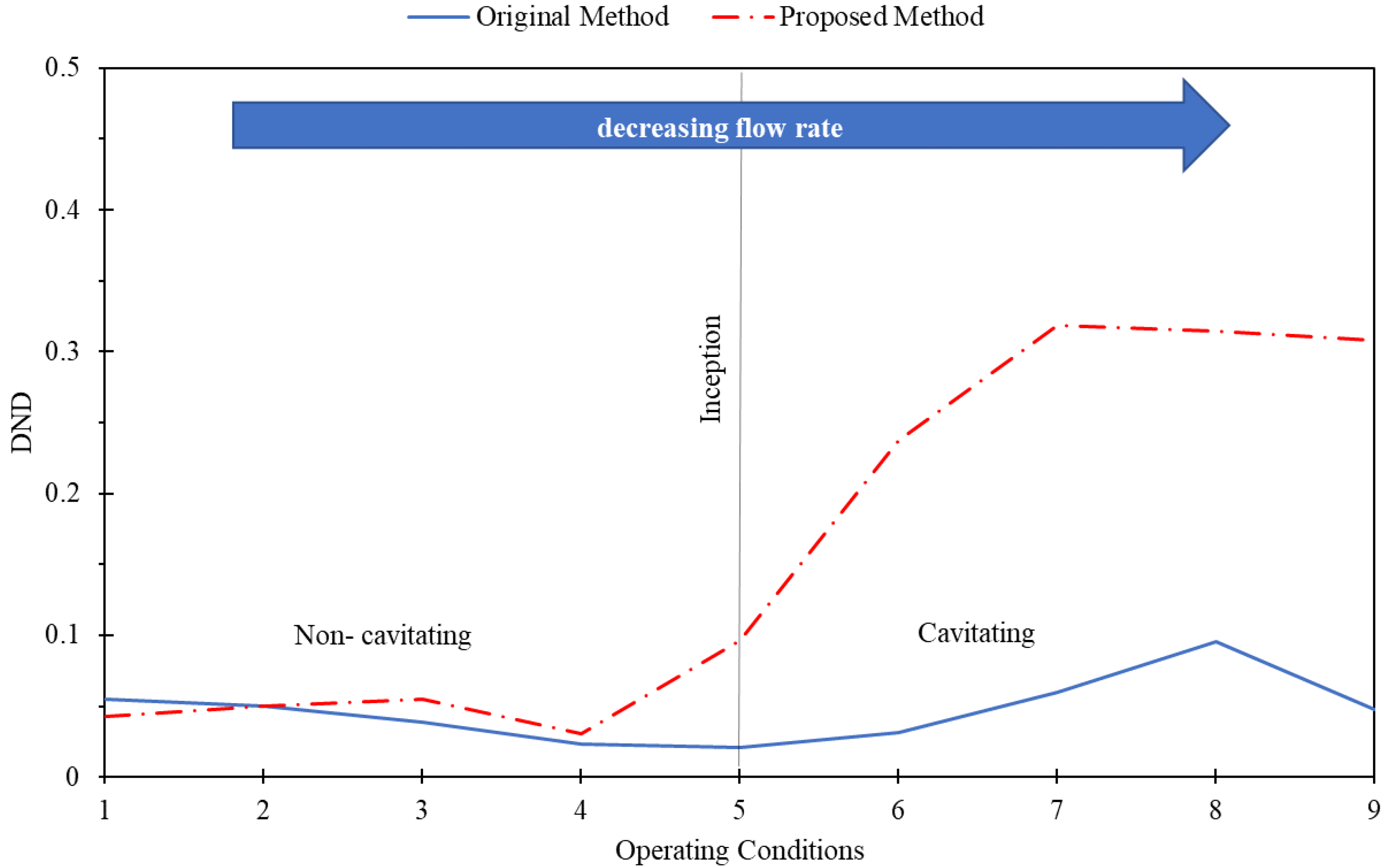
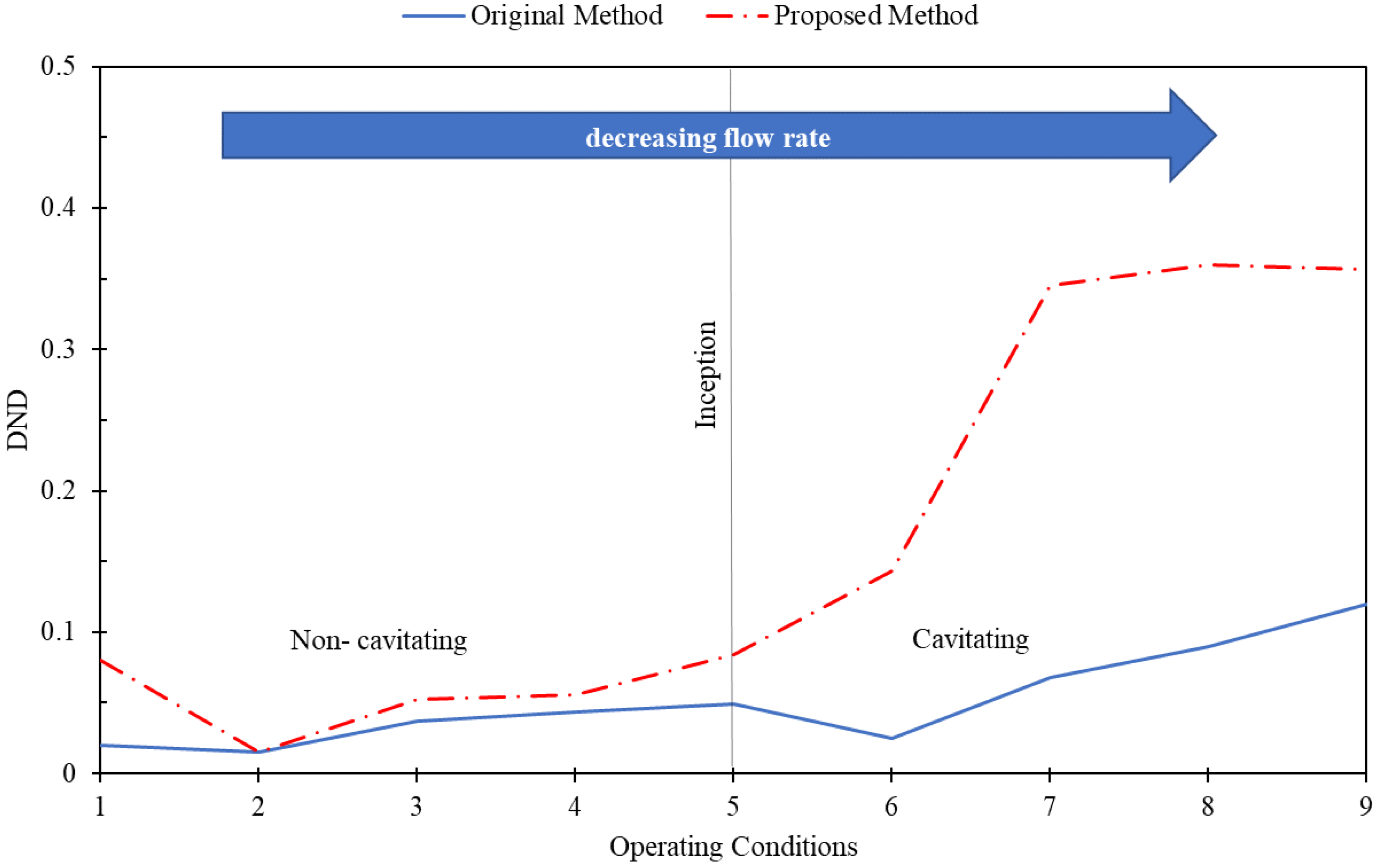
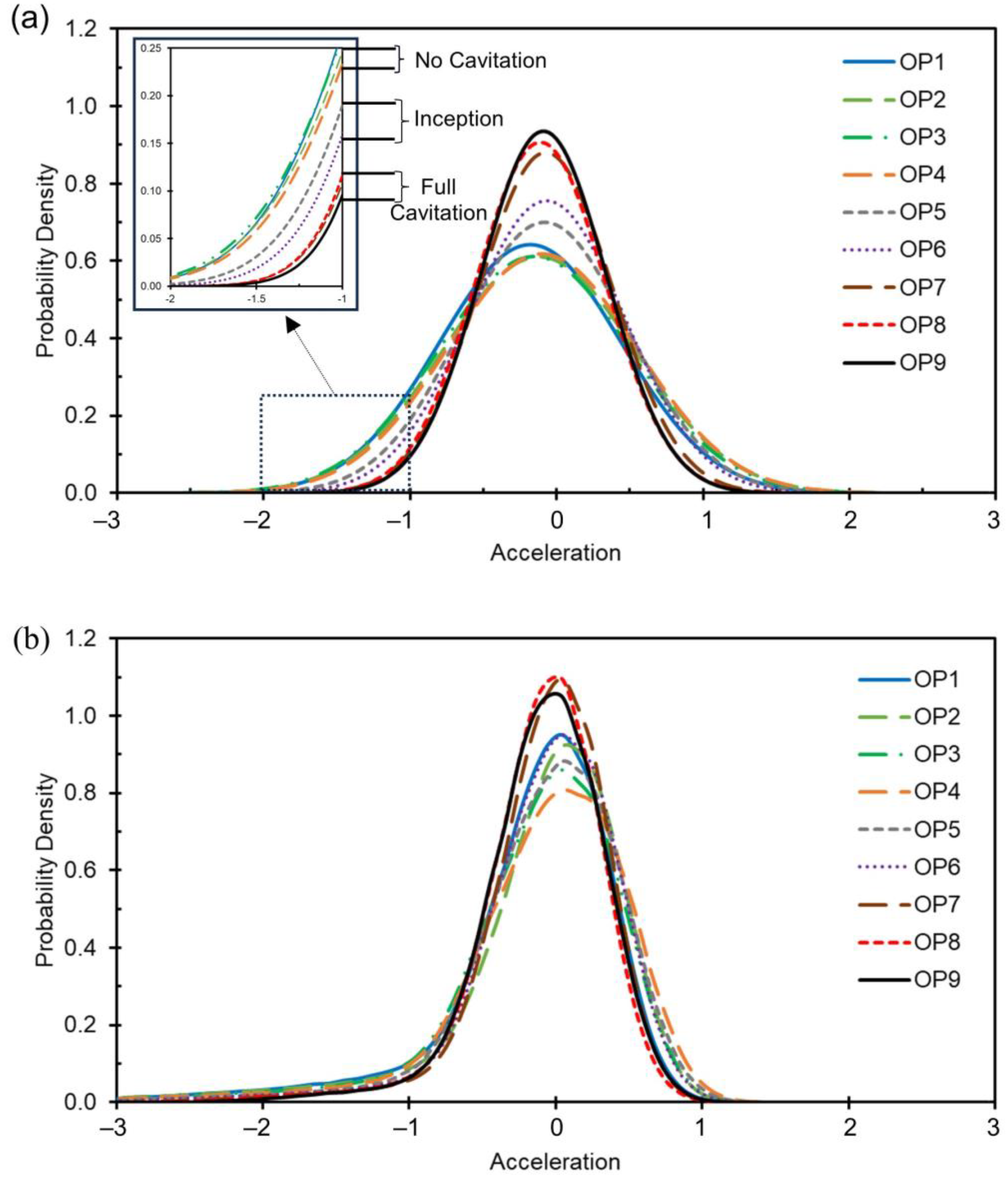
Pumps-as-Turbines (PATs) are increasingly used in micro-hydropower applications due to their cost competitiveness that is brought about by lower acquisition, design, operation, and maintenance costs. Despite these, limited research exists that investigates PAT failures. Notably, there is a literature gap concerning cavitation in PATs. As such, this study proposes an improvement to the deviation from the normal distribution (DND) technique to facilitate application in PAT cavitation detection. Probability density functions of vibration signals collected during operation at design speed and various cavitation states are developed and the DND computed using two approaches, i.e., the use of baseline data and the original method, for comparison purposes. Normal probability plots are presented to depict suitability of the two approaches in quantifying the DND. Results show higher deviation when using baseline data, hence, improved detection capabilities with amplification of the slope of the trend line under cavitating conditions when using the proposed DND approach. The proposed method also allows for establishing clear alarm limits for the condition monitoring of PATs in practice. Moreover, the proposed method is validated by application at various PAT operating speeds and cavitation states. The proposed method is found to be responsive, reliable, and independent from operating speed.
Keywords: cavitation detection; condition monitoring; pumps-as-turbines; health monitoring; time domain analysis; vibration analysis cavitation detection; condition monitoring; pumps-as-turbines; health monitoring; time domain analysis; vibration analysis