Article

Energy Taxation Reform with an Environmental Focus in Portugal

by
Alfredo Marvão Pereira
* and
Rui Marvão Pereira
Department of Economics, William & Mary, Williamsburg, VA 23187, USA
*
Author to whom correspondence should be addressed.
Energies 2023, 16(3), 1232; https://doi.org/10.3390/en16031232
Submission received: 1 December 2022 / Revised: 14 January 2023 / Accepted: 17 January 2023 / Published: 23 January 2023

Abstract

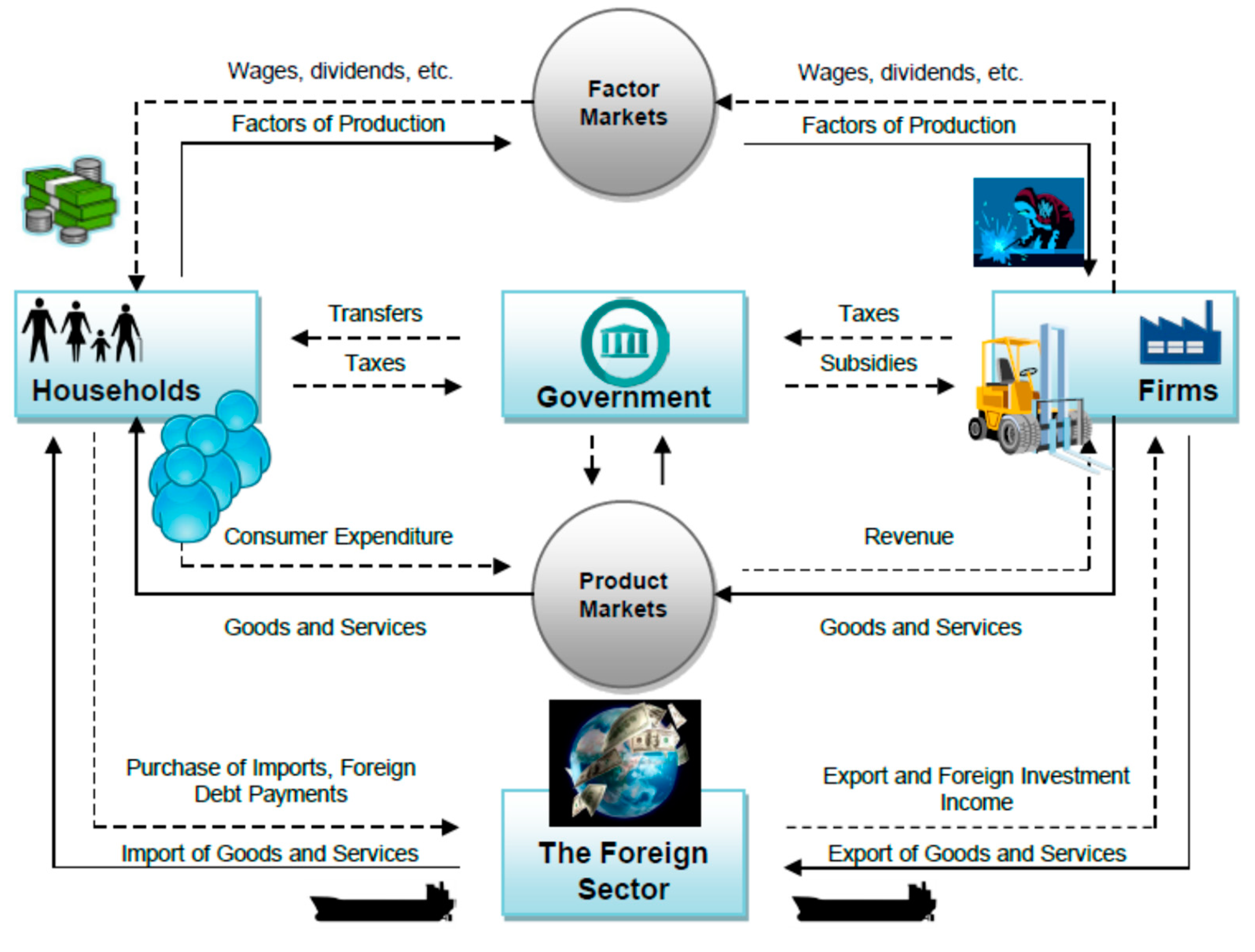
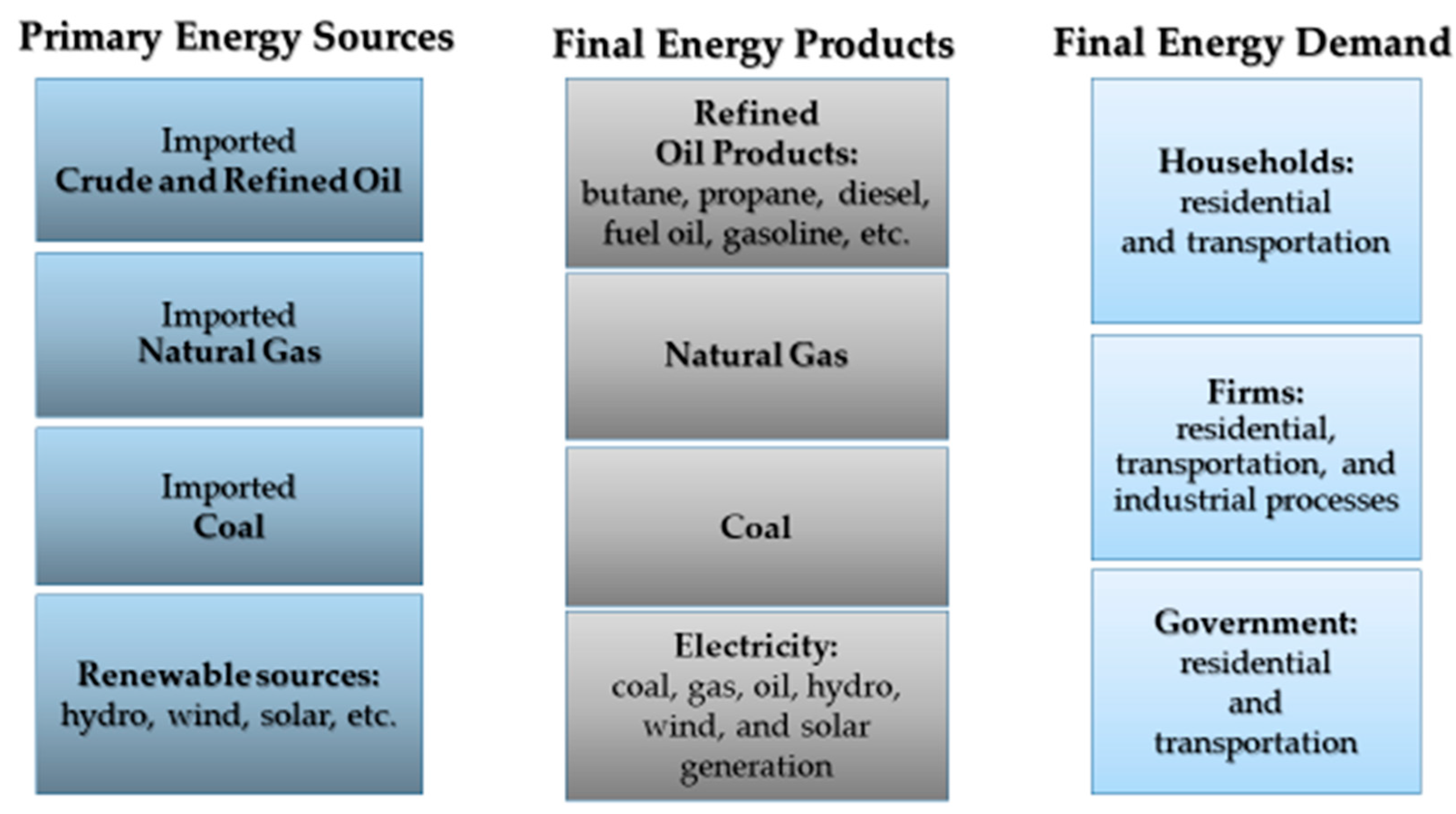
Climate change has made the decarbonization of the different domestic economies a widely accepted and urgent priority. Yet, this is a very challenging task in a largely uncharted territory. In this context, in this paper, we address the issue of energy taxation reform with an environmental focus in Portugal. We do so using a multi-sector and multi-household dynamic computable general equilibrium model of the Portuguese economy. We analyze the environmental, macroeconomic, and distributional effects of different policies replacing current energy taxation with carbon taxation and, then, extend the carbon taxation to the levels necessary to achieve the IPCC 2018 emissions reduction targets. Our analysis indicates a clear path in the quest for decarbonization. First, replace energy taxes with a carbon tax; second, adopt the levels of carbon taxation necessary to achieve the emissions goals; third, use extra tax revenues from the carbon tax to reverse any potential adverse macroeconomic and distributional effects of carbon taxation. In the process, this would be a way around the pervasive problem of perverse fossil fuel subsidies, which would effectively disappear and, as such, would improve the efficiency of the tax system.
Keywords: energy taxes; perverse fossil fuel subsidies; CO2 taxation; macroeconomic effects; distributional effects; dynamic computable general equilibrium; Portugal energy taxes; perverse fossil fuel subsidies; CO2 taxation; macroeconomic effects; distributional effects; dynamic computable general equilibrium; Portugal